Introduction
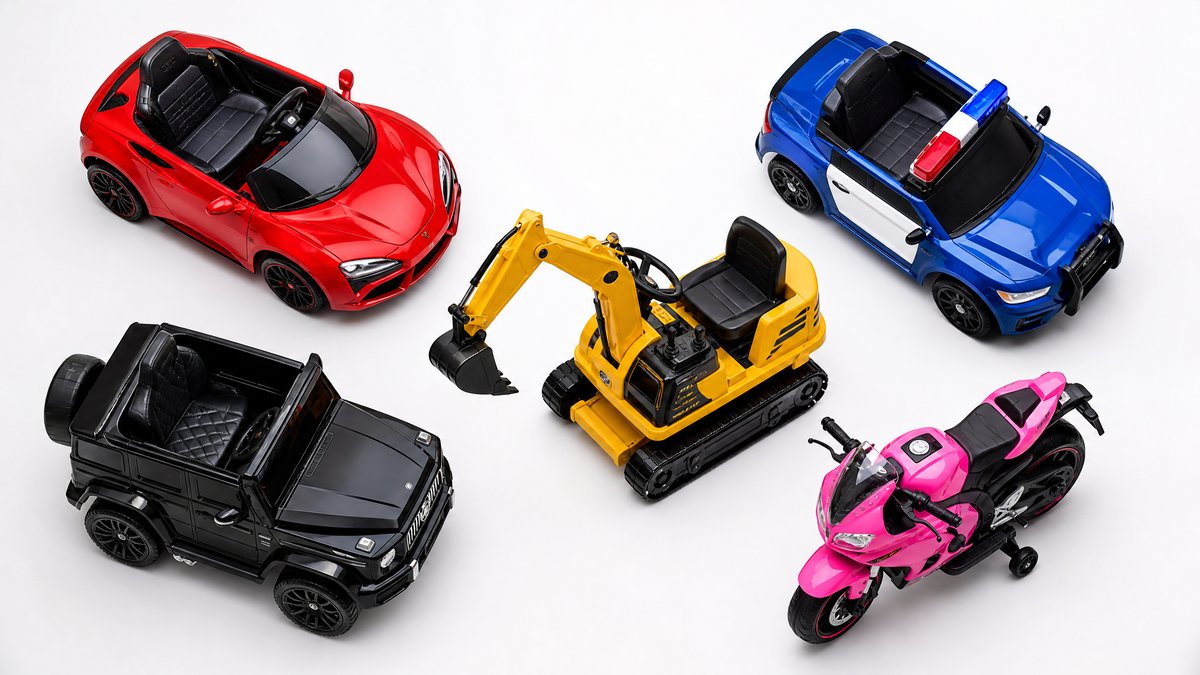
The global market for children's battery-powered ride-on vehicles has experienced continuous commercial evolution. Importers, distributors, showroom owners, and e-commerce retailers constantly evaluate product categories to optimize inventory turnover, ensure customer satisfaction, and maintain rigorous safety compliance. Among the most frequent strategic decisions faced by B2B buyers is whether to source officially licensed ride-on cars—replicas associated with automotive brands such as Mercedes-Benz, BMW, Lamborghini, Ford, and Audi, if equipped and available—or to invest in generic, unbranded ride-on models.
Answering whether licensed ride-on cars are categorically superior to generic alternatives requires moving past subjective visual preferences and examining objective commercial, technical, and regulatory factors. Both categories serve distinct market segments, price points, and consumer expectations. Licensed models often command higher brand recognition and targeted marketing advantages, whereas generic models frequently provide accessible entry points, flexible feature configurations, and competitive volume pricing. When evaluating platform sourcing, pricing, inventory, or order terms, buyers must always check current product pages, seller terms, and platform policies rather than assuming fixed standards.
This comprehensive B2B evaluation framework examines the structural, legal, material, and commercial differences between licensed and generic ride-on vehicles. By analyzing compliance standards, manufacturing precision, component durability, and retail positioning, wholesale buyers can establish robust procurement strategies tailored to regional compliance frameworks. All operational decisions, feature claims, component performance, and safety protocols must be verified against manufacturer specifications, official user manuals, and regional regulatory standards.
Understanding Licensed vs. Generic Ride-On Cars: Core Definitions
To evaluate the relative merits of licensed versus generic ride-on cars, buyers must first understand fundamental distinctions in their design, authorization, and manufacturing lifecycles.
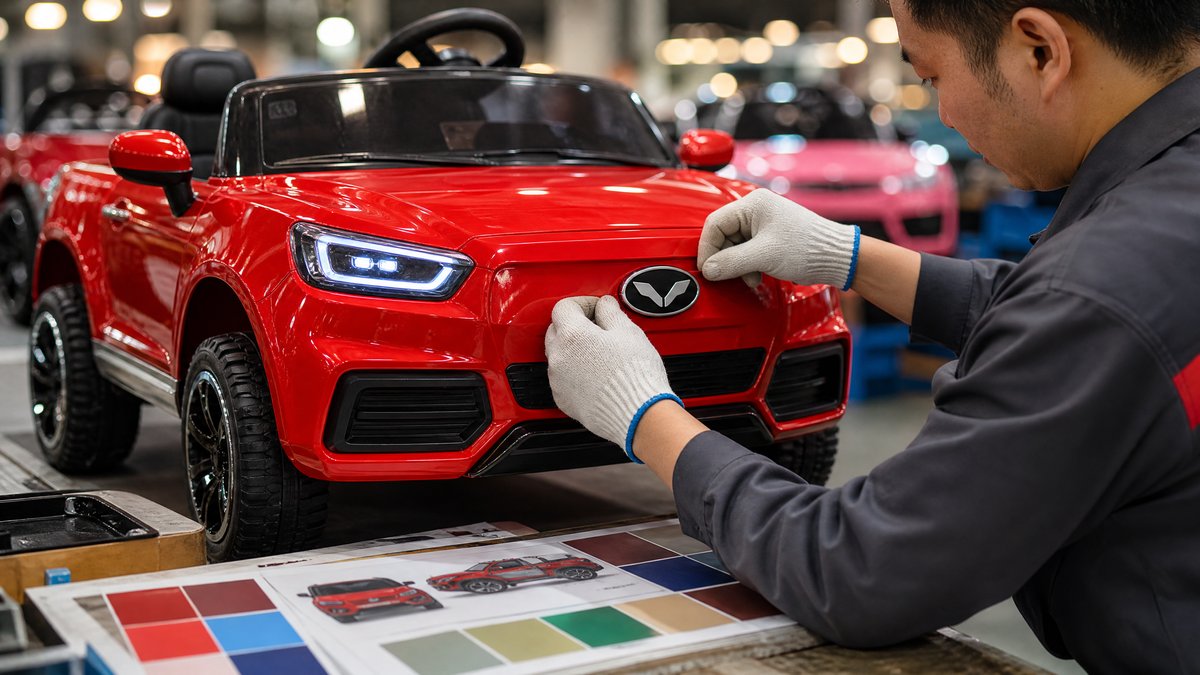
Officially licensed ride-on vehicles are manufactured under formal legal agreements between toy producers and automotive brand holders. These agreements involve quality control protocols, adherence to brand guidelines, and licensing frameworks. Design elements—such as exterior grille styling, emblem placement, wheel spoke patterns, and authorized colorways—are developed to mirror full-scale counterparts as closely as safety regulations, manufacturing constraints, and scale requirements permit. Specific design configurations, battery capacities, motor ratings, and feature sets may vary by model and production batch; buyers must confirm exact specifications in the product manual.
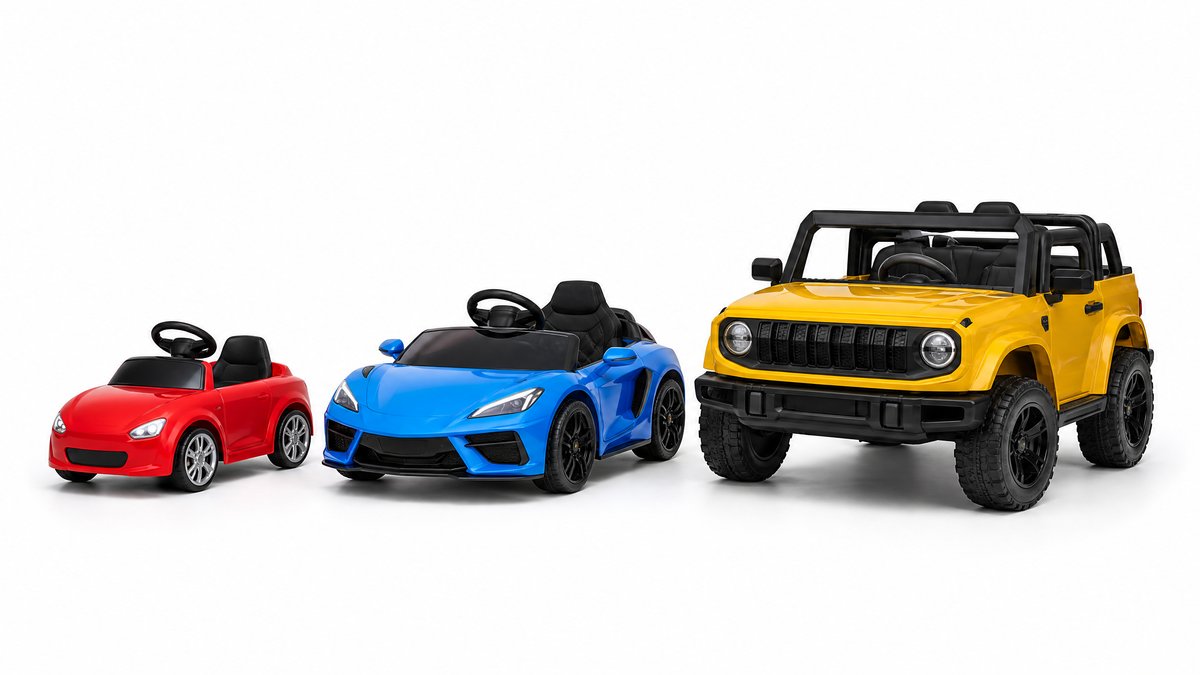
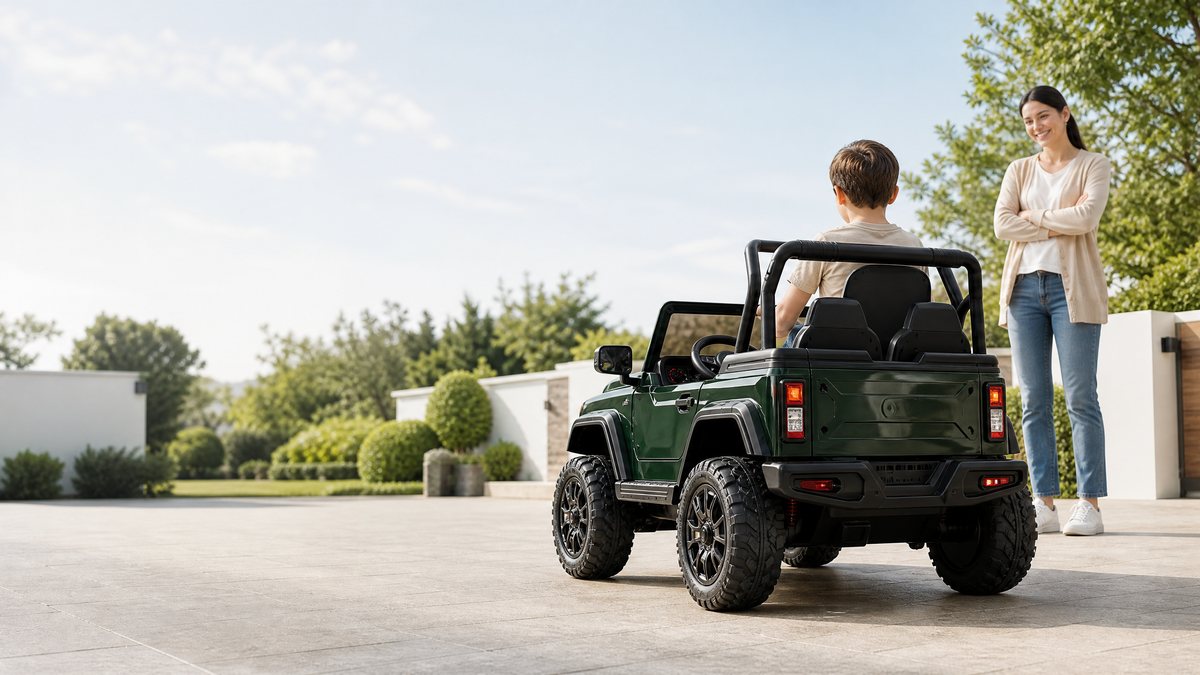
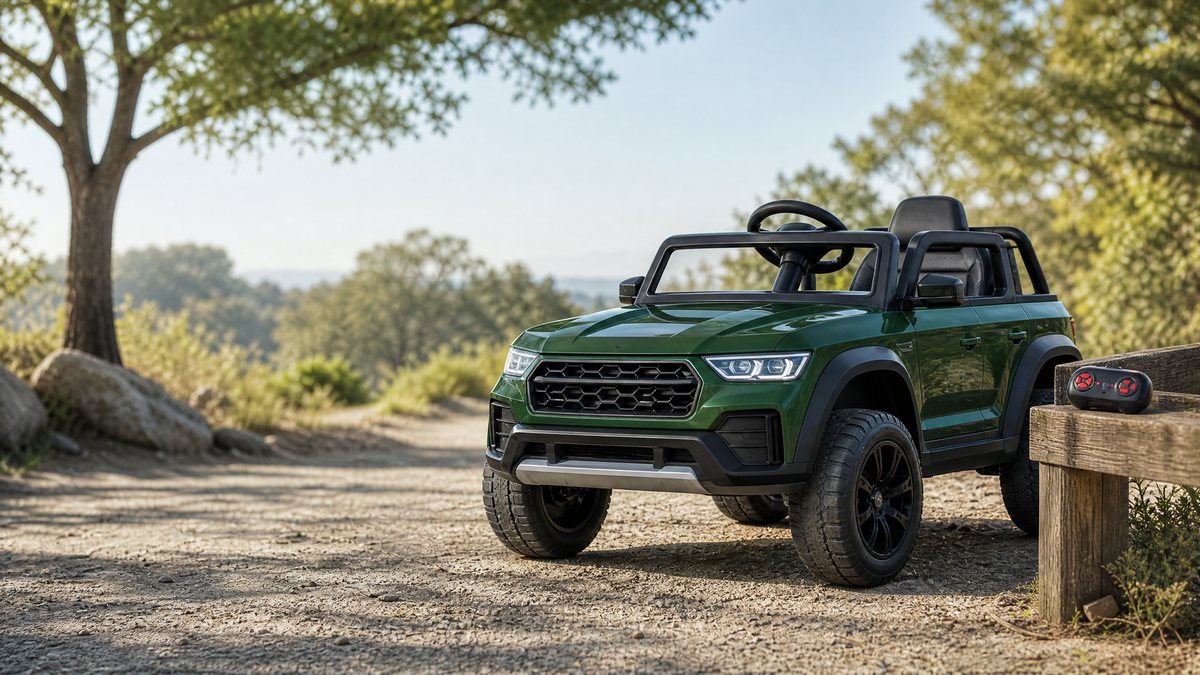
Conversely, generic ride-on cars are conceptualized, designed, and produced independently by manufacturing facilities without direct brand endorsement. While generic vehicles may draw general stylistic inspiration from contemporary sports cars, SUVs, or utility vehicles, they do not carry proprietary brand emblems or OEM-approved colorways. Instead, generic manufacturers focus on universal aesthetic appeal, functional versatility, and cost efficiency. Without the overhead of licensing royalties, generic models can be produced and retailed at accessible price points, making them attractive to value-conscious consumer segments.
From a B2B procurement perspective, the distinction between licensed and generic inventory extends beyond aesthetics. Licensed vehicles carry built-in brand association that can reduce marketing acquisition friction for retailers. Consumers searching for specific automotive brands recognize authentic styling cues. On the other hand, generic vehicles require retailers to build brand trust entirely around house brands or store reputations, shifting the marketing focus from the automotive marque to the retail seller. Platform terms, inventory availability, shipping fees, and return policies vary across channels; always check current product pages, seller terms, and platform policies.
Comparative Analysis: Design Fidelity and Aesthetic Appeal
The most immediate point of differentiation between licensed and generic ride-on cars lies in design fidelity and visual detailing. For retail buyers and consumers alike, visual appeal is a primary driver of initial interest.
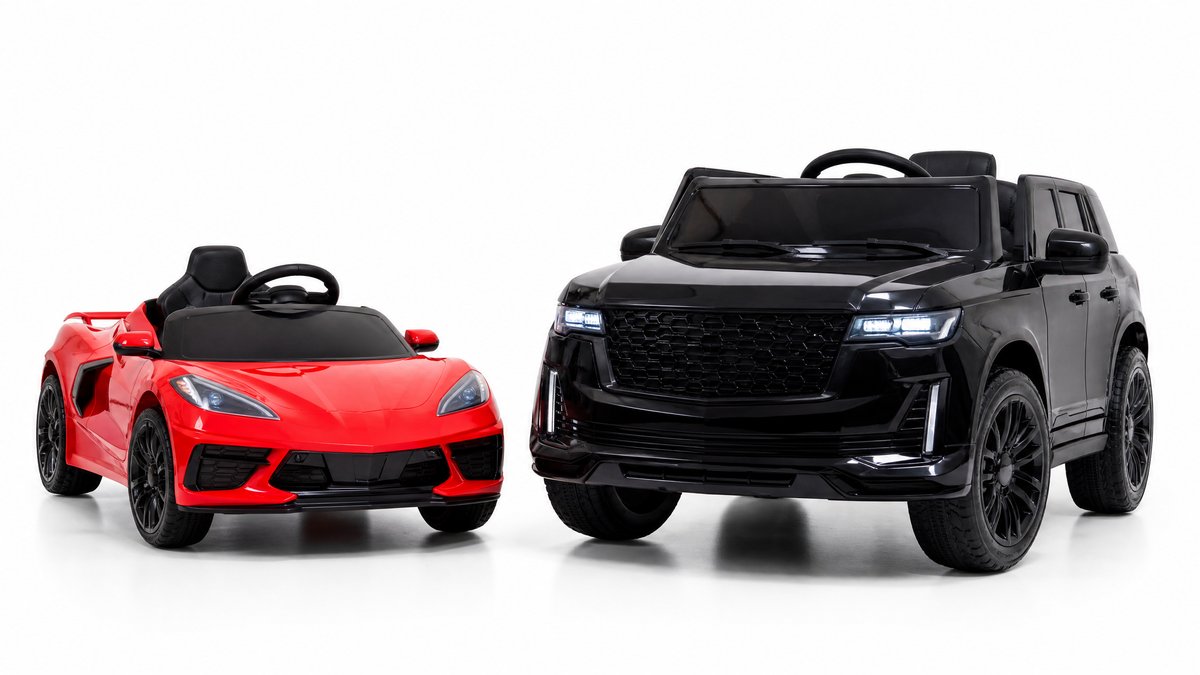
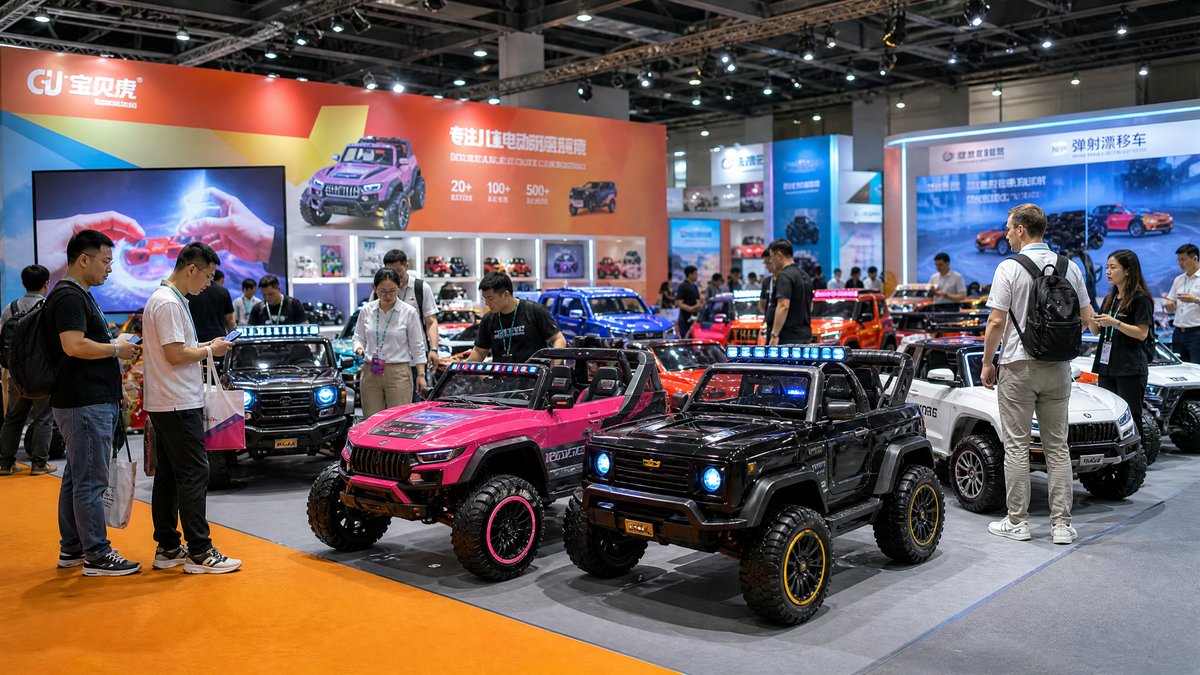
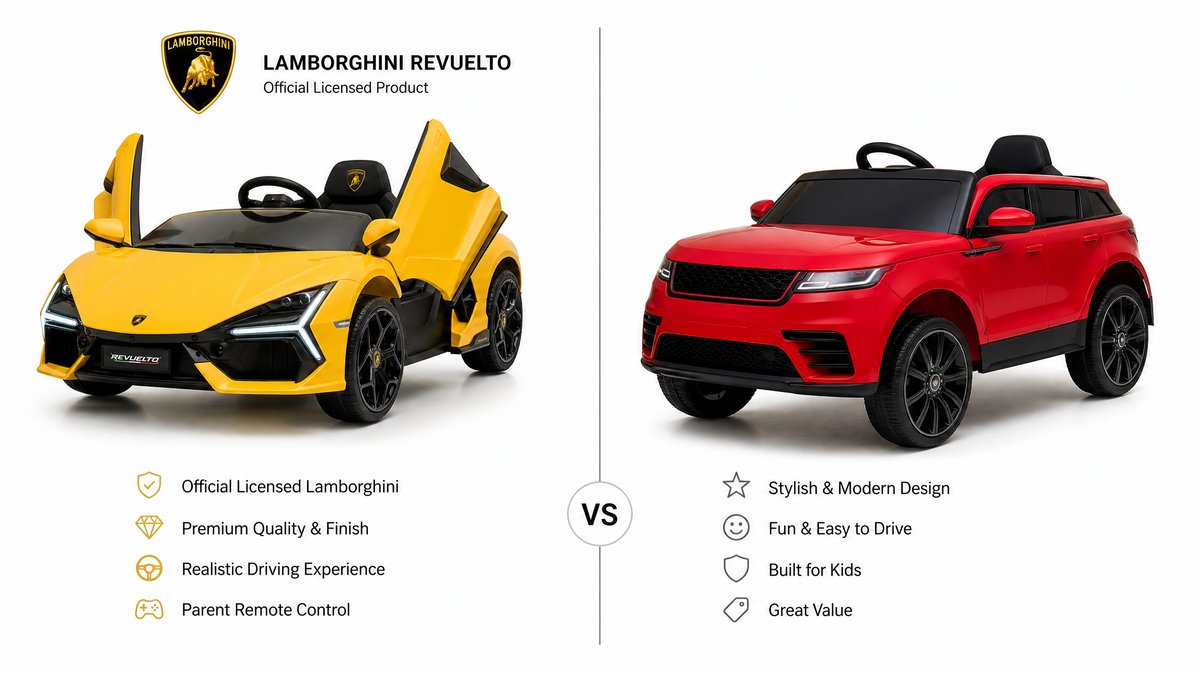
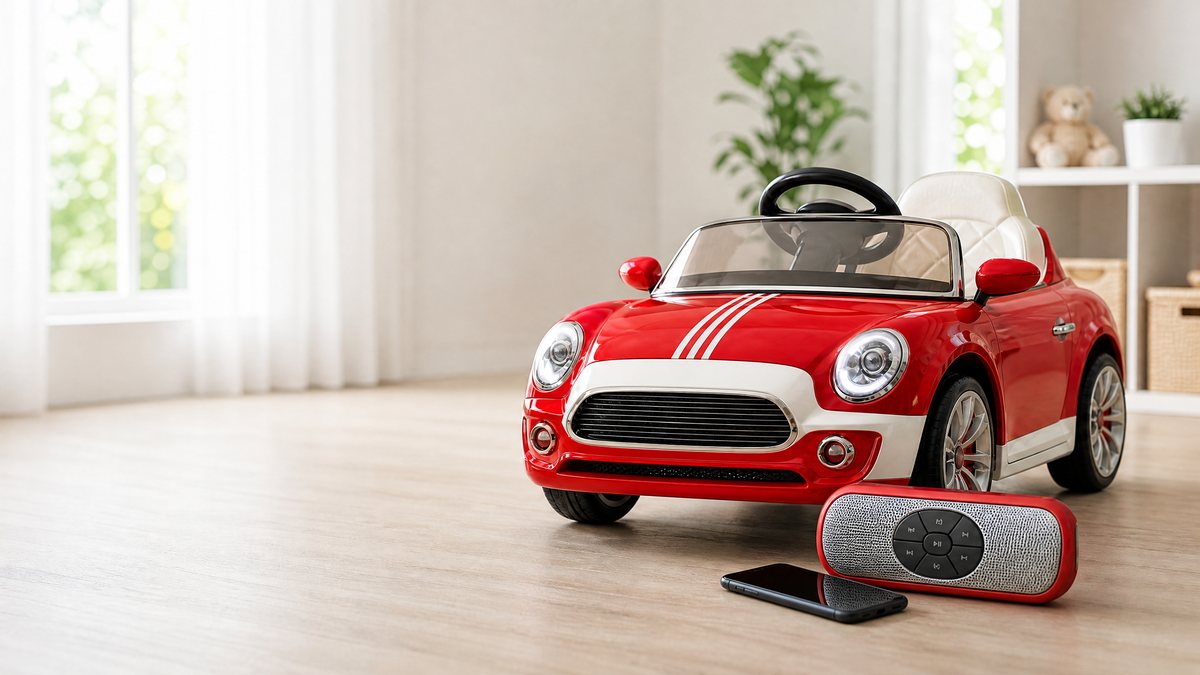
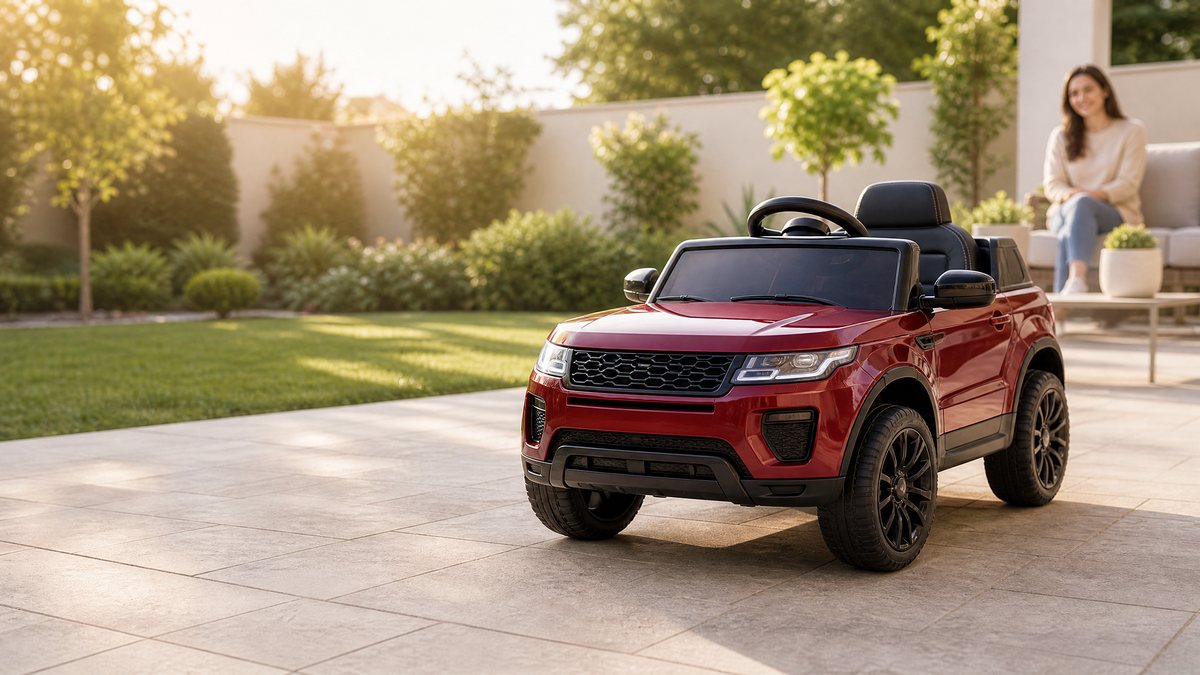
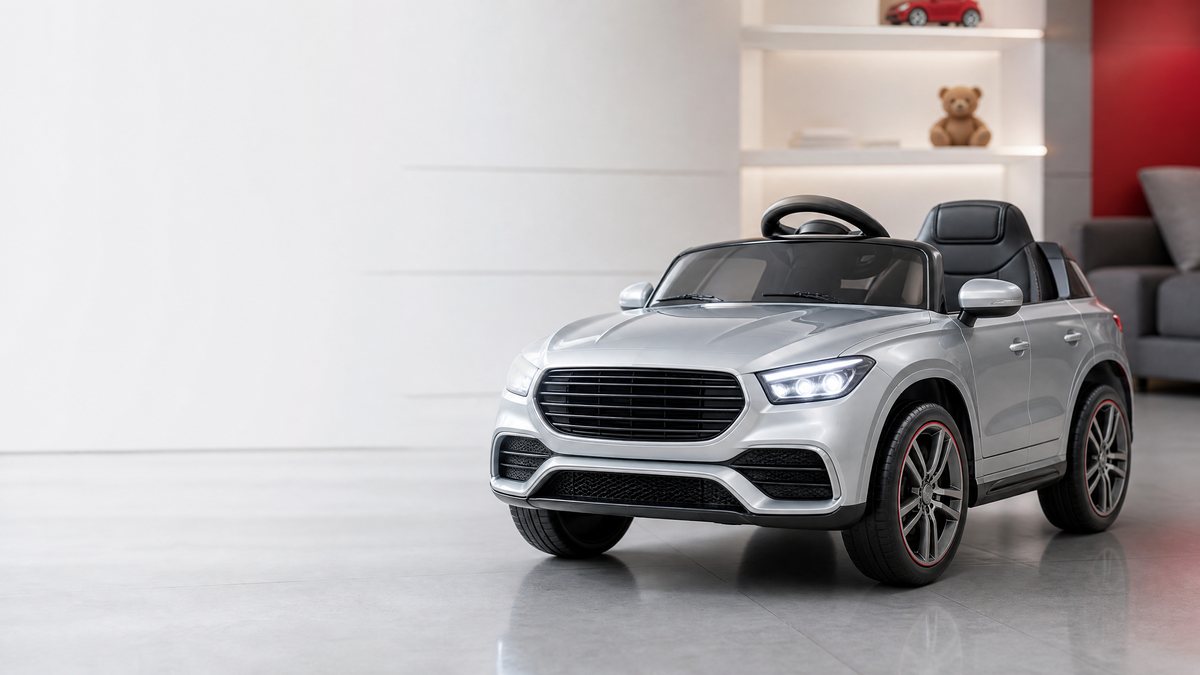
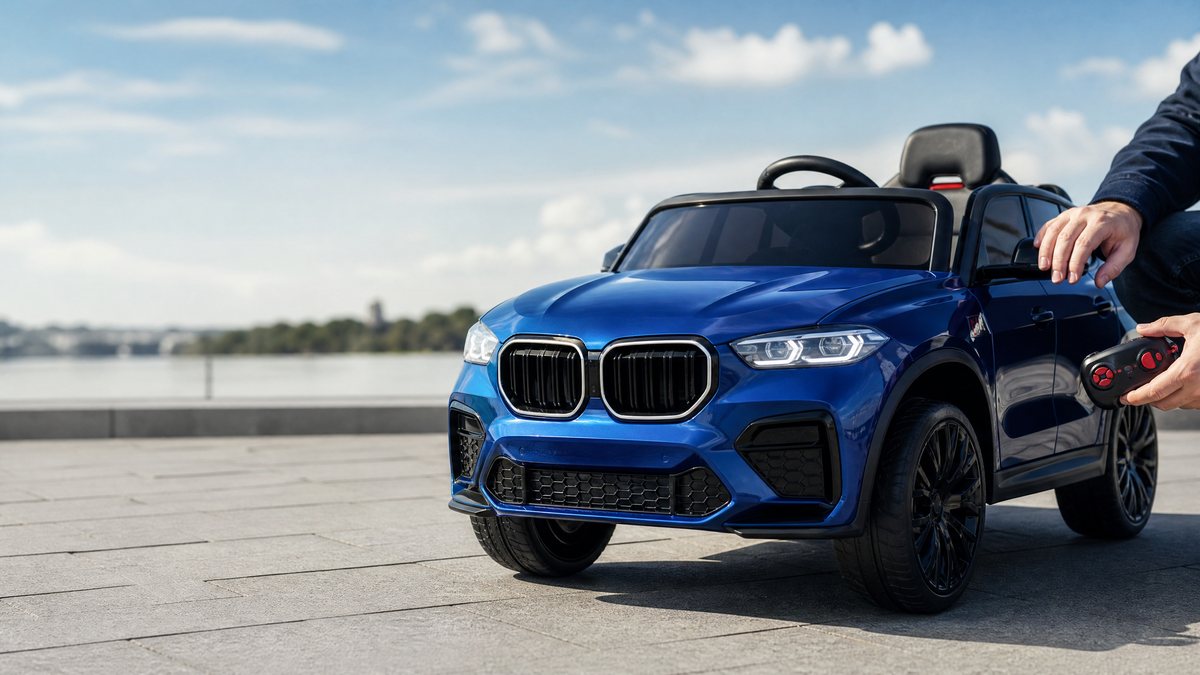
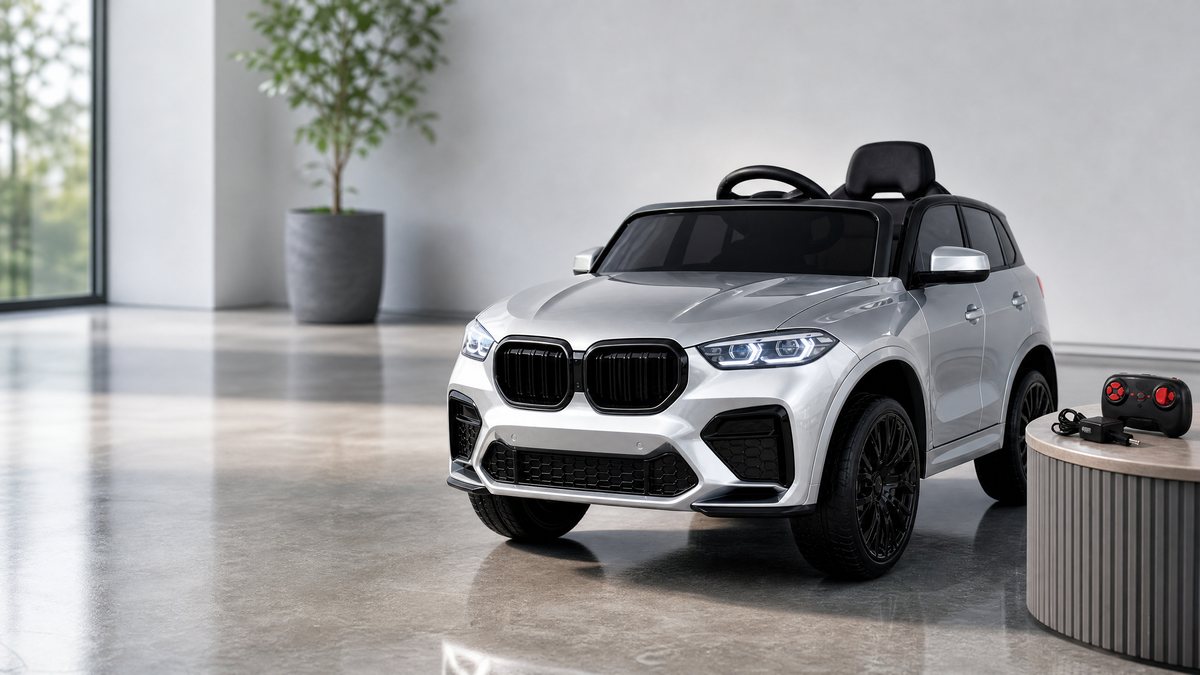
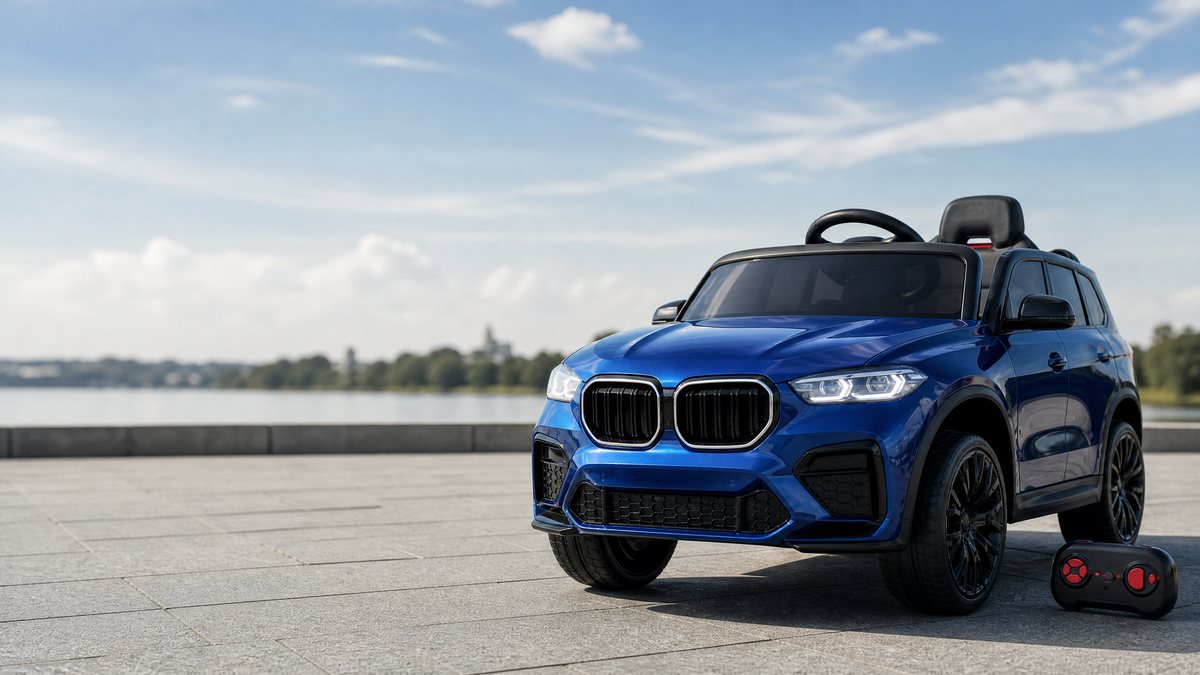
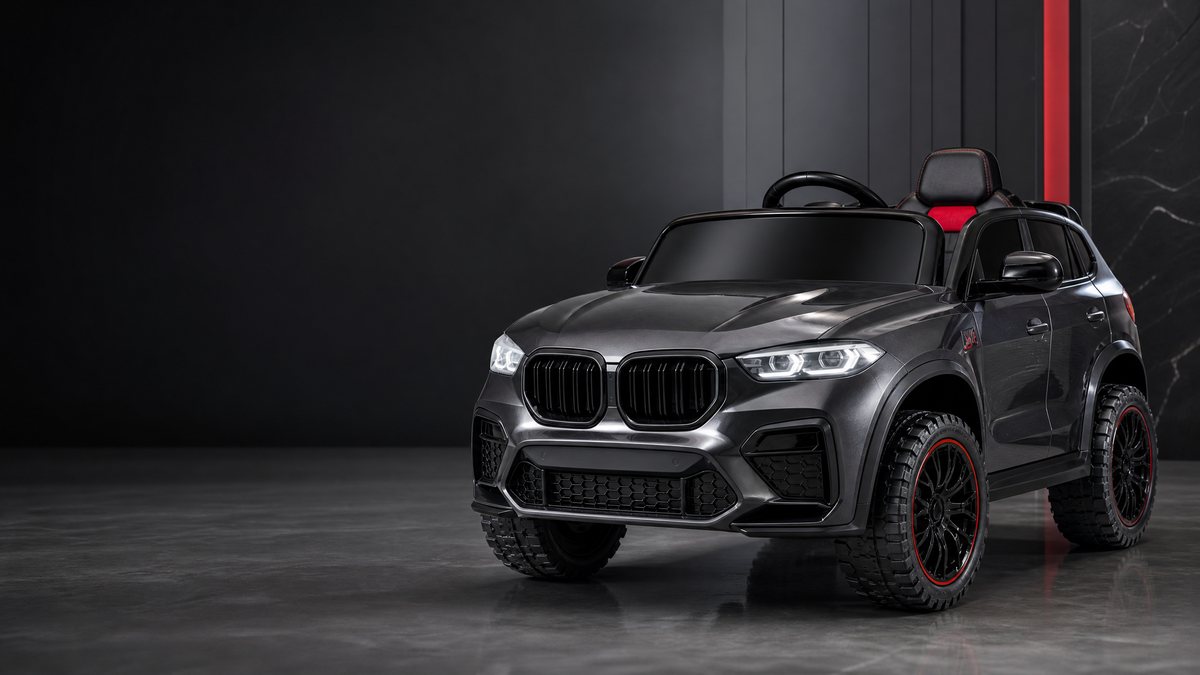
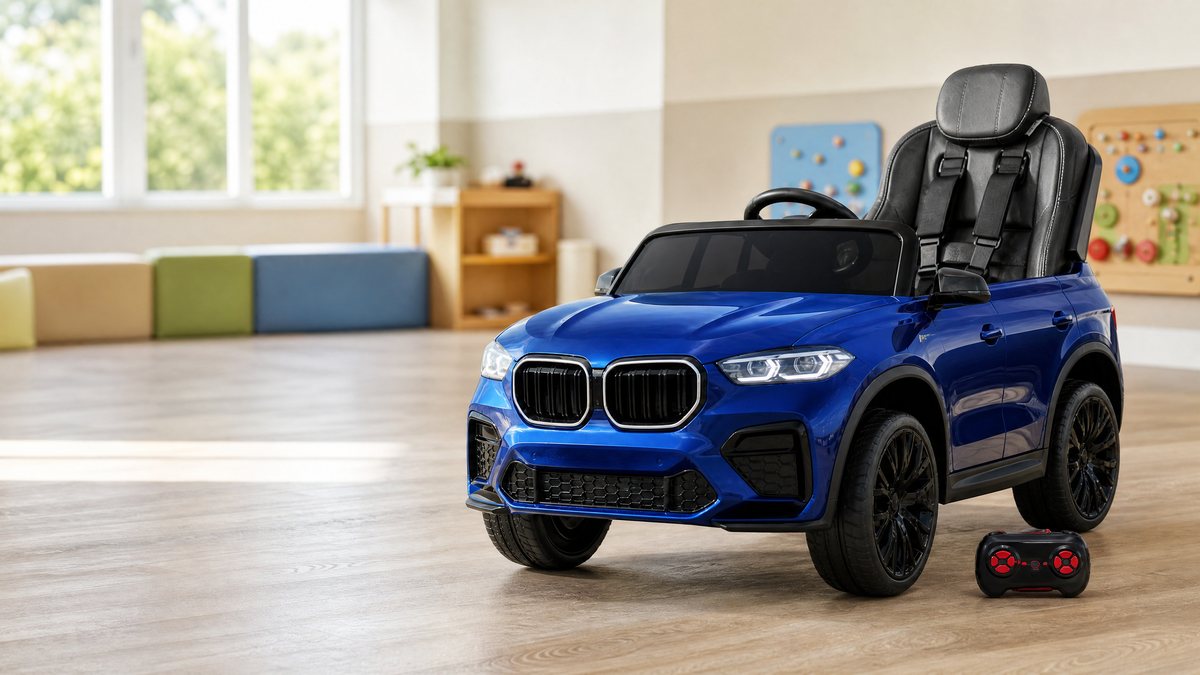
Licensed ride-on cars often feature enhanced visual authenticity where equipped. Working from authorized design references, scale models capture subtle design nuances that generic models may approach differently. For instance, an officially licensed luxury SUV ride-on may feature specific headlight housing geometries, fender flares, and badge placement characteristic of the full-size vehicle. This attention to detail resonates with automotive enthusiasts and buyers seeking premium presentation value, though specific trim elements and features may vary by model and must be confirmed in the product manual.
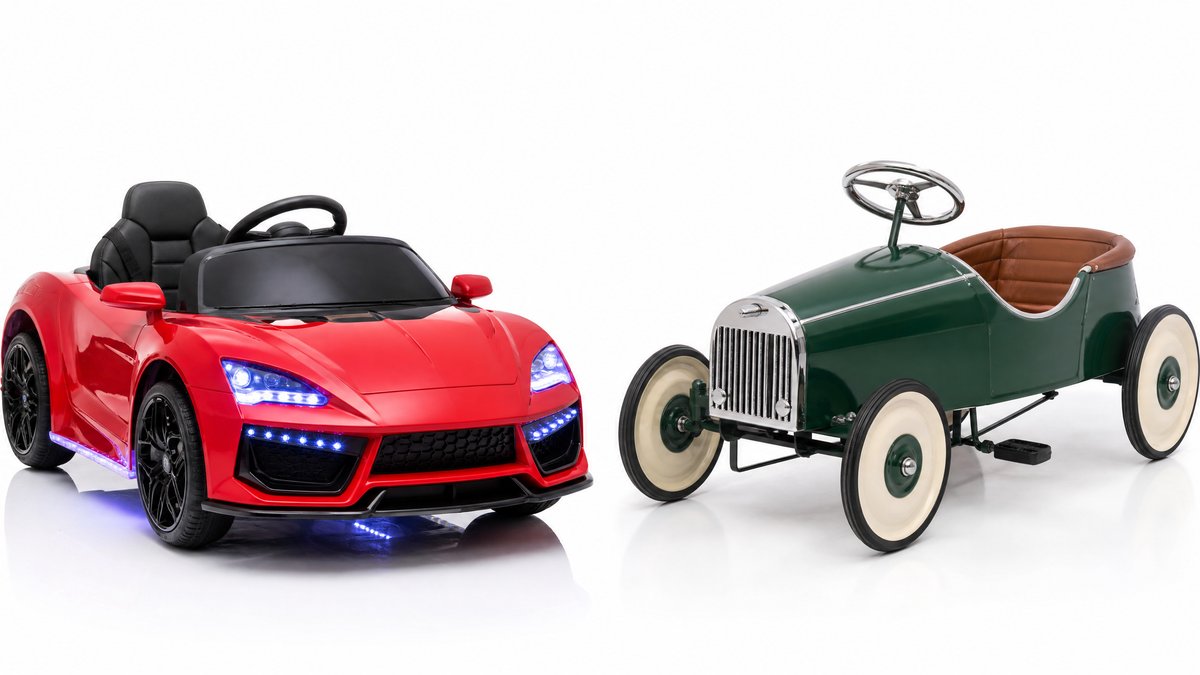
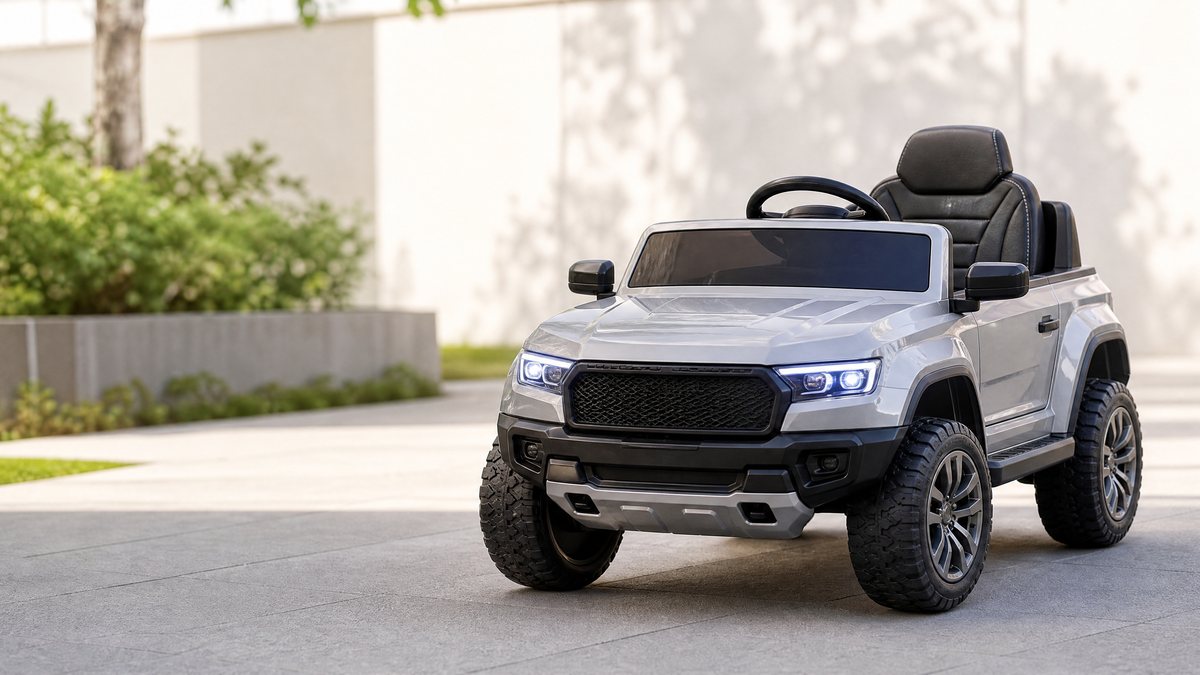
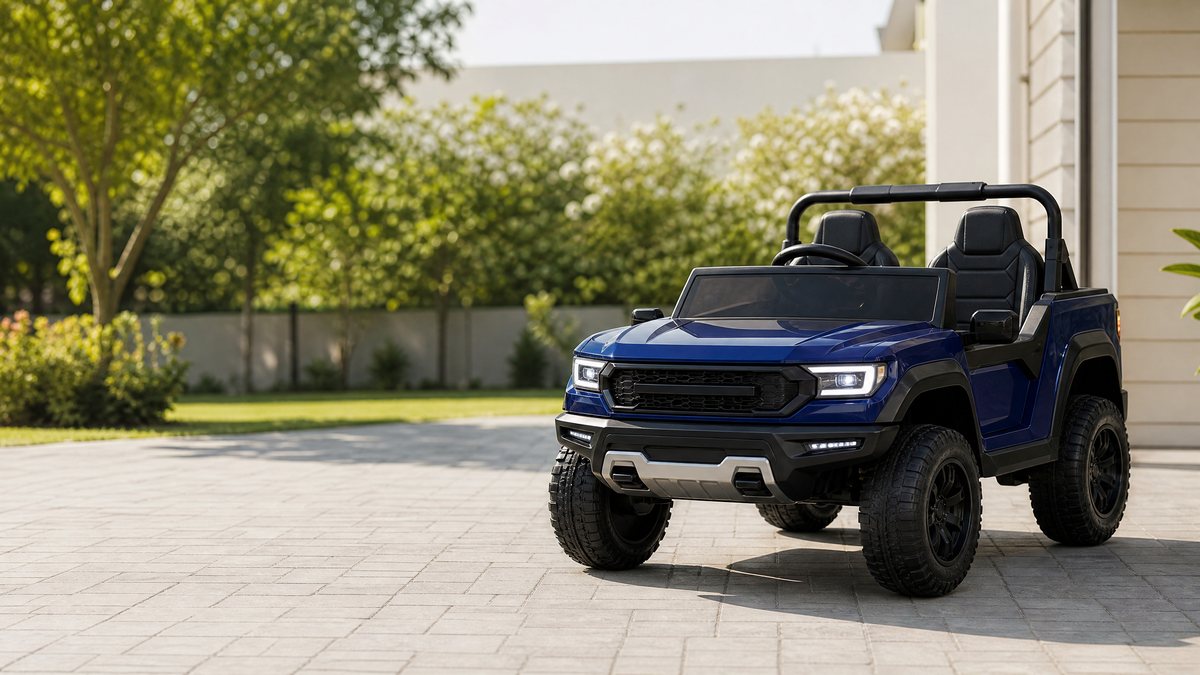
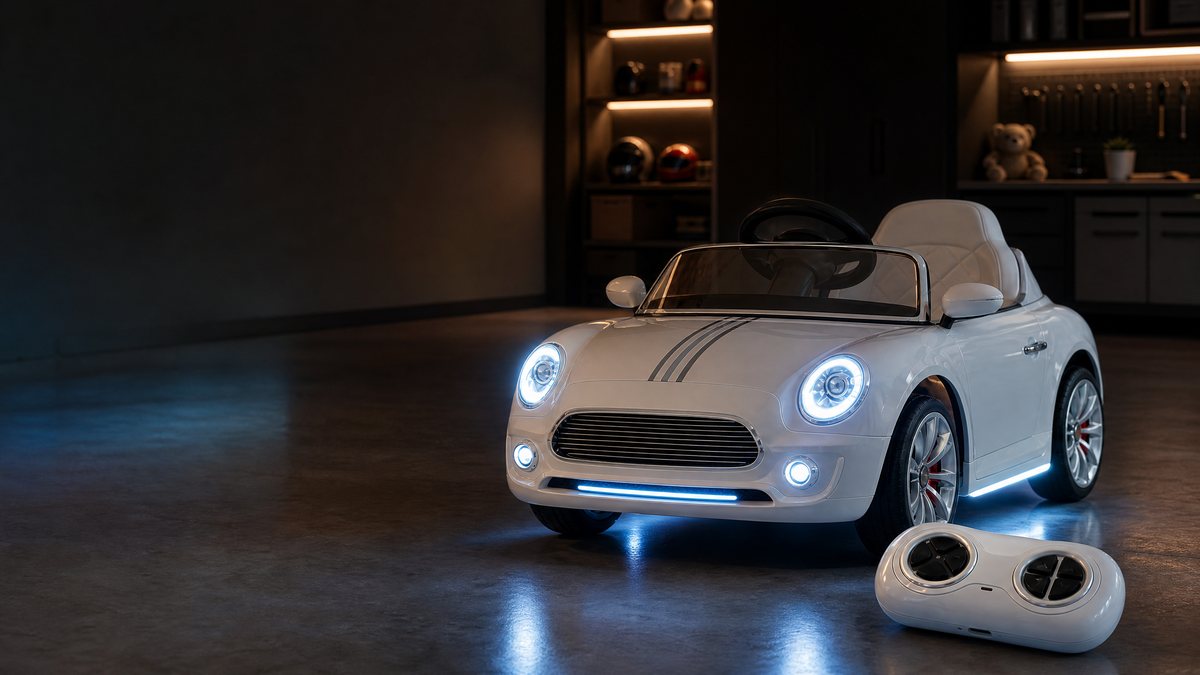
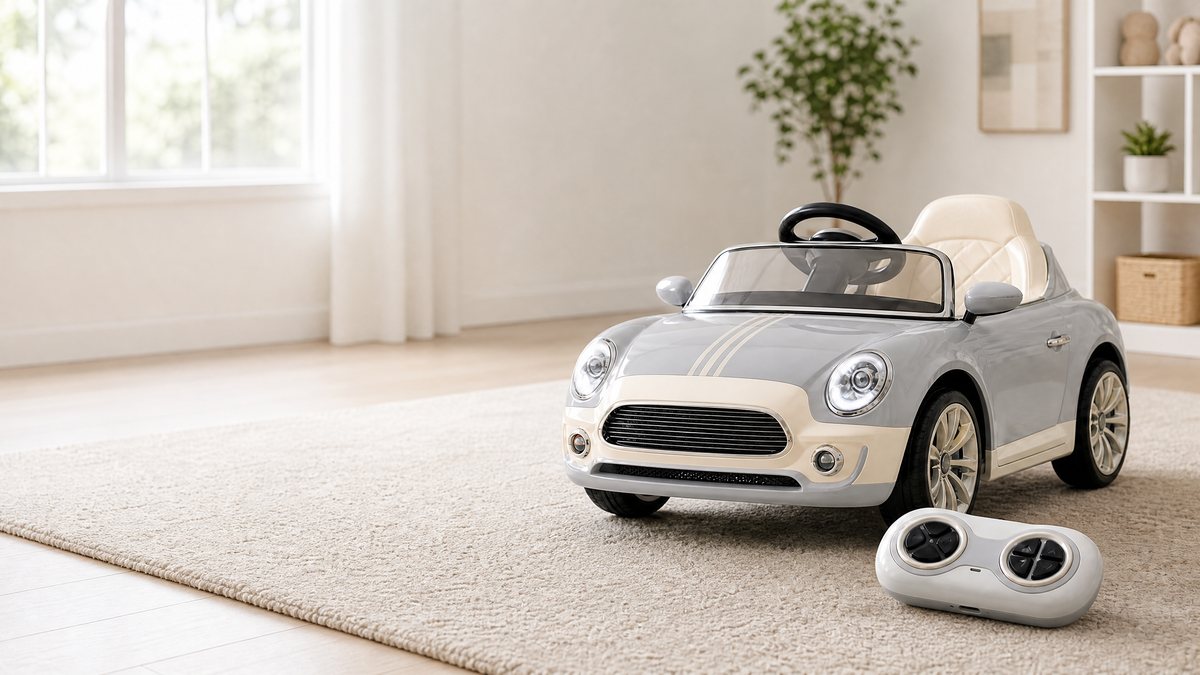
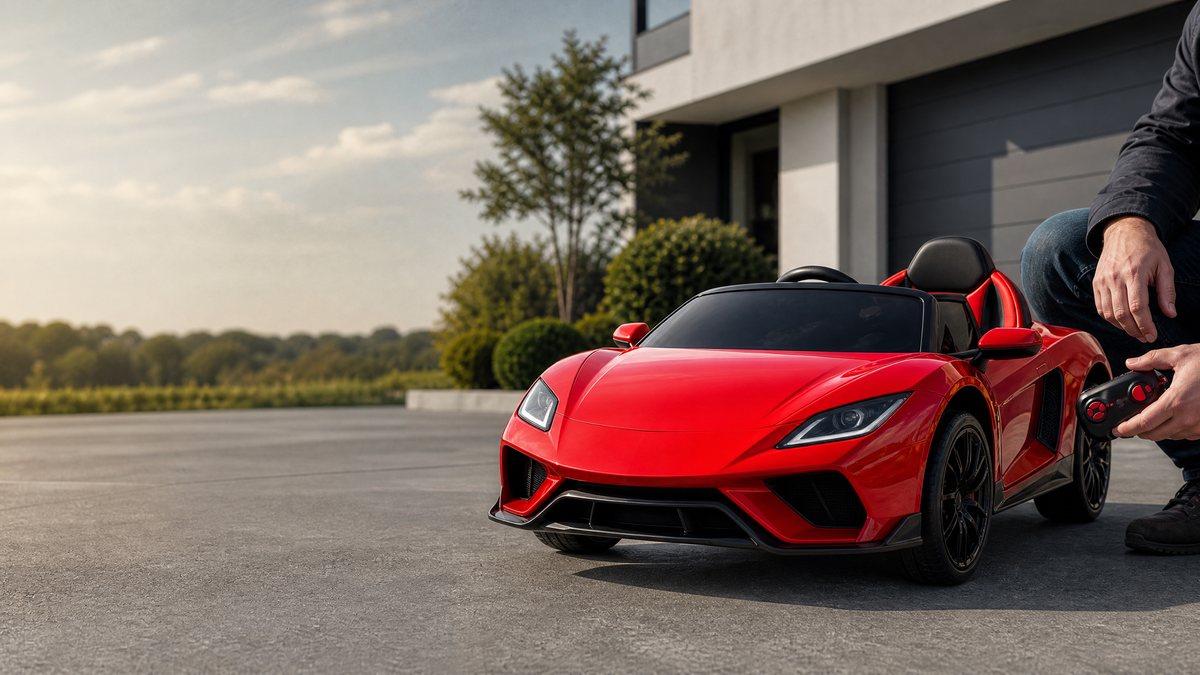
Generic ride-on cars offer alternative design expressions. Modern generic manufacturers employ industrial designers who create sleek sports car silhouettes or rugged utility vehicles that deliver visual appeal without trademark constraints. Furthermore, generic designs enjoy greater creative flexibility. While a licensed model adheres to specific brand parameters, a generic model can incorporate distinct styling elements, LED light arrays, or color combinations.
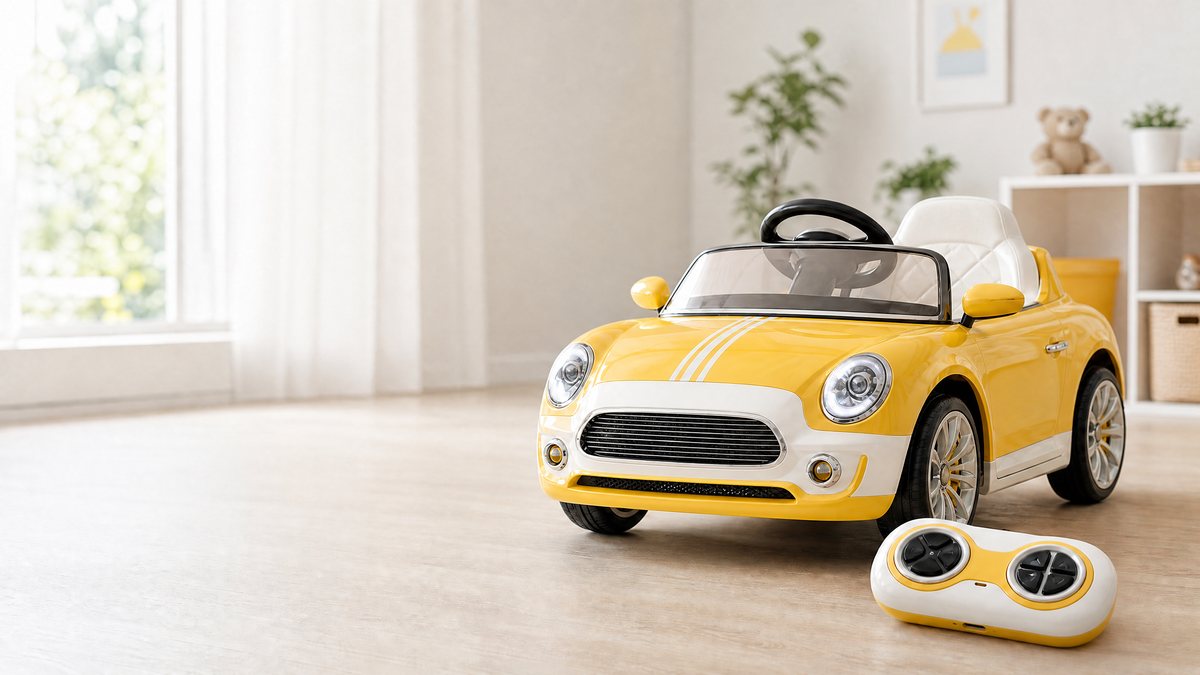
Design fidelity also impacts interior cockpit layouts, steering wheel designs, instrument cluster detailing, and seating configurations, if equipped. Licensed models frequently feature replica steering wheels, branded seat stitching, and detailed dashboard decals. Generic models utilize standardized steering wheels and switchgear. Retailers must weigh whether their target customer base values authentic brand replication or is primarily driven by functional features and accessible pricing. All operational features should be verified against the official user manual.
Manufacturing Standards, Compliance, and Safety Documentation
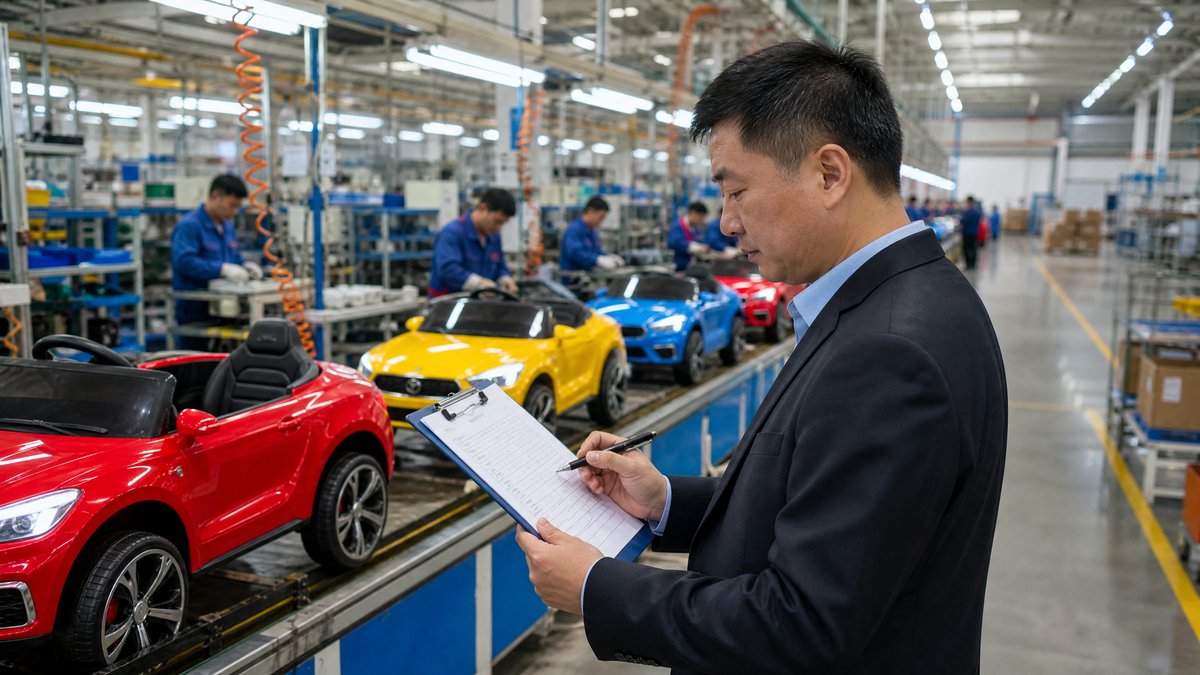
When evaluating ride-on vehicles for commercial import and retail distribution, regulatory compliance and manufacturing consistency represent critical operational pillars. Safety standards vary by jurisdiction, requiring rigorous testing and certification.
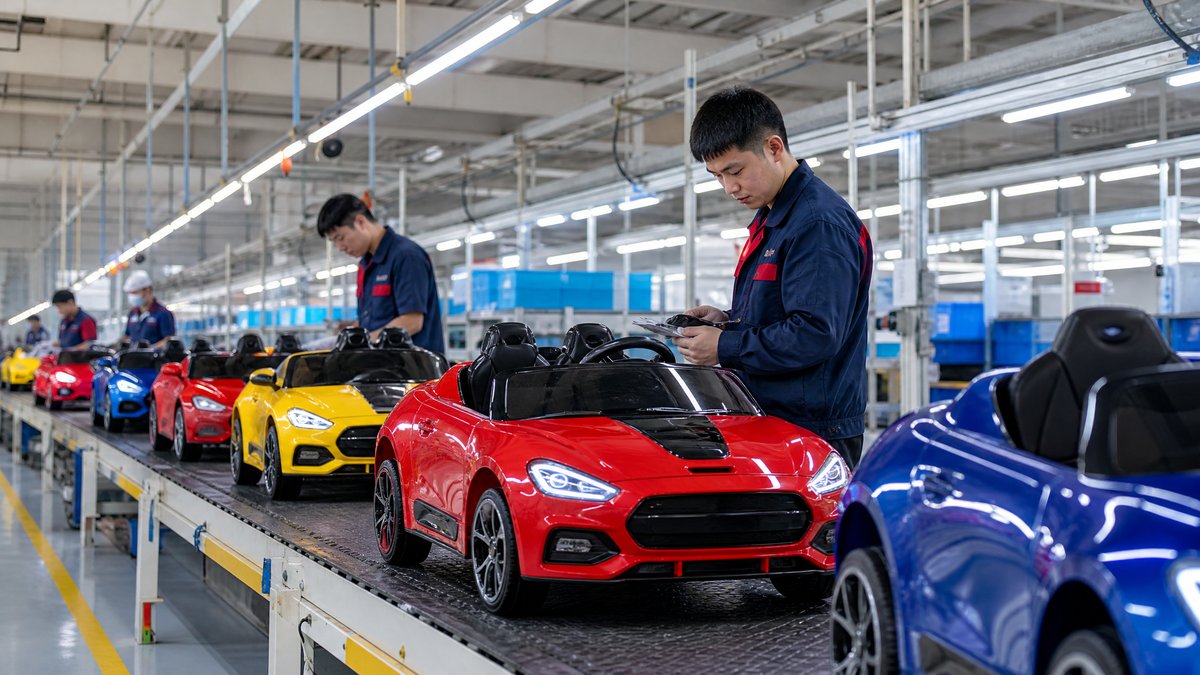
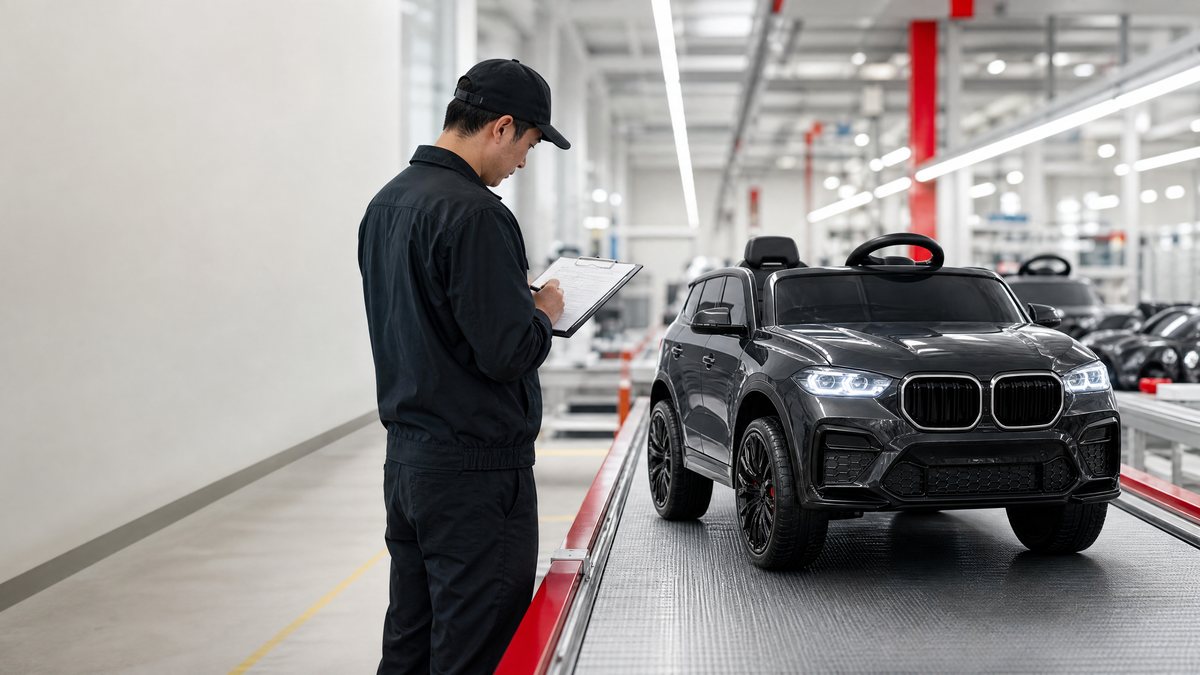
Officially licensed ride-on vehicles are subjected to quality assurance protocols. They must satisfy mandatory international toy safety standards, such as EN71 and ASTM F963 where certified, alongside brand-assurance guidelines mandated by licensors. Consequently, licensed models frequently utilize high-grade plastics, robust molding techniques, and finishing coatings, though specific material specifications vary by model and batch.
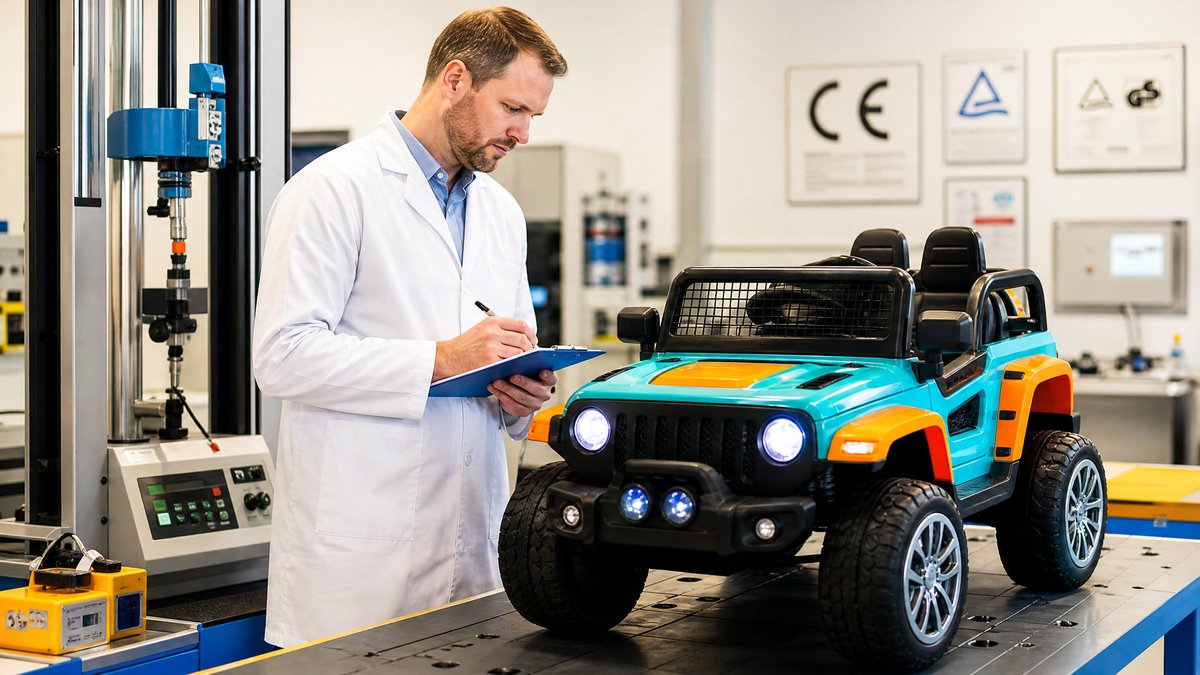
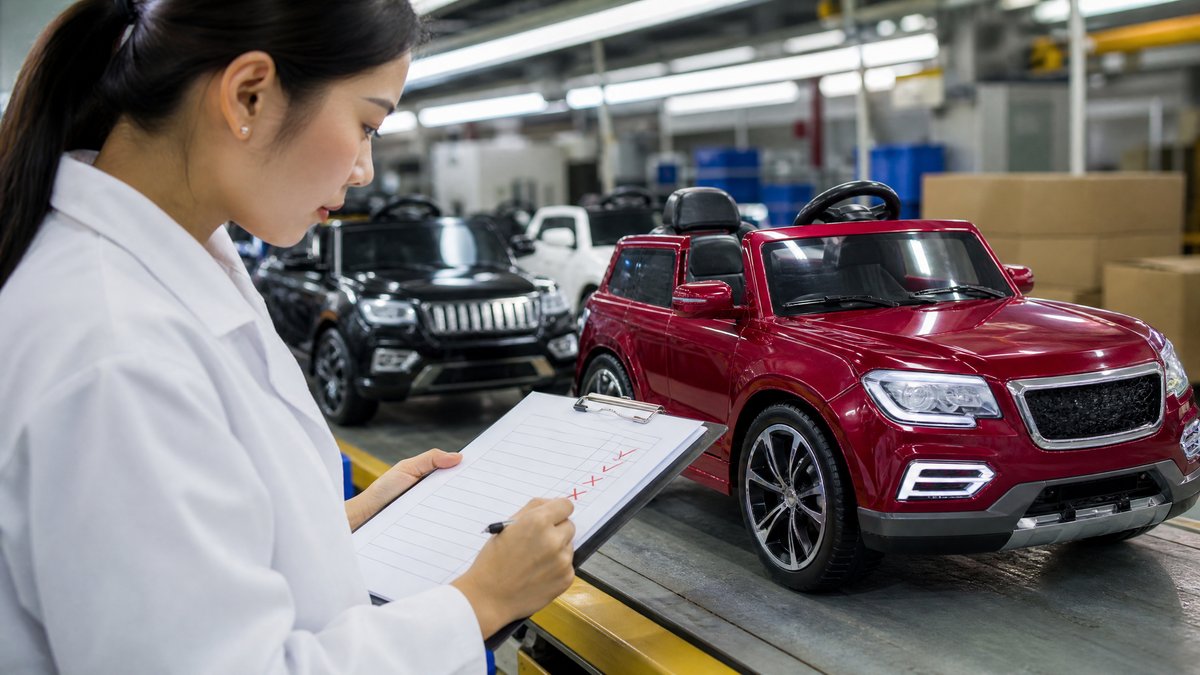
Generic ride-on cars also comply with baseline international toy safety standards when sourced from reputable ISO-certified manufacturers. However, quality control consistency can vary across manufacturing partners. B2B buyers sourcing generic inventory must exercise diligence, requesting third-party laboratory test reports, material safety data sheets, and verifiable factory audit certifications.
| Evaluation Dimension | Officially Licensed Ride-On Cars | Generic Ride-On Cars |
|---|---|---|
| Brand Authentication | Features official OEM badges, logos, and authorized styling cues where equipped. | Unbranded or features proprietary generic house branding. |
| Design Precision | Built to mirror authorized automotive styling and proportions. | Independent industrial design; stylized without trademark constraints. |
| Production Oversight | Quality control subject to factory standards and brand guidelines. | Standard factory quality control; relies on buyer verification. |
| Target Price Tier | Mid-to-high retail tier; appeals to brand-conscious consumers. | Budget-to-mid retail tier; appeals to price-sensitive buyers. |
| Marketing Advantage | Brand association assists with retail customer presentation. | Requires independent retailer branding and value proposition framing. |
| Customization Flexibility | Restricted by brand guidelines and licensing agreements. | Highly flexible for private labeling, custom colors, and feature adjustments. |
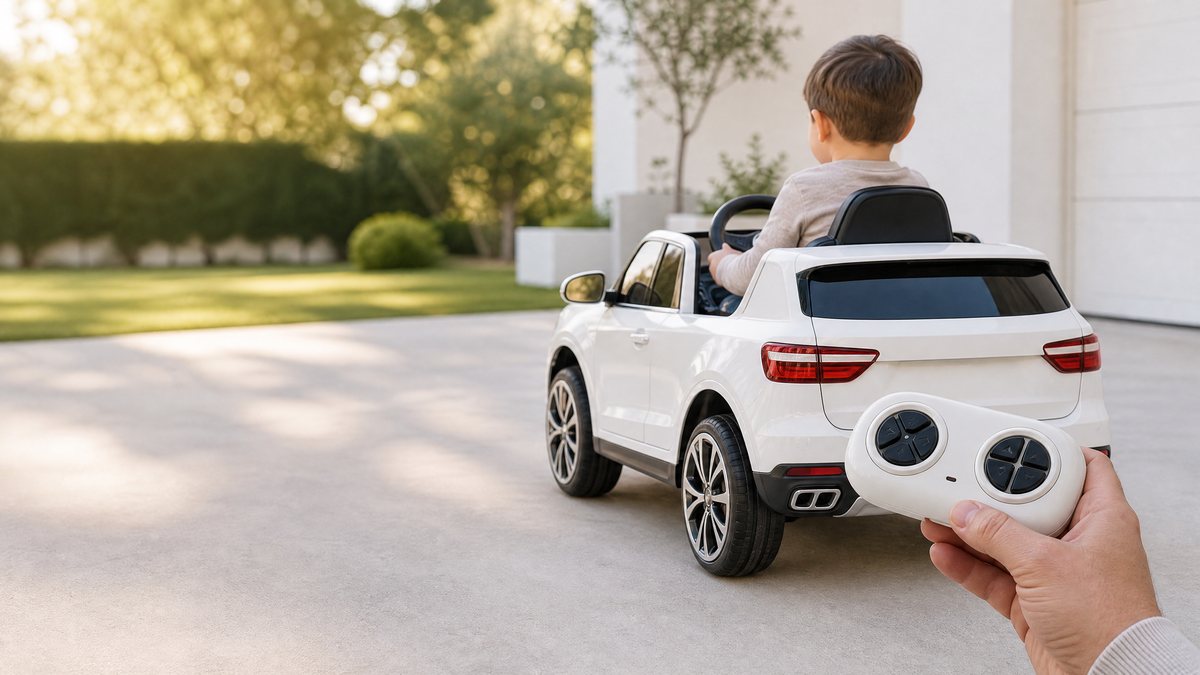
As outlined in the comparative matrix above, each category presents distinct operational trade-offs. Importers must align their product mix with their target retail channels, ensuring that compliance documentation, battery safety certifications, and mechanical specifications match regional regulatory requirements. Adult supervision and strict adherence to manufacturer instructions are paramount for all ride-on vehicles, regardless of whether they bear a licensed automotive badge or a generic design. Always check current product pages, seller terms, and platform policies regarding inventory and fulfillment.
Retail Margins, Pricing Strategy, and Market Positioning
Commercial success in the ride-on vehicle sector depends heavily on pricing strategy, margin structure, and a clear understanding of end-consumer demographics.
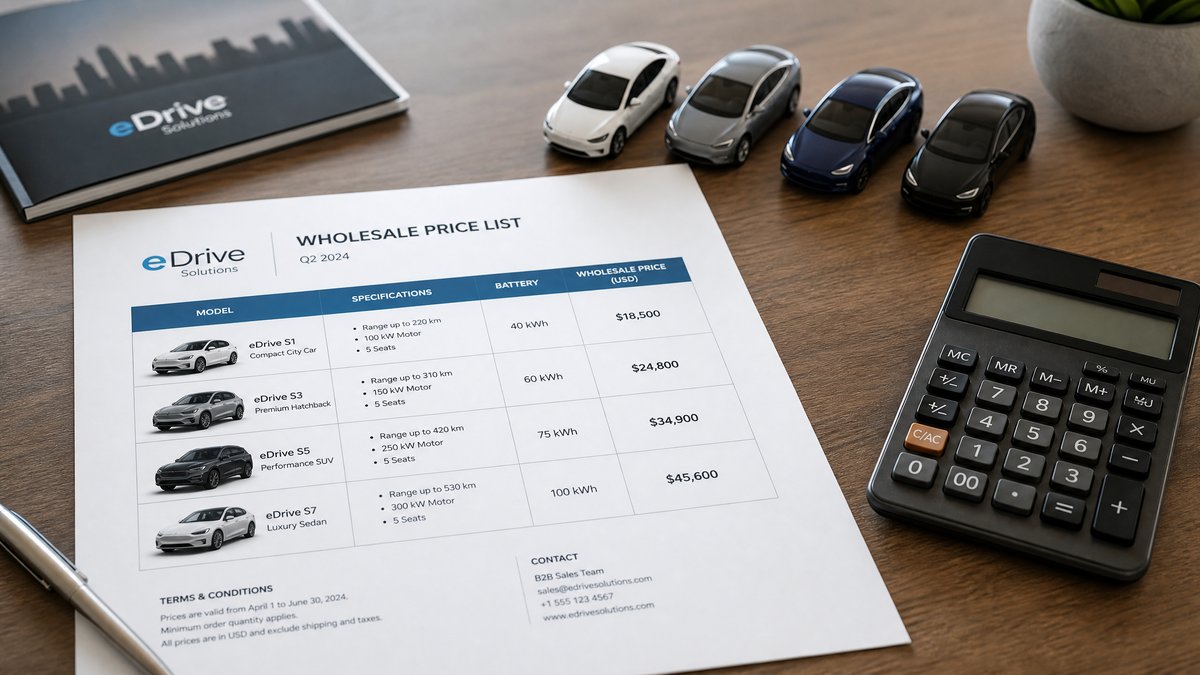
Licensed ride-on cars carry wholesale acquisition costs influenced by licensing structures, premium tooling, and verification processes. Retailers typically position licensed models as premium offerings. While absolute gross margins per unit can be substantial, percentage margins may be constrained by wholesale pricing structures. Nevertheless, consumer demand and lower markdown risk associated with recognizable automotive brands often compensate for upfront inventory investment. When evaluating wholesale costs, freight, and inventory terms, always check current product pages, seller terms, and platform policies.
Generic ride-on cars offer percentage profit margins and pricing latitude. Without licensing overhead, retailers can procure generic inventory at competitive unit costs, allowing for promotional discounting, bundled accessory offers, or entry-level pricing. This makes generic models popular for seasonal promotions and e-commerce channels. Furthermore, generic models provide an ideal vehicle for private-label branding, enabling regional distributors to build long-term equity in exclusive house brands.
For wholesale buyers seeking tailored pricing tiers, customized container configurations, or volume-based distribution agreements, direct manufacturer engagement is essential. Request a wholesale quote to discuss minimum order quantities, OEM/ODM customization options, and freight consolidation services tailored to your regional market requirements.
Procurement Checklist for Importers and Retailers
Navigating the global procurement of ride-on vehicles requires a systematic evaluation framework. Whether sourcing licensed flagships or high-volume generic models, importers should enforce a standardized pre-purchase audit checklist:
1. Regulatory Compliance Verification: Ensure all products possess verifiable third-party test reports for EN71, ASTM F963, CE, and RoHS standards where applicable. Verify electrical safety certifications for chargers and battery management systems. Note that certifications apply to specific tested models and batches.
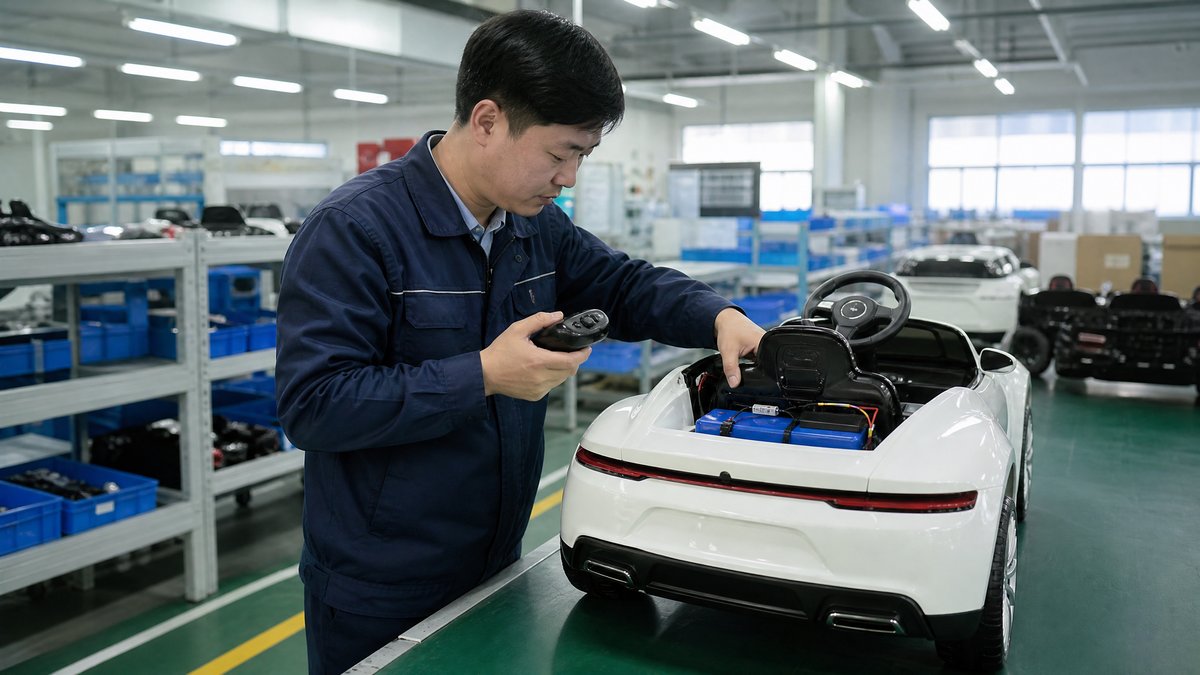
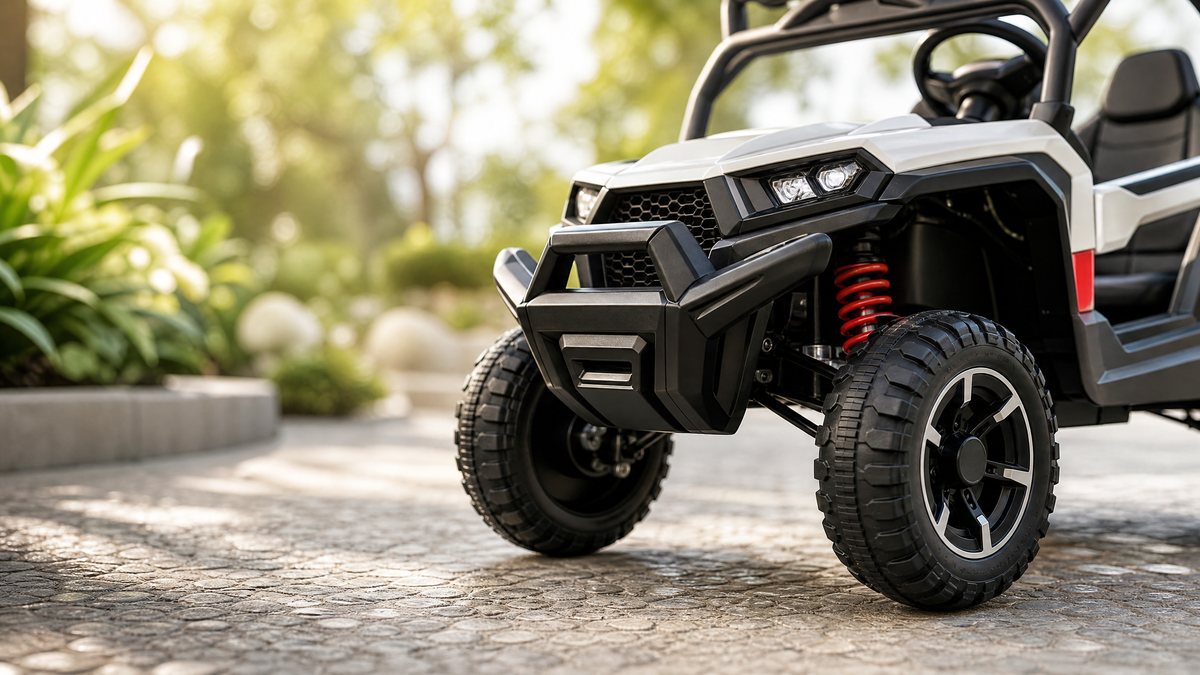
2. Component Quality Assessment: Inspect sample units for body construction, wheel materials (such as EVA foam tires where equipped for traction and noise reduction), suspension systems, and acceleration modules. Component specifications vary by model and must be verified in the manual.
3. Documentation and Manual Review: Confirm that comprehensive, multi-language user manuals, clear assembly guides, and explicit safety warnings regarding adult supervision and operating surfaces are included in every packaging unit.
4. Packaging and Drop-Test Compliance: Evaluate carton drop-test durability, internal bracing, and moisture protection to minimize transit damage during international shipping and last-mile delivery. Platform shipping fees, transit times, and delivery policies vary; check current seller terms and platform policies.
5. After-Sales Support and Spare Parts Availability: Establish clear service-level agreements with manufacturing partners regarding replacement part availability.
Important safety and operational warnings for all ride-on vehicles:
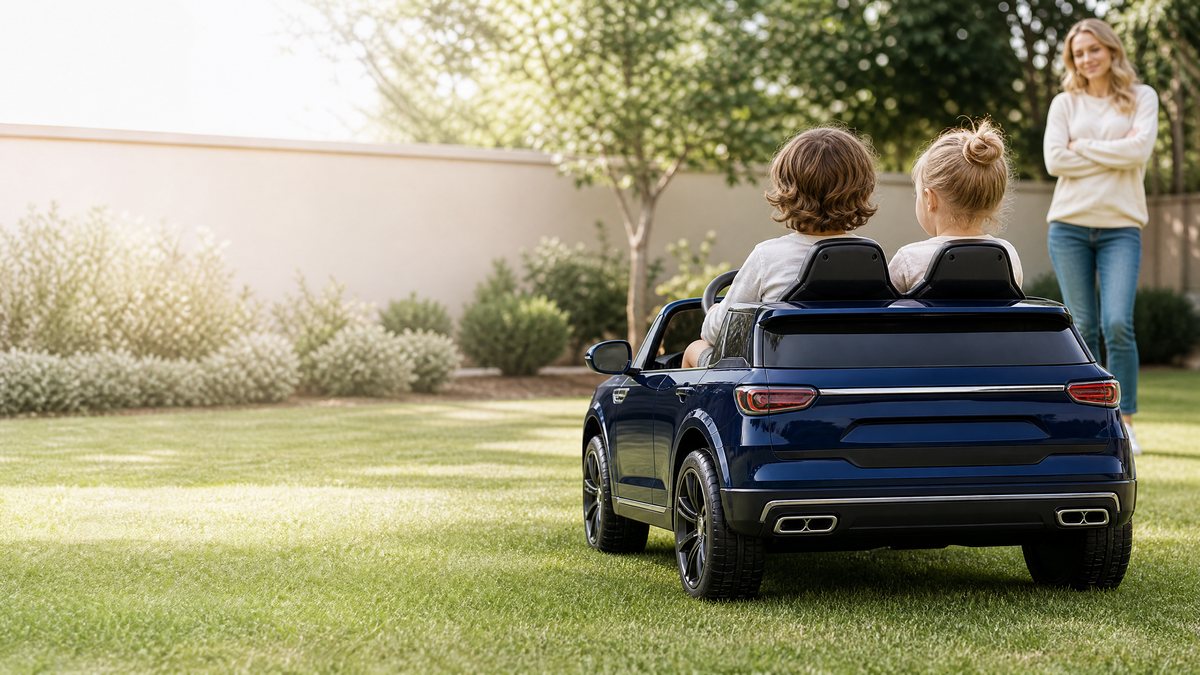
- Operating Surfaces: Operate only on flat, dry, allowed surfaces under direct adult supervision. Prohibit use on public roads, driveways near traffic, steep inclines, near swimming pools, or unauthorized commercial venues. Check local rules and venue permits.
- Anomaly Handling: If unusual odors, smoke, overheating, fluid leaks, water immersion, exposed cables, damaged plugs, abnormal braking, or persistent electrical or mechanical faults are observed, immediately stop use and charging, turn off the vehicle, keep children away, and contact the manufacturer or qualified repair personnel. Never attempt internal repairs, modifications to wiring, harnesses, fuses, or control boards.
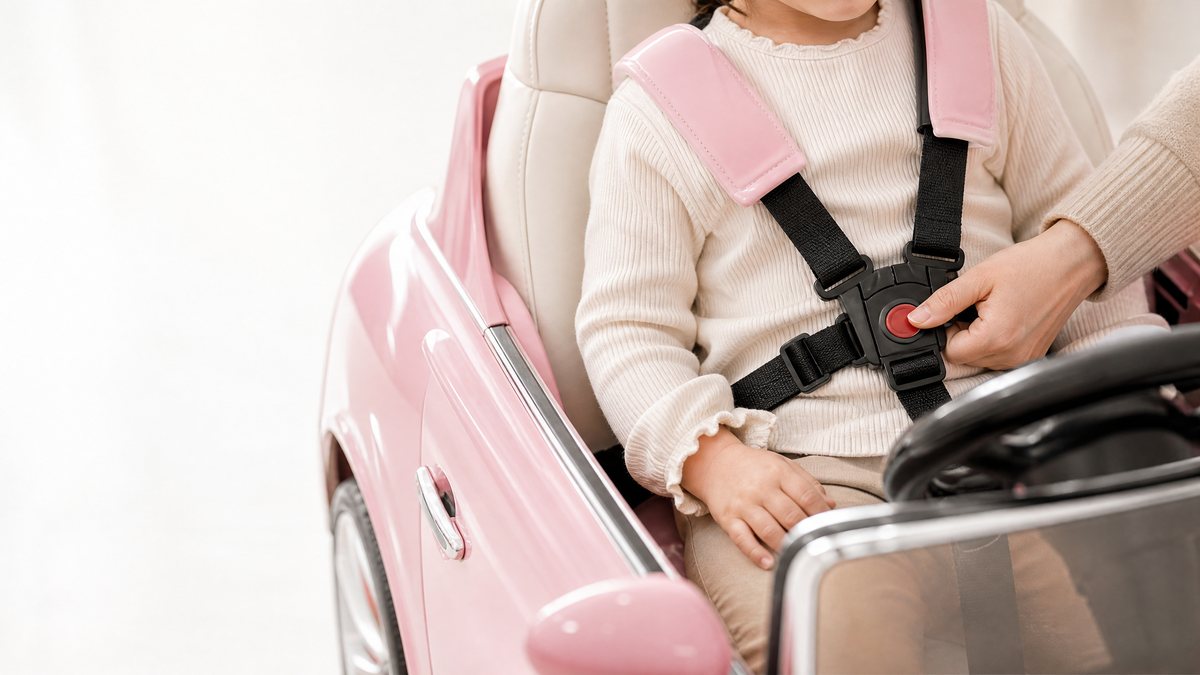
- Supervision & Personal Fit: Ensure proper adult supervision, appropriate personal fit, and adherence to recommended age guidelines (if specified in the manual). Do not rely on ride-on toys for developmental, therapeutic, or medical outcomes. Do not modify factory seating, electrical systems, or safety restraints.
Frequently Asked Questions (FAQ)
1. Are licensed ride-on cars mechanically superior to generic models?
Not necessarily. Mechanical performance—such as motor wattage, battery voltage, and drive system configuration (e.g., 12V versus 24V setups, if equipped)—is determined by engineering choices rather than licensing agreements. A generic model can feature powerful dual motors and suspension systems, while some licensed models prioritize aesthetic fidelity over high-speed performance. Buyers should evaluate each model based on its technical specifications sheet and product manual rather than its brand affiliation.
2. Do licensed ride-on vehicles require special import documentation?
Yes. In addition to standard toy safety certificates, importers sourcing officially licensed products must ensure that the supplier holds valid authorization certificates and sub-licensing agreements from the automotive brand holder. Importing unauthorized replica items bearing trademarked logos without proper licensing can result in customs detention and intellectual property disputes. Always verify documentation with suppliers and check regional customs regulations.
3. How do profit margins compare between licensed and generic ride-on inventory?
Generic ride-on cars generally offer higher percentage profit margins and greater pricing flexibility because they do not incur brand licensing royalties. Licensed models, while commanding higher retail price points and attracting premium buyers, often involve higher initial wholesale costs and minimum order quantities. Retailers should review current pricing, platform terms, and market demand when planning inventory mix.
4. Can generic ride-on cars be customized with private labels for retail brands?
Yes. Generic manufacturers are typically flexible regarding OEM and ODM customization. Importers can apply custom house branding, unique color palettes, specialized packaging, and bespoke user manuals. Conversely, officially licensed vehicles are subject to rigid brand guidelines that restrict unauthorized logo placement or design modifications. Confirm all customization options directly with the manufacturer.
Conclusion
The choice between licensed and generic ride-on cars is not a matter of absolute superiority, but rather a strategic alignment with target market demands, brand positioning, and commercial objectives. Licensed vehicles offer authenticity, consumer recognition, and premium retail positioning, making them suitable for specialty showrooms and brand-conscious buyers. Generic vehicles deliver cost efficiency, flexible private-label opportunities, and margin potential, serving price-sensitive retail segments and e-commerce platforms effectively.
Wholesale buyers and retail distributors must balance design fidelity, compliance rigor, and margin structures to curate a balanced product catalog. Always verify component specifications, safety documentation, and operating guidelines against official manufacturer standards, and check current product pages, seller terms, and platform policies. For partnership inquiries, bulk container allocation, and customized vehicle specifications, connect directly with our commercial team. Request a wholesale quote today to explore our complete portfolio of licensed and generic ride-on solutions.
Official References
1. U.S. Consumer Product Safety Commission (CPSC): General Toy Safety Education and Regulatory Guidance for Battery-Operated Children's Products. Available via official CPSC public safety portals. Note: This official regulatory guide provides general baseline toy safety education and informational guidance only; it does not constitute product certification, endorsement, or specific model instructions for any individual ride-on vehicle.
2. International Organization for Standardization (ISO): Safety of Toys Standards (ISO 8124 series). Reference standards governing mechanical, physical, and electrical properties of children's play equipment where applicable to specific certified models.
3. European Committee for Standardization (CEN): European Standard EN 71 (Safety of Toys). Comprehensive requirements and test methods for chemical, electrical, and physical safety in toy vehicles where certified.
Official references
Explore these external resources for current regulatory and trade guidance. Confirm requirements with the relevant authority before placing an order.
Ready to Start?
Factory-Direct · CE & ASTM Certified · MOQ from 50 Units
Our export team works with buyers in 60+ countries. Get a quote within 24 hours.
KR
Written by KidsRideCar
China's leading kids electric ride-on car manufacturer. 500,000+ units shipped annually to 60+ countries. CE, ASTM & EN71 certified.