Introduction
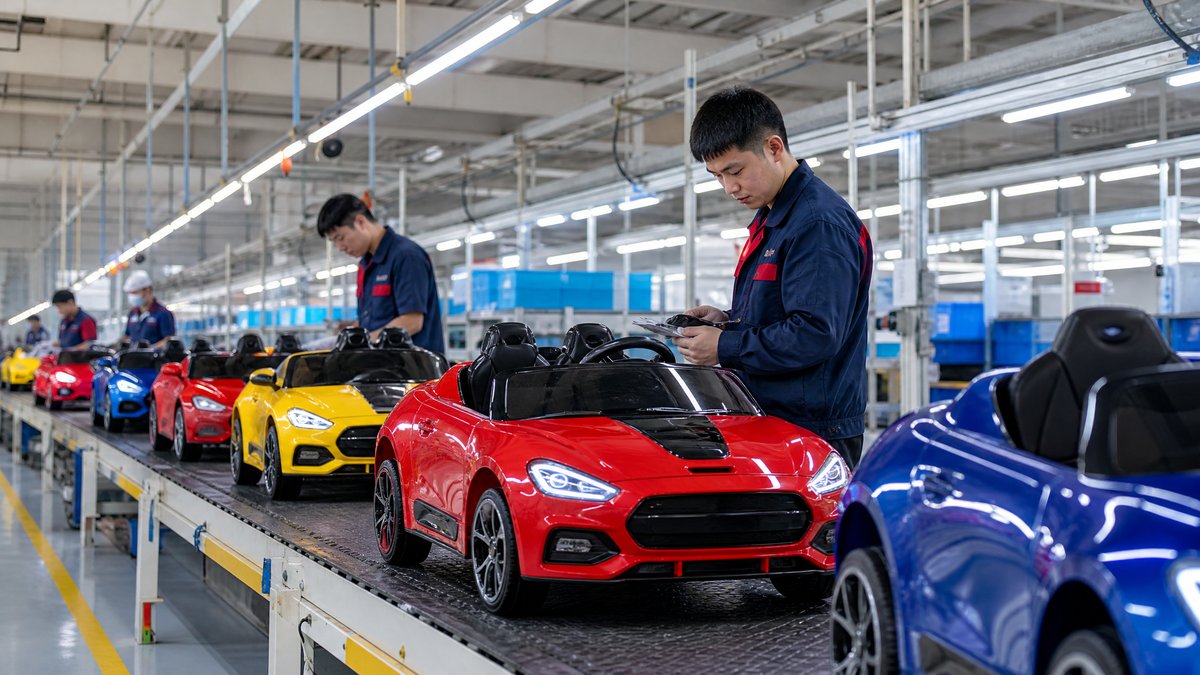
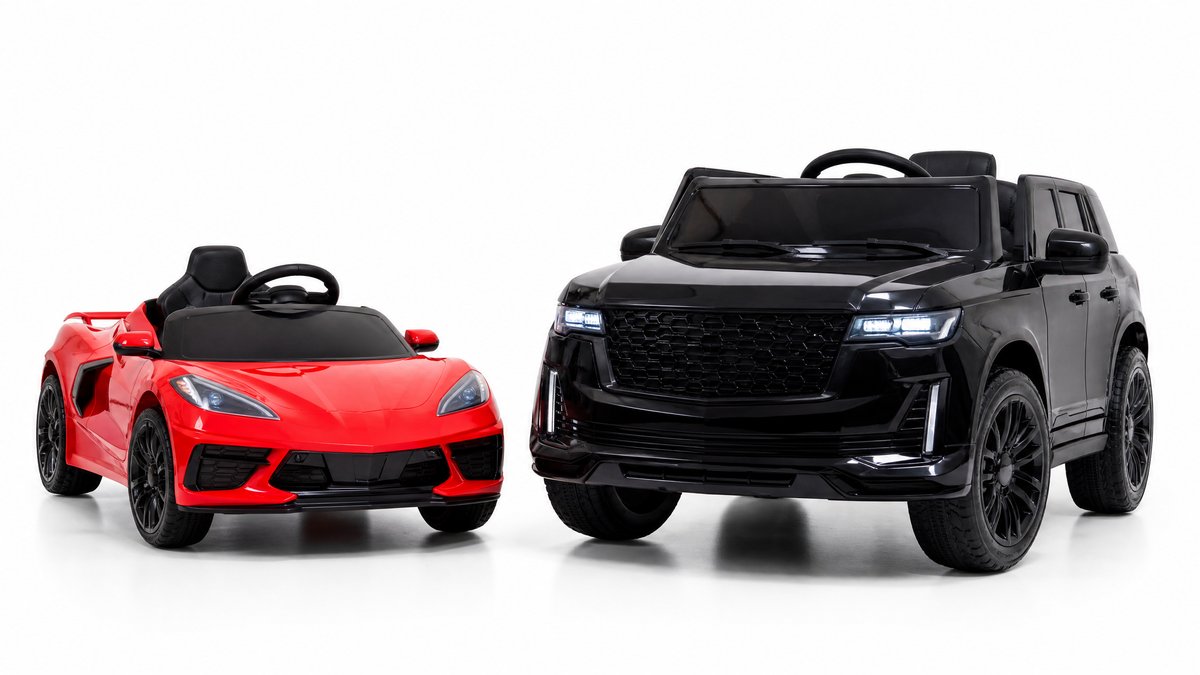
In the global children's toy and ride-on vehicle industry, navigating the complexities of product guarantees and manufacturer warranties is a critical responsibility for B2B importers, wholesale distributors, and retail enterprise buyers. When sourcing motorized children's vehicles—ranging from 12V battery-powered roadsters to robust 24V utility UTVs—understanding the scope, duration, and legal enforceability of warranty coverage directly impacts operational risk management, customer satisfaction, and long-term brand reputation. Unlike general consumer goods, electric ride-on cars integrate mechanical gearboxes, complex electronic control units (ECUs), rechargeable battery packs, and structural plastic assemblies, each subjected to distinct operational stresses and wear patterns. Consequently, manufacturer warranties for ride-on vehicles are rarely monolithic; they feature nuanced tiered structures that differentiate between core electrical components, mechanical drive trains, structural integrity, and consumable parts such as tires and decorative decals. For commercial buyers and procurement specialists partnering with manufacturers like KidsRideCar, establishing a rigorous framework to analyze warranty terms is essential for aligning expectations across the supply chain, ensuring compliance with regional safety standards, and providing transparent guidance to end-users. This article provides a comprehensive evaluation of ride-on car warranties, outlining standard industry practices, component-specific coverage parameters, common exclusions, and verification protocols that empower B2B purchasers to make informed procurement decisions.
Understanding the Fundamentals of Ride-On Car Warranties
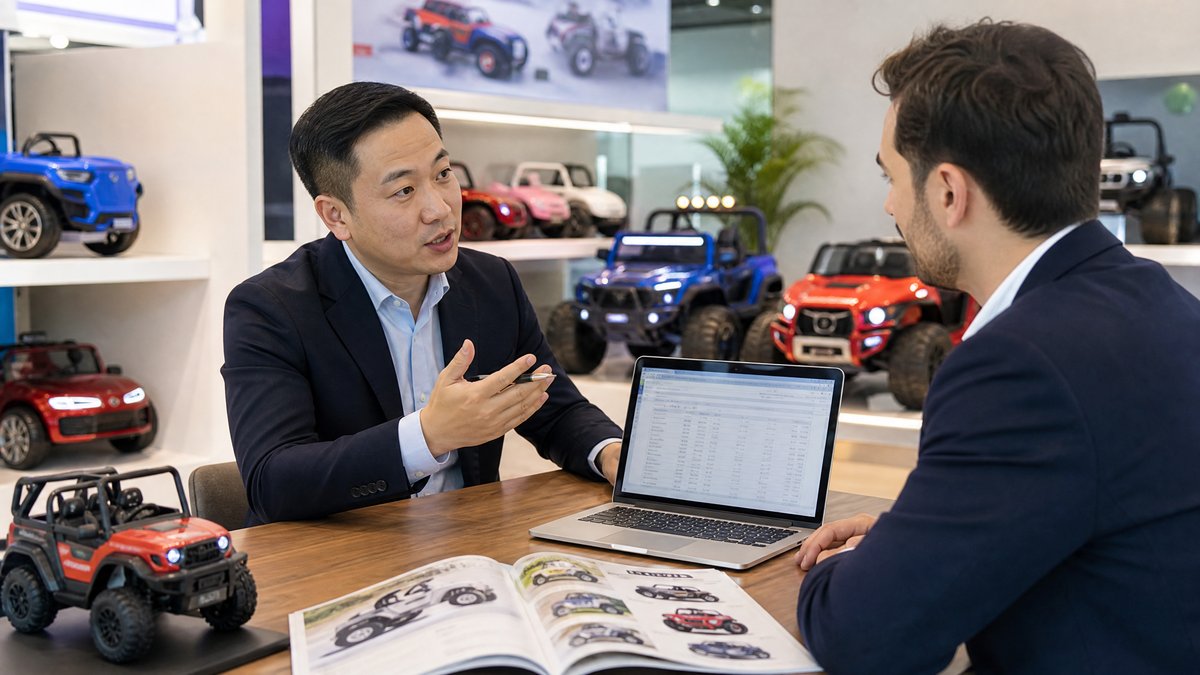
Warranty terms in the ride-on vehicle sector function as a formal agreement between the manufacturer and the commercial purchaser, outlining the remedies available if a product fails to conform to quality standards or experiences premature component failure under normal operating conditions. However, unlike traditional automotive warranties governed by statutory lemon laws, children's ride-on toys are generally classified under consumer toy safety regulations, where warranty coverage is largely determined by contractual terms established by the individual factory or brand. When evaluating supplier offerings, procurement professionals must examine several foundational dimensions, including the duration of coverage, geographic limitations, authorized service procedures, and the explicit distinction between manufacturer defects and normal operational wear and tear.
A primary consideration in warranty evaluation is the distinction between limited component warranties and comprehensive whole-unit coverage. Industry standards rarely offer a blanket warranty covering every part of a ride-on car for an extended duration. Instead, manufacturers typically apply variable warranty periods to specific sub-assemblies. For instance, structural steel frames or molded resin chassis components may carry longer nominal coverage periods due to their static nature, whereas active electrical components such as motors, parent remote control handsets, and printed circuit board (PCB) controllers often feature shorter, highly specific warranty windows. Furthermore, international wholesale buyers must verify whether warranty obligations are backed by readily available replacement parts or require physical return of the complete vehicle—a logistical challenge that makes component-level replacement policies vastly superior for cross-border supply chains. By establishing clear contractual expectations regarding warranty administration before finalizing purchase orders, B2B buyers can mitigate post-sale disputes and streamline warranty claim resolutions for retail end-users.
Typical Warranty Scope: What Is Generally Covered?
To evaluate the robustness of a ride-on vehicle warranty, procurement managers must analyze how different functional categories are treated within standard manufacturer documentation. While exact terms vary depending on the specific model's engineering specifications, rating plates, and user manuals, industry practices generally categorize coverage into distinct operational tiers. The following table provides a structural overview of standard component categories, their typical coverage characteristics, and buyer evaluation criteria for commercial procurement.
| Component Category | Typical Coverage Focus | Common Verification Criteria | Key Operational Considerations |
|---|---|---|---|
| Structural Frame & Body | Molded resin chassis, metal sub-frames, roll bars | Inspection for manufacturing defects, material integrity, and stress tolerances | Static elements rarely fail unless subjected to severe overloading or impact beyond rated limits. |
| Drive Motors & Gearboxes | Electric drive motors, internal reduction gear assemblies | Verification against factory testing protocols, electrical continuity, and noise levels | High-torque usage on unpaved terrain can accelerate mechanical wear; warranties cover factory defects only. |
| Electronic Control Units | Motherboards, Bluetooth receivers, pedal switches, wiring harnesses | Testing for signal stability, voltage regulation, and correct remote synchronization | Sensitive to moisture intrusion and power surges; proper storage and handling are critical. |
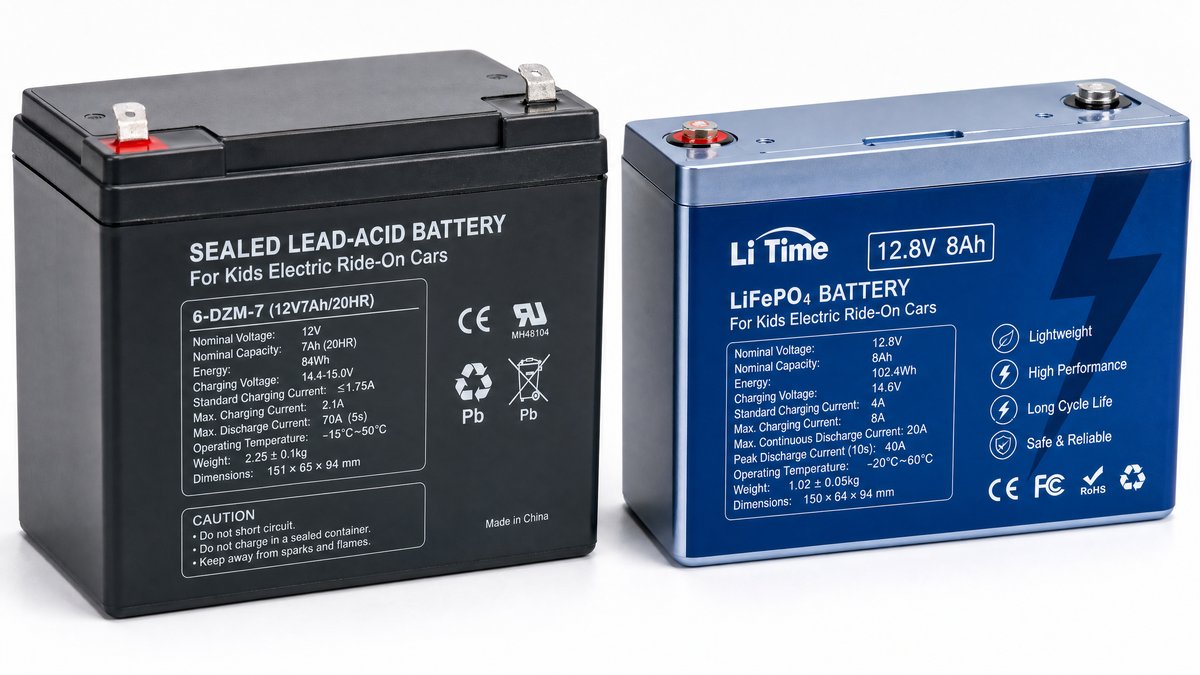
| Rechargeable Batteries | Lead-acid (AGM) or Lithium-ion battery packs | Voltage retention tests, charging cycle compliance, and terminal condition | Regulated by strict handling guidelines; coverage requires proof of adherence to specified charging protocols. |
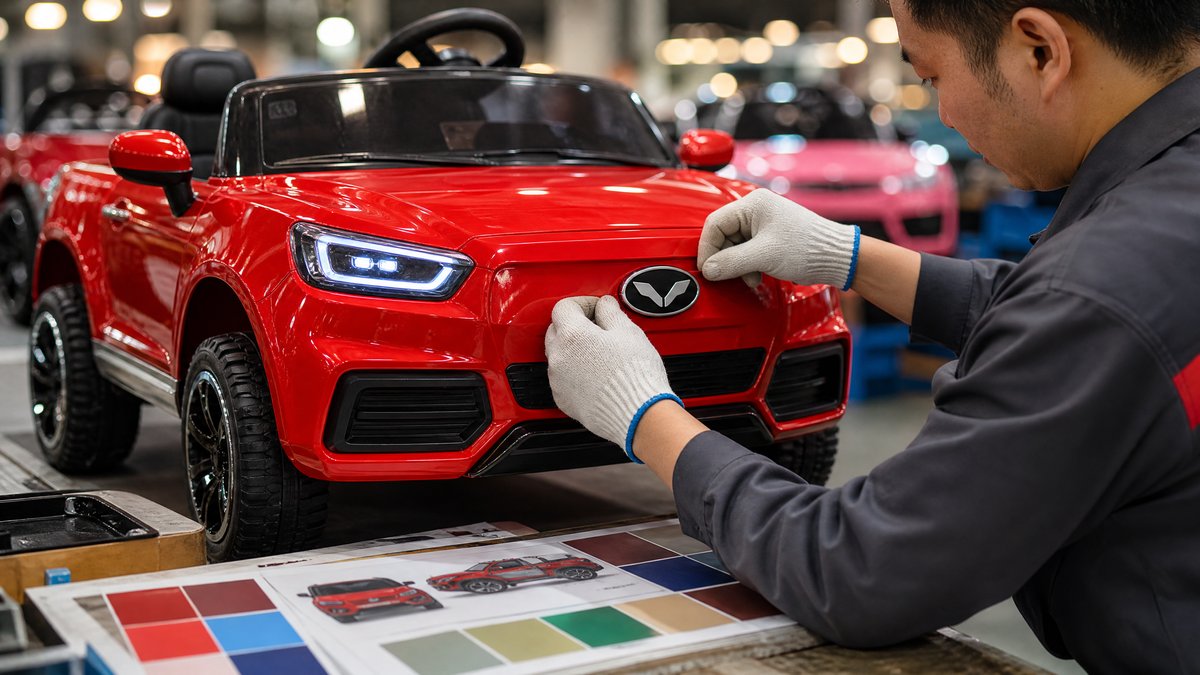
| Cosmetic & Consumable Parts | EVA foam tires, leather seats, decorative decals, plastic windshields | Visual inspection upon receipt, absence of transit damage | Generally excluded from long-term warranties as they are subject to routine frictional and environmental wear. |
When assessing component coverage, wholesale buyers should examine whether the supplier provides comprehensive technical documentation and a transparent parts catalog. Ensuring that replacement sub-assemblies—such as gearboxes or control boxes—can be independently imported and swapped reduces the total cost of warranty servicing and enhances end-user satisfaction.
Common Exclusions and Limitations in Industry Practice
Understanding what is excluded from a ride-on car warranty is equally as important as identifying what is covered. Manufacturers establish precise operational boundaries to protect against misuse, environmental damage, and unauthorized alterations. In commercial procurement, recognizing these standard exclusions prevents unrealistic expectations and protects both distributors and retailers from absorbing unbudgeted warranty costs.
First, damage resulting from environmental exposure and weather elements is universally excluded from warranty coverage. Leaving a ride-on vehicle outdoors exposed to heavy rain, standing water, or direct UV degradation can cause severe corrosion of electrical terminals, water ingress into control boxes, and premature fading or warping of plastic body panels. Manufacturers explicitly state that these vehicles must be stored in dry, sheltered environments. Second, operating the vehicle beyond its manufacturer-specified weight capacity or across prohibited terrain types—such as deep sand, mud, steep inclines, or public roadways—constitutes misuse that voids warranty protections. The physical stress placed on gearboxes and motor windings when a vehicle is overloaded exceeds design parameters, leading to thermal burnout that falls outside defect-based coverage.
Third, any form of unauthorized modification, repair attempt, or tampering with internal electronics will immediately void the warranty. Safety rules dictate that users must never attempt to bypass built-in protection circuits, modify battery configurations, upgrade motors beyond factory ratings, or tamper with internal wiring harnesses. Doing so introduces severe electrical hazards, including short circuits and thermal runaway risks. If a vehicle exhibits abnormal behavior—such as unusual motor noise, erratic braking, burning odors, smoke, or physical damage to charging cables—all operation and charging must cease immediately. The vehicle must be powered off, children kept away, and the issue reported to the manufacturer or a qualified technician rather than attempting DIY intervention. Furthermore, improper battery maintenance—such as leaving lead-acid batteries in a depleted state for extended periods or using unauthorized third-party chargers—invalidates electrical subsystem guarantees.
Buyer Verification Framework: How to Inspect Warranty Documentation
For B2B buyers, importers, and retail category managers, establishing a systematic verification framework for product warranties ensures that sourced inventory meets commercial quality standards and regulatory expectations. Relying on vague marketing claims is insufficient; procurement teams must conduct rigorous due diligence on all supplier warranty documentation before committing to volume orders.
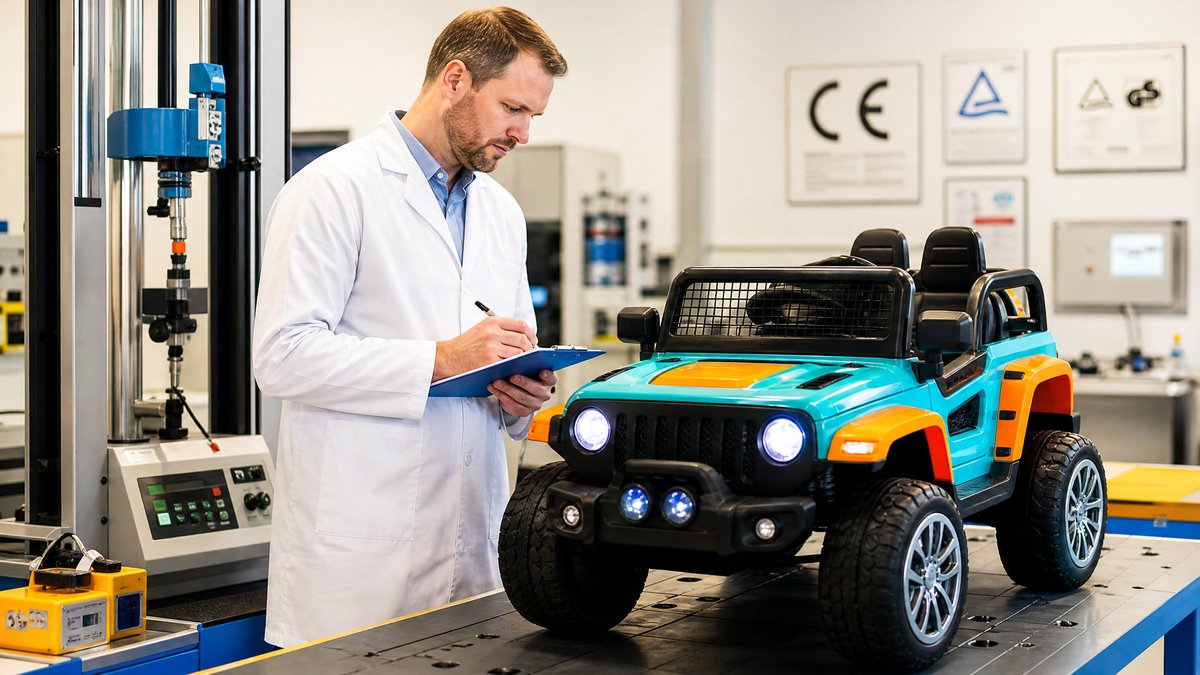
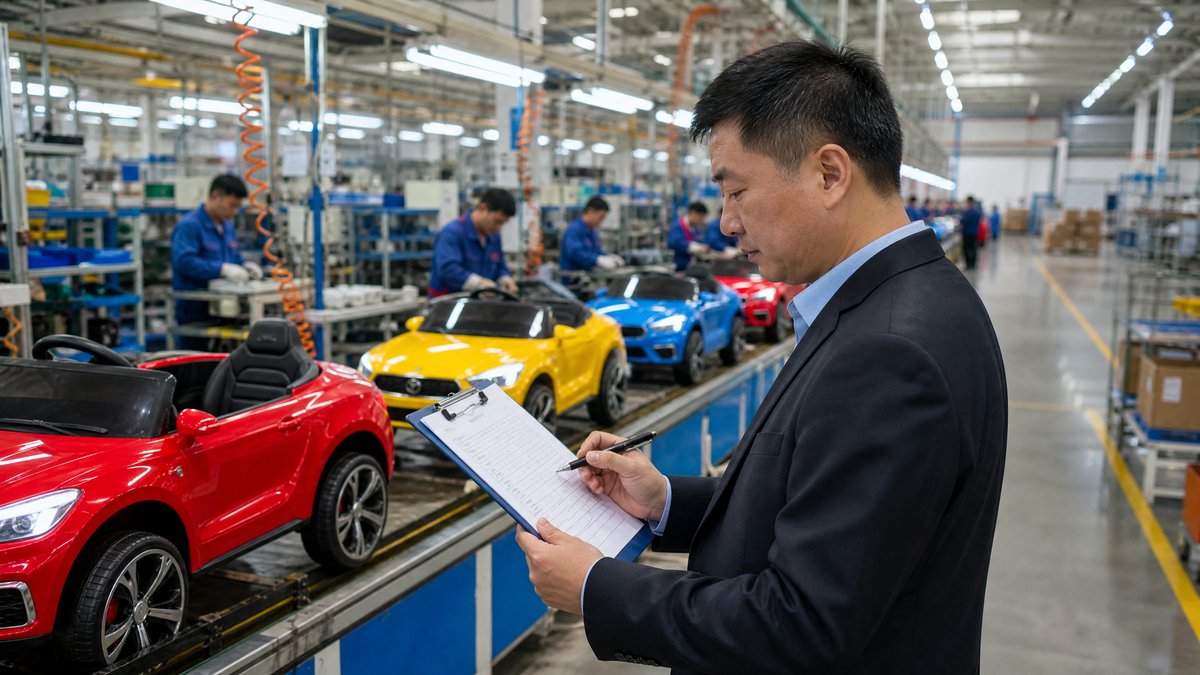
The first step in this verification framework is inspecting the official product manual, rating plate, and technical specification sheet provided by the manufacturer. These documents must explicitly outline the exact warranty duration for each functional subsystem, the designated procedure for filing claims, and the supplier's commitment to supplying spare parts. Buyers should verify whether the manufacturer provides written standard operating procedures (SOPs) for diagnosing common electrical or mechanical faults. Furthermore, procurement teams should review the supplier's defect rate history and batch testing records to gauge manufacturing reliability.
Request a wholesale quote
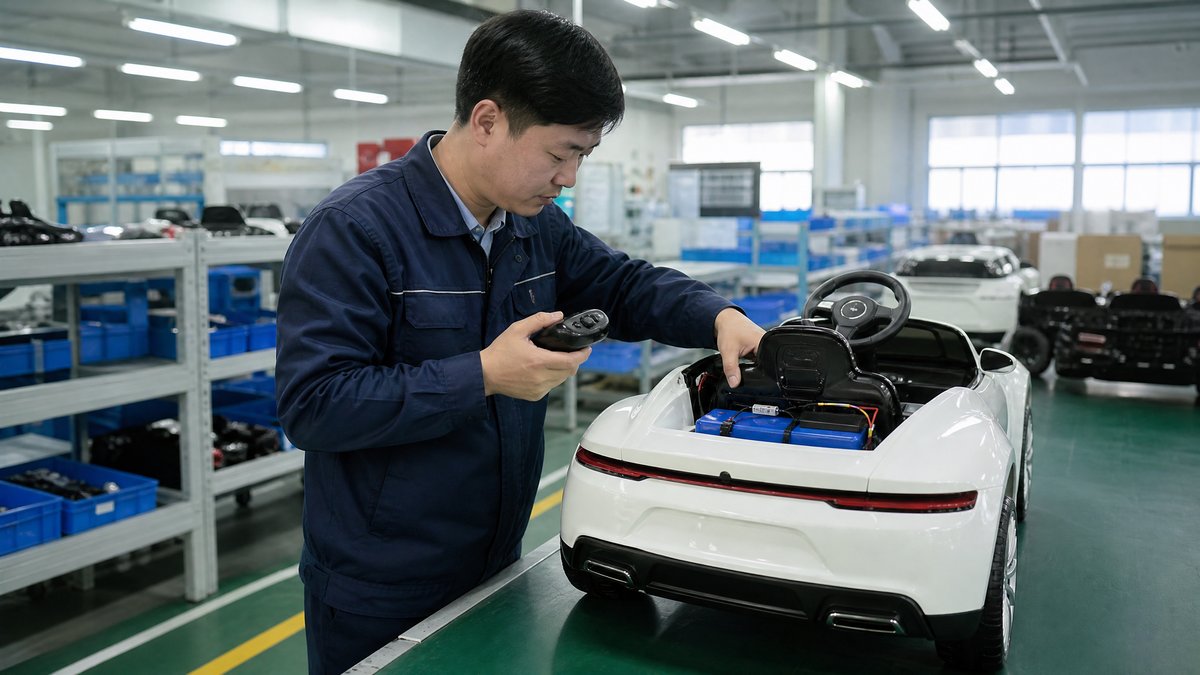
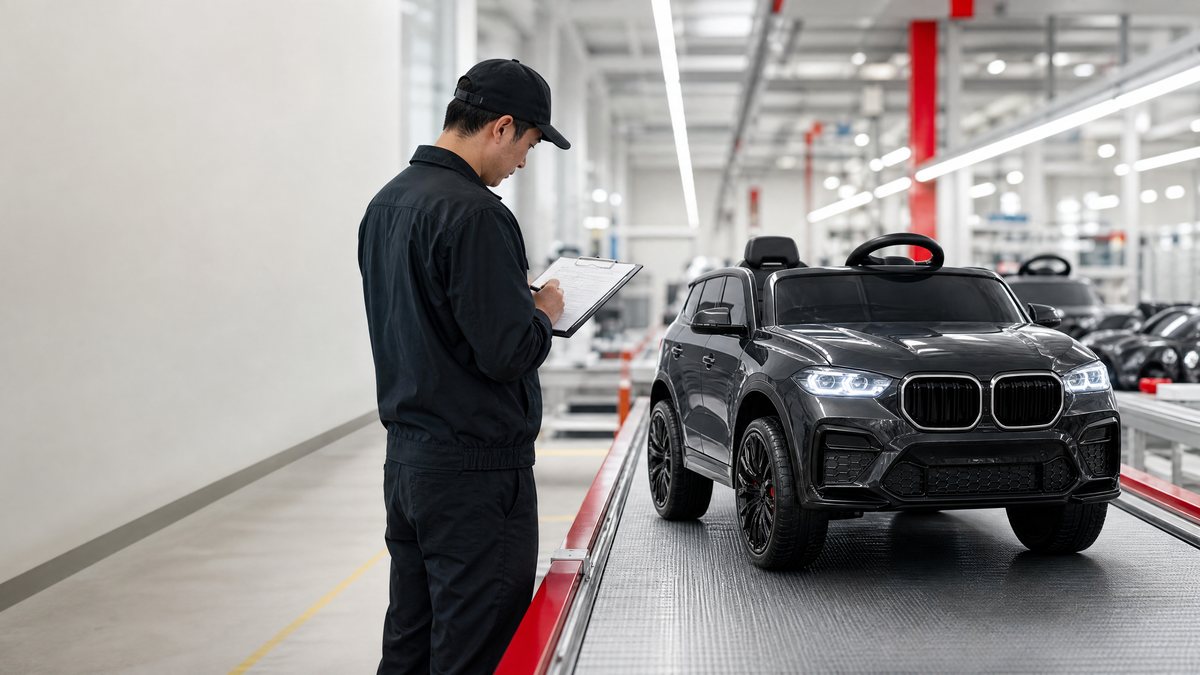
The second step involves analyzing the return merchandise authorization (RMA) workflow. A professional manufacturer should offer a clear, transparent RMA process that minimizes cross-border shipping friction by utilizing photographic or video documentation of faults to authorize component-level replacements rather than demanding the return of bulky vehicle chassis. By embedding these verification standards into wholesale contracts, retail buyers can safeguard their supply chain and ensure reliable after-sales support for their customer base. Comprehensive pre-shipment inspections (PSI) further reinforce quality assurance by verifying that electrical harnesses, remote pairing, and gearbox assemblies operate correctly prior to international transit.
Wholesale and Retail Procurement Best Practices
Integrating warranty evaluation into the broader procurement strategy enables B2B buyers to optimize inventory quality, minimize operational friction, and build enduring trust with retail consumers. When partnering with established manufacturers like KidsRideCar, wholesale buyers should adopt a proactive approach to product documentation and quality assurance.
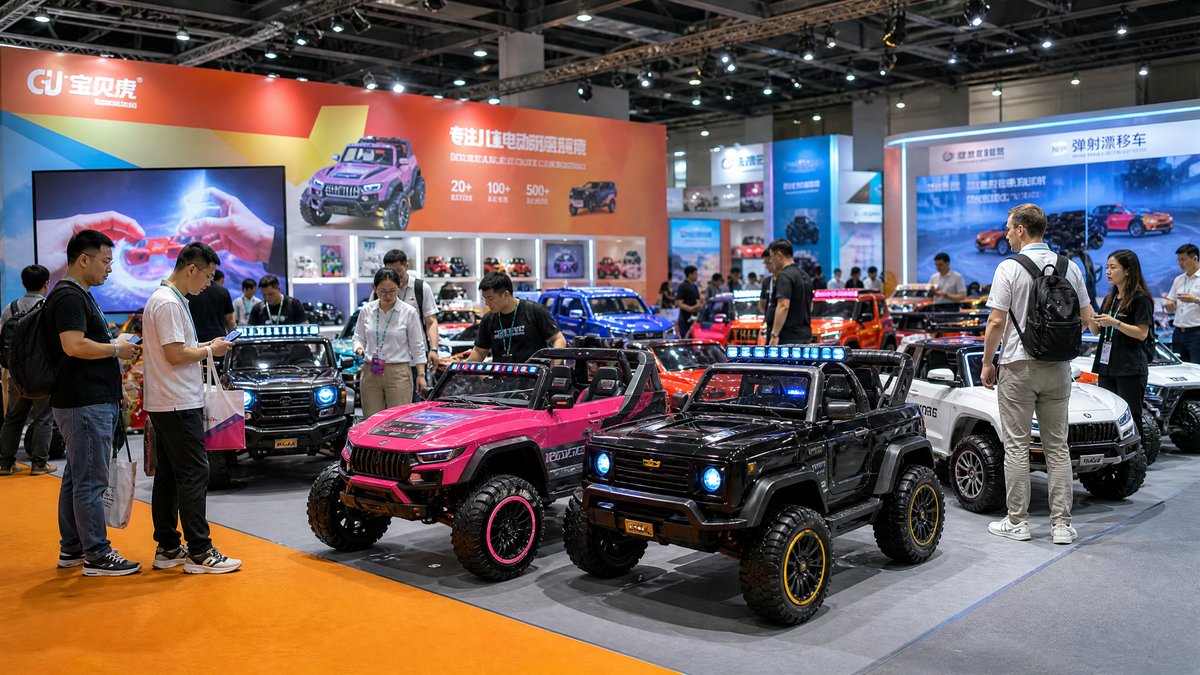
Procurement professionals should request complete, unredacted warranty certificates and sample user manuals during the initial vendor evaluation phase. This allows technical teams to review safety warnings, assembly guidelines, maintenance instructions, and warranty exclusions against regional regulatory standards. Additionally, buyers should negotiate spare-part allowance packages alongside bulk vehicle orders. Including a supplementary percentage of high-rotation replacement components—such as remote handsets, charger units, and spare gearboxes—within initial shipments ensures that local warranty claims can be resolved swiftly without waiting for international freight dispatch.
Retailers should also ensure that point-of-sale materials and customer service staff accurately communicate warranty terms to end-consumers. Transparency regarding what constitutes normal wear and tear versus manufacturing defects prevents customer dissatisfaction and reinforces brand integrity. By maintaining open lines of communication with manufacturing partners regarding product performance feedback, wholesale buyers can contribute to continuous product refinement and long-term market success across diverse global markets.
Frequently Asked Questions
Are batteries covered for the same duration as motors?
No. Due to the electrochemical nature of rechargeable batteries (such as AGM or Lithium-ion packs) and their vulnerability to user charging habits and storage conditions, battery warranties are typically shorter than structural or motor warranties. Coverage is contingent upon adherence to specified charging times, voltage limits, and seasonal storage guidelines provided in the user manual.
What steps should be taken if a component fails during the warranty period?
If a component fails, stop operating and charging the vehicle immediately, turn off the power switch, and keep children away from the unit. Document the issue clearly with photographs or short video clips demonstrating the fault, and reference the model's serial number and rating plate. Contact the supplier or authorized distributor with these details to initiate the warranty claim and request the appropriate replacement part following the manufacturer's verified RMA procedure.
Do commercial or rental usage scenarios void standard manufacturer warranties?
Standard consumer warranties generally cover residential, private-use settings. Utilizing ride-on vehicles in heavy commercial, public rental, amusement park, or commercial daycare environments typically voids standard consumer warranties unless a specific commercial-grade service agreement or extended commercial warranty has been explicitly negotiated and documented in the wholesale contract.
How can international wholesale buyers verify warranty validity across different jurisdictions?
International buyers should review the legal terms stipulated in the master supply agreement and verify that the manufacturer's warranty policies align with consumer protection laws in the target destination markets. Securing written agreements regarding component-level replacement support, spare parts availability, and clear claim adjudication processes ensures cross-border warranty enforceability.
Conclusion
Navigating the warranty landscape for children's ride-on electric vehicles requires a structured, analytical approach from B2B buyers, wholesale distributors, and retail partners. While warranties do not cover environmental exposure, misuse, unauthorized modifications, or routine consumable wear, a robust manufacturer warranty provides essential protection against structural and functional defects. By rigorously inspecting documentation, evaluating component-level coverage terms, establishing clear RMA workflows, and adhering strictly to manufacturer operating and maintenance guidelines, commercial buyers can ensure operational reliability and deliver exceptional value to end-users. Partnering with experienced manufacturers committed to transparency and product quality remains the cornerstone of successful ride-on vehicle procurement.
Request a wholesale quote
Official References
1. United States Consumer Product Safety Commission (CPSC): General Toy Safety Education and Regulatory Guidance - Note: CPSC general educational materials do not replace specific manufacturer instructions, safety labels, or vehicle-specific certifications.
2. International Consumer Protection and Enforcement Network (ICEN): Global standards for consumer product warranties and commercial dispute resolution frameworks.
3. ASTM International: Standard Consumer Safety Specification for Toy Safety (ASTM F963) - Guidelines for electrical safety, mechanical integrity, and structural performance in children's products.
Official references
Explore these external resources for current regulatory and trade guidance. Confirm requirements with the relevant authority before placing an order.
Ready to Start?
Factory-Direct · CE & ASTM Certified · MOQ from 50 Units
Our export team works with buyers in 60+ countries. Get a quote within 24 hours.
KR
Written by KidsRideCar
China's leading kids electric ride-on car manufacturer. 500,000+ units shipped annually to 60+ countries. CE, ASTM & EN71 certified.