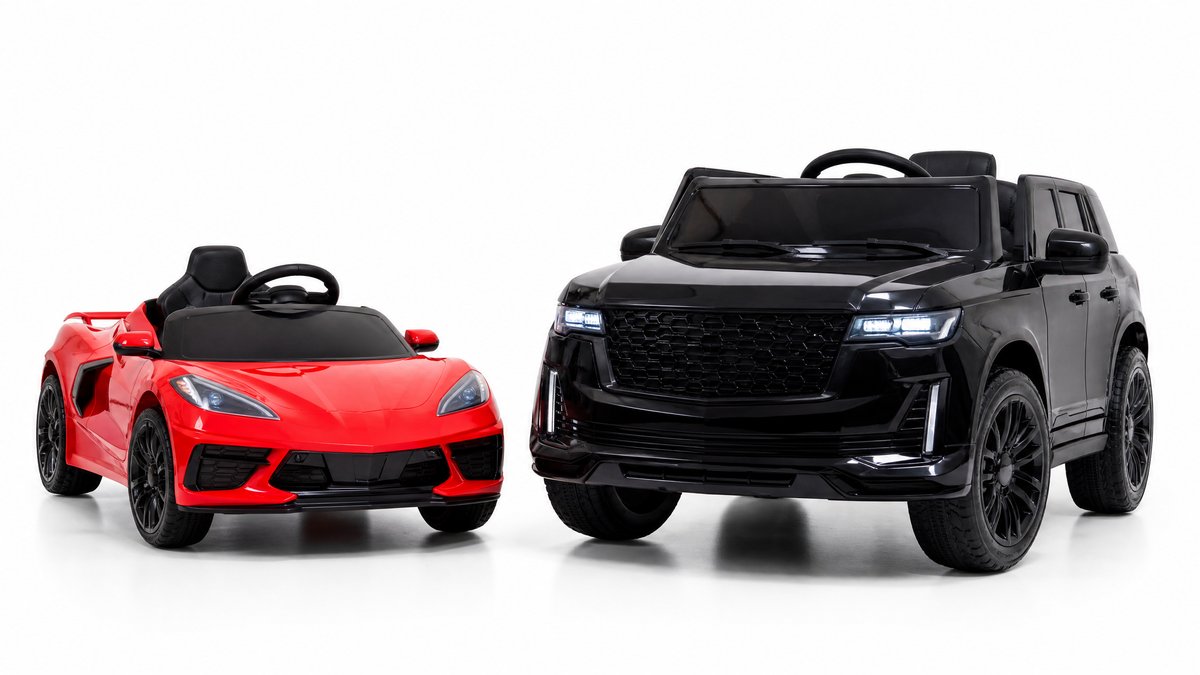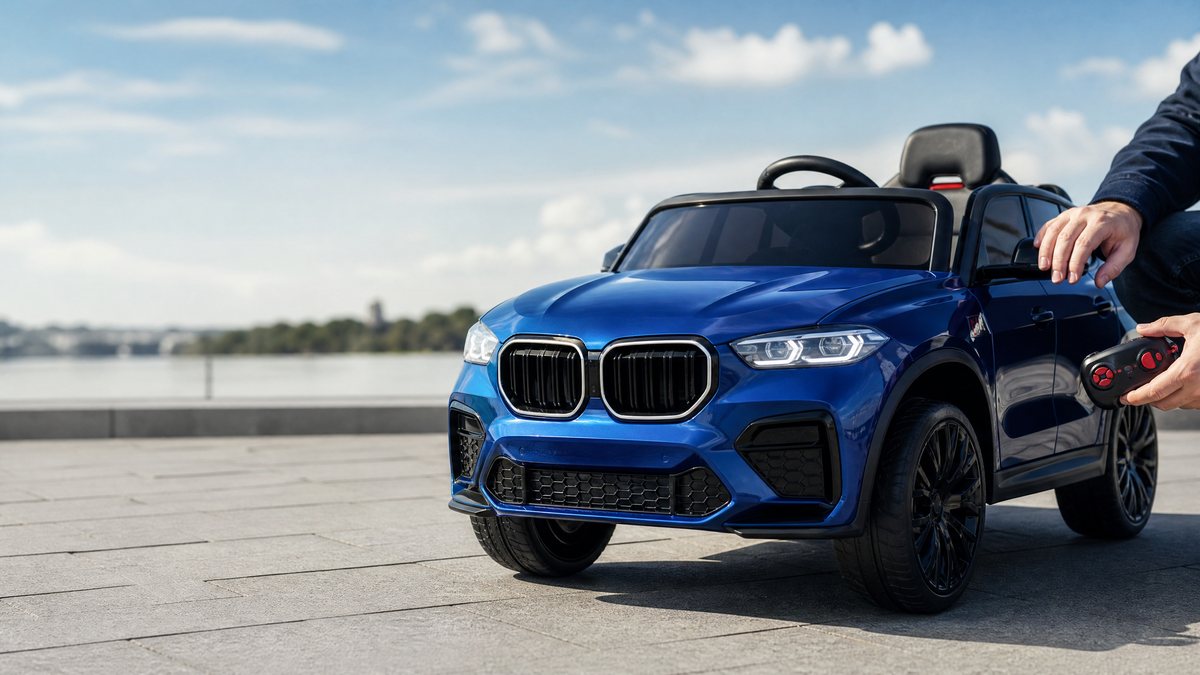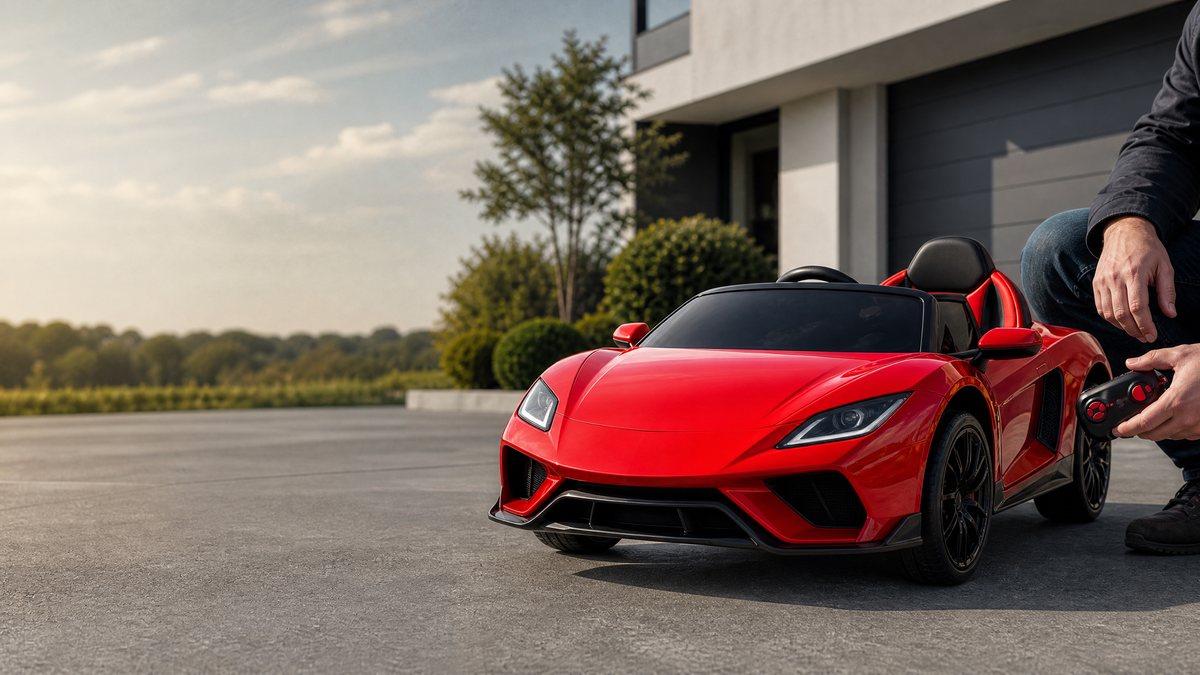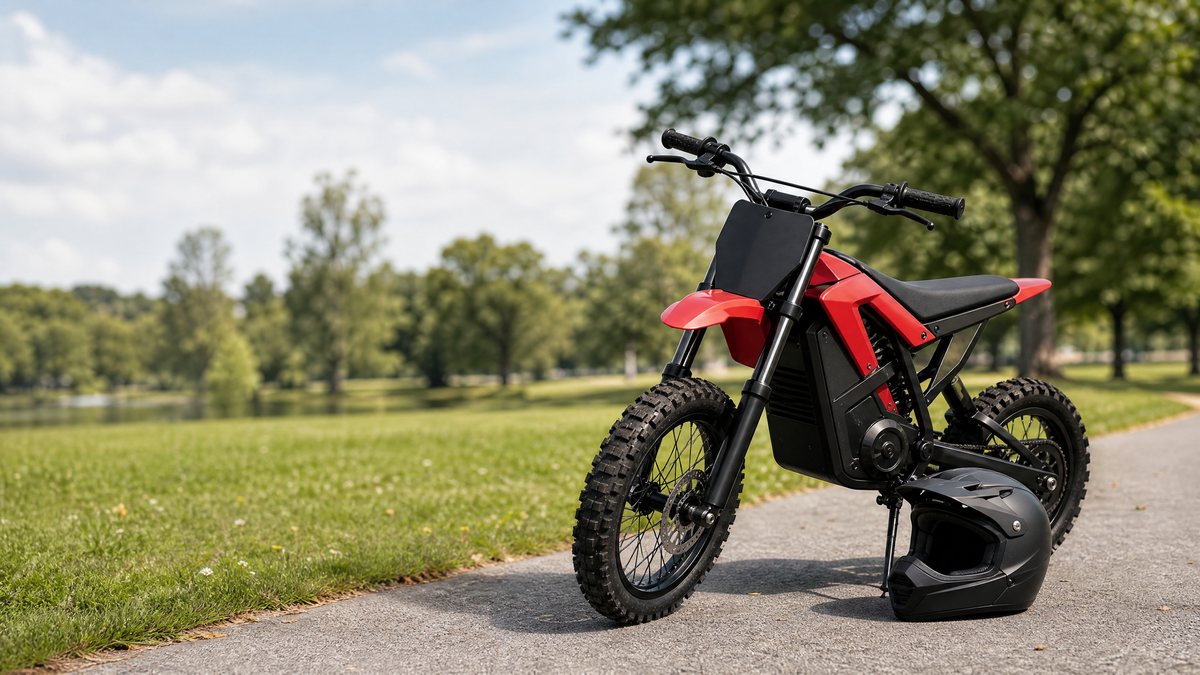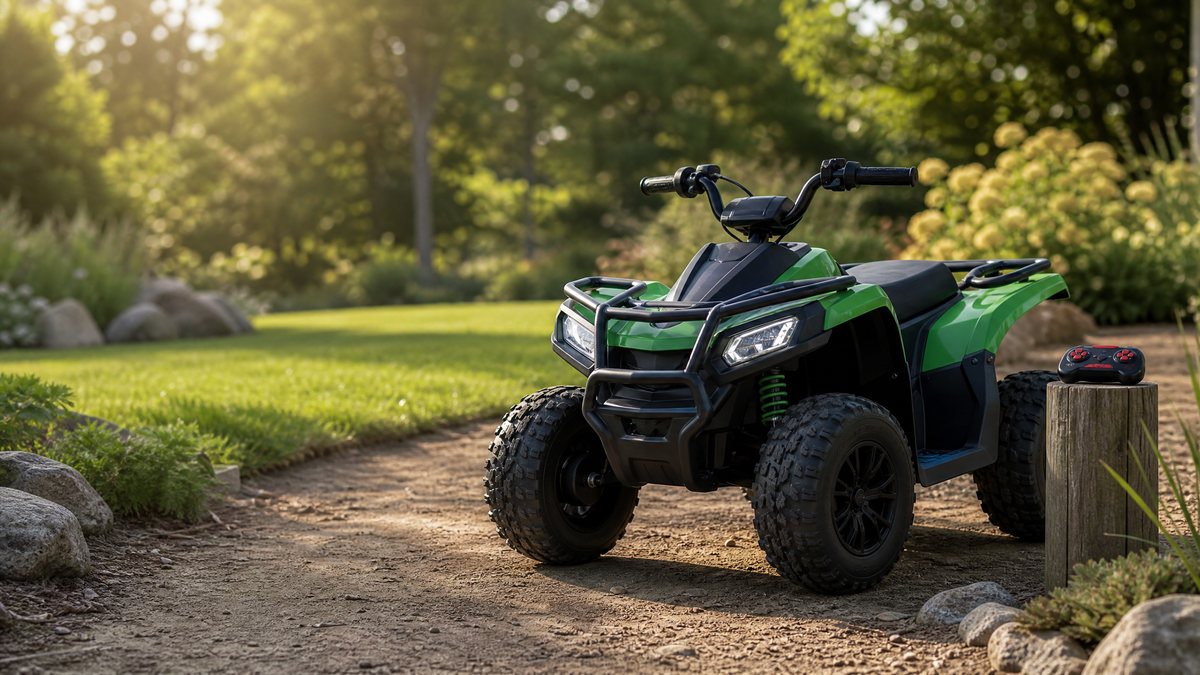
In the competitive global toy and ride-on vehicle market, securing a reliable supply chain is the cornerstone of a successful wholesale or retail business. For international importers, distributors, and large-scale retailers, partnering with Chinese kids electric car factories offers immense potential for profitability, product innovation, and market expansion. However, transactional, short-sighted sourcing often leads to erratic product quality, shipping delays, and missed market opportunities.
Building a resilient, long-term relationship with your manufacturing partners in China transforms a standard buyer-supplier dynamic into a strategic alliance. When Chinese factories view you as a valued, reliable partner rather than a one-time buyer, they prioritize your production schedules, offer preferential pricing, allocate dedicated engineering support, and share early access to new product innovations. This comprehensive guide explores the proven strategies international B2B buyers can implement to cultivate enduring, mutually beneficial relationships with Chinese kids electric car manufacturers.
1. Understanding the Manufacturing Landscape in China
Before initiating contact or negotiating long-term agreements, it is essential to understand how the kids electric car manufacturing ecosystem is structured in China. The industry is largely clustered in key industrial hubs, notably Zhejiang province (Pinghu and Ningbo) and Guangdong province (Shenzhen, Shantou, and Dongguan).
Pinghu, for instance, is globally recognized as the capital of children's ride-on vehicles, housing thousands of specialized component suppliers, assemblers, and exporters. Understanding this ecosystem helps buyers appreciate the nuances of factory operations:
* OEM vs. ODM Capabilities: Many factories offer Original Equipment Manufacturing (OEM) based on your exact specifications, as well as Original Design Manufacturing (ODM) where you can select and rebrand existing mature models.
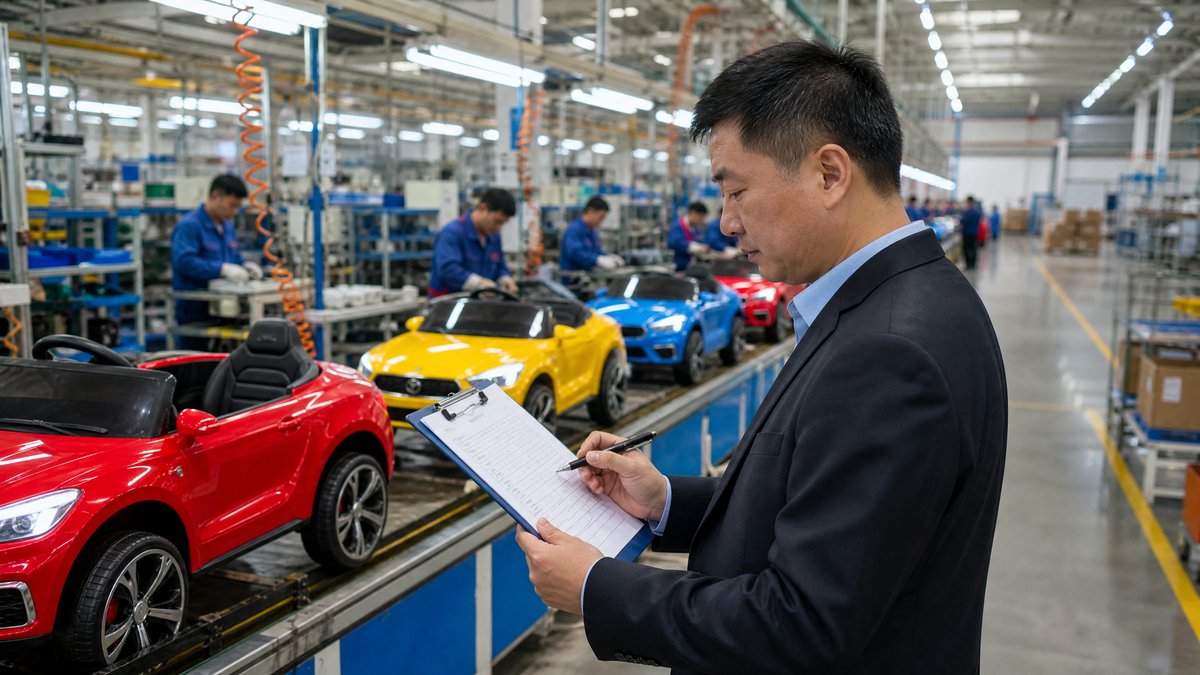
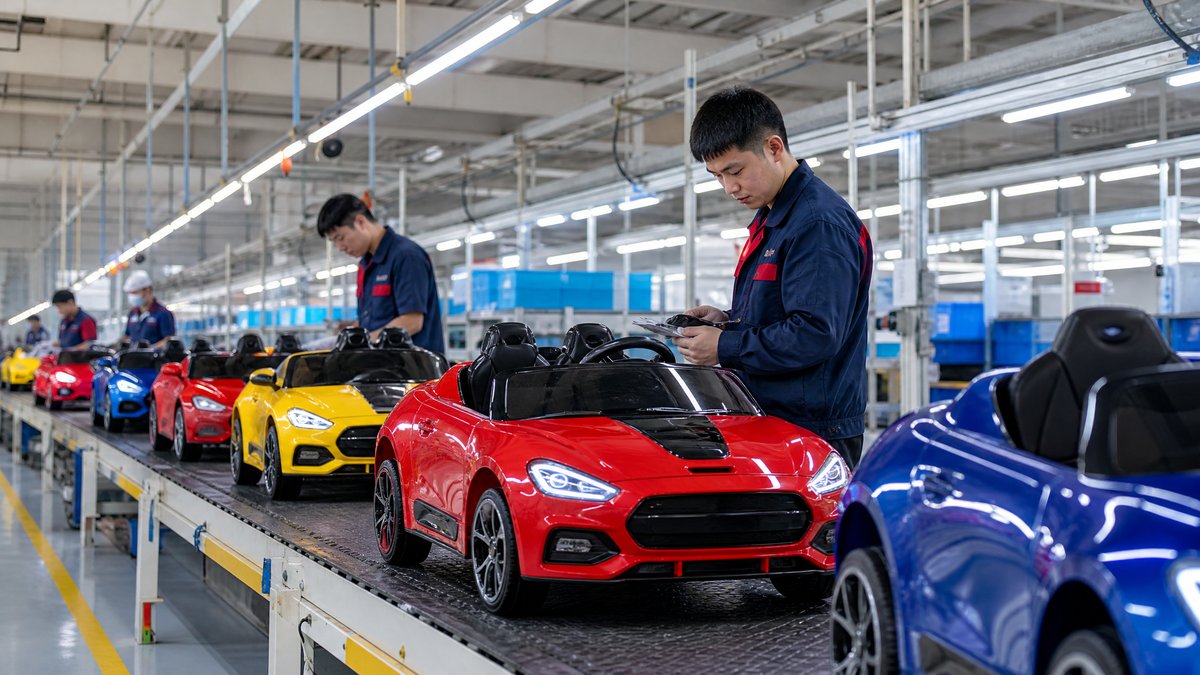
* Tiered Supply Chains: Top-tier manufacturers maintain in-house injection molding, motor winding, PCB (Printed Circuit Board) assembly, and strict quality testing laboratories, whereas smaller factories often outsource key sub-assembly processes.
* Seasonal Fluctuations: Production cycles are heavily influenced by global retail peaks (such as the Christmas holiday shopping season) and local holidays like Chinese New Year (CNY). Planning around these cycles is vital for relationship harmony.
2. Initial Evaluation and Mutual Transparency
The foundation of any long-term relationship is built during the initial vetting and onboarding phase. Rushing this stage or focusing solely on the lowest initial unit price often leads to fractured partnerships later.
Conducting Thorough Due Diligence
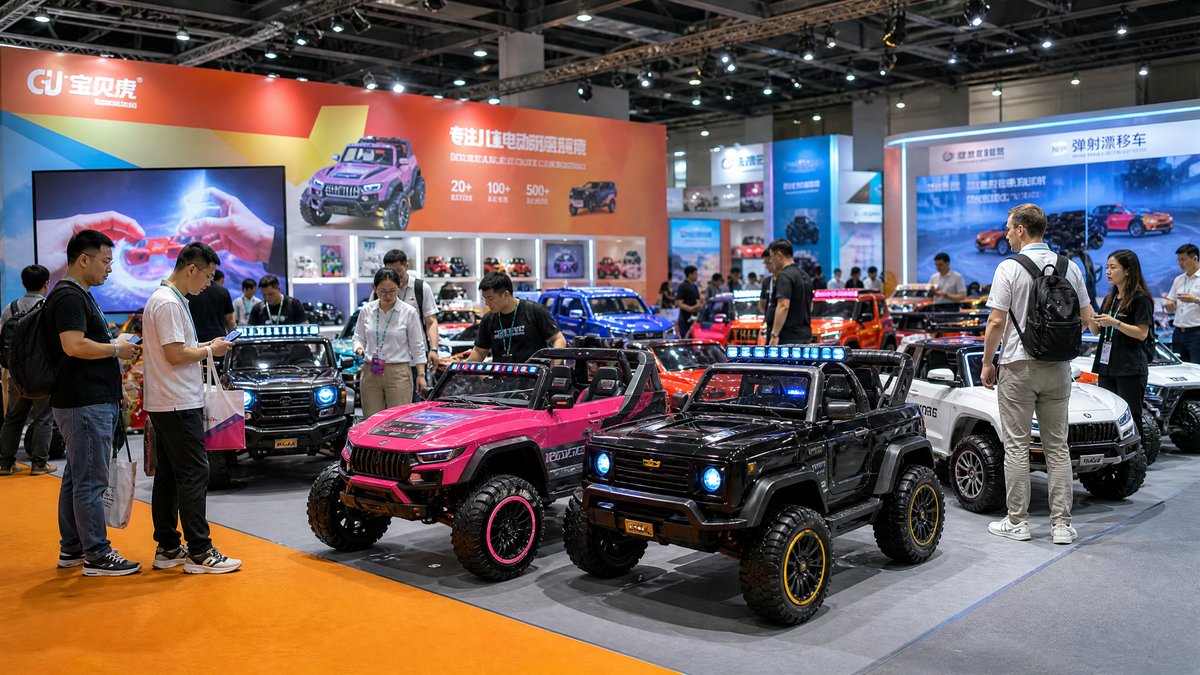
When evaluating potential Chinese kids electric car factories, look beyond glossy trade show catalogs and promotional videos. Request verifiable documentation:
* Business Licenses and Factory Audits: Verify their official registration, manufacturing capacity, and facility size. Third-party audit reports (such as SGS, Bureau Veritas, or TÜV Rheinland) provide objective insights into working conditions, machinery standards, and quality management systems.
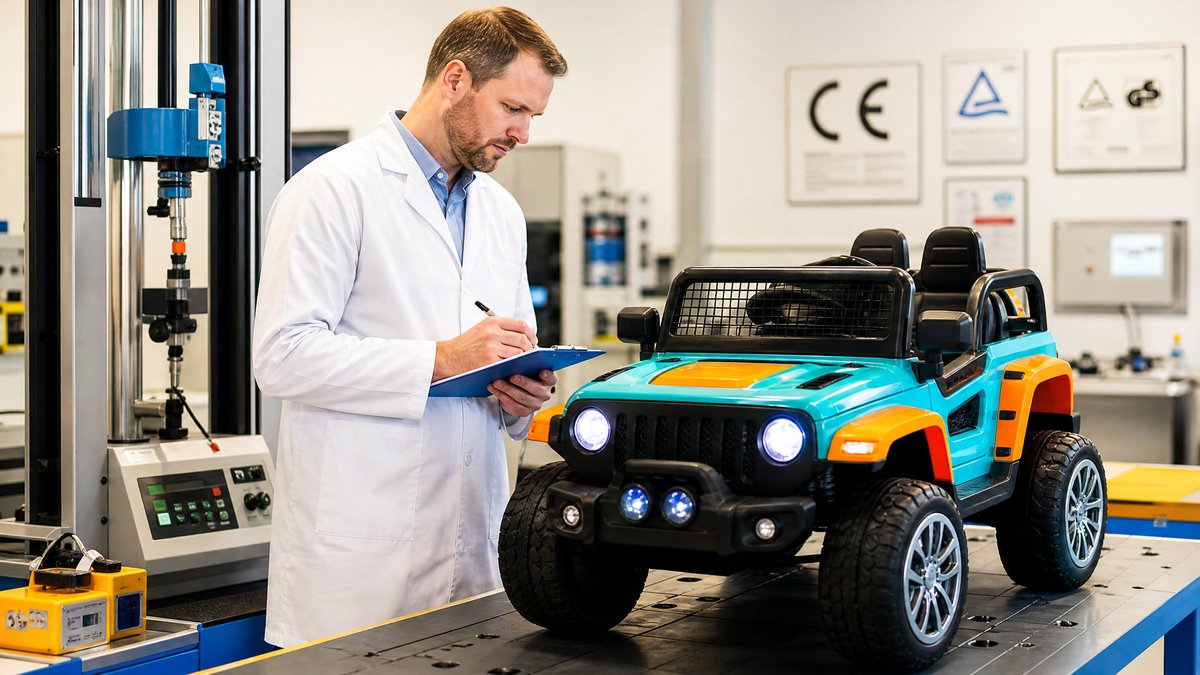
* Compliance and Safety Certifications: Kids ride-on toys are heavily regulated. Ensure the factory routinely tests products to international standards such as CE, EN71, ASTM F963, RoHS, and FCC. A factory that balks at providing recent test reports is an immediate red flag.
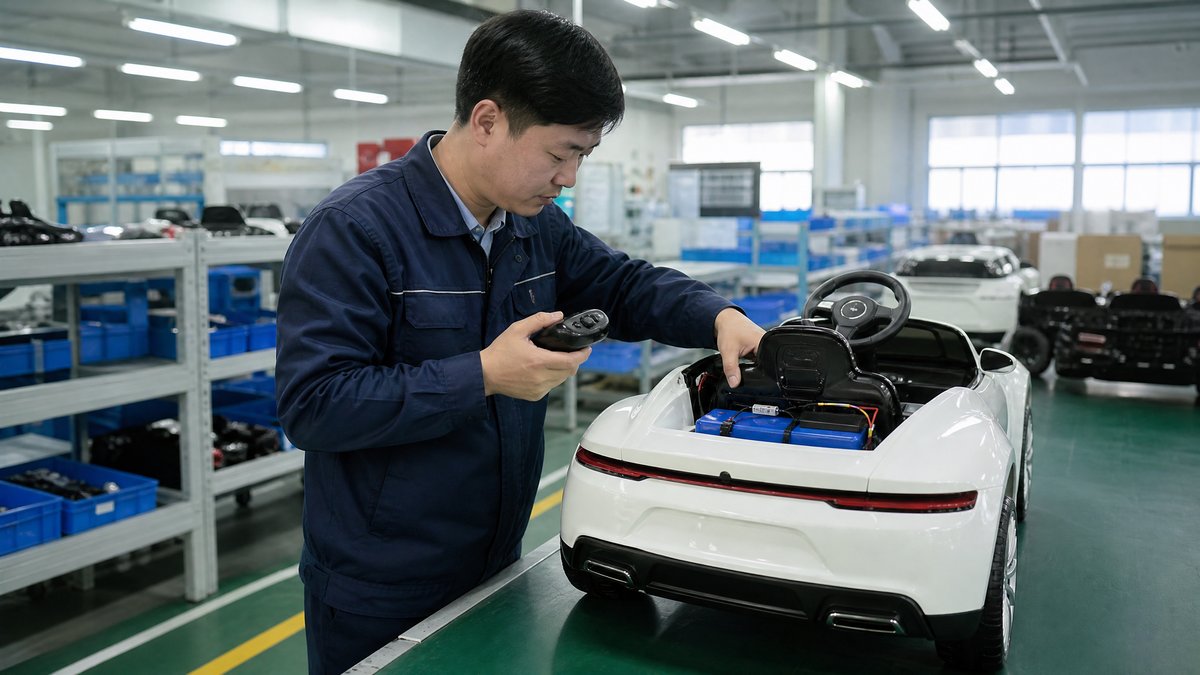
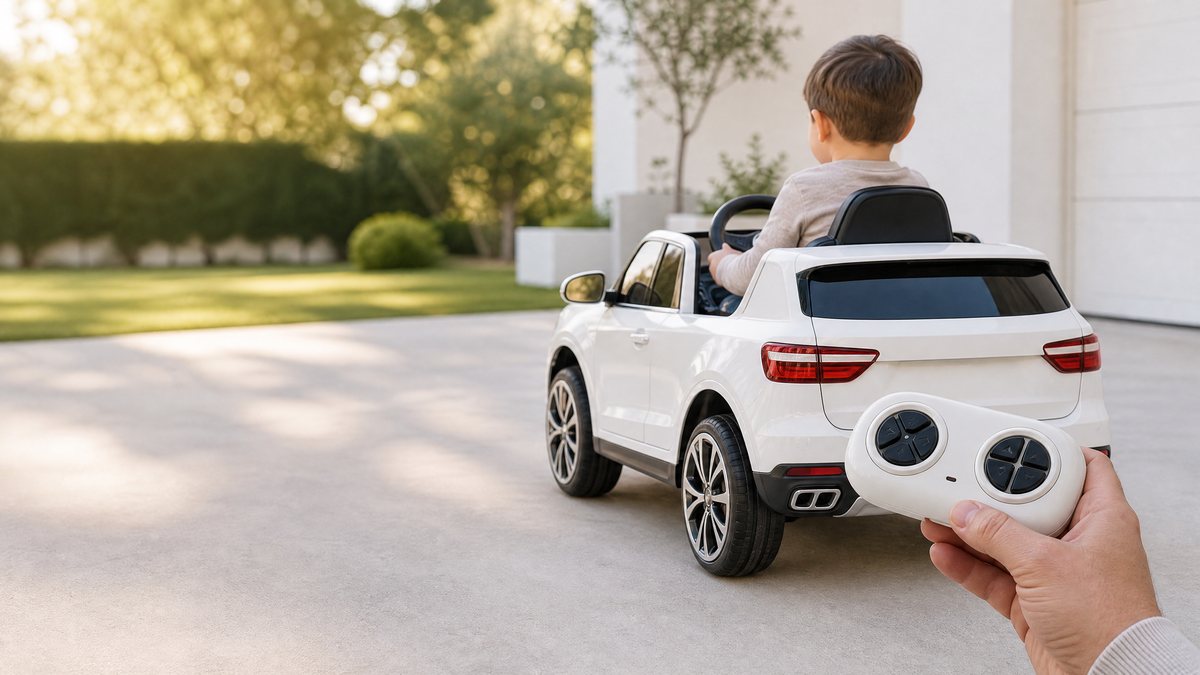
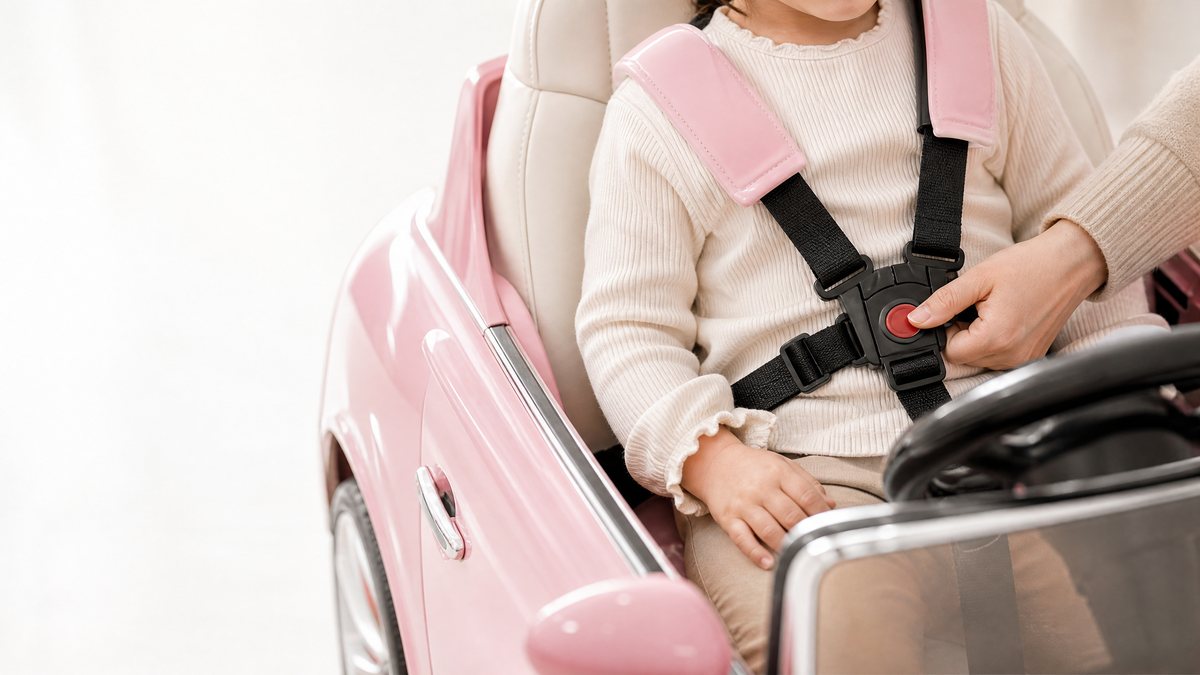
* Sample Evaluation: Always order physical samples. Assess not just the visual appeal of the ride-on car, but the structural integrity of the frame, the smoothness of the gearbox, the responsiveness of the 2.4G parental remote control, and the safety of the battery management system.
Transparent Communication from Day One
Be upfront about your business model, projected annual volumes, target markets, and growth projections. Chinese manufacturers respect buyers who present realistic forecasts. Exaggerating initial order quantities to squeeze down prices, only to place small trial orders, damages trust immediately. Clear, honest communication regarding your expectations establishes a professional baseline.
3. Effective Communication and Cultural Alignment
Cross-border business transactions frequently encounter friction due to language barriers, cultural differences, and time zone gaps. Bridging these divides is critical for long-term collaboration.
Establishing Dedicated Communication Channels
Reliance on fragmented email chains often leads to misinterpretations. Modern B2B sourcing benefits greatly from adopting unified communication tools:
* Instant Messaging Platforms: Utilizing WeChat or WhatsApp allows for rapid, real-time clarifications regarding engineering drawings, packaging labels, and shipping updates.
* Structured Documentation: Follow up verbal or chat discussions with formal written confirmation (via email) summarizing action items, agreed specifications, and deadlines.
* Appointing Bilateral Liaisons: If your operation is large enough, having a dedicated sourcing agent or bilingual procurement specialist who understands both Western retail expectations and Chinese manufacturing culture can dramatically reduce friction.
Respecting Cultural Nuances and Etiquette
Building guanxi (connections and mutual trust) remains an integral aspect of doing business in China. Showing respect for your factory partners goes a long way:
* Patience and Professionalism: Direct confrontation or aggressive negotiation tactics often cause counterparts to lose face, leading to guarded communication rather than collaborative problem-solving.
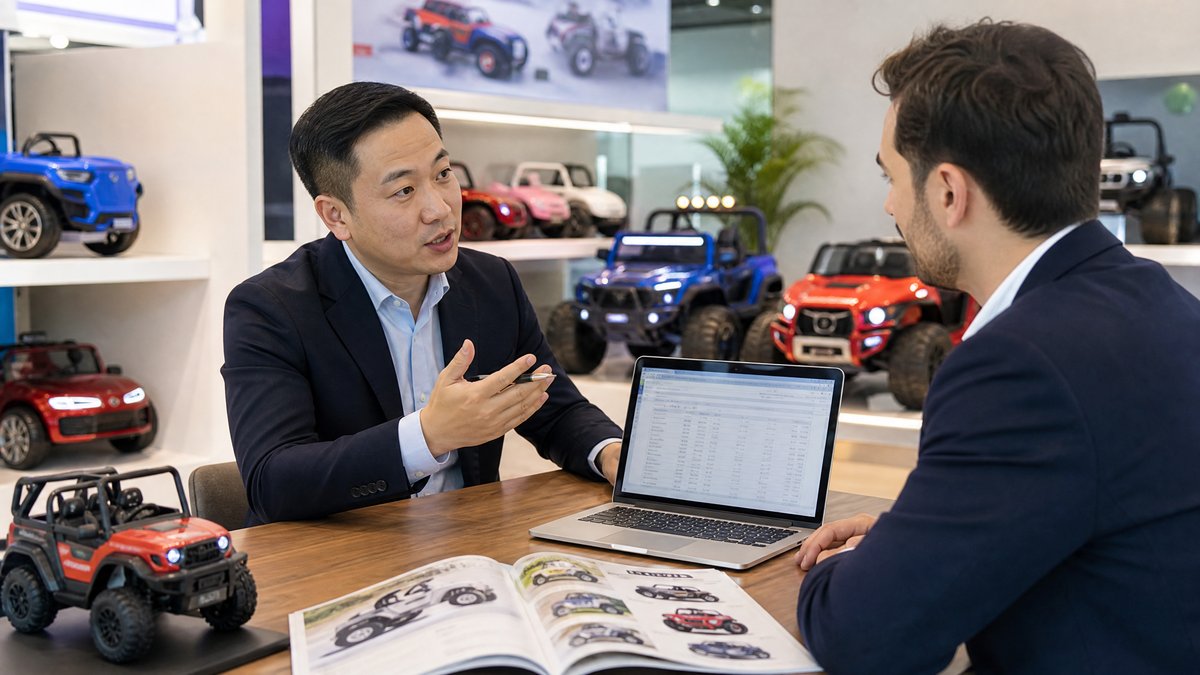
* In-Person Visits: Whenever possible, visit the factory floor, meet the executive leadership team, and share a meal. Face-to-face interaction cements relationships in a way digital communication cannot replicate.
4. Quality Control (QC) and Clear Contractual Standards
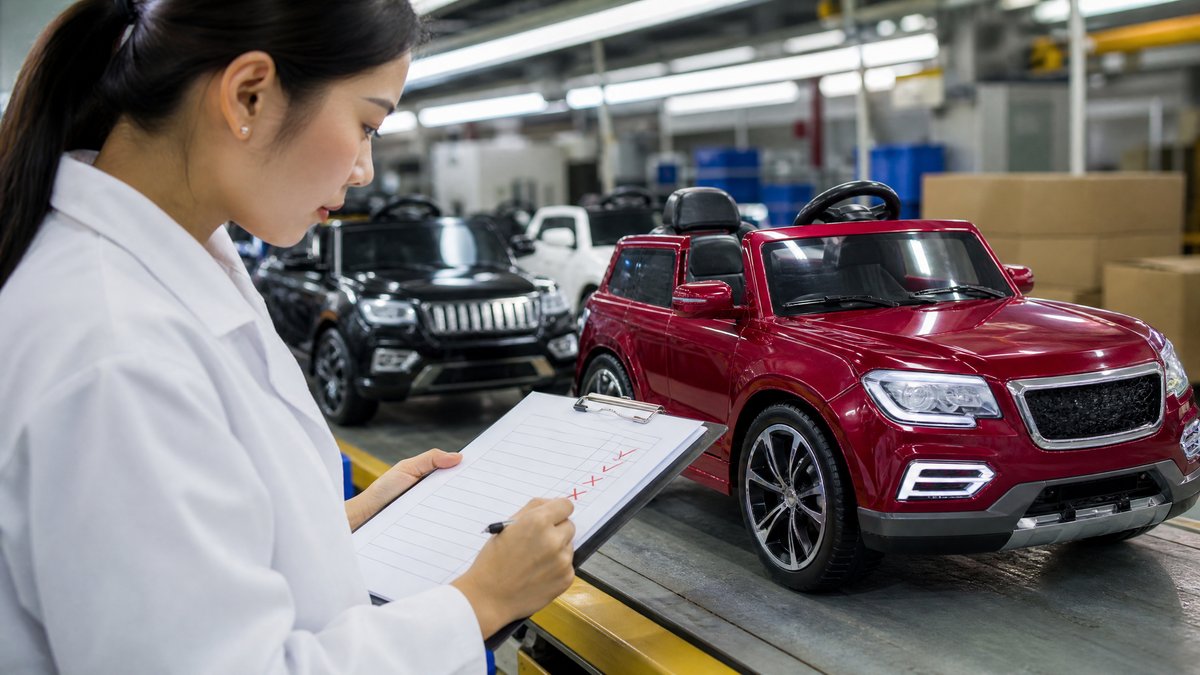
Trust is essential, but verification ensures longevity. Long-term supplier relationships thrive when quality standards are unambiguous, objective, and mutually enforced.
Defining Acceptable Quality Limits (AQL)
Establish clear specifications covering every aspect of the kids electric car:
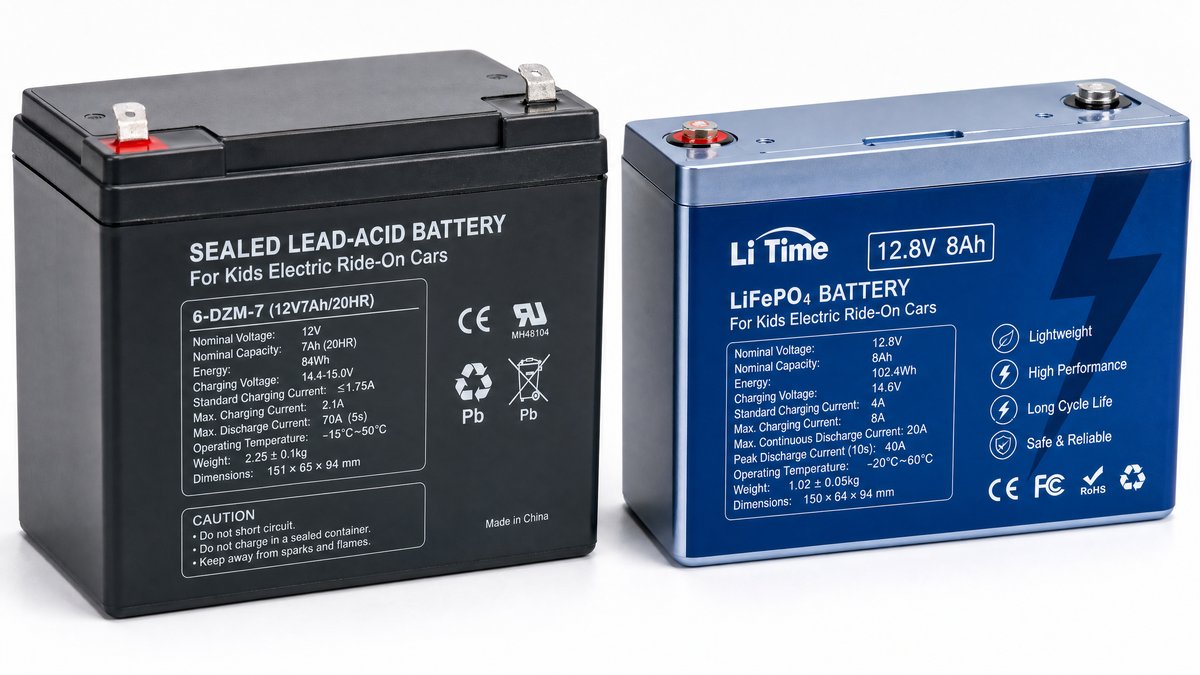
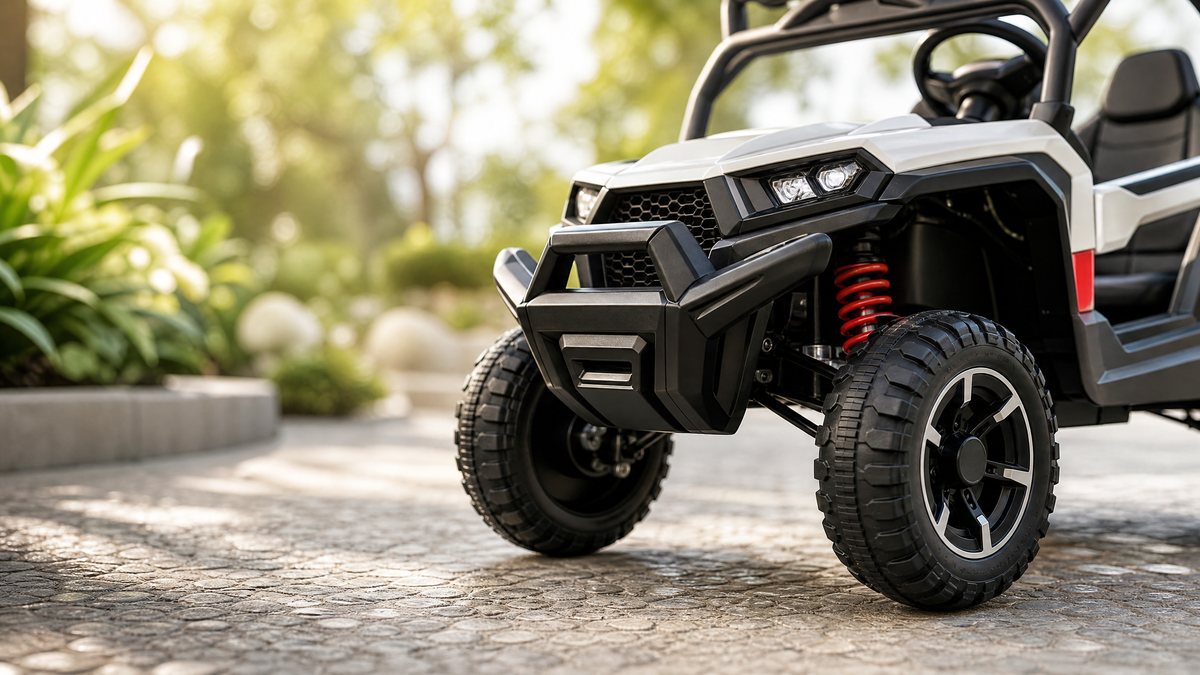
* Mechanical & Electrical Specs: Motor wattage (e.g., 12V vs. 24V configurations), battery capacity (Ah ratings), tire material (EVA foam vs. hard plastic), and suspension systems.
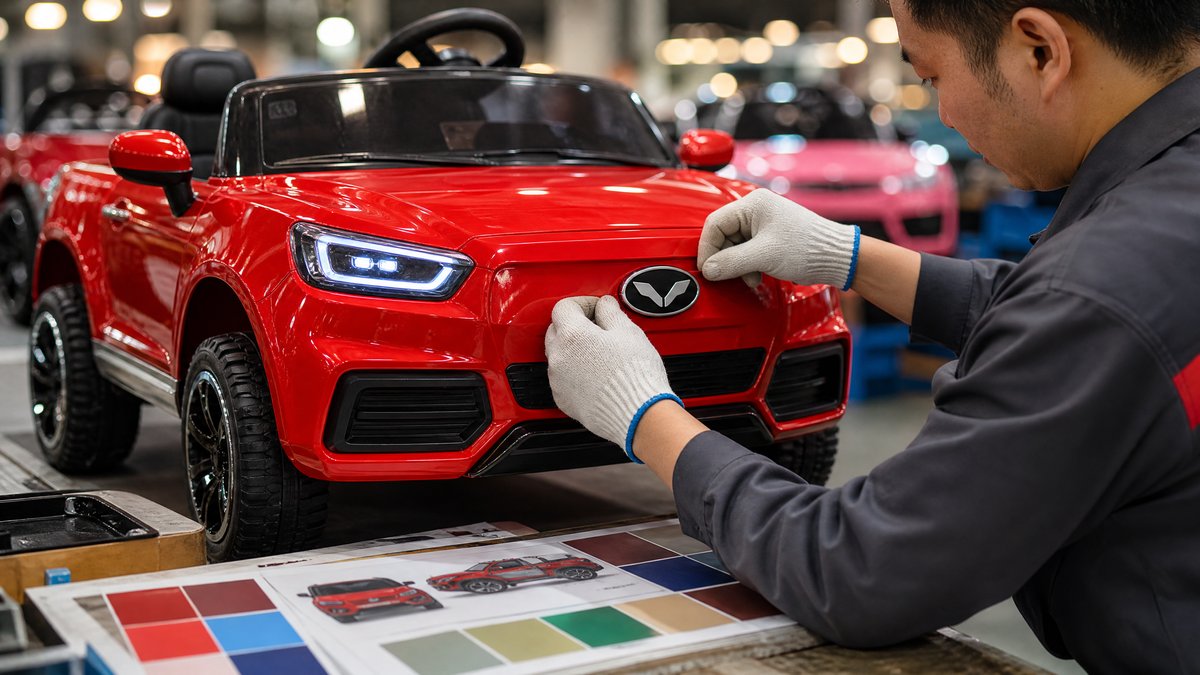
* Cosmetic Standards: Paint finish quality, leather seat stitching, decal application accuracy, and drop-test-compliant packaging.
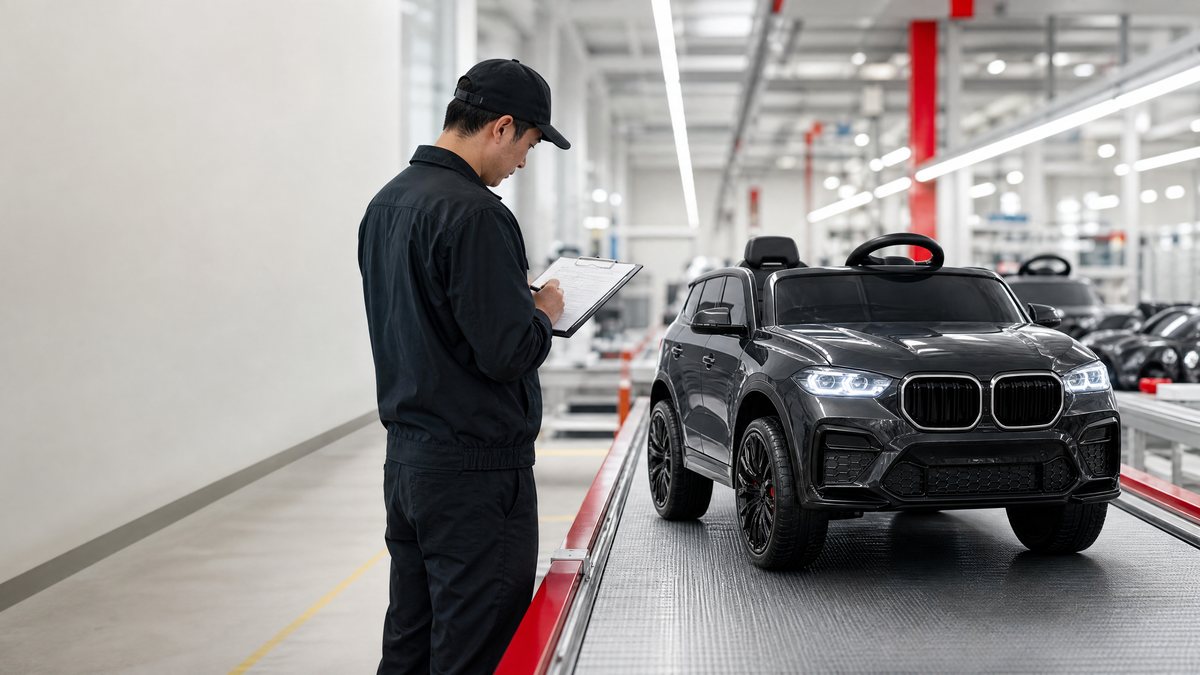
* Third-Party Inspection: Implement a policy of pre-shipment inspections (PSI) conducted by independent inspection agencies or your own QA staff before final balance payment is released.
Collaborative Problem-Solving
Defects and shipping discrepancies will inevitably occur in global manufacturing. How a factory handles defects dictates whether the relationship survives. Instead of imposing punitive fines immediately, approach quality issues as joint engineering challenges. Work together to identify root causes—such as a sub-component failure from a tier-2 supplier—and collaborate on implementing corrective and preventive actions (CAPA).
5. Financial Stability and Fair Commercial Terms
A sustainable supplier relationship must be commercially viable for both parties. Squeezing manufacturing margins to unsustainable levels forces factories to cut corners on materials, risking your brand reputation.
Fair Payment Terms and Cash Flow
Standard international trade terms typically involve a 30% deposit upon order confirmation and a 70% balance payment against the Bill of Lading copy or after passing inspection. As mutual trust deepens over years of successful cooperation, successful buyers often transition to more flexible terms, such as open account structures or higher credit limits, easing cash flow pressures for both sides.
Volume Rebates and Growth Incentives
Align your growth with your supplier's success. Structure commercial agreements that offer tiered volume rebates or priority production slots when your annual purchasing volume hits specific milestones. This gives the factory a vested interest in helping your business grow.
Transactional vs. Long-Term Supplier Partnerships
To better understand the strategic shift required for long-term success, consider the following operational comparison between short-term transactional sourcing and long-term strategic manufacturing partnerships:
| Operational Dimension | Short-Term Transactional Sourcing | Long-Term Strategic Partnership |
|---|---|---|
| Primary Focus | Lowest unit price per single order | Total cost of ownership, quality, and reliability |
| Communication | Sporadic, transactional, reactive | Proactive, structured, daily/weekly alignment |
| Production Priority | Standard queue; vulnerable to seasonal delays | Priority scheduling, guaranteed capacity allocation |
| Quality Control | Reactive inspection; frequent disputes | Collaborative QA, joint root-cause analysis, pre-aligned AQL |
| Product Development | Buying off-the-shelf catalog models only | Early access to prototypes, joint ODM/OEM customization |
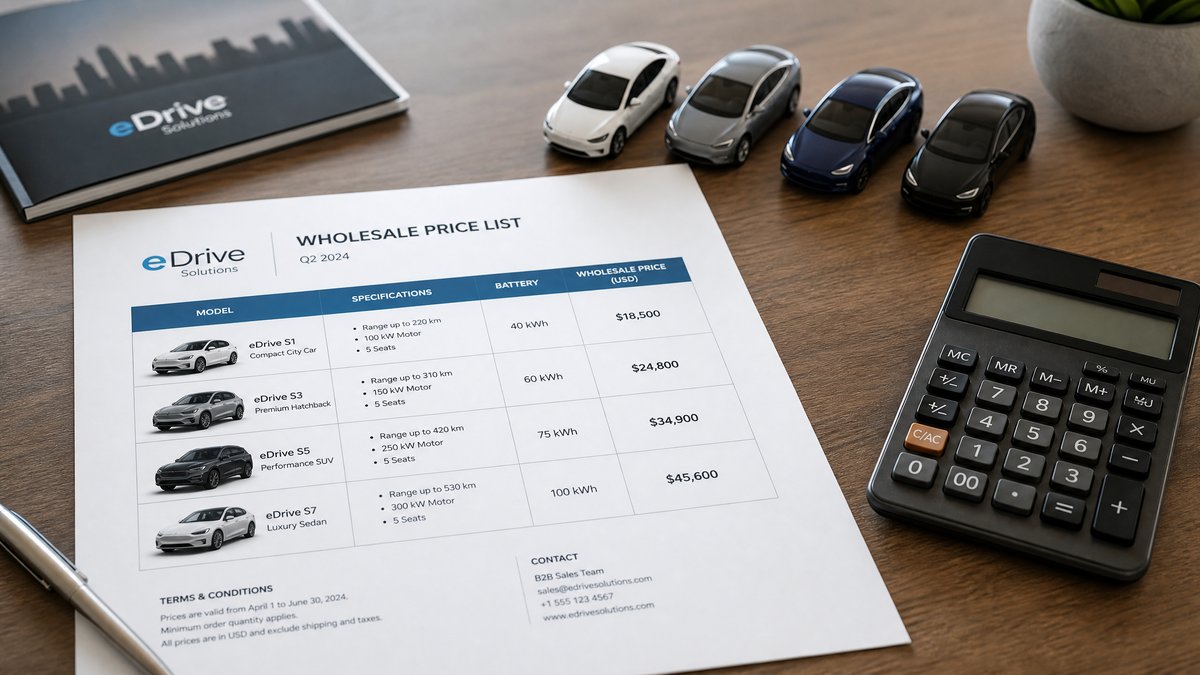
| Pricing Stability | Subject to volatile spot-market fluctuations | Stable pricing models, volume-based tiered rebates |
6. Frequently Asked Questions (FAQ)
Q1: How many units do I need to order to establish a direct relationship with a Chinese kids electric car factory?
A: While large factories prefer container-load quantities (typically 20-foot or 40-foot containers holding 150 to 400 units depending on vehicle size), many reputable manufacturers are willing to work with growing wholesalers on smaller trial orders (e.g., 50 to 100 units per model) if you can demonstrate a clear growth roadmap and professional marketing presence.
Q2: What is the best way to handle intellectual property (IP) protection when customizing kids electric cars?
A: Before sharing proprietary CAD drawings, unique dashboard designs, or custom brand logos, always have a legally binding Non-Disclosure, Non-Use, and Non-Circulation (NNNC) agreement drafted under Chinese jurisdiction. Additionally, register your trademarks and design patents in both your home market and in China to secure comprehensive legal standing.
Q3: How can I ensure my factory partner prioritizes my orders during peak manufacturing seasons?
A: Peak season for ride-on toys runs from July through October ahead of the winter holiday rush. To secure priority production, place your seasonal forecasts and confirmed purchase orders months in advance (ideally by May), maintain punctual deposit payments, and maintain consistent year-round order volumes rather than relying solely on erratic seasonal spikes.
Q4: Should I work directly with factories or through a Chinese sourcing agent?
A: Working directly with factories eliminates intermediary markups and gives you direct oversight of production. However, if you are a newcomer lacking bilingual staff or unable to visit factories in person, partnering with an experienced, reputable sourcing agent or third-party supply chain management firm can be invaluable during your first year of operation.
Conclusion
Building long-term supplier relationships with Chinese kids electric car factories is an investment in trust, clear communication, and mutual profitability. By moving away from purely transactional bargain-hunting and toward transparent collaboration, rigorous quality control, and shared growth objectives, international wholesalers and retailers can secure a distinct competitive advantage. A strong factory alliance ensures reliable product quality, priority access to innovative ride-on designs, and a resilient supply chain ready to scale with your business in the global marketplace.
*Ready to scale your kids electric car wholesale business with trusted manufacturing partners? Contact our team today at mailto:info@kidsridecar.com to discuss custom OEM solutions, catalog sourcing, and long-term supply chain strategies.*
Official references
Explore these external resources for current regulatory and trade guidance. Confirm requirements with the relevant authority before placing an order.
Ready to Start?
Factory-Direct · CE & ASTM Certified · MOQ from 50 Units
Our export team works with buyers in 60+ countries. Get a quote within 24 hours.
KR
Written by KidsRideCar
China's leading kids electric ride-on car manufacturer. 500,000+ units shipped annually to 60+ countries. CE, ASTM & EN71 certified.