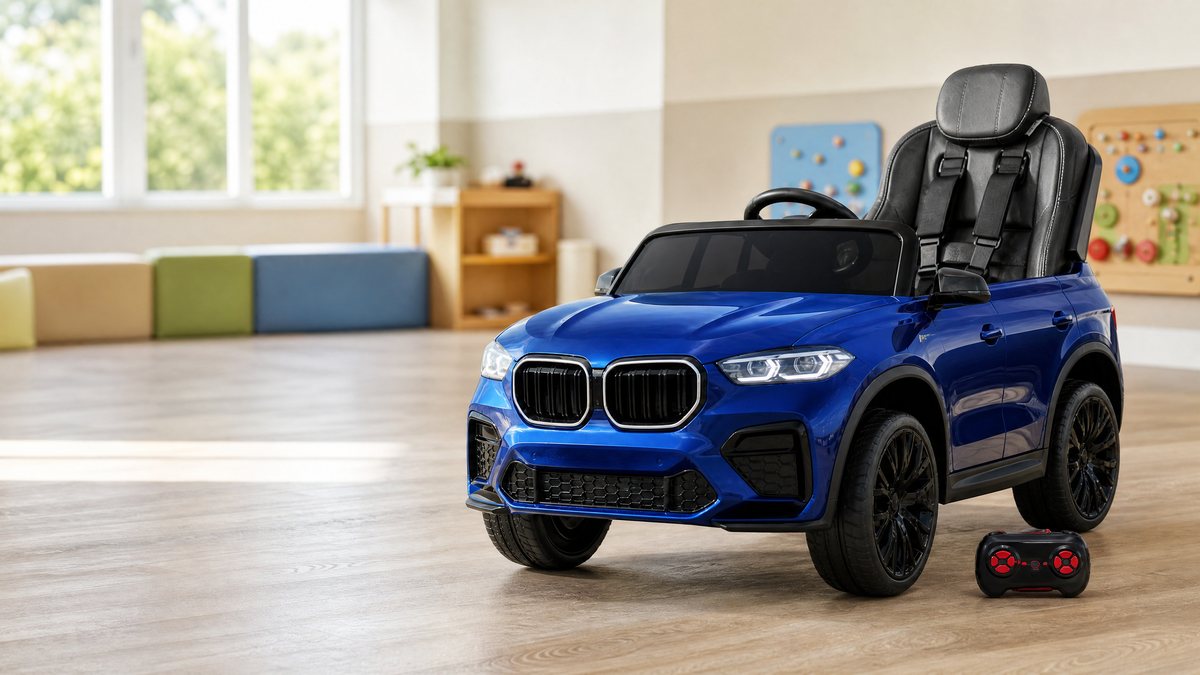
Introduction to Adaptive Mobility and Inclusive Play
Play is a fundamental catalyst for childhood development, actively fostering motor skills, spatial awareness, peer socialization, and emotional confidence. For children with physical, developmental, or sensory processing differences, traditional electric ride-on cars often present significant operational barriers, ergonomic mismatches, or safety hazards. Consequently, B2B distributors, specialty toy retailers, and pediatric rehabilitation clinics increasingly seek structured, professional guidance when evaluating and sourcing electric ride-on vehicles tailored for children with diverse special needs.
This is not medical advice; consult a qualified clinician or occupational therapist for individual needs.
When sourcing or stocking ride-on vehicles for children with special needs, commercial buyers must look far beyond standard aesthetic appeal and promotional marketing slogans. Universal design principles, adjustable ergonomics, reliable control redundancies, and rigorous regulatory compliance documentation are absolute prerequisites. This procurement framework outlines the critical evaluation factors that B2B buyers, wholesale distributors, and retail partners must examine to ensure safe, engaging, and genuinely inclusive play experiences.
Core Evaluation Framework for Adaptive Ride-On Vehicles
Selecting or manufacturing ride-on vehicles for children with physical, neurological, or cognitive variations requires assessing four primary pillars: postural support, control accessibility, sensory adaptation, and safety compliance. Wholesale buyers should utilize this framework during supplier audits and product catalog curation.
1. Postural Support and Ergonomic Stability
Children with low muscle tone (hypotonia), cerebral palsy, neuromuscular conditions, or balance impairments require robust seating support to maintain an upright, stable posture throughout operation.
- Seated Integrity and Depth: Look for deep bucket seats, integrated lateral trunk supports, or modular high-back inserts that actively prevent lateral slumping and maintain spinal alignment.
- Adjustability and Adaptability: Adjustable footrests, removable seat inserts, and customizable seating depths ensure the vehicle accommodates orthotic devices, braces, and physical growth over time.
- Head and Neck Alignment: For children with limited head control, cushioned headrests or neck supports are vital components to prevent fatigue, discomfort, and strain during extended play sessions.
- Transfer Accessibility: Vehicles designed with removable armrests or swing-open doors facilitate safe, ergonomic transfers from wheelchairs or adaptive seating systems into the ride-on car.
2. Control Accessibility and Operational Safety
Control schemes must match the child's specific cognitive and motor capabilities while retaining fail-safe oversight for adult supervisors and therapists.
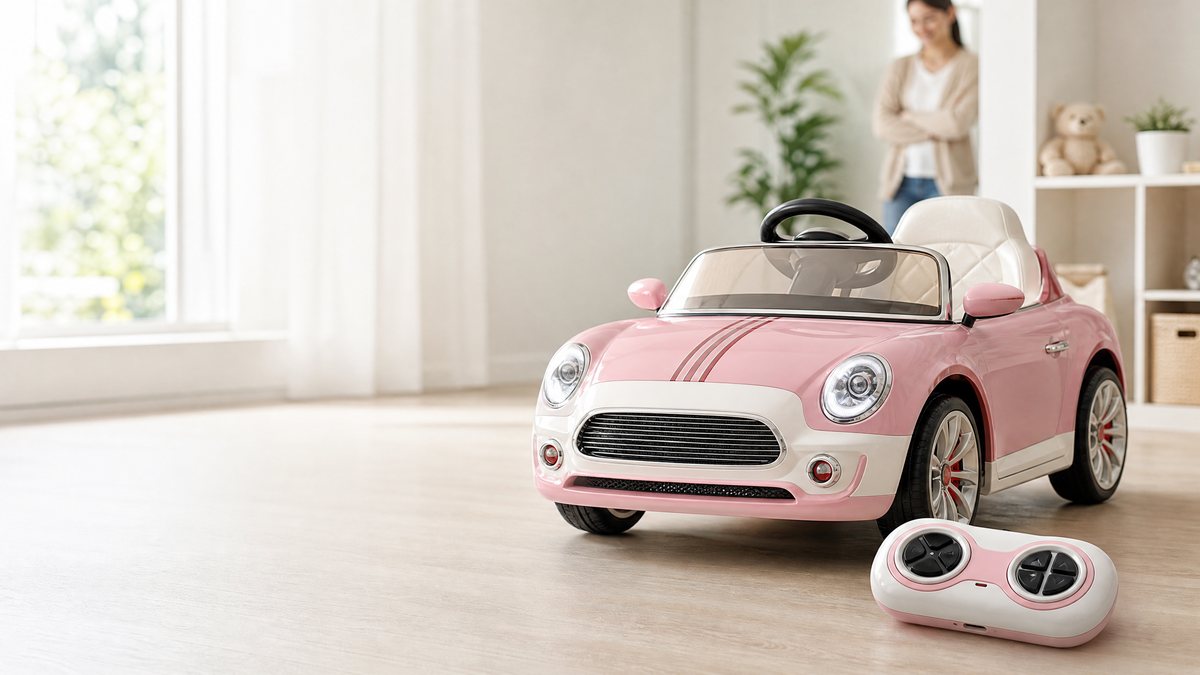
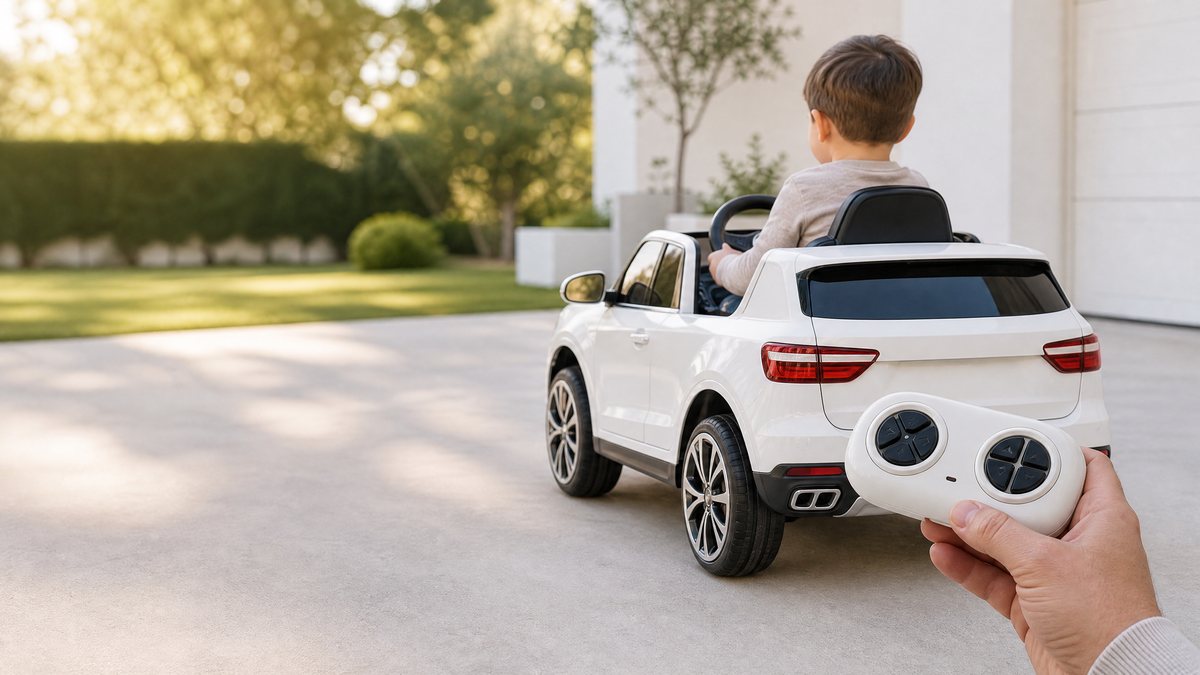
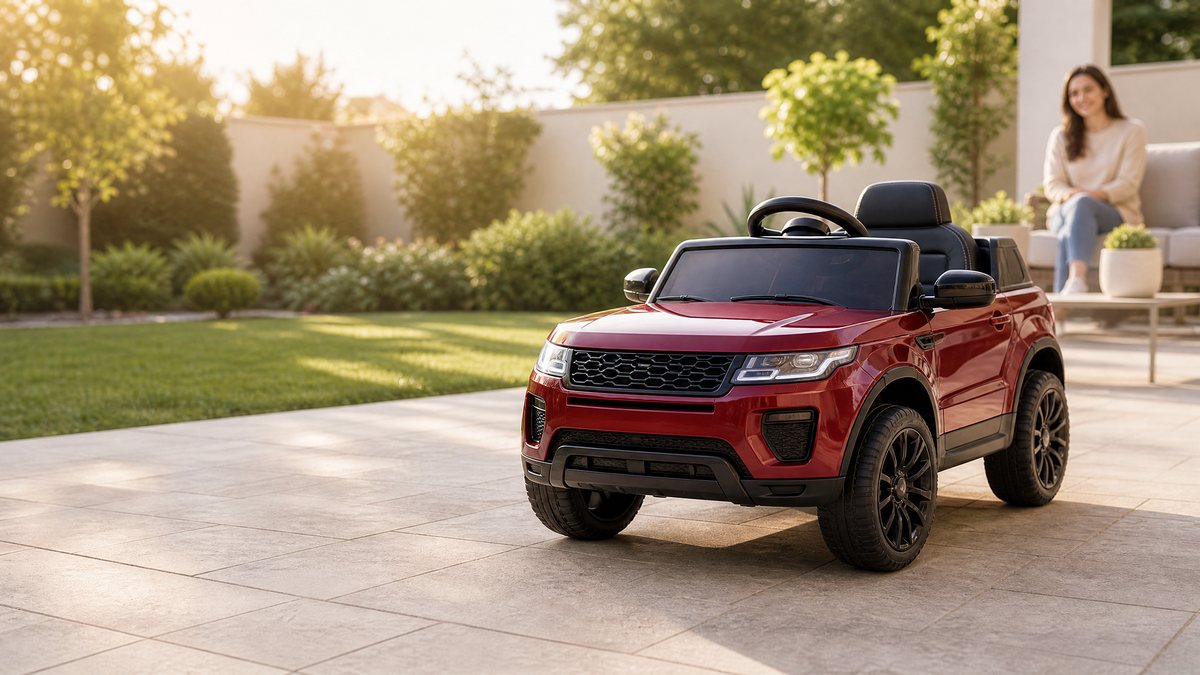
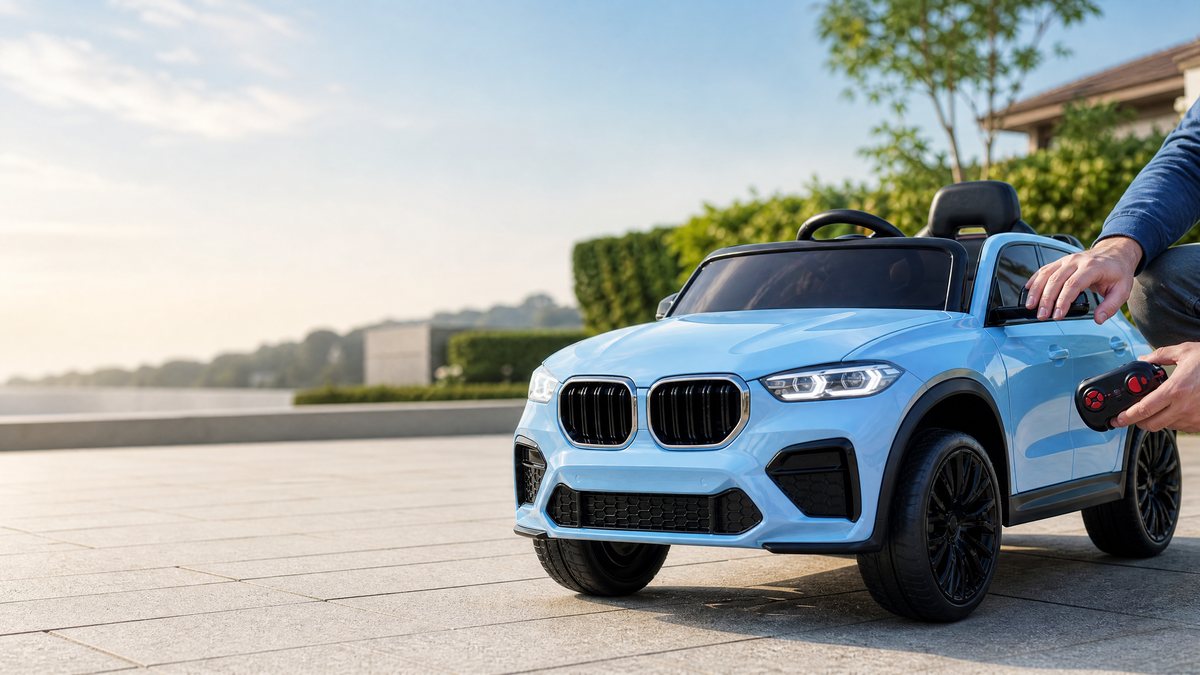
- Parental Remote Override: A reliable 2.4G parental remote control featuring emergency stop functionality and adjustable speed-limiting tiers is indispensable. Supervisors must retain absolute directional and braking control at all times.
- Adaptive Switches and Alternative Inputs: Standard foot pedals can be challenging or impossible for children with limited lower-extremity strength or control. Vehicles compatible with hand-activated push buttons, steering-mounted toggles, or external adaptive switches provide inclusive operability.
- Progressive Acceleration Curves: Abrupt starts can startle children or compromise posture. Smooth, gradual acceleration profiles ensure a comfortable, predictable, and anxiety-free ride experience.
3. Sensory Adaptation and Environmental Comfort
Sensory processing differences—such as hypersensitivity to auditory stimuli, physical vibration, or intense visual input—require thoughtful engineering in ride-on vehicle design.
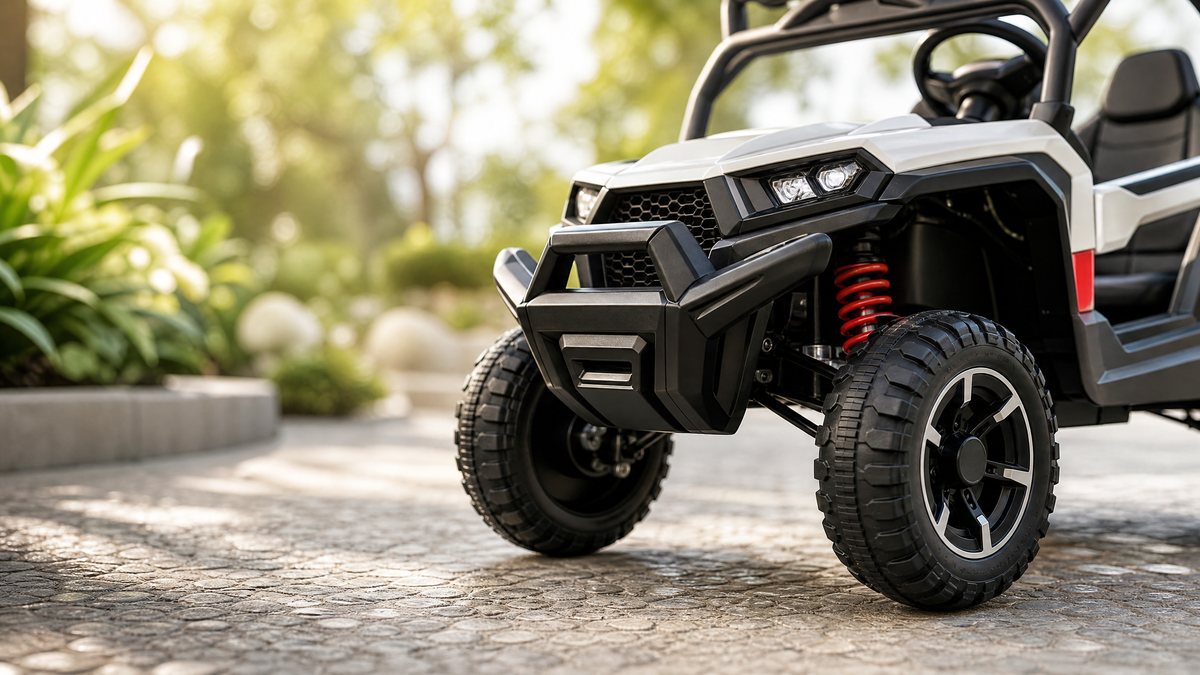
- Noise and Vibration Dampening: High-pitched motor whines or rigid plastic wheels on concrete pavements can induce sensory overload or distress. EVA foam tires or rubber-treaded wheels combined with enclosed gearboxes significantly reduce noise and vibration.
- Adjustable Lighting and Sound Profiles: Vehicles featuring volume controls, complete mute options for built-in music players, and non-flashing, steady LED headlights prevent sensory fatigue and visual overstimulation.
- Tactile Comfort: Upholstered or padded seating surfaces constructed from breathable, easy-to-clean materials prevent skin irritation and thermal discomfort during warm weather use.
4. Safety Restraints and Structural Compliance
Any seating, positioning, or restraint feature must be factory supplied or explicitly approved in writing by the manufacturer for the exact vehicle model. This is not medical advice; consult a qualified clinician or occupational therapist for individual needs.
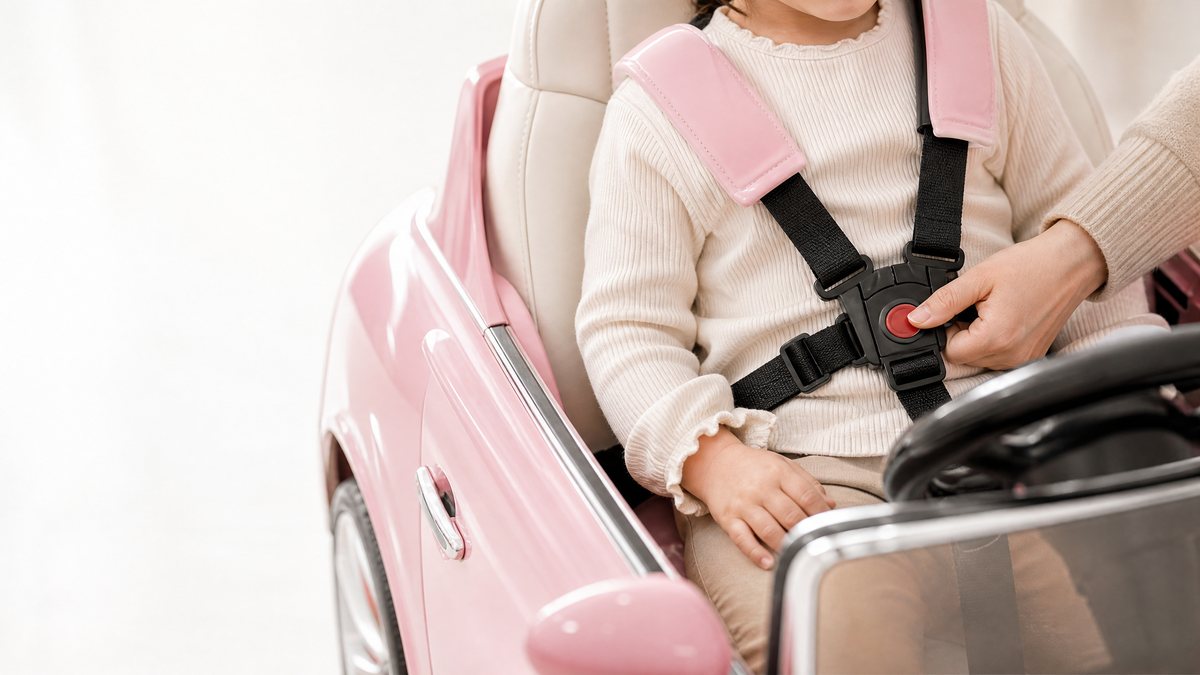
- Comprehensive Restraint Systems: Do not add, replace, or alter safety belts, harnesses, seats, or anchorage points yourself. Use only the manufacturer-supplied restraint system, and stop use if the child cannot maintain safe, supported positioning with that system.
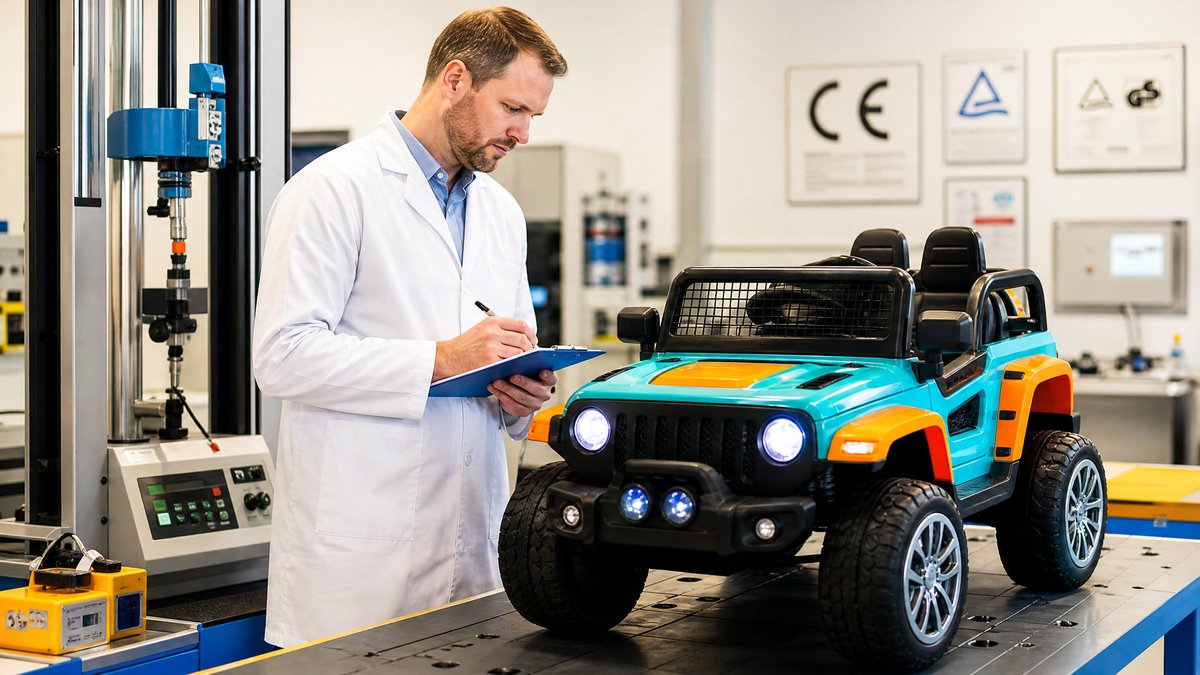
- Compliance Documentation: Ensure manufacturers provide verifiable third-party test reports confirming compliance with international toy safety standards, such as ASTM F963 in North America or EN71 in Europe.
Comparative Evaluation of Adaptive Vehicle Configurations
| Configuration Tier | Target User Profile | Primary Ergonomic Features | Control & Safety Level | Sourcing Considerations |
|---|---|---|---|---|
| Standard model evaluation | Child can sit independently and meets the maker's published requirements | Manufacturer-supplied seat and restraint only | Parent remote where supplied | Confirm fit and supervision needs before purchase; do not retrofit restraints |
| Factory Modular Adaptive | Moderate physical/balance impairments | Adjustable lateral supports; high-back seat; footrest | Dual control (pedal or switch) + emergency stop | Purpose-built; certified modular components |
| Custom Clinical Mobility | Severe neuromuscular or postural needs | Custom-molded seating; specialized headrest; harness | Attendant-operated primary control; remote cut-off | High cost; prescription-grade coordination required |
Buyer and Retailer Verification Checklist
Before finalizing bulk orders or listing adaptive ride-on cars in a commercial catalog, wholesale buyers and procurement managers should systematically verify the following documentation and manufacturing specifications:
- [ ] Structural Load Testing: Confirm maximum weight capacity and chassis durability under dynamic, uneven loading conditions.
- [ ] Restraint Anchorage Integrity: Inspect how multi-point harnesses are anchored directly to the vehicle frame to ensure they withstand unexpected pulling or leaning forces.
- [ ] Electrical Safety Certifications: Verify CE, RoHS, and CPC (Children's Product Certificate) documentation for internal batteries, chargers, and wiring harnesses.
- [ ] Battery Accessibility & Charging Safety: Ensure charging ports are secure, moisture-resistant, and equipped with overcharge protection circuitry.
- [ ] Supplier Warranty & Spare Parts Support: Validate that the supplier offers readily available replacement parts (such as motors, remote controllers, and harnesses) and transparent warranty terms.
Frequently Asked Questions (FAQ)
1. Are standard electric ride-on cars suitable for children with special needs with minor modifications?
A standard ride-on car should not be modified with aftermarket harnesses, cushions, switches, or seating unless the manufacturer explicitly approves the exact change in writing. A caregiver should first check the product's published age, weight, seating, restraint, and supervision requirements, then consult a qualified clinician or occupational therapist where individual positioning, sensory, or mobility needs are involved.
2. What role does adult supervision play when operating an adaptive ride-on car?
Adult supervision is mandatory at all times. Even with advanced restraints and parental remote overrides, supervisors must continuously monitor the operating environment, maintain visual contact, and remain within immediate reach to engage emergency stop features if necessary.
3. How can retailers verify that a supplier's safety compliance documents are legitimate?
Retailers should request official test reports issued by accredited third-party laboratories (such as SGS, TÜV, or Intertek). Buyers should cross-reference report numbers with issuing lab databases and ensure the documentation explicitly covers electrical safety, mechanical integrity, and non-toxic material composition.
4. Can adaptive switches be easily integrated into commercial ride-on cars?
Do not assume that an external switch, control, restraint, or seating accessory is compatible with a commercial ride-on car. Buyers should ask the manufacturer whether a documented, factory-supported adaptive option exists for the exact model; any electrical or structural change should be handled only by an appropriately qualified professional and follow the manufacturer's written instructions.
Conclusion
Sourcing and offering ride-on cars for children with special needs requires a meticulous commitment to safety, ergonomic adaptability, and transparent compliance. By prioritizing robust postural support, fail-safe parental controls, sensory-friendly design, and verified manufacturing standards, B2B distributors and specialty retailers can deliver empowering, inclusive play solutions. For wholesale inquiries, catalog requests, or detailed compliance documentation regarding our adaptive vehicle lines, contact our team directly at sales@kidsridecar.com.
Official references
Explore these external resources for current regulatory and trade guidance. Confirm requirements with the relevant authority before placing an order.
Ready to Start?
Factory-Direct · CE & ASTM Certified · MOQ from 50 Units
Our export team works with buyers in 60+ countries. Get a quote within 24 hours.
KR
Written by KidsRideCar
China's leading kids electric ride-on car manufacturer. 500,000+ units shipped annually to 60+ countries. CE, ASTM & EN71 certified.