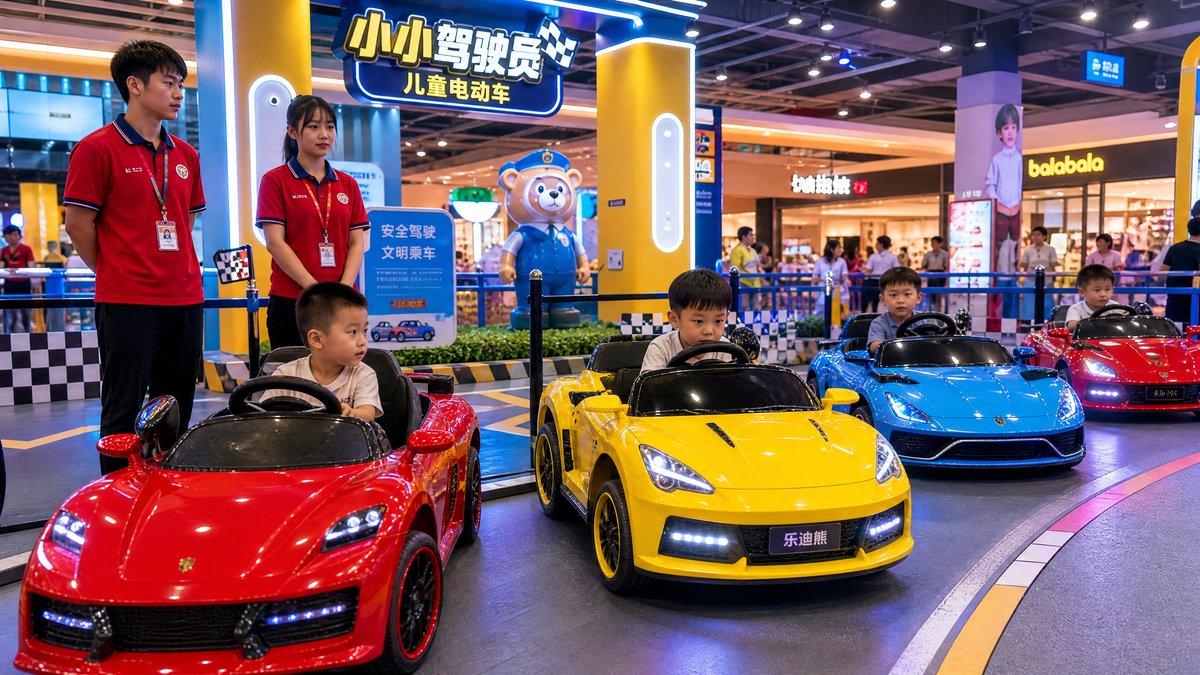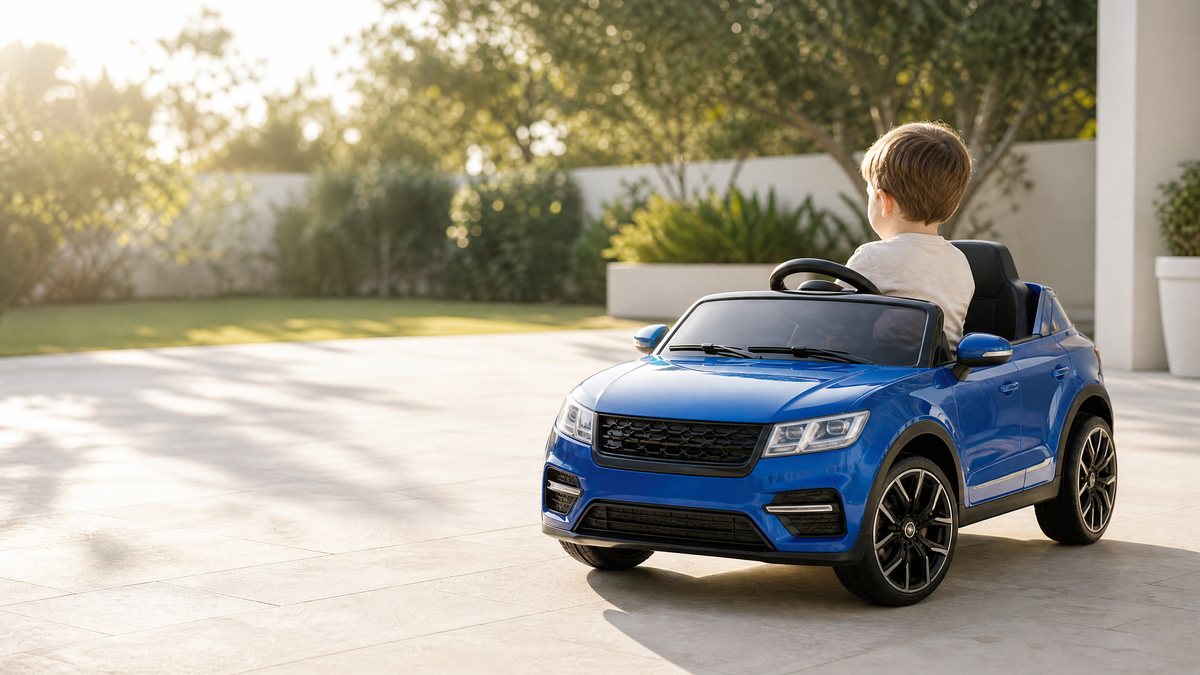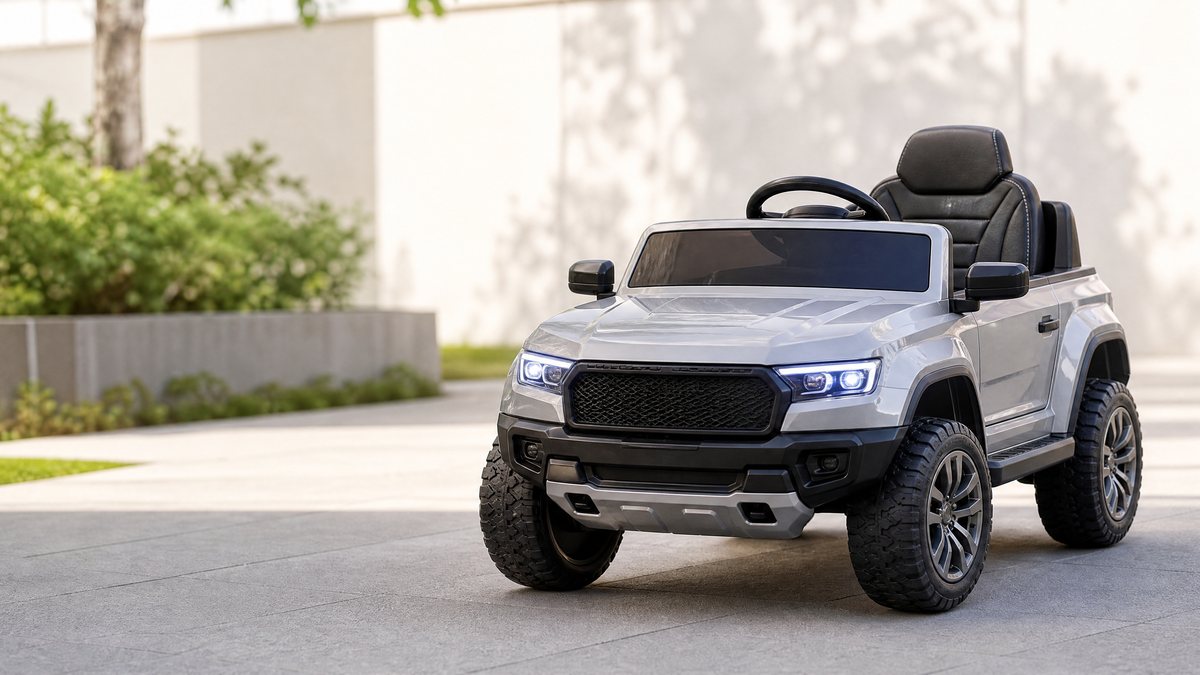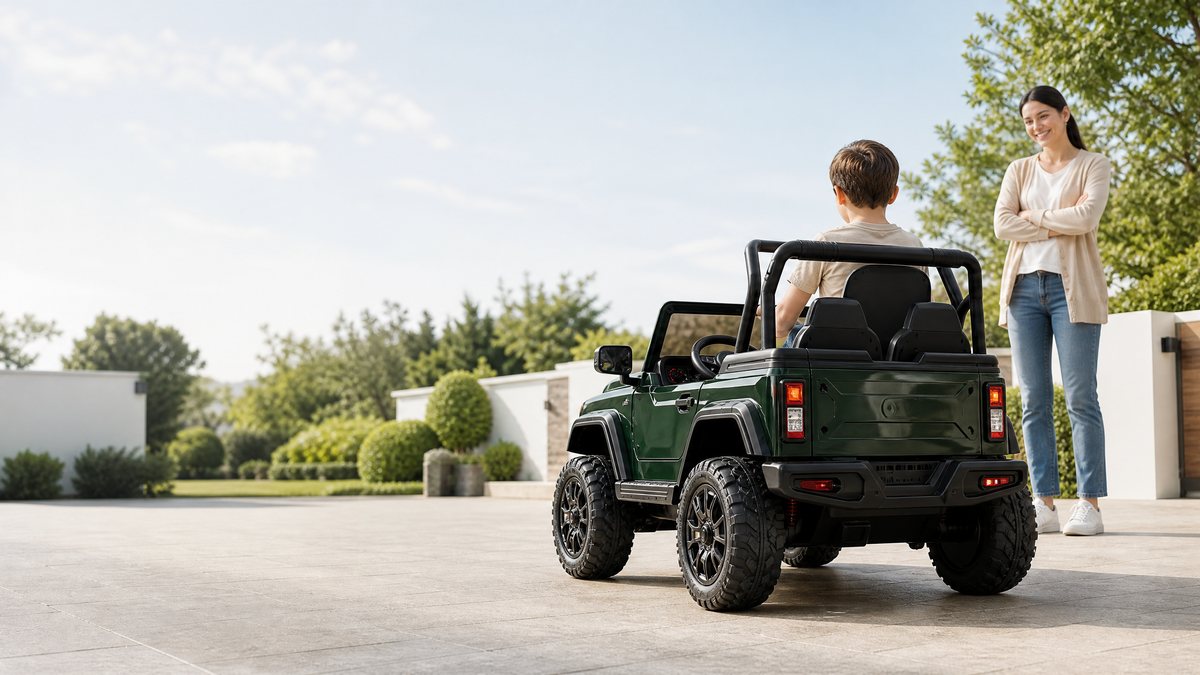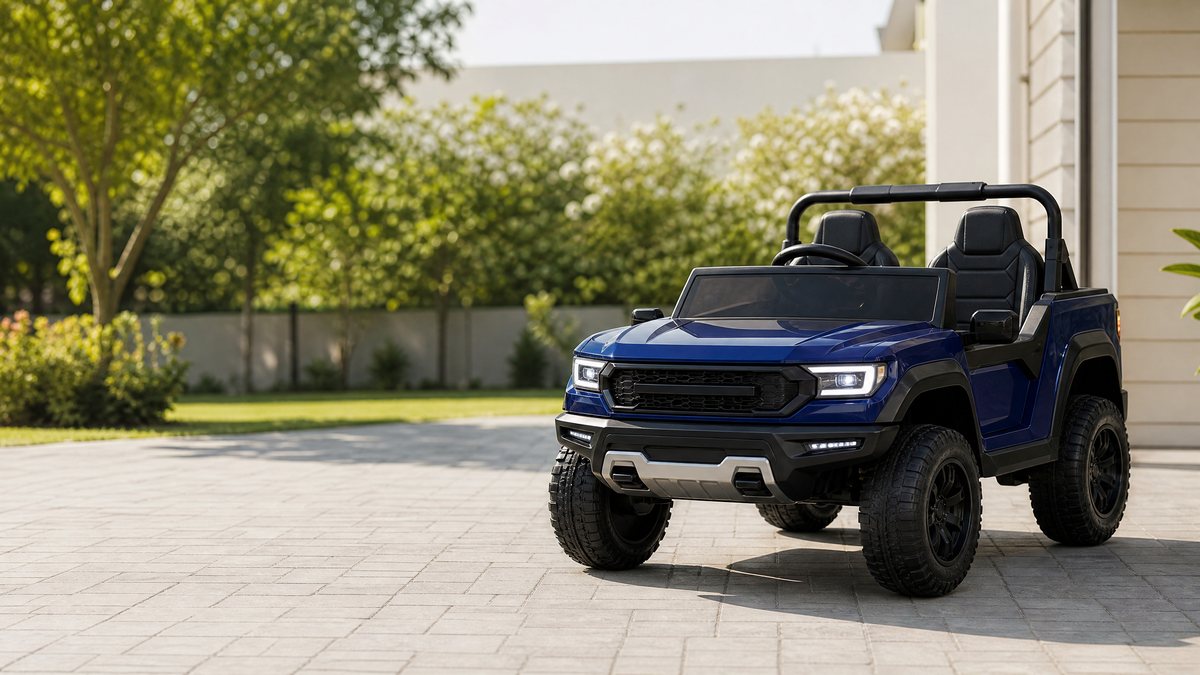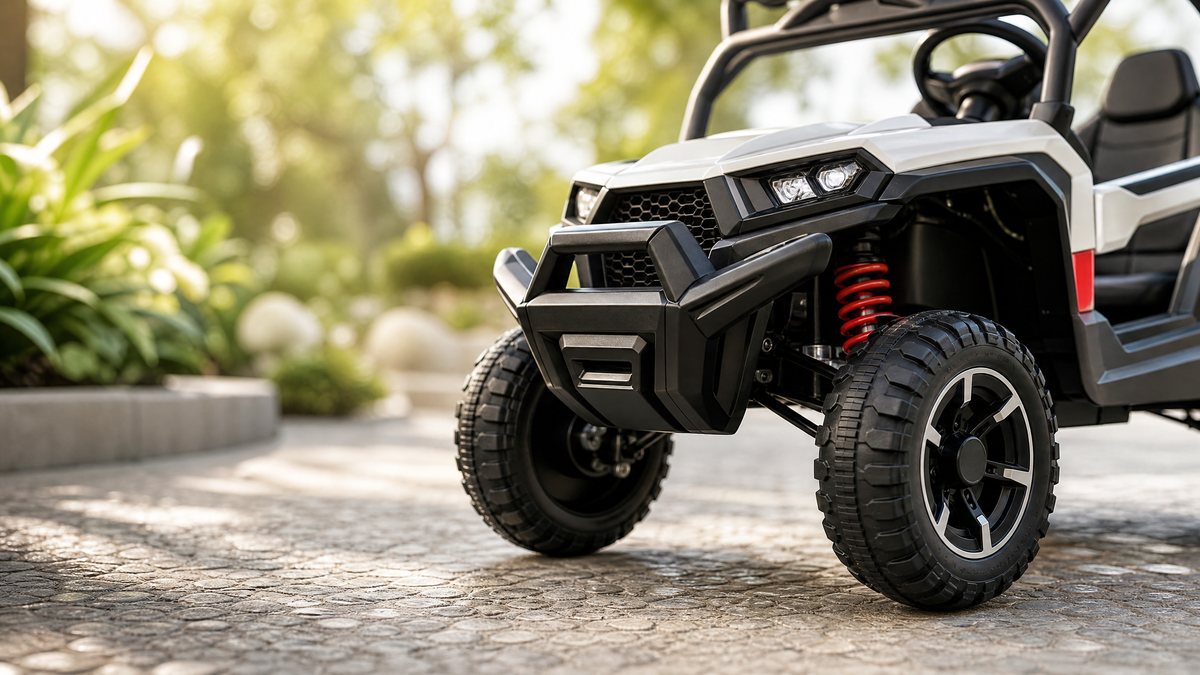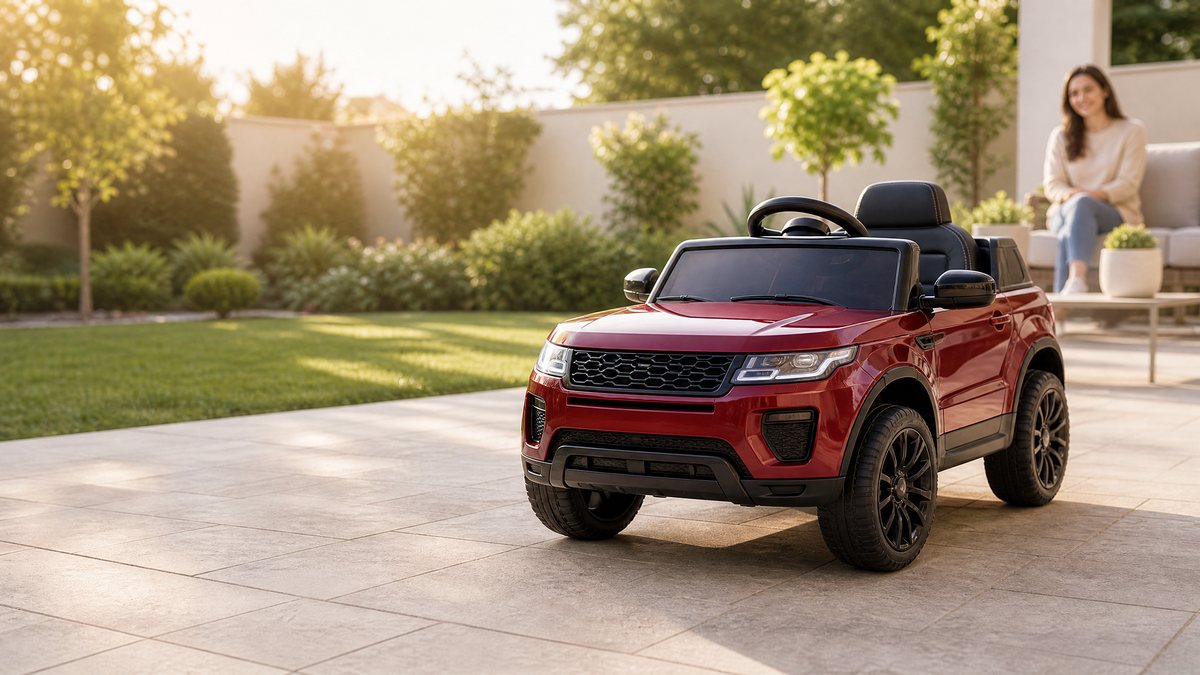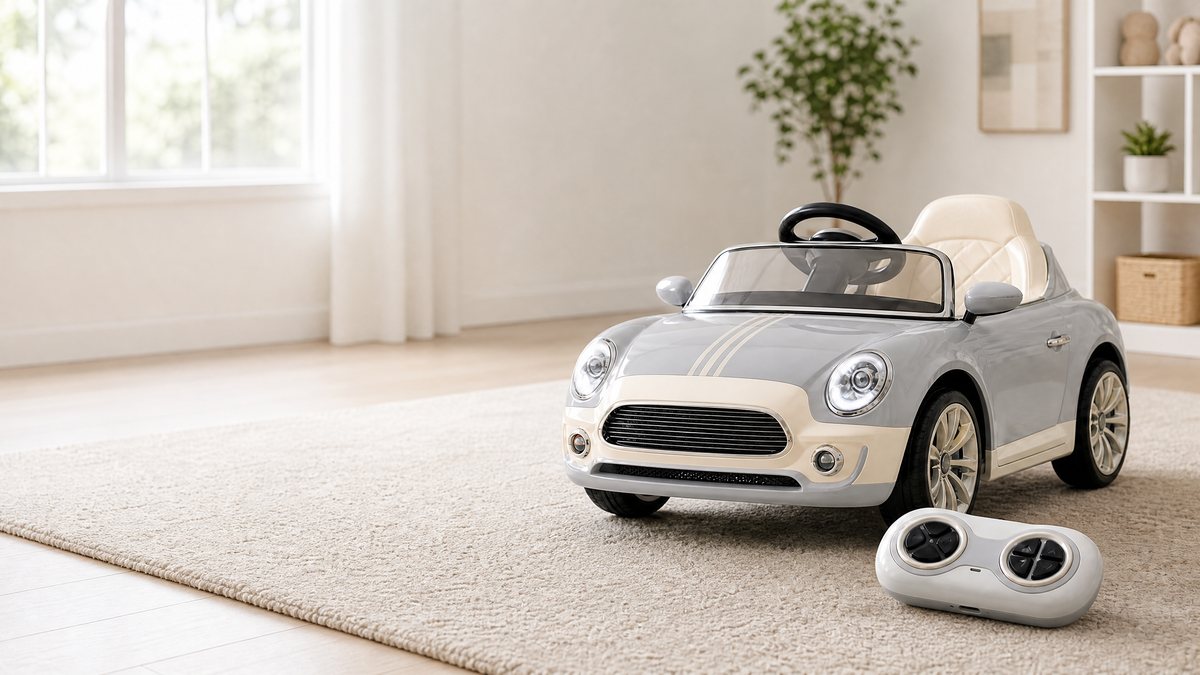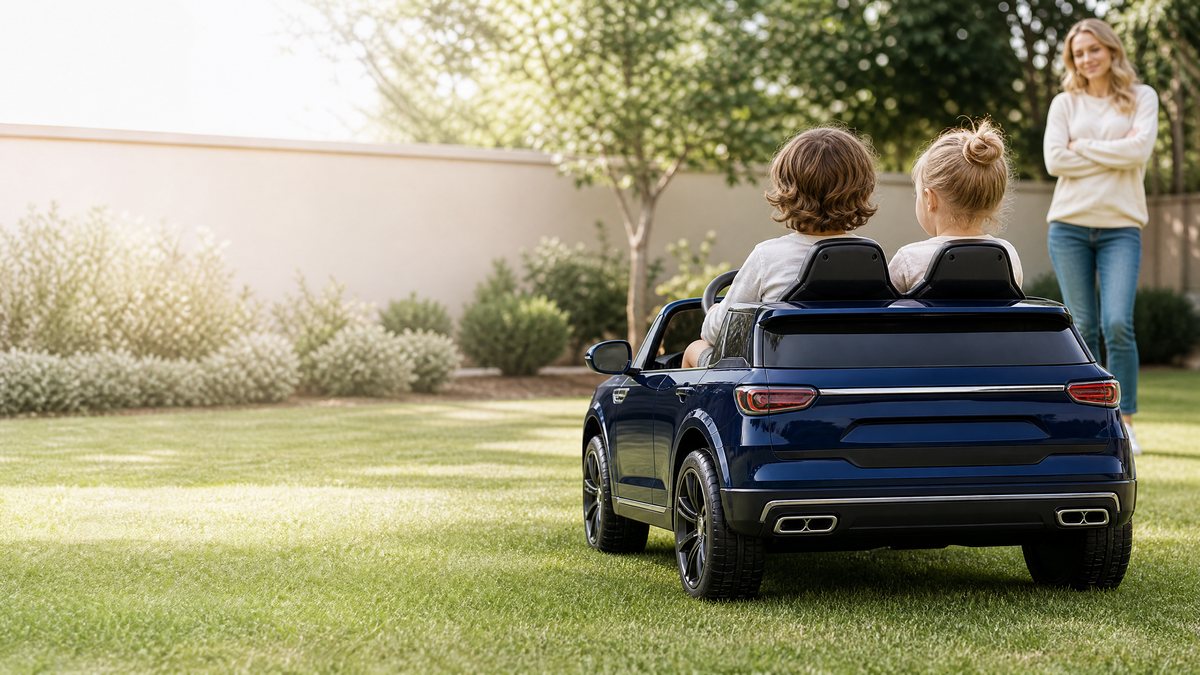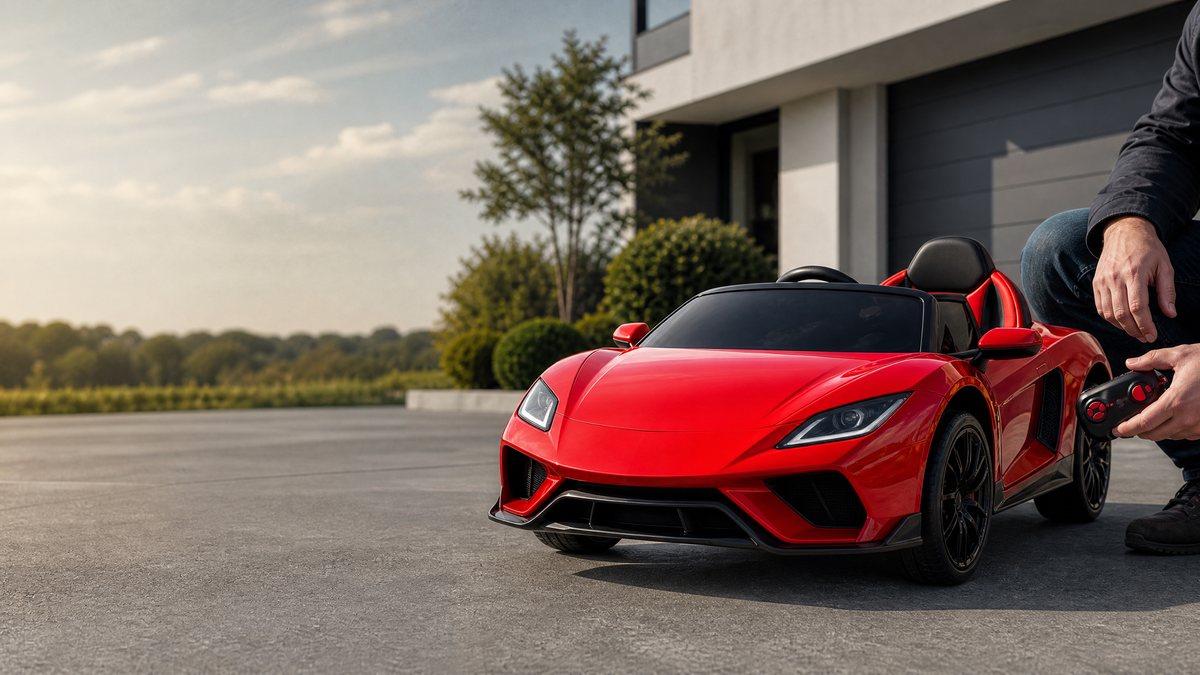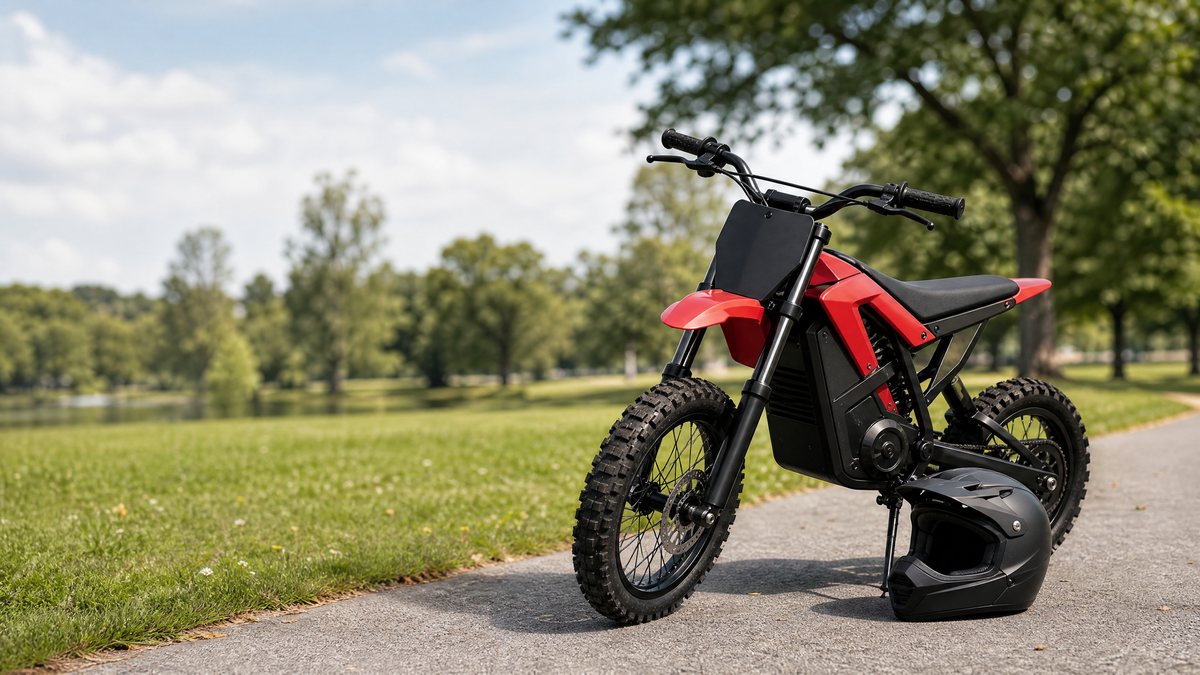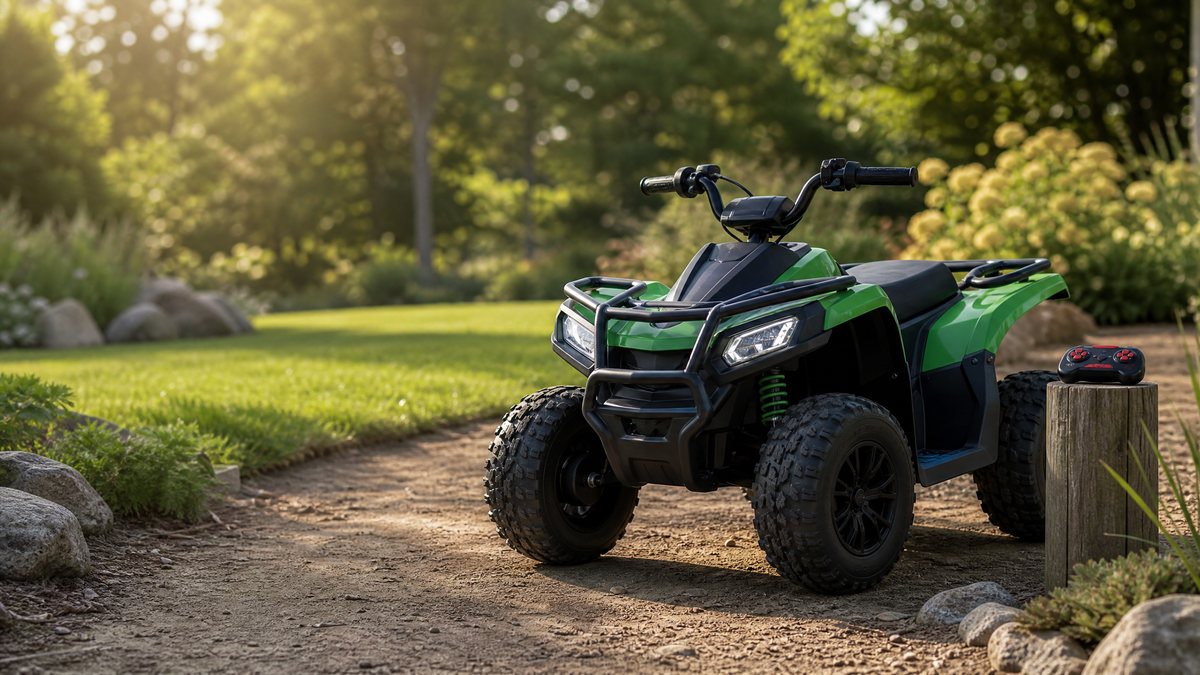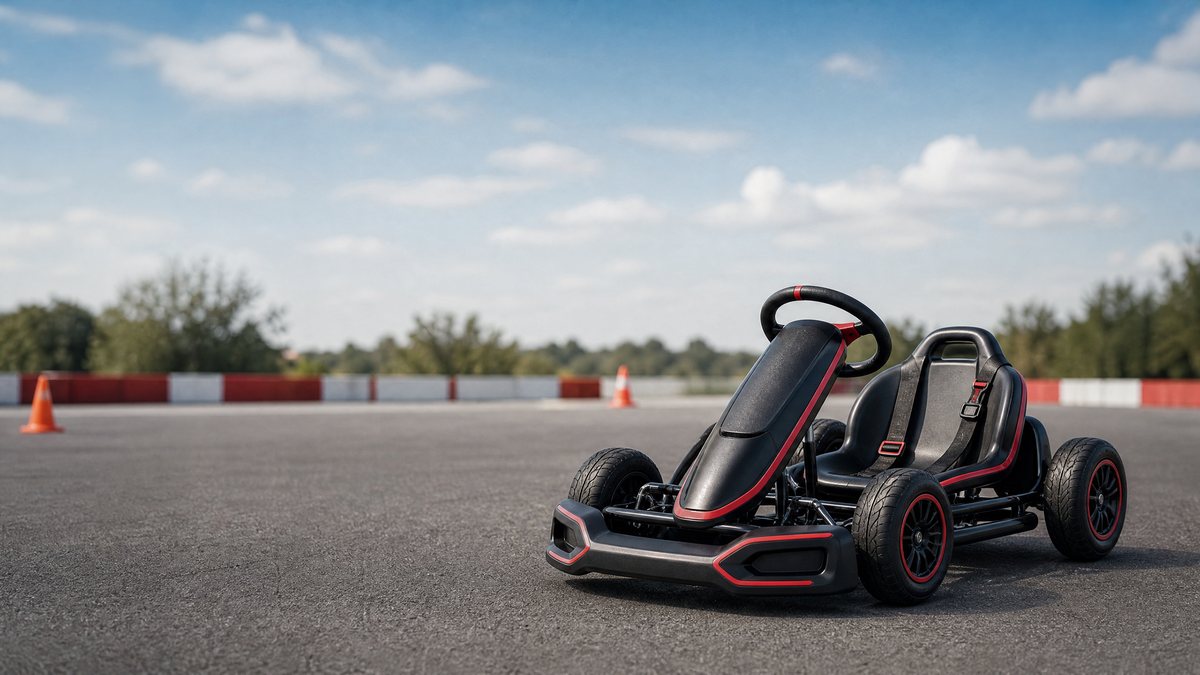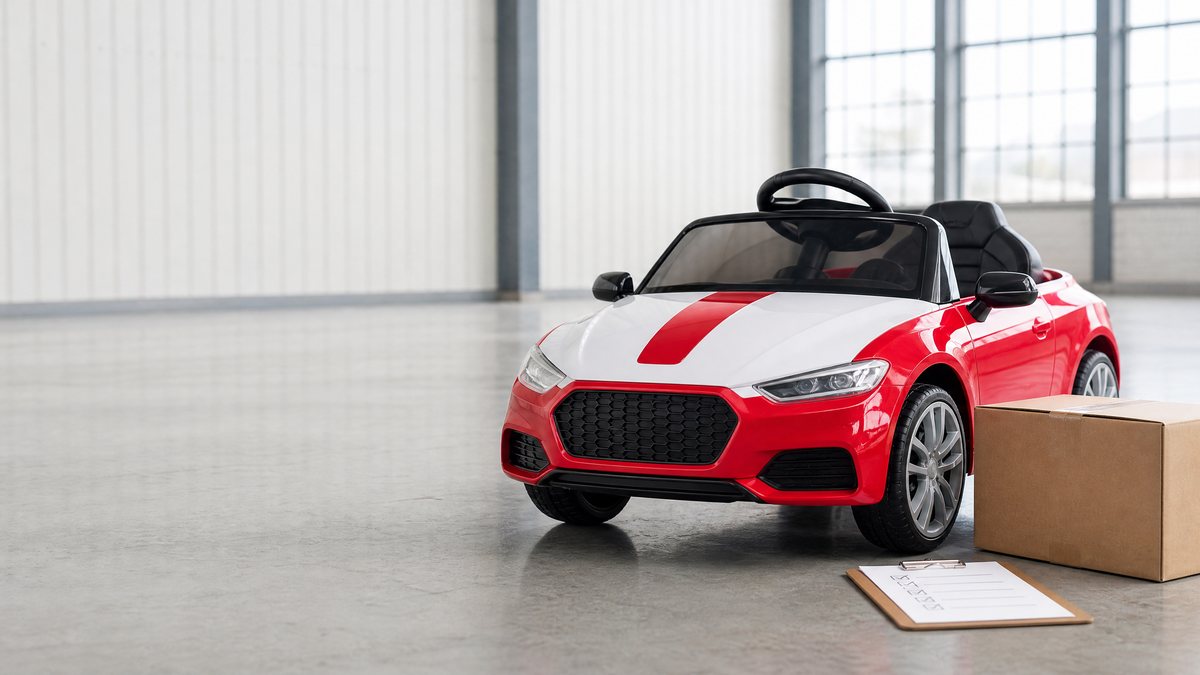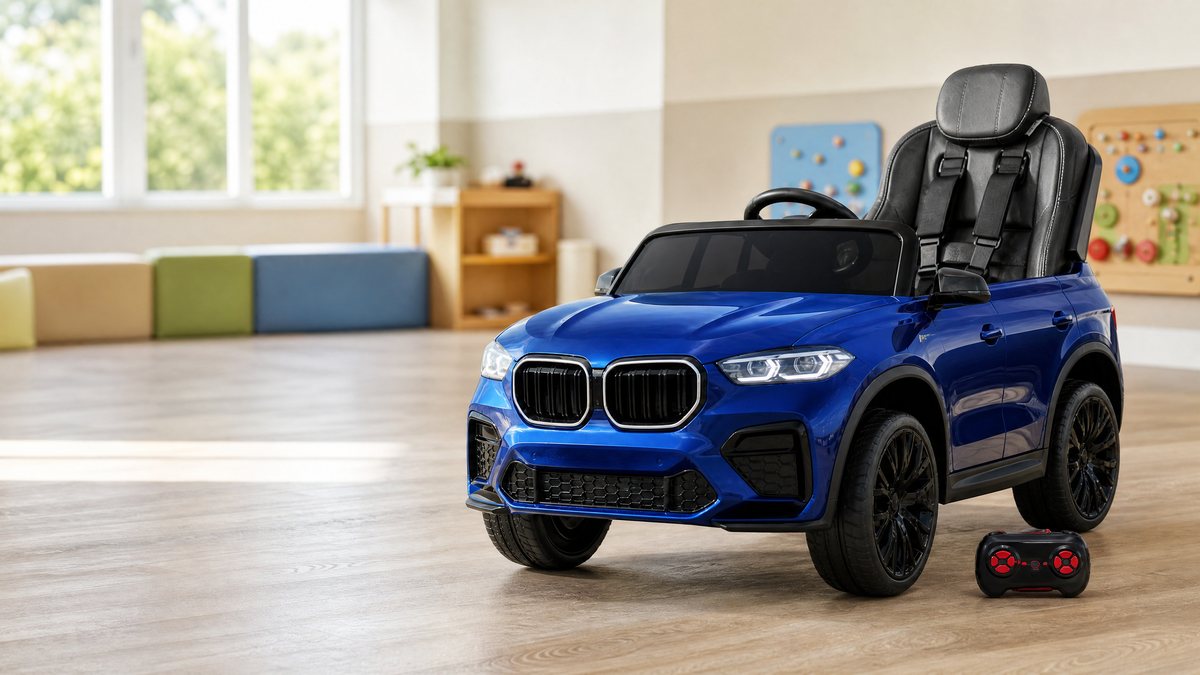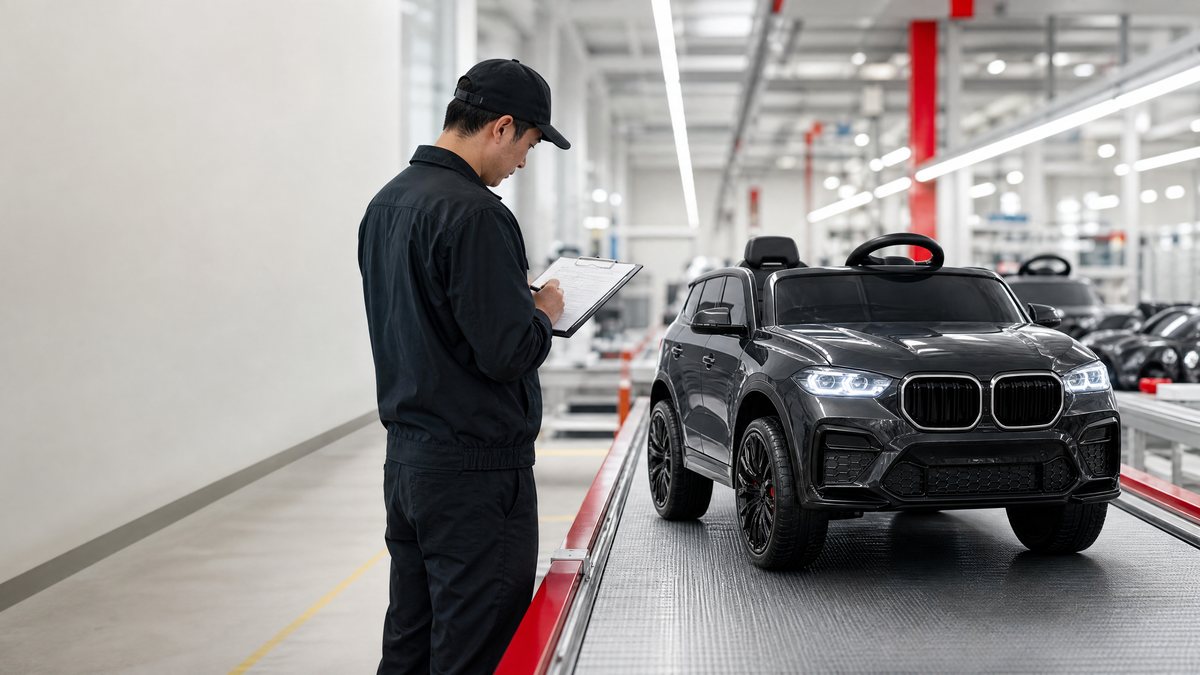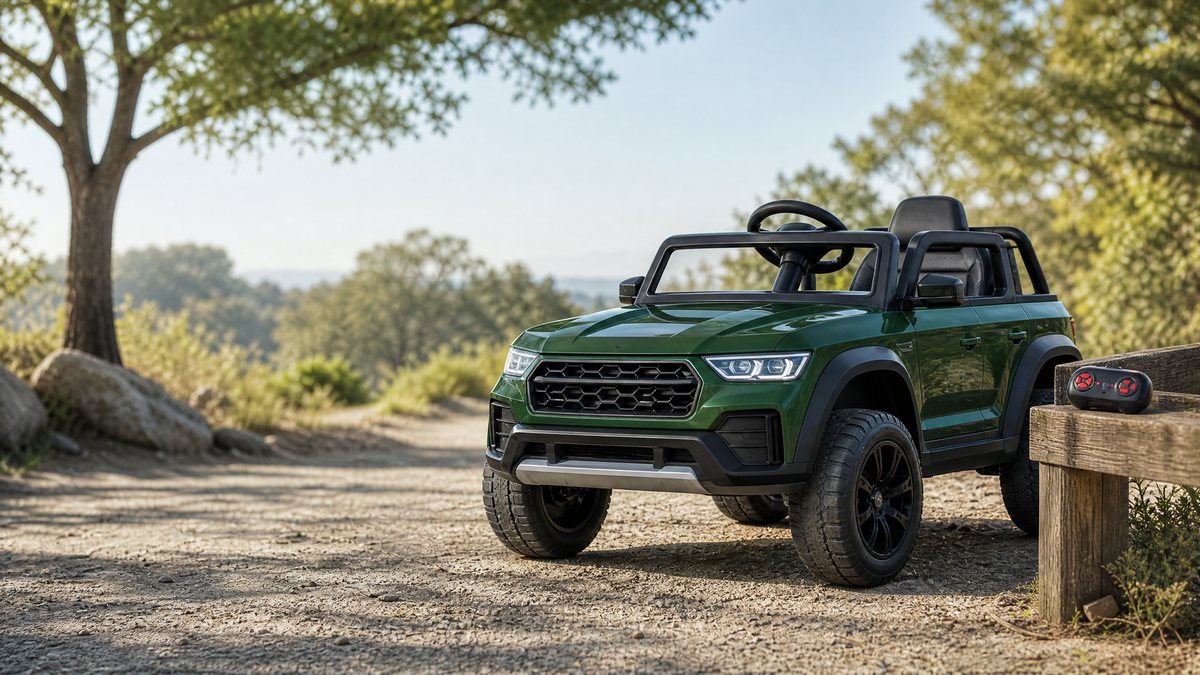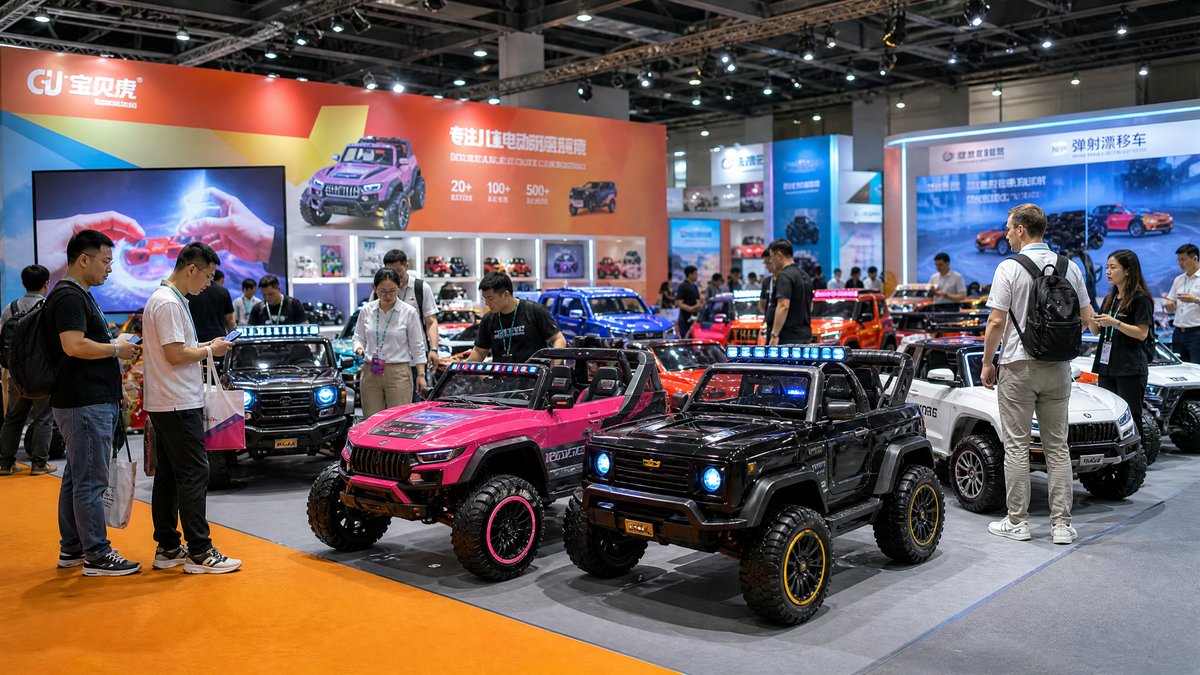
Hosting a children's ride-on car race in a residential environment—whether across a spacious backyard lawn, a smooth paved driveway, or an expansive indoor playroom—can transform an ordinary weekend afternoon into an extraordinary community or family celebration. However, organizing such an activity requires rigorous planning, meticulous safety protocols, and a clear operational structure. Unlike unstructured free play, introducing a structured racing element involves vehicle dynamics, spatial management, battery power oversight, and peer interaction that demand active adult supervision and well-defined operational guidelines.
This guide provides event organizers, parents, community leaders, and wholesale distributors looking to support family-oriented events with a comprehensive, professional framework. By prioritizing safety documentation, age-appropriate vehicle settings, transparent evaluation criteria, and structured course design, organizers can deliver an engaging experience that successfully balances recreation with uncompromising safety standards. Throughout this comprehensive article, we examine every operational facet required to ensure a smooth, secure, and highly memorable racing event for children of various age groups.
Furthermore, integrating structured activities with battery-powered ride-on vehicles fosters positive social engagement, cooperative play, and basic spatial awareness among young drivers. When parents and event coordinators approach these activities with structured pre-planning, clear communication channels, and strict adherence to manufacturer specifications, they create a controlled environment where children can experience the thrill of friendly competition without compromising physical safety or equipment integrity.
In addition to physical arrangement and safety governance, organizing a home race provides an excellent opportunity to introduce children to foundational concepts of teamwork, rule-following, and respectful sportsmanship. By establishing clear guidelines from the outset and maintaining an organized paddock area, organizers ensure that every participant feels included, valued, and secure throughout the event duration.
1. Pre-Event Planning, Risk Assessment, and Safety Preparations
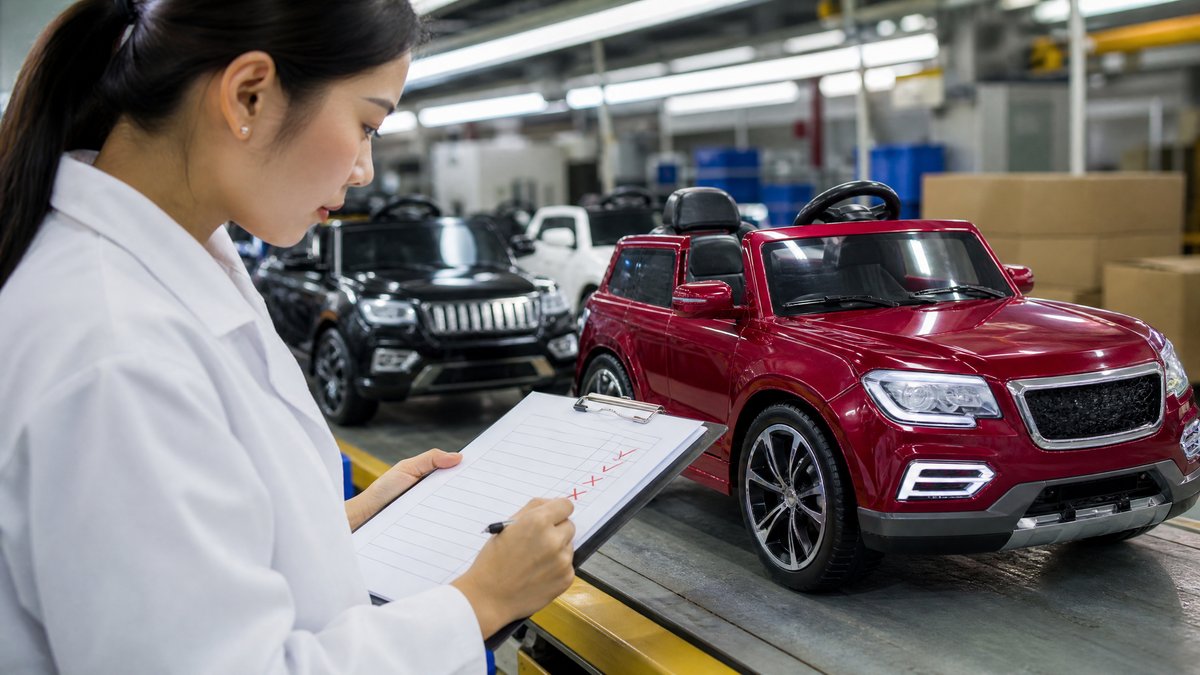
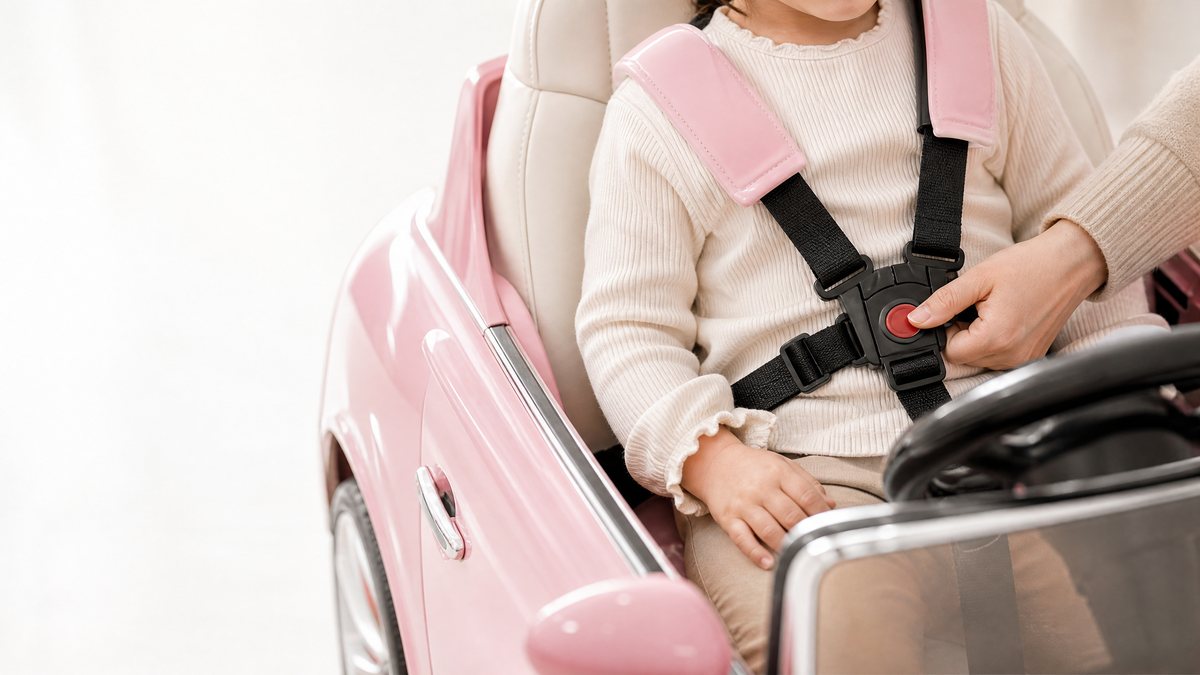
Before setting up the starting grid, distributing checkered flags, or welcoming participants, organizers must establish a solid foundation of safety and operational readiness. Every ride-on vehicle utilized in the event must be thoroughly inspected in accordance with the manufacturer's official user manual and rated nameplate specifications.
Organizers must verify that all participating vehicles are operated strictly under active, uninterrupted adult supervision. It is vital to establish clear physical boundaries for the event area and ensure that all spectators, younger siblings, and non-participating children remain well clear of the active racing track and braking zones. Furthermore, environmental and weather conditions must be evaluated prior to commencement; outdoor events should never take place on wet grass, steep inclines, uneven terrain, or during inclement weather such as rain, thunderstorms, or high winds.
Additionally, comprehensive risk assessment requires evaluating emergency access routes, ensuring that first-aid kits are readily accessible on-site, and designating responsible adults to monitor spectator zones. Every vehicle should undergo a preliminary brake test, steering alignment check, and battery status verification before any participant is permitted to take their position on the starting grid. Establishing these foundational protocols guarantees that the event proceeds smoothly without unexpected interruptions or safety compromises.
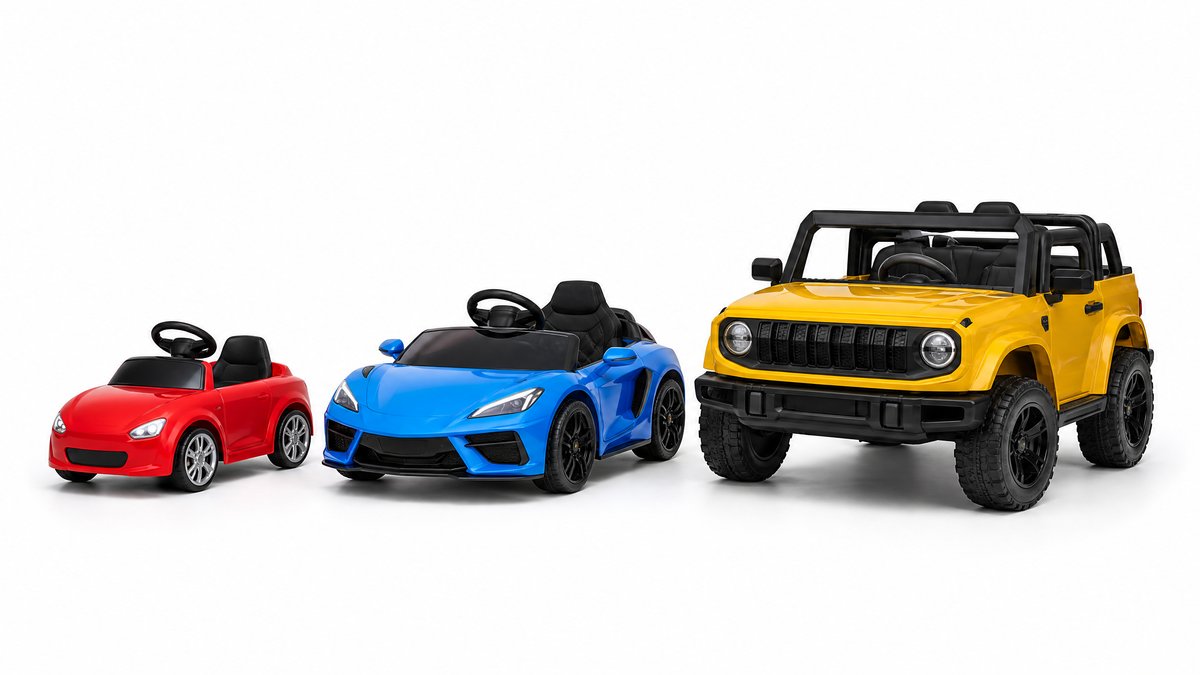
When planning participant groups, organizers should match vehicle capabilities and speed tiers with the child's age, physical stature, and demonstrated coordination level. Detailed sign-up sheets, participant briefings, and parental consent acknowledgments help ensure that all guardians are fully aware of event rules and supervision requirements.
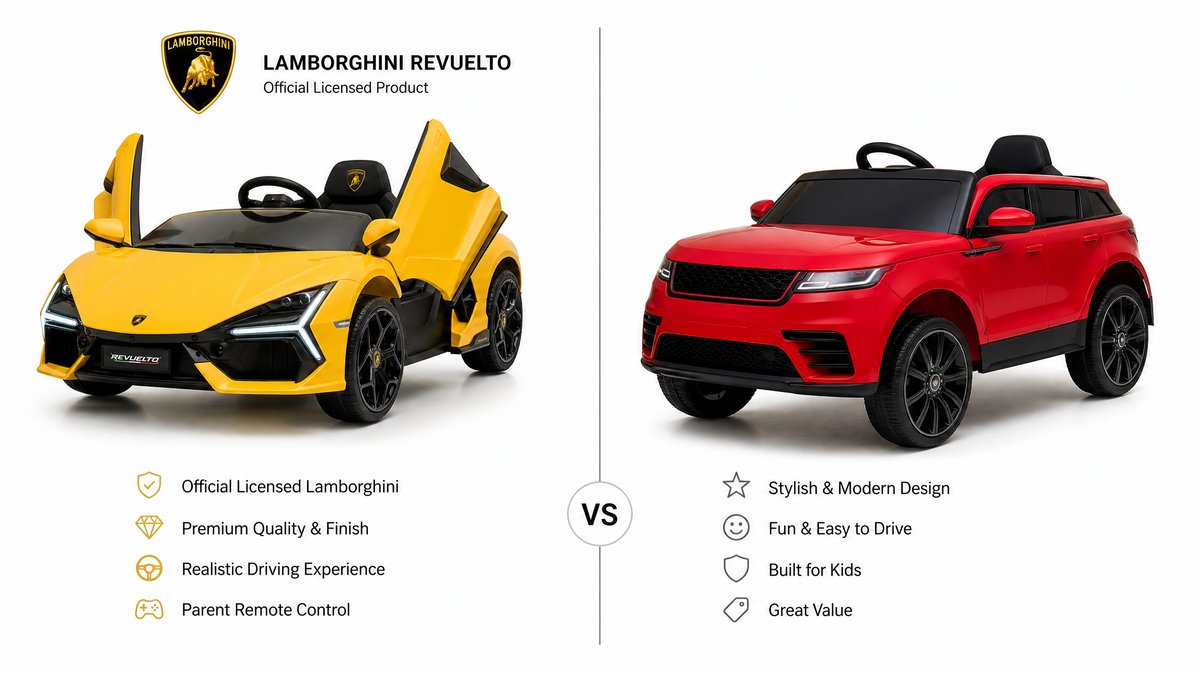
When selecting or advising on vehicles for home events, commercial buyers and event planners should consult manufacturer specifications regarding age recommendations, weight capacities, and speed limitations. Request a wholesale quote for bulk event provisioning, replacement parts, and certified model catalogs.
2. Designing the Home Racecourse: Layout, Surfaces, and Boundaries
The architectural design of the racecourse dictates both the excitement level and the safety margin of the event. Whether setting up in a residential driveway, an enclosed backyard, or an open indoor community hall, the course must be tailored to the specific operational characteristics and turning radii of battery-powered ride-on cars.
Surface Evaluation and Traction Management
Different flooring materials and outdoor surfaces significantly affect vehicle handling, braking distance, and tire grip. Smooth asphalt, sealed concrete, and flat indoor hardwood or commercial low-pile carpet generally offer predictable traction and stable steering response. Conversely, gravel, loose dirt, uneven lawn surfaces, and wet tiles can cause unpredictable steering slip, loss of traction, or premature battery strain. Organizers should conduct a thorough walkthrough inspection of the entire route to remove debris, fill potholes, trim low-hanging branches, or eliminate obstacles that could impede steering or cause unexpected sudden stops.
Course Boundaries and Barrier Deployment
Physical barriers are essential for keeping vehicles within the designated racing corridor and preventing unintended collisions with stationary objects, walls, or spectators. Organizers can utilize soft, highly visible boundaries such as interlocking foam tiles, weighted cones, inflatable course markers, or lightweight flexible barriers. Under no circumstances should rigid metal fencing, concrete curbs, or heavy unpadded obstacles be used as perimeter walls. The course layout should feature gentle, sweeping curves rather than sharp 90-degree hairpin turns, drastically reducing the likelihood of tipping or lateral sliding, especially in taller or heavier multi-motor vehicle configurations.
| Course Surface Type | Recommended Speed Settings | Supervision Level | Key Operational Considerations |
|---|---|---|---|
| Smooth Asphalt / Concrete | Low or Medium (per manual) | High (Constant Line of Sight) | Excellent traction; verify absence of stones or oil spots; keep participants properly spaced. |
| Indoor Hardwood / Tile | Low Setting Only | High (Constant Line of Sight) | Reduced surface friction; ensure smooth acceleration; monitor participants for slick footwear. |
| Flat Backyard Lawn | Low Setting Only | Maximum Supervision | Increased rolling resistance; drains battery faster; inspect for hidden roots or uneven bumps. |
| Paver Driveway | Low or Medium | High (Constant Line of Sight) | Inspect for uneven joints or lips between pavers that could catch small front steering wheels. |
3. Establishing Race Rules, Fairness, and Participant Briefings
To ensure that the race remains fun, orderly, and entirely injury-free, clear rules must be established, explained, and communicated to all participating children and supervising adults prior to the start of the event.
Pre-Race Driver Briefing and Educational Walkthrough
Children participating in the event should participate in a brief, engaging, and age-appropriate walkthrough of the course layout and behavioral expectations. Key points of emphasis during this briefing include:
- Maintaining Safe Following Distances: Emphasizing that deliberate ramming, bumping, cutting off fellow drivers, or reckless driving is strictly prohibited and will result in a mandatory pit stop.
- Understanding Starting and Stopping Signals: Utilizing clear visual flags (such as a green flag for start and a red flag or audible whistle for immediate stop) so that young drivers learn to respond instantly to adult cues.
- Emergency Stop Protocols: Instructing children on how to release the accelerator pedal or foot switch to engage automatic spring-return braking systems or electromagnetic motor braking where equipped.
Fair Play, Marshalling, and Structuring Heats
To prevent track congestion and potential collisions on narrow residential tracks, races should be organized into small, manageable heats consisting of no more than two to four vehicles at a time, depending on the available track width. Time trials or staggered interval starts are frequently safer than mass-start grid formations, as they eliminate chaotic first-turn bunching and provide supervising adults with clear lines of sight for every active vehicle on the course. Course marshals should be stationed at strategic vantage points to assist drivers who drift off course or require minor directional adjustments.
4. Managing Equipment, Power Systems, and Technical Checks
Battery-powered ride-on cars rely on onboard electrical and mechanical systems that require diligent management during high-activity events like a home race day.
Battery and Charging Protocols
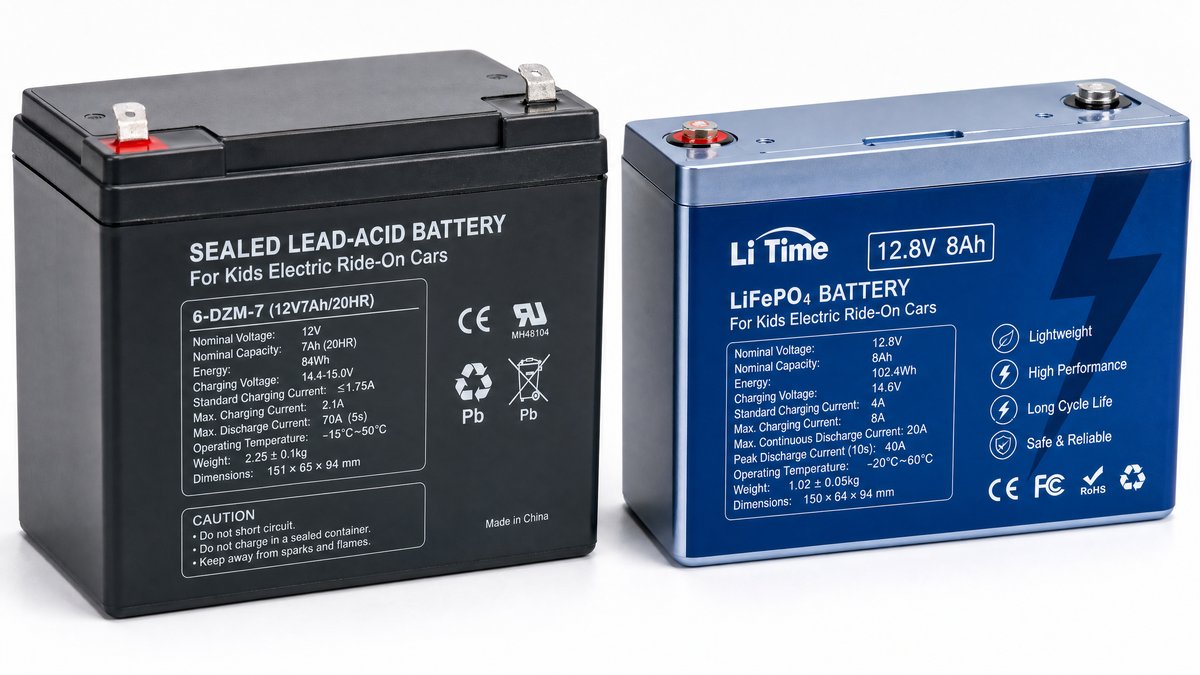
Organizers must ensure that all participating vehicles are fully charged prior to the event using only the manufacturer-supplied original charging adapter and rated power source. Batteries should never be left charging unattended, and charging must take place in a well-ventilated, dry indoor environment. If any vehicle exhibits signs of abnormal heating, unusual odors, strange electrical noises, or sluggish performance during pre-race testing, the vehicle must be immediately powered down, removed from service, and set aside for technical inspection.
Prohibitions on Unauthorized Modifications
In accordance with rigorous toy safety standards, under no circumstances should participants, parents, or organizers attempt to modify internal electrical wiring, bypass stock controllers, alter battery voltages, or install unapproved high-output motors to increase racing speeds. All vehicle specifications—including speed tiers, remote override features, and internal fuse protection—must remain strictly within the manufacturer's certified parameters as outlined in the official user manual.
5. Frequently Asked Questions (FAQ)
FAQ 1: What is the ideal age range and supervision requirement for a home ride-on car race?
Age suitability varies significantly depending on the specific model's physical dimensions, weight capacity, and control complexity. Most standard ride-on cars are designed for children aged 3 to 8 years old. Regardless of age, active, uninterrupted adult supervision is mandatory throughout the entire event duration. Adults must maintain an unobstructed line of sight and be positioned strategically to intervene immediately if a vehicle veers off course or encounters an unexpected obstacle.
FAQ 2: Can we use parental remote controls during the race?
Yes. For younger participants or introductory heats, supervising adults can utilize the parental remote control override feature (if equipped on the specific vehicle model) to manage steering direction and enforce speed limits. This ensures that even novice drivers can participate safely while adults retain ultimate directional authority over the vehicle. Always verify the frequency synchronization and responsiveness of the remote control before letting the child enter the track.
FAQ 3: What should we do if a vehicle experiences a mechanical or electrical fault during the event?
If any vehicle displays abnormal behavior—such as smoking, unusual odors, burning smells, damaged wiring, a cracked charging plug, erratic steering response, or failure of the braking system—stop the event immediately. Power down the vehicle, disconnect the battery if safely accessible without opening sealed enclosures, keep children away, and contact the manufacturer or a qualified service technician. Never attempt unauthorized internal repairs or bypass safety mechanisms.
FAQ 4: How can wholesale buyers and event organizers source compliant vehicles for large community activities?
Commercial buyers, community organizers, and retail partners seeking bulk vehicle provisioning must review official product documentation, verified nameplate ratings, and compliance certifications. It is essential to ensure that all supplied models match the exact regulatory standards of the destination market. For wholesale inquiries, catalog requests, and bulk pricing schedules, partners are invited to Request a wholesale quote to connect directly with our commercial support team.
Conclusion
Organizing a kids ride-on car race at home is a fantastic way to encourage active outdoor and indoor play, motor skill development, and joyful social interaction. However, success depends entirely on rigorous preparation, strict adherence to safety guidelines, well-defined course boundaries, and constant adult supervision. By treating the event with professional operational discipline—inspecting surfaces, maintaining vehicle systems within manufacturer parameters, and enforcing fair-play rules—organizers can deliver a memorable, safe, and exhilarating experience for all participants.
Furthermore, maintaining open communication with participating families, establishing robust post-event maintenance routines, and archiving safety checklists ensure that future community events remain equally successful and secure. Event organizers and commercial partners are encouraged to review manufacturer documentation continuously and uphold the highest standards of recreational safety across all residential and commercial activations.
For further information on wholesale orders, commercial event support, or product compliance documentation, please Request a wholesale quote today.
Official References
1. U.S. Consumer Product Safety Commission (CPSC): General Toy Safety Education and Residential Play Area Safety Guidelines. (Note: General safety guidance does not replace specific model user manuals, certified nameplate specifications, or manufacturer instructions).
2. ASTM International / EN 71 Standards Overview: Standard Consumer Safety Specification for Toy Safety regarding electrical mechanical integrity and stability testing frameworks.
3. Manufacturer User Manuals & Operational Guidelines: Primary authority for individual vehicle specifications, charging protocols, rated weight capacities, and age recommendations.
Official references
Explore these external resources for current regulatory and trade guidance. Confirm requirements with the relevant authority before placing an order.
Ready to Start?
Factory-Direct · CE & ASTM Certified · MOQ from 50 Units
Our export team works with buyers in 60+ countries. Get a quote within 24 hours.
KR
Written by KidsRideCar
China's leading kids electric ride-on car manufacturer. 500,000+ units shipped annually to 60+ countries. CE, ASTM & EN71 certified.