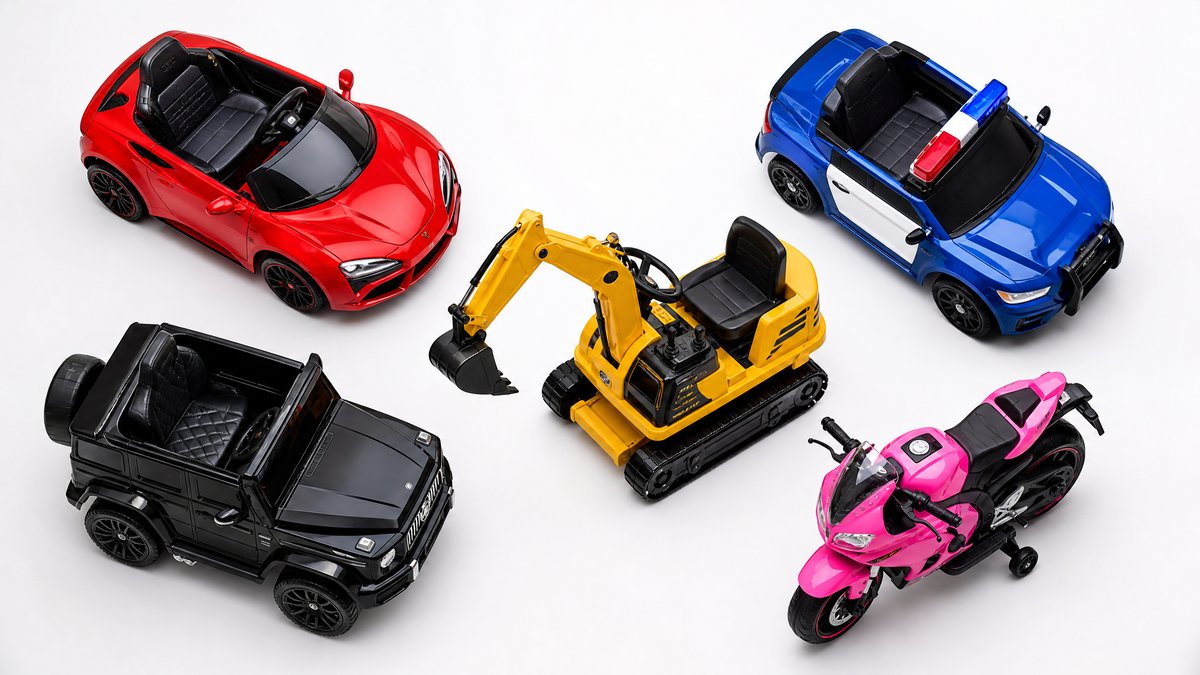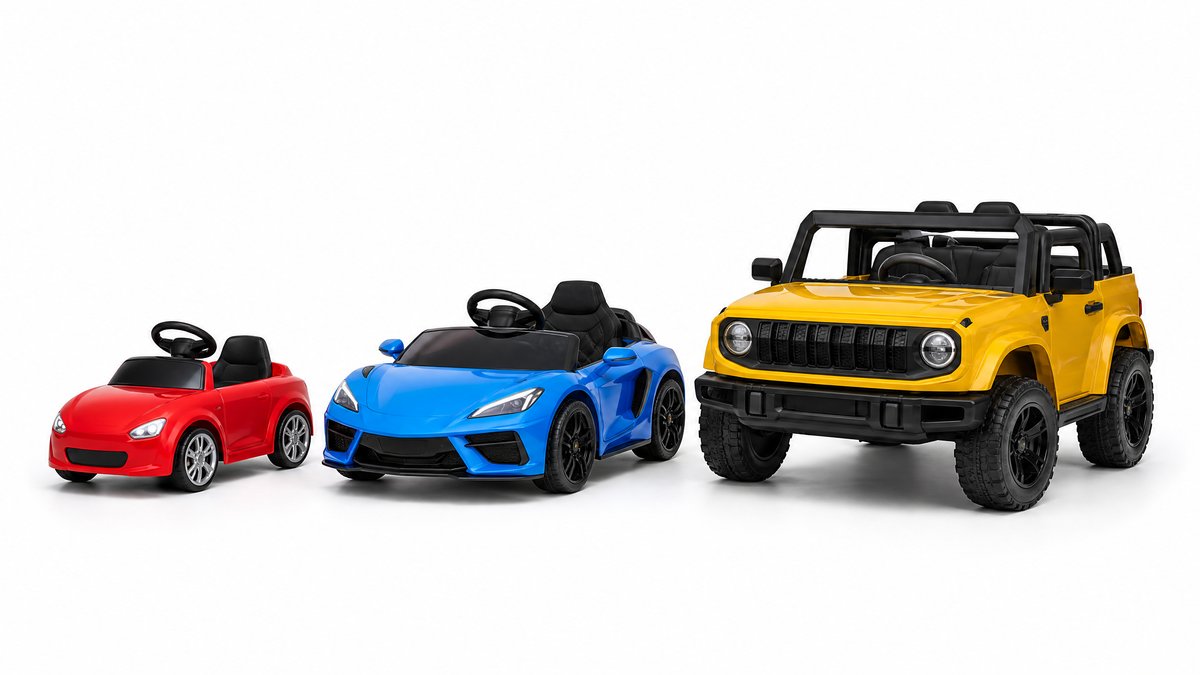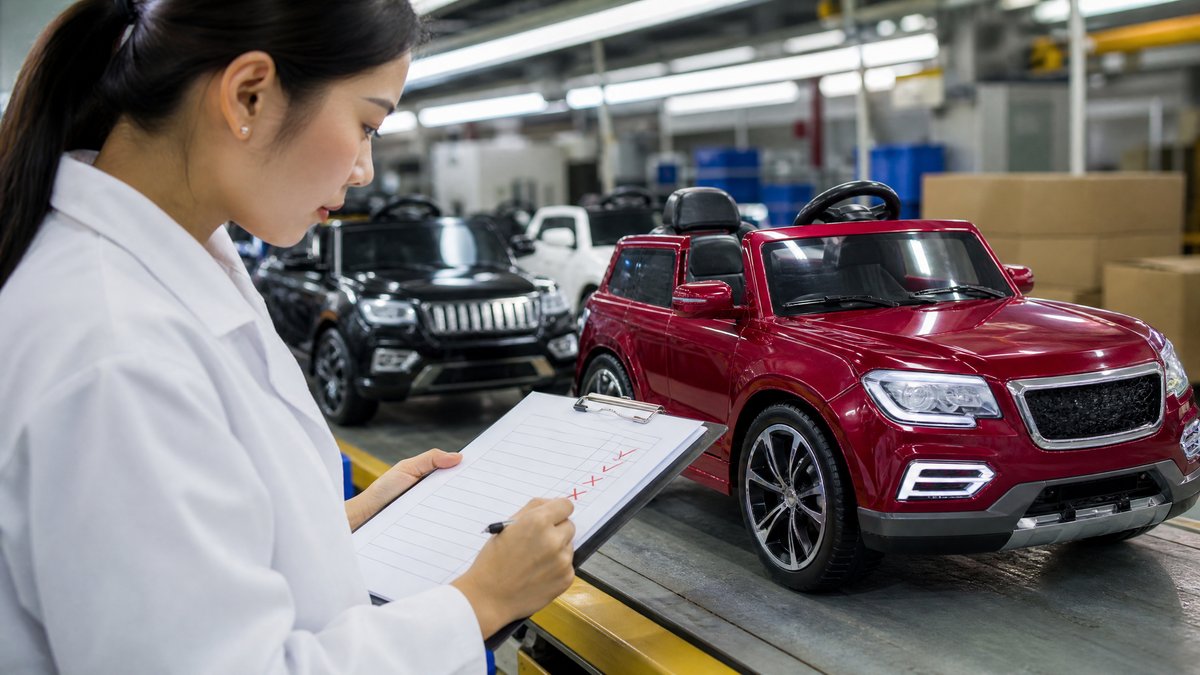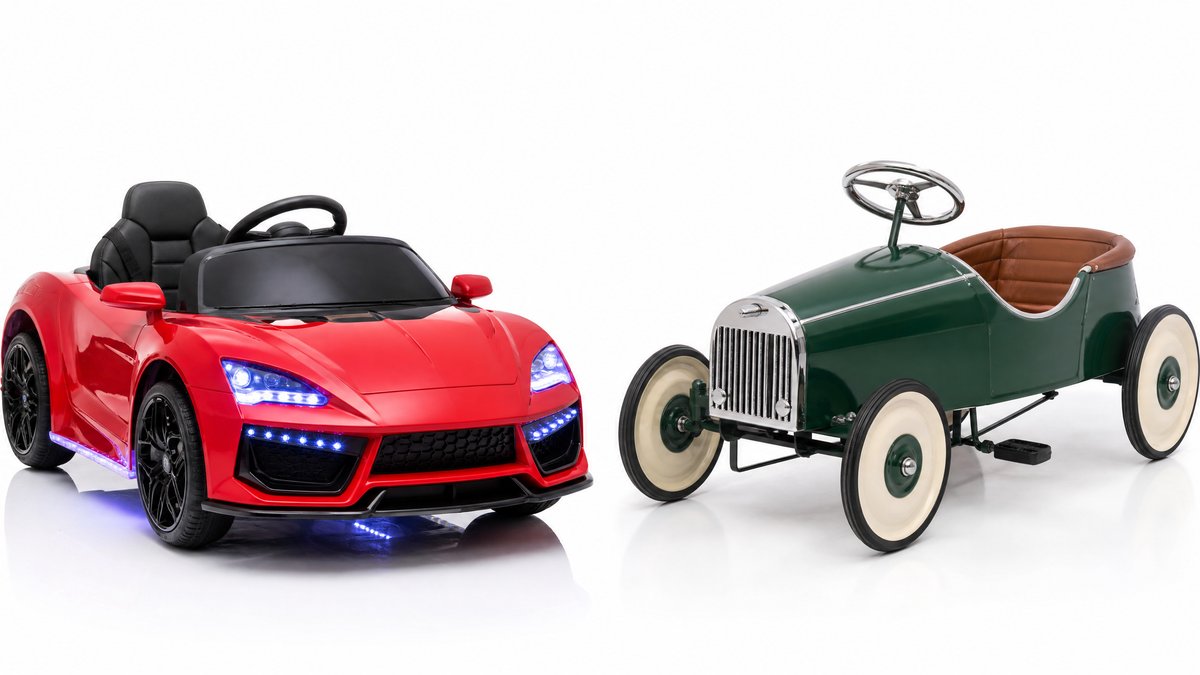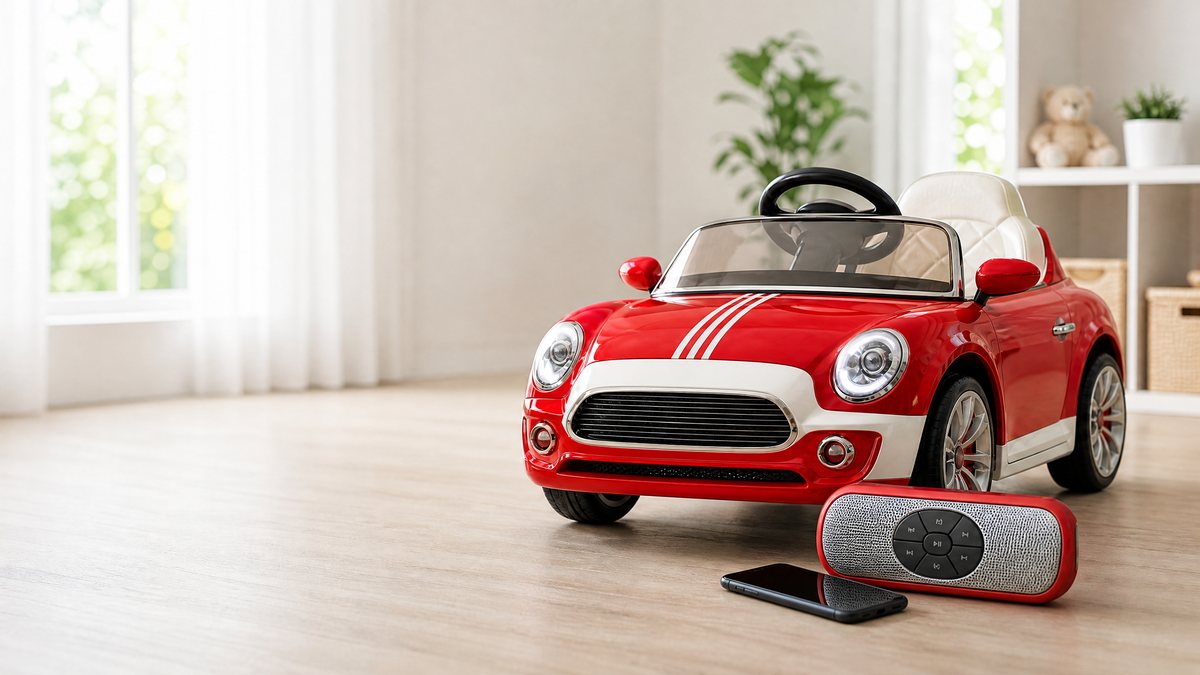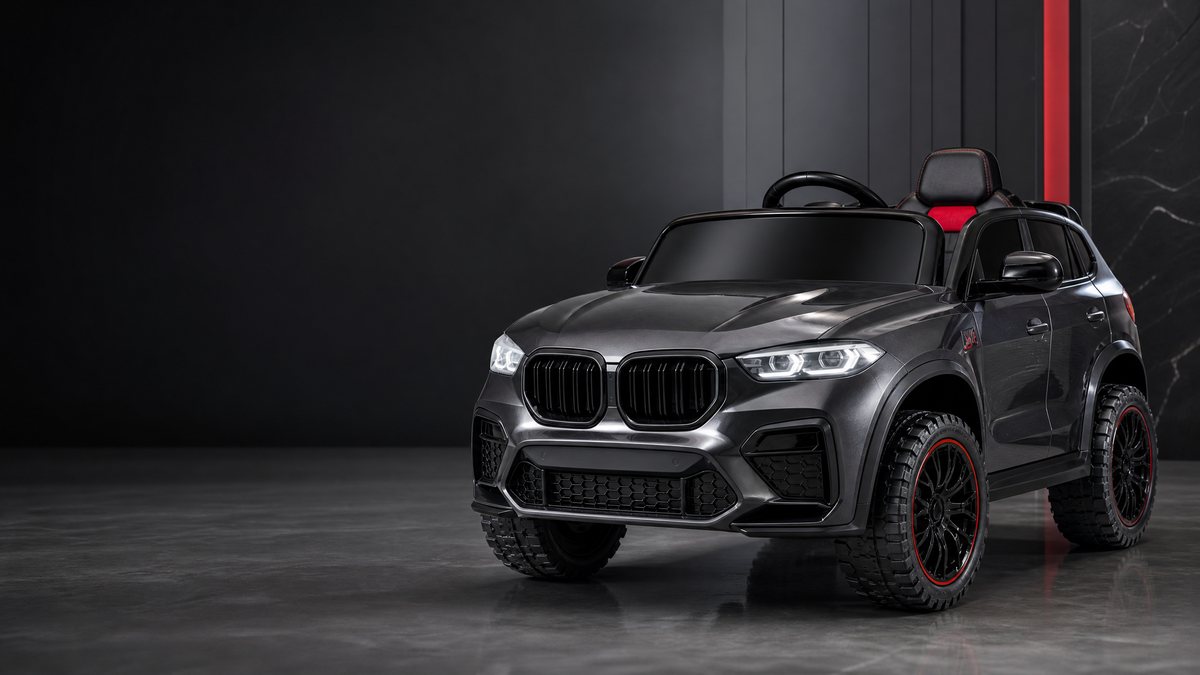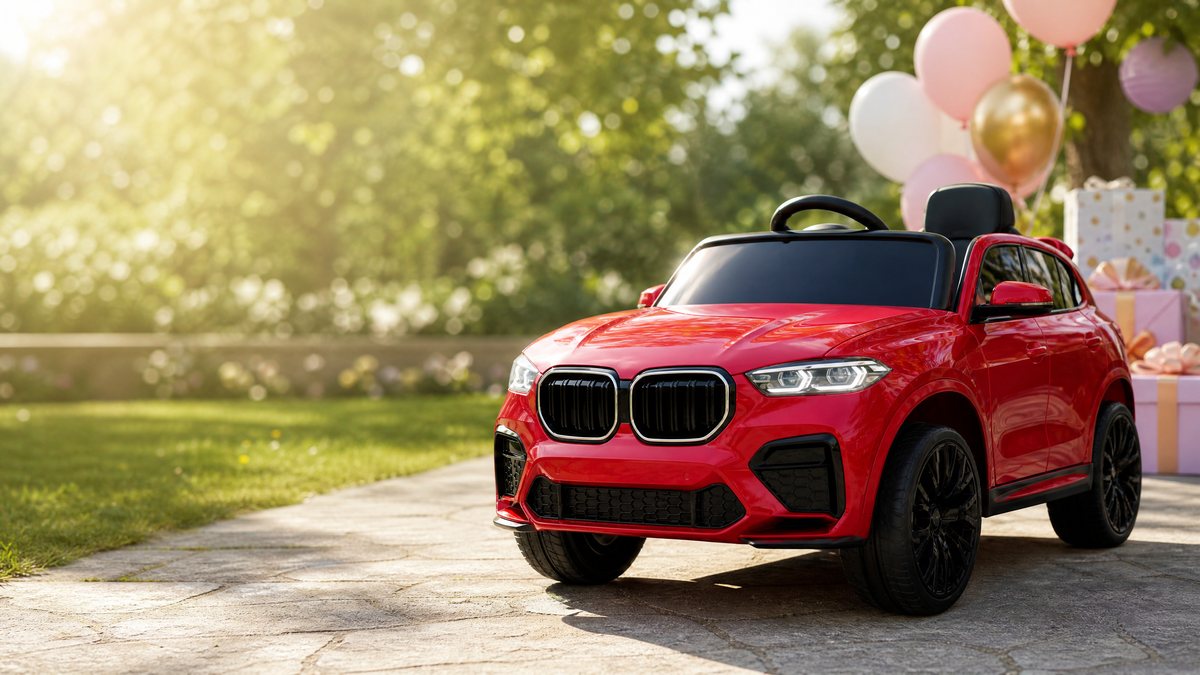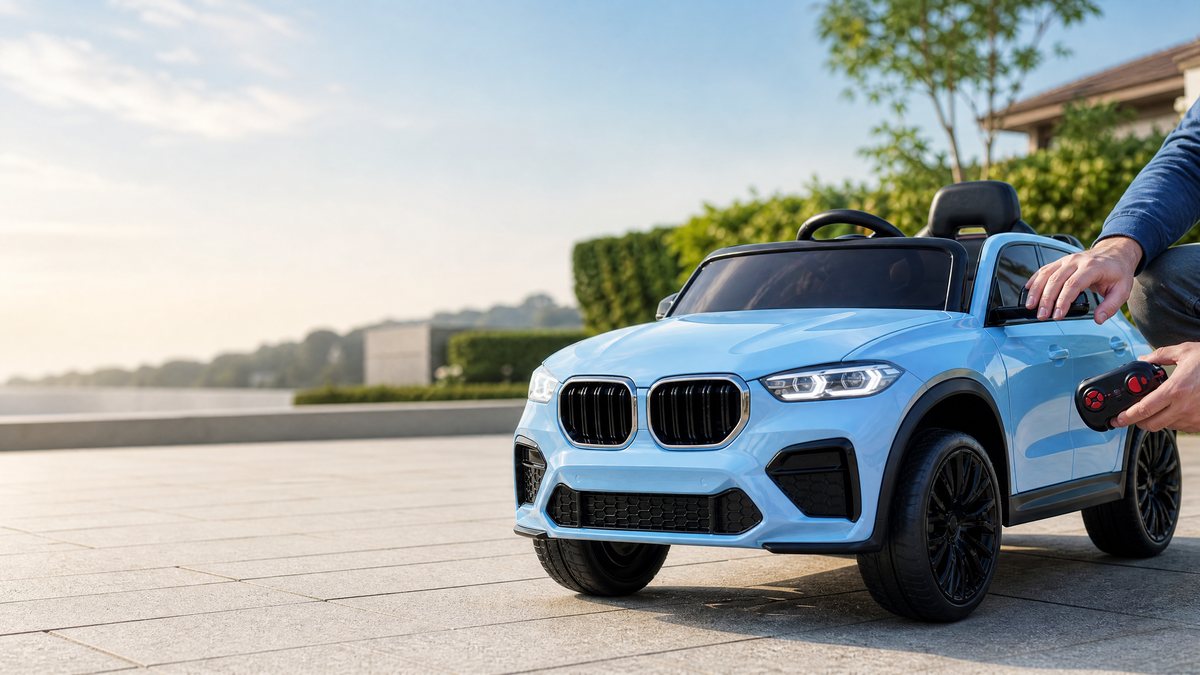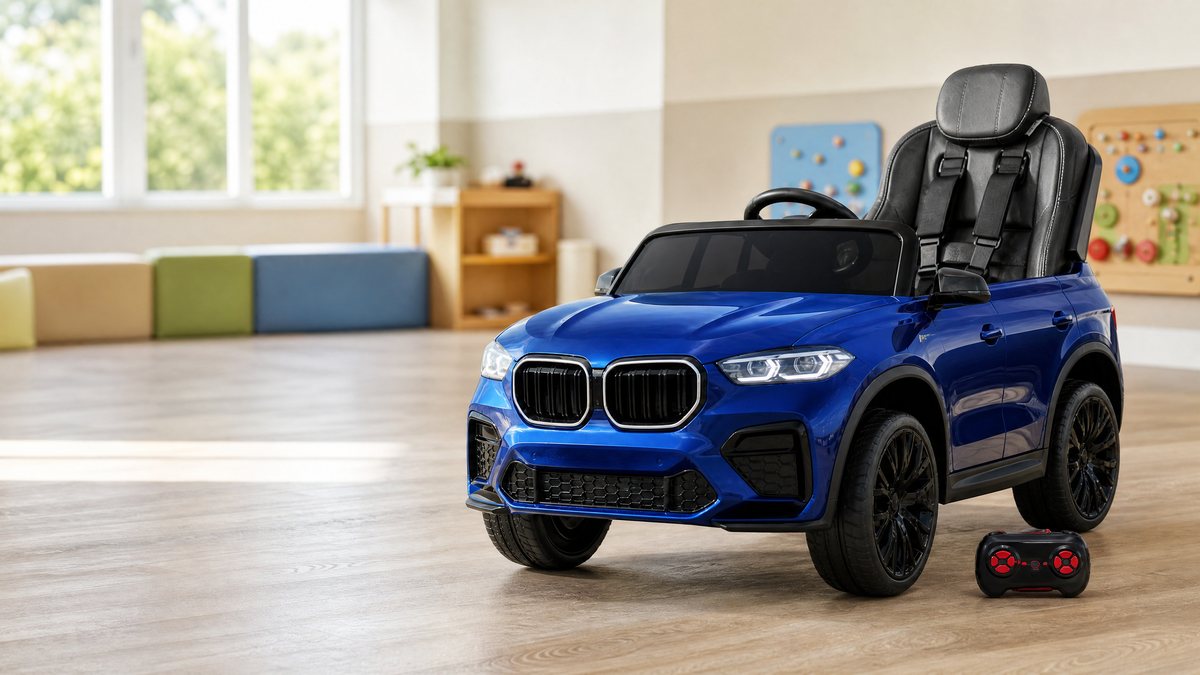
Choosing a ride-on vehicle for a six-year-old requires a distinct shift in perspective compared to selecting toys for toddlers. At age six, children have developed advanced motor skills, greater spatial awareness, longer leg dimensions, and increased body weight. Standard 6V or entry-level 12V ride-on cars designed for younger children often prove too small, underpowered, or structurally restrictive for this age bracket.
Parents and retail buyers evaluating options for six-year-olds must navigate a diverse market encompassing high-torque 12V systems, robust 24V setups, multi-passenger utility task vehicles (UTVs), and go-kart configurations. This editorial guide provides a transparent evaluation framework to help buyers assess specifications, match vehicle sizing to child ergonomics, verify safety compliance, and make informed purchasing or stocking decisions.
Children at age six experience rapid physical growth and neuromuscular development. Average height ranges from approximately 43 to 48 inches (110 to 122 cm), and average weight typically spans between 40 and 55 pounds (18 to 25 kg). Furthermore, children in this demographic possess refined hand-eye coordination, allowing them to manage proportional steering mechanisms, foot pedals, and dual-speed selectors with confidence.
However, standard ride-on toys featuring low seat heights and cramped footwells often result in awkward posture, knee interference with the steering wheel, and rapid physical fatigue. Consequently, selecting the correct vehicle involves analyzing physical dimensions—particularly seat-to-pedal distance, cabin width, and maximum weight limits—rather than relying solely on generalized age labeling provided by manufacturers [1]. When children outgrow entry-level models, providing adequate legroom and structural support prevents discomfort and extends the functional lifespan of the toy.
When evaluating ride-on vehicles for older children, four primary engineering and ergonomic factors dictate performance and suitability:
While younger toddlers benefit from gentle acceleration and lower top speeds (typically 1.5 to 2.5 mph), six-year-olds generally require increased responsiveness and sustained torque to handle inclines, grass, and varied outdoor terrain.
* High-Torque 12V Systems: Equipped with dual or quad upgraded motors, these units provide reliable traction without excessive velocity, making them suitable for children transitioning from smaller vehicles.
* 24V Systems: Offering higher electrical potential, 24V configurations deliver robust power output, smoother acceleration curves under load, and higher top speeds (often ranging from 4 to 6 mph). These systems are engineered for heavier chassis designs, multi-passenger models, and off-road driving dynamics.
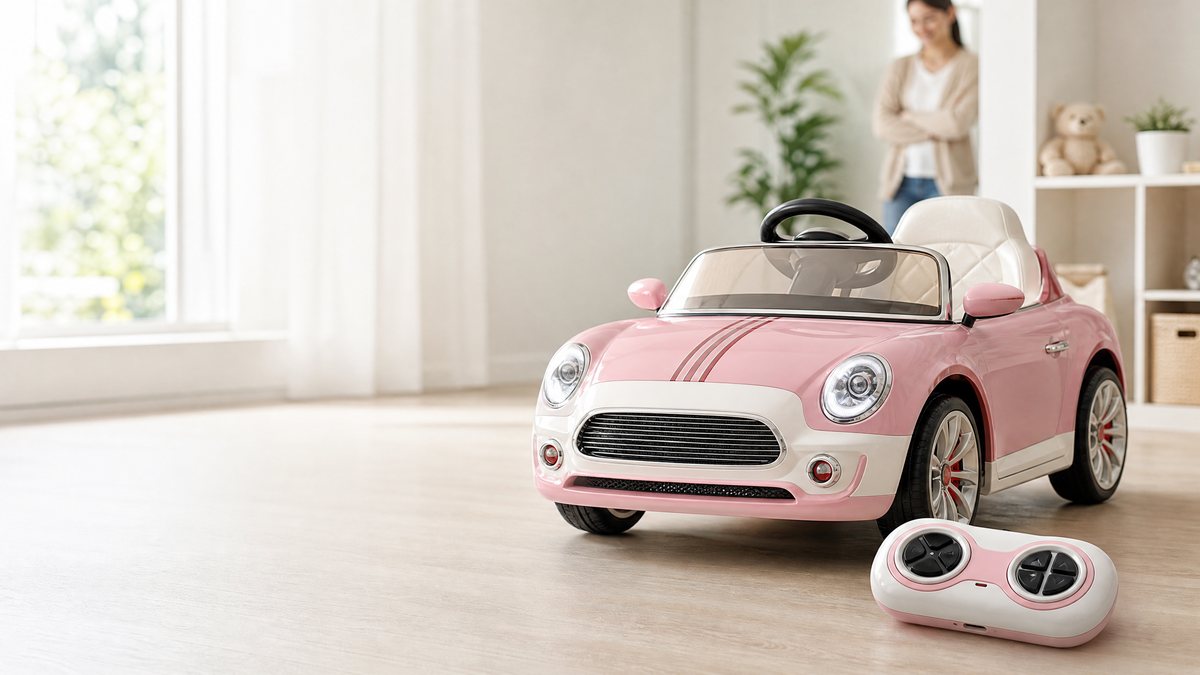
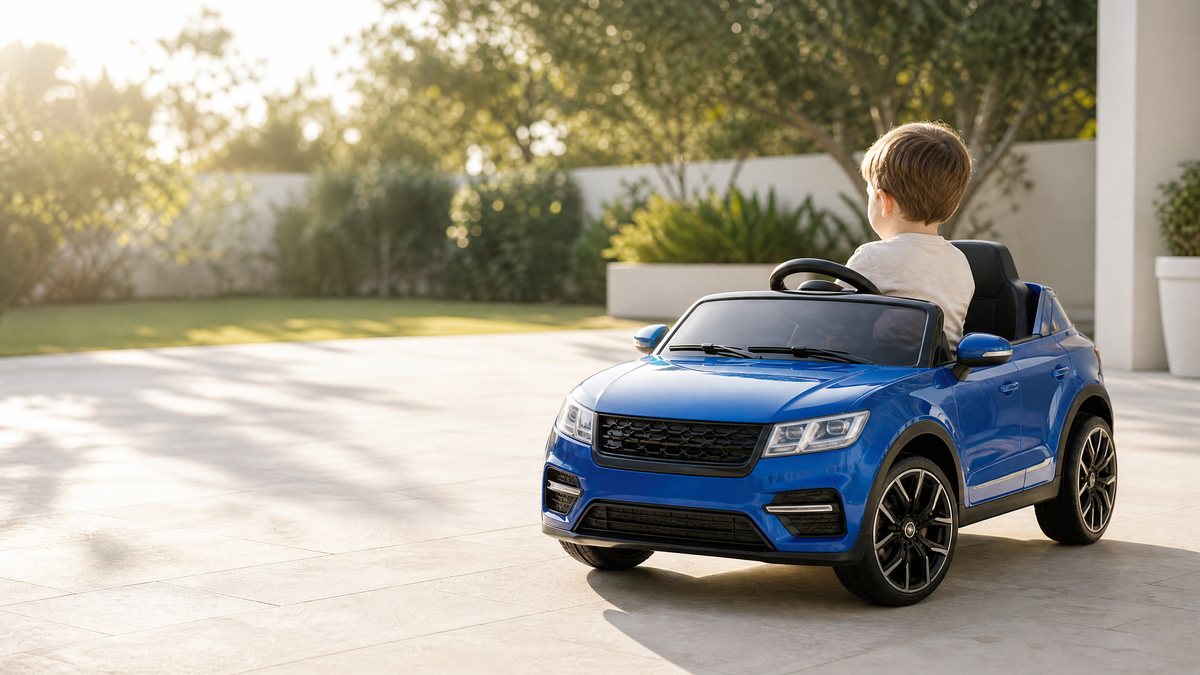
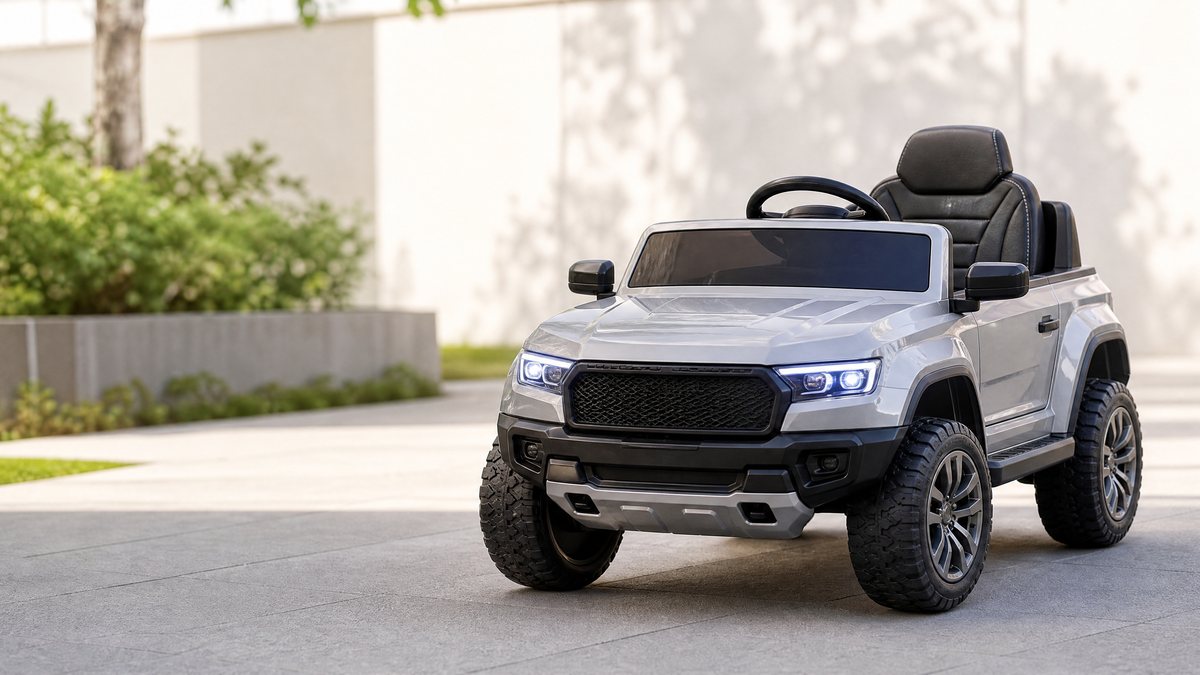
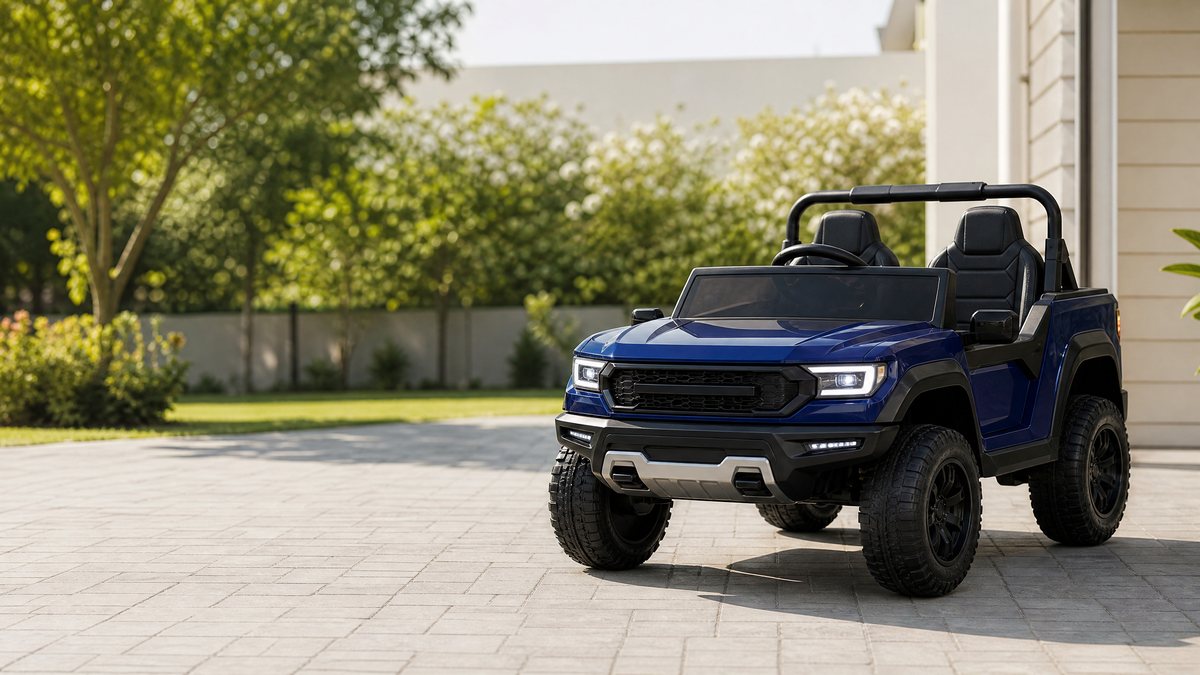
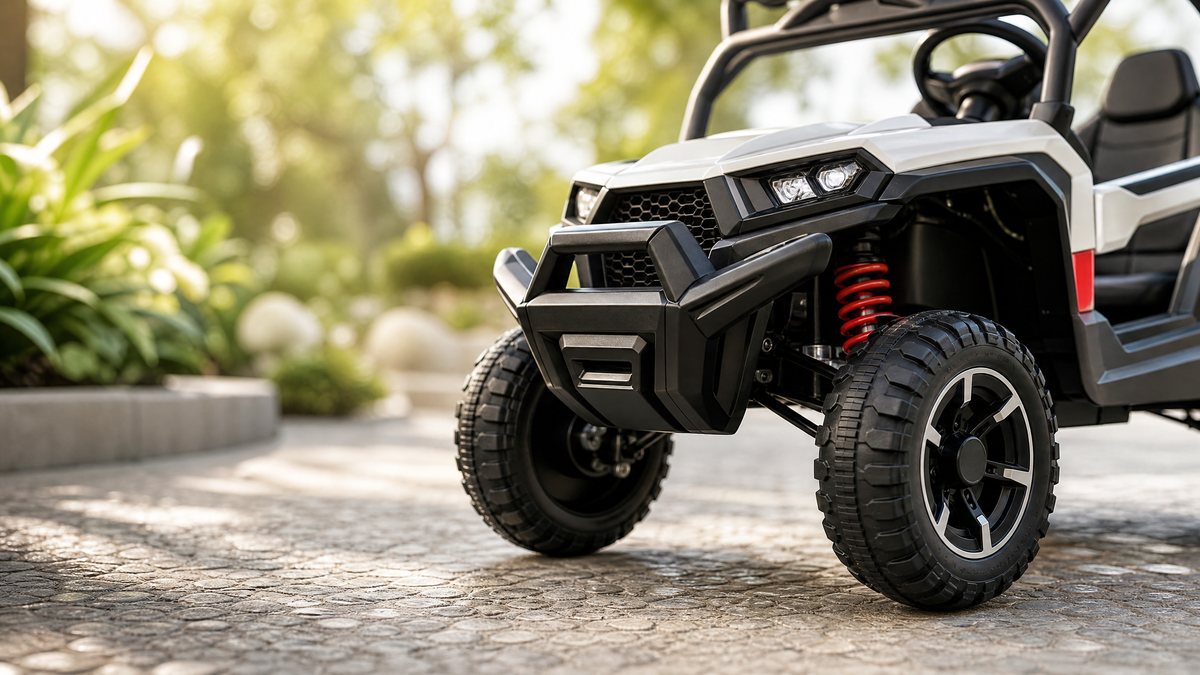
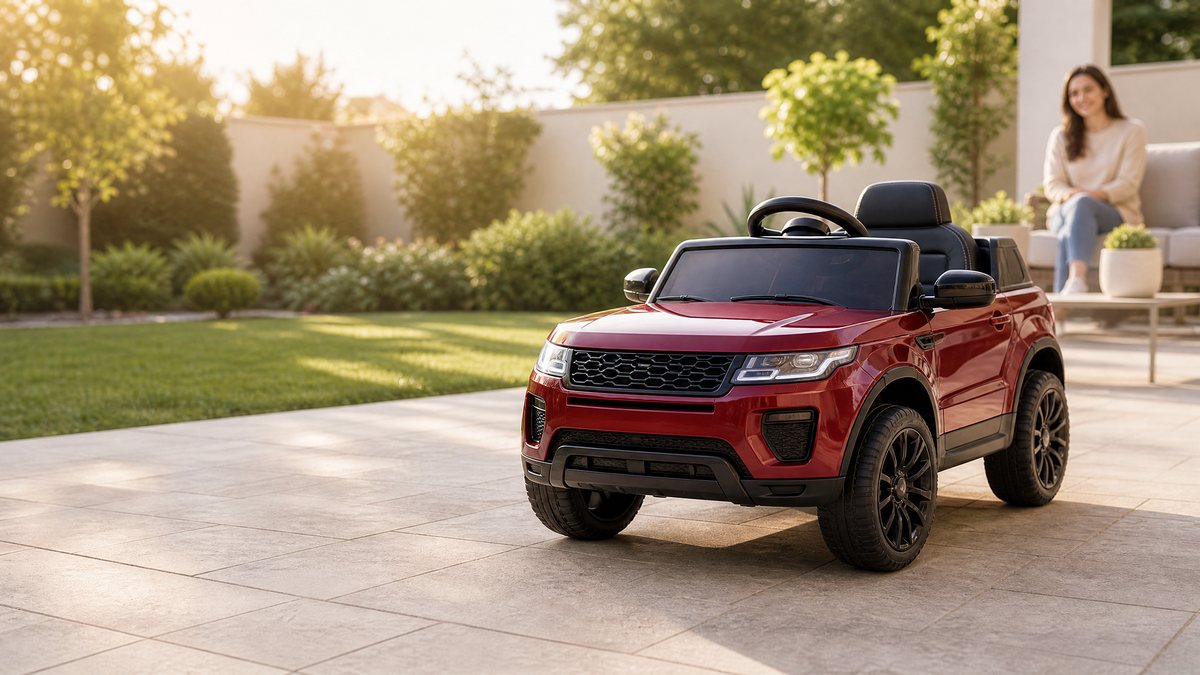
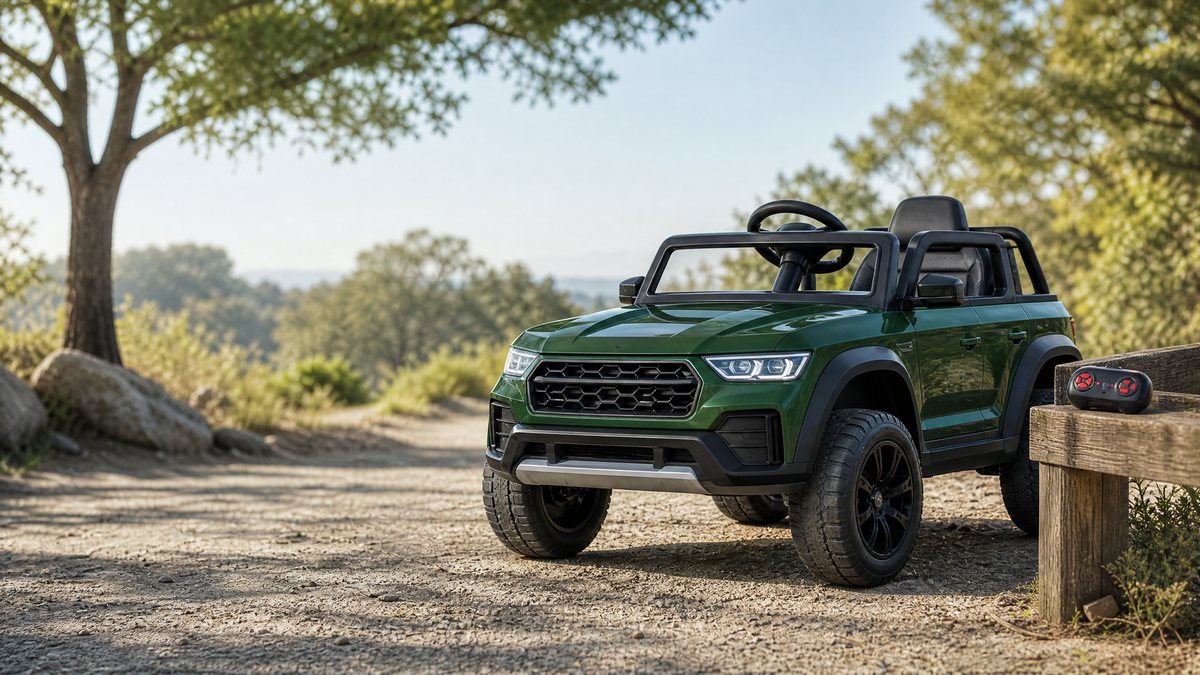
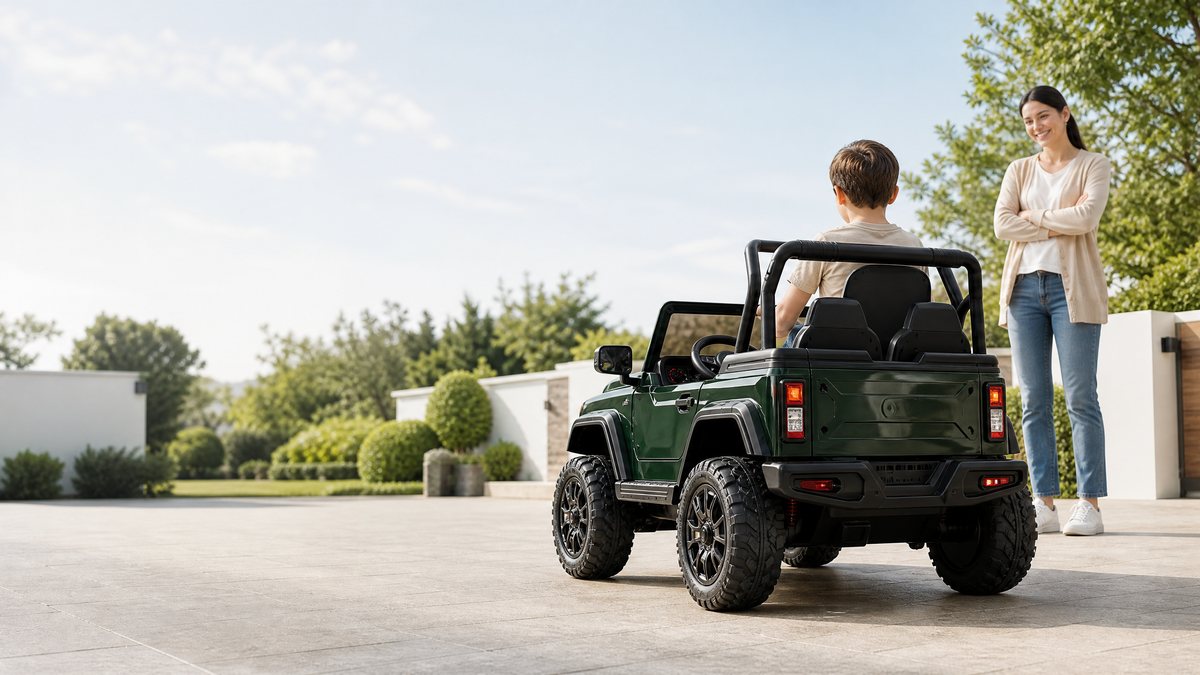
Cabin dimensions are critical for six-year-olds. A vehicle with an adjustable seat, high backrest, and generous legroom prevents premature outgrowing. Open-cockpit designs, such as buggies and UTVs, generally offer greater vertical clearance and width than low-profile sports car replicas, accommodating longer legs comfortably.
Manufacturer weight limits must be strictly respected. Vehicles rated for 65 to 110 pounds (30 to 50 kg) utilize reinforced steel frame components and durable resin bodies capable of withstanding the dynamic loads exerted by an active six-year-old. Overloading a vehicle strains the gearbox and electrical harness, leading to premature mechanical wear and thermal cutoff activation.
Terrain compatibility depends heavily on wheel construction. Molded plastic wheels perform adequately on smooth indoor surfaces and paved driveways, whereas rubber-strip or pneumatic (air-filled) tires provide superior traction on gravel, grass, and uneven outdoor paths. Independent spring suspension systems absorb shocks, protecting the chassis and ensuring a more controlled ride across bumpy terrain.
> Editorial Note on Specifications: Performance metrics such as speed and battery runtime vary significantly based on surface friction, payload weight, ambient temperature, and battery charge state. Always confirm current technical documentation directly with the manufacturer or authorized supplier.
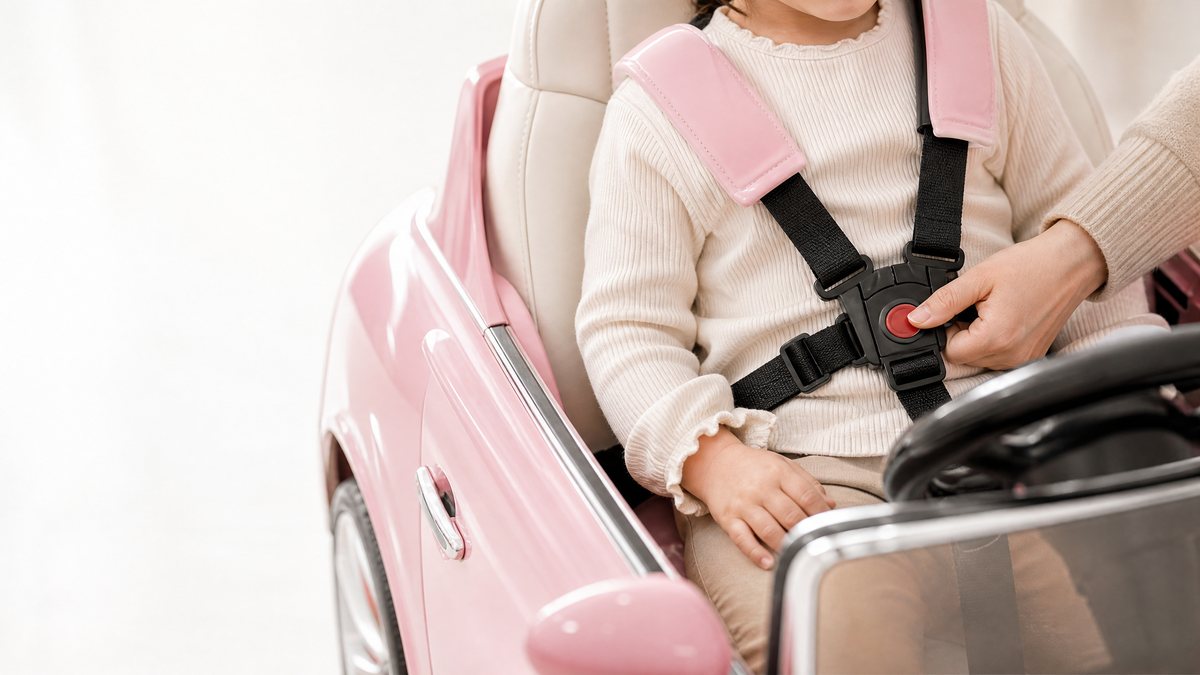
Safety compliance and proper physical fit are paramount when operating motorized ride-on toys. Parents and supervisors should review the following operational checklist:
* Age and Size Verification: Confirm that the child's height and weight fall comfortably within the manufacturer's specified operating limits, ensuring knees do not strike the steering column [2].
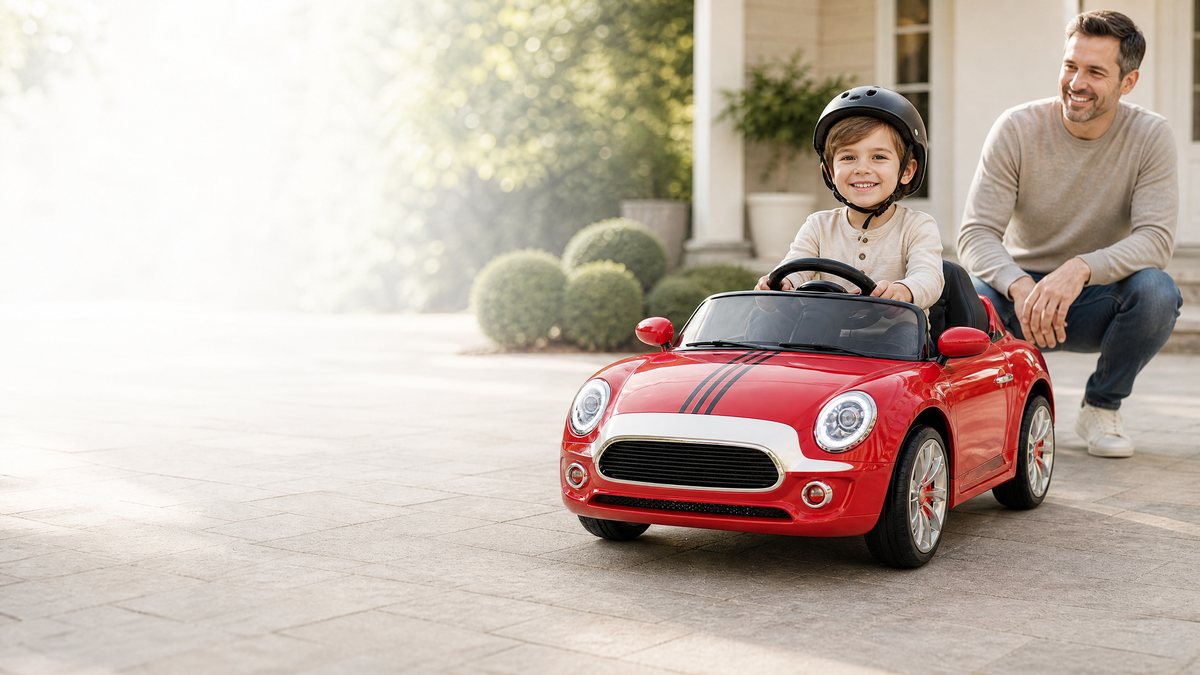
* Personal Protective Equipment: Ensure the child wears a properly fitted bicycle helmet and closed-toe footwear during operation.
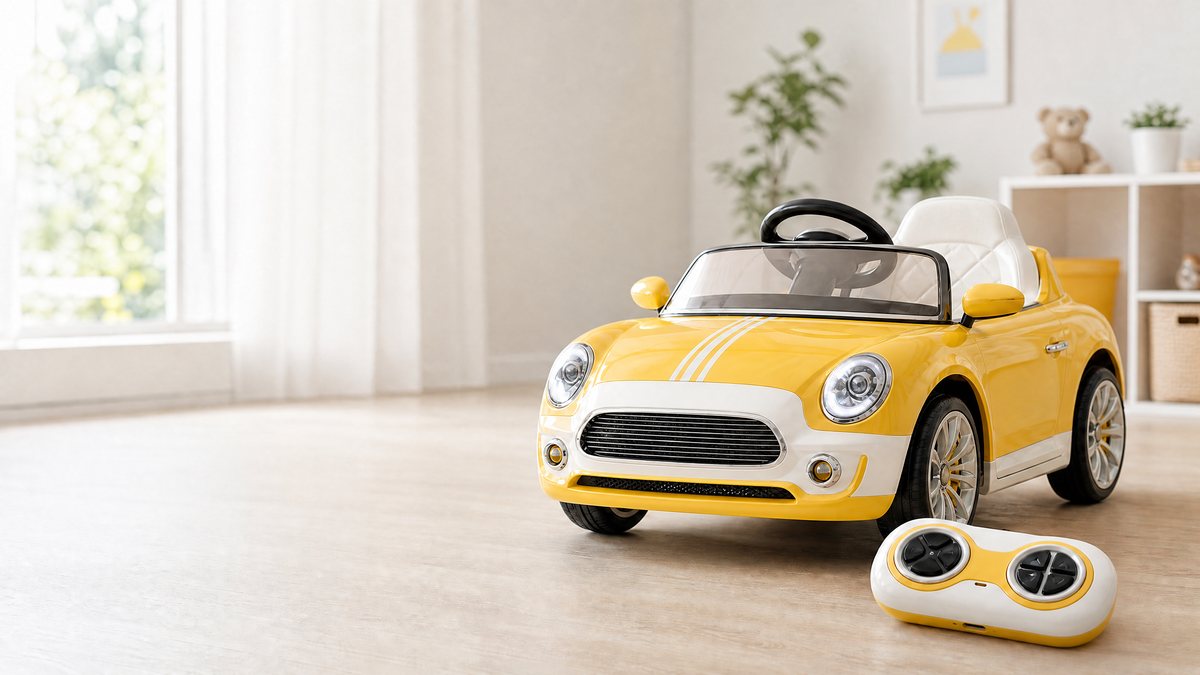
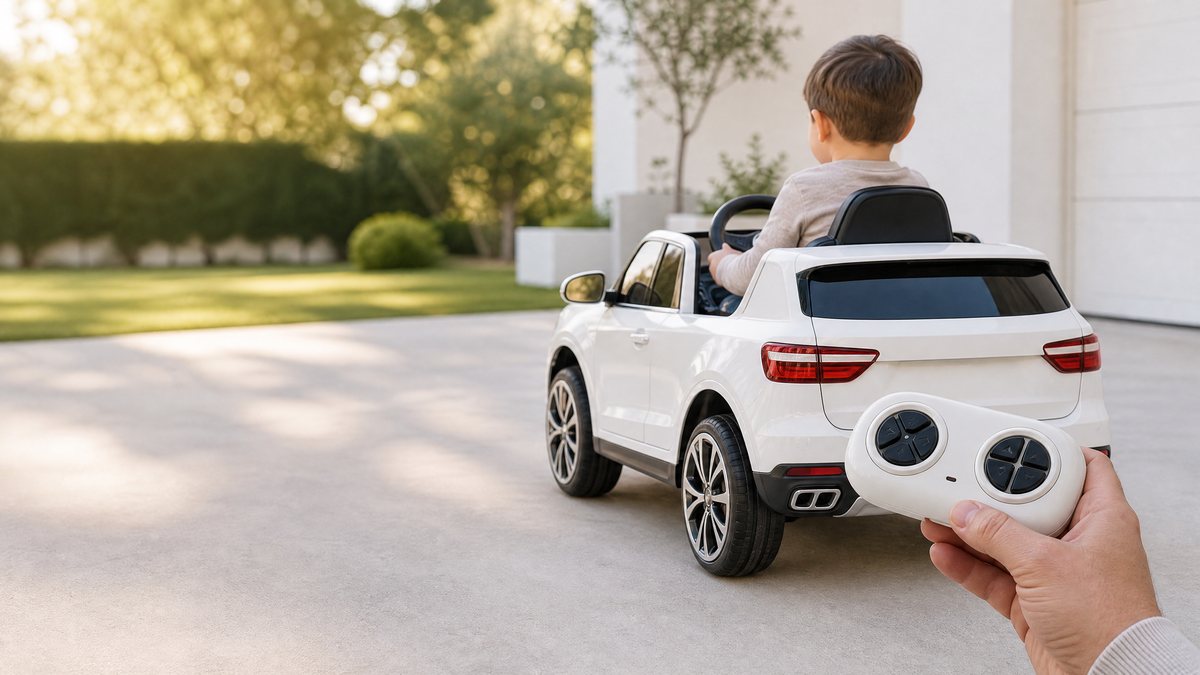
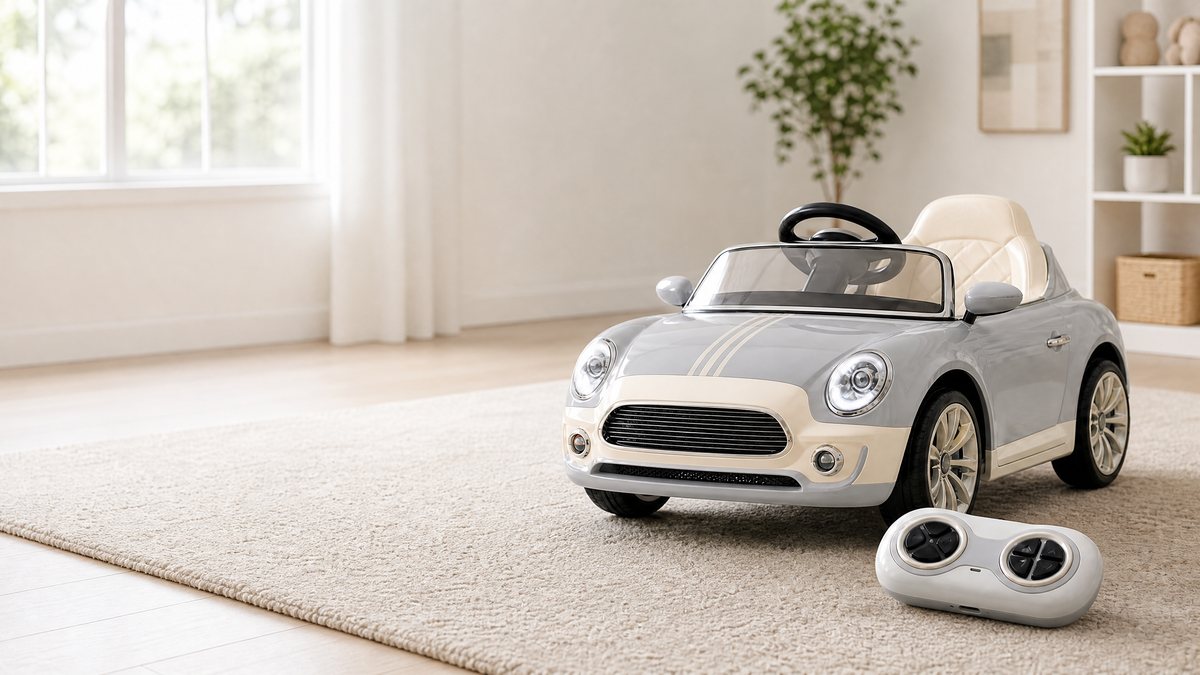
* Parental Remote Override: For models equipped with 2.4G parental remote controls, adults should retain override capability in high-traffic or unfamiliar environments.
* Supervised Operating Zones: Restrict driving to flat, controlled environments away from public streets, swimming pools, steep inclines, and obstacles.
* Braking System Inspection: Verify that foot-pedal brakes or automatic spring-return braking mechanisms engage correctly before each use.
For B2B buyers, distributors, and retail shop owners, stocking inventory for six-year-olds demands careful alignment with regional safety standards and consumer trends. Retailers should prioritize products that offer:
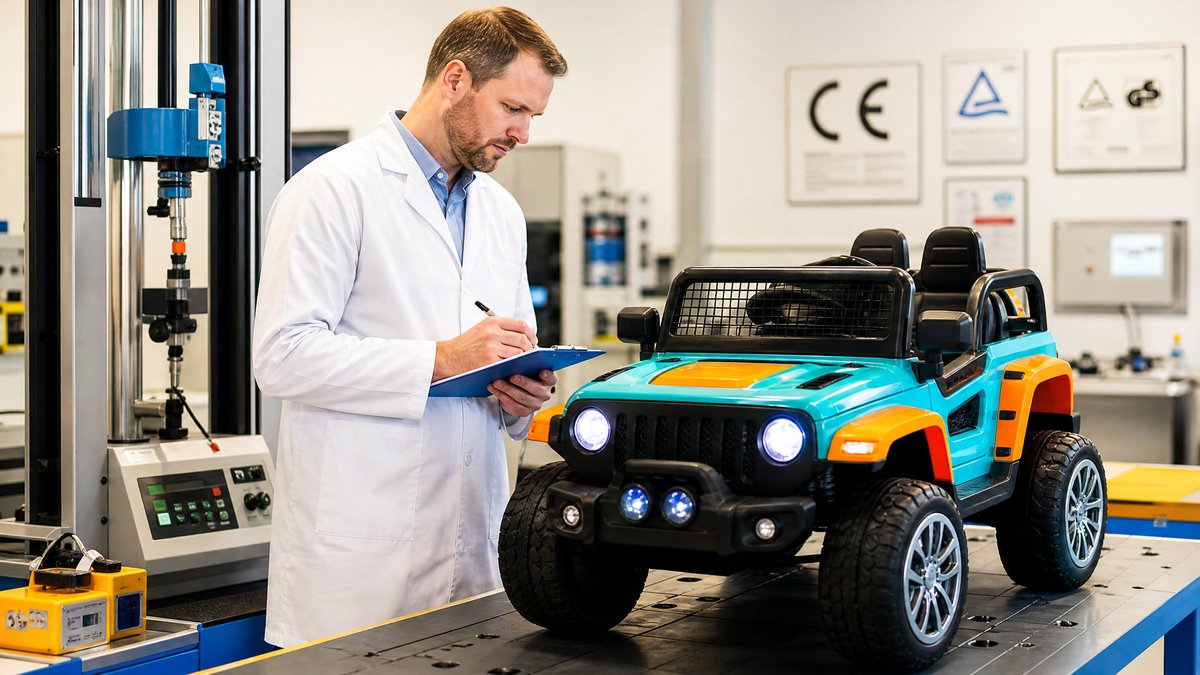
* Documented Compliance: Verification that units meet recognized toy safety standards, such as ASTM F963 in North America or EN71 in the European Union [3].
* Modular Replacement Parts: Availability of replacement gearboxes, batteries, and chargers to support after-sales maintenance and reduce return rates.
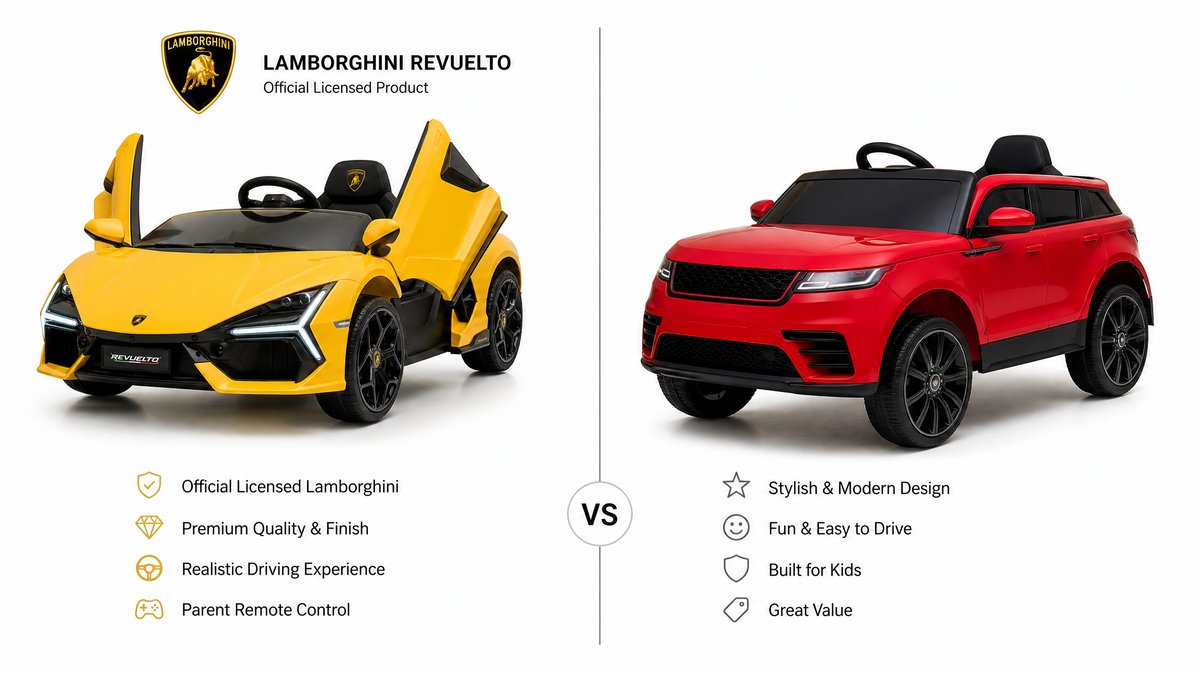
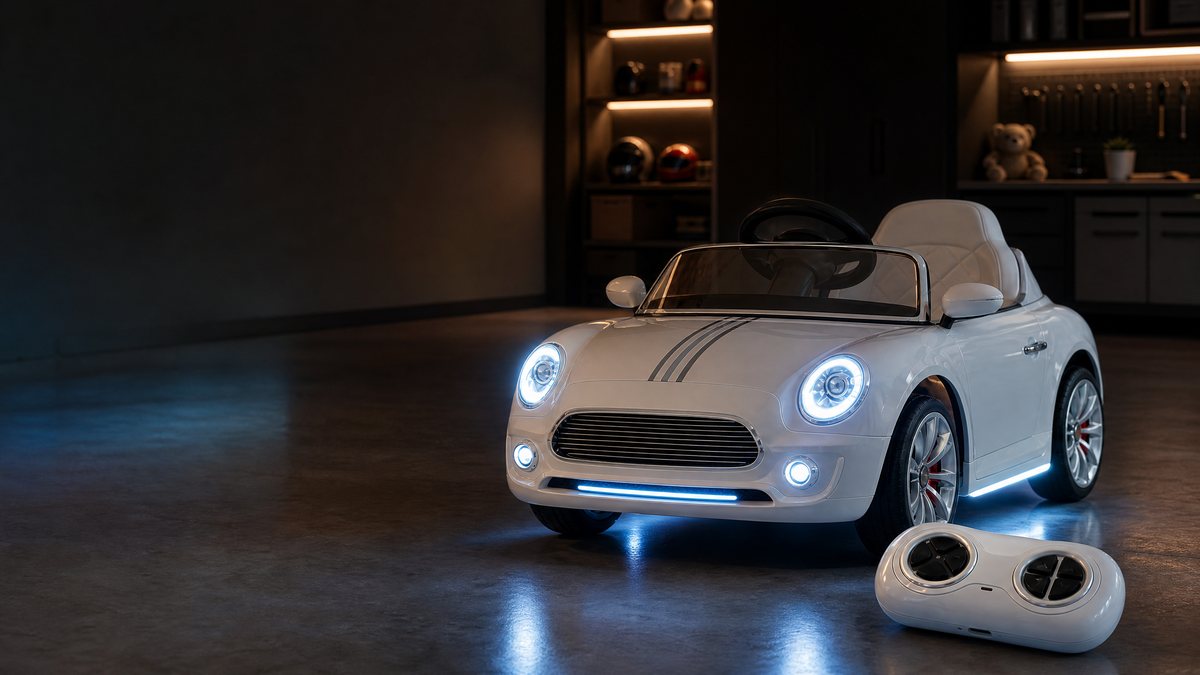
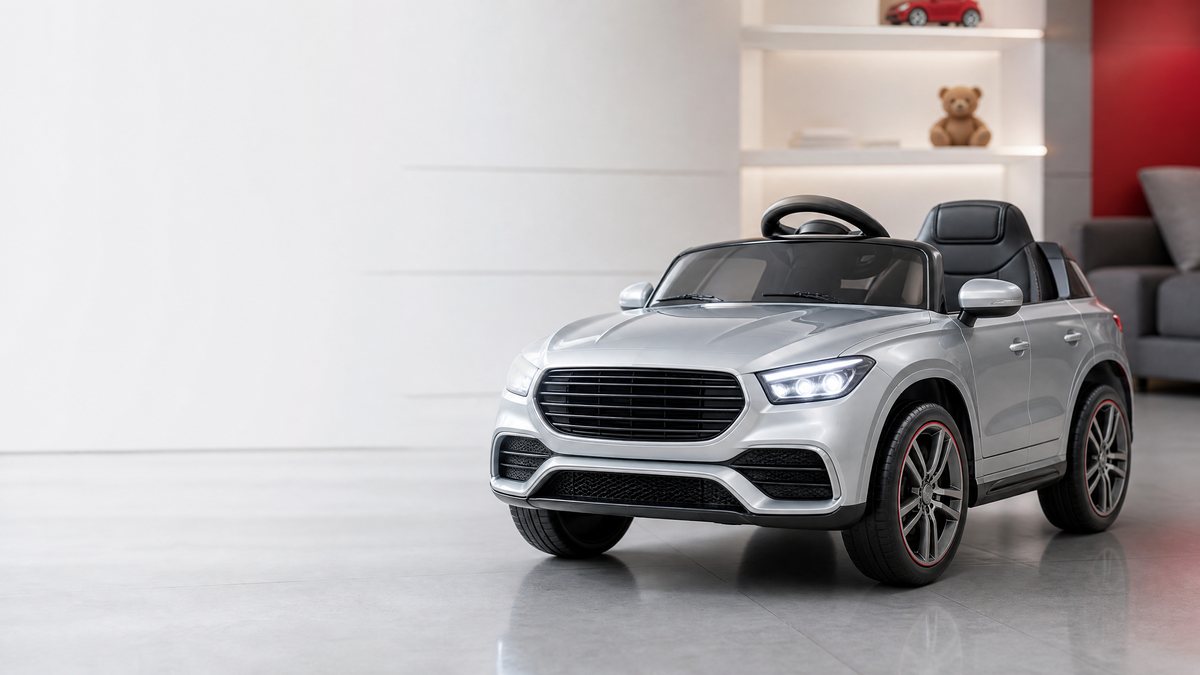
* Upgraded Aesthetic Appeal: Features such as LED working headlights, MP3/Bluetooth audio interfaces, realistic dashboard instrumentation, and opening doors that appeal to discerning buyers.
* Clear Packaging and Labeling: Transparent age-grading and weight capacity markings on outer cartons to guide retail staff and end-consumers effectively.
1. How do I determine if my child has outgrown a 12V ride-on car?
Examine the child's posture and legroom. If their knees consistently hit the steering wheel or their feet drag during pedal operation, the vehicle is undersized, and a larger 24V UTV or buggy should be considered.
2. What is the difference between plastic wheels and EVA rubber tires?
Molded plastic wheels are economical and durable on smooth pavement but can slip on wet grass. EVA (Ethylene-Vinyl Acetate) rubber-strip tires offer enhanced grip, reduced noise, and smoother shock absorption across diverse outdoor terrains.
3. Can ride-on car batteries be upgraded for longer runtime?
Modifying electrical systems, upgrading voltage, or installing third-party batteries outside manufacturer specifications is strictly discouraged, as it can overheat wiring harnesses, damage control boards, and void warranties.
4. Is adult supervision required even with parental remote control?
Yes. Parental remotes are supplementary safety tools and do not replace active visual supervision and physical proximity by a responsible adult.
Most ride-on cars engineered for six-year-olds accommodate weight limits ranging from 65 to 110 pounds (30 to 50 kg). Multi-passenger UTVs and heavy-duty utility vehicles generally offer the highest weight capacities and widest seating cabins.
24V ride-on cars typically achieve top speeds between 3.5 and 6 mph (5.5 to 10 km/h). While faster than toddler toys, six-year-olds with developed spatial awareness and motor skills adapt quickly, especially when using models featuring adjustable multi-speed settings.
Most ride-on vehicles ship semi-assembled (SKD format), requiring the end-user or retailer to attach wheels, steering columns, seats, and windshields using basic household tools. Assembly generally takes 30 to 60 minutes following the manufacturer instruction manual.
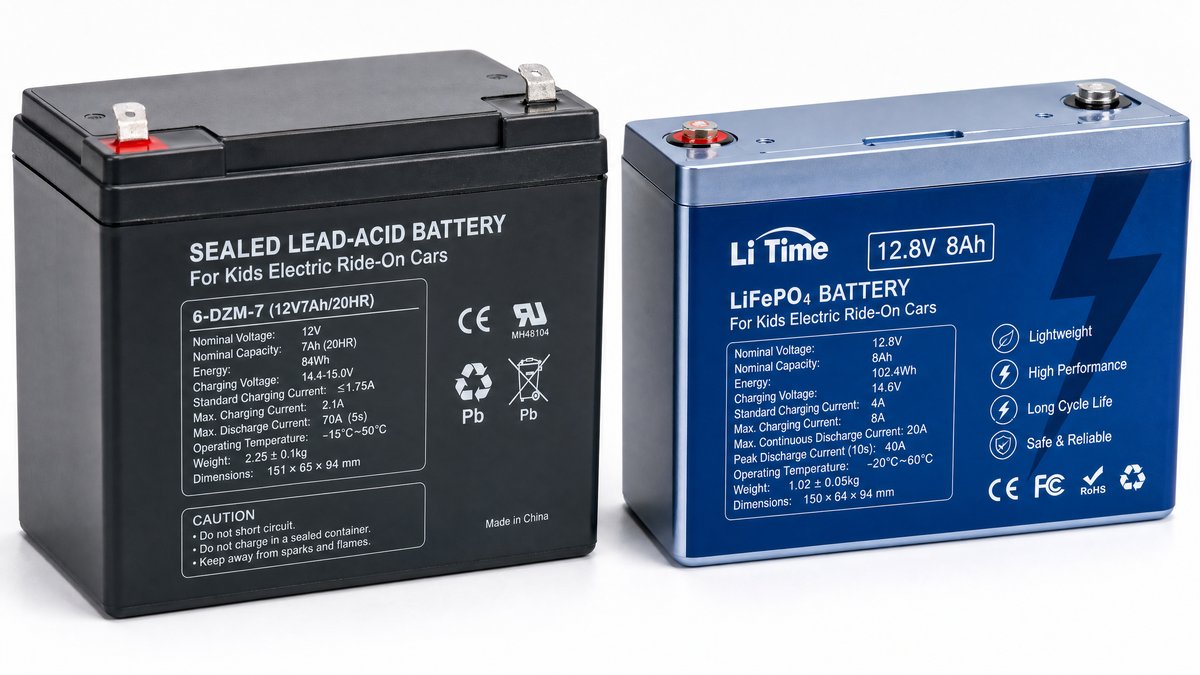
Lead-acid and lithium batteries require periodic recharging during storage. Leaving a battery in a fully discharged state for extended periods will permanently sulfate or degrade cell capacity. Manufacturers recommend recharging batteries at least once every month when not in regular use.
Reputable manufacturers and wholesale suppliers provide full spare parts catalogs, including replacement motors, gearboxes, switches, and remote control units, ensuring long-term product serviceability and customer satisfaction.
Selecting the best ride-on car for a six-year-old involves balancing physical growth milestones, motor power requirements, and structural durability. By prioritizing spacious cabin dimensions, robust 12V or 24V power systems, and verified safety features, parents and retail buyers can ensure a rewarding, long-lasting driving experience. To explore our comprehensive wholesale catalog, specification sheets, and bulk purchasing terms, please contact our team directly.
Request a wholesale quote
[1] U.S. Consumer Product Safety Commission (CPSC). *Toy Safety Information and Age-Grading Guidelines*. Available from public regulatory guidance documentation.
[2] ASTM International. *ASTM F963-17: Standard Consumer Safety Specification for Toy Safety*. West Conshohocken, PA.
[3] European Committee for Standardization (CEN). *EN 71 Safety of Toys Standards Series*. Brussels, Belgium.
Parents and retail buyers evaluating options for six-year-olds must navigate a diverse market encompassing high-torque 12V systems, robust 24V setups, multi-passenger utility task vehicles (UTVs), and go-kart configurations. This editorial guide provides a transparent evaluation framework to help buyers assess specifications, match vehicle sizing to child ergonomics, verify safety compliance, and make informed purchasing or stocking decisions.
Developmental and Physical Profile of a Six-Year-Old
Children at age six experience rapid physical growth and neuromuscular development. Average height ranges from approximately 43 to 48 inches (110 to 122 cm), and average weight typically spans between 40 and 55 pounds (18 to 25 kg). Furthermore, children in this demographic possess refined hand-eye coordination, allowing them to manage proportional steering mechanisms, foot pedals, and dual-speed selectors with confidence.
However, standard ride-on toys featuring low seat heights and cramped footwells often result in awkward posture, knee interference with the steering wheel, and rapid physical fatigue. Consequently, selecting the correct vehicle involves analyzing physical dimensions—particularly seat-to-pedal distance, cabin width, and maximum weight limits—rather than relying solely on generalized age labeling provided by manufacturers [1]. When children outgrow entry-level models, providing adequate legroom and structural support prevents discomfort and extends the functional lifespan of the toy.
Core Decision Framework for Six-Year-Old Ride-On Cars
When evaluating ride-on vehicles for older children, four primary engineering and ergonomic factors dictate performance and suitability:
1. Voltage and Motor Configuration
While younger toddlers benefit from gentle acceleration and lower top speeds (typically 1.5 to 2.5 mph), six-year-olds generally require increased responsiveness and sustained torque to handle inclines, grass, and varied outdoor terrain.
* High-Torque 12V Systems: Equipped with dual or quad upgraded motors, these units provide reliable traction without excessive velocity, making them suitable for children transitioning from smaller vehicles.
* 24V Systems: Offering higher electrical potential, 24V configurations deliver robust power output, smoother acceleration curves under load, and higher top speeds (often ranging from 4 to 6 mph). These systems are engineered for heavier chassis designs, multi-passenger models, and off-road driving dynamics.
2. Ergonomics, Seating, and Dimensions
Cabin dimensions are critical for six-year-olds. A vehicle with an adjustable seat, high backrest, and generous legroom prevents premature outgrowing. Open-cockpit designs, such as buggies and UTVs, generally offer greater vertical clearance and width than low-profile sports car replicas, accommodating longer legs comfortably.
3. Weight Capacity and Structural Integrity
Manufacturer weight limits must be strictly respected. Vehicles rated for 65 to 110 pounds (30 to 50 kg) utilize reinforced steel frame components and durable resin bodies capable of withstanding the dynamic loads exerted by an active six-year-old. Overloading a vehicle strains the gearbox and electrical harness, leading to premature mechanical wear and thermal cutoff activation.
4. Tire Construction and Suspension
Terrain compatibility depends heavily on wheel construction. Molded plastic wheels perform adequately on smooth indoor surfaces and paved driveways, whereas rubber-strip or pneumatic (air-filled) tires provide superior traction on gravel, grass, and uneven outdoor paths. Independent spring suspension systems absorb shocks, protecting the chassis and ensuring a more controlled ride across bumpy terrain.
Comparison of Ride-On Configurations for Six-Year-Olds
| Vehicle Type | Power System | Typical Speed Range | Load Capacity | Best Suited For |
|---|---|---|---|---|
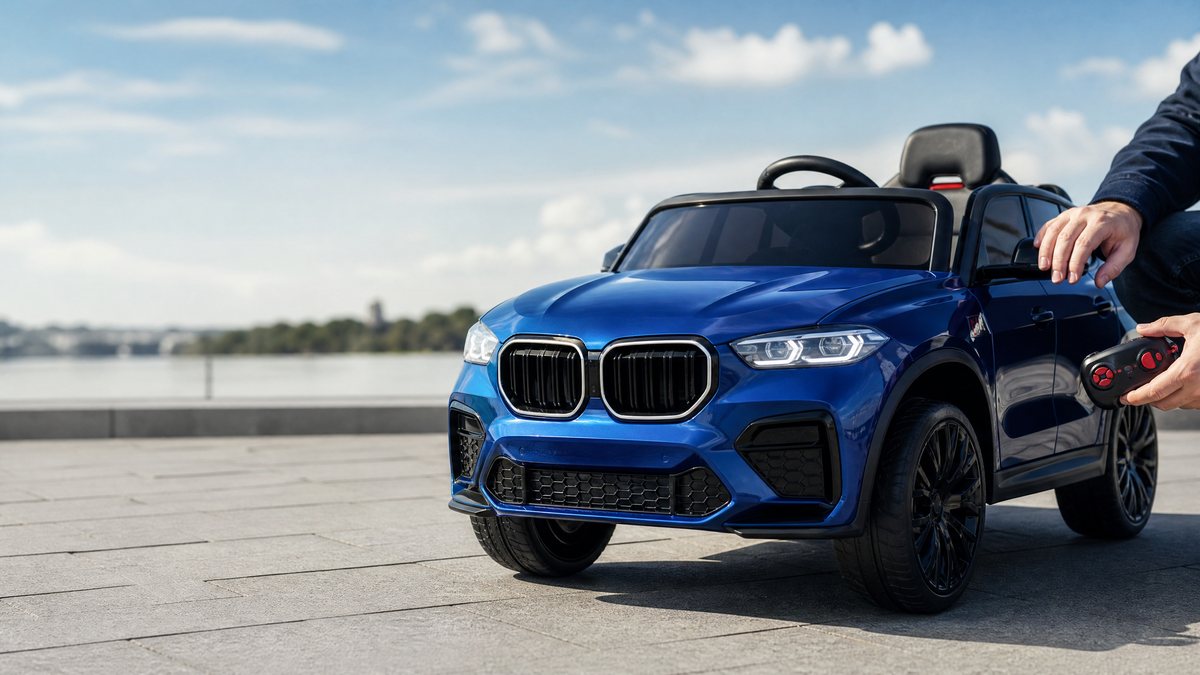
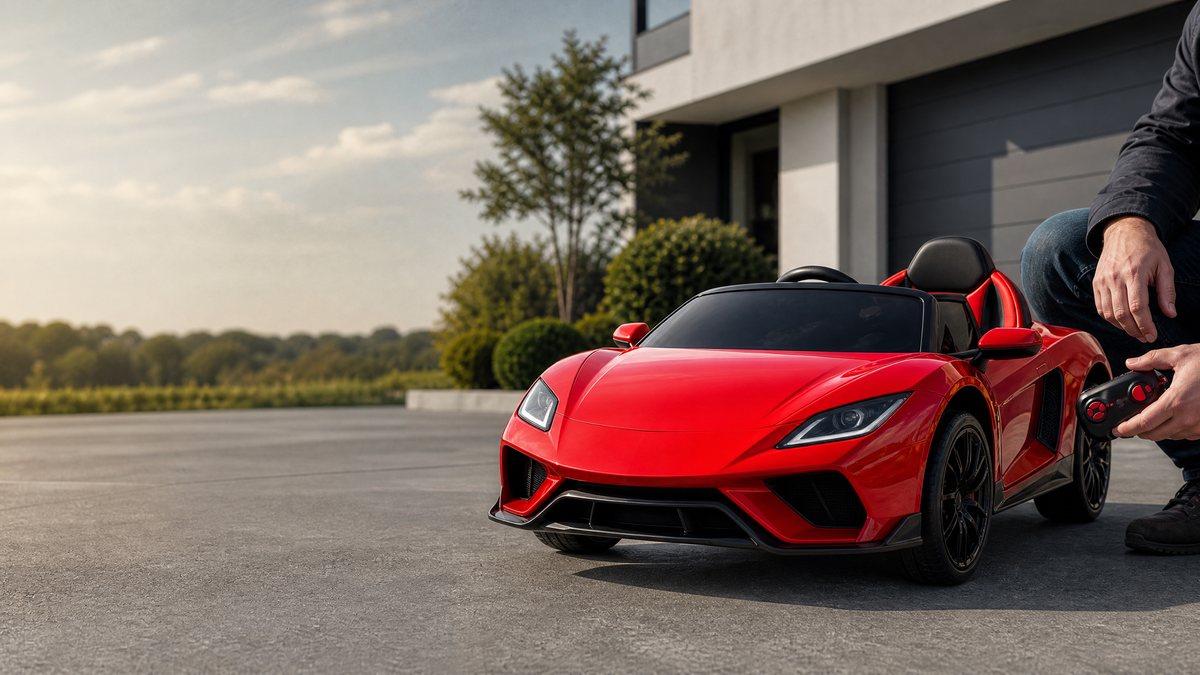
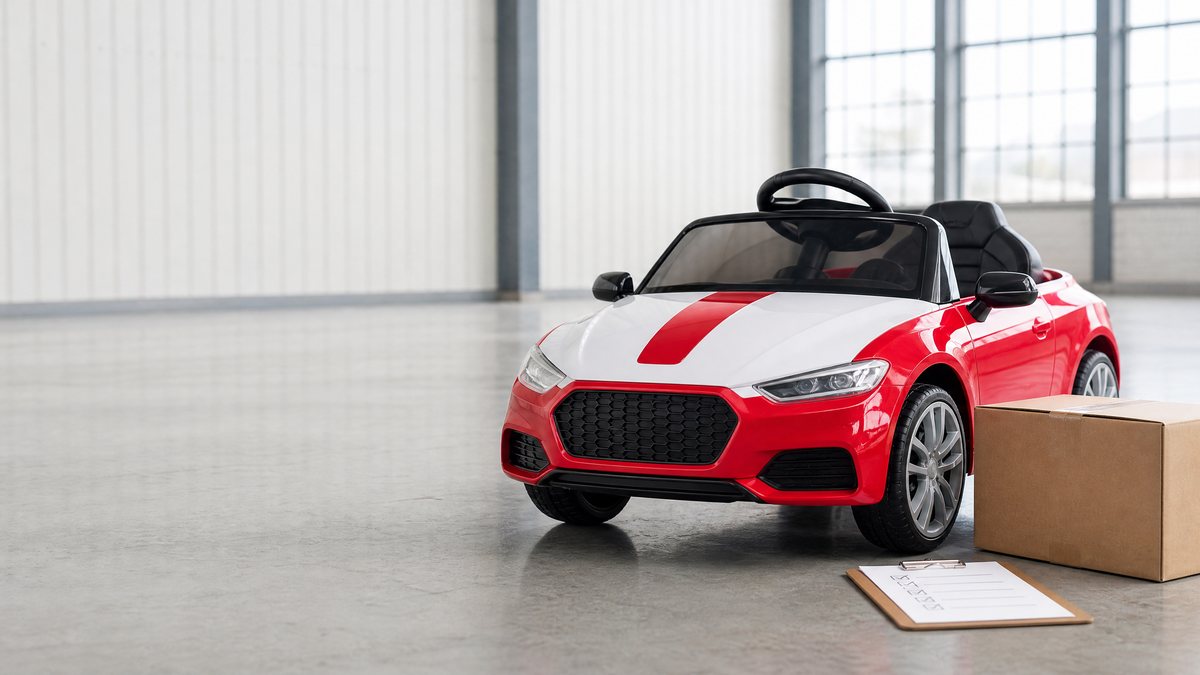
| Standard Sports Car / Sedan | 12V Dual Motor | 2.5 – 3.5 mph | Up to 65 lbs (30 kg) | Paved driveways, flat indoor/outdoor surfaces |
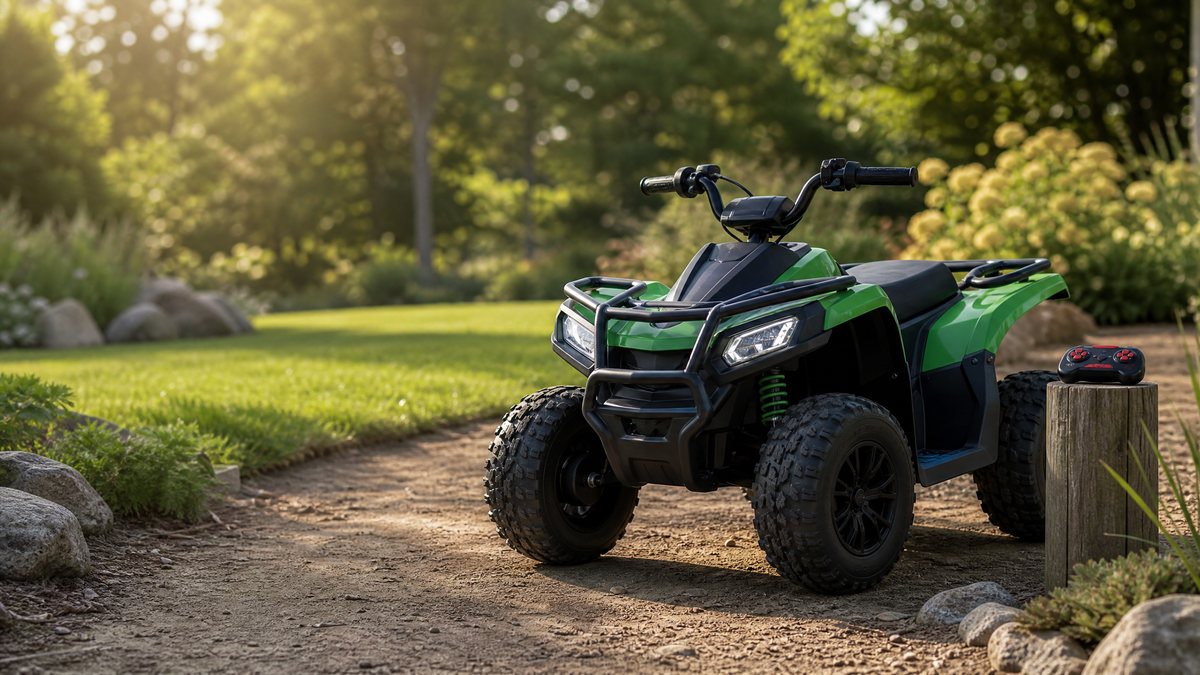
| Heavy-Duty Off-Road Buggy | 24V Dual/Quad Motor | 3.5 – 5.5 mph | Up to 90 lbs (41 kg) | Grass, gravel, uneven yards, light inclines |
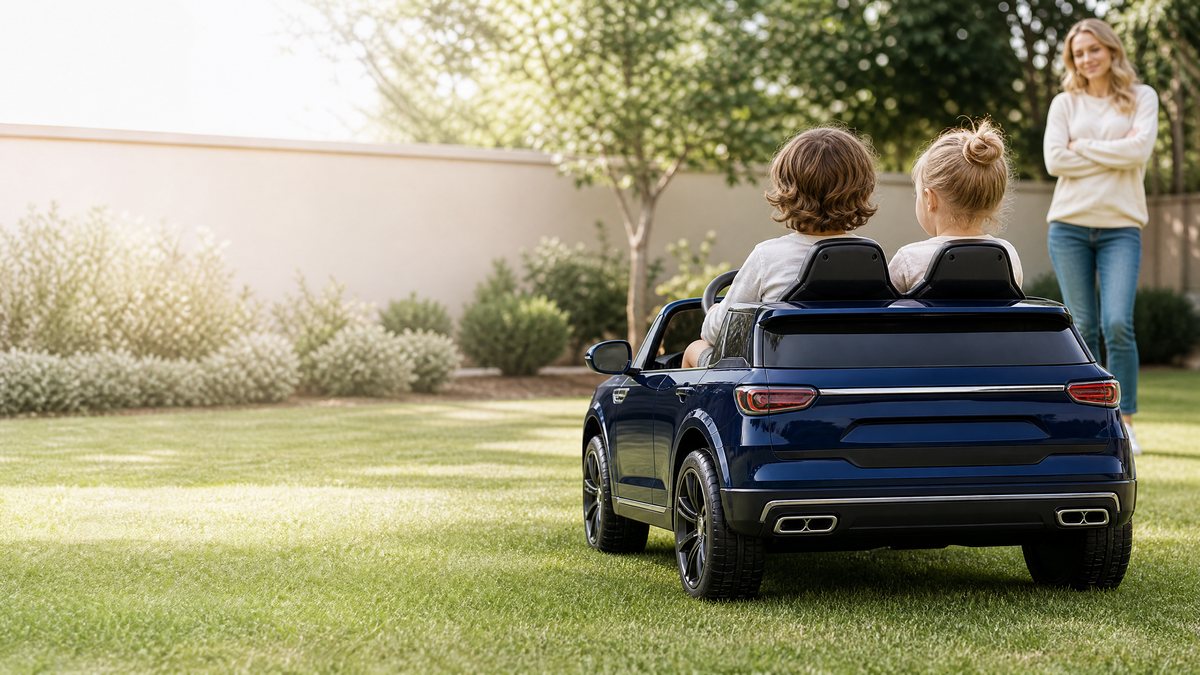
| Multi-Passenger UTV | 24V High-Capacity | 3.0 – 5.0 mph | Up to 110 lbs (50 kg) | Two-child sharing, heavier children, rugged paths |
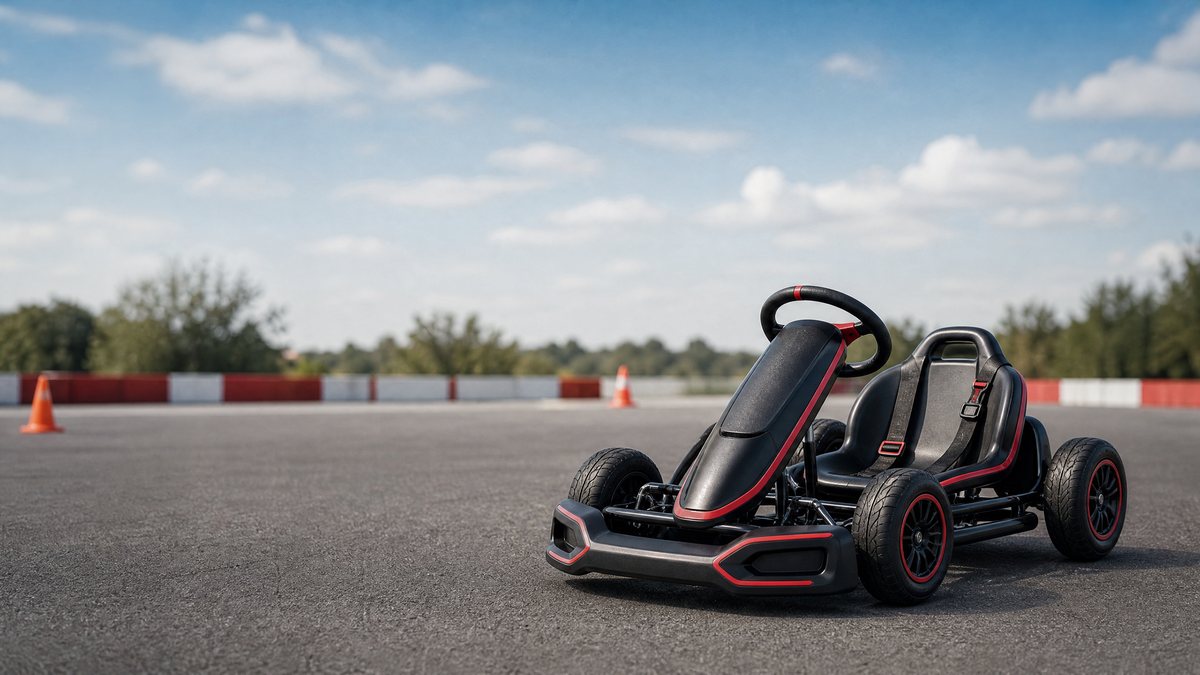
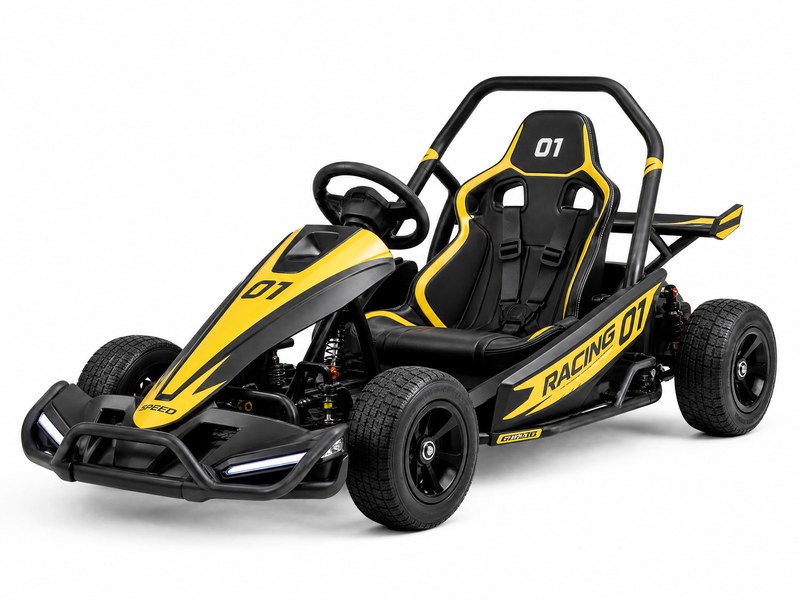
| Electric Go-Kart | 24V Direct Drive | 4.0 – 6.0 mph | Up to 80 lbs (36 kg) | Older children seeking sporty handling on flat pavement |
> Editorial Note on Specifications: Performance metrics such as speed and battery runtime vary significantly based on surface friction, payload weight, ambient temperature, and battery charge state. Always confirm current technical documentation directly with the manufacturer or authorized supplier.
Safety, Fit, and Supervision Checklist
Safety compliance and proper physical fit are paramount when operating motorized ride-on toys. Parents and supervisors should review the following operational checklist:
* Age and Size Verification: Confirm that the child's height and weight fall comfortably within the manufacturer's specified operating limits, ensuring knees do not strike the steering column [2].
* Personal Protective Equipment: Ensure the child wears a properly fitted bicycle helmet and closed-toe footwear during operation.
* Parental Remote Override: For models equipped with 2.4G parental remote controls, adults should retain override capability in high-traffic or unfamiliar environments.
* Supervised Operating Zones: Restrict driving to flat, controlled environments away from public streets, swimming pools, steep inclines, and obstacles.
* Braking System Inspection: Verify that foot-pedal brakes or automatic spring-return braking mechanisms engage correctly before each use.
For Retailers and Importers: Inventory Selection Strategies
For B2B buyers, distributors, and retail shop owners, stocking inventory for six-year-olds demands careful alignment with regional safety standards and consumer trends. Retailers should prioritize products that offer:
* Documented Compliance: Verification that units meet recognized toy safety standards, such as ASTM F963 in North America or EN71 in the European Union [3].
* Modular Replacement Parts: Availability of replacement gearboxes, batteries, and chargers to support after-sales maintenance and reduce return rates.
* Upgraded Aesthetic Appeal: Features such as LED working headlights, MP3/Bluetooth audio interfaces, realistic dashboard instrumentation, and opening doors that appeal to discerning buyers.
* Clear Packaging and Labeling: Transparent age-grading and weight capacity markings on outer cartons to guide retail staff and end-consumers effectively.
Key Buyer Questions
1. How do I determine if my child has outgrown a 12V ride-on car?
Examine the child's posture and legroom. If their knees consistently hit the steering wheel or their feet drag during pedal operation, the vehicle is undersized, and a larger 24V UTV or buggy should be considered.
2. What is the difference between plastic wheels and EVA rubber tires?
Molded plastic wheels are economical and durable on smooth pavement but can slip on wet grass. EVA (Ethylene-Vinyl Acetate) rubber-strip tires offer enhanced grip, reduced noise, and smoother shock absorption across diverse outdoor terrains.
3. Can ride-on car batteries be upgraded for longer runtime?
Modifying electrical systems, upgrading voltage, or installing third-party batteries outside manufacturer specifications is strictly discouraged, as it can overheat wiring harnesses, damage control boards, and void warranties.
4. Is adult supervision required even with parental remote control?
Yes. Parental remotes are supplementary safety tools and do not replace active visual supervision and physical proximity by a responsible adult.
Frequently Asked Questions
What is the maximum weight limit typically found on ride-on cars for six-year-olds?
Most ride-on cars engineered for six-year-olds accommodate weight limits ranging from 65 to 110 pounds (30 to 50 kg). Multi-passenger UTVs and heavy-duty utility vehicles generally offer the highest weight capacities and widest seating cabins.
Are 24V ride-on cars too fast for a normal six-year-old?
24V ride-on cars typically achieve top speeds between 3.5 and 6 mph (5.5 to 10 km/h). While faster than toddler toys, six-year-olds with developed spatial awareness and motor skills adapt quickly, especially when using models featuring adjustable multi-speed settings.
Do ride-on cars require professional assembly?
Most ride-on vehicles ship semi-assembled (SKD format), requiring the end-user or retailer to attach wheels, steering columns, seats, and windshields using basic household tools. Assembly generally takes 30 to 60 minutes following the manufacturer instruction manual.
How should batteries be maintained during periods of non-use?
Lead-acid and lithium batteries require periodic recharging during storage. Leaving a battery in a fully discharged state for extended periods will permanently sulfate or degrade cell capacity. Manufacturers recommend recharging batteries at least once every month when not in regular use.
Are replacement parts readily available for commercial retail stock?
Reputable manufacturers and wholesale suppliers provide full spare parts catalogs, including replacement motors, gearboxes, switches, and remote control units, ensuring long-term product serviceability and customer satisfaction.
Conclusion
Selecting the best ride-on car for a six-year-old involves balancing physical growth milestones, motor power requirements, and structural durability. By prioritizing spacious cabin dimensions, robust 12V or 24V power systems, and verified safety features, parents and retail buyers can ensure a rewarding, long-lasting driving experience. To explore our comprehensive wholesale catalog, specification sheets, and bulk purchasing terms, please contact our team directly.
Request a wholesale quote
References
[1] U.S. Consumer Product Safety Commission (CPSC). *Toy Safety Information and Age-Grading Guidelines*. Available from public regulatory guidance documentation.
[2] ASTM International. *ASTM F963-17: Standard Consumer Safety Specification for Toy Safety*. West Conshohocken, PA.
[3] European Committee for Standardization (CEN). *EN 71 Safety of Toys Standards Series*. Brussels, Belgium.
Explore matching models
View product details for this guide
Compare current specifications, age guidance and available options before requesting a quote.
Official references
Explore these external resources for current regulatory and trade guidance. Confirm requirements with the relevant authority before placing an order.
Ready to Start?
Factory-Direct · CE & ASTM Certified · MOQ from 50 Units
Our export team works with buyers in 60+ countries. Get a quote within 24 hours.
KR
Written by KidsRideCar
China's leading kids electric ride-on car manufacturer. 500,000+ units shipped annually to 60+ countries. CE, ASTM & EN71 certified.