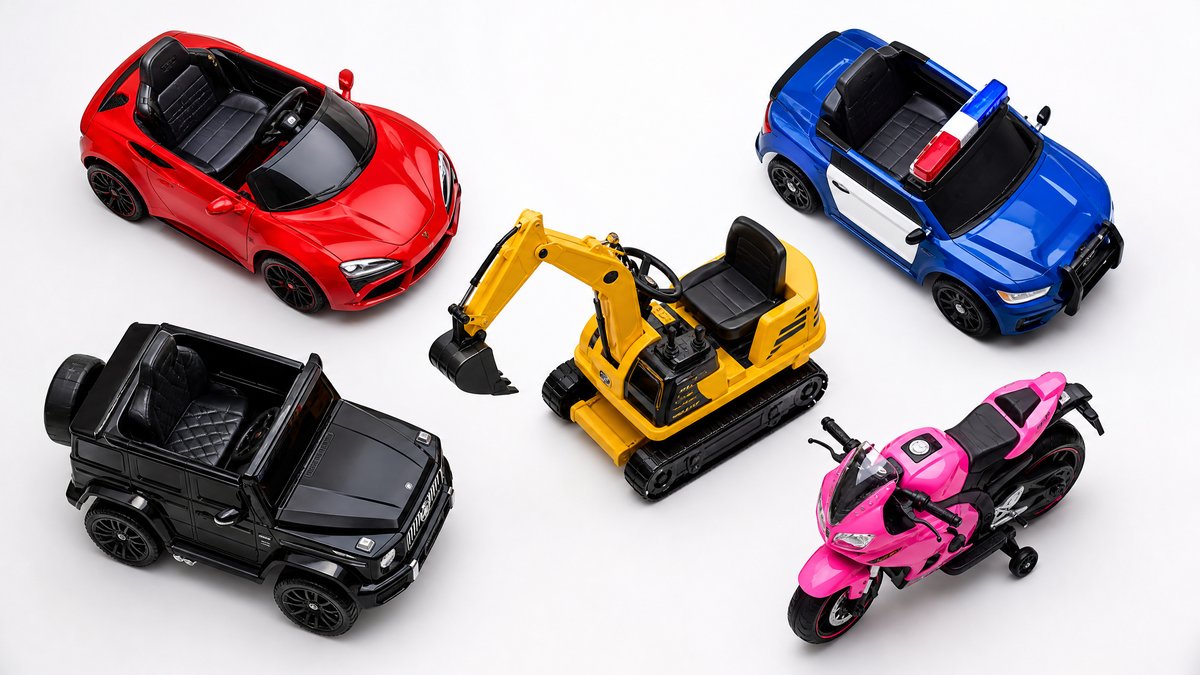
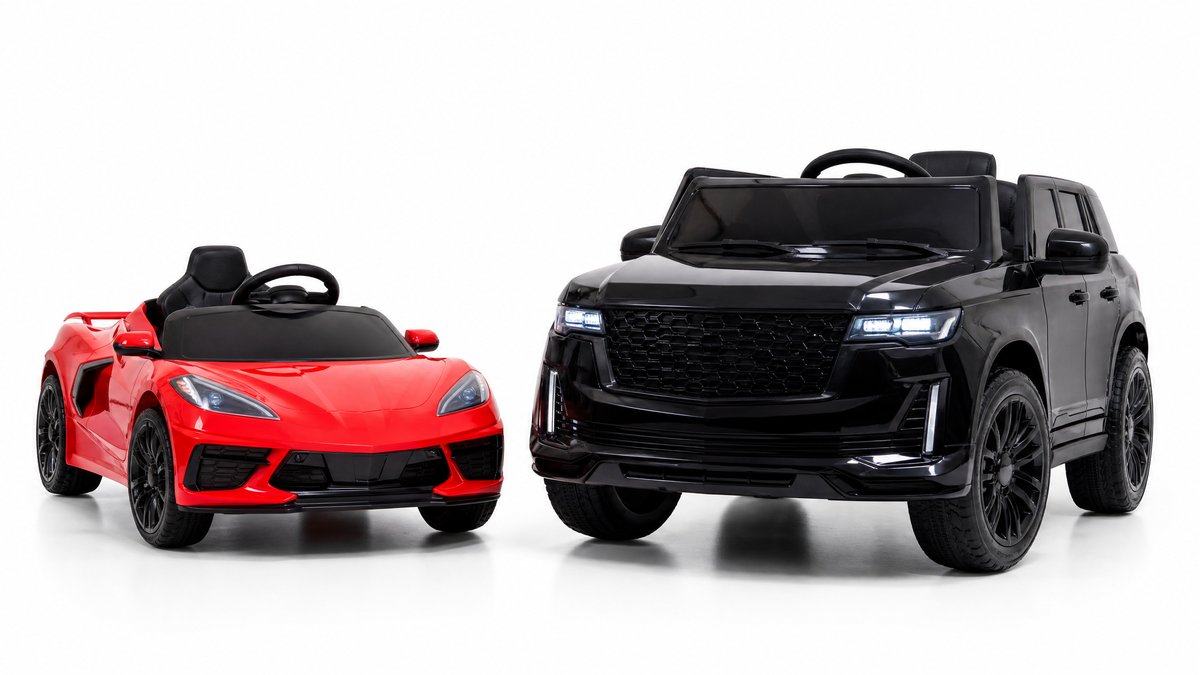
If you are sourcing kids electric motorcycle wholesale products, begin with the use case—not with a single model or the lowest quotation. A practical buying program matches motorcycle style, rider profile, operating environment, safety features, packaging, spare-parts support, and destination-market requirements. Distributors should compare a small, clearly defined range of models, document every specification in the purchase order, and approve a production sample before committing to a larger shipment.
This guide is for overseas importers, wholesalers, retailers, rental operators, and OEM buyers evaluating an electric ride-on motorcycle supplier. It explains what to compare, what to ask a factory, and how to turn product selection into a manageable assortment. For a wider category view, see the [KidsRideCar product range](/products/).
What should a distributor check first?
A buyer should define five points:
1. Who will use the product? Identify the intended age or user group according to the product design and the instructions supplied by the manufacturer. Do not rely on appearance alone.
2. Where will it operate? Retail home use, an indoor family-entertainment venue, a private outdoor area, and a rental fleet create different demands for supervision, cleaning, charging, storage, and service.
3. Which product format fits the channel? A compact three-wheel design may present differently from a two-wheel ride-on motorcycle or a motorcycle styled for an older child. Compare stability, controls, rider position, and the stated operating conditions.
4. What must be customized? Decide whether you need colors, decals, packaging, manuals, labels, accessories, or a private-label identity before requesting a quotation.
5. What must be verified for the destination market? Requirements vary by destination market and configuration. Ask qualified local advisers, your importer of record, and the supplier which documents, markings, warnings, and product evaluations apply.
Writing these requirements into a product brief prevents a common purchasing error: comparing models with different intended uses as if they were interchangeable.
Product types to compare in a wholesale assortment
Three-wheel electric ride-on motorcycles
Three-wheel formats can be attractive when a buyer wants a visually recognizable motorcycle shape with a layout that may feel more confidence-inspiring to some users. For procurement, review the wheel arrangement, turning behavior, rider foot placement, controls, and recommended operating surface. Ask the supplier to explain how the design is intended to be supervised and used; never infer suitability from wheel count alone.
For a retailer, this format can provide an accessible entry product. For a rental operator, inspect how easily staff can move, clean, identify, and charge units between sessions. Confirm that replacement components and the user instructions correspond to the exact configuration being ordered.
Two-wheel ride-on motorcycles
Two-wheel models can create a more motorcycle-like appearance and may appeal to a specific retail segment. Their buying criteria should include the control layout, balance expectations, rider posture, stopping controls, and the manufacturer’s stated user guidance. Ask for clear instructions and warning labels in the languages required by your market.
A distributor should avoid presenting a two-wheel product as suitable for every child or every surface. Product pages, cartons, manuals, and sales training should use the same model-specific guidance. If the unit is intended for private, supervised use, say so consistently across the channel.
Styled or licensed-look models
Some buyers want a motorcycle appearance that supports a theme, private label, or retail collection. Confirm whether the design is an original generic style or uses a licensed brand identity. Trademark, design, packaging, and advertising permissions must be addressed before artwork is approved. Do not assume that a factory can supply a branded appearance simply because a similar image appears in a catalog.
Custom OEM configurations
OEM buyers may request a new color, logo placement, seat treatment, carton artwork, instruction layout, or accessory bundle. Treat each change as a controlled specification. Ask the supplier to confirm which items affect tooling, sampling, packaging approval, minimum order quantities, production scheduling, and documentation.
Start with a written customization brief and a signed-off sample or artwork proof. Keep the approved version with the purchase order. For more background on private-label planning, review [KidsRideCar OEM and customization resources](/blog/).
How to build a wholesale product brief
A useful brief separates facts to be confirmed from preferences to be negotiated. Include the following fields for every candidate model:
- Product name, model code, and version
- Intended user guidance and supervision notes supplied by the manufacturer
- Dimensions, packed dimensions, and net or gross weight as provided by the supplier
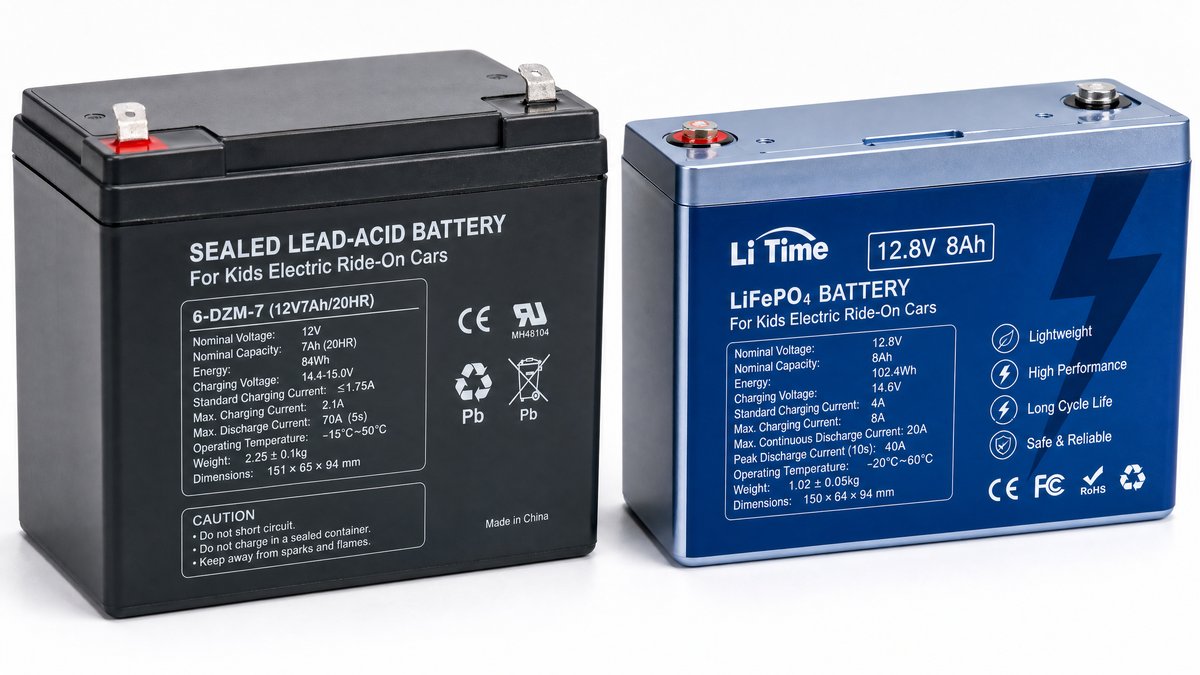
- Power system description, charger information, and battery type as specified in the quotation and manual
- Control method, starting and stopping controls, and any parental-control function included in that configuration
- Wheel and tire construction, seat design, footrest arrangement, and frame or body materials as described in technical documents
- Included accessories, spare parts, tools, manuals, labels, and carton contents
- Color, logo, decal, and packaging requirements
- Sample approval method and inspection checkpoints
- Spare-part list, service contact, warranty process, and documentation package
- Destination port, shipping assumptions, and carton-marking requirements
Avoid filling gaps with assumptions. If a supplier writes “high performance,” ask for the specific, measurable information that matters to your channel—or remove the claim from your marketing. A buyer’s comparison sheet should show “to be confirmed” rather than convert an unclear statement into a promise.
Safety and compliance questions for importers
Kids electric motorcycles are products for children, so safety planning should be part of sourcing rather than an afterthought. Request the current user manual, warning labels, assembly instructions, charger information, and available test or compliance documentation for the exact model and configuration. Requirements vary by destination market and configuration; a document for one market, battery arrangement, or product version may not answer another market’s requirements.
Use a model-neutral checklist when reviewing samples:
- Are moving parts, hot areas, electrical connections, and charging instructions addressed in the documentation?
- Are controls clearly identified and understandable to the intended user and supervising adult?
- Does the product include the protective features and warnings specified for its design and market?
- Are labels, packaging, manuals, and online product claims consistent with one another?
- Can the importer identify the model, batch, or other traceability information needed for its records?
- Are charger, battery, and storage instructions clear, complete, and matched to the supplied configuration?
Do not advise customers to bypass protections, alter wiring, solder connections, open batteries, or perform internal repairs. Create a clear escalation path: stop using a unit that appears damaged or abnormal, isolate it according to the manufacturer’s instructions, and contact the responsible supplier or qualified service provider. Retail and rental staff should receive simple inspection and charging procedures that they can follow without opening the product.
Where a destination market requires conformity assessment, labeling, testing, registration, or other documentation, verify the current rules with a qualified local compliance professional. KidsRideCar can provide product information for review, but the importer remains responsible for confirming obligations that apply to its sale and distribution model.
Supplier due diligence for an electric motorcycle distributor
A factory quotation is only one part of supplier evaluation. Ask the supplier to identify the manufacturer or production location for the quoted model, the person responsible for technical questions, and the process used to control model revisions. If the same model code can contain different batteries, chargers, colors, or control systems, make those variations explicit.
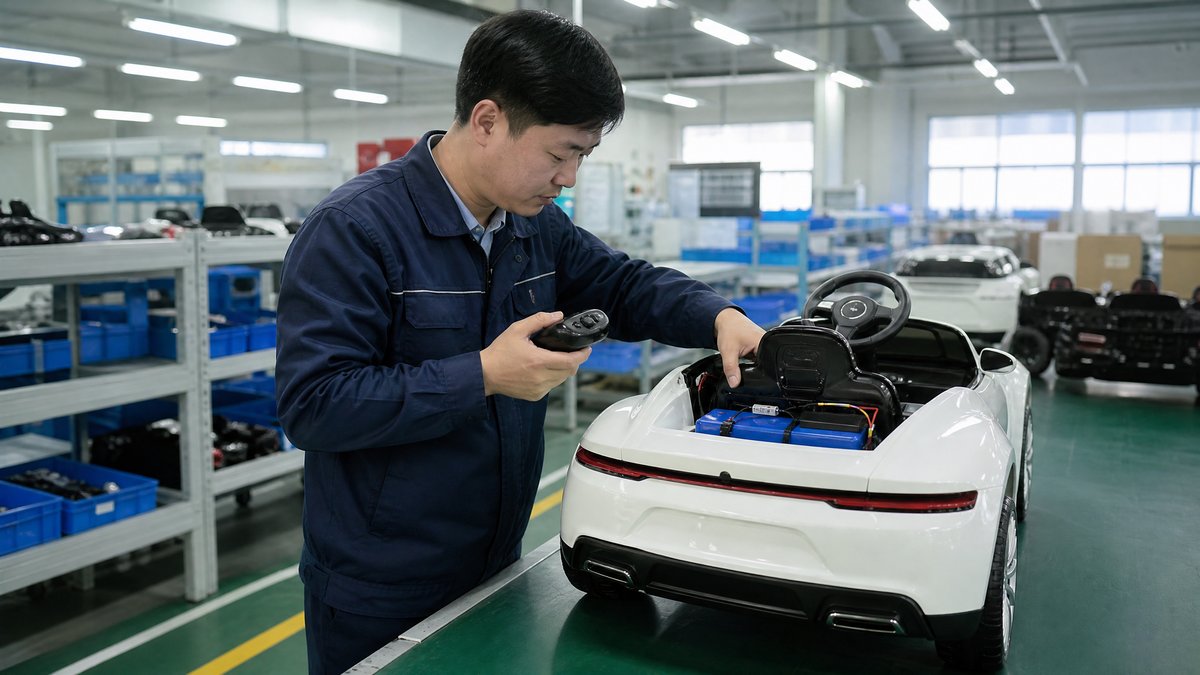
Request a sample in the intended configuration. Compare the sample with the quotation, images, carton artwork, manual, and proposed online listing. Record discrepancies instead of relying on a verbal promise to correct them later. Ask how replacement parts are identified and ordered, whether service diagrams or instructions are available, and how product complaints are logged and investigated.
For an OEM program, ask for a milestone schedule distinguishing artwork approval, sample approval, production, inspection, and shipping readiness. Do not publish delivery, warranty, replacement, or spare-parts promises unless the relevant assumptions are confirmed in writing.
Quality control before shipment
A sensible inspection plan uses the approved sample and purchase order as the reference. Depending on your risk assessment and channel, checkpoints can include:
Product identity and configuration
Confirm model code, color, decals, logo placement, accessories, charger, battery configuration, labels, and carton markings. A visually similar unit is not an acceptable substitute without buyer approval.
Assembly and visible condition
Inspect the body, seat, wheels, fasteners, controls, cables, switches, and supplied hardware for visible damage, incomplete assembly, or finish issues. Follow the manufacturer’s safe operating instructions during any functional check.
Documentation and packaging
Verify that the manual, warnings, charging instructions, language versions, and carton contents match the product. Check that packaging protects the unit for the agreed handling route and that shipping marks are correct.
Sample-based functional checks
Use a documented checklist for starting, stopping, steering or directional control, charging indication, and any included remote-control function. These checks should be performed by trained personnel in a controlled area, with appropriate supervision. They are not a substitute for required market testing or professional compliance review.
If an inspection finds a discrepancy, record the model, quantity affected, photographs, and corrective action. Agree whether the issue requires rework, replacement, a revised sample, or written acceptance before shipment.
Planning assortment, inventory, and after-sales support
A distributor does not need the largest possible catalog. A focused assortment is often easier to sell and support. One entry model, one visually differentiated model, and one OEM-ready option can be a starting framework; the right mix depends on channel demand and supplier capability, not a universal formula.
For each SKU, plan the complete ownership journey. Provide retailers with product information, safe-use messaging, charging guidance, assembly notes, and a process for reporting issues. Rental operators should maintain an intake check, supervised operating rules, charging records, cleaning routine, and an out-of-service process based on the supplier’s instructions.
Hold only the spare parts that your supplier can identify reliably and that your service process can handle safely. Do not stock undocumented electrical substitutes. If a battery, charger, or control component needs replacement, use the manufacturer’s specified part or route the case to an appropriately qualified service provider.
Use sales feedback—common questions, carton damage, and requested parts—to refine the next buying brief.
Procurement examples without guesswork
Example 1: Retail distributor. A distributor serving independent toy stores wants a compact motorcycle-style line. The buyer defines the target channel, selects two model formats for sampling, requests matching manuals and carton artwork, and compares each against the retailer’s shelf, delivery, and customer-service needs. The order is released only after the configuration and documents are approved.
Example 2: Rental operator. An indoor venue is considering a small fleet. Instead of choosing on appearance alone, the operator asks about supervised use, cleaning, charging workflow, staff checks, replacement components, and the supplier’s process for abnormal units. The venue then validates its own operating procedures and local requirements before purchasing.
Example 3: OEM importer. A private-label buyer wants a distinctive color and branded carton. The buyer sends one artwork pack, requests a sample, confirms permitted brand use, and records every approved detail in the purchase order. No public claim about price, delivery, performance, or compliance is made until it is supported by the signed commercial and technical documents.
Frequently Asked Questions (FAQ)
What is the best kids electric motorcycle for wholesale?
There is no universal best model. The right choice depends on intended users, operating environment, channel, controls, safety documentation, packaging, service support, and destination-market requirements. Compare approved samples against a written brief rather than choosing by catalog image or price alone.
How many kids electric motorcycle models should a distributor stock?
Start with the number your channel can explain, inspect, support, and replenish. A focused assortment with clearly different use cases is usually easier to manage than many overlapping SKUs. Use inquiry and after-sales data to decide whether to add another format.
Can I customize a wholesale electric motorcycle for kids?
Many OEM programs can discuss colors, decals, packaging, labels, and accessory bundles, but the available options, minimums, tooling, sampling, and documentation depend on the supplier and configuration. Request written confirmation and approve a sample or artwork proof before production.
What compliance documents should an importer request?
Request the current manual, labels, charger and battery information, product identification, and any available test or conformity documents for the exact configuration. Requirements vary by destination market and configuration, so verify the applicable obligations with a qualified local adviser before import or sale.
How should a retailer handle a suspected product fault?
Stop using the product, keep it away from customers, follow the manufacturer’s instructions, and contact the supplier or qualified service provider. Retailers should not bypass protections, rewire, solder, open batteries, or attempt internal repairs.
Conclusion: buy a supportable product, not just a motorcycle shape
Successful kids electric motorcycle wholesale starts with a documented product brief and ends with consistent support in the destination market. Compare product types by use case, approve the exact configuration, verify safety information and market requirements, inspect against the purchase order, and equip your channel with clear after-sales procedures. This approach helps importers, distributors, retailers, rental operators, and OEM buyers build a range that can be explained and supported.
Ready to discuss a model, private-label project, or wholesale assortment? [Send your requirements to KidsRideCar](/inquiry) or email info@kidsridecar.com with your target market, channel, product format, customization needs, and requested documentation.
Official references
Explore these external resources for current regulatory and trade guidance. Confirm requirements with the relevant authority before placing an order.
Ready to Start?
Factory-Direct · CE & ASTM Certified · MOQ from 50 Units
Our export team works with buyers in 60+ countries. Get a quote within 24 hours.
KR
Written by KidsRideCar
China's leading kids electric ride-on car manufacturer. 500,000+ units shipped annually to 60+ countries. CE, ASTM & EN71 certified.