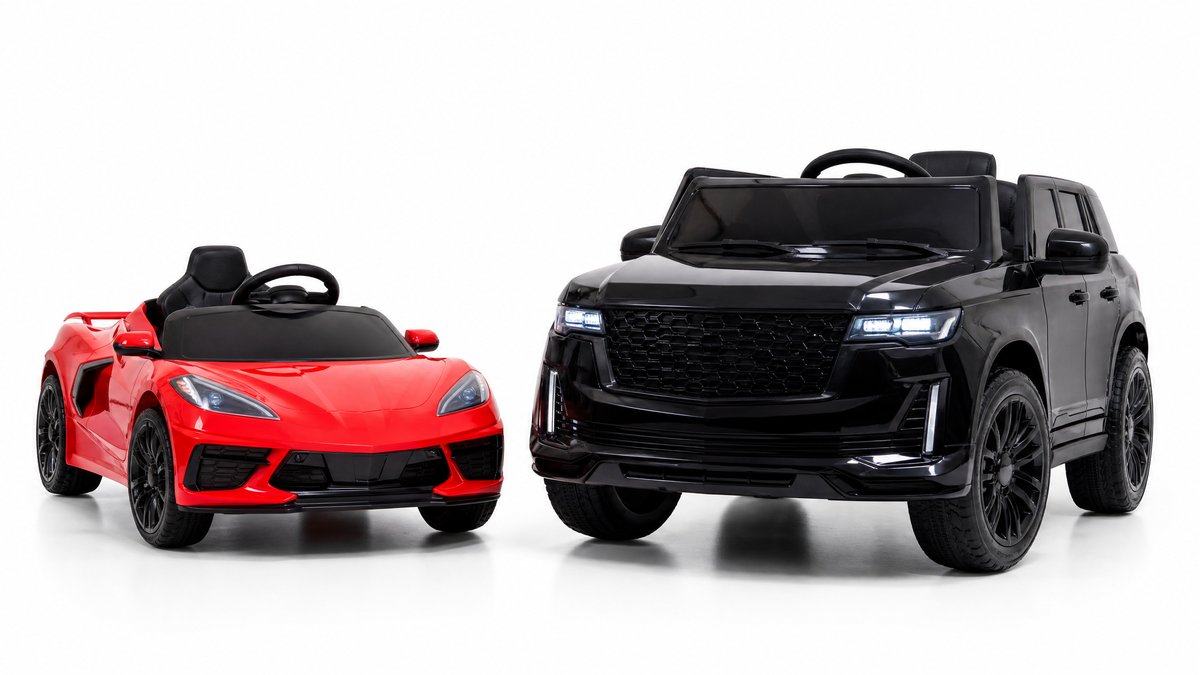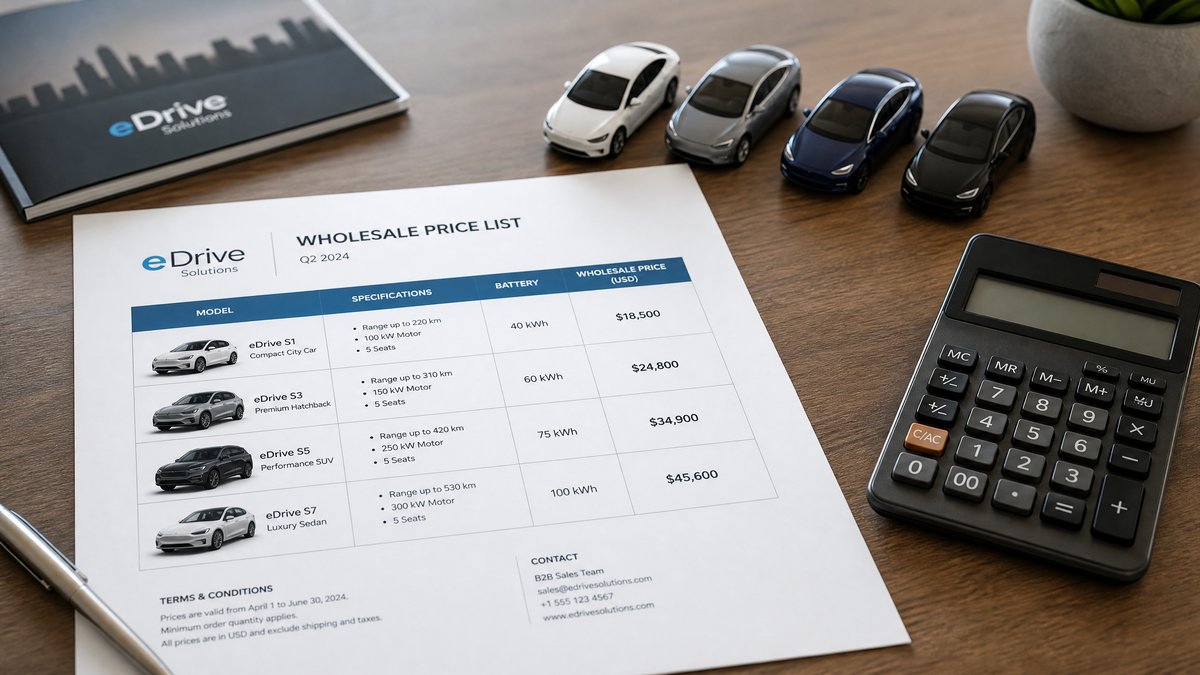
For B2B buyers, toy distributors, and retail store owners, sourcing ride-on cars requires a careful balance between wholesale cost and end-user satisfaction. When browsing factory catalogs, you will often notice a stark price disparity: entry-level 12V models priced for mass-market discounting alongside premium, licensed 24V or 48V drift vehicles commanding three to four times the unit cost. For commercial purchasers, the central dilemma is determining whether the higher investment in expensive ride-on cars yields better profit margins and customer retention, or if budget models drive higher volume turnover.
Evaluating this price difference demands a rigorous examination of manufacturing specifications, electronic components, regulatory compliance, and post-sale return rates. In this comprehensive B2B review, we analyze what separates budget ride-on cars from high-end luxury models, helping wholesale buyers make informed purchasing decisions for their retail inventories.
Understanding the Manufacturing and Cost Structure
To evaluate whether the price difference of a ride-on car is justified, one must look inside the chassis. The cost of manufacturing a children's electric vehicle is driven heavily by raw materials, battery technology, motor specifications, and safety certifications.
| Component Category | Budget Ride-On Cars ($80 - $150 Wholesale) | Premium Ride-On Cars ($250 - $500+ Wholesale) | B2B Implications |
|---|---|---|---|
| Battery System | Standard 6V or 12V 4.5Ah-7Ah lead-acid batteries | High-capacity 12V 10Ah or dual 24V lithium/lead-acid packs | Premium models offer longer runtime and higher durability, reducing warranty claims. |
| Drive Motors | Dual 25W–35W plastic-geared brushed motors | Quad 45W–55W copper-wound high-torque or brushless motors | Expensive models support rough terrain and older children, expanding the target age demographic. |
| Body & Chassis | Standard injection-molded thin ABS plastic | Thick polypropylene (PP), UV-resistant paint, or metal-reinforced frames | Premium finishes resist fading and cracking, enhancing perceived retail value. |
| Suspension & Tires | Rigid plastic wheels with molded traction strips | EVA foam rubber tires with independent spring/hydraulic suspension | High-end models provide a significantly smoother ride and lower noise levels. |
| Licensing & Design | Generic styling or unbranded replicas | Officially licensed designs (Mercedes, BMW, Audi, Lamborghini) | Licensed models command higher retail markups and attract brand-conscious consumers. |
The Impact of Electronic Architecture
The most critical divergence between cheap and expensive ride-on cars lies in their electronic control units (ECUs). Budget vehicles typically utilize basic on-off relay switches. When the child depresses the accelerator pedal, full voltage surges to the motors immediately, resulting in a jerky start that can startle younger riders and strip plastic gearbox teeth over time.
In contrast, expensive ride-on cars incorporate advanced pulse-width modulation (PWM) controllers featuring soft-start technology. This ensures gradual acceleration, protecting the mechanical drivetrain and extending gearbox longevity. Furthermore, premium units integrate 2.4G parental remote controls with emergency stop functions and adjustable speed settings, meeting stringent international safety expectations that command higher retail prices.
Profit Margins and Retail Positioning for B2B Buyers
From a wholesale distribution perspective, both product tiers serve distinct market segments, but their profit dynamics vary significantly.
1. High-Volume Budget Models
* Target Audience: Mass-market supermarkets, discount retail chains, and promotional holiday buyers.
* Wholesale Margin: Lower per-unit dollar margin, but high inventory turnover velocity.
* Risk Factor: Higher out-of-box failure rates and customer return percentages due to cost-optimized wiring and connectors. Retailers must factor in customer service overhead.
2. Premium and Licensed Models
* Target Audience: Specialty toy boutiques, online premium e-commerce stores, and high-income demographic shoppers.
* Wholesale Margin: Higher absolute dollar profit per unit, allowing distributors to achieve strong margins even with moderate sales volume.
* Risk Factor: Higher capital tie-up per inventory unit and slower inventory turnover velocity. However, consumer satisfaction is markedly higher, leading to lower return rates and positive brand advocacy.
> "Sourcing a balanced product mix is essential for modern distributors. While budget cars capture impulse holiday buyers, premium ride-on cars establish brand reputation and secure long-term retail loyalty."
Safety, Compliance, and Quality Assurance Standards
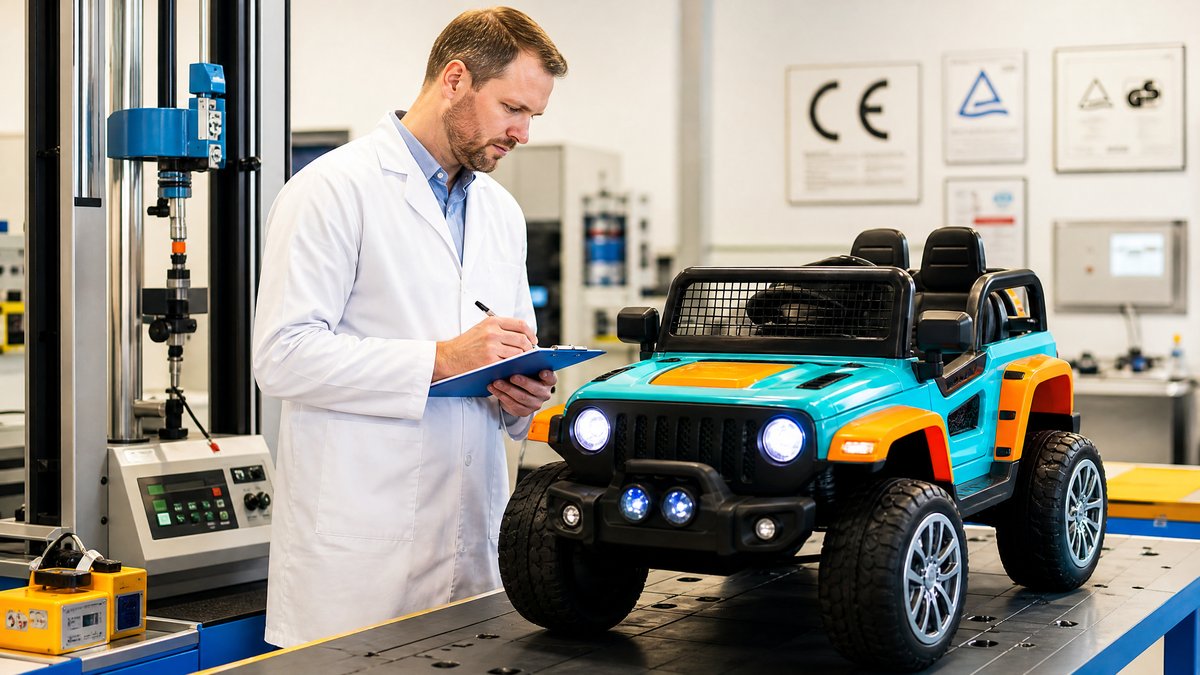
Regulatory compliance is a non-negotiable aspect of international toy trade. Cheap ride-on cars sometimes cut corners on compliance documentation, utilizing substandard plastics containing restricted phthalates or failing electrical insulation tests. Importers caught distributing non-compliant goods face severe customs seizures and liability risks.
Expensive ride-on cars are typically manufactured in audited factories holding ISO9001 certifications and comprehensive test reports for EN71, ASTM F963, CE, and CPC standards. The higher price tag reflects rigorous quality control (QC) protocols, drop-testing of battery housings, and flame-retardant wiring harnesses. For B2B importers, paying a premium ensures legal compliance and protects corporate liability across global markets.
Frequently Asked Questions (FAQ)
Q1: Are expensive ride-on cars worth the investment for retail distribution?
A: Yes, provided your target market consists of middle-to-high-income consumers or specialty toy retailers. Premium models offer superior durability, official automotive licensing, and lower warranty return rates, which protect your brand reputation and deliver higher absolute profit margins per sale.
Q2: Why do cheap ride-on cars fail more frequently?
A: Budget models frequently utilize thin-gauge wiring, lower-grade plastic gearboxes, and basic relay switches that overheat under heavy load. These cost-cutting measures lead to premature motor burnout and electrical faults, increasing after-sales support costs for retailers.
Q3: How do licensing fees affect the cost of high-end ride-on cars?
A: Official branding rights from luxury automakers like Porsche, Mercedes-Benz, or Ford require substantial royalty payments. These fees are factored into the unit cost, but they significantly boost consumer appeal and justify higher retail pricing.
Q4: What should B2B buyers prioritize when testing factory samples?
A: Buyers should inspect the gearbox material (steel-reinforced vs. pure plastic), test the soft-start acceleration smoothness via the remote control, verify battery certification documentation, and examine the thickness and finish of the body shell.
Conclusion
Choosing between cheap and expensive ride-on cars ultimately depends on your commercial strategy and target retail channels. While budget vehicles drive high-volume transactions in mass-market retail, expensive ride-on cars deliver superior build quality, regulatory security, and higher profit margins per unit. For professional B2B distributors, curating a diversified catalog that addresses both segments—while leaning toward quality-assured mid-to-high-tier models—offers the most resilient business model.
To request factory wholesale catalogs, sample testing units, and bulk pricing tiers for our certified ride-on car lineup, contact our international sales team at mailto:info@kidsridecar.com.
Official references
Explore these external resources for current regulatory and trade guidance. Confirm requirements with the relevant authority before placing an order.
Ready to Start?
Factory-Direct · CE & ASTM Certified · MOQ from 50 Units
Our export team works with buyers in 60+ countries. Get a quote within 24 hours.
KR
Written by KidsRideCar
China's leading kids electric ride-on car manufacturer. 500,000+ units shipped annually to 60+ countries. CE, ASTM & EN71 certified.