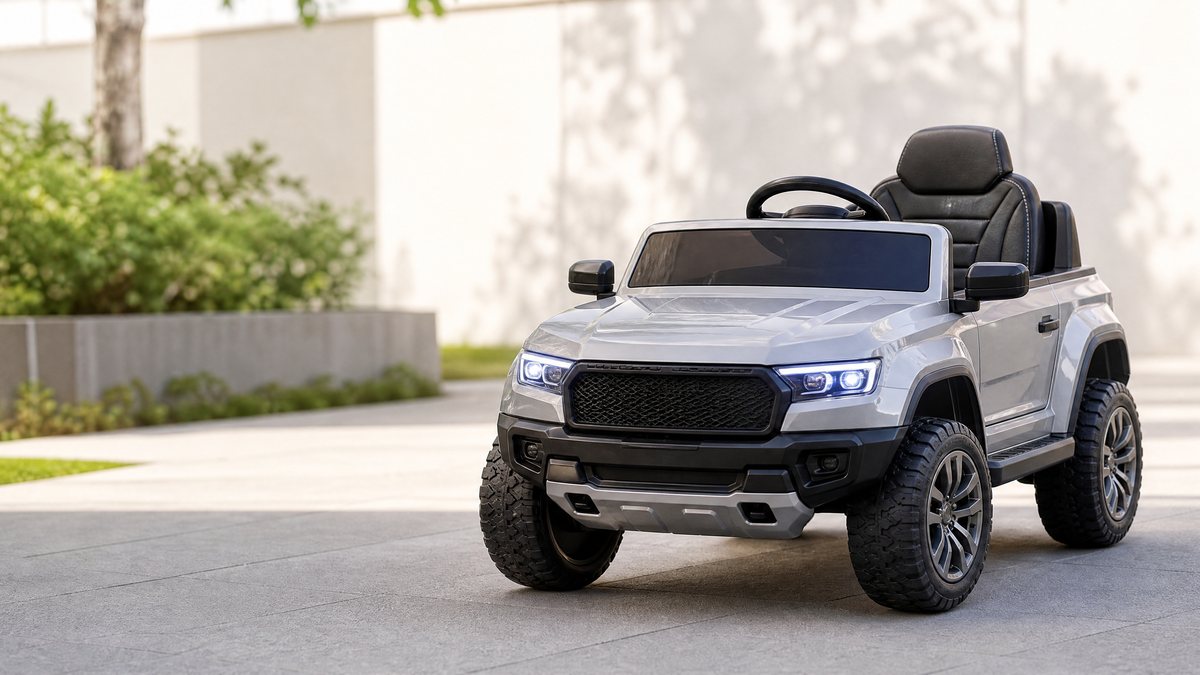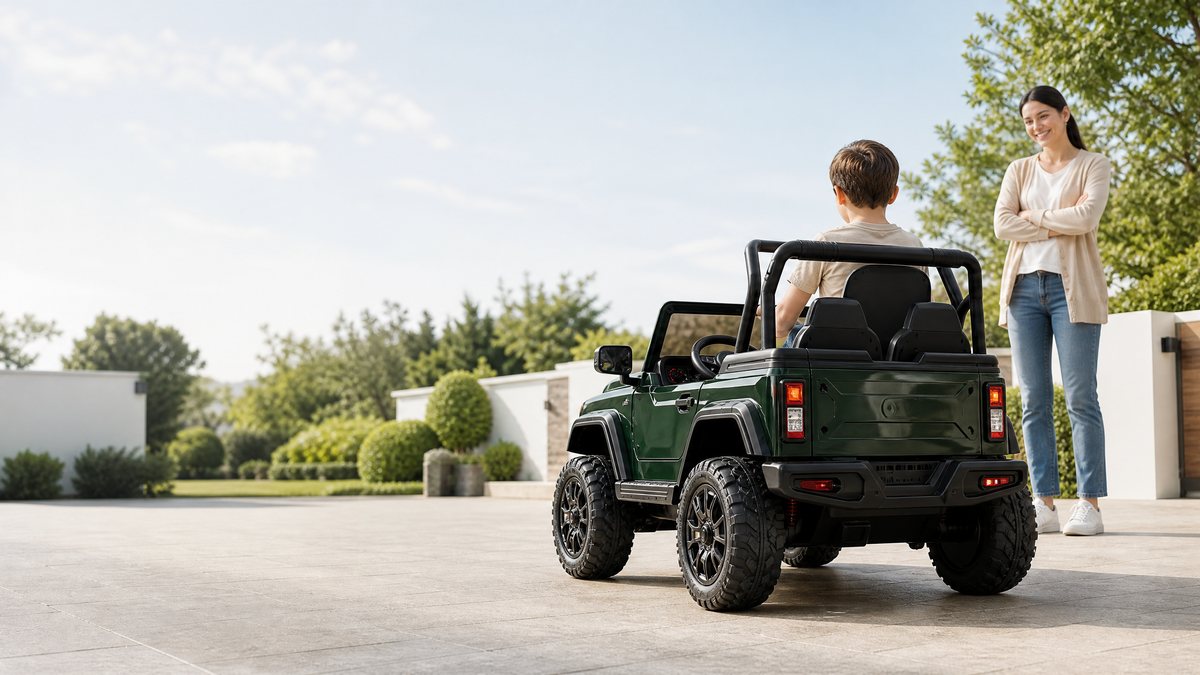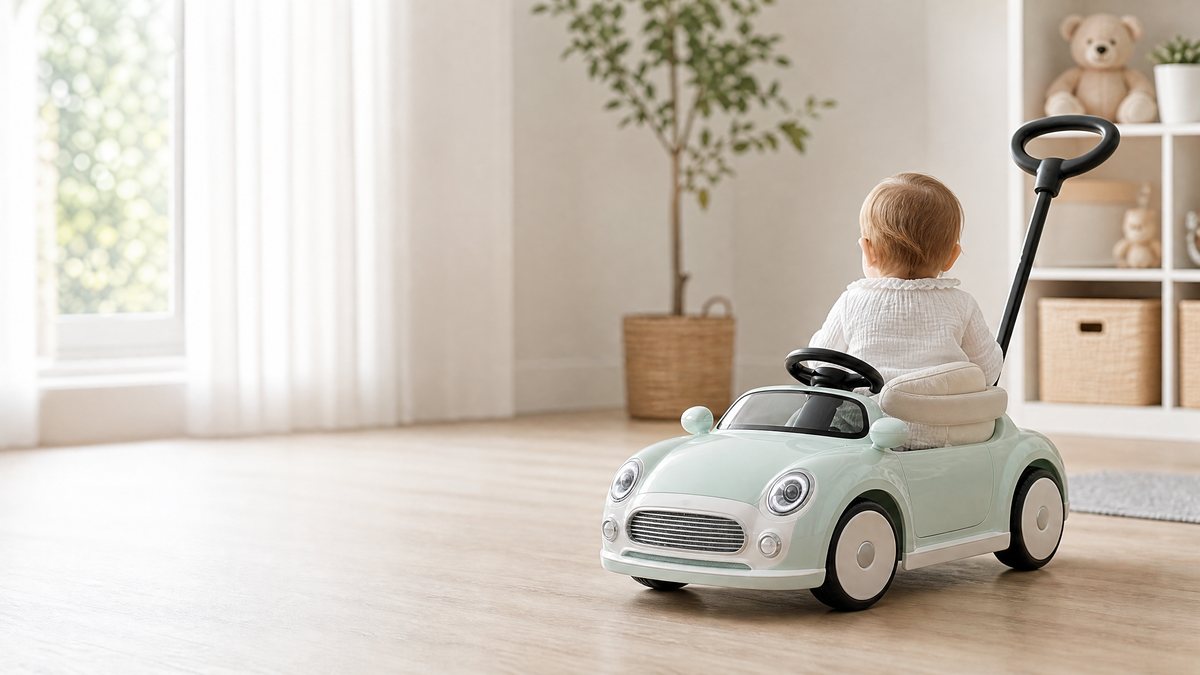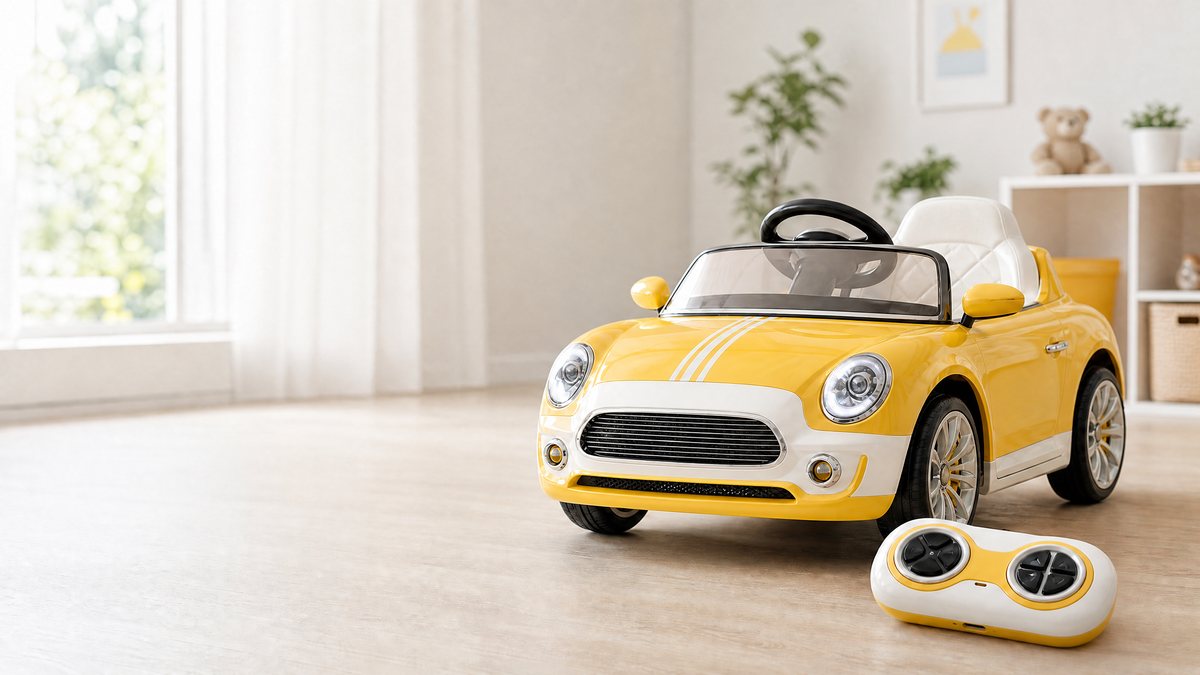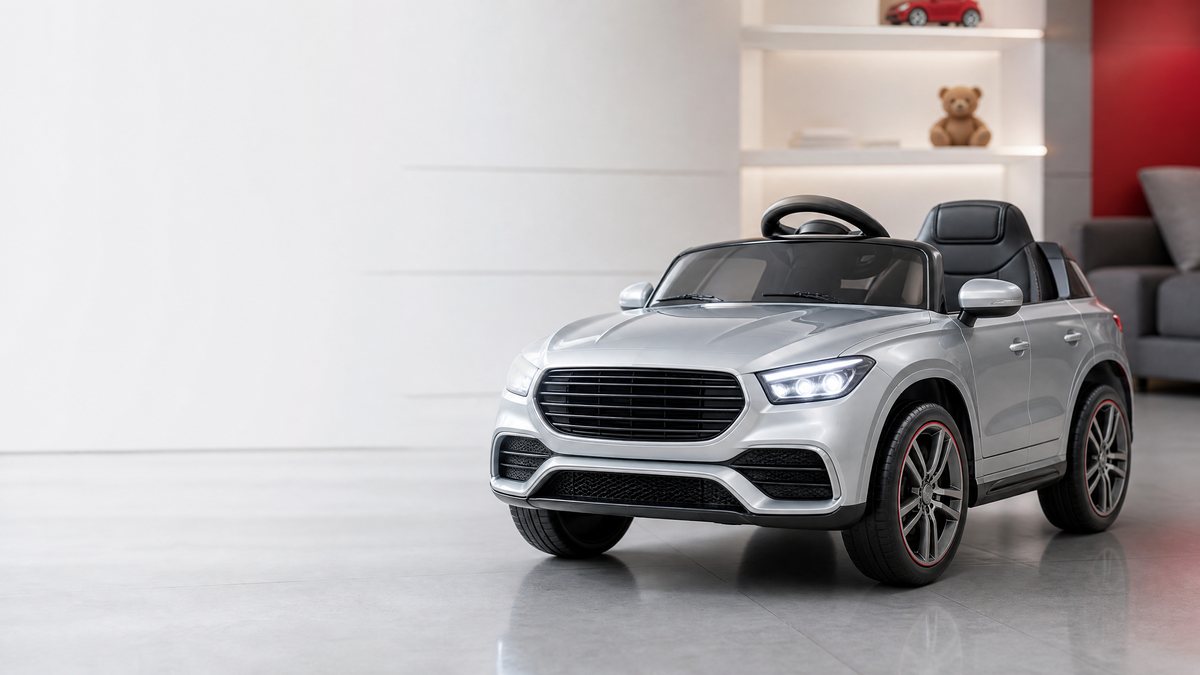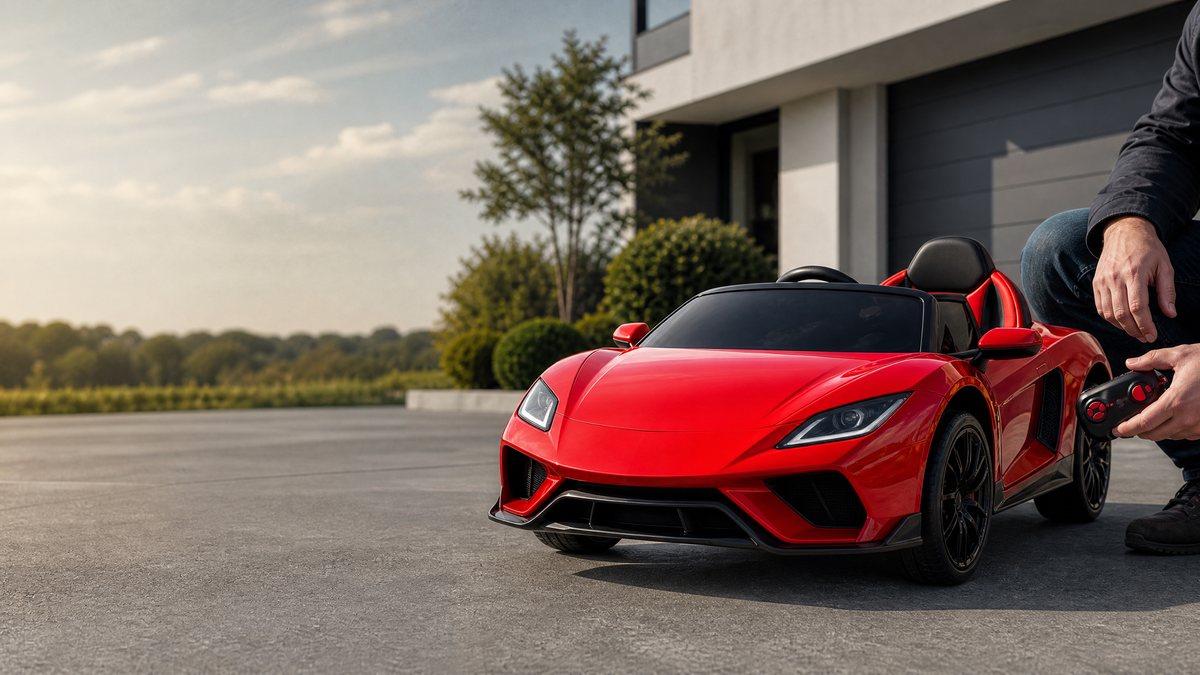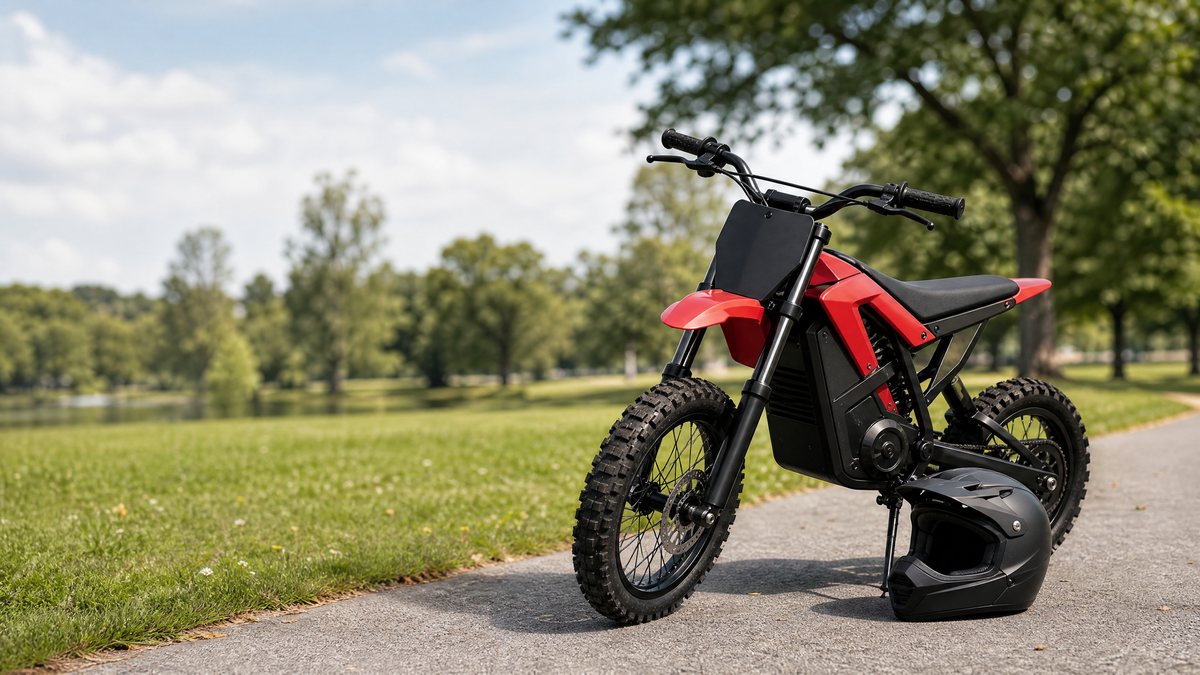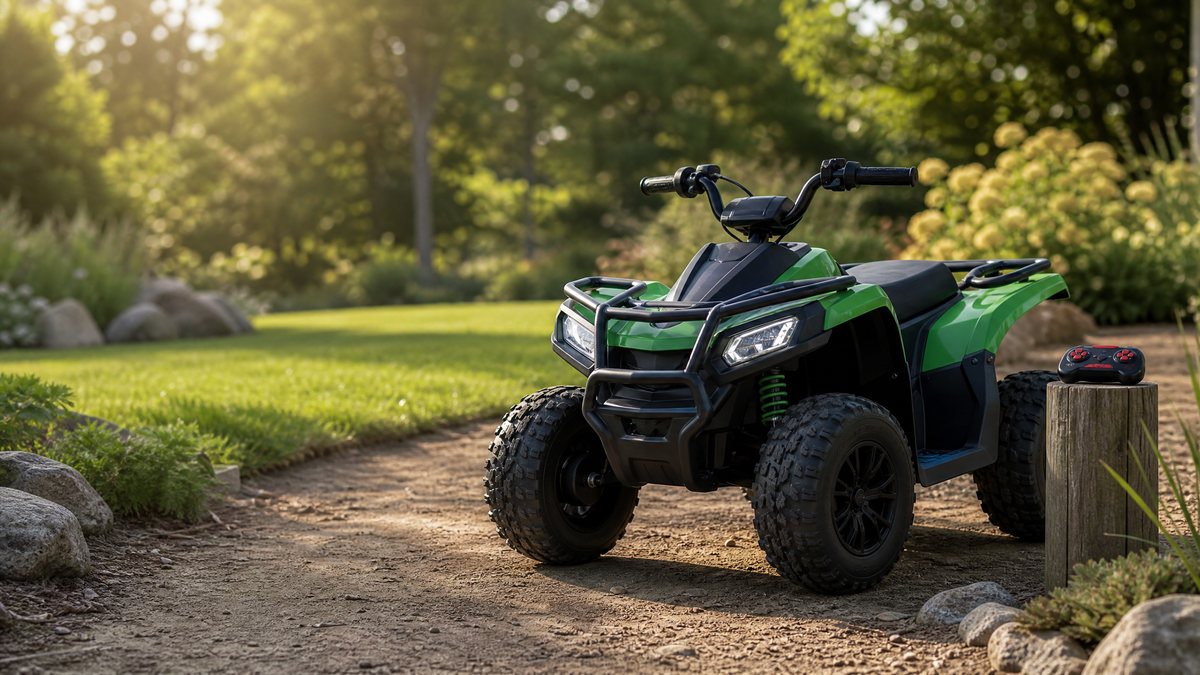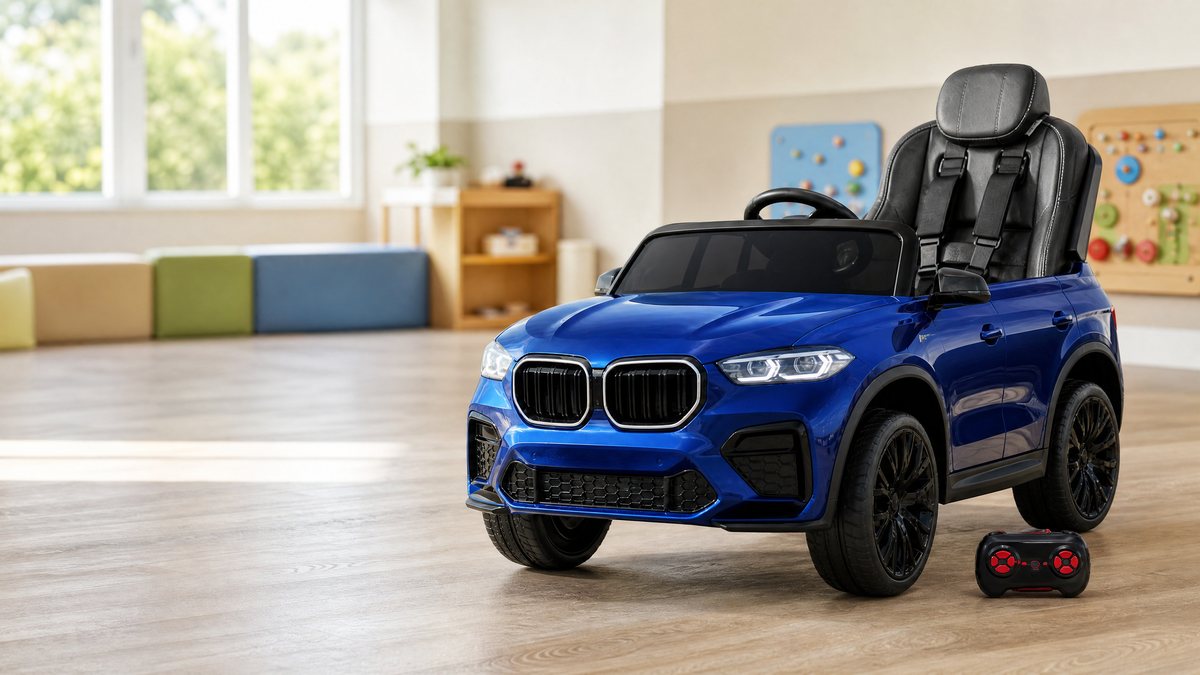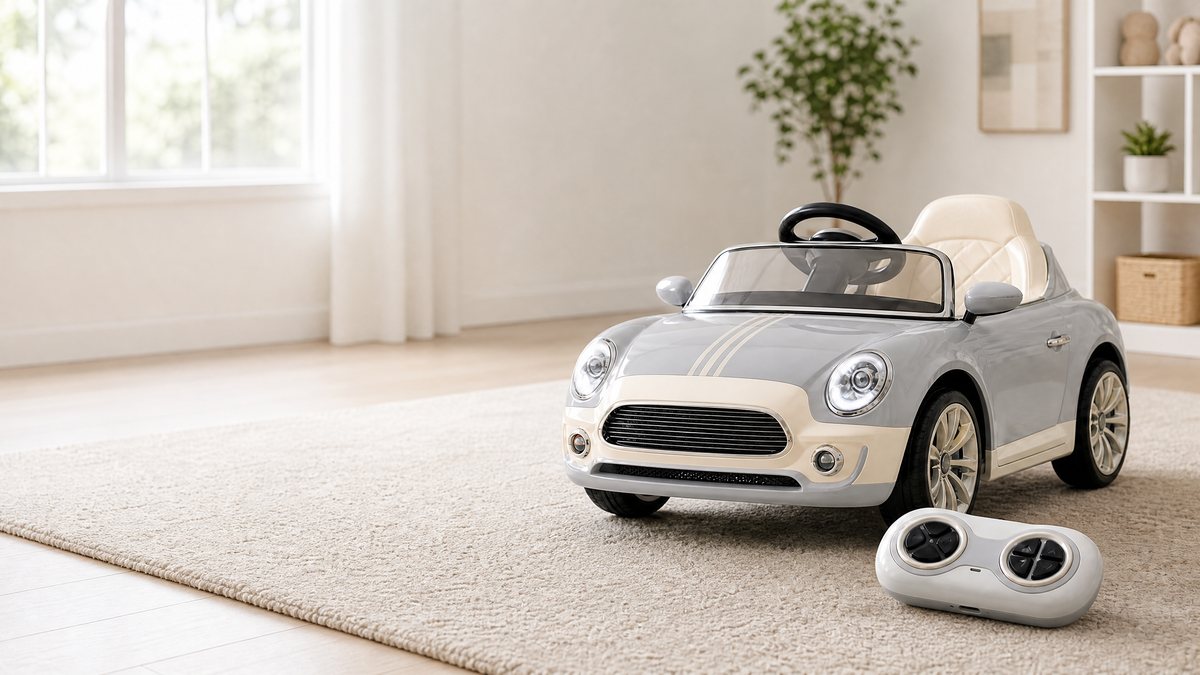
Navigating the market for children's ride-on toys requires a careful balance between developmental enjoyment, domestic practicality, and rigorous safety standards. While outdoor electric jeeps and high-speed sports cars dominate recreational discussions, indoor spaces present an entirely different set of operational parameters. Living rooms, playrooms, and hallways demand compact dimensions, gentle maneuverability, and specialized material choices that safeguard both residential flooring and household peace.
When evaluating options for domestic environments, parents, educational facilities, and commercial buyers must look beyond aesthetic appeal. The optimal choice depends on room dimensions, flooring surfaces, child developmental stages, and storage availability. This editorial guide outlines a transparent, criteria-based framework to help buyers identify the most suitable ride-on vehicle for indoor settings without relying on unverified ratings or exaggerated performance claims.
The Indoor Operating Environment: Key Challenges
Indoor play spaces introduce specific constraints that differentiate domestic ride-on selections from outdoor models. Unlike expansive asphalt driveways or park lawns, indoor floors feature hardwood, tile, laminate, or looped carpeting. Each surface reacts differently to constant vehicular traction, weight loads, and rotational friction.
Furthermore, domestic environments contain sharp corners, furniture legs, baseboards, and decorative items. Therefore, maneuverability and stopping reliability take precedence over raw speed and long battery range. Low-voltage electric models with restricted top speeds or foot-to-floor manual push cars generally provide the most predictable control in confined spaces.
Decision Framework: Core Selection Criteria
To determine the ideal indoor ride-on vehicle, buyers should systematically evaluate four primary pillars: wheel composition, chassis dimensions and turning radius, propulsion mechanism, and weight capacity.
1. Wheel Composition and Flooring Protection
The interaction between the vehicle's wheels and interior flooring is arguably the most critical domestic consideration. Hard, unyielding plastic wheels can scratch hardwood surfaces, chip ceramic tiles, and generate excessive acoustic noise during rotation.
* EVA Foam Wheels: Ethylene-vinyl acetate wheels offer a resilient, cushioned interface that absorbs micro-shocks, reduces noise, and prevents abrasive scuffing across sensitive hardwood and laminate floors.
* Rubber-Treaded Wheels: Premium models frequently incorporate rubber strips or full rubber compounds, providing superior grip on smooth indoor tiles without leaving black marks or residue.
* Hard Plastic Wheels: While durable and cost-effective, plain injection-molded plastic wheels are best restricted to low-impact carpets or outdoor concrete rather than finished indoor flooring.
2. Turning Radius and Dimensional Footprint
Indoor corridors and standard doorways require tight turning circles. Heavy, long-wheelbase vehicles designed for open lawns often struggle to navigate residential living rooms.
* Compact Footprint: Look for overall lengths under 90 centimeters and widths that easily clear standard 75-centimeter interior doorways.
* Steering Articulation: A responsive steering column or caster-wheel design allows for zero-radius turns in tight spaces, enabling children to maneuver out of corner dead-ends without adult intervention.
3. Propulsion Mechanism: Electric vs. Manual Foot-to-Floor
The choice between battery-powered electric propulsion and traditional foot-to-floor motion depends heavily on the child age group and parental supervision capacity.
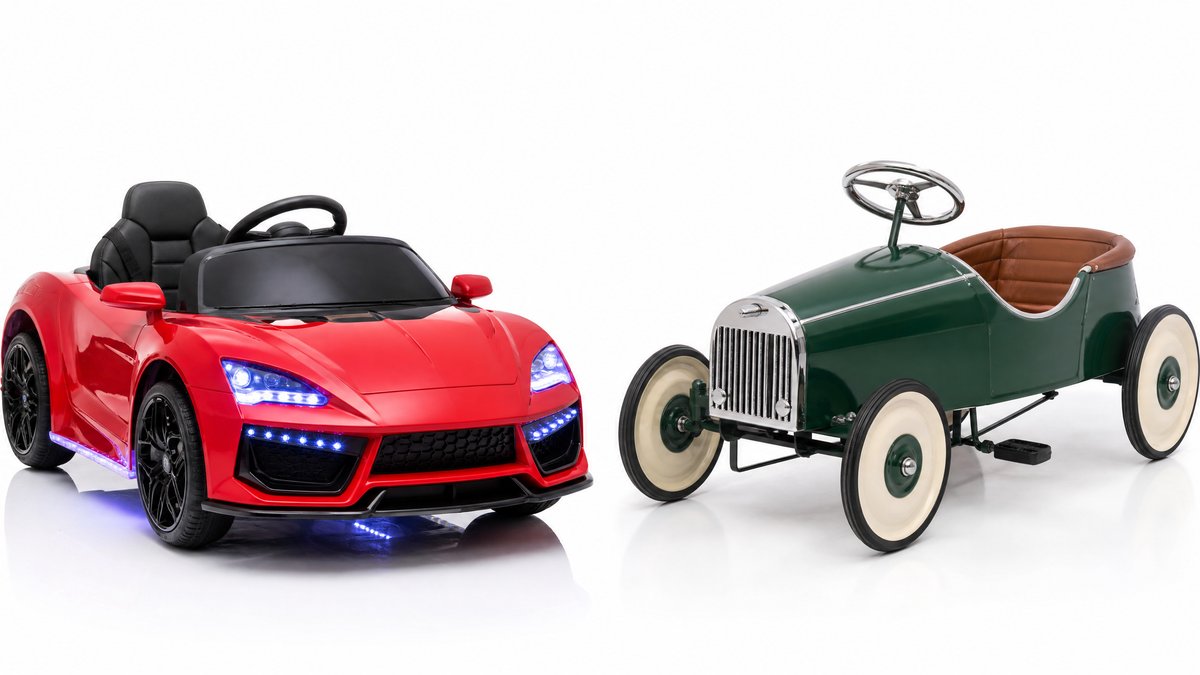
* Foot-to-Floor Push Cars: These lightweight vehicles rely entirely on the child's leg power. They encourage active physical development, feature fewer mechanical failure points, operate silently, and allow instant stopping by the child's feet.
* Low-Voltage Electric Cars: Battery-operated models (typically 6V systems for indoor use) offer controlled, consistent acceleration. However, buyers must verify that the vehicle includes gentle acceleration curves and responsive automatic braking to prevent sudden wall impacts.
4. Stability and Center of Gravity
Indoor play often involves abrupt directional changes. A wide wheel track and a low center of gravity are essential to prevent tip-overs during sharp turns on high-friction indoor flooring.
Comparative Analysis of Indoor Ride-On Categories
To assist retail buyers and parents in comparing structural types, the following matrix outlines the functional trade-offs associated with different indoor vehicle configurations.
| Category Type | Primary Propulsion | Flooring Suitability | Turning Maneuverability | Acoustic Profile | Best Target Setting |
|---|---|---|---|---|---|
| Foot-to-Floor Cruiser | Manual Leg Power | Excellent (Soft EVA/Rubber) | High (Direct Steering) | Silent | Apartments, Nurseries |
| Compact 6V Electric | Low-Voltage Battery | Good (Requires Care on Tile) | Moderate (Standard Steering) | Low Hum | Large Playrooms, Basements |
| Caster-Wheel Swivel Car | Gravity / Wiggle Steering | Moderate (Check Plastic Quality) | Exceptional (360-Degree) | Moderate | Multi-purpose Play Spaces |
| Plush Animal Rider | Manual / Concealed Wheels | Excellent (Carpet & Wood) | Moderate (Limited Angle) | Silent | Toddler Play Areas |
Safety and Fit Checklist
Regardless of the selected model, adhering to established safety protocols ensures a secure play environment. Buyers and supervisors should review the following checklist prior to initial deployment:
1. Age and Physical Fit Verification: Confirm that the child feet rest flat on the floor (for push cars) or that they can comfortably reach accelerator pedals while maintaining an upright posture. Manufacturer age ranges serve as general guidelines; individual child physical development takes precedence.
2. Clearance of Obstacles: Remove fragile objects, low-hanging electrical cords, scatter rugs that could bunch under wheels, and sharp-edged furniture from the designated play zone.
3. Supervision Protocol: Ensure continuous adult oversight, particularly with motorized electric models in multi-room indoor environments.
4. Regular Structural Inspection: Periodically inspect wheel axles, steering linkages, battery compartments (if applicable), and snap-fit body panels for signs of wear or loosening.
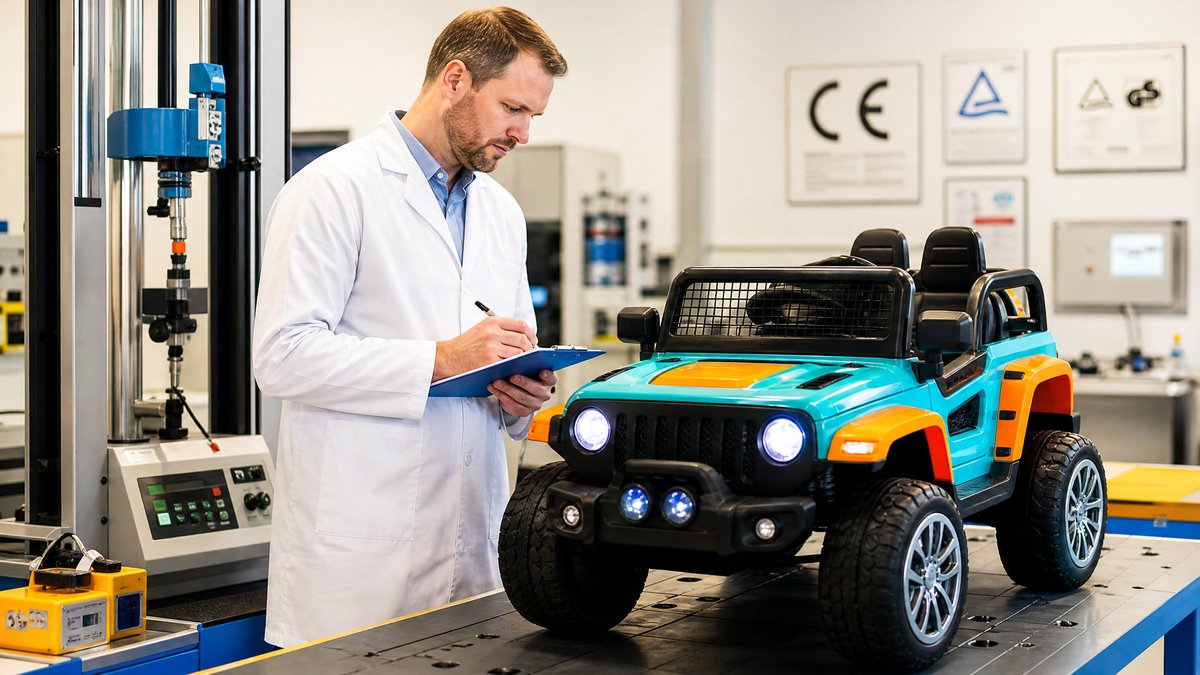
5. Regulatory Compliance Standards: Verify that the product conforms to recognized international toy safety standards, such as ASTM F963 in the United States or EN 71 in Europe, which govern mechanical hazards and chemical composition [1].
Buyer Questions and Considerations
How do I manage battery maintenance for indoor electric models?
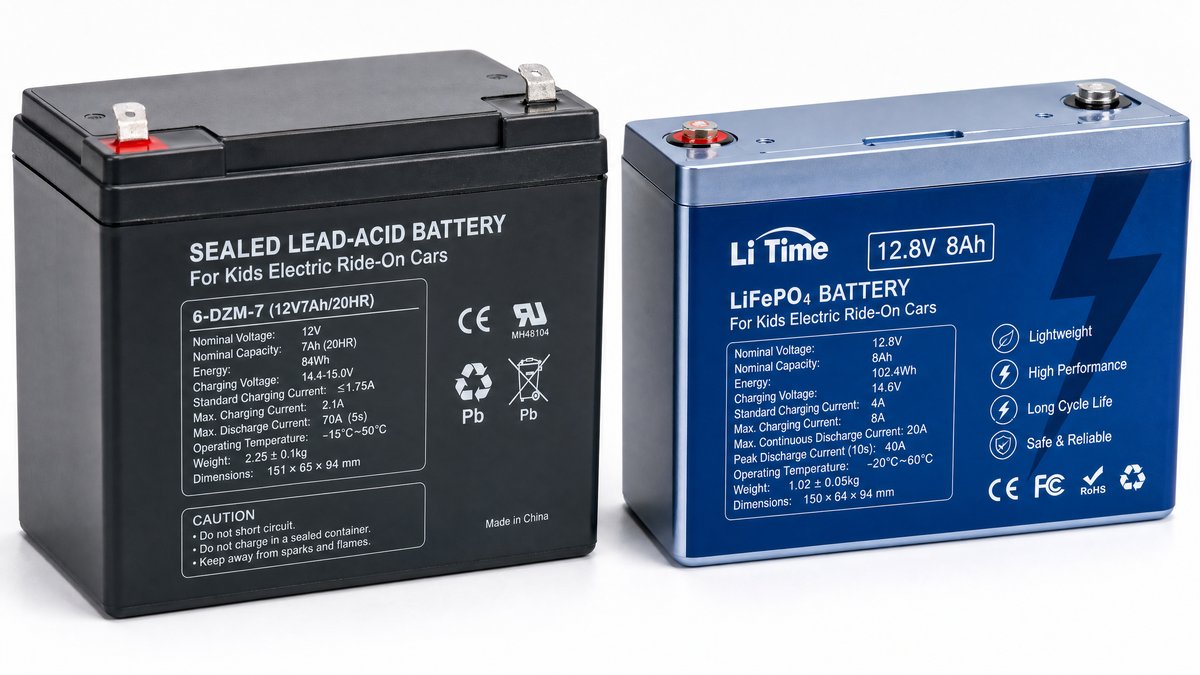
If choosing a 6V electric ride-on for indoor use, establish a routine charging schedule in accordance with the manufacturer manual. Avoid overcharging, store the battery at room temperature during extended periods of disuse, and ensure charging ports remain out of reach of younger siblings.
Are indoor ride-on cars suitable for multi-story homes?
Multi-story residences require careful consideration of stairwell proximity. Ride-on vehicles must never be operated near open staircases, elevated landings, or unfenced second-story balconies. Safety gates should be installed at all stair entry points where ride-on toys are present.
Frequently Asked Questions (FAQs)
1. Will indoor ride-on cars damage hardwood flooring?
Damage depends primarily on wheel material and debris accumulation. Vehicles equipped with soft EVA foam or rubber-treaded wheels minimize scratch risks. However, parents should regularly inspect wheel treads for trapped small stones or grit brought in from outdoor shoes.
2. What is the difference between indoor and outdoor ride-on power requirements?
Indoor models generally utilize lower voltage systems (such as single 6V motors) that limit top speeds to a walking pace (2 to 3 km/h). Outdoor models frequently employ dual 12V or 24V configurations designed to tackle uneven terrain, grass, and inclines.
3. Can outdoor electric cars be used indoors?
Generally, no. Outdoor models are typically oversized, possess wider turning radiuses that cannot navigate standard room layouts, and feature high-torque motors that accelerate too rapidly for confined indoor spaces.
4. How do foot-to-floor cars benefit early childhood development?
Foot-to-floor push cars encourage core muscle engagement, bilateral leg coordination, spatial awareness, and balance control, all within a self-regulated speed environment controlled entirely by the child.
5. What compliance documentation should retail importers request?
Commercial importers and retailers should request complete test reports and certificates of conformity verifying adherence to ASTM F963, EN 71, and relevant electrical safety directives (such as RoHS and EMC for motorized variants) directly from the manufacturing supplier.
For Retailers and Importers
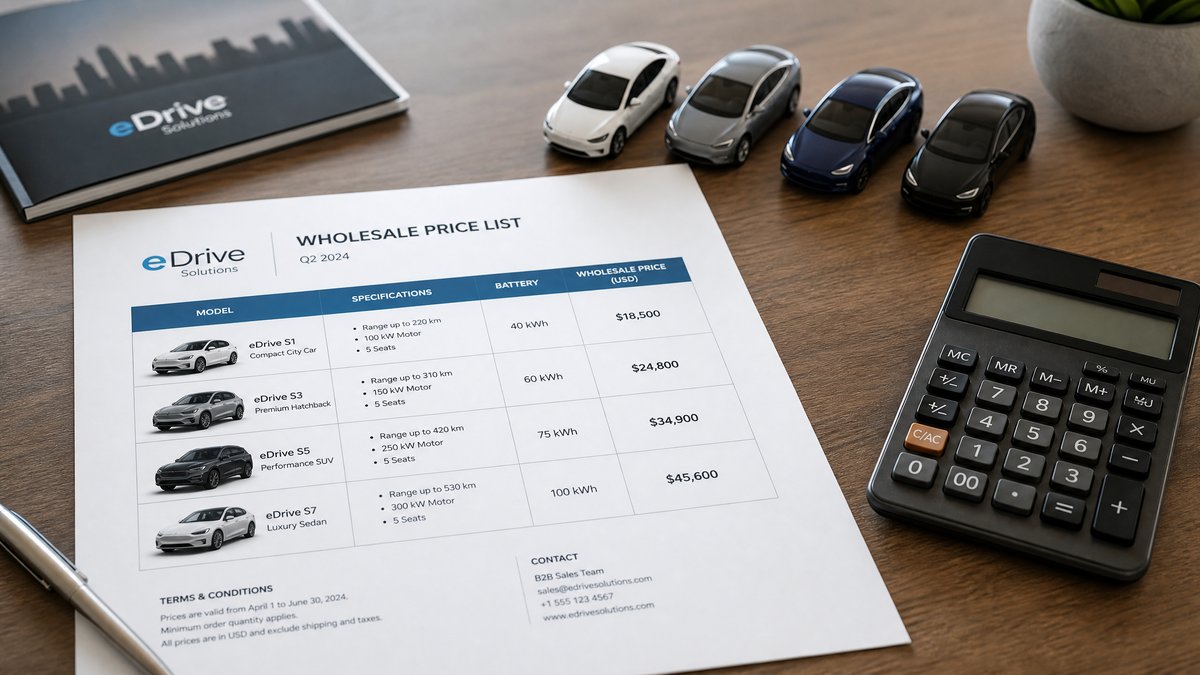
For B2B buyers, distributors, and retail category managers, stocking indoor-specific ride-on vehicles represents a steady, year-round revenue stream unaffected by seasonal outdoor weather shifts. Importers should prioritize SKUs featuring modular knockdown packaging to optimize container freight density, alongside clear multilingual user manuals and certified compliance documentation. Providing retail displays that highlight flooring protection features and compact storage dimensions significantly enhances consumer sell-through in urban retail markets.
Conclusion
Selecting the best ride-on car for indoor use hinges on matching mechanical specifications with the physical realities of domestic spaces. Prioritizing soft wheel materials, compact turning circles, appropriate propulsion speeds, and robust structural safety ensures a harmonious blend of developmental engagement and household preservation. By relying on transparent product specifications rather than unverified claims, buyers can make informed, durable investments.
Request a wholesale quote to explore our complete catalog of certified indoor and outdoor ride-on solutions.
References
1. Consumer Product Safety Commission (CPSC). Safety Standard for Toy Safety (ASTM F963 Compliance Guidance). Available via official regulatory documentation portals.
2. European Committee for Standardization (CEN). Safety of Toys Specifications (EN 71 Mechanical and Physical Properties).
Explore matching models
View product details for this guide
Compare current specifications, age guidance and available options before requesting a quote.
Official references
Explore these external resources for current regulatory and trade guidance. Confirm requirements with the relevant authority before placing an order.
Ready to Start?
Factory-Direct · CE & ASTM Certified · MOQ from 50 Units
Our export team works with buyers in 60+ countries. Get a quote within 24 hours.
KR
Written by KidsRideCar
China's leading kids electric ride-on car manufacturer. 500,000+ units shipped annually to 60+ countries. CE, ASTM & EN71 certified.