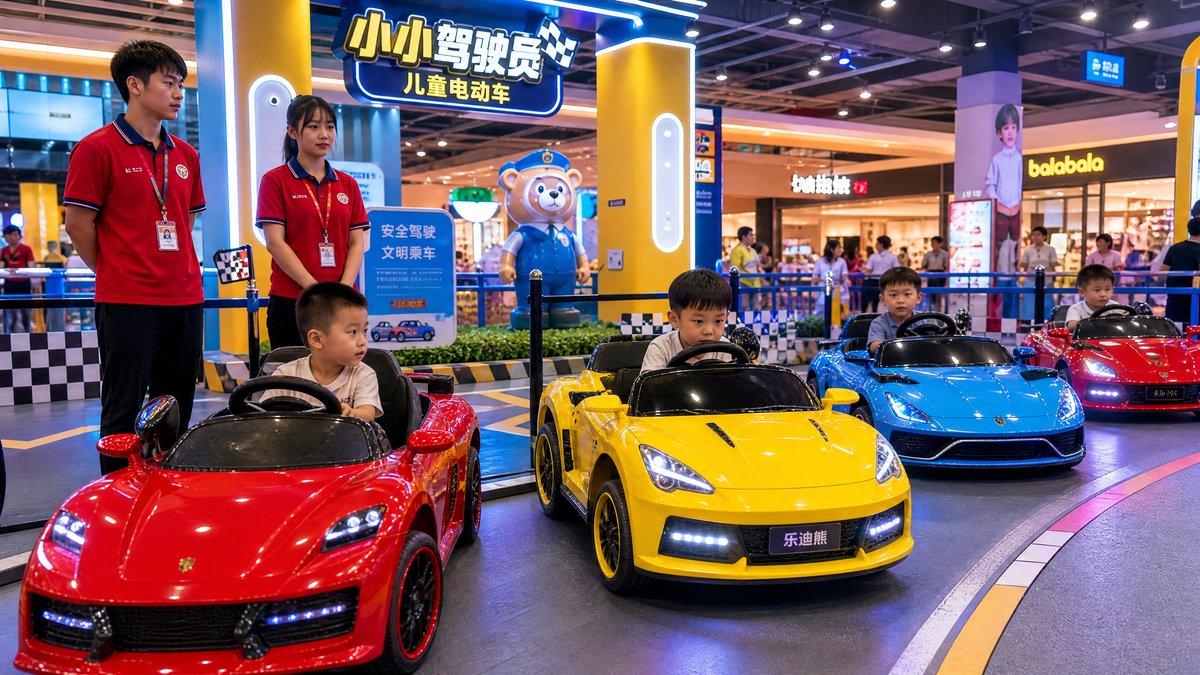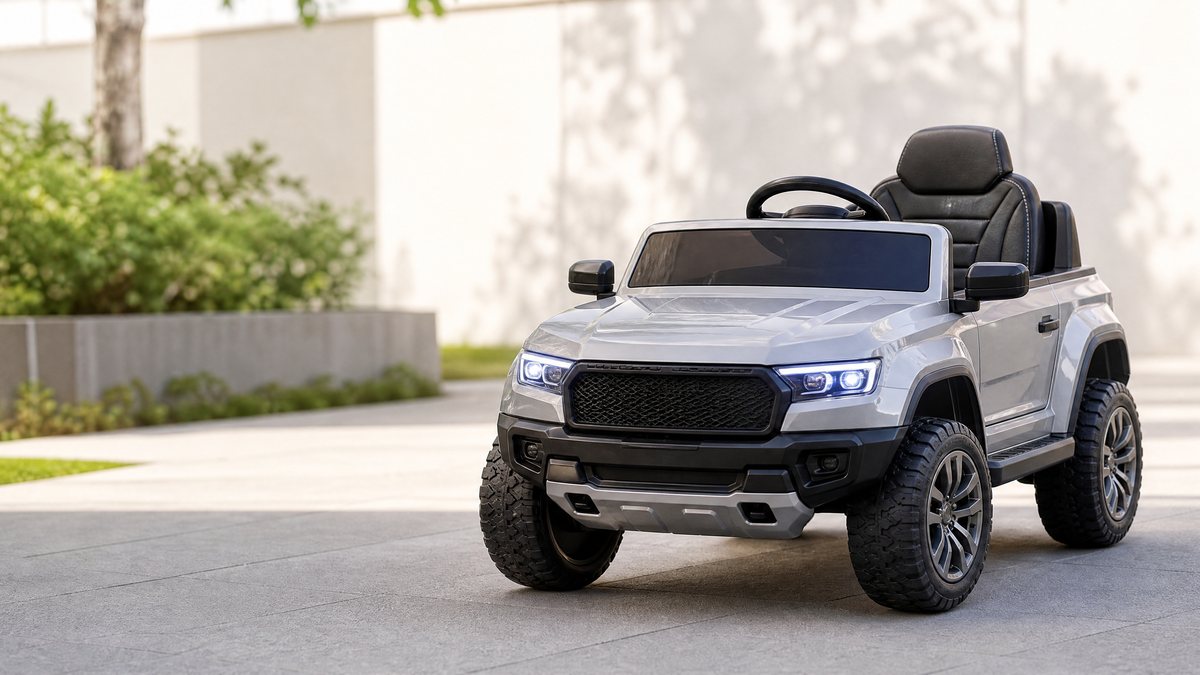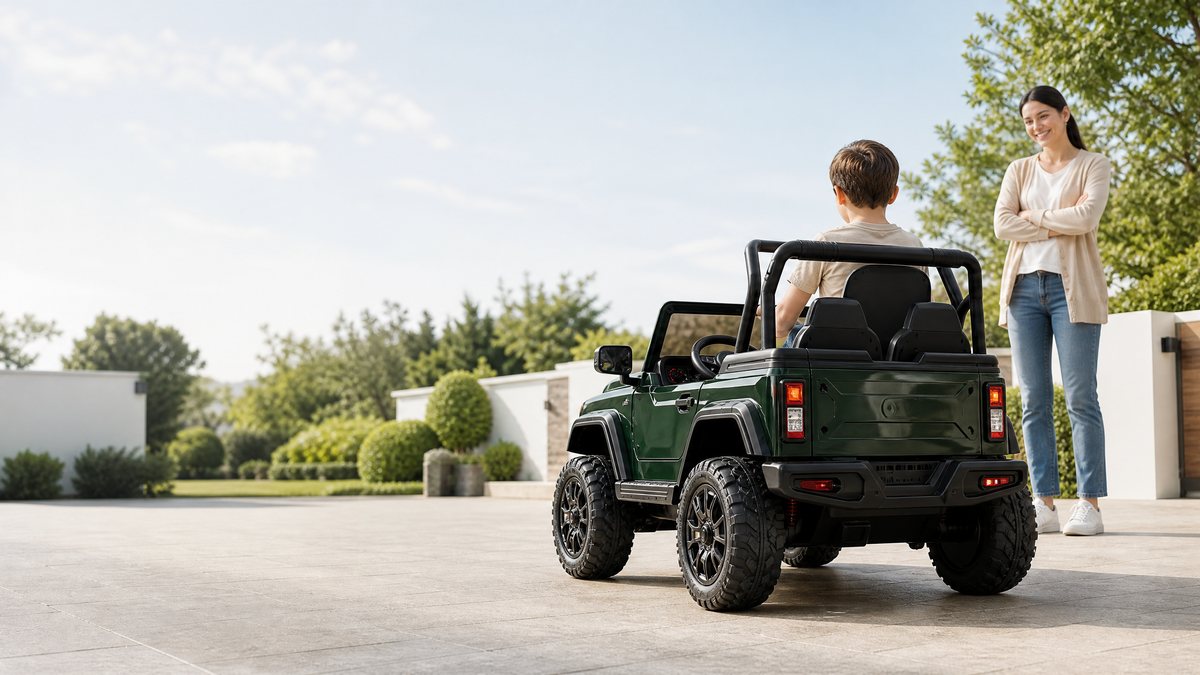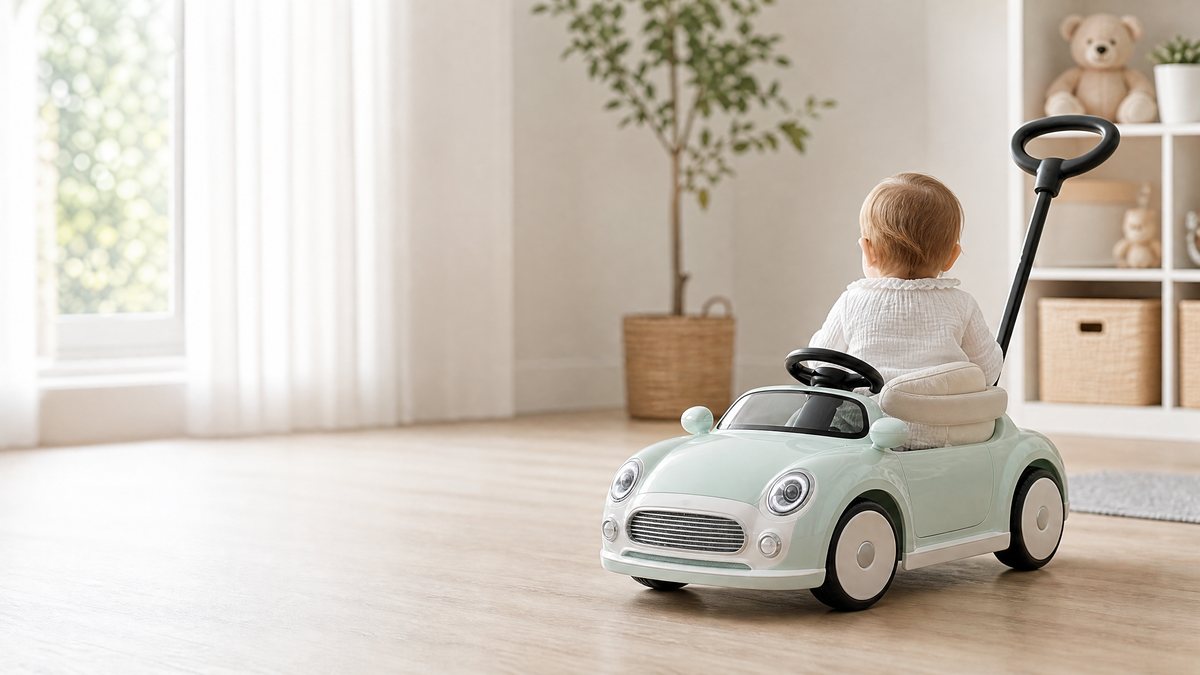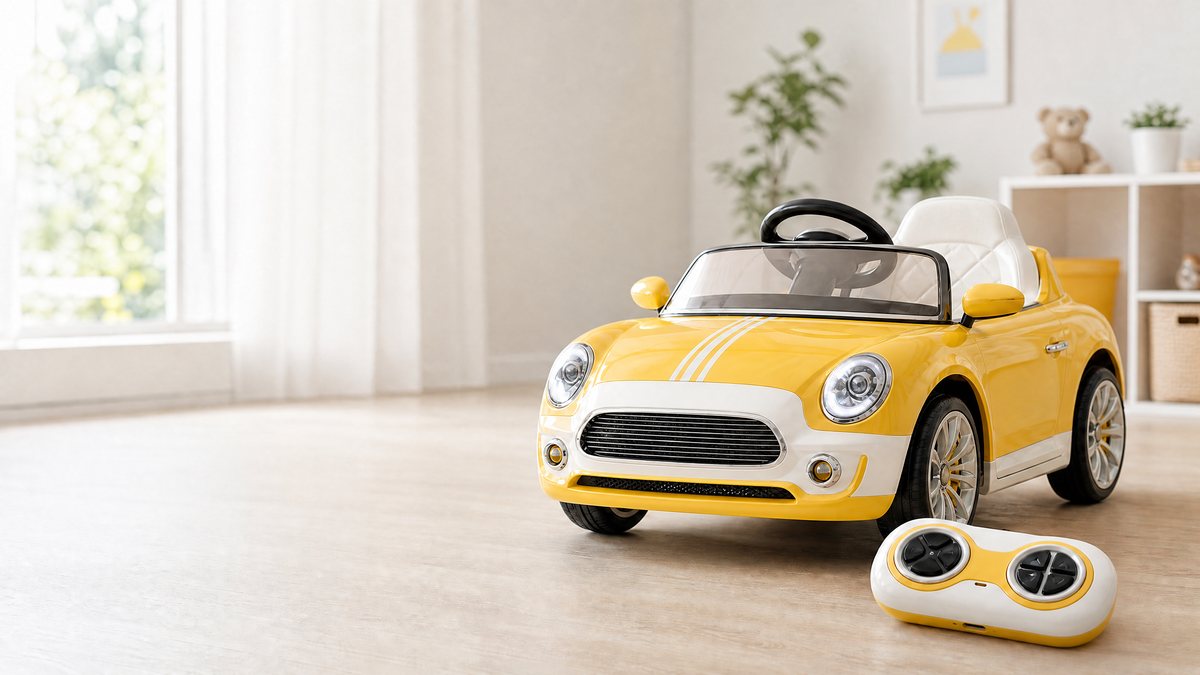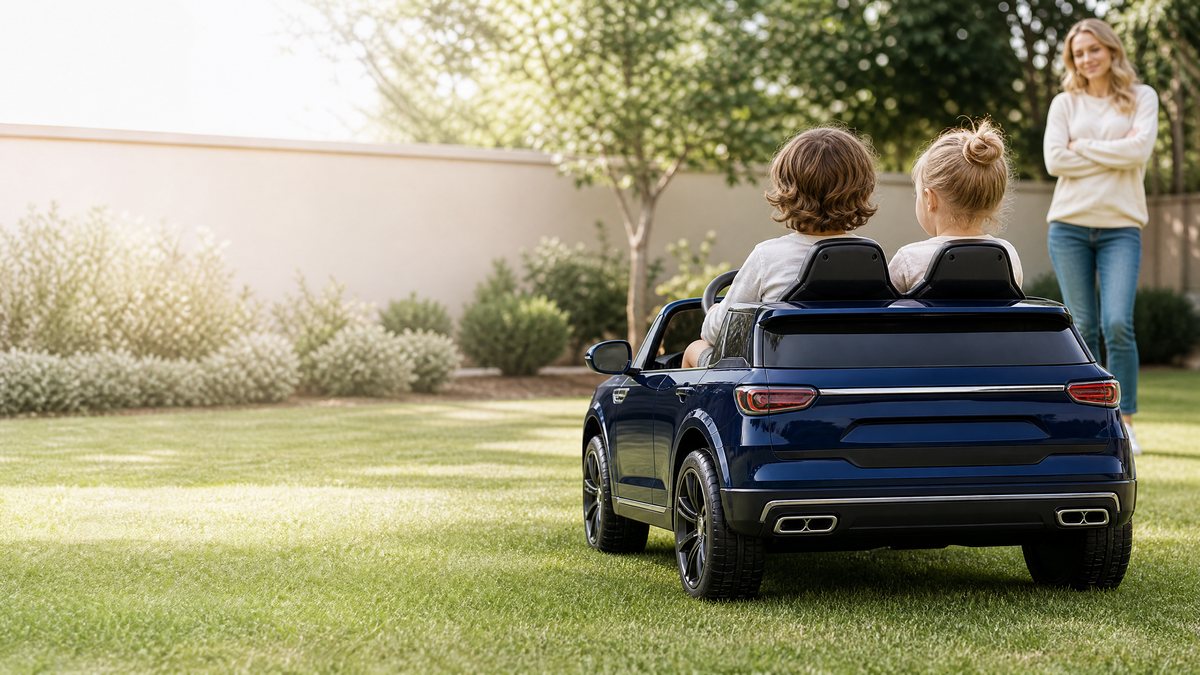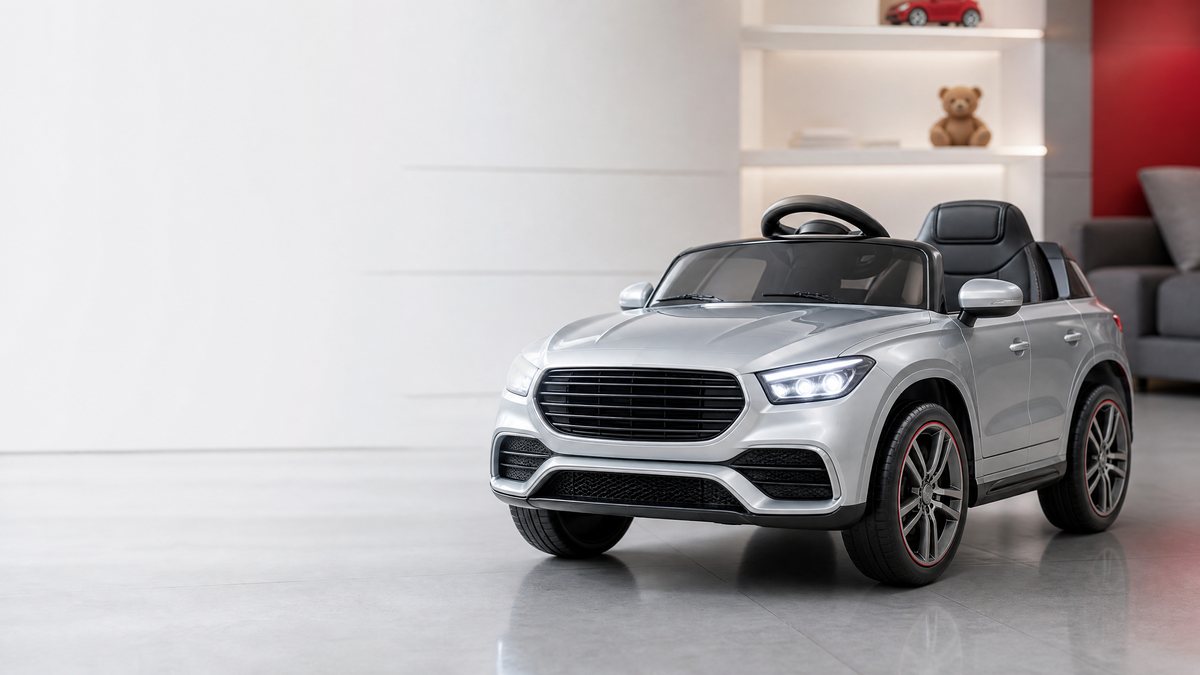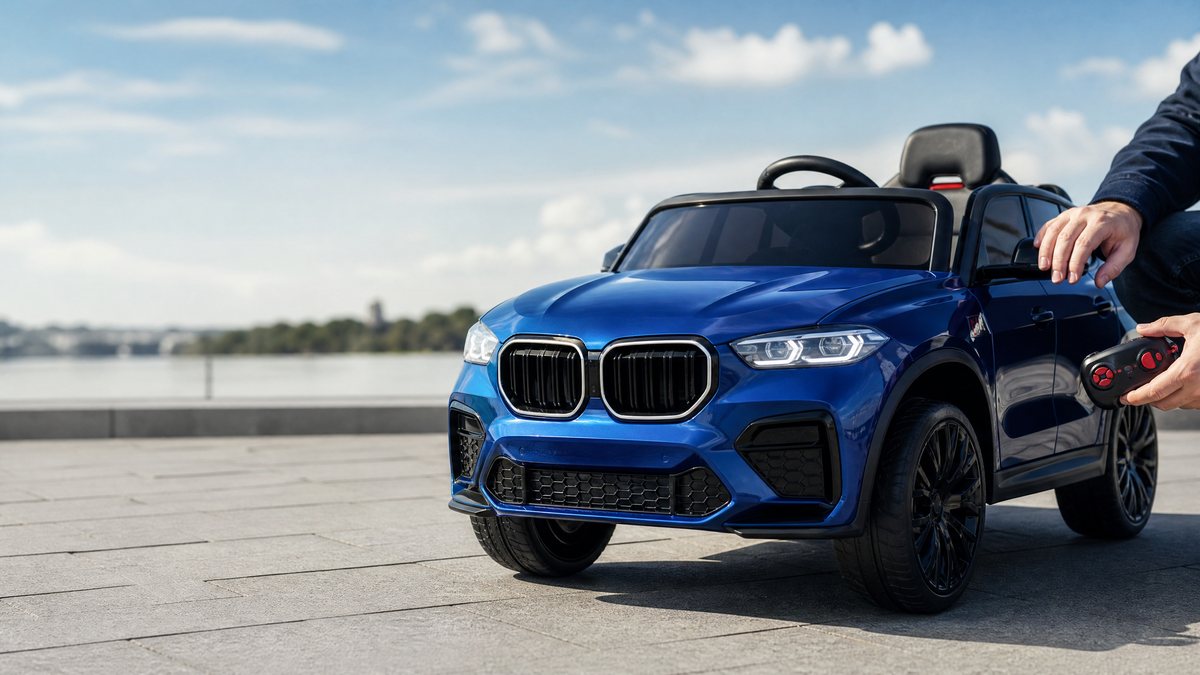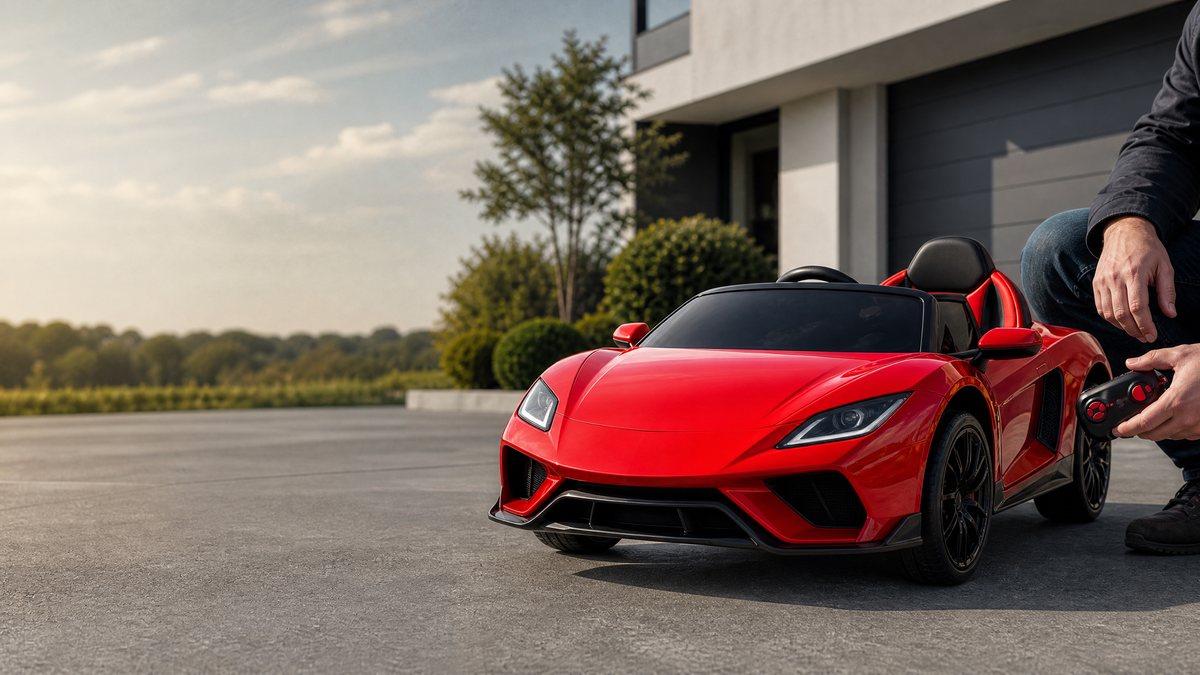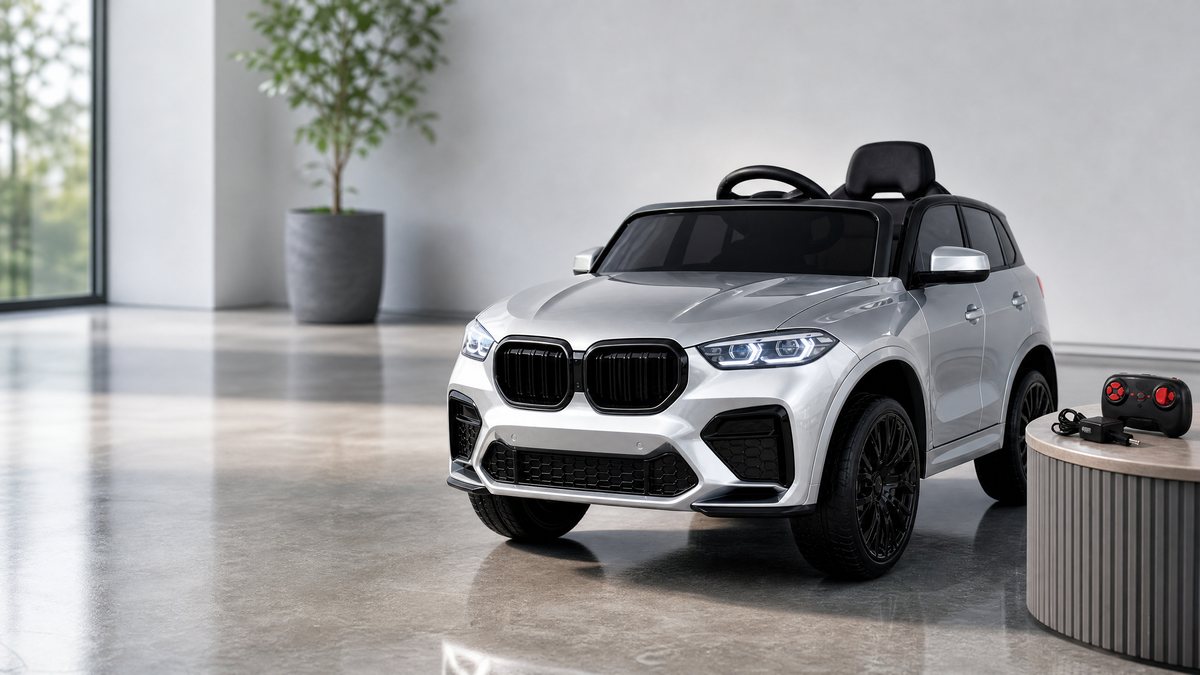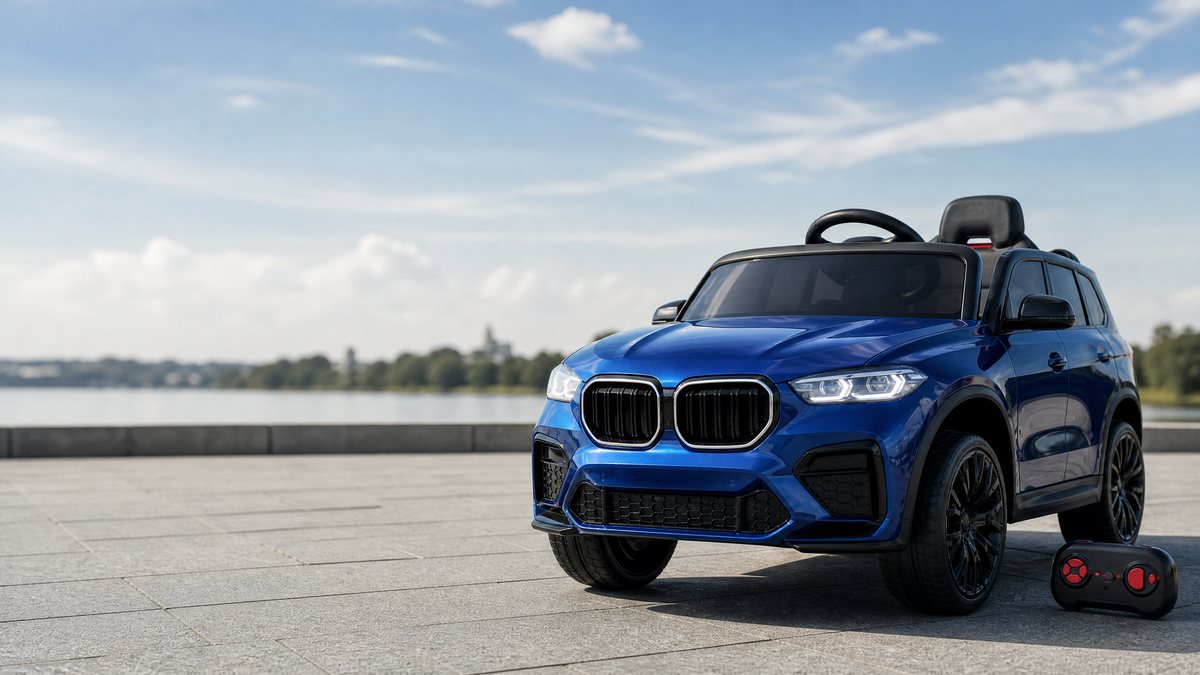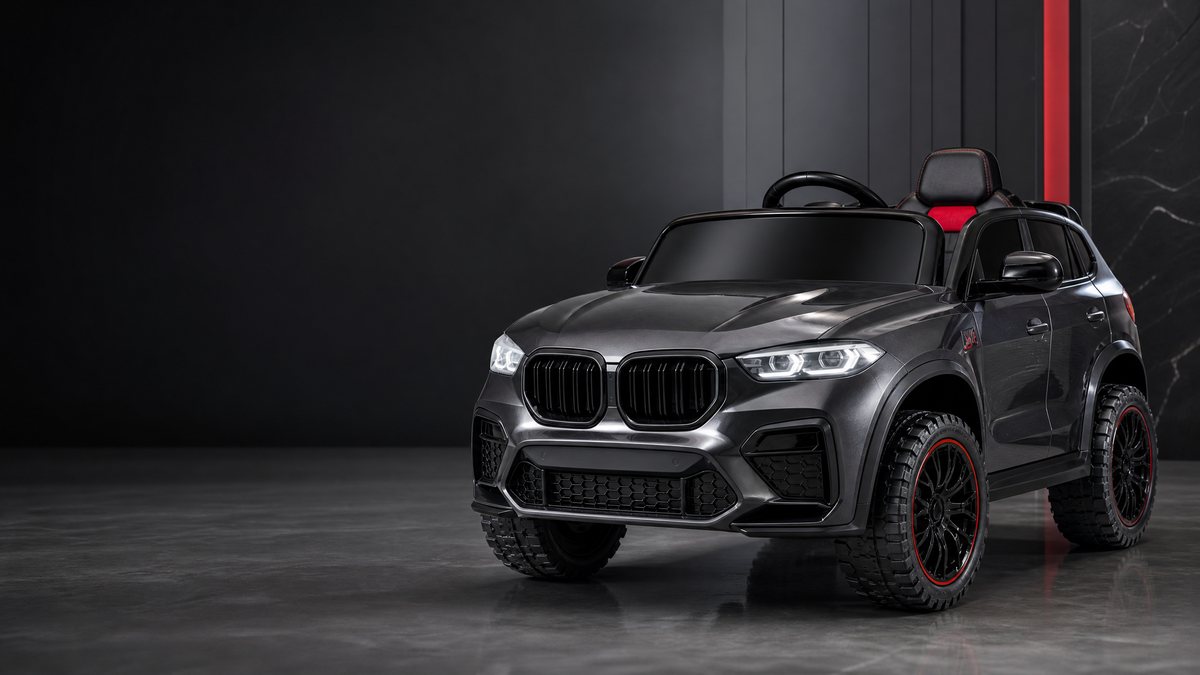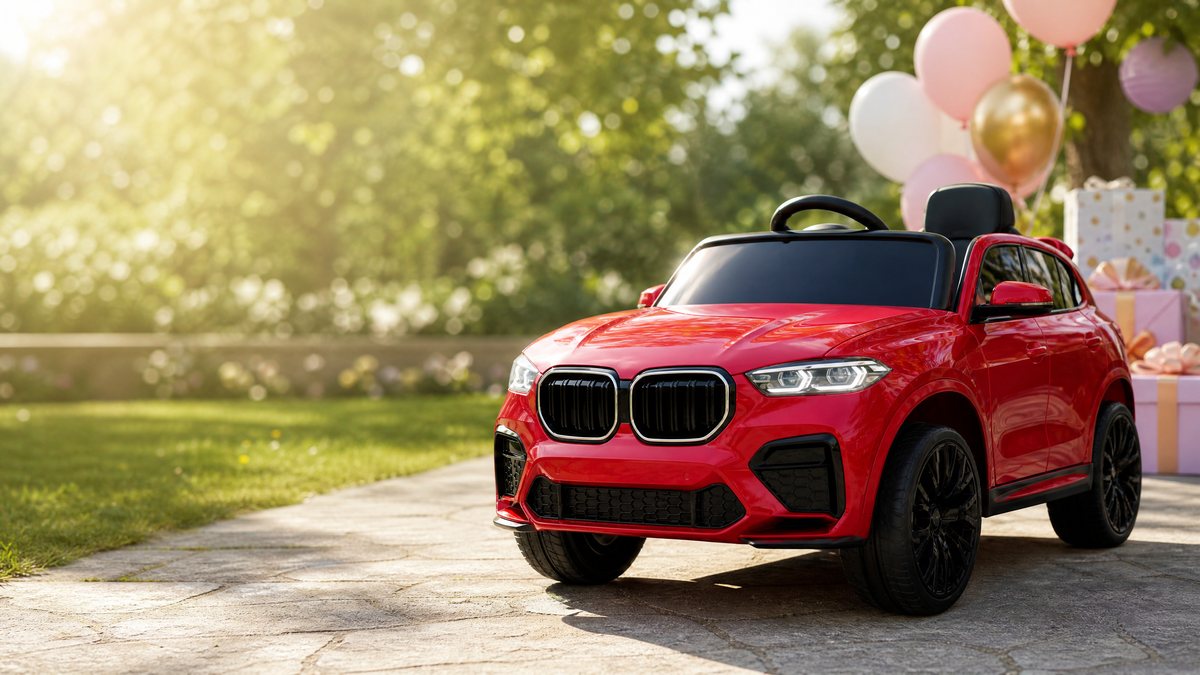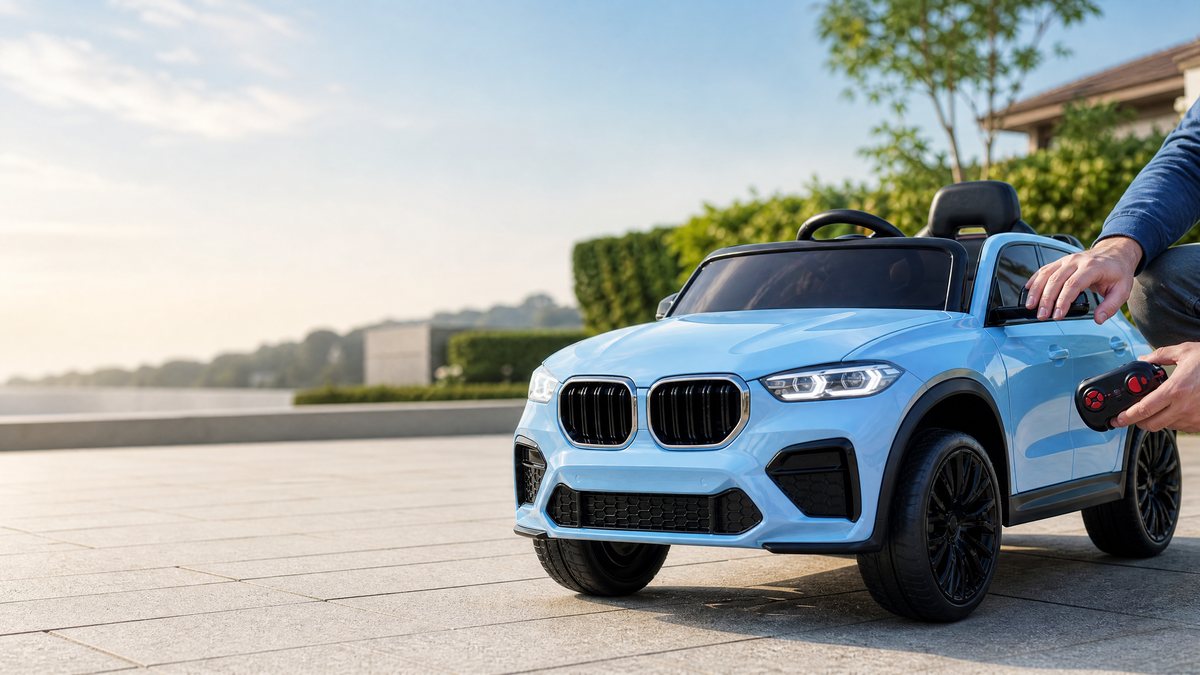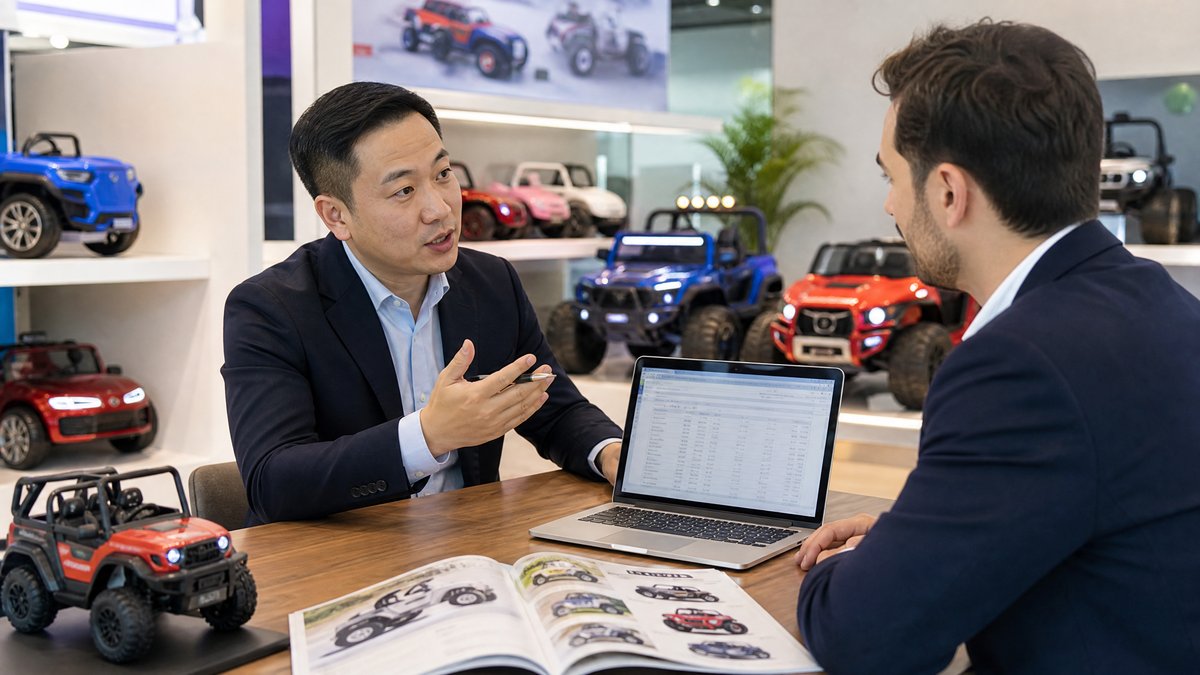
Entering the children's ride-on car market as a brand owner rather than a generic reseller represents a lucrative opportunity in the global toy and juvenile products industry. With the global market for ride-on toys expanding rapidly due to rising disposable incomes, premium vehicle designs, and advanced parental remote-control features, establishing a proprietary brand allows importers, wholesalers, and ambitious entrepreneurs to capture higher profit margins and build long-term enterprise value.
However, moving from a generic import model to building a recognized consumer brand requires meticulous planning, strict regulatory compliance, reliable supply chain partnerships, and targeted marketing execution. This 12-month strategic roadmap provides B2B investors, distributors, and brand founders with a structured phase-by-phase blueprint to successfully launch and scale a kids electric ride-on car brand from scratch.
Phase 1: Market Research, Niche Definition & Financial Planning (Months 1–2)
Before committing capital to tooling or inventory, a successful brand must define its unique value proposition (UVP) and target demographic. The kids ride-on vehicle market spans multiple tiers, from budget-friendly 6V plastic cars to licensed luxury 24V drift karts and all-terrain UTVs.
Identifying Your Target Market and Price Tier
Your brand positioning dictates your manufacturing requirements, packaging design, compliance costs, and marketing channels. Consider the following market segments:
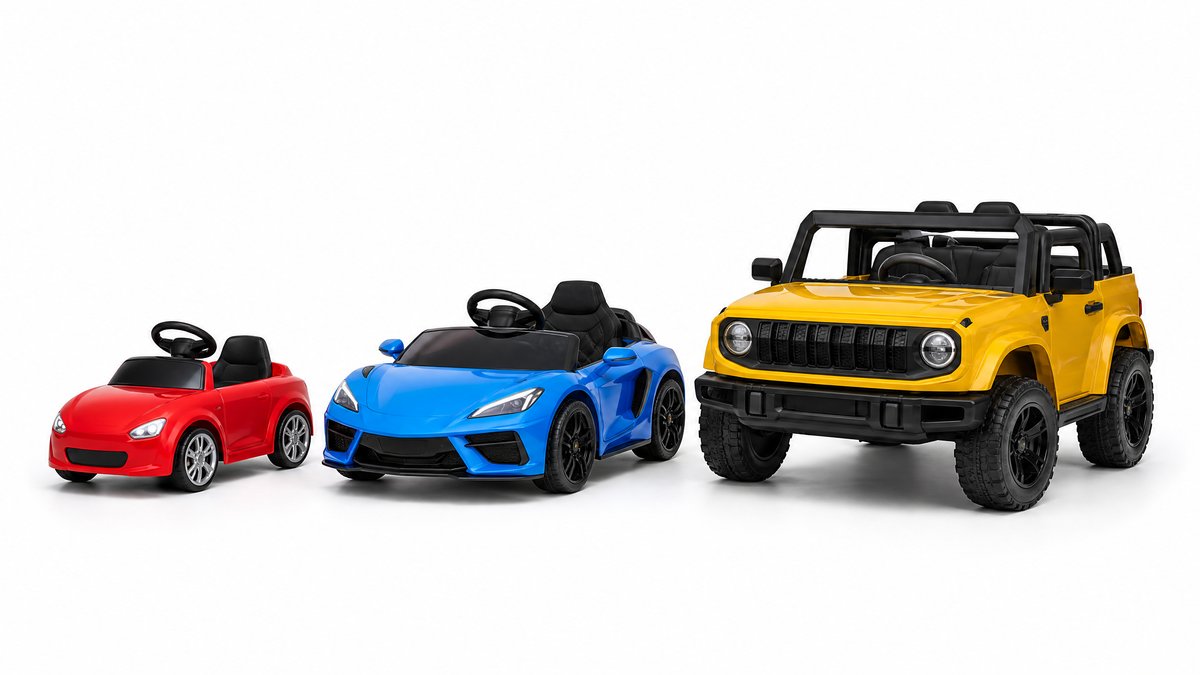
* Entry-Level (Budget/Mass Market): 6V and standard 12V models focusing on affordability, basic functions, and high volume velocity.
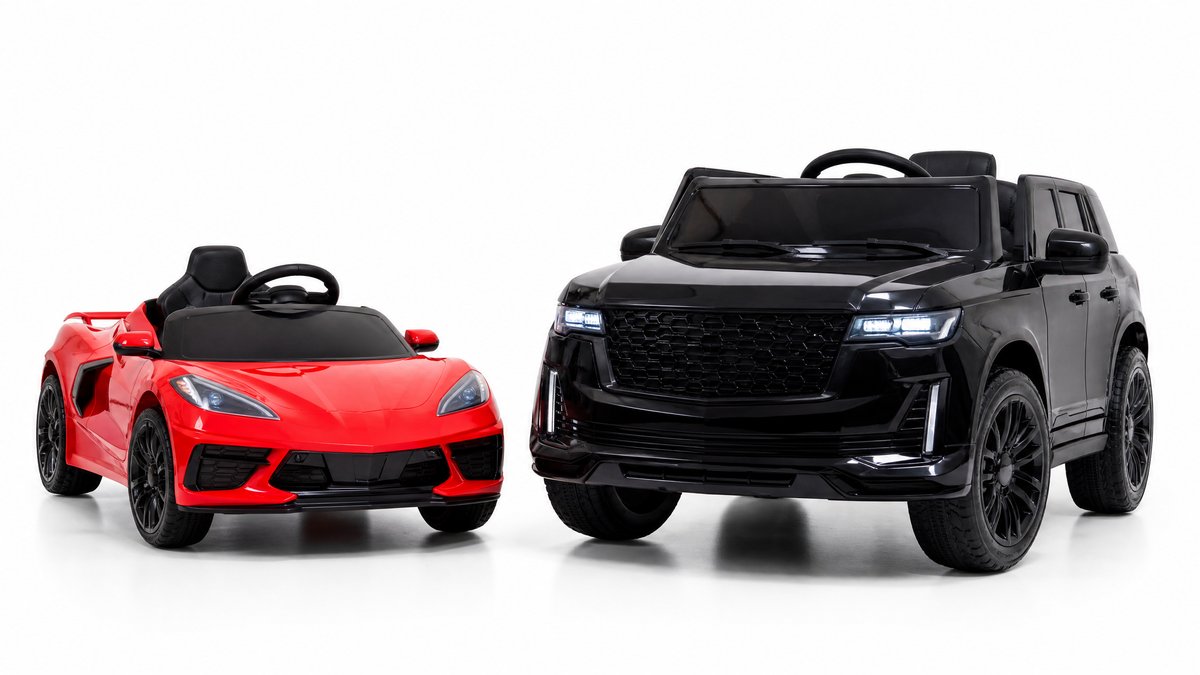
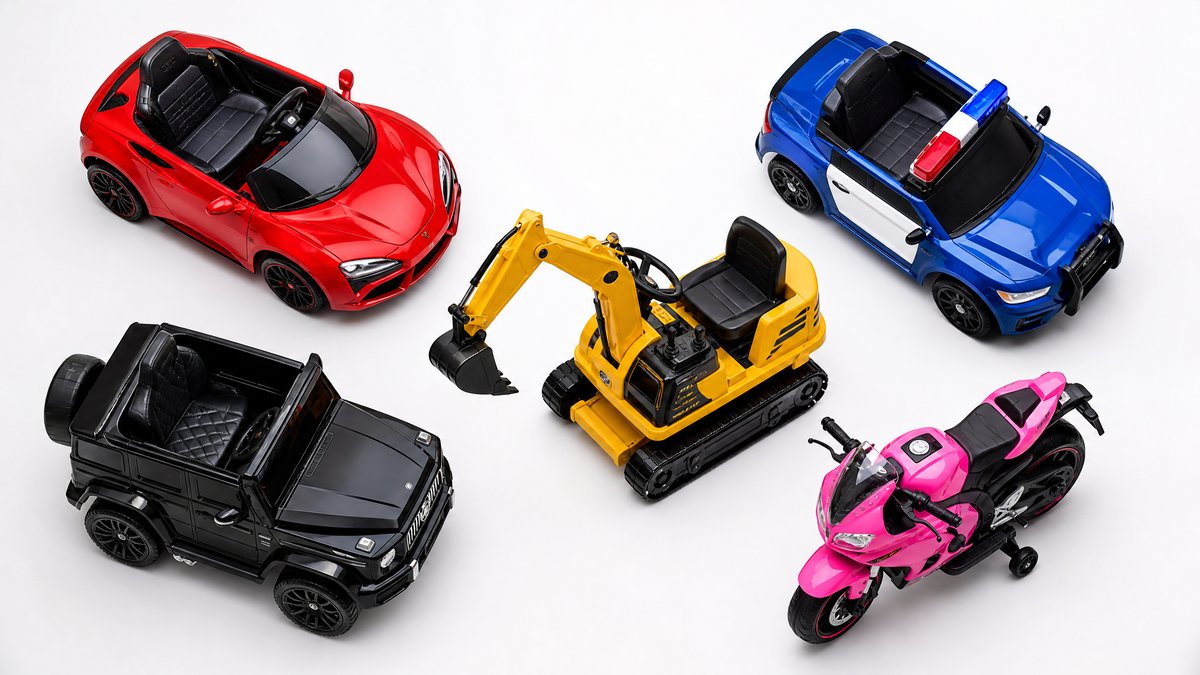
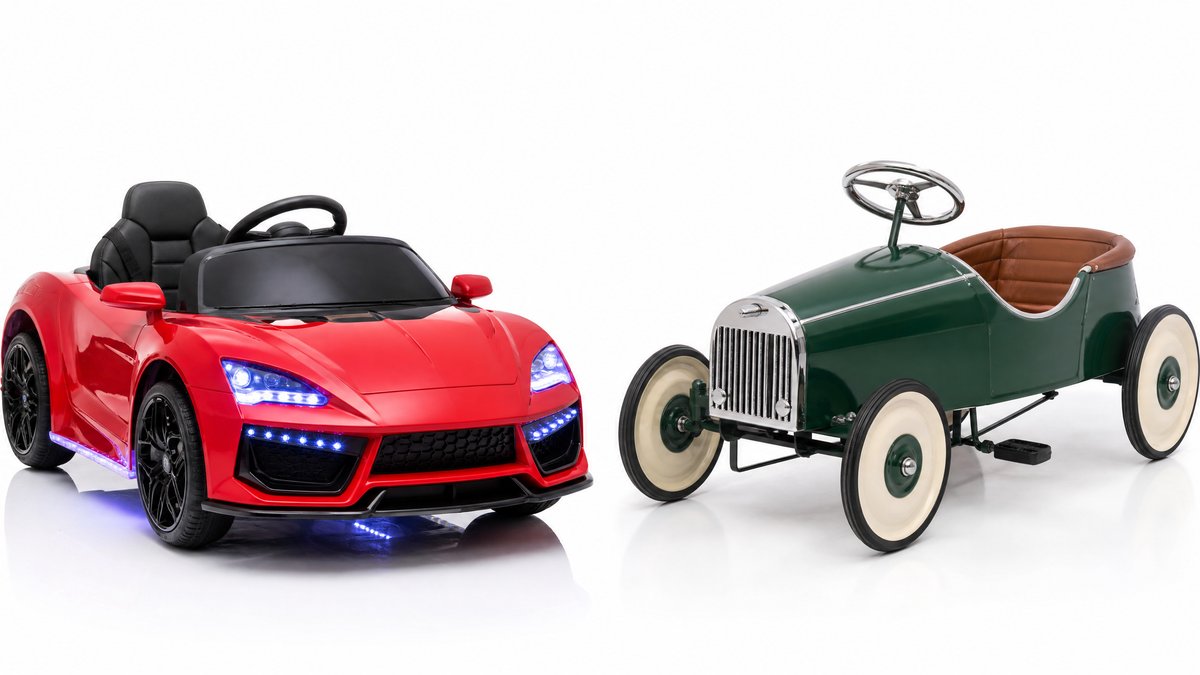
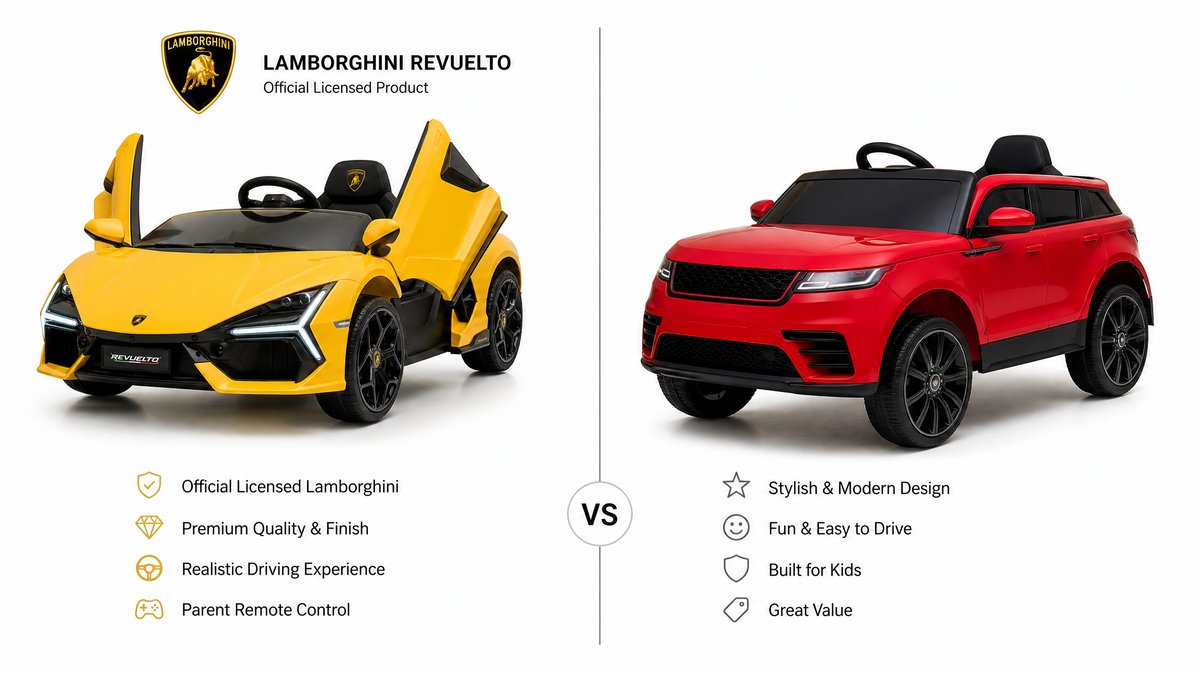
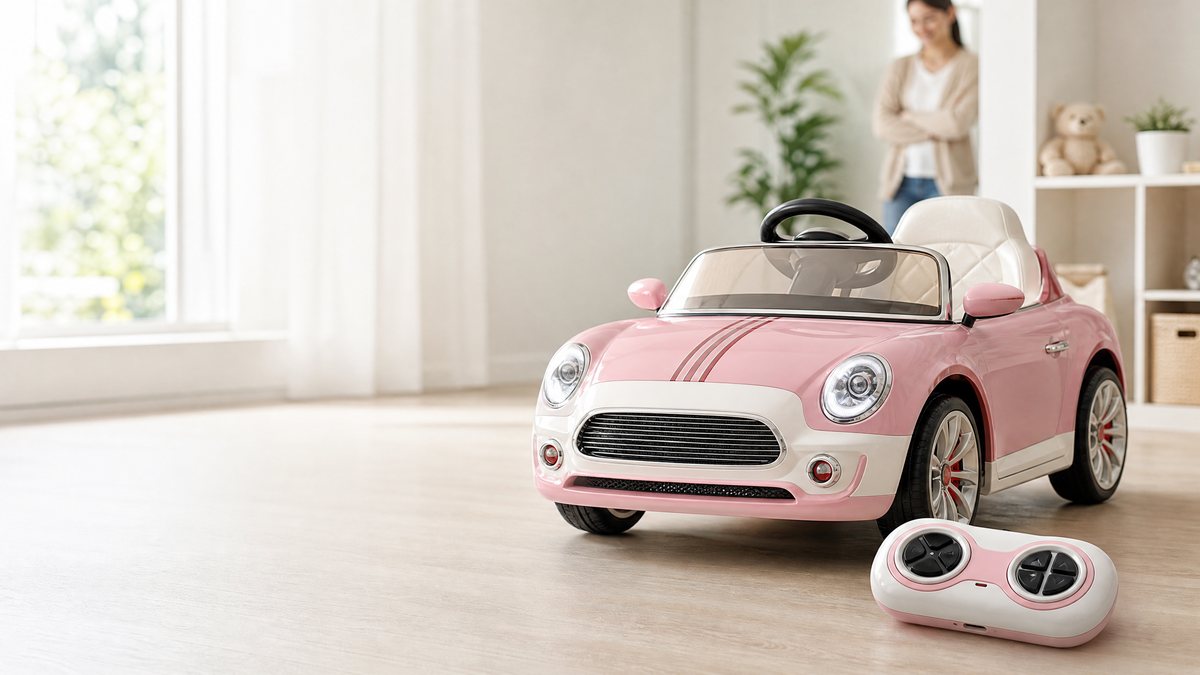
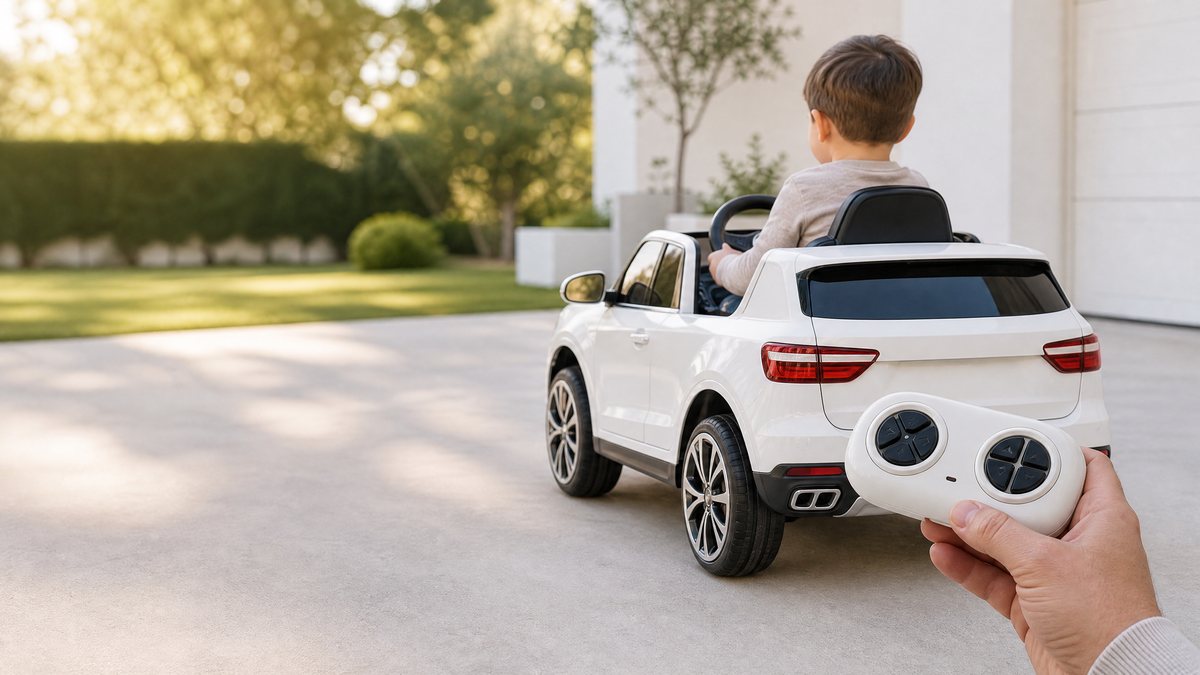
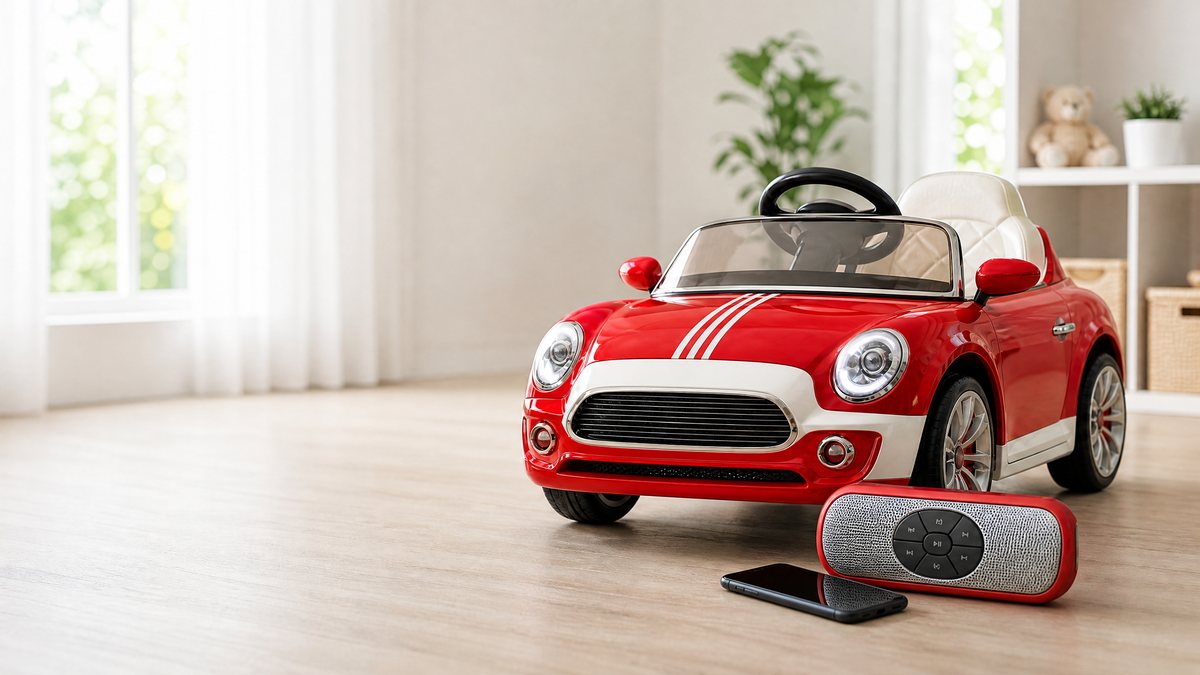
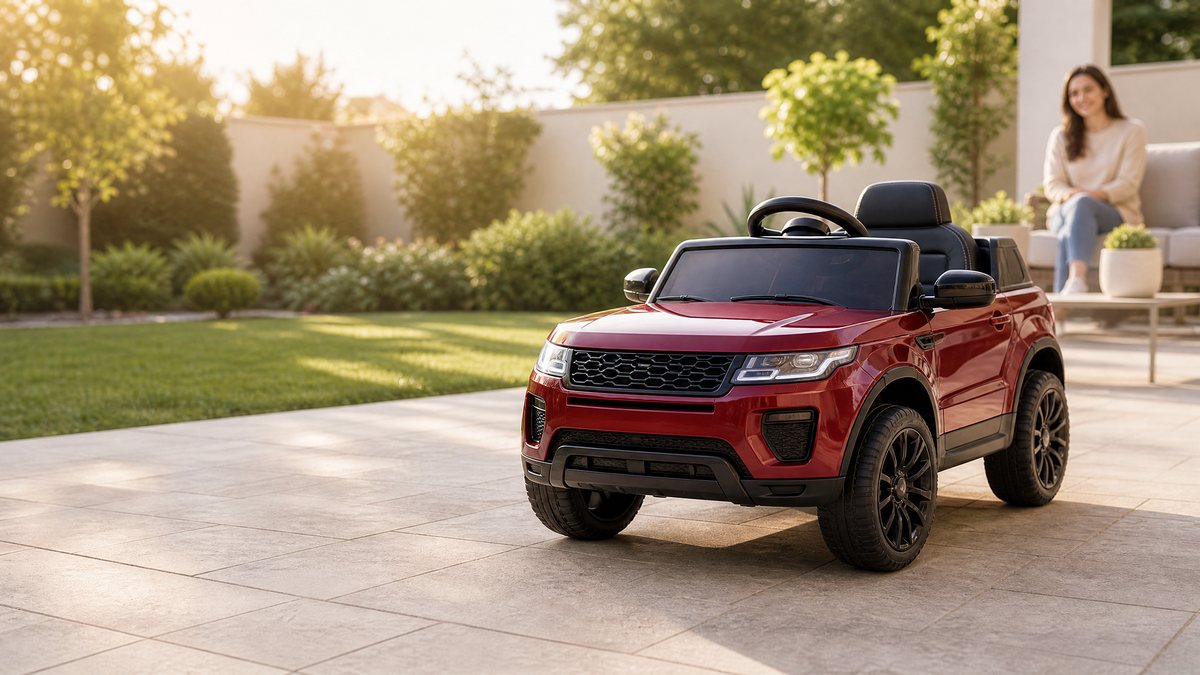
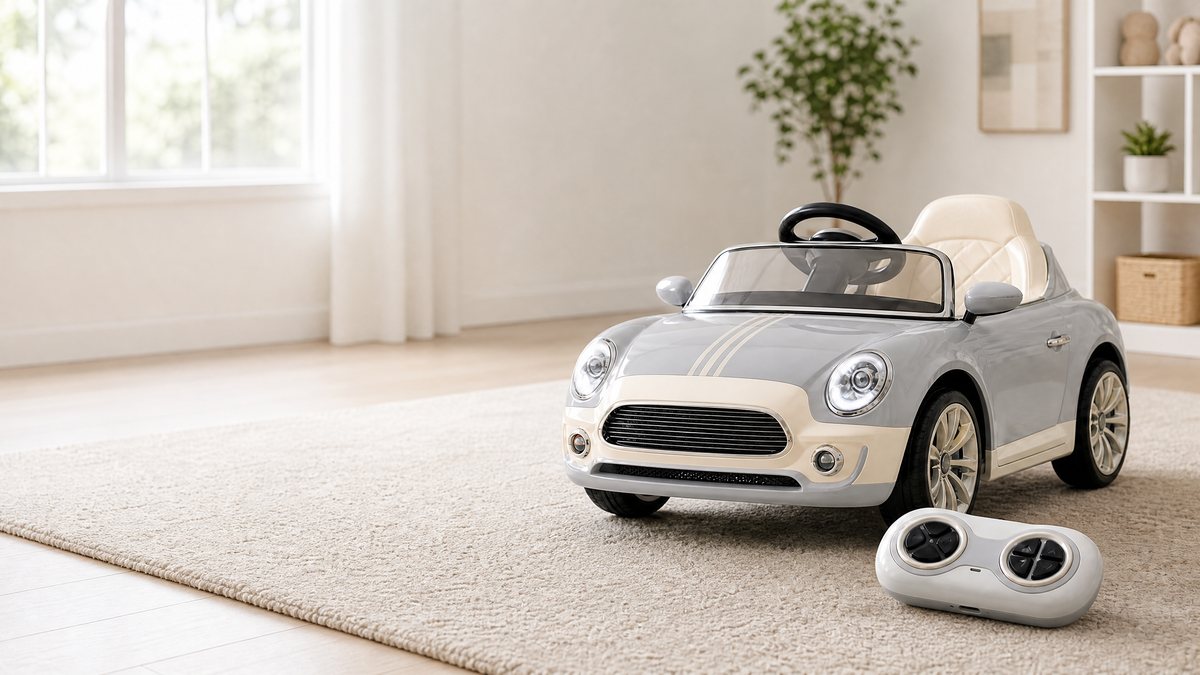
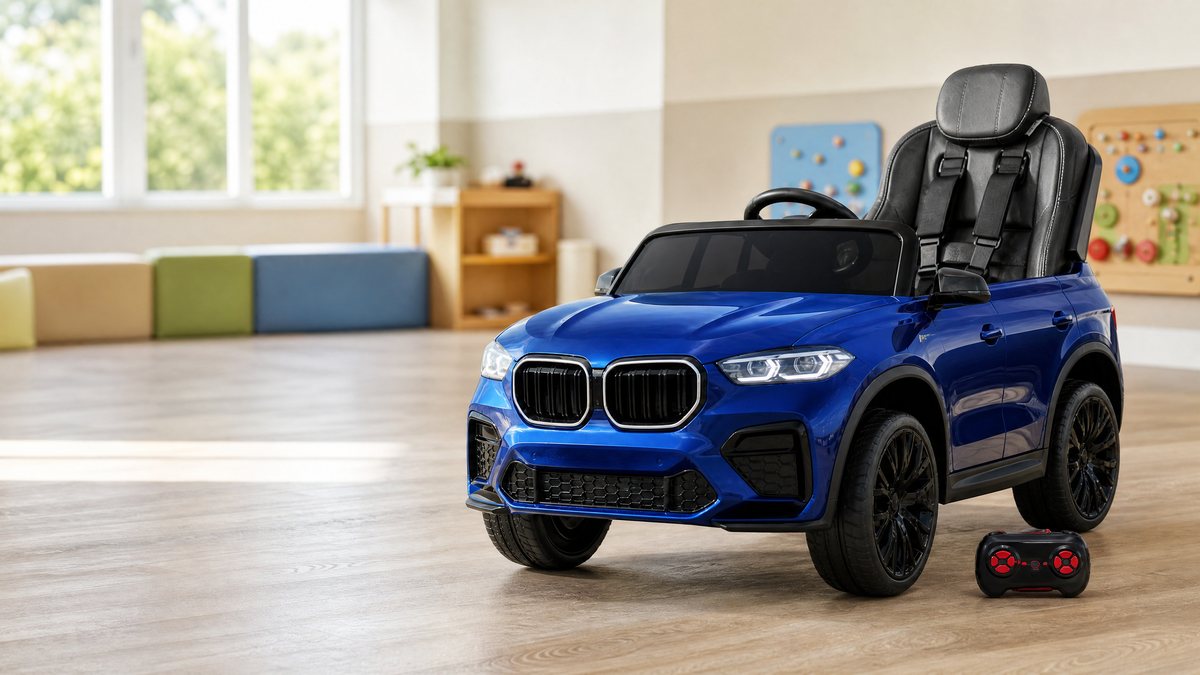
* Mid-Tier (Licensed & Feature-Rich): Officially licensed replicas (Mercedes-Benz, BMW, Audi, Lamborghini) featuring 12V dual motors, EVA foam tires, leather seats, and 2.4G parental remotes.
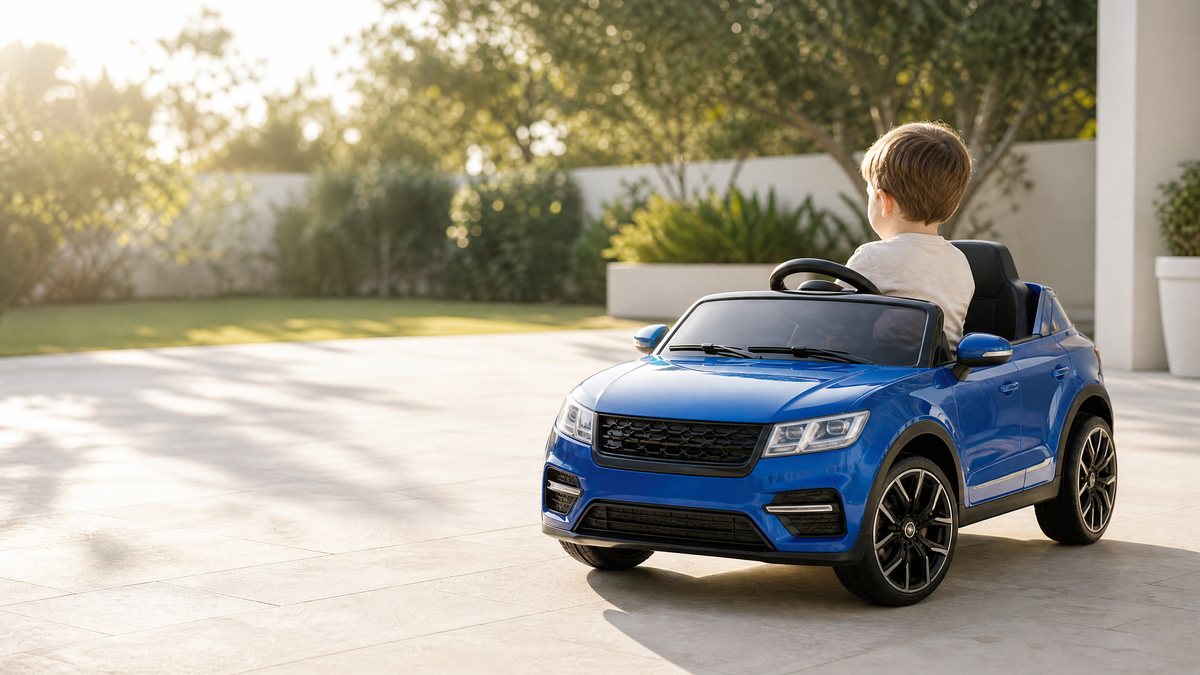
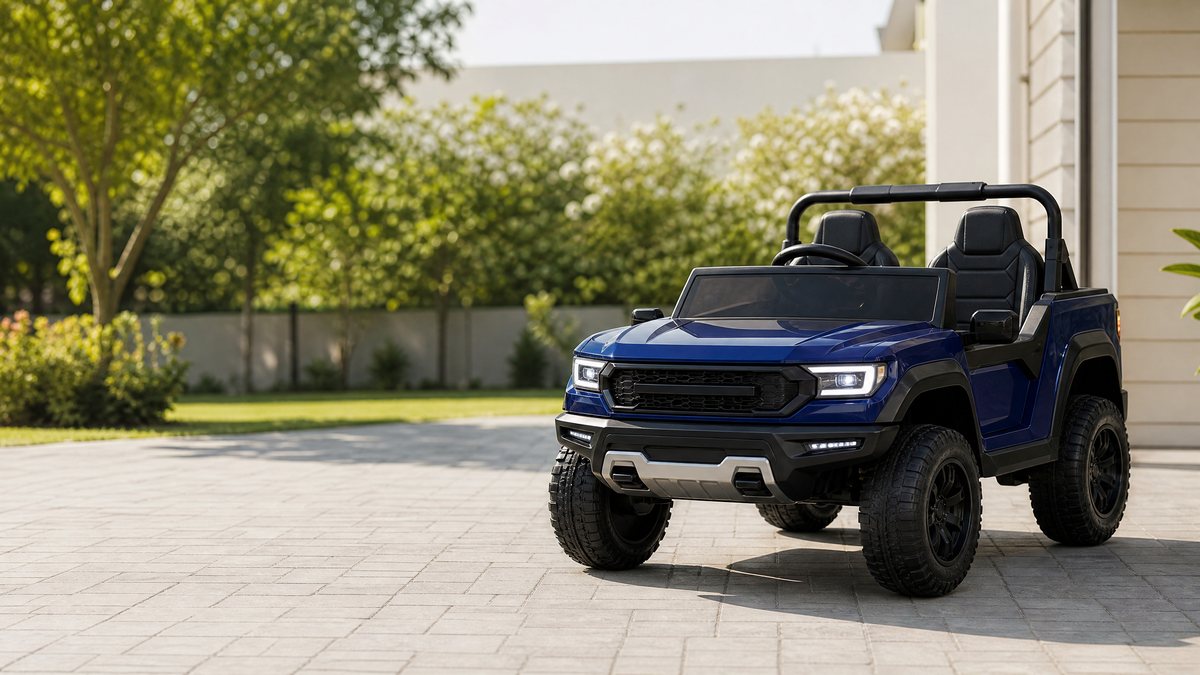
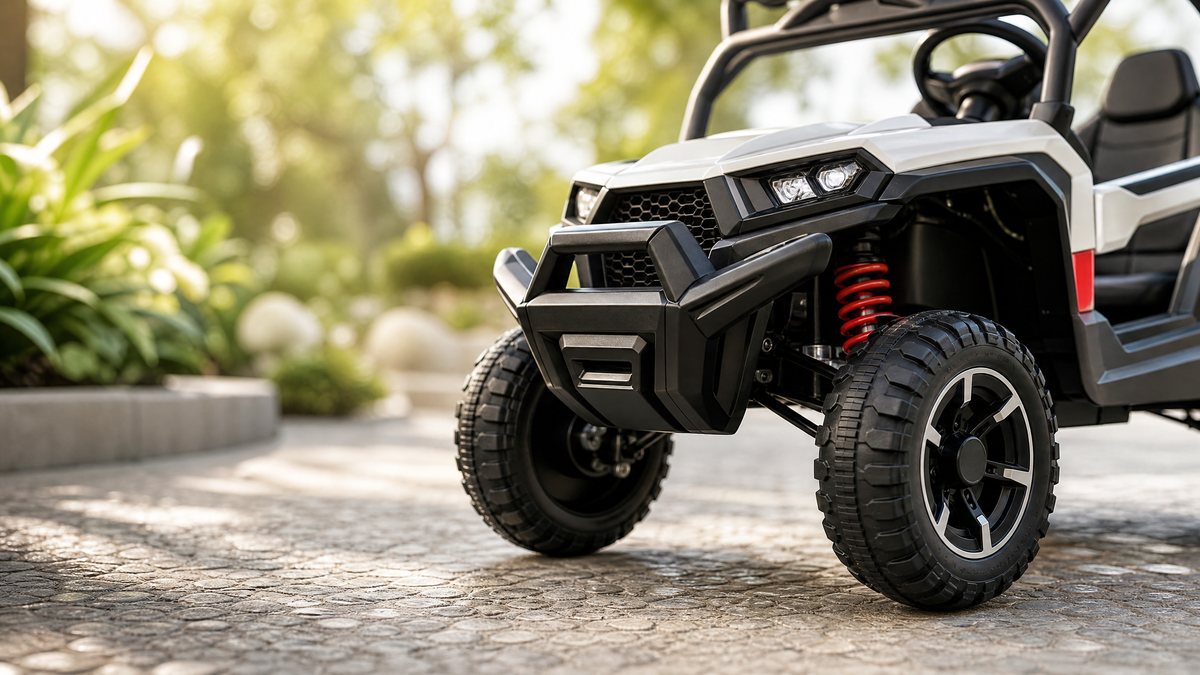
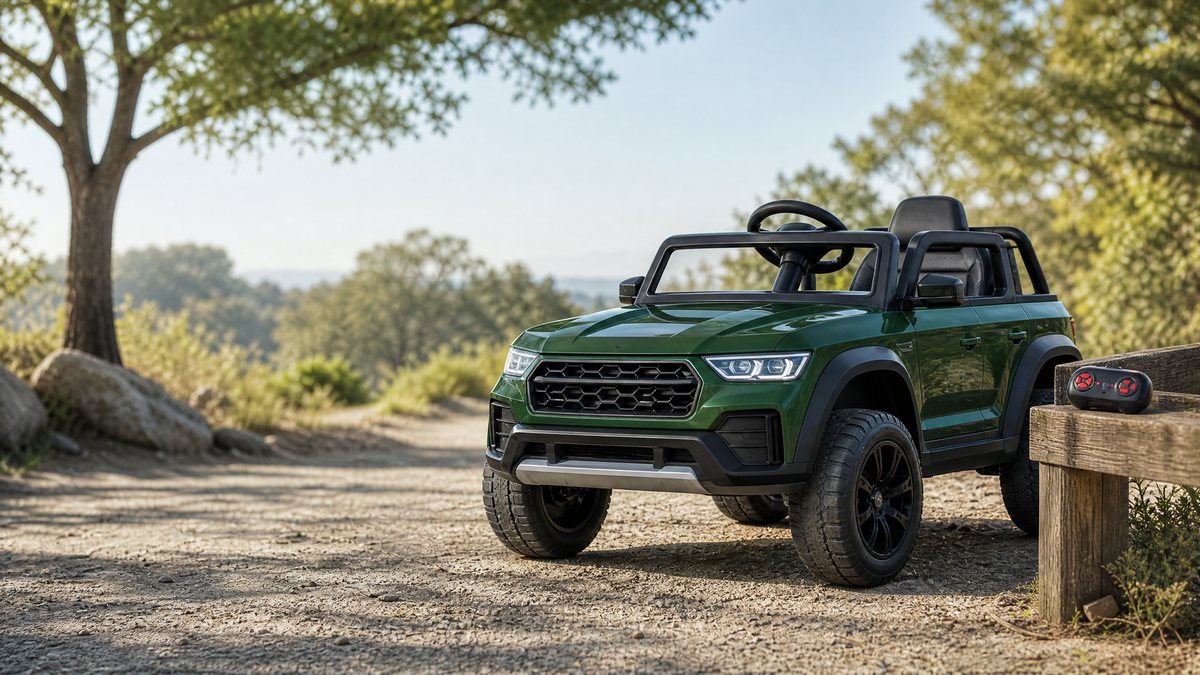
* High-End (Performance & Off-Road): 24V high-torque, heavy-duty 4WD ride-on trucks, buggies, and drift cars targeting affluent suburban families.
Financial Modeling and Unit Economics
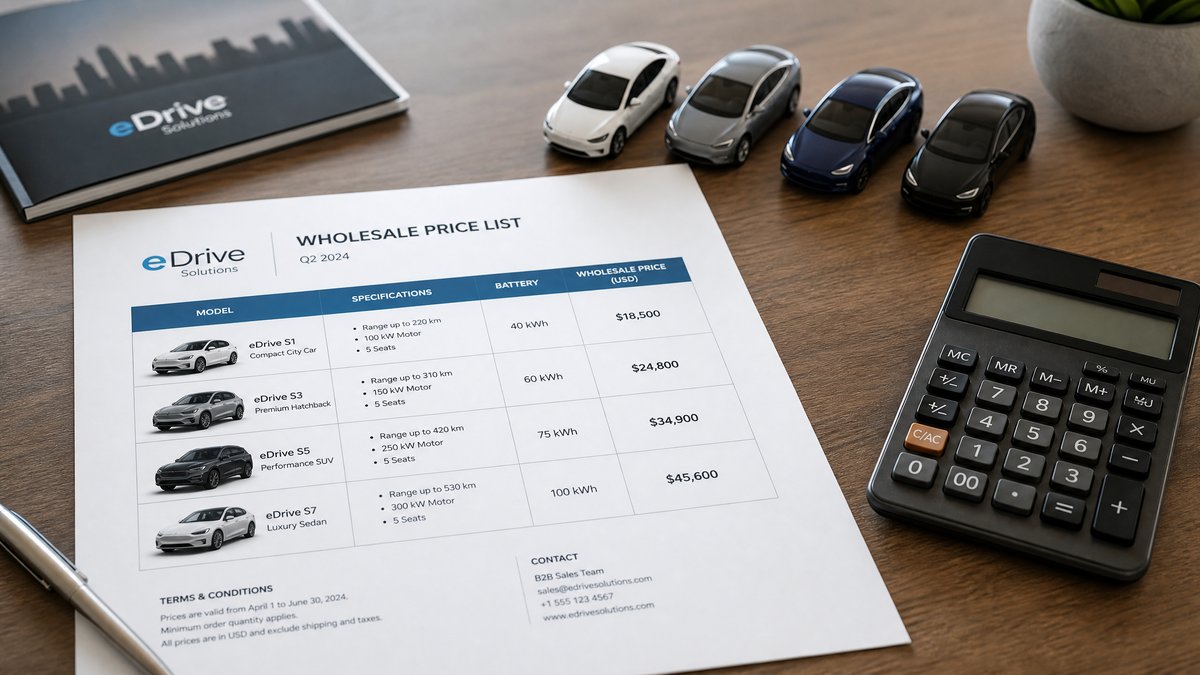
Building a sustainable brand requires calculating all landed costs, including Ex-Works (EXW) or Free On Board (FOB) manufacturing prices, ocean freight, customs duties, warehousing, marketing acquisition costs (CAC), and warranty reserves.
| Cost Component | Budget / Entry Tier | Mid-Tier (Licensed) | High-End / 24V Off-Road |
|---|---|---|---|
| Average FOB Price | $60 - $90 | $120 - $180 | $220 - $350 |
| Minimum Order Quantity (MOQ) | 200 - 500 pcs | 100 - 300 pcs | 50 - 150 pcs |
| Target Retail Price (MSRP) | $150 - $250 | $300 - $500 | $650 - $1,200 |
| Gross Margin Target | 45% - 55% | 50% - 65% | 60% - 70% |
Phase 2: Brand Identity, Legal Setup & IP Protection (Month 3)
With a validated financial model and target niche, focus shifts to establishing your corporate and brand identity. In international trade and retail, brand protection is paramount.
Trademark and Intellectual Property (IP) Registration
Secure your brand name and logo in your target sales regions (e.g., USPTO in the United States, EUIPO in Europe, UKIPO in the United Kingdom). Furthermore, if you intend to sell officially licensed replicas, ensure your manufacturing partners operate under legitimate licensing agreements with automotive brand conglomerates to avoid costly customs seizures and copyright infringement lawsuits.
Corporate Structure and Compliance Foundation
Establish appropriate legal entities, commercial liability insurance, and import-export licenses. Consult with legal counsel familiar with juvenile toy regulations to set up standard distributor agreements, warranty terms, and consumer safety disclaimers.
Phase 3: Sourcing, Manufacturing & Product Development (Months 4–6)
Product quality is the ultimate foundation of brand equity. A single batch of defective gearboxes or non-compliant batteries can permanently damage retail relationships and consumer trust.
Vetting and Selecting OEM/ODM Manufacturing Partners
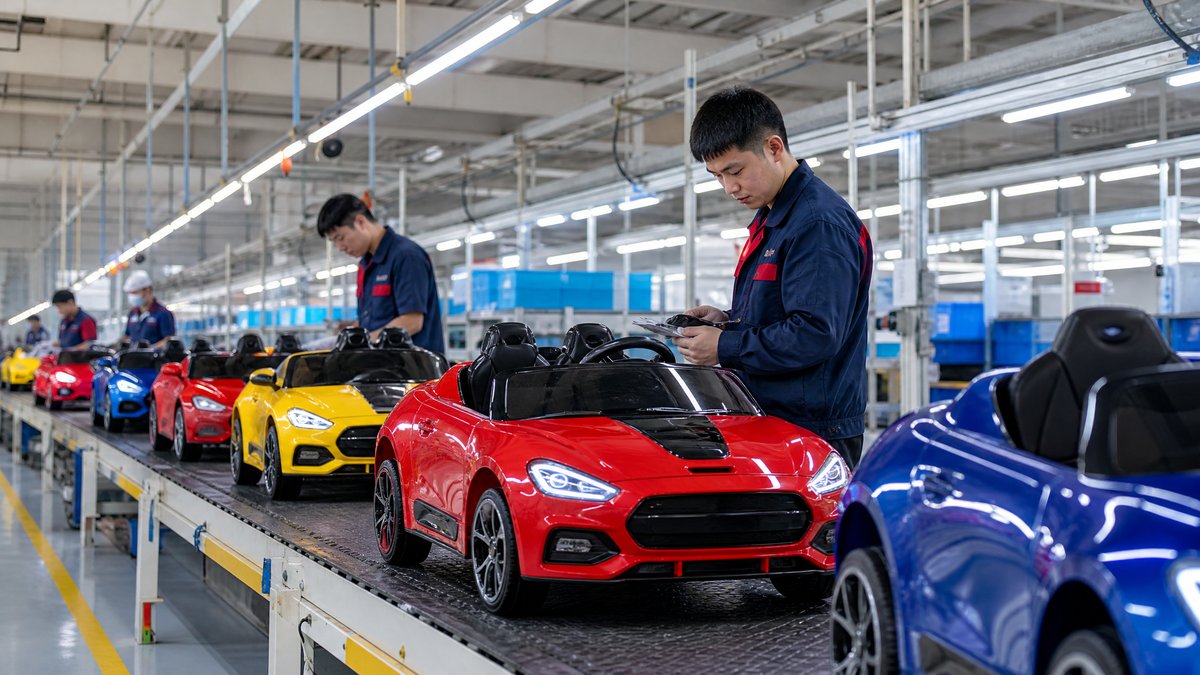
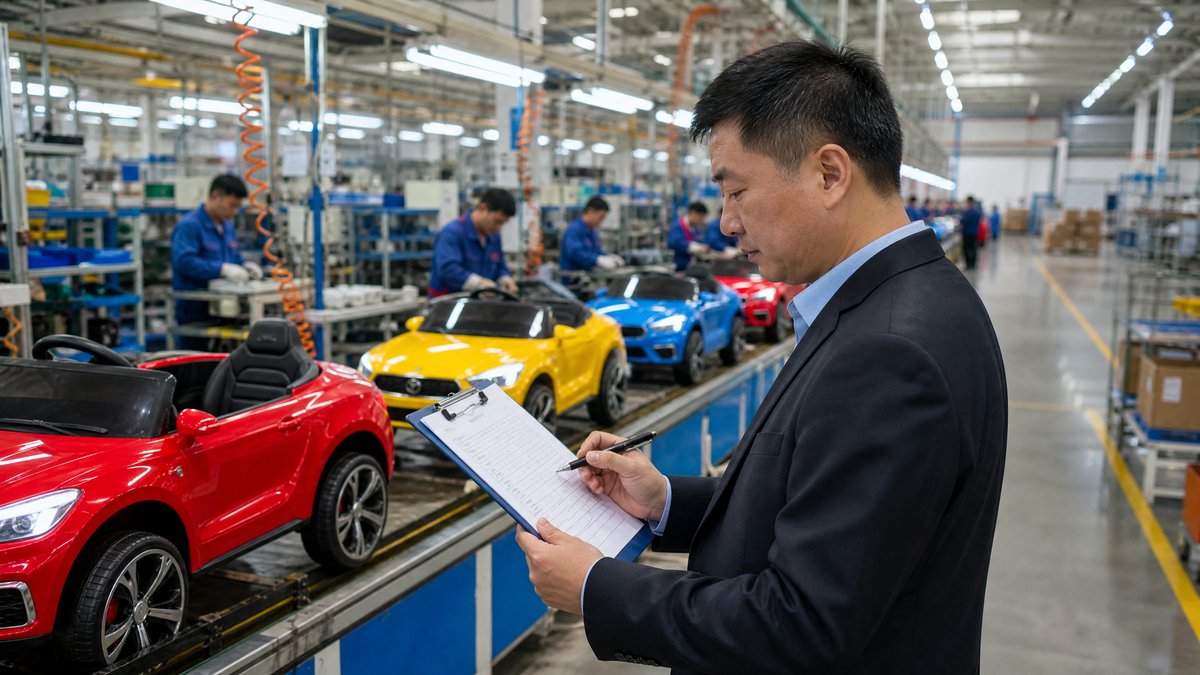
Partner with experienced ride-on car manufacturers who possess proven export experience and rigorous quality control protocols. Key criteria for evaluating suppliers include:
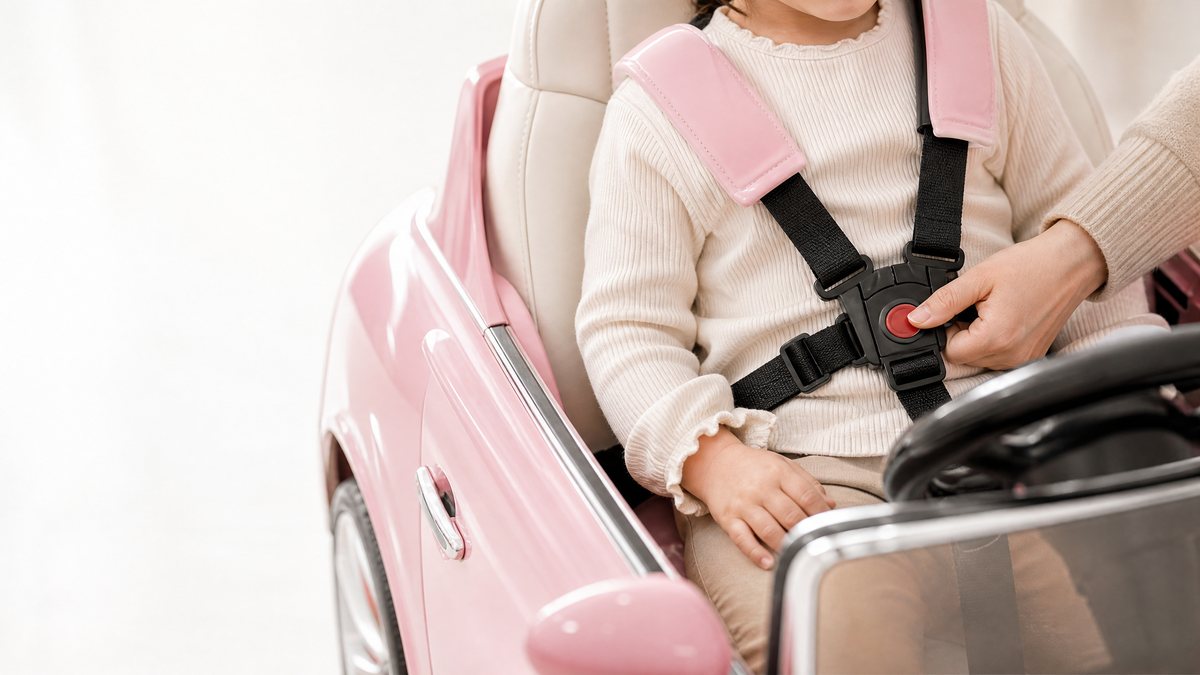
* Compliance Certifications: Verify that factories hold ISO9001 quality management standards and that their products comply with regional safety standards such as EN71, EN62115, ASTM F963, and CPSIA.
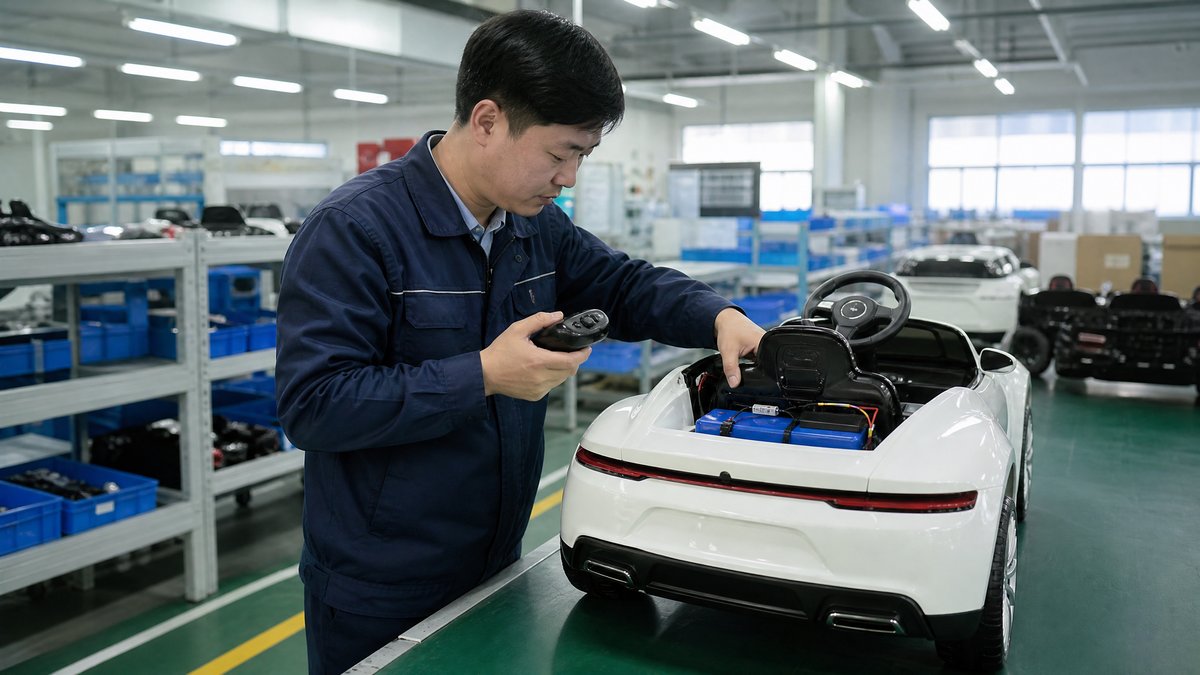
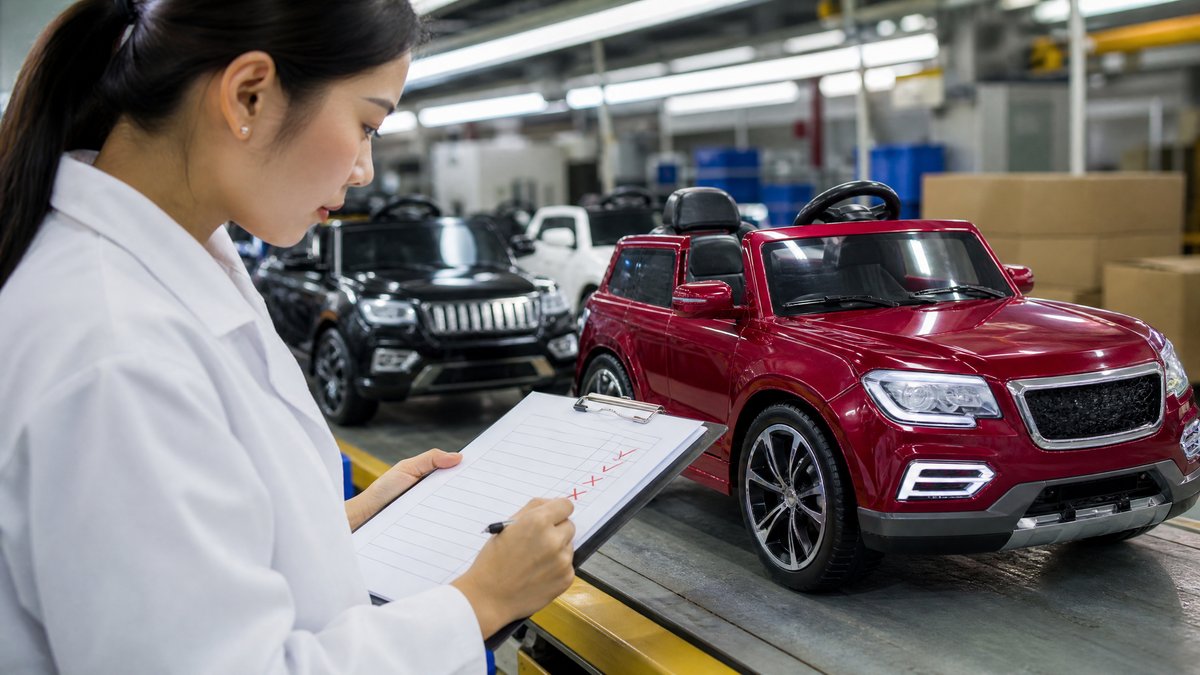
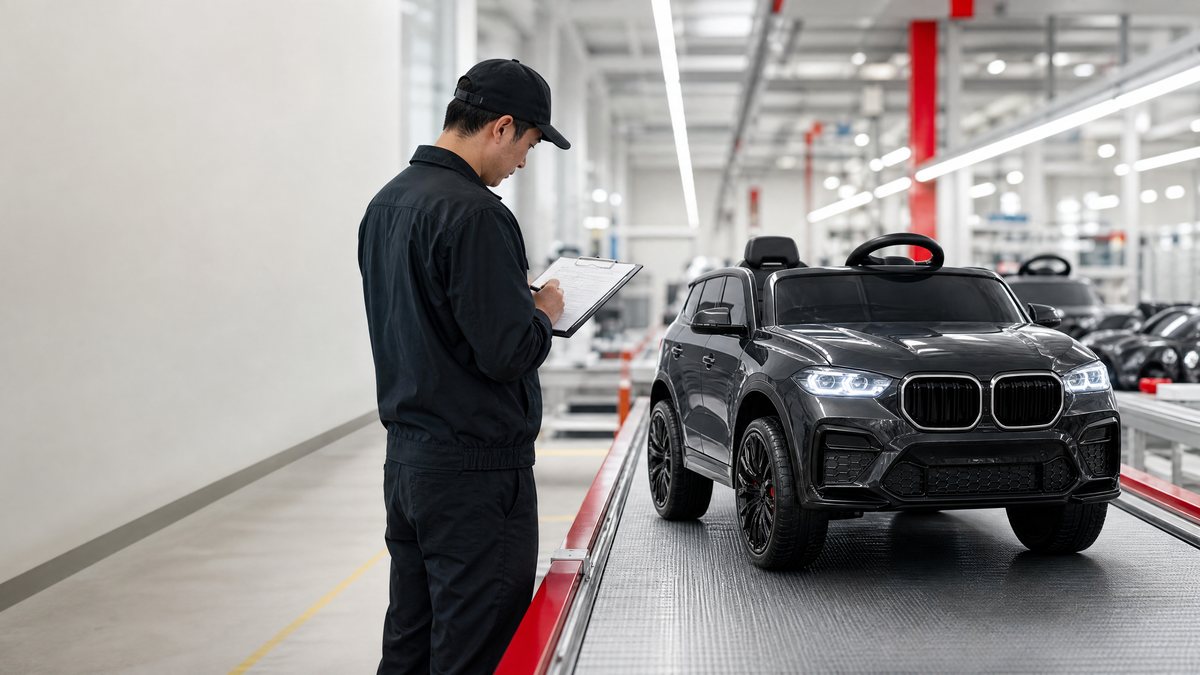
* In-House Testing Capabilities: Ensure the facility conducts drop tests, motor burn-in tests, battery life cycles, and remote-control signal range checks.
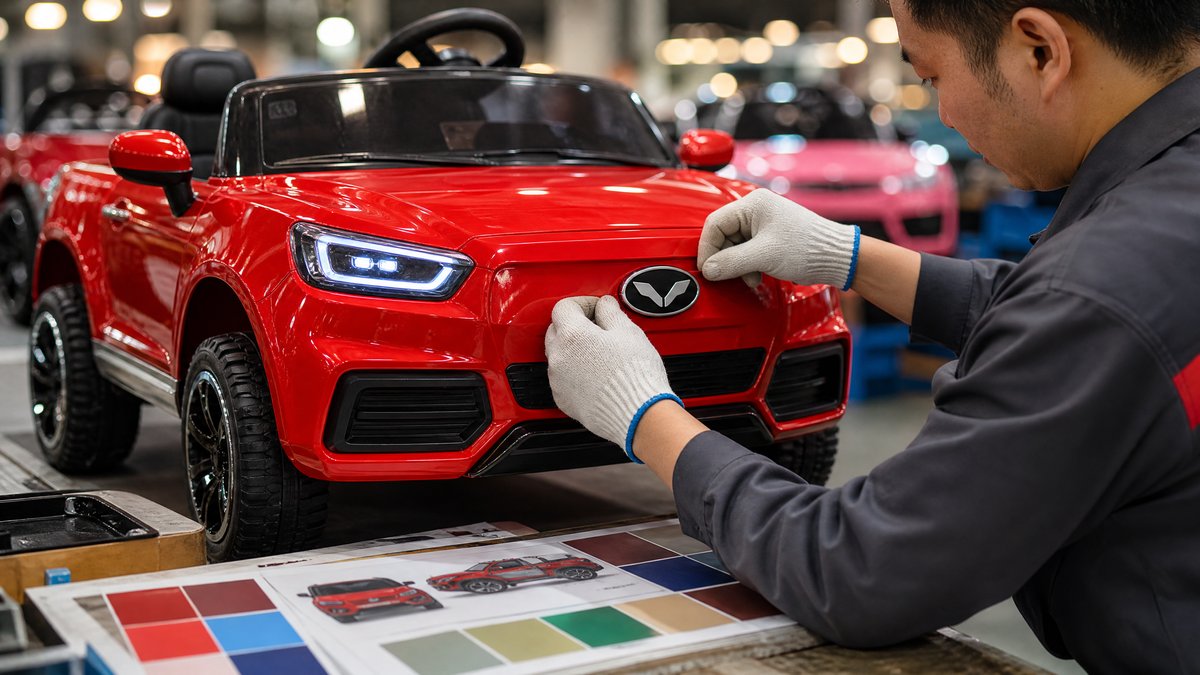
* Customization (ODM/OEM) Flexibility: Assess their capacity to customize body colors, dashboard branding, custom steering wheels, packaging boxes, and instruction manuals.
Prototyping and Sample Evaluation
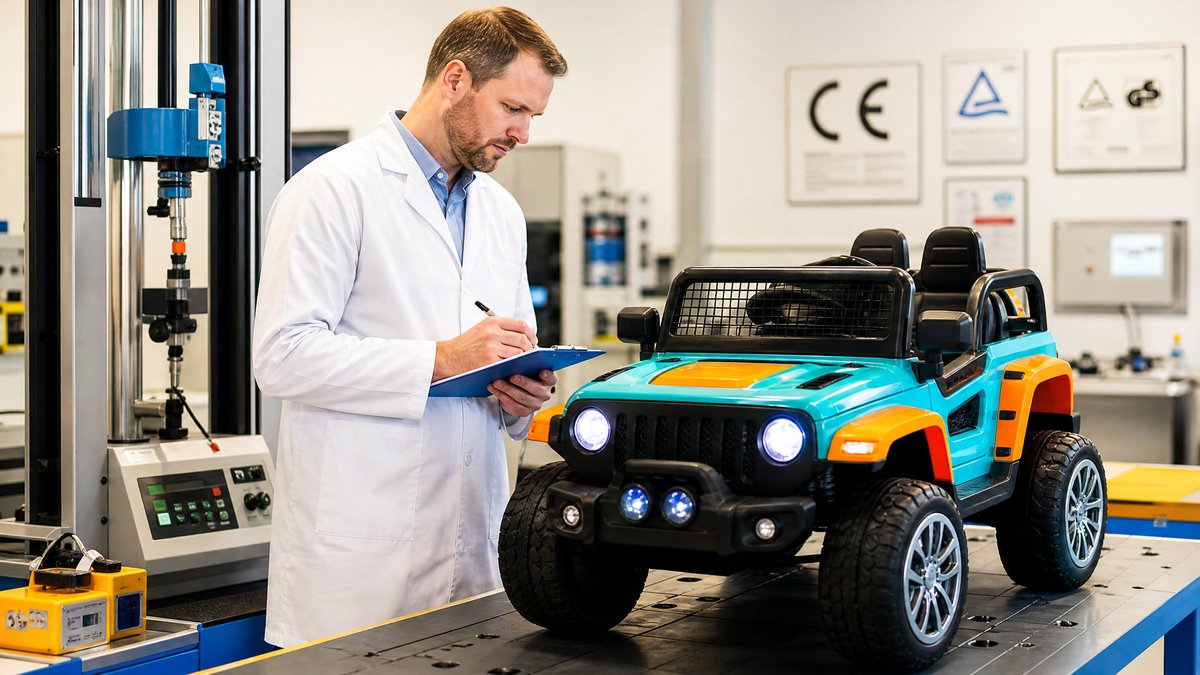
Order functional samples of your core models. Subject them to rigorous real-world testing: evaluate assembly ease for end consumers, plastic wall thickness, motor torque on inclines, battery charging efficiency, and remote override responsiveness. Refine any design flaws before approving mass production.
Phase 4: Regulatory Compliance & Packaging Design (Months 7–8)
Navigating international toy safety regulations is mandatory before importing goods into major commercial markets.
Mandatory Certifications and Lab Testing
Work with accredited third-party testing laboratories (such as SGS, TÜV Rheinland, or Intertek) to test your final production samples. Ensure compliance reports are fully issued under your brand name or designated importer entity.
* North America: ASTM F963-17 and CPSIA for mechanical hazards, flammability, and heavy metal limits; FCC certification for wireless 2.4G remote controls.
* Europe: CE-EN71 (Part 1, 2, 3), EN62115 (Electric Toys Safety), EMC, and RoHS directives.
Packaging and Unboxing Experience
Design durable, drop-tested 5-layer corrugated master cartons with clear palletization markings. Because ride-on cars are often purchased as gifts, the unboxing experience and graphic carton design significantly influence retail buyer satisfaction and social media user-generated content (UGC).
Phase 5: Supply Chain, Logistics & Inventory Management (Months 9–10)
Managing lead times, ocean freight volatility, and warehousing logistics ensures your products arrive on schedule for key retail seasons (such as Q4 holiday shopping).
Freight Forwarding and Customs Clearance
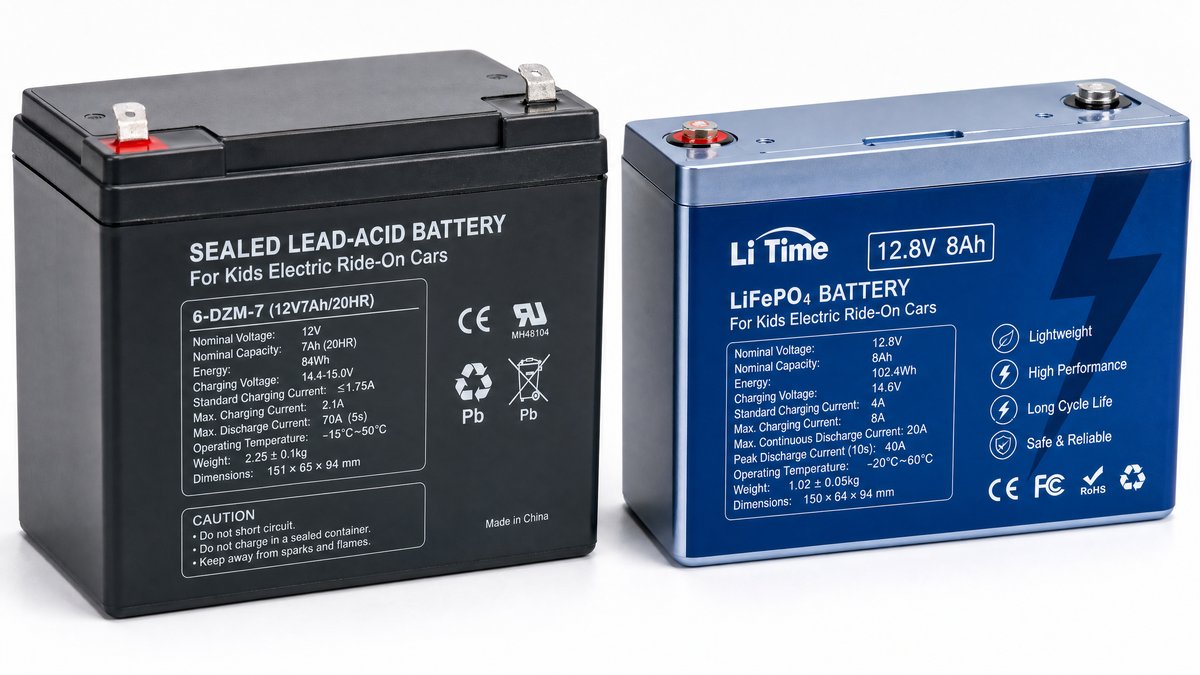
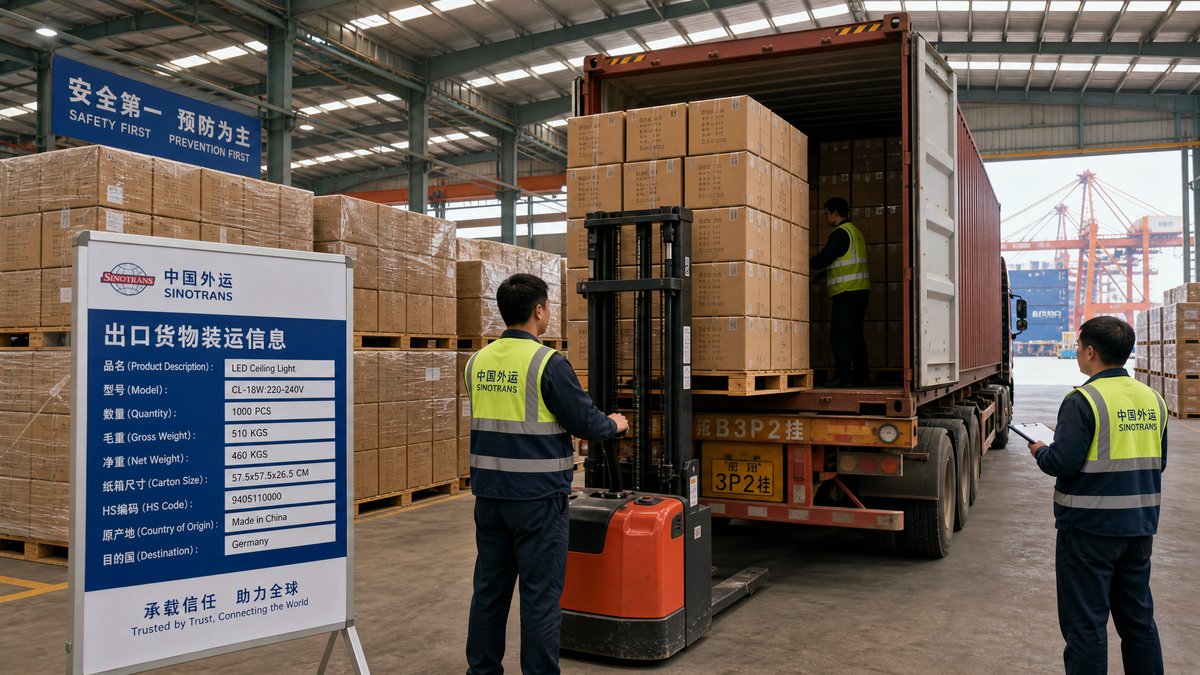
Establish relationships with reliable freight forwarders specializing in oversized consumer goods and hazardous materials (lithium or lead-acid batteries). Ensure accurate Harmonized System (HS) codes are applied to minimize tariff burdens.
Warehousing and Inventory Buffer
Plan your inventory replenishment cycle accounting for 30–45 days of ocean transit, customs clearance buffers, and domestic fulfillment lead times. Maintain a safety stock of high-turnover spare parts (motherboards, gearboxes, chargers, and remote handsets) to support B2B dealer warranty claims efficiently.
Phase 6: Go-To-Market Strategy & Channel Launch (Months 11–12)
The final phase involves activating your sales channels, onboarding retail partners, and executing targeted marketing campaigns to generate initial market traction.
Building B2B Wholesale and Direct-to-Consumer (D2C) Channels
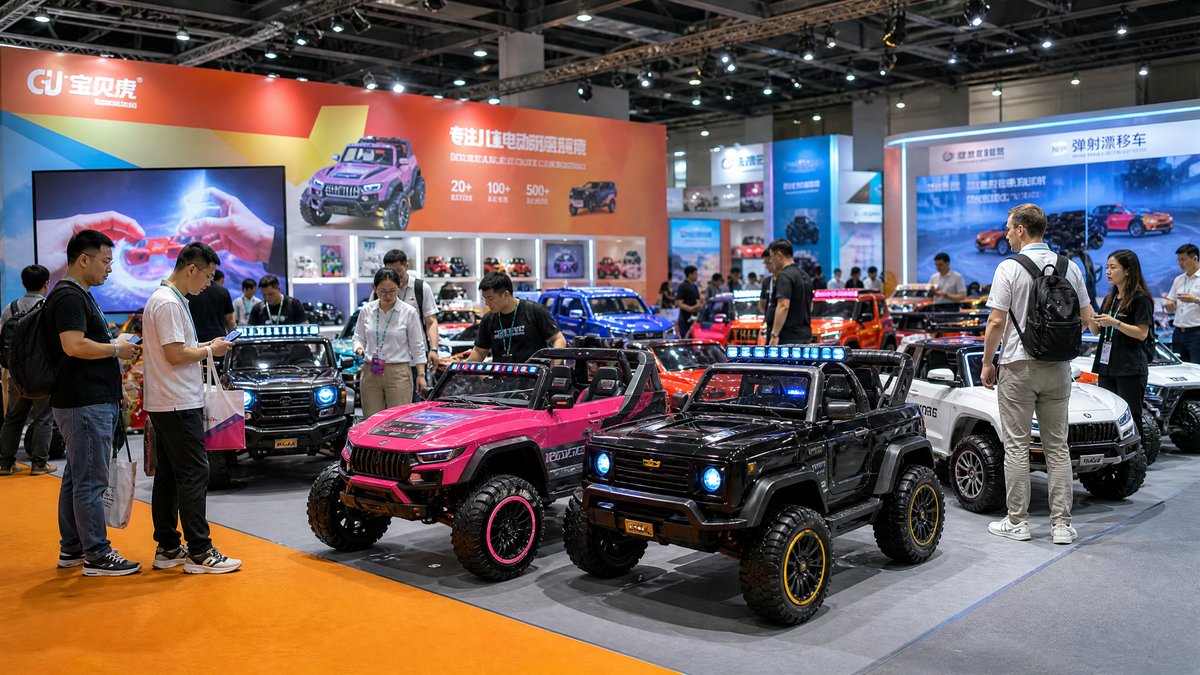
* B2B Wholesale Network: Exhibit at major industry trade shows (such as the Spielwarenmesse Nuremberg or Hong Kong Toys & Games Fair) and build a robust digital wholesale portal with tiered pricing and drop-shipping capabilities.
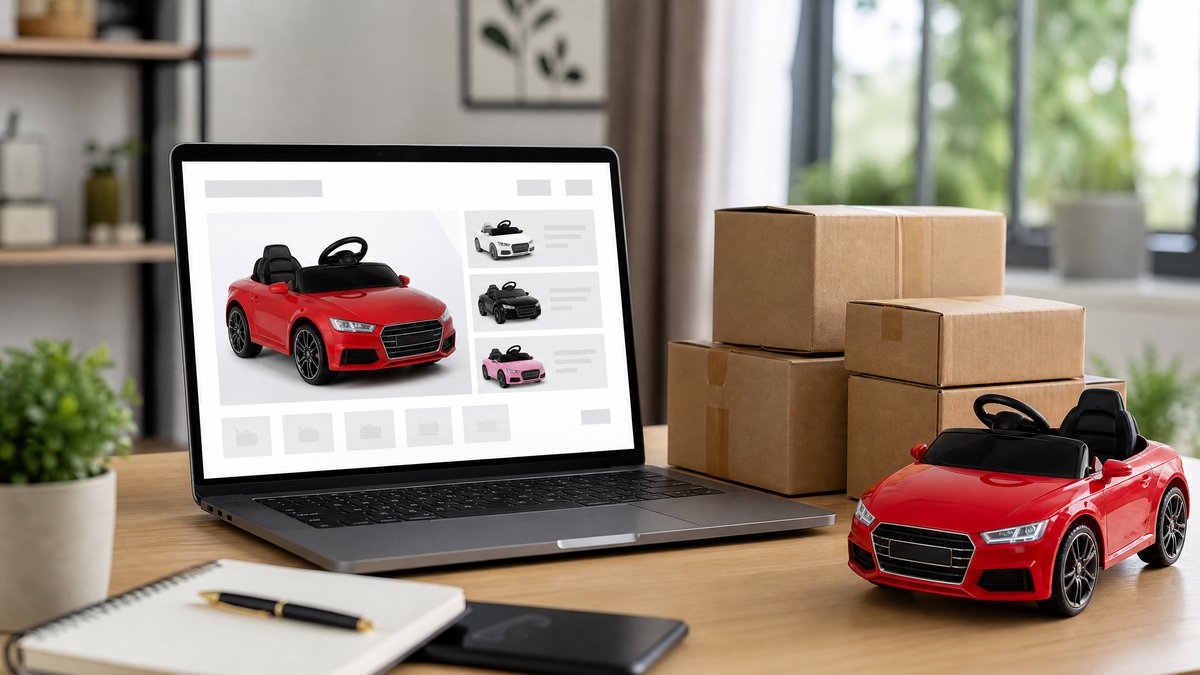
* D2C Brand Website & Amazon Storefront: Launch an optimized e-commerce store featuring high-resolution 3D renders, assembly demonstration videos, and clear warranty policies.
Influencer Marketing and Digital PR
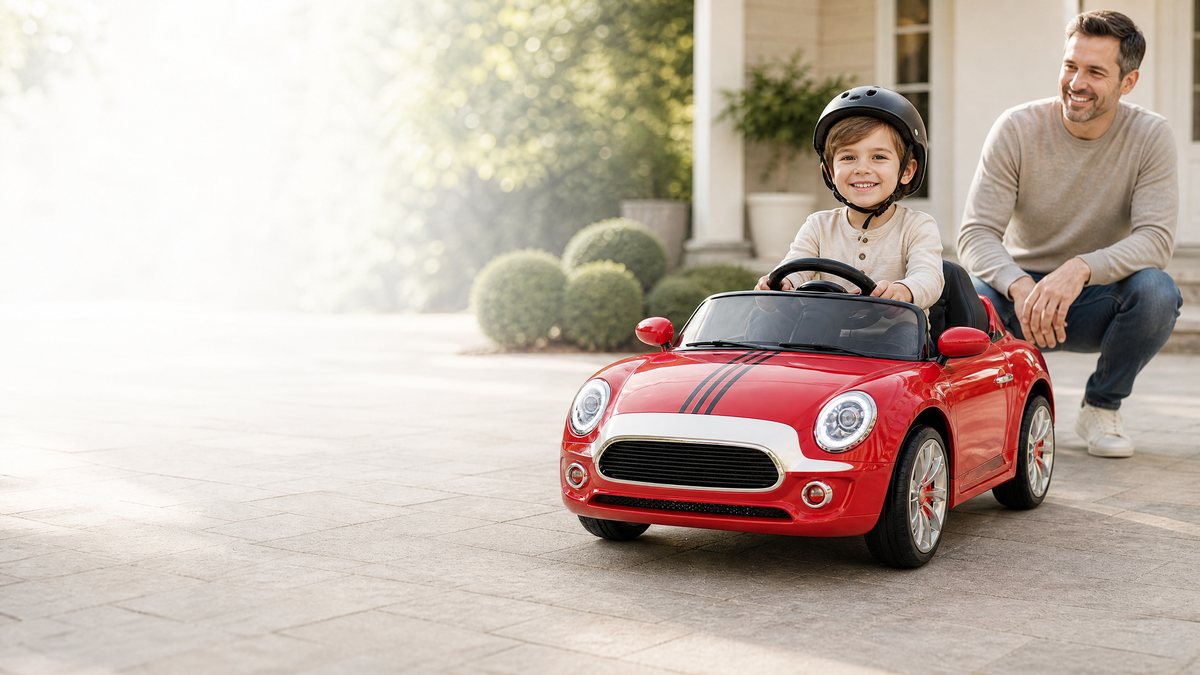
Partner with parenting bloggers, family lifestyle YouTubers, and TikTok creators to showcase unboxing and outdoor driving experiences. Authentic reviews build immediate consumer trust and drive wholesale inbound inquiries from regional retailers.
Frequently Asked Questions (FAQ)
1. What is the typical Minimum Order Quantity (MOQ) when working with ride-on car manufacturers?
MOQs vary depending on the level of customization. Standard catalog models with custom brand stickers often have an MOQ of 100 to 200 units per model. Fully customized body tooling or proprietary color injection molds typically require MOQs starting at 500 to 1,000 units.
2. Which electrical system is better for a new brand: 12V or 24V?
Both serve distinct market segments. 12V ride-on cars represent the highest volume category, ideal for younger children (ages 2–6) and competitive price points. 24V models command higher profit margins, appeal to older kids (ages 6–10), and feature dual motors or 4WD systems suited for rough terrain.
3. How long does the entire product development and manufacturing process take?
From initial concept design and factory selection to mass production, regulatory testing, and ocean shipping, the typical timeline ranges from 6 to 9 months, with brand setup and market positioning spanning the full 12-month roadmap.
4. What are the most critical safety standards required for importing kids ride-on cars?
For the US market, products must comply with ASTM F963 and CPSIA regulations. For the European Union, compliance with EN71, EN62115 (electric safety), and CE marking is strictly mandatory. Always obtain official test reports from accredited laboratories.
Conclusion and Next Steps
Building a successful kids electric ride-on car brand requires a disciplined approach combining engineering quality, stringent regulatory compliance, and strategic marketing. By following this 12-month roadmap, international wholesalers and entrepreneurs can mitigate operational risks and establish a defensible, high-margin brand in the growing juvenile mobility sector.
To discuss OEM manufacturing partnerships, custom product lines, and wholesale supply chain solutions for your new brand, contact our expert team today at mailto:info@kidsridecar.com.
Official references
Explore these external resources for current regulatory and trade guidance. Confirm requirements with the relevant authority before placing an order.
Ready to Start?
Factory-Direct · CE & ASTM Certified · MOQ from 50 Units
Our export team works with buyers in 60+ countries. Get a quote within 24 hours.
KR
Written by KidsRideCar
China's leading kids electric ride-on car manufacturer. 500,000+ units shipped annually to 60+ countries. CE, ASTM & EN71 certified.