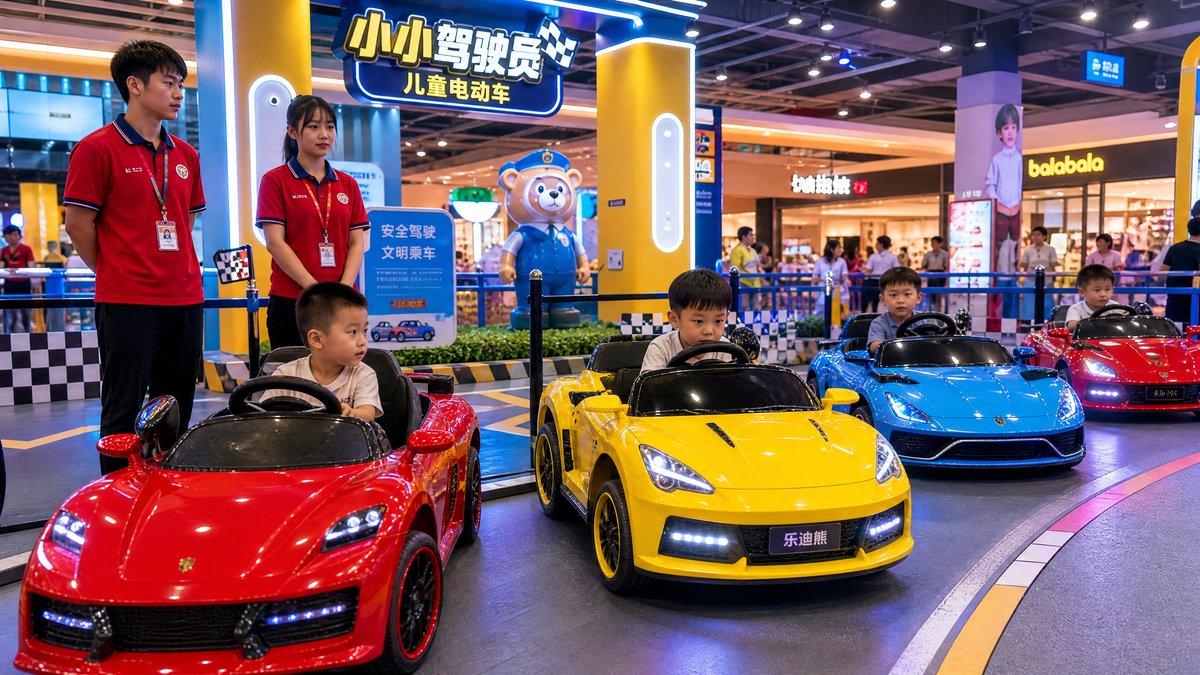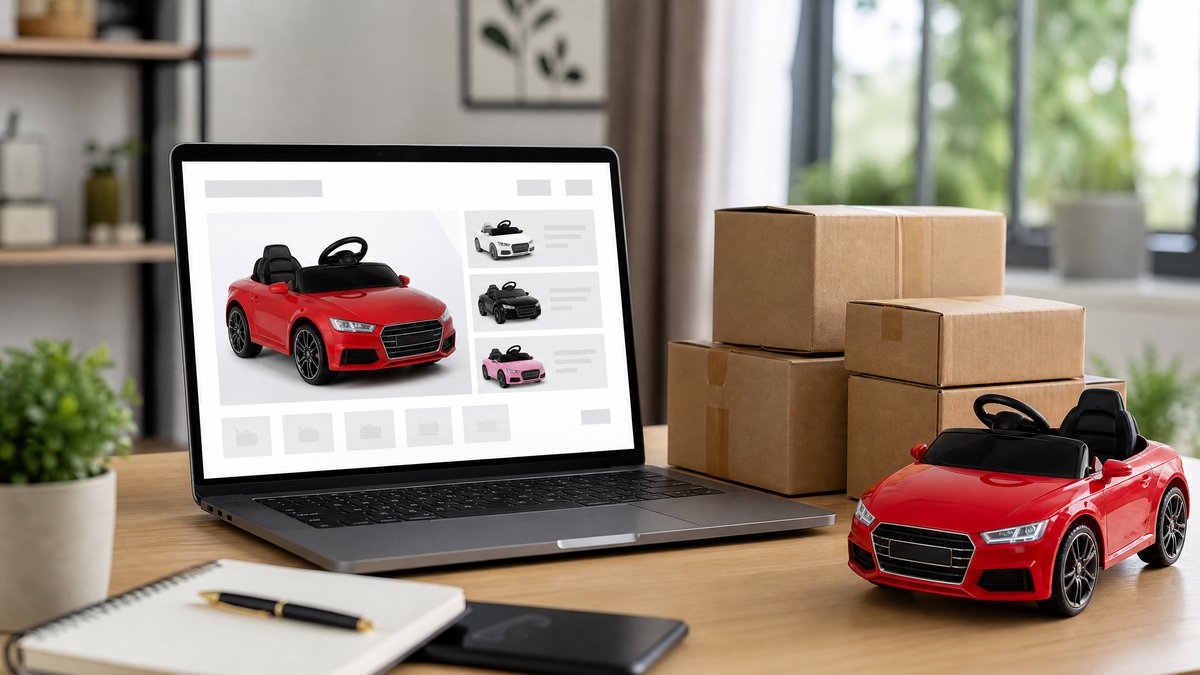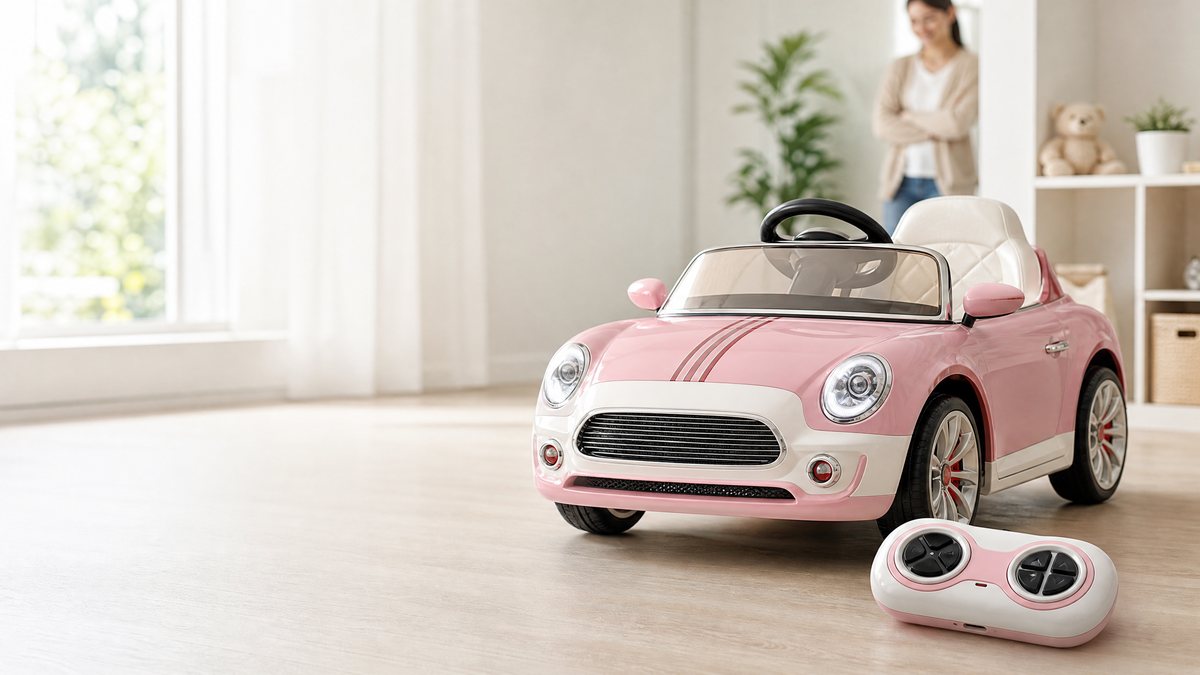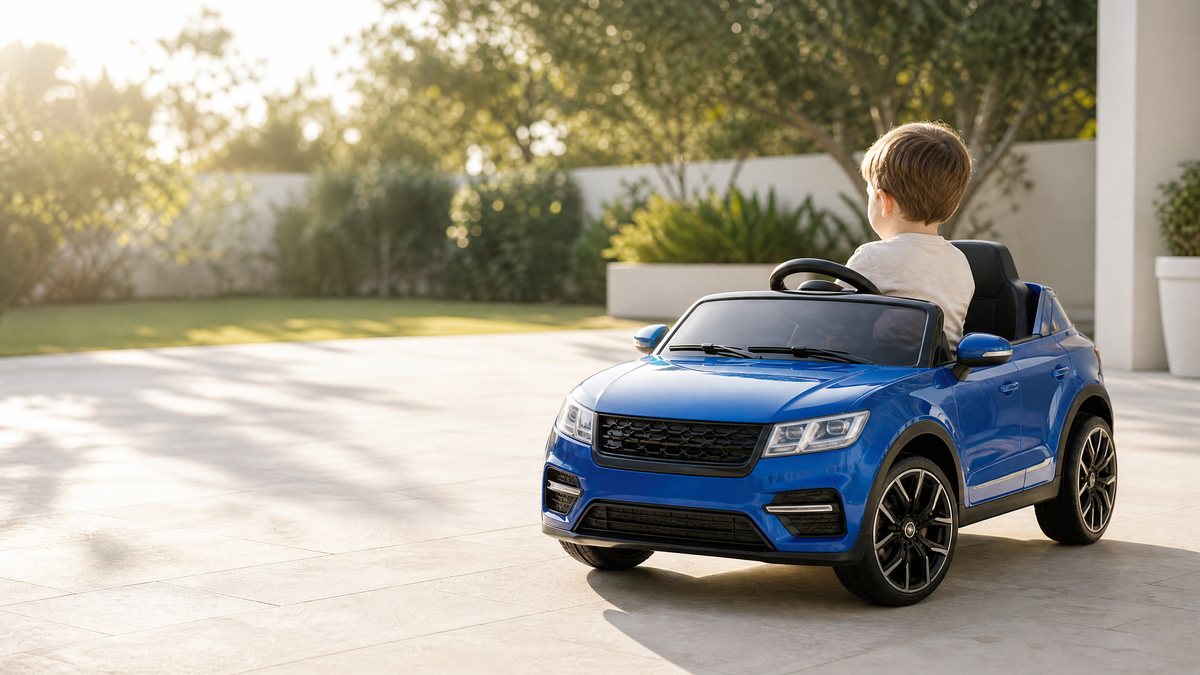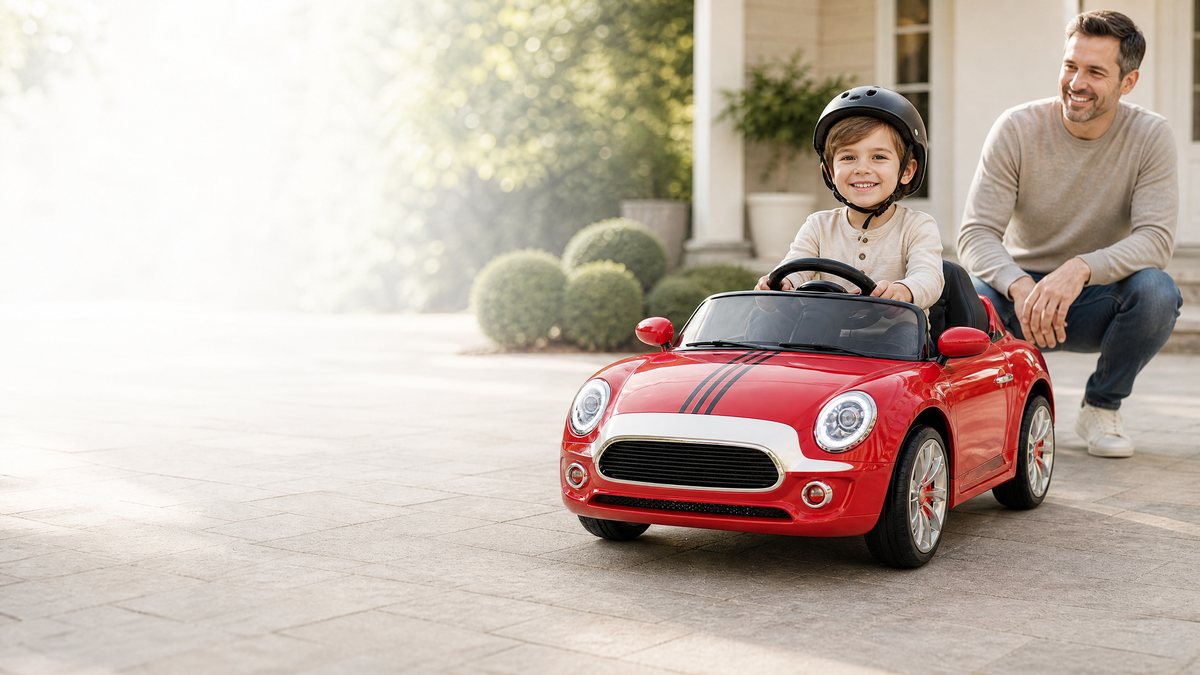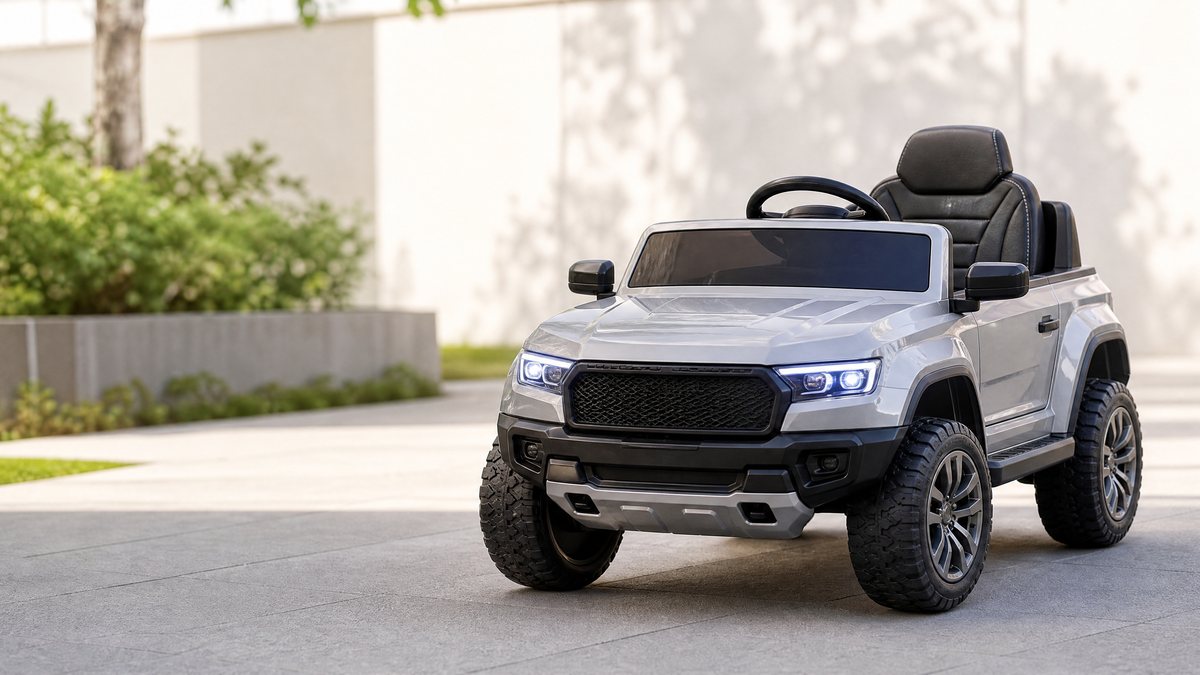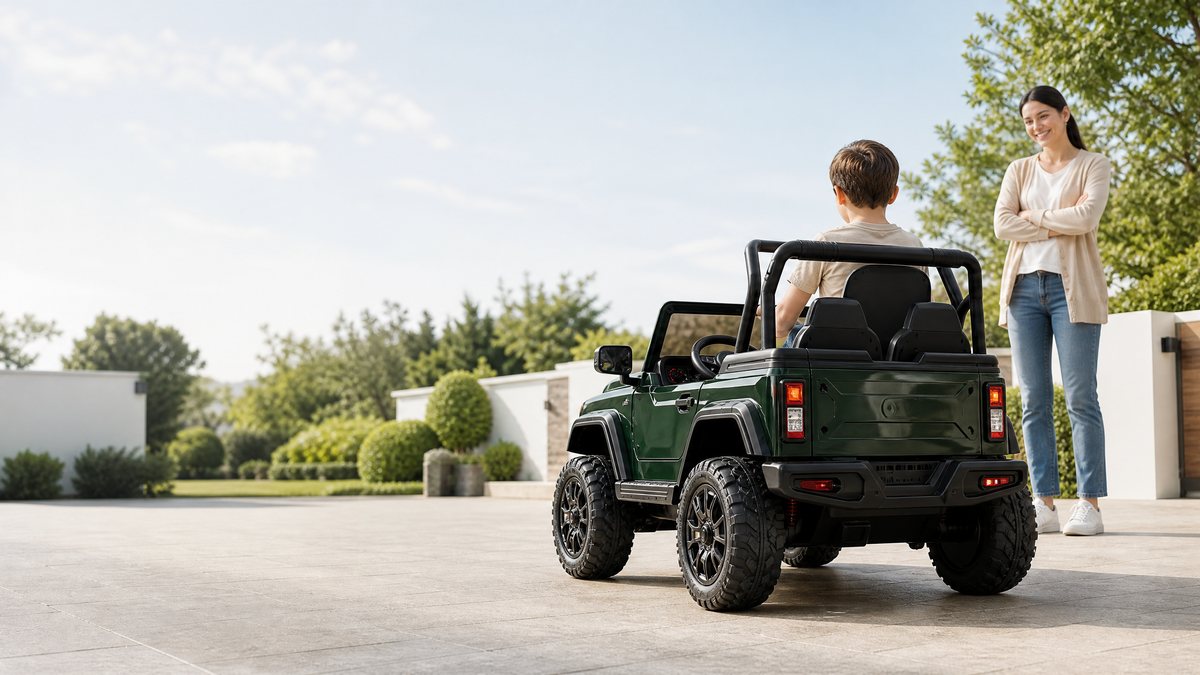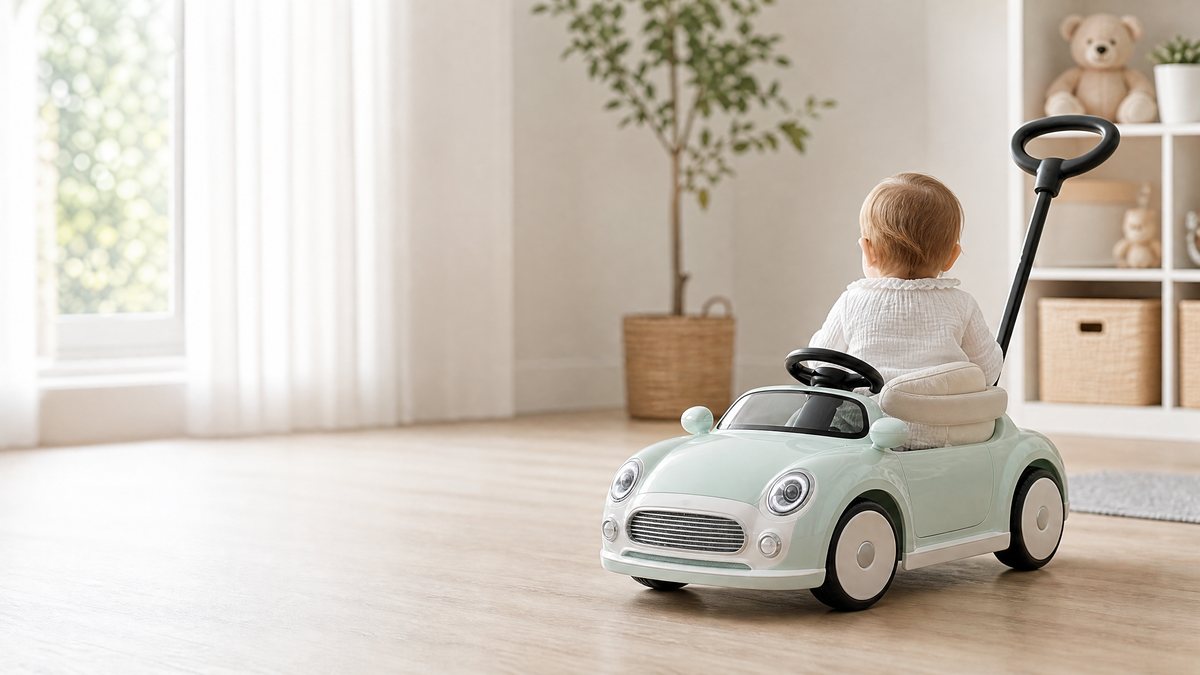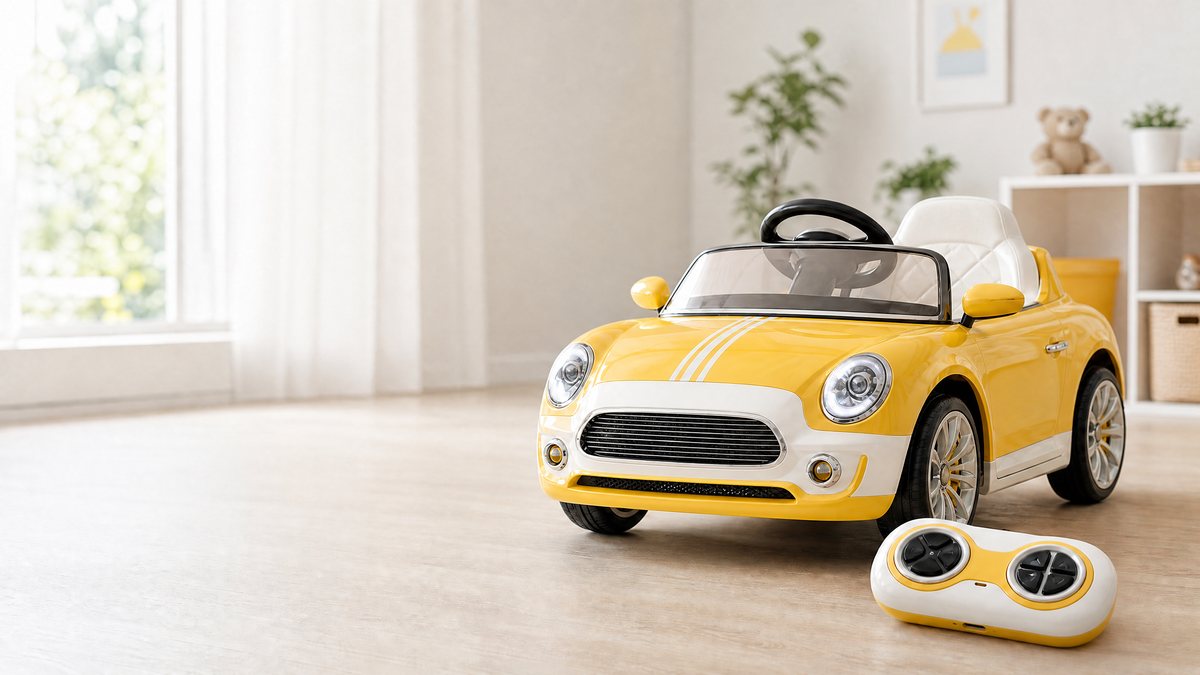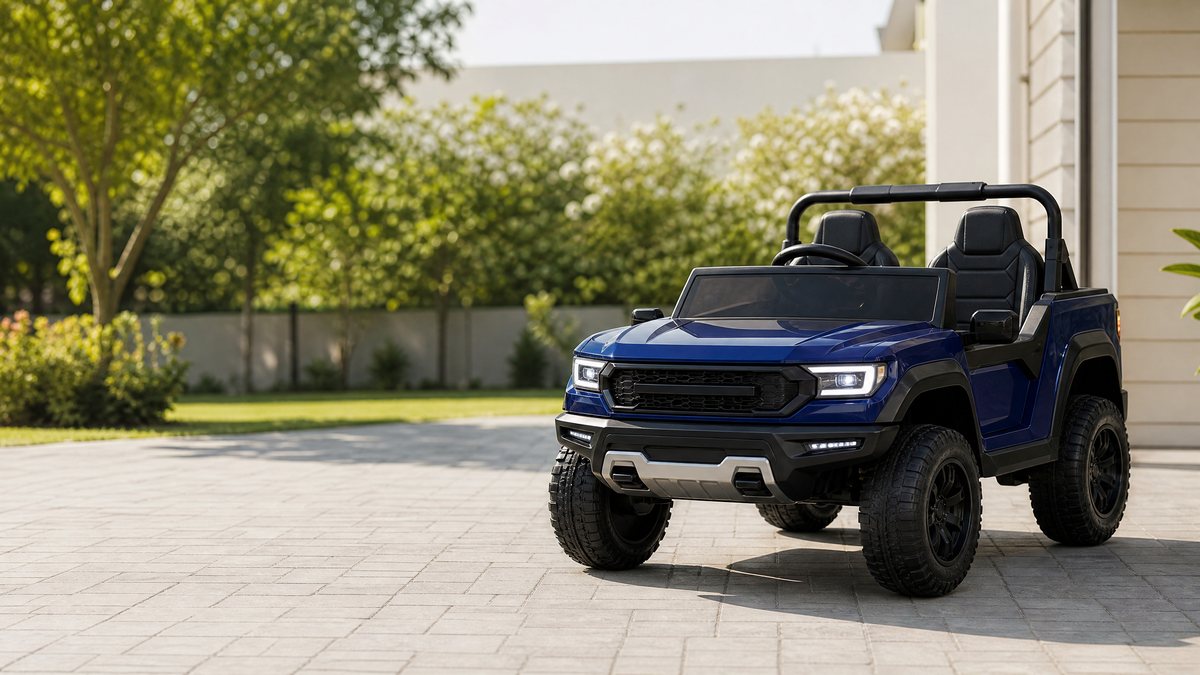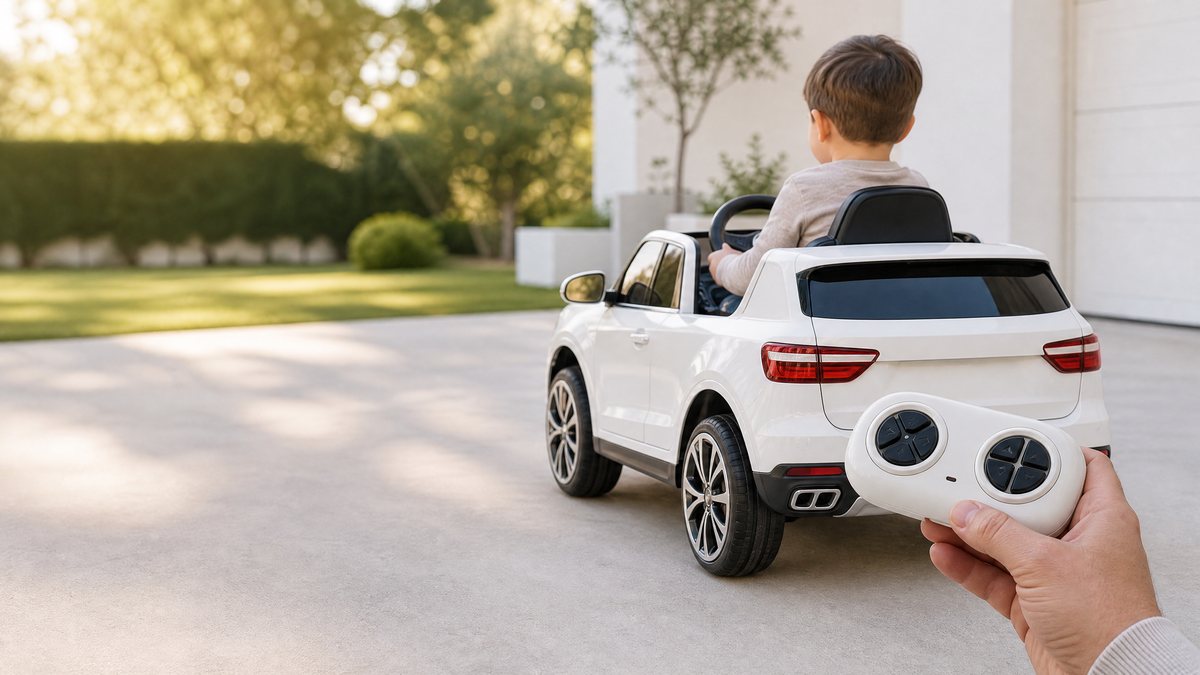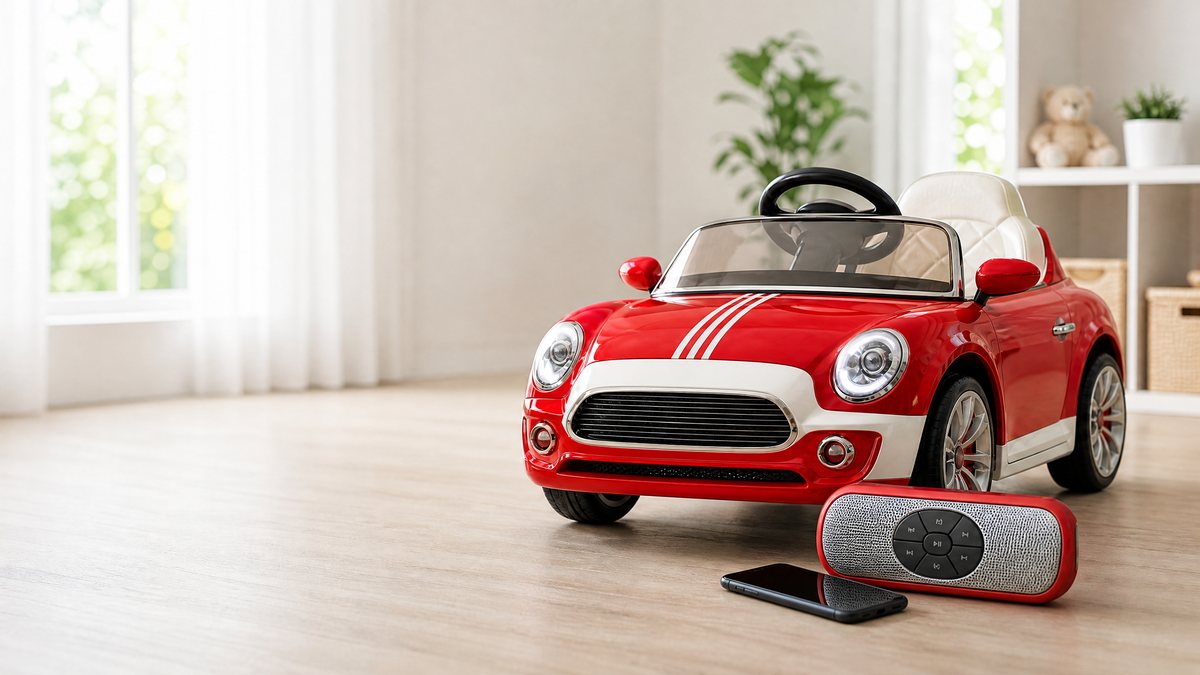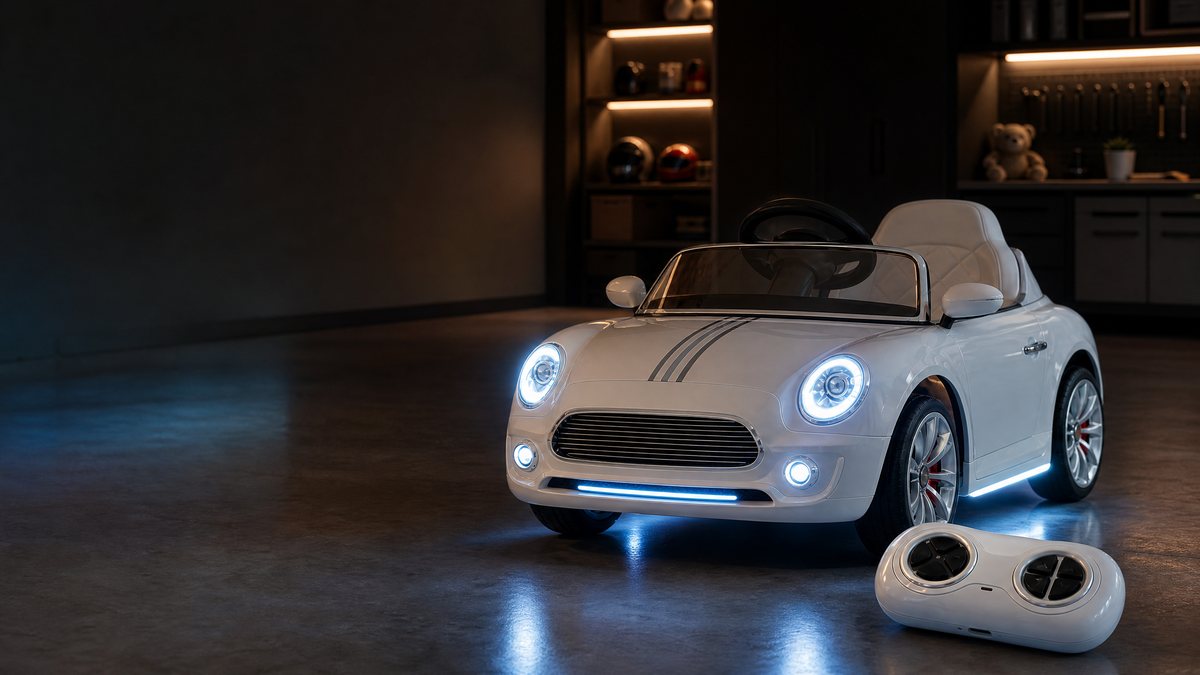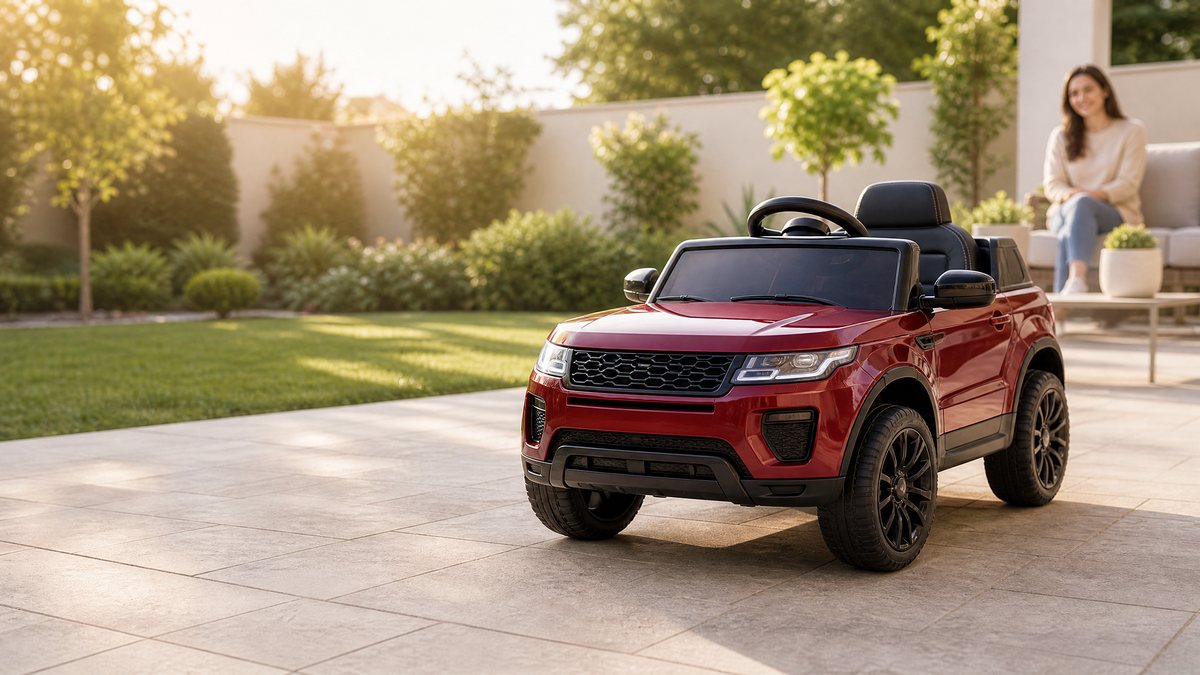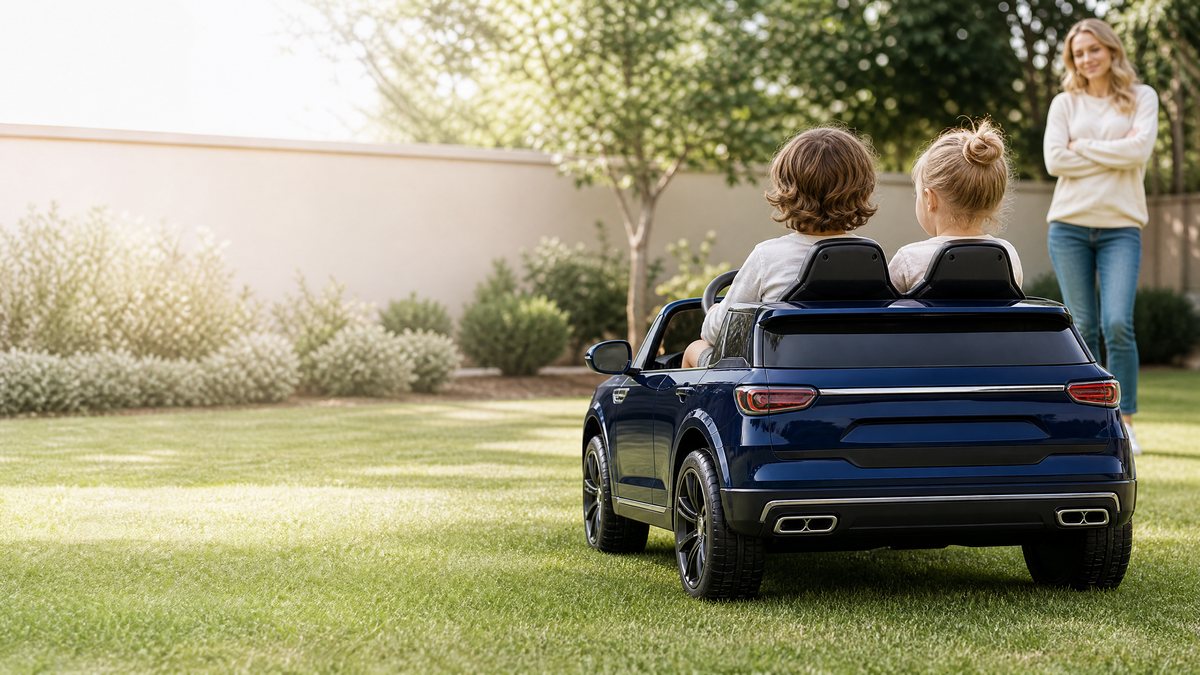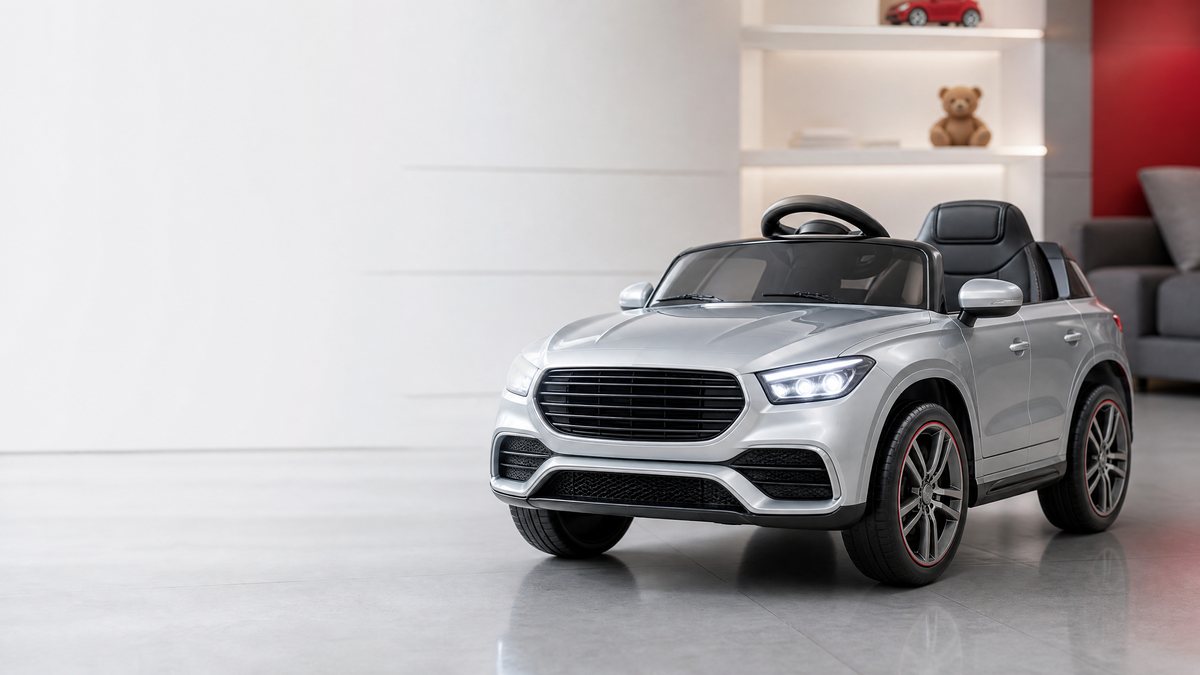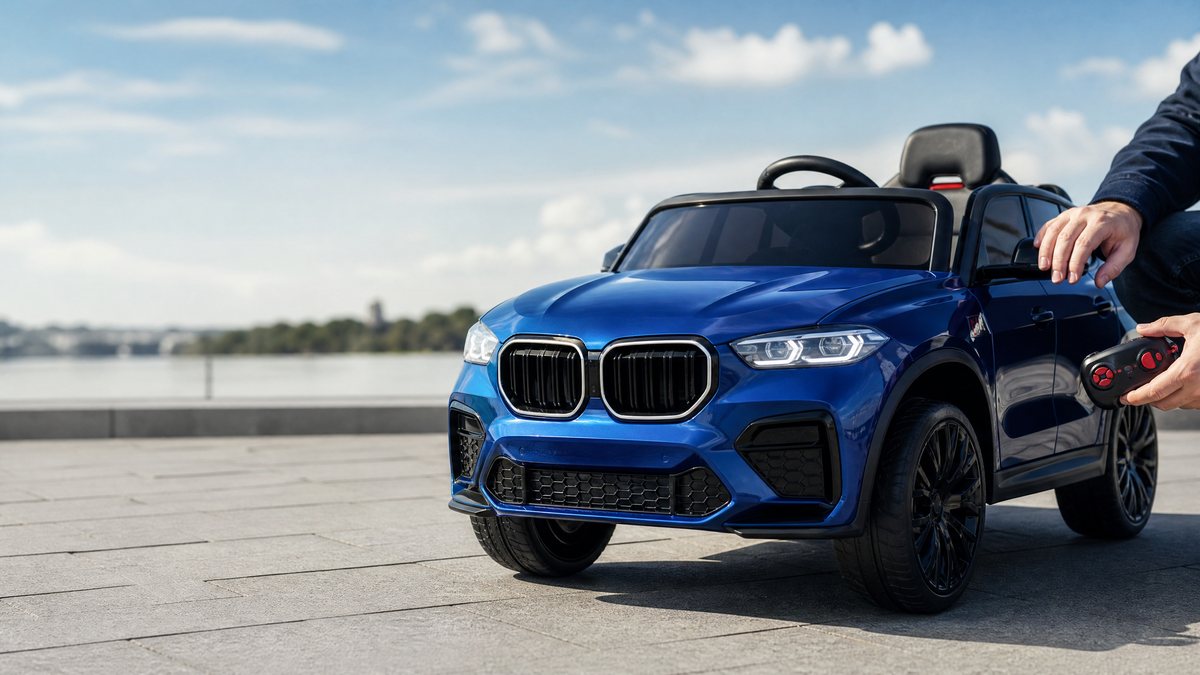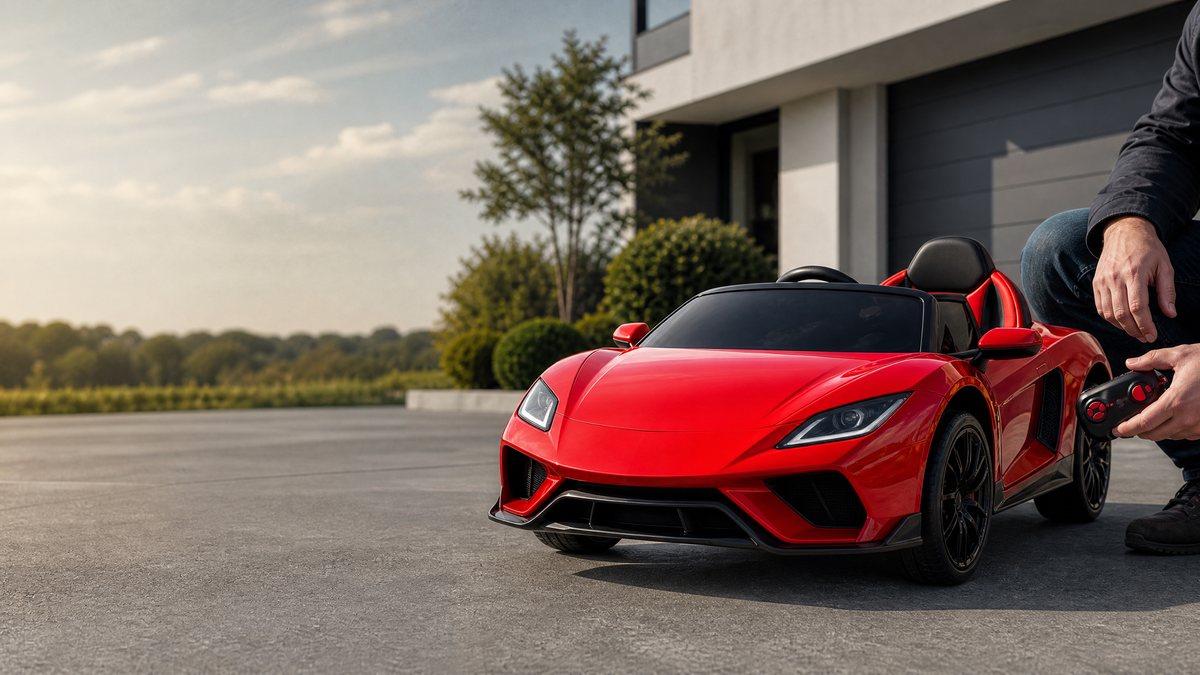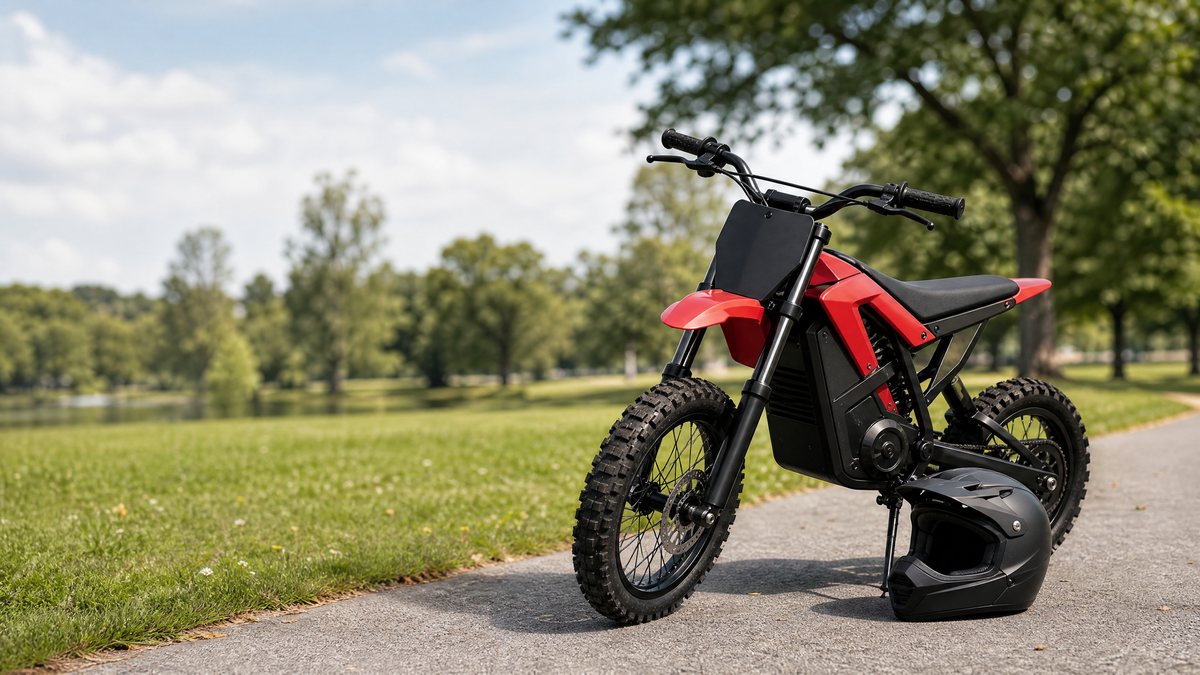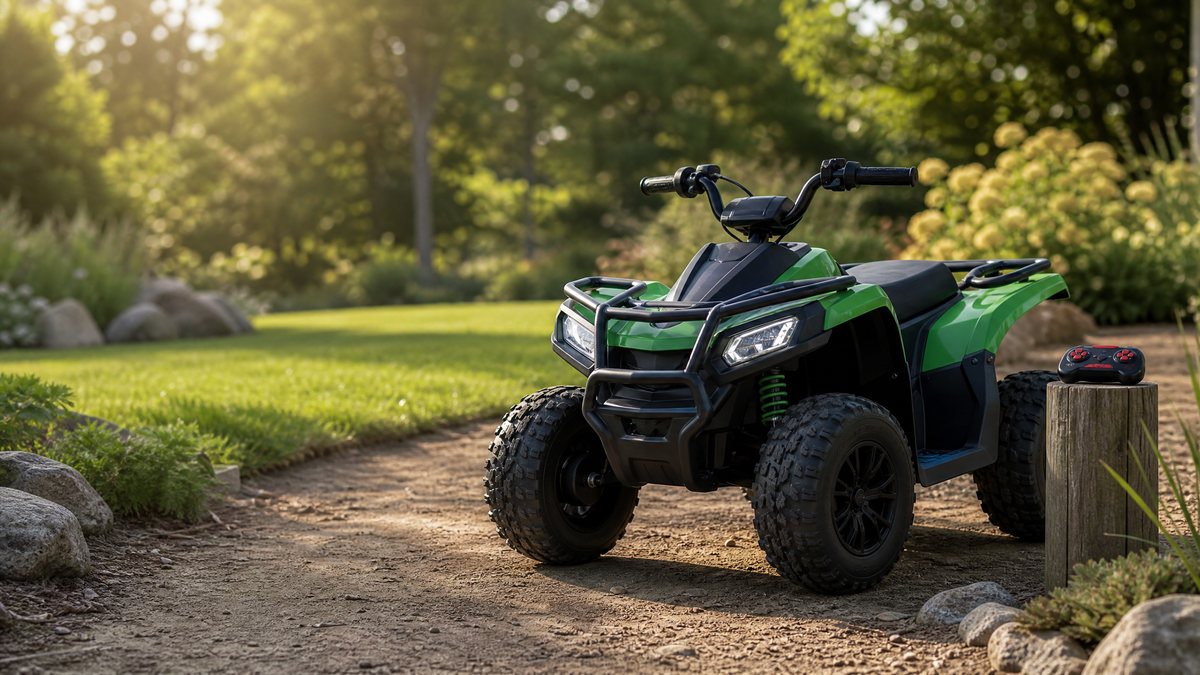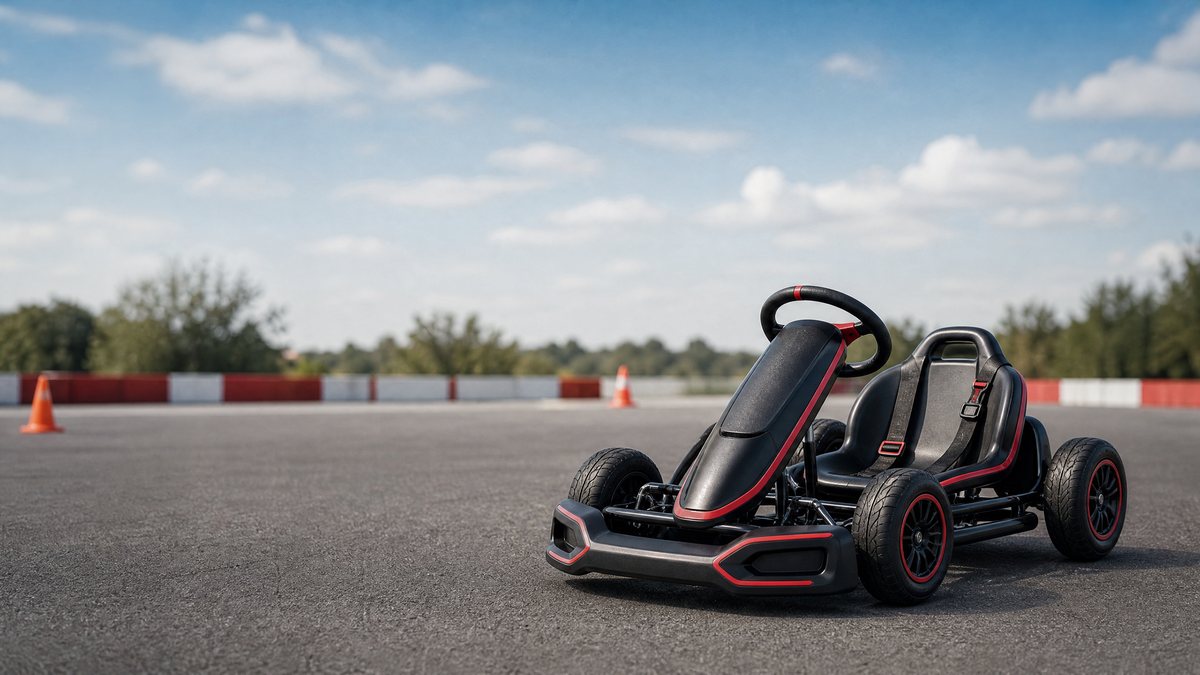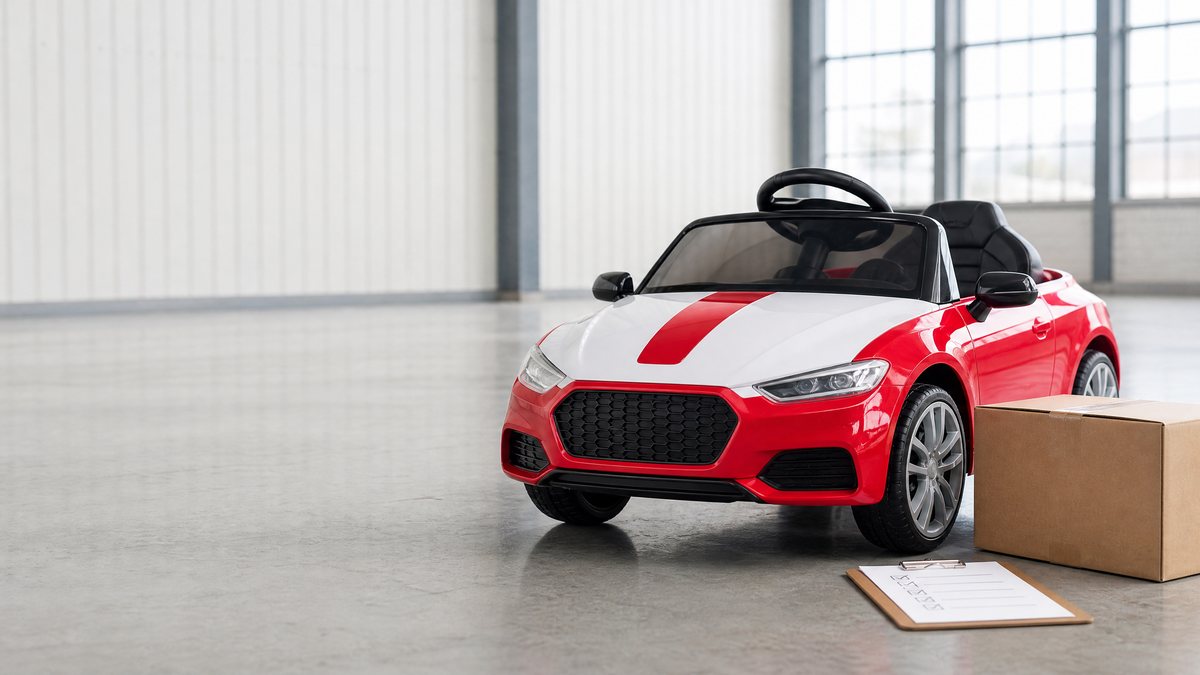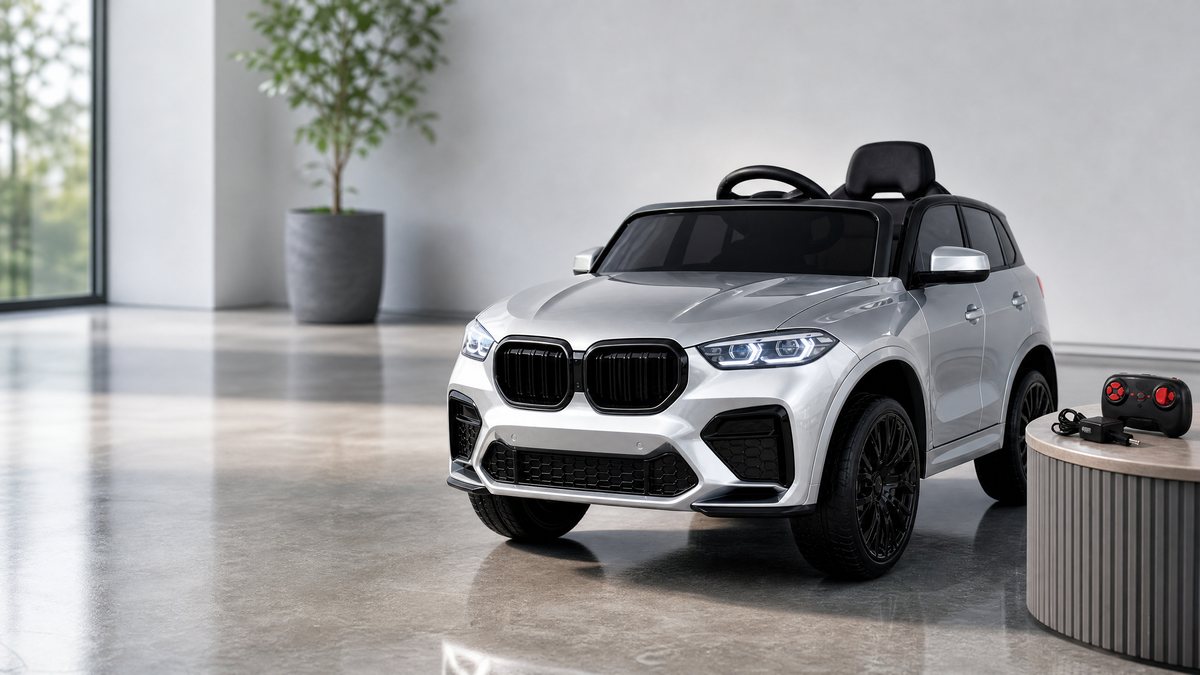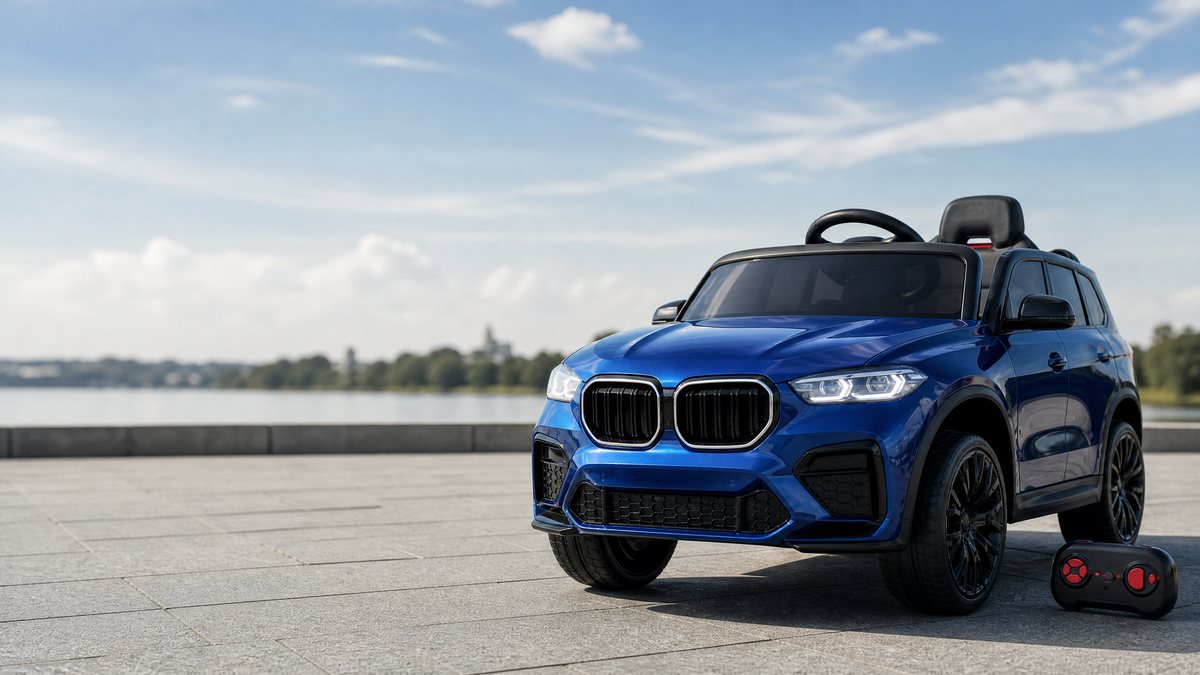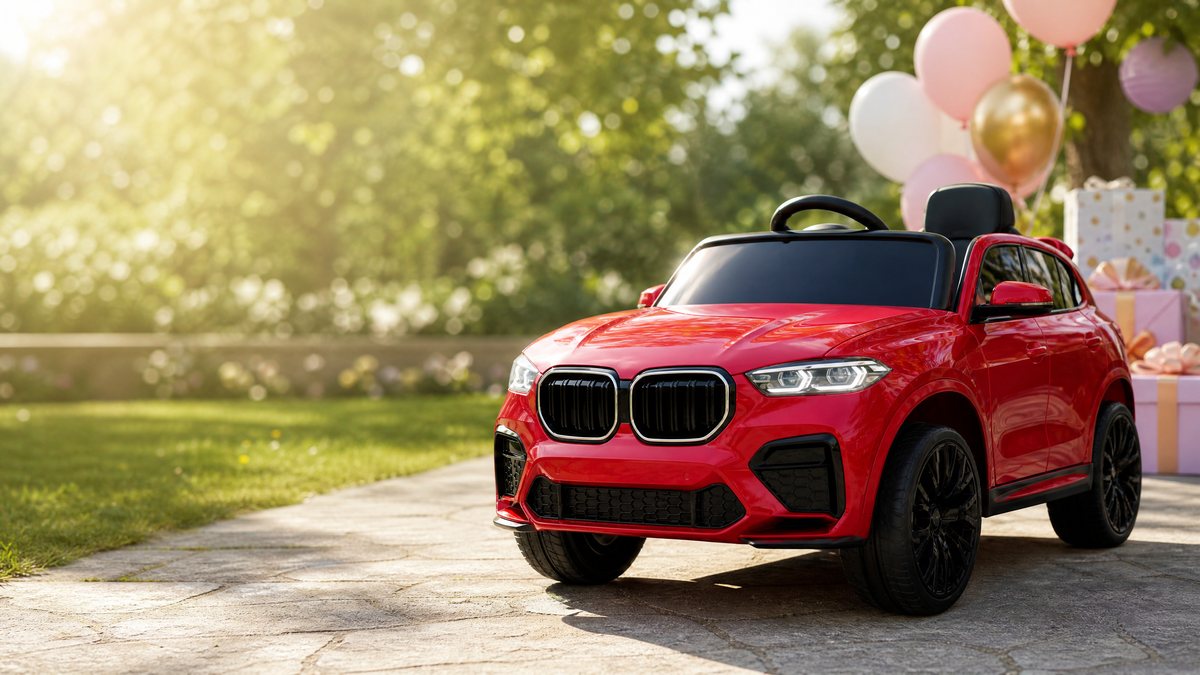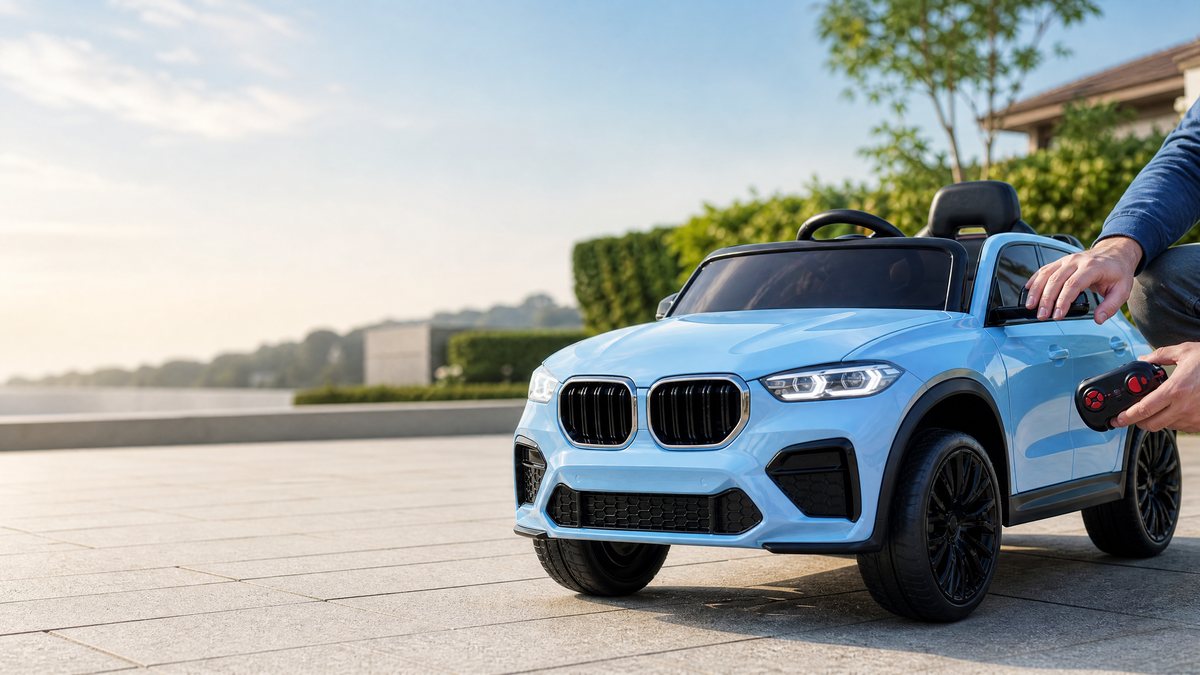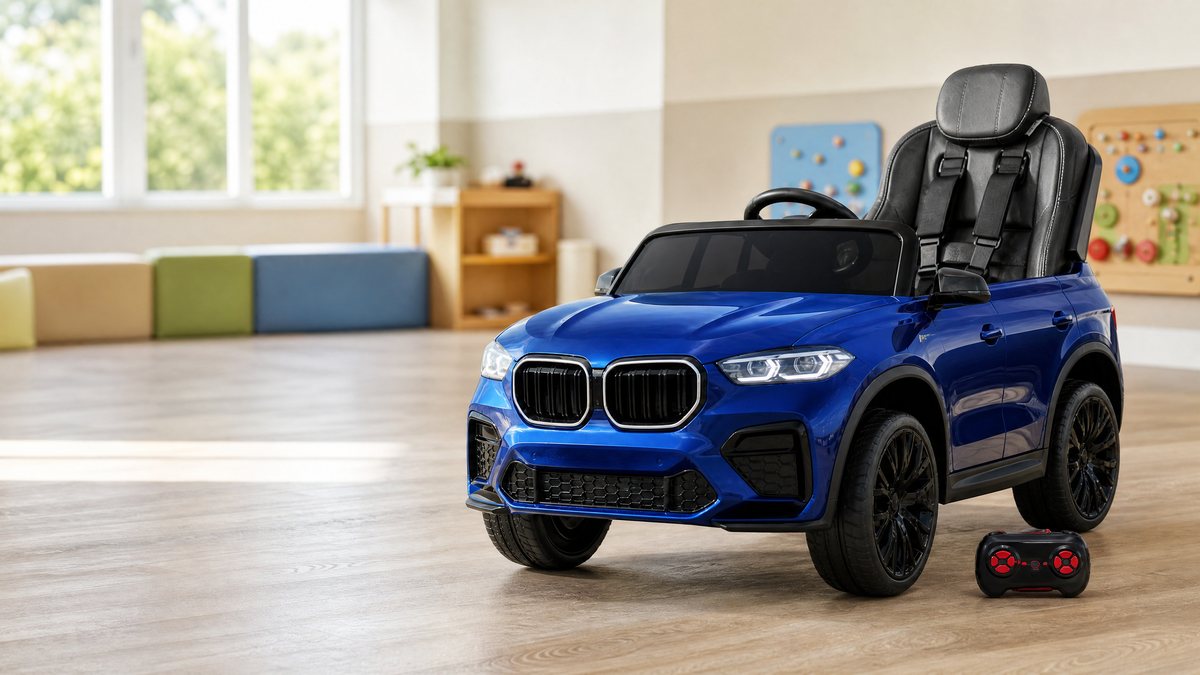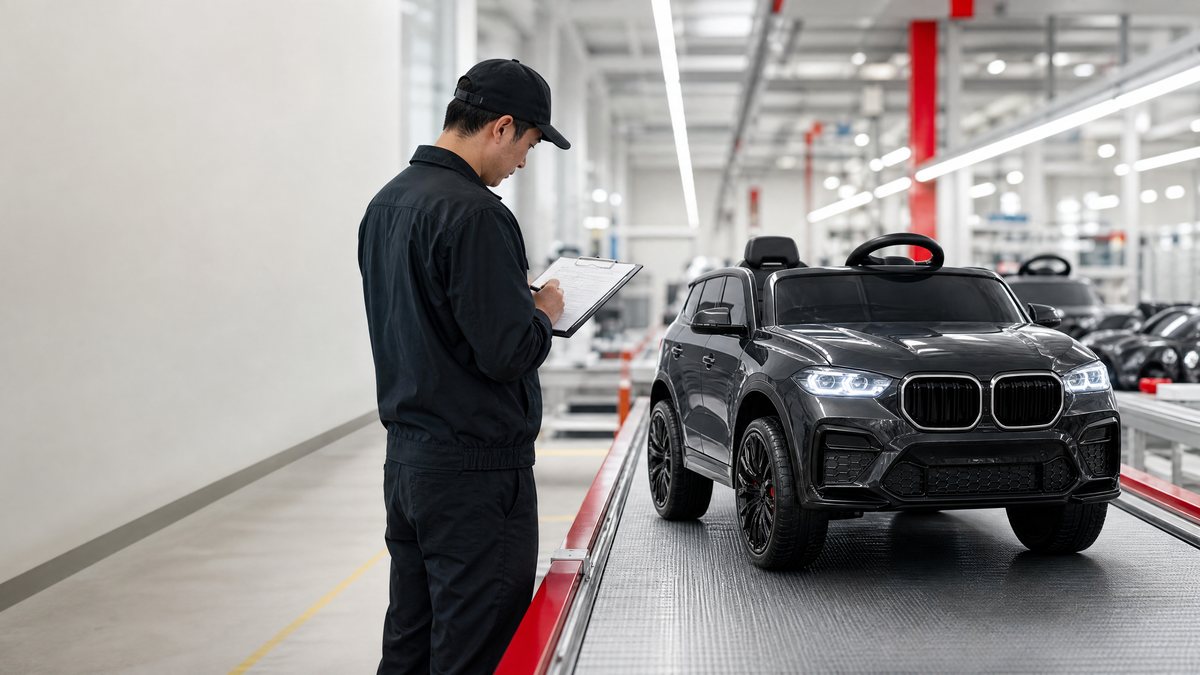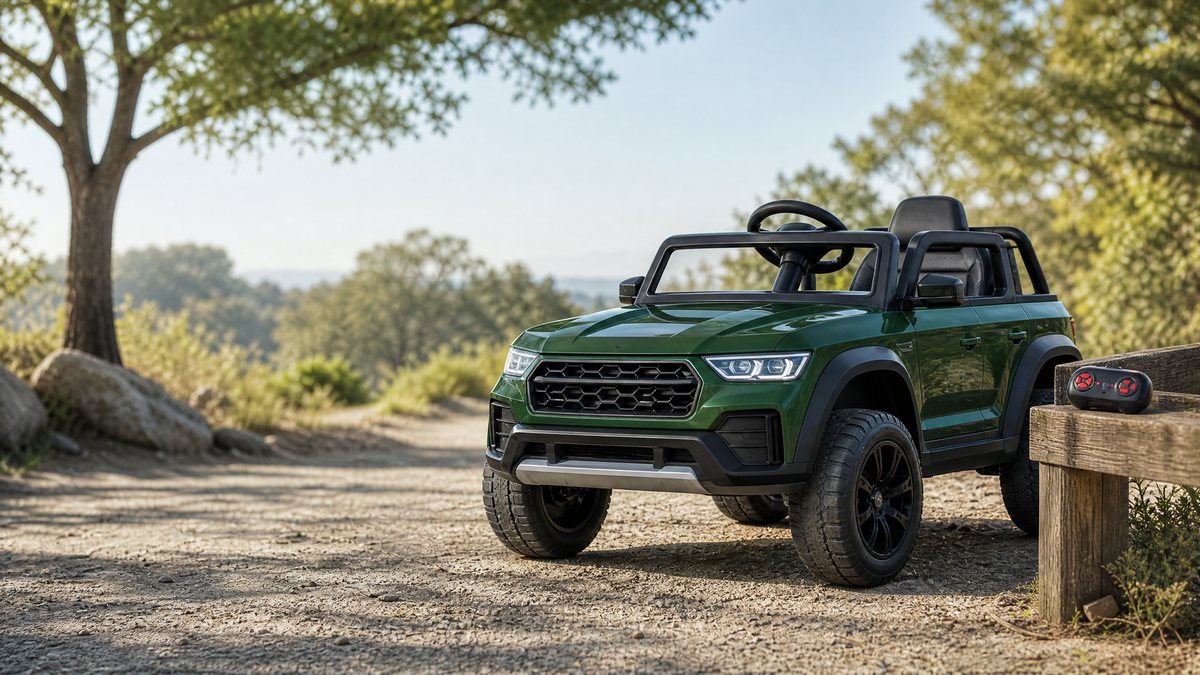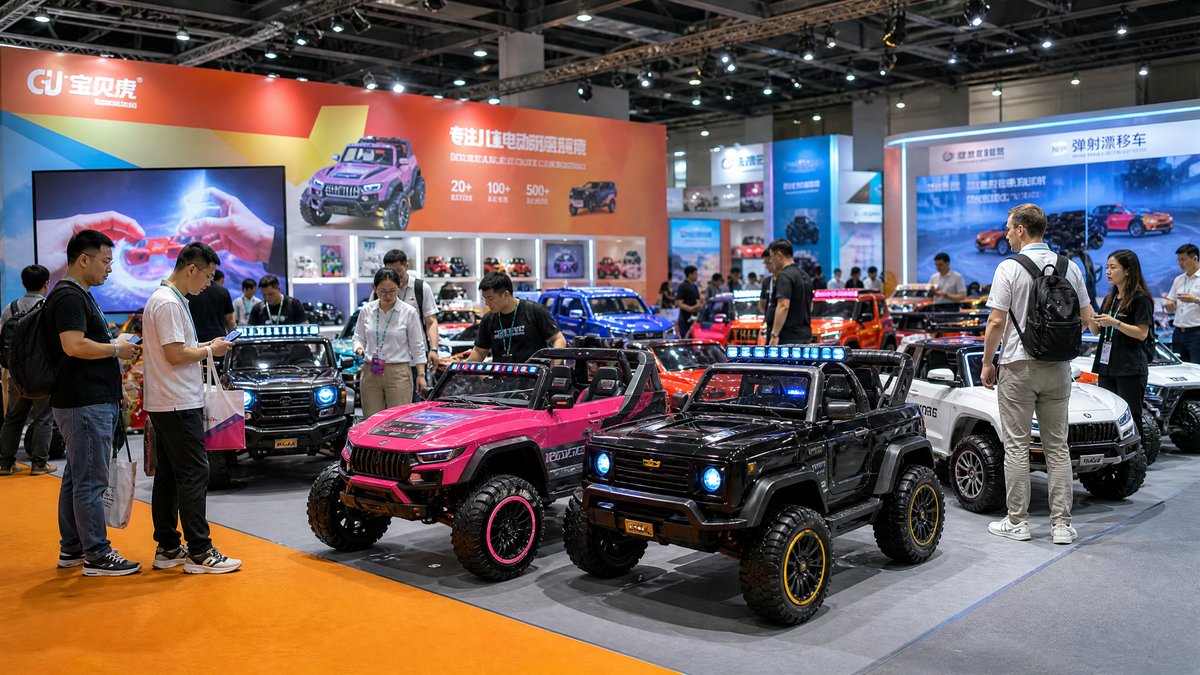
Participating in neighborhood parades, national holiday celebrations, and community festivals is one of the most delightful ways for children and families to engage with local cultural events. Featuring electric ride-on cars in these public processions adds a wonderful visual element, delighting spectators of all ages and creating unforgettable memories for young participants. However, organizing a parade entry involving motorized ride-on toys requires meticulous planning, strict adherence to safety guidelines, and a thorough understanding of vehicle operation in crowded public settings where pedestrian traffic, environmental variables, and unexpected obstacles converge.
For B2B buyers, wholesale distributors, retail partners, and community event organizers, understanding how electric ride-on cars perform in parade environments helps inform product selection, accessory packaging, and consumer guidance documentation. While ride-on cars are primarily designed for private driveways, residential backyards, and controlled play areas, adapting them for public events necessitates specific precautions regarding battery endurance, speed management, crowd control, and structural integrity. This comprehensive professional guide explores technical protocols, safety checklists, and operational best practices for deploying ride-on cars in neighborhood parades, ensuring a secure, compliant, and festive experience for all participants.
Whether you are a retail merchant advising family customers, a community association planning a local holiday float, or a wholesale partner looking to provide robust guidance manuals, this article outlines the essential framework for successful parade participation. Request a wholesale quote to explore bulk inventory options, customizable features, and documentation support tailored to your commercial needs.
1. Pre-Parade Assessment and Vehicle Verification
Before any ride-on car is approved for participation in a neighborhood parade, a comprehensive technical and structural verification must be performed. Parades involve prolonged operation, stop-and-go movement, uneven road surfaces, and close proximity to spectators. Therefore, relying on guesswork regarding vehicle readiness is unacceptable in professional and community event management.
Reviewing Manufacturer Documentation and Nameplates
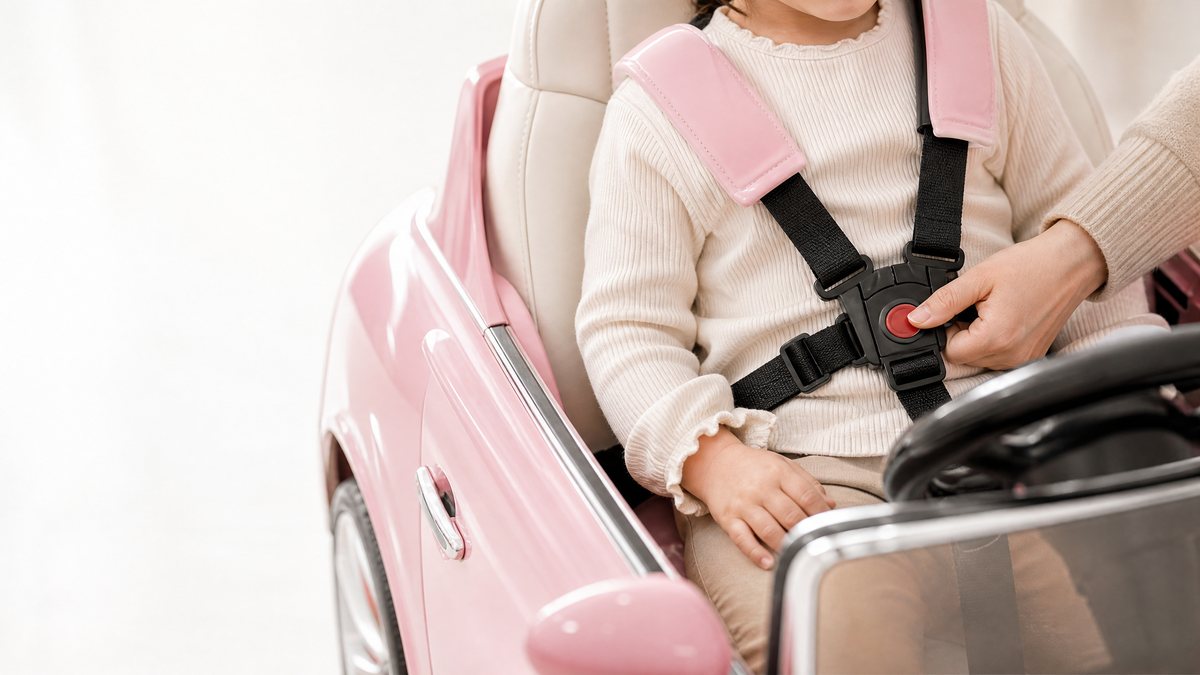
Every evaluation must start with the specific vehicle's user manual and manufacturer nameplate. Operators and supervisors must verify the rated voltage, maximum weight capacity, recommended age grading, and operational limits. Never exceed the manufacturer's specified weight limits, even if temporary decorative elements or additional accessories are added to the exterior.
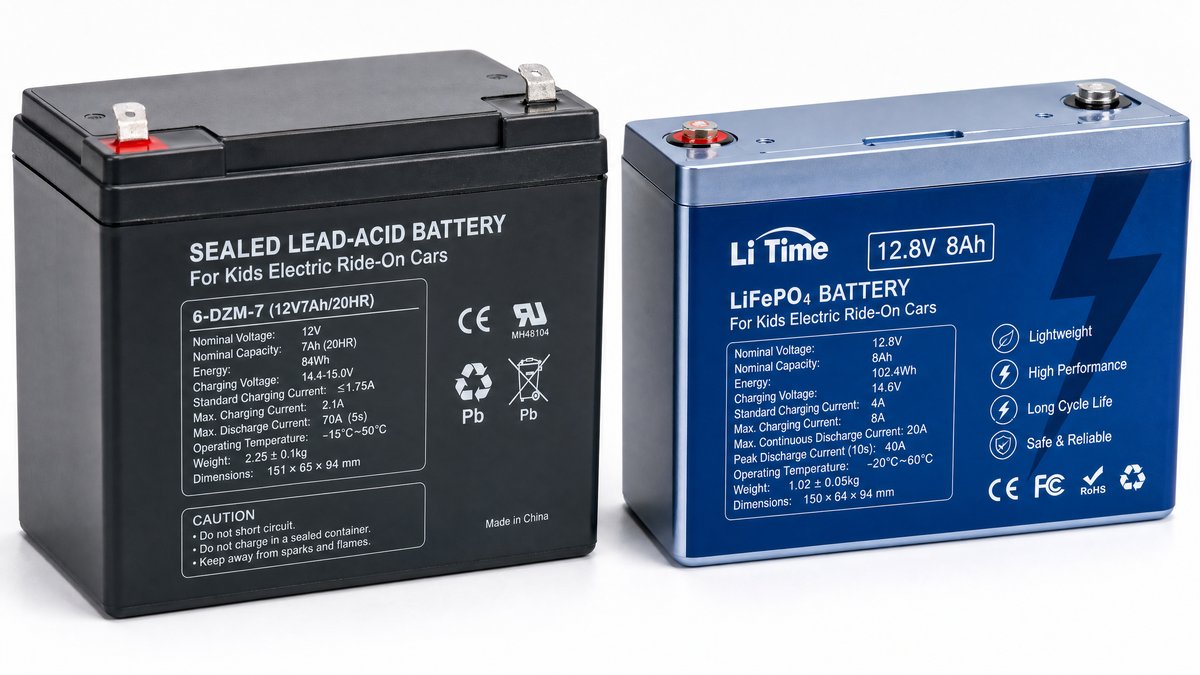
Battery Capacity and Endurance Testing
Neighborhood parades often last significantly longer than standard play sessions due to staging, slow procession speeds, and extended waiting periods. Operators should verify that the battery is fully charged prior to the event. If the vehicle utilizes a removable battery system, having a fully charged backup battery on hand is a prudent measure. However, under no circumstances should users attempt to modify internal battery compartments, bypass circuit breakers, or measure voltages directly without professional training.
Inspecting Control Systems and Remote Overrides
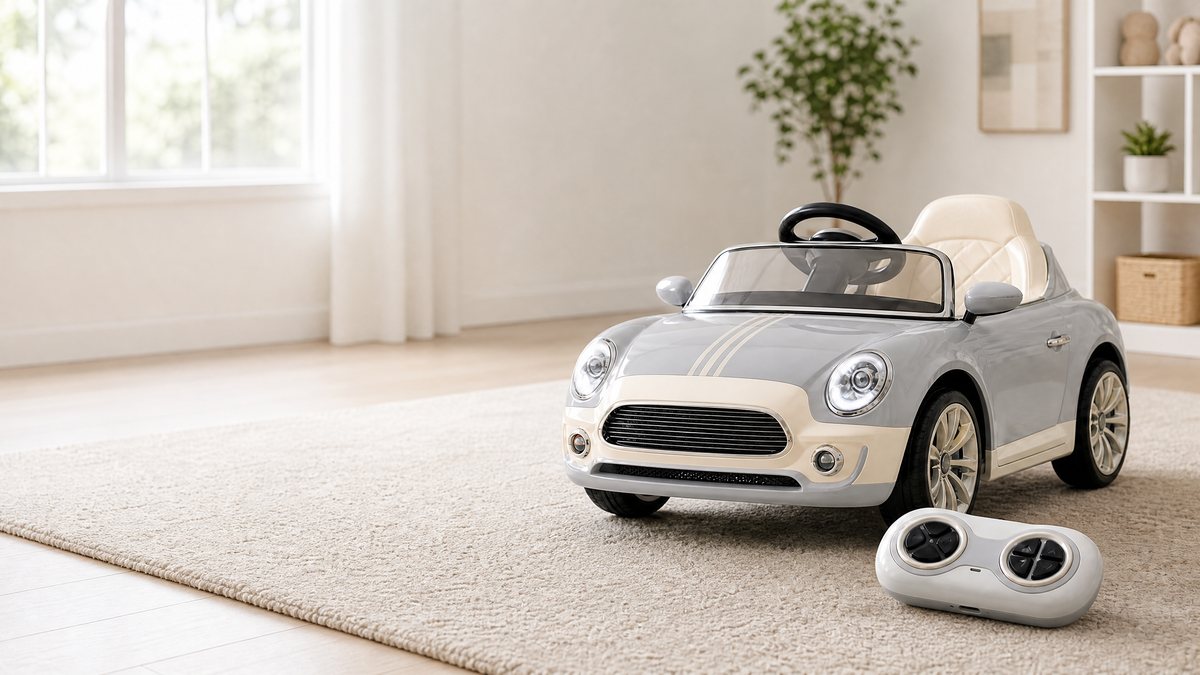
If the specific model is equipped with a parental remote control or Bluetooth override function, test this system thoroughly before the parade begins. The supervising adult must ensure that the remote transmitter maintains a stable connection and that emergency stop functions operate instantaneously. If abnormal braking, delayed response, or erratic steering is observed during pre-check, the vehicle must not be deployed in the parade.
2. Route Planning and Safety Perimeter Management
Parade routes vary widely, ranging from smooth asphalt residential streets to gravel paths, park trails, and uneven pavement. Proper route assessment and perimeter management are critical for maintaining safety throughout the event.
Surface Compatibility and Obstacle Identification
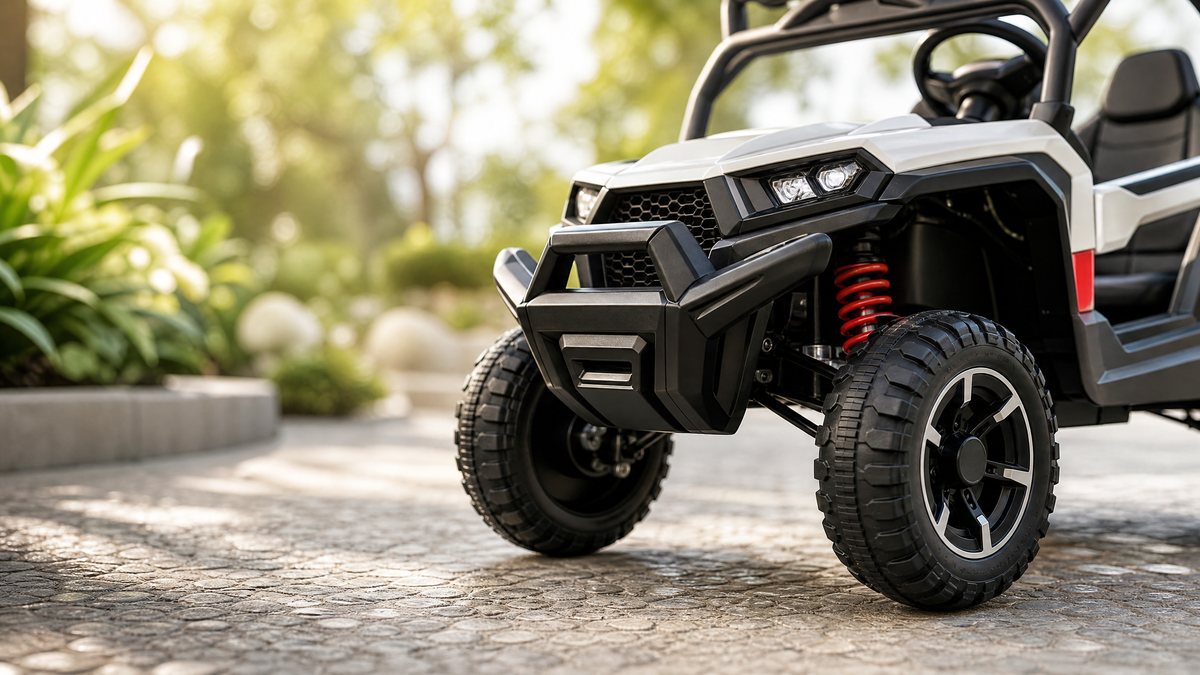
Ride-on cars feature various wheel configurations, ranging from standard plastic wheels to high-grip EVA foam tires and rubberized treads. Organizers must assess whether the parade route surface matches the vehicle's design capabilities. Avoid routes with deep potholes, steep inclines, standing water, or sharp debris that could puncture tires or destabilize steering.
Establishing Safe Supervisory Ratios
In crowded parade settings, distractions are abundant. A strict adult-to-vehicle supervision ratio must be established. For younger children operating ride-on cars, an adult walker should remain within arm's reach at all times. For older children operating faster models with parental remote overrides, a designated supervisor must maintain visual contact and keep the remote transmitter active and ready.
Managing Crowd Proximity
Spectators frequently crowd parade routes, occasionally stepping into the path of moving vehicles. Establishing clear boundaries, utilizing banner lines, or having walking chaperones flank the ride-on car ensures a safe buffer zone between the vehicle and enthusiastic onlookers.
3. Creative Decoration and Customization Guidelines
Parades naturally invite creative decorations, flags, banners, and themed props. However, customizing a ride-on car for a parade must be executed with extreme caution to avoid compromising safety or vehicle mechanics.
Avoiding Obstructions to Vision and Steering
Decorations must never obstruct the driver's forward or peripheral vision. Streamers, ribbons, and floral garlands must be securely fastened so they cannot drape over wheels, steering columns, or braking pedals. Entanglement in moving parts can cause sudden lockups or loss of control.
Prohibiting Unauthorized Structural Modifications
Retailers and organizers must emphasize to consumers that all decorative additions must be non-permanent and superficial. Drilling holes into body panels, welding metal frames, or modifying the electrical wiring harness to install decorative lighting or sound systems is strictly prohibited unless explicitly approved in writing by the manufacturer. Unauthorized modifications can void warranties, compromise electrical integrity, and introduce fire hazards.
| Decoration Category | Permitted Approach | Prohibited Action | Safety Rationale |
|---|---|---|---|
| Banners & Flags | Lightweight fabric attached with zip-ties or Velcro to non-moving body panels | Heavy wooden or metal poles clamped directly to steering mechanisms or windshield frames | Prevents structural failure, impaired steering, and injury from sharp falling objects |
| Lighting Accents | Battery-operated LED string lights secured externally without piercing housing | Splicing aftermarket lights directly into the vehicle's internal main wiring harness | Eliminates risk of short circuits, blown fuses, and internal electrical damage |
| Floral & Paper Garlands | Flame-retardant artificial foliage attached away from motor vents and exhaust areas | Wrapping materials tightly around wheel axles, drive shafts, or thermal cooling vents | Prevents friction-induced overheating, entanglement, and mechanical motor strain |
| Costume Overlays | Lightweight cardboard or foam facades that do not restrict door operation or driver egress | Enclosing the seating area or blocking emergency exit paths for the child | Ensures the child can exit the vehicle instantly in the event of an unexpected hazard |
4. Operational Best Practices During the Parade
During the actual procession, maintaining disciplined operational practices ensures that the event remains safe, organized, and enjoyable for all participants.
Speed Management and Pace Control
Parades move at a walking pace, which is significantly slower than the maximum speed capability of many high-performance ride-on cars. If the vehicle features adjustable speed settings (such as low, medium, and high gears), operators should lock the vehicle into its lowest speed setting. This prevents accidental surges and allows the child to maintain smooth, predictable control amid stop-and-go traffic.
Hydration, Weather, and Ergonomics
Parades often take place outdoors under direct sunlight for extended periods. Supervising adults must monitor ambient temperatures and ensure that child operators remain hydrated and comfortable. Overheating can cause fatigue, diminished reaction times, and distress. If weather conditions deteriorate, such as sudden rainstorms or high winds, the parade participation must be paused, and the vehicle should be sheltered immediately to prevent moisture ingress into electrical components.
Handling Mechanical or Electrical Anomalies
During operation, supervisors must remain vigilant for any signs of malfunction. If the vehicle emits unusual burning odors, exhibits smoking components, displays excessive motor heat, experiences sudden power loss, or shows erratic steering behavior, the supervisor must immediately shut down the vehicle, remove the child, and keep everyone at a safe distance. Never attempt field repairs on electrical systems during a public event.
5. Post-Parade Maintenance and Inspection Protocol
Once the parade concludes and participants return to the staging area, a systematic post-event inspection should be conducted to verify vehicle integrity.
Cleaning and Debris Removal
Parade routes often accumulate dust, confetti, paper scraps, and grit. Carefully clean the exterior of the ride-on car using a damp microfiber cloth. Avoid high-pressure water washers or excessive water exposure, which can force moisture past protective seals into electronic control units and battery compartments. Inspect wheel wells and axles to ensure no string, ribbon, or debris has wrapped around rotating parts.
Inspection of Electrical Connections and Charging
Examine the exterior charging port, plug cables, and visible wiring harnesses for any signs of wear, abrasion, or loosening caused by vibration during the parade. If any damage is detected, discontinue charging immediately, power down the master switch, and consult the manufacturer or a qualified service technician. Recharge the battery according to the manufacturer's standard operating guidelines in a well-ventilated area once the vehicle has cooled down to room temperature.
6. Expanding Commercial Offerings for Community Events
For B2B wholesalers and retail distributors, community events such as neighborhood parades present significant commercial opportunities. By providing customers with comprehensive accessory kits, safe decoration guides, and maintenance checklists, businesses can enhance customer satisfaction and build long-term brand loyalty. Furthermore, ensuring that all distributed ride-on car models comply with international toy safety standards reinforces consumer trust.
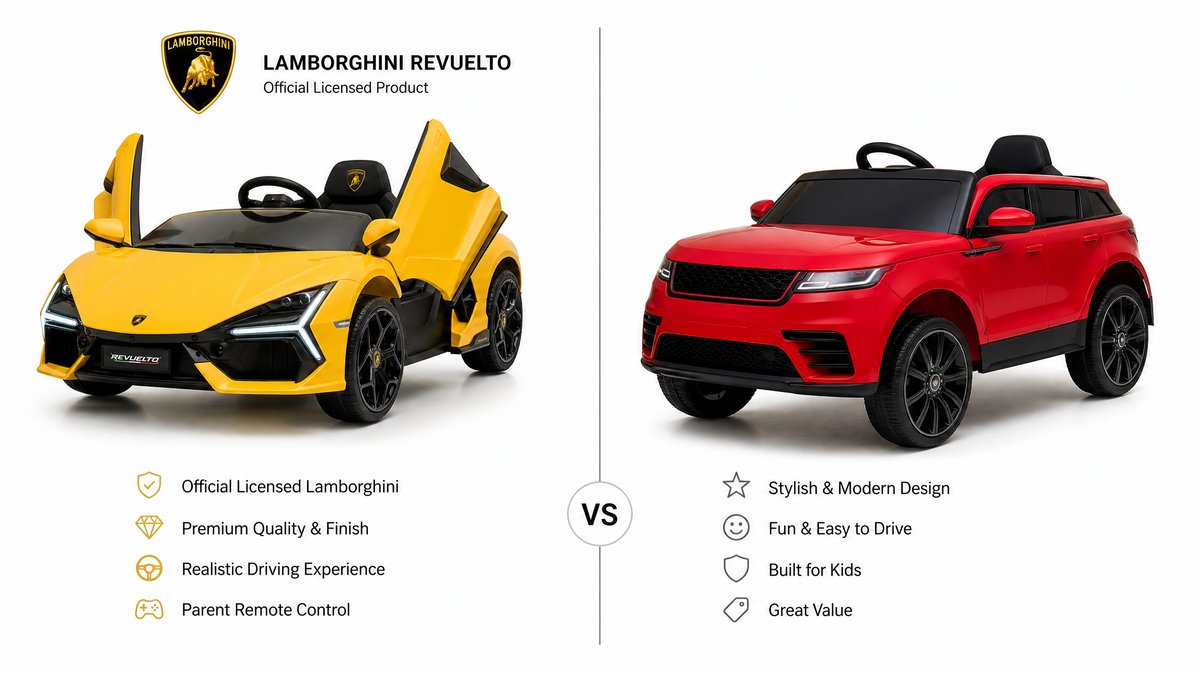
Retailers should curate specific models that feature robust parental remote controls, durable EVA tires, and reliable multi-speed limiters, as these attributes are exceptionally valuable during public processions. Providing educational materials alongside bulk purchases helps mitigate operational risks and ensures that end-users enjoy a seamless experience.
Frequently Asked Questions (FAQ)
Can any ride-on car model be used in a neighborhood parade?
Not all models are equally suited for public parades. Selection depends on battery capacity, wheel type, terrain compatibility, and whether the vehicle features reliable parental controls. Always verify the vehicle specifications against the intended parade environment and consult the manufacturer's user manual before deployment.
How can we prevent the ride-on car battery from running out during a long procession?
Parades often involve prolonged waiting periods and slow staging speeds. To optimize battery life, ensure a full charge prior to the event, avoid continuous idling with active lights or sound systems turned on, and consider having a backup battery available if the model supports removable power units. Never attempt to modify the electrical circuit or bridge batteries.
What should we do if the vehicle encounters unexpected rain during the parade?
If rain begins to fall, immediately halt operation, switch off the vehicle, remove the child operator, and move the ride-on car to a covered or indoor shelter. Moisture exposure can damage unprotected electronic control units, switches, and battery terminals. Do not resume operation until the vehicle has been thoroughly inspected and dried.
Are structural modifications or custom fiberglass body kits permitted for parade floats?
No permanent structural modifications, fiberglass cutting, chassis welding, or drilling into internal battery compartments are permitted. All decorations must be superficial, lightweight, and attached using non-destructive fasteners like Velcro or zip-ties, ensuring they do not interfere with steering, braking, or emergency egress.
Conclusion and Commercial Next Steps
Deploying ride-on cars in neighborhood parades is a fantastic community engagement strategy that brings immense joy to children and families. However, success hinges on meticulous preparation, strict adherence to safety protocols, and transparent operational guidelines. By conducting thorough pre-check inspections, managing parade routes safely, avoiding unauthorized structural modifications, and maintaining constant adult supervision, organizers can ensure a festive and secure event.
For B2B distributors, retailers, and event planners seeking reliable, high-quality ride-on cars equipped with robust safety features, partnering with experienced manufacturers is essential. Request a wholesale quote today to discuss your bulk inventory requirements, review product specifications, and receive comprehensive documentation support tailored to your commercial expansion.
Official References
1. U.S. Consumer Product Safety Commission (CPSC): General Toy Safety Education and Consumer Guidance on Motorized Children's Products. (Note: General safety education materials serve as supplementary resources and do not replace specific vehicle user manuals, nameplate ratings, or manufacturer certifications).
2. ASTM International F963: Standard Consumer Safety Specification for Toy Safety, outlining electrical, mechanical, and structural evaluation standards.
3. National Highway Traffic Safety Administration (NHTSA): Pedestrian and Neighborhood Traffic Safety Guidelines for Community Events and Residential Processions.
Official references
Explore these external resources for current regulatory and trade guidance. Confirm requirements with the relevant authority before placing an order.
Ready to Start?
Factory-Direct · CE & ASTM Certified · MOQ from 50 Units
Our export team works with buyers in 60+ countries. Get a quote within 24 hours.
KR
Written by KidsRideCar
China's leading kids electric ride-on car manufacturer. 500,000+ units shipped annually to 60+ countries. CE, ASTM & EN71 certified.