For B2B wholesale distributors, importers, and toy retail chain owners, after-sales service and warranty claims related to power issues are among the most common profit drains. When a customer reports that a newly purchased electric ride-on car will not hold a charge or fails to move, the root cause in over 70% of cases traces back to improper battery handling, initial charging neglect, or off-season storage mistakes.
As a leading manufacturer and exporter of kids' electric vehicles at KidsRideCar, we understand that providing exceptional product quality must be paired with proper end-user education. By equipping your retail partners and retail buyers with professional battery maintenance protocols, you can drastically cut down warranty return rates, enhance brand reputation, and ensure high customer retention.
In this guide, we dive deep into the technical specifications of ride-on car batteries, proven maintenance best practices, troubleshooting strategies, and how proper care directly reduces total cost of ownership.
Understanding Ride-On Car Battery Technologies
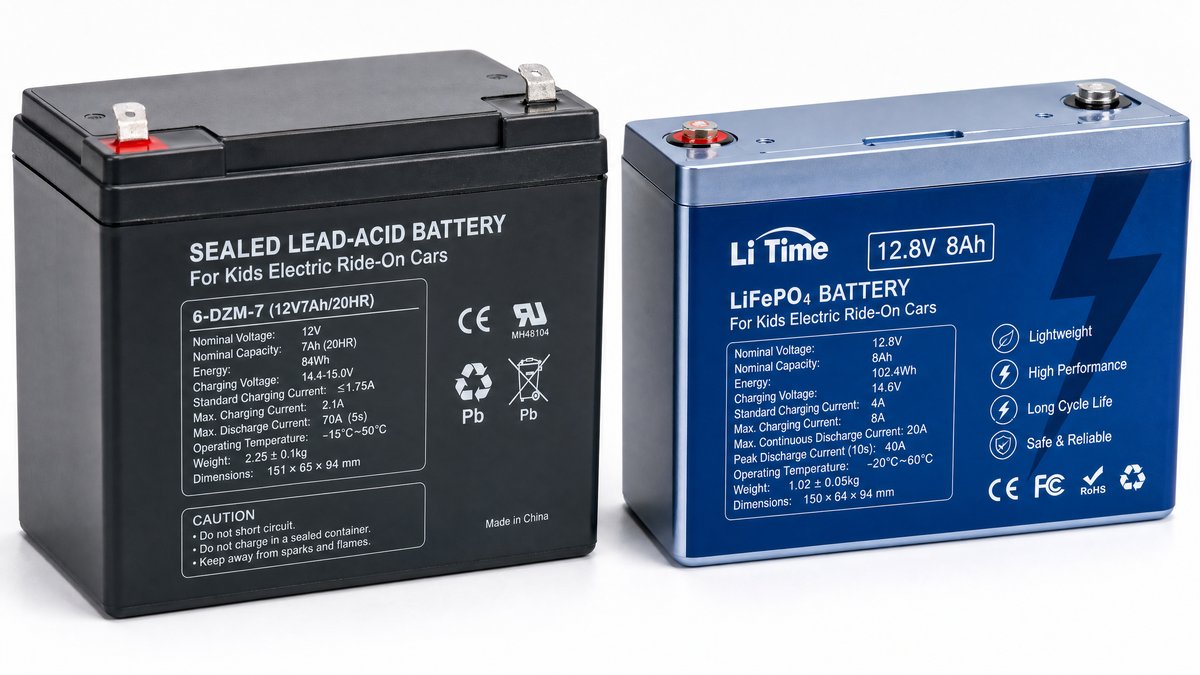
Before formulating a maintenance policy for your B2B inventory, it is essential to understand the types of power sources utilized in modern children's electric vehicles. The vast majority of ride-on cars rely on Lead-Acid (SLA / AGM) batteries, while high-performance or luxury licensed models increasingly adopt Lithium-ion packs.
1. Sealed Lead-Acid (SLA) & AGM Batteries
* Standard Voltages: 6V, 12V (often paired as dual 12V for 24V systems).
* Characteristics: Cost-effective, reliable, heavy, and sensitive to deep discharge cycles.
* Lifespan: Typically 1 to 2 years depending on usage frequency and charging habits.
2. Lithium-Ion Batteries
* Standard Voltages: 12V, 24V, 36V (found in high-speed drift go-karts and heavy-duty UTVs).
* Characteristics: Lightweight, higher energy density, faster charging, but sensitive to thermal conditions and overcharging if unprotected.
* Lifespan: 2 to 3 years with proper charge-discharge management.
| Battery Type | Nominal Voltage | Average Lifespan | Sensitivity to Deep Discharge | Ideal Storage Charge Level |
|---|---|---|---|---|
| SLA (Sealed Lead-Acid) | 6V / 12V | 1 - 2 Years | High (Sulfation risk if left empty) | 100% Fully Charged |
| AGM (Absorbent Glass Mat) | 12V | 1.5 - 2.5 Years | Moderate-High | 100% Fully Charged |
| Lithium-Ion | 12V / 24V / 36V | 2 - 3 Years | Low-Moderate | 50% - 60% Storage Charge |
Core Maintenance Rules to Prevent Early Battery Failure
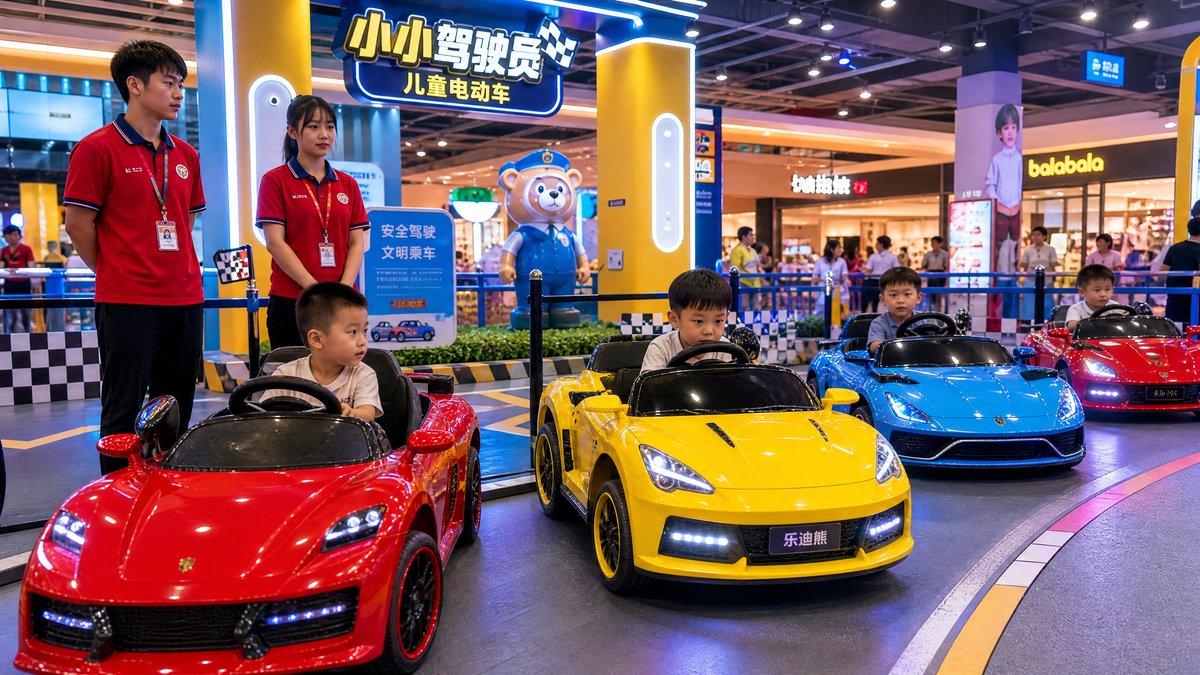
Wholesalers and retailers should pass these foundational rules to end-users and commercial fleet operators (such as amusement park rental businesses) to maximize battery longevity.
Rule 1: The Initial 8-to-12 Hour Charge
One of the most frequent causes of premature battery degradation occurs right out of the box. Many consumers assume that because the vehicle powers on for a quick test in the living room, the battery is fully charged.
* The Best Practice: Advise your retail customers that the very first charge of a new lead-acid ride-on car battery must last between 8 to 12 hours (never exceeding 18 hours). This initial deep conditioning ensures the chemical plates achieve maximum capacity.
Rule 2: Avoid Complete Depletion (Deep Discharge)
Unlike modern smartphone lithium batteries that tolerate draining to 0%, traditional SLA batteries suffer severe chemical degradation when completely depleted.
* The Mechanism: When an SLA battery is drained past its safety threshold, lead sulfate crystals harden on the plates (sulfation), permanently reducing the battery's ability to hold a charge.
* Actionable Advice: Instruct parents to recharge the vehicle as soon as the motor slows down noticeably, rather than waiting for the car to stop completely.
Rule 3: Off-Season Storage Protocol
For seasonal toy retailers, inventory sitting in warehouses over winter or consumer products stored during colder months require specific care. Lead-acid batteries naturally self-discharge over time (approx. 3% to 5% per week at room temperature, faster in cold garages).
* Storage Checklist:
1. Fully charge the battery before putting the vehicle into storage.
2. Disconnect the negative terminal to prevent parasitic drain from the vehicle's control board.
3. Perform a maintenance top-up charge every 30 to 45 days to prevent sulfation.
Troubleshooting Common Battery & Electrical Issues
When dealing with after-sales support, having a clear diagnostic workflow saves time and shipping costs for replacement parts.
```
[Vehicle Won't Run]
│
├──> Check Fuse ──> Blown? ──> Replace Fuse
│
└──> Check Voltage with Multimeter
│
├──> Below 10V (for 12V battery) ──> Deeply Sulfated / Replace
│
└──> Above 11V ──> Charger Test ──> Charger Output Normal?
│
├──> Yes ──> Battery Needs Full Charge
└──> No ──> Replace Charger
```
1. Blown Thermal Fuses: Most ride-on cars feature an auto-resetting or manual thermal fuse near the battery compartment. If a child overloads the car on steep inclines or thick grass, the fuse trips. Advise customers to check the fuse before requesting a new battery.
2. Charger Indicator Light Misleading: A green light on a charger sometimes indicates that the circuit is complete, not necessarily that the battery is full. If a battery reads below 10V on a multimeter, standard smart chargers may fail to recognize it. Reviving it may require a temporary parallel jump with a healthy 12V source or a specialized desulfation charger.
Economic Impact for B2B Importers: Reducing Warranty Costs
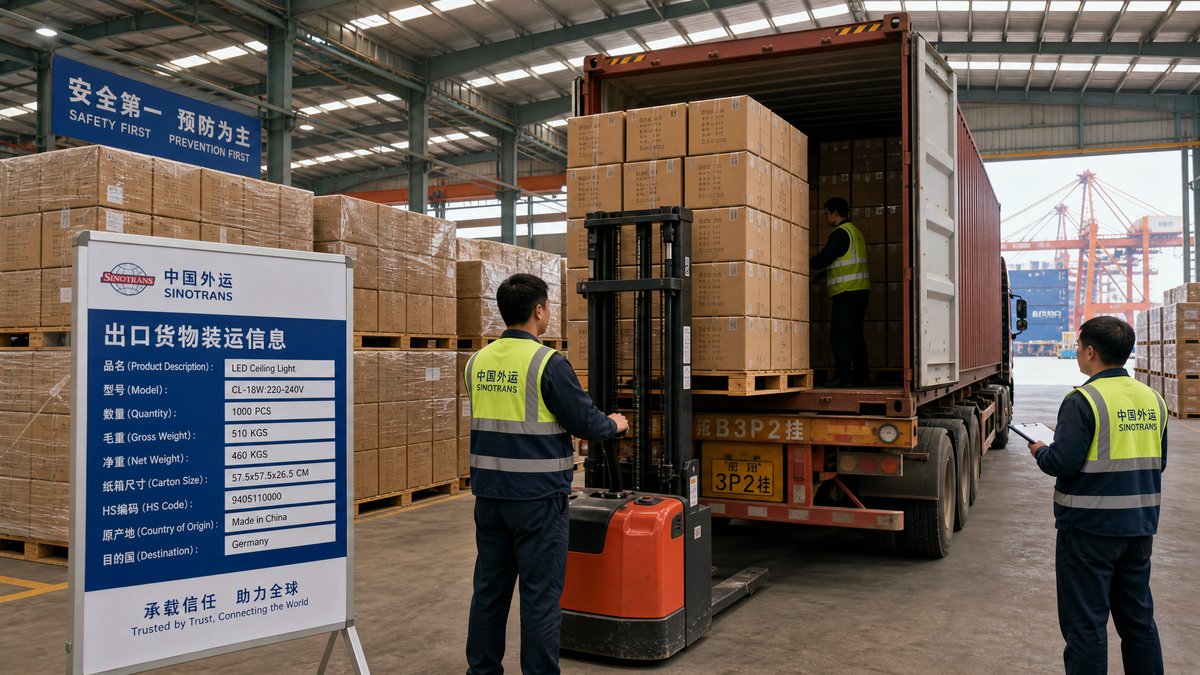
For B2B buyers importing containers of ride-on cars, after-sales claims directly impact profit margins. Shipping heavy replacement batteries internationally is costly and inefficient.
* Lower Warranty Claims: By printing clear battery care instructions on the outer packaging and user manual, importers can reduce battery-related failure rates by up to 40%.
* Enhanced Retailer Confidence: Retailers prefer sourcing from suppliers who provide robust product documentation and reliable technical support. Offering a standardized battery care guide positions your brand as a professional market leader.
* OEM Customization: At KidsRideCar, we offer OEM/ODM partners custom manual printing, upgraded battery specifications (e.g., upgrading from standard 7Ah to heavy-duty 10Ah or 14Ah SLA / Lithium packs), and branded smart chargers with overcharge protection.
Frequently Asked Questions (FAQ)
Q1: Can we upgrade a 12V kids' ride-on car to a 24V battery for more speed?
A: We strongly advise against unauthorized voltage upgrades. Upgrading from 12V to 24V without modifying the wiring harness, control board, and drive motors will cause extreme overheating, rapid gear stripping, and immediate burnout of the electronic control unit (ECU). If higher performance is desired, source factory-engineered 24V models designed with reinforced gearboxes and dual-drive motors.
Q2: What is the optimal storage temperature for ride-on car batteries during winter?
A: Batteries should be stored in a climate-controlled, dry environment where temperatures remain between 10°C and 25°C (50°F to 77°F). Extreme cold accelerates self-discharge and can cause residual moisture inside unsealed batteries to freeze, cracking the casing.
Q3: Why does a brand-new battery die after only 20 minutes of playtime?
A: This is almost always caused by an incomplete initial charge or operating the vehicle under high-stress conditions (e.g., heavy child weight limit, driving uphill on thick carpeting or outdoor gravel) before the battery chemistry has stabilized. Recommend a full 12-hour recharge cycle and test on flat asphalt.
Q4: How do I know if a lead-acid battery is completely dead and needs replacement?
A: Use a digital multimeter. If a fully charged 12V battery drops below 10.5V under a minor load, or fails to rise above 12V after a 10-hour charge, the internal plates have suffered irreversible sulfation or short-circuiting, and the battery must be replaced.
Partner with KidsRideCar for Reliable Wholesale Solutions
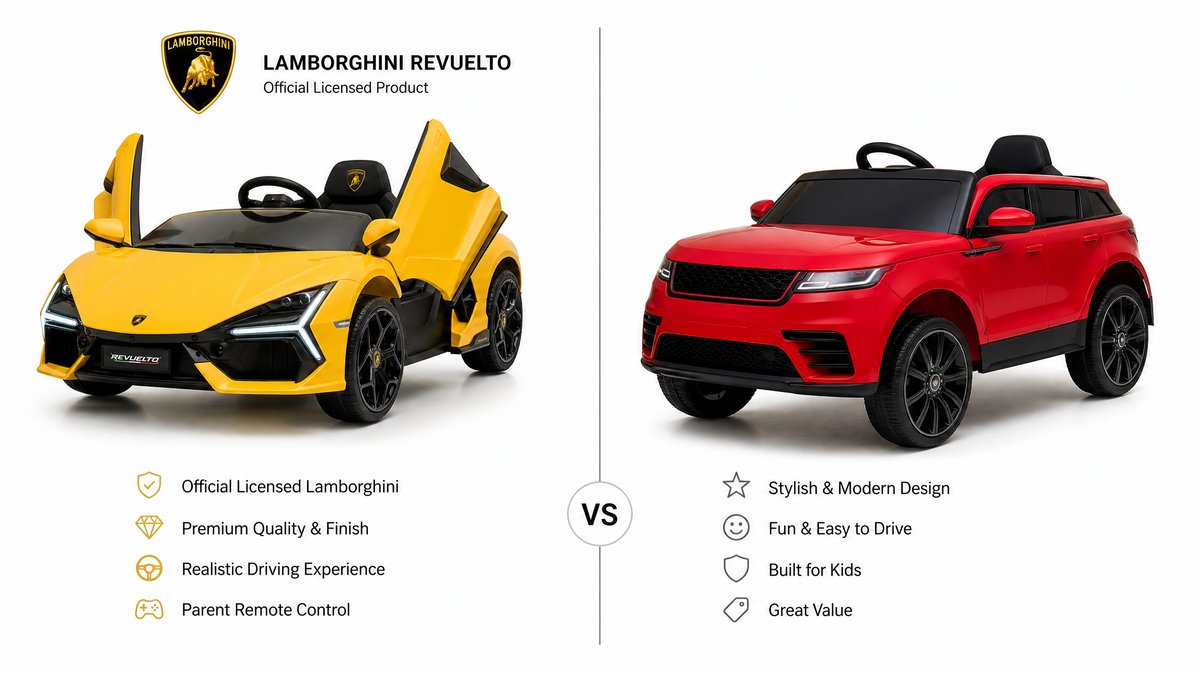
At KidsRideCar, we engineer every electric ride-on car with premium wiring harnesses, overload protection fuses, and certified high-durability power cells to ensure maximum customer satisfaction and minimal after-sales hassle. Whether you are looking for classic 12V sports cars, licensed luxury SUVs, or high-performance 24V drift karts, our manufacturing team delivers top-tier quality at competitive wholesale prices.
Ready to expand your catalog with premium, reliable electric ride-on cars? Contact our B2B sales team today at info@kidsridecar.com to request our latest wholesale catalog, battery specification sheets, and container pricing.
Official references
Explore these external resources for current regulatory and trade guidance. Confirm requirements with the relevant authority before placing an order.
Ready to Start?
Factory-Direct · CE & ASTM Certified · MOQ from 50 Units
Our export team works with buyers in 60+ countries. Get a quote within 24 hours.
KR
Written by KidsRideCar
China's leading kids electric ride-on car manufacturer. 500,000+ units shipped annually to 60+ countries. CE, ASTM & EN71 certified.