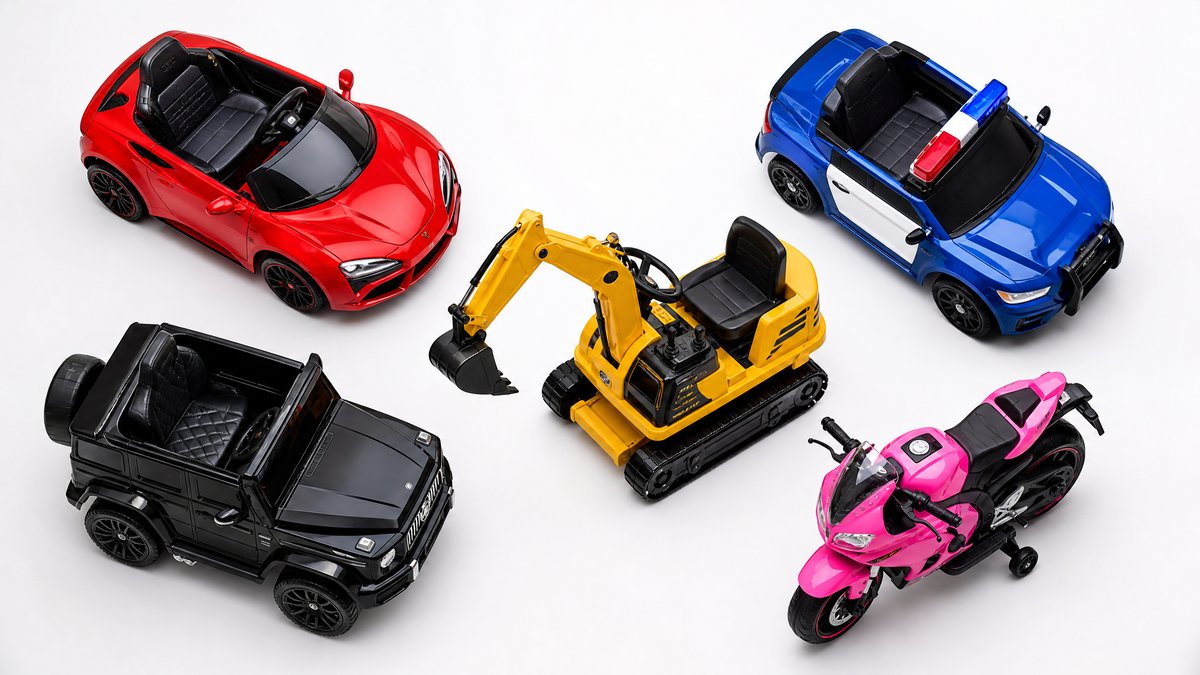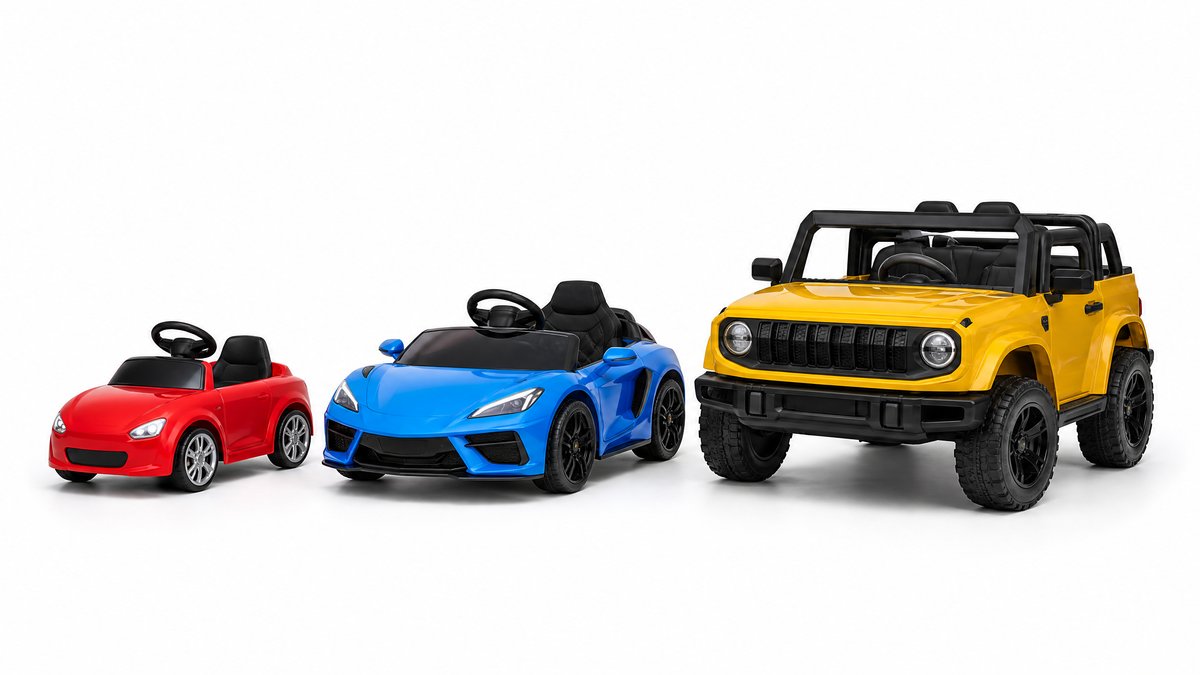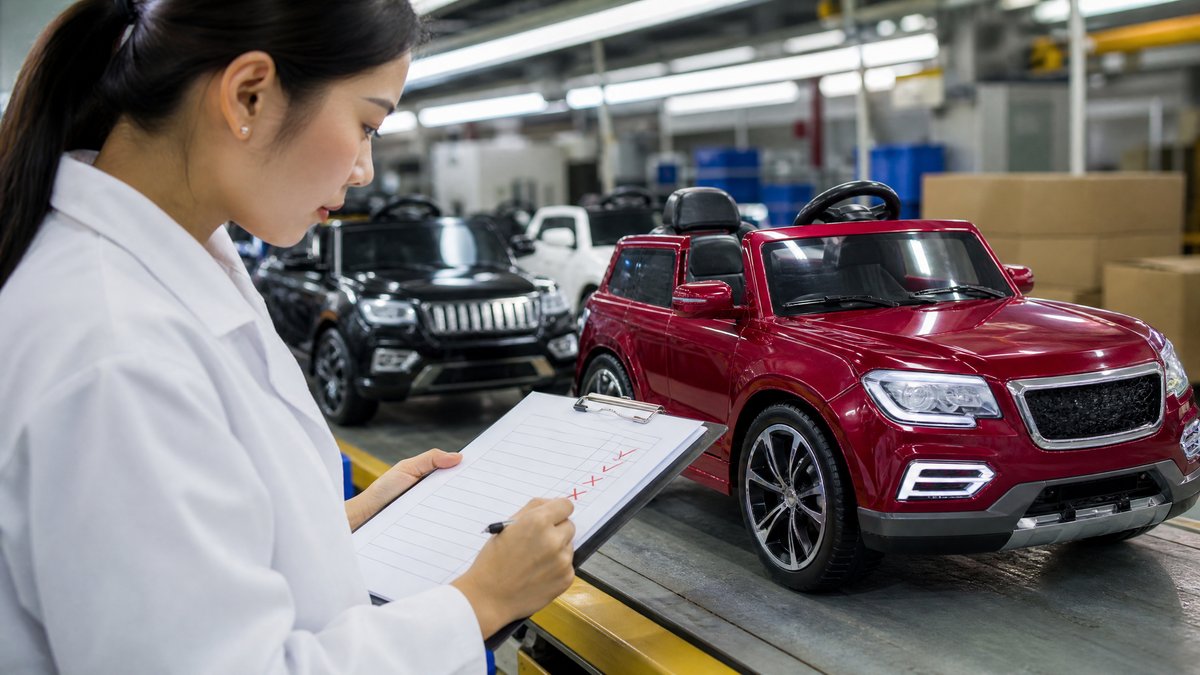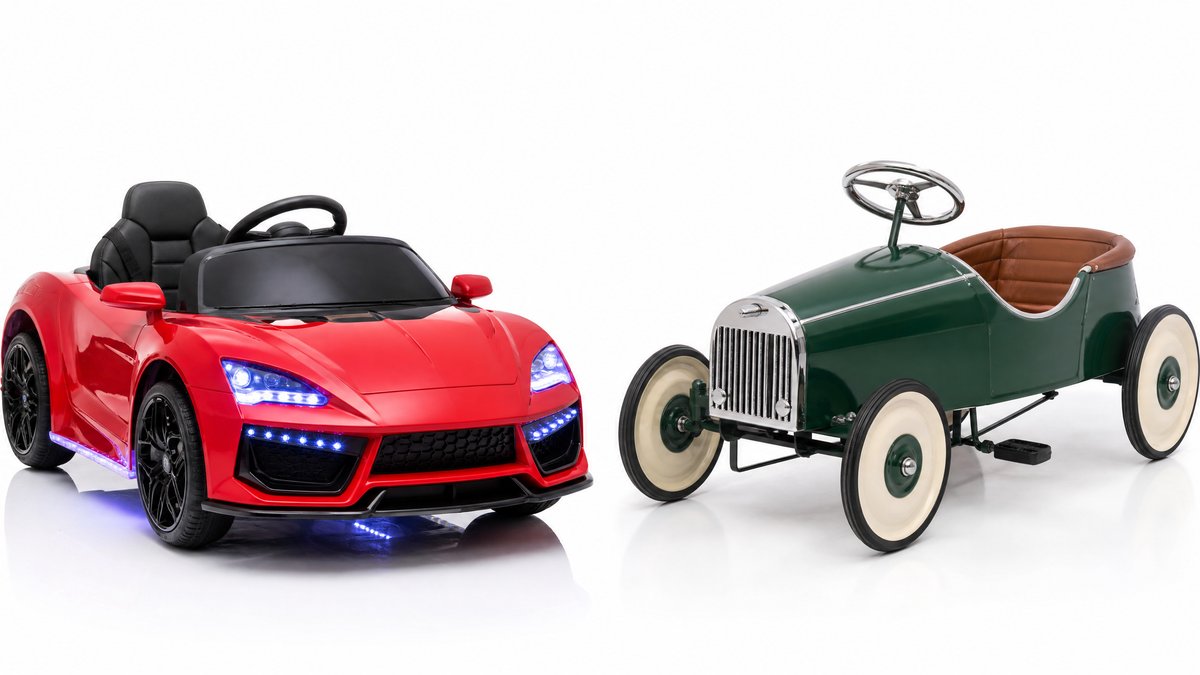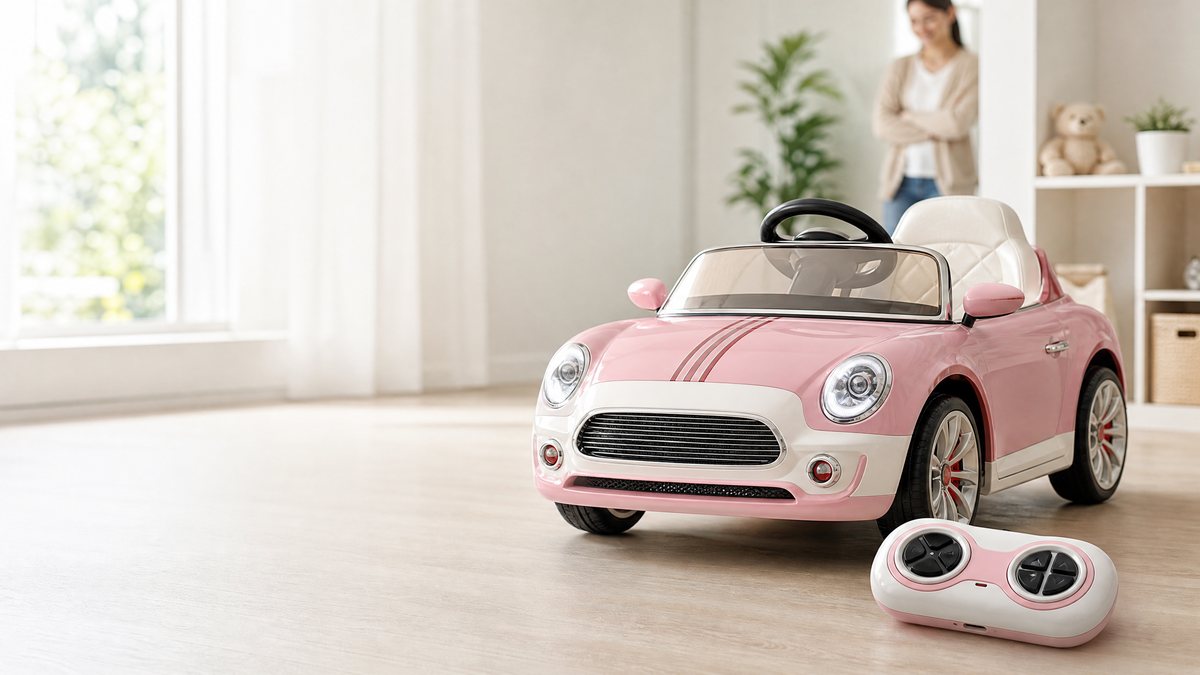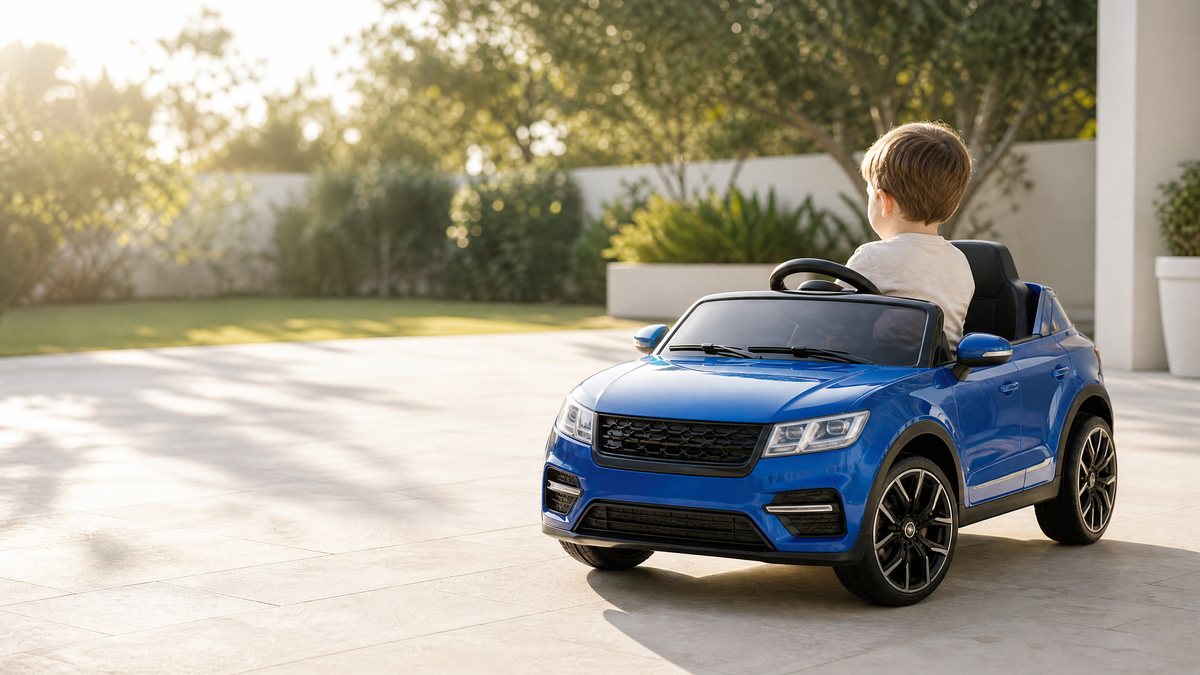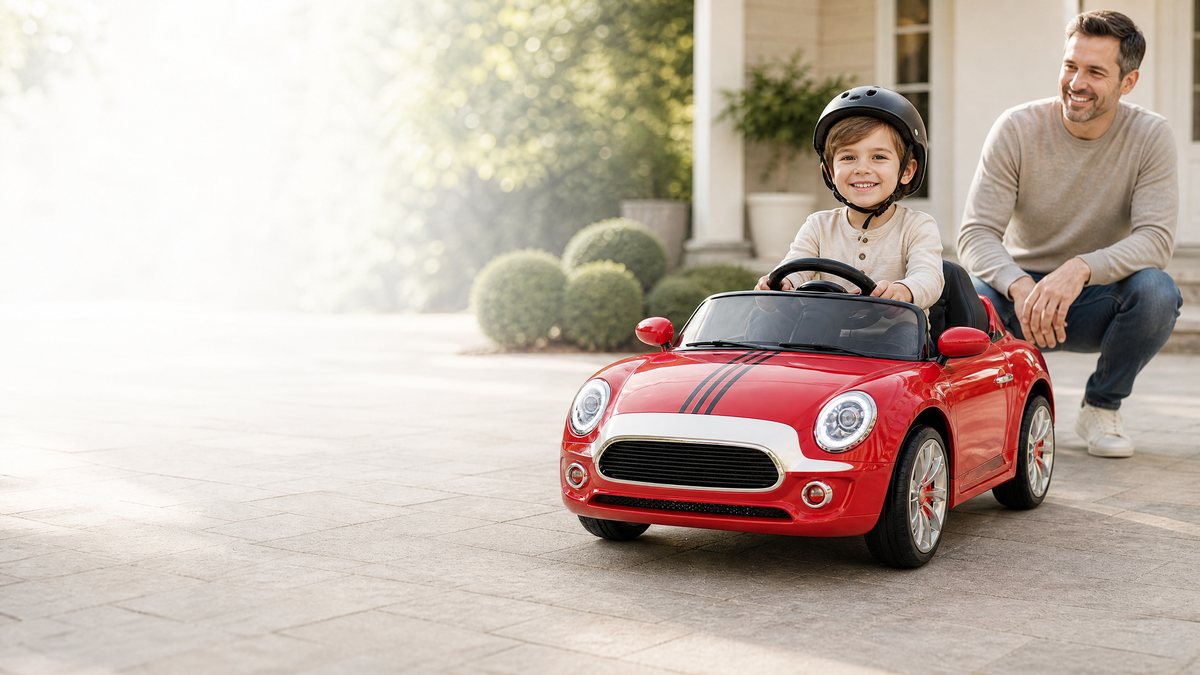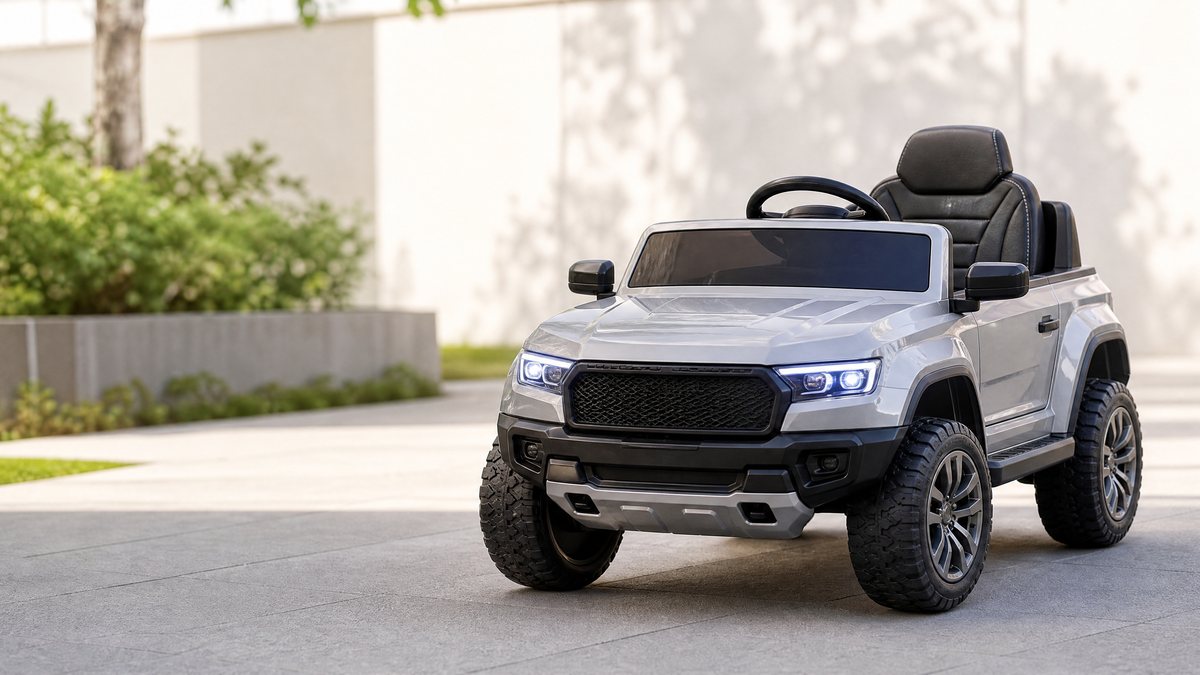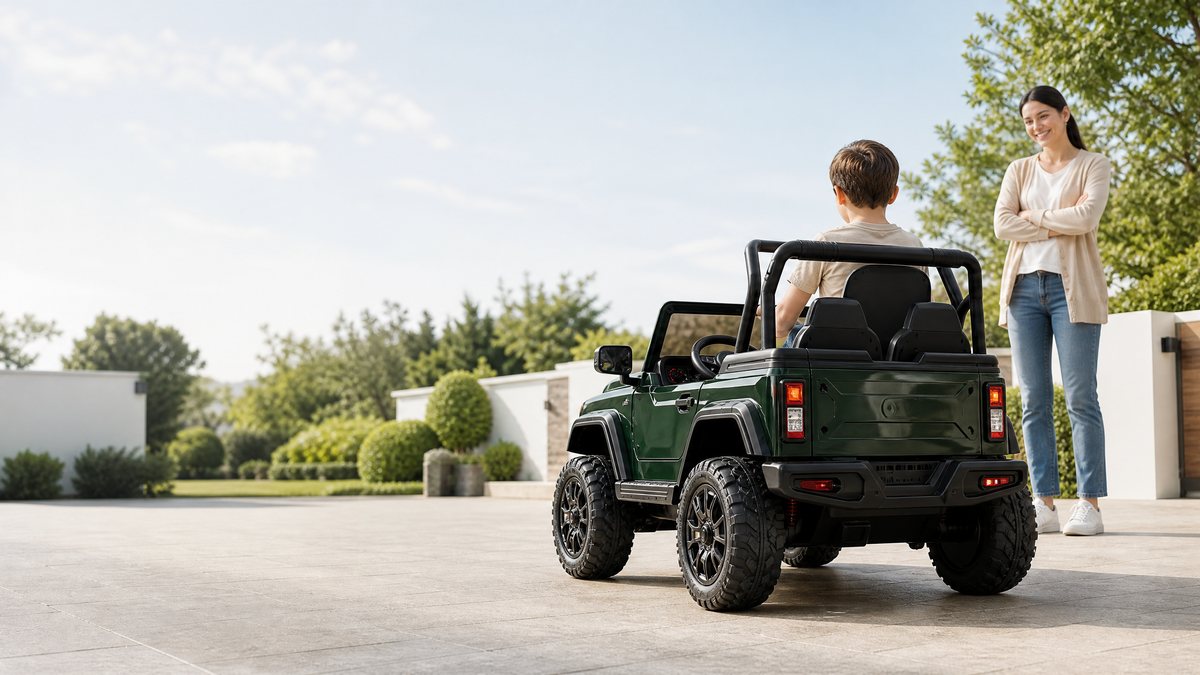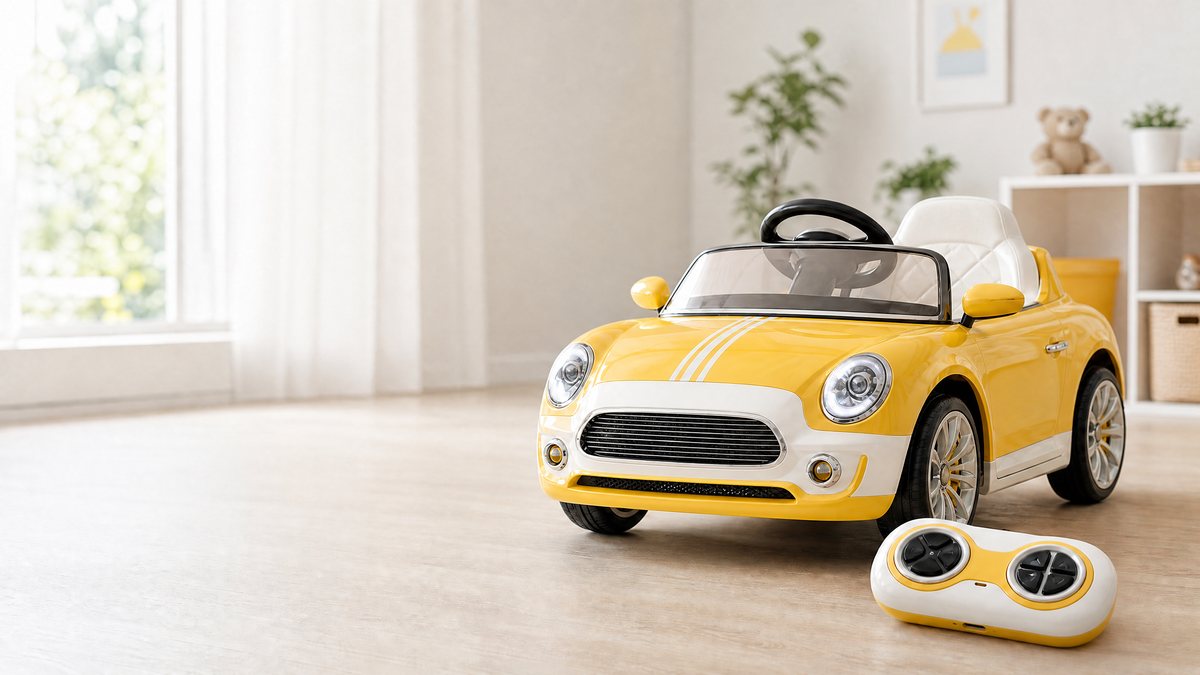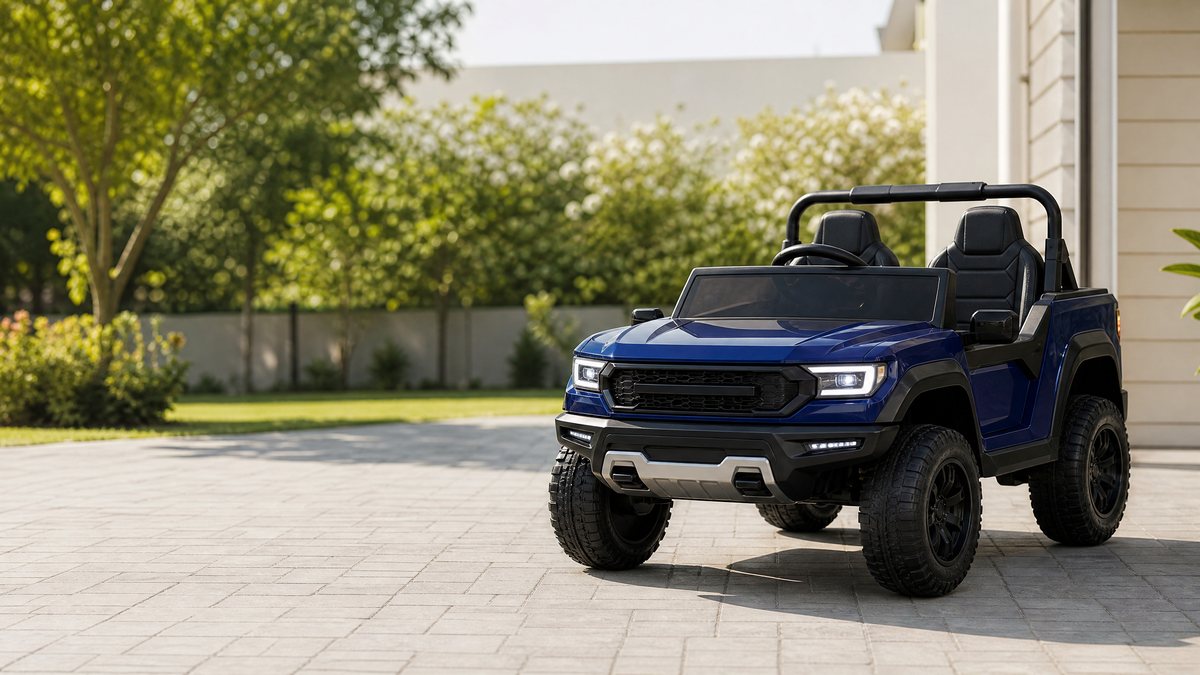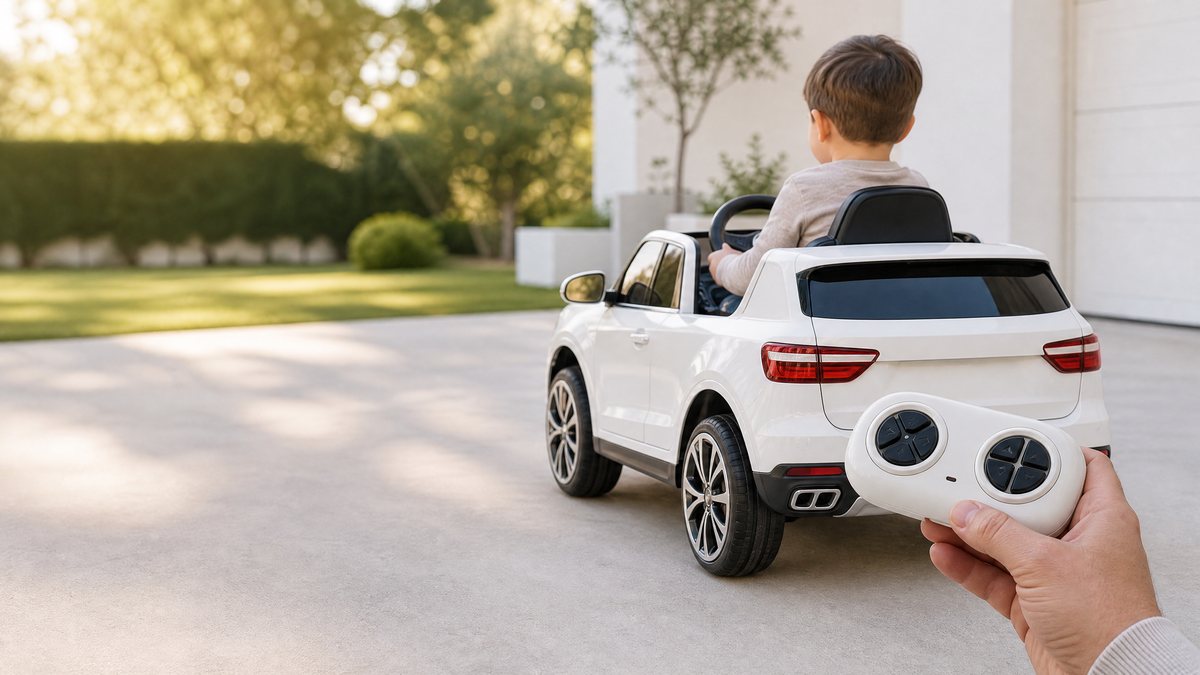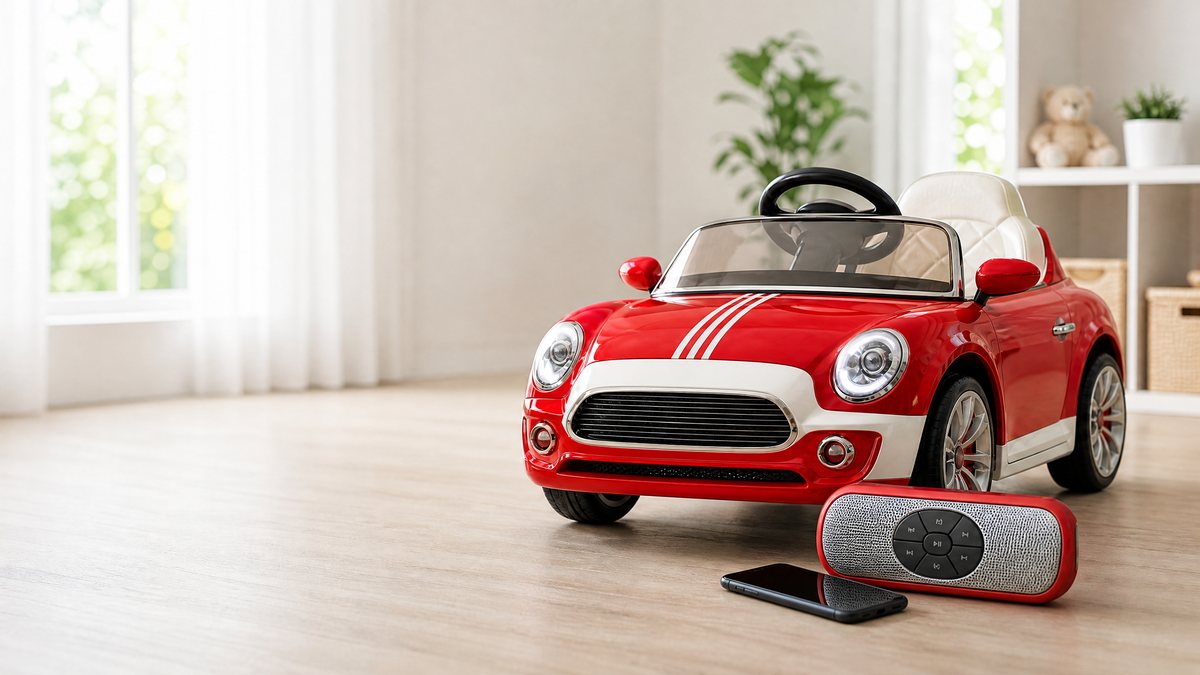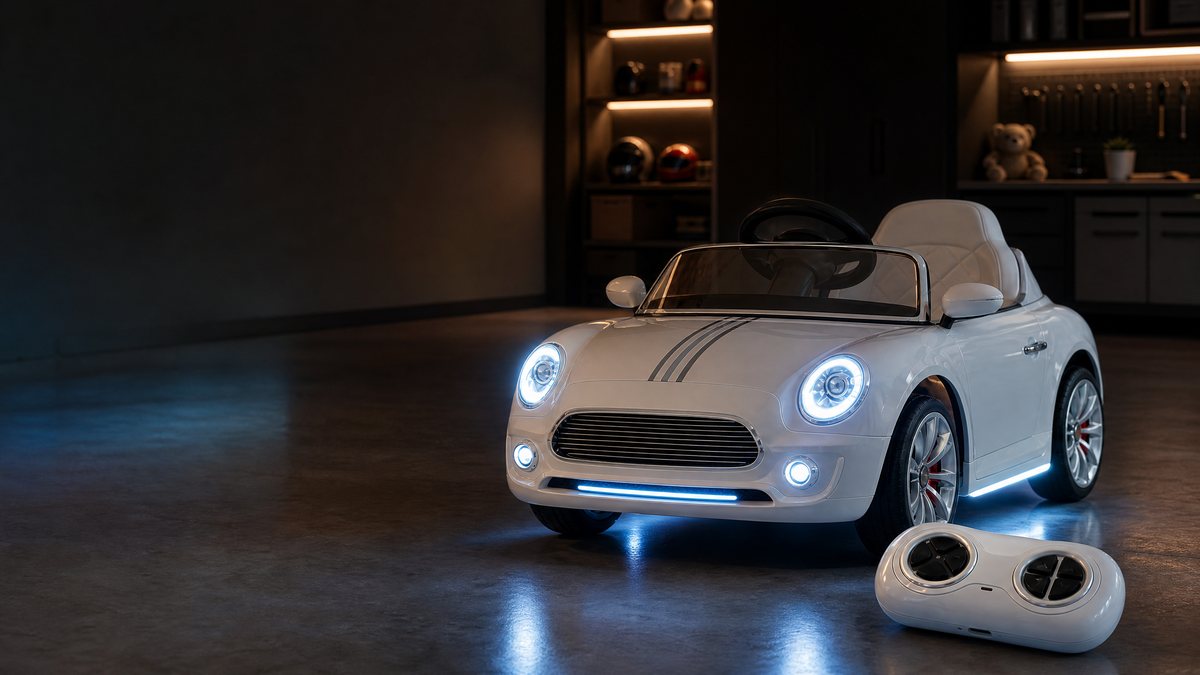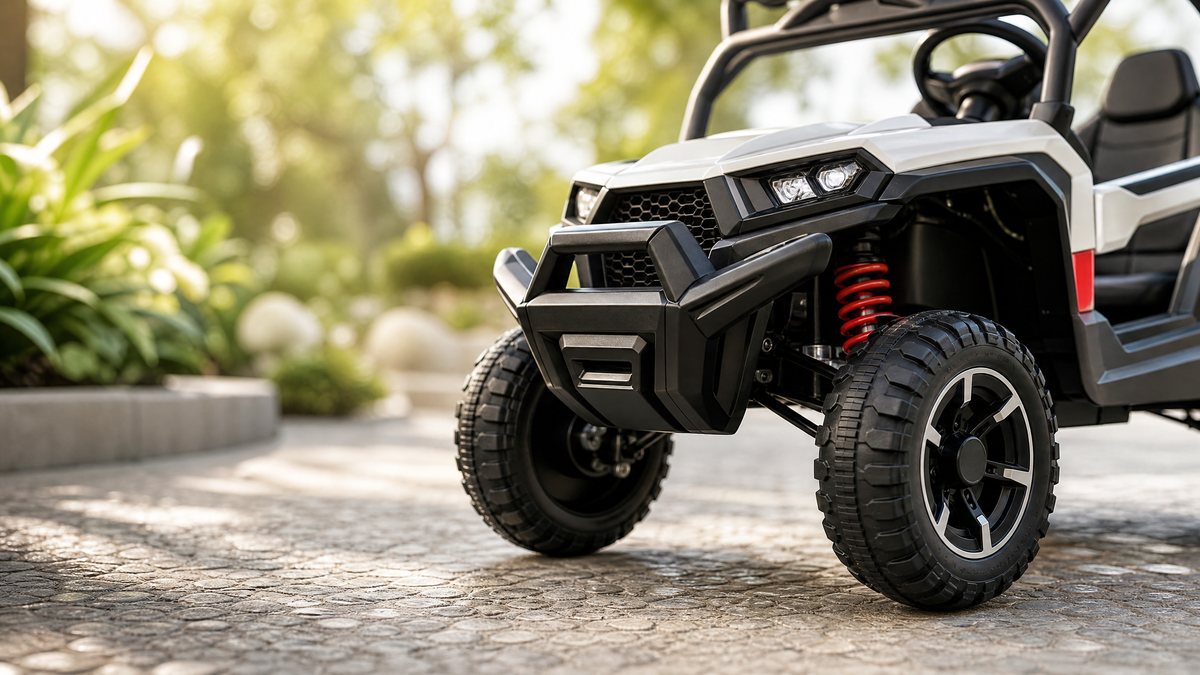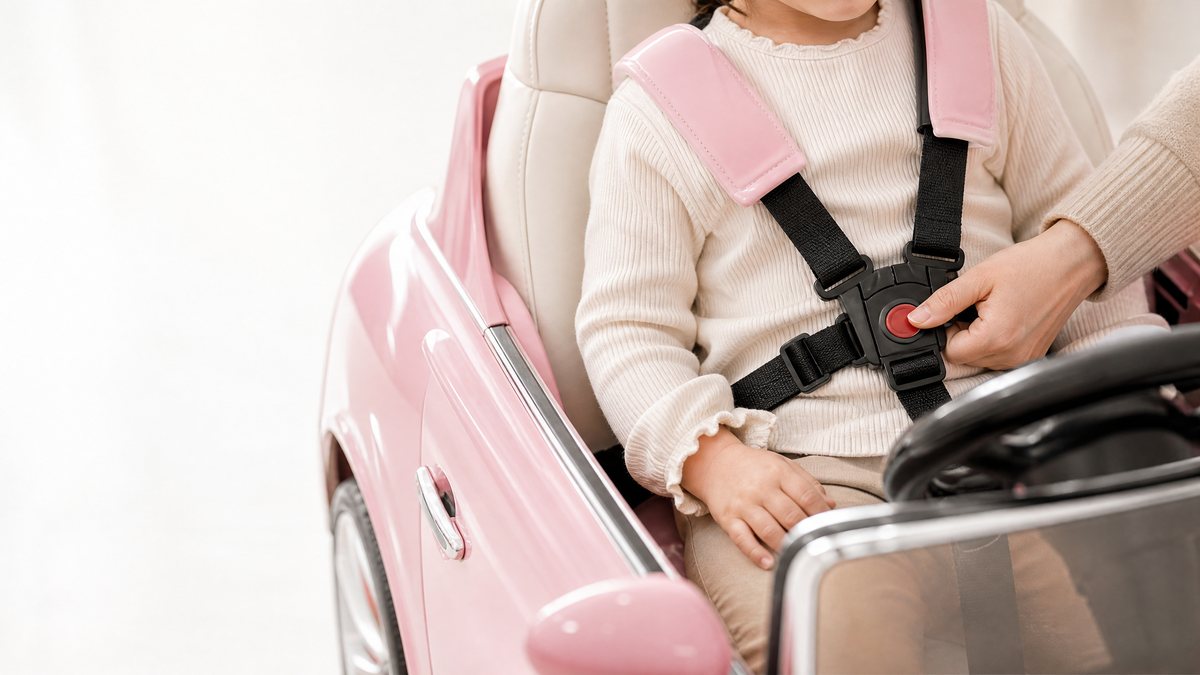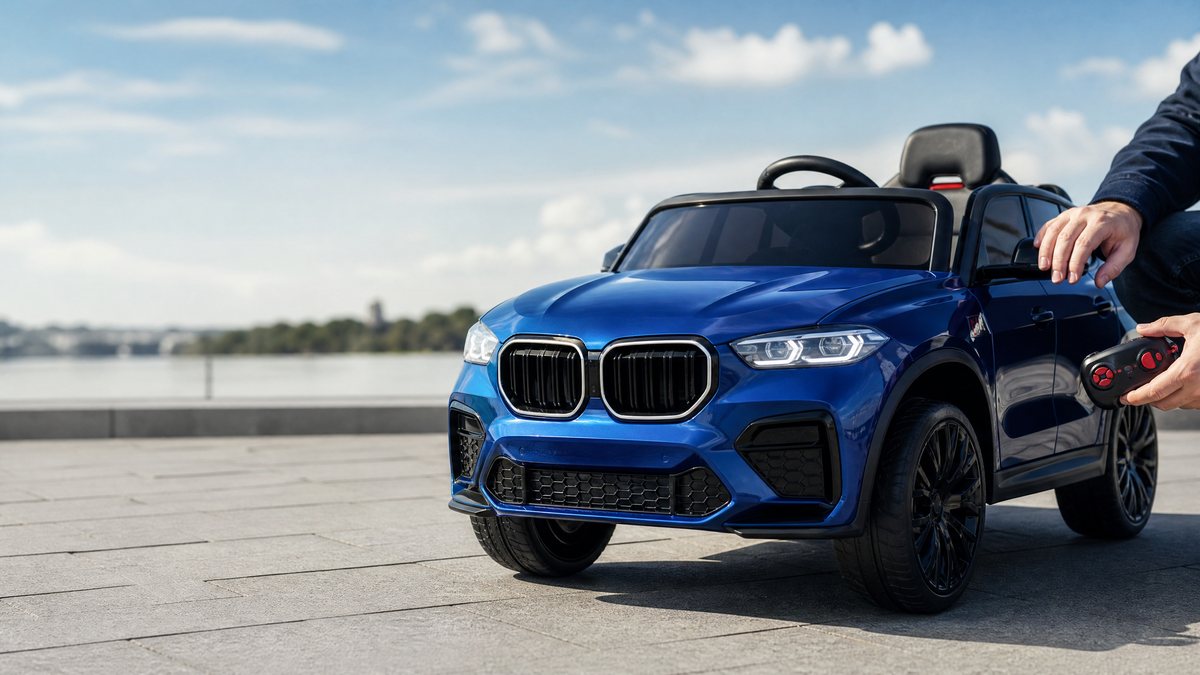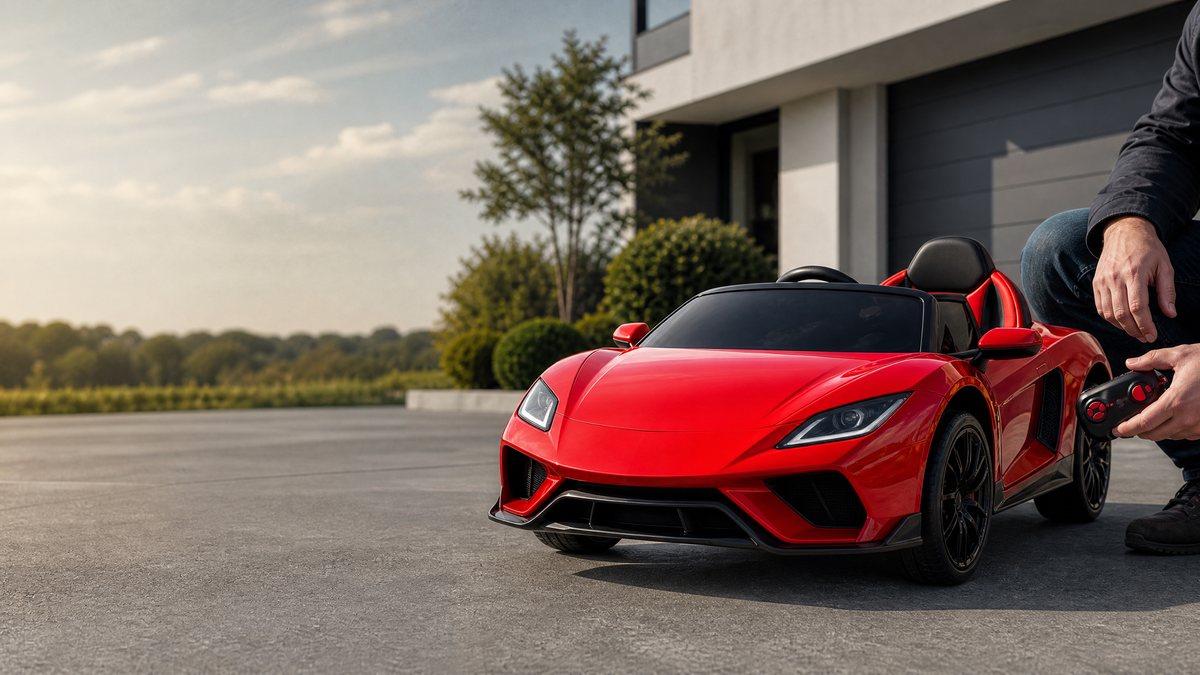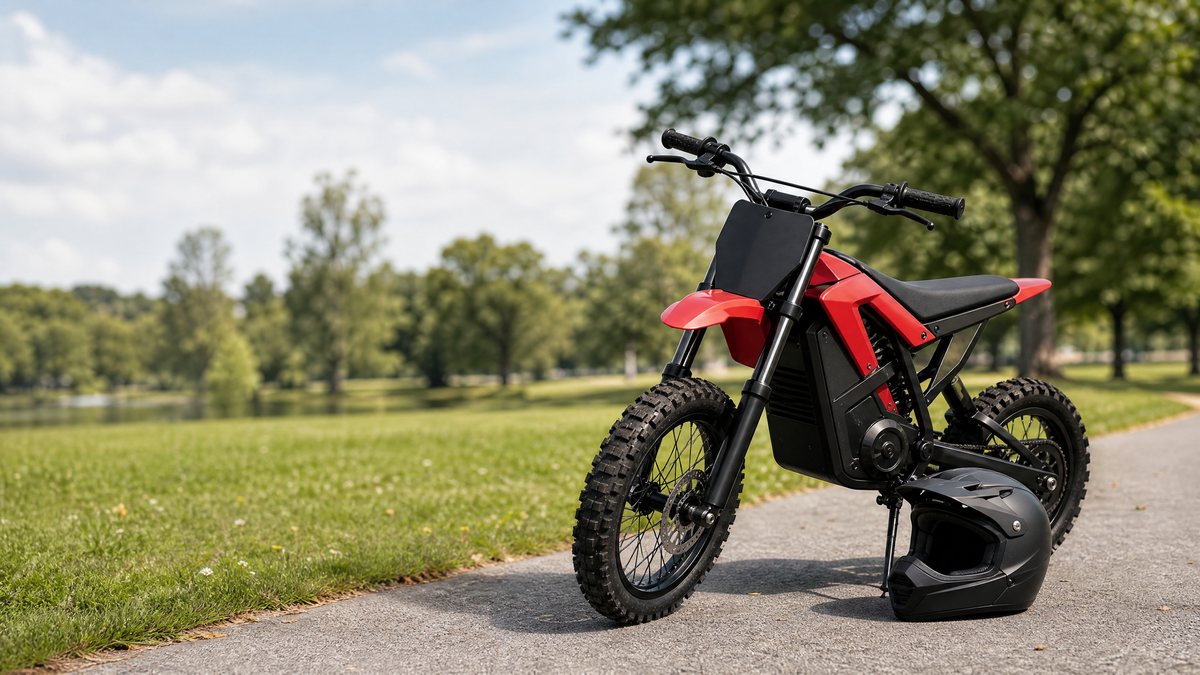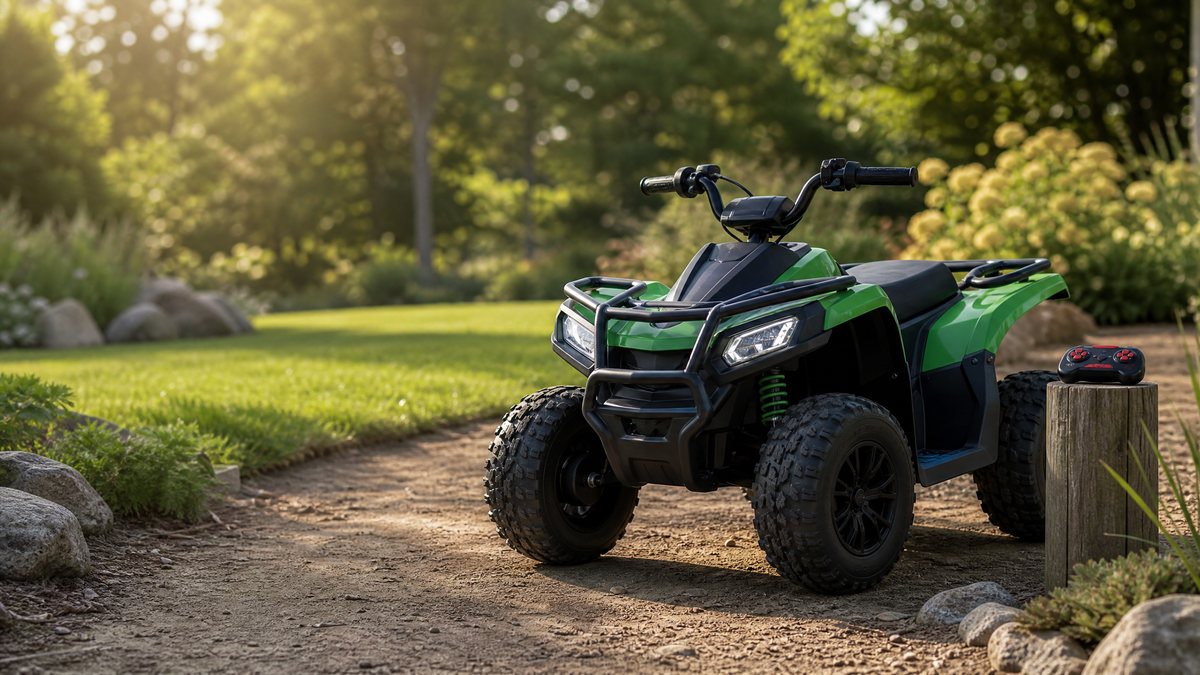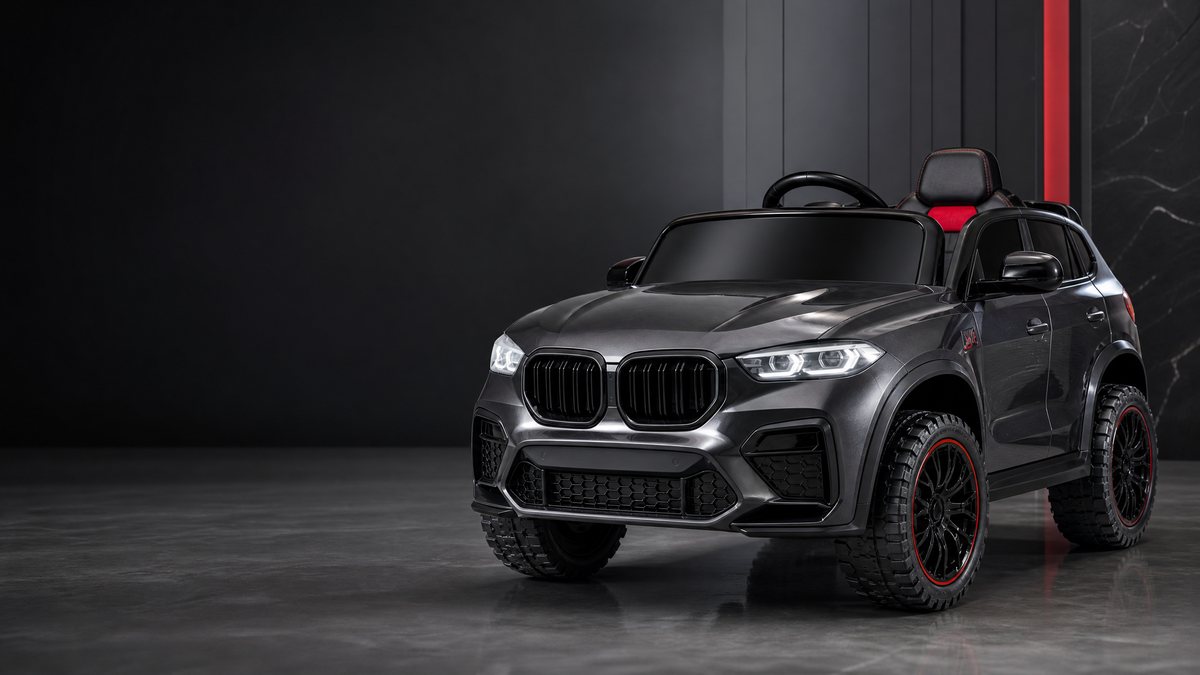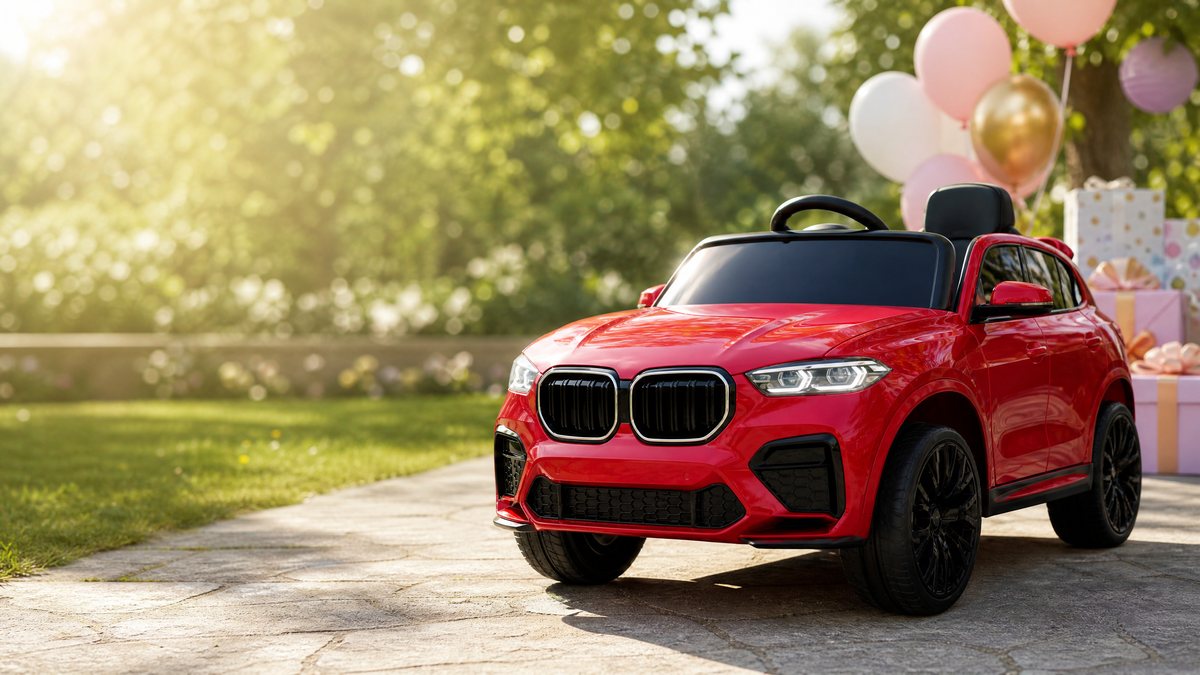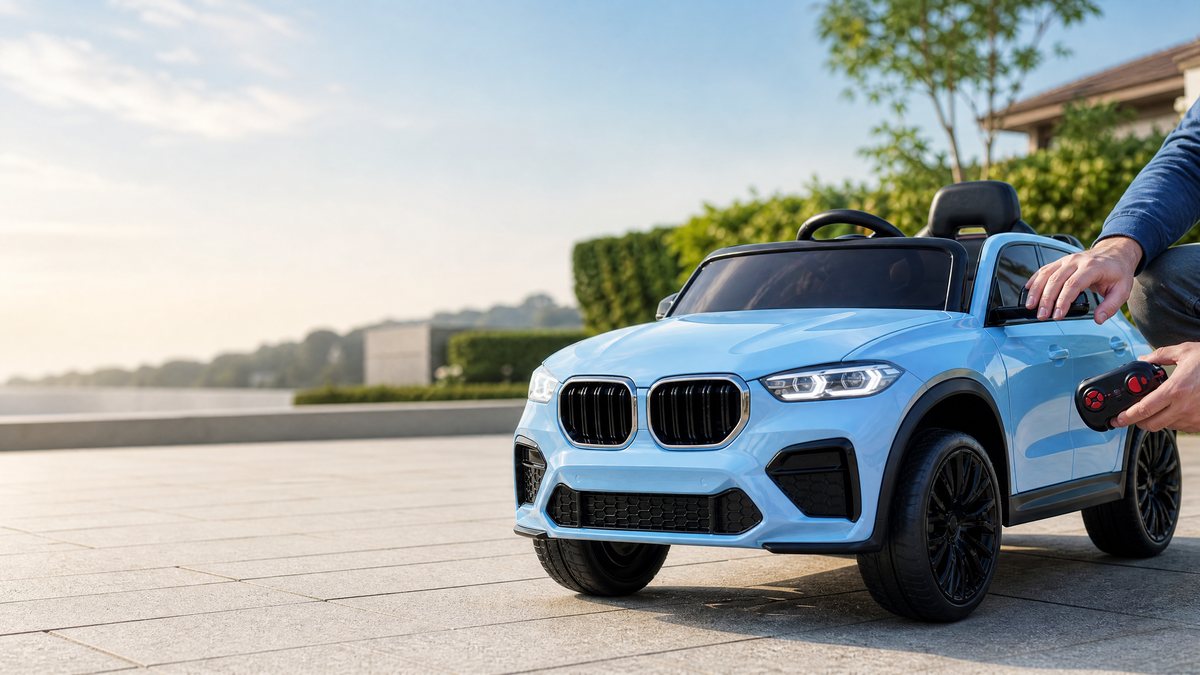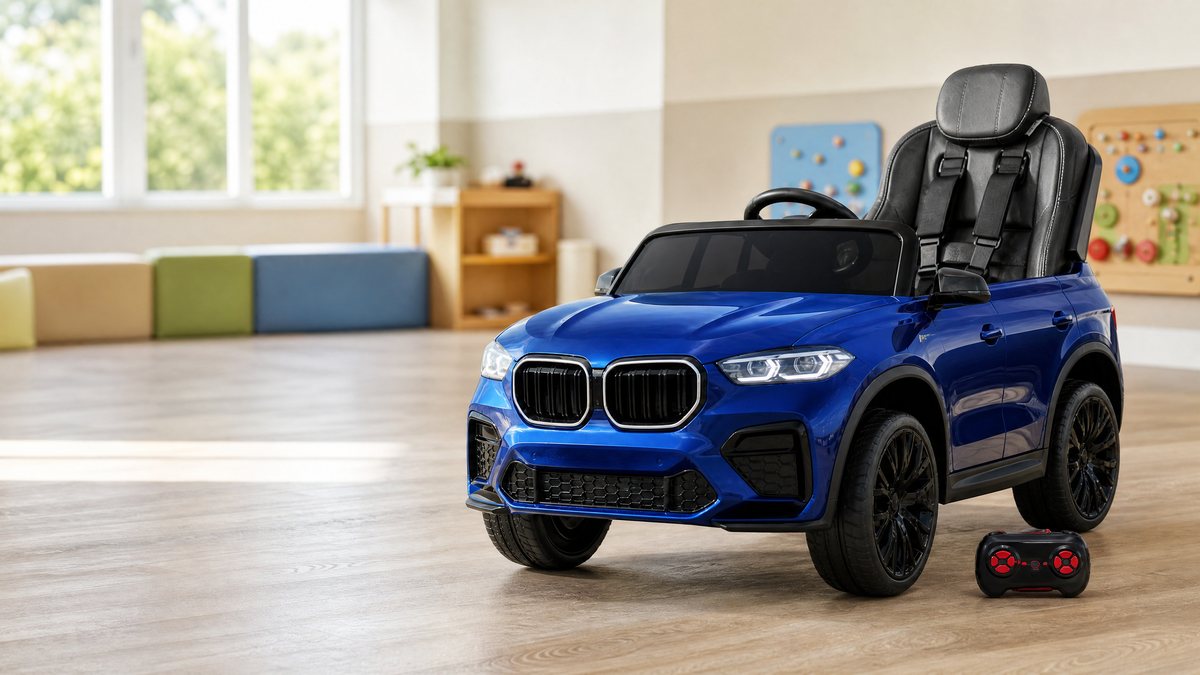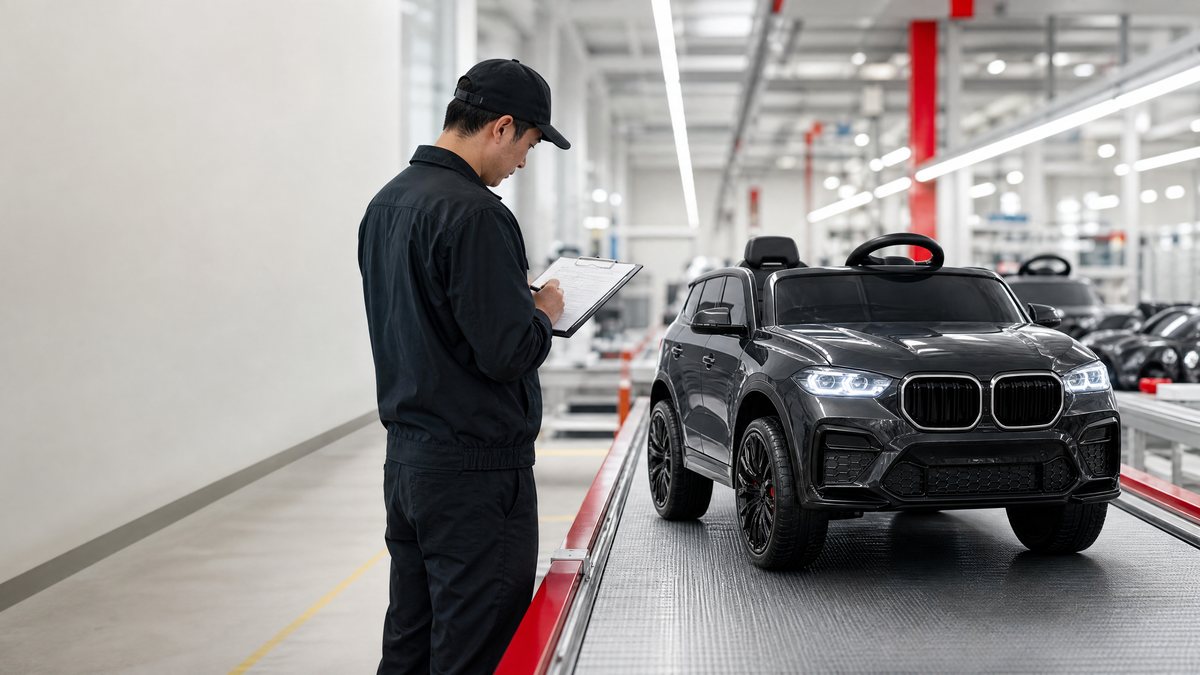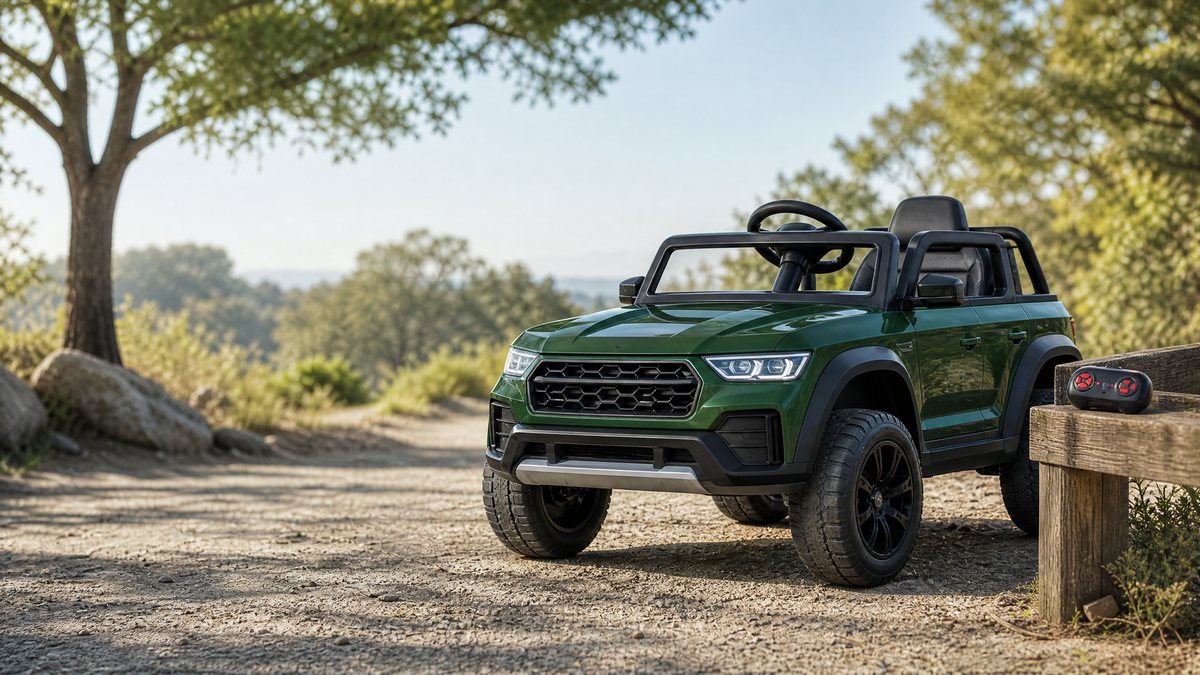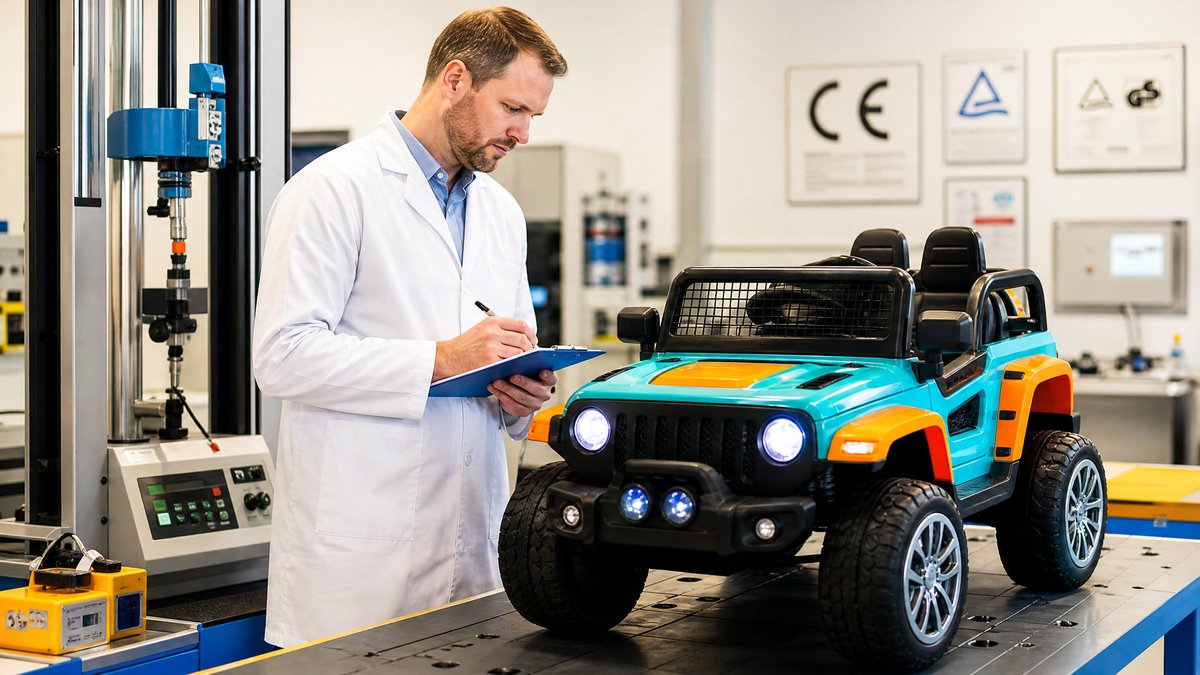
The evolution of electric ride-on vehicles for children has transformed backyard play into a sophisticated sensory and motor-skill developmental experience. Modern ride-on cars are no longer simple plastic chassis with basic on-off switches; they are engineered miniature electric vehicles featuring advanced gearboxes, multi-wheel drive configurations, parental remote controls, and intelligent power management systems. Among these engineering advancements, Soft Start Technology stands out as a critical innovation designed specifically to protect young drivers, enhance vehicle longevity, and provide parents with greater peace of mind during supervised operation.
For B2B wholesale buyers, retail partners, and discerning parents evaluating electric ride-on cars, understanding the mechanical and ergonomic principles behind soft start technology is essential. When sourcing inventory or selecting a model for children, evaluating how a vehicle manages electrical current and torque delivery directly impacts user safety, vehicle durability, and overall product satisfaction. This comprehensive guide explores the mechanics of soft start systems, their safety benefits, buyer evaluation frameworks, and best practices for supervised play in commercial and residential settings.
The Mechanics of Acceleration: Instant Power vs. Soft Start Engineering
To appreciate the protective value of soft start technology, one must first examine how traditional ride-on vehicles manage electrical power transmission. In older or budget-tier electric ride-on toys, pressing the foot accelerator pedal acts as a binary switch. The circuit closes instantly, routing maximum electrical current from the battery directly to the electric drive motors without intermediate regulation.
This abrupt surge of electrical energy results in immediate maximum torque delivery to the wheels. Because electric motors generate peak torque at zero RPM, an instantaneous power surge causes the rear wheels to spin violently or jerk forward without warning. For a young child—often aged two to six years old—this sudden lurch can be jarring, disorienting, and potentially hazardous to their balance and posture.
In contrast, Soft Start Technology introduces an intelligent electronic control module—often integrated into the vehicle’s central control board or Electronic Speed Controller (ESC)—between the accelerator pedal and the drive motors. When the child presses the pedal, the module does not dump full battery voltage instantly. Instead, it employs pulse-width modulation (PWM) or gradual voltage ramping to increase power delivery incrementally over a measured span of one to three seconds, ensuring a silky-smooth takeoff every single time.
Key Differences in Power Delivery Systems
| Feature / Metric | Traditional Instant Acceleration | Soft Start Technology |
|---|---|---|
| Current Surge | Immediate full current draw upon pedal engagement | Gradual voltage ramping via electronic controller |
| Initial Motion | Abrupt lurch, sudden wheel spin, or jerk | Smooth, progressive, and controlled departure |
| Mechanical Stress | High shock load on gearboxes, pins, and shafts | Minimized mechanical shock and friction wear |
| Child Comfort & Posture | Potential for head-bobbing, fright, or loss of grip | Maintained seating posture and balanced grip |
| Component Lifespan | Accelerated wear on plastic gears and motor brushes | Extended durability across gear trains and motors |
As detailed in the comparison table above, soft start systems fundamentally alter the physical interaction between the child and the vehicle. By smoothing the initial acceleration curve, the vehicle transitions from stationary to motion with effortless fluidity, removing the aggressive jerk that characterizes unregulated circuits. Furthermore, this electronic regulation prevents sudden battery voltage sags that can destabilize auxiliary onboard systems such as LED headlights, Bluetooth audio modules, and digital dashboard displays.
Safety and Ergonomic Benefits for Young Drivers
The primary mandate of any children's product is uncompromising safety. While parental remote controls, seatbelts, and braking systems receive significant attention, acceleration dynamics play an equally vital role in injury prevention and rider confidence.
Eliminating Abrupt Whiplash and Startle Responses
Young children possess developing neck muscles and vestibular systems. An abrupt mechanical jolt can cause sudden hyperextension of the cervical spine (whiplash effect) or startle the child, leading to panic and loss of steering control. Soft start technology eliminates this initial shock, ensuring that the child's head and torso remain stable against the seatback as the vehicle begins to move forward.
Preventing Loss of Traction on Slick Surfaces
Abrupt wheel spin on grass, pavement, or smooth indoor flooring often leads to sudden loss of directional control, sideways sliding, or tipping. By ramping up torque gradually, soft start mechanisms allow rubberized or EVA foam tires to establish secure friction grip with the riding surface before full power is applied, keeping the vehicle tracking straight and predictable across diverse terrains.
Supporting Developmental Confidence
For toddlers transitioning from push cars or strollers to motorized battery-powered vehicles, the sensation of autonomous movement can be intimidating. A vehicle that lunges forward aggressively can discourage timid children from engaging in active outdoor play. Soft start technology provides a reassuring, predictable learning curve, encouraging children to develop spatial awareness, hand-eye coordination, and motor control at a comfortable pace.
Mechanical Preservation and Longevity
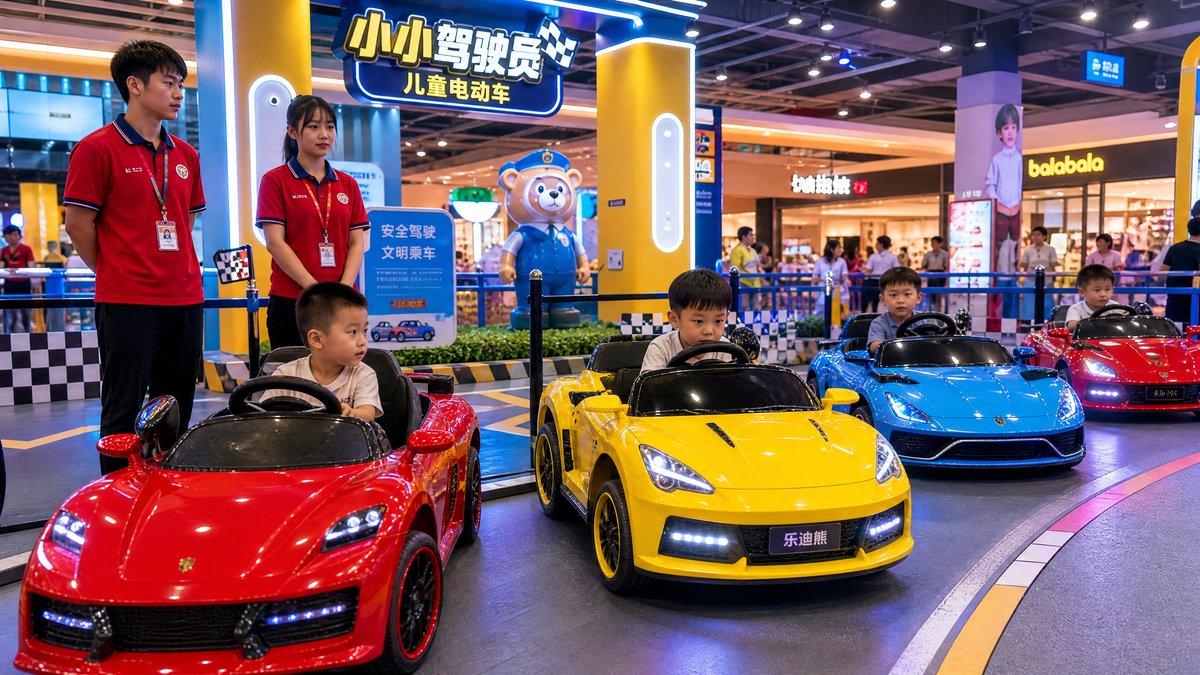
Beyond direct rider safety, soft start technology offers substantial engineering advantages that preserve the structural and electrical integrity of the ride-on car. For B2B commercial buyers and fleet operators—such as amusement park rental services, kindergarten play yards, and family entertainment centers—equipment durability directly impacts operational overhead and customer satisfaction.
Reducing Gearbox and Pinion Wear
Electric ride-on gearboxes typically utilize precision-molded plastic gears (such as high-density nylon or POM) to transfer motor rotation to the drive axle. Under instant acceleration, the sudden torque spike creates immense shear stress on the primary gear teeth and motor pinions. Over time, this repetitive shock leads to stripped gears, cracked housings, and premature gearbox failure. Soft start technology cushions the initial engagement, reducing peak shear forces and significantly extending transmission lifespan.
Protecting Electrical Terminals and Motor Brushes
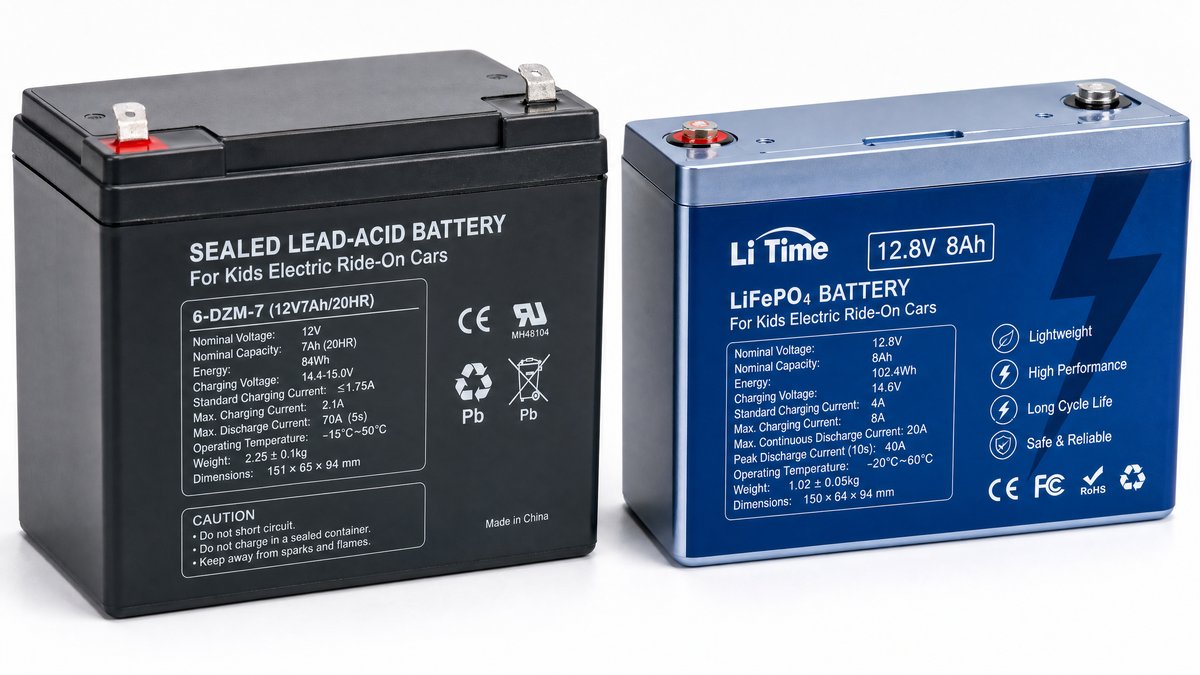
High inrush currents during instantaneous startup generate micro-arcing at motor brushes and heat spikes within wiring harnesses and control boards. By intelligently regulating current flow during the initial takeoff phase, soft start modules mitigate thermal fatigue and electrical resistance buildup. This reduces component failure rates and ensures consistent electrical performance throughout the product lifecycle.
If you are a wholesale distributor, retailer, or commercial fleet operator looking to source high-durability electric ride-on vehicles equipped with advanced safety features, we invite you to connect with our product specialists. Request a wholesale quote to discuss customized catalog options, compliance documentation, and bulk shipping terms.
Evaluating Ride-On Specifications: A Buyer's Framework
When purchasing or stocking electric ride-on cars, distinguishing between basic budget toys and professionally engineered models requires a systematic evaluation of technical specifications. Because features vary significantly across different manufacturers and price tiers, buyers must inspect official documentation rather than relying on generalized marketing claims.
1. Controller Board and ESC Inspection
Always verify whether the vehicle's electronic speed controller explicitly supports progressive voltage ramping. High-end controllers not only manage soft start during pedal depression but also coordinate seamless transitions between low and high-speed settings on parental remotes, ensuring constant stability.
2. Gearbox and Motor Pairing Verification
Ensure that soft start features are paired with robust gearboxes and appropriately rated drive motors. A soft start system protects the gears, but the underlying mechanical architecture must still comply with relevant toy safety standards (such as ASTM F963 or EN 71) and bear appropriate certification markings.
3. Reviewing Manufacturer Documentation and Nameplates
All performance characteristics, recommended age grades, maximum weight capacities, and operational limits must be verified directly against the manufacturer's official user manual and product nameplate data. Never assume universal compatibility or uniform performance across different vehicle models.
Crucial Safety and Operational Guidelines
Electric ride-on cars are motorized recreational products that require active adult supervision and strict adherence to safety protocols. Whether operating vehicles equipped with soft start technology or standard systems, caregivers and operators must observe the following mandatory safety guidelines:
* Mandatory Adult Supervision: An responsible adult must maintain direct visual contact and proximity whenever a child is operating a ride-on vehicle. Never leave children unattended, regardless of whether the vehicle features soft start, remote override, or automatic braking.
* Adherence to Operating Manuals: Always assemble, maintain, and operate the vehicle strictly in accordance with the manufacturer's written instructions. Never attempt to modify internal electrical enclosures, tamper with battery terminals, measure electrical voltages with multimeters, or bypass factory-installed safety circuits.
* Prohibited Modifications: Never install unapproved aftermarket batteries, high-voltage motors, or unverified wiring harnesses. All replacement parts must be sourced directly from the original manufacturer to maintain system integrity.
* Emergency Procedures: If the vehicle exhibits unusual odors, smoke, overheating, battery leakage, water ingress, exposed wiring, damaged charging cables, abnormal braking response, or persistent electrical faults, immediately cease operation, power down the vehicle, disconnect the battery, keep children away, and contact the manufacturer or a qualified service technician.
Frequently Asked Questions
1. Does soft start technology completely eliminate the risk of accidents?
No. While soft start technology successfully removes the hazard of abrupt initial lurching and reduces mechanical shock, it does not replace the fundamental need for active adult supervision, appropriate safety gear (such as certified helmets where applicable), and safe operating environments away from traffic, slopes, and water hazards.
2. Can soft start be retrofitted into older ride-on cars that lack the feature?
Retrofitting aftermarket electronic speed controllers or soft start modules into older, non-compatible ride-on cars is strongly discouraged. Doing so often requires splicing wiring harnesses, altering internal housings, and bypassing factory safety protections, which can create fire hazards, void warranties, and compromise child safety. Always purchase vehicles that incorporate certified soft start systems from the factory.
3. How does soft start technology interact with parental remote controls?
In modern dual-control ride-on cars, soft start programming typically governs both pedal input and remote-control commands. When a parent initiates movement via the 2.4G remote transmitter, the vehicle's control module applies the same progressive acceleration curve to ensure smooth, controlled movement without startling the child.
4. Are ride-on cars with soft start suitable for all age groups and skill levels?
Soft start technology benefits all young riders, particularly toddlers and children who are developing motor coordination. However, vehicle selection must always be based on the manufacturer's specific age grading, maximum weight capacity, and developmental readiness, rather than the presence of a single technical feature.
Conclusion
Soft start technology represents a vital convergence of electrical engineering and child safety design in modern electric ride-on cars. By replacing abrupt power surges with smooth, progressive acceleration, manufacturers protect young drivers from startle responses and physical jolts while substantially extending the overall mechanical lifespan of gearboxes, drive motors, and electrical harnesses across diverse operational environments.
For wholesale buyers, retail partners, and safety-conscious parents navigating the competitive children's vehicle market, prioritizing models equipped with robust electronic speed control systems ensures an optimal balance of operational reliability, user comfort, and long-term durability. By committing to thorough compliance checks, verifying manufacturer nameplates, and maintaining diligent adult supervision during every play session, stakeholders can foster safe, enriching, and reliable outdoor adventures.
To explore our complete collection of certified, high-quality electric ride-on cars equipped with advanced safety features and soft start engineering, reach out to our team today. Request a wholesale quote to receive our latest catalog and wholesale pricing details.
Official References
1. U.S. Consumer Product Safety Commission (CPSC): General Toy Safety Education and Regulatory Guidance. (Note: CPSC educational materials provide broad safety frameworks and do not replace specific manufacturer instructions or model-certified user manuals).
2. International Electrotechnical Commission (IEC): Safety of Electric Toys - Part 1: General Requirements (IEC 62115 guidance context on electrical and electronic safety in children's motorized products).
3. ASTM International: Standard Consumer Safety Specification for Toy Safety (ASTM F963 compliance guidelines regarding mechanical hazards, electrical safety, and kinetic energy limitations).
4. Manufacturer Engineering Documentation: Official operational guidelines, electrical schematics, and safety compliance declarations provided by authorized electric ride-on vehicle manufacturers.
Official references
Explore these external resources for current regulatory and trade guidance. Confirm requirements with the relevant authority before placing an order.
Ready to Start?
Factory-Direct · CE & ASTM Certified · MOQ from 50 Units
Our export team works with buyers in 60+ countries. Get a quote within 24 hours.
KR
Written by KidsRideCar
China's leading kids electric ride-on car manufacturer. 500,000+ units shipped annually to 60+ countries. CE, ASTM & EN71 certified.