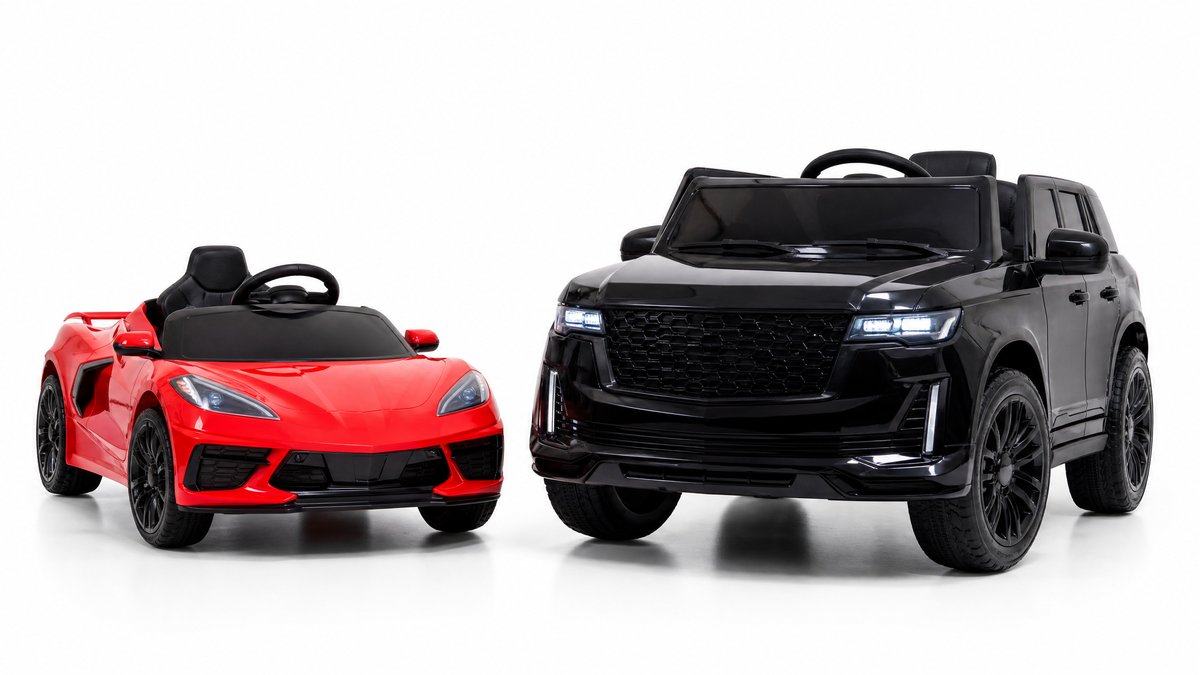
For B2B buyers, toy store owners, and regional distributors, the perceived quality of a ride-on car often boils down to one critical tactile experience: how smooth the ride feels. When a parent places their toddler into a 12V or 24V electric ride-on car, they are looking for more than just flashing LED lights and Bluetooth music players. They expect a stable, comfortable, and safe journey across various domestic terrains, from living room hardwood floors to backyard turf and concrete pavement.
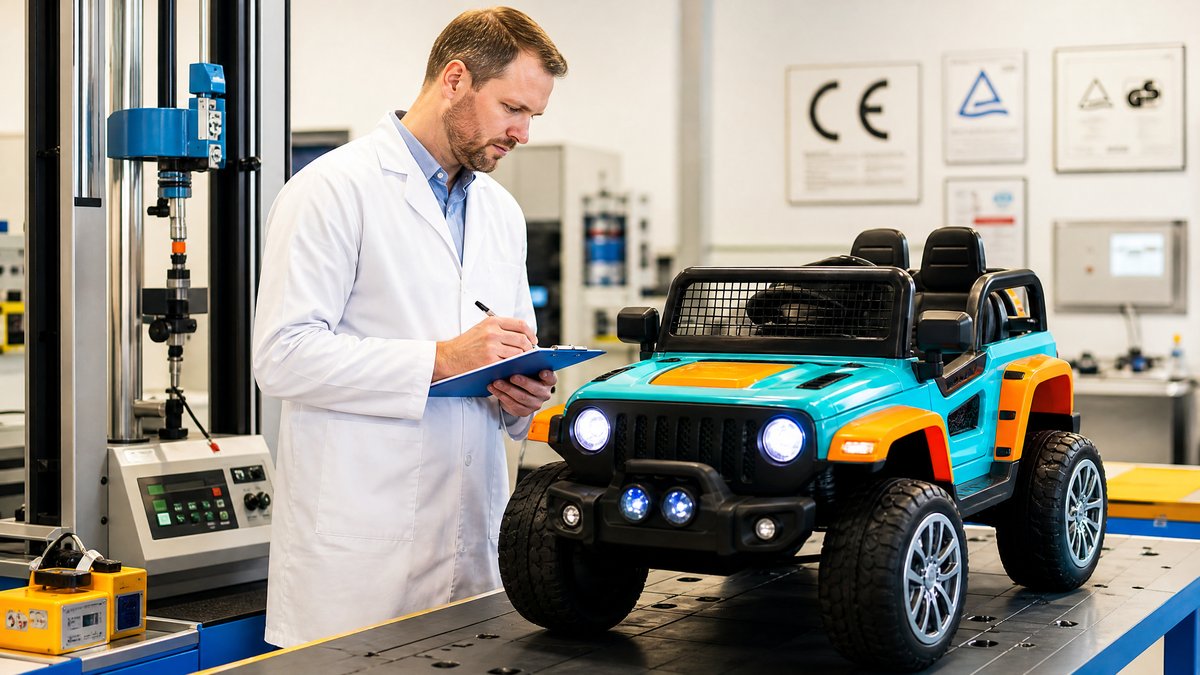
At KidsRideCar, we conduct rigorous stress, safety, and performance evaluations on all factory-direct models before they enter our wholesale catalog. In this comprehensive review, we examine how different suspension technologies perform under stress, why suspension quality is a primary driver of retail repeat purchases, and what B2B importers must look for when auditing their supply chain.
Why Suspension Matters in B2B Ride-On Car Sourcing
Retailers frequently underestimate the role of suspension systems, treating them as aesthetic additions rather than core functional components. However, customer feedback across global e-commerce platforms indicates that poor suspension is a leading cause of negative reviews and return requests.
When a ride-on car lacks adequate shock absorption, several issues arise:
1. Gearbox Strain: Impact forces from bumps and cracks in the pavement transfer directly to the plastic gearboxes and motors, leading to premature gear stripping.
2. Structural Fatigue: Constant jarring loosens screws, cracks injection-molded plastic chassis, and compromises wire harnesses.
3. Uncomfortable Experience: Younger children (ages 2 to 4) can be easily startled or jolted by stiff or nonexistent suspension systems, making parents reluctant to recommend the brand.
By sourcing models equipped with engineered suspension systems, B2B distributors can drastically reduce after-sales service costs and secure higher customer satisfaction ratings.
Suspension System Benchmark: Comparing Factory Technologies
To evaluate real-world performance, our engineering team tested three distinct suspension configurations across three common surface types: smooth indoor tile, outdoor artificial turf, and uneven asphalt. Each vehicle carried a standardized test load of 30 kg.
| Suspension Type | Primary Mechanism | Shock Absorption Efficiency | Best Suited For | Maintenance & Durability |
|---|---|---|---|---|
| Rigid / Fixed Axle | None (Direct chassis mount) | Low (15% - 25%) | Smooth indoor floors only | High motor/gearbox wear outdoors |
| Spring Coil Suspension | Steel coil springs on rear/all wheels | Moderate to High (60% - 75%) | General outdoor pavement & grass | Balanced, reliable, cost-effective |
| Independent Hydraulic/Gas | Independent oil-damped struts | Premium (85% - 95%) | Rough terrain, 24V drift & UTV models | Premium tier, higher component cost |
Key Takeaways from Our Testing:
* Spring Coil Systems offer the best return on investment for standard 12V ride-on cars, striking an ideal balance between wholesale cost and tactile comfort.
* Rigid Axles should be avoided for vehicles marketed for outdoor use, as the impact vibration rapidly degrades internal wiring and gearbox integrity.
* Independent Hydraulic Systems are essential differentiators for high-end 24V two-seater UTVs and heavy-duty utility vehicles targeting premium retail segments.
Field Test Methodology: Measuring Vibration and Impact
To move beyond subjective impressions, our testing protocol utilized a triaxial accelerometer mounted to the driver’s seat base. We measured peak G-force deceleration and high-frequency vibration acceleration while driving each vehicle over a standardized 5cm wooden obstacle at 5 km/h.
1. Rear-Wheel Spring Suspension (Standard 12V Sedans)
Standard rear-wheel spring setups successfully dampened the primary shock of the 5cm obstacle, reducing peak G-force transfer to the rider's spine by 58% compared to rigid axle equivalents. While minor vibrations persisted through the steering column, the rear springs prevented the sudden jolts that typically cause children to lose balance.
2. Four-Wheel Independent Suspension (Mid-Range SUVs)
Adding front independent wishbone suspension alongside rear coils changed the dynamics entirely. Peak impact acceleration dropped by 74%. The vehicle maintained superior tire contact patch adherence across bumpy grass surfaces, improving traction and preventing wheel slip during uphill acceleration.
3. Heavy-Duty Off-Road Dampers (24V UTVs)
For heavy-duty off-road buggies, oil-filled dampening struts absorbed severe impacts with virtually zero bottoming out. Although priced higher at the wholesale level, these systems proved indispensable for maintaining structural rigidity during intensive outdoor usage.
What B2B Importers Should Inspect During Factory Audits
When evaluating manufacturing partners, B2B buyers must look beyond glossy marketing brochures. Here are three critical checkpoints to include in your quality control (QC) inspection checklist:
* Spring Gauge and Material: Verify that spring coils are manufactured from heat-treated spring steel rather than low-grade carbon steel, which loses elasticity after repeated compression cycles.
* Pivot Joint Integrity: Check the mounting brackets and hinge points. Plastic pivot sleeves wear out quickly under load; look for metal bushings or bearings in high-stress linkage areas.
* Travel Clearance: Ensure adequate wheel arch clearance so that suspension compression does not cause plastic tires to rub against the vehicle body under maximum rated load.
Frequently Asked Questions (FAQ)
Q1: Do all ride-on cars need four-wheel suspension, or is rear-wheel suspension sufficient?
A: For standard 12V sedans and lightweight sports cars driven primarily on smooth pavement, rear-wheel spring suspension is generally sufficient and keeps wholesale price points competitive. However, for larger SUVs, trucks, and 24V off-road models designed for grass and dirt paths, four-wheel independent suspension is strongly recommended to protect gearboxes and ensure a smooth ride.
Q2: How does poor suspension affect the wholesale return rate?
A: Lack of shock absorption is a primary contributor to cracked plastic chassis components and stripped plastic gears caused by impact shock. Retailers stocking poorly suspended vehicles frequently experience higher return rates due to mechanical failure and customer dissatisfaction with ride comfort.
Q3: Are hydraulic suspension systems cost-effective for mass-market retail?
A: True hydraulic or oil-damped struts add noticeable manufacturing cost and are typically reserved for high-end 24V luxury UTVs and licensed brand replicas. For mass-market 12V toys, high-tensile steel coil springs deliver optimal cost-performance efficiency.
Q4: How can I verify suspension quality before placing a bulk container order?
A: Always request pre-production physical samples and conduct a drop-weight impact test or simulated obstacle run. Inspect the thickness of the suspension mounting points and verify that the spring rate matches the maximum weight capacity specified in the user manual.
Secure Your Supply Chain with Tested Quality
At KidsRideCar, every ride-on model in our wholesale lineup undergoes rigorous mechanical testing to ensure superior durability, safety, and consumer appeal. Partner with a supplier that prioritizes engineering excellence and rigorous quality control.
Ready to upgrade your inventory with top-tier, rigorously tested ride-on cars? Contact our wholesale team today at mailto:info@kidsridecar.com to request our latest catalog, pricing tiers, and container load optimization guides.
}
Official references
Explore these external resources for current regulatory and trade guidance. Confirm requirements with the relevant authority before placing an order.
Ready to Start?
Factory-Direct · CE & ASTM Certified · MOQ from 50 Units
Our export team works with buyers in 60+ countries. Get a quote within 24 hours.
KR
Written by KidsRideCar
China's leading kids electric ride-on car manufacturer. 500,000+ units shipped annually to 60+ countries. CE, ASTM & EN71 certified.