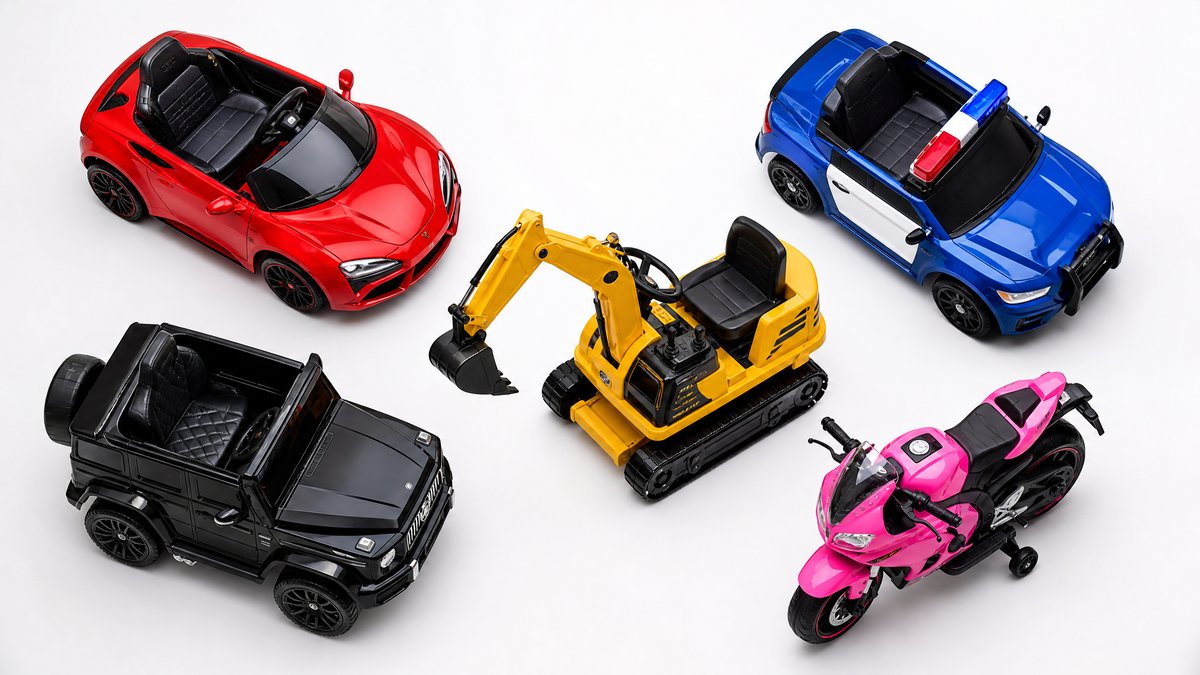
When commercial distributors, retail buyers, and parents evaluate ride-on vehicles for three-year-old children, electrical voltage stands out as a foundational technical specification. The market for children's battery-powered toys features diverse electrical configurations—primarily six-volt (6V), twelve-volt (12V), and occasionally twenty-four-volt (24V) systems. Selecting the appropriate voltage involves a balance between developmental ergonomics, mechanical capabilities, terrain adaptability, and stringent safety compliance. Understanding these nuances enables B2B procurement specialists and retail stockists to curate product portfolios that align with international safety standards while satisfying consumer expectations.
Evaluating voltage specifications requires examining how electrical energy translates into mechanical torque and handling. At age three, children experience rapid developmental transitions in motor skills and reaction times. Consequently, electrical output must harmonize with psychomotor capabilities rather than overwhelm them. This guide provides wholesale importers, retail store owners, and educators with an analytical framework to assess voltages, interpret manufacturer rating plates, and implement robust safety protocols without relying on unverified performance claims or unauthorized modifications.
Understanding Ride-On Car Electrical Systems: 6V, 12V, and 24V Explained
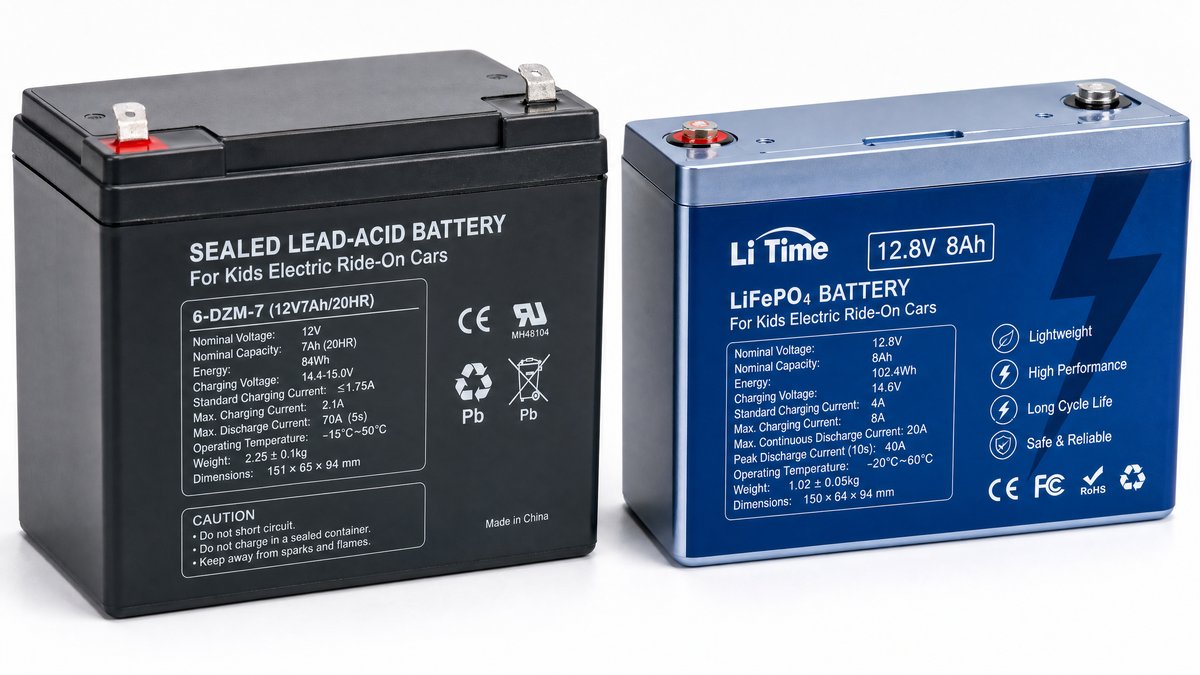
The electrical architecture of a modern ride-on car consists of a rechargeable battery, an electronic control unit, one or more drive motors, and wiring harnesses. The nominal voltage dictates the electrical potential difference supplied to the motors, directly influencing output torque and rotational velocity under load.
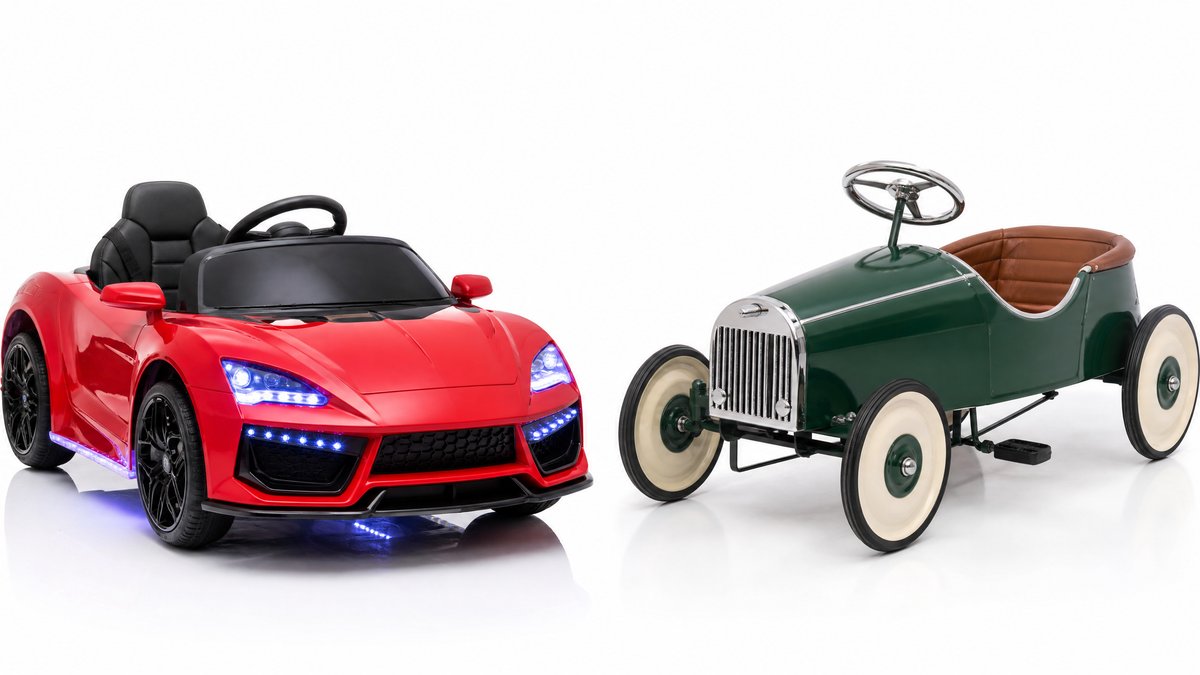
Six-volt (6V) systems represent entry-level ride-on engineering. Powered by a single rechargeable battery paired with a low-wattage motor, 6V vehicles are engineered for simplified operation. These models feature single-speed transmissions or modest dual-speed setups. The lower electrical output restrains maximum velocity, making 6V platforms well-suited for indoor use on smooth surfaces or controlled outdoor environments like flat patios. For commercial buyers, 6V models serve entry-level price points targeted at younger toddlers.
Twelve-volt (12V) systems constitute the most prevalent industry standard. Equipped with a single 12V battery or dual 6V batteries in series, 12V platforms drive dual motors on rear wheels. This dual-motor configuration distributes tractive effort evenly, enhancing stability on flat or gently inclined surfaces. Increased electrical potential allows for sophisticated features like proportional foot-pedal acceleration, soft-start circuitry, and multi-speed gearboxes. For three-year-old operators, 12V systems provide an optimal balance of responsiveness and manageable performance when supervised.
Twenty-four-volt (24V) systems occupy the high-performance segment. Utilizing high-capacity battery banks and high-torque motors, 24V vehicles are engineered for older children or rugged outdoor terrains. However, for a standard three-year-old operator, 24V systems exceed recommended developmental velocity thresholds and require advanced motor skills. Commercial stockists must carefully evaluate target age grading provided in official manufacturer documentation before marketing 24V models for younger demographics.
> "The selection of vehicle voltage must be guided strictly by manufacturer rating plates, designated age grading, and the developmental readiness of the child operator, ensuring that electrical output serves to support safe, supervised play rather than unverified performance enhancement."
Developmental Readiness and Age 3: Balancing Mobility and Control
Evaluating whether a particular voltage is suitable for a three-year-old child necessitates looking into early childhood psychomotor development. At age three, children exhibit significant variability in gross motor coordination, balance, and bilateral integration. While some children demonstrate advanced spatial judgment, others are still mastering basic steering mechanics and braking control.
When a child operates a ride-on vehicle, cognitive processing speed and physical coordination are simultaneously engaged. A lower-voltage 6V system offers forgiving acceleration curves, minimizing the likelihood of sudden lurches. Conversely, a 12V system equipped with electronic soft-start technology allows for gradual power delivery, smoothing out the initial surge of electrical current to the drive motors. Soft-start mechanisms prevent abrupt mechanical shock to the drivetrain while ensuring that the vehicle accelerates smoothly from a stationary position.
Developmental specialists emphasize that motorized vehicles should act as instruments for supervised sensory-motor exploration. When integrated thoughtfully into play routines, ride-on cars may support the refinement of spatial orientation, cause-and-effect comprehension, and bilateral coordination. Nevertheless, these developmental milestones must not be misconstrued as medical guarantees. Parents, caregivers, and professionals should evaluate each child's individual temperament, physical stature, and attentiveness before permitting independent operation. Furthermore, unauthorized modifications—such as installing heavier batteries or bypassing fuses—are strictly prohibited.
For B2B buyers looking to expand inventory with high-quality models that meet diverse developmental needs, exploring comprehensive product catalogs is essential. Request a wholesale quote to discuss compliant, safety-certified vehicle configurations tailored to your retail market.
Comparative Voltage Specification Matrix
To assist procurement managers and retail buyers, the following comparative matrix breaks down core technical, operational, and developmental characteristics of 6V, 12V, and 24V electrical systems. All specifications are generalized benchmarks derived from standard industry practices and must be verified against specific manufacturer documentation.
| Voltage Tier | Typical Motor Configuration | Primary Target Age | Recommended Terrain | Key Engineering Features | Safety & Operational Considerations |
|---|---|---|---|---|---|
| 6V Systems | Single low-wattage DC motor | 2 to 4 years | Indoor smooth flooring, flat paved patios | Basic on/off pedal switch, single speed, lightweight chassis | Low speed, limited hill-climbing ability; ideal for early beginners |
| 12V Systems | Dual rear-wheel DC motors | 3 to 6 years | Pavement, packed dirt, short grass, gentle slopes | Multi-speed gearbox, soft-start electronics, optional parent remote | Most balanced tier for 3-year-olds; requires active adult supervision |
| 24V Systems | High-torque dual or quad motors | 6 years and older | Rough terrain, grass, gravel, steeper inclines | Heavy-duty battery banks, advanced suspension, variable high speed | Exceeds standard 3-year-old parameters; strictly intended for older children |
The data presented in this matrix highlights critical distinctions that procurement teams must consider when stocking inventory. While 6V models cater to early toddlerhood indoors, 12V platforms represent the versatile sweet spot for three-year-old children operating under supervised conditions. 24V units, due to advanced torque and speed characteristics, should be strictly demarcated for older age brackets.
Pre-Purchase Evaluation Framework for Wholesale Buyers and Retailers
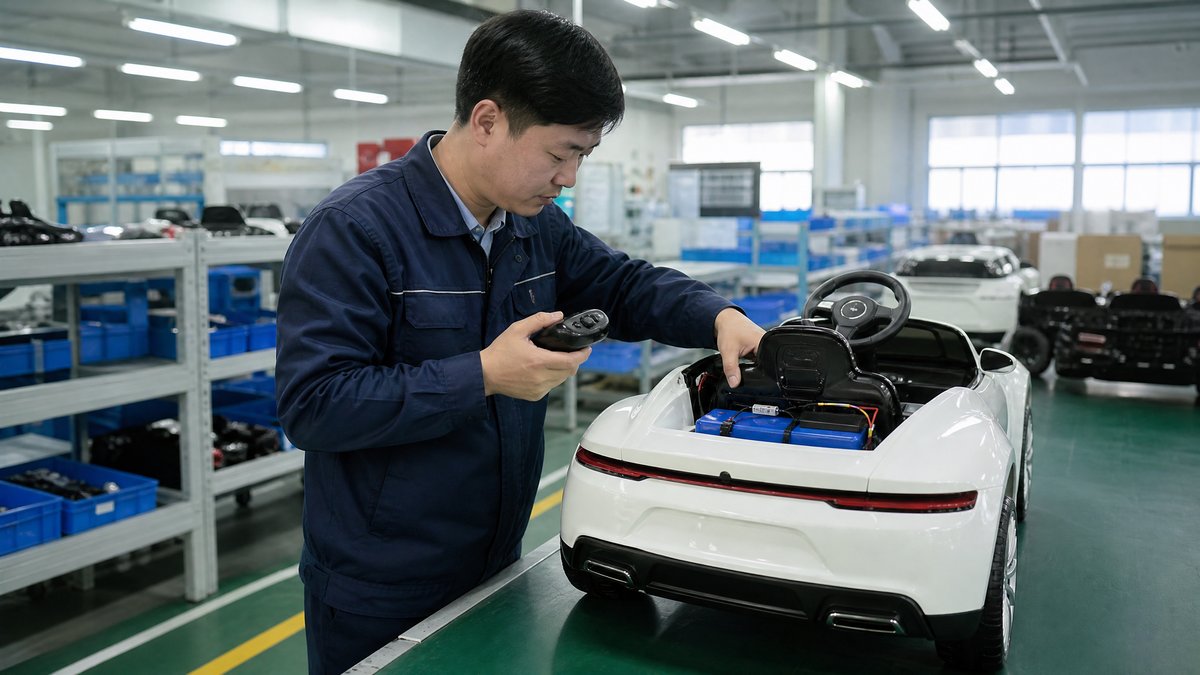
Navigating the global market for children's ride-on cars demands a rigorous pre-purchase evaluation framework. Wholesale buyers, commercial importers, and retail store managers cannot rely on generalized marketing claims. Instead, procurement decisions must be anchored in transparent verification protocols, documentation review, and physical sample inspection.
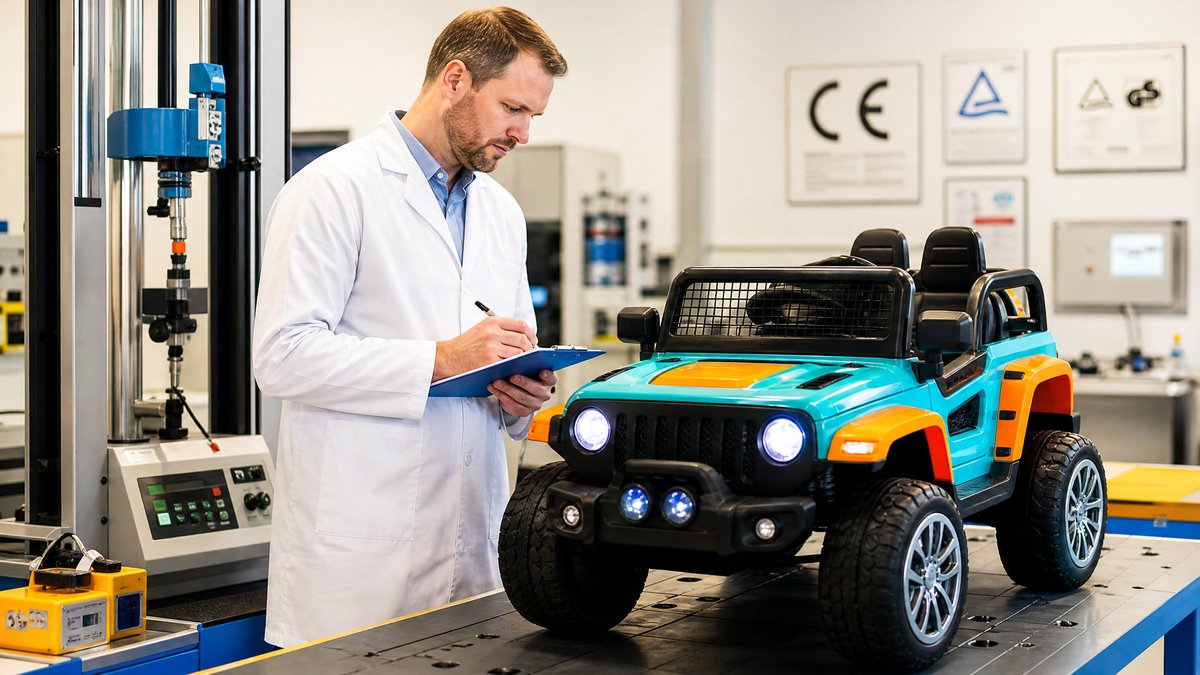
When evaluating supplier offerings, the primary step is to inspect official manufacturer rating plates and user manuals. Rating plates provide verified electrical specifications, including nominal voltage, battery amp-hour capacity, motor wattage ratings, and compliance certifications with international toy safety standards such as EN71, ASTM F963, or equivalent regional directives. Buyers must verify that electrical components feature integrated thermal overload protection and appropriate fuse ratings.
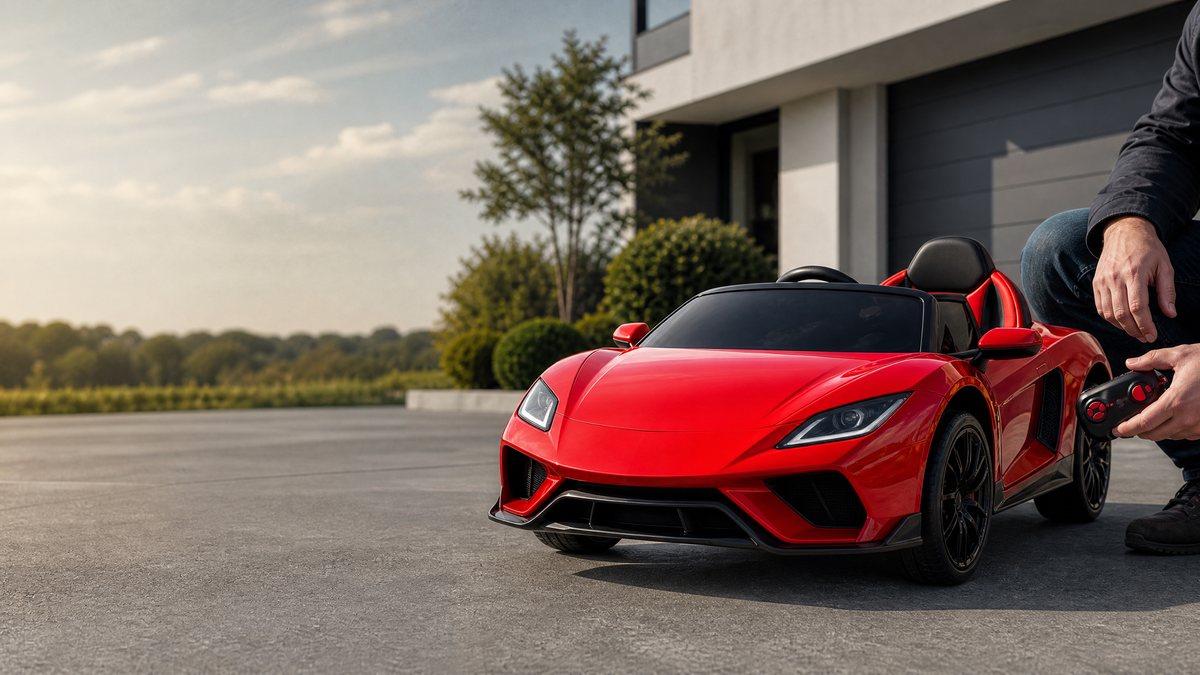
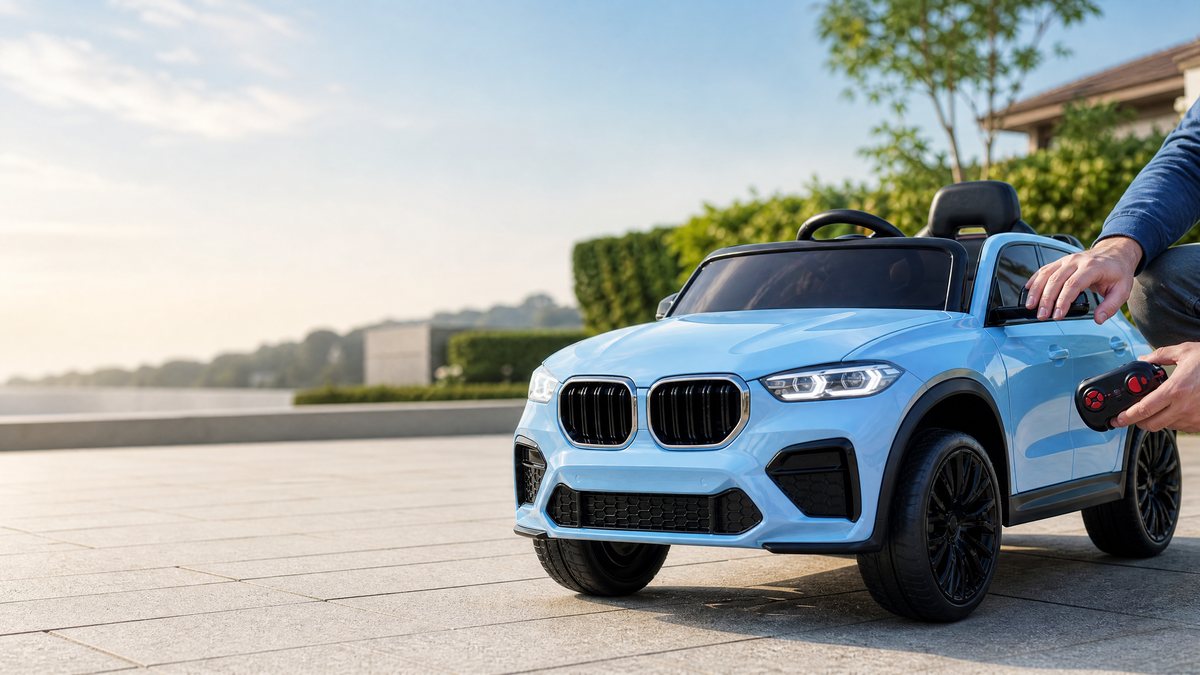
Another critical pillar is assessing secondary safety features, such as 2.4G parental remote control override systems. For three-year-old operators, parental remotes allow supervising adults to take immediate command of steering and braking functions if necessary. Furthermore, buyers should examine braking mechanics; modern electric ride-on cars typically utilize regenerative braking or automatic motor-resistance braking upon release of the foot pedal.
Supply chain due diligence also requires scrutinizing warranty terms, spare parts availability, and quality control documentation. Importers must confirm that manufacturing partners adhere to strict factory audits and utilize high-grade, non-toxic polymer materials. By establishing a methodical pre-purchase checklist, B2B buyers protect brand reputation and build consumer trust.
Safety Protocols, Operational Limits, and Emergency Procedures
Safety is paramount in the operation and distribution of motorized ride-on vehicles. Regardless of whether a vehicle operates on a 6V or 12V electrical system, adult supervision is an indispensable requirement. Supervising adults must remain within immediate physical proximity and maintain visual contact with the child operator at all times.
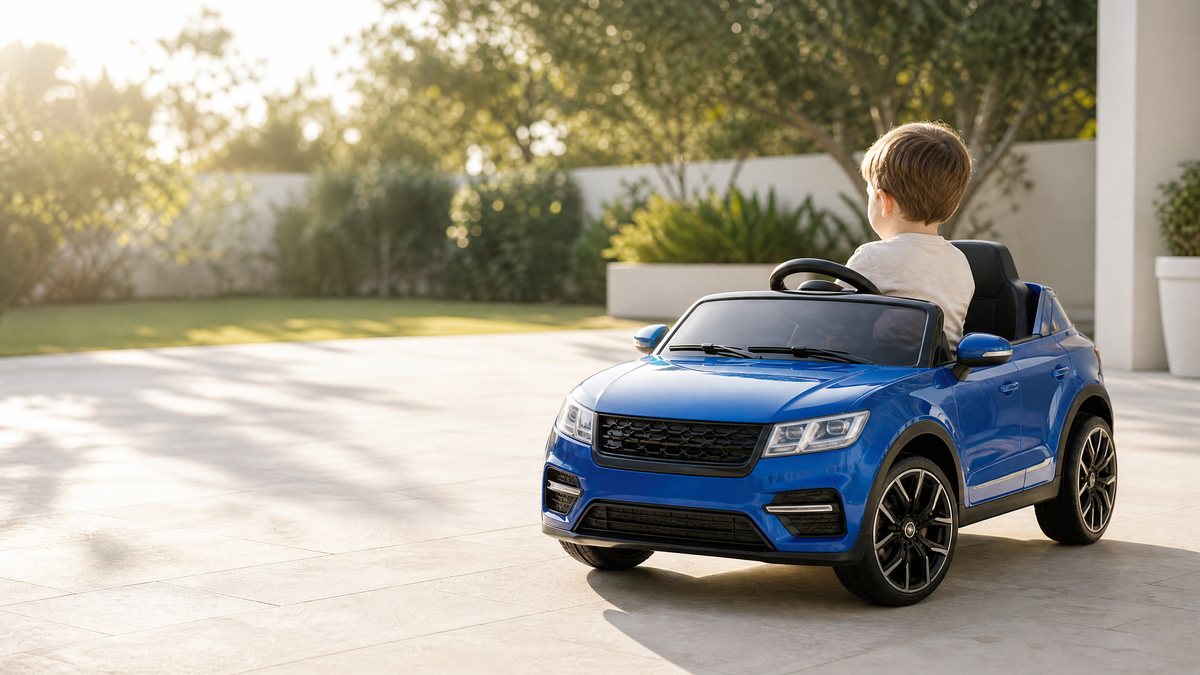
Operating environments must be strictly controlled. Ride-on cars must never be operated near public roadways, swimming pools, bodies of water, steep staircases, sloped driveways, or uneven terrain containing obstacles. Environmental conditions dictate safe usage: vehicles must not be operated outdoors during heavy rain, snow, icy conditions, or after dark. Furthermore, users must strictly adhere to weight capacity limits specified in manufacturer manuals.
In electrical maintenance and battery care, strict adherence to safety guidelines is mandatory. Users and technicians must observe the following prohibitions and emergency protocols:
* Strict Prohibition of Unauthorized Modifications: Never attempt to disassemble internal electrical housings, touch exposed battery terminals, measure live electrical voltage with multimeters, bypass internal circuit breakers or protective fuses, or modify factory wiring harnesses, motors, or battery capacities.
* Prohibition of Voltage Upgrading: Installing higher-voltage batteries into an uncertified chassis is strictly prohibited. Such modifications overload electrical components, degrade braking efficiency, and create severe fire and thermal runaway hazards.
* Emergency Response Protocols: In the event of unusual odors, visible smoke, component overheating, electrolyte leakage, water ingress, exposed or frayed wiring, damaged charging plugs, abnormal braking responses, or persistent mechanical failure, immediate action is required. Power off the vehicle immediately, disconnect the power source if safe to do so, remove all children from the vicinity, cease charging operations, and contact the manufacturer or a qualified service technician before any further use.
* Charging Safety: Always utilize the original manufacturer-supplied charging unit and follow prescribed charging durations. Never leave batteries charging unattended for extended periods or store batteries in extreme temperature environments.
Frequently Asked Questions
1. Is a 12V ride-on car too fast for an average 3-year-old child?
While 12V ride-on cars generally achieve higher top speeds compared to 6V models, many modern 12V vehicles are engineered with dual speed settings and electronic soft-start technology. For a typical three-year-old, a 12V car operated on the low-speed setting and supervised closely by an adult with a 2.4G remote control override provides a safe and manageable experience. Always consult the specific manufacturer manual and assess individual developmental readiness.
2. Can a 6V ride-on car be upgraded to 12V by replacing the battery?
No. Upgrading a 6V ride-on car to a 12V electrical system by swapping the battery is strictly prohibited and hazardous. The drive motors, wiring harnesses, switches, and electronic control units in a 6V vehicle are engineered exclusively for 6-volt electrical loads. Introducing 12 volts of electrical potential will cause rapid motor overheating, wiring degradation, switch welding, and potential thermal hazards. Always operate vehicles within factory-specified electrical parameters.
3. What environmental and terrain conditions are suitable for toddler ride-on cars?
Toddler ride-on cars—whether 6V or 12V—are designed for operation on firm, flat, dry surfaces such as paved sidewalks, asphalt driveways, and indoor flooring. They should never be operated near public roads, swimming pools, steep inclines, or loose gravel and deep mud. Supervising adults must ensure the riding area is entirely free of traffic and physical hazards.
4. How should battery charging and seasonal storage be managed?
Batteries must be charged exclusively using the manufacturer-certified charging unit supplied with the vehicle. Avoid overcharging, and never leave charging units plugged in beyond recommended timeframes. If the vehicle is to be stored for an extended period, the battery should be fully charged, disconnected from vehicle circuitry, and stored in a cool, dry, climate-controlled environment to prevent degradation and sulfation.
Conclusion
Determining the best voltage for a three-year-old's ride-on car involves synthesizing technical specifications, developmental realities, and stringent safety protocols. While 6V systems offer gentle introductory performance for very young toddlers on smooth indoor surfaces, 12V platforms represent the versatile industry standard that balances engaging mobility with controllable dynamics for three-year-olds. Twenty-four-volt systems remain strictly outside recommended parameters for this age group, reserved instead for older children and rugged outdoor applications.
For wholesale buyers, commercial importers, and retail stockists, success in the juvenile vehicle market relies on unwavering commitment to manufacturer guidelines, rigorous pre-purchase evaluation frameworks, and transparent consumer education. By prioritizing safety compliance, verifying rating plates, and refusing unauthorized electrical modifications, industry stakeholders can deliver exceptional recreational experiences that delight families while safeguarding children.
To explore our complete portfolio of safety-certified, wholesale-ready ride-on vehicles and discuss tailored procurement options for your retail business, contact our commercial team today. Request a wholesale quote to receive detailed product specifications, volume pricing, and compliance documentation.
Official References
1. U.S. Consumer Product Safety Commission (CPSC). General Toy Safety Education and Electrical Safety Guidelines for Children's Products. CPSC Publication on Battery-Operated Toy Standards. Note: Official regulatory educational resources serve as general guidance and do not replace specific manufacturer instructions, model-specific rating plates, or certified safety documentation.
2. ASTM International. ASTM F963-17: Standard Consumer Safety Specification for Toy Safety. Overview of mechanical and electrical safety requirements for juvenile products.
3. European Committee for Standardization (CEN). EN 71-1: Safety of Toys - Mechanical and Electrical Properties. European standards for battery-powered ride-on toys.
Official references
Explore these external resources for current regulatory and trade guidance. Confirm requirements with the relevant authority before placing an order.
Ready to Start?
Factory-Direct · CE & ASTM Certified · MOQ from 50 Units
Our export team works with buyers in 60+ countries. Get a quote within 24 hours.
KR
Written by KidsRideCar
China's leading kids electric ride-on car manufacturer. 500,000+ units shipped annually to 60+ countries. CE, ASTM & EN71 certified.