Introduction
In the global market for children's ride-on vehicles, understanding component lifecycle, serviceability, and maintenance logistics is paramount for B2B wholesale buyers, toy store retailers, commercial playground operators, and international distributors. Among all electrical and mechanical components, the battery system serves as the core power source that dictates the operational lifespan, reliability, and end-user satisfaction of electric ride-on cars, trucks, utility vehicles, and motorcycles. A frequent and critical inquiry among commercial importers, retail partners, and discerning parents is whether ride-on car batteries can be replaced when their performance eventually diminishes through regular use and aging. The definitive answer, governed strictly by manufacturer specifications, engineering designs, and standardized safety guidelines, is that many ride-on car batteries can indeed be replaced, provided that replacement procedures align meticulously with official user manuals, technical documentation, and certified component compatibility parameters provided by the original equipment manufacturer (OEM).
However, addressing battery replacement successfully requires navigating a complex landscape of electrical safety standards, regulatory compliance, voltage specifications, terminal configurations, and proper handling protocols. Unlike standard consumer electronics that utilize universally standardized, plug-and-play swappable power packs, children's electric ride-on vehicles rely on specialized sealed lead-acid (SLA) or lithium-ion battery configurations tailored specifically to matched motor controllers, wiring harnesses, chassis dimensions, and power output profiles. For wholesale buyers, retail stockists, and commercial fleet operators, establishing a rigorous, standardized protocol for battery assessment, replacement execution, and customer education is essential for ensuring product longevity, user safety, and regulatory alignment across diverse international markets. This comprehensive guide explores the structural principles of ride-on car power systems, evaluation criteria for replacement viability, essential safety precautions, maintenance best practices, and strategic procurement considerations for B2B partners seeking reliable, long-term stock solutions.
Understanding Ride-On Car Power Systems and Battery Architecture
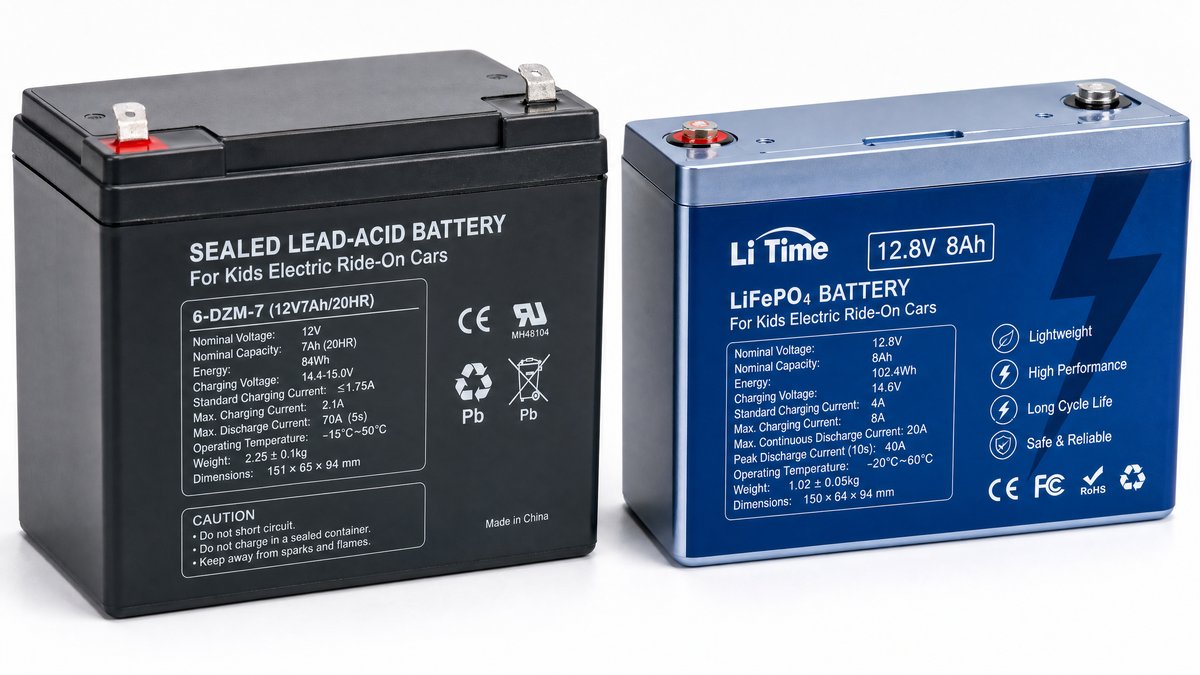
To evaluate whether a ride-on car battery can be replaced, industry stakeholders, retail technicians, and wholesale importers must first understand the underlying architecture of children's electric vehicle power systems. Modern ride-on cars typically rely on rechargeable storage batteries designed to deliver sustained, low-voltage direct current (DC) to single or dual electric drive motors. The two primary battery chemistries utilized across the global ride-on vehicle industry are Sealed Lead-Acid (SLA) batteries—frequently configured in 6V, 12V, or multi-battery 24V setups—and, in select advanced or high-performance models, specialized lithium-ion power packs. Each chemistry possesses distinct operational characteristics, charging requirements, discharge curves, and lifecycle expectations that must be respected during maintenance and replacement cycles.
Sealed Lead-Acid batteries remain the absolute industry standard due to their proven cost-effectiveness, robust safety profile, predictable discharge characteristics, and resilience under normal operating conditions. These batteries are completely sealed, preventing electrolyte leakage during normal vehicle operation, inclines, or tilting, and require no liquid maintenance or topping up. However, their lifespan is finite, typically measured in charge cycles and influenced heavily by environmental storage conditions, frequency of use, and strict adherence to recommended charging durations. Lithium-ion alternatives offer higher energy density, lighter weight, and faster recharge times, but demand precise internal or external Battery Management Systems (BMS) to regulate charging and discharging safely, preventing thermal runaway or over-discharge.
When assessing a ride-on car power system for potential replacement, technicians and retail stockists must consult the vehicle's official nameplate and user manual to identify the exact nominal voltage, amp-hour (Ah) rating, physical dimensions, and terminal configuration. Substituting a battery with mismatched electrical parameters can lead to severe operational failures, including thermal overload, motor controller burnout, erratic speed regulation, or premature component degradation. Therefore, understanding battery architecture is not merely a technical prerequisite but a fundamental safety requirement for all commercial handling, retail distribution, and post-sale customer support operations. Furthermore, supply chain partners must ensure that replacement inventories maintain strict traceability and compliance with regional electrical safety directives.
| Battery Chemistry | Common Voltage Tiers | Typical Lifespan (Cycles) | Primary Operational Considerations | Wholesale Replacement Implications |
|---|---|---|---|---|
| Sealed Lead-Acid (SLA) | 6V, 12V, 24V | 200 - 300 cycles | Sensitive to deep discharge; requires prompt recharging after use. | High market availability; must match exact Ah rating and physical dimensions. |
| Lithium-Ion Packs | 12V, 24V, 36V | 500 - 800 cycles | Requires dedicated internal or external Battery Management System (BMS). | Specialized sourcing; strictly subject to manufacturer-approved specifications. |
| Removable Casings | 12V modular blocks | Varies by manufacturer | Designed for tool-free or simplified extraction in specific commercial models. | Requires proprietary OEM enclosure designs and matching connector types. |
Assessing Battery Lifespan and Determining When Replacement Is Necessary
All rechargeable batteries experience a natural, progressive decline in energy storage capacity over time as a result of electrochemical wear during charge and discharge cycles. For commercial retailers, wholesale importers, and customer service teams, educating retail networks and end-users on how to accurately diagnose battery health prevents unnecessary vehicle returns, reduces warranty claims, and enhances overall brand reputation. Symptoms of a degraded battery are typically distinct, ranging from diminished operating runtime per charge to complete failure to hold an electrical charge.
It is vital for technicians and operators to distinguish between a temporarily depleted or improperly charged battery and a genuinely failing battery. Common diagnostic indicators of battery failure include the failure of the vehicle to move under load even after completing a full, uninterrupted charging cycle, sluggish motor response during acceleration, or rapid voltage drop during brief operation. However, before concluding that a battery requires physical replacement, service personnel must inspect the entire charging circuit and power distribution pathway. A malfunctioning external wall charger, a loose wiring harness connector inside the battery compartment, or a tripped thermal inline fuse can mimic total battery failure, leading to mistaken component disposal.
Furthermore, environmental factors significantly influence battery degradation rates across different geographic regions. Storing ride-on cars in unheated warehouses, damp garages, or extreme ambient temperature zones accelerates chemical breakdown within SLA cells. Wholesale buyers advising retail networks should emphasize proper off-season storage guidelines—such as fully charging batteries prior to long-term storage, storing them in moderate temperature environments, and recharging them at regular intervals—to maximize initial battery longevity and reduce premature replacement frequency. When diagnostic troubleshooting confirms that chemical degradation has occurred and capacity can no longer be restored, proceeding with a manufacturer-approved replacement is the correct, safe course of action.
Safety Protocols and Regulatory Compliance in Battery Handling
The handling, removal, inspection, and installation of ride-on car batteries involve inherent electrical, mechanical, and chemical hazards that demand strict adherence to safety protocols. Whether operating in a professional retail service center, a wholesale distribution facility, or providing guidance to retail consumers, safety must remain the absolute priority. Adult supervision and strict compliance with the manufacturer's user manual are mandatory during any inspection or maintenance procedure involving electric ride-on vehicles.
Under no circumstances should unqualified individuals attempt to modify internal battery housings, breach sealed cells, touch electrical terminals directly with uninsulated tools, attempt unauthorized voltage measurements without proper safety gear, or bypass internal circuit protection devices. Modifying wiring harnesses, mixing battery brands or chemistries, or installing higher-capacity batteries not explicitly authorized by the manufacturer can create severe fire hazards, chemical burn risks, and permanent electronic damage.
In the event of an emergency or abnormal condition—such as a distinctive burning odor, smoke emission, physical overheating, electrolyte leakage, water intrusion into the battery compartment, exposed wiring, damaged charging plugs, erratic motor braking, or persistent electrical failure—immediate corrective action is required. Operators and users must cease use and charging immediately, turn off the master power switch, keep children safely away from the vehicle, and contact the manufacturer or qualified service personnel for professional evaluation.
For B2B partners and wholesale distributors, maintaining clear compliance documentation and providing unambiguous safety warnings in product manuals ensures alignment with international toy safety standards, such as those established by the Consumer Product Safety Commission (CPSC) and ASTM International. These standards underscore that while consumer-accessible battery compartments may exist on certain models, complex electrical repairs must always defer to professional guidance. Request a wholesale quote to discuss compliant product lines and bulk accessory requirements.
Step-by-Step Replacement Evaluation and Procurement Framework
When a ride-on car battery has reached the end of its functional lifecycle and replacement has been verified as necessary through manual guidelines, a structured procurement and replacement framework ensures seamless execution. Importers, retailers, and commercial operators should follow a systematic checklist to source and install compatible replacement power units safely.
The first step in the procurement framework is verifying the exact part specification. Retailers should never rely solely on vehicle model names, as manufacturing revisions over production cycles can introduce variations in wiring connectors or battery compartment dimensions. Instead, technicians must inspect the physical battery label on the existing unit to record the exact manufacturer part number, voltage, amperage-hour rating, terminal gender, and physical dimensions in millimeters.
The second step involves sourcing OEM-certified replacement components or verified equivalent parts that match the exact electrical profile specified in the technical manual. Utilizing generic aftermarket batteries with incompatible discharge rates or incorrect terminal layouts can jeopardize vehicle performance and invalidate product warranties. Wholesale buyers should partner with reputable manufacturers who provide accessible spare parts catalogs and clear compatibility matrices.
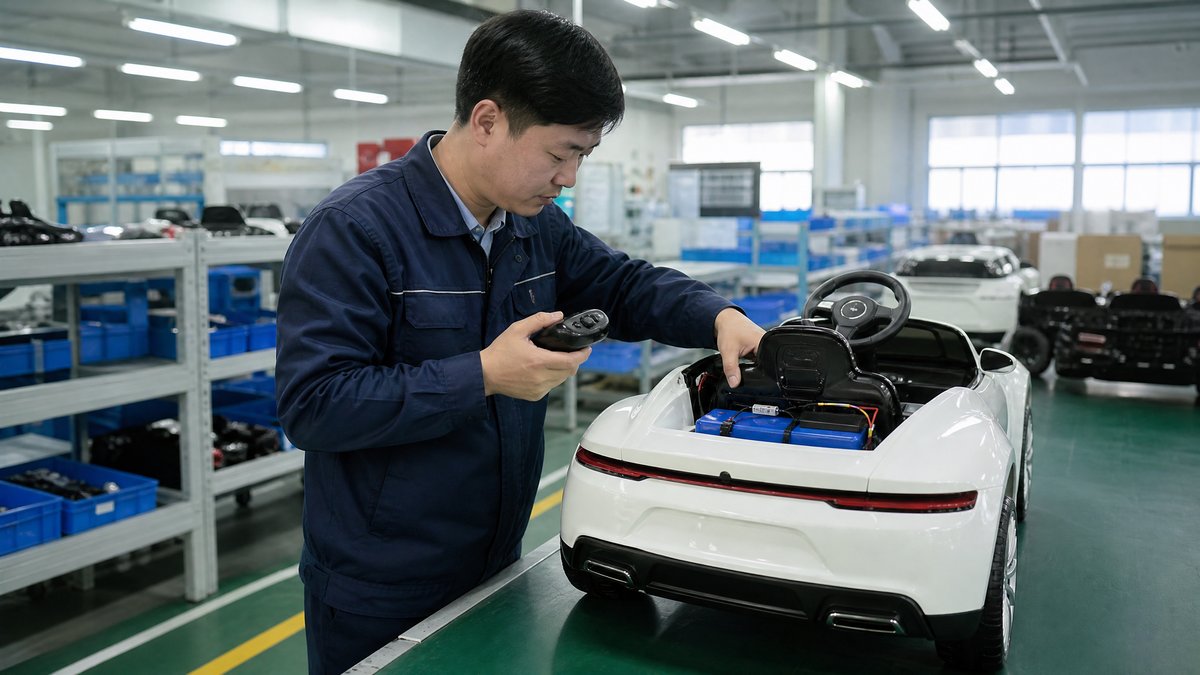
The third step governs the physical replacement process. Qualified adult personnel must execute the replacement in a well-ventilated, dry workspace, ensuring the vehicle is powered off and disconnected from any charging source. Technicians must carefully loosen securing brackets, disconnect terminals in accordance with manual instructions—typically disconnecting the negative terminal first—and lift the battery out without placing undue strain on internal wiring. Installation reverses the sequence, securing the new battery firmly in place to prevent shifting during vehicle operation. Request a wholesale quote to secure reliable access to certified replacement parts and wholesale vehicle inventories.
Frequently Asked Questions (FAQ)
1. Are all ride-on car batteries replaceable by the end user?
Many consumer-grade ride-on cars feature accessible battery compartments designed for straightforward replacement using basic tools, provided the user follows the instructions in the official product manual. However, certain advanced models with integrated electronic control modules or enclosed commercial power packs may require professional service personnel to perform replacements safely.
2. How can I determine the correct replacement battery specification for a specific vehicle?
The most reliable method is to inspect the physical label on the currently installed battery to record its exact voltage (e.g., 12V), amp-hour (Ah) capacity, physical dimensions, and terminal type. Cross-referencing these specifications with the vehicle's official user manual or consulting the manufacturer ensures complete electrical and mechanical compatibility.
3. What safety precautions must be observed when handling ride-on car batteries?
Adult supervision is mandatory during any battery inspection or replacement. Users must never touch exposed terminals with uninsulated tools, puncture sealed casings, attempt to modify wiring harnesses, or use unauthorized chargers. If any unusual odor, smoke, overheating, or leakage occurs, immediately disconnect the vehicle, move children away, and contact qualified support.
4. Can I upgrade to a higher-voltage or larger-capacity battery for increased speed and runtime?
No. Modifying the electrical system by installing higher-voltage batteries, larger-capacity packs not specified by the manufacturer, or custom wiring configurations can overload the motor controller, damage internal wiring, cause thermal runaway, and create serious safety hazards. Always adhere strictly to the manufacturer's rated specifications.
Conclusion
The serviceability and replaceability of ride-on car batteries are vital considerations for B2B wholesale buyers, retail stockists, and commercial fleet operators navigating the children's electric vehicle market. While ride-on car batteries can indeed be replaced when their functional lifecycle concludes, the replacement process must be guided strictly by manufacturer documentation, technical specifications, and rigorous safety protocols. By prioritizing certified component compatibility, adhering to proper maintenance and diagnostic procedures, and enforcing uncompromising safety standards, commercial partners can ensure long-term product reliability and consumer trust. As the global demand for high-quality children's electric vehicles continues to grow, maintaining transparent communication regarding maintenance, spare parts availability, and safety compliance remains a cornerstone of successful commercial operations.
Request a wholesale quote
Official References
1. U.S. Consumer Product Safety Commission (CPSC) - General Toy Safety Education and Electrical Safety Guidelines for Children's Products. Note: Official regulatory guidance serves as general educational material and does not replace specific model manuals, manufacturer safety certifications, or operational instructions.
2. ASTM International - Standard Consumer Safety Specification for Toy Safety (ASTM F963), governing electrical components, battery compartments, and thermal safety in electric ride-on toys.
3. International Electrotechnical Commission (IEC) - Safety Standards for Low-Voltage Direct Current Storage Batteries and Household Electrical Appliances.
Additional Operational Insights for B2B Distributors
In addition to standard maintenance and replacement procedures, commercial importers and retail stockists must consider the broader supply chain dynamics associated with ride-on car power systems. Ensuring a steady supply of certified replacement batteries alongside primary vehicle inventory significantly enhances customer retention and aftermarket revenue opportunities. B2B partners should work closely with manufacturers to establish comprehensive spare parts availability, clear technical documentation, and standardized warranty support frameworks. By fostering transparent communication and adherence to strict safety guidelines, wholesale buyers position themselves as trusted leaders in the children's electric vehicle sector, delivering enduring value to retail networks and end consumers alike.
Official references
Explore these external resources for current regulatory and trade guidance. Confirm requirements with the relevant authority before placing an order.
Ready to Start?
Factory-Direct · CE & ASTM Certified · MOQ from 50 Units
Our export team works with buyers in 60+ countries. Get a quote within 24 hours.
KR
Written by KidsRideCar
China's leading kids electric ride-on car manufacturer. 500,000+ units shipped annually to 60+ countries. CE, ASTM & EN71 certified.