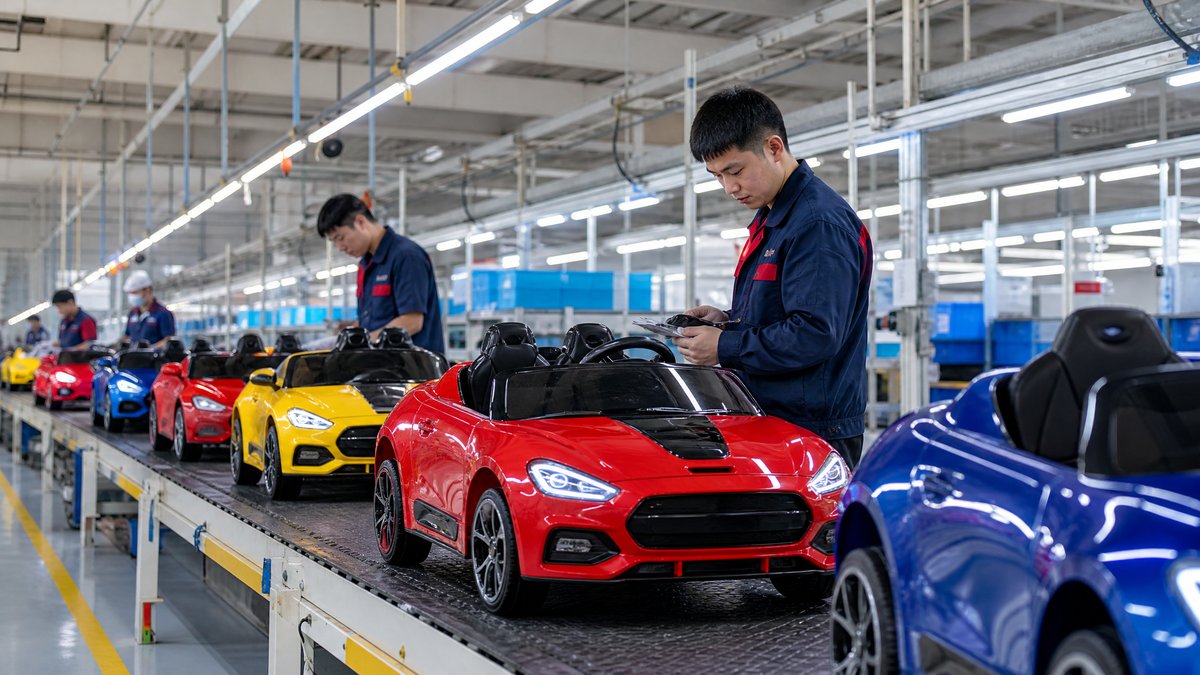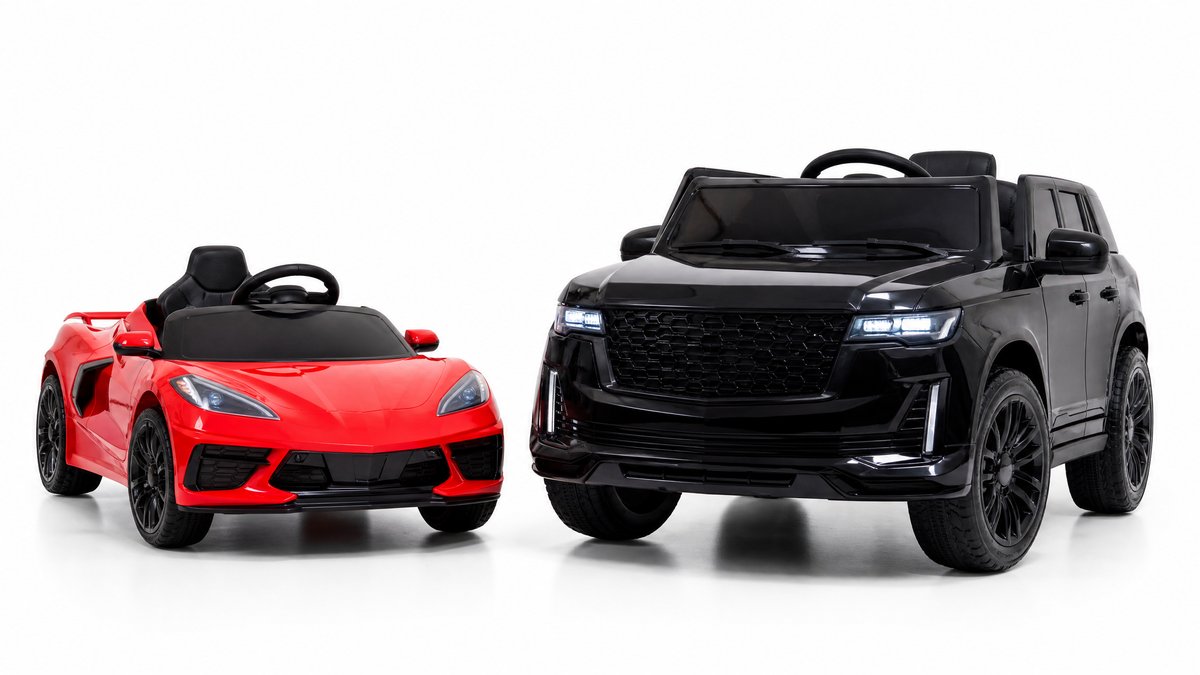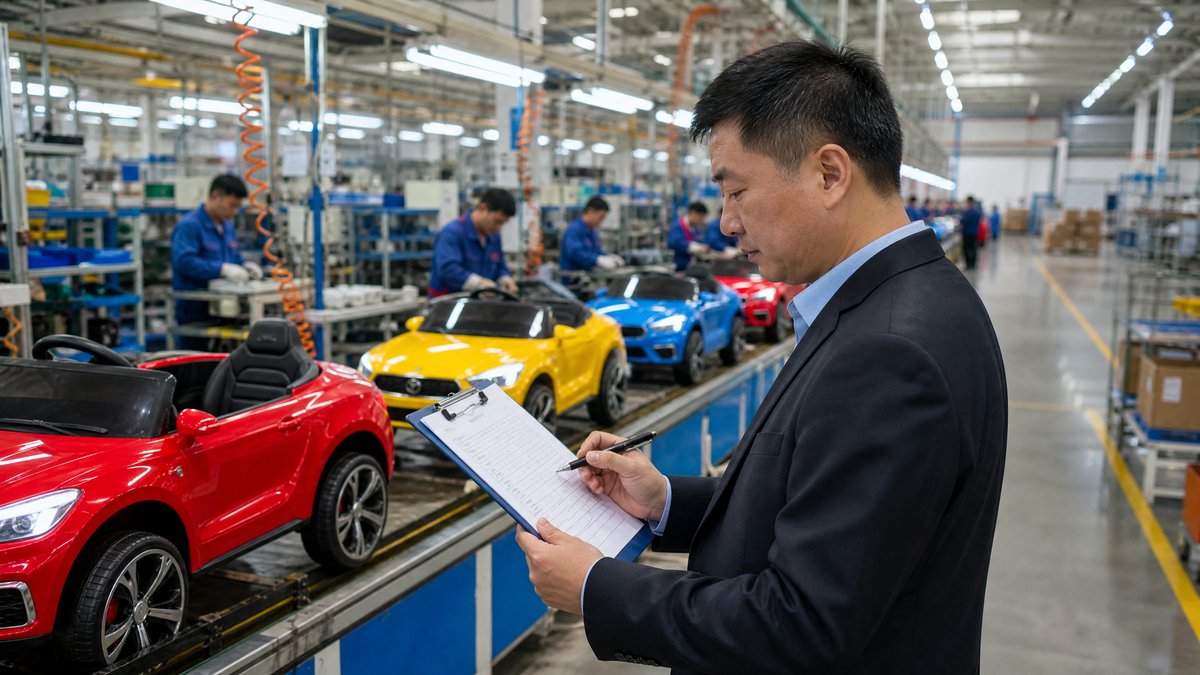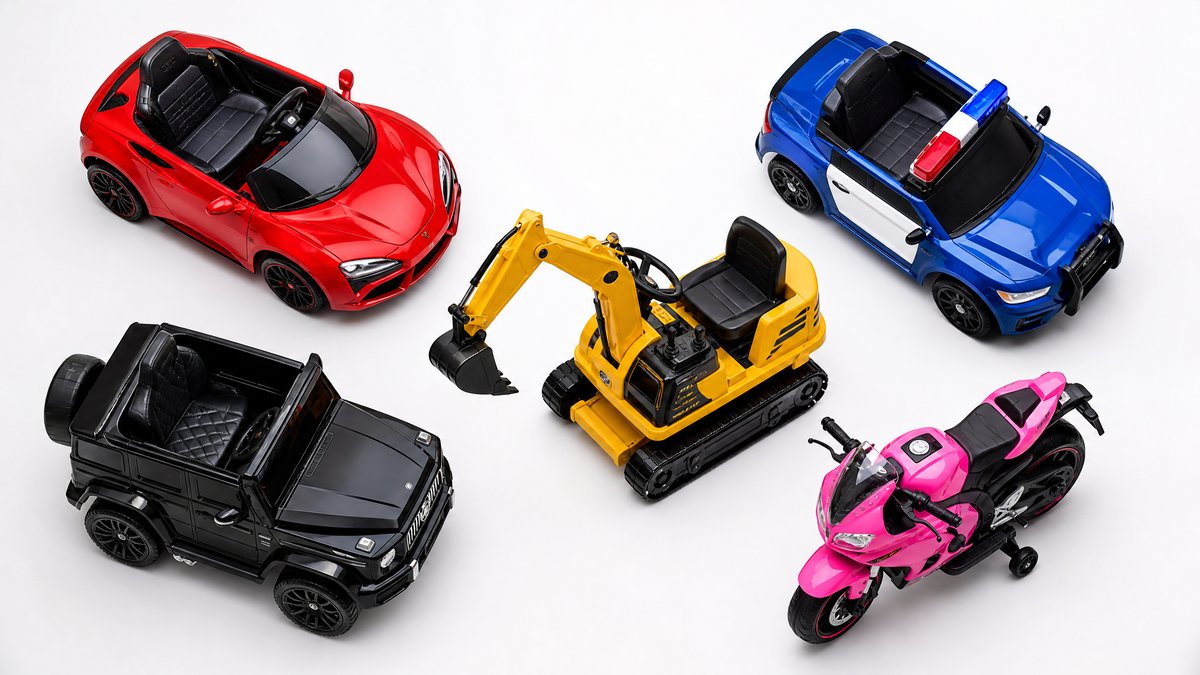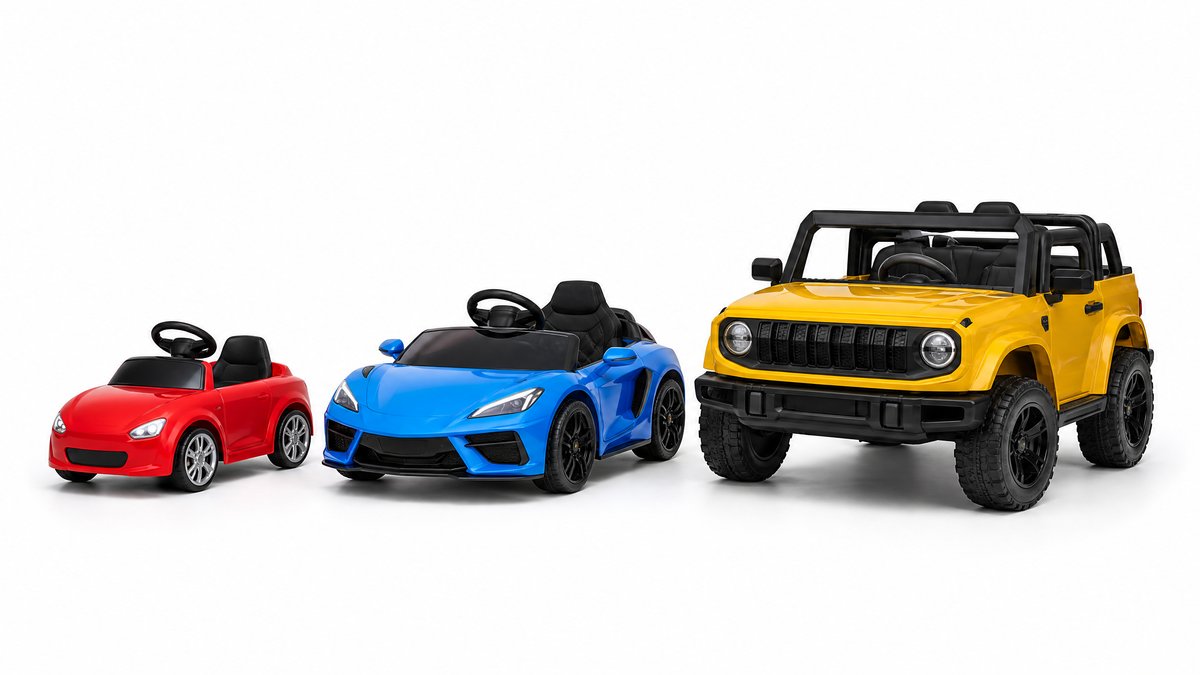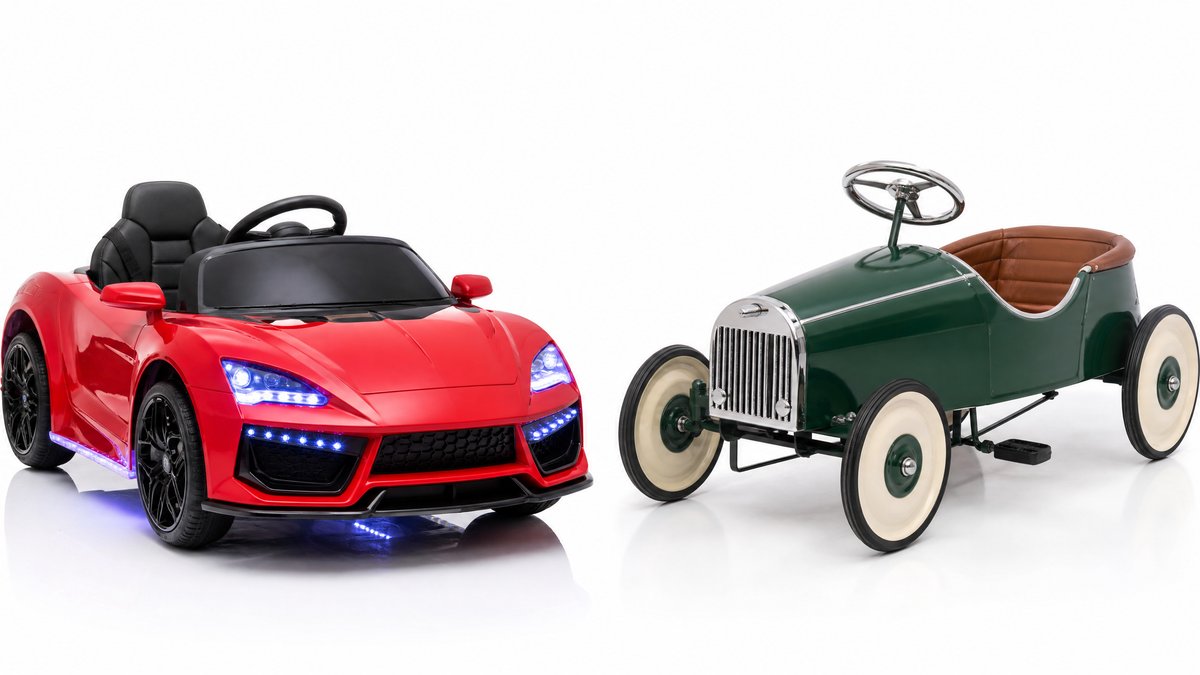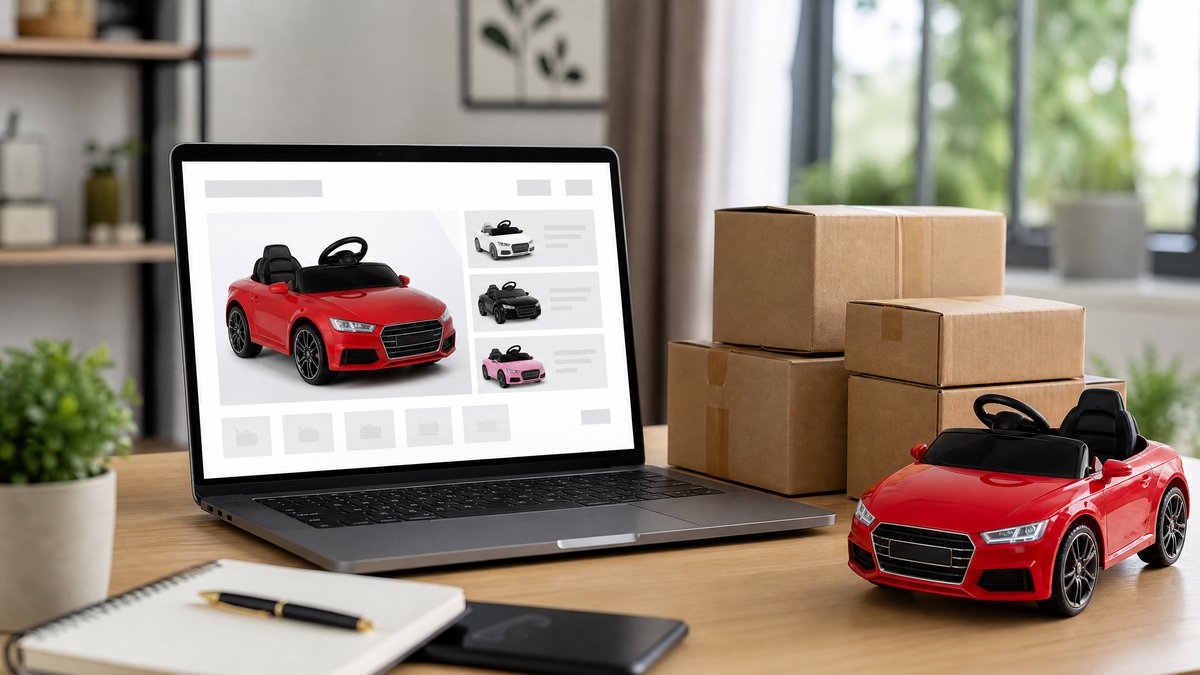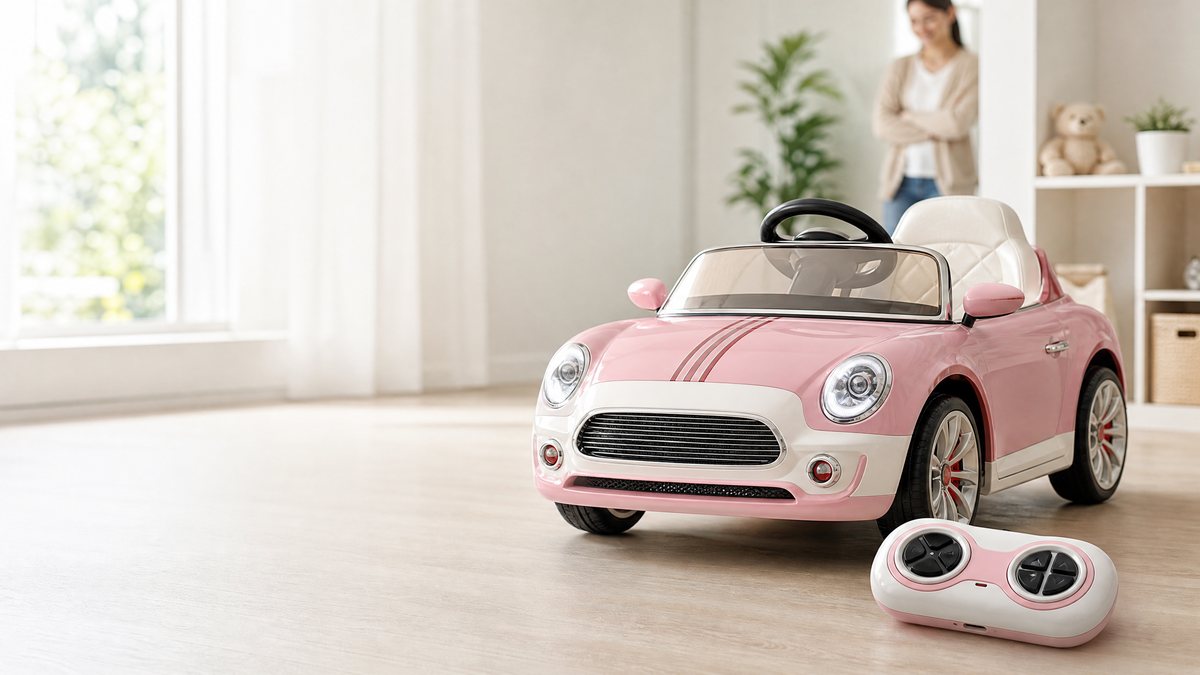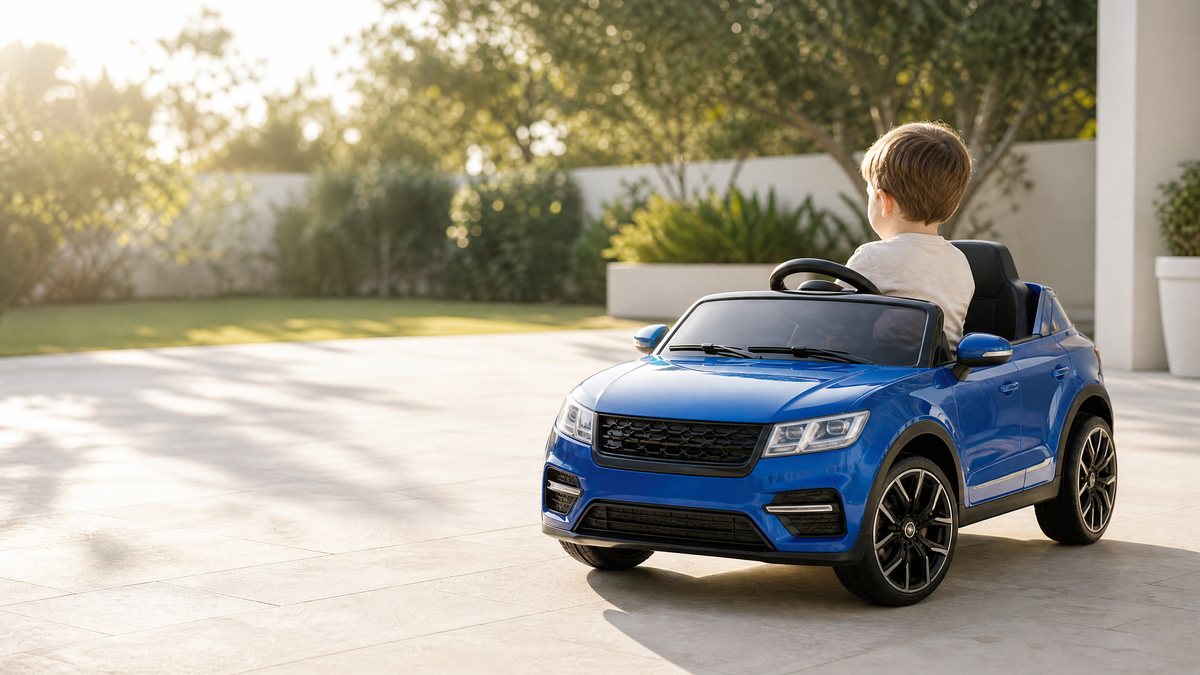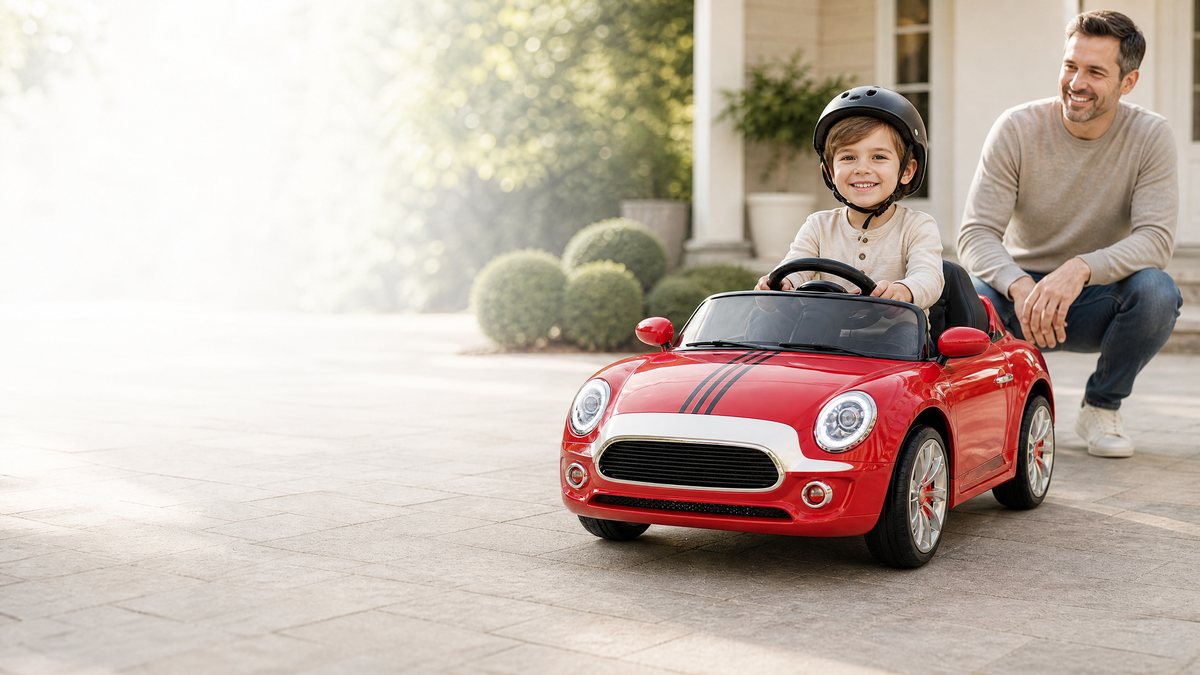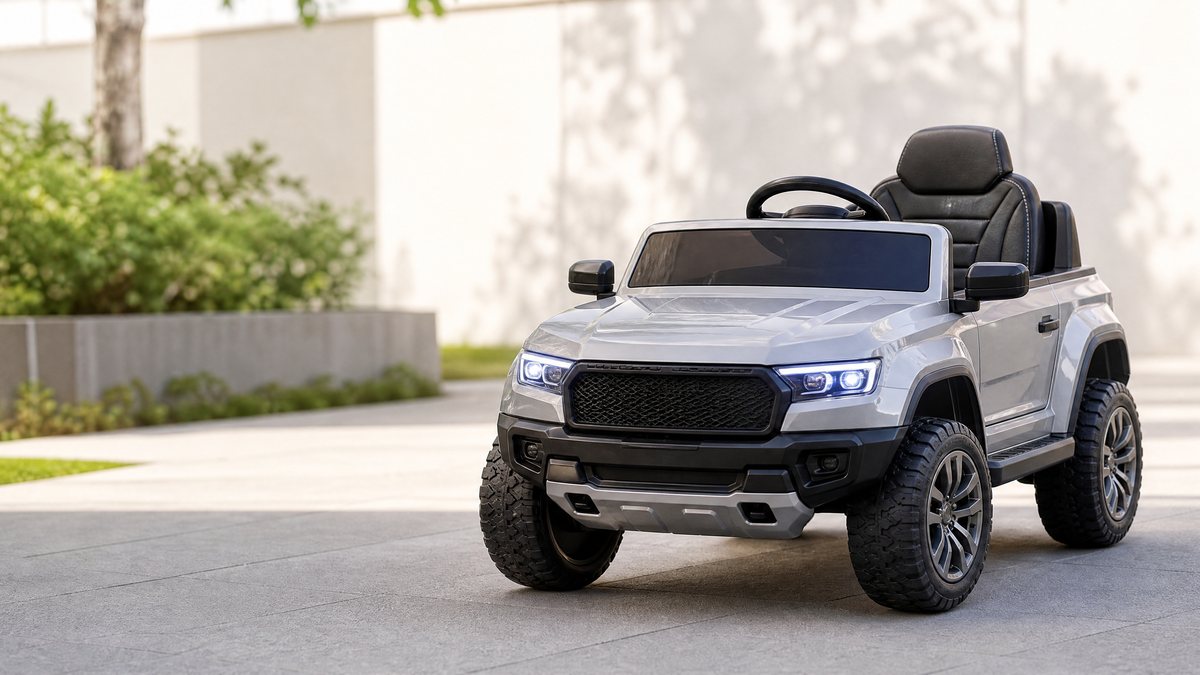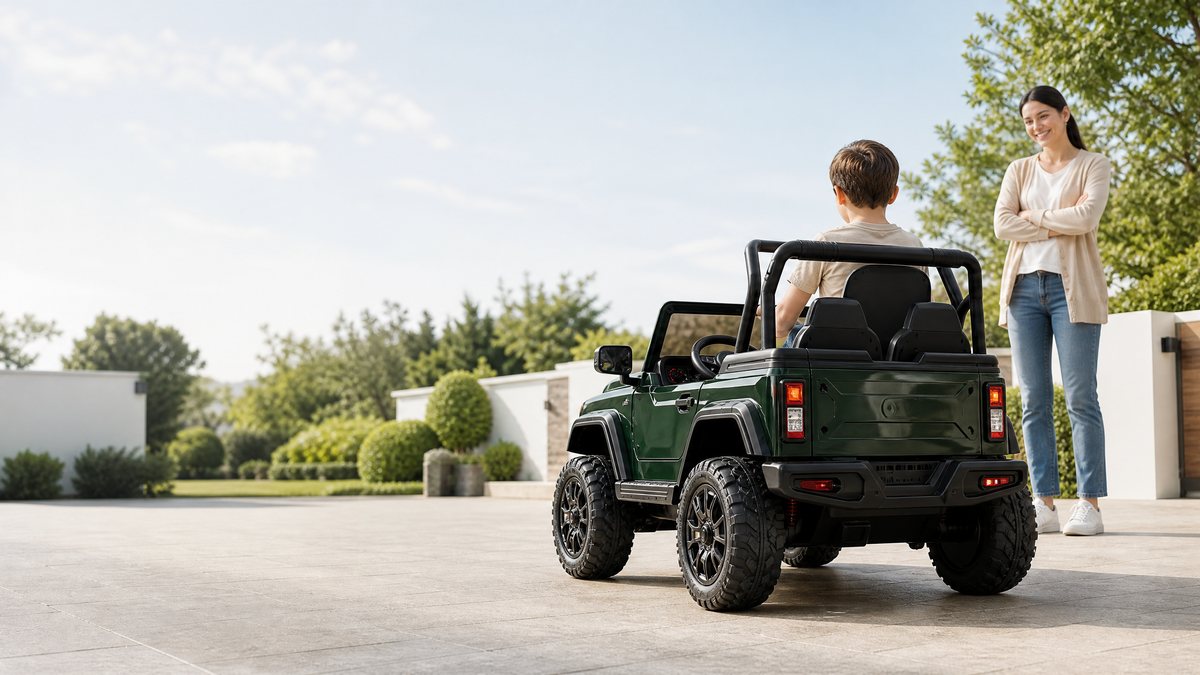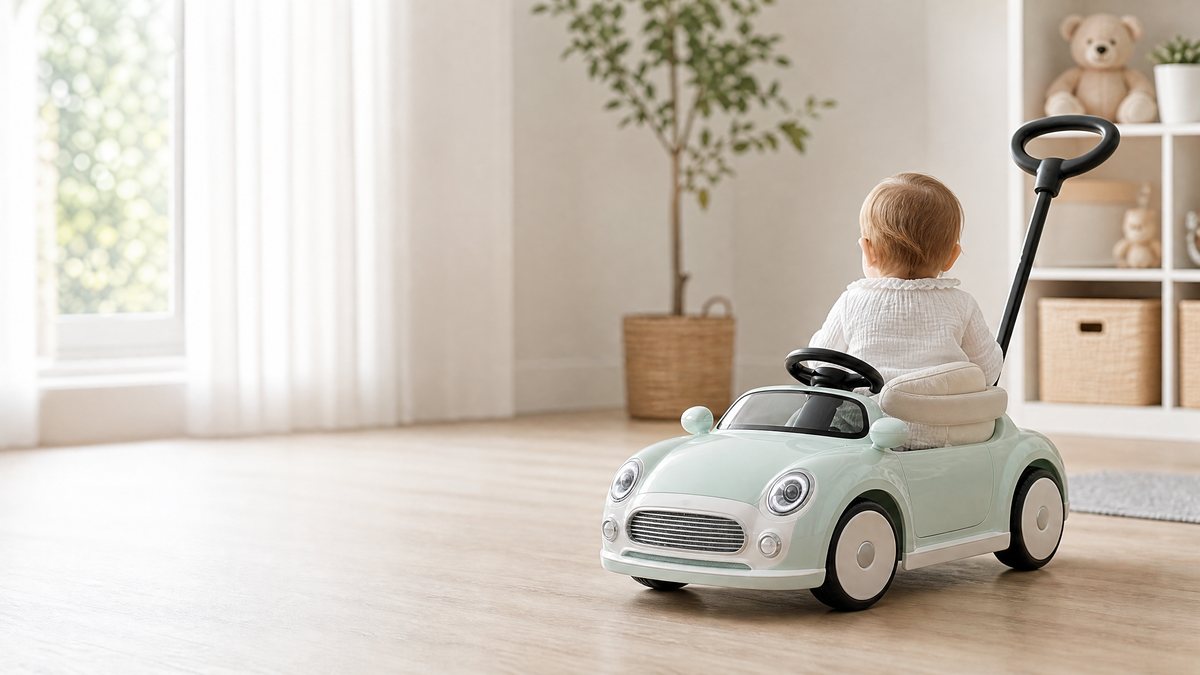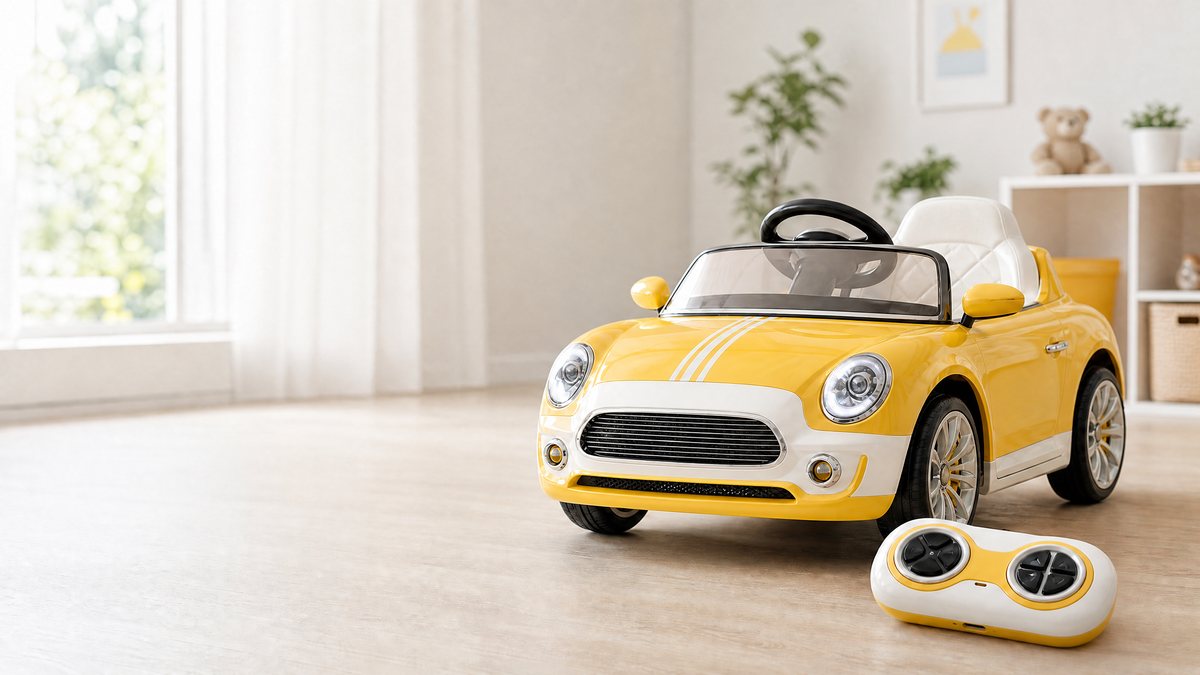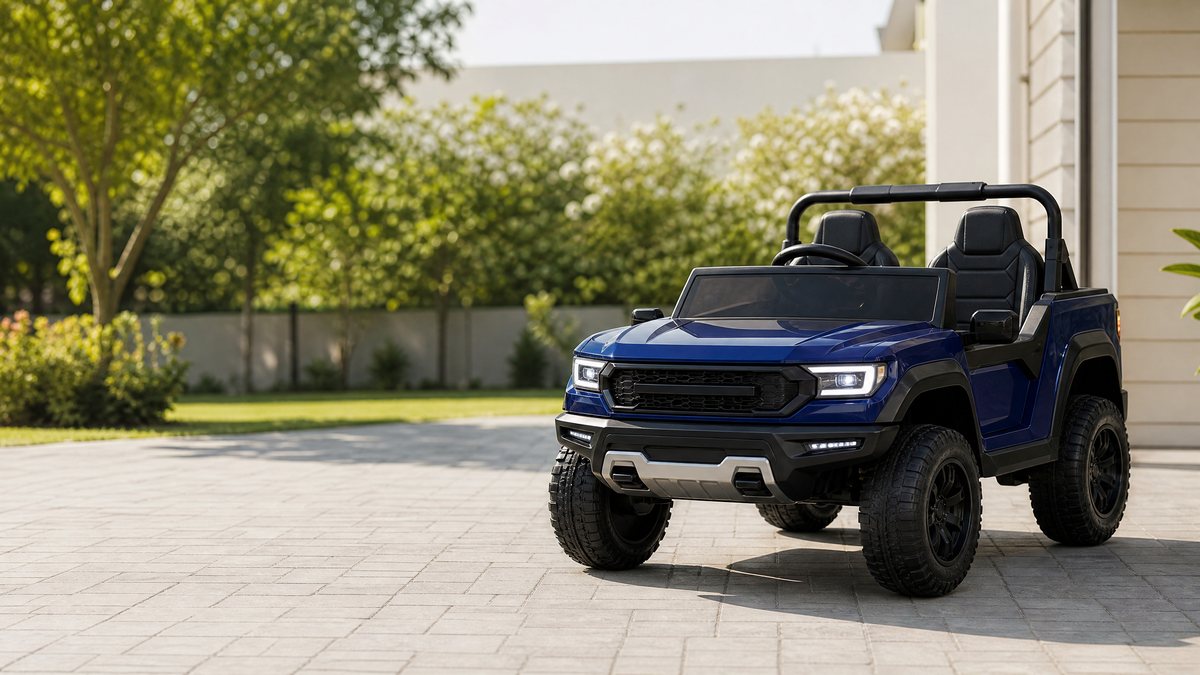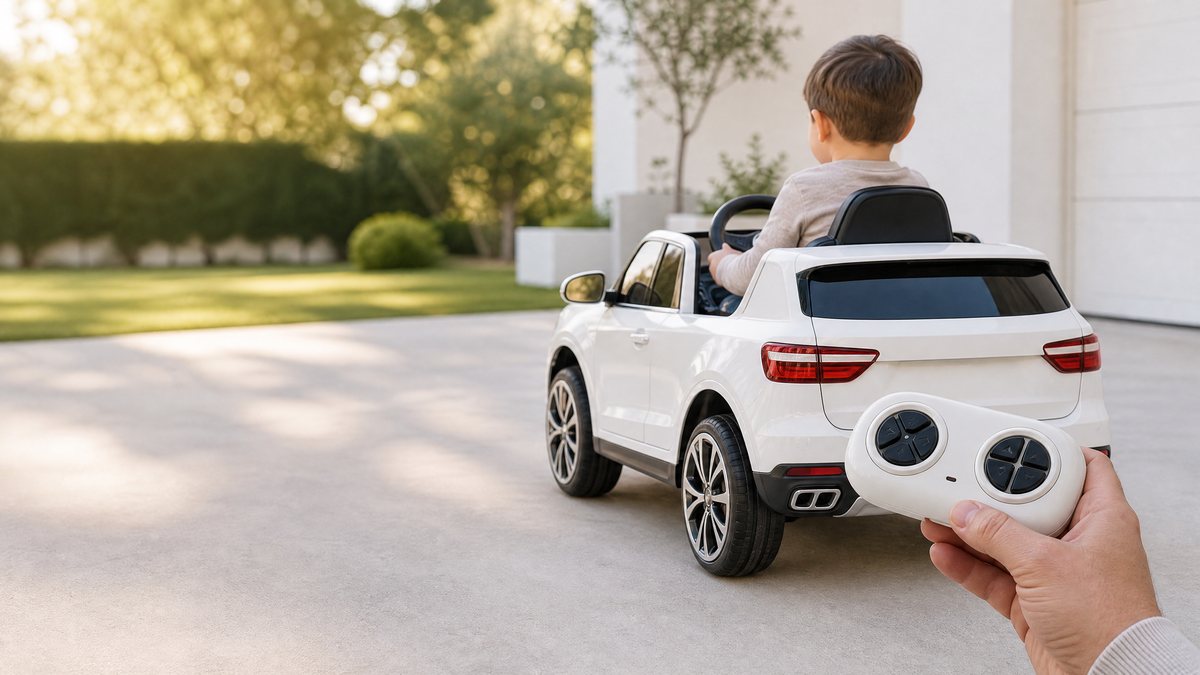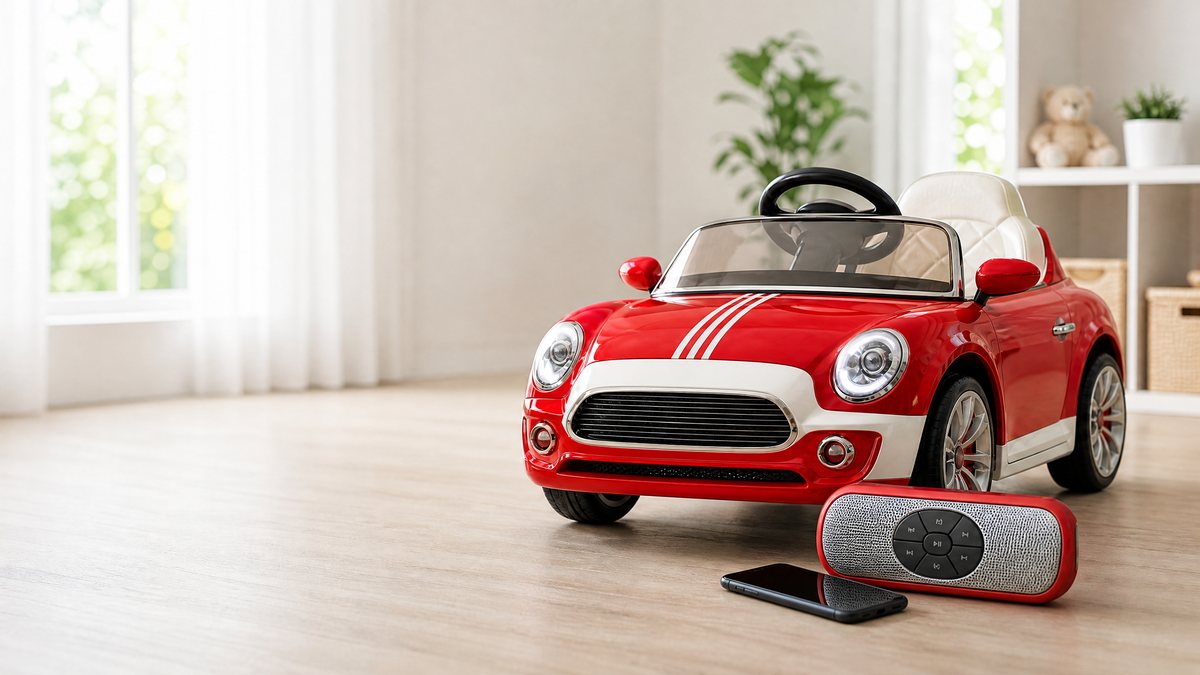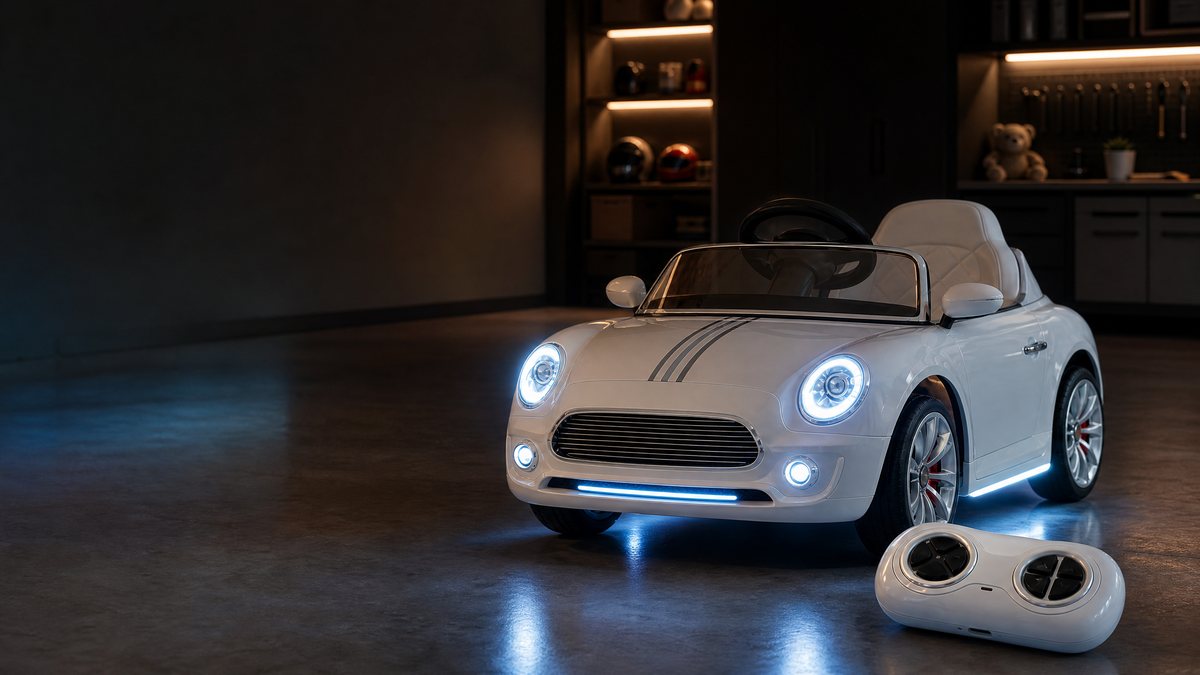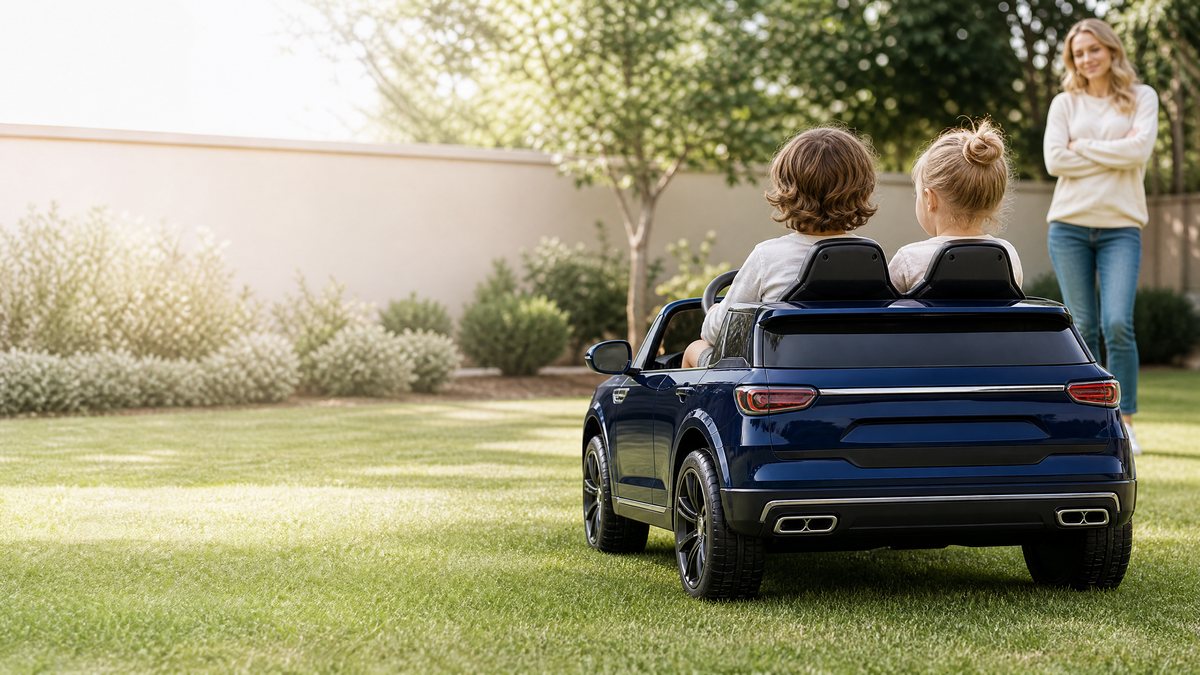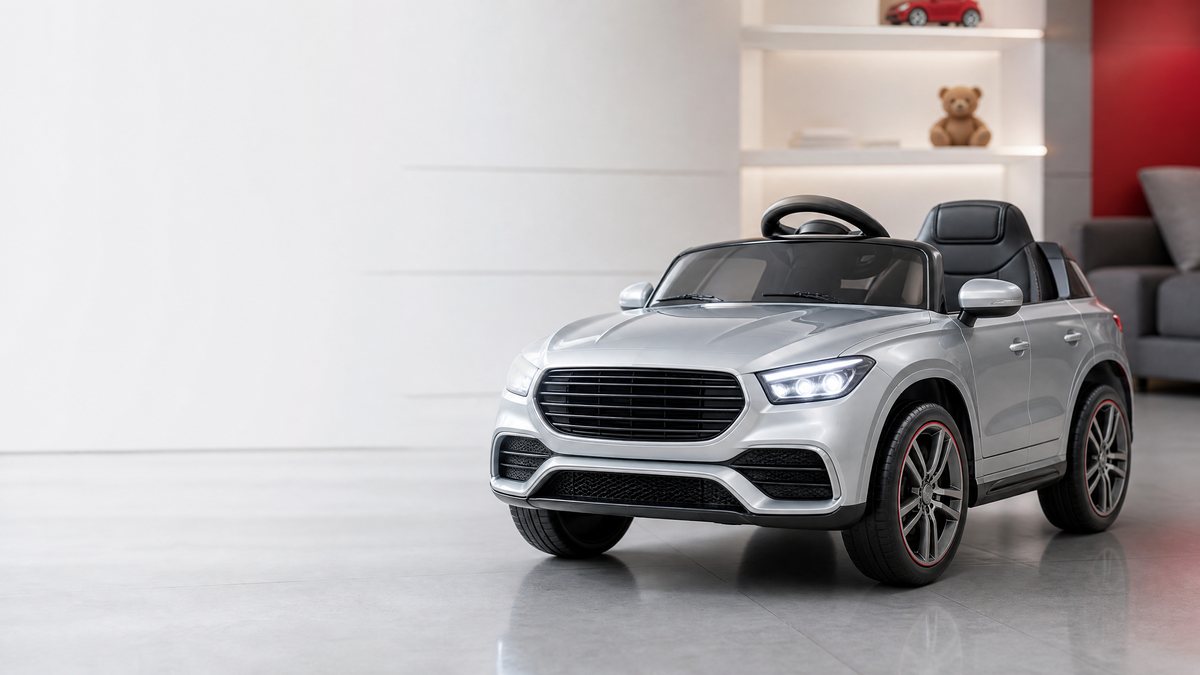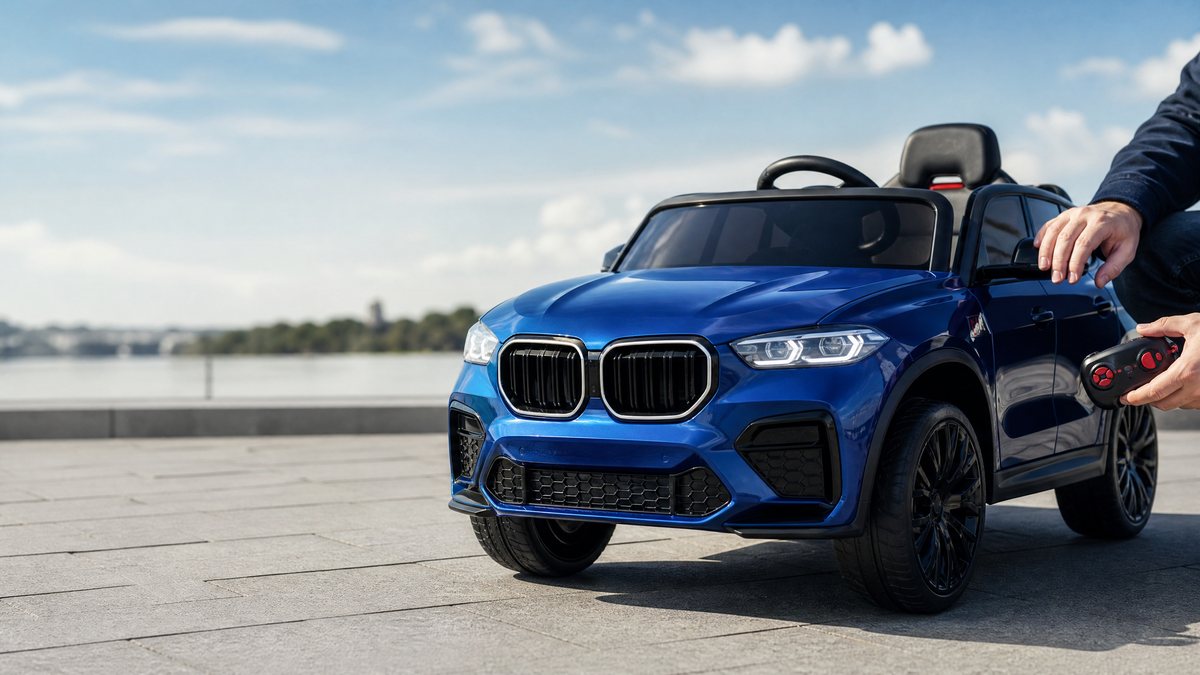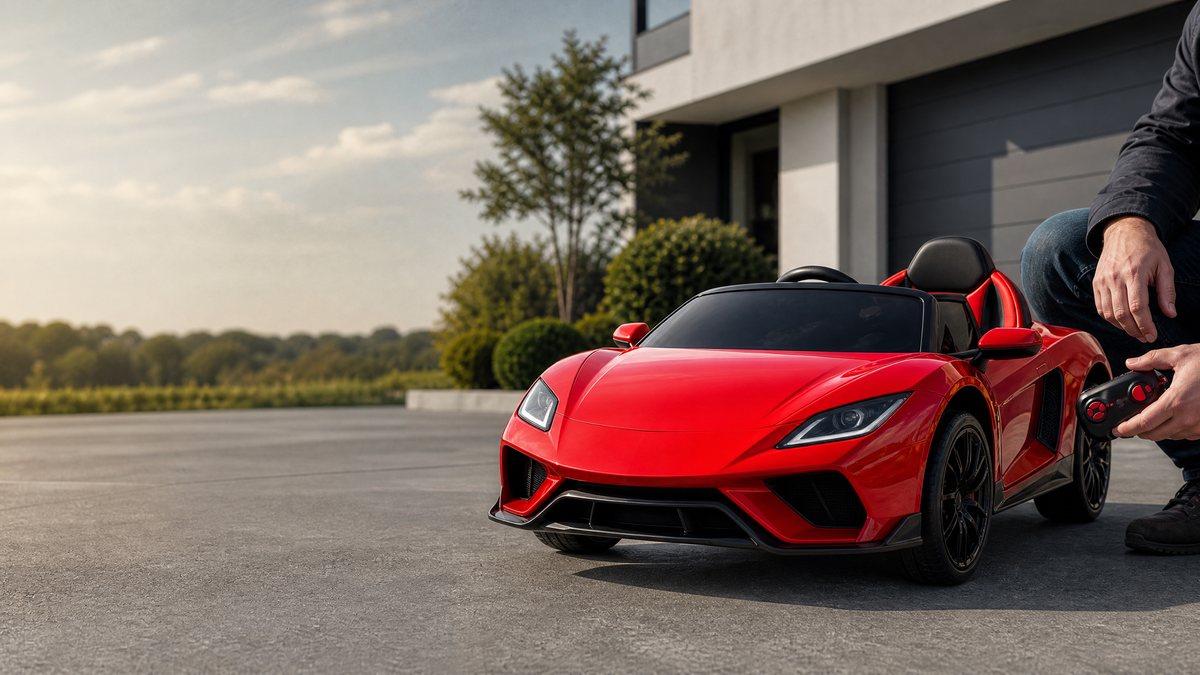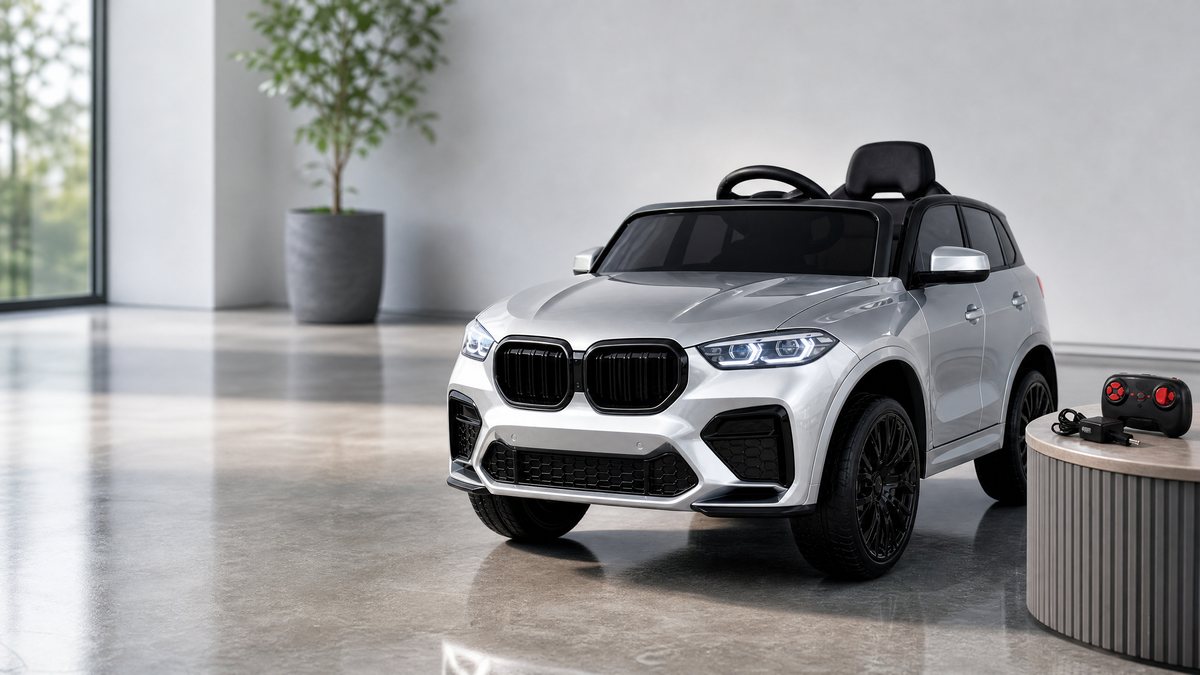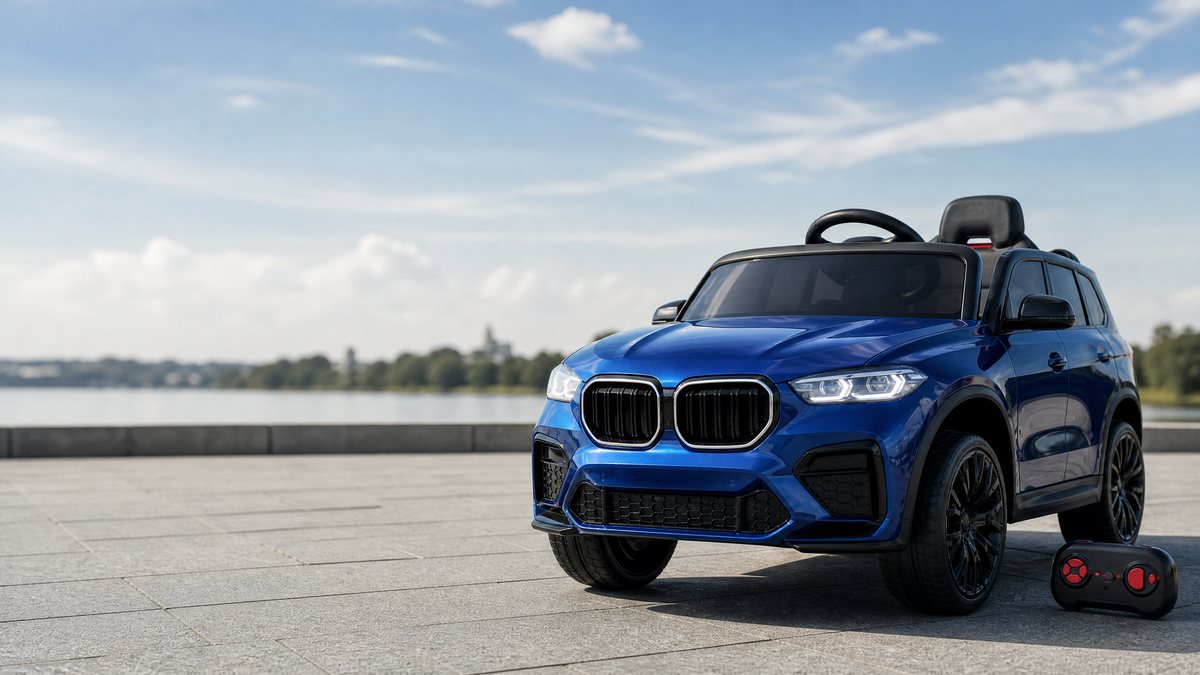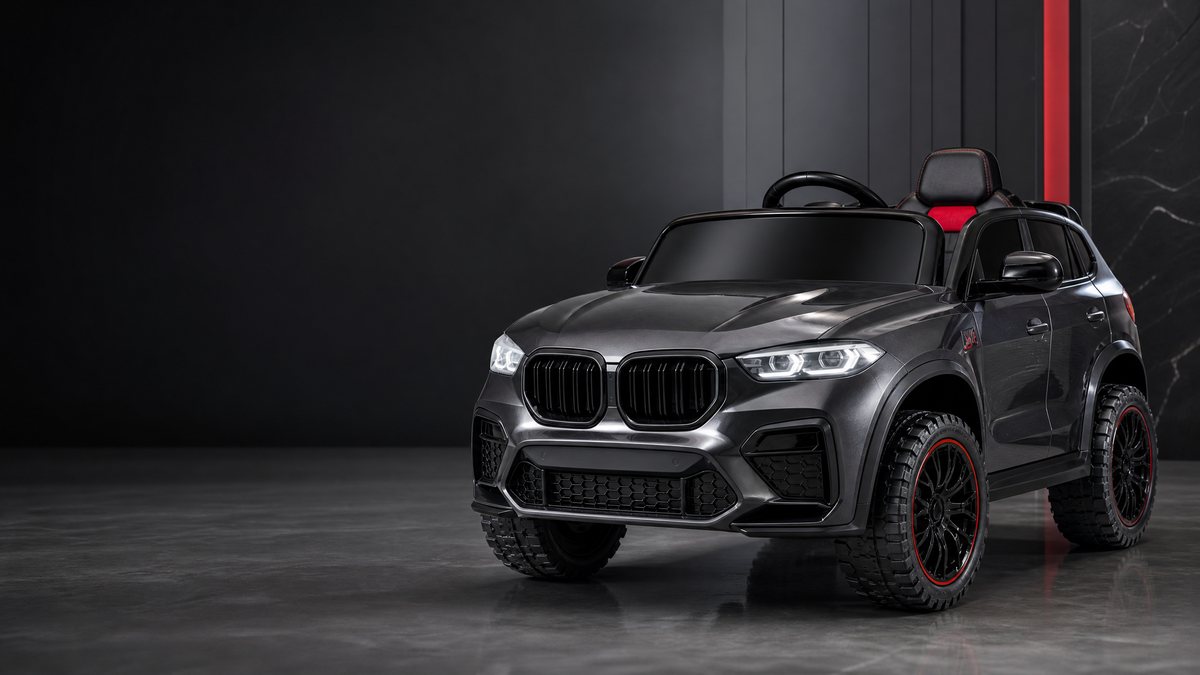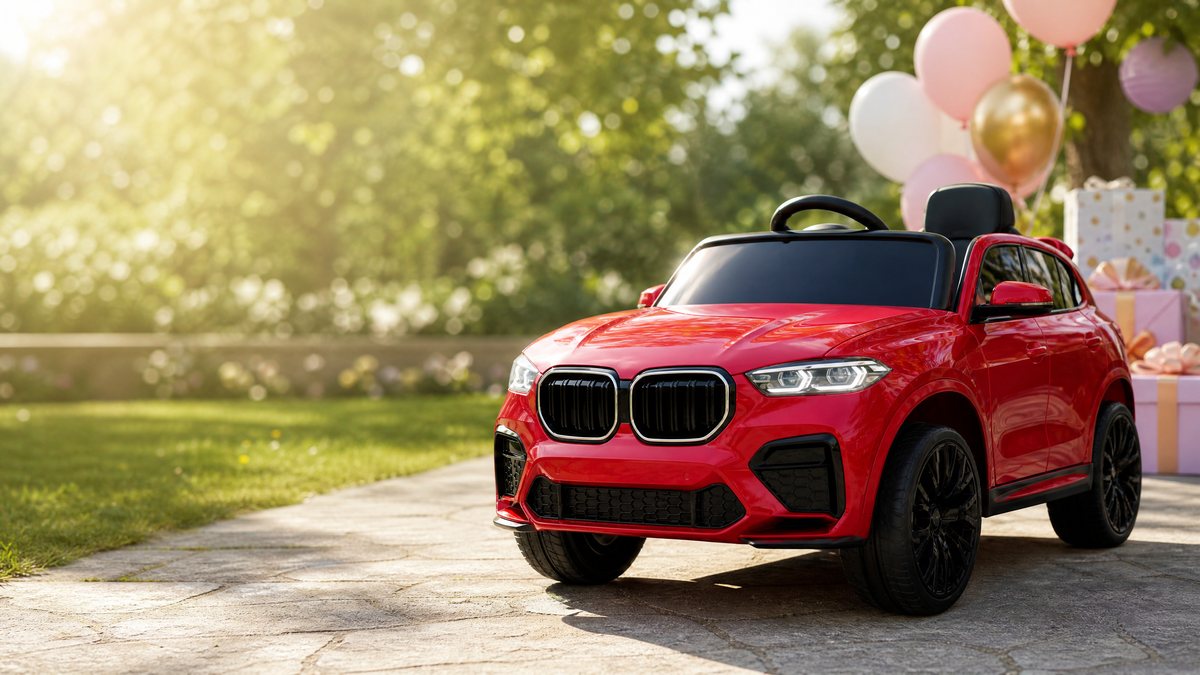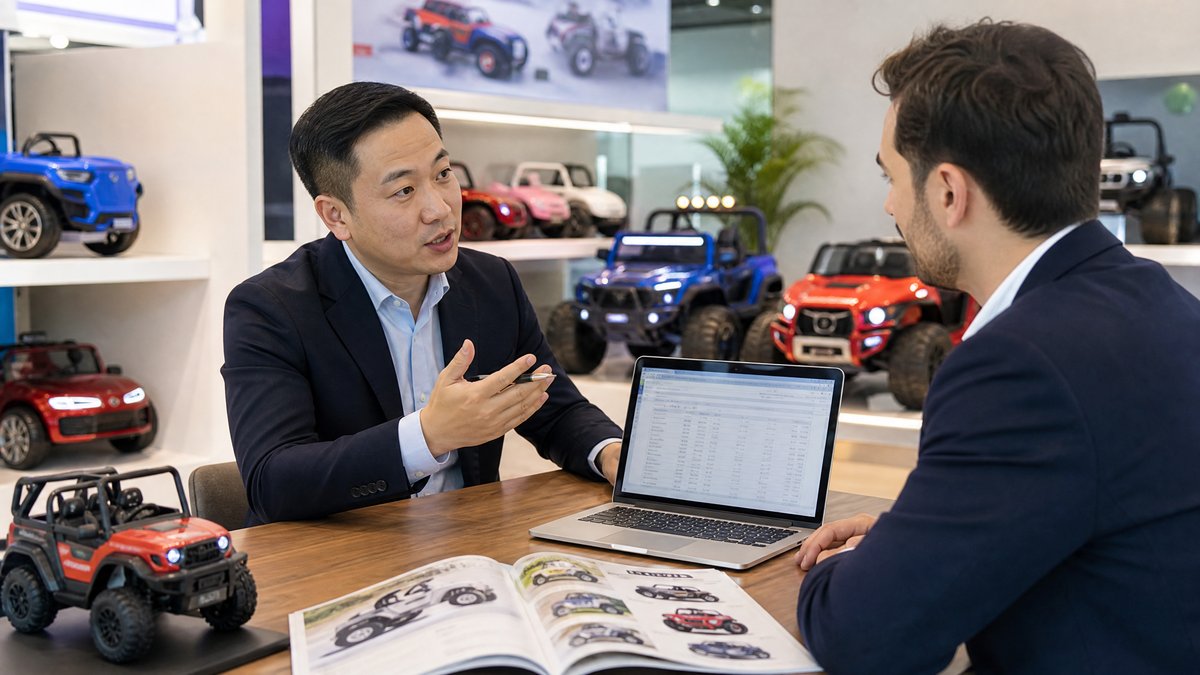
As toy retailers, wholesale distributors, and discerning parents evaluate the electric ride-on vehicle market, one fundamental procurement and purchasing dilemma consistently emerges: should one invest in officially licensed ride-on cars or generic, unbranded models? This question sits at the intersection of brand equity, consumer psychology, pricing elasticity, inventory turnover rates, and supply chain logistics. Licensed ride-on vehicles carry the official insignia, styling cues, and brand reputation of automotive giants such as Mercedes-Benz, BMW, Audi, Ford, and Lamborghini. Conversely, generic ride-on cars offer independent styling, flexible manufacturing terms, custom house-brand opportunities, and often lower entry-level price points. Understanding the nuanced trade-offs between licensed and generic electric ride-on cars is essential for making informed B2B wholesale decisions and retail inventory selections. Whether you are stocking a seasonal showroom, launching an e-commerce catalog, or selecting a premium gift, this comprehensive guide examines the structural differences, compliance considerations, market positioning, and operational factors governing both categories.
It is important to note from the outset that all specifications, features, availability, pricing, warranty terms, and performance metrics vary by model, region, and seller; buyers and parents must always check the exact manufacturer manual, product listing, and written terms before purchasing or deploying inventory. Furthermore, claims regarding two-seater capacity, licensed authenticity, parental remote control functionality, second-hand durability, replacement parts availability, installation procedures, growth adaptation over time, shipping timelines, gift suitability, balance bike integration, or investment value vary by model, region, and seller; check the exact manual, listing and written terms.
1. Understanding Licensed Ride-On Cars: Value Proposition and Market Positioning
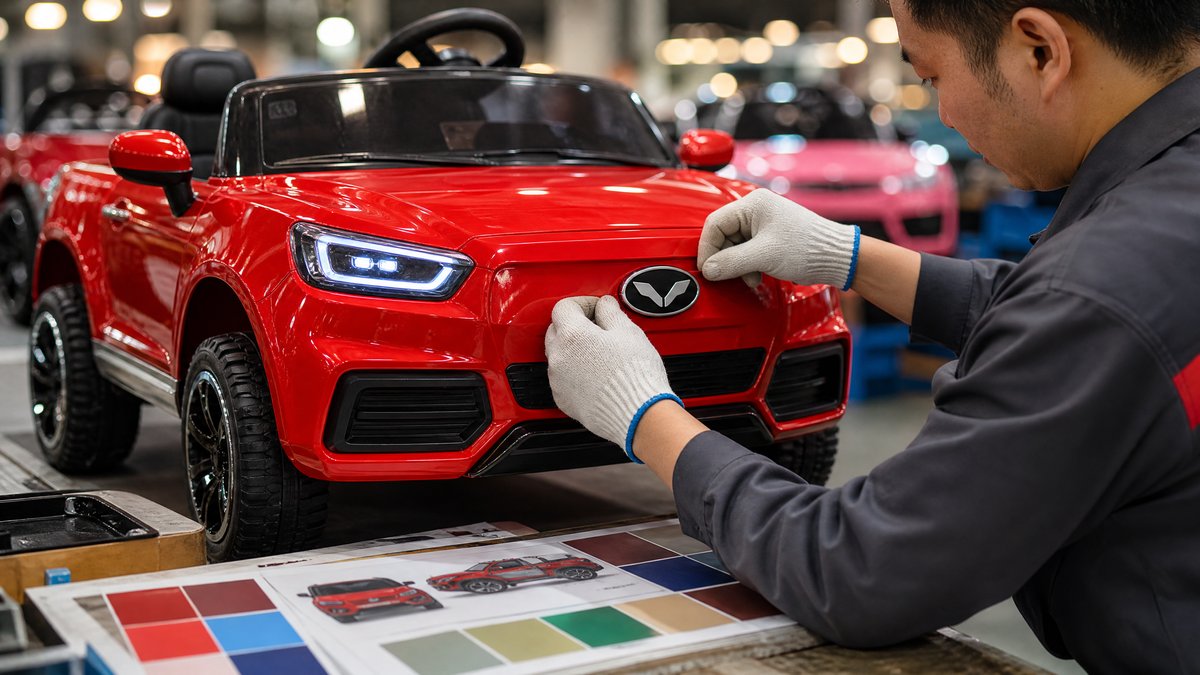
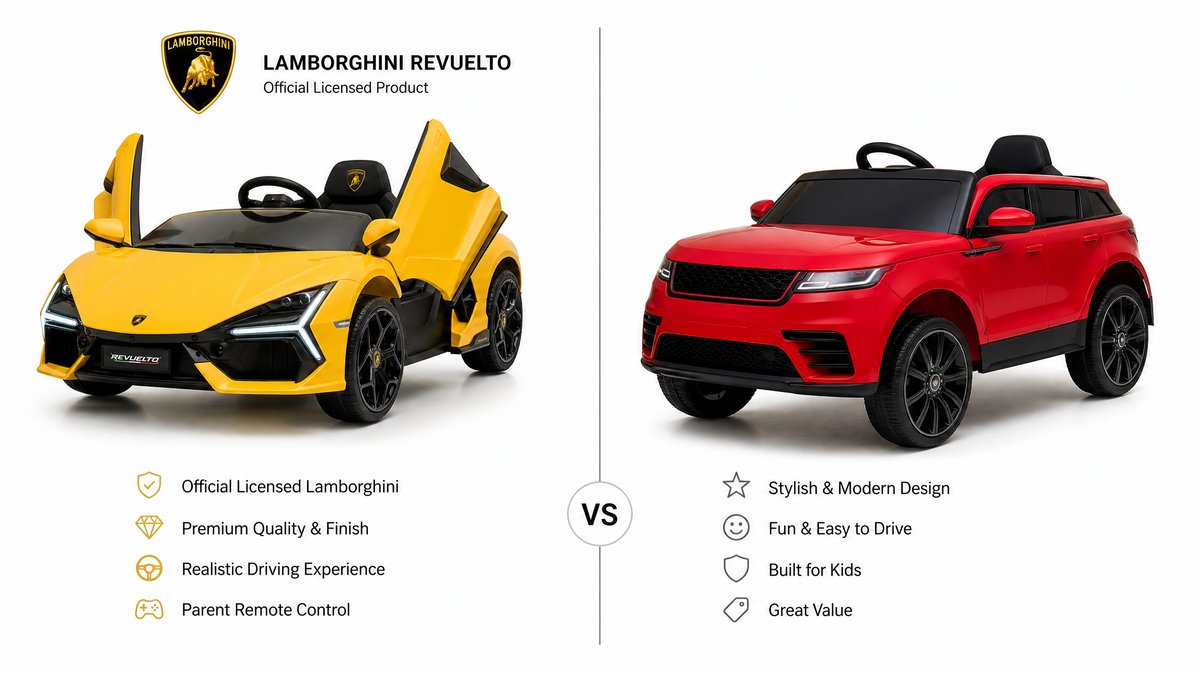
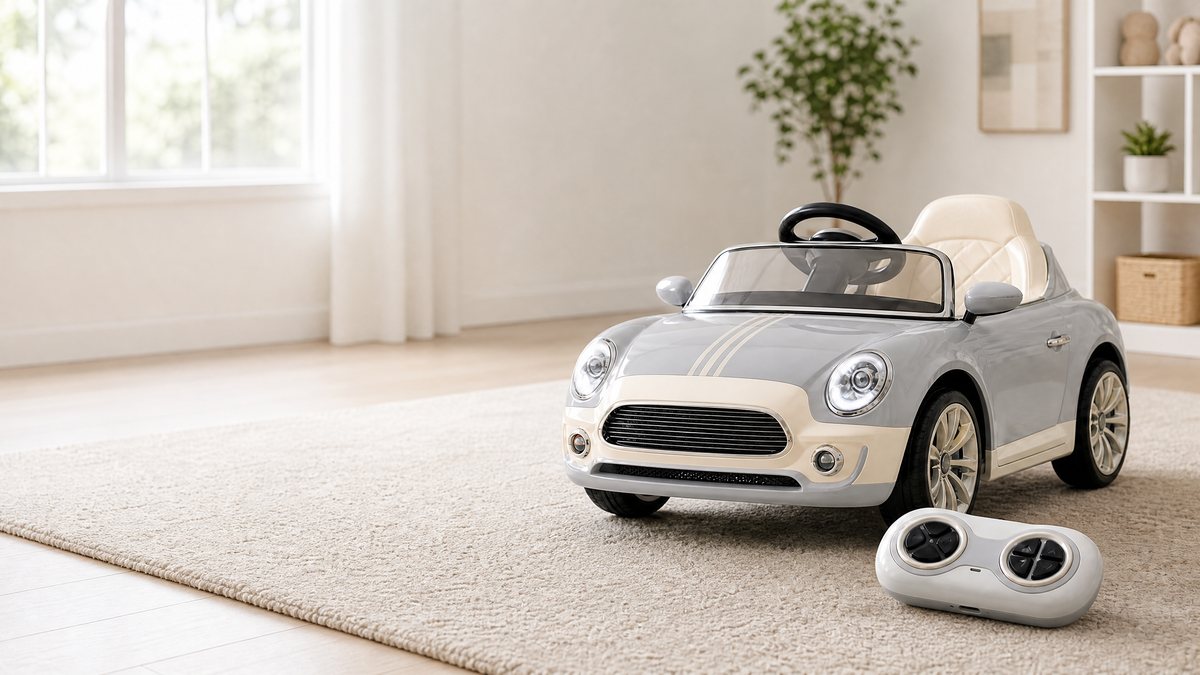
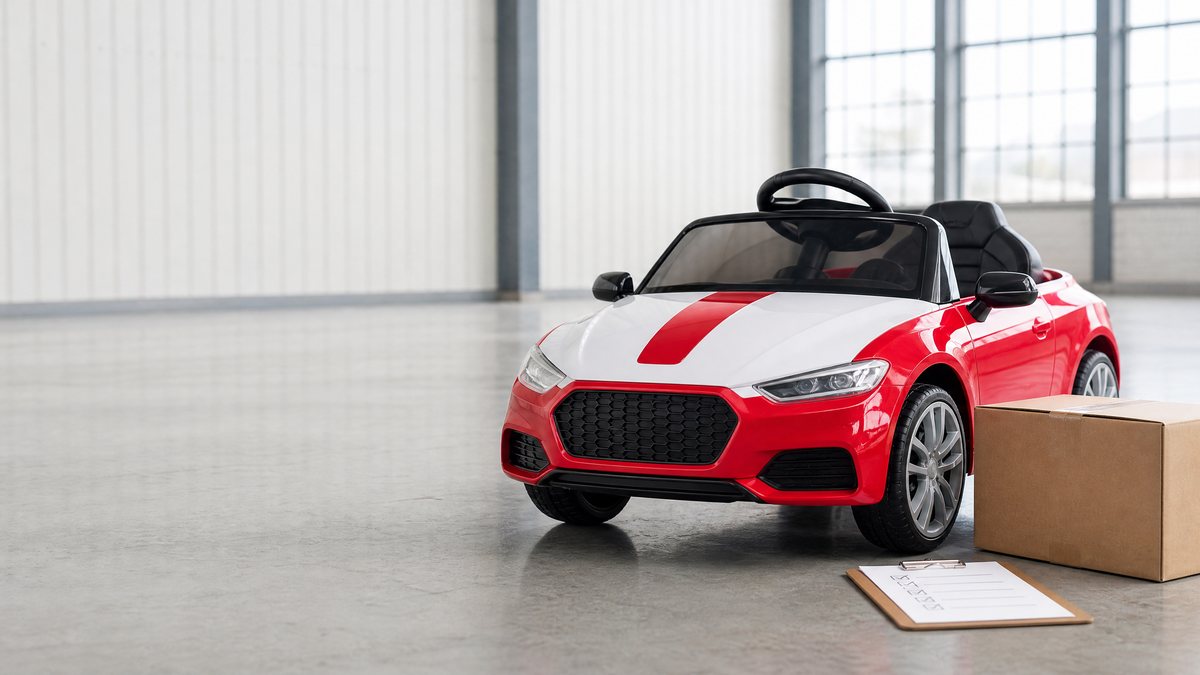
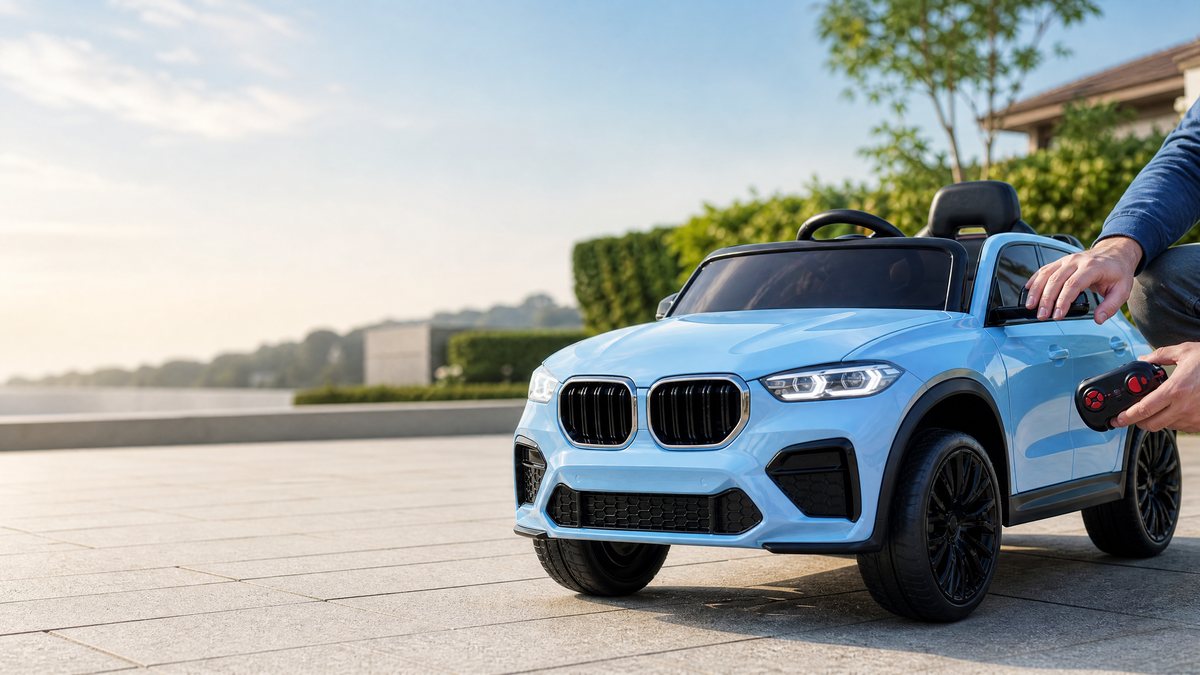
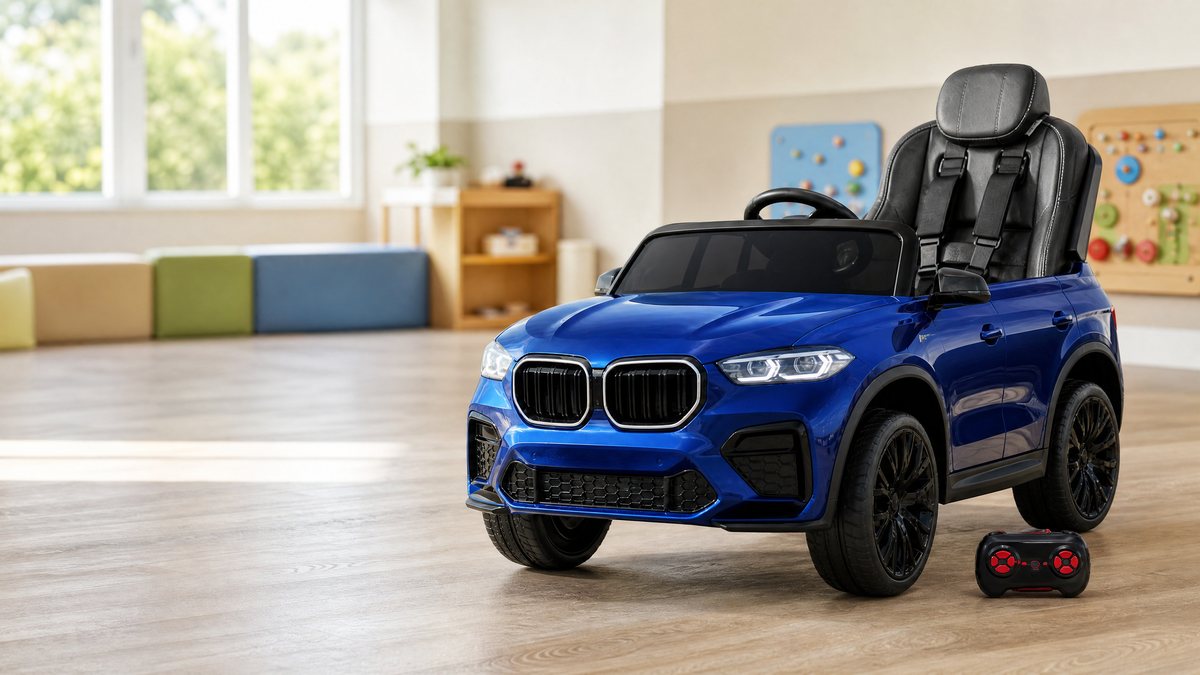
Licensed ride-on cars are manufactured under formal partnership and licensing agreements with major global automotive brands. These agreements grant toy manufacturers the legal right to replicate specific automotive designs, including miniature alloy-style wheels, accurate front grilles, authentic headlights, and registered brand badges. For B2B buyers and retail storefronts, licensed models immediately capture consumer attention through instant brand recognition.
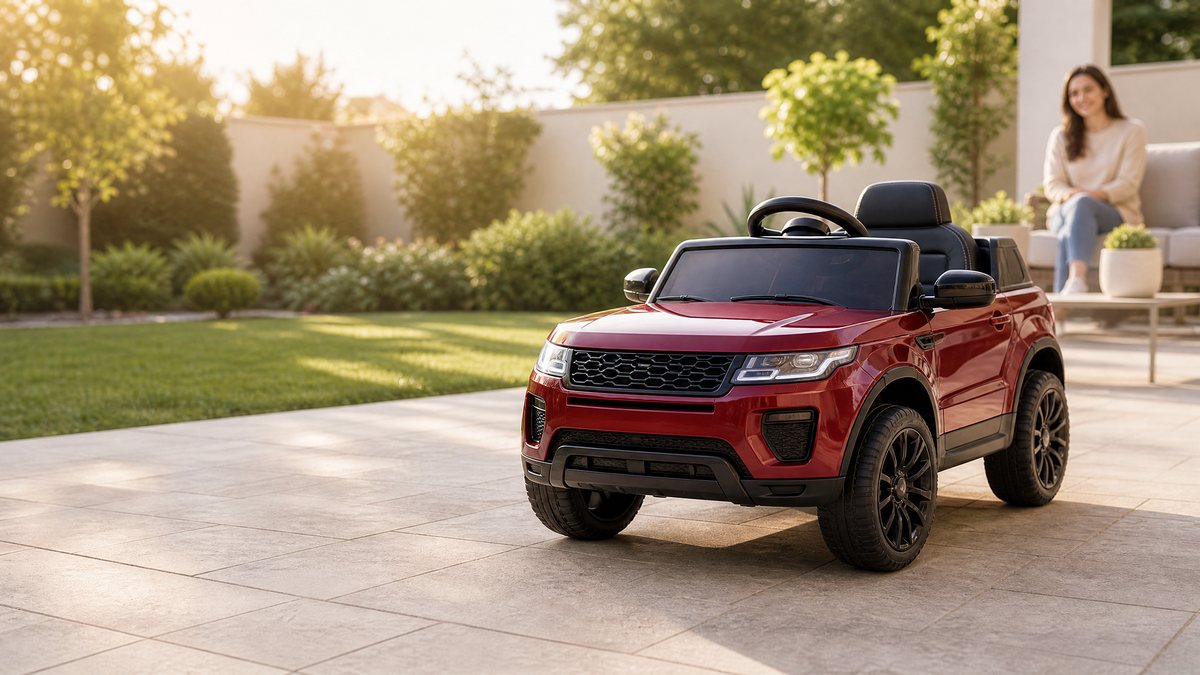
Parents and gift-givers often associate officially licensed ride-on cars with superior craftsmanship, aesthetic authenticity, and premium gifting appeal. When a child drives a miniature electric Mercedes-Benz or BMW, the perceived value aligns closely with rumbling adult counterparts and luxury heritage. However, this brand prestige involves specific operational considerations. Licensing fees, stringent quality audits imposed by automotive brand holders, and mandatory design approvals can influence baseline production costs. Consequently, wholesale acquisition costs and retail price points for licensed models generally sit higher than their generic counterparts.
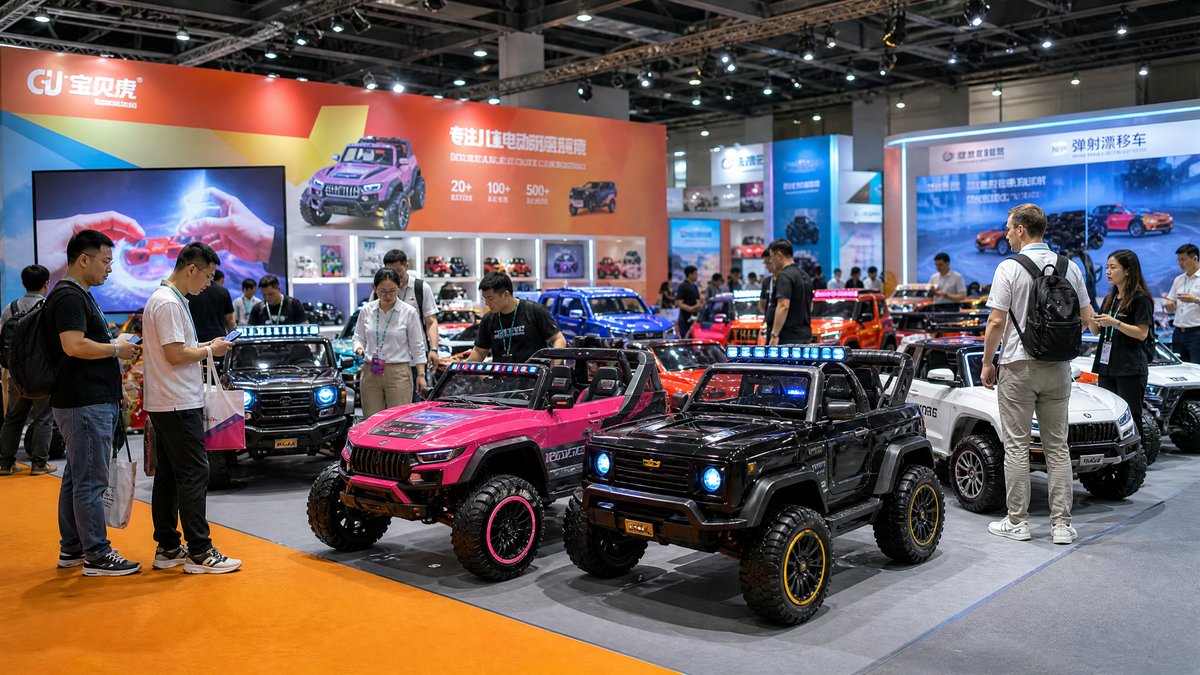
Additionally, compliance documentation and safety verification for licensed ride-on cars are typically rigorous, aligning with international toy safety standards. Yet, buyers must remember that exact certifications, regulatory approvals, warranty coverages, and performance specifications vary by model, region, and seller; check the exact manual, listing and written terms. Retailers targeting upper-tier suburban markets, high-end toy boutiques, and luxury e-commerce platforms frequently find that licensed inventory commands stronger initial demand and higher customer willingness-to-pay. Showroom owners also report that licensed display vehicles act as natural customer magnets, drawing foot traffic and elevating the perceived quality of adjacent toy inventory across the entire sales floor. Furthermore, marketing campaigns featuring licensed ride-on cars often benefit from pre-existing consumer affinity toward famous automotive marques, reducing customer acquisition costs for online retailers and boutique merchants alike.
2. Understanding Generic Ride-On Cars: Flexibility, Margin, and Cost Efficiency
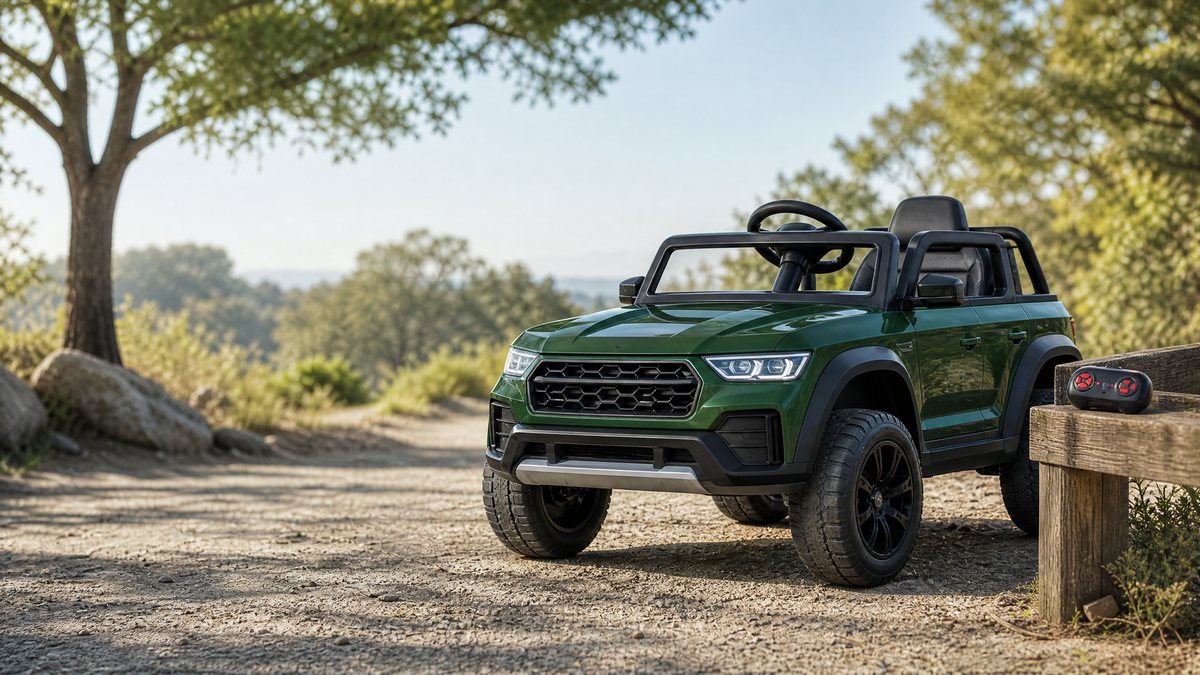
Generic ride-on cars represent the backbone of accessible electric vehicle manufacturing. Unburdened by automotive licensing royalties, proprietary badge fees, and strict brand-styling guidelines, generic ride-on vehicles offer manufacturers and wholesale buyers exceptional design flexibility and cost efficiency. Without the overhead of brand licensing, generic ride-on cars allow B2B importers and retail merchants to secure competitive profit margins while offering budget-conscious consumers an attractive entry point into electric ride-on toys.
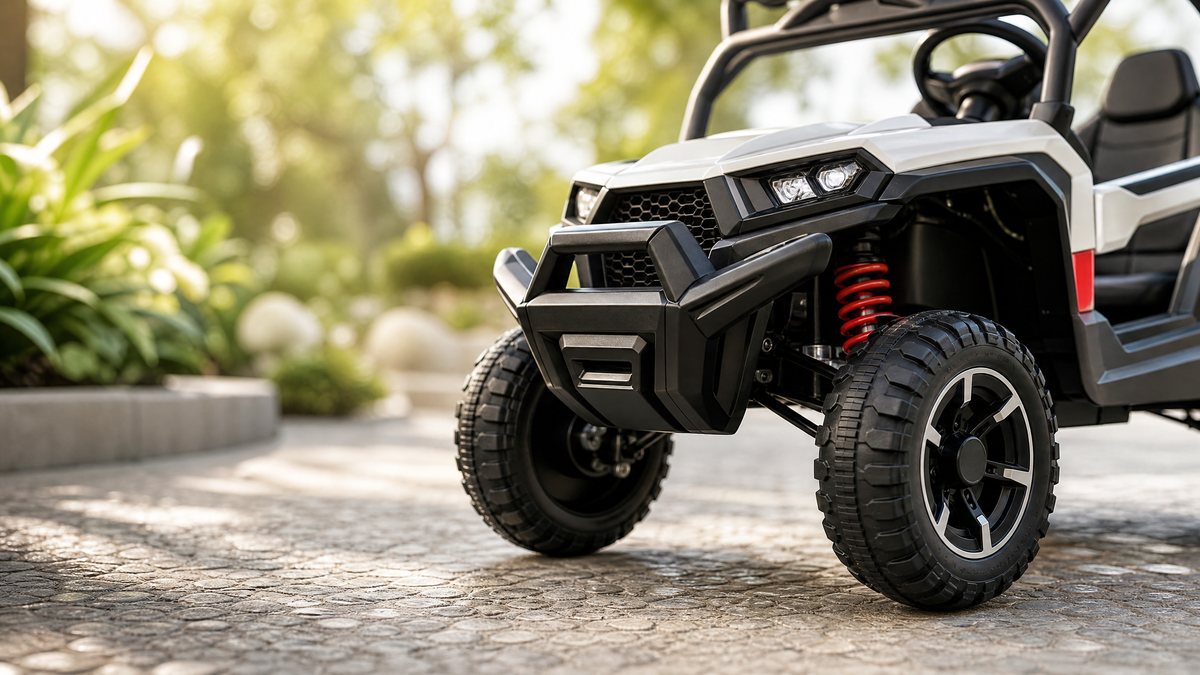
Generic models often pioneer innovative feature integrations faster than licensed counterparts, as they do not require multi-layered design approvals from corporate automotive legal departments. Manufacturers of generic ride-on cars can rapidly incorporate diverse aesthetic variations, custom LED lighting packages, multi-channel sound systems, Bluetooth connectivity, and unique color schemes. For budget-focused retail segments, discount chains, and promotional campaigns, generic ride-on cars provide an approachable product category that appeals to price-sensitive family shoppers.
Furthermore, generic vehicle platforms empower regional distributors to apply private-label branding, customized packaging, and localized manuals tailored to specific retail channels. This flexibility is a powerful advantage for wholesalers seeking to build exclusive house brands. Nevertheless, evaluating generic inventory requires careful scrutiny of supplier credentials and manufacturing consistency. Because generic models span a vast spectrum of factory origins, material grades, and electrical configurations, quality control and documentation standards can fluctuate significantly across different production batches. Buyers must verify that every batch complies with relevant regional safety directives. As with all vehicle categories, features such as parental remote controls, battery capacities, motor ratings, and seating configurations vary by model, region, and seller; check the exact manual, listing and written terms.
3. Comparative Analysis: Licensed vs. Generic Ride-On Cars
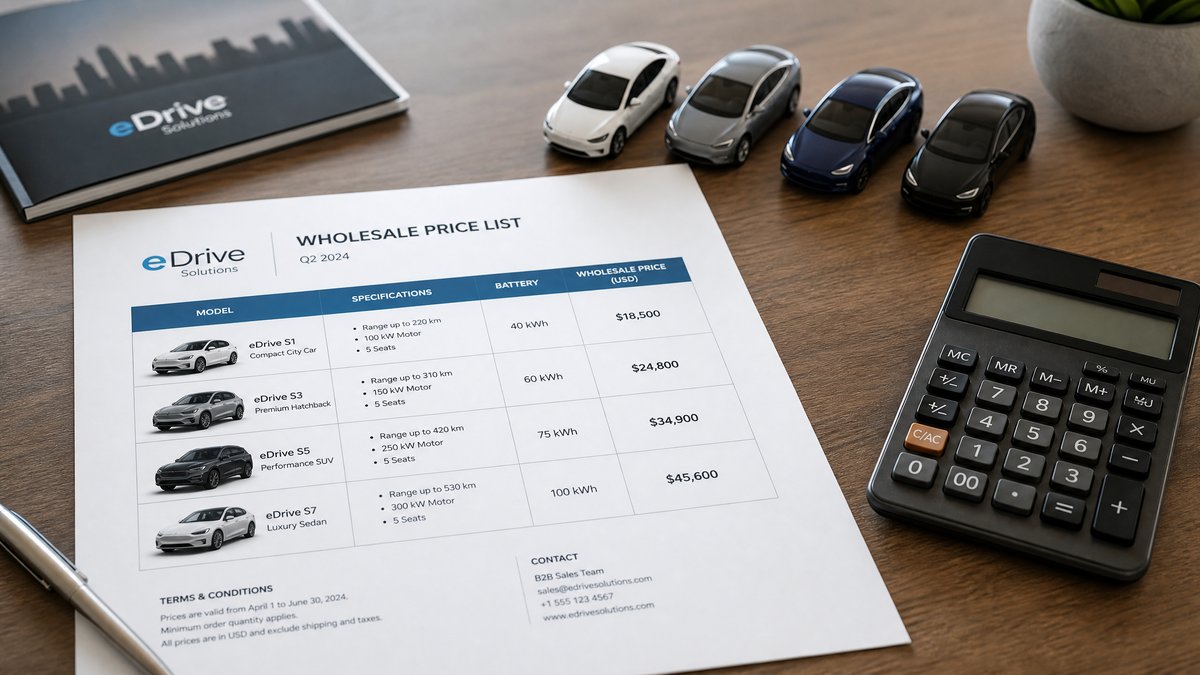
To assist B2B procurement managers and retail buyers in structuring balanced inventory portfolios, the comparative matrix below outlines the core structural, financial, and operational differences between licensed and generic ride-on electric vehicles.
| Evaluation Metric | Licensed Ride-On Cars | Generic Ride-On Cars |
|---|---|---|
| Initial Wholesale Cost | Typically higher due to brand licensing fees and strict corporate design guidelines. | Generally lower, offering higher potential retail profit margins. |
| Brand Recognition | Instant consumer recognition leveraging established global automotive marques. | Relies on independent retail branding, store house-brands, or generic styling. |
| Aesthetic Authenticity | High precision in replicating real-world vehicle grilles, badges, and paint finishes. | Creative, versatile styling with diverse colorways and unique concept designs. |
| Target Consumer Segment | Premium gift-buyers, high-end boutiques, and brand-conscious families. | Budget-conscious shoppers, mass-market retailers, and promotional buyers. |
| Feature Innovation Speed | Slower due to mandatory multi-stage corporate design approvals and audits. | Rapid iteration cycle, quickly adopting new lighting, audio, and accessory trends. |
| Supply Chain Variability | Subject to strict brand compliance audits; availability varies by model/region. | Highly flexible manufacturing options; availability varies by model/region. |
Whether purchasing licensed or generic inventory, buyers should note that all performance metrics, weight capacities, battery run times, warranty terms, and accessories vary by model, region, and seller; check the exact manual, listing and written terms.
4. B2B Sourcing and Inventory Strategy for Retailers and Wholesalers
Developing a successful commercial strategy in the electric ride-on vehicle sector requires a balanced inventory mix rather than an exclusive commitment to either licensed or generic models. Successful B2B wholesalers and retail merchants typically allocate their product assortment across multiple consumer demographics and price points. High-margin licensed models serve as showroom centerpieces that attract foot traffic and elevate brand perception, while robust generic models drive volume sales and satisfy budget-driven purchasing intent across mass-market channels.
When engaging in wholesale procurement, buyers must establish direct lines of communication with manufacturers to verify production timelines, compliance documentation, spare parts availability, and shipping logistics. Do not rely on unverified claims or assume universal compatibility across different production runs. Ensure that all commercial agreements outline clear protocols for inspection, defect handling, and warranty support. Furthermore, inventory planning should factor in seasonal demand fluctuations, container shipping schedules, warehousing capacity, and regional safety certification updates.
For commercial inquiries, product catalog requests, and container-load pricing schedules, industry buyers are invited to connect with our supply chain team. Request a wholesale quote.
5. Safety, Compliance, and Operational Boundaries
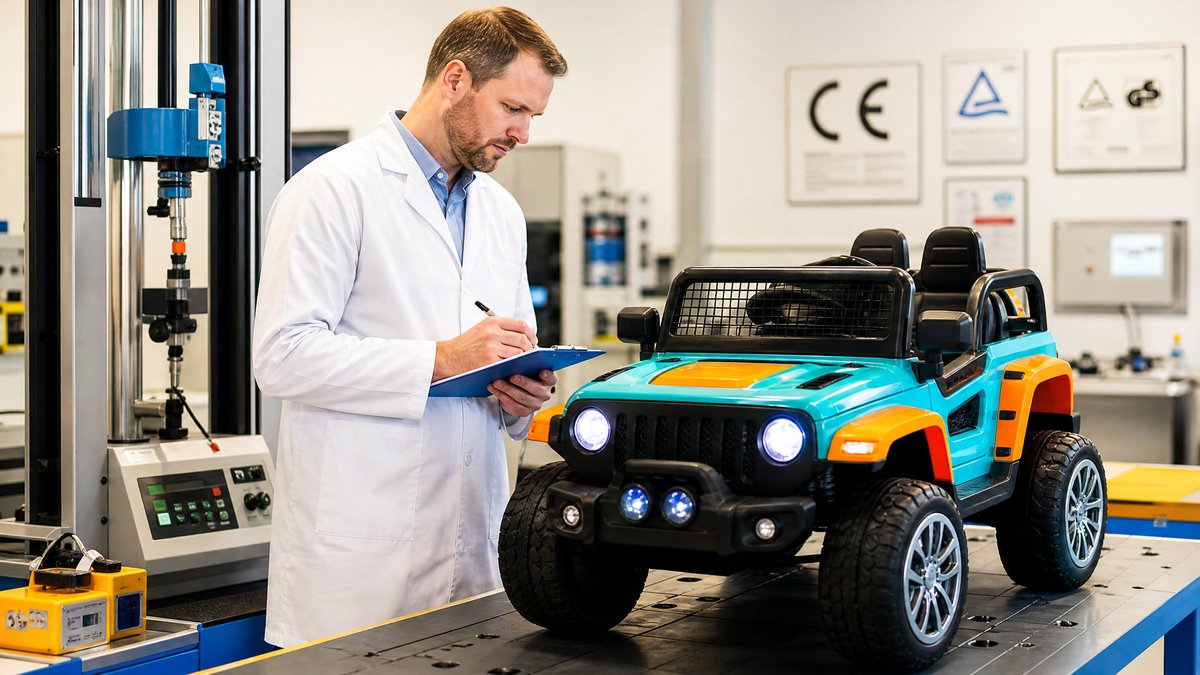
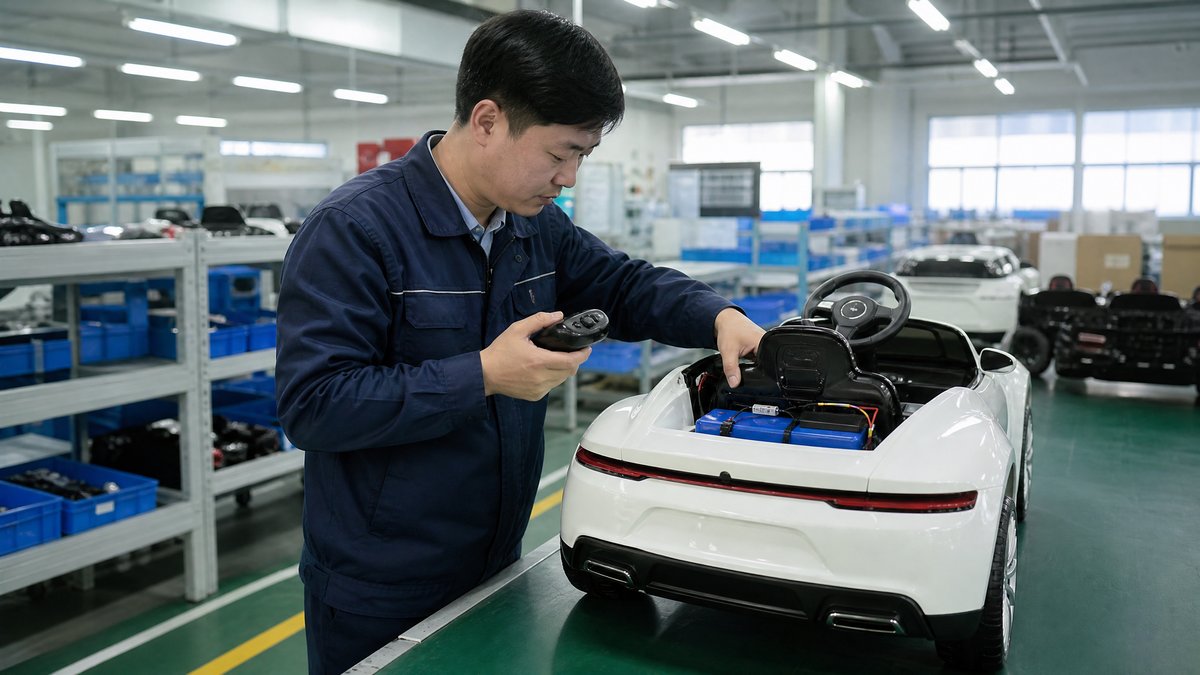
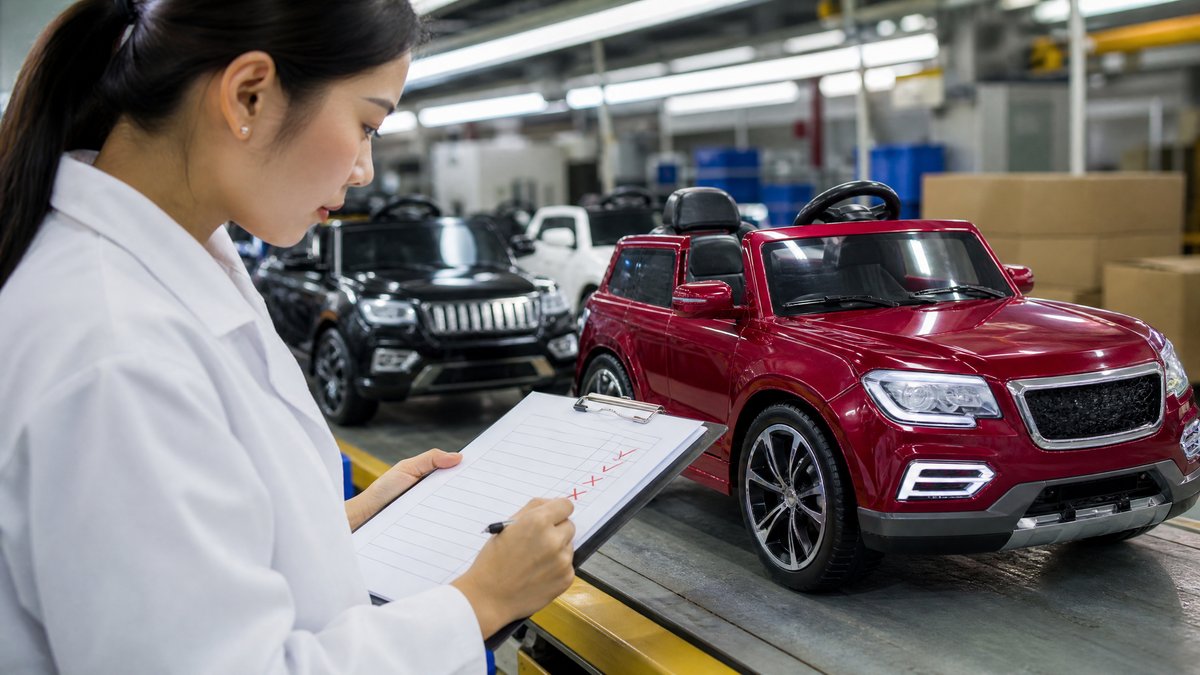
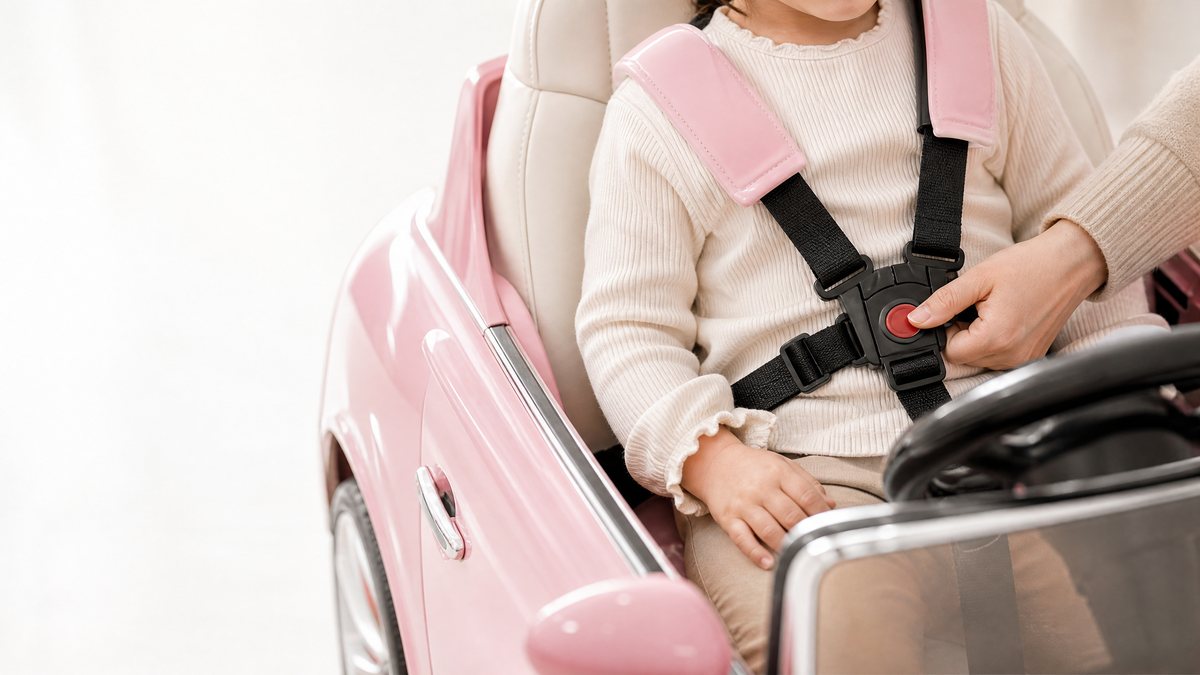
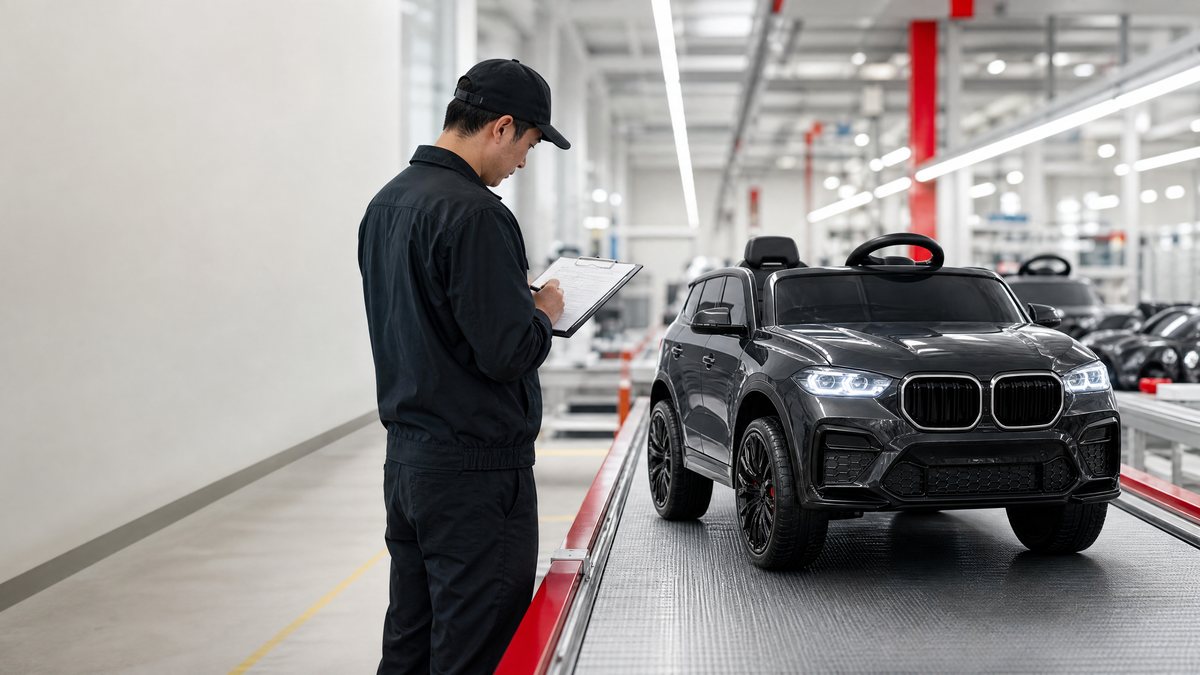
Safety and compliance remain paramount in the distribution and operation of electric ride-on vehicles. Both licensed and generic ride-on cars must adhere to established electrical and mechanical toy safety standards, including relevant regional directives governing small parts, sharp edges, battery containment, and maximum speed limitations. Wholesalers and retailers must request valid test reports and compliance certificates from suppliers before placing bulk orders.
It is vital to observe strict operational boundaries regarding vehicle maintenance and troubleshooting. Under no circumstances should users attempt internal electrical repairs, terminal modifications, wiring harness alterations, control board tampering, multimeter testing, or unauthorized battery and motor upgrades. These activities pose severe electrical shock, component failure, and fire hazards.
Furthermore, if unusual odors, overheating, smoke, water ingress, cable damage, or persistent mechanical and electrical malfunctions occur, operators must immediately stop use, disconnect and cease charging, turn off the vehicle power switch, keep children away from the unit, and contact the manufacturer or qualified professional repair personnel immediately. Unless specific model documentation explicitly states otherwise in writing, do not assume any advanced functional capabilities exist.
Frequently Asked Questions
Are licensed ride-on cars safer than generic ride-on cars?
Safety compliance is governed by certified testing standards rather than brand licensing alone. Both licensed and generic ride-on vehicles must meet applicable toy safety regulations. Exact safety certifications, structural testing results, and regulatory compliance vary by model, region, and seller; check the exact manual, listing and written terms.
Do generic ride-on cars offer better profit margins for retailers?
Because generic ride-on cars do not incur automotive brand licensing royalties, wholesale acquisition costs are often lower, which can provide retailers with greater gross margin flexibility. However, actual profitability varies by model, region, and seller; check the exact manual, listing and written terms.
Can replacement parts be interchanged between licensed and generic models?
No. Replacement parts, including batteries, gearboxes, wheels, and control boards, are specifically engineered for particular vehicle architectures. Parts interchangeability varies by model, region, and seller; check the exact manual, listing and written terms, and always source components directly from the authorized manufacturer.
What should I do if a ride-on car exhibits unusual odors or overheating?
If any unusual odors, overheating, smoke, water ingress, cable damage, or persistent malfunctions occur, immediately stop using and charging the vehicle, turn off the main power switch, keep children away, and contact the manufacturer or qualified repair personnel. Never attempt unauthorized electrical modifications or internal repairs.
Conclusion
Choosing between licensed and generic ride-on cars involves balancing brand equity, customer demographics, pricing strategy, and margin objectives. Licensed models offer undeniable prestige and immediate brand recognition, making them ideal for premium retail segments. Generic models deliver unmatched cost efficiency, design flexibility, and volume sales potential for budget-conscious markets. By maintaining a diversified inventory approach, verifying all compliance documentation, and adhering to strict safety protocols, B2B buyers and retailers can build a resilient, profitable product catalog while mitigating operational and supply chain risks across all retail channels.
For further assistance, customized catalog selections, or bulk purchasing inquiries, please reach out to our commercial team. Request a wholesale quote.
***
*Resource Note: For general toy safety education and guidance, consult resources provided by the CPSC (Consumer Product Safety Commission). Note that general educational guidelines serve as supplementary reference material only and do not replace or supersede the specific model manuals, safety warnings, and operating instructions provided by the manufacturer.*
Official references
Explore these external resources for current regulatory and trade guidance. Confirm requirements with the relevant authority before placing an order.
Ready to Start?
Factory-Direct · CE & ASTM Certified · MOQ from 50 Units
Our export team works with buyers in 60+ countries. Get a quote within 24 hours.
KR
Written by KidsRideCar
China's leading kids electric ride-on car manufacturer. 500,000+ units shipped annually to 60+ countries. CE, ASTM & EN71 certified.