Introduction
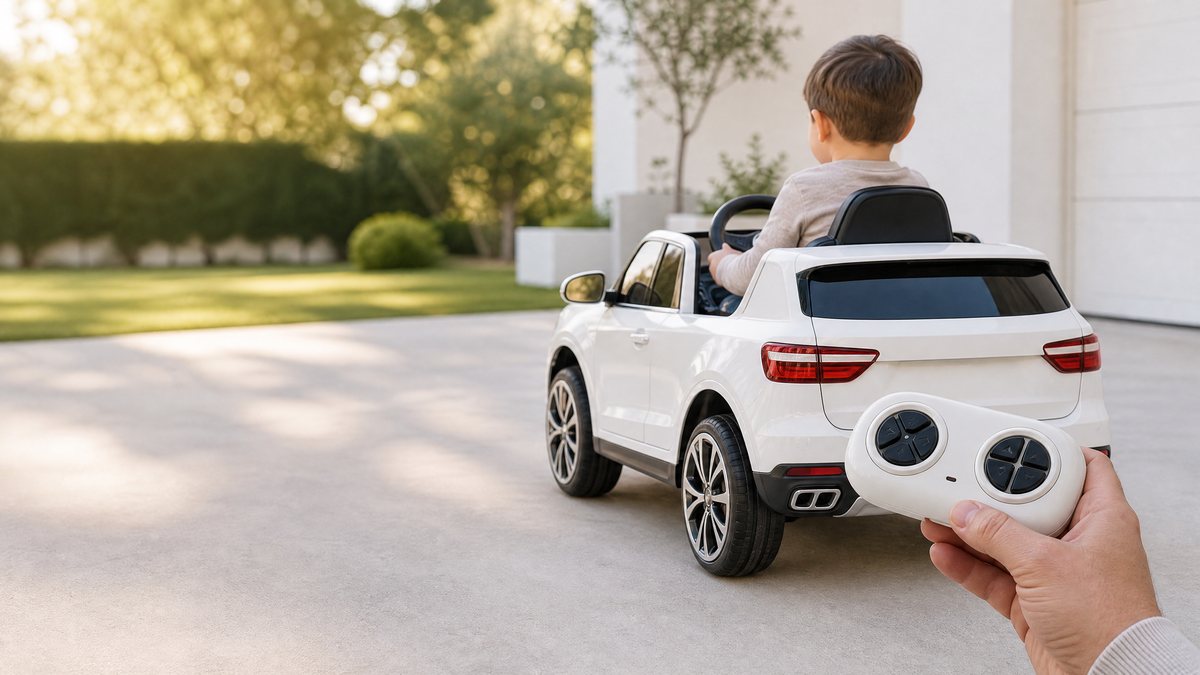
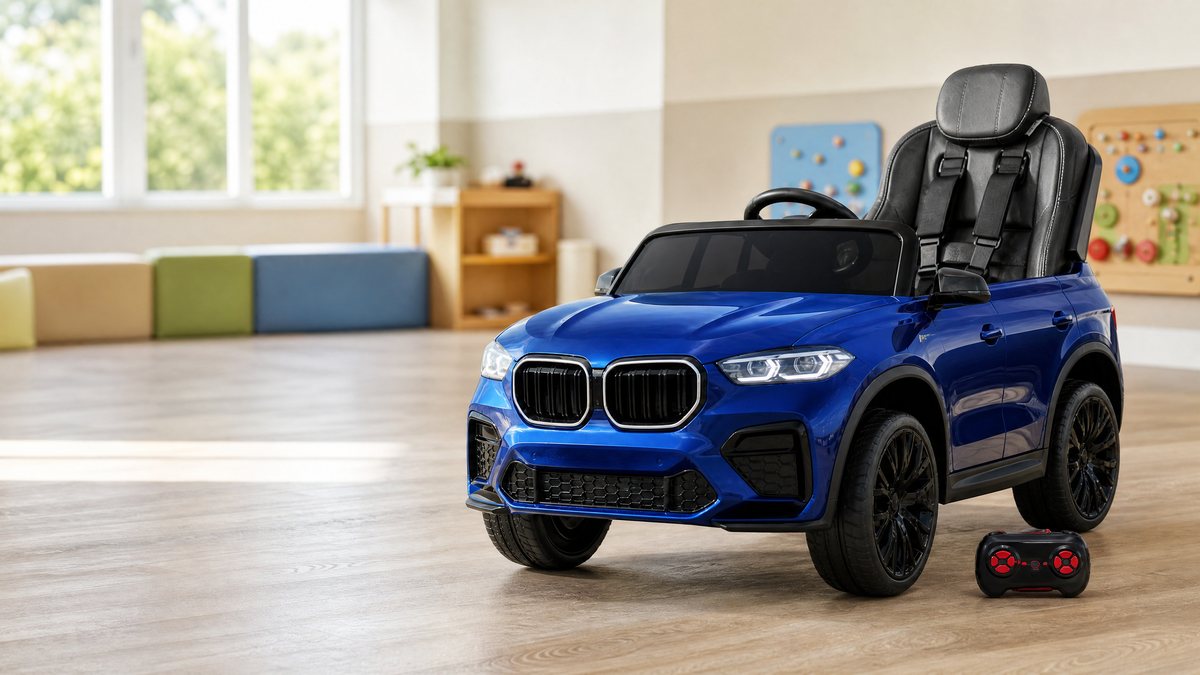
The market for children's electric ride-on vehicles has experienced exponential growth, driven by advancements in battery technology, realistic styling, and enhanced parental remote-control integration. Among the various safety features incorporated into these miniature vehicles, the restraint system—commonly referred to as the seat belt—stands out as a primary focal point for parents, safety advocates, and commercial B2B buyers alike. A frequent question raised by prospective buyers is whether these restraint systems are truly secure enough to protect young operators during play. Addressing this inquiry requires a nuanced understanding of toy vehicle engineering, regulatory compliance, operational limitations, and the fundamental distinction between toy-grade restraint mechanisms and automotive-grade safety equipment.
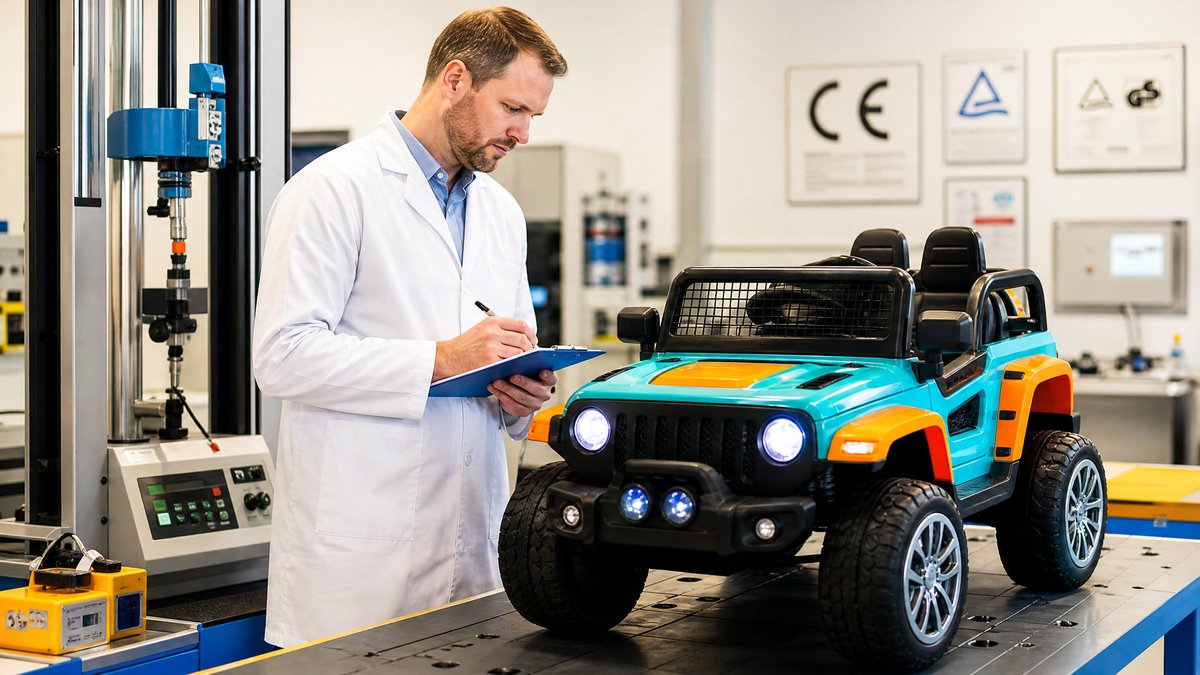
Evaluating the adequacy of a ride-on car seat belt cannot be reduced to a simple binary conclusion. Instead, security and effectiveness depend heavily on a multitude of interrelated variables, including the specific vehicle model, precision of assembly, surface terrain, seating geometry, and, most importantly, continuous adult supervision. While manufacturers design restraint systems to meet established toy safety standards such as ASTM F963 and EN71, these systems are engineered specifically for low-speed recreational environments. This article provides a comprehensive evaluation framework for assessing ride-on car restraint systems, examining design typologies, structural integrity factors, operational safety best practices, and procurement guidelines for wholesale distributors and retail buyers.
Understanding Ride-On Restraint Systems: Design Typologies and Standards
Unlike full-sized passenger vehicles where seat belts and supplemental restraint systems are engineered to withstand high-velocity deceleration forces, children's electric ride-on vehicles operate within tightly restricted velocity parameters, typically ranging from 2 to 5 miles per hour. Consequently, the primary engineering objective of a ride-on car seat belt is positional stability rather than crash mitigation. Restraint systems in this category generally fall into three distinct structural typologies: simple lap straps, dual-point adjustable belts, and multi-point harnesses.
Simple lap straps represent the most common configuration found in entry-level ride-on cars. These belts secure the child across the lower pelvic region, preventing them from sliding forward or standing up while the vehicle is in motion. While economical and straightforward for young children to operate with parental assistance, lap straps offer limited upper-body retention during sharp turns or sudden directional changes.
Dual-point adjustable belts offer enhanced tension control, allowing parents or older children to customize the fit based on the child's clothing thickness and physical dimensions. The webbing material is typically constructed from high-tensile woven nylon or polyester, chosen for its resistance to fraying and environmental degradation. However, the structural security of any belt is fundamentally constrained by its anchor points. In high-quality ride-on vehicles, anchor points are reinforced with metal backing plates or molded directly into the thick polyethylene chassis framework, distributing mechanical stress across a broader surface area.
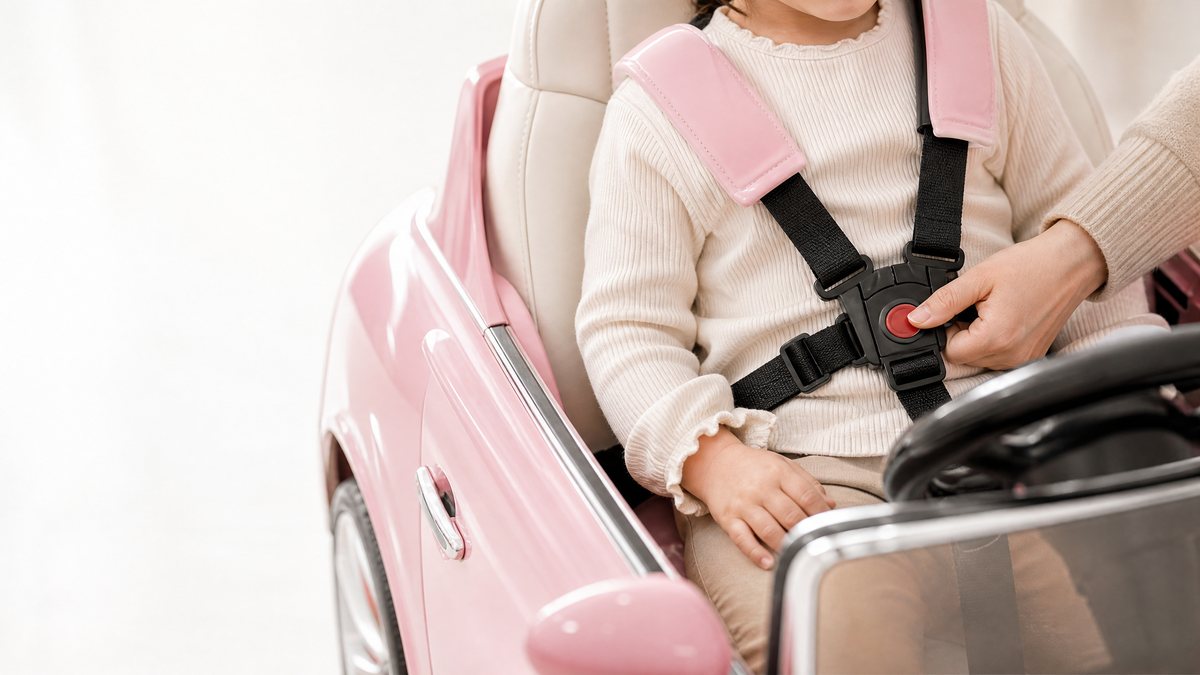
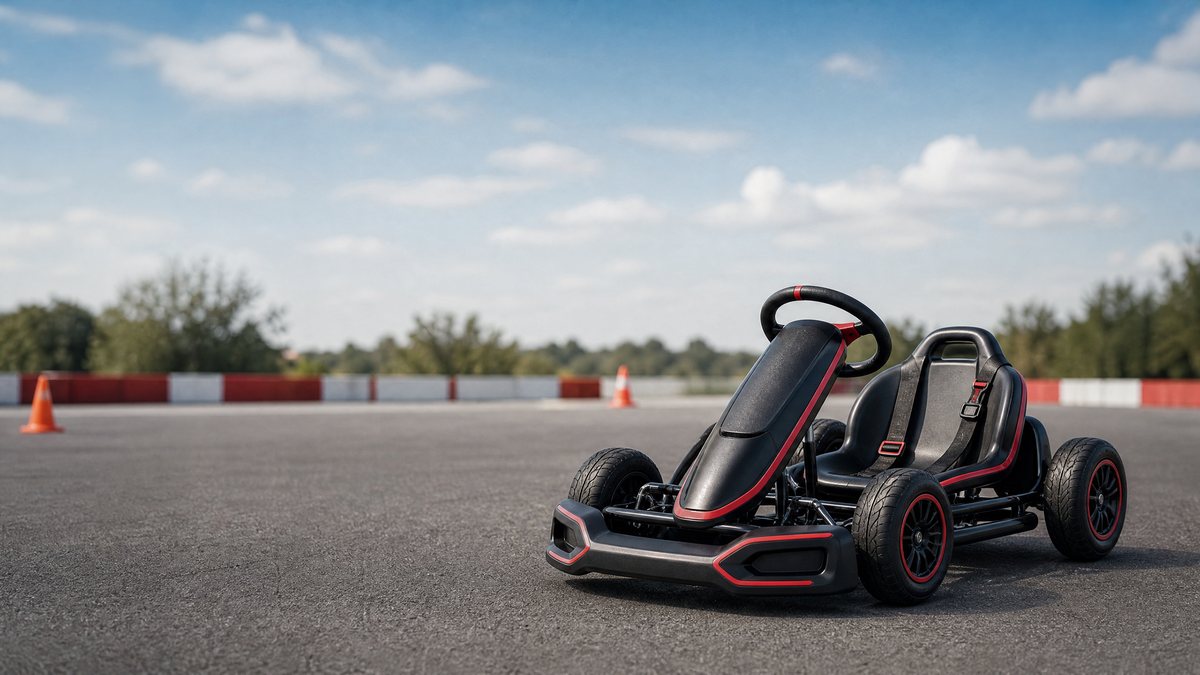
Multi-point harnesses, modeled after racing or stroller configurations, distribute retention forces across both the shoulders and the lap. While less common in standard electric cars due to perceived complexity, multi-point systems are increasingly specified in premium or high-torque two-seater models capable of higher acceleration profiles. Regardless of the typology selected, regulatory standards mandate that buckles must require deliberate manual actuation—preventing accidental release by the child—while remaining easy for an adult to release quickly in an emergency.
Evaluation Methodology: Assessing Restraint Security Without Empirical Claims
When analyzing the security of ride-on car seat belts, industry professionals and conscientious buyers must rely on structured structural evaluation rather than unverified empirical claims or fabricated crash test data. Because real-world performance varies drastically depending on operational context, objective assessment focuses on mechanical design attributes, material specifications, and ergonomic fit.
The first dimension of evaluation is webbing integrity and hardware resilience. Assessors examine the width of the strap—typically ranging from one to two inches—to ensure load distribution does not create pressure points on the child's abdomen. Buckle mechanisms are evaluated for tactile feedback, latching security, and resistance to jamming caused by dirt, debris, or moisture accumulation. A secure buckle must engage with a distinct audible click and maintain engagement under lateral pulling forces without slipping.
The second critical dimension is seating geometry and slip prevention. A seat belt can only perform effectively if the seat design complements the restraint. Contoured bucket seats with elevated lateral bolsters naturally keep the child centered, reducing the lateral load placed on the lap belt during cornering. Conversely, flat, bench-style seats require tighter belt adjustment to prevent the child from sliding sideways on uneven terrain.
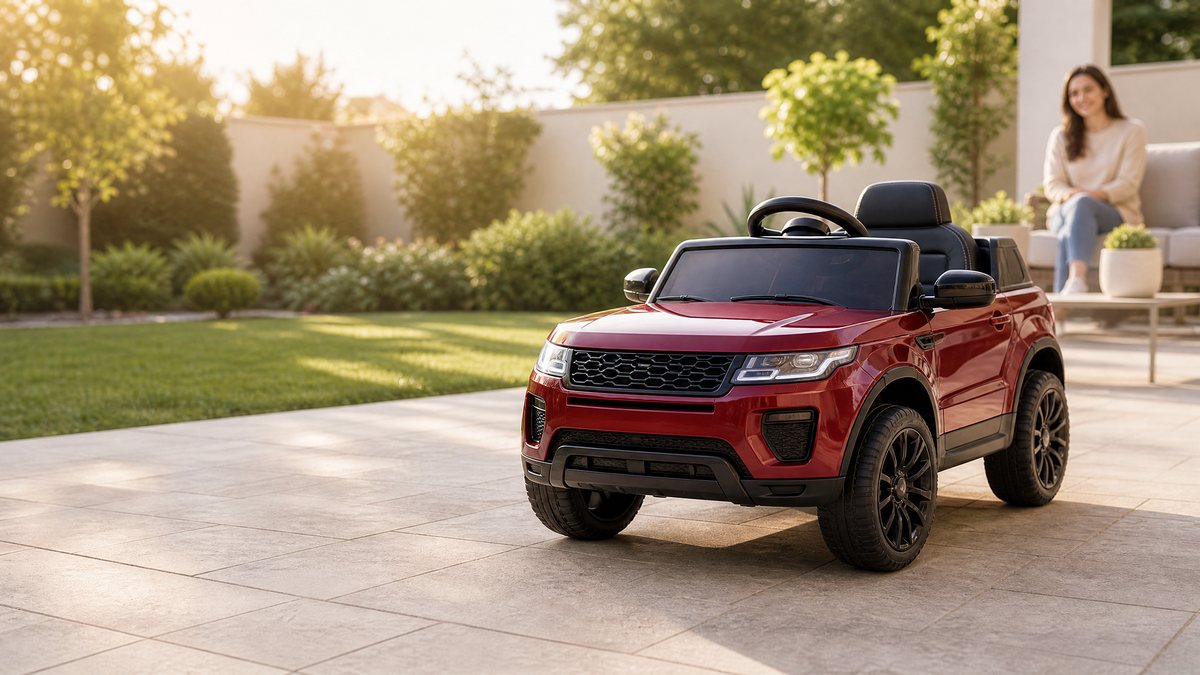
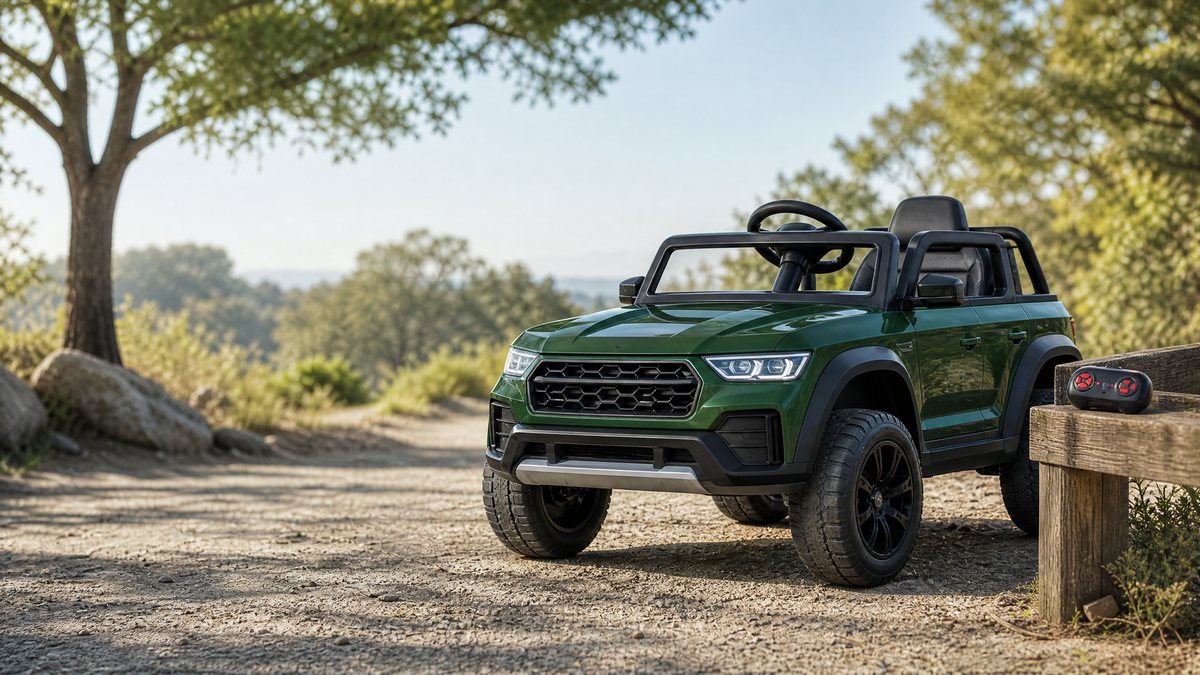
Terrain and operational dynamics heavily influence perceived security. Operating an electric ride-on car on smooth, level asphalt presents minimal dynamic disturbance, allowing standard lap belts to maintain effective positioning. However, navigating bumpy grass, gravel driveways, or transitioning across slight inclines introduces vertical and lateral oscillation. In these environments, the security of the restraint is augmented or undermined by the child's posture and the vehicle's suspension compliance. It is essential to recognize that no seat belt can compensate for reckless operation, overloading beyond the manufacturer's specified weight capacity, or operating on steep, unapproved slopes.
Comparative Analysis: Restraint System Options for Procurement and Retail
For B2B procurement managers, toy importers, and retail buyers, understanding the trade-offs between different restraint systems is vital for inventory curation and liability management. The following decision matrix compares the primary restraint configurations used in modern ride-on vehicles across key operational and commercial parameters.
| Restraint Typology | Primary Target Age | Retention Stability | Ease of Operation | Manufacturing & Cost Factor | Best Suited Application |
|---|---|---|---|---|---|
| Basic Lap Strap | 2 – 4 Years | Moderate (Pelvic only) | High (Simple buckle) | Low cost; standard integration | Single-motor, low-speed entry models |
| Adjustable Lap Belt | 3 – 6 Years | Good (Custom fit tension) | High (Quick-adjust slide) | Moderate cost; reinforced anchors | Dual-motor standard electric cars |
| Multi-Point Harness | 4 – 8 Years | High (Pelvic & shoulders) | Moderate (Requires guidance) | Premium cost; complex molding | High-torque, multi-speed, or two-seater vehicles |
When curating product lines, commercial buyers must verify that the chosen restraint system aligns with the target demographic's developmental stage and the vehicle's kinetic output. Vehicles with higher voltage systems (e.g., 24V configurations) naturally warrant more robust multi-point or heavily anchored adjustable restraint options to match increased acceleration characteristics.
Practical Checklist for Secure Operation and Inspection
To ensure ongoing safety and optimal performance, retailers, fleet operators, and parents should implement a rigorous, routine inspection protocol. The following practical checklist outlines essential steps for maintaining restraint system integrity throughout the lifecycle of the ride-on vehicle.
- Pre-Ride Webbing Inspection: Visually examine the entire length of the seat belt webbing before every use. Check for signs of fraying, chemical contamination, UV degradation, or stiffness that could compromise tensile strength.
- Anchor Point Security Verification: Inspect the mounting points where the belt attaches to the vehicle chassis or seat frame. Ensure mounting screws, bolts, or clips remain tightly secured and show no signs of plastic stress cracking around the fastener holes.
- Buckle Functionality Test: Engage and disengage the buckle mechanism multiple times. Confirm that the latch clicks securely into place, resists accidental release under moderate tension, and releases smoothly without sticking.
- Tension and Fit Adjustment: Adjust the belt length so that it fits snugly across the child's lower hips rather than across the soft abdomen. Ensure there is no excessive slack that would allow the child to lift out of the seat during sudden stops.
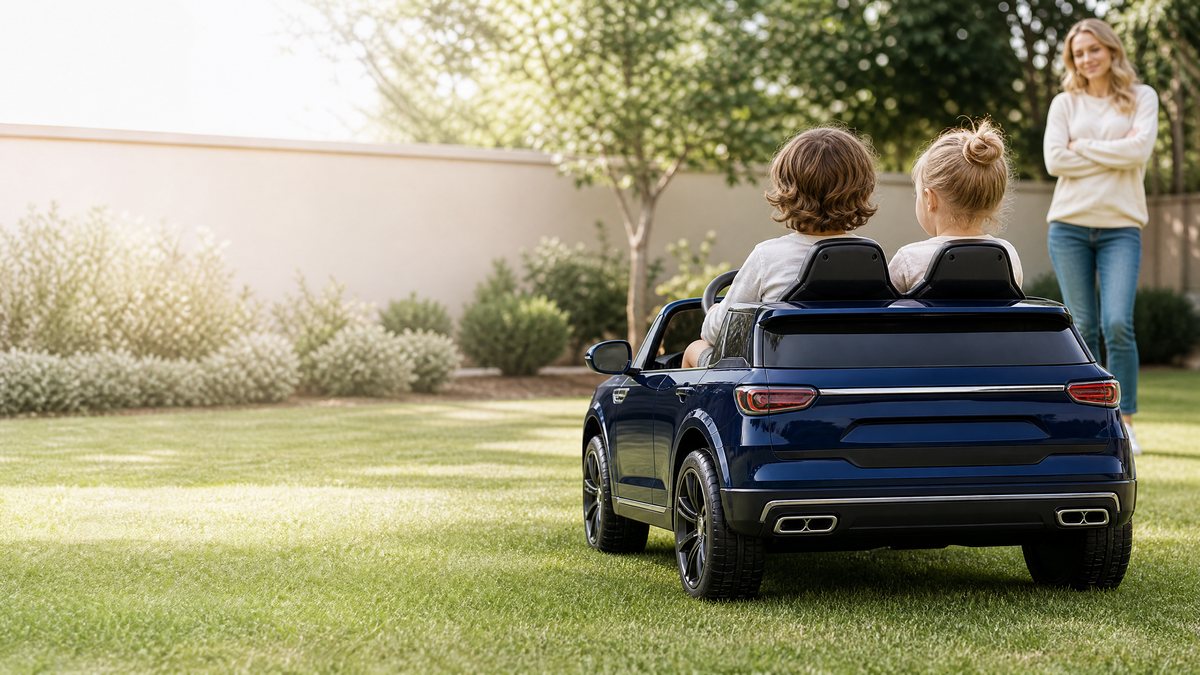
- Supervision and Operational Boundaries: Establish clear operational rules. Confirm that an adult is maintaining constant visual contact, that the child is wearing appropriate footwear, and that the vehicle is operated strictly within designated flat, obstacle-free zones.
Adhering to this structured checklist significantly mitigates operational risks and ensures that the physical restraint system functions precisely as engineered by the manufacturer.
Operational Safety Guidelines: Environmental Factors and Maintenance
While the seat belt is a critical component of ride-on vehicle safety, its effectiveness is intrinsically linked to broader operational practices and environmental management. Caregivers and fleet managers must pay strict attention to external operating conditions, vehicle maintenance, and electrical safety.
Operating electric ride-on cars on wet, slick, or icy surfaces introduces severe traction loss, which can cause unexpected sliding, spin-outs, or loss of steering control. Even the most secure seat belt cannot prevent injury if a vehicle slides sideways into a stationary obstacle or tips over due to excessive speed on a wet incline. Therefore, operation should be strictly restricted to dry, stable, and level surfaces.
Braking response is another critical variable. Most electric ride-on vehicles utilize automated spring-loaded or regenerative foot-pedal braking systems. Caregivers must instruct young operators on how the throttle and brake operate, emphasizing smooth deceleration rather than abrupt pedal releases that can destabilize the passenger.
During winter months or in colder climates, low temperatures can negatively impact plastic components, making chassis anchor points more brittle and prone to impact shock. Regular inspection of structural plastics during seasonal transitions is mandatory.
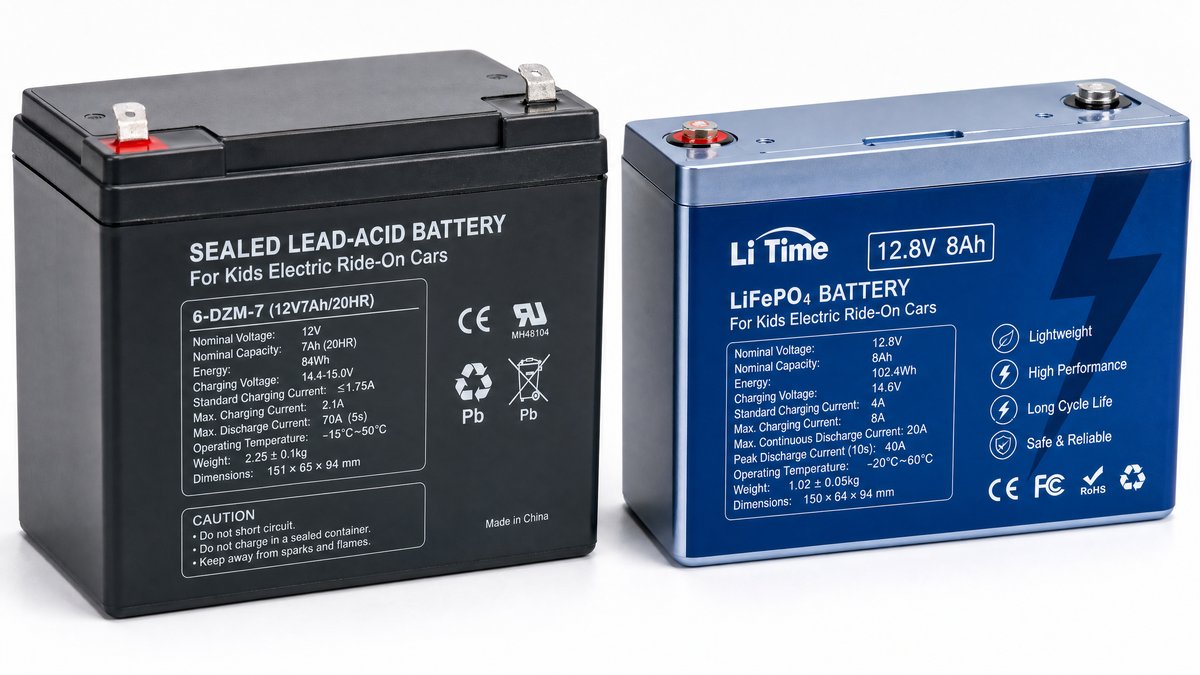
Regarding power systems, strict adherence to manufacturer instructions for battery charging and replacement is paramount. Unauthorized battery modifications or incompatible chargers can lead to thermal events or electrical failures. Always use OEM-specified batteries and chargers, and never bypass built-in thermal fuses or circuit breakers. Emphasizing uncompromising child supervision alongside proper maintenance ensures a safe and enjoyable recreational experience.
Frequently Asked Questions (FAQ)
Are multi-point harnesses mandatory for all children's electric ride-on cars?
No. Toy safety standards such as ASTM F963 and EN71 do not mandate multi-point harnesses for all ride-on vehicles. Standard lap or adjustable belts are generally sufficient for low-speed, single-motor vehicles. Multi-point harnesses are typically reserved for heavier, faster, or multi-seater models where enhanced upper-body retention is warranted.
How tight should a child's ride-on car seat belt be adjusted?
The belt should be adjusted to fit snugly across the child's lower pelvic region—never across the soft abdomen. As a general rule of thumb, an adult should be able to slide two fingers flat between the webbing and the child's body to ensure the belt is secure without restricting breathing or causing discomfort.
Can aftermarket seat belts be safely installed if the original belt wears out?
Installing unverified aftermarket seat belts is strongly discouraged. Original equipment manufacturer (OEM) replacement parts are specifically engineered and tested to match the vehicle's chassis anchor strength and seating geometry. Using generic or uncertified aftermarket belts may introduce structural failure points during use.
Conclusion and B2B Procurement Summary
The evaluation of ride-on car seat belts demonstrates that while restraint systems are not designed to automotive crash standards, they play an indispensable role in maintaining the positional stability and physical security of young operators during recreational play. True safety in children's electric vehicles is achieved not by relying on a single component, but through a holistic synthesis of robust mechanical design, precise assembly, appropriate terrain selection, strict adherence to manufacturer instructions, and vigilant adult supervision.
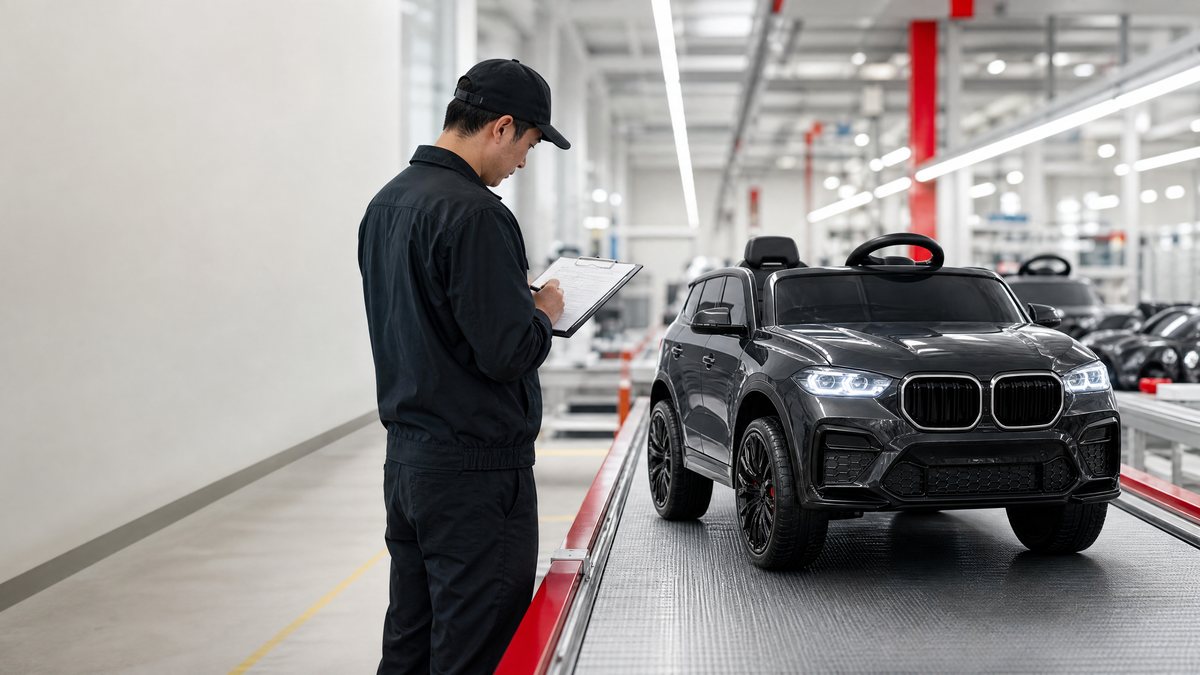
For B2B wholesalers, toy importers, and retail partners, sourcing vehicles equipped with certified, durable restraint systems and clear operational documentation is essential for mitigating liability and ensuring end-user satisfaction. By prioritizing quality compliance and educating consumers on proper usage checklists, businesses can build long-term trust in the competitive children's toy market.
*For comprehensive B2B catalog inquiries, compliance documentation, and wholesale partnership opportunities regarding certified electric ride-on vehicles, contact our commercial engineering and supply chain team today.*
Official references
Explore these external resources for current regulatory and trade guidance. Confirm requirements with the relevant authority before placing an order.
Ready to Start?
Factory-Direct · CE & ASTM Certified · MOQ from 50 Units
Our export team works with buyers in 60+ countries. Get a quote within 24 hours.
KR
Written by KidsRideCar
China's leading kids electric ride-on car manufacturer. 500,000+ units shipped annually to 60+ countries. CE, ASTM & EN71 certified.