Introduction
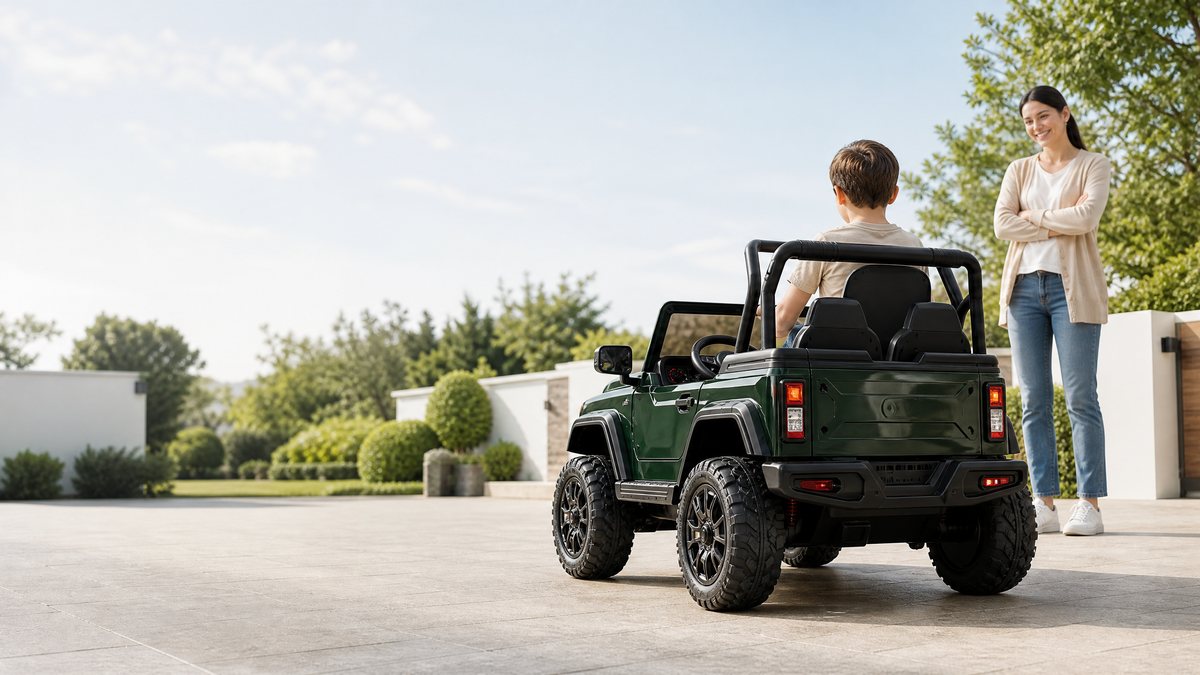
In the global market for children's electric ride-on vehicles, distributors and retailers frequently encounter a key inquiry: Can a ride-on car go uphill? While parents expect miniature vehicles to navigate driveways and garden pathways smoothly, hill-climbing capability depends on mechanical design, electrical architecture, surface traction, payload mass, and battery state of charge. Providing rigorous guidance helps B2B partners manage product liability and ensure safety.
This comprehensive technical performance guide is specifically crafted for wholesale buyers, retail partners, and safety compliance officers. It provides an exhaustive engineering analysis of the factors influencing ride-on car incline navigation, detailing motor dynamics, gearbox structural limitations, traction mechanics, payload thresholds, electrical voltage behavior, and mandatory safety protocols. All operational parameters, gradient limits, and usage guidelines outlined here remain strictly subject to the specific model's rating plate, user manual, and manufacturer written specifications.
The Electromechanical Foundations of Incline Navigation
To evaluate whether a children's electric ride-on vehicle can successfully ascend an incline, industry professionals must examine its primary propulsion components: the direct current (DC) electric motor and the mechanical reduction gearbox. Unlike full-sized automotive vehicles equipped with multi-speed transmissions, children's ride-on vehicles utilize compact permanent magnet electric motors operating on low-voltage direct current electrical architectures.
Permanent Magnet DC Motor Behavior Under Gravitational Load
Children's ride-on vehicles rely on permanent magnet DC motors that convert electrical energy into rotational mechanical energy. On flat, smooth terrain, these motors operate comfortably within their nominal torque capacity and electrical current draw parameters. When encountering an upward slope, however, the force of gravity acting against the vehicle's total mass introduces an opposing load vector. As gravitational resistance increases, motor rotational speed decreases proportionally, while electrical current draw spikes significantly.
If the gradient angle or payload mass exceeds the motor's designed torque threshold, the motor shaft can experience a complete rotational stall. During a stall condition, electrical current reaches maximum draw without producing mechanical rotation, rapidly generating intense thermal energy within the copper armature windings and commutator assembly. Prolonged exposure to stall-level currents without thermal protection can lead to catastrophic insulation breakdown or permanent motor burnout. Understanding motor torque limits in relation to incline resistance is vital for preventing premature electrical failure.
The Critical Engineering Role of Reduction Gearboxes
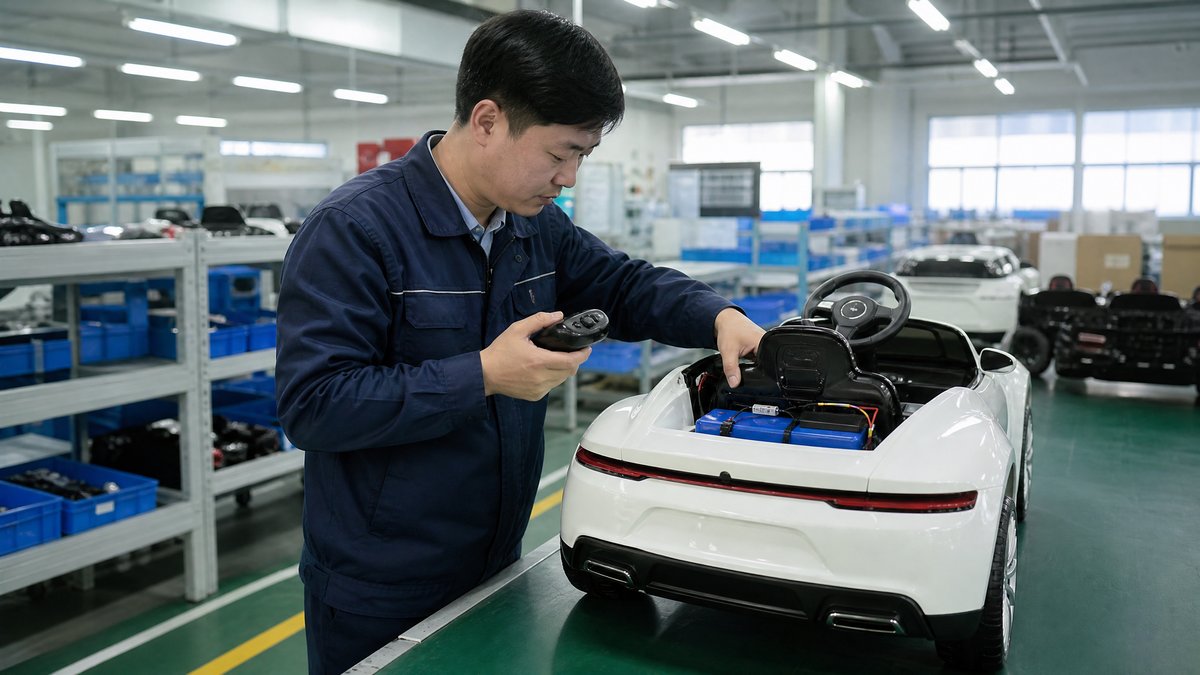
Direct motor drive wheels are virtually nonexistent in commercially distributed children's ride-on vehicles. Instead, propulsion power is transmitted through enclosed reduction gearboxes—constructed from high-impact molded plastics or metal-reinforced polymer composites—which multiply motor torque while reducing output shaft speed. A high gear reduction ratio provides the mechanical advantage required to turn drive wheels against gravitational resistance.
However, reduction gearboxes possess finite structural load limits. Excessive torque demands generated during steep hill climbs can strip molded plastic gear teeth, fracture gearbox housings, or cause premature thermal degradation of internal lubricating greases and electrical brushes. Wholesale procurement teams must carefully verify whether a prospective model utilizes single, dual, or multi-motor drive configurations, and examine the structural integrity of its internal gear trains. Manufacturers' technical datasheets specify the maximum rated gradient angle and load limits, which must never be exceeded.
Surface Dynamics, Traction Coefficients, and Environmental Variables
Even when an electric motor and reduction gearbox possess sufficient torque capacity to conquer a steep incline, the vehicle will fail to ascend if its drive wheels cannot establish adequate frictional grip with the running surface. Traction represents the frictional force coupling the drive wheels to the ground, playing a decisive role in hill-climbing performance.
Friction Coefficients Across Diverse Terrain Types
The coefficient of friction varies dramatically across different operational surfaces:
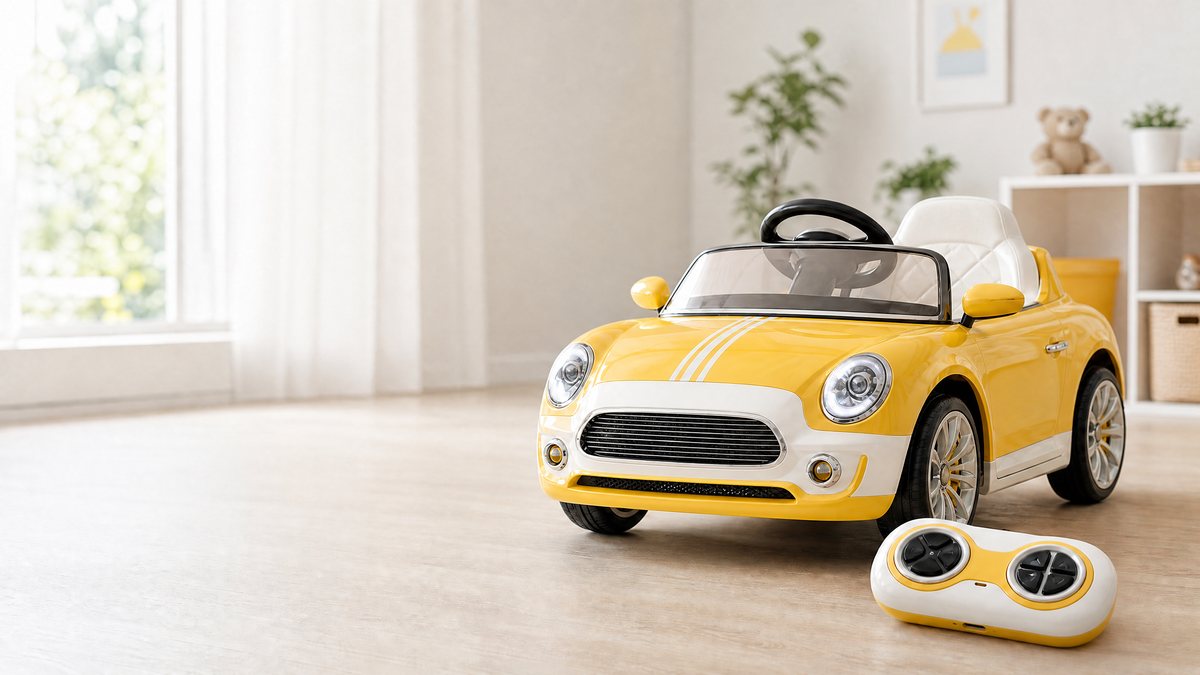
- Smooth Indoor Flooring: High traction for rubberized tires, but ride-on cars are rarely operated on steep indoor inclines outside of specialized indoor ramps.
- Paved Asphalt and Concrete: Excellent surface friction, allowing maximum utilization of motor torque and predictable climbing behavior under dry conditions.
- Natural Grass and Turf: Moderate to low effective traction. Grass blades and soil compress under weight, acting like microscopic ball bearings that cause drive wheels to slip and spin out rather than transfer energy into forward motion.
- Gravel, Loose Dirt, and Sand: Poor traction stability. Unstable particulate surfaces shift dynamically under load, leading to immediate wheel slip, loss of momentum, and potential vehicle entrapment.
- Wet or Damp Surfaces: Severely compromised friction coefficients that invalidate normal operating parameters and create hazardous sliding conditions.
Plastic Wheels Versus EVA Foam Rubber Tires
Many entry-level ride-on vehicles feature injection-molded rigid plastic wheels. While durable for flat indoor usage, hard plastic offers minimal friction on outdoor slopes, especially when damp or dusty. Premium models equipped with ethylene-vinyl acetate (EVA) foam rubber tires provide superior surface compliance, absorbing micro-irregularities and significantly enhancing grip during outdoor hill climbs. Retailers should educate consumers on how tire material selection influences stability across varying outdoor environments.
Center of Gravity and Dynamic Incline Stability
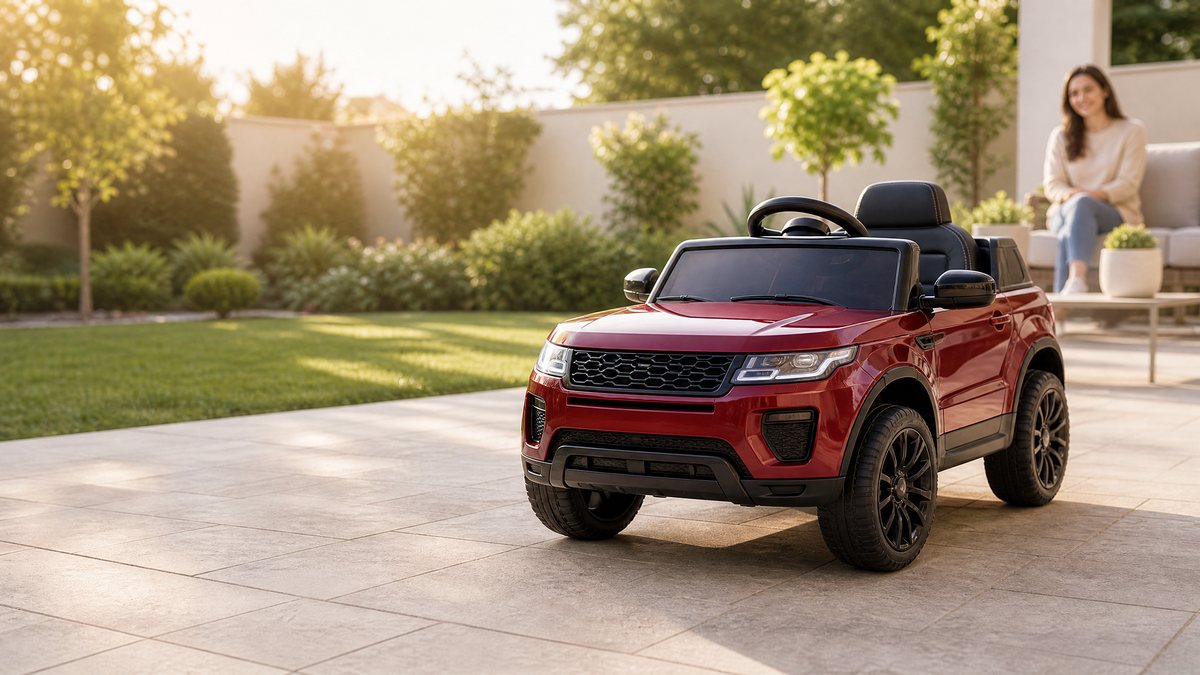
Navigating an incline alters the vehicle's dynamic weight distribution, shifting the center of gravity rearward toward the drive axle. On steep slopes, this dynamic weight transfer increases the risk of rear-end tipping, particularly if the occupant sits abruptly or if the vehicle attempts to start from a dead stop on an upgrade. Compliance with manufacturer stability guidelines and strict adherence to recommended gradient limits prevents tip-over hazards and ensures safe operational dynamics.
Payload Distribution, Voltage Behavior, and Electrical Protection Systems
Two primary operational variables directly controlled by the end-user—total payload weight and battery state of charge—frequently determine whether a vehicle successfully crests an incline or suffers an unexpected thermal cutout.
Payload Weight Thresholds and Structural Limits
Every ride-on vehicle features a manufacturer-specified maximum weight capacity. This rating is established through rigorous engineering design to account for structural chassis integrity, axle strength, frame rigidity, and motor thermal dissipation limits. When a vehicle carries an occupant near or at its maximum weight limit while attempting an incline, the gravitational load multiplies exponentially. Overloading a ride-on car on a hill forces the motors into a near-stall condition, risking thermal overload, blown fuses, and permanent electrical damage. B2B distributors and retail partners must clearly communicate weight limits to commercial operators and retail consumers.
Battery State of Charge and Voltage Sag Dynamics
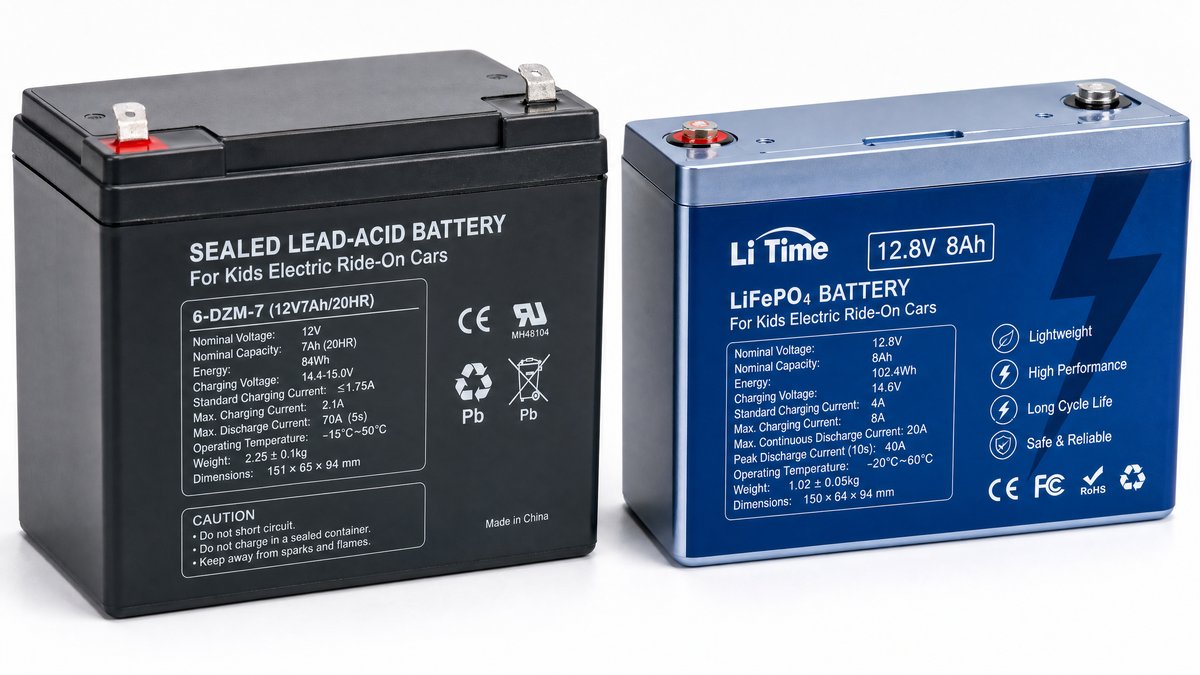
The electrical energy powering the drive motors is supplied by rechargeable lead-acid or lithium-ion battery packs. Under heavy electrical loads—such as accelerating uphill or navigating resistance—batteries experience voltage sag, which is a temporary reduction in terminal voltage caused by internal cell chemical resistance.
- A fully charged battery delivers optimal terminal voltage, maintaining sufficient power output under moderate incline loads.
- A partially depleted battery suffers more severe voltage sag under heavy hill-climbing current draws, resulting in sluggish motor performance, unexpected thermal cutouts, or immediate vehicle stoppage.
Operators should ensure that ride-on vehicles intended for outdoor use on undulating terrain are operated with fully charged batteries and inspected regularly for optimal electrical continuity and terminal cleanliness.
Thermal Protection Mechanisms and Circuit Breakers
To prevent catastrophic motor burnout and electrical fires, quality ride-on vehicles incorporate automatic thermal fuses, self-resetting circuit breakers, or electronic overload relays. When excessive current draw occurs during prolonged hill climbing or heavy payload operation, these protective devices automatically sever the circuit, interrupting power to the motors. Retailers should educate customers that a sudden electrical cutout during hill climbing is a built-in safety feature designed to protect internal electrical components, requiring the vehicle to cool down before resuming operation on flat, level terrain.
Comparative Overview of Drive Configurations and Terrain Suitability
To assist B2B procurement teams in selecting appropriate inventory for diverse international retail markets, the following comparative table outlines common drive configurations, their power architectures, hill-climbing characteristics, recommended terrain suitability, and mechanical durability ratings.
| Drive Configuration | Power Architecture Overview | Hill-Climbing Performance | Recommended Terrain Suitability | Mechanical Durability |
|---|---|---|---|---|
| Single Motor Drive (Rear 2WD) | Low-voltage single-motor layout with direct reduction gearbox | Minimal; engineered strictly for flat indoor flooring and gentle level transitions | Smooth indoor flooring, flat paved residential driveways | Moderate; low thermal stress when restricted to flat surfaces |
| Dual Motor Drive (Rear 2WD) | Balanced dual-motor architecture with synchronized gearboxes | Moderate; capable of handling standard paved driveways and light manicured garden paths | Paved outdoor pathways, short manicured grass surfaces | High; balanced power distribution across dual drive units |
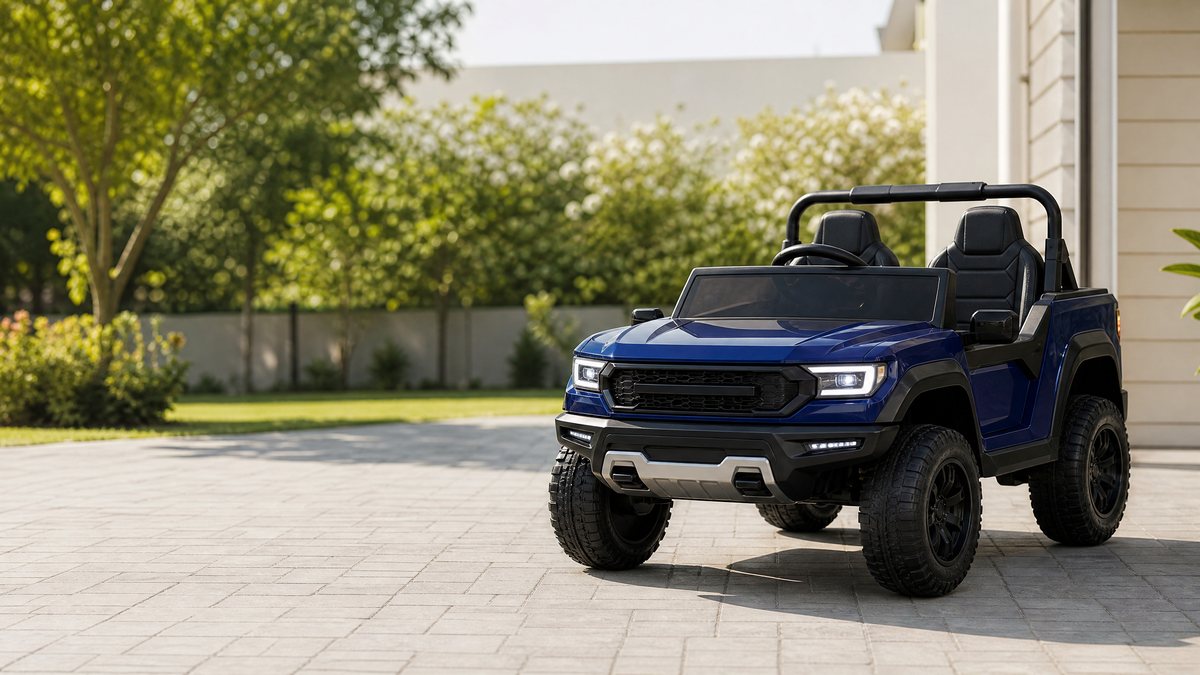
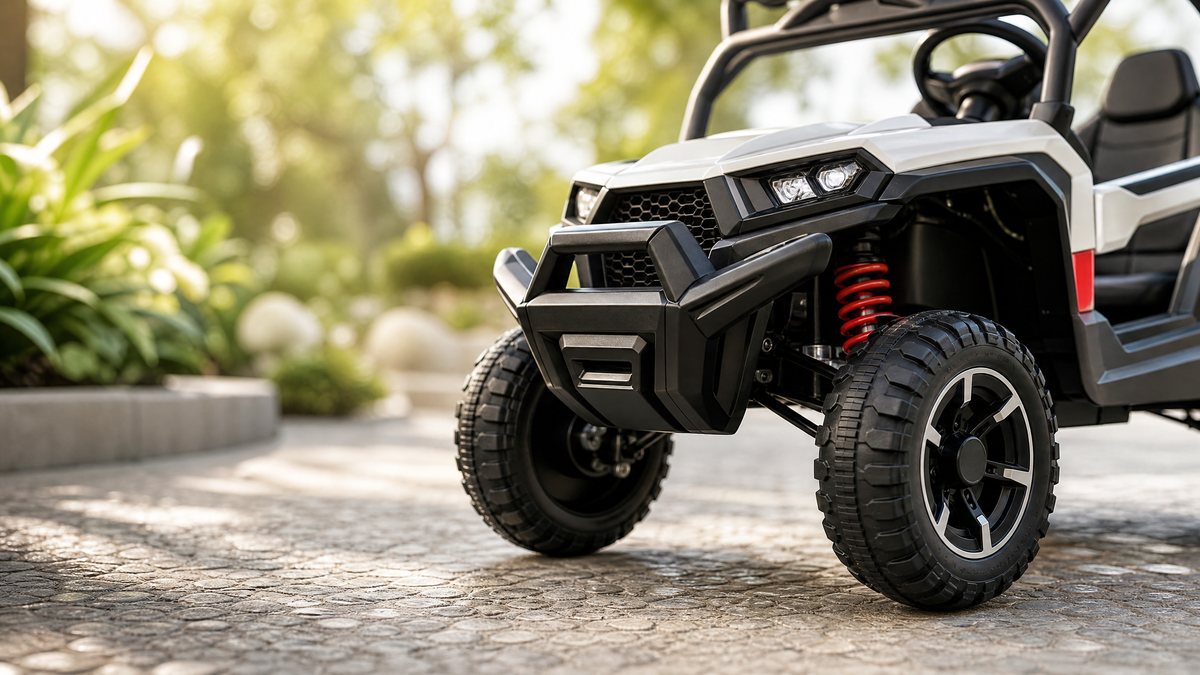
| Quad Motor Drive (All-Wheel 4WD) | Multi-motor independent or synchronized drive architecture | Superior; engineered for multi-terrain outdoor performance across variable inclines | Grass, gravel, uneven outdoor pathways, moderate garden slopes | Very High; robust gear trains and enhanced thermal dissipation capacity |
*Note: All gradient capabilities, power ratings, and terrain recommendations are generalized classifications and remain strictly subject to the specific model's rating plate, user manual, and manufacturer written specifications.*
Structured Inspection, Troubleshooting, and Maintenance Protocols
When end-users report hill-climbing difficulties, service technicians should execute a structured inspection protocol.
Low-Risk External Inspection Protocol Checklist
- Payload Verification: Confirm occupant weight does not exceed rated maximum capacity and seating position is centered.
- Tire Inspection: Examine tread condition, remove debris, and verify rubber EVA tires or plastic wheels are clean and dry.
- Battery Check: Verify battery is fully charged using the approved manufacturer charger. Inspect terminal connections for tightness and absence of corrosion.
- Drivetrain Check: With power off, manually rotate drive wheels to verify smooth rotational freedom without binding or foreign objects.
- Environmental Assessment: Ensure operational incline does not exceed manufacturer-specified maximum gradient. Avoid wet grass, loose gravel, or mud.
Mandatory Safety Protocol for Abnormal Conditions
If external inspection or routine operation reveals water ingress, unusual burning odors, thermal overheating, smoke, exposed electrical wiring, damaged charging plugs, abnormal motor grinding noises, or erratic braking behavior, operators must adhere to strict safety protocols:
- Immediate Action: Cease operation immediately, power down the vehicle, and disconnect the battery if accessible safely without tools.
- Quarantine and Isolation: Keep children, pets, and bystanders away from the affected unit in a secure, well-ventilated area.
- Professional Service Requirement: Do not attempt unauthorized repairs, including opening sealed battery packs, short-circuiting protective fuses, modifying wiring harnesses, or bypassing thermal cutoff devices. Contact authorized service personnel or the manufacturer for professional evaluation and repair.
Safety Compliance, Adult Supervision, and Risk Mitigation
Operating children's electric ride-on vehicles requires active adult supervision and strict adherence to manufacturer operational boundaries.
Adult Supervision and Age Appropriateness
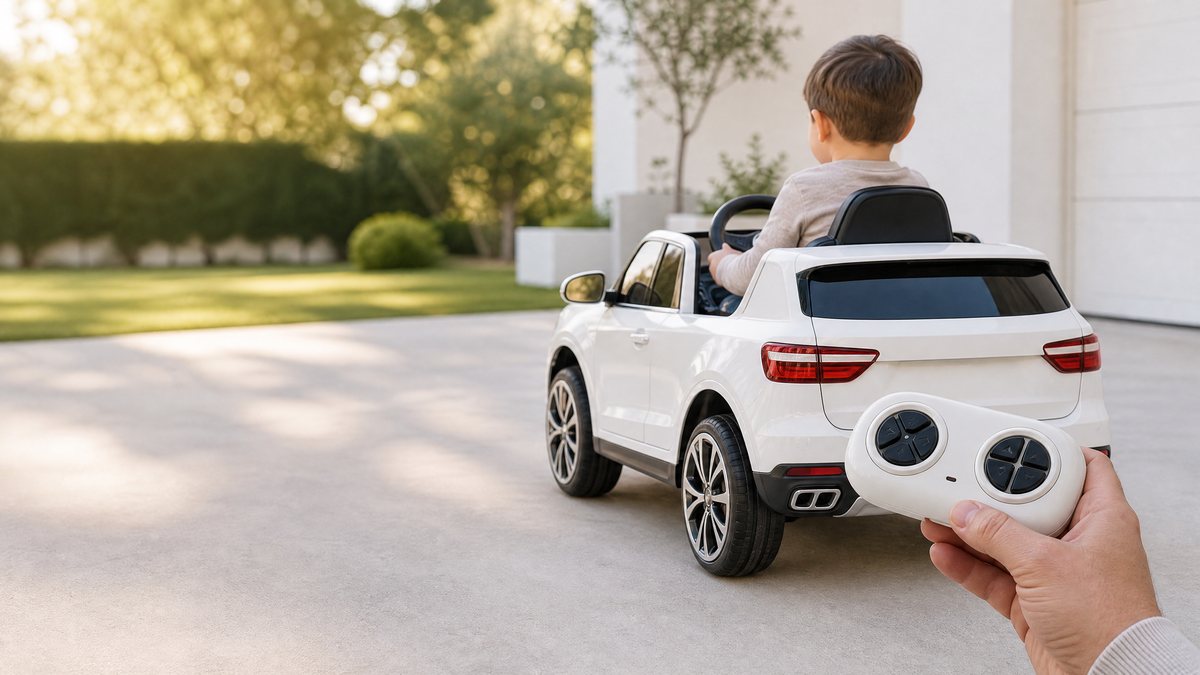
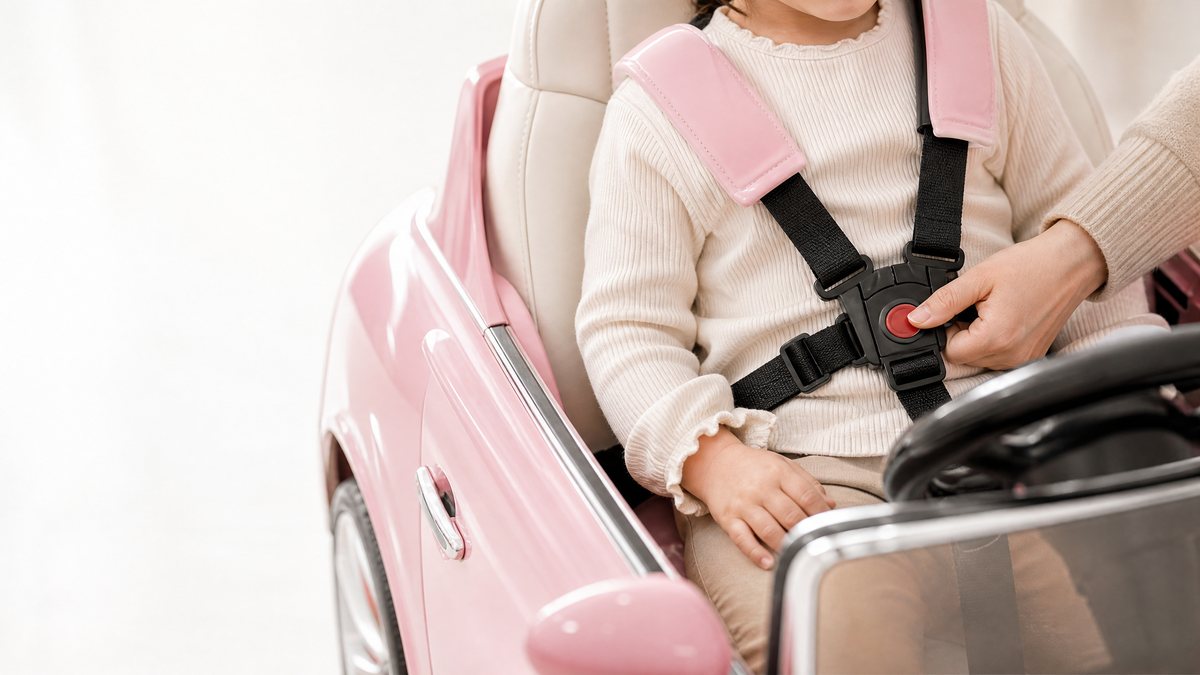
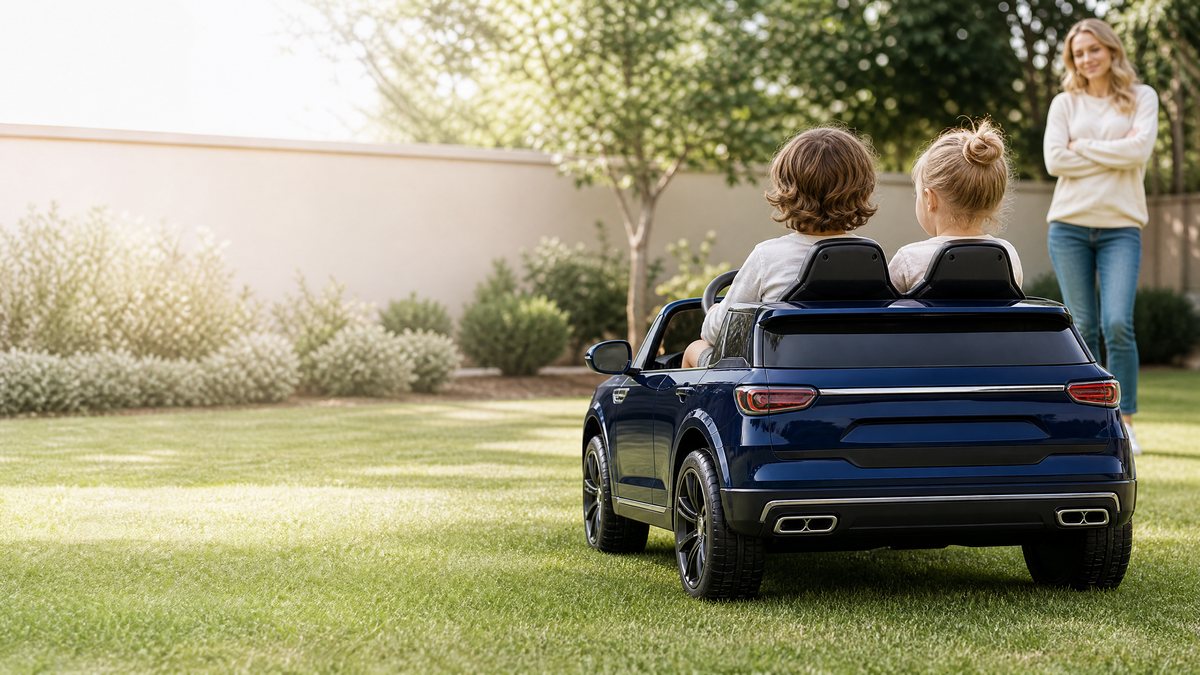
Manufacturers design ride-on vehicles for specific age brackets and developmental stages. Adult supervisors must remain in close physical proximity during operation, ensuring children do not operate vehicles near roadways, swimming pools, steep staircases, or unpaved embankments. The supervising adult must verify that the child possesses adequate motor coordination and spatial awareness.
Hazard Prevention and Environmental Restrictions
Operators must strictly avoid riding in adverse weather conditions, including rain, snow, heavy fog, or standing water. Moisture ingress into electrical compartments, switches, and motor housings can cause electrical shorts, corrosion, and catastrophic failure. Furthermore, charging must always take place in dry, well-ventilated indoor areas using exclusively the original manufacturer-supplied charger. Under no circumstances should unverified third-party chargers or modified electrical adapters be utilized.
Frequently Asked Questions (FAQ)
1. Can standard single-motor ride-on cars safely climb grassy backyard slopes?
Generally, standard single-motor vehicles are engineered for flat indoor and paved residential surfaces. Grass introduces high rolling resistance and low traction, which can easily overload a single motor, causing wheel spin, rapid battery discharge, or thermal cutout. For undulating terrain, dual-motor or quad-motor configurations operated within manufacturer-rated limits are recommended.
2. What guidance should retailers provide commercial rental operators regarding hill limits?
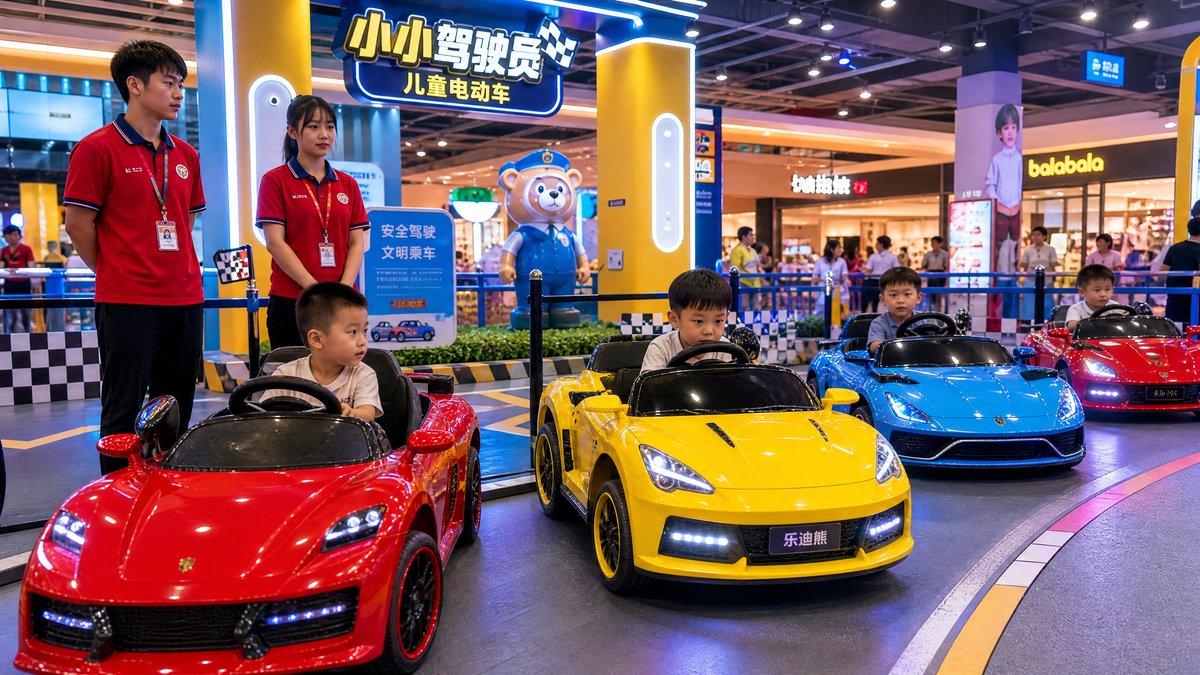
Retailers must advise commercial rental operators—such as amusement park, resort, or playground managers—strictly restricting vehicle operation to flat, paved, or certified smooth pathways unless the vehicle is explicitly rated and warranted by the manufacturer for off-road or incline use. Exceeding rated gradients voids warranties, accelerates mechanical wear, and creates rollover hazards.
3. Why does a ride-on car suddenly stop or cut out when driving uphill?
Sudden motor cutout during hill climbing is typically triggered by a self-resetting thermal fuse, circuit breaker, or low-voltage protection circuit reacting to excessive current draw and thermal buildup. Once the electrical system cools, power generally restores. Operators should treat this cutout as an indicator that the incline angle or payload weight has exceeded safe operating parameters.
4. Are aftermarket battery upgrades or motor modifications recommended to improve hill-climbing speed?
No. Modifying the electrical system by installing higher-voltage batteries, unrated replacement motors, or bypassing protective fuses violates safety standards, creates severe fire and burn hazards, voids product certifications, and compromises structural integrity. Always adhere strictly to the manufacturer's original technical specifications.
Conclusion and Commercial Wholesale Recommendations
Navigating inclines successfully is a direct function of matching vehicle mechanical capability—including motor torque, reduction gearbox strength, drive configuration, and tire traction—with realistic operating conditions, payload limits, and battery health. For B2B distributors, toy store buyers, and commercial fleet operators, educating customers on these performance boundaries ensures product longevity, minimizes warranty claims, and prioritizes child safety.
KidsRideCar is committed to supplying certified, high-performance children's electric ride-on vehicles backed by comprehensive technical documentation and rigorous safety compliance standards. To explore our wholesale catalog or discuss distribution partnerships, contact us at Request a wholesale quote.
Official References
- U.S. Consumer Product Safety Commission (CPSC): Toy Safety Guidance and Regulatory Compliance. Available at: https://www.cpsc.gov/Business--Manufacturing/Business-Education/Toy-Safety. *(Note: CPSC guidance provides general toy safety frameworks and does not replace specific manufacturer instructions, model rating plates, or certified product testing).*
- International Electrotechnical Commission (IEC): Safety of Electric Toys - Particular Requirements for Riding Toys (IEC 62115 / ISO 8124 standards framework).
Official references
Explore these external resources for current regulatory and trade guidance. Confirm requirements with the relevant authority before placing an order.
Ready to Start?
Factory-Direct · CE & ASTM Certified · MOQ from 50 Units
Our export team works with buyers in 60+ countries. Get a quote within 24 hours.
KR
Written by KidsRideCar
China's leading kids electric ride-on car manufacturer. 500,000+ units shipped annually to 60+ countries. CE, ASTM & EN71 certified.