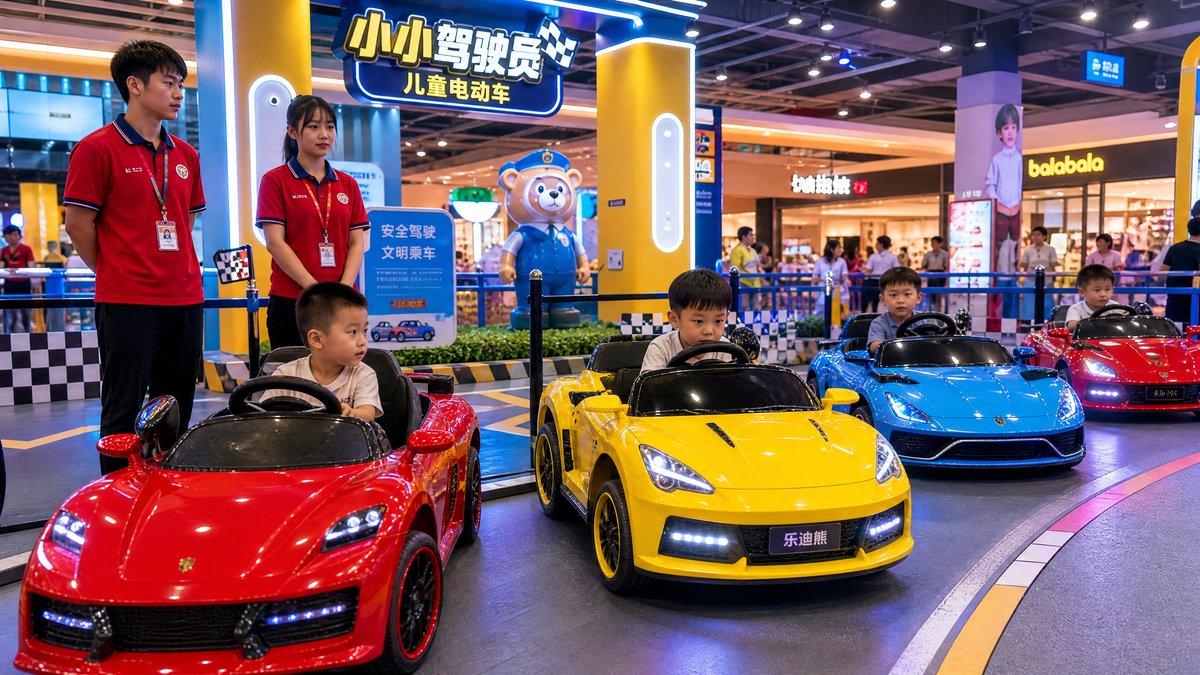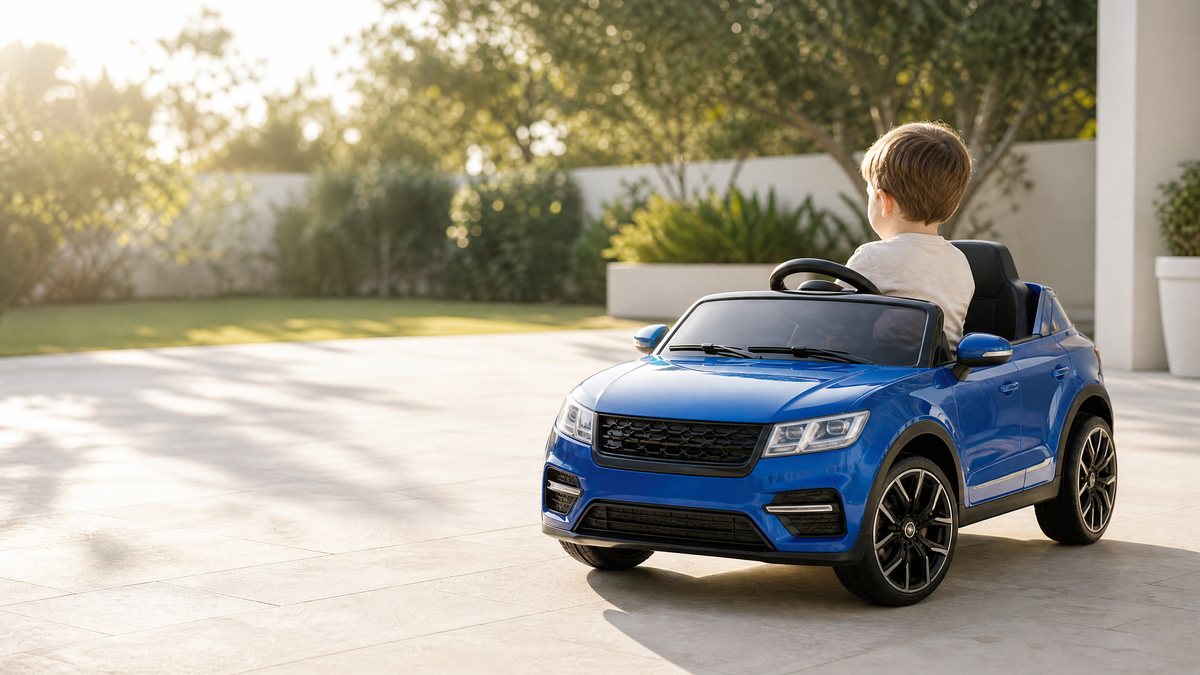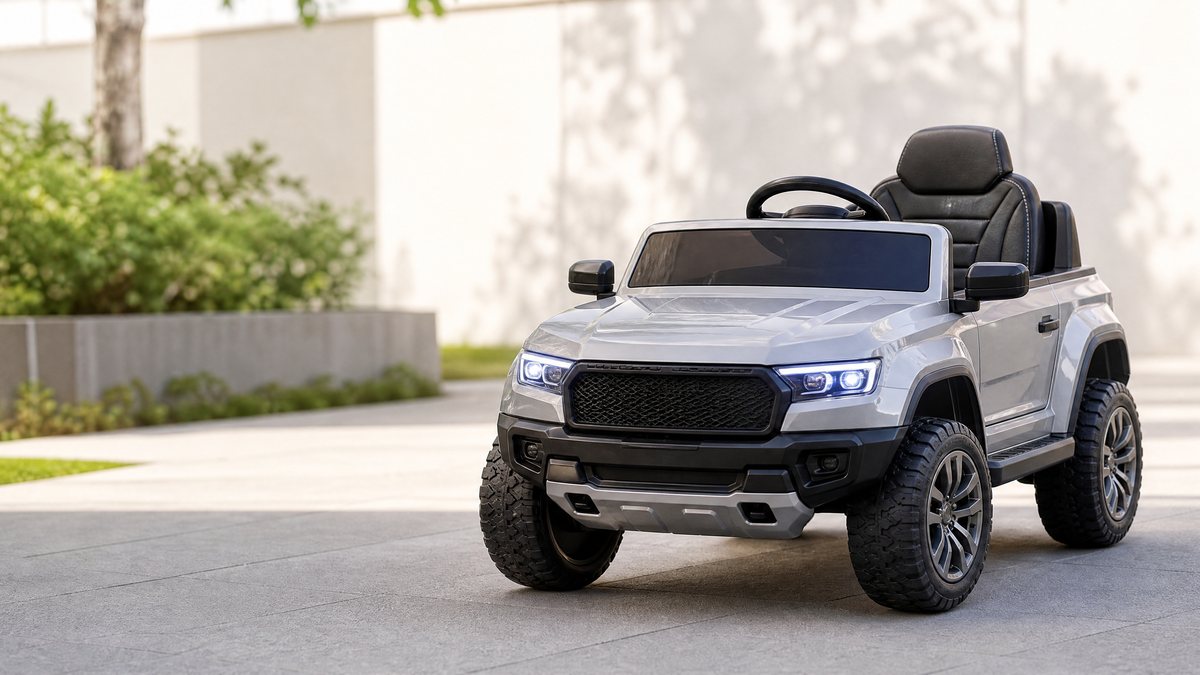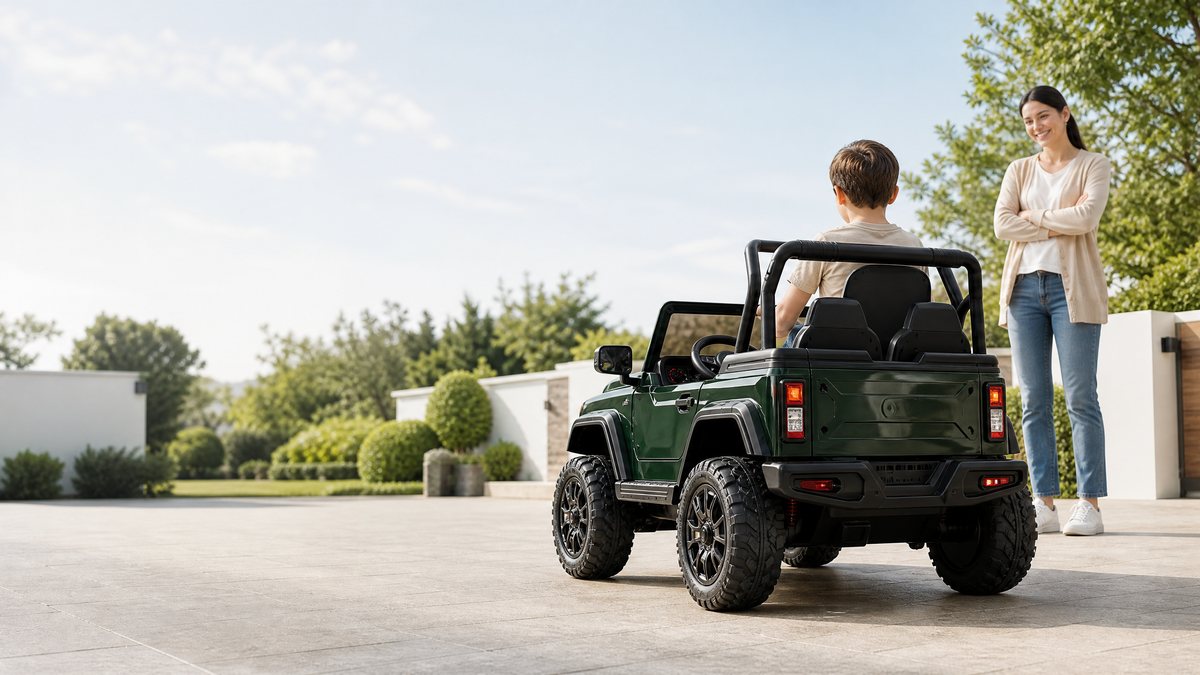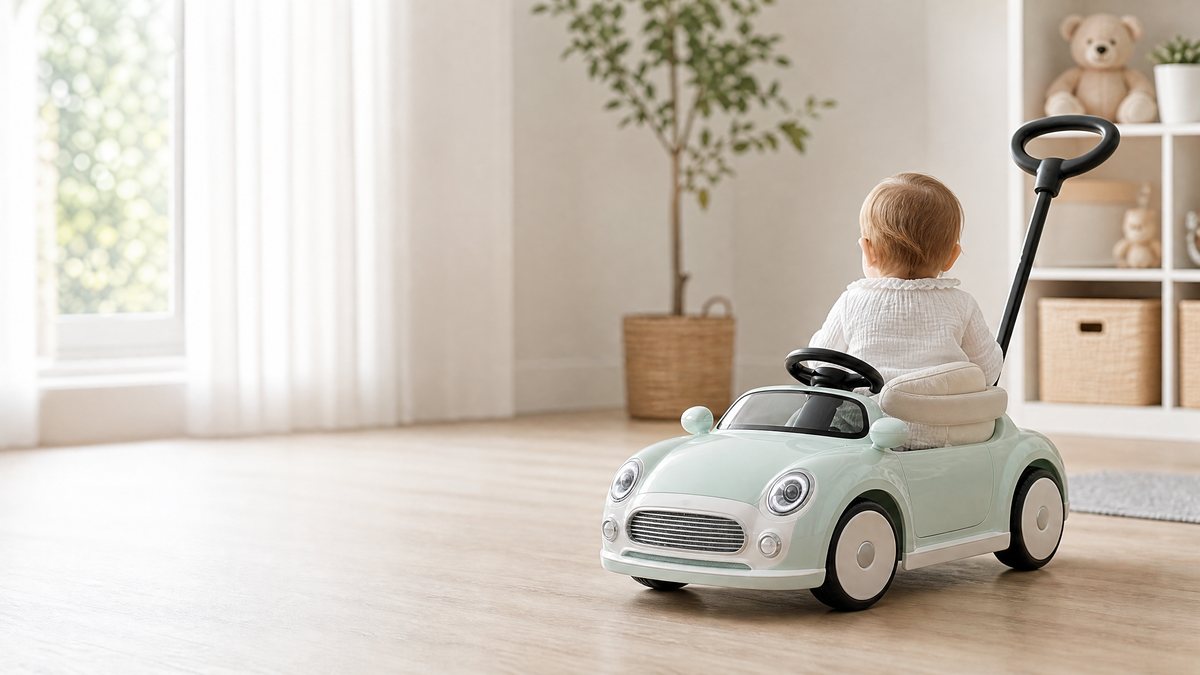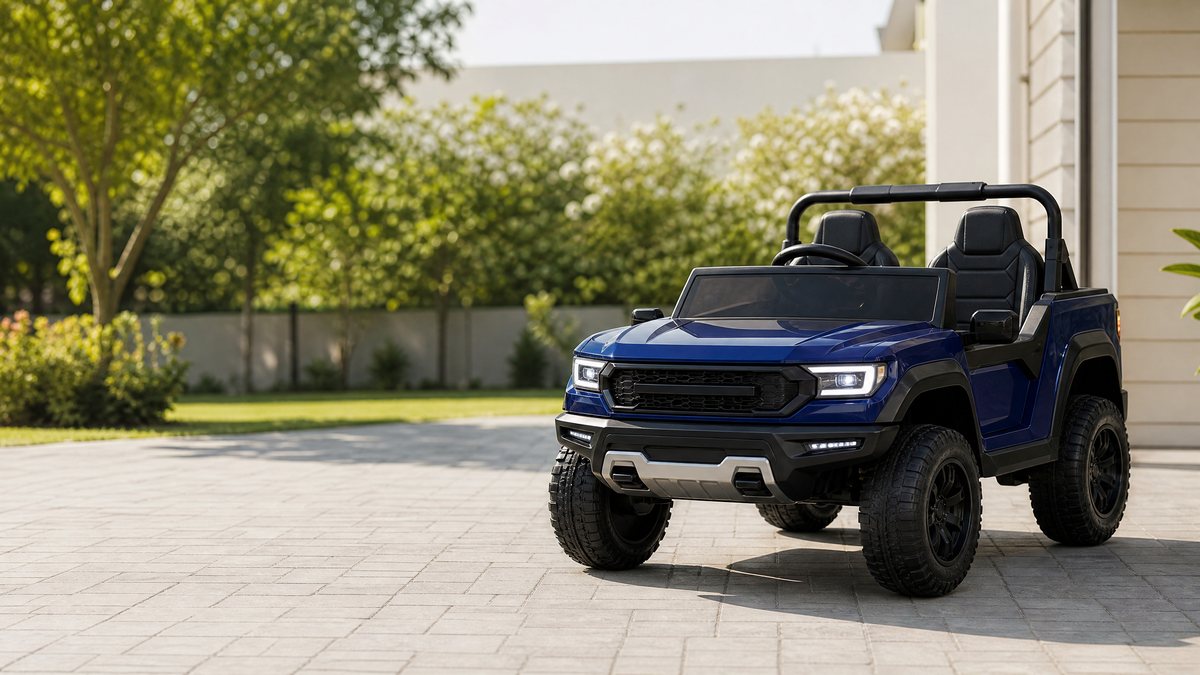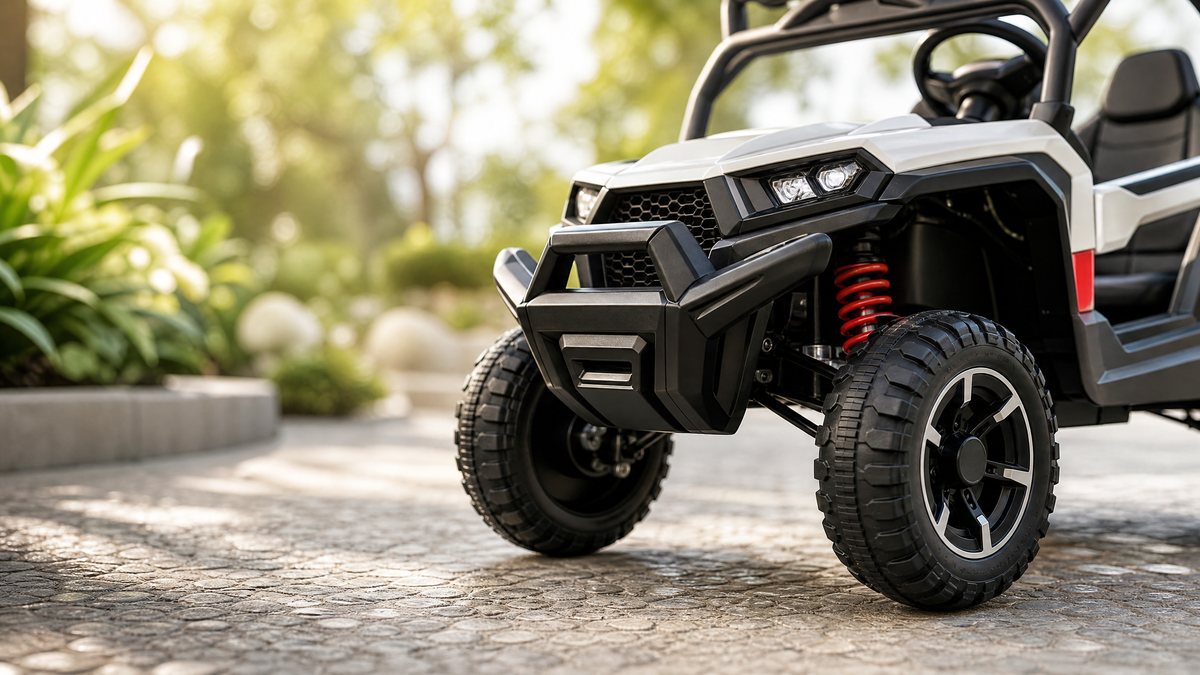
Creating a dedicated ride-on car track in a residential backyard, commercial play space, or community park is an exciting project that significantly enhances outdoor play value, encourages physical activity, and supports motor skill development in children. Whether you are a retail distributor advising family clients, a commercial property developer planning family-friendly common areas, or an enthusiastic parent designing a custom backyard circuit, establishing a well-structured track requires careful planning, proper material selection, and rigorous safety evaluations. This comprehensive guide explores the essential phases of designing, building, and maintaining a kids ride-on car track, ensuring durability, engagement, and strict safety adherence based on manufacturer guidelines and general playground safety standards.
1. Assessing the Site and Planning Layouts
Before laying down any barriers, marking paths, or investing in surfacing materials, a thorough site assessment is paramount. The garden terrain dictates the complexity, safety parameters, and overall enjoyment of glaciers, lawns, or courtyards. Distributors and facility planners should encourage clients to evaluate slope gradients, existing landscaping features, drainage patterns, and available clear space before initiating construction.
Evaluating Terrain and Slope Gradients
Most standard electric ride-on vehicles—ranging from 12V single-motor buggies to robust 24V four-wheel-drive utility vehicles—are engineered for relatively flat, stable surfaces such as lawns, interlocking pavers, or concrete patios. Excessive slopes can strain drive motors, drain batteries prematurely, and increase tipping risks during cornering or braking. Planners should identify depressions, tree roots, or high spots that could cause puddling or vehicle bottoming out. If the garden has natural elevation changes, incorporating gentle, gradual curves rather than sharp inclines ensures optimal vehicle performance and controlled descent. Furthermore, steep slopes combined with wet grass create dangerous sliding hazards where steering control is entirely lost. Thorough topographical analysis before construction prevents costly redesigns later.
Designing Circuit Layouts and Flow
A well-designed track balances excitement with safety. Straight paths allow children to experience smooth acceleration and directional stability, while curves, loops, and chicanes develop steering coordination, hand-eye coordination, and spatial awareness. When planning the layout, professional designers must consider the turning radius of typical ride-on cars. Tight hairpin turns may lead to wheel slipping, stalling, or overturning, particularly on loose or grass surfaces. Incorporating pit stops, parking garages, or simple start-finish lines adds imaginative play value without compromising structural safety. Additionally, creating a continuous loop prevents children from having to reverse or turn around in confined dead ends, which reduces frustration and potential collisions.
2. Selecting Track Surfaces and Ground Materials
The choice of ground surface directly influences traction, rolling resistance, tire wear, and rider comfort. Different materials offer distinct advantages depending on climate, budget, and intended frequency of use.
| Surface Material | Traction & Performance | Durability & Maintenance | Weather Resistance & Drainage |
|---|---|---|---|
| Interlocking Rubber Tiles | Excellent grip; cushions falls; smooth ride. | High durability; low maintenance; modular replacement. | Superior drainage; quick-drying after rainfall. |
| Poured Concrete / Asphalt | Maximum rolling efficiency; minimal resistance. | Permanent installation; highly durable; prone to cracking over decades. | Requires engineered slope for proper runoff. |
| Compacted Gravel & Turf Grid | Moderate traction; natural aesthetic look. | Requires periodic topping and weeding; moderate upkeep. | Good natural percolation; can retain puddles in heavy rain. |
| Natural Lawn / Turf | Variable traction depending on grass height and moisture. | High maintenance (mowing, reseeding); wears down in high-traffic wheel paths. | Prone to mud formation; slippery when wet. |
When advising retail customers or commercial clients, industry professionals should emphasize that natural turf tracks require regular turf reinforcement grids to prevent rutting and mud accumulation during wet seasons. For heavy commercial or high-frequency residential use, modular interlocking rubber tiles or permeable paving systems offer the best balance of safety, drainage, and longevity. Concrete surfaces, while durable, can be unforgiving during accidental spills or bumps, making perimeter padding essential for enhanced child safety.
Permeable Paving and Sub-Base Preparation
Regardless of the chosen surface material, proper sub-base preparation is critical for long-term track stability. Excavating topsoil, compacting crushed stone aggregate, and ensuring proper grading prevent water accumulation and foundation shifting during freeze-thaw cycles. For commercial installations, consulting local civil engineering standards ensures compliance with local drainage regulations and guarantees a robust foundation that withstands years of continuous use.
3. Establishing Safety Boundaries and Obstacle Management
Safety is the cornerstone of any outdoor children's play installation. A well-delineated track prevents vehicles from straying into hazardous areas such as flower beds, water features, rockeries, retaining walls, or unprotected drop-offs.
Perimeter Barriers and Edge Protection
Installing visible, sturdy boundary markers helps young drivers stay on course and prevents runaway vehicles from leaving the designated track. Flexible plastic landscape edging, low wooden borders, or soft foam bumper rails can effectively define the track edges. Crucially, barriers should be securely anchored to the ground to prevent tipping if bumped by a moving vehicle. Designers must avoid sharp metallic edges, splintered wood, or exposed fasteners that could cause lacerations or impact injuries during accidental collisions.
Line of Sight and Supervision Zones
Garden tracks should be laid out to maintain unobstructed lines of sight from parent or supervisor seating areas. Blind corners behind dense shrubbery, garden sheds, or play equipment should be avoided or fitted with convex safety mirrors. Clear visibility ensures that supervisors can intervene immediately if a vehicle encounters an obstruction, mechanical stall, or sudden behavioral hazard. Establishing designated viewing and supervision benches around the perimeter enhances overall safety and peace of mind.
4. Integrating Operational Features and Vehicle Compatibility
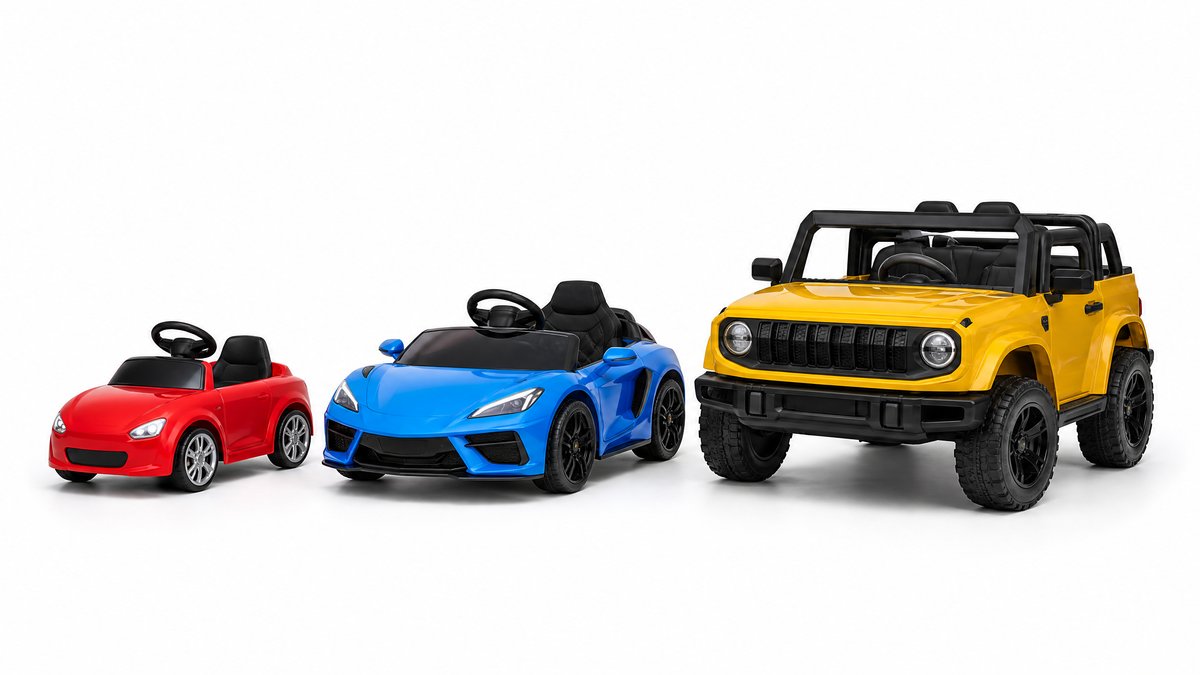
Modern ride-on vehicles vary significantly in dimensions, voltage classes, drive configurations (such as single-motor versus dual- or four-wheel drive), and wheel materials (hard plastic versus EVA foam tires). Track designers and retail suppliers must ensure complete compatibility between the driving surface and the specific vehicle fleet operating upon them.
Managing Tire Traction and Surface Friction
Hard plastic wheels perform exceptionally well on smooth concrete and low-pile artificial turf but may experience excessive wheel slip on damp grass or loose gravel. Conversely, EVA foam tires provide superior grip across diverse terrains, reduce operational noise, and offer a smoother ride quality. Track planners should verify whether the intended vehicle fleet matches the frictional characteristics of the chosen surface material to prevent motor overheating and premature battery drain.
Incorporating Rest and Charging Stations
For extended outdoor play sessions, establishing a shaded pit stop or parking area near an outdoor electrical source allows for convenient vehicle storage and supervised battery charging. Never leave charging units exposed to rain, direct scorching sunlight, or standing water. Always consult the manufacturer's user manual for specific charging protocols, voltage requirements, and temperature limits. Proper cable management near charging stations is essential to prevent tripping hazards for children and adults alike.
For businesses seeking bulk fleet additions, customized track layouts, or wholesale vehicle procurement, our team provides comprehensive commercial support and vehicle compatibility assessments. Request a wholesale quote
5. Maintenance, Weather Protection, and Safety Protocols
An outdoor track and its vehicle fleet require systematic upkeep to ensure longevity and safe operation year-round. Establishing routine inspection schedules prevents premature wear and identifies potential hazards before accidents occur.
Routine Track and Barrier Inspections
Conduct weekly checks of track boundaries, checking for loose stakes, cracked tiles, or encroaching vegetation that could obstruct the driving path. Clear away fallen leaves, pine needles, twigs, and sharp debris that might puncture tires or jam steering mechanisms. In regions experiencing freezing winters, inspect rubber tiles and concrete joints for frost heave, cracking, or displacement. Regular sweeping and pressure washing help maintain high friction coefficients and prevent slip hazards.
Adhering to Manufacturer Guidelines and Safety Standards
All operations must strictly adhere to the specific vehicle manufacturer manual and recognized toy safety principles. Supervisors must ensure that children wear appropriate closed-toe footwear and that adult supervision is present at all times while vehicles are in motion. Never attempt unauthorized modifications to vehicle motors, wiring harnesses, battery casings, or speed controllers. In the event of unusual burning odors, smoke, excessive battery heating, abnormal braking response, or water ingress, immediately power down the vehicle, keep children away, and contact the manufacturer or qualified service personnel for evaluation.
6. Commercial Planning and Community Integration
For commercial properties, parks, resorts, and daycare facilities, installing a ride-on car track involves additional considerations regarding visitor capacity, durability under high foot and vehicle traffic, and accessibility standards. Commercial-grade tracks must accommodate varied user groups while withstanding rigorous daily wear and tear. Furthermore, incorporating informative signage, rest seating, and clearly marked parking bays adds a professional touch that elevates the overall visitor experience.
When scaling up from a residential backyard project to a commercial installation, facility managers should collaborate with experienced suppliers who understand bulk vehicle fleet management, charging infrastructure, and replacement part availability. Establishing a reliable maintenance workflow ensures that vehicles remain in optimal operating condition, minimizing downtime and maximizing user satisfaction across seasons.
7. Enhancing Play Value Through Theming and Accessories
Beyond the fundamental track layout and safety barriers, adding thematic elements can significantly enhance a child's imaginative play experience. Simple additions such as miniature traffic signs, stop lights, pedestrian crossings, and designated pit stop garages teach basic traffic awareness and rules of the road in a fun, controlled setting.
Distributors and retailers can offer curated accessory bundles alongside vehicle fleets to help clients create immersive play environments. However, all added accessories must be checked for weather resistance, secure anchoring, and child-safe materials, ensuring they do not create tripping hazards or sharp impact points near the driving circuit.
Frequently Asked Questions
Q1: What is the minimum recommended width for a kids ride-on car track?
A: A minimum width of 1.2 to 1.5 meters (approximately 4 to 5 feet) is generally recommended for standard single-seat ride-on cars. This provides adequate clearance for steering adjustments, gentle cornering, and safe passage without frequent collisions with track boundaries. For larger two-seater models or multi-car circuits, a width of 2 meters or more is advisable.
Q2: Can a ride-on car track be set up directly on a natural grass lawn?
A: Yes, many families set up tracks on natural lawns. However, high-frequency driving along identical wheel paths will quickly wear down grass and create mud ruts, especially after rain. To maintain lawn integrity, consider using permeable turf reinforcement grids or laying down modular interlocking rubber matting along the circuit.
Q3: How should vehicle batteries and electrical components be protected during outdoor use?
A: Ride-on vehicles are generally not designed for operation in heavy rain, standing puddles, or muddy conditions, as moisture can infiltrate electrical switches and motor housings. Always store vehicles in a dry, covered garage or shed when not in use. Charging must always occur indoors or in a fully weather-protected, well-ventilated area using only the designated manufacturer-supplied charger.
Q4: What safety precautions are necessary for multiple children sharing the track?
A: Rule adherence and adult supervision are mandatory whenever multiple children are operating vehicles. Establish clear driving rules, such as maintaining safe following distances, driving in a single direction, and designating pedestrian walking zones separate from the driving circuit. Ensure all drivers understand basic steering and braking operations before entering the track.
Conclusion
Setting up a kids ride-on car track in a garden transforms an ordinary outdoor space into an engaging, developmental playground that fosters motor skills, coordination, and imaginative play. By carefully evaluating terrain characteristics, selecting durable surface materials, establishing clear safety boundaries, and strictly adhering to manufacturer guidelines, planners and parents can create a secure and exhilarating environment. Whether developing a residential backyard circuit or designing a commercial family play area, prioritizing safety and proper maintenance ensures long-lasting enjoyment.
For inquiries regarding commercial fleet procurement, bulk vehicle orders, or customized outdoor play solutions, contact our team today. Request a wholesale quote
Official References
1. United States Consumer Product Safety Commission (CPSC) - General Toy Safety Education and Playground Equipment Guidelines. Note: Official regulatory bulletins provide general safety education and do not replace specific vehicle manufacturer manuals, ratings, or certifications.
2. ASTM International - Standard Consumer Safety Performance Specification for Toys and Powered Ride-On Vehicles (Reference standards for structural integrity and electrical safety).
3. International Play Equipment Manufacturers Association (IPEMA) - Surface Safety and Accessibility Guidelines for Children's Play Areas.
Official references
Explore these external resources for current regulatory and trade guidance. Confirm requirements with the relevant authority before placing an order.
Ready to Start?
Factory-Direct · CE & ASTM Certified · MOQ from 50 Units
Our export team works with buyers in 60+ countries. Get a quote within 24 hours.
KR
Written by KidsRideCar
China's leading kids electric ride-on car manufacturer. 500,000+ units shipped annually to 60+ countries. CE, ASTM & EN71 certified.