Introduction
When selecting a children's electric ride-on car, parents and commercial buyers often focus primarily on battery capacity, motor power, and aesthetic design. However, one of the most critical mechanical factors influencing daily usability and safety is tire grip and traction performance. Questions frequently arise regarding how these vehicles behave under adverse conditions, particularly when operating on damp or wet surfaces. Do plastic wheels slip easily after a light rain or lawn sprinklers? How do different tire construction materials interact with varying outdoor terrains?
This comprehensive evaluation guide explores the fundamental principles of ride-on car tire traction, surface friction variables, and structured selection criteria for wholesale importers and retail buyers. Rather than presenting static performance claims or fabricated test metrics, this overview establishes a transparent methodology for assessing tire quality, surface compatibility, and essential supervisory protocols. Because real-world performance depends heavily on individual model specifications, correct assembly, surface texture, gradient, and active adult supervision, understanding these mechanical variables is essential for safe operation.
Tire Construction and Material Science in Ride-On Vehicles
The interaction between a ride-on vehicle and the ground is dictated entirely by tire material composition, tread design, and weight distribution. Manufacturers utilize several distinct tire configurations across entry-level and premium electric ride-on cars, each presenting unique frictional characteristics on dry and wet paths.
1. Hard Molded Plastic Wheels
Standard injection-molded plastic wheels are widely used in entry-level ride-on toys due to their cost-effectiveness and durability. While they withstand rough concrete and asphalt effectively, their smooth contact patch offers relatively low surface friction. On dry, clean pavement, plastic wheels provide adequate traction for low-speed maneuvering. However, when introduced to moisture, morning dew, or wet grass, the coefficient of friction drops significantly, leading to potential wheel slip during acceleration or braking.
2. EVA Foam Tires
Ethylene-Vinyl Acetate (EVA) foam tires represent a major upgrade in modern ride-on vehicle engineering. These tires are lightweight, resilient, and feature a semi-porous structure that absorbs minor surface irregularities while offering enhanced grip compared to rigid plastic. EVA tires conform slightly to micro-textures on pavement, improving traction in damp conditions. Nevertheless, they still require caution on slick surfaces such as wet ceramic tiles, painted concrete, or muddy slopes.
3. Rubber Strip Tires and Pneumatic Wheels
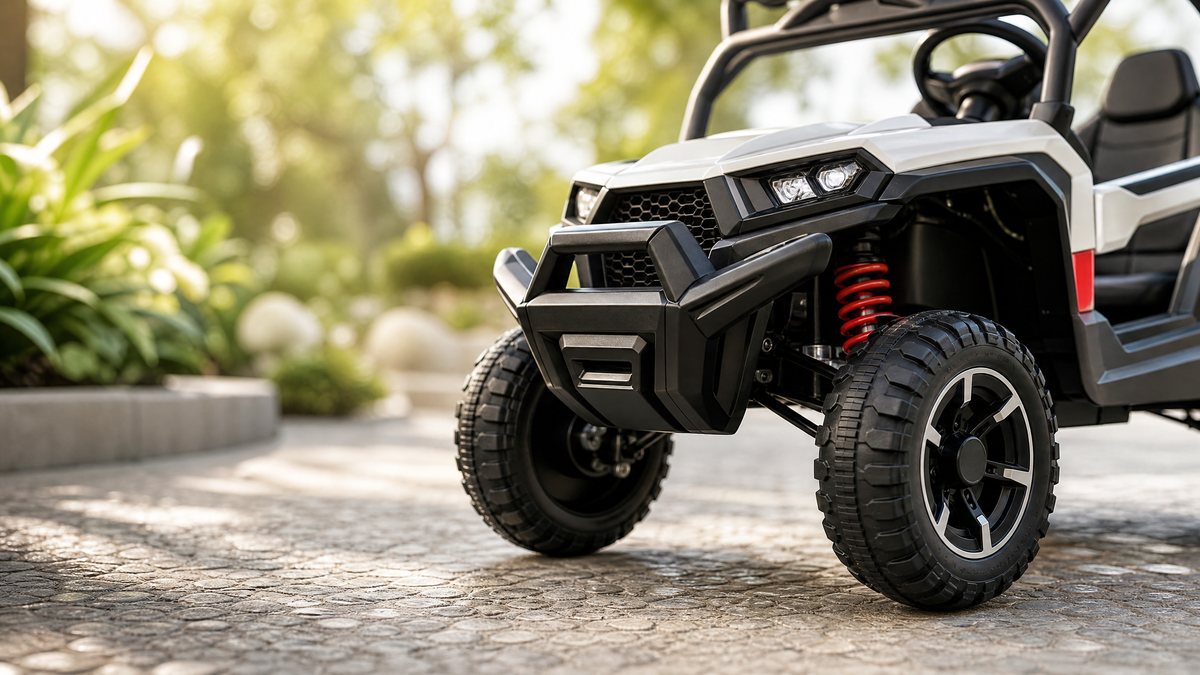
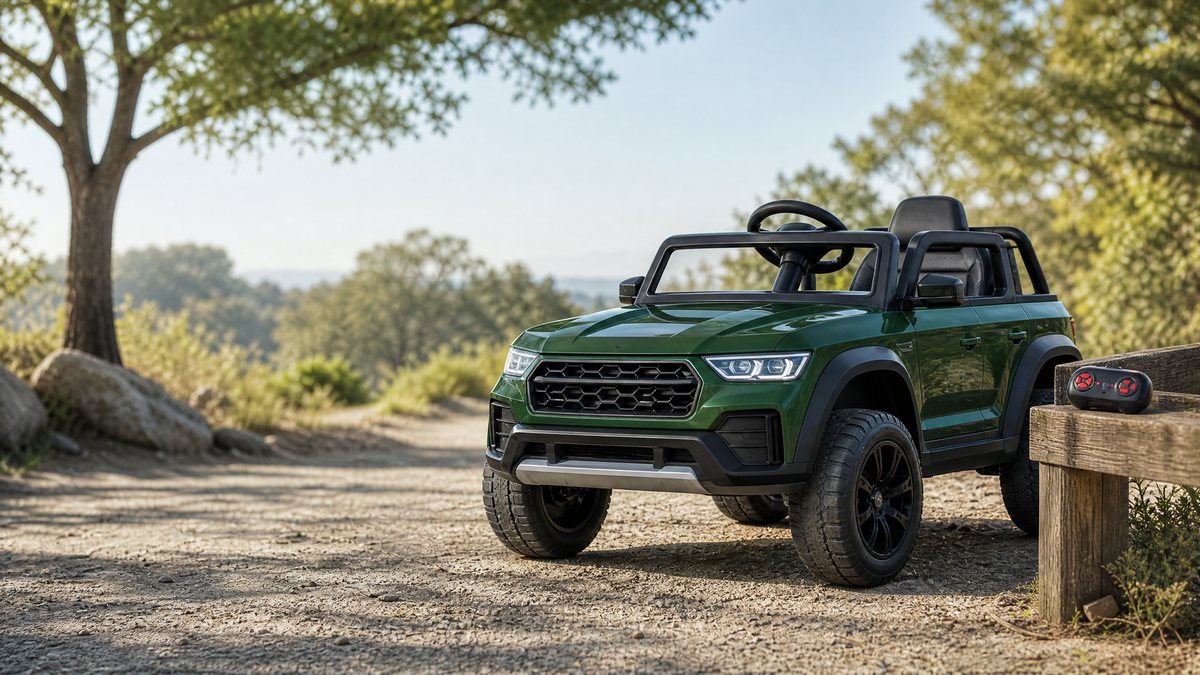
Premium ride-on models frequently incorporate solid rubber tread strips embedded in the center of the wheel or full pneumatic (air-filled) rubber tires. Rubber compounds provide a substantially higher coefficient of friction across diverse substrates. The elastic properties of rubber allow the tread to squeeze into microscopic crevices on asphalt and concrete, expelling thin films of water and maintaining superior contact patch integrity. Consequently, vehicles equipped with rubber or pneumatic tires demonstrate improved resistance to hydroplaning and slipping on wet outdoor surfaces.
Wet Surface Dynamics: Friction, Hydroplaning, and Terrain Variables
Understanding how moisture impacts ride-on vehicle movement requires examining the physics of surface friction and fluid films. When water covers a pathway, it acts as a lubricant between the tire tread and the ground.
Surface Substrates and Moisture Interaction
- Smooth Concrete and Asphalt: A light mist or morning dew on sealed concrete creates an exceptionally slick barrier. Hard plastic wheels experience immediate traction loss, whereas rubber-compound tires maintain partial grip through tread evacuation.
- Natural Grass and Turf: Wet grass blades combine with damp soil underneath to form an unstable traction medium. Even vehicles with high-torque gearboxes may experience localized wheel spin if the tires lack aggressive tread patterns.
- Interlocking Pavers and Tiles: Paved garden paths often feature bevels and mortar lines that help channel water away. However, glazed or polished stone tiles become hazardous when wet, making traction unpredictable regardless of tire type.
Variables Influencing Traction Outcomes
It must be emphasized that traction performance is never uniform. Actual behavior on wet surfaces varies significantly based on:
1. Vehicle Gross Weight: The combined weight of the child, accessories, and the chassis itself affects normal force against the ground, influencing frictional resistance.
2. Drive Configuration: Single-motor rear-wheel drive, dual-motor configurations, or four-wheel drive systems distribute torque differently, directly impacting wheel slippage under acceleration.
3. Slope and Incline: Operating on a wet incline drastically reduces both climbing capability and braking effectiveness, requiring heightened vigilance.
Evaluation Methodology and Buying Guide
For retail buyers, distributors, and safety-conscious parents, establishing a systematic evaluation framework ensures that selected ride-on models meet appropriate quality benchmarks. Below is a structured decision matrix comparing tire categories across operational environments.
| Tire Material | Dry Pavement Traction | Wet Surface Behavior | Durability | Maintenance Requirements | Target User Environment |
|---|---|---|---|---|---|
| Molded Plastic | Moderate | Poor (High slip risk) | High | Minimal (Cleaning only) | Indoor / Dry flat outdoor paths |
| EVA Foam | Good | Moderate (Slippage possible) | High | Low (Inspection for wear) | Controlled outdoor / Residential yards |
| Rubber Compound | Excellent | Good (Controlled traction) | Very High | Moderate (Pressure/wear check) | Diverse terrains / Multi-surface use |
| Pneumatic Rubber | Superior | Superior (Maximum grip) | High | Regular (Inflation & valve checks) | Advanced outdoor tracks / Off-road |
When sourcing or reviewing ride-on electric cars, procurement professionals should evaluate the following procurement criteria:
- Tread Depth and Pattern: Verify whether tread grooves are molded deeply enough to facilitate water displacement during outdoor use.
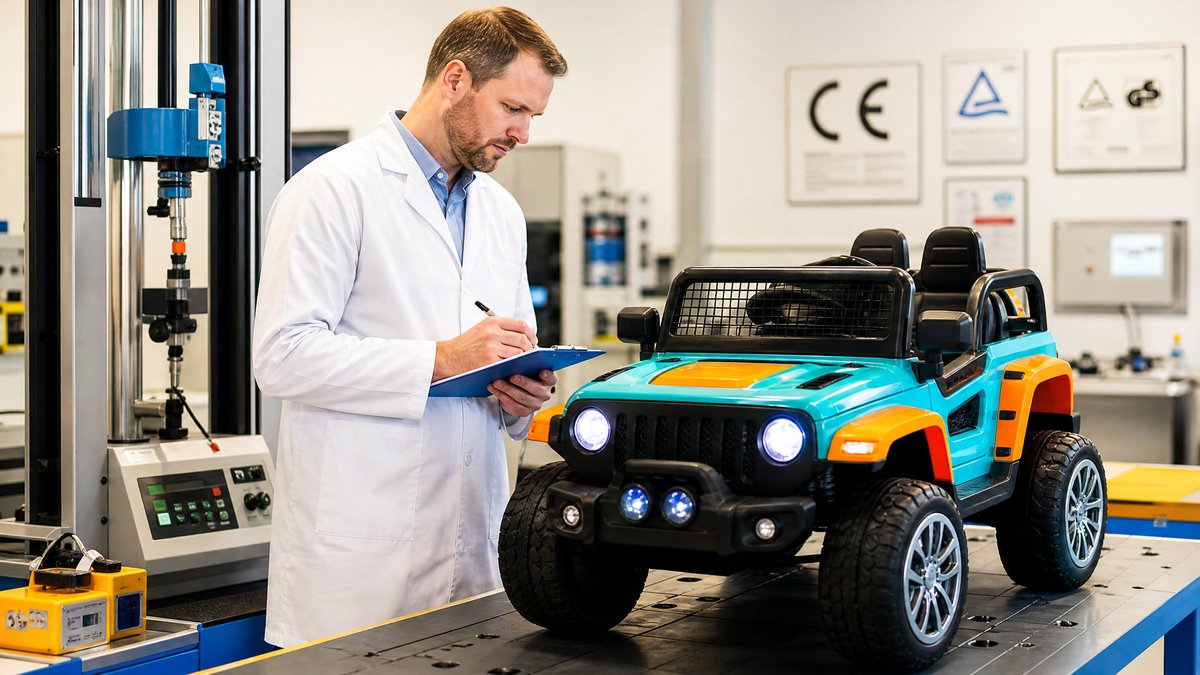
- Material Certification: Ensure tire components comply with relevant international toy safety standards (such as EN71, ASTM F963, or equivalent regional regulations) ensuring non-toxic and durable polymers.
- Manufacturer Documentation: Always review user manuals and technical spec sheets provided by the manufacturer regarding recommended operating surfaces, weight limits, and weather restrictions.
Practical Safety Checklist for Parents and Operators
To mitigate risks associated with wet surfaces and potential tire slippage, operators and supervising adults must adhere to structured safety protocols. This practical checklist outlines essential steps for pre-ride inspection and operational management.
- [ ] Surface Inspection: Prior to allowing operation, inspect the intended riding path for standing water, mud, oil spills, or wet fallen leaves that compromise traction.
- [ ] Weather Assessment: Restrict ride-on vehicle use during heavy rain, snowstorms, or icy conditions. Electric components and wet surfaces do not mix safely.
- [ ] Tire Condition Audit: Regularly check tires for bald spots, cracks, uneven wear, or debris lodged in tread grooves that could reduce friction.
- [ ] Brake Function Verification: Test the electronic braking or spring-loaded brake mechanisms on dry ground before permitting use near slopes or boundaries.
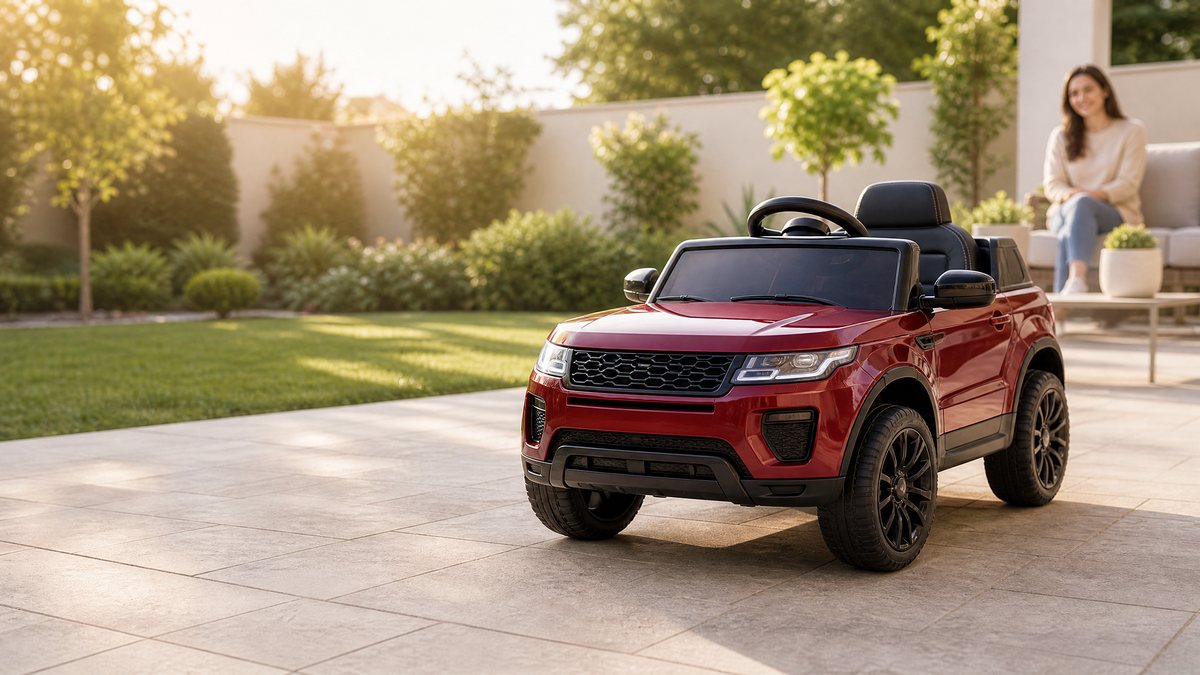
- [ ] Active Adult Supervision: Ensure a responsible adult maintains direct line-of-sight supervision at all times, keeping the vehicle away from swimming pools, open roadways, and steep driveways.
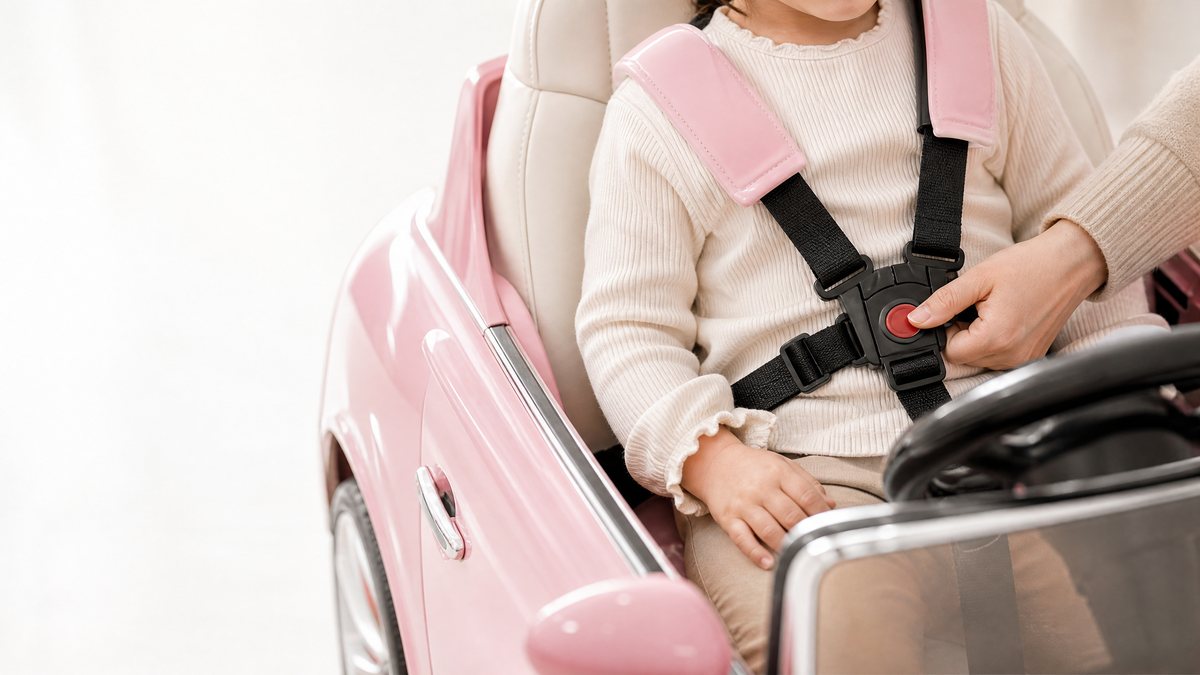
- [ ] Proper Restraint Utilization: Verify that the child's seatbelt or safety harness is securely fastened before movement begins, mitigating injury risks in sudden stops or slips.
Frequently Asked Questions (FAQ)
1. Do ride-on cars automatically slip on wet pavement?
Not all models behave identically, but smooth molded plastic wheels exhibit a high probability of slipping on wet concrete or asphalt. Vehicles equipped with rubber-strip tires or pneumatic wheels retain significantly better traction, though caution is still required.
2. Can I upgrade plastic wheels to rubber tires on an existing ride-on car?
Some aftermarket modifications exist, but compatibility varies widely by axle dimension, gearbox housing, and model architecture. Any modification should be performed in strict accordance with manufacturer guidelines to avoid compromising mechanical integrity or electrical safety.
3. Is it safe to store electric ride-on cars outdoors in wet weather?
No. Prolonged exposure to rain and moisture can corrode metal chassis components, damage internal wiring harnesses, degrade battery terminals, and cause premature motor failure. Always store vehicles in a dry, covered environment.
4. What should a parent do if the vehicle loses traction on a slight slope?
Immediately instruct the child to release the accelerator pedal, allowing the automatic motor brake to engage. If necessary, the supervising adult should physically stabilize the vehicle. Never permit operation on wet or steep inclines where braking distance is compromised.
Conclusion
Evaluating tire grip and surface traction in children's electric ride-on cars involves understanding the interplay between tire composition, tread design, and environmental conditions. While wet surfaces introduce distinct challenges such as reduced friction and increased slip potential, careful selection of tire materials—such as EVA foam or rubber compounds—greatly enhances operational stability. Results and performance characteristics will always vary depending on the specific vehicle model, correct assembly, surface texture, and environmental factors. Prioritizing strict adherence to manufacturer instructions, continuous adult supervision, and comprehensive safety standards ensures that children enjoy their electric ride-on vehicles securely and responsibly.
Business-to-Business (B2B) Sourcing and Compliance CTA
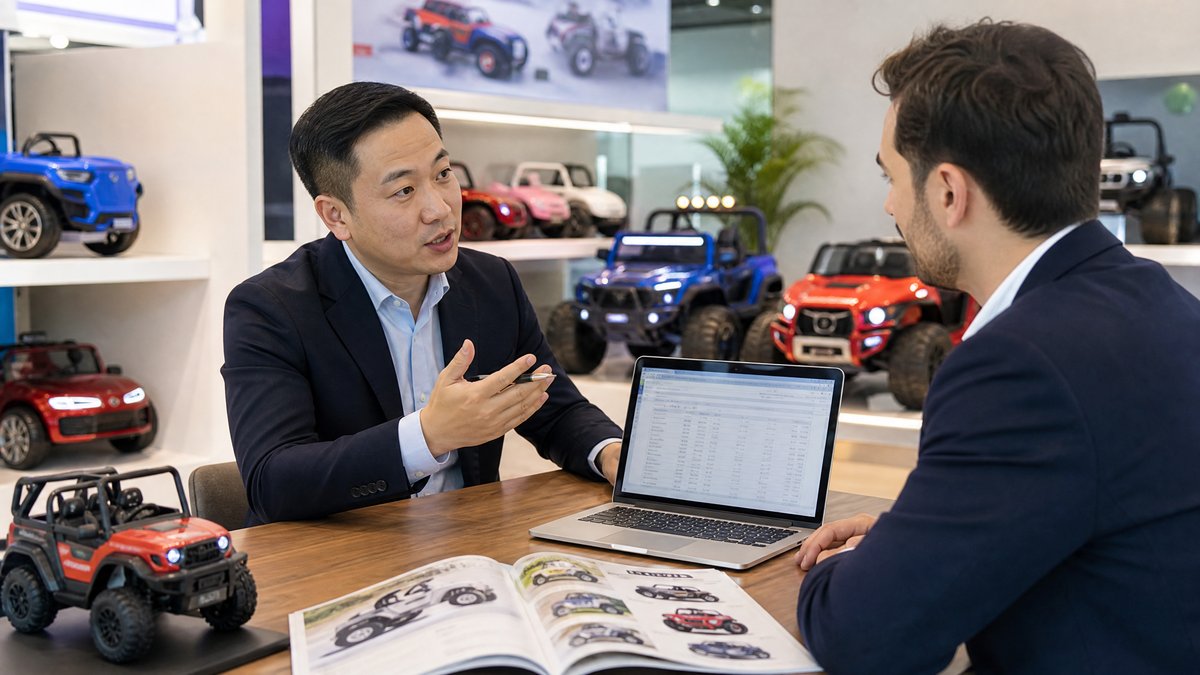
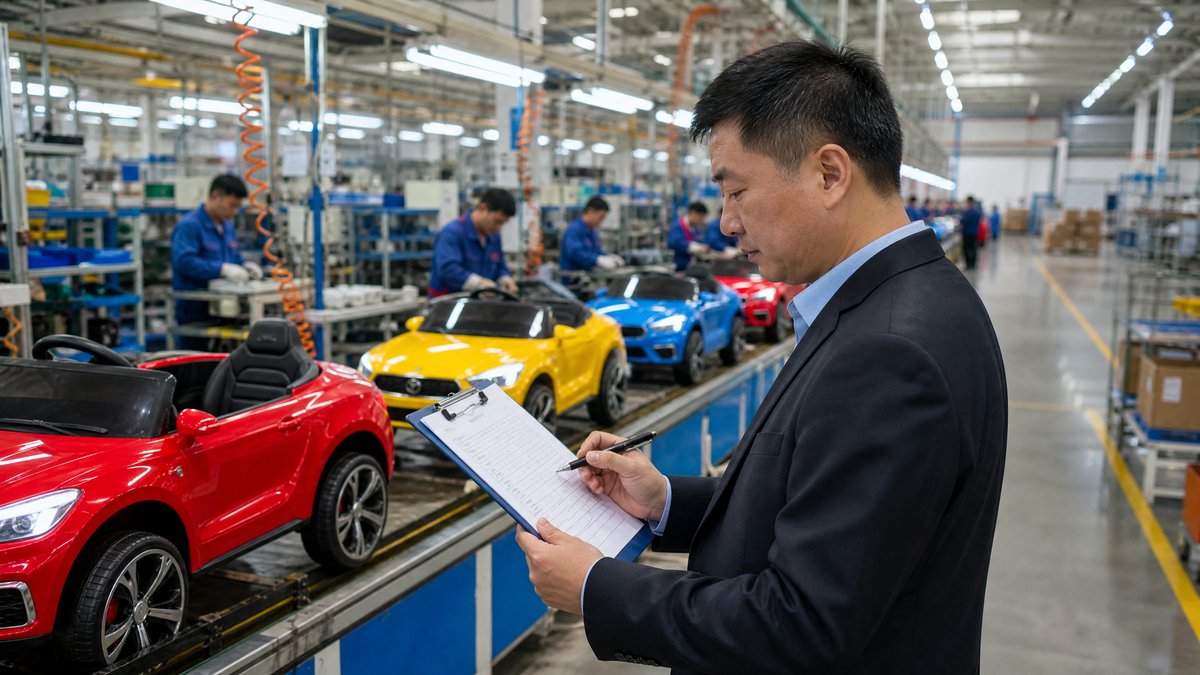
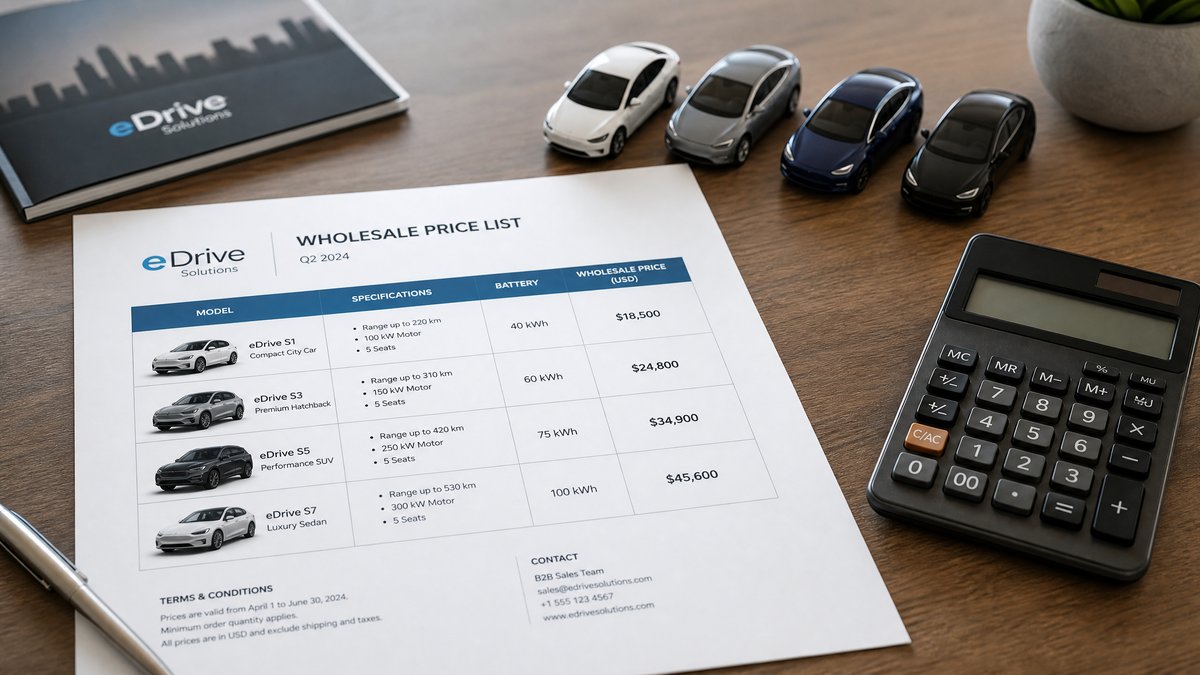
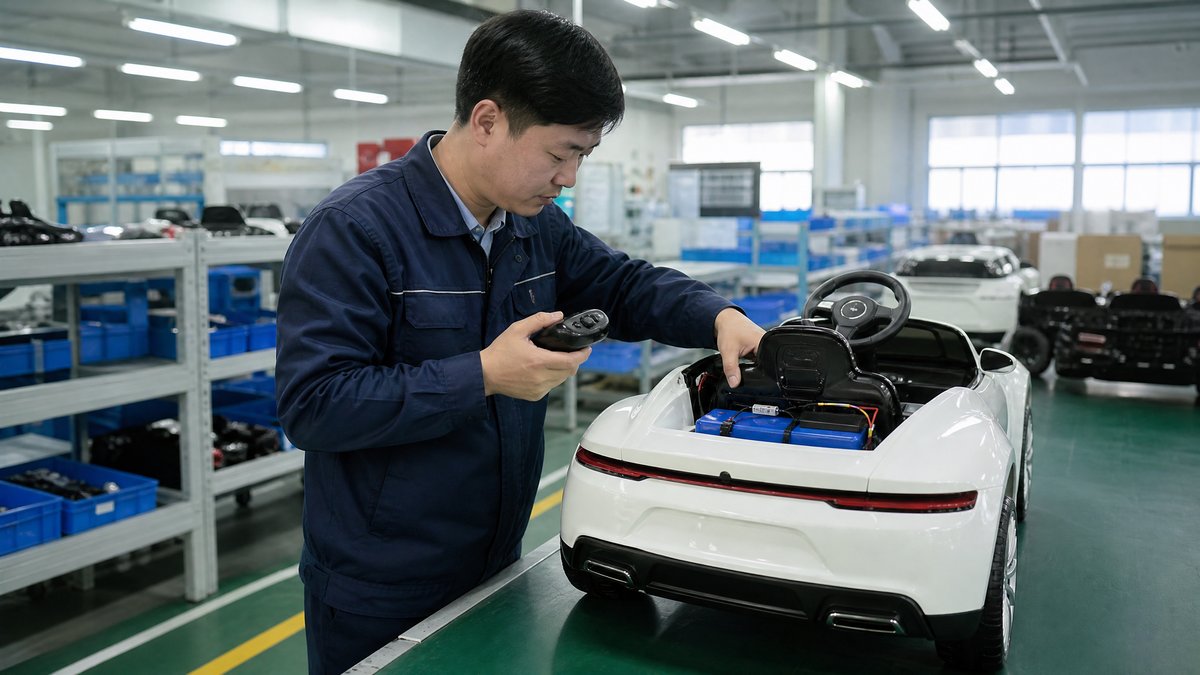
For toy distributors, retail buyers, and commercial fleet operators seeking high-quality, safety-compliant electric ride-on vehicles, partnering with certified manufacturers is paramount. Our manufacturing and compliance advisory network provides fully certified ride-on cars featuring premium tire options, robust drive systems, and rigorous quality assurance documentation. Contact our B2B export division today to request product catalogs, compliance certificates (EN71, ASTM, CE), and customized wholesale quotation packages tailored to your retail market requirements.
Official references
Explore these external resources for current regulatory and trade guidance. Confirm requirements with the relevant authority before placing an order.
Ready to Start?
Factory-Direct · CE & ASTM Certified · MOQ from 50 Units
Our export team works with buyers in 60+ countries. Get a quote within 24 hours.
KR
Written by KidsRideCar
China's leading kids electric ride-on car manufacturer. 500,000+ units shipped annually to 60+ countries. CE, ASTM & EN71 certified.