Evaluating the safety, reliability, and authenticity of children's electric ride-on cars sourced from unknown or unverified online merchants requires a structured and cautious approach. In the expanding global e-commerce marketplace, digital storefronts and independent drop-shipping websites frequently list children's motorized vehicles at attractive price points. For retail consumers and B2B wholesale buyers, the allure of low prices can sometimes overshadow underlying operational, financial, and safety risks. When engaging with unknown online sellers, buyers face uncertainties ranging from missing product documentation and non-compliant electrical systems to zero warranty support and non-existent replacement parts supply chains. Because children's ride-on cars are electromechanical products powered by rechargeable batteries and electric motors, safety compliance, quality control, and verifiable documentation are paramount. This comprehensive guide provides an analytical framework for assessing unknown online sellers, identifying warning signs, verifying product information, understanding platform policies, and implementing proactive risk-management strategies before committing capital or purchasing inventory.
The Digital Marketplace Landscape and the Evolution of Online Sourcing
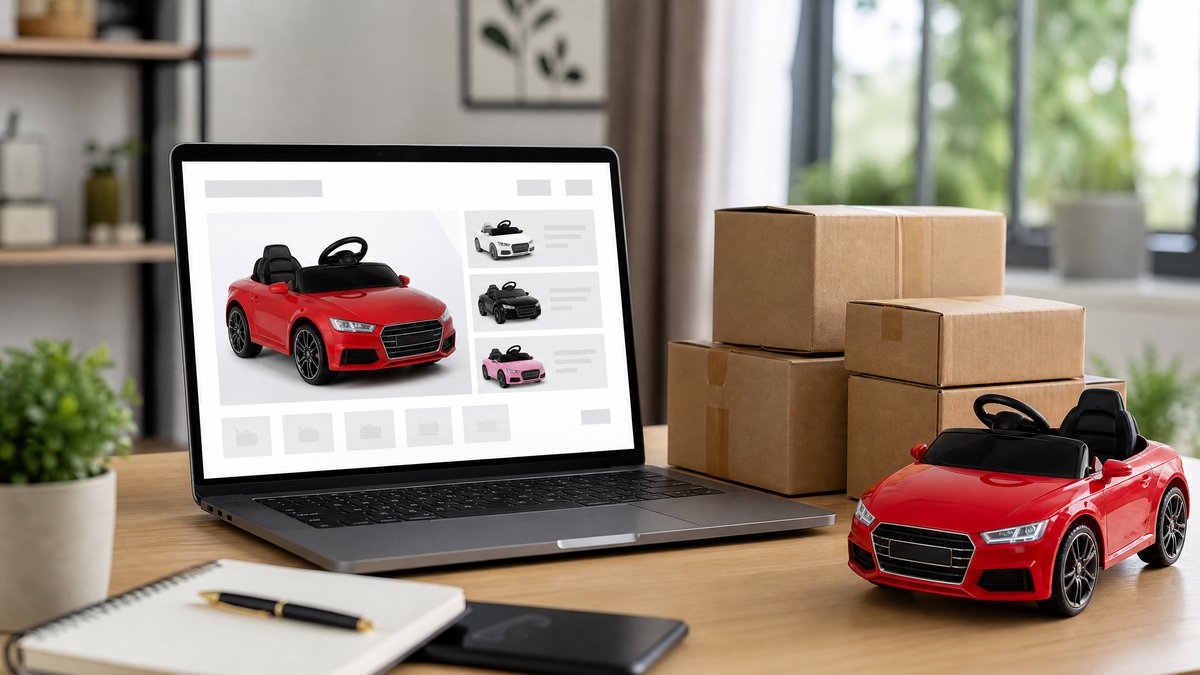
The proliferation of global e-commerce platforms has democratized trade, enabling manufacturers and independent trading companies to reach international buyers directly. However, this accessibility introduces complex challenges regarding market transparency and product accountability. Unknown online sellers encompass micro-enterprises, third-party marketplace storefronts with opaque ownership structures, and unverified drop-shippers. When evaluating online listings, buyers must remember that specific statements regarding pricing, inventory availability, shipping lead times, return windows, or seller mechanisms on platforms such as Amazon, Walmart, or Target cannot be taken as guaranteed facts. Instead, buyers must always check current product pages, seller terms, and platform policies directly to understand applicable return periods, fulfillment terms, and consumer protections. No platform or merchant should be assumed to be the cheapest or most reliable option without independent verification.
In many cases, unknown sellers operate without established brand reputations or verifiable track records. While established manufacturers invest heavily in safety testing and after-sales support networks, unverified vendors often compete strictly on price. Price anomalies frequently serve as the first indicator of compromised manufacturing standards, such as thinner plastics, substandard wiring harnesses, uncertified chargers, or low-capacity batteries. Furthermore, the fluidity of online platforms allows transient sellers to frequently change store names or marketplace accounts once negative feedback accumulates. This lack of institutional permanence means that buyers may find themselves without recourse when facing product defects or delivery failures. Consequently, establishing clear verification protocols is essential.
Core Risk Factors Associated with Unverified Merchants
Purchasing children's electric ride-on cars from unknown online sellers involves multiple layers of risk. Because these vehicles combine electrical circuits, mechanical drive systems, and physical load-bearing structures, failures in any single component can compromise safety and usability.
Electrical Safety, Battery Specifications, and Charging Compliance
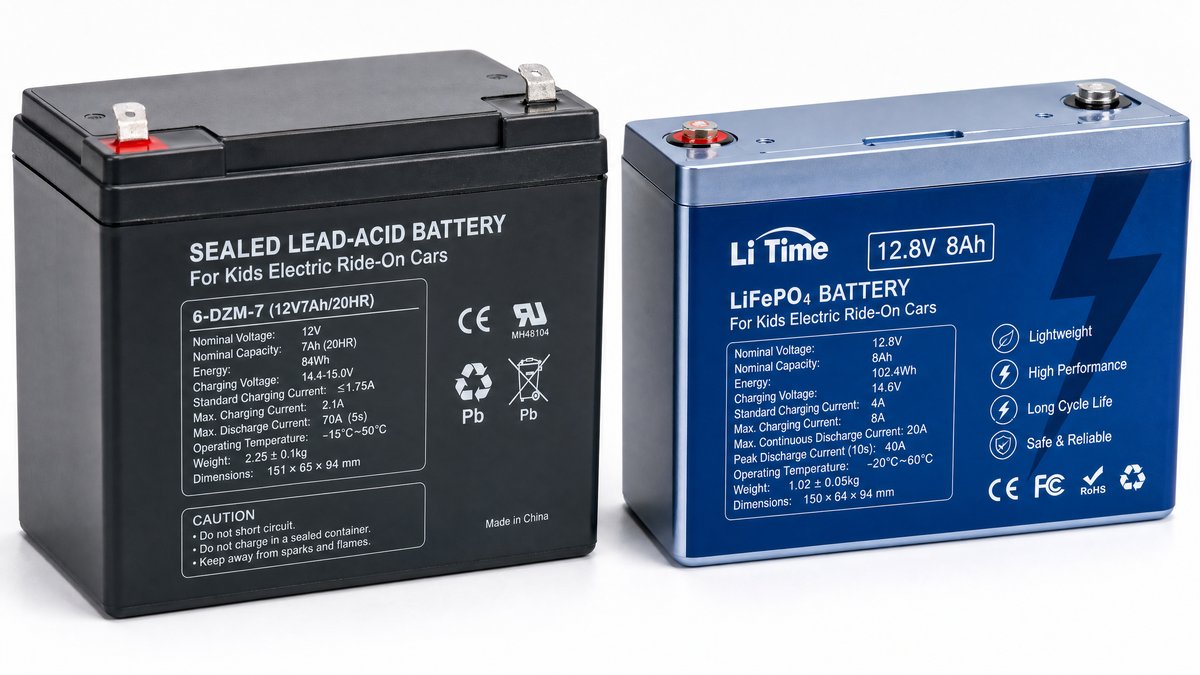
The most critical technical risk in unverified ride-on cars lies in the electrical system, specifically battery packs, charging units, and internal wiring harnesses. Established manufacturers adhere to strict electrical safety standards, utilizing certified chargers equipped with thermal cutoffs and standardized connectors. Unknown online sellers may source components without proper batch testing or certification documentation. Substandard chargers or unverified batteries pose severe thermal risks, including overheating, short circuits, or charger failure. Furthermore, buyers must note that any specific voltage performance, battery capacity, runtime, or charging duration mentioned in marketing materials may vary by model and must be confirmed directly in the official user manual if equipped. Internal repairs, testing with multimeters, touching main battery terminals, modifying wiring harnesses, replacing fuses, altering control boards, tinkering with gearboxes, bypassing electrical safety features, or substituting components with higher-specification parts are strictly prohibited. Such actions introduce severe hazards, including electrical shock and thermal runaway. Bluetooth connectivity, operational speed settings, and minor troubleshooting topics must be restricted exclusively to low-risk external actions and consultation of the official product manual.
Absence of Replacement Parts and Service Infrastructure
Children's ride-on cars experience regular mechanical wear and tear on components such as wheels, steering linkages, gearboxes, switches, and remote control units. A major drawback of dealing with unknown online sellers is the total absence of an after-sales spare parts supply chain. Established suppliers maintain dedicated parts inventories and provide technical support documentation. Unverified sellers often disappear or fail to respond once the initial sale is completed, leaving the buyer with a non-functional product and zero replacement options.
Warranty Claims and Consumer Protection Limitations
Warranty coverage offered by unknown online sellers is frequently illusory. While a listing may claim a manufacturer warranty, verifying the legal entity behind the storefront or enforcing warranty terms across international borders is notoriously difficult. Platform-mediated dispute resolution mechanisms have strict time limits, and once transaction windows close, buyers are left unprotected against premature mechanical failures or electrical deadlocks. Buyers must check current product pages, seller terms, and platform policies to understand available dispute resolution channels.
A Comprehensive Pre-Purchase Verification Framework
To safely navigate transactions involving unknown online sellers, buyers must adopt a systematic verification methodology. Applying a structured evaluation checklist helps filter out high-risk vendors.
Step 1: Evaluating Business Transparency and Communication
Legitimate commercial entities maintain transparent contact channels, verifiable physical addresses, and professional communication standards. Buyers should test vendor responsiveness by asking specific technical questions regarding product specifications and compliance documentation. Vague or automated responses are immediate red flags. Checking business registration databases and industry directories reveals whether a seller is an established trading company or a transient storefront.
Step 2: Requesting Formal Product Documentation and Manuals
Before purchasing, buyers should request formal product documentation, including user manuals, specification sheets, and compliance declarations. Reviewing the user manual provides insight into operational guidance, assembly requirements, and safety warnings. If a seller cannot provide standard documentation, it indicates a lack of accountability. Buyers must remember that unverified specifications—such as precise motor wattage, vehicle speed limits, maximum load capacities, or recommended age ranges—may vary by model and must be confirmed directly in the manual if equipped.
Step 3: Scrutinizing Shipping, Return, and Warranty Terms
Careful examination of the seller's terms of service is essential. Buyers must verify shipping costs for returns, valid warranty claims, and restocking fees. Unknown online sellers often hide restrictive clauses in lengthy terms documents. Buyers must always check current product pages, seller terms, and platform policies to ensure full clarity on return windows and shipping obligations.
Comparative Evaluation: Verified Manufacturers vs. Unknown Online Sellers
The following comparison table outlines key evaluation criteria between established suppliers and unverified merchants.
| Evaluation Criterion | Verified Manufacturers & Established Suppliers | Unknown Online Sellers & Unverified Merchants |
|---|---|---|
| Documentation & Manuals | Comprehensive user manuals, clear assembly guides, and accessible compliance documentation provided. | Often missing, poorly translated, or generic documentation with no specific technical details. |
| Spare Parts Availability | Dedicated inventory of replacement parts (gearboxes, wheels, remotes, chargers) maintained for continuous support. | Zero spare parts support; customers must source generic or incompatible aftermarket replacements. |
| Quality Control & Testing | Structured factory quality control protocols, batch inspections, and standardized component sourcing. | Opaque manufacturing sources; inconsistent build quality and varying material grades. |
| Warranty Enforcement | Clear, enforceable warranty terms backed by responsive customer service and technical teams. | Illusory or non-existent warranties; communication ceases after transaction completion. |
| Communication Transparency | Professional communication channels, physical business addresses, and verified corporate identities. | Anonymous storefronts, generic email addresses, and shifting online domains or seller IDs. |
Request a wholesale quote
Operational Safety, Environmental Usage, and Hazard Response Protocols
Safe usage requires strict adherence to operating parameters and environmental boundaries.
Venue Safety and Environmental Limitations
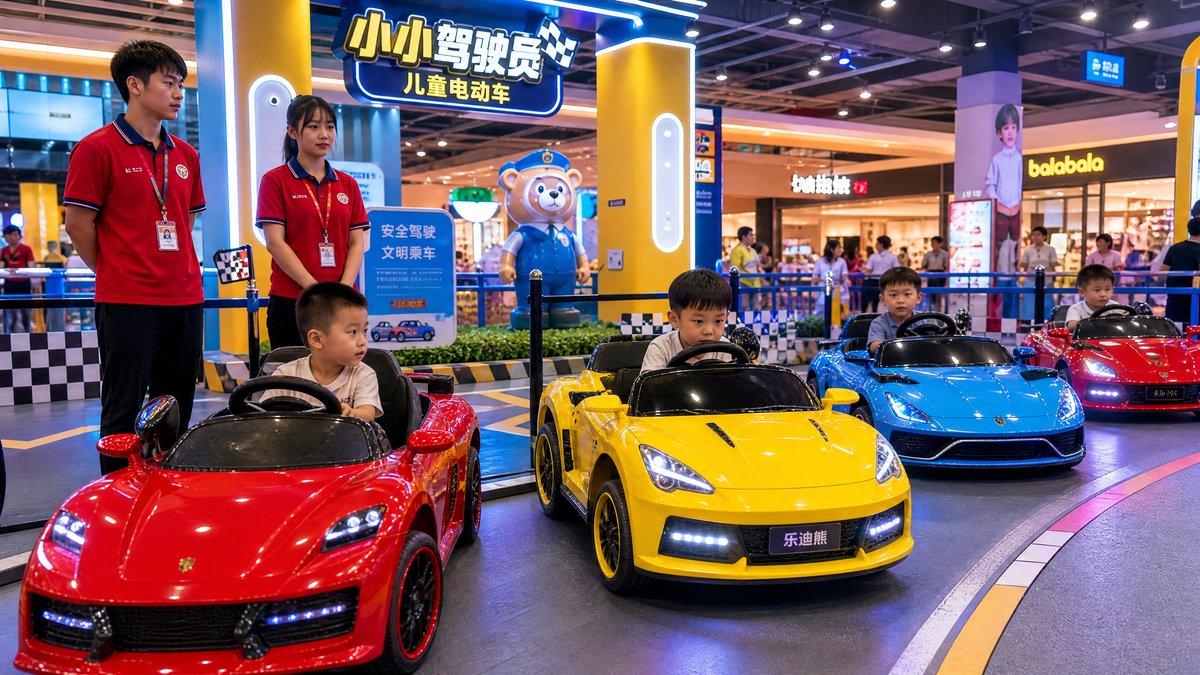
Ride-on cars must never be operated on public roads, commercial driveways, parking lots with active vehicular traffic, or unauthorized public areas. Usage must be restricted strictly to private, flat, dry, allowed surfaces under constant adult supervision. Whether operating in a residential garden, a designated park path, or a private courtyard, supervisors must verify local venue rules, obtain necessary permissions, and ensure the surface is free of obstacles, debris, steep inclines, and moisture. Environments such as beaches, sandy areas, wet grass, or unpaved terrain can overload electric motors unless explicitly rated and equipped. Furthermore, recreational settings like camping grounds, theme parks, holiday parades, kindergarten yards, store displays, or private party venues require explicit venue authorization, adherence to local safety ordinances, and constant adult supervision.
Developmental Considerations and Personal Fit
When considering ride-on cars for children with special needs, or when using them to support sensory engagement, motor skills development, confidence building, or independence, buyers must avoid any medical, therapeutic, or developmental guarantees. Ride-on cars are recreational toys, not medical devices. Adult supervision, individual physical fit, and consultation with pediatricians or occupational therapists are essential. Furthermore, modifying vehicle seating, physical restraints, safety harnesses, or electrical control systems is strictly prohibited.
Critical Hazard Response Protocols
In the event of an emergency or abnormal operating condition—such as unusual chemical odors, visible smoke, battery or motor overheating, fluid leaks, water ingress, exposed wiring cables, damaged charging plugs, abnormal braking responses, or persistent mechanical faults—immediate action is required. Users must adhere to the following protocol:
1. Immediately stop using the vehicle and disconnect or halt charging.
2. Power off the vehicle completely using the main power switch.
3. Keep children and bystanders safely away.
4. Contact the manufacturer, vendor, or qualified service personnel immediately for professional inspection.
Untrained individuals must never attempt internal disassembly or repairs.
Understanding General Safety Educational Materials
When referencing safety publications from organizations such as the U.S. Consumer Product Safety Commission (CPSC), buyers and supervisors must recognize that these documents constitute general educational toy safety information and regulatory guidance. CPSC publications do not represent specific product certifications or safety guarantees for any individual ride-on car model purchased online.
Frequently Asked Questions
FAQ 1: How can wholesale buyers and retail consumers verify the legitimacy of unknown online merchants?
Wholesale buyers and retail consumers should request official business licenses, tax registration documents, and verifiable commercial references. Conducting third-party factory audits and insisting on physical product samples prior to placing bulk orders provide additional verification. Buyers must check current product pages, seller terms, and platform policies directly.
FAQ 2: What precautions should be taken regarding battery specifications, charging equipment, and vehicle performance claims?
Buyers should treat all performance claims—such as speed limits, motor wattage, battery runtimes, and recommended age ranges—as unverified estimates that may vary by model and must be confirmed directly in the official manual if equipped. Chargers and batteries must be inspected for standard safety markings, and users must never attempt internal electrical modifications or fuse bypasses.
FAQ 3: How should users handle routine maintenance, minor troubleshooting, and potential anomalies?
Routine maintenance should be restricted strictly to external cleaning, visual checks of body panels, and wheel inspections as outlined in the manual. If minor issues arise, users should consult the troubleshooting section of the manual or contact the vendor. Internal repairs involving wiring harnesses, control boards, gearboxes, or battery terminals must never be performed by unqualified individuals.
FAQ 4: What emergency response protocols apply if a ride-on vehicle exhibits overheating, smoke, unusual odors, or electrical failure?
If a vehicle exhibits overheating, smoke, unusual odors, fluid leaks, water ingress, exposed cables, damaged plugs, abnormal braking, or persistent faults, users must immediately stop use and charging, power off the vehicle, keep children away, and contact the manufacturer or qualified service personnel.
Conclusion
Navigating the market for children's electric ride-on cars requires vigilance, structured verification, and an awareness of risks posed by unknown online sellers. By implementing rigorous pre-purchase evaluation frameworks, checking current product pages, seller terms, and platform policies, requesting product documentation, and prioritizing safety over low prices, buyers can protect themselves against operational failures and secure safe ride-on vehicles. All purchasing decisions and operational practices should be guided by careful verification and strict adherence to manufacturer instructions.
Request a wholesale quote
Official References
1. U.S. Consumer Product Safety Commission (CPSC) - General Toy Safety Education and Regulatory Guidelines (General educational material, not specific product certification).
2. International Organization for Standardization (ISO) - Safety Standards for Toys and Electromechanical Play Equipment.
3. Global E-Commerce Consumer Protection and Marketplace Verification Frameworks.
Official references
Explore these external resources for current regulatory and trade guidance. Confirm requirements with the relevant authority before placing an order.
Ready to Start?
Factory-Direct · CE & ASTM Certified · MOQ from 50 Units
Our export team works with buyers in 60+ countries. Get a quote within 24 hours.
KR
Written by KidsRideCar
China's leading kids electric ride-on car manufacturer. 500,000+ units shipped annually to 60+ countries. CE, ASTM & EN71 certified.