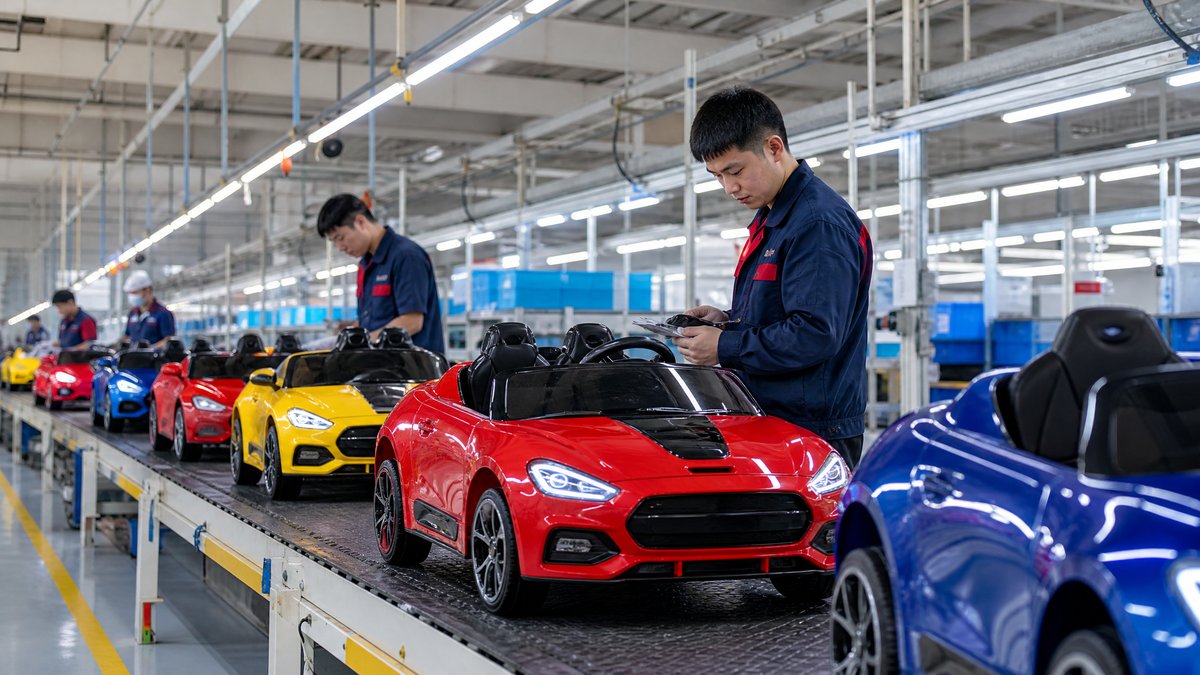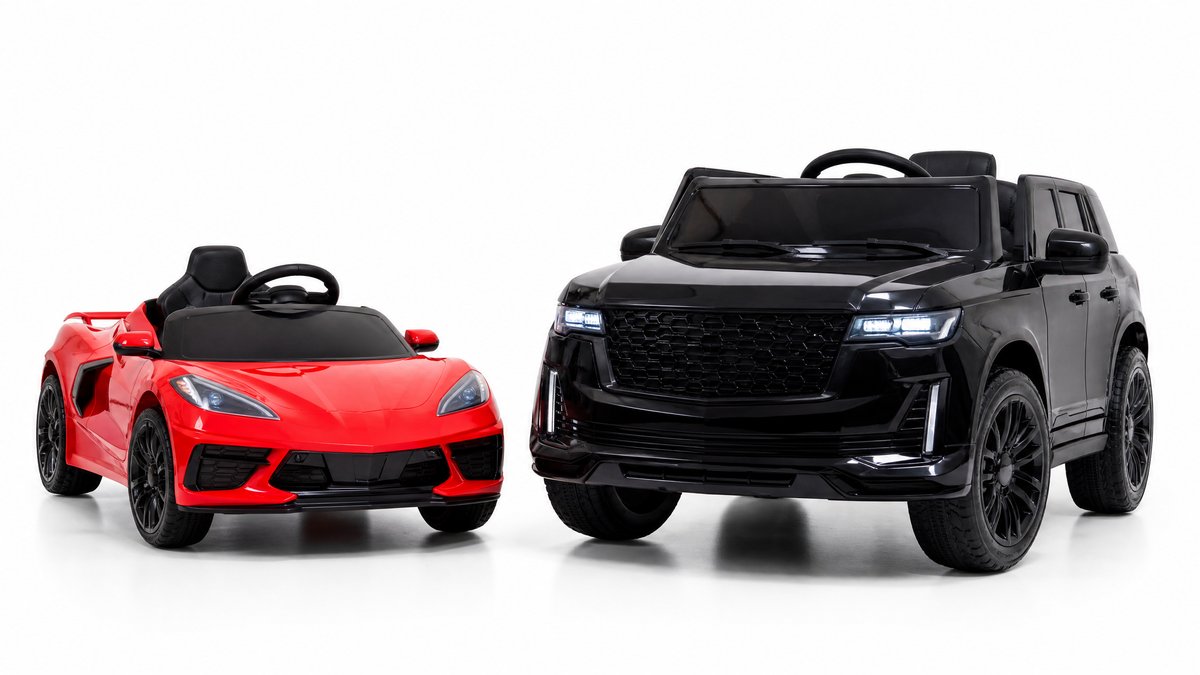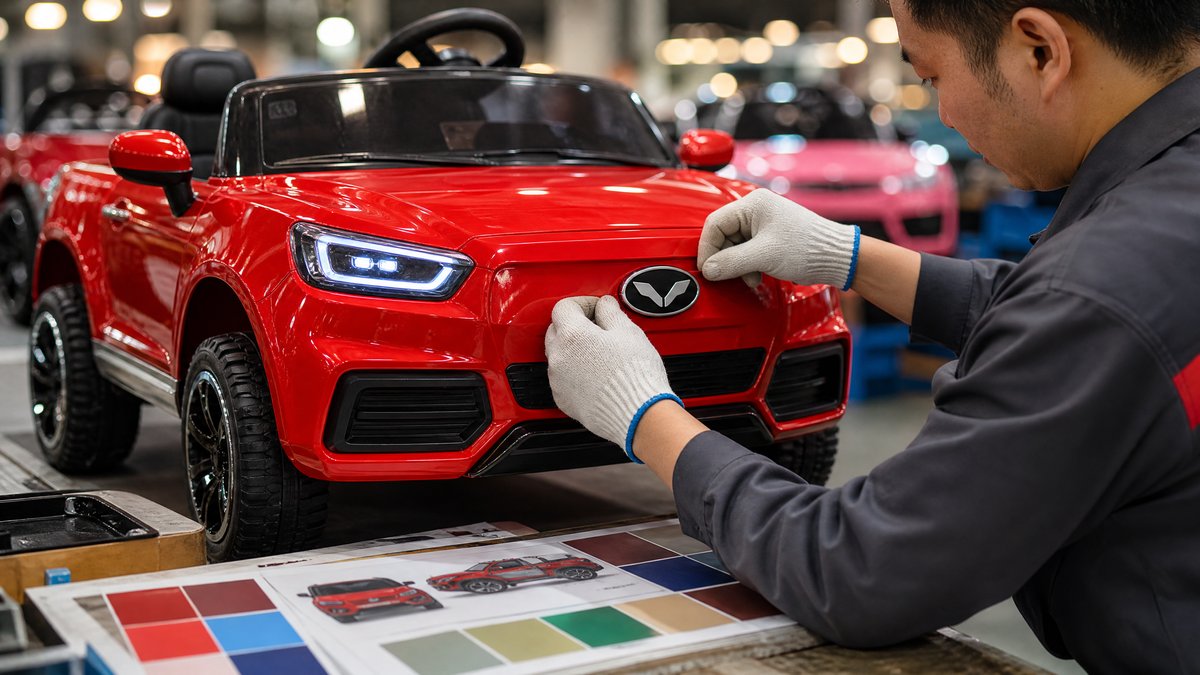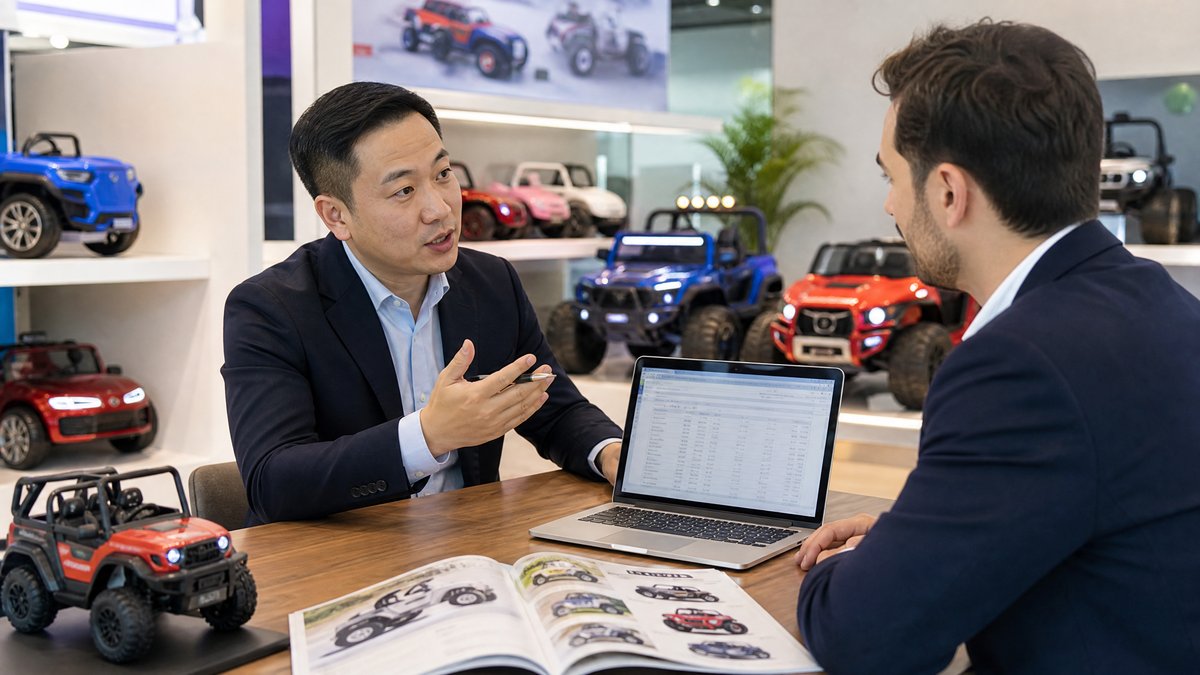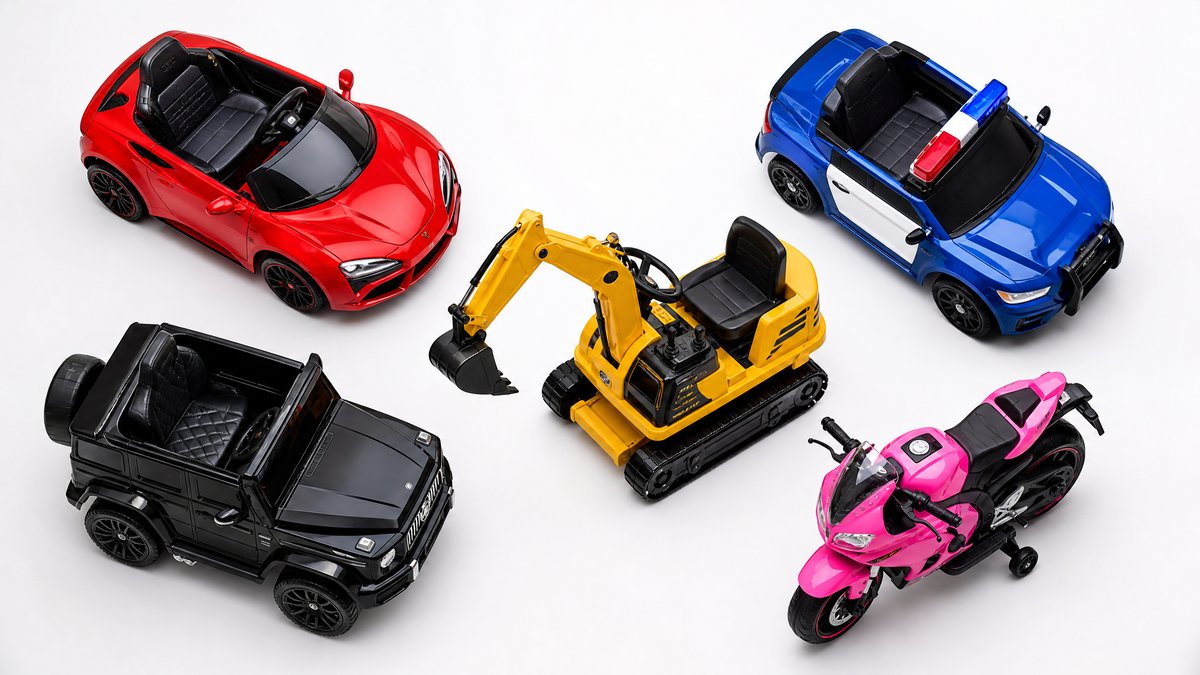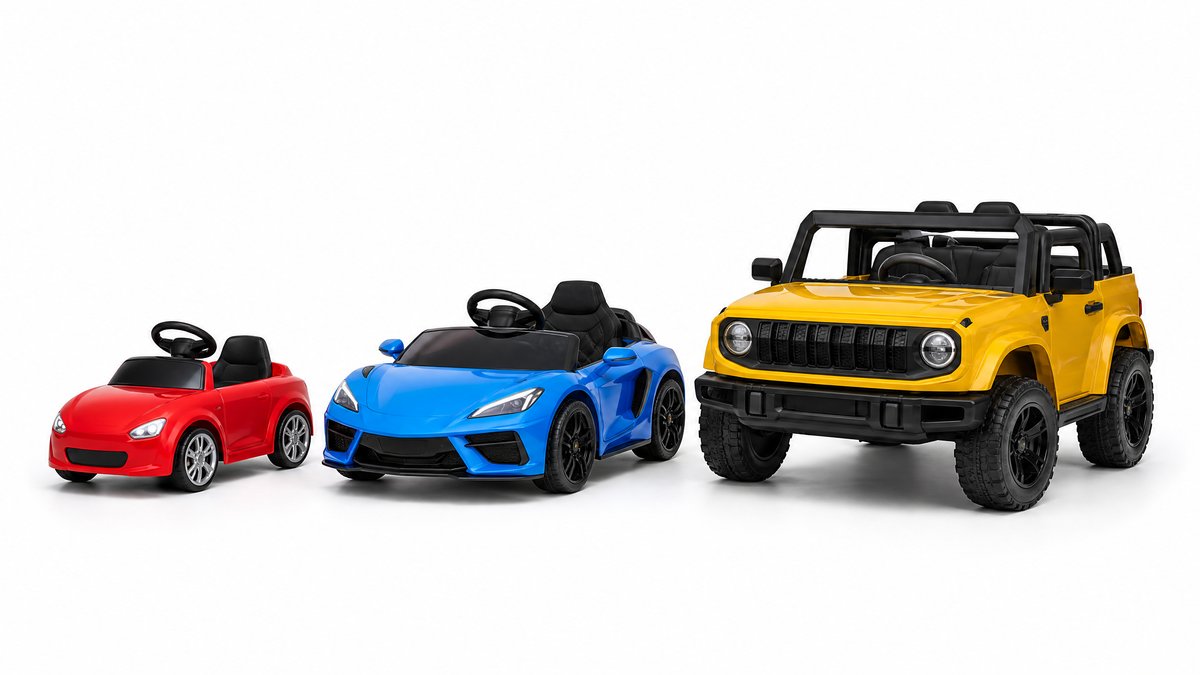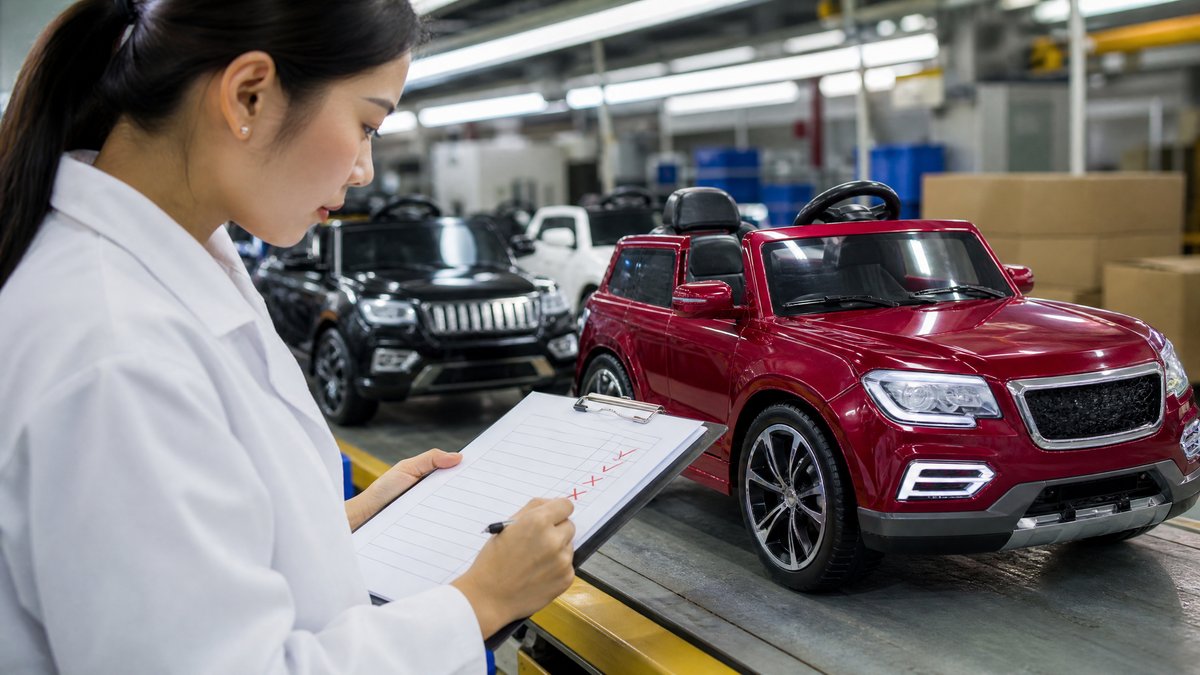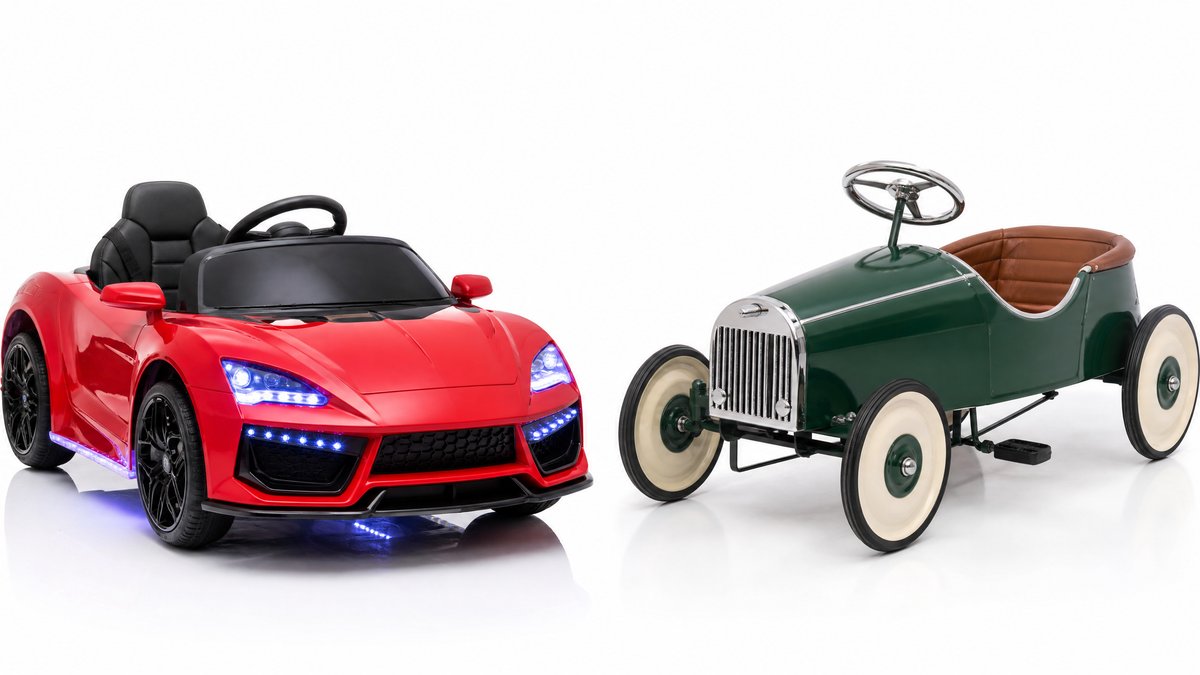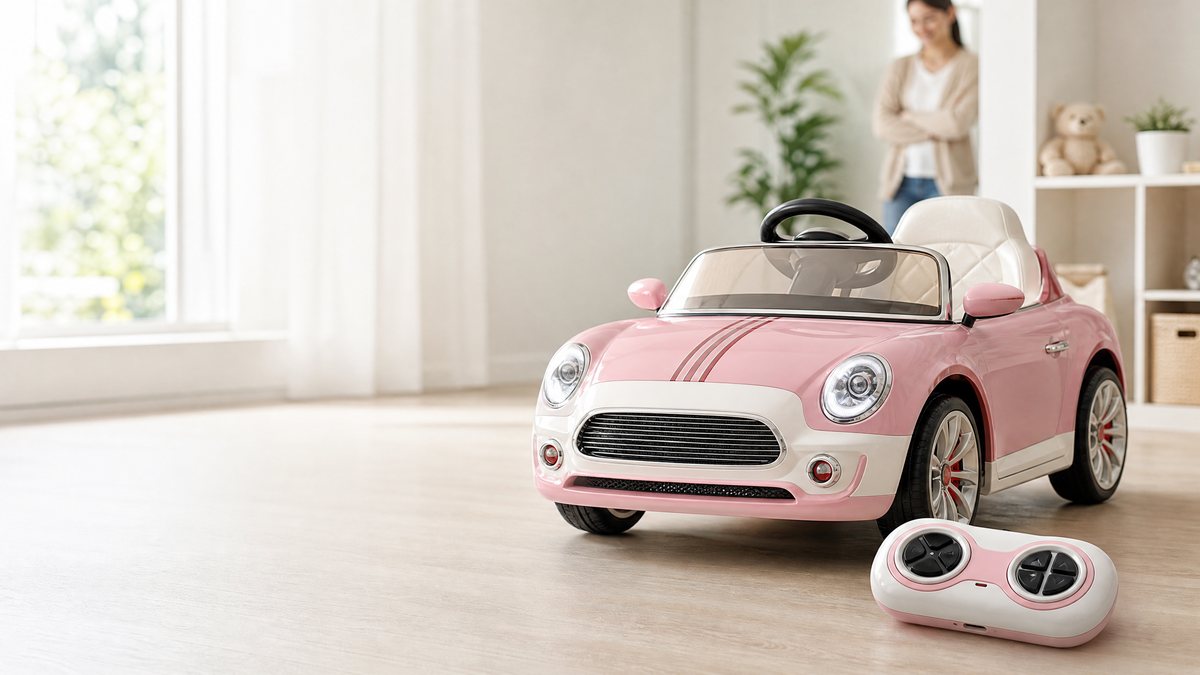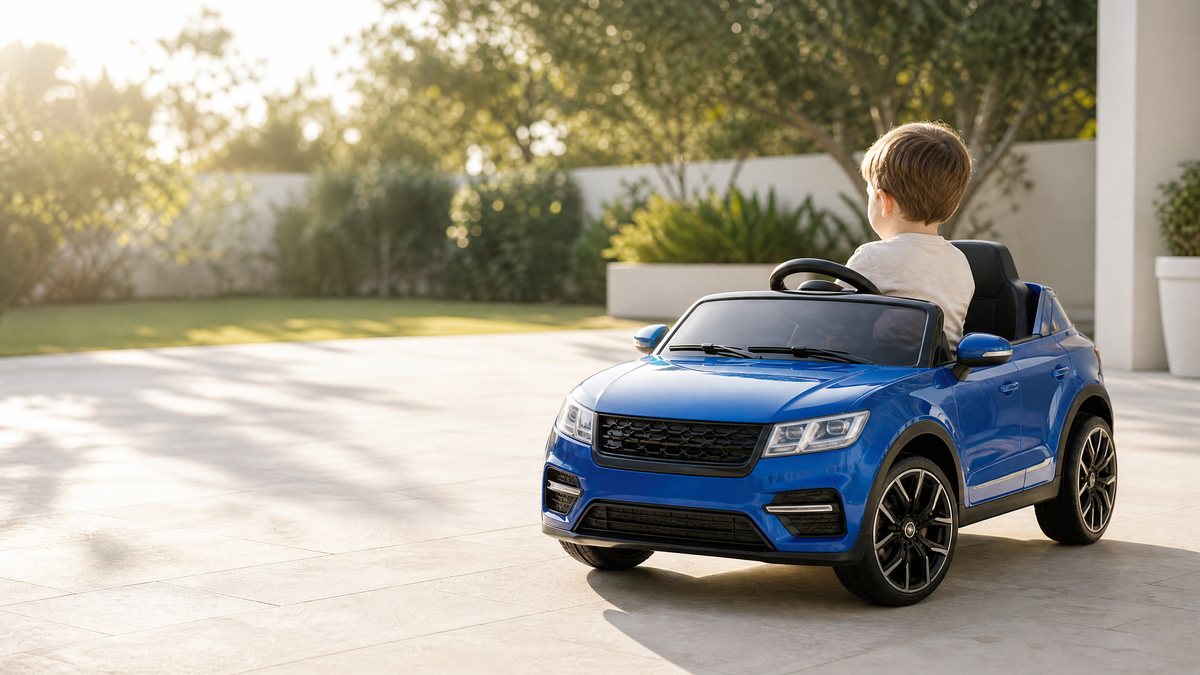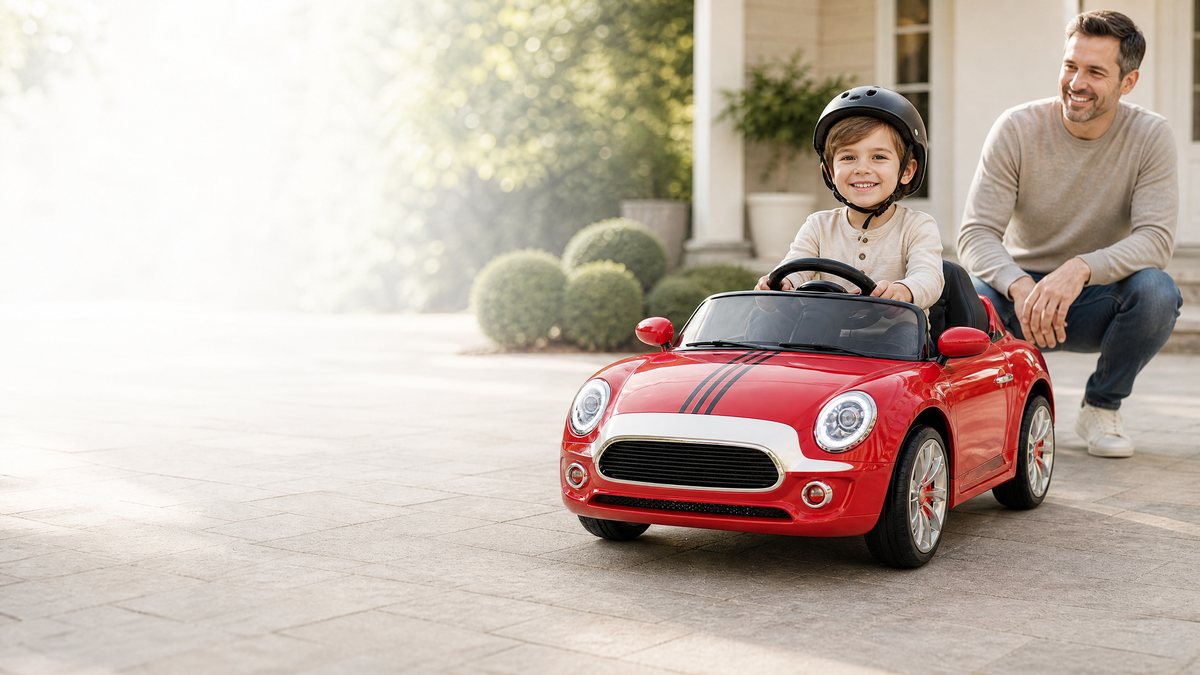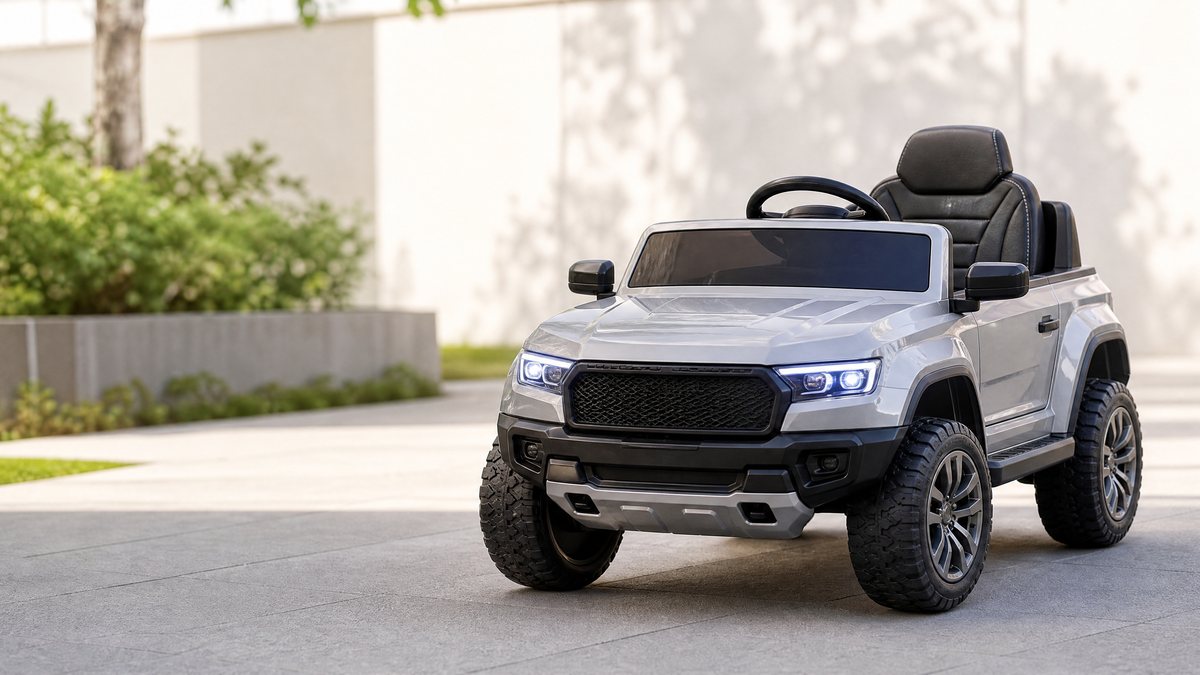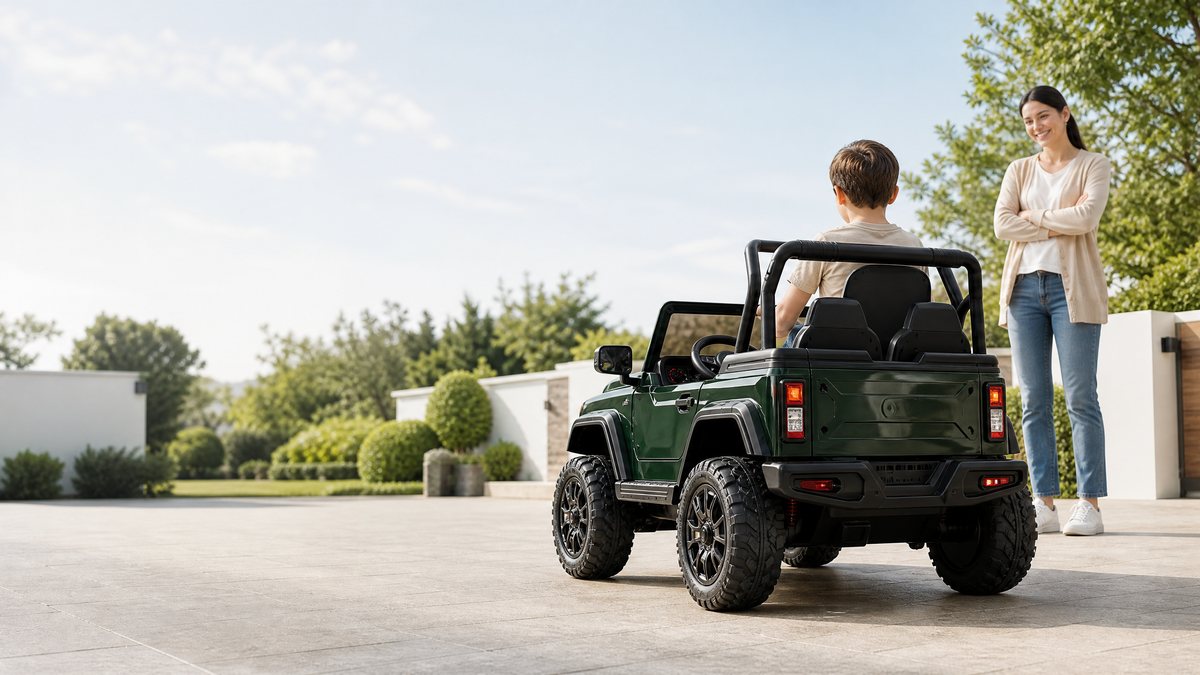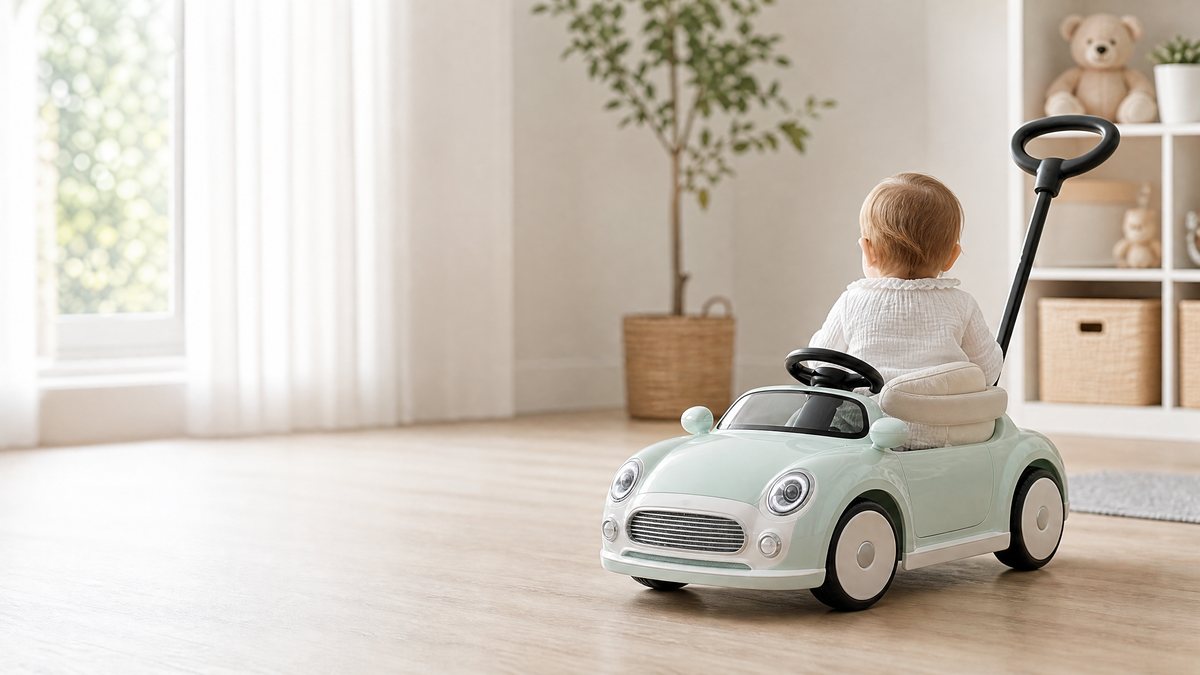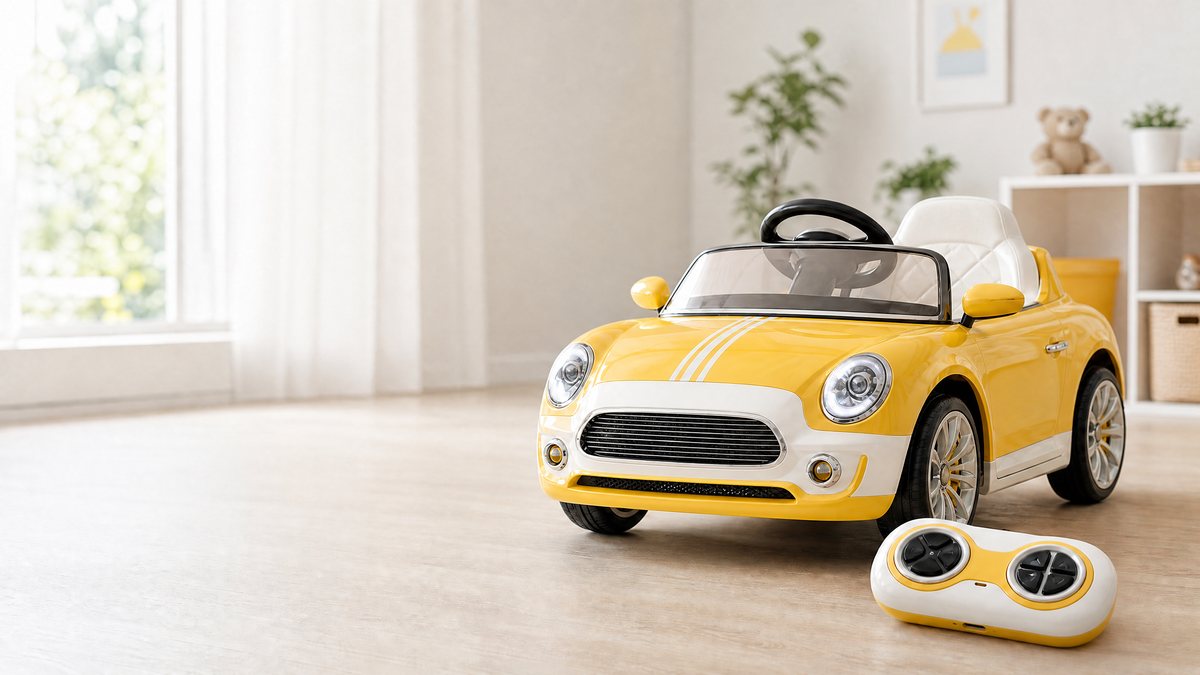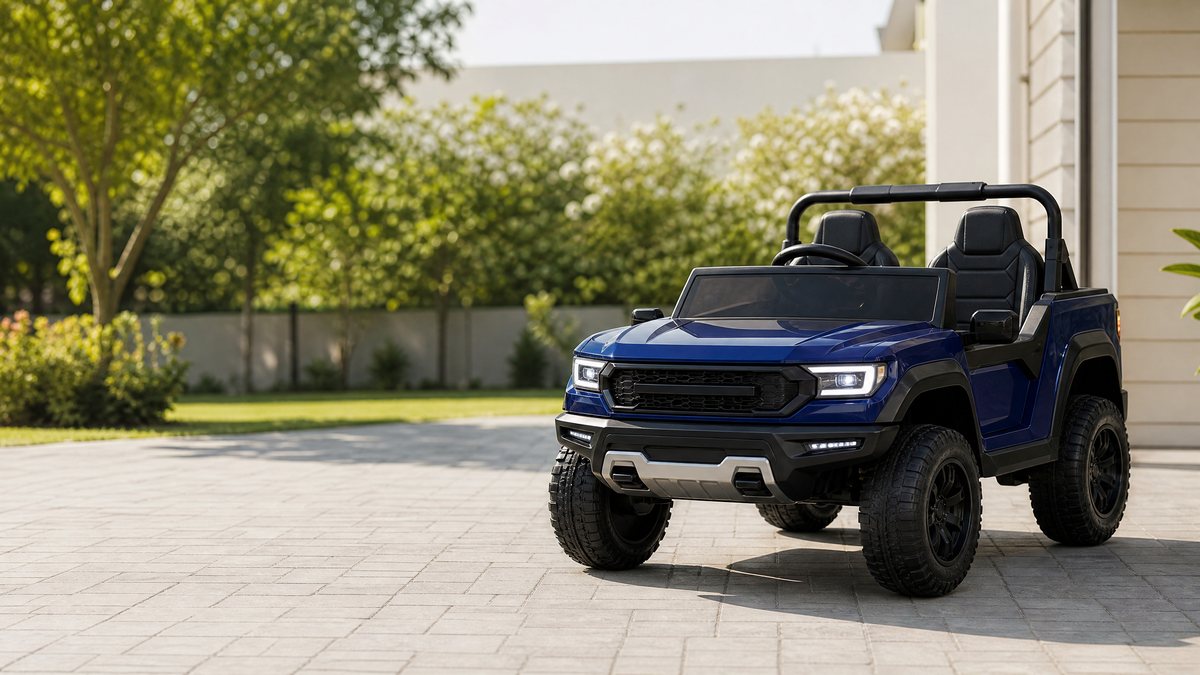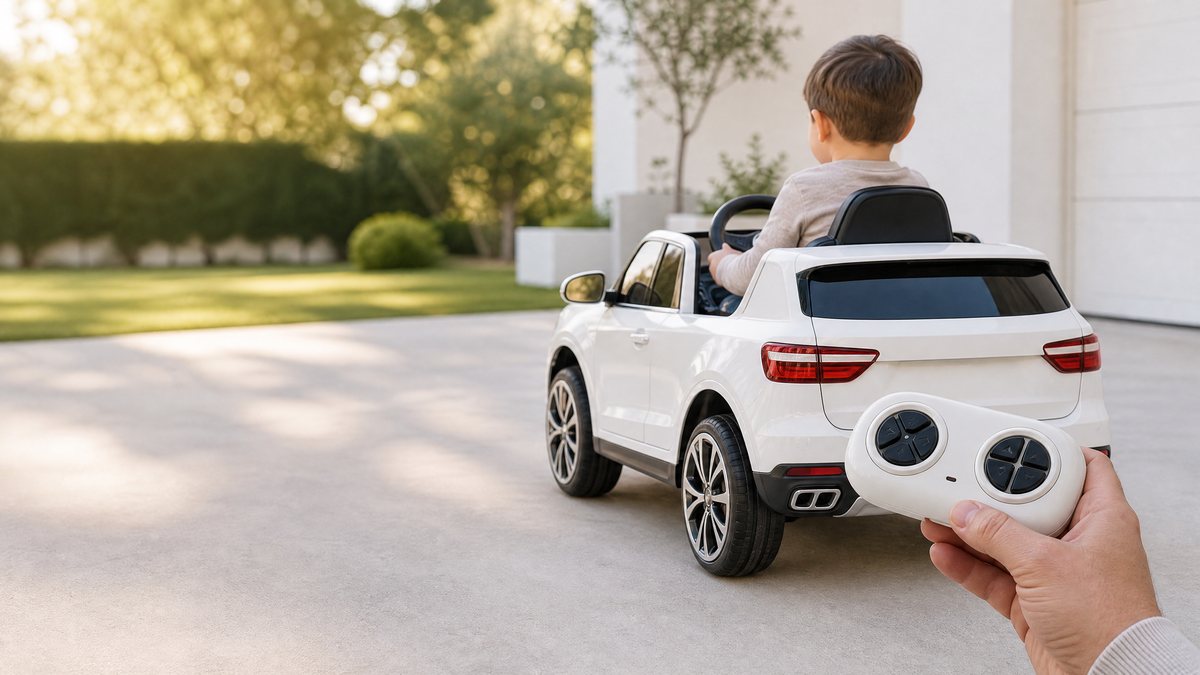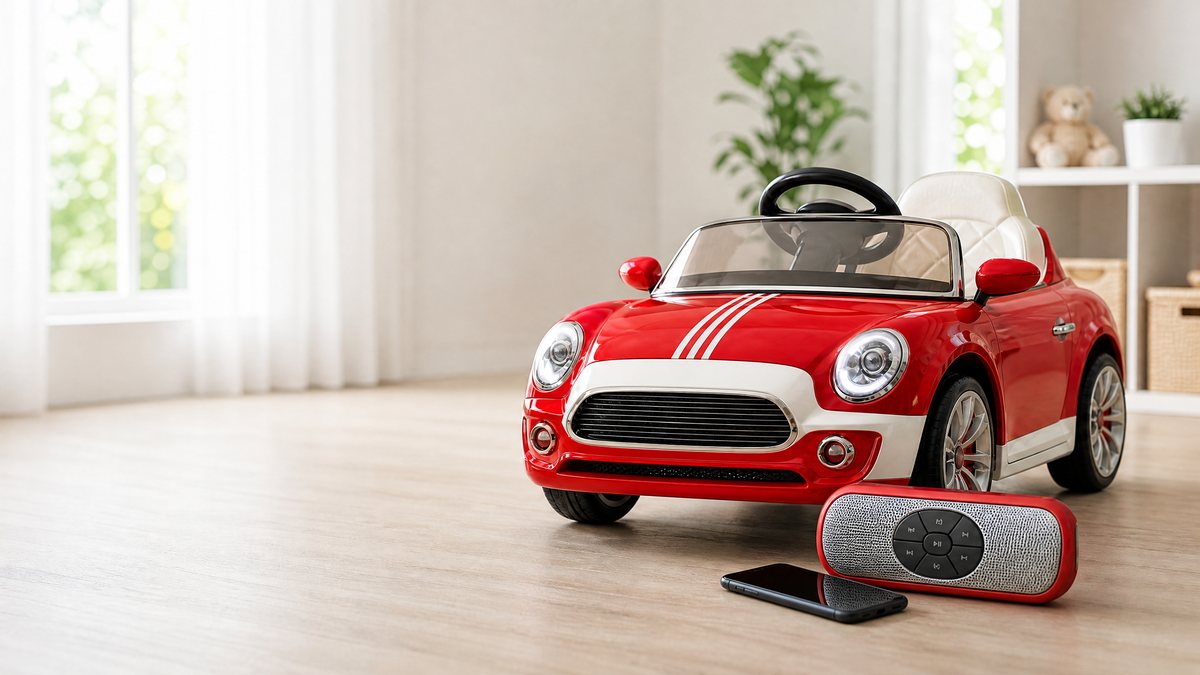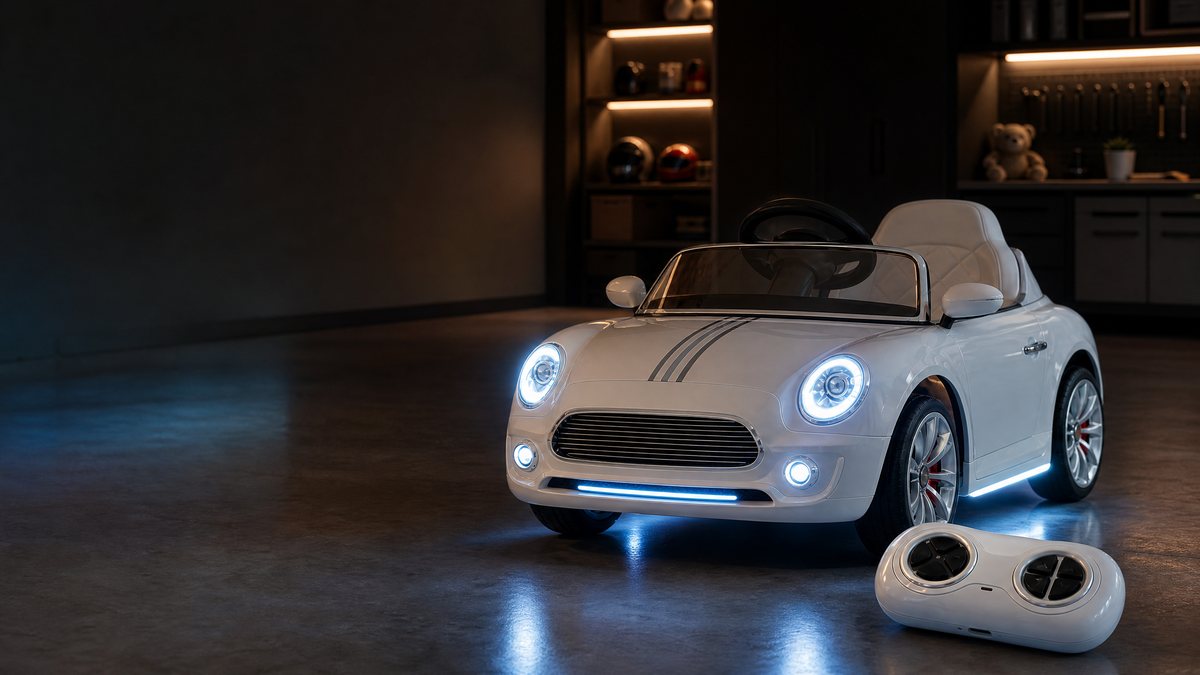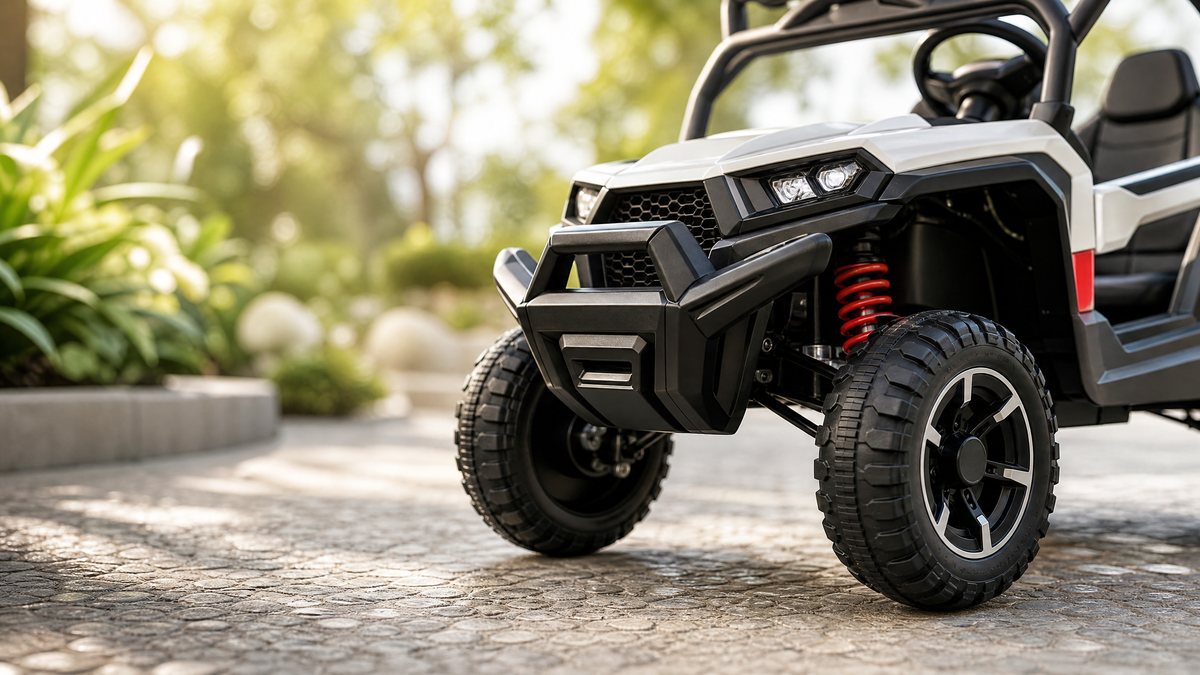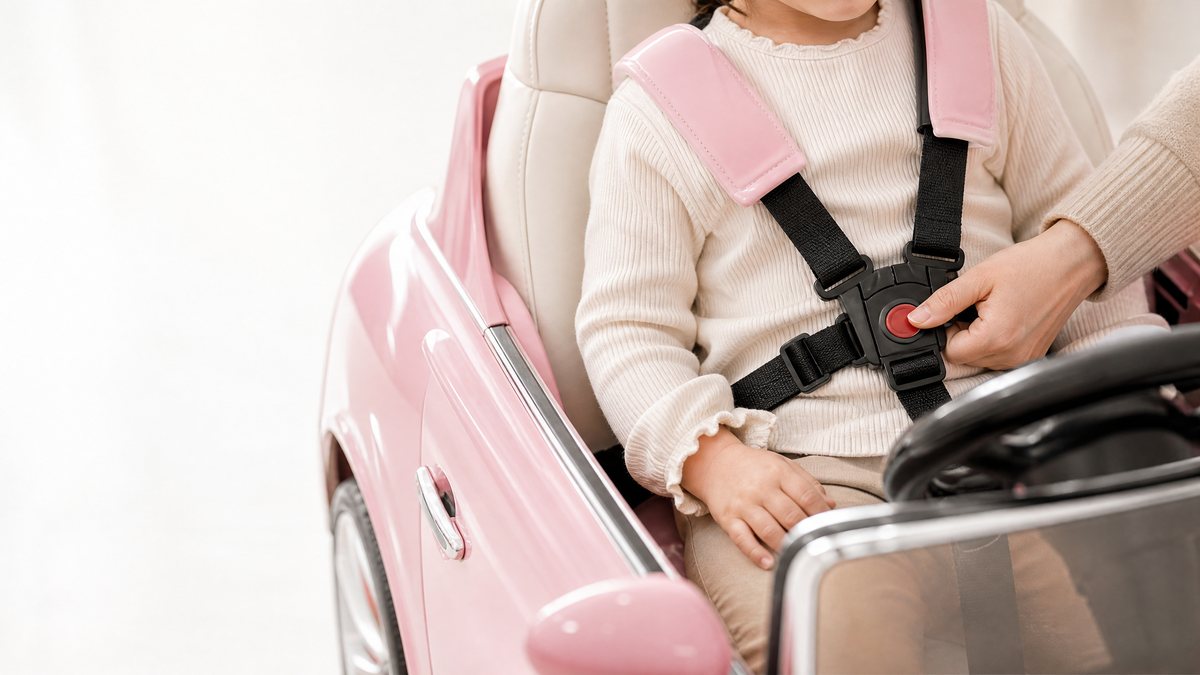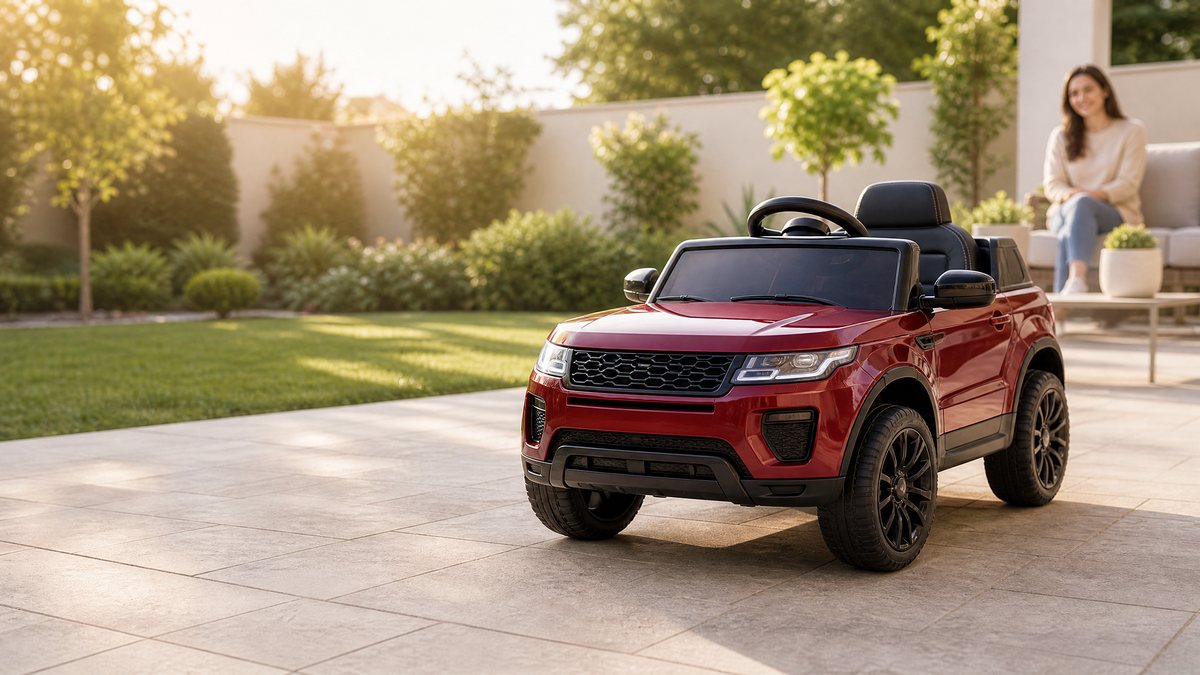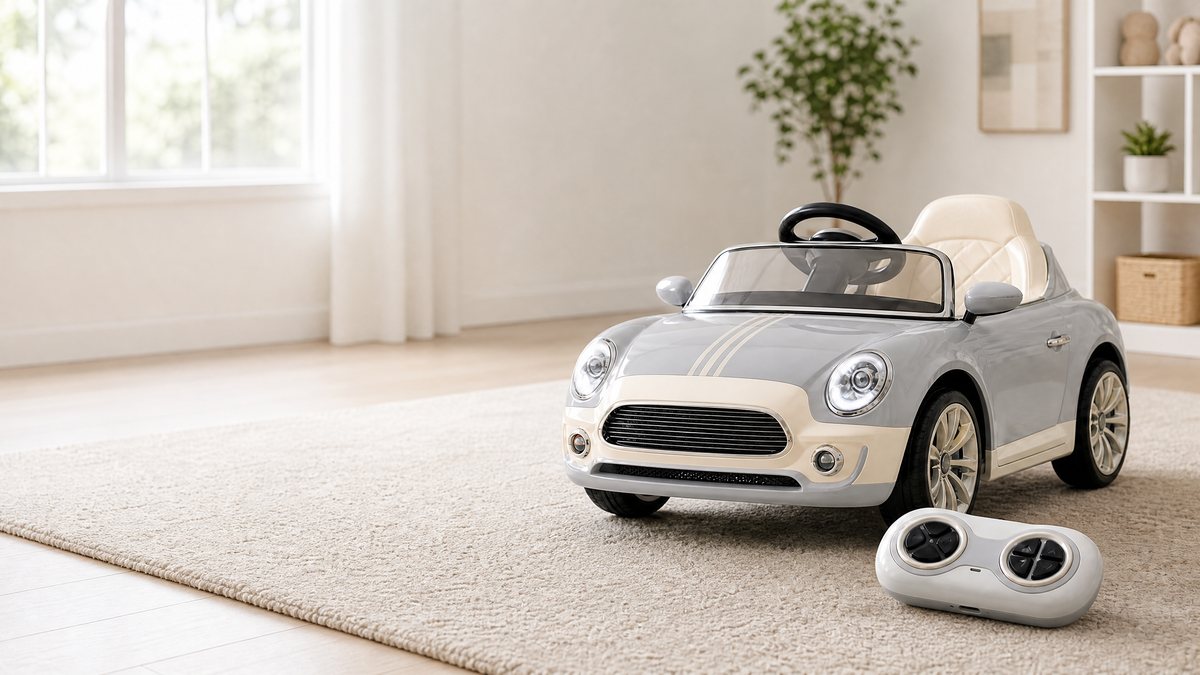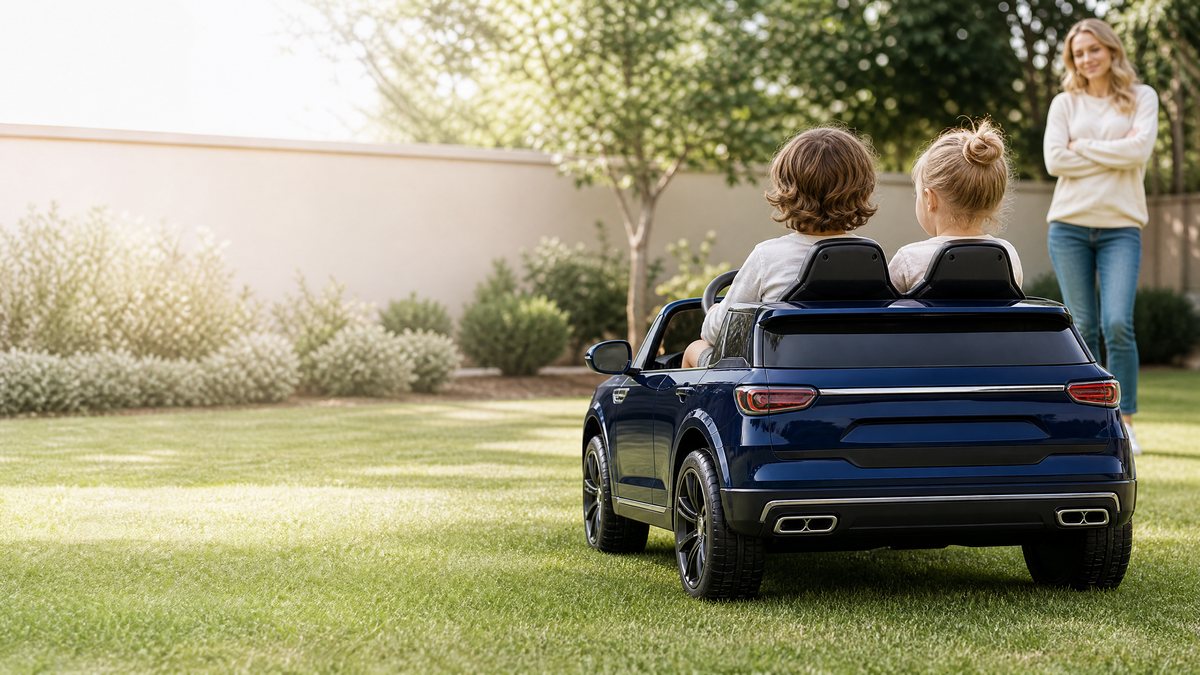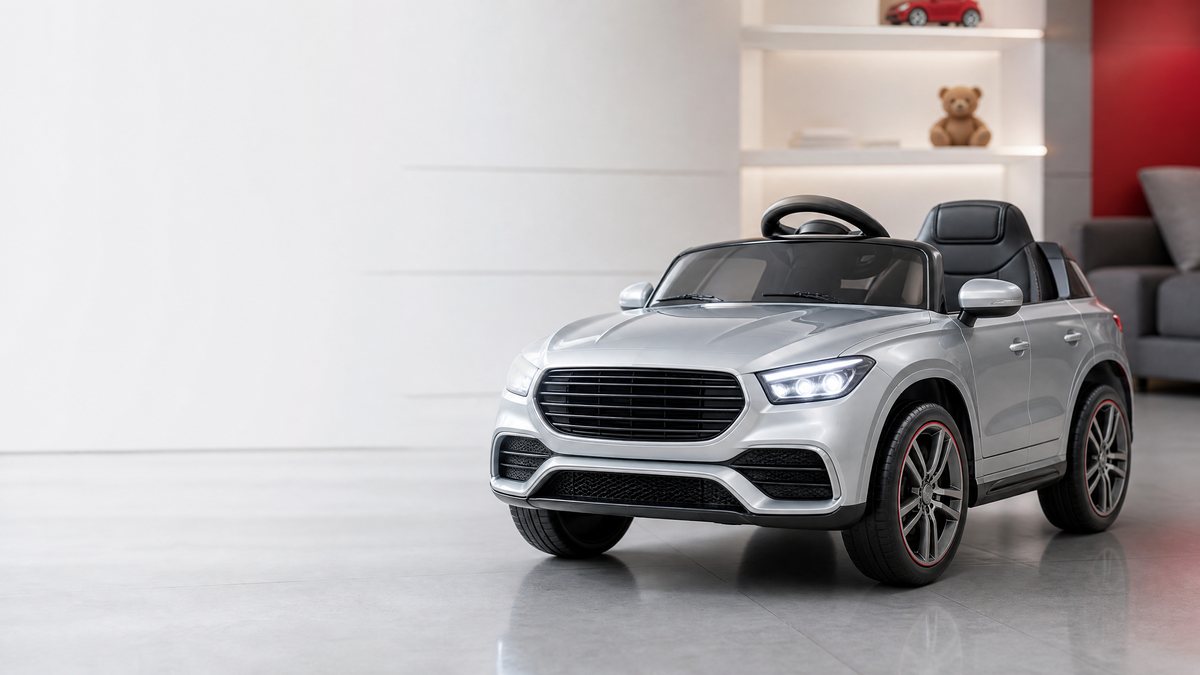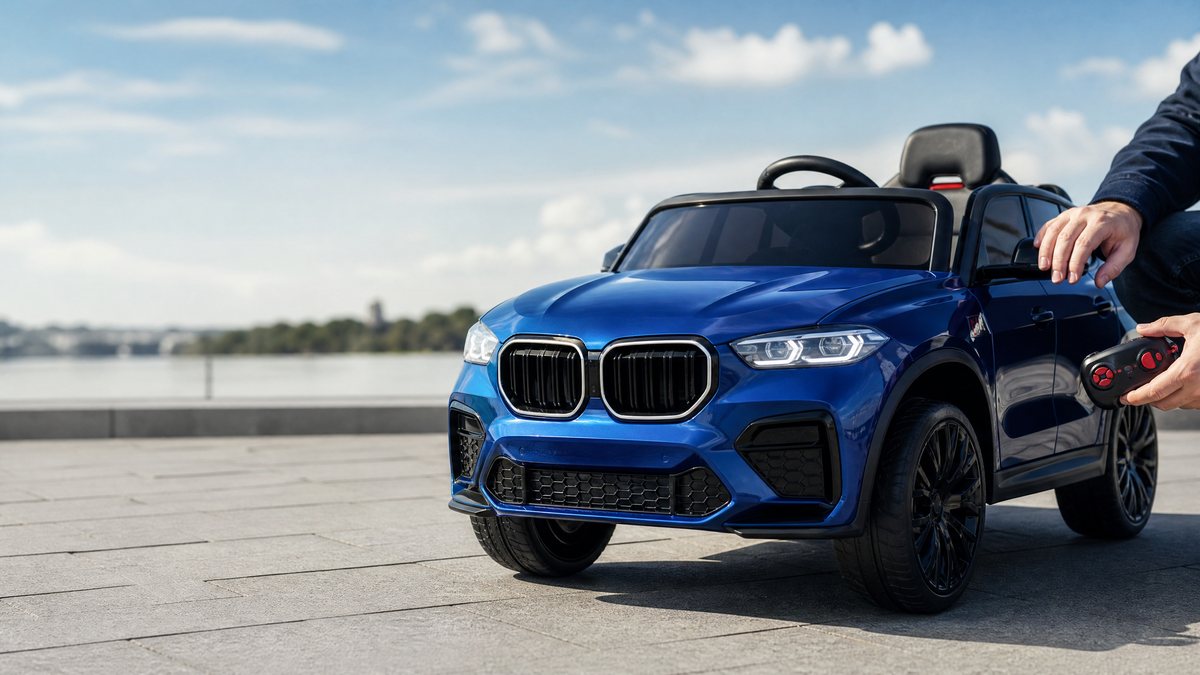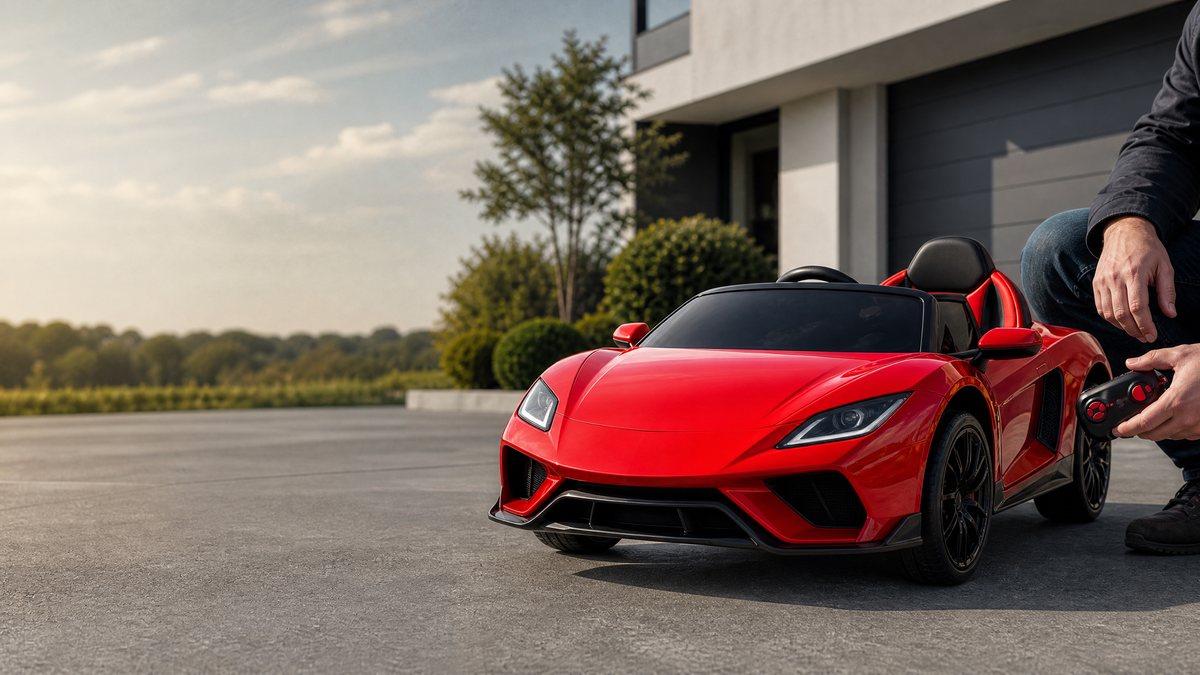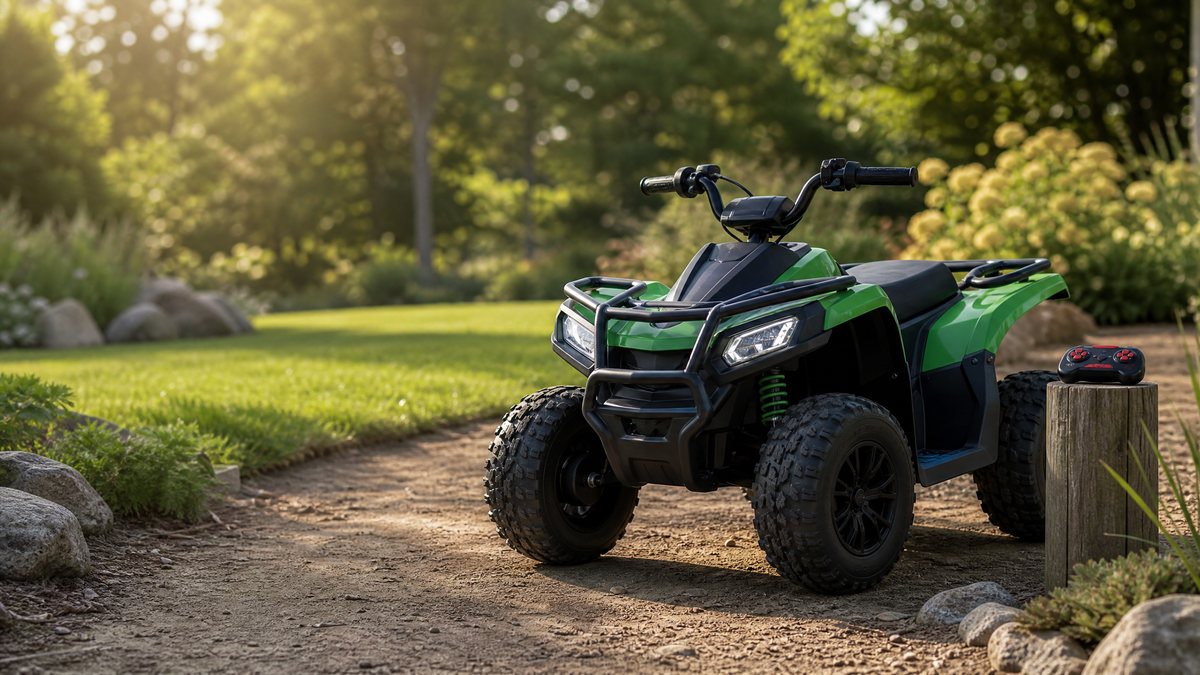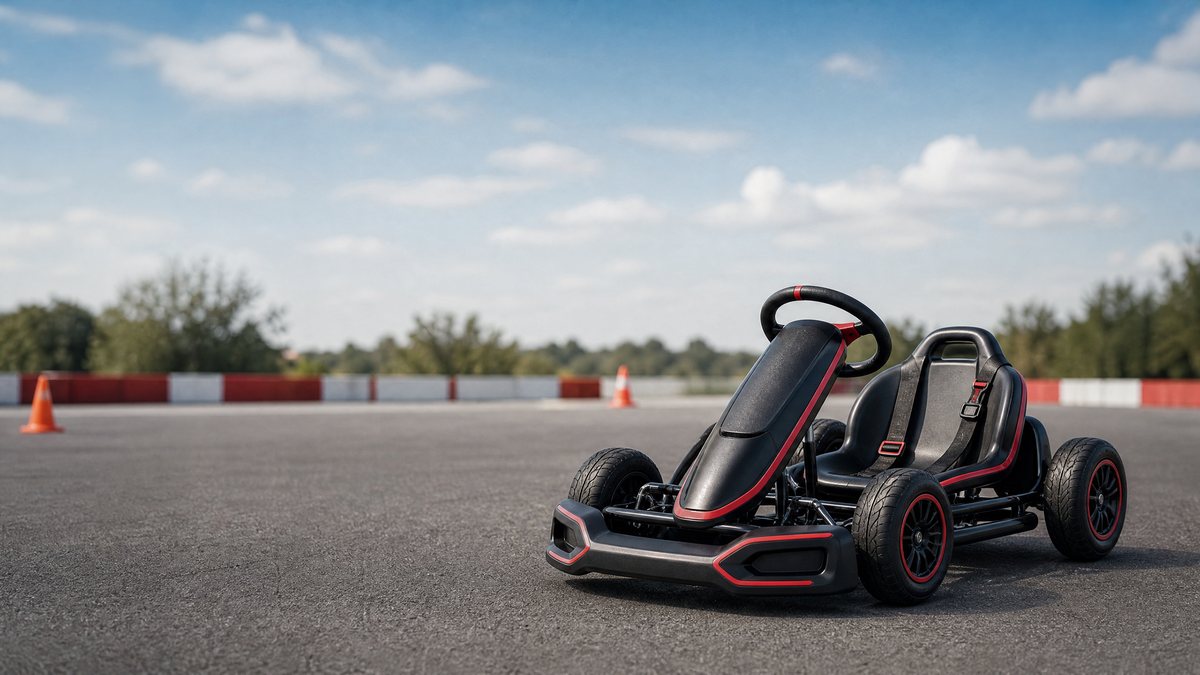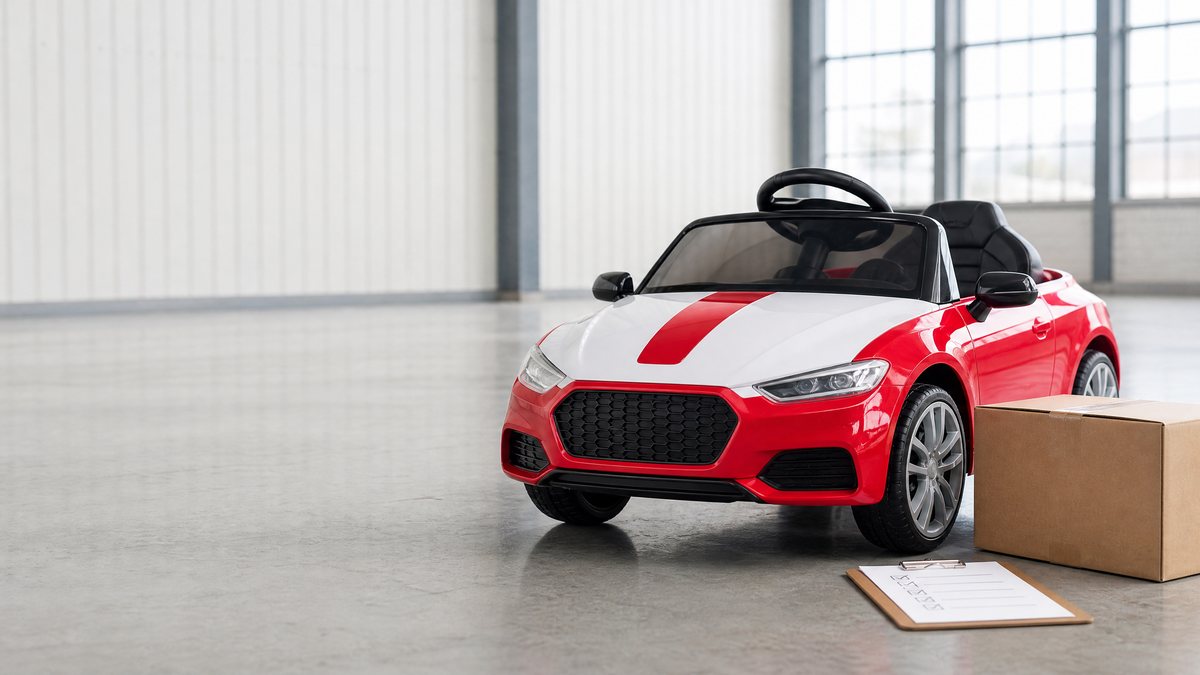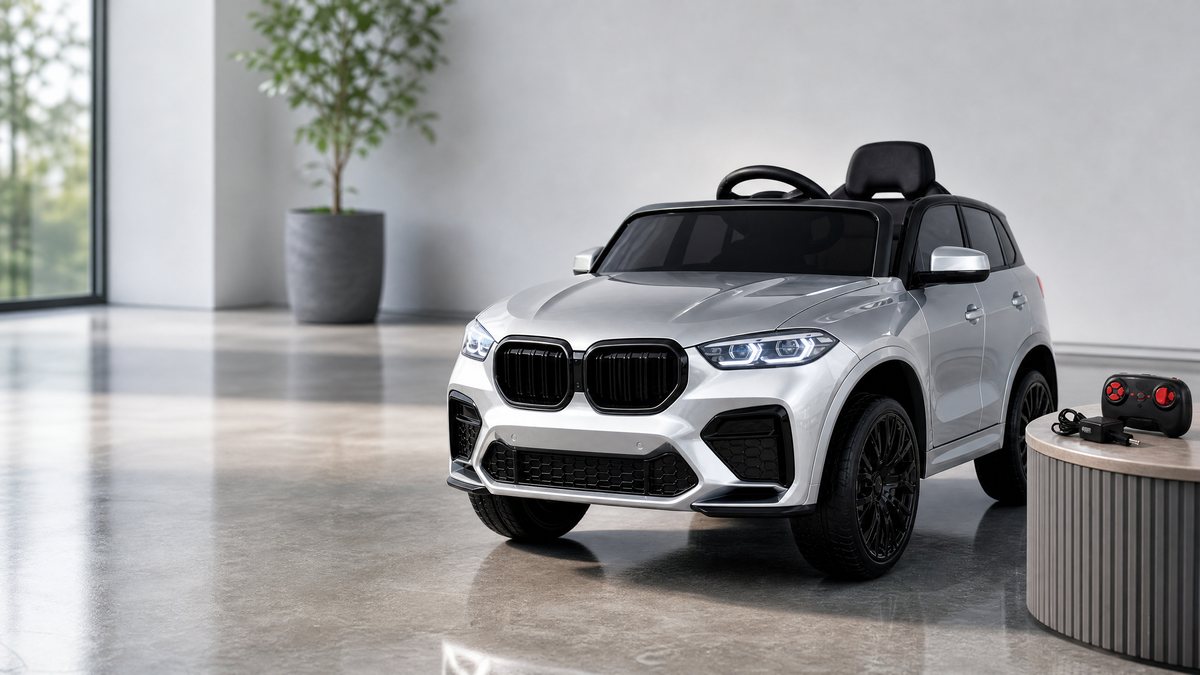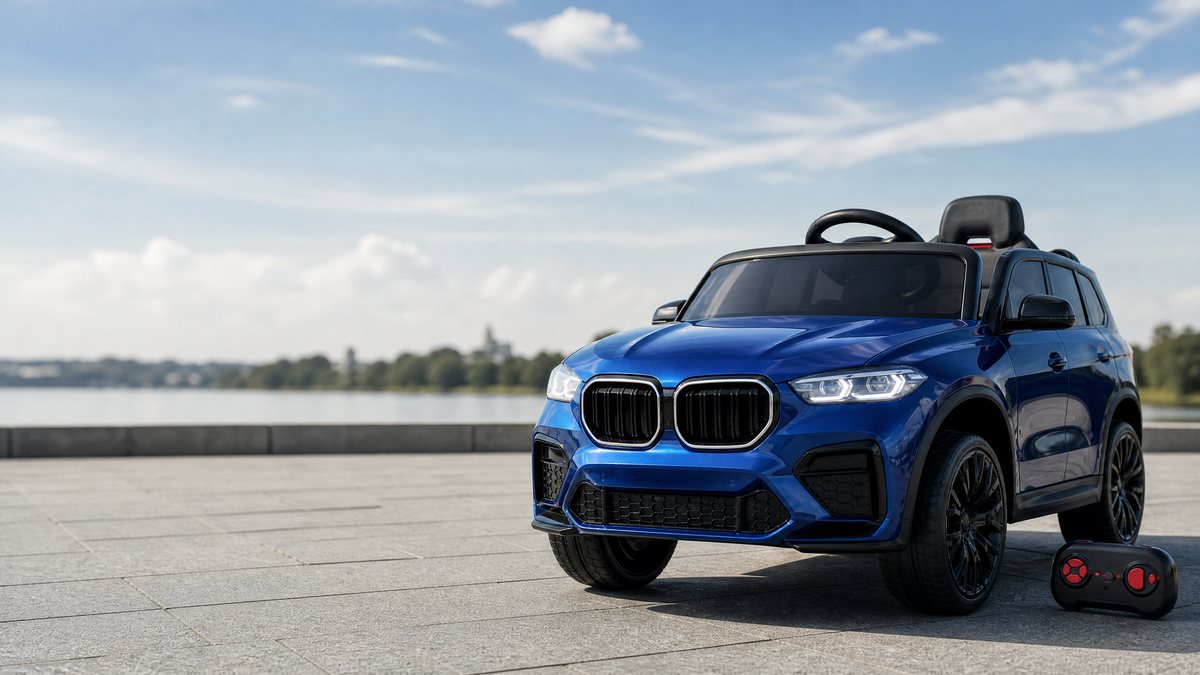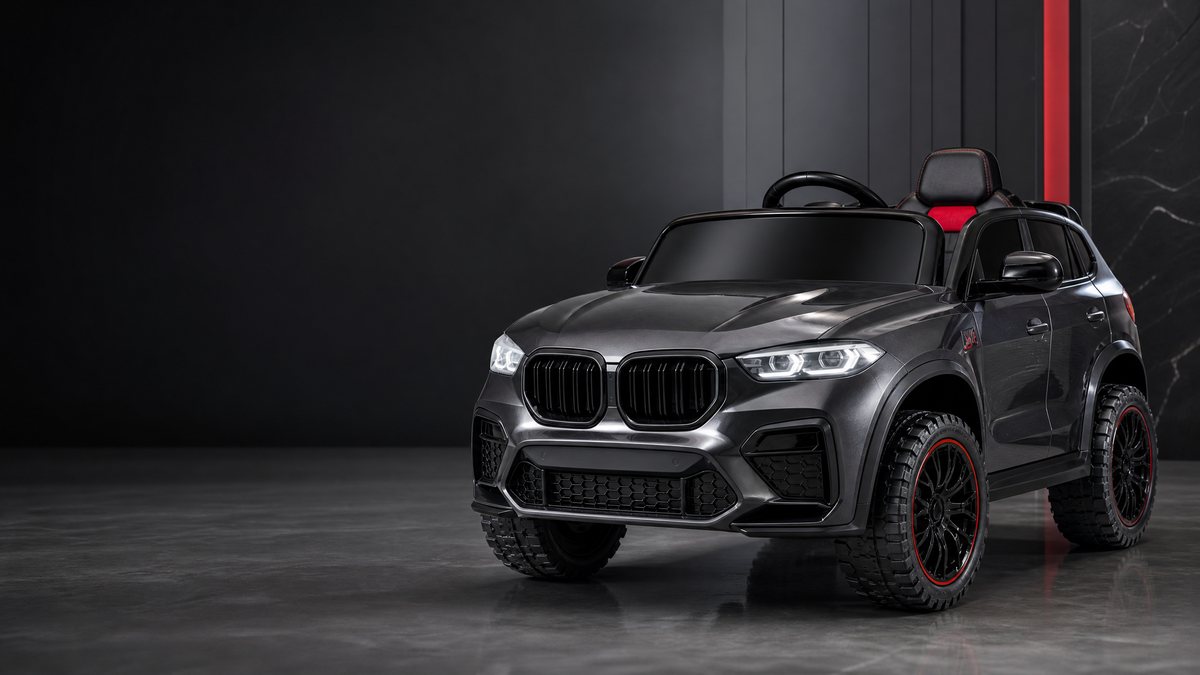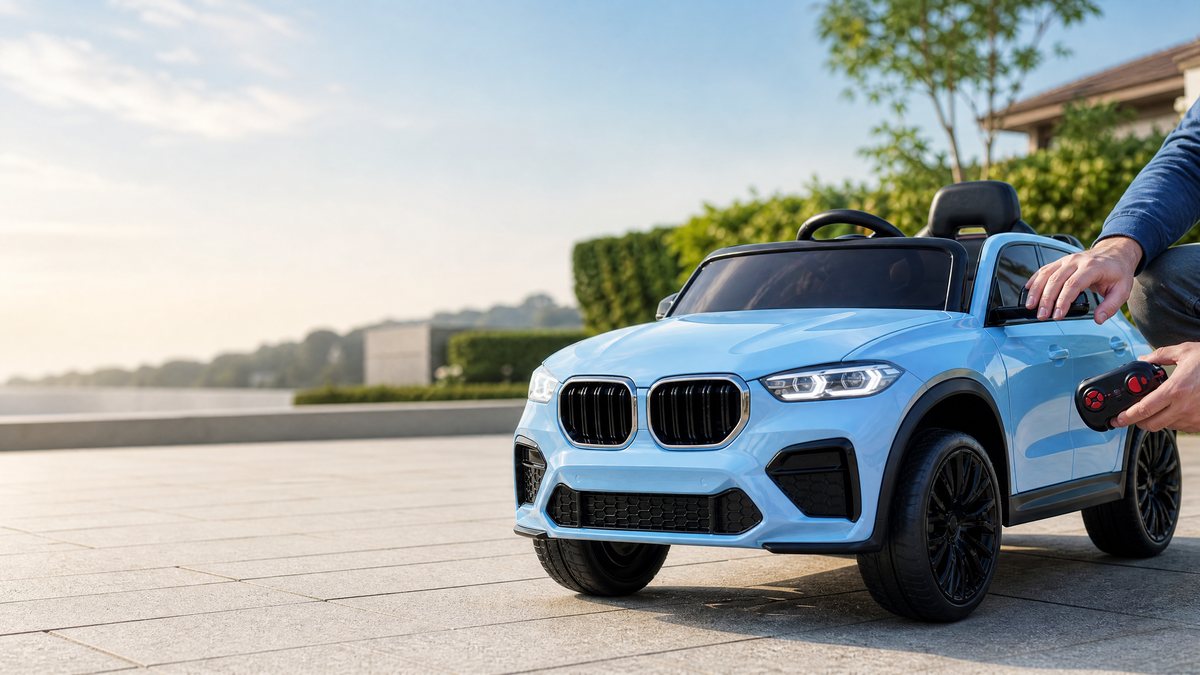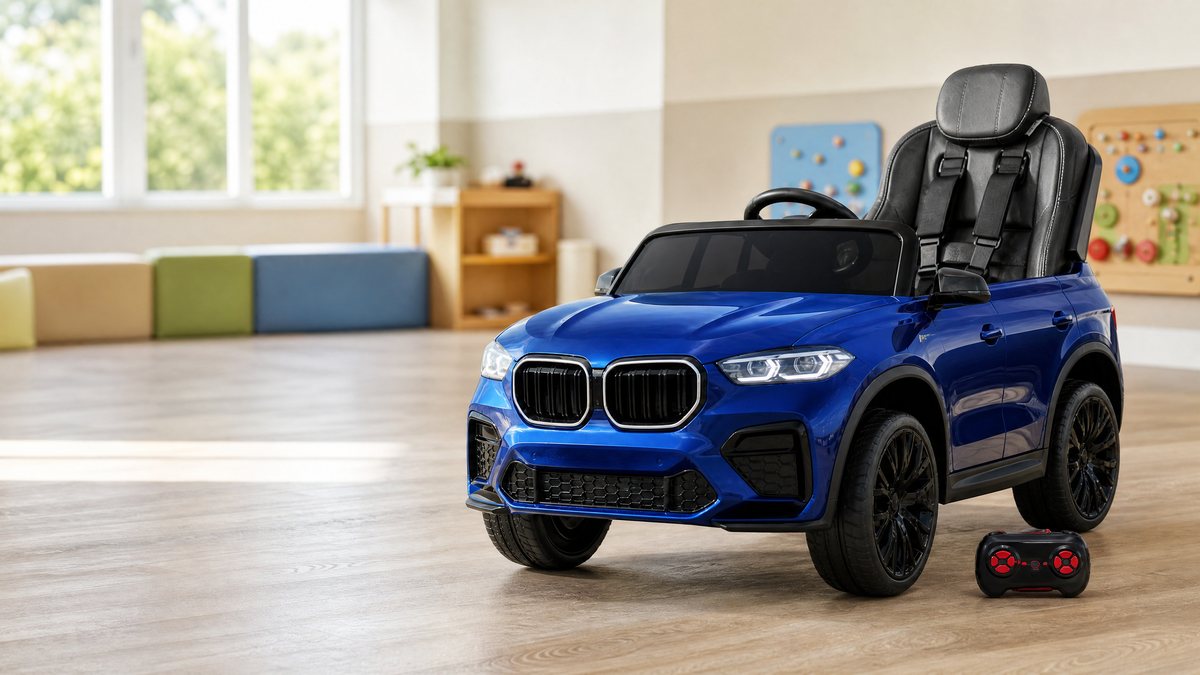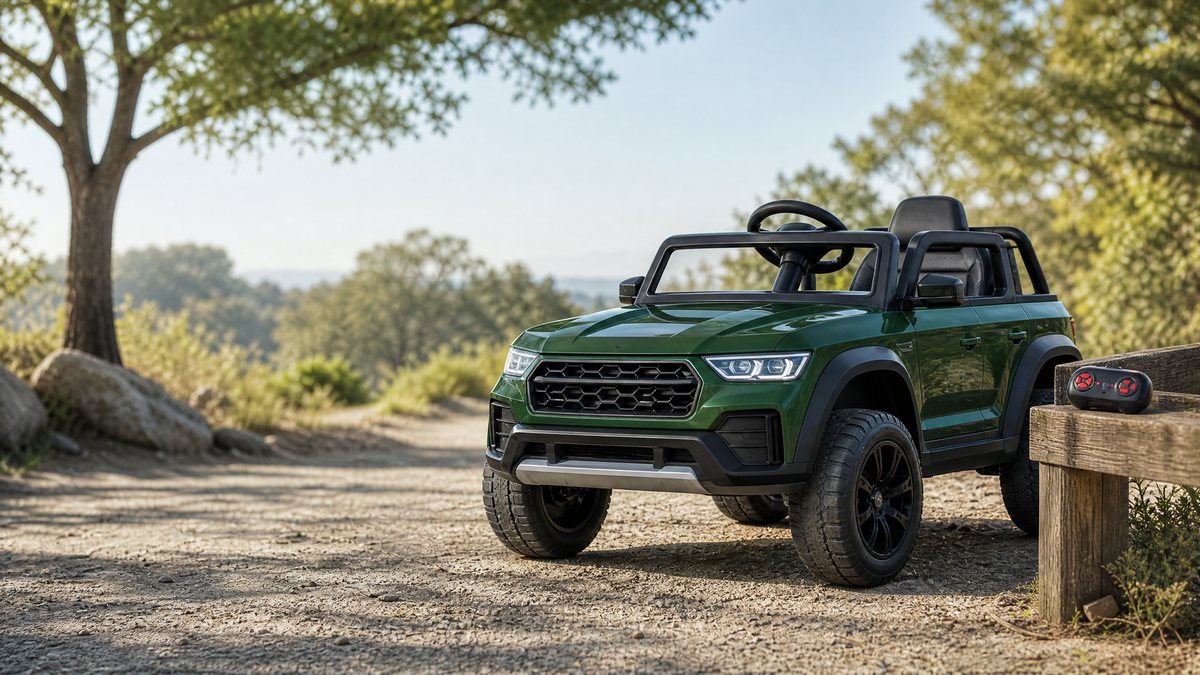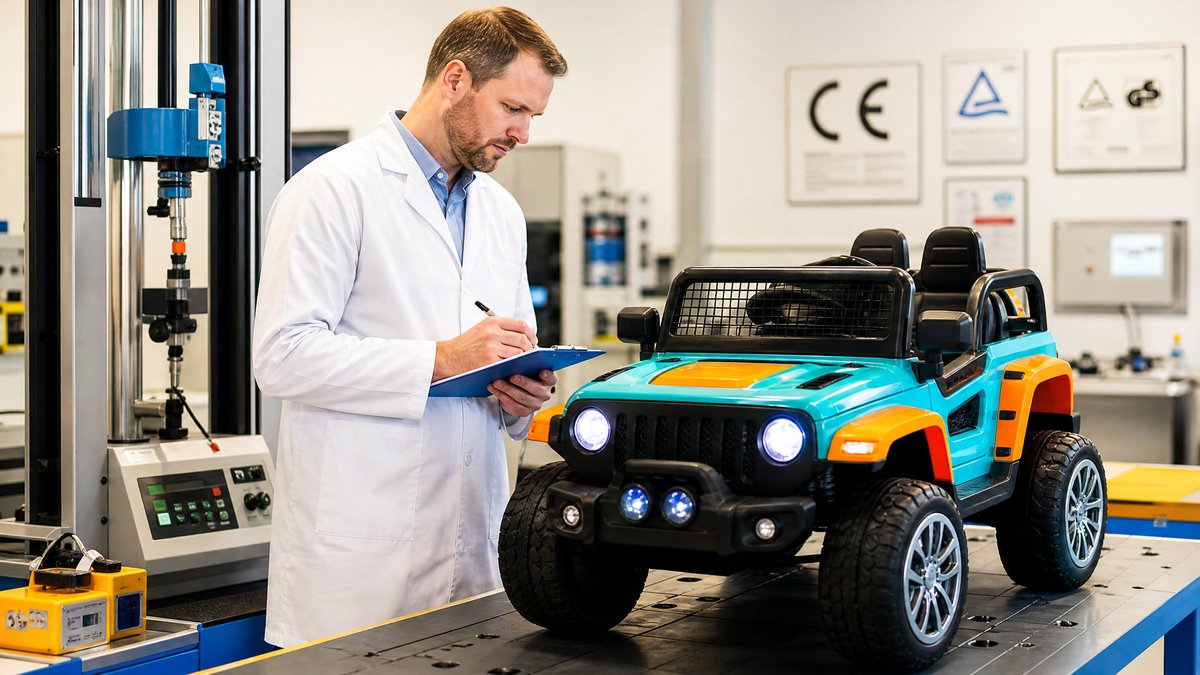
Operating motorized children's ride-on vehicles introduces a wide array of fascinating mechanical and operational considerations for both B2B distributors and end consumers. Among the most frequent inquiries received by retailers, importers, and parents alike is whether these electric toys can safely navigate slopes, inclines, and uneven outdoor terrains. While many modern ride-on cars are equipped with robust electric motors, multi-gear transmissions, and grippy traction wheels, operating any motorized vehicle on a slope requires careful adherence to manufacturer specifications, terrain assessment, and rigorous adult supervision [1] [2].
The appeal of outdoor play naturally leads children and their caregivers toward sloped driveways, gentle backyard hills, and park pathways. However, physics dictates that gravity, surface friction, motor torque, and braking capacity interact in complex ways when a vehicle travels uphill or downhill. For wholesale distributors, retailers, and commercial playground planners, understanding these operational boundaries is essential for providing accurate product guidance, minimizing safety risks, and ensuring long-term customer satisfaction. This comprehensive guide examines the technical dynamics, safety protocols, evaluation frameworks, and retail best practices associated with using ride-on cars on slopes across diverse commercial and residential settings worldwide.
Understanding Motorized Ride-On Vehicle Dynamics on Inclines
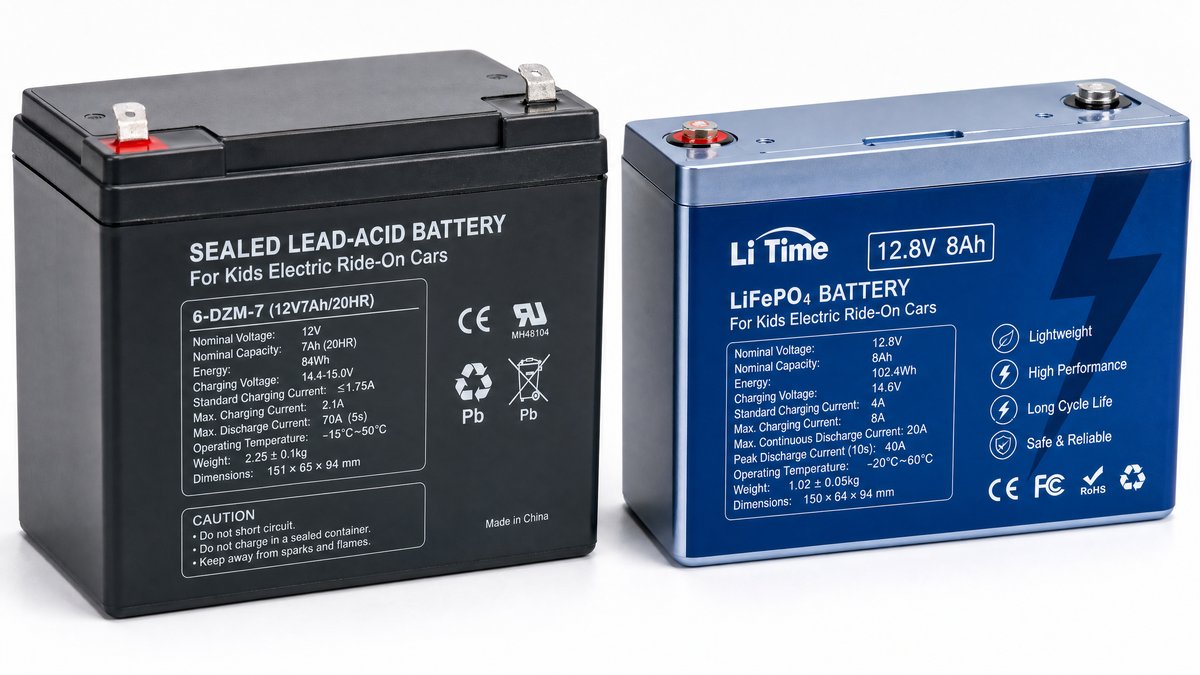
To evaluate whether a ride-on car can handle a slope, one must first examine the fundamental mechanical and electrical principles governing these vehicles. Unlike full-sized automobiles equipped with internal combustion engines and sophisticated hydraulic braking systems, typical children's ride-on cars rely on low-voltage direct current (DC) electric motors powered by rechargeable lead-acid or lithium-ion battery packs, typically operating between 12V and 24V electrical systems.
When a ride-on car ascends an incline, the electric motor must overcome both the rolling resistance of the ground and the gravitational force pulling the vehicle downward. This demands higher electrical current draw from the battery and increased torque output from the gearbox. Conversely, when descending a slope, gravity accelerates the vehicle, placing immense demands on the motor's braking resistance or mechanical braking features. Many standard ride-on cars utilize a spring-loaded foot pedal switch that engages an automatic motor-braking circuit when released. While effective on flat surfaces, this motor-braking mechanism has inherent limitations on steep downgrades, where momentum can easily overcome magnetic resistance and cause unintended acceleration [3].
Furthermore, weight distribution plays a critical role in slope stability. Ride-on cars typically feature a low center of gravity due to the placement of the battery and chassis components. However, when a child sits inside the vehicle, the combined center of gravity shifts upward and backward, particularly during uphill acceleration. If the incline exceeds the design threshold of the vehicle, front-wheel traction can diminish, leading to steering loss or vehicle rollover risks. Therefore, evaluating slope compatibility is never a one-size-fits-all proposition; it depends entirely on the specific engineering parameters outlined in the manufacturer's technical documentation and user manual [4].
Key Factors Influencing Slope Performance
Several interconnected variables dictate how a specific ride-on car performs when encountering a slope. B2B buyers and retail consultants must evaluate these factors when advising commercial clients or stocking inventory for diverse geographical markets.
| Variable Factor | Technical Impact on Slopes | Recommended Assessment Method |
|---|---|---|
| Motor Power & Voltage | Higher voltage systems (e.g., 24V 4WD) provide superior torque for hill climbing compared to entry-level 6V or standard single-motor 12V systems. | Review manufacturer specifications, motor wattage ratings, and transmission gear ratios. |
| Tire Material & Tread | EVA foam tires or rubber tires with aggressive tread patterns enhance surface grip and prevent wheel slip on grass and gravel inclines. | Inspect physical wheel composition and verify whether rubber bands or full EVA construction is utilized. |
| Weight Capacity | Overloading the vehicle reduces available motor torque, strains the electrical harness, and degrades braking effectiveness on downgrades. | Strictly adhere to the maximum weight limit specified on the product rating plate and user manual. |
| Surface Composition | Paved asphalt offers predictable traction, whereas wet grass, loose gravel, or mud drastically reduces friction and compromises steering control. | Conduct pre-operation environmental checks; avoid wet or loose surfaces entirely. |
| Battery Charge Level | A partially depleted battery supplies lower voltage, resulting in sluggish motor response and inadequate hill-climbing power. | Ensure the battery is fully charged prior to any outdoor excursion involving varied terrain. |
Beyond these tabulated factors, environmental conditions such as ambient temperature, humidity, and surface dampness significantly alter tire adhesion. Importers and distributors should ensure that all product documentation explicitly communicates these performance variables to end-users, preventing unrealistic expectations regarding off-road or hill-climbing capabilities during seasonal weather shifts and varying regional climates.
Evaluating Safety and Stability Risks on Slopes
Safety is the paramount concern when operating motorized ride-on toys in elevated or sloped environments. Unlike controlled indoor settings or flat concrete patios, slopes introduce dynamic hazards that can compromise vehicle stability and child safety.
The primary risk associated with uphill travel is stalling or rollback. If a ride-on car lacks sufficient motor torque to conquer a steep incline, the vehicle may stall mid-slope. Without an automatic hill-hold or mechanical parking brake, a stalled vehicle can rapidly roll backward, startling the young driver and leading to potential tip-overs. Conversely, downhill travel presents the hazard of uncontrolled acceleration. When gravity pulls a lightweight plastic vehicle down a slope, the child may lose steering control, fail to stop before an obstacle, or experience a rollover if turning sharply at high speeds.
To mitigate these risks, industry standards and CPSC educational resources consistently emphasize the necessity of continuous, active adult supervision [5]. Parents and caregivers must remain within arm's reach of younger children, especially when operating near sloped driveways, landscaping berms, or hilly park paths. Furthermore, establishing clear geographical boundaries prevents children from inadvertently steering into hazardous areas such as steep street grades, drainage ditches, or roadways with vehicular traffic.
Request a wholesale quote
Pre-Operation Inspection and Slope Suitability Checklist
Before allowing a child to operate a ride-on car in any environment featuring uneven terrain or slight inclines, caregivers and fleet operators must execute a systematic pre-operation inspection. This proactive evaluation framework ensures that mechanical, electrical, and structural components are operating at peak integrity.
First, inspect the physical integrity of the chassis, steering linkage, and wheel assemblies. Loose steering columns or cracked wheel hubs can cause catastrophic steering failure when lateral forces are exerted on a slope. Second, verify the condition of the tires and tread patterns. Worn tires lack the necessary friction coefficients to maintain grip on inclined turf or pavement. Third, test the accelerator pedal and automatic braking response on flat ground before approaching any incline. The vehicle must come to a prompt, predictable halt the moment the driver's foot is lifted from the pedal.
In addition to mechanical checks, caregivers should perform a thorough site assessment. The recommended gradient for standard ride-on cars should never exceed gentle architectural slopes (typically under 5 to 10 degrees, or as explicitly permitted in the manufacturer's manual). Steeper driveways or recreational hills should be strictly avoided unless the specific model is certified by the manufacturer for rugged off-road or high-torque applications. Never rely on improvised modifications, aftermarket voltage upgrades, or unauthorized tires to enhance slope performance, as such alterations invalidate safety certifications and increase mechanical failure risks.
Wholesale and Retailer Guidance: Educating End-Users on Slope Limits
For B2B partners, wholesale distributors, and e-commerce merchants operating within the children's toy sector, managing customer expectations regarding slope performance is critical for reducing return rates, warranty claims, and liability incidents. Retailers should proactively incorporate clear educational content into product listings, unboxing guides, and user manuals.
When marketing ride-on cars, suppliers must avoid exaggerated claims regarding off-road prowess or hill-climbing miracles. Instead, product descriptions should transparently outline recommended terrain types, maximum incline thresholds, and weight limitations based strictly on official factory documentation. Providing comprehensive buyer guides empowers parents to make informed purchasing decisions that match their specific home environment—whether they reside in a flat suburban neighborhood or a hilly residential area.
Furthermore, customer service teams should be thoroughly trained to address inquiries regarding slope usage. If a customer reports that a vehicle struggles on their sloping driveway, support representatives should reference the vehicle's rated voltage, motor configuration, and total weight load, guiding the customer toward proper usage parameters rather than suggesting unauthorized technical modifications. By fostering a culture of transparent communication and safety-first operation, B2B brands build enduring trust with commercial clients and retail consumers alike.
Request a wholesale quote
Frequently Asked Questions (FAQ)
Q1: Can standard 12V ride-on cars drive up a sloped driveway?
A: Most standard 12V ride-on cars can handle very gentle, gradual inclines (such as a slight architectural driveway slope under 5 degrees) provided the vehicle is within its weight capacity and the battery is fully charged. However, steep or long driveways exceed the design parameters of standard single-motor or dual-motor 12V toys and can cause motor overheating, premature battery drainage, or rollback hazards. Always check the specific manufacturer manual for exact incline limits.
Q2: What should I do if a ride-on car starts rolling backward on a hill?
A: If a vehicle stalls and begins rolling backward on an incline, the supervising adult must immediately intervene, steady the vehicle, and guide the child to apply the brake or step off safely. Instruct the child not to panic, and remove the vehicle from the sloped area immediately. Never attempt to modify the electrical wiring or install unauthorized braking devices; consult the manufacturer guidelines or qualified repair personnel if braking performance is inconsistent.
Q3: Are 4WD 24V ride-on cars safer on slopes than 12V models?
A: 24V four-wheel-drive (4WD) ride-on cars generally offer superior torque, enhanced power distribution, and better traction on uneven terrain compared to 12V two-wheel-drive models. However, higher power does not eliminate the laws of physics or gravity. Even 4WD models have strict gradient limits, and steep slopes or wet surfaces still pose rollover and loss-of-control risks. Adult supervision and adherence to user manuals remain mandatory regardless of motor power.
Q4: How can I verify if a particular ride-on car model is suitable for my local terrain?
A: Review the official product specifications, user manual, and rating plate provided by the manufacturer. Look for specified maximum weight capacities, recommended surface types, and operational guidelines. If your property features significant slopes, consult with the supplier or wholesale distributor prior to purchase to identify heavy-duty models designed for diverse outdoor landscapes.
Conclusion
Navigating the question of whether a ride-on car can be used on a slope requires a balanced understanding of mechanical limits, environmental conditions, and rigorous safety oversight. While many motorized children's vehicles are engineered to handle gentle outdoor inclines and varied backyard surfaces, gravity, friction, and electrical constraints demand constant caution. By strictly adhering to manufacturer user manuals, respecting maximum weight limits, avoiding steep or wet gradients, and maintaining active adult supervision at all times, families can enjoy outdoor play safely. For B2B distributors and retailers, providing transparent guidance and accurate technical specifications ensures that end-users make informed purchasing decisions, fostering a secure and enjoyable recreational experience for children across global markets.
Official References
1. U.S. Consumer Product Safety Commission (CPSC). Toy Safety Education and Consumer Guidance Information. Available via official CPSC public safety publications and educational frameworks.
2. International Consumer Product Safety and Standardization Guidelines for Motorized Children's Ride-On Vehicles. General Technical Standards and Compliance Frameworks.
3. ASTM International. Standard Consumer Safety Specification for Toy Safety (ASTM F963 compliance guidelines regarding electrical, mechanical, and stability requirements).
4. Manufacturer Technical Documentation and Rating Plate Specifications for Motorized Ride-On Cars. Factory Operating Manuals and Safety Instructions.
Official references
Explore these external resources for current regulatory and trade guidance. Confirm requirements with the relevant authority before placing an order.
Ready to Start?
Factory-Direct · CE & ASTM Certified · MOQ from 50 Units
Our export team works with buyers in 60+ countries. Get a quote within 24 hours.
KR
Written by KidsRideCar
China's leading kids electric ride-on car manufacturer. 500,000+ units shipped annually to 60+ countries. CE, ASTM & EN71 certified.