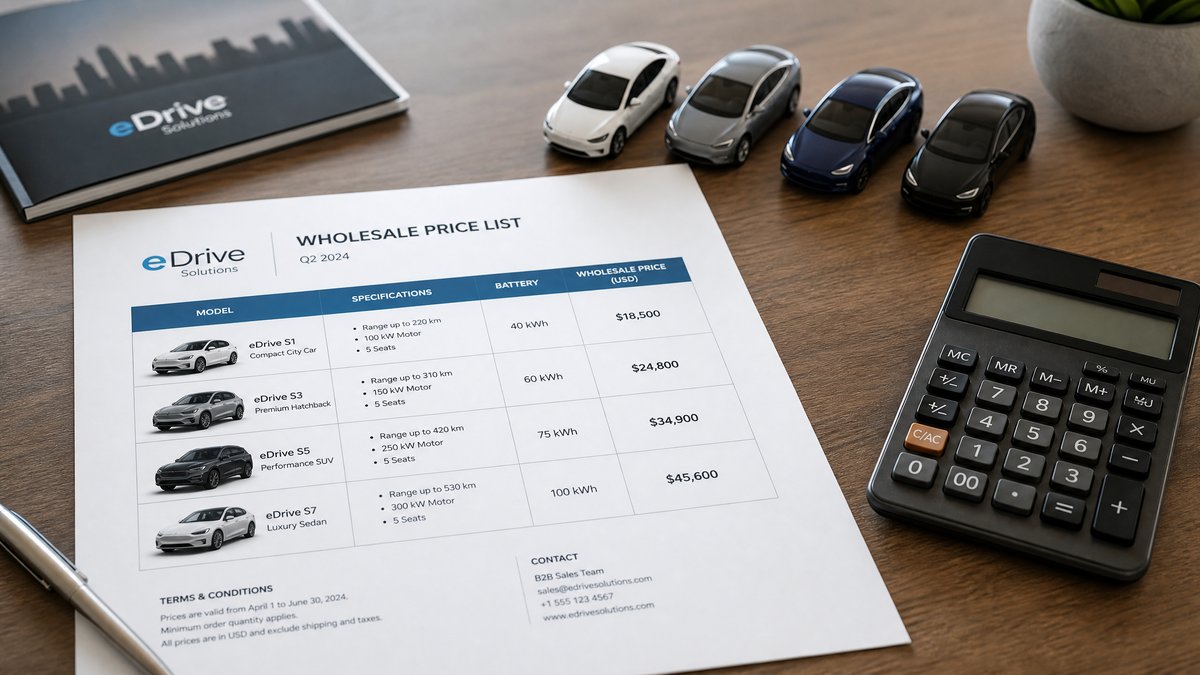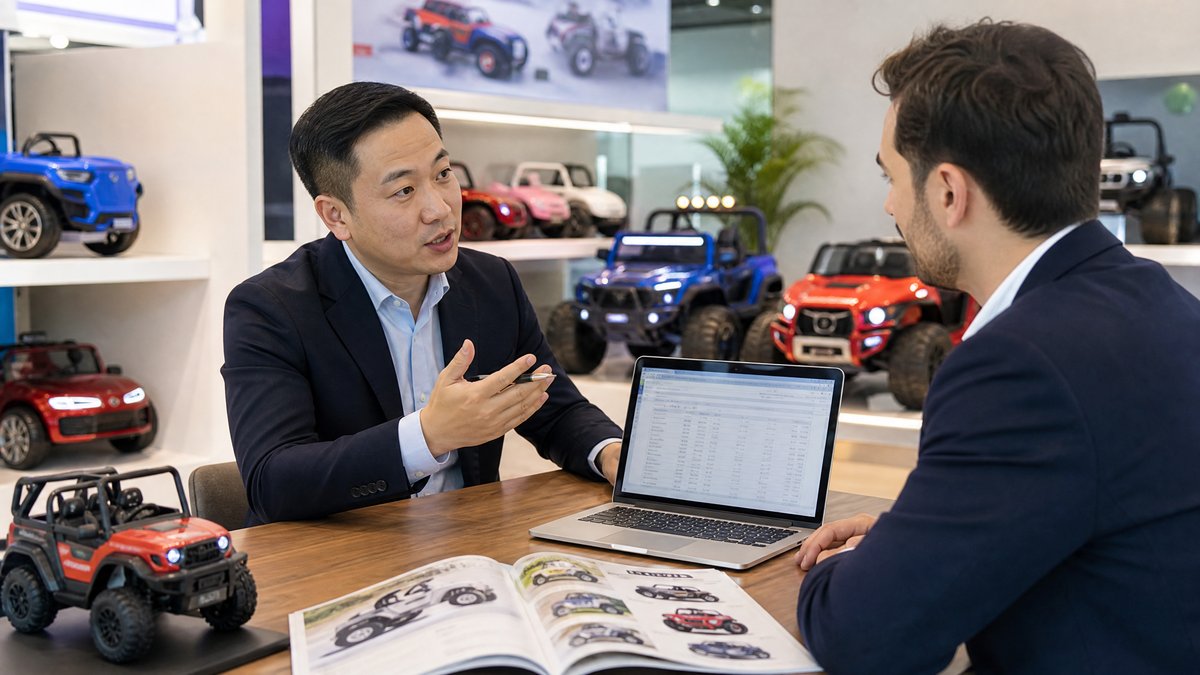
In the evolving global market for children's recreational products, electric ride-on vehicles have emerged as a category requiring high technical literacy from retailers. For importers, wholesalers, and specialized outlets, the pre-sale inquiry phase is a vital strategic touchpoint. When handled with professional caution, these interactions solidify consumer trust, optimize conversion rates, and mitigate operational risks associated with Return Merchandise Authorizations (RMAs). The complexity of battery-powered vehicles—integrating electronic drive systems, remote controls, and mechanical assemblies—demands a shift toward a consultative-support framework.
Retailers in the B2B sector must recognize that every pre-sale question is an opportunity to verify alignment between a product's capabilities and end-user expectations. In international trade, the logistical costs of handling returns for oversized goods can be prohibitive. Establishing a standardized, safety-conscious protocol for addressing technical, safety, and logistical queries is essential for maintaining margins and brand equity. This guide outlines professional standards for navigating these inquiries, emphasizing deferred technical verification and reliance on official manufacturer documentation.
The Strategic Importance of Pre-Sale Support in the B2B Context
For a professional retailer, the pre-sale phase is the primary filter for quality control and customer satisfaction. Unlike smaller toys, a ride-on car represents a significant investment for the consumer and a logistical commitment for the seller. A poorly handled question regarding battery performance or terrain suitability can lead to an inappropriate purchase, resulting in a dissatisfied customer and a costly return. By providing verified information upfront, retailers ensure every sale is grounded in reality rather than assumption.
In the B2B landscape, the quality of pre-sale support impacts the entire supply chain. Importers and wholesalers who equip retail partners with accurate data help prevent returns that disrupt inventory management. Professionalism here is a key differentiator; in a competitive market, the retailer who can provide authoritative, safety-oriented guidance is far more likely to secure repeat business and wholesale loyalty than one who relies on vague or unverified performance claims.
1. Navigating Technical Specifications: Power and System Capacity
Technical inquiries often center on the vehicle's power system and its ability to perform in specific environments. Retailers must discuss these specifications without making absolute guarantees, as real-world results are influenced by external variables such as child weight and surface friction.
System Capacity and Motor Configuration
When customers ask about various voltage systems, the focus should remain on the "intended application" rather than specific speed metrics. Higher voltage systems generally offer greater capacity for diverse terrains and higher weight loads, but actual performance is contingent upon motor torque and the vehicle's gear ratio. Retailers should guide customers to select models based on the child's developmental stage and the primary surface where the vehicle will be operated.
| System Category | Typical Application | Recommended Surface | Configuration Note |
|---|---|---|---|
| Standard Capacity | Entry-level use | Smooth, flat indoor or paved surfaces | Often features a single or dual drive setup |
| Intermediate Capacity | Growing children | Pavement and firm, level grass | Typically utilizes a dual-motor drive system |
| High Capacity | Performance models | Varied surfaces and slight inclines | Often equipped with high-torque motor configurations |
> Retailer Insight: When discussing performance, always emphasize that values are estimates from controlled testing. Advise customers that actual results vary based on child weight and terrain. For exact performance data, retailers should refer to technical specifications in the manufacturer's official documentation for that specific batch.
Managing Battery Operation and Charging Expectations
"How long will the vehicle run?" is a common pre-sale question. Retailers must avoid providing a single, fixed duration. Instead, explain that operation time is a dynamic variable influenced by total load, surface resistance, and the use of electronic accessories. A high-capacity battery offers a longer operational window, but specific efficiency depends on the vehicle's power management system.
The pre-sale phase is also the time to introduce battery maintenance protocols. Inform customers that battery longevity is tied to following manufacturer charging instructions, including specific initial charge durations and regular maintenance charges during non-use. By framing these as essential maintenance, retailers reduce warranty claims resulting from improper storage or deep discharge cycles.
Technical Verification of Motor Power
While voltage is a common talking point, motor wattage and torque determine the vehicle's ability to navigate inclines. If a customer has concerns about their local terrain, the retailer should not guess. The protocol should be to verify motor specifications against internal engineering sheets for the specific SKU. If information is not immediately available, the professional response is: "We will consult the manufacturer's technical documentation to confirm the torque ratings for this model to ensure it meets your specific environmental requirements."
Request a wholesale quote
2. Safety Features and Control Mechanisms
Safety is the primary concern for end-users and a significant liability area for retailers. Professional handling of safety questions requires a deep understanding of integrated protection systems.
Integrated Parental Control Systems
Most modern ride-on vehicles feature a wireless parental control system. Retailers should highlight safety benefits without overstating operational range. Key points include:
1. Priority Override: The parental remote is designed to take precedence over manual inputs, allowing the adult to redirect or stop the vehicle.
2. Emergency Stop: A dedicated "stop" button on the remote can instantly disconnect power to the drive system.
3. Operational Range: Advise customers that while the remote allows control at a distance, it is essential to maintain a clear line of sight and remain within the range specified in the product manual.
Soft-Start Technology and Braking Systems
To address concerns about sudden movements, retailers should explain the function of soft-start modules. These systems ramp up power slowly, protecting the child from sudden jolts and reducing gearbox wear. Similarly, the automatic electronic braking system—engaging when the accelerator is released—should be presented as a standard safety feature. Customers should be encouraged to review written specifications to confirm these features on their chosen model.
Regulatory Compliance and Documentation
In the B2B sector, compliance with international safety standards is a prerequisite. Retailers should be aware of standards applicable to their market, such as those governing mechanical safety and electronic emissions. Rather than making broad claims, the professional approach is: "Our products are designed to comply with applicable regional safety standards. We can provide relevant test reports and compliance documentation for the current production batch upon request."
3. Sizing, Ergonomics, and Terrain Adaptability
A frequent cause for returns is a mismatch between child size and vehicle dimensions. Retailers must provide objective measurements to help customers make informed decisions.
Beyond Age Recommendations
Age labels are general guidelines. Because children grow at different rates, retailers should provide specific interior dimensions: effective seat width, legroom, and maximum weight capacity. Retailers must emphasize that exceeding weight limits compromises safety and can lead to overheating electronic components and premature drive system failure.
Traction and Terrain Compatibility
The vehicle's ability to navigate surfaces is determined by tire technology and suspension.
- Standard Composite Tires: Suitable for flat, hard surfaces like pavement or indoor flooring.
- Enhanced Traction Tires: Often made from synthetic rubber (like EVA), these provide better grip and quieter operation.
- Pneumatic Options: Available on select models, these offer superior shock absorption but require regular air pressure maintenance.
Discuss the suspension system, which helps maintain tire contact on uneven surfaces. Customers should be advised to confirm tire material and suspension configuration by requesting the detailed product specification sheet before finalizing their purchase.
4. Assembly, Maintenance, and Long-Term Support
Addressing the "after-purchase" experience during pre-sale builds confidence and reduces post-sale support tickets.
The Assembly Process
Most ride-on vehicles ship partially assembled to protect components. Retailers should provide an overview of remaining steps, typically involving wheels, steering, seats, and battery connection. Offering access to digital assembly guides or videos during pre-sale helps customers assess their ability to complete setup and reduces the risk of assembly-related damage.
Long-Term Battery Health and Storage
Proper battery care is the most significant factor in long-term enjoyment. Retailers should advise customers on avoiding deep discharge cycles and the necessity of regular charging during storage. If a customer asks about replacement, confirm the availability of authorized units and emphasize that only manufacturer-approved batteries should be used to ensure compatibility.
Maintenance and Repair Safety
When customers inquire about technical issues, retailers must prioritize safety. Never provide instructions for internal repairs, battery disassembly, or wiring modifications. The professional protocol for any suspected fault is to advise the customer to: "Immediately cease use of the vehicle and contact the manufacturer's authorized service department or consult the official troubleshooting guide for professional assistance." This protects all parties from risks associated with unauthorized work.
5. Establishing a Professional Handling Framework
To manage pre-sale inquiries effectively, retailers should implement a structured protocol:
1. Centralized Knowledge Base: Maintain a repository of verified data from manufacturer manuals to ensure all staff provide consistent, accurate information.
2. High-Fidelity Visual Assets: Use photography and video to demonstrate product features, such as charging ports and remote operation, reducing ambiguity.
3. Standardized Response Templates: Develop a library of professional responses for common technical questions, including necessary safety disclaimers.
4. Verification Policy: Train staff to defer to technical documentation. If a specification is not in the manual, contact the supplier for written confirmation before responding.
5. Logistical Transparency: For wholesale clients, provide data sheets covering container loading and shipping weights to allow for accurate landed cost calculation.
6. Proactive Documentation: Offer manuals and compliance reports as part of the pre-sale package to demonstrate professional integrity.
Frequently Asked Questions
1. How can I determine if a specific model is appropriate for my child's size?
Compare your child's physical measurements with the vehicle's interior dimensions, such as seat width and legroom. Ensure the child's weight does not exceed the maximum capacity, as this impacts performance and safety. For detailed sizing guidance, request the official product documentation for the specific model you are considering.
2. What are the primary differences between tire materials?
Standard composite tires are best for smooth, level surfaces. Enhanced traction tires (like EVA) offer improved grip and quieter operation on pavement. Some models feature pneumatic tires for superior shock absorption. Verify tire specifications in the manufacturer's technical sheet to ensure the vehicle is suitable for your intended terrain.
3. How should the battery be maintained for a long service life?
Follow the specific charging and storage protocols in the manufacturer's manual. This includes a full initial charge and regular maintenance charges during storage. Avoid allowing the battery to become completely depleted. Refer to the official manual for exact charging requirements and safety instructions.
4. What should I do if the vehicle requires technical service?
Safety is our priority. If you encounter technical issues, do not attempt internal repairs or battery disassembly. Such actions are dangerous and may void your warranty. Immediately stop using the vehicle and contact the manufacturer's authorized service department or our technical support team for professional guidance.
Conclusion: Building a Foundation of Professional Integrity
Mastering pre-sale customer questions is essential for success in the competitive ride-on car market. By moving toward a framework of technical verification and safety-conscious communication, businesses build a foundation of trust. For the B2B professional, providing "written verification" for every technical claim is a critical risk management strategy.
As the industry innovates, the complexity of consumer inquiries will grow. Retailers who invest in robust documentation and a "safety-first" communication style will lead the market. Ultimately, the goal is to ensure every transaction results in a safe, appropriate experience for the end-user, while protecting the reputation of the business partners in the supply chain. This comprehensive framework is designed to empower retailers with the tools they need to succeed in a competitive landscape, ensuring that every customer interaction is a stepping stone toward building a reputation for reliability, safety, and technical excellence in the global toy industry.
Ask for product documentation
Official references
Explore these external resources for current regulatory and trade guidance. Confirm requirements with the relevant authority before placing an order.
Ready to Start?
Factory-Direct · CE & ASTM Certified · MOQ from 50 Units
Our export team works with buyers in 60+ countries. Get a quote within 24 hours.
KR
Written by KidsRideCar
China's leading kids electric ride-on car manufacturer. 500,000+ units shipped annually to 60+ countries. CE, ASTM & EN71 certified.