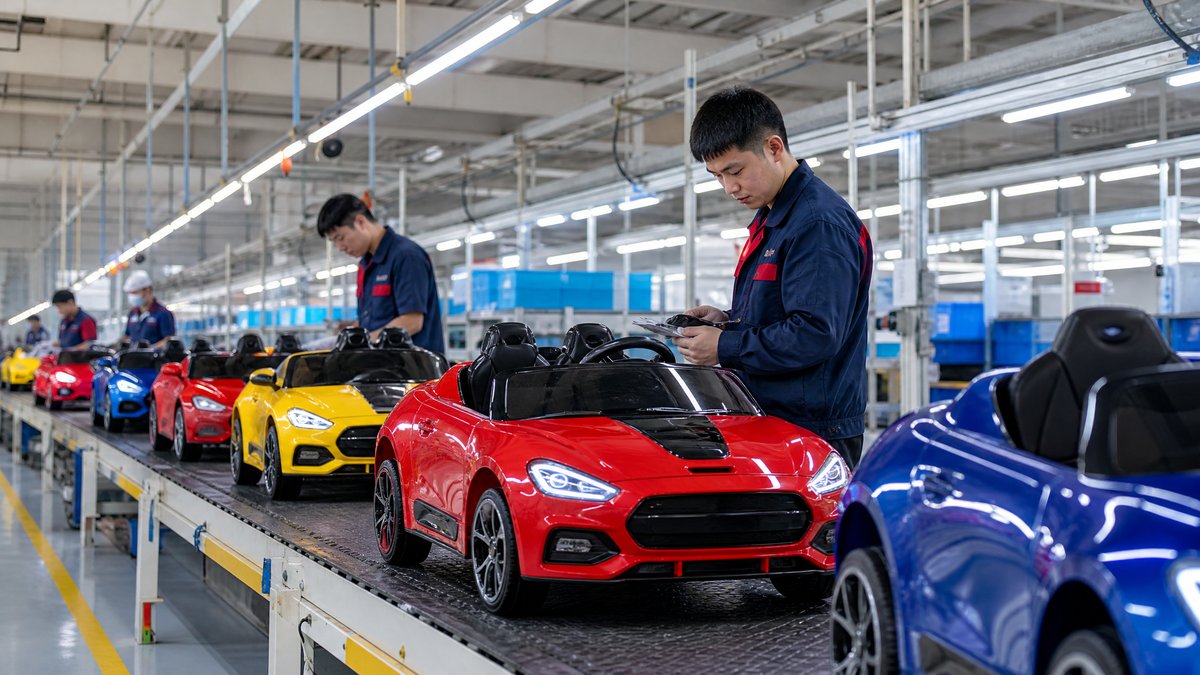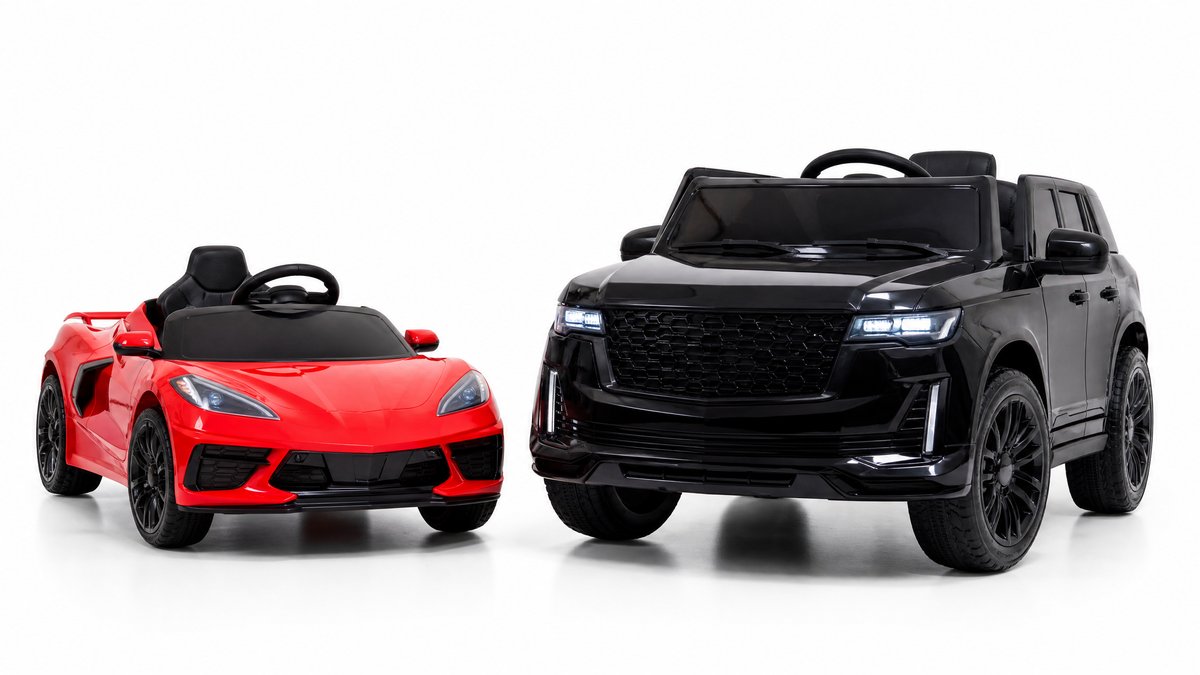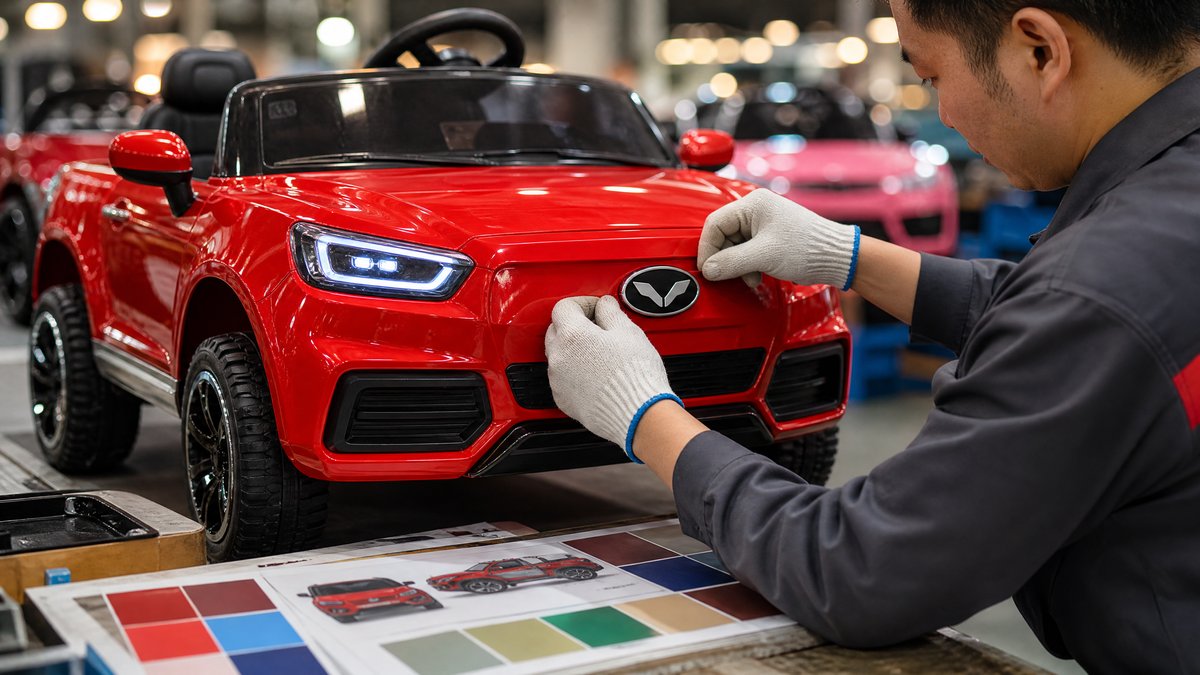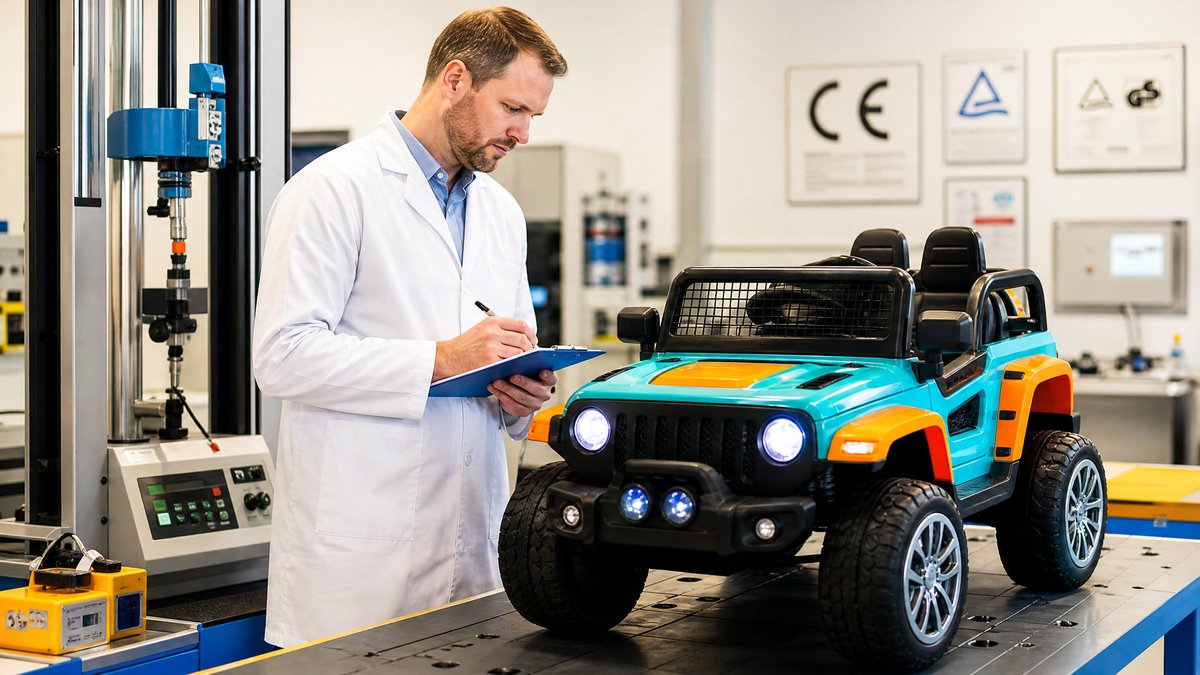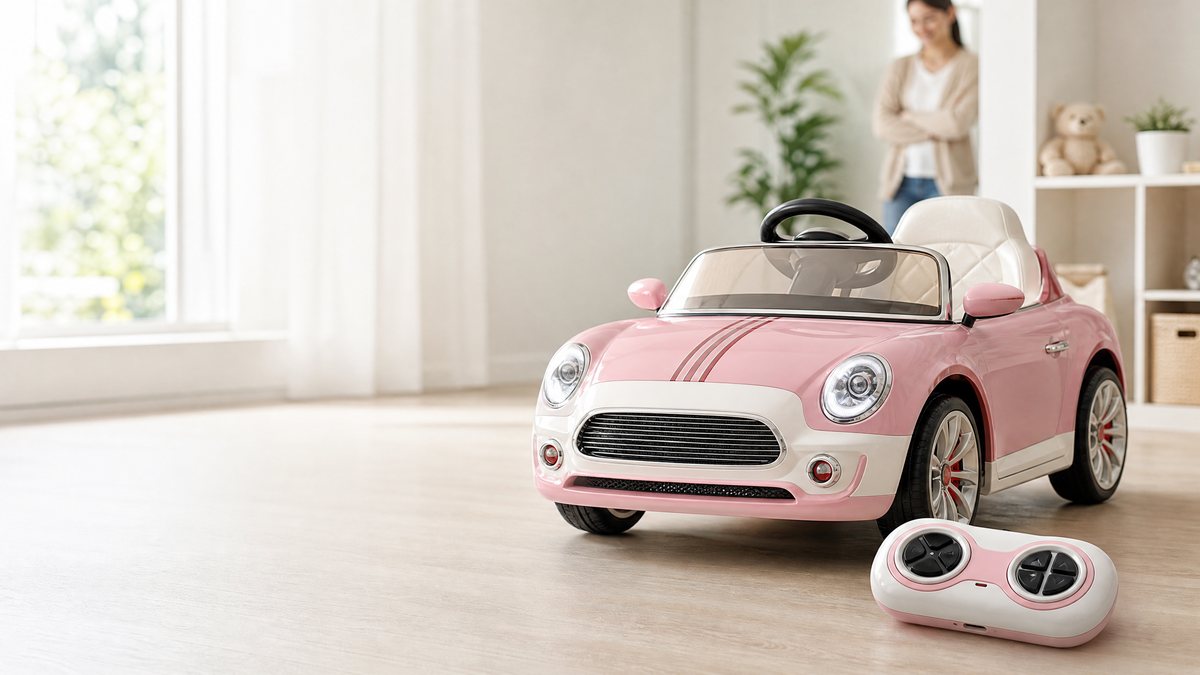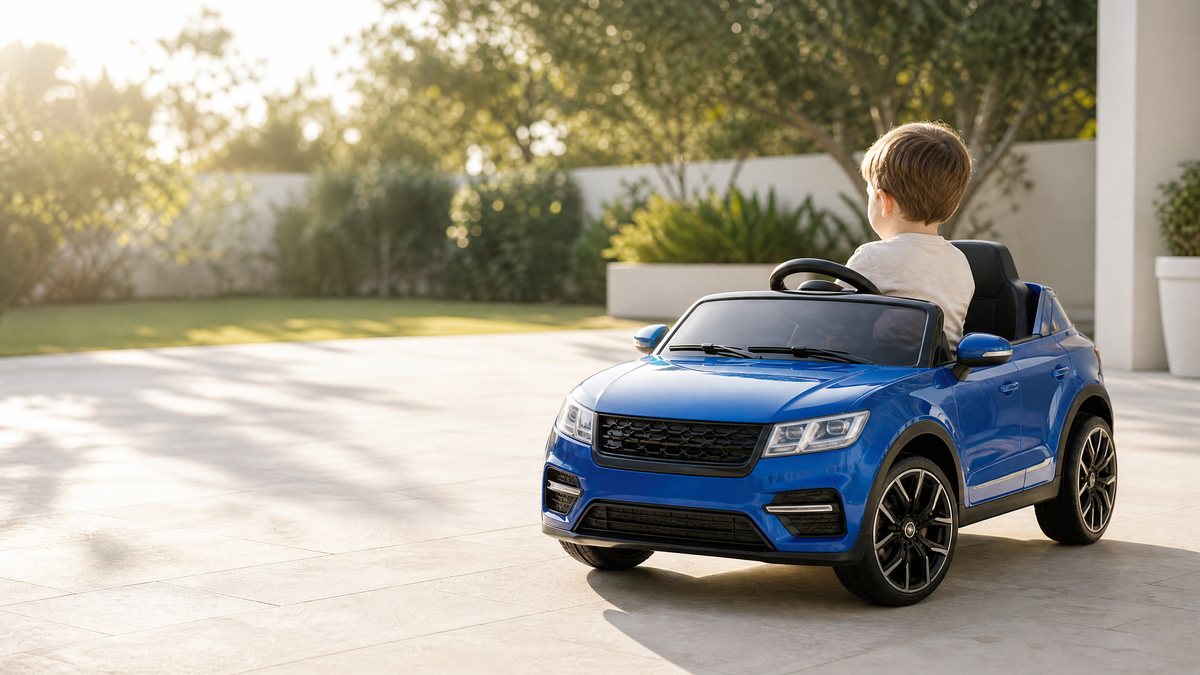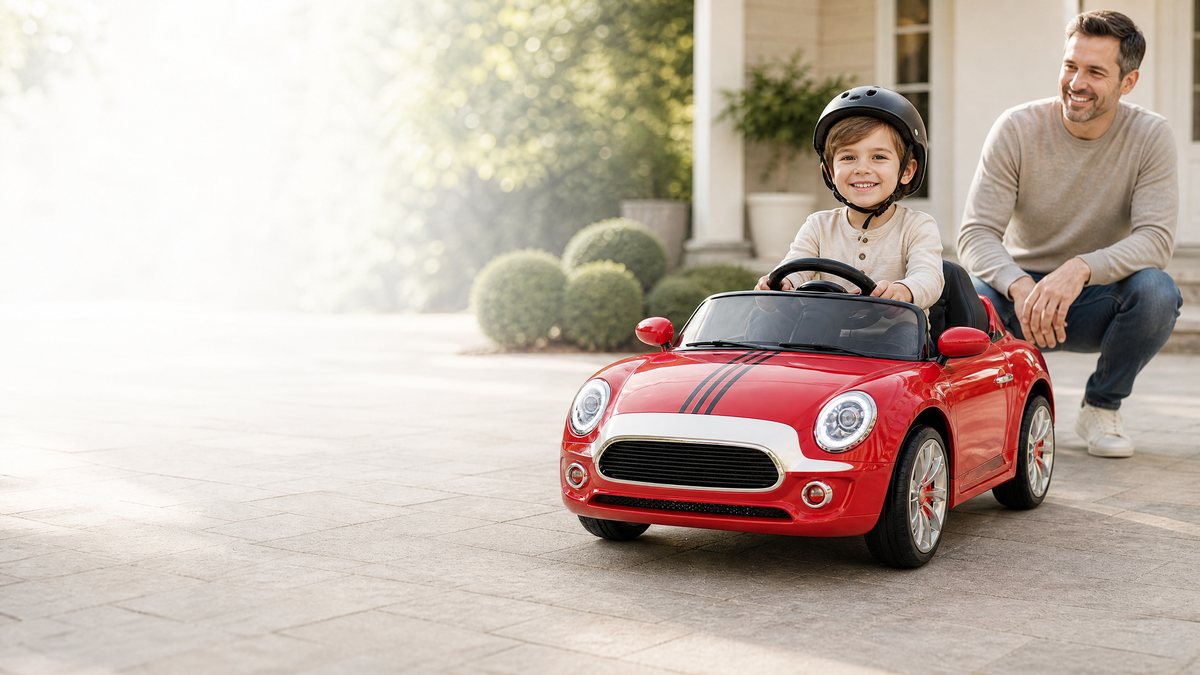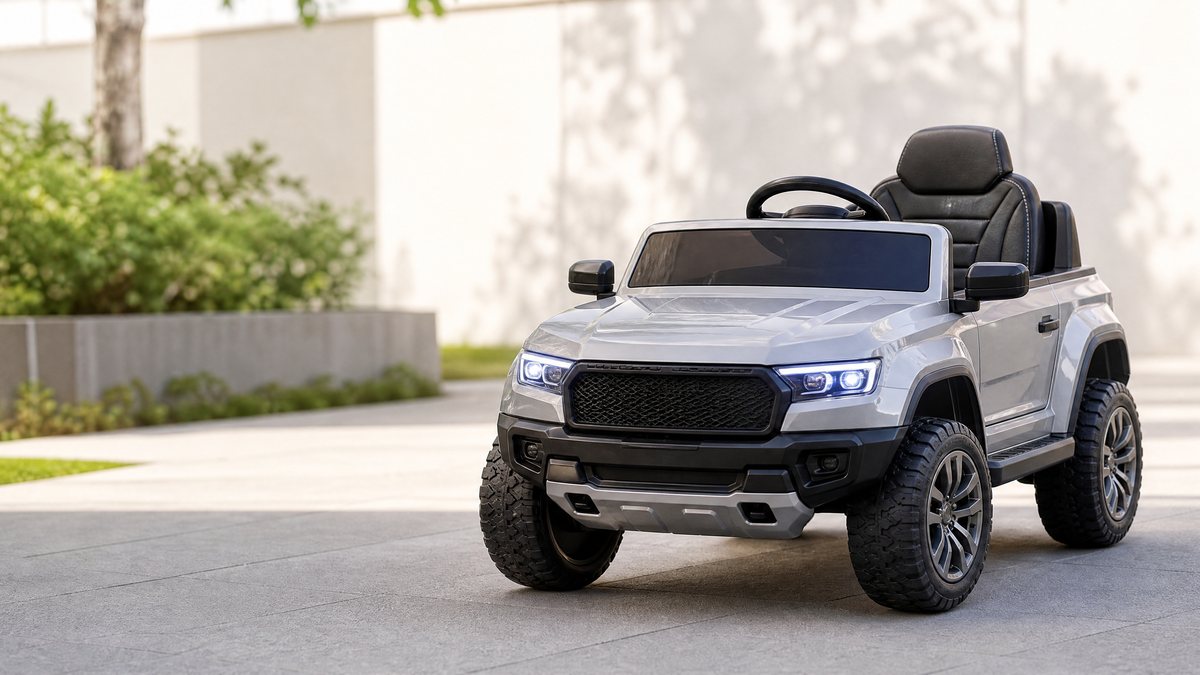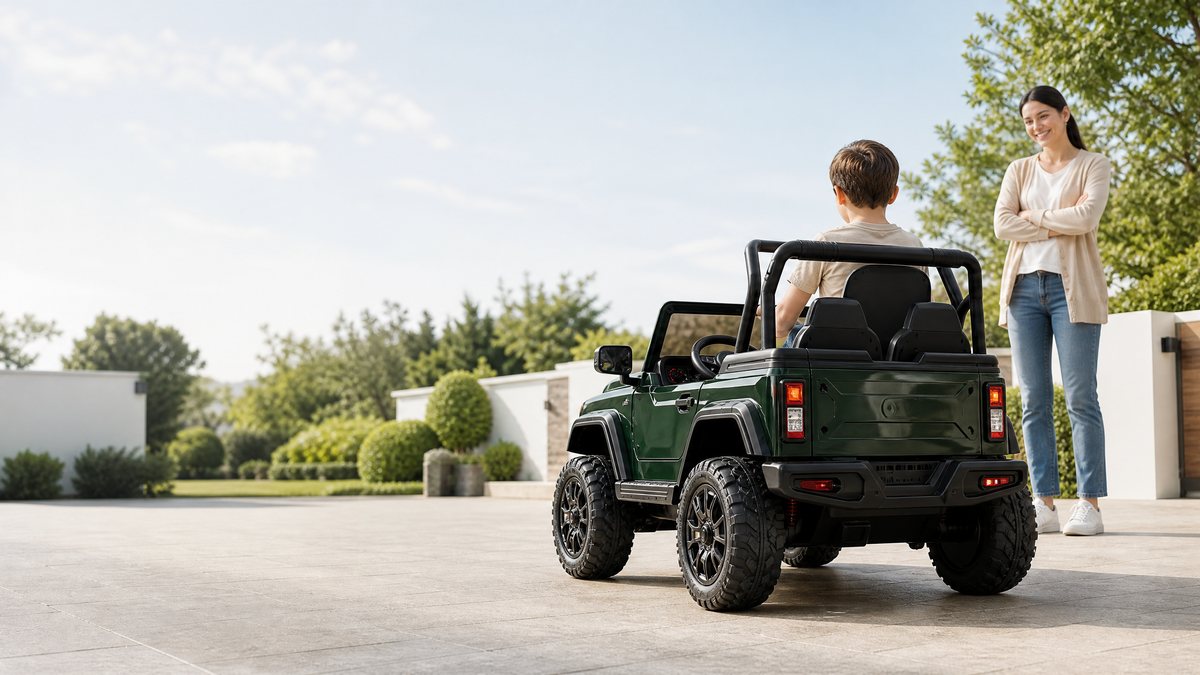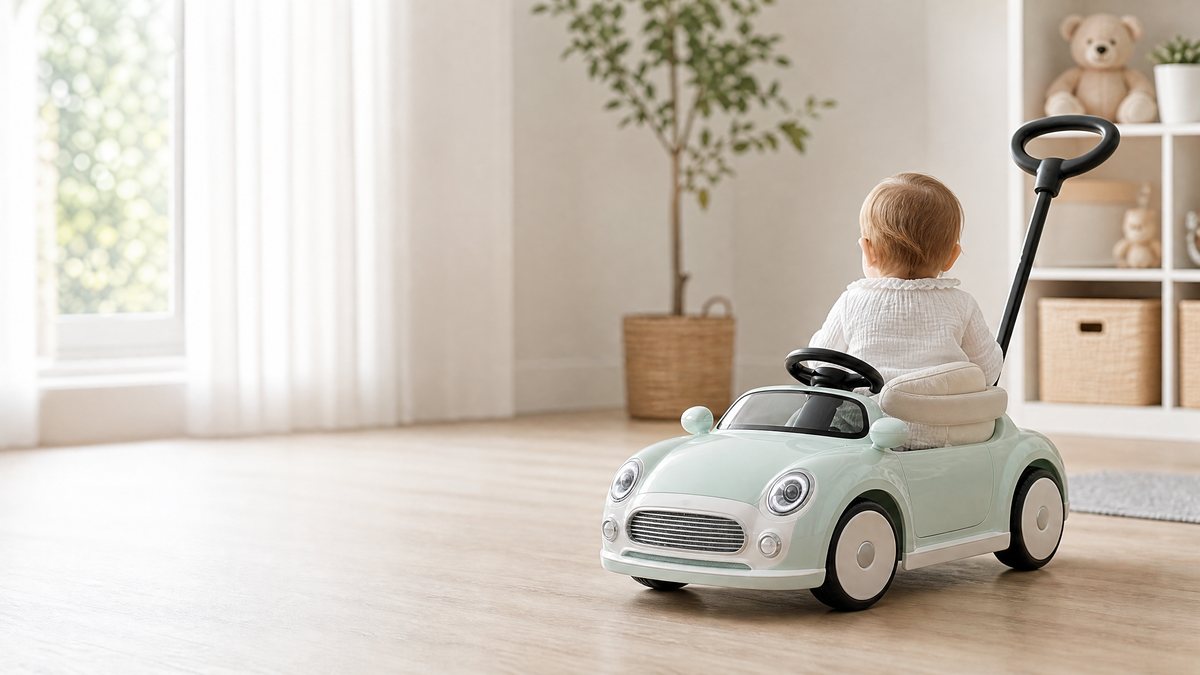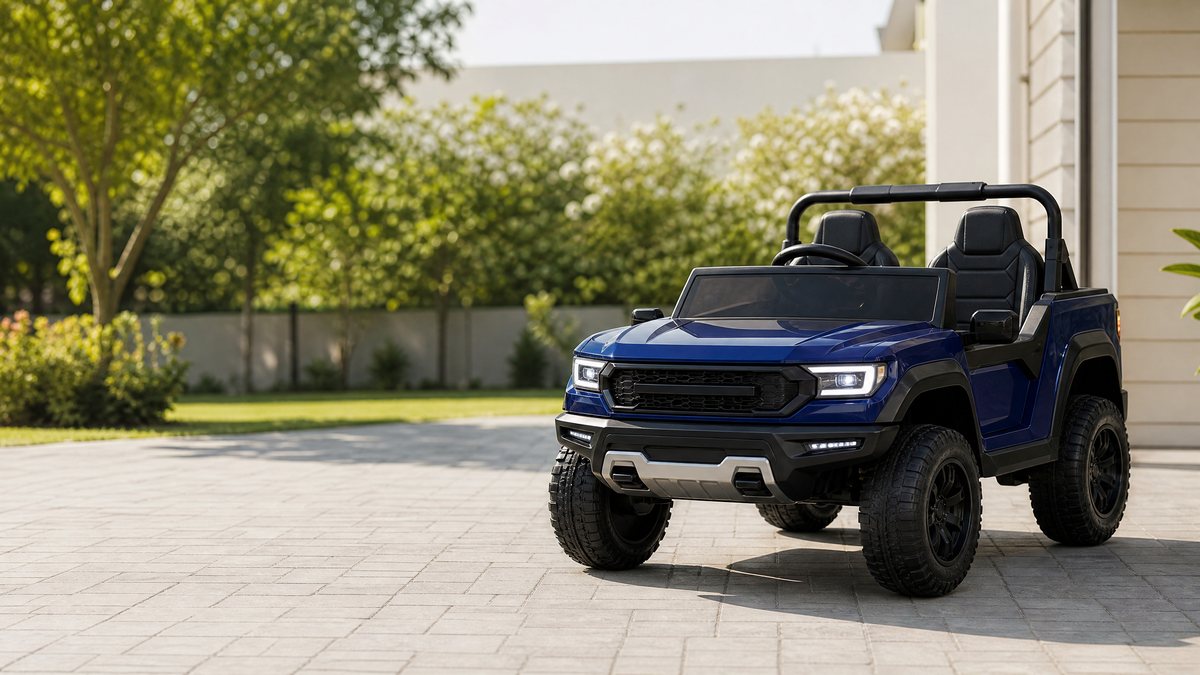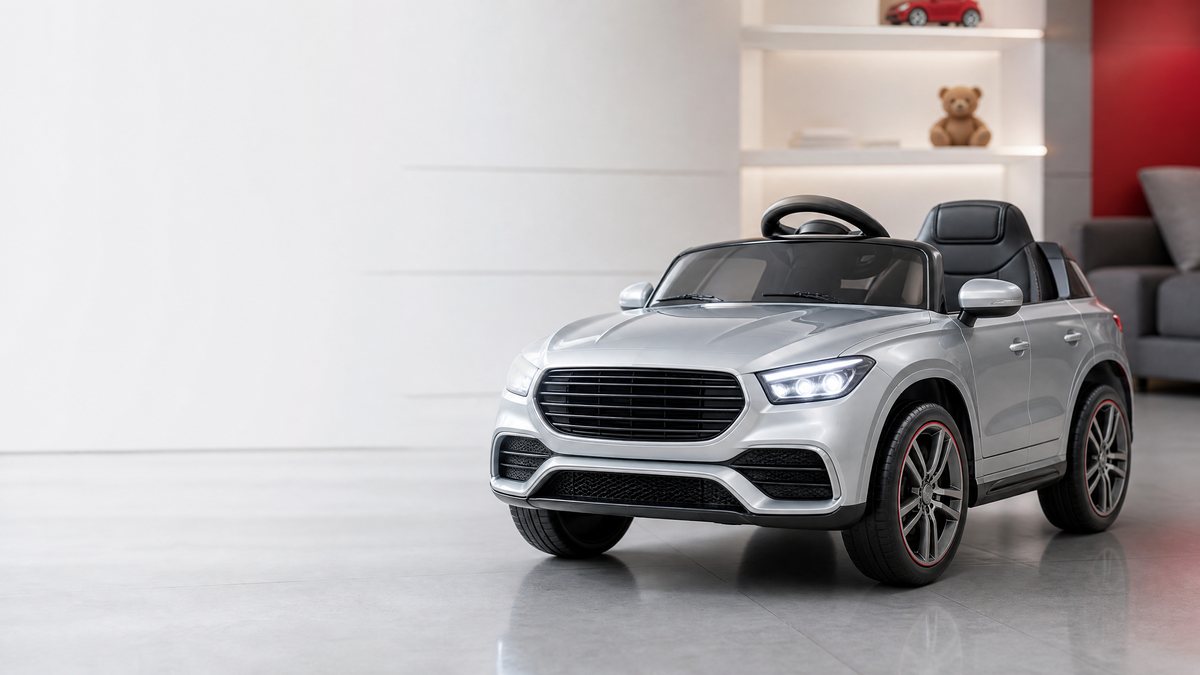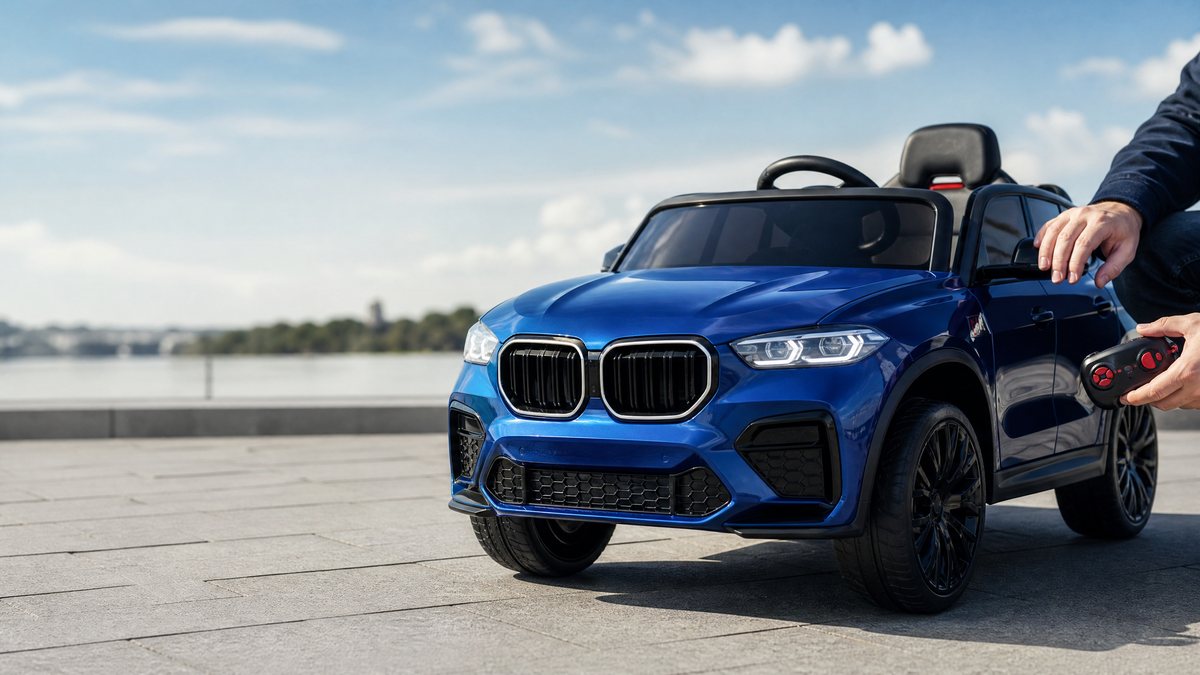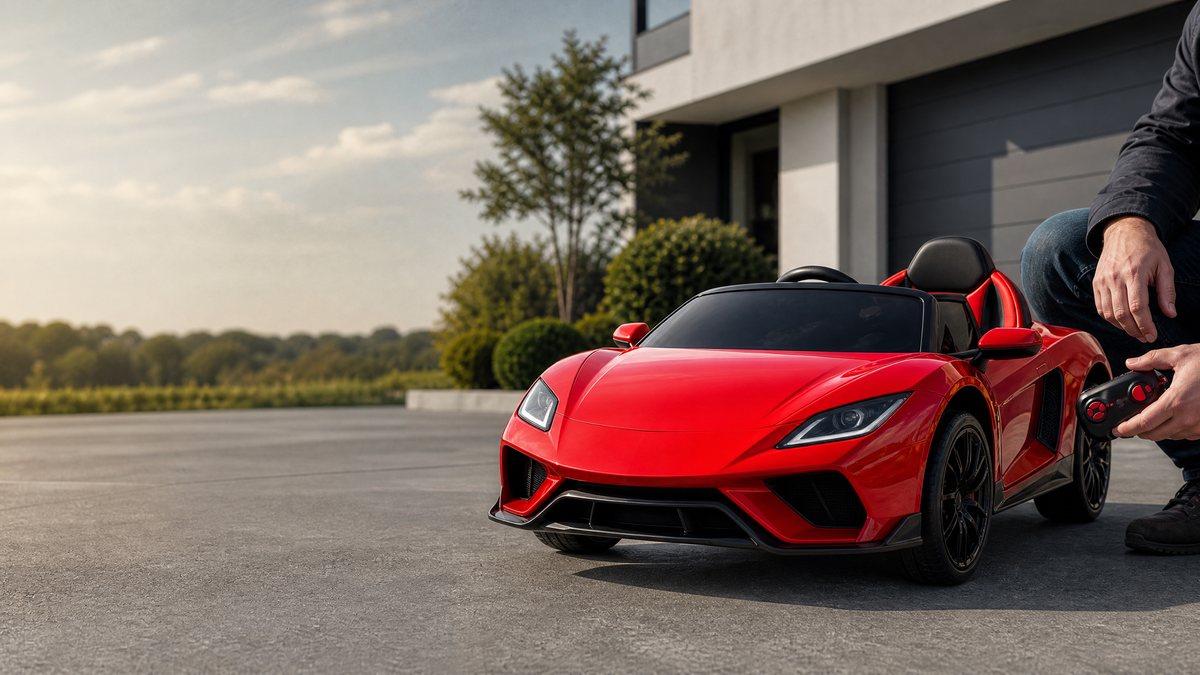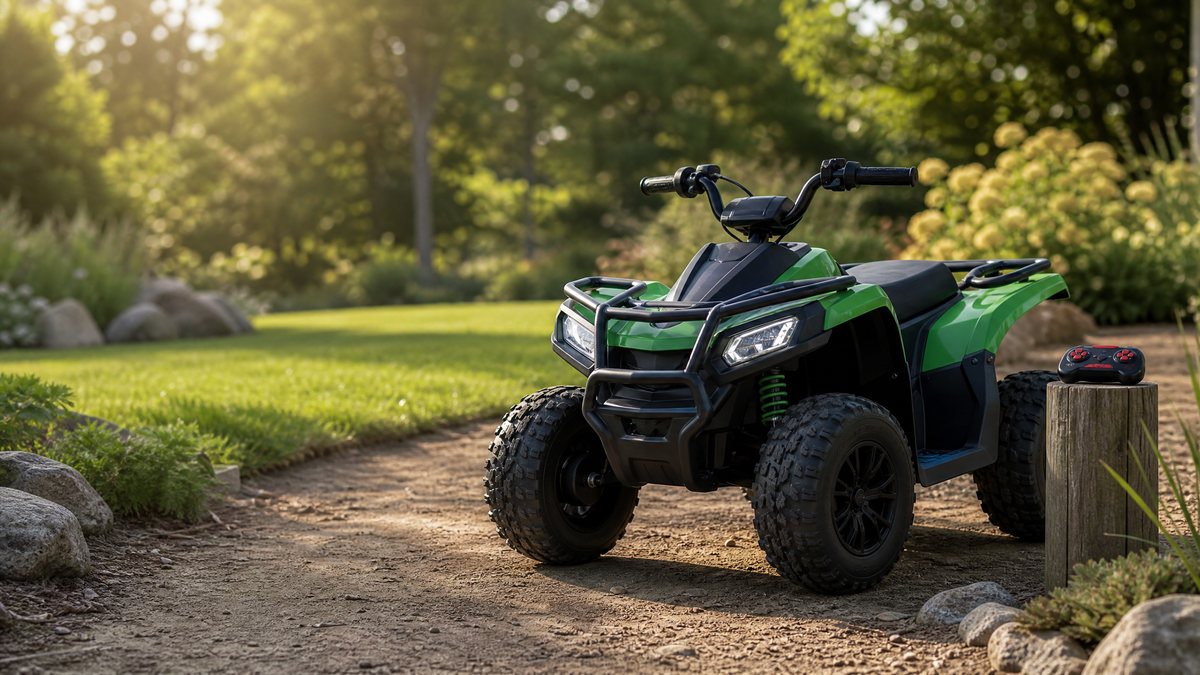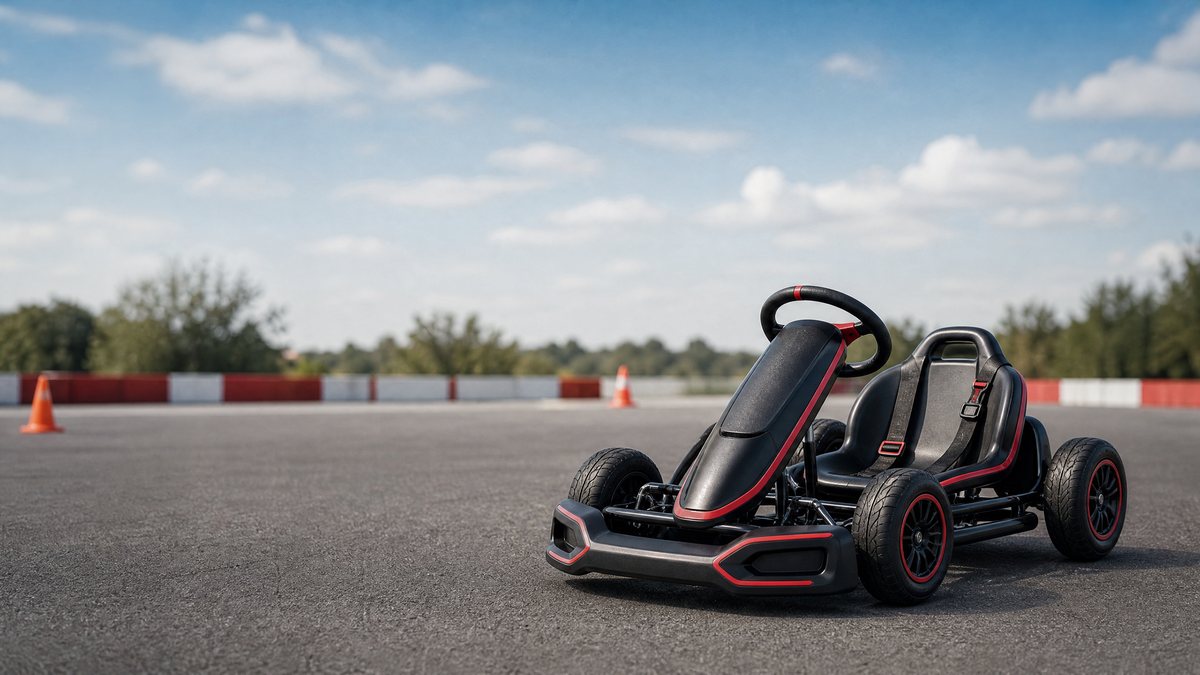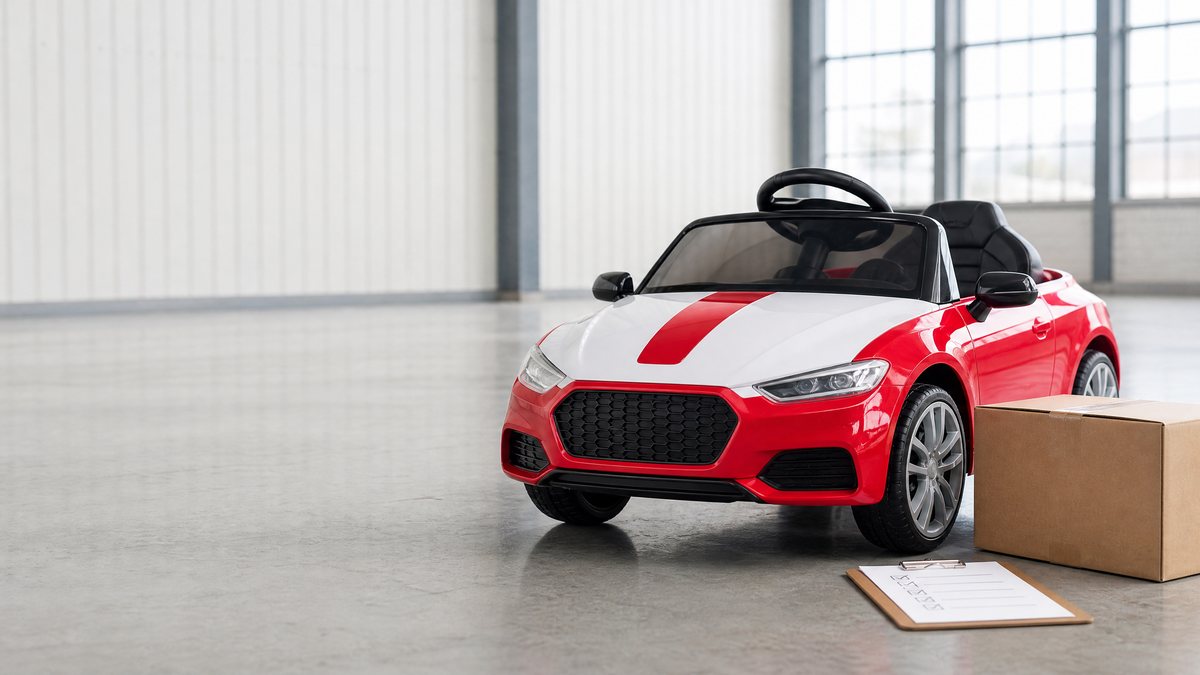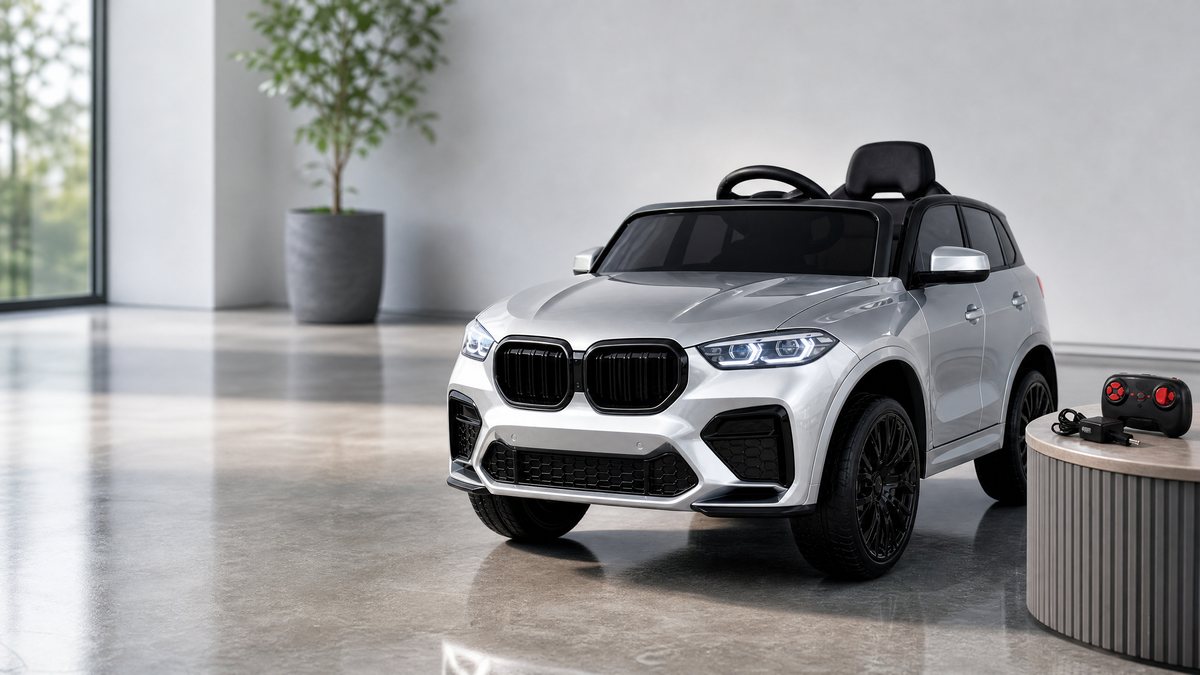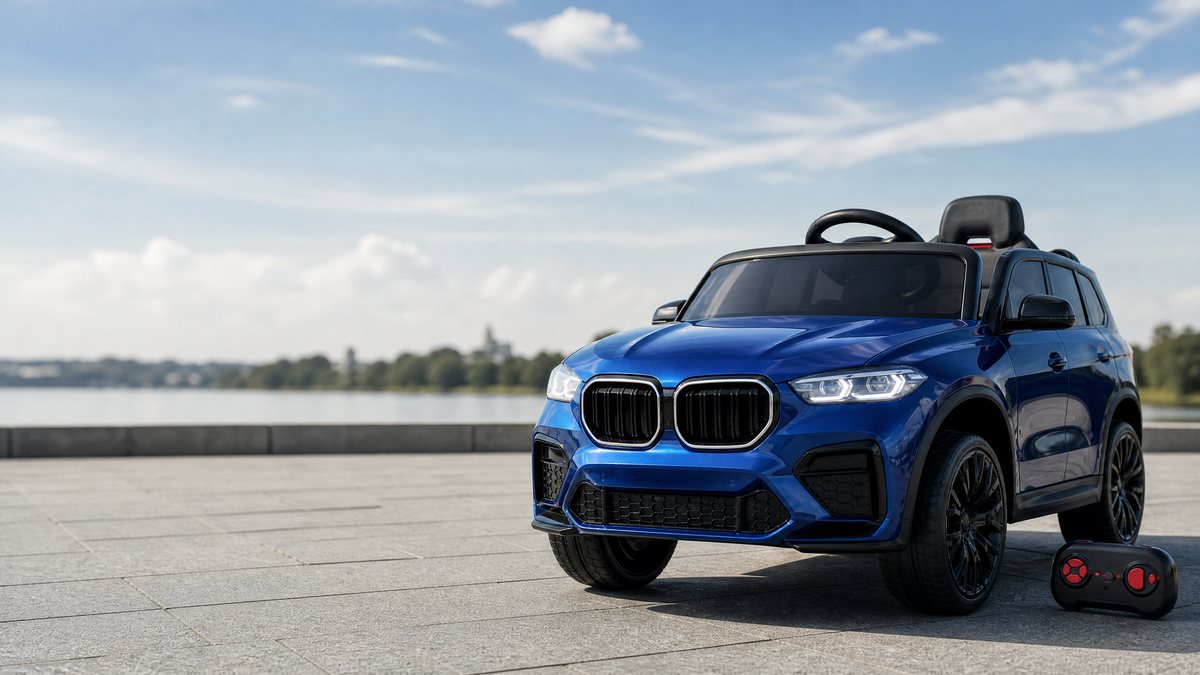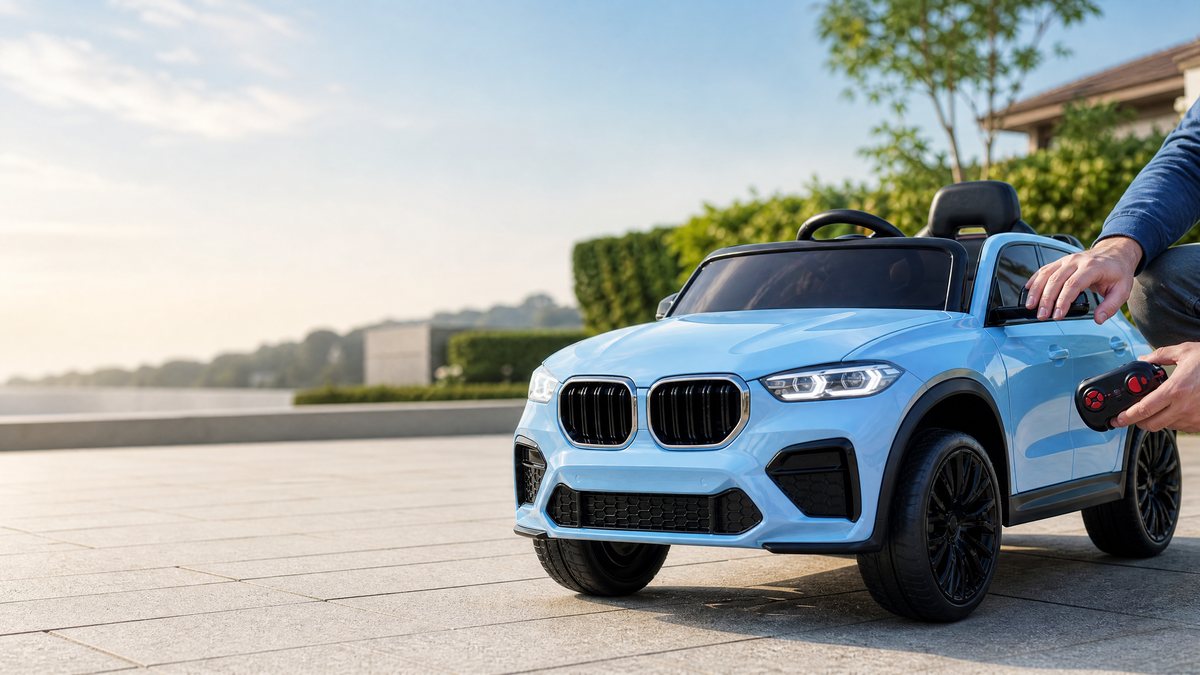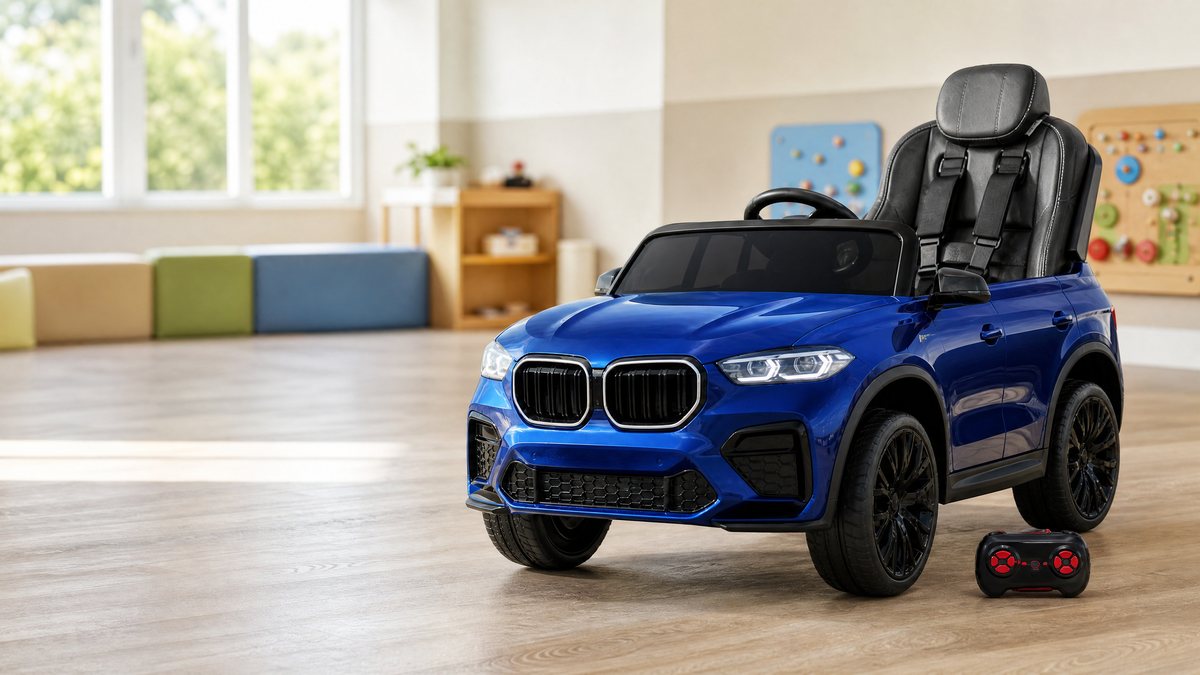
Pretend play is a cornerstone of early childhood development, allowing children to explore adult roles, understand spatial relationships, and practice social cues in a controlled, imaginative environment. Among the myriad toys available in the global marketplace, electric and push-powered ride-on cars occupy a uniquely powerful position. Beyond mere entertainment, a ride-on car serves as an exceptional tangible prop for structured, supervised pretend driving lessons. For B2B distributors, toy retailers, early childhood educators, and discerning parents, understanding how to transform basic ride-on toy usage into an educational driving curriculum unlocks substantial value. When children engage in guided pretend driving sessions, they develop crucial cognitive foundations, enhance bilateral motor coordination, and absorb foundational road safety concepts long before they ever sit behind the wheel of a real vehicle.
This comprehensive guide examines how to structure engaging pretend driving lessons using ride-on cars, highlights key vehicle features that facilitate educational play, outlines essential safety protocols and manufacturer compliance guidelines, and explores the commercial opportunities for wholesale buyers and specialty retailers looking to enrich their product offerings. Furthermore, we analyze how integrating structured play methodologies can elevate retail product positioning and build long-term consumer trust across global markets by emphasizing safety, quality, and developmental enrichment. As modern families increasingly prioritize educational toys that foster both physical activity and cognitive growth, ride-on vehicles equipped with thoughtful pedagogical frameworks represent an exceptional growth category in the global toy industry.
The Developmental Psychology of Pretend Driving in Early Childhood
The transition from toddlerhood to early childhood is marked by a rapid expansion of imaginative capacity. Psychologists note that role-play and simulation activities allow children to externalize complex social rules and physical dynamics. When a child climbs into a ride-on car and assumes the role of a driver, multiple developmental domains are simultaneously stimulated, fostering a holistic approach to early learning and psychological growth.
Cognitively, pretend driving requires children to map abstract concepts—such as directional arrows, stop signs, and pedestrian crosswalks—onto physical actions like steering, braking, and accelerating. This spatial mapping reinforces executive function, including working memory, cognitive flexibility, and impulse control. For instance, when a child learns to wait at a designated imaginary intersection until a green light or verbal cue is given, they practice delayed gratification and self-regulation. These cognitive exercises lay the groundwork for mathematical and spatial reasoning abilities later in life, proving that active play is deeply intertwined with intellectual readiness. Moreover, imaginative role-play encourages narrative thinking, enabling children to construct complex scenarios, solve hypothetical problems, and negotiate shared rules during collaborative play sessions with peers or siblings.
Furthermore, motor skill refinement is an inherent benefit of ride-on car play. Operating steering wheels, manipulating foot pedals, or managing gear selectors demands precise hand-eye and foot-hand coordination. Bilateral integration—the ability to use both sides of the body in a coordinated manner—is enhanced as children simultaneously steer with their hands and control speed with their feet. Vestibular input, which governs balance and spatial orientation, is also stimulated as children navigate turns and slopes under controlled conditions. For children with diverse learning needs or those developing foundational gross motor skills, supervised driving simulations can be a supportive component of play-based physical therapy, provided that activities are tailored to individual capabilities and guided by caregivers, educators, or relevant healthcare professionals.
Designing a Progressive Curriculum for Pretend Driving Lessons
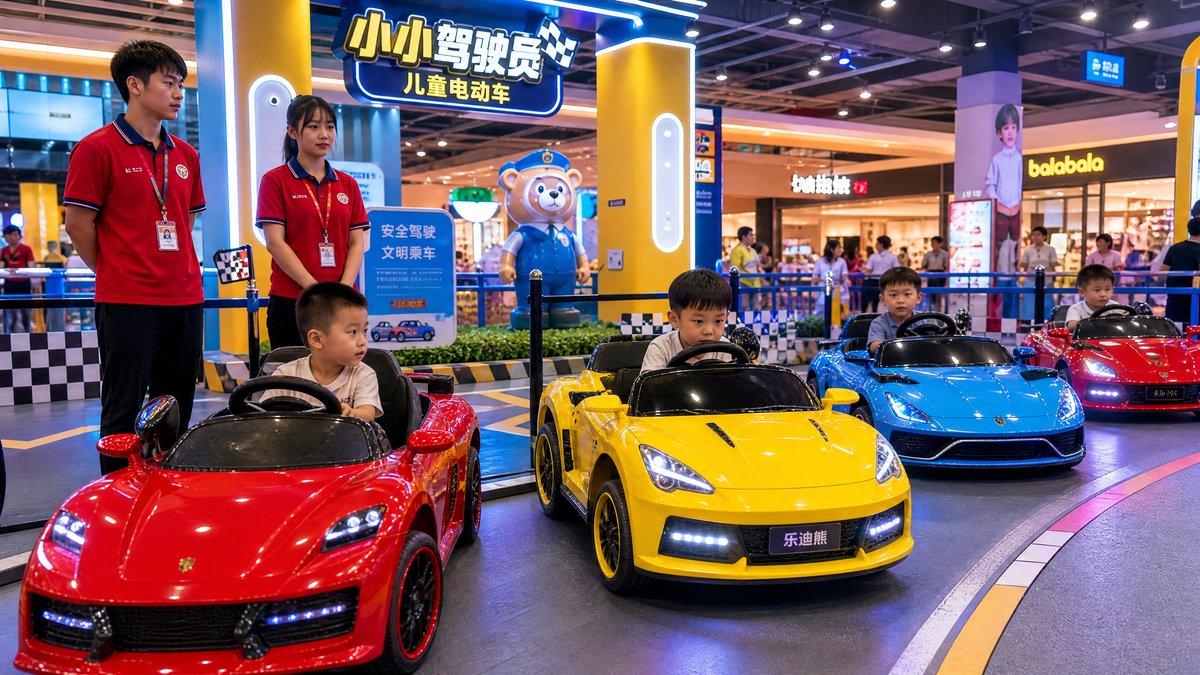
To maximize both the educational value and the safety of pretend driving lessons, adults must establish a structured curriculum rather than relying on spontaneous, unguided play. Random racing across uneven terrain or crowded spaces can lead to safety hazards and missed educational opportunities. Instead, educators and parents can design miniature road courses in controlled indoor or flat outdoor environments that encourage rule comprehension, directional awareness, and spatial mastery.
A well-structured pretend driving lesson typically follows a progressive four-stage framework:
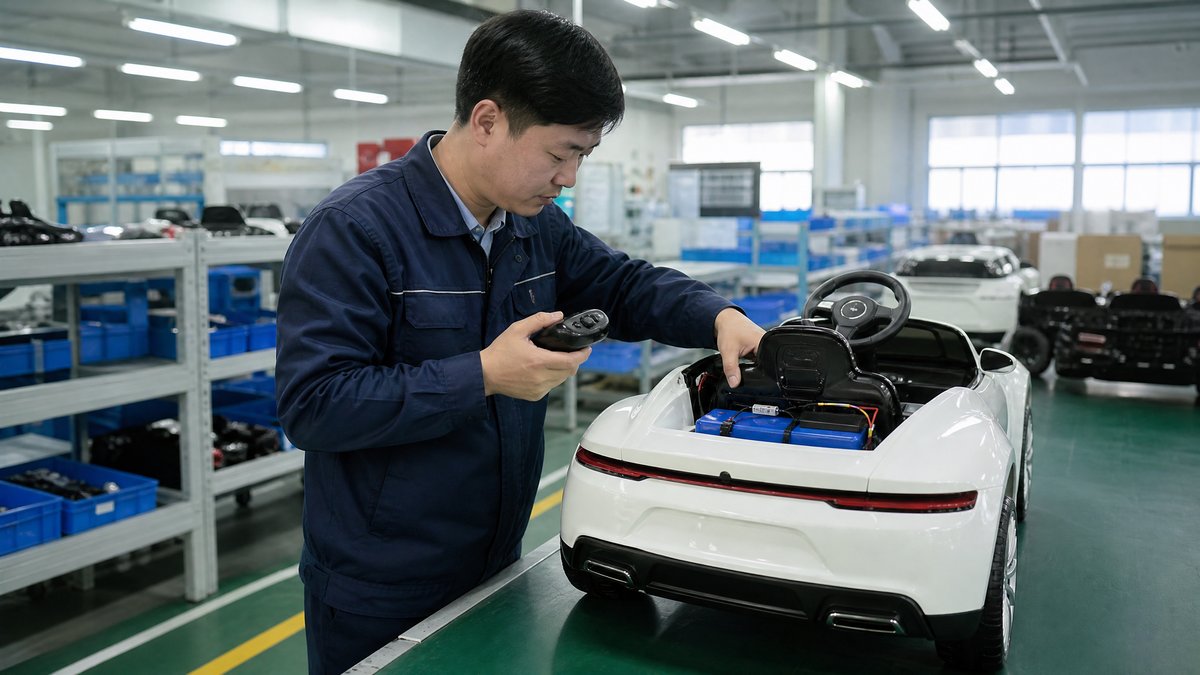
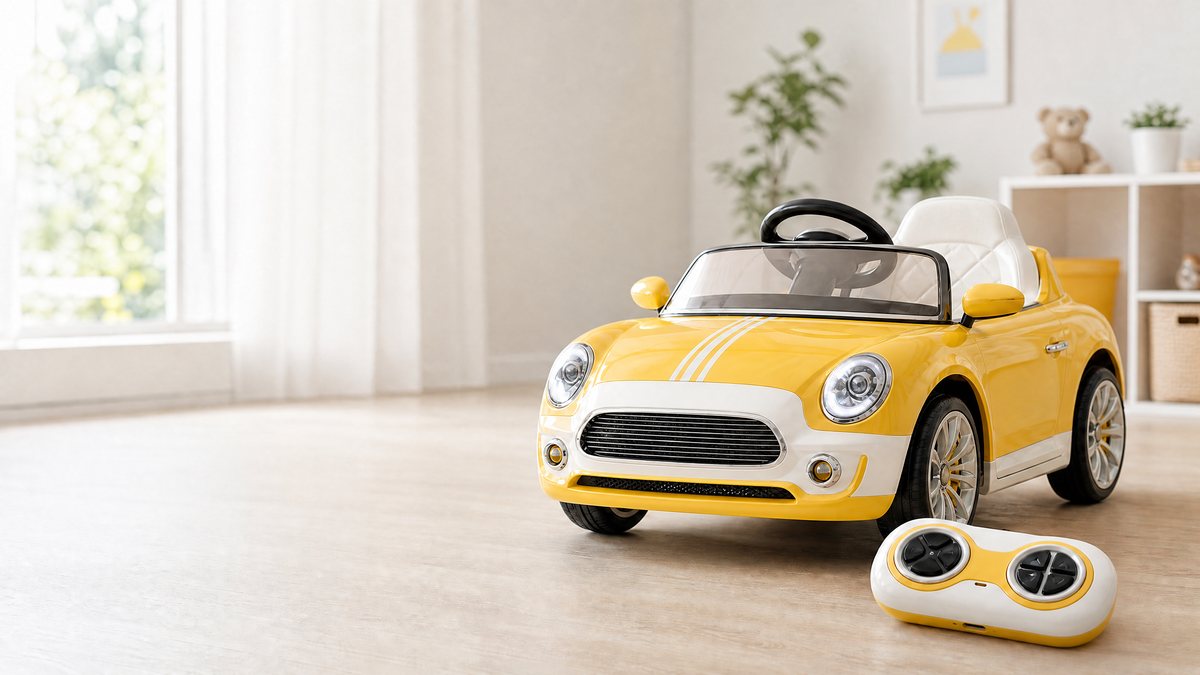
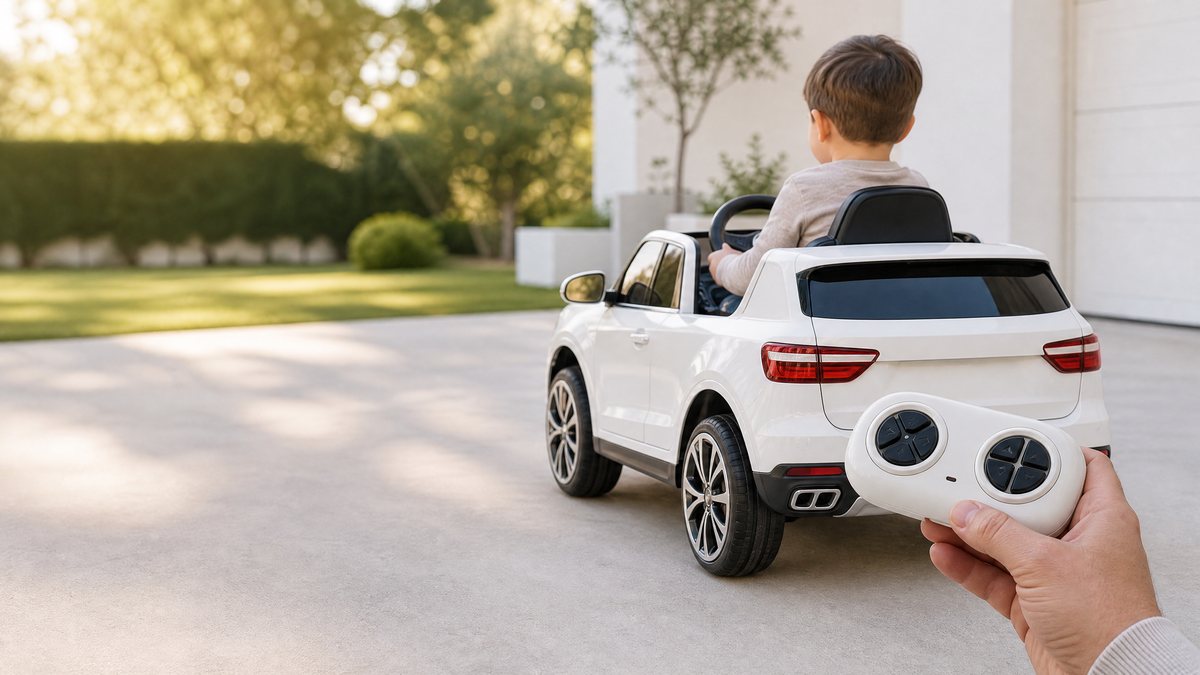
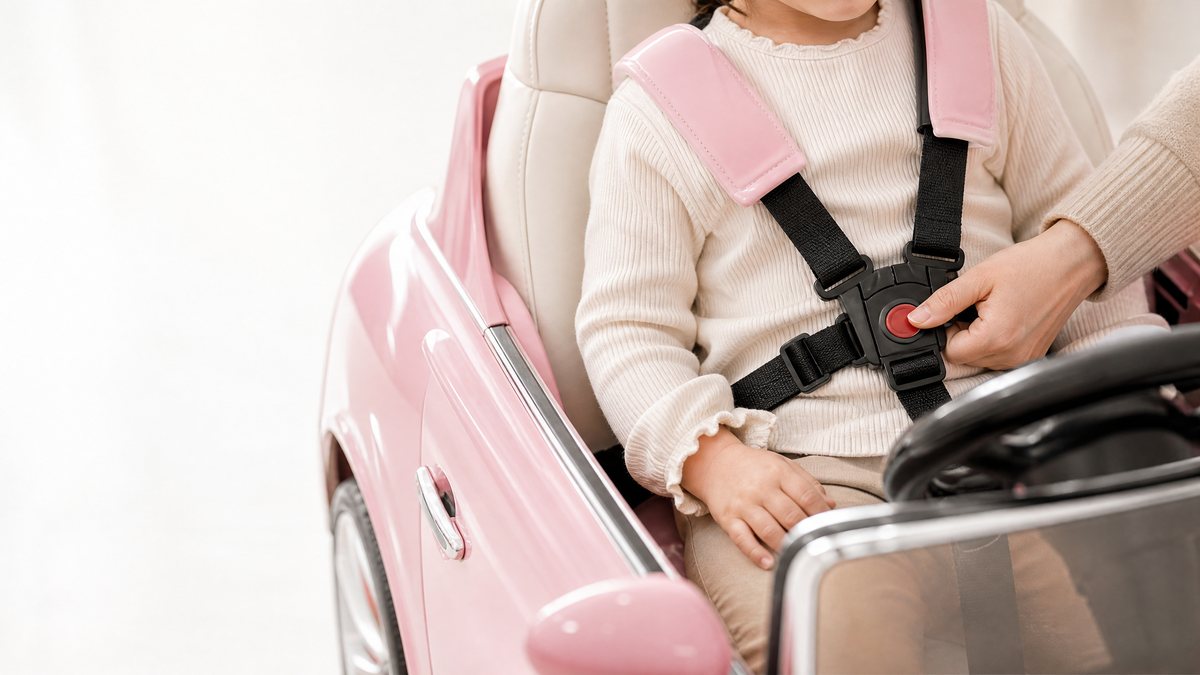
1. Vehicle Familiarization and Inspection: Before starting the engine or unlocking the power switch, children and supervising adults review the vehicle together. Adults inspect tires, check that seatbelts are secured according to manufacturer guidelines, and verify that the remote control (if equipped) functions properly. This initial phase teaches children the importance of pre-trip safety checks, mirroring real-world responsible vehicle ownership.
2. Basic Maneuvering Drills: Children practice simple steering tasks, such as navigating between two cones, reversing out of an imaginary garage, and executing wide turns. This builds spatial awareness without the distraction of complex traffic rules, allowing young drivers to master proportional steering and throttle modulation in a pressure-free setting.
3. Simulated Traffic Environments: Introduce simple props like cardboard stop signs, sidewalk chalk pathways, and toy traffic lights. Instructors guide the young driver through basic right-of-way concepts, emphasizing stopping completely at stop signs, checking blind spots, and yielding to imaginary pedestrians. This experiential learning cements traffic safety awareness in an engaging, memorable format.
4. Debriefing and Safety Reflection: Conclude the session by discussing what went well, reviewing road signs encountered during the lesson, and reinforcing the golden rule: safety always takes precedence over speed. Reflection helps children internalize lessons learned and builds verbal communication skills.
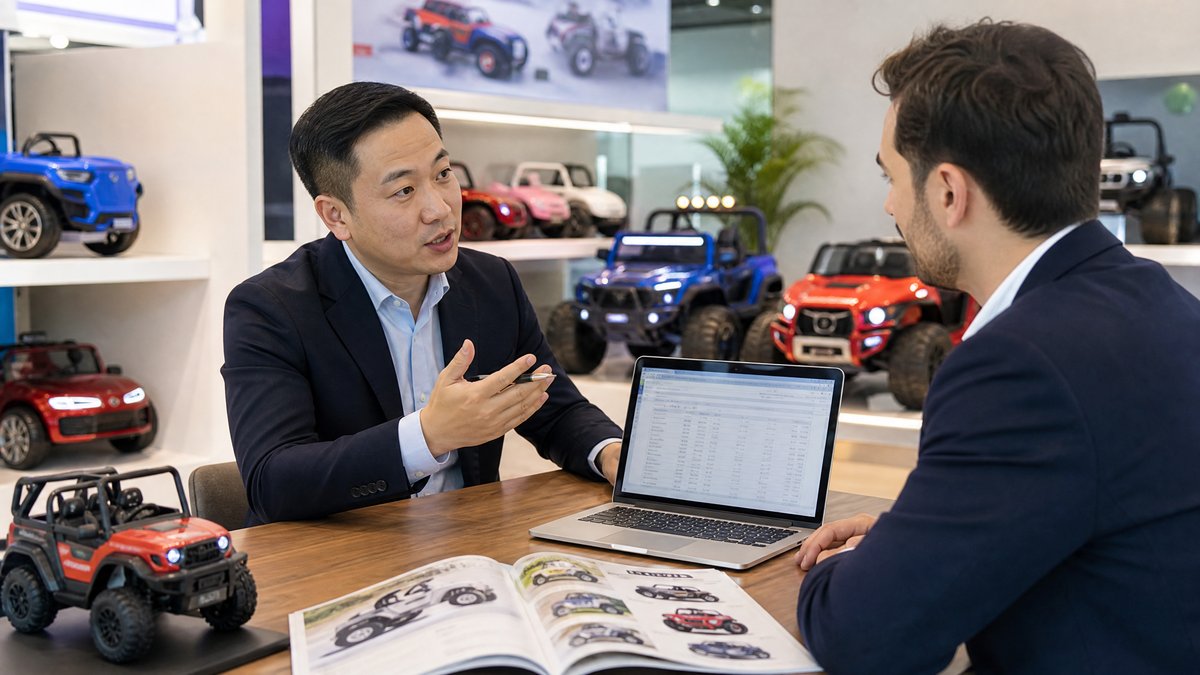
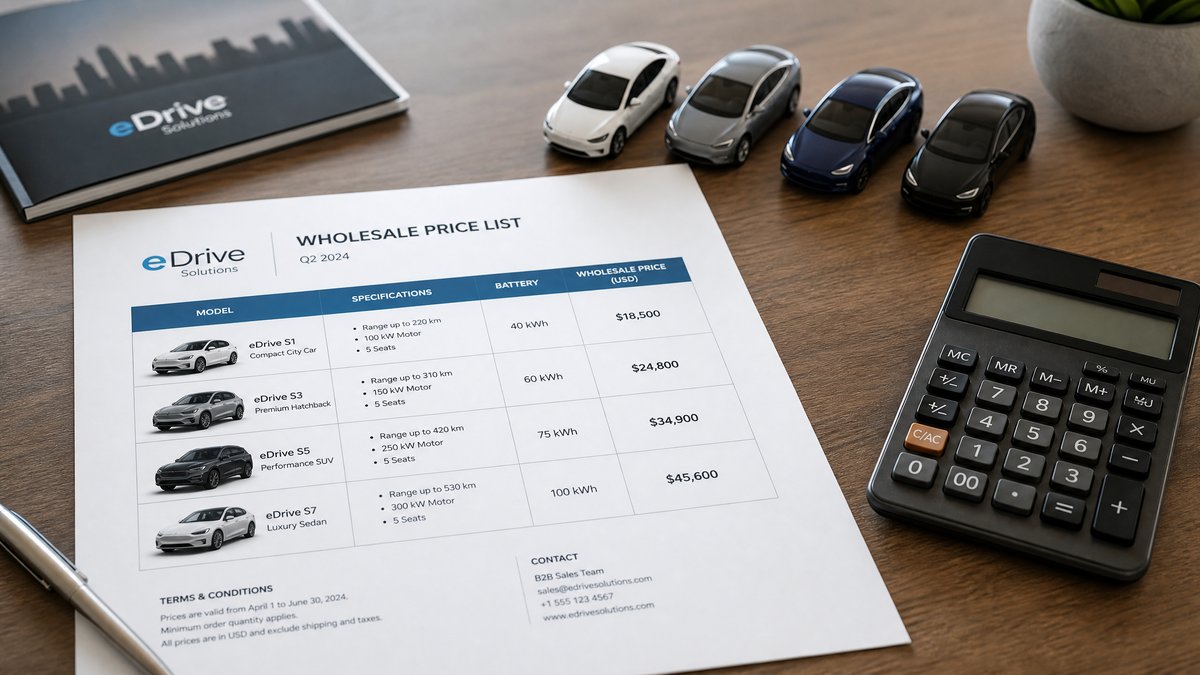
For B2B buyers and commercial play spaces, providing structured lesson templates alongside wholesale ride-on car shipments enhances product differentiation and offers end-users immediate educational utility. Request a wholesale quote to explore bulk inventory options equipped with educational accessories.
Comparative Analysis of Ride-On Car Features for Educational Play
Not all ride-on cars are equally suited for structured pretend driving lessons. Retailers and institutional buyers must evaluate vehicle specifications to ensure they meet pedagogical and safety requirements. The table below outlines key features commonly found across modern ride-on vehicle categories and evaluates their utility for educational pretend play.
| Feature Category | Technical Description | Educational & Pretend Play Utility | Safety & Operational Consideration |
|---|---|---|---|
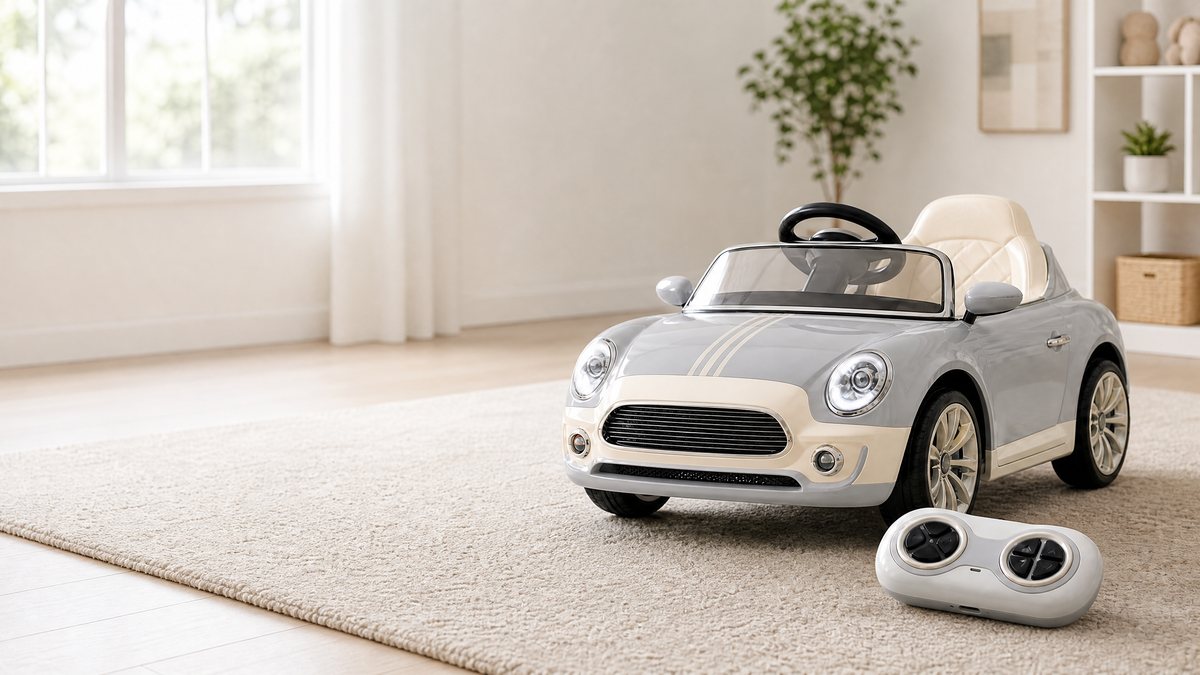
| Parental Remote Control | 2.4G wireless transmitter allowing adult override of steering and speed. | Essential for introductory lessons, enabling instructors to manage vehicle movement during complex drills. | Must be operated by a responsible adult; batteries must be maintained according to manual specifications. |
| Soft Start Acceleration | Gradual power delivery system preventing sudden jerks upon pedal depression. | Prevents startling young drivers, ensuring smooth transitions from stationary to moving states. | Enhances physical comfort and reduces mechanical wear on gearbox components. |
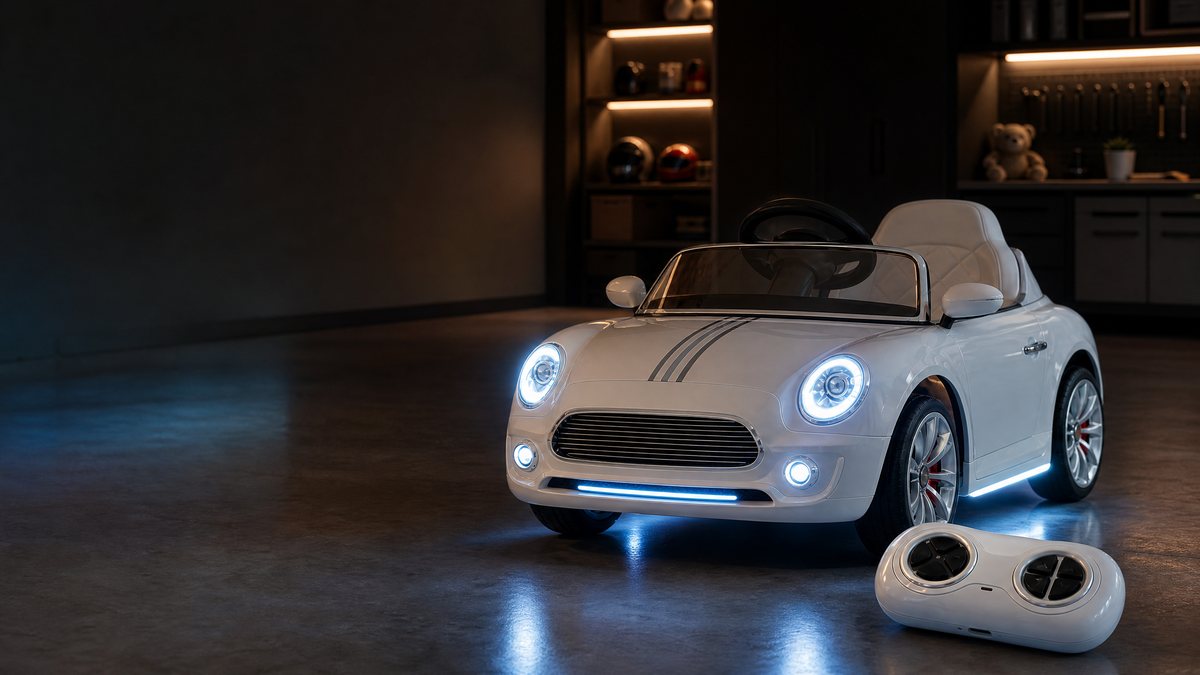
| Working Horn & Lights | Operational LED headlights, taillights, and steering wheel horn buttons. | Teaches communication and signaling protocols (e.g., sounding horn for pedestrians). | Requires checking bulb and wiring integrity; must not be modified or wired to external power sources. |
| Adjustable Seatbelts | Fitted lap or multi-point harnesses securing the driver in the seat. | Reinforces the habit of buckling up before operating any vehicle. | Must be used strictly as supplied by the manufacturer; unauthorized aftermarket replacements are prohibited. |
| Multi-Speed Settings | Configurable low, medium, and high-speed modes selectable via switch or remote. | Allows gradual progression from beginner crawling speeds to faster maneuvering. | Speed settings must be locked to appropriate beginner levels for novice drivers under strict adult supervision. |
Safety Protocols, Adult Supervision, and Manufacturer Guidelines
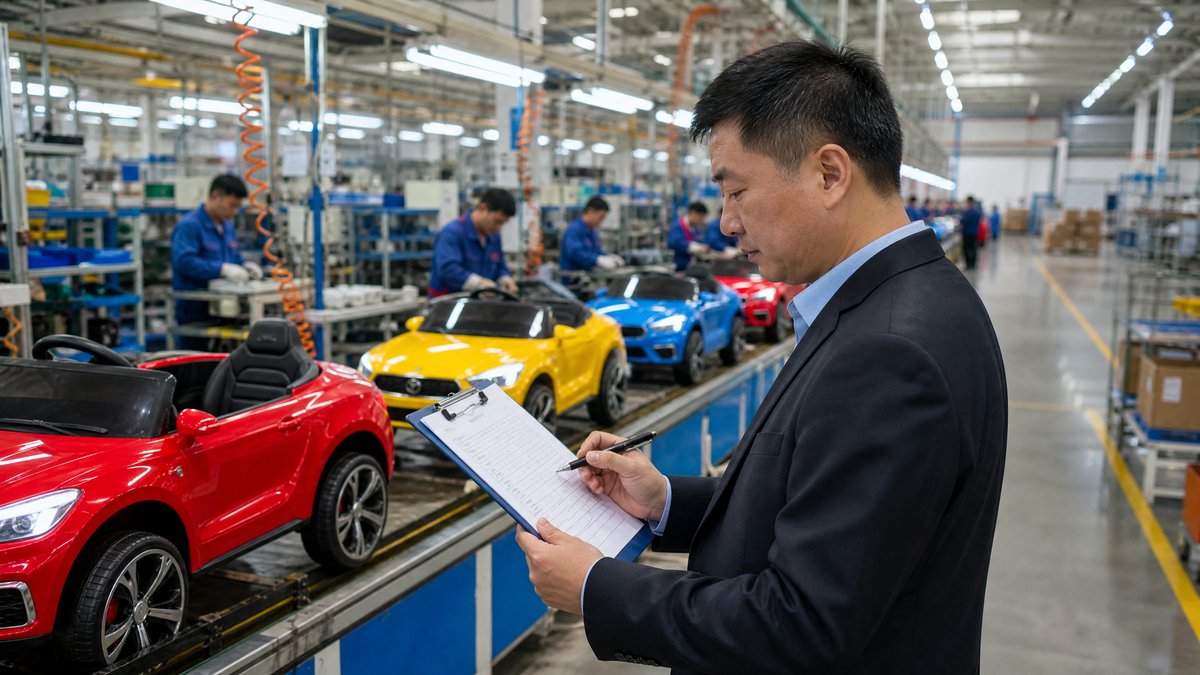
Safety is paramount in any discussion involving motorized or battery-powered children's products. Whether sourcing vehicles for retail distribution or utilizing them in educational programs, strict adherence to safety protocols is non-negotiable.
Constant Adult Supervision
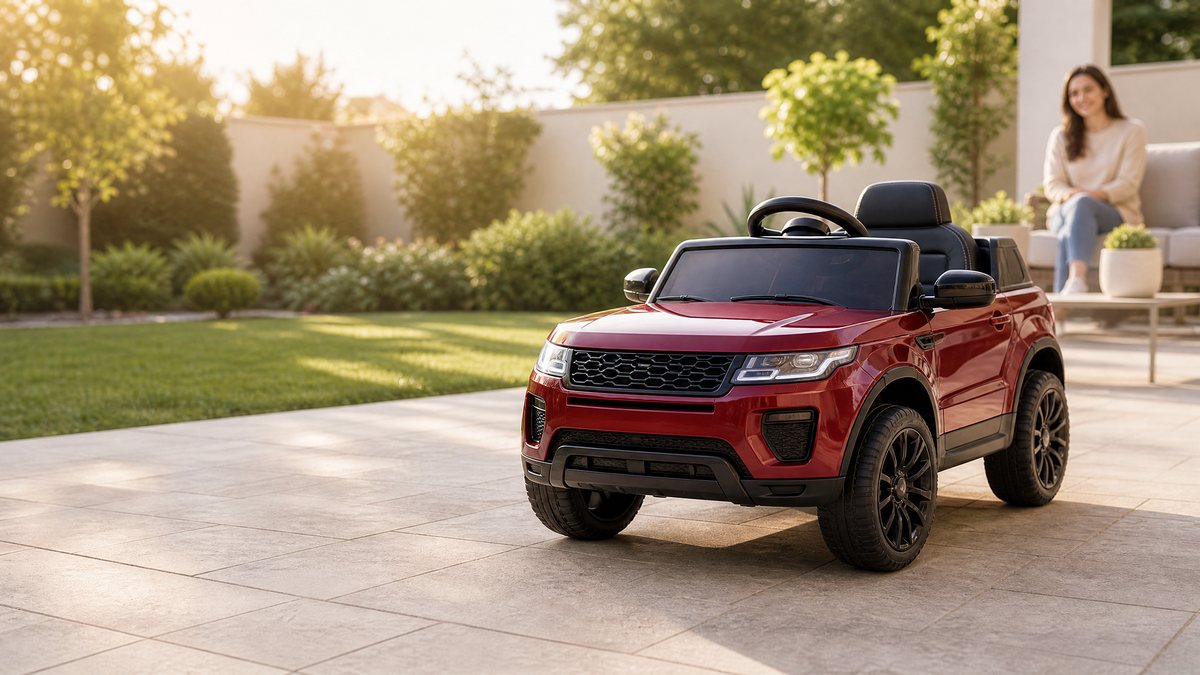
A ride-on car, regardless of its safety features, is never a substitute for active adult supervision. Supervisors must maintain a clear line of sight and remain within immediate intervention distance at all times. Operating environments must be free from traffic hazards, steep inclines, deep bodies of water, and uneven terrain. Adults must actively establish operational boundaries and ensure that children understand never to operate vehicles near public roadways or unsupervised driveways.
Strict Compliance with Manufacturer Documentation
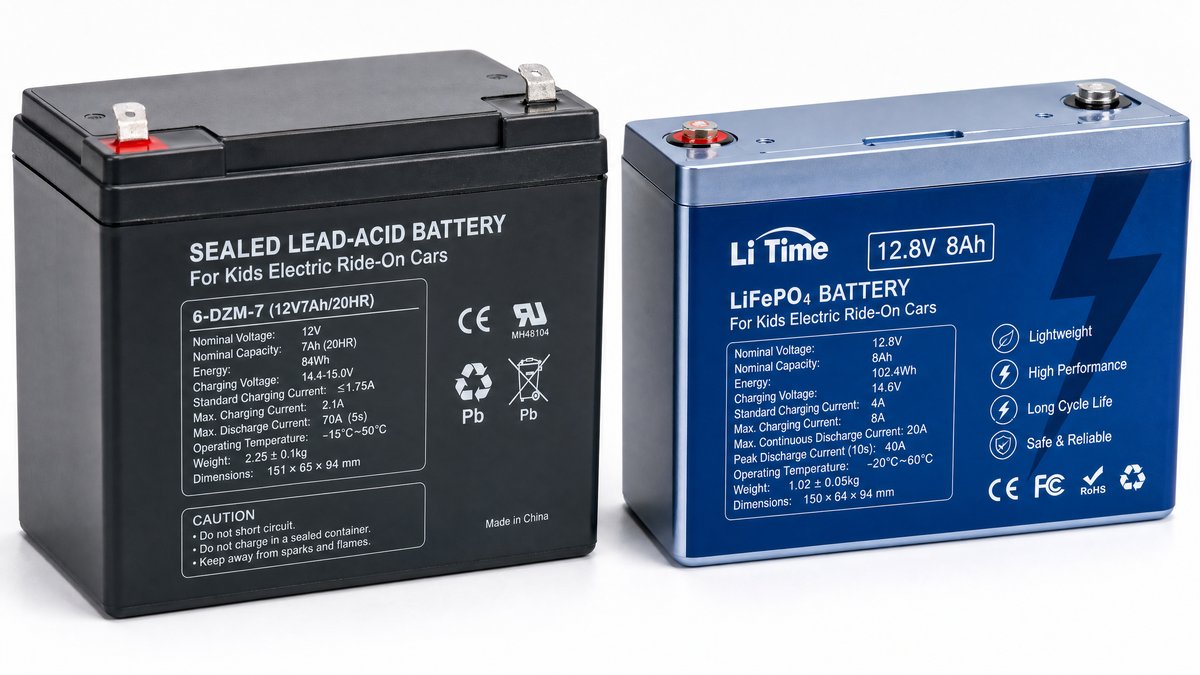
All operational decisions must be guided exclusively by the specific vehicle's user manual and rating plate. Users must never attempt unauthorized modifications, including bypassing internal safety mechanisms, altering wiring harnesses, touching battery terminals, measuring electrical voltage, or attempting to upgrade motors and batteries beyond original specifications. Adhering strictly to manufacturer instructions ensures product longevity and preserves safety certifications.
Handling Electrical and Mechanical Anomalies
If a vehicle exhibits any signs of malfunction—such as unusual odors, smoke, excessive heat, fluid leaks, water ingress, exposed wiring, damaged charging plugs, erratic braking, or persistent electrical failure—users must immediately discontinue operation and charging. Power must be turned off, children must be kept away from the unit, and the vehicle should be inspected by qualified repair personnel or returned to the manufacturer in accordance with warranty terms. Regular inspection of chargers, plugs, and battery compartments is essential for preventing electrical hazards.
Commercial Opportunities for B2B Distributors and Retailers
For B2B importers, toy distributors, and early learning centers, offering ride-on cars packaged with educational pretend driving concepts represents a compelling market opportunity. Modern consumers and institutional buyers increasingly seek products that combine active physical play with cognitive enrichment. Retailers who stock high-quality ride-on vehicles can differentiate their catalogs by providing value-added materials, such as DIY cardboard traffic sign kits, lesson plan guides, and safety checklists. This holistic approach not only drives higher customer satisfaction and repeat business but also positions the brand as a responsible industry leader dedicated to child safety and development. Wholesale partners can leverage these educational narratives in B2B marketing campaigns to attract premium retail stockists and educational institutions, establishing long-term commercial success in competitive global markets.
Frequently Asked Questions (FAQ)
1. What age group is most appropriate for participating in pretend driving lessons with a ride-on car?
Age appropriateness varies significantly depending on the specific vehicle model, manufacturer specifications, and the individual child's developmental readiness. Generally, ride-on cars with remote controls are suitable for younger toddlers under direct parental piloting, while children aged 3 to 6 years can actively engage in self-steered pretend driving lessons. Always consult the manufacturer's rating plate and user manual for precise age and weight guidelines.
2. Can pretend driving lessons help children transition to real bicycles or future real-world driving concepts?
While ride-on cars do not replace formal driver's education or bicycle safety training, they effectively introduce foundational spatial awareness, directional concepts, and traffic rule comprehension (such as understanding stop signs and yielding). These early play experiences help build confidence and cognitive frameworks that support future developmental milestones under appropriate supervision.
3. How should educators and parents handle safety when multiple children are participating?
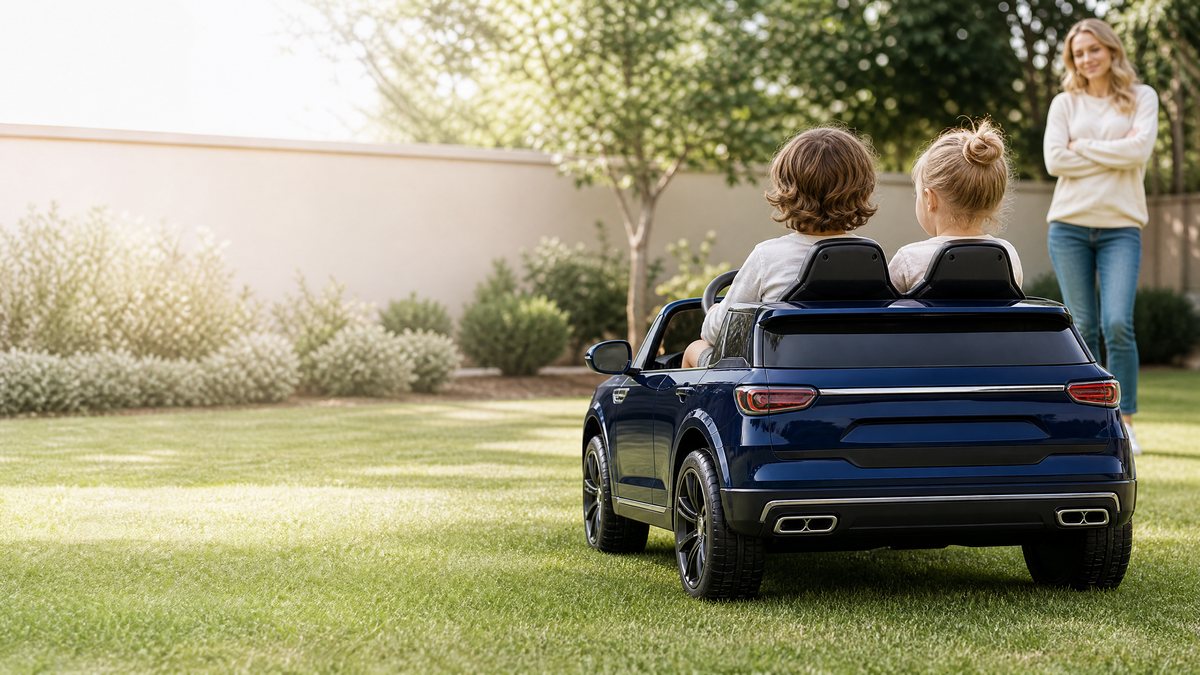
When multiple children are present, structure clear turn-taking protocols and establish defined boundaries for the driving course. If a vehicle is designed for a single occupant, overloading must be strictly avoided to prevent stability issues and mechanical strain. Adults must actively monitor interactions and ensure that designated pedestrian zones remain clear of moving vehicles.
4. What are the key maintenance checks required to ensure safe ongoing play?
Routine maintenance includes inspecting tires for wear, checking that all mechanical fasteners are secure, verifying that steering and braking mechanisms respond smoothly, and ensuring the battery and charging port remain dry and undamaged. Never attempt internal electrical repairs yourself; always contact the manufacturer or qualified service personnel for maintenance issues.
Conclusion
Integrating ride-on cars into structured pretend driving lessons bridges the gap between joyful play and meaningful cognitive development. By combining immersive role-play with spatial reasoning, motor skill practice, and early road safety awareness, children gain valuable developmental benefits in a safe, controlled environment. For B2B partners, toy distributors, and educators, championing safety-first, education-enriched play experiences elevates product value and fosters lasting trust with families worldwide.
Request a wholesale quote
Official References
1. U.S. Consumer Product Safety Commission (CPSC). Toy Safety Education and General Safety Guidelines for Ride-On Toys. Available at: https://www.cpsc.gov (Note: Official CPSC safety publications provide general educational context and do not replace specific manufacturer user manuals or product certifications).
2. American Academy of Pediatrics (AAP). The Importance of Play in Promoting Healthy Child Development and Maintaining Strong Parent-Child Bonds. Pediatrics, Vol. 119, No. 1, 2007.
Official references
Explore these external resources for current regulatory and trade guidance. Confirm requirements with the relevant authority before placing an order.
Ready to Start?
Factory-Direct · CE & ASTM Certified · MOQ from 50 Units
Our export team works with buyers in 60+ countries. Get a quote within 24 hours.
KR
Written by KidsRideCar
China's leading kids electric ride-on car manufacturer. 500,000+ units shipped annually to 60+ countries. CE, ASTM & EN71 certified.