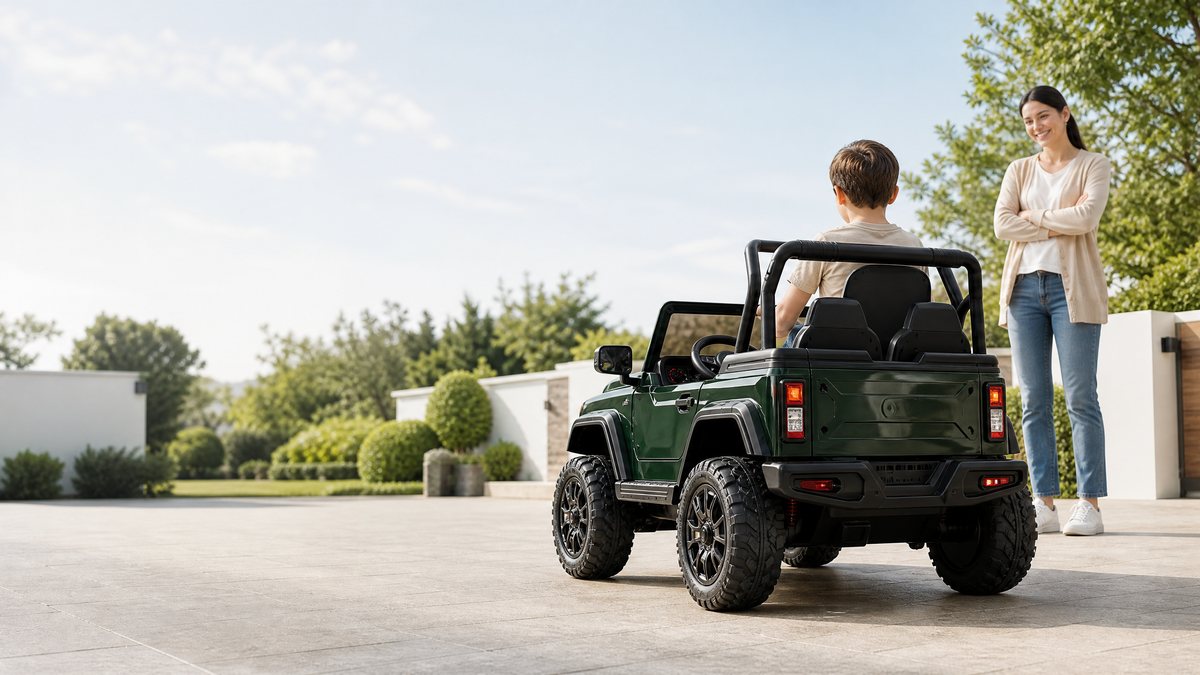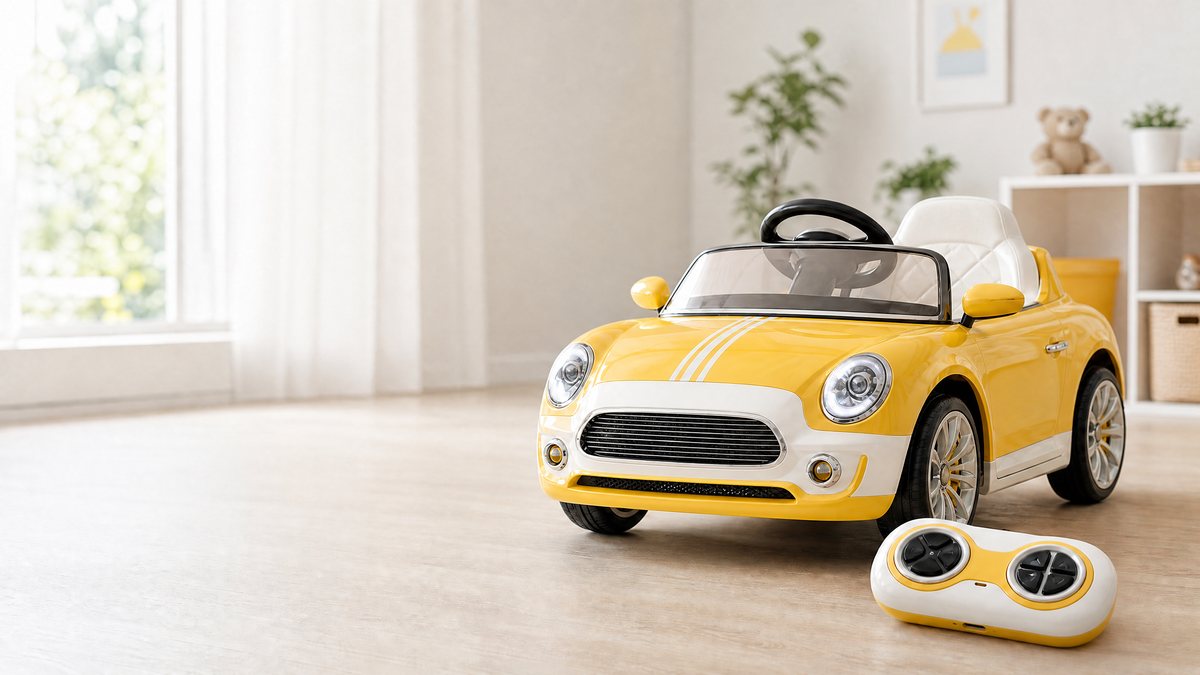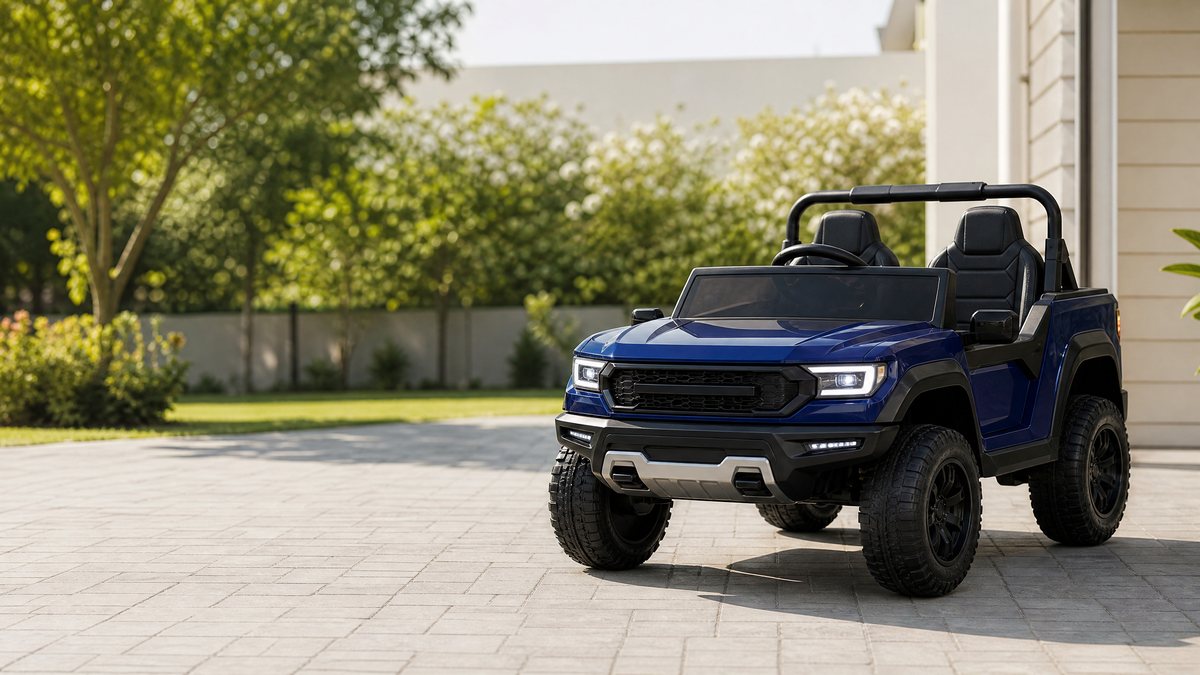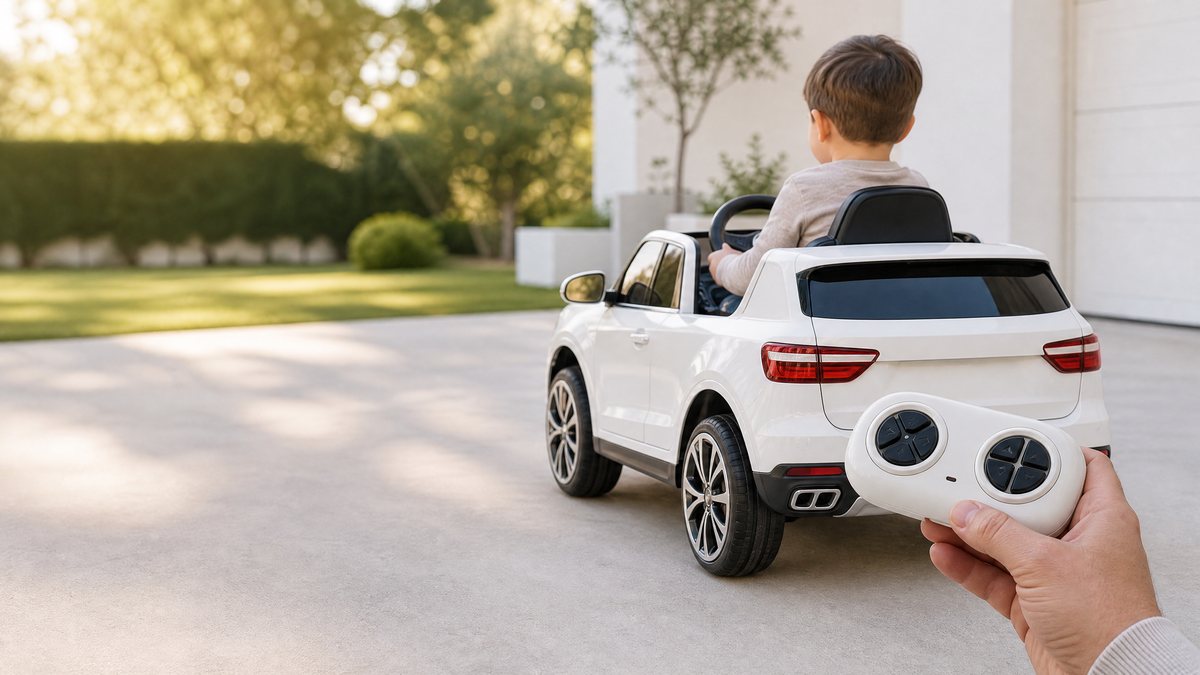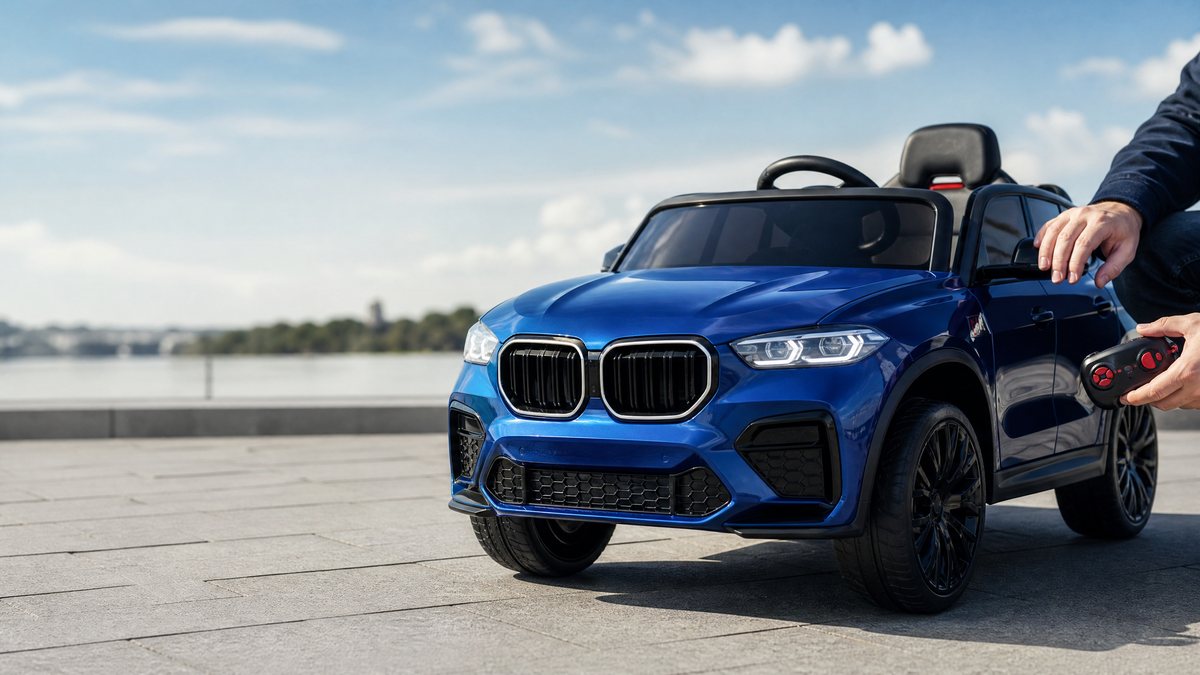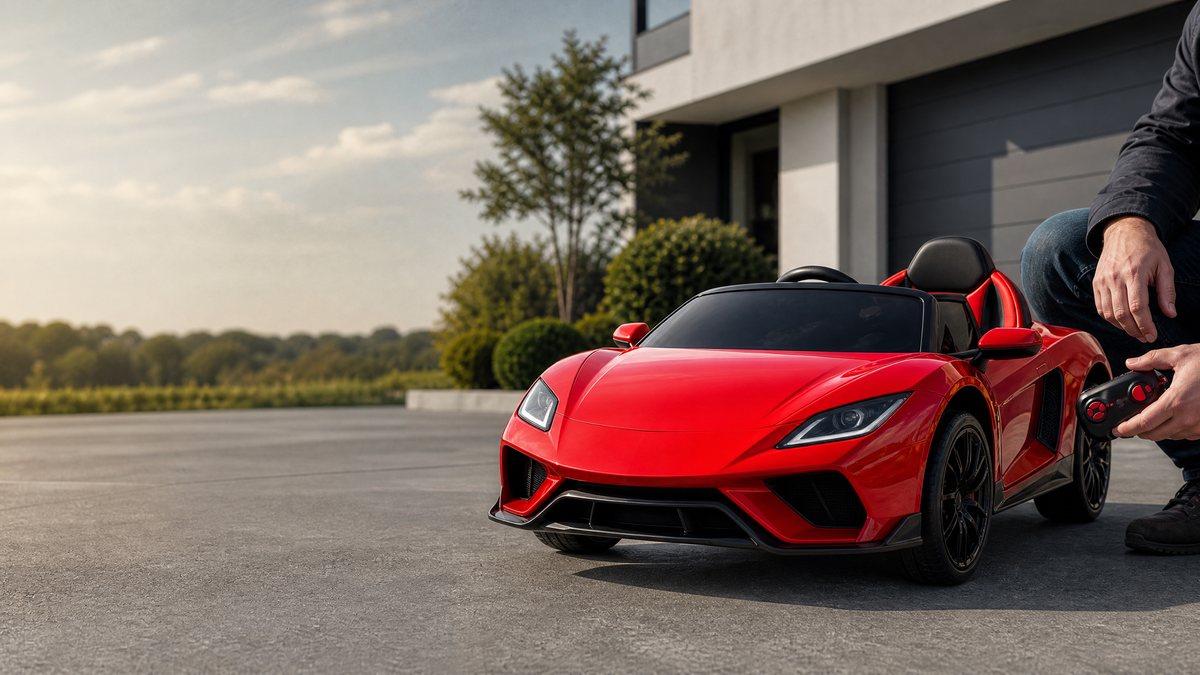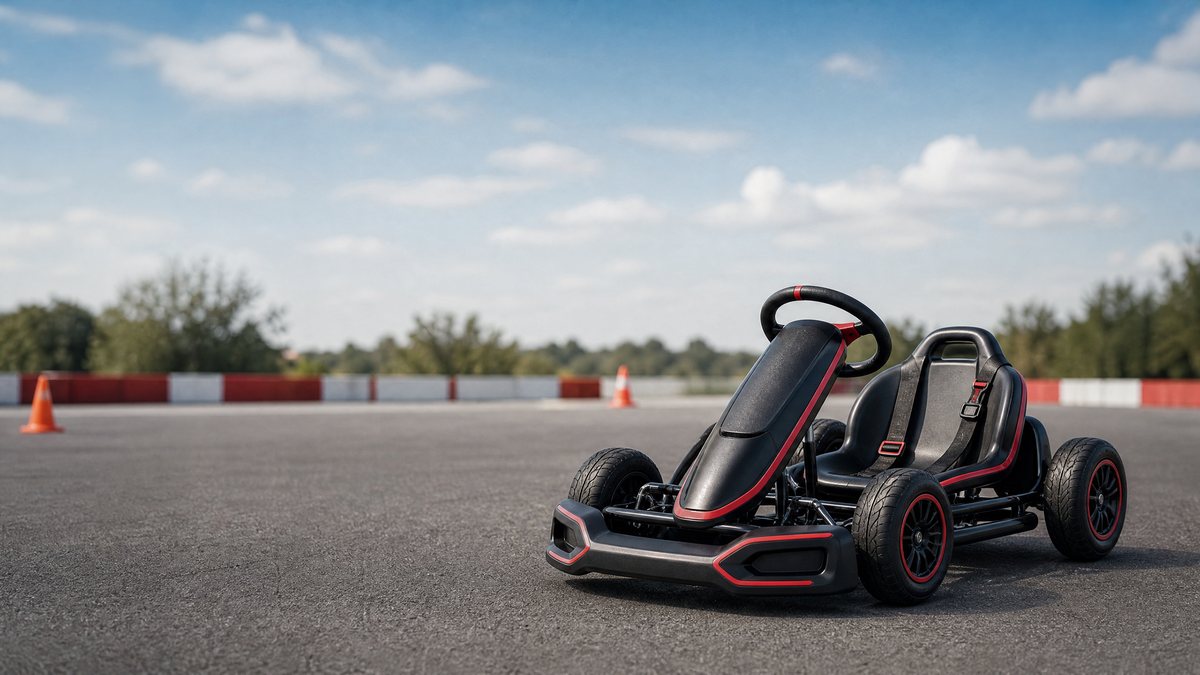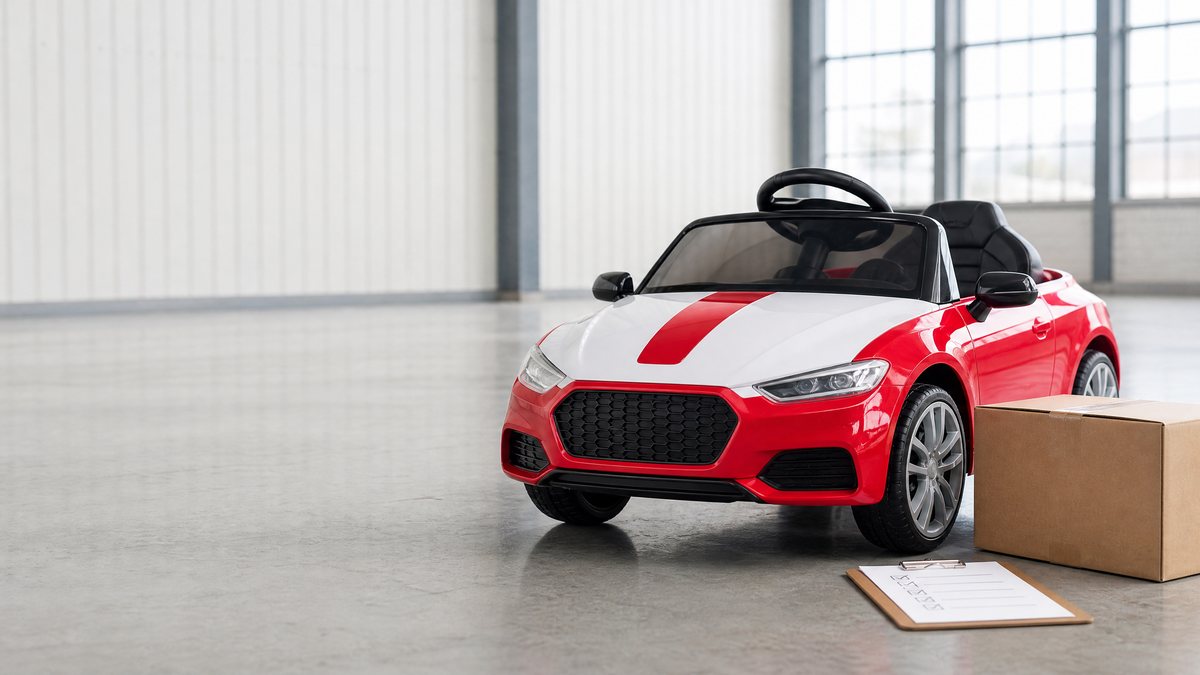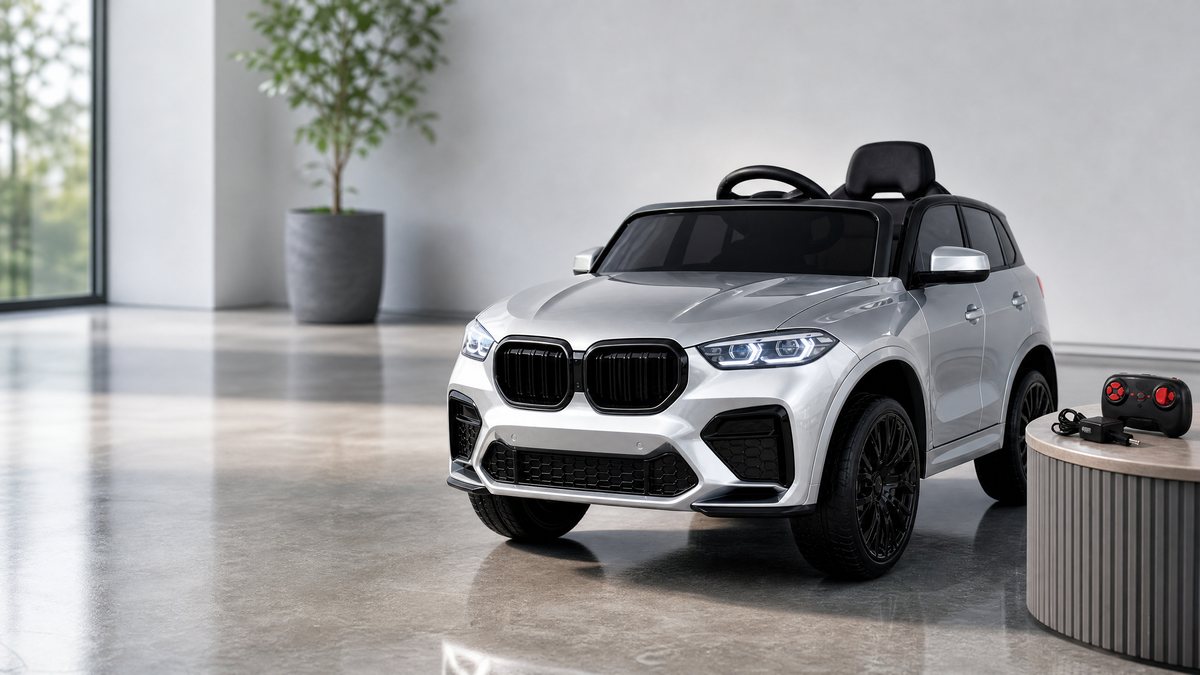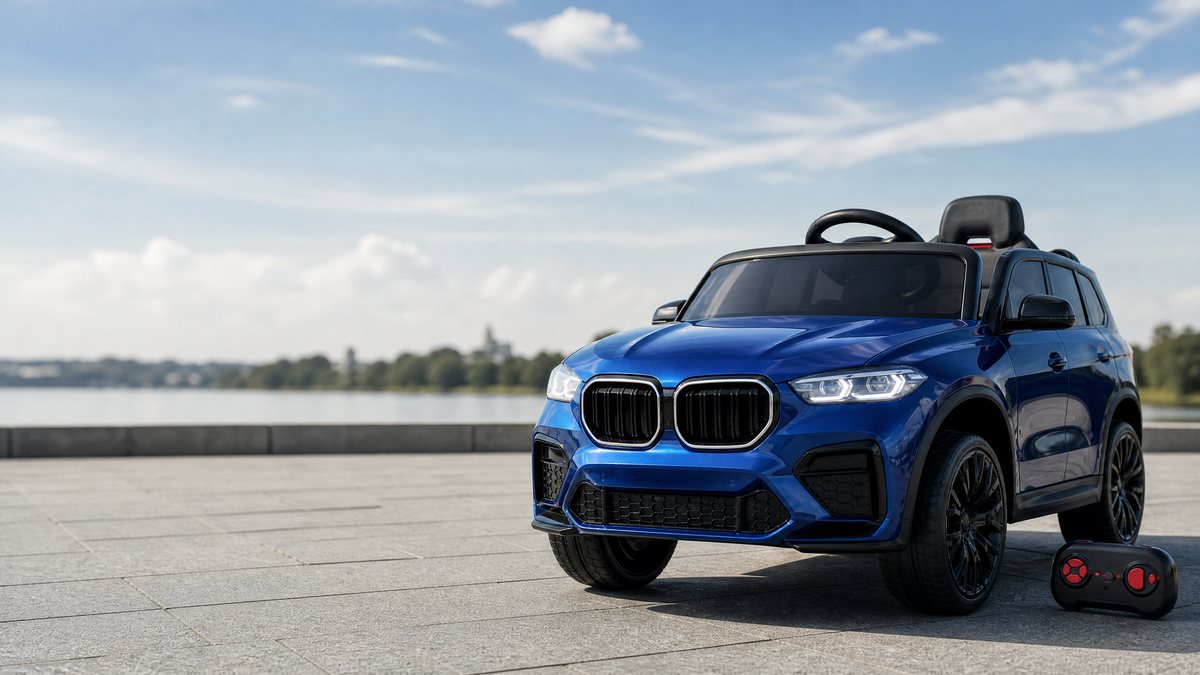
When importing bulk quantities of kids' electric ride-on cars from international manufacturing hubs to your domestic distribution centers, the journey is fraught with potential hazards. From rough ocean swells and turbulent air transit to multi-modal handling mishaps, container drops, and warehouse misadventures, your capital investment is exposed to significant transit risks. For B2B wholesalers, distributors, and high-volume retail buyers, relying solely on a carrier's basic liability is a dangerous gamble that can decimate profit margins.
Securing comprehensive marine cargo insurance is not merely an administrative checkbox; it is the ultimate financial safeguard for your supply chain. This guide explores the nuances of shipping insurance tailored specifically to ride-on toy importers, detailing coverage types, valuation practices, common pitfalls, and a step-by-step framework for filing successful claims.
Understanding the Risks in Ride-On Car Logistics
Kids' electric ride-on cars are high-volume, relatively heavy, and electrically sensitive products. Unlike apparel or non-fragile plastics, ride-on cars combine molded high-impact plastic bodies, steel chassis, lead-acid or lithium-ion battery packs, electric motors, and delicate motherboards.
During international transit, these shipments face several distinct risks:
1. Container Sweating and Moisture Damage: Long ocean voyages through varying climate zones often create condensation inside shipping containers, known as "container rain." Unprotected electrical components, chargers, and control boards can suffer severe corrosion or short-circuiting.
2. Rough Handling and Impact: Palletized or floor-loaded cartons frequently experience heavy shocks during loading, unloading, and port transfers. Dropped master cartons can fracture structural plastic frames or misalign internal steering linkages.
3. Punctures and Compression Damage: Improper stacking inside high-cube containers can crush bottom-tier cartons, warping windshields, steering wheels, and decorative trim.
4. General Average Declarations: Under maritime law, if a vessel encounters a catastrophic peril (such as a fire, engine failure, or grounding) and cargo is sacrificed or expenses are incurred to save the voyage, all parties with a stake in the cargo must proportionately share the losses—even if your specific cartons arrived unscathed.
Marine Cargo Insurance Types: ICC(A) vs. ICC(C)
When purchasing shipping insurance for commercial cargo, policies are generally governed by the Institute Cargo Clauses (ICC). For wholesale importers of electronic ride-on toys, selecting the correct clause is critical.
| Insurance Clause | Coverage Scope | Best Suited For | Risk Level |
|---|---|---|---|
| Institute Cargo Clauses (C) - ICC(C) | Covers major casualties only: fire, explosion, vessel sinking, grounding, collision, or jettison. Excludes heavy weather damage, theft, and rough handling. | Low-value, highly robust bulk commodities (e.g., raw timber, scrap metal). Not recommended for ride-on cars. | High exposure for electronics |
| Institute Cargo Clauses (B) - ICC(B) | Covers all ICC(C) risks plus earthquake, volcanic eruption, lightning, washing overboard, entry of sea/river water, and total loss of any package dropped during loading/unloading. | Moderate-risk goods with stable packaging. | Moderate exposure |
| Institute Cargo Clauses (A) - ICC(A) | "All Risks" coverage. Covers all risks of physical loss or damage from any external cause, subject to standard exclusions (e.g., inherent vice, willful misconduct, inadequate packing). | Kids' electric ride-on cars, electronics, and finished toys. | Minimum exposure / Maximum protection |
For high-value consumer goods containing batteries and electronic circuits, ICC(A) "All Risks" is the industry standard. While it does not cover inherent defects manufactured at the factory (which fall under supplier quality control), it covers virtually every external accident that occurs from warehouse-to-warehouse.
Key Coverage Considerations for Importers
When structuring your insurance policy with your freight forwarder or a specialized marine insurer, keep the following core elements in mind:
1. Warehouse-to-Warehouse Clause
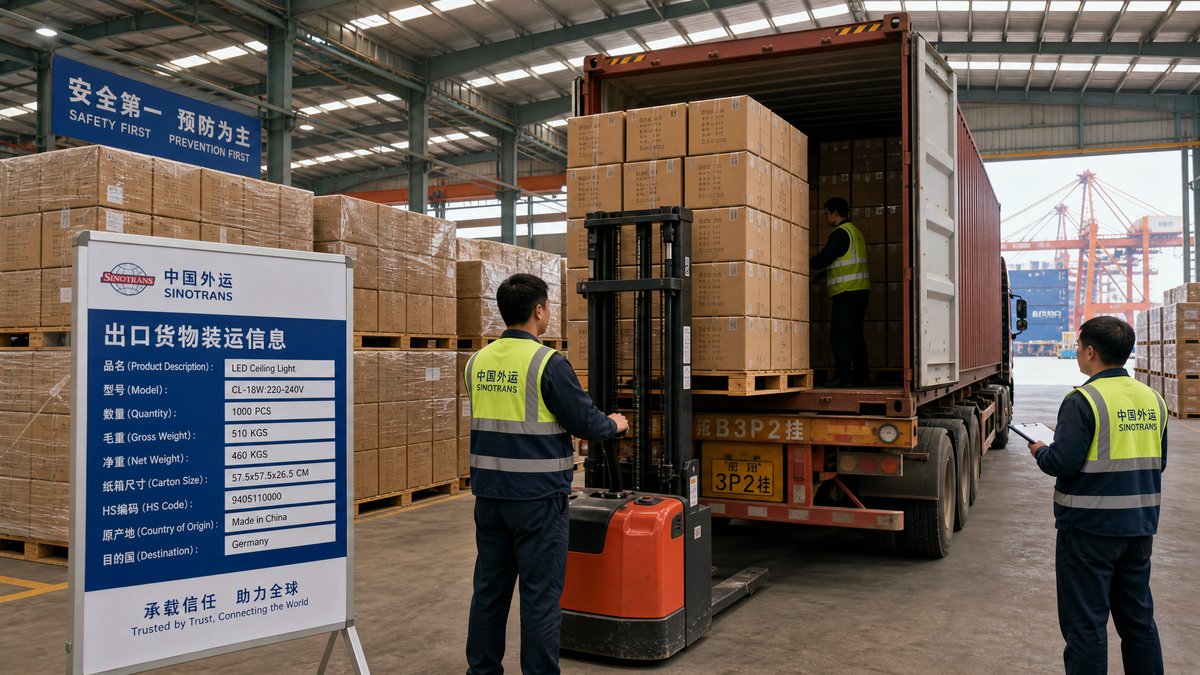
Ensure your policy includes the standard Warehouse-to-Warehouse Clause. This ensures that coverage begins the moment the ride-on cars leave the manufacturer's factory floor in China or other production hubs, covers inland trucking to the port of loading, ocean/air transit, customs clearance zones, and final delivery to your destination warehouse.
2. Insured Value Calculation
Cargo insurance is typically valued at CIF (Cost, Insurance, and Freight) plus a percentage (usually 10% to 20%). The extra percentage accounts for expected profit margins, customs duties, and handling costs. If your total invoice value for a container of 1B/2B ride-on SUVs is $50,000, insure them for at least $55,000 to $60,000 to protect your anticipated commercial return.
3. Battery and Electronic Riders
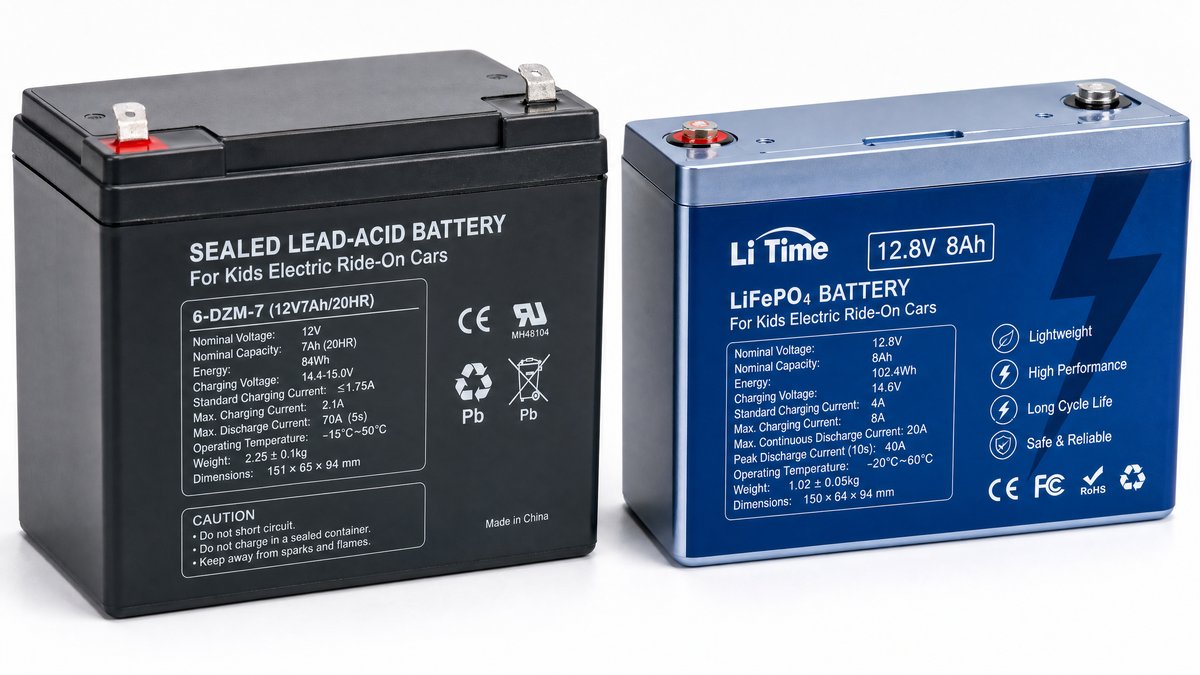
Because ride-on cars utilize lithium or sealed lead-acid batteries, some underwriters apply specific clauses regarding battery chemistry and transport safety certifications (e.g., UN38.3). Verify that your policy explicitly covers battery-powered electronic toys without restrictive exclusions.
Step-by-Step Guide to Filing a Successful Claim
Even with premium logistics partners, damage can still occur. When you discover damaged inventory upon container unpacking, swift and methodical action is required to ensure full indemnification.
```
[Container Arrival] ➔ [Joint Inspection & Reservation of Rights] ➔ [Evidence Gathering] ➔ [Formal Notice of Loss] ➔ [Underwriter Assessment & Payout]
```
Step 1: Immediate Inspection Upon Delivery
Inspect the exterior of the shipping container and pallets immediately upon arrival at your warehouse. If cartons show crushing, tears, or water stains, do not sign a clean Proof of Delivery (POD). Instead, endorse the delivery receipt with a clear "Reservation of Rights" or note the specific damage observed.
Step 2: Document Everything Extensively
Before unpacking or discarding any packaging materials, capture comprehensive photographic and video evidence:
- Photos of the sealed container doors and container number.
- Photos of damaged pallets, crushed outer cartons, and torn strapping.
- Close-up shots of damaged ride-on car bodies, cracked windshields, broken wheels, or water-stained electronic control boxes.
- Retain all damaged packaging materials (foam inserts, double-wall corrugated cartons) as proof that packing was compliant or to demonstrate inadequacy if supplier fault is suspected.
Step 3: Issue a Formal Notice of Loss
Notify your insurance broker or the underwriting agent in writing within the policy's stipulated timeframe (usually within 3 days of delivery for concealed damage). Delaying notification gives insurers grounds to dispute whether the damage occurred during transit or while in your facility.
Step 4: Engage an Independent Marine Surveyor
For high-value claims, the insurance company will typically appoint an independent marine surveyor to inspect the damaged goods at your facility. Ensure your warehouse staff is present to facilitate access, provide carton counts, and present the commercial invoice, packing list, and bill of lading.
Frequently Asked Questions (FAQ)
1. Does shipping insurance cover factory defects or motor failures?
No. Marine cargo insurance covers external physical loss or damage sustained during transit. If a ride-on car arrives with a non-functioning motor due to substandard manufacturing assembly, this falls under supplier warranty and quality control agreements, not your shipping insurance policy.
2. What happens if the manufacturer packed the goods poorly and they collapsed?
Insurers may reject claims if damage is attributed to "insufficient packing" (inherent vice). To mitigate this, ensure your ride-on car supplier uses drop-tested, double-walled corrugated cartons, reinforced corner guards, and secure internal bracing. Reputable B2B manufacturers adhere to strict export packaging standards.
3. How long does the claims settlement process take?
Once all required documentation—including the commercial invoice, bill of lading, delivery receipt with exceptions noted, survey report, and photographic evidence—is submitted, straightforward claims are typically settled within 15 to 30 days. Complex claims involving carrier liability disputes may take longer.
4. Should I buy insurance through my freight forwarder or an independent broker?
While booking insurance directly through your freight forwarder or platform is convenient, independent marine insurance brokers often offer more competitive rates, broader policy wording, and dedicated claims advocacy in the event of a dispute. Evaluate based on your shipment volume and risk tolerance.
Secure Your Wholesale Supply Chain Today
Importing children's electric ride-on cars is a lucrative enterprise, but unprotected logistics can turn a profitable container into a financial liability. By insisting on Institute Cargo Clauses (A) "All Risks" coverage, meticulously inspecting incoming shipments, and maintaining rigorous documentation, you protect your business from unforeseen transit catastrophes.
To discuss secure sourcing, OEM manufacturing, or bulk wholesale orders for our premium line of licensed and custom ride-on vehicles, contact our export team today at mailto:info@kidsridecar.com.
Official references
Explore these external resources for current regulatory and trade guidance. Confirm requirements with the relevant authority before placing an order.
Ready to Start?
Factory-Direct · CE & ASTM Certified · MOQ from 50 Units
Our export team works with buyers in 60+ countries. Get a quote within 24 hours.
KR
Written by KidsRideCar
China's leading kids electric ride-on car manufacturer. 500,000+ units shipped annually to 60+ countries. CE, ASTM & EN71 certified.