Logistics is the part of the import process that surprises first-time buyers most. The product cost is visible and negotiated upfront; the shipping cost is often underestimated until the freight quotation arrives. For kids electric ride-on cars — bulky, relatively heavy products with low value-to-volume ratios — freight costs can represent 20–40% of the total landed cost. Understanding your logistics options and optimizing your shipping strategy is therefore a direct path to improving your margins.
This guide covers the complete logistics journey for kids electric ride-on cars from a Chinese factory to your warehouse: freight mode selection, packaging requirements, customs documentation, import duties, and a worked example of landed cost calculation.
Freight Mode Selection: Sea vs Air vs Express
Three freight modes are available for importing kids electric ride-on cars: sea freight (FCL or LCL), air freight, and express courier (DHL, FedEx, UPS). Each has a different cost profile, transit time, and minimum viable order size.
| Freight Mode | Transit Time | Cost per Unit (12V car) | Minimum Viable Order |
|---|---|---|---|
| FCL (20ft container) | 20–35 days | $8–$15 | 150–250 units |
| LCL (shared container) | 25–40 days | $18–$35 | 20–50 units |
| Air freight | 5–10 days | $45–$90 | Any quantity |
| Express courier | 3–7 days | $80–$150+ | 1–10 units (samples only) |
For most wholesale buyers, sea freight is the only commercially viable option for bulk orders. Air freight is appropriate for urgent replenishment orders, high-value licensed models, or situations where a delayed shipment would cause significant lost sales. Express courier is suitable only for samples and small prototype shipments.
Container Planning and Loading
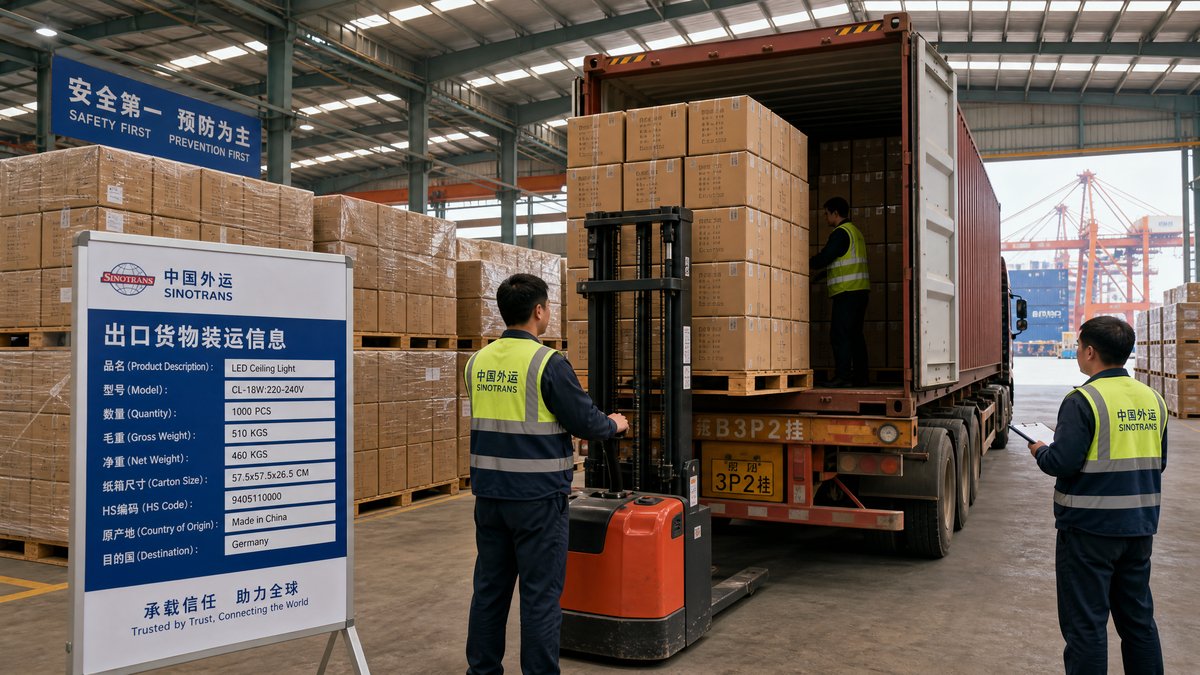
Container planning is critical for maximizing the efficiency of FCL shipments. Kids electric ride-on cars are packaged in individual cartons that are typically 90–130 cm long, 60–80 cm wide, and 50–70 cm tall, depending on the model. A standard 20-foot container (internal dimensions approximately 590 cm × 235 cm × 239 cm, volume 33 CBM) can hold approximately 150–250 units depending on carton dimensions and stacking configuration.
A 40-foot container (67 CBM) can hold 300–500 units. For buyers placing their first order, a 20-foot container is usually sufficient. For established importers with predictable demand, a 40-foot container reduces per-unit freight costs by approximately 30–40% compared to two 20-foot containers.
Packaging Requirements for Export
Export packaging for kids electric ride-on cars must protect the product through a journey that involves factory loading, port handling, ocean transit (with humidity and temperature variation), destination port unloading, and inland freight. Standard export packaging consists of: individual product carton (corrugated cardboard, minimum 5-ply for most markets), foam padding for the vehicle body and fragile components, separate packaging for batteries and chargers (required by IATA regulations for lithium batteries), and master carton labeling with HS code, country of origin, and product description.
Lithium battery shipping requires special attention. IATA regulations classify lithium batteries as dangerous goods, and shipments containing lithium batteries must comply with specific packaging, labeling, and documentation requirements. For sea freight, lithium batteries in equipment (installed in the vehicle) are generally less restricted than standalone batteries, but documentation requirements still apply. Confirm with your freight forwarder that your shipment complies with current IATA and IMDG regulations.
Our export team can provide FOB pricing, packaging specifications, and connect you with freight forwarders for your target market.
Request Shipping Information →Customs Documentation
Customs clearance for kids electric ride-on cars requires a standard set of documents: Commercial Invoice (with product description, HS code, unit price, total value, and Incoterms), Packing List (detailed list of carton contents, weights, and dimensions), Bill of Lading or Airway Bill (issued by the shipping carrier), Certificate of Origin (required for preferential duty rates under trade agreements), and Safety Certification Documents (CE, ASTM F963, or equivalent for the destination market).
The HS code for kids electric ride-on cars is typically 9503.00.0090 (toys) in the US and 9503.00.90 in the EU. However, some customs authorities classify electric ride-on cars under Chapter 87 (motor vehicles) rather than Chapter 95 (toys), which can result in significantly different duty rates. Confirm the correct classification with a licensed customs broker before your first shipment.
Landed Cost Calculation: Worked Example
The following example calculates the landed cost for a 200-unit order of 12V electric ride-on cars shipped from Guangdong, China to Los Angeles, USA.
| Cost Component | Amount | Per Unit |
|---|---|---|
| FOB product cost (200 units × $65) | $13,000 | $65.00 |
| Ocean freight (LCL, ~10 CBM) | $800 | $4.00 |
| Destination port handling | $250 | $1.25 |
| Import duty (0% under HTS 9503) | $0 | $0.00 |
| Customs broker fee | $350 | $1.75 |
| Inland freight to warehouse (LA) | $400 | $2.00 |
| Pre-shipment inspection | $300 | $1.50 |
| Total Landed Cost | $15,100 | $75.50 |
In this example, the landed cost is $75.50 per unit versus a FOB price of $65 — a 16% premium. At a retail price of $179, the gross margin is 58%. Note that this example uses LCL shipping; FCL shipping for a larger order would reduce per-unit freight costs and improve margins further.
Frequently Asked Questions
How do I find a reliable freight forwarder for China shipments?
Reputable freight forwarders for China-origin shipments include Flexport, Freightos, Sinotrans, and many regional specialists. Your supplier may also be able to recommend freight forwarders they work with regularly. When evaluating a freight forwarder, ask about their experience with toy/children's product shipments, their handling of lithium battery documentation, and their track record for on-time delivery to your destination port.
What happens if my shipment is held at customs?
Customs holds are usually caused by incomplete documentation, incorrect HS code classification, or flagged products (those subject to safety recalls or import restrictions). A licensed customs broker can typically resolve documentation issues within 1–3 business days. If the hold is related to product safety concerns, resolution may take longer and may require submission of certification documents. This is why having current, verified certification documents before shipment is essential.
Can I ship kids electric cars with lithium batteries by air?
Yes, but with restrictions. Lithium batteries installed in equipment (in the vehicle) are classified as Section II dangerous goods under IATA regulations. Most airlines accept these shipments with proper documentation and packaging. Standalone lithium batteries (not installed in equipment) have stricter restrictions and may require Section I handling. Confirm with your freight forwarder and airline before booking air freight for lithium battery shipments.
Logistics is not the most glamorous aspect of the import business, but it is one of the most consequential for profitability. Buyers who understand their freight options, plan their container utilization effectively, ensure their documentation is complete and accurate, and calculate their landed costs before committing to retail pricing will consistently outperform those who treat logistics as an afterthought. The 16% landed cost premium in our worked example is manageable; unexpected freight costs discovered after pricing decisions have been made are not.
Official references
Explore these external resources for current regulatory and trade guidance. Confirm requirements with the relevant authority before placing an order.
Ready to Start?
Factory-Direct · CE & ASTM Certified · MOQ from 50 Units
Our export team works with buyers in 60+ countries. Get a quote within 24 hours.
China's leading kids electric ride-on car manufacturer. 500,000+ units shipped annually to 60+ countries. CE, ASTM & EN71 certified.