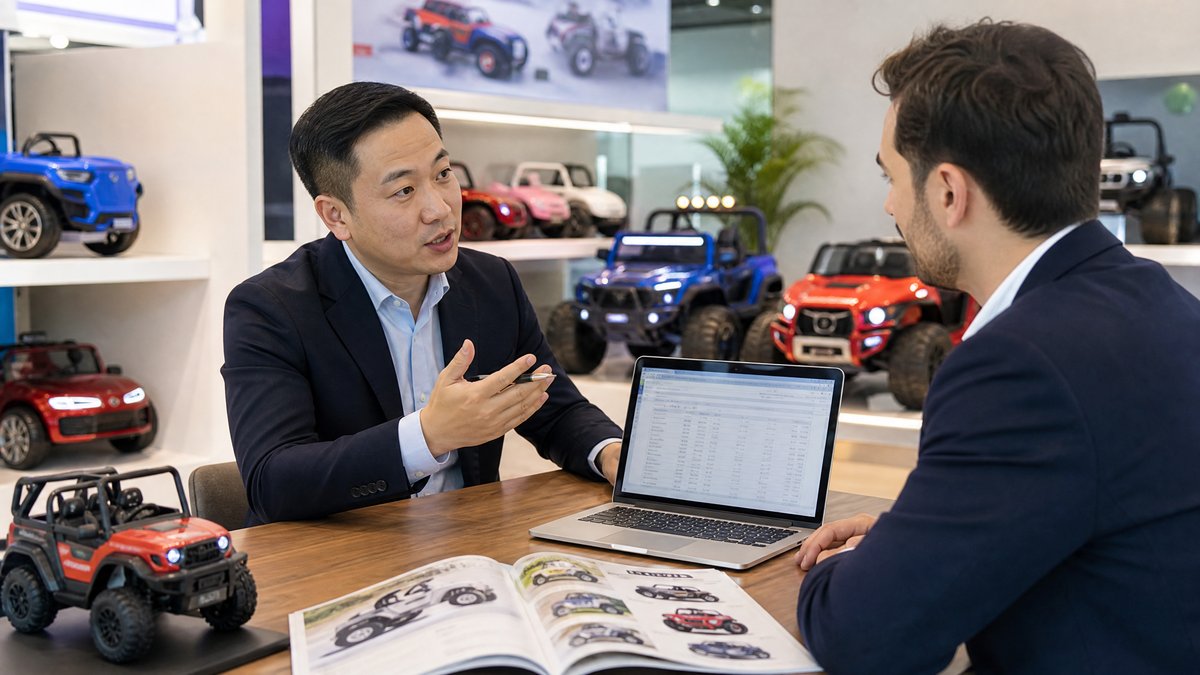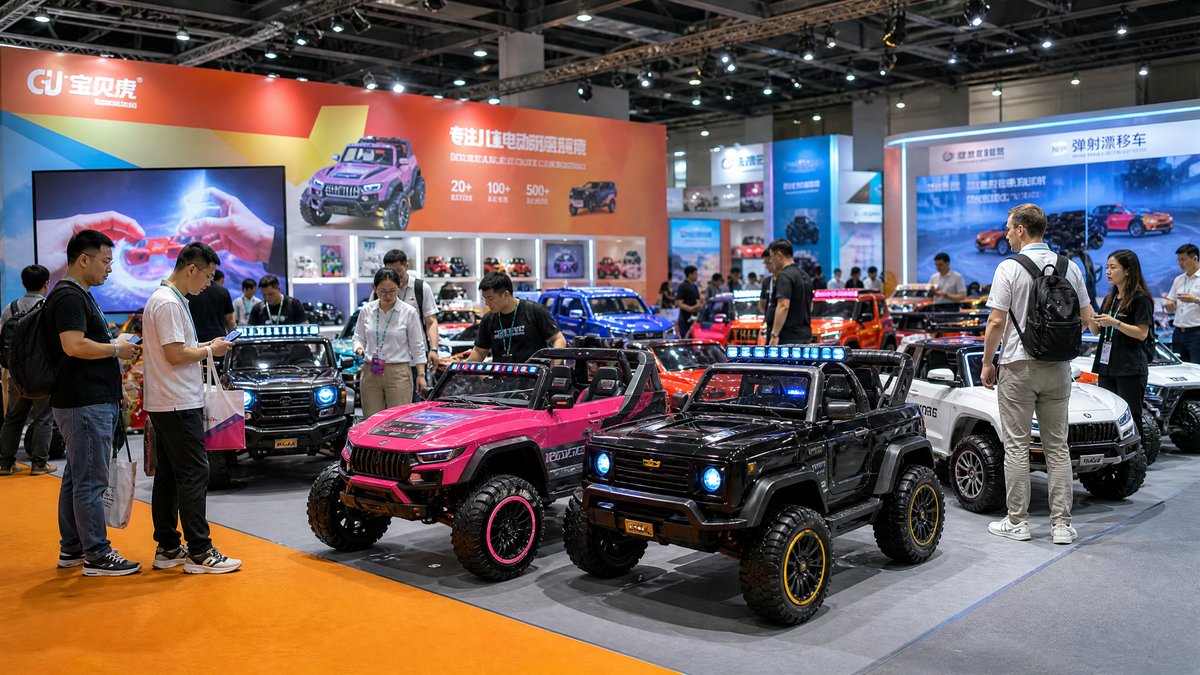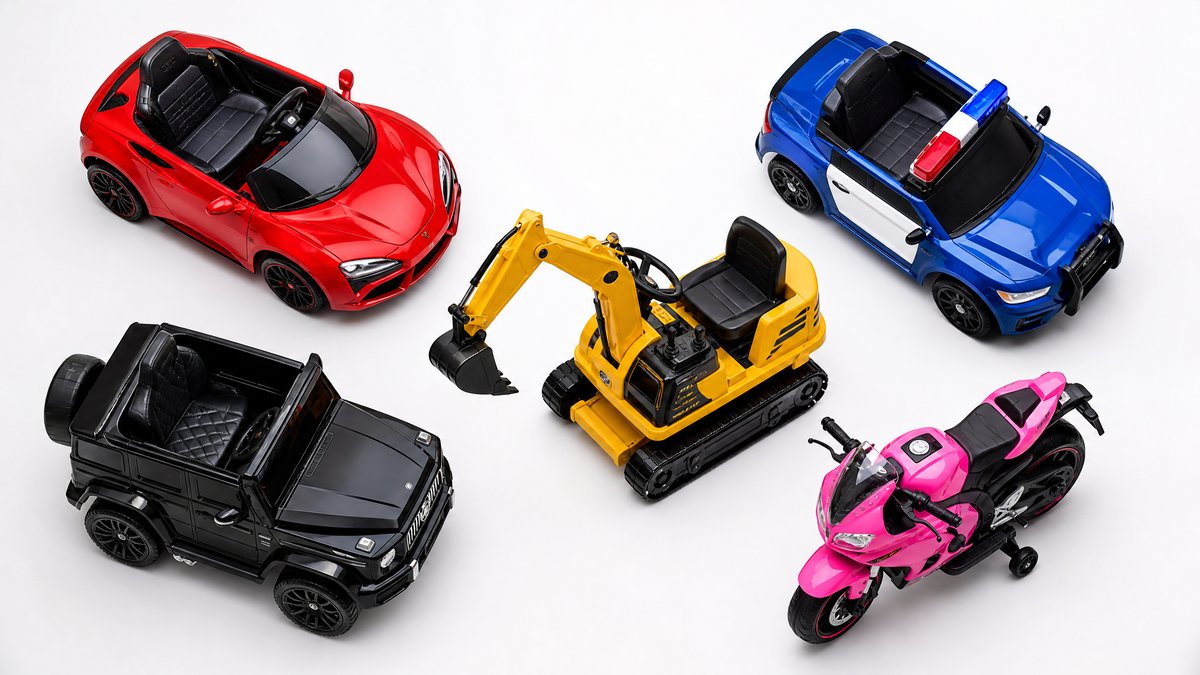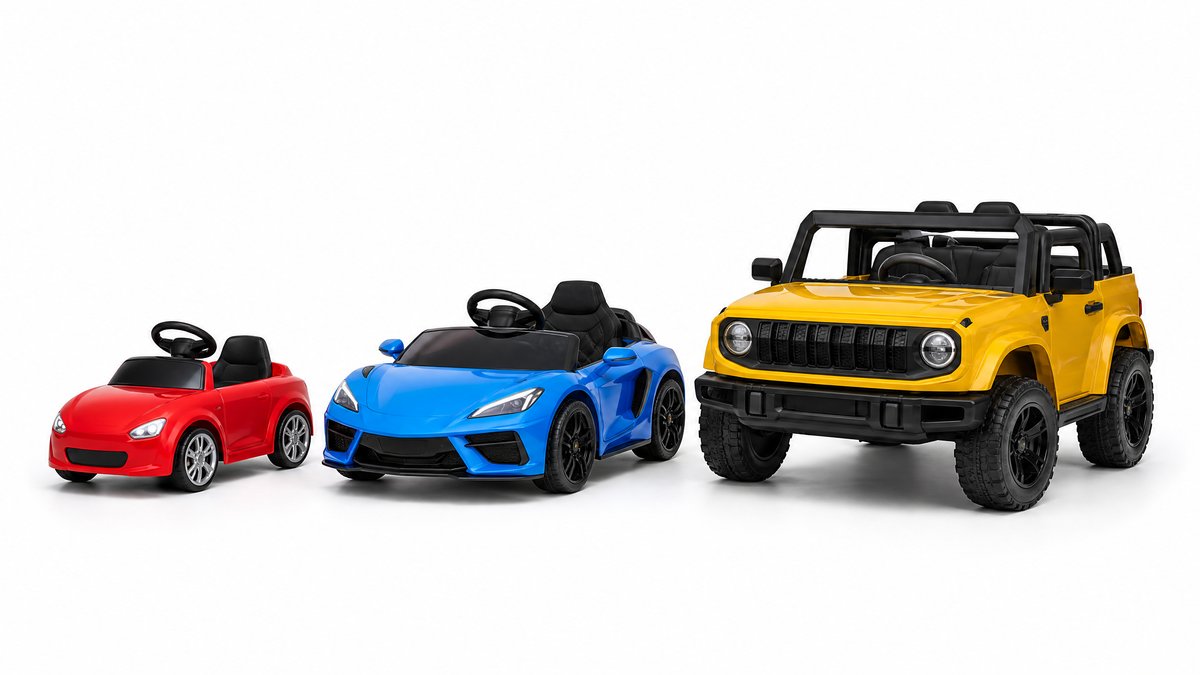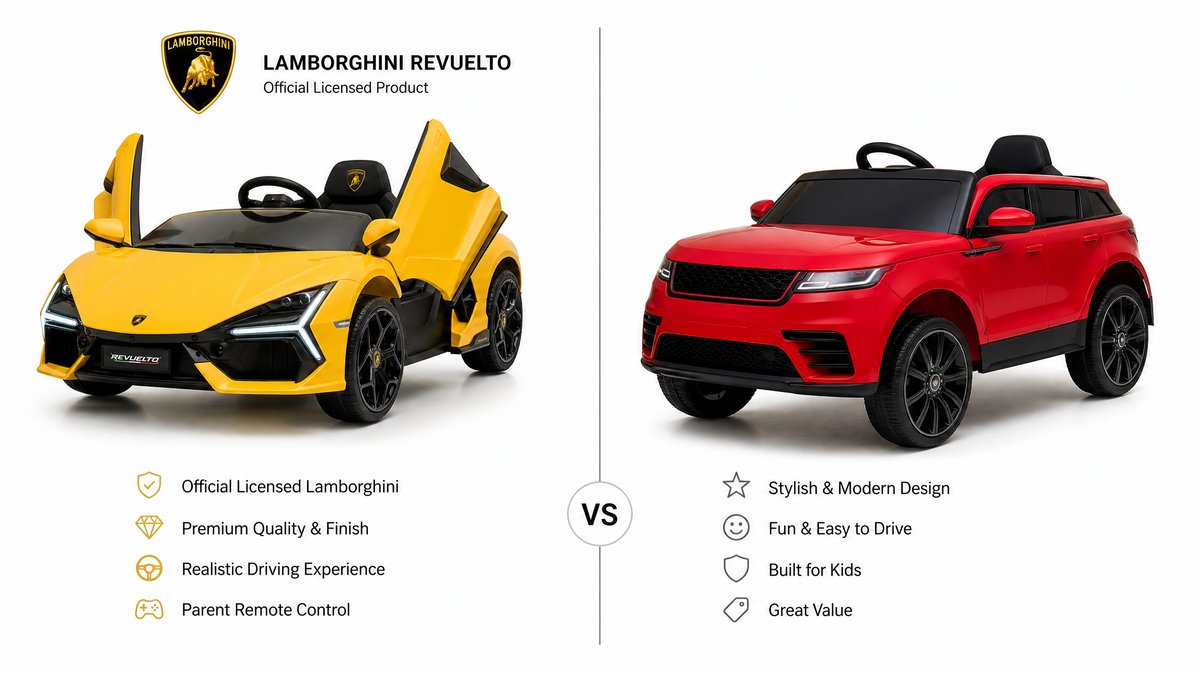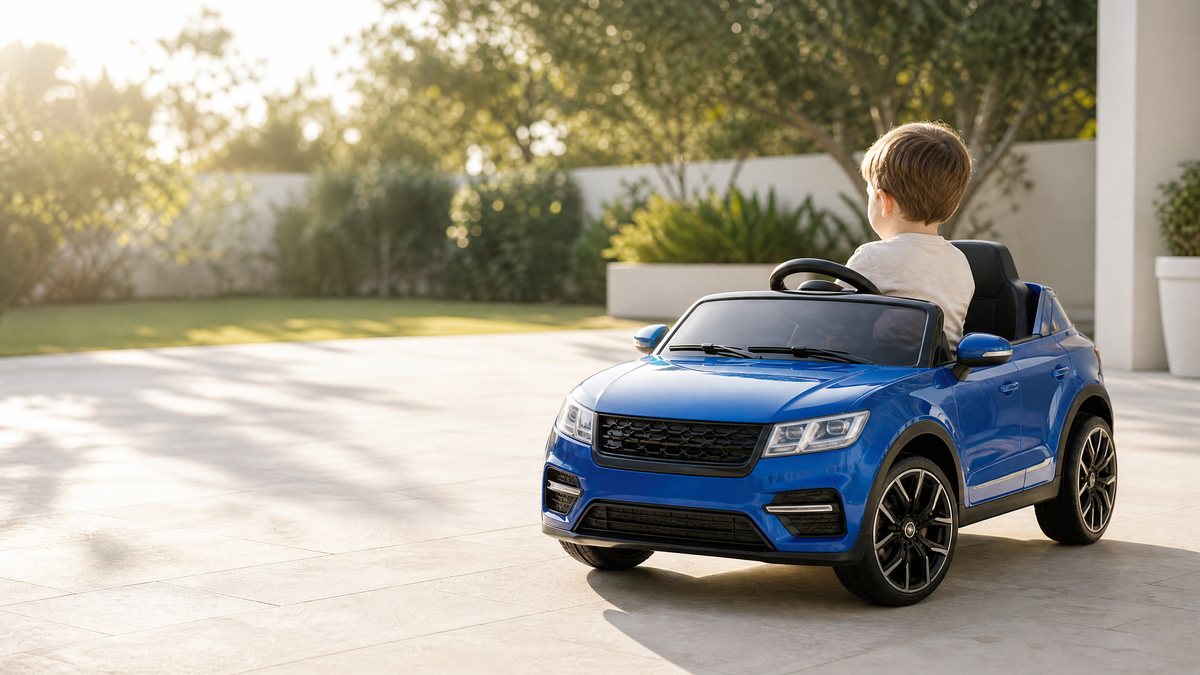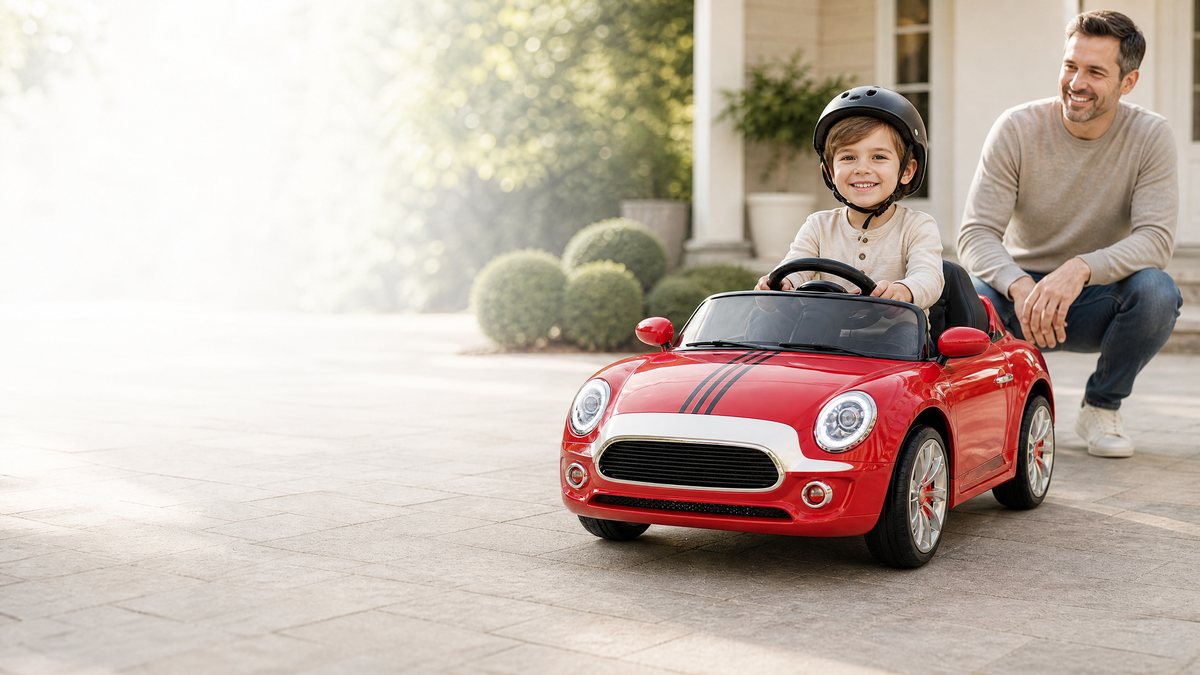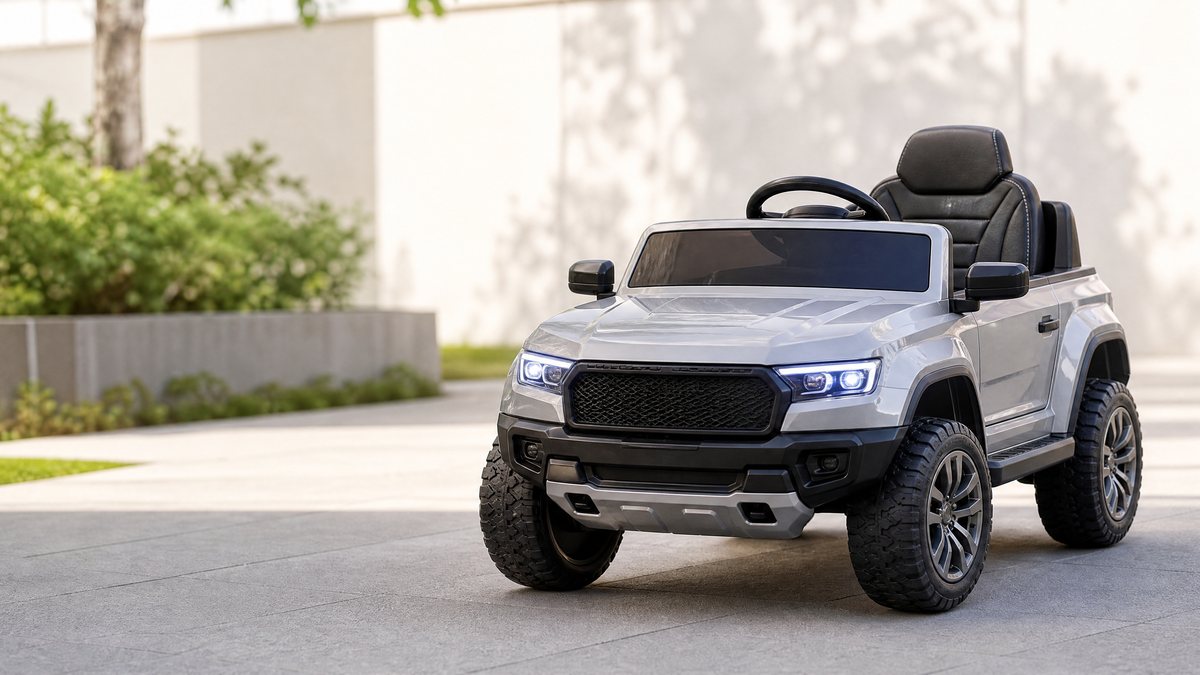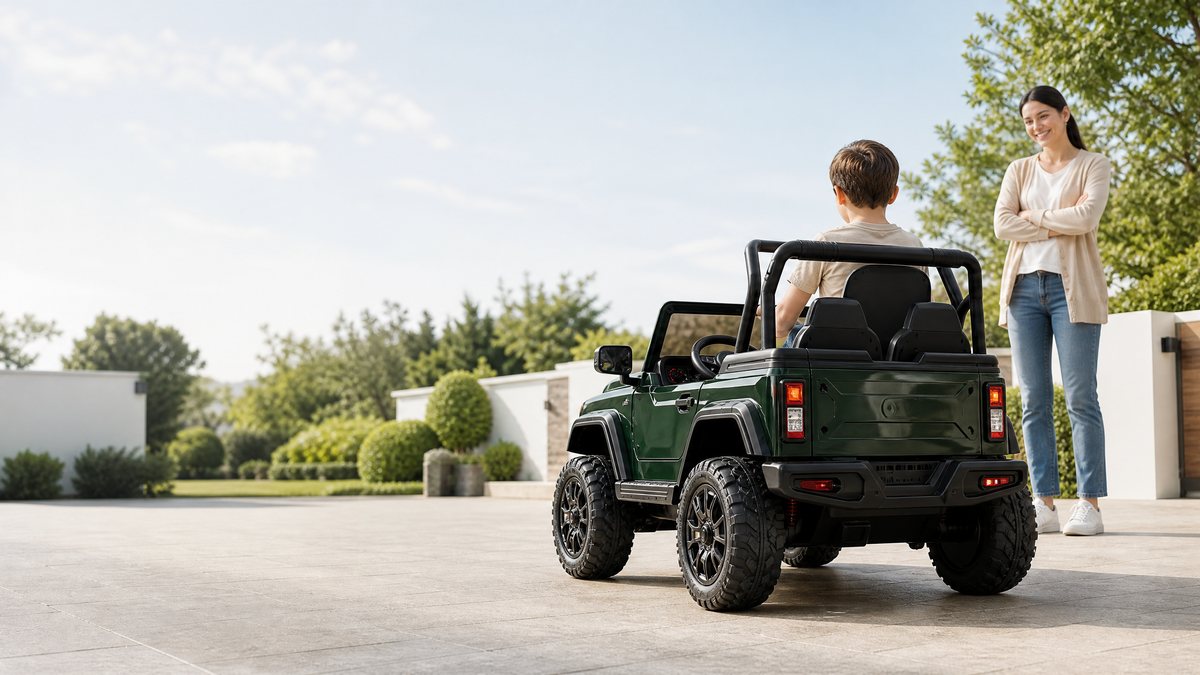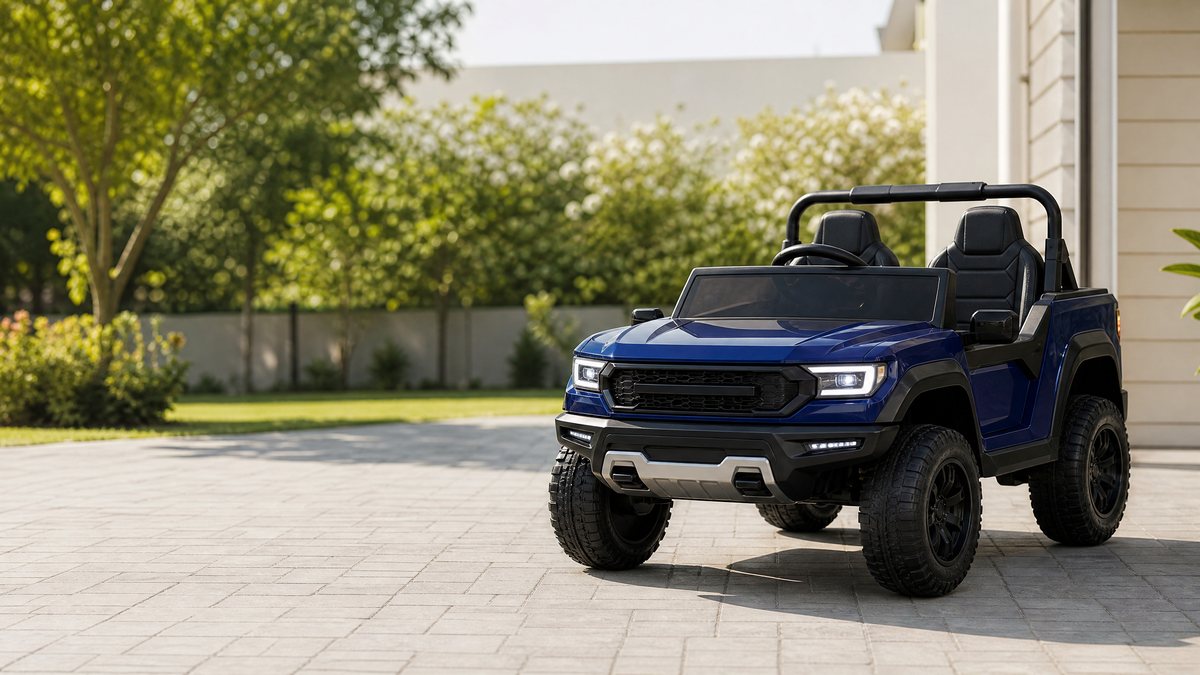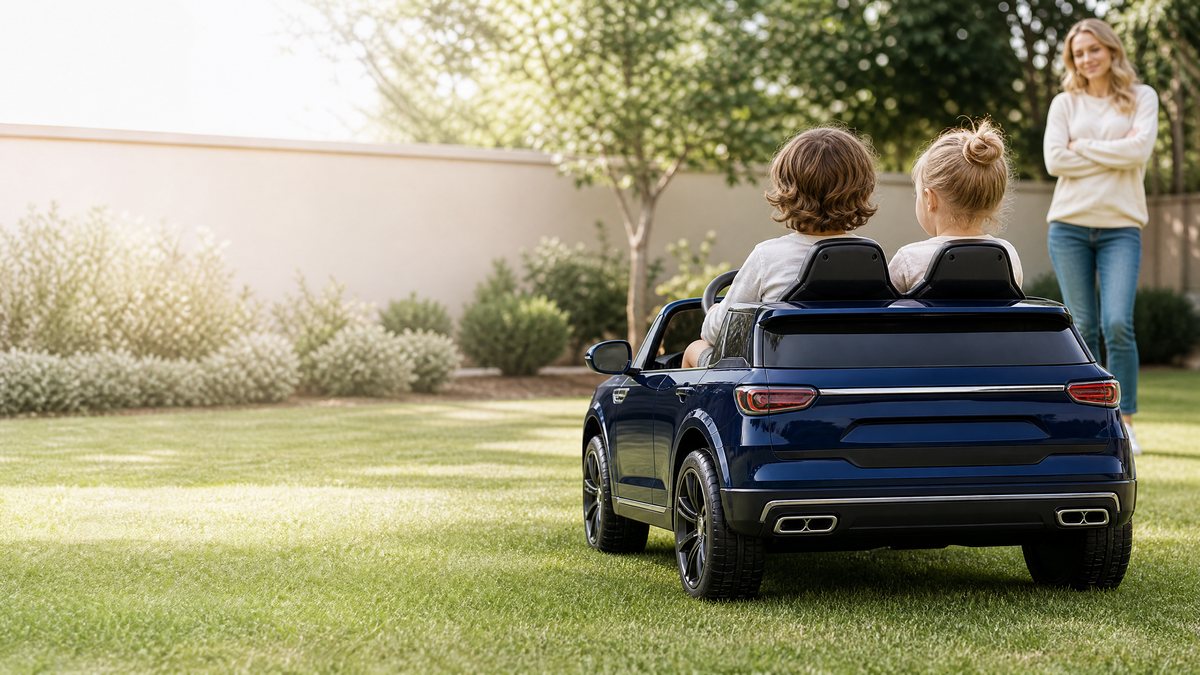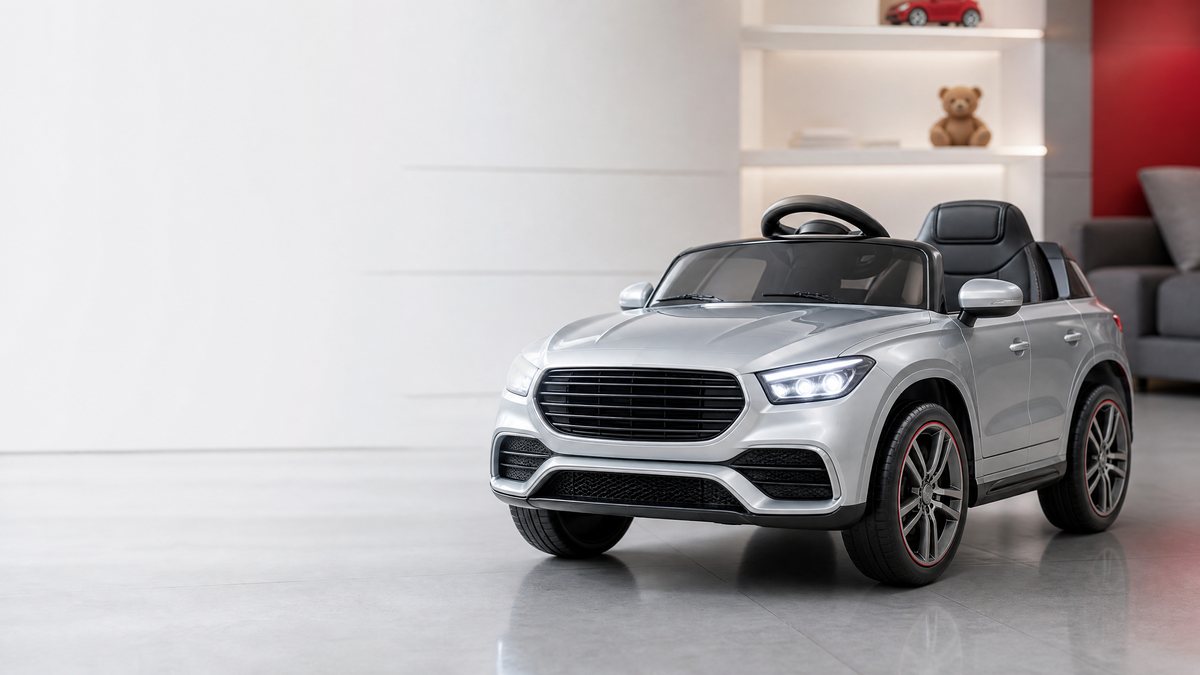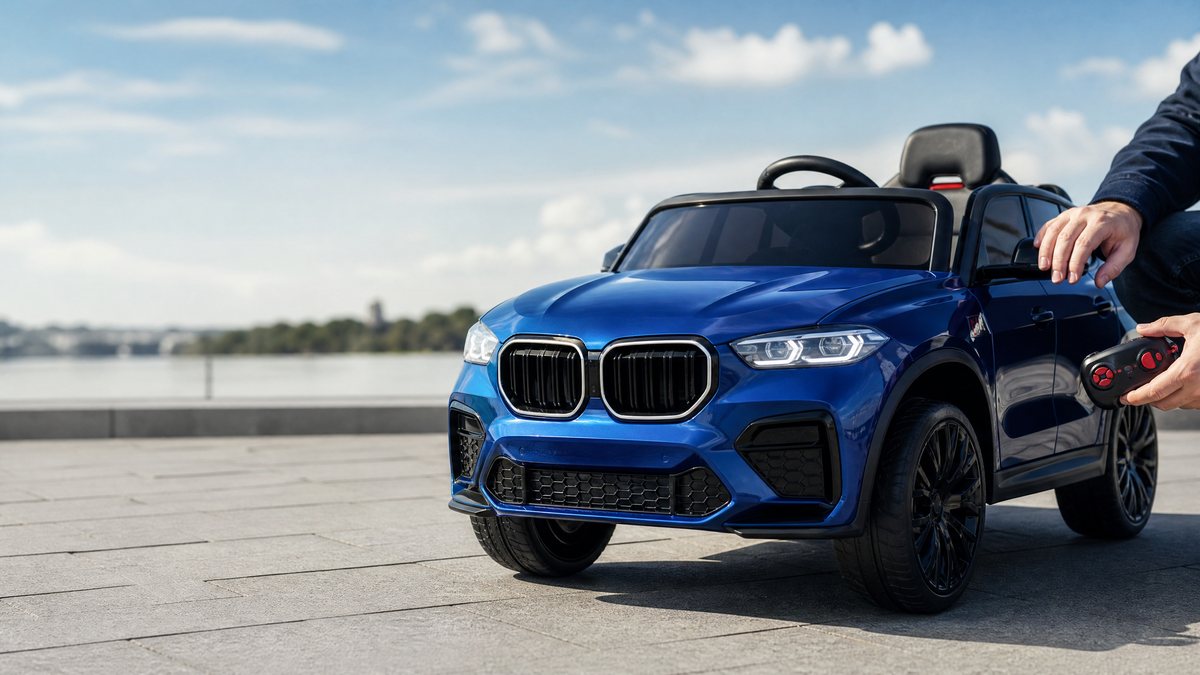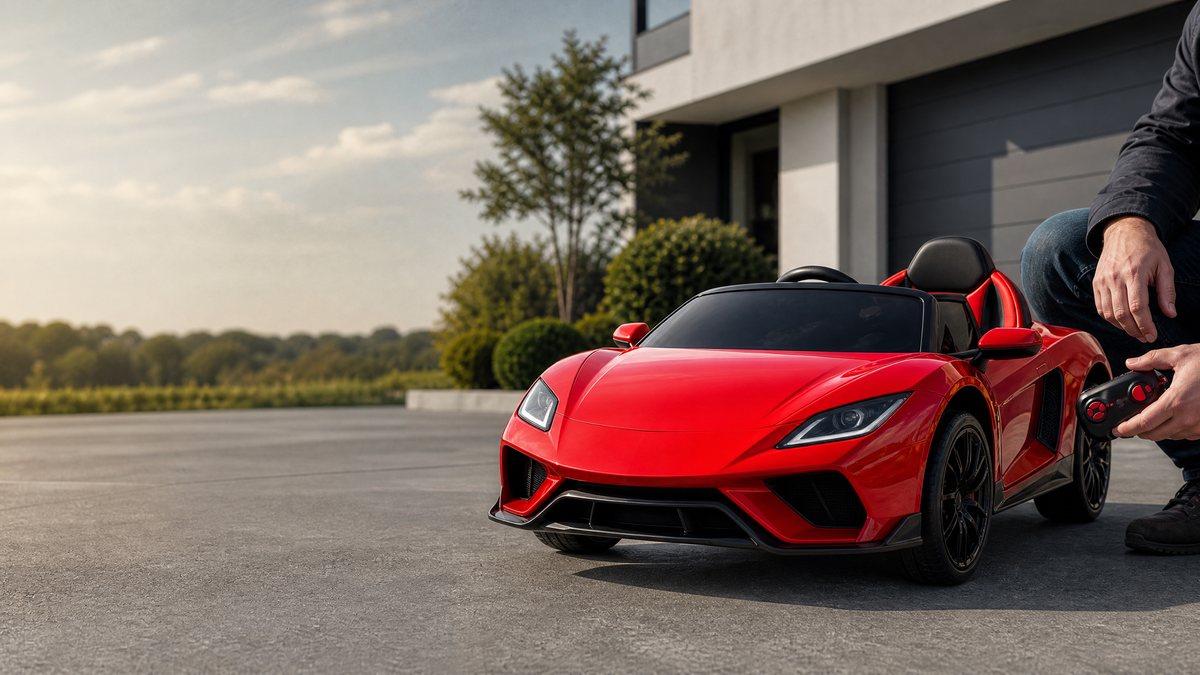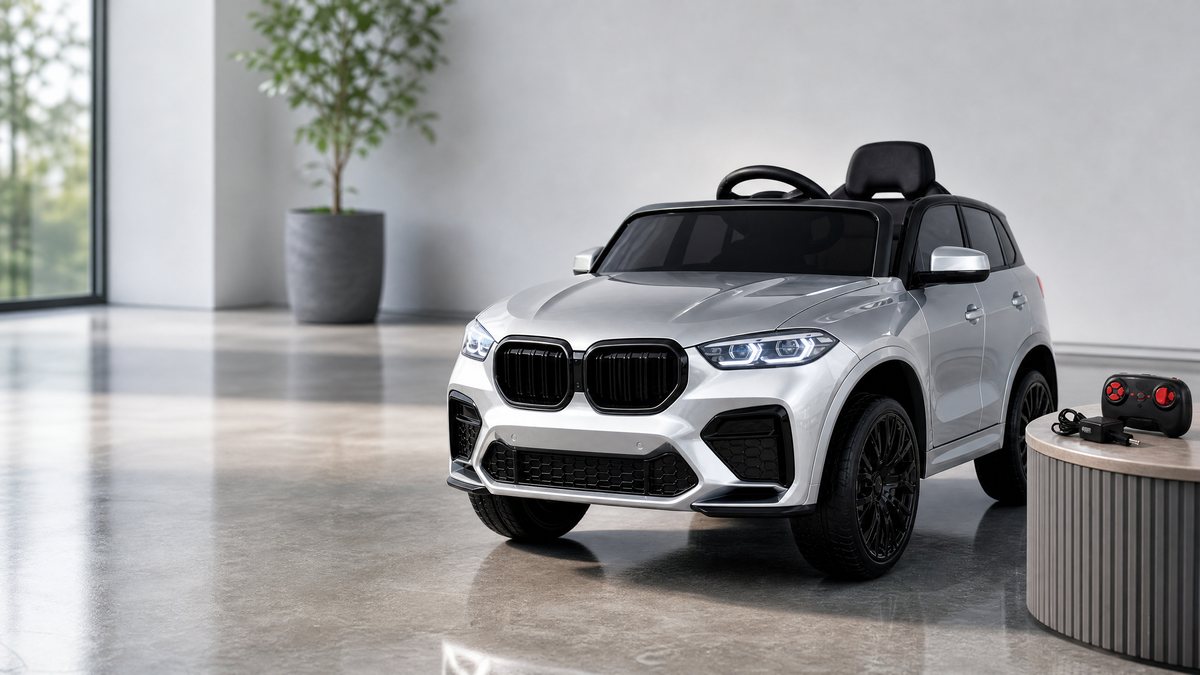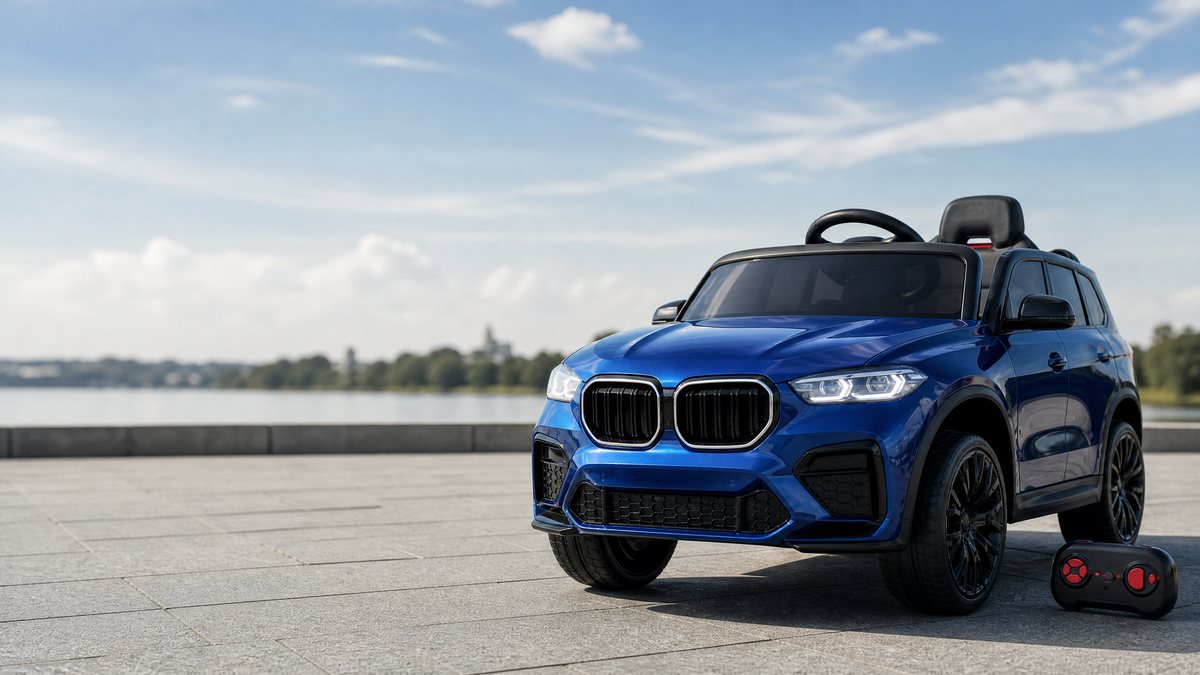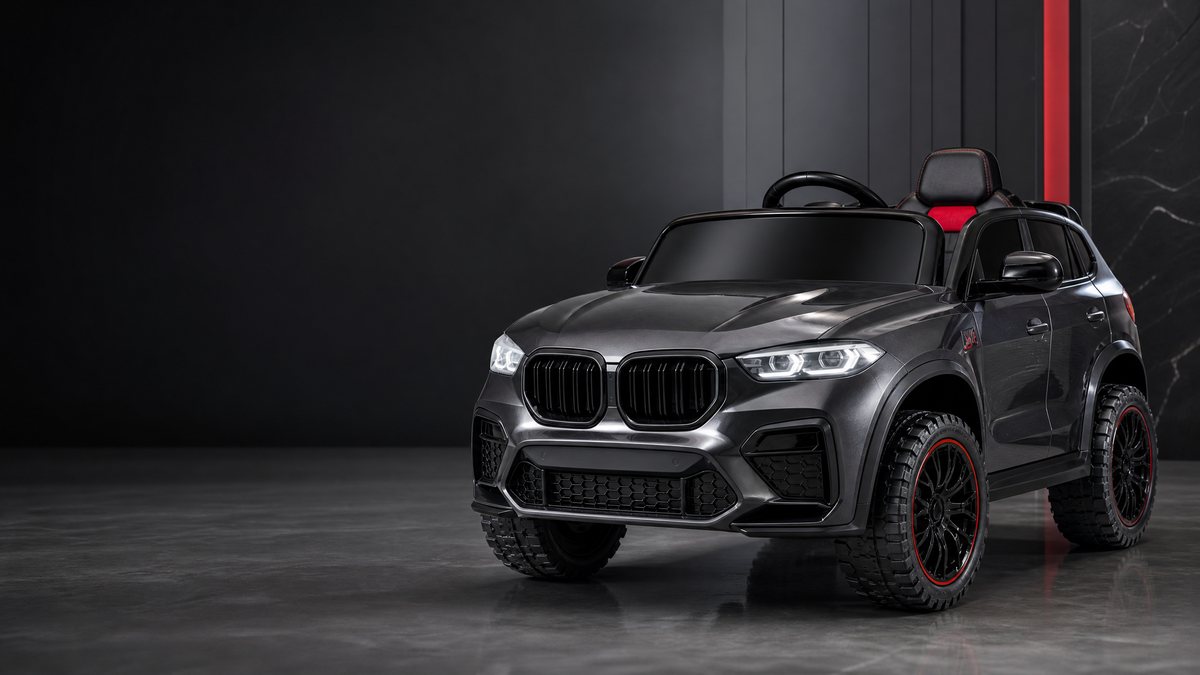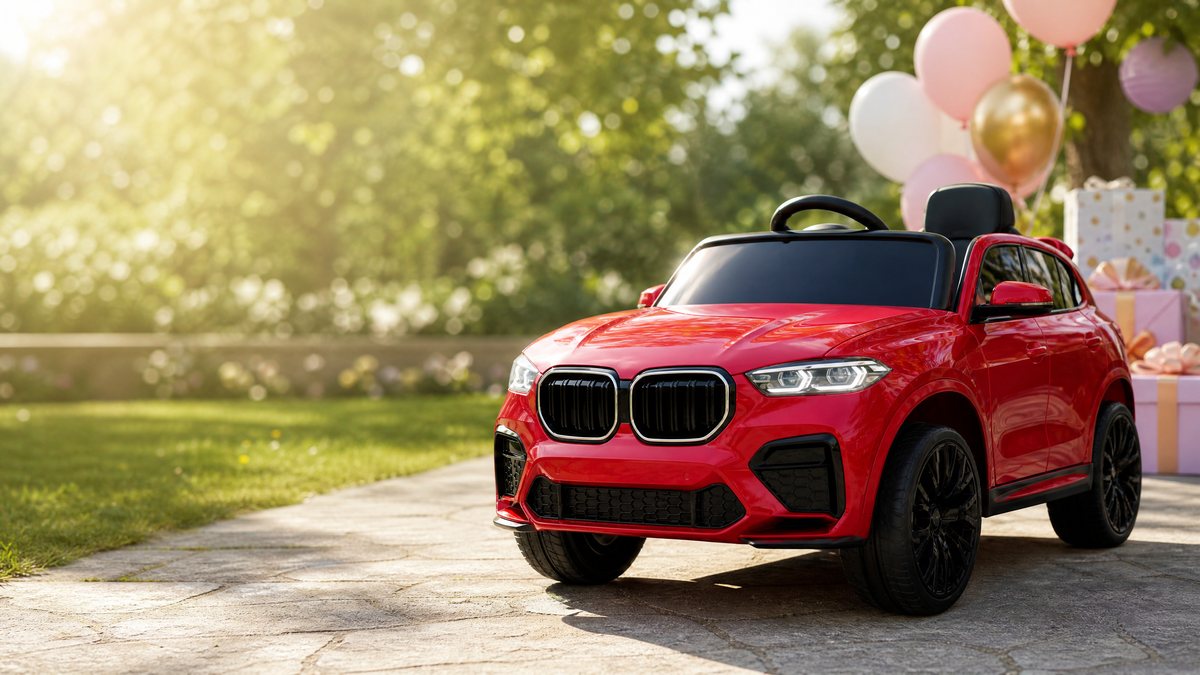
When retail customers, parents, and commercial venue operators seek electric ride-on vehicles capable of handling rugged outdoor landscapes—such as gravel driveways, unpaved backyard lawns, dirt tracks, and gentle slopes—standard urban sidewalk models fall short. Sourcing inventory that successfully bridges the gap between backyard play and true all-terrain durability requires a rigorous evaluation of mechanical specifications, power distribution systems, chassis construction, and material engineering.
Rather than designating a single brand or specific model as universally "the best," commercial importers, distributors, and specialty retailers must evaluate vehicles against structured technical criteria. This procurement framework examines the critical hardware components, structural safeguards, and compliance metrics that define reliable off-road ride-on cars for children across diverse global markets.
Core Engineering Requirements for Rough Terrain Performance
Operating a battery-powered vehicle across uneven, unpaved surfaces places significantly higher mechanical stress on the drivetrain, steering assembly, and suspension than smooth indoor flooring or asphalt pavement. B2B buyers must examine four primary engineering pillars when curating an all-terrain product catalog.
1. Drivetrain and Motor Configuration
Off-road mobility demands higher torque output rather than high top speeds. Vehicles engineered for rough terrain typically utilize one of two primary motor arrangements:
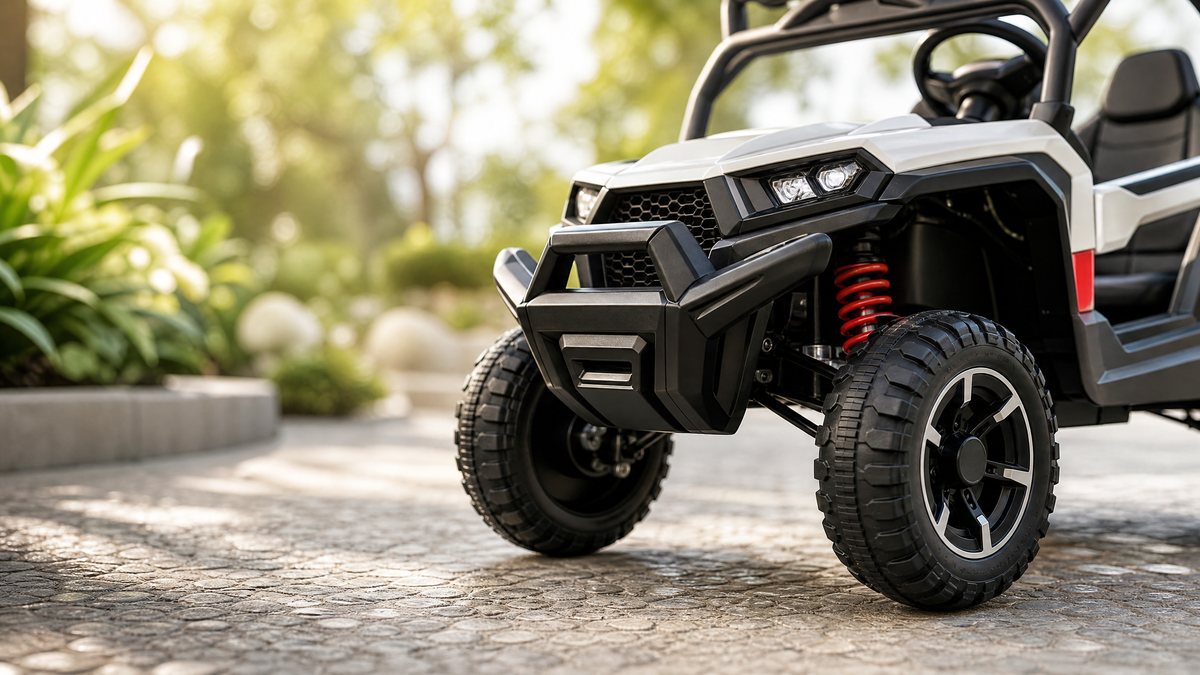
* Dual vs. Quad Drive Systems: Dual-motor setups (typically 35W to 45W per motor mounted on the rear wheels) provide basic traction for light grass and firm dirt. However, true rough-terrain vehicles frequently employ robust quad-motor configurations (four independent 35W–55W motors) or high-torque dual gearboxes with differential simulation to overcome obstacles without stalling.
* Gearbox Reduction Ratios: High-reduction gearboxes trade raw speed for climbing torque, enabling the vehicle to maintain momentum over obstacles like tree roots, gravel mounds, and minor inclines without overheating the motor windings or stripping internal nylon gears.
2. Tire Material and Tread Design
Wheels are the direct point of contact with challenging surfaces. Plastic injection-molded wheels slip easily on wet grass, loose gravel, and mud, rendering the vehicle ineffective outdoors.
* EVA Foam vs. Pneumatic Tires: High-grade Ethylene-Vinyl Acetate (EVA) solid foam tires offer puncture-proof resilience while providing moderate shock absorption and traction. Pneumatic (air-filled) rubber tires deliver superior grip and cushioning on extremely rough terrain, though they require routine pressure maintenance and monitoring.
* Tread Depth and Width: Wide tires with deep, aggressive lugs distribute vehicle weight more evenly, preventing the vehicle from sinking into soft soil or losing traction during acceleration and hill-climbing maneuvers.
3. Suspension Mechanics and Shock Absorption
Without adequate suspension, rocks, ruts, and bumps transfer harsh mechanical shocks directly to the chassis, steering column, and the young rider.
* Spring and Hydraulic Dampers: Independent spring suspension on front and rear axles absorbs vertical impacts, keeping all four wheels in contact with the ground for consistent traction and stability.
* Chassis Articulation: Flexible or reinforced multi-point frame joints prevent torsional stress fractures when navigating uneven terrain where diagonal wheels experience varying elevations.
4. Battery Capacity and Power Management
Rough terrain driving requires continuous high-current draw due to rolling resistance and slope climbing.
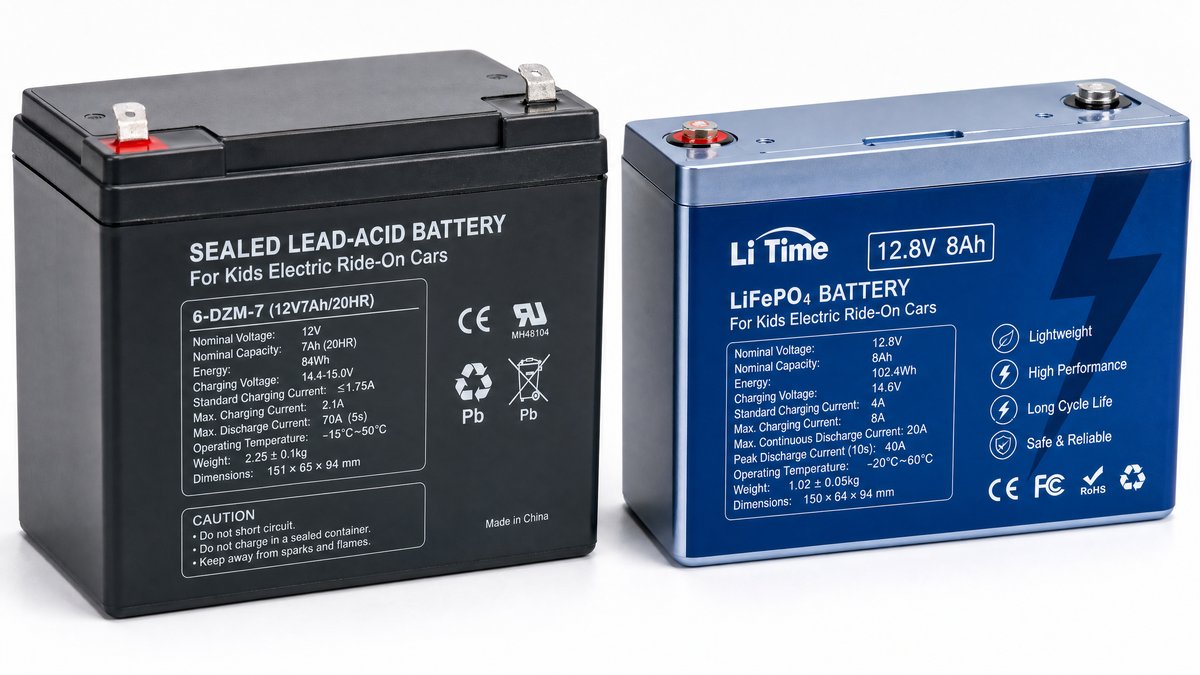
* Voltage and Amp-Hour Ratings: Sourcing vehicles equipped with 12V 7Ah, 12V 10Ah, or dual-battery 24V configurations ensures adequate operating duration under heavy load without causing excessive voltage sag.
* Thermal Overload Protection: Quality controllers incorporate resettable fuses or thermal cutoffs to prevent motor burnout during prolonged stalling, heavy mud navigation, or steep ascents.
Comparative Evaluation of Off-Road Ride-On Vehicle Categories
Different outdoor environments call for distinct vehicle architectures. The table below outlines how various vehicle categories perform across different outdoor terrains, highlighting key engineering considerations for wholesale buyers and commercial importers.
| Vehicle Category | Primary Terrain Suitability | Motor & Drivetrain Profile | Suspension Type | Key Sourcing & Compliance Focus |
|---|---|---|---|---|
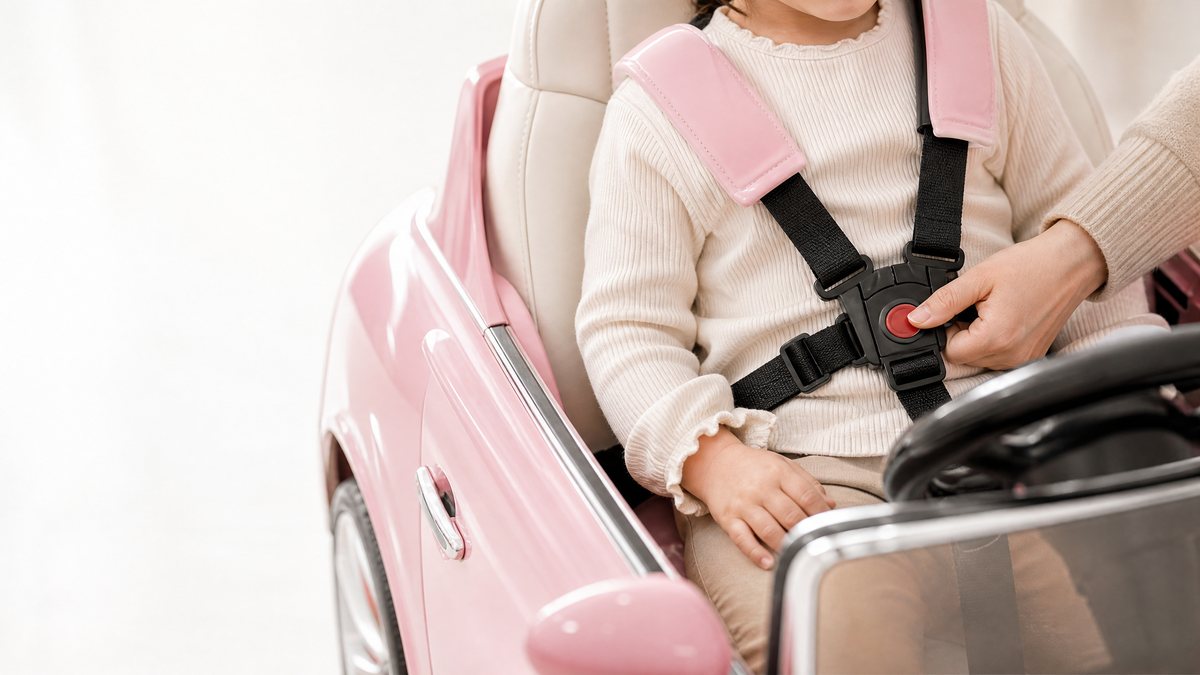
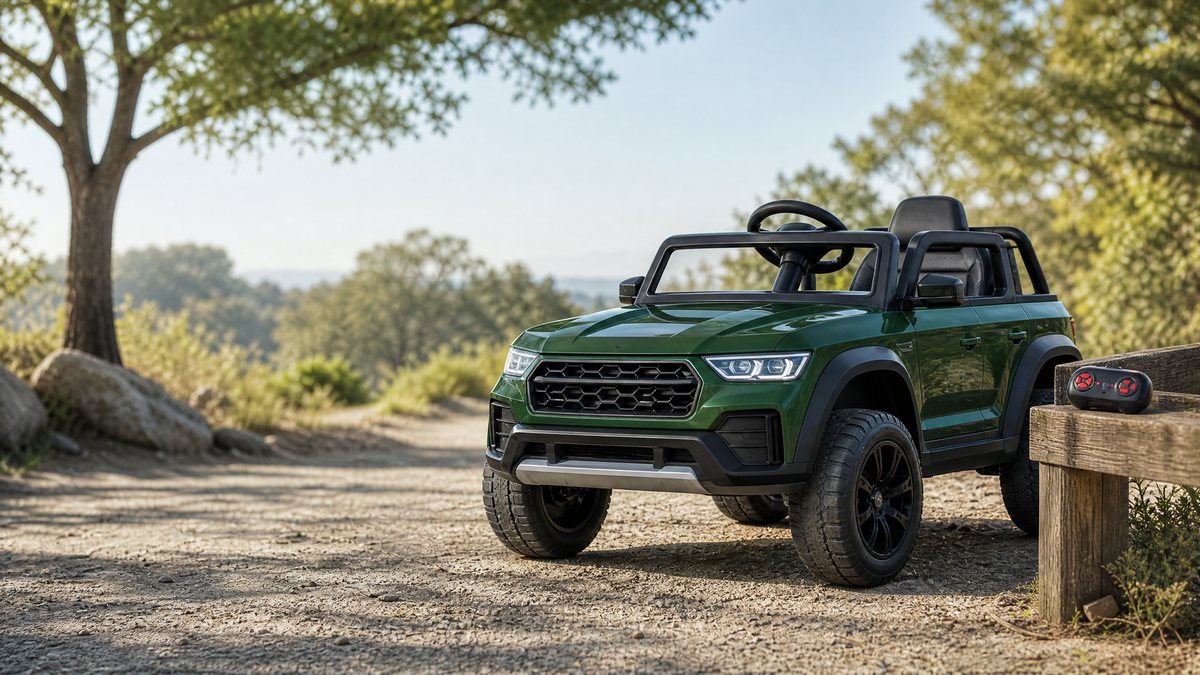
| Rugged Utility UTVs / Buggies | Gravel, dirt paths, uneven lawns, gentle slopes | Dual or Quad 12V/24V high-torque motors | Independent 4-wheel coil springs | Reinforced roll cages, high ground clearance, secure seatbelts |
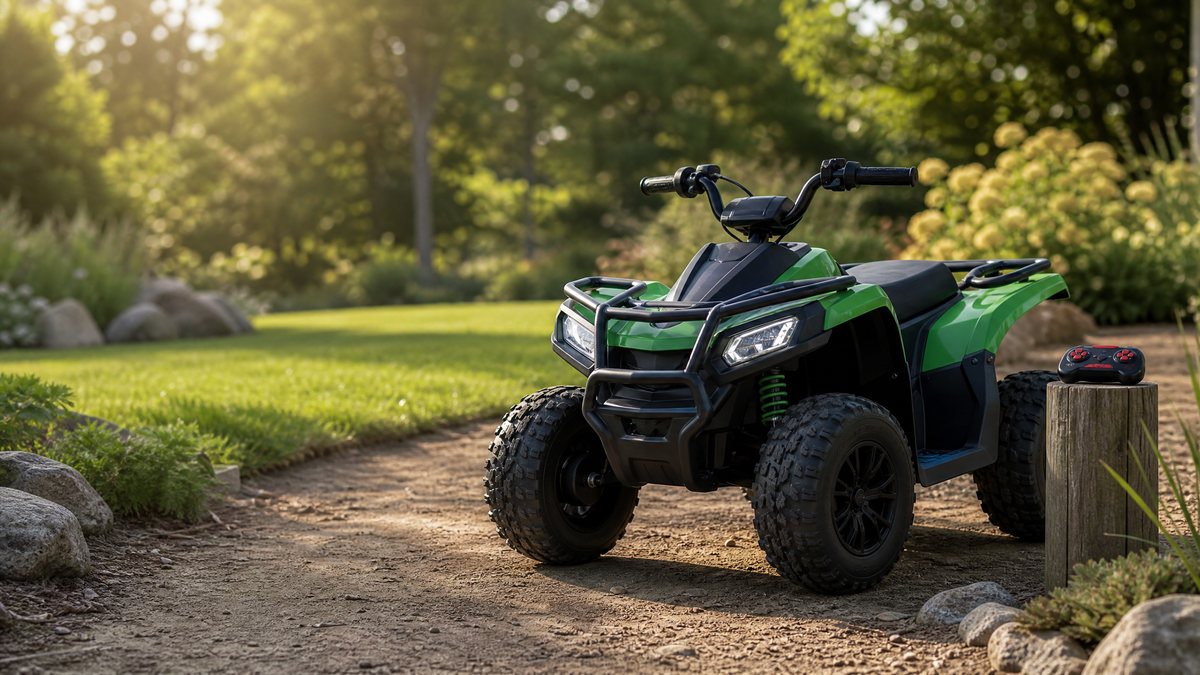
| All-Terrain Electric ATVs | Muddy trails, sand, unpaved farm paths | High-output single or dual heavy-duty gearboxes | Heavy-duty rear swing-arm / front independent | Rider balance ergonomics, stable wide track, sturdy footrests |
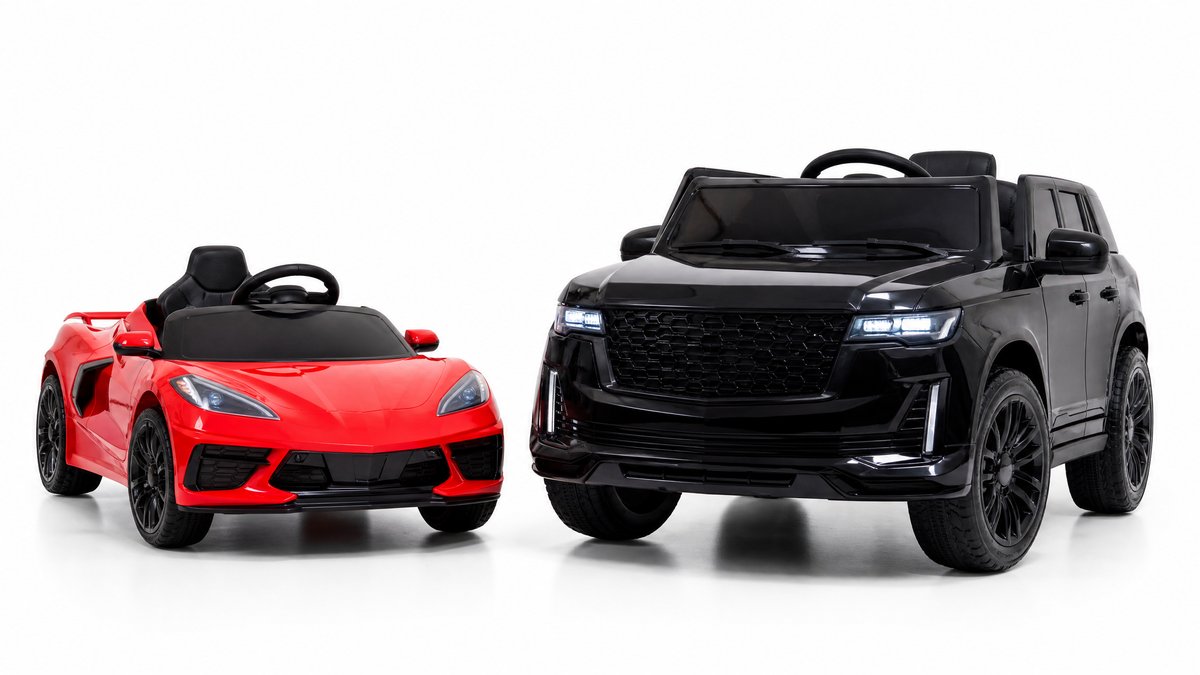
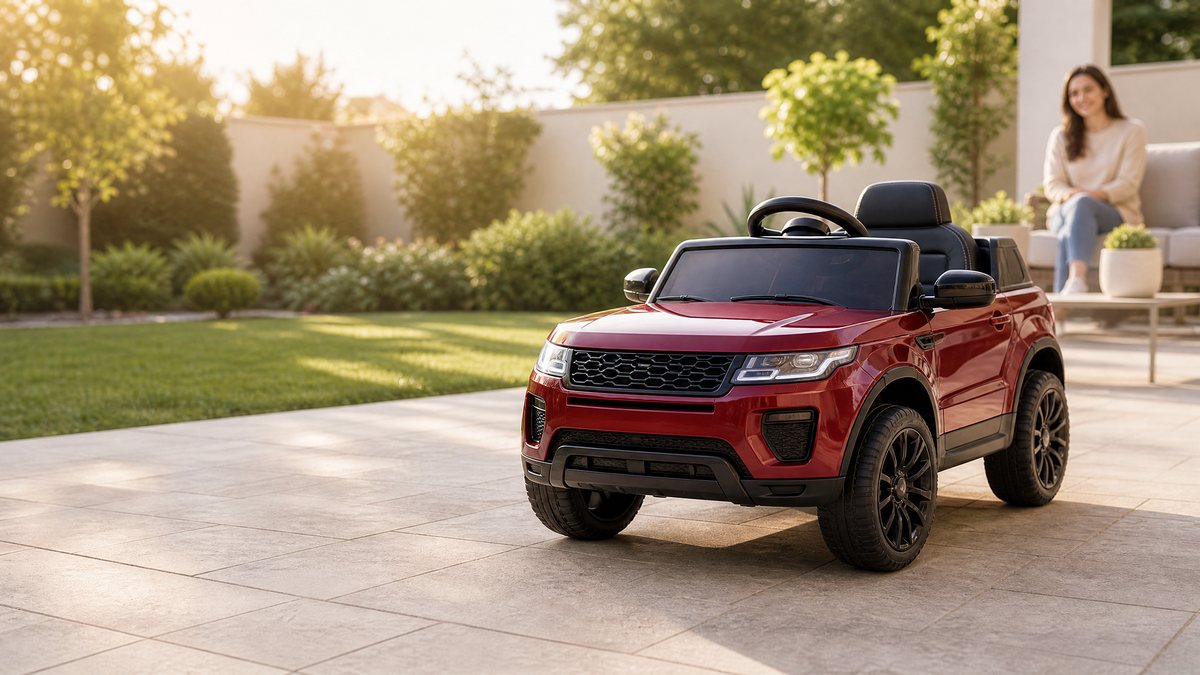
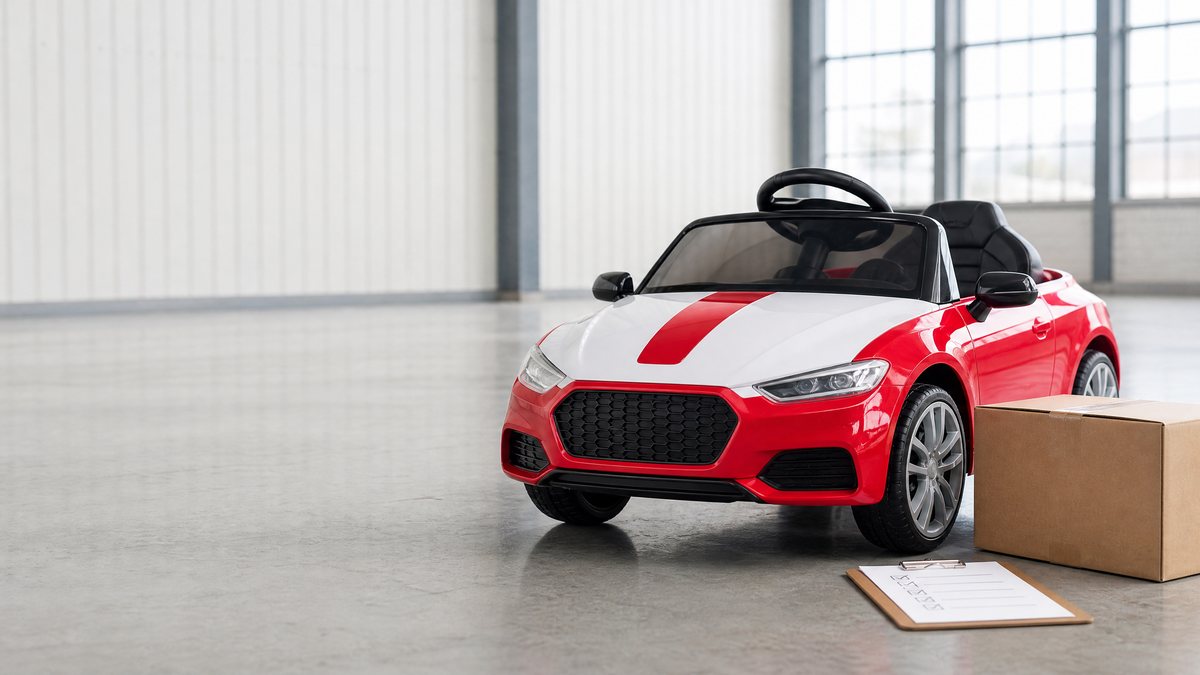
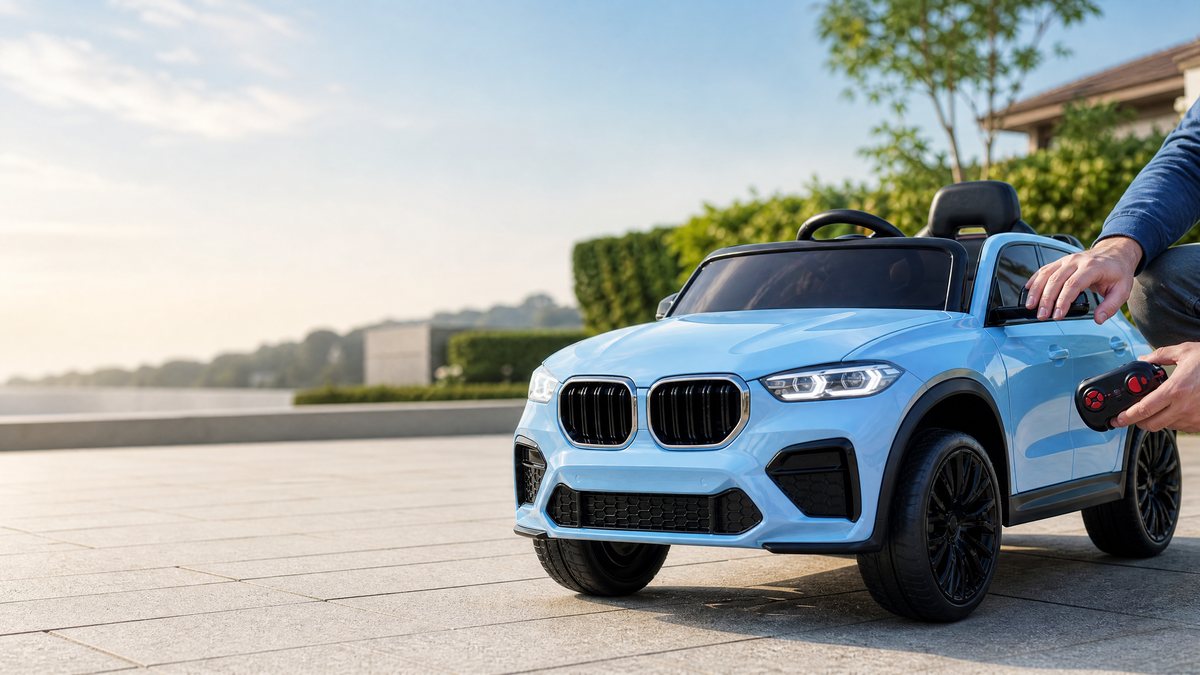
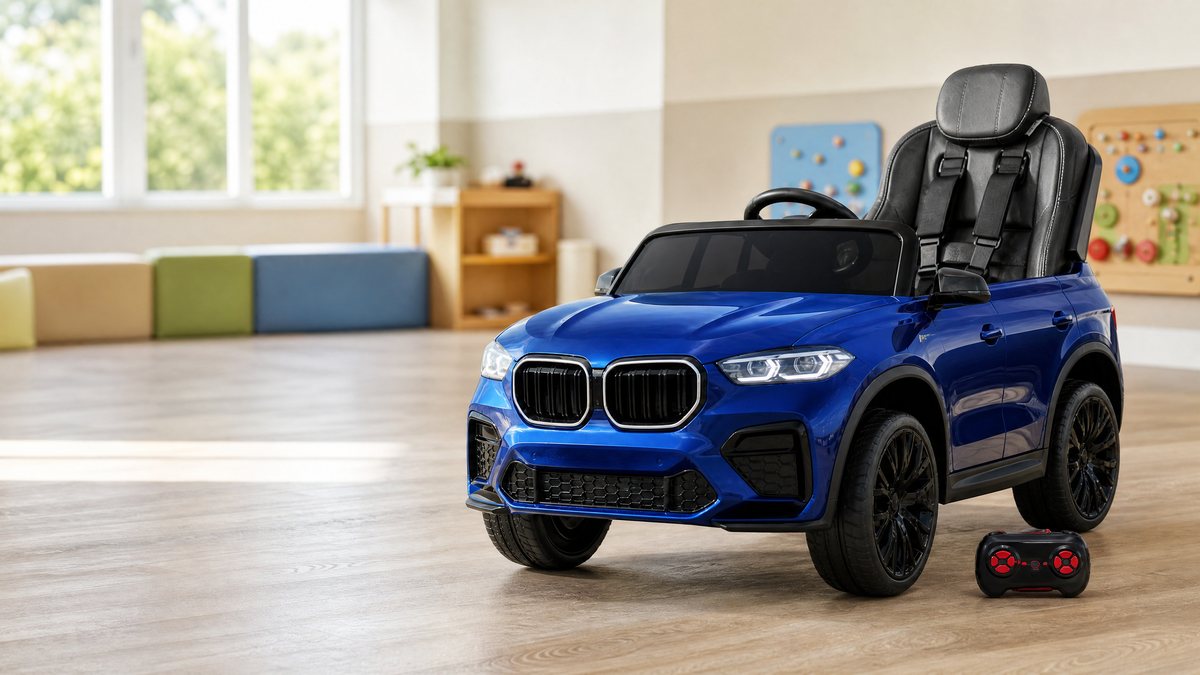
| Licensed Off-Road SUVs | Firm grass, packed dirt, asphalt, slight inclines | Dual 35W–45W rear-axle motors | Basic rear-axle spring dampening | Brand compliance documentation, aesthetic durability, door latches |
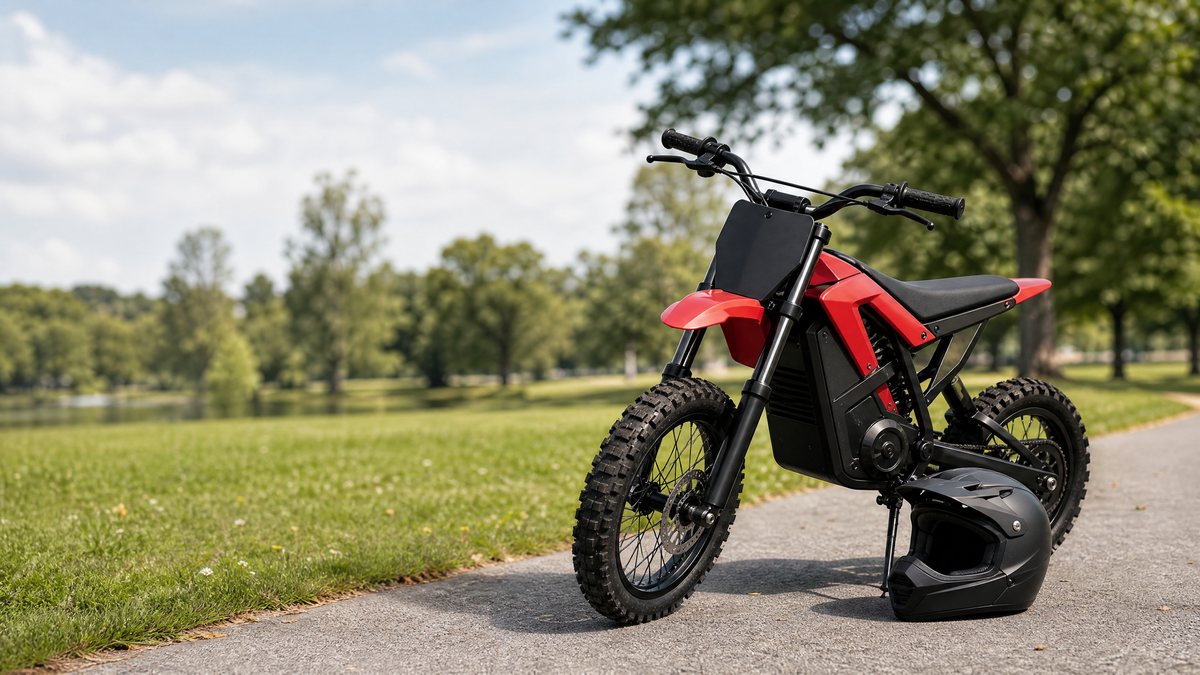
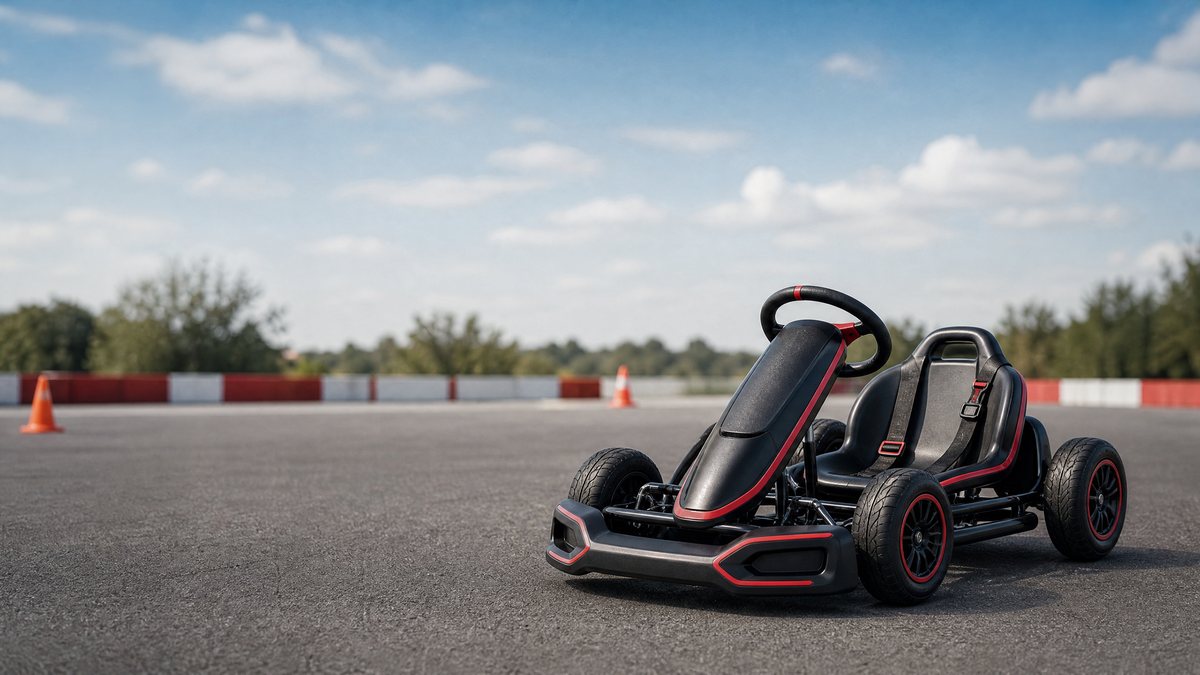
| Electric Go-Karts (Track/Firm) | Hard-packed dirt tracks, short grass, smooth turf | Direct-drive or chain-driven high-RPM motors | Rigid or low-profile dampening | Low center of gravity, responsive braking, steering stop limits |
Buyer's Sourcing & Quality Inspection Checklist
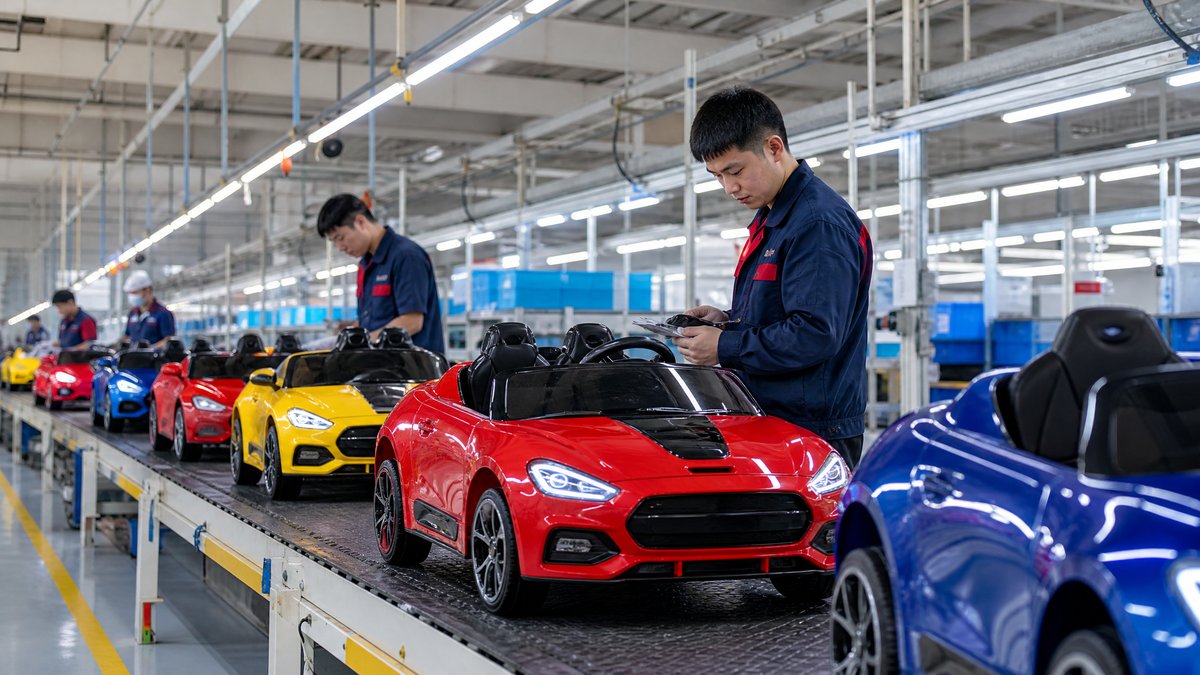
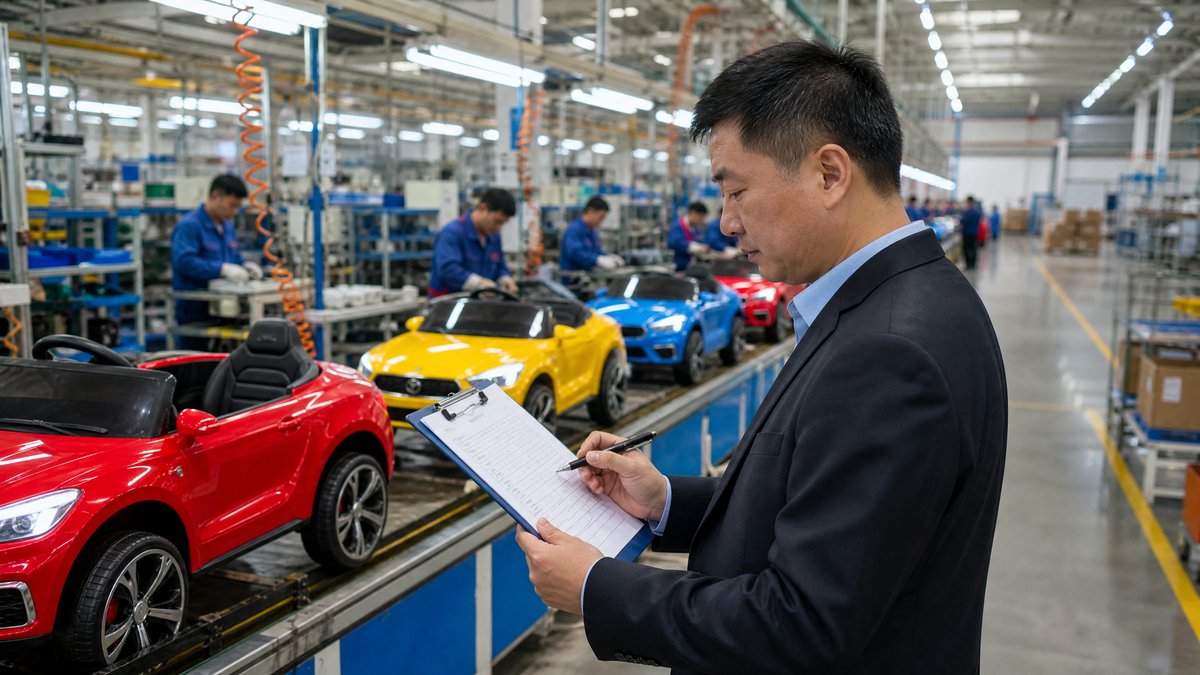
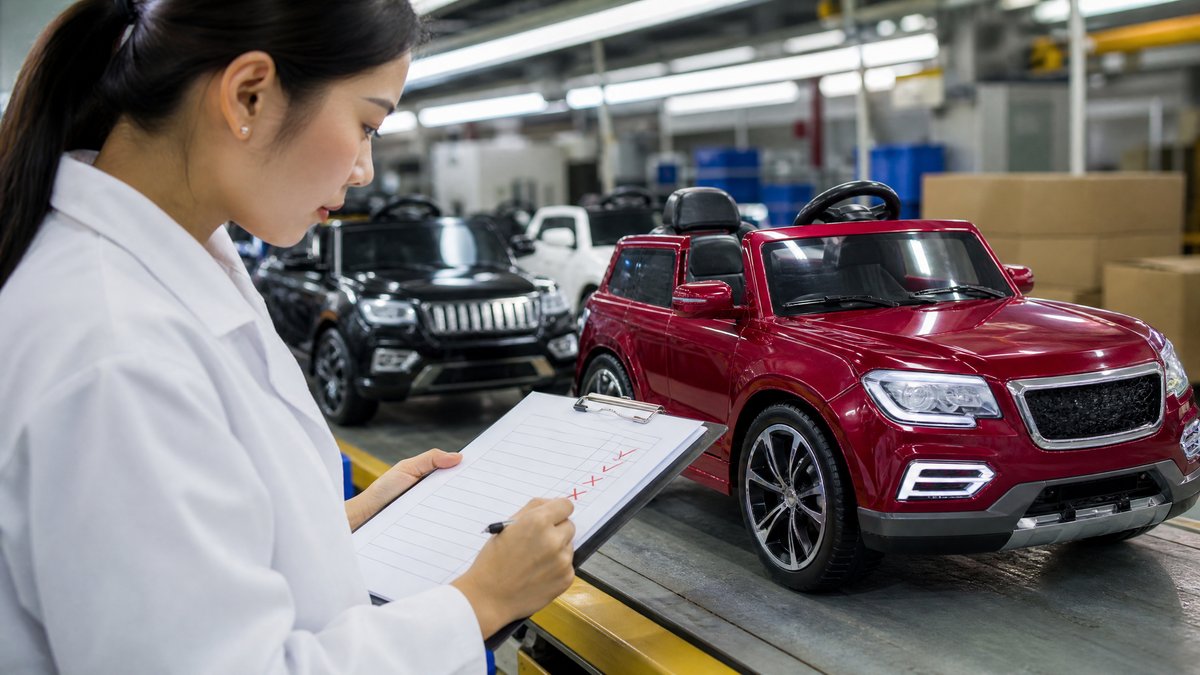
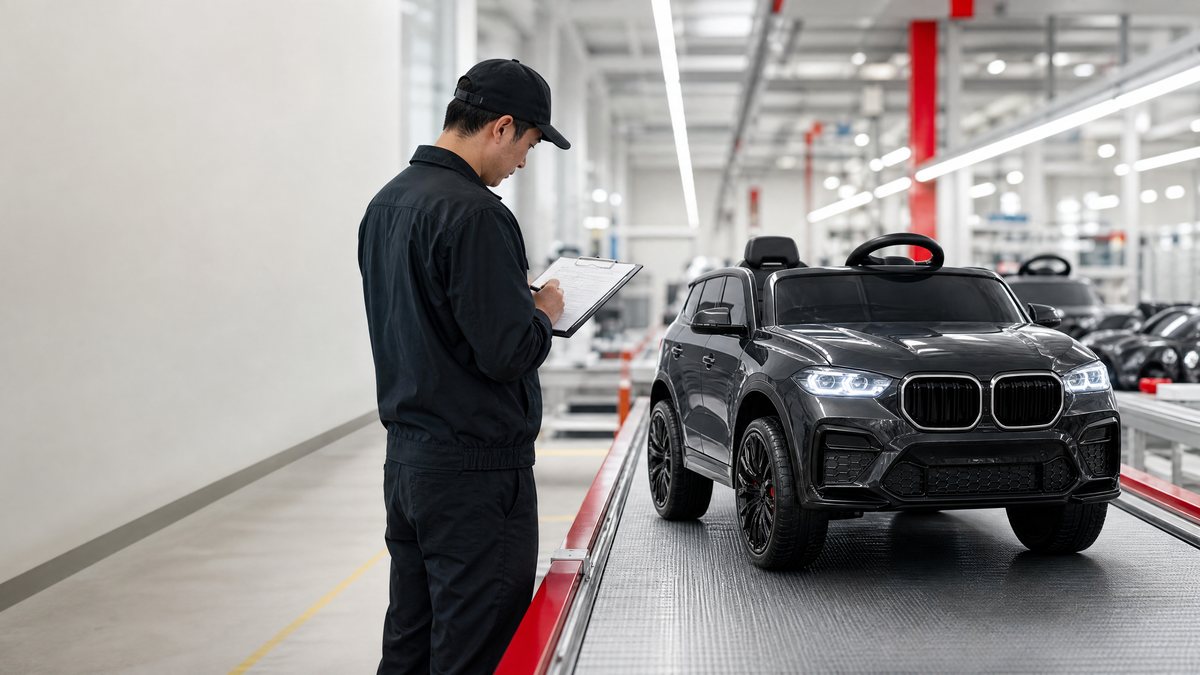
When evaluating manufacturing partners and reviewing factory audit reports for rough-terrain ride-on vehicles, wholesale buyers should systematically verify the following technical and regulatory parameters:
1. Chassis Load-Bearing Integrity: Confirm that the frame utilizes high-impact virgin polypropylene (PP) or reinforced steel tubular framing capable of withstanding dynamic impact loads without cracking or structural fatigue.
2. Gearbox Casing Quality: Inspect gearbox housing materials. Metal-gear reinforced gearboxes or thick nylon composite housings endure high-torque off-road stress significantly better than thin plastic gear cases.
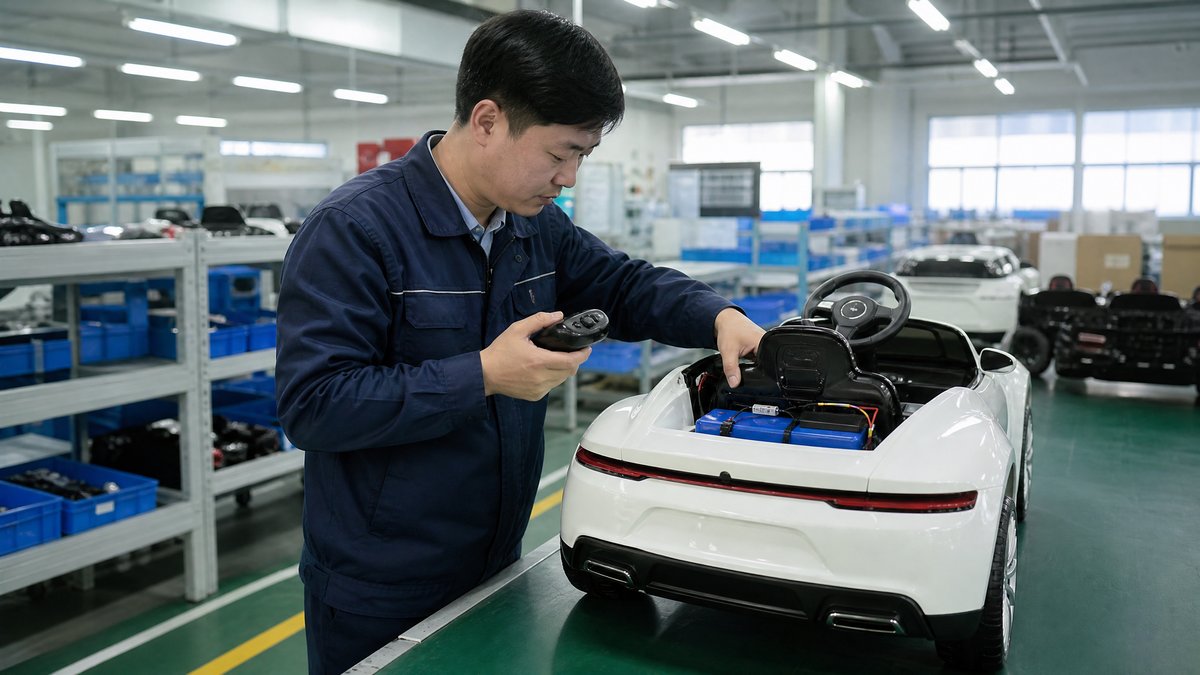
3. Braking System Verification: Ensure the vehicle features a reliable automatic electromagnetic braking system (failsafe braking that engages the moment pressure is removed from the accelerator pedal) alongside optional manual backup brakes where applicable.
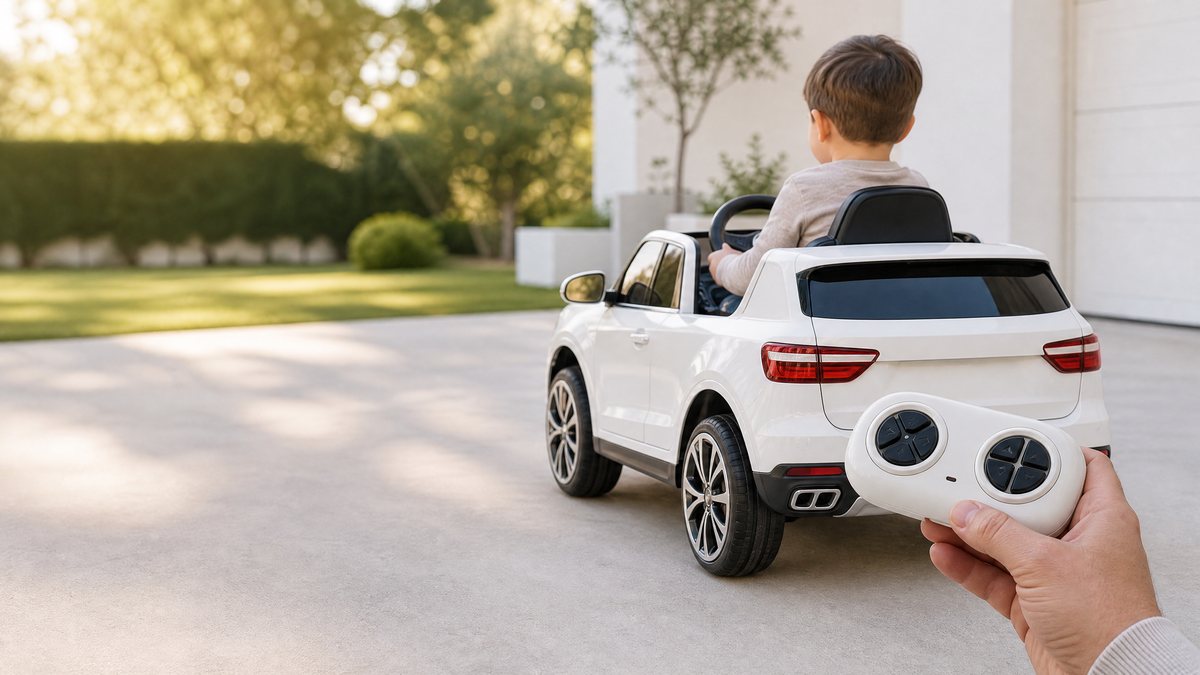
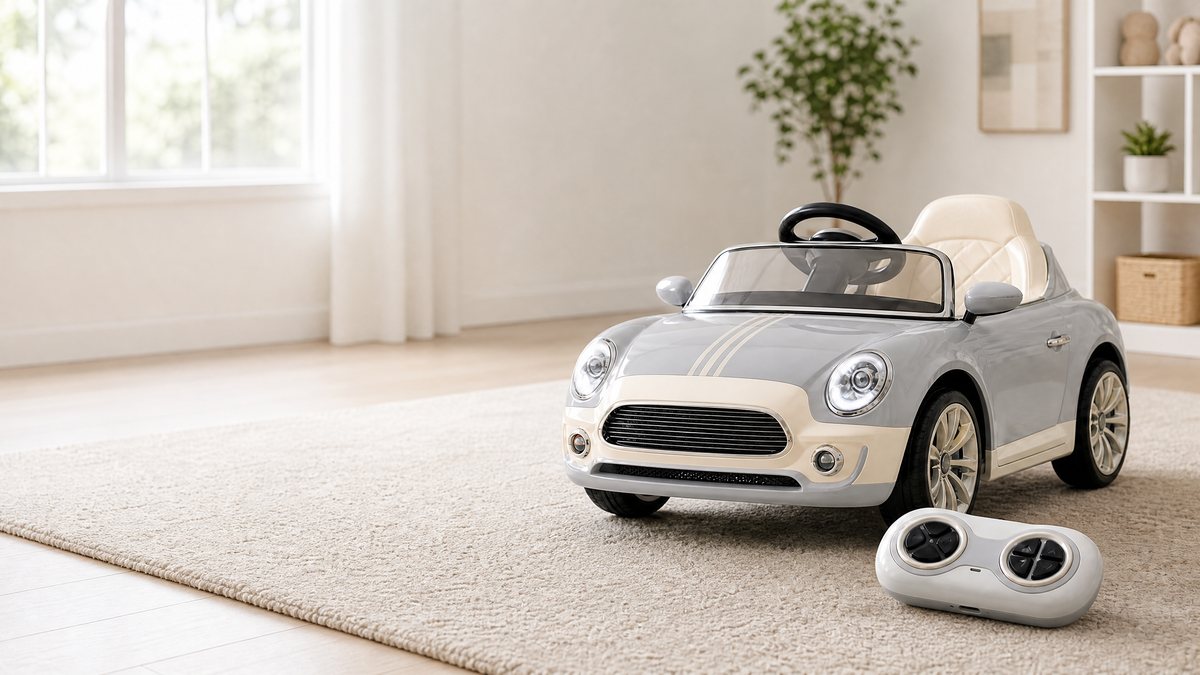
4. Remote Control Override (Parental Control): Verify that the 2.4G Bluetooth parental remote control features an immediate emergency stop function and multi-speed selection to manage velocity in hazardous terrain.
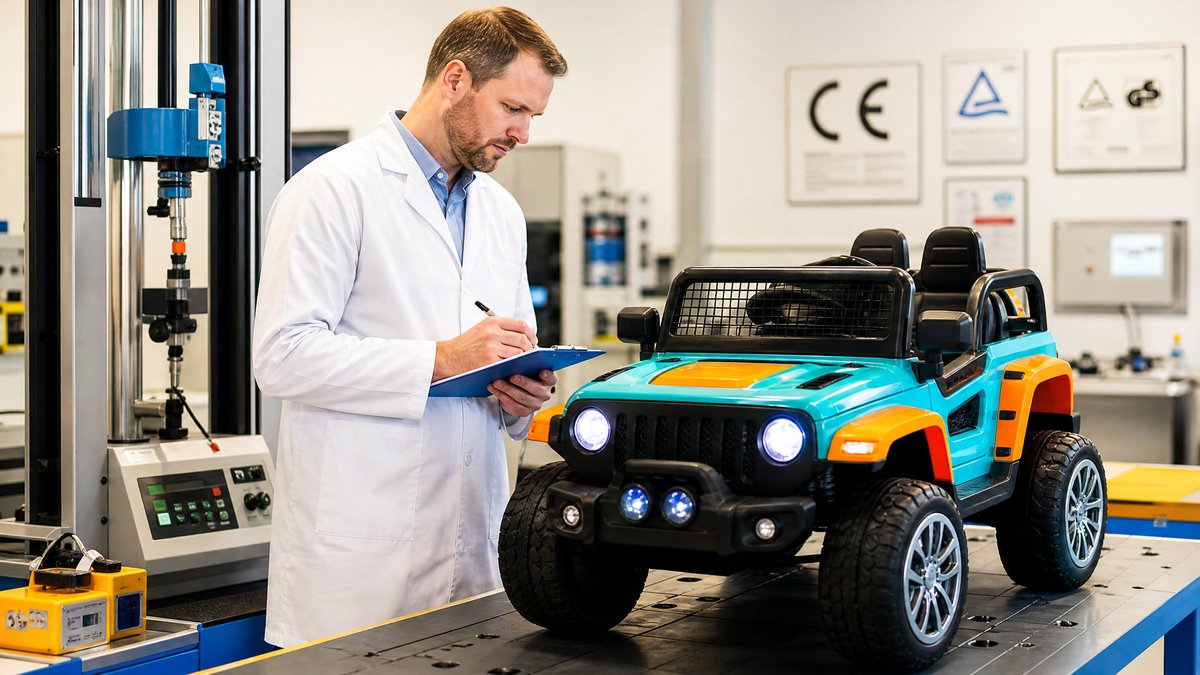
5. Electrical Safety Certification: Require verifiable documentation for battery management systems (BMS), charger overcharge protection, and compliance with international toy safety standards (such as EN71, ASTM F963, and CE/ROHS directives).
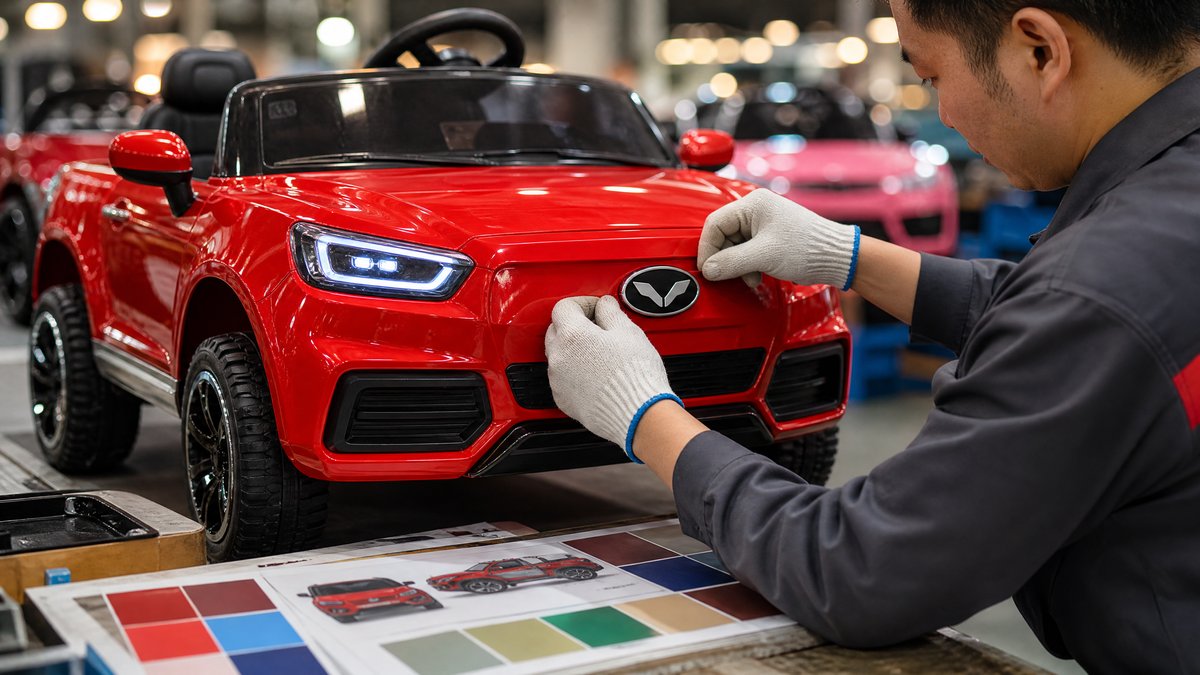
6. Spare Parts Availability: Ensure suppliers provide comprehensive spare parts catalogs—including replacement gearboxes, tires, control boards, and switches—to support after-sales warranty commitments and long-term retail support.
Frequently Asked Questions (FAQ)
1. Are pneumatic rubber tires necessary for rough terrain ride-on cars, or is EVA foam sufficient?
Both tire types serve distinct market segments. High-density EVA foam tires are puncture-proof and maintenance-free, making them ideal for standard residential backyards with gravel or short grass. Pneumatic (air-filled) rubber tires provide superior traction, shock absorption, and grip on extreme surfaces like wet mud or loose sand, but they require regular air pressure checks and carry a risk of punctures. Wholesalers should offer both options based on their target retail demographic.
2. How does driving on rough terrain impact battery life and motor lifespan?
Operating an electric ride-on car on unpaved surfaces, grass, or inclines increases rolling resistance and requires higher motor torque, leading to elevated current draw from the battery. This naturally reduces run time per charge by 20% to 40% compared to smooth indoor flooring. To mitigate premature wear, manufacturers use high-torque gearboxes and thermal protection circuits, but retailers should advise end-users to avoid prolonged stalling in deep mud or steep sand dunes.
3. What regulatory and compliance documents should B2B buyers request from manufacturers?
B2B importers should request comprehensive compliance dossiers, including CE (EMC, LVD, RoHS), EN71 parts 1-3, ASTM F963 toy safety certifications, and UN38.3 test reports for lithium-ion batteries or MSDS reports for sealed lead-acid (SLA) batteries. Additionally, factory audit reports (such as BSCI or ISO9001) ensure consistent manufacturing quality control for structural components like gearboxes and frames.
Conclusion
Sourcing ride-on cars for rough terrain requires moving beyond aesthetic appeal to rigorously evaluate mechanical durability, motor torque, tire composition, and structural reinforcement. By implementing a standardized inspection framework and verifying compliance documentation, B2B importers, distributors, and retailers can build a high-satisfaction product catalog that delivers reliable performance across demanding outdoor environments.
For bulk inquiries, detailed technical data sheets, and wholesale catalog requests, contact our commercial team directly at sales@kidsridecar.com.
Official references
Explore these external resources for current regulatory and trade guidance. Confirm requirements with the relevant authority before placing an order.
Ready to Start?
Factory-Direct · CE & ASTM Certified · MOQ from 50 Units
Our export team works with buyers in 60+ countries. Get a quote within 24 hours.
KR
Written by KidsRideCar
China's leading kids electric ride-on car manufacturer. 500,000+ units shipped annually to 60+ countries. CE, ASTM & EN71 certified.