Selecting the optimal ride-on car for outdoor environments requires careful evaluation of terrain compatibility, motor specifications, chassis construction, and regulatory safety standards. While indoor electric vehicles prioritize smooth turning circles and non-marking wheels, outdoor ride-on cars must contend with varying natural topography, including grass, gravel, dirt paths, and paved driveways. For both discerning parents and commercial B2B retailers assembling an outdoor-focused product catalog, understanding the core mechanical and structural differences between vehicle categories is essential for long-term satisfaction and reliability.
This editorial guide outlines a transparent framework for evaluating outdoor ride-on cars. Rather than relying on unverified performance claims or subjective ratings, this breakdown focuses on objective engineering principles, tire construction, power train configurations, and established safety compliance guidelines.
Outdoor play surfaces introduce friction, incline, and moisture variables that do not exist in controlled indoor environments. A vehicle that performs adequately on smooth hardwood flooring may experience severe motor strain or traction loss when operated on uneven turf or sloped landscaping.
1. Grass and Turf: Natural grass provides continuous resistance. Vehicles require adequate torque, robust gearboxes, and appropriate wheel traction to prevent motor overheating on lawns.
2. Gravel and Dirt: Loose surfaces demand wider tire footprints and balanced weight distribution to prevent wheel spin and maintain directional control.
3. Slopes and Inclines: Outdoor yards rarely feature perfectly flat topography. Motor voltage (e.g., 12V versus 24V configurations) and drive mechanisms (single-motor vs. dual-motor vs. four-wheel drive) directly influence gradeability and climbing stability.
When assessing outdoor ride-on cars, buyers and retailers should examine three fundamental engineering pillars: tire materials, drive motor configuration, and chassis ground clearance.
Tire material is the single most critical factor determining outdoor grip and wear resistance.
- Molded Plastic Wheels: Typically found on budget-tier models. While durable against punctures, hard plastic wheels frequently slip on wet grass, smooth concrete, or loose gravel, generating excessive noise and premature tread wear.
- EVA Foam Wheels: Engineered from ethylene-vinyl acetate copolymer, EVA tires offer a compromise between cushioning and durability. They provide significantly better traction than hard plastic and absorb minor surface impacts without the risk of pneumatic punctures.
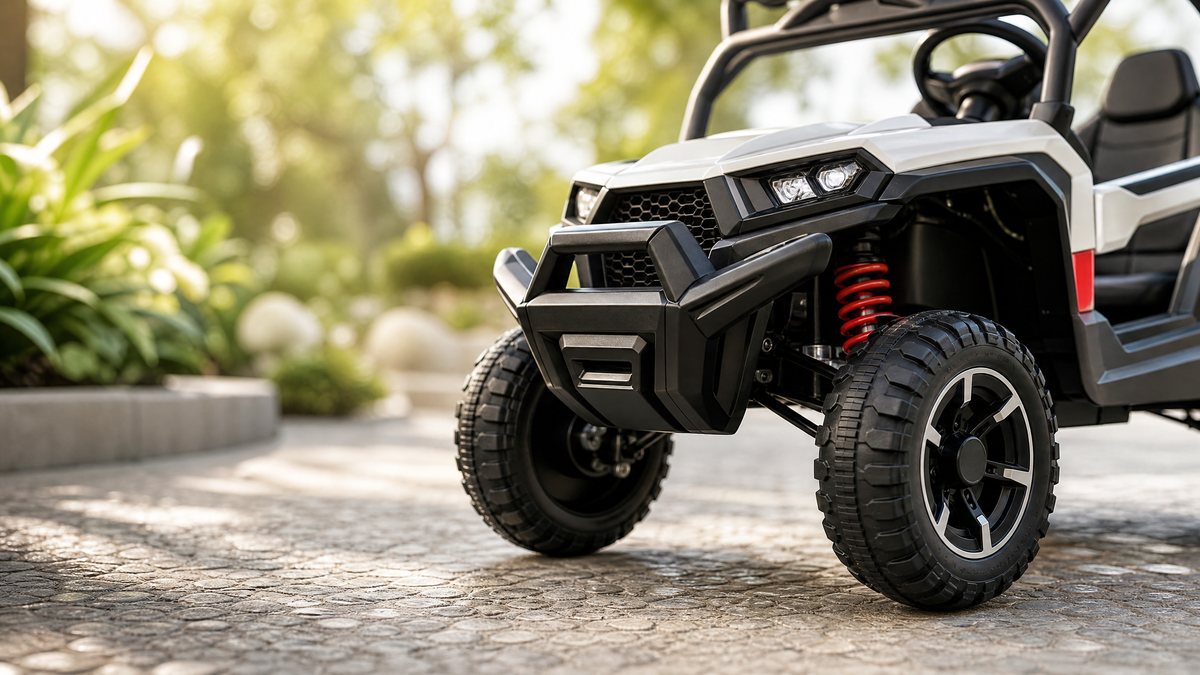
- Pneumatic Rubber Tires: Air-filled rubber tires deliver maximum shock absorption and superior traction across rough outdoor terrains such as gravel tracks and dirt trails. However, they require ongoing pressure maintenance and carry a slight risk of punctures.
Outdoor performance relies heavily on electrical output and mechanical power transmission specified by the manufacturer:
- Voltage Classifications: 12V systems are standard for general recreational use across moderate flat terrain and gentle slopes. 24V systems (often delivered via dual 12V batteries or a single high-capacity 24V pack) provide enhanced torque and sustained power for heavier chassis weights, dual-rider models, and frequent incline navigation.
- Drive Systems: Rear-wheel single-motor setups are common in entry-level models, whereas dual-motor and independent four-motor (4WD) configurations distribute torque across multiple wheels, improving performance on loose or slippery outdoor surfaces.
Outdoor paths inevitably feature rocks, roots, and uneven terrain transitions.
- Ground Clearance: A higher chassis clearance minimizes the risk of bottoming out on speed bumps, garden stones, or turf ridges.
- Suspension Systems: Spring-loaded or independent shock absorbers protect the internal drivetrain and frame from severe impact shock while enhancing riding comfort over bumpy ground.
The following matrix contrasts common outdoor ride-on configurations, outlining their structural characteristics, terrain suitability, and typical application profiles for both retail inventory planning and parental selection.
Ensuring a secure and enjoyable outdoor riding experience requires strict adherence to physical fit guidelines, operational supervision, and recognized toy safety standards. Retailers and parents should verify the following criteria prior to operation:
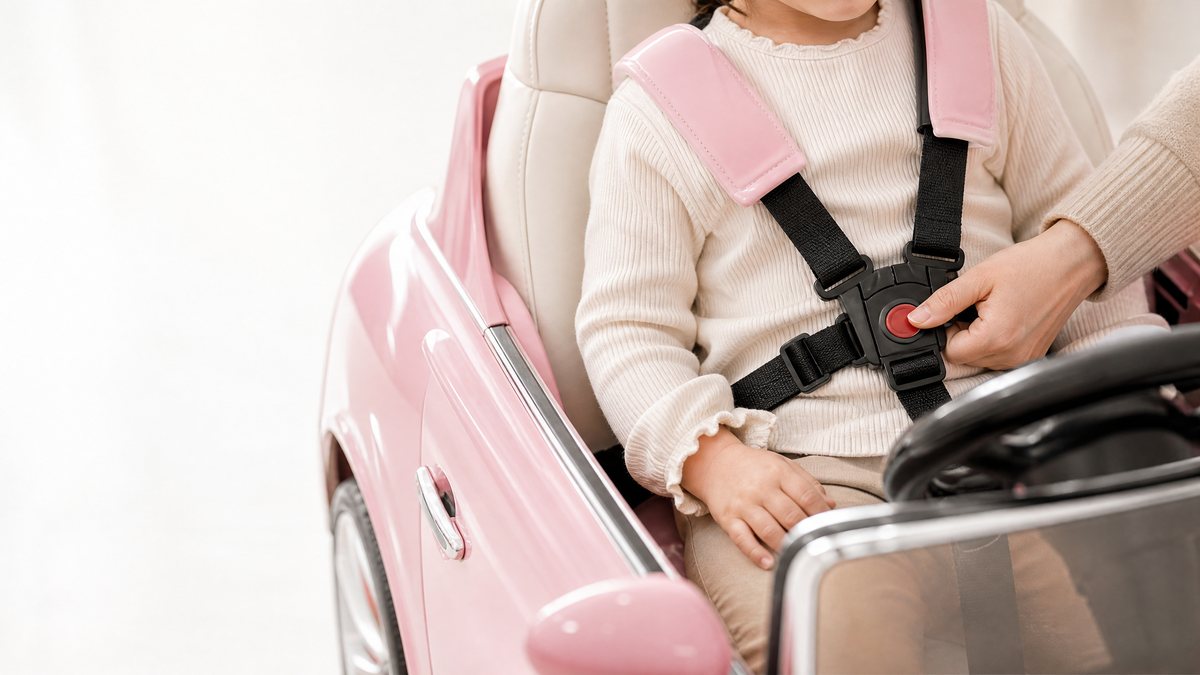
- Age and Weight Compliance: Always respect the manufacturer's specified maximum weight limits and recommended age ranges as foundational safety guidelines.
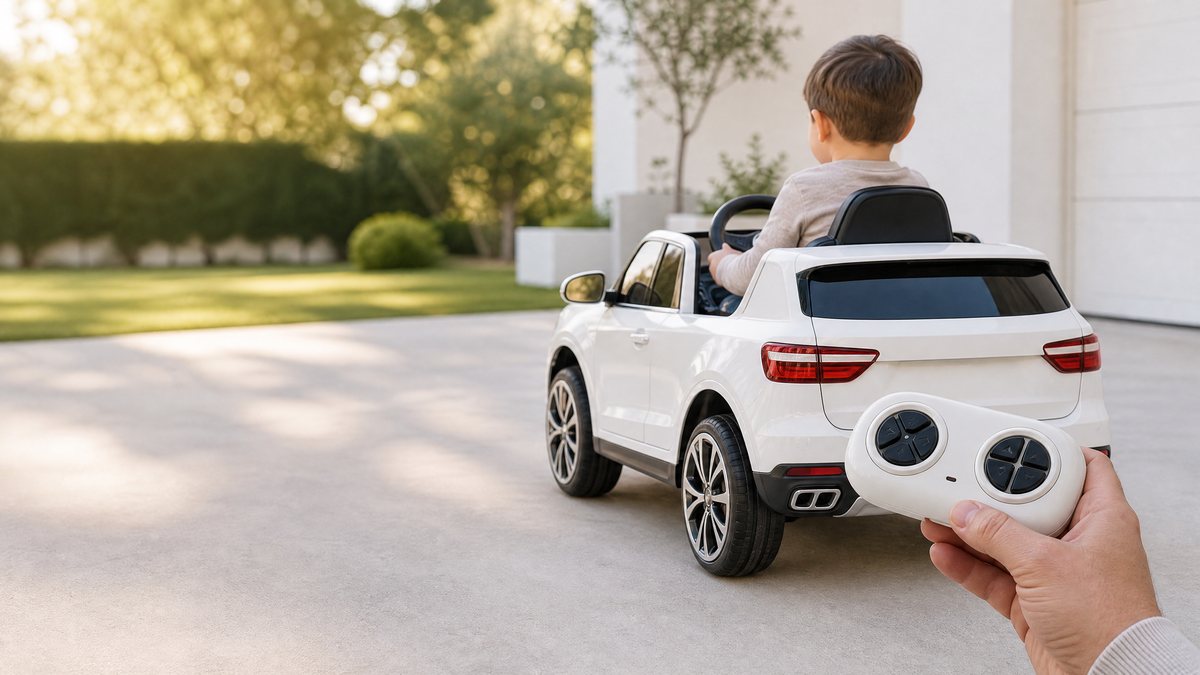
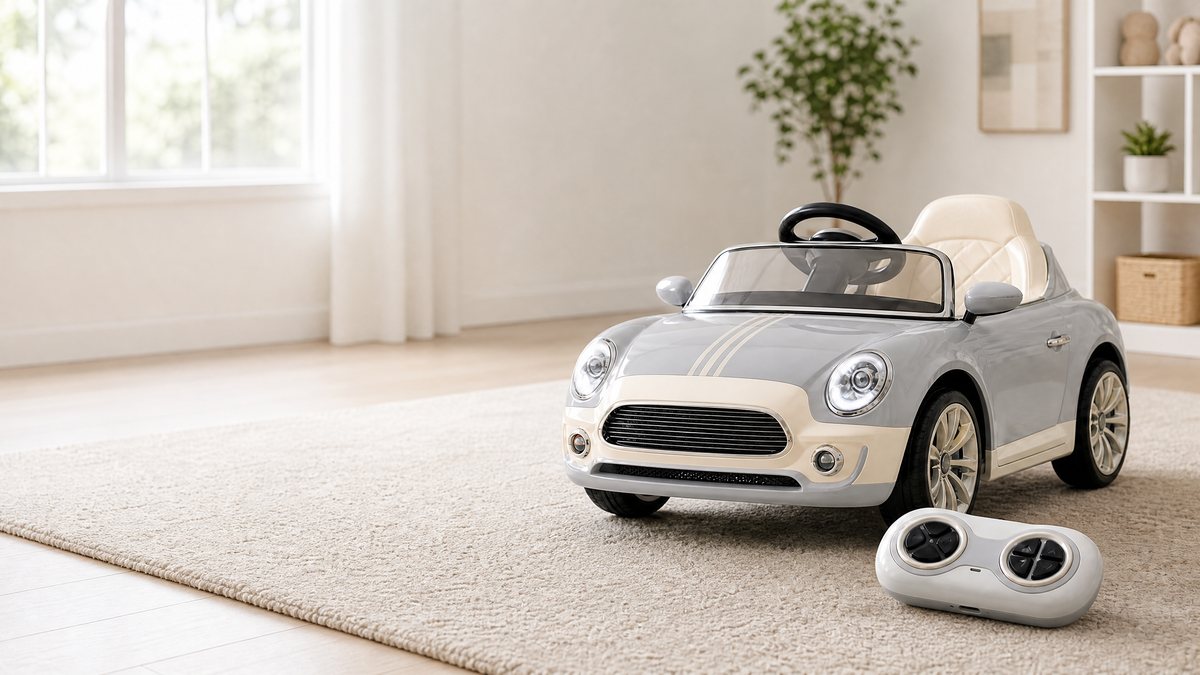
- Supervisory Control: For younger operators or complex outdoor environments featuring slopes, parental remote control overrides allow supervising adults to correct steering or halt movement instantly.
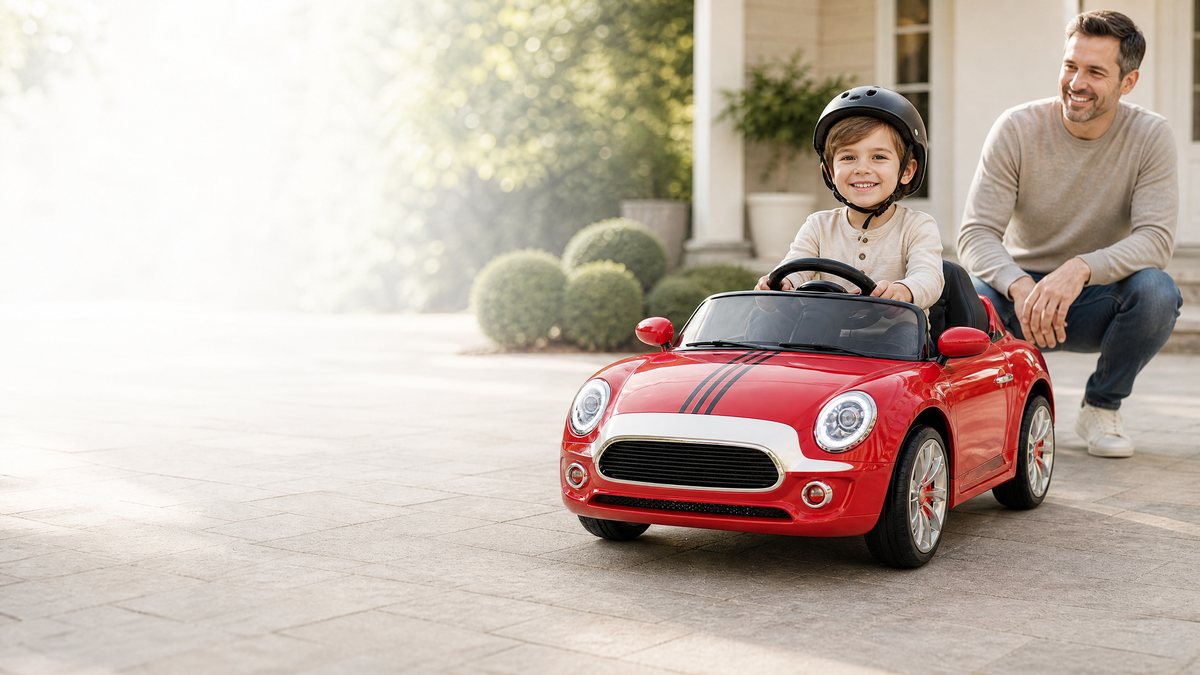
- Protective Equipment: Certified bicycle or multi-sport helmets should be worn during all outdoor riding activities [1].
- Regulatory Standards: Confirm that products comply with established toy safety specifications, such as ASTM F963 in North America or EN71 in Europe, which govern mechanical integrity, sharp edges, and electrical safety [1] [2].
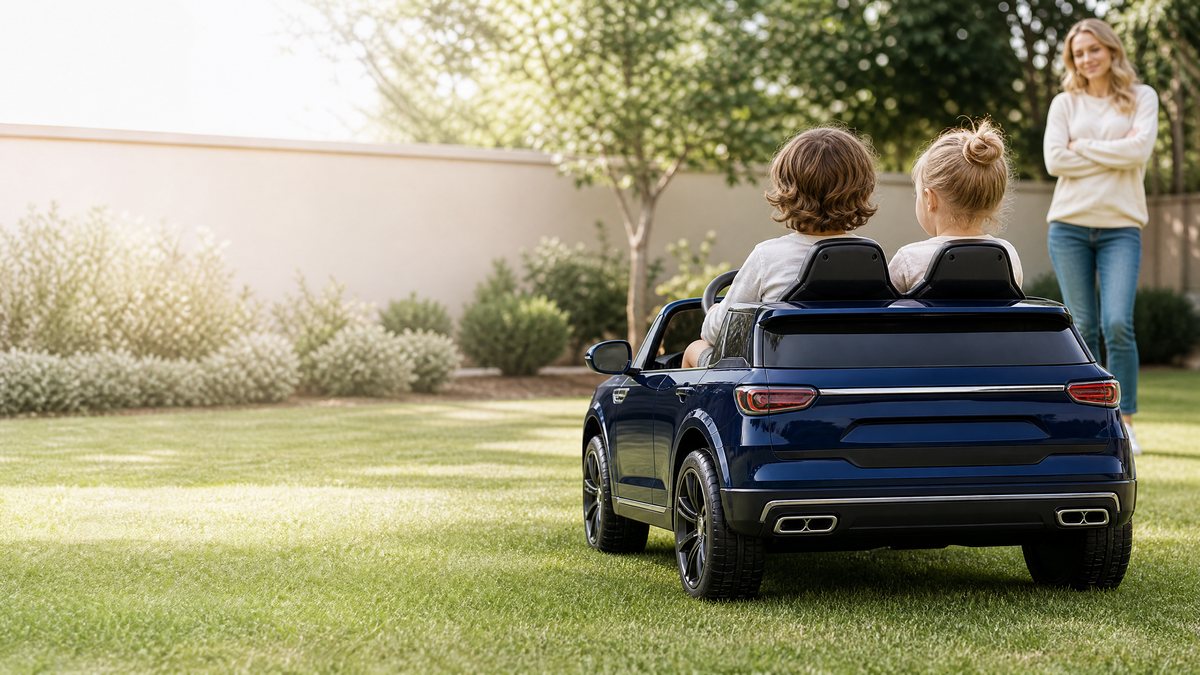
- Operating Environment: Restrict riding to safe, enclosed outdoor areas away from public roadways, open water bodies, steep embankments, and vehicular traffic.
Commercial buyers and retail store owners expanding their outdoor vehicle inventory must consider operational logistics beyond end-user features:
- Compliance Documentation: Ensure suppliers provide verifiable conformity certificates matching destination market regulations (e.g., CPSC, CE, RoHS).
- Spare Parts Support: Outdoor usage subjects gearboxes, switches, and tires to higher wear rates. Sourcing inventory from manufacturers providing reliable replacement parts ensures long-term customer satisfaction and reduces warranty claims.
- Packaging and Assembly: Knock-down (KD) shipping configurations must balance freight efficiency with straightforward final assembly instructions for retail customers.
When evaluating outdoor ride-on inventory or purchasing decisions, consider the following structured inquiries:
1. What is the certified maximum weight capacity and recommended age grading specified by the manufacturer?
2. What specific tire material (plastic, EVA foam, or pneumatic rubber) is equipped, and how does it match the intended outdoor riding surface?
3. What is the electrical configuration (voltage, motor wattage, and gearbox count), and what is the estimated operating duration per charge cycle?
4. Does the vehicle feature parental remote override functionality for enhanced safety supervision?
5. What compliance documentation and spare parts availability support the product line?
Plastic wheels are rigid and prone to slipping on wet grass or smooth concrete, while EVA foam wheels provide enhanced friction, quieter operation, and better shock absorption without the puncture risks associated with air-filled tires.
A 24V system is not mandatory for all outdoor use, but it provides superior torque, gradeability, and sustained speed across slopes, grass, and heavier chassis weights compared to standard 12V configurations.
No. Ride-on cars contain electronic control units, switches, and battery compartments that are water-resistant but not waterproof. Prolonged exposure to moisture, rain, or dew can cause electrical corrosion and premature component failure.
Always consult the manufacturer's official specifications sheet for maximum weight thresholds and dimensions. The child's feet should comfortably reach the foot pedal while seated with adequate knee clearance beneath the steering column.
Electric ride-on cars intended for children are regulated as toys under safety standards such as ASTM F963 in the United States and EN71 in the European Union, which establish strict limits for mechanical hazards, electrical wiring, and chemical composition [1] [2].
Choosing the best ride-on car for outdoor use involves matching vehicle engineering—specifically tire traction, motor voltage, and chassis clearance—to the specific physical environment where the child will ride. By prioritizing transparent manufacturer specifications, robust safety compliance, and proper adult supervision, parents and retailers can ensure a reliable, safe, and enjoyable outdoor driving experience.
Request a wholesale quote to explore our complete catalog of certified outdoor ride-on vehicles and commercial inventory options.
[1] ASTM International. *ASTM F963 - Standard Consumer Safety Specification for Toy Safety*. Available from ASTM Standards Database.
[2] U.S. Consumer Product Safety Commission (CPSC). *Safety Standard for Toy Safety (16 CFR Part 1250)*. Federal regulatory compliance guidelines.
This editorial guide outlines a transparent framework for evaluating outdoor ride-on cars. Rather than relying on unverified performance claims or subjective ratings, this breakdown focuses on objective engineering principles, tire construction, power train configurations, and established safety compliance guidelines.
The Outdoor Terrain Challenge
Outdoor play surfaces introduce friction, incline, and moisture variables that do not exist in controlled indoor environments. A vehicle that performs adequately on smooth hardwood flooring may experience severe motor strain or traction loss when operated on uneven turf or sloped landscaping.
1. Grass and Turf: Natural grass provides continuous resistance. Vehicles require adequate torque, robust gearboxes, and appropriate wheel traction to prevent motor overheating on lawns.
2. Gravel and Dirt: Loose surfaces demand wider tire footprints and balanced weight distribution to prevent wheel spin and maintain directional control.
3. Slopes and Inclines: Outdoor yards rarely feature perfectly flat topography. Motor voltage (e.g., 12V versus 24V configurations) and drive mechanisms (single-motor vs. dual-motor vs. four-wheel drive) directly influence gradeability and climbing stability.
Core Decision Framework for Outdoor Vehicles
When assessing outdoor ride-on cars, buyers and retailers should examine three fundamental engineering pillars: tire materials, drive motor configuration, and chassis ground clearance.
1. Tire Construction and Traction
Tire material is the single most critical factor determining outdoor grip and wear resistance.
- Molded Plastic Wheels: Typically found on budget-tier models. While durable against punctures, hard plastic wheels frequently slip on wet grass, smooth concrete, or loose gravel, generating excessive noise and premature tread wear.
- EVA Foam Wheels: Engineered from ethylene-vinyl acetate copolymer, EVA tires offer a compromise between cushioning and durability. They provide significantly better traction than hard plastic and absorb minor surface impacts without the risk of pneumatic punctures.
- Pneumatic Rubber Tires: Air-filled rubber tires deliver maximum shock absorption and superior traction across rough outdoor terrains such as gravel tracks and dirt trails. However, they require ongoing pressure maintenance and carry a slight risk of punctures.
2. Motor Power and Drive Configurations
Outdoor performance relies heavily on electrical output and mechanical power transmission specified by the manufacturer:
- Voltage Classifications: 12V systems are standard for general recreational use across moderate flat terrain and gentle slopes. 24V systems (often delivered via dual 12V batteries or a single high-capacity 24V pack) provide enhanced torque and sustained power for heavier chassis weights, dual-rider models, and frequent incline navigation.
- Drive Systems: Rear-wheel single-motor setups are common in entry-level models, whereas dual-motor and independent four-motor (4WD) configurations distribute torque across multiple wheels, improving performance on loose or slippery outdoor surfaces.
3. Chassis Clearance and Suspension
Outdoor paths inevitably feature rocks, roots, and uneven terrain transitions.
- Ground Clearance: A higher chassis clearance minimizes the risk of bottoming out on speed bumps, garden stones, or turf ridges.
- Suspension Systems: Spring-loaded or independent shock absorbers protect the internal drivetrain and frame from severe impact shock while enhancing riding comfort over bumpy ground.
Comparative Overview of Outdoor Ride-On Categories
The following matrix contrasts common outdoor ride-on configurations, outlining their structural characteristics, terrain suitability, and typical application profiles for both retail inventory planning and parental selection.
| Vehicle Category | Typical Power System | Tire Material | Primary Outdoor Terrain Suitability | Ideal Target User Profile |
|---|---|---|---|---|
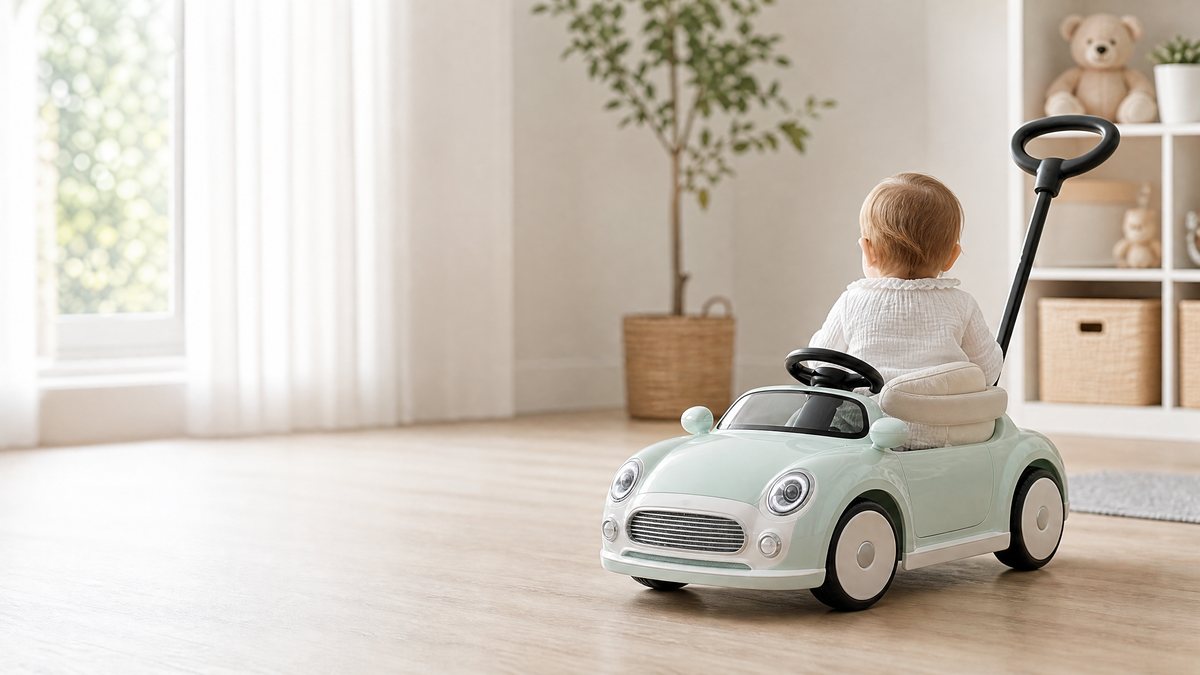
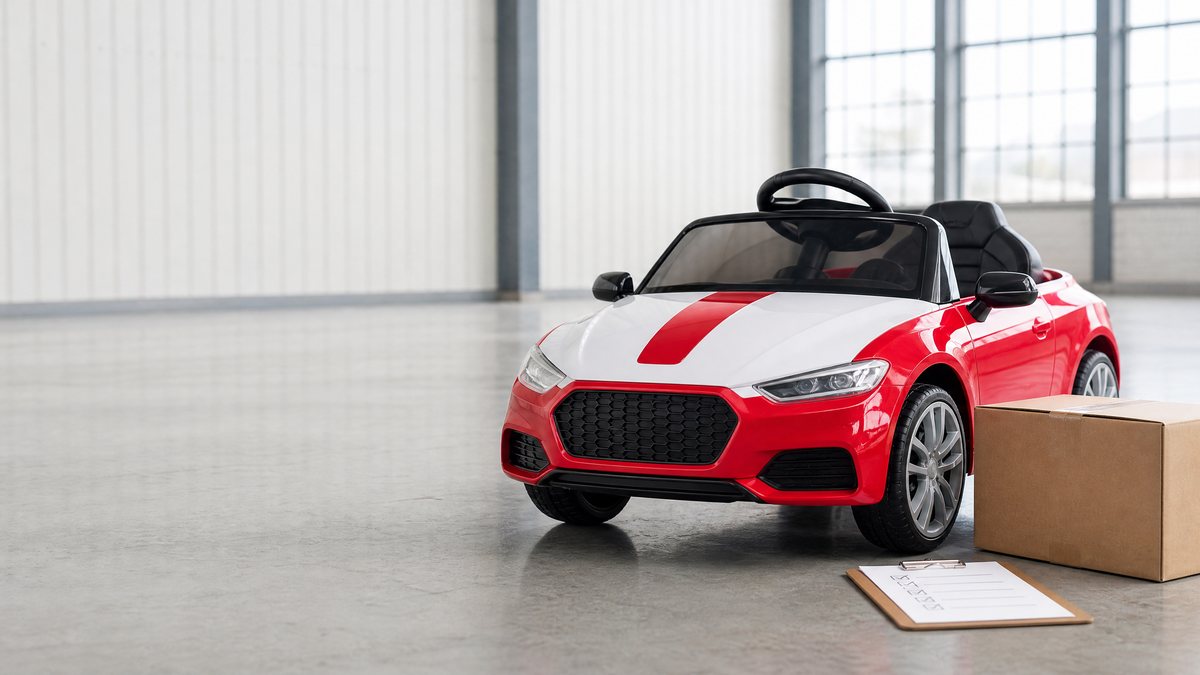
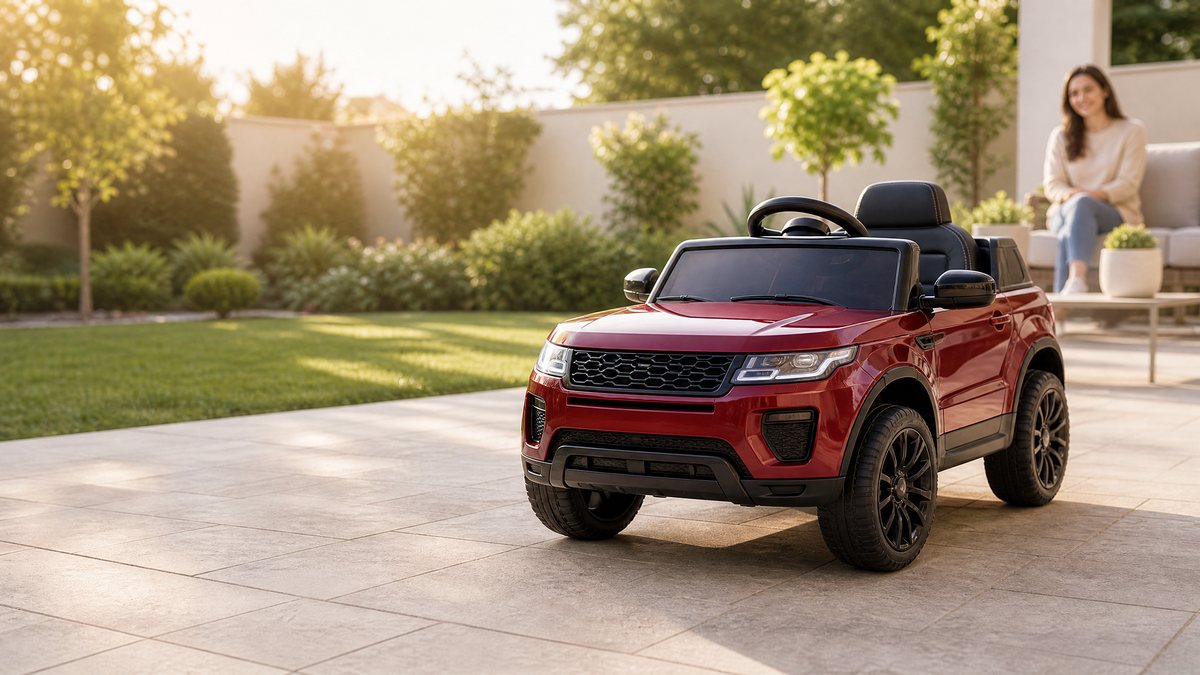
| Standard Urban Cruiser | 12V Single / Dual Motor | EVA Foam or Plastic | Paved sidewalks, driveways, flat patios | Younger children operating in controlled residential yards |
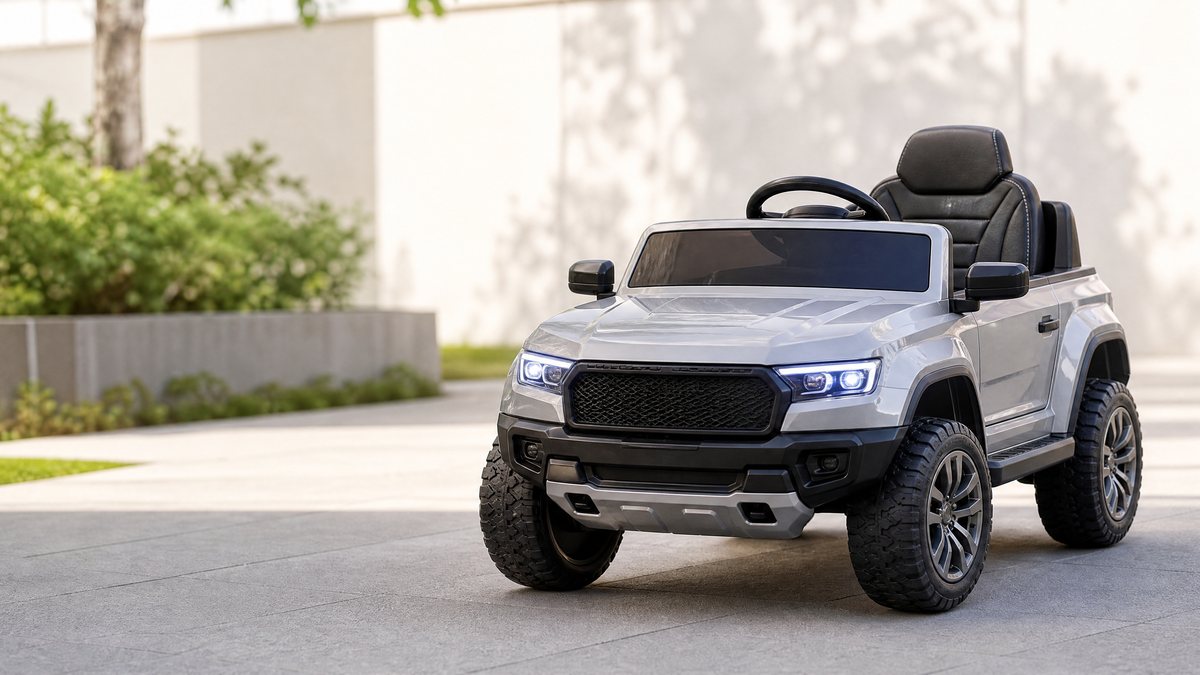
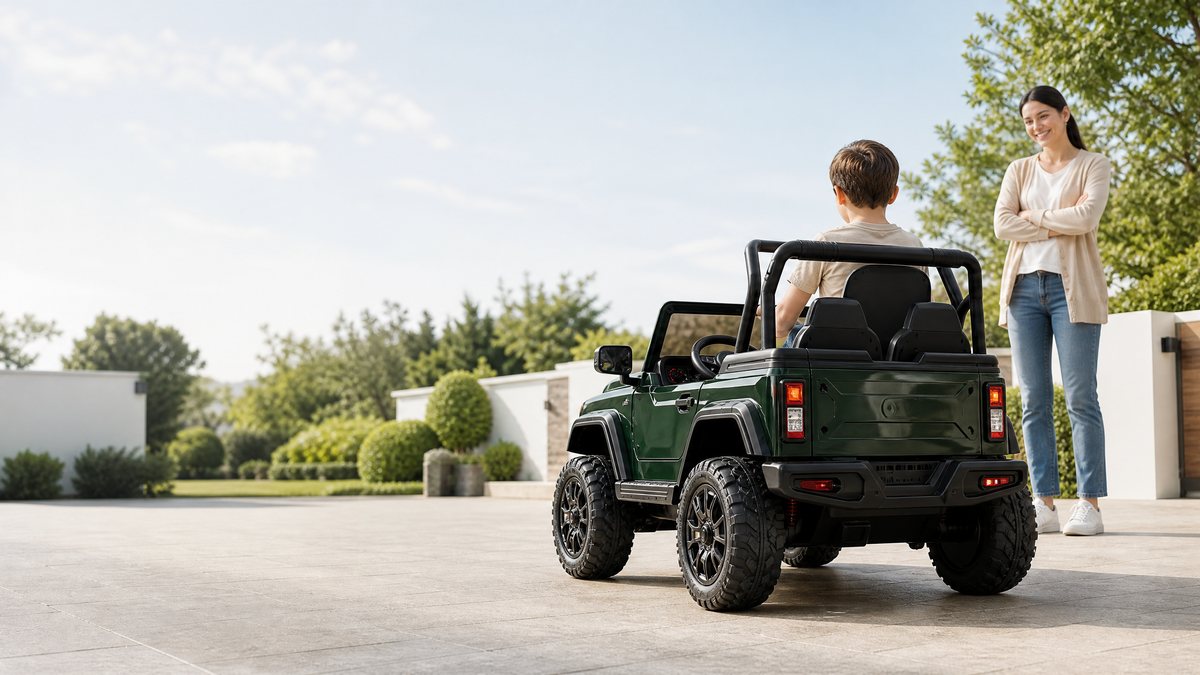
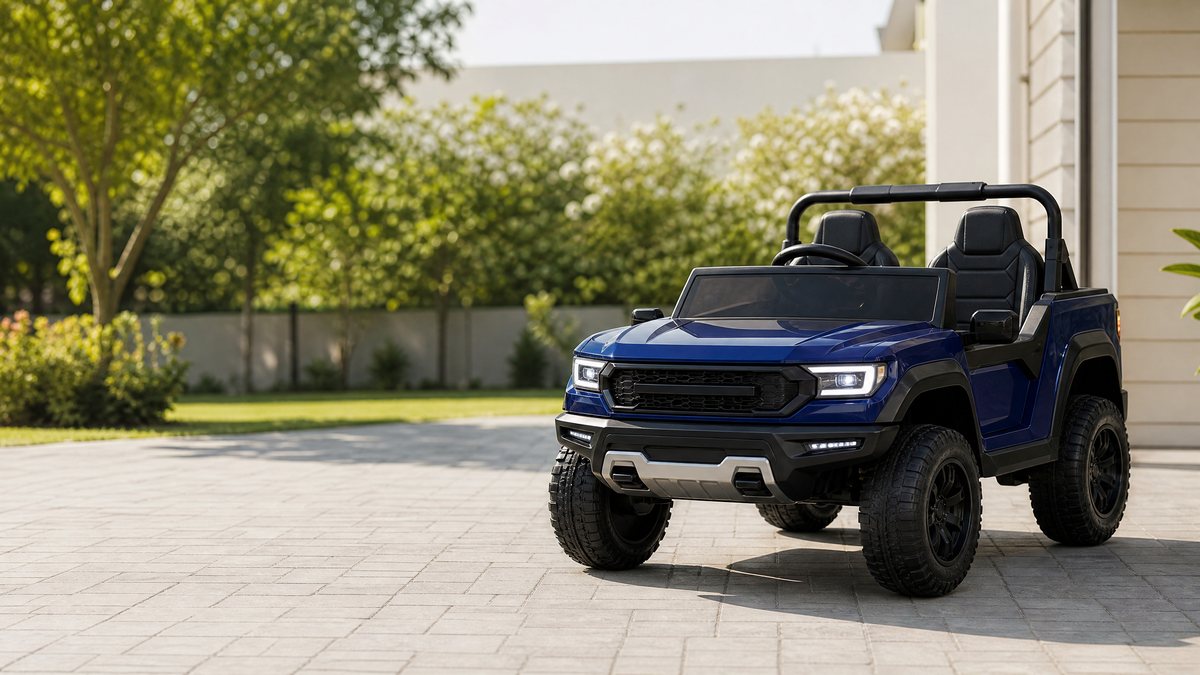
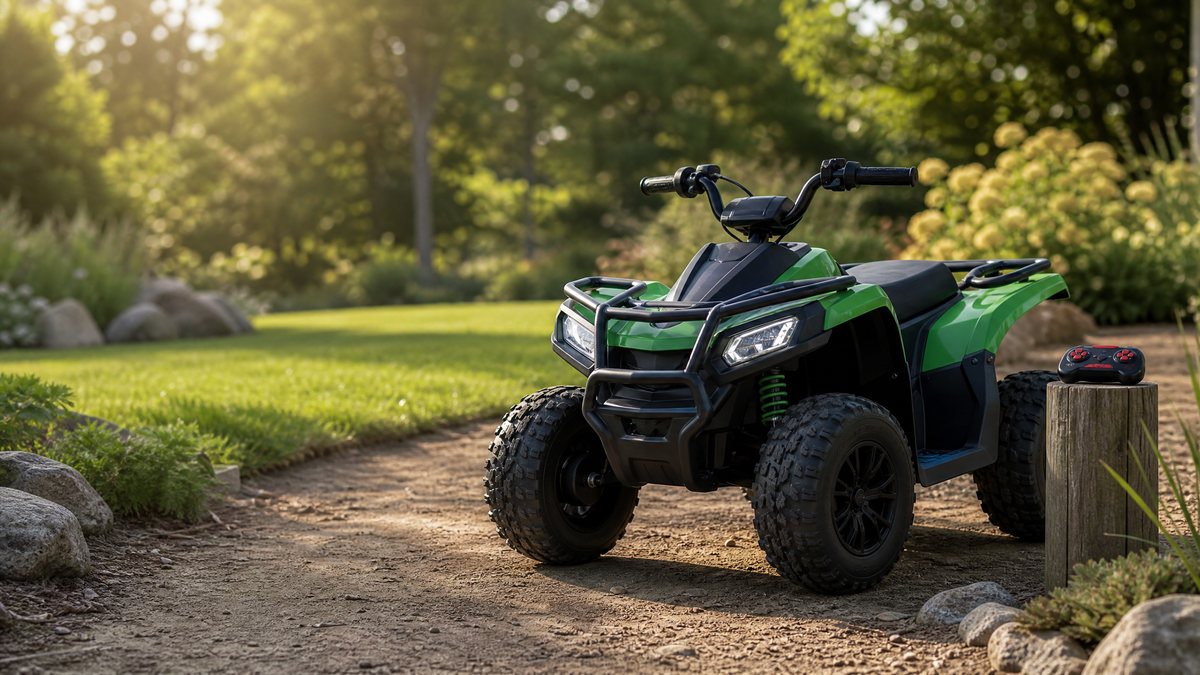
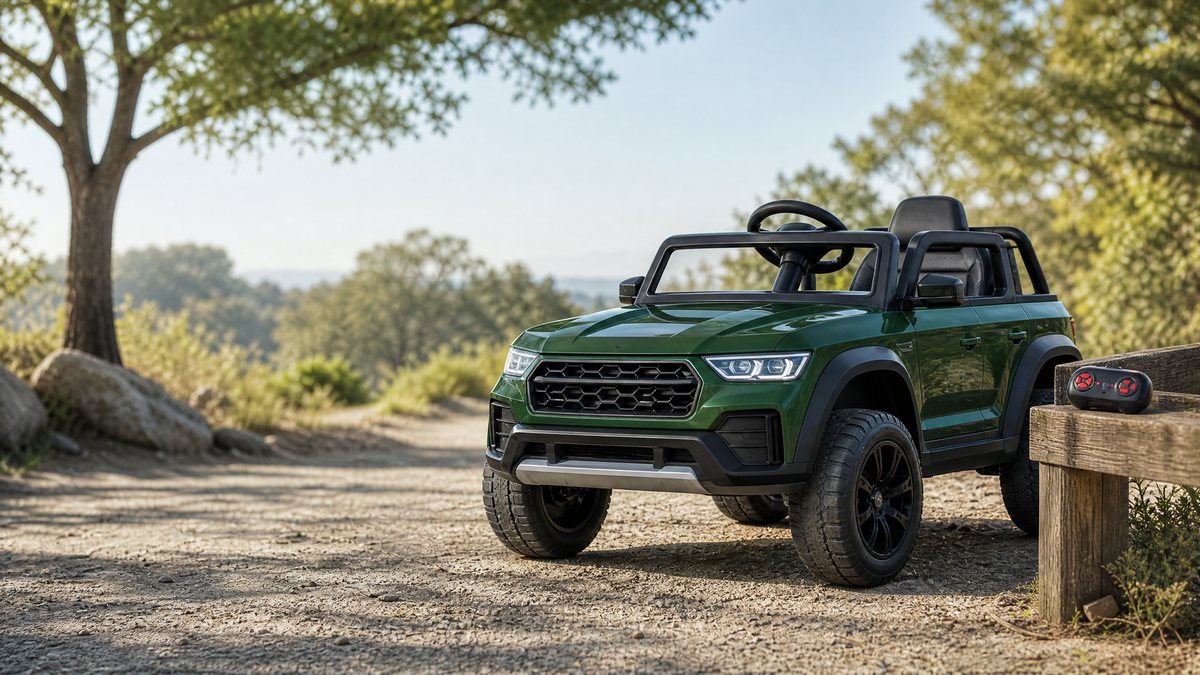
| All-Terrain Utility UTV | 12V to 24V Dual / Quad Motor | EVA Foam or Pneumatic Rubber | Grass lawns, packed dirt, gravel paths | Active children navigating diverse backyard landscaping |
| Sport Off-Road Buggy | 24V High-Torque Dual Motor | Pneumatic Rubber | Uneven terrain, slight inclines, dirt tracks | Older children seeking robust climbing capability |
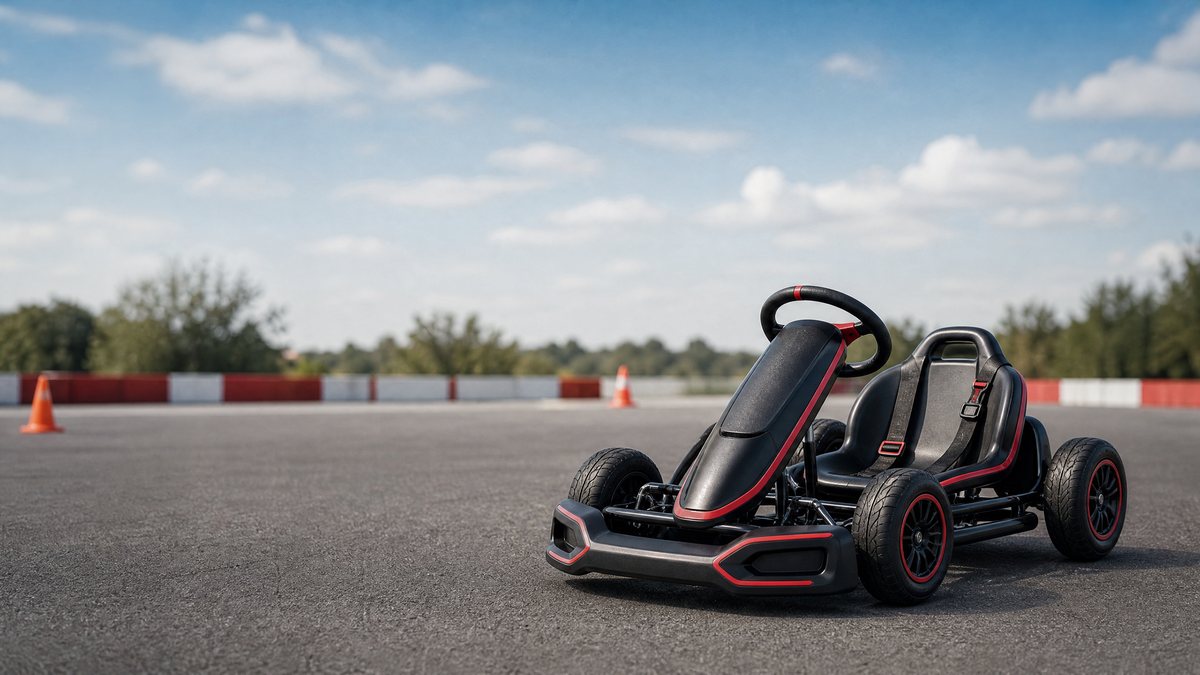
| Commercial Park Kart | 24V Heavy-Duty Direct Drive | Solid Rubber / Reinforced EVA | Dedicated smooth outdoor tracks, paved paths | Commercial rental fleets and supervised outdoor venues |
Safety and Fit Checklist
Ensuring a secure and enjoyable outdoor riding experience requires strict adherence to physical fit guidelines, operational supervision, and recognized toy safety standards. Retailers and parents should verify the following criteria prior to operation:
- Age and Weight Compliance: Always respect the manufacturer's specified maximum weight limits and recommended age ranges as foundational safety guidelines.
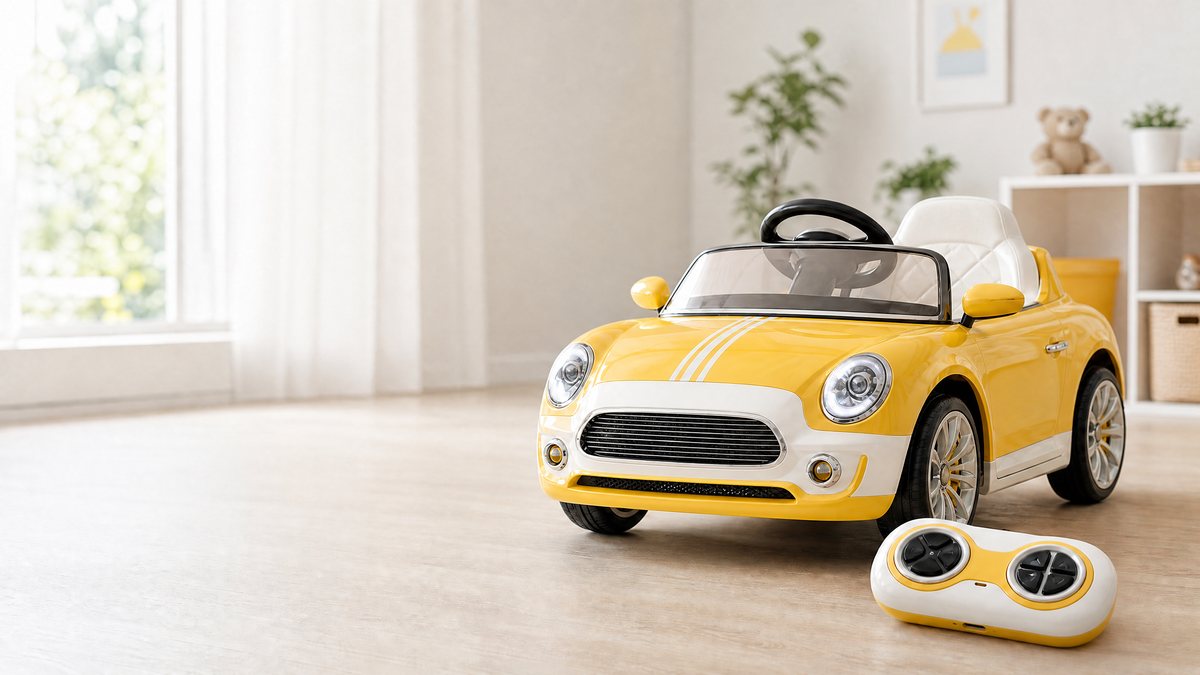
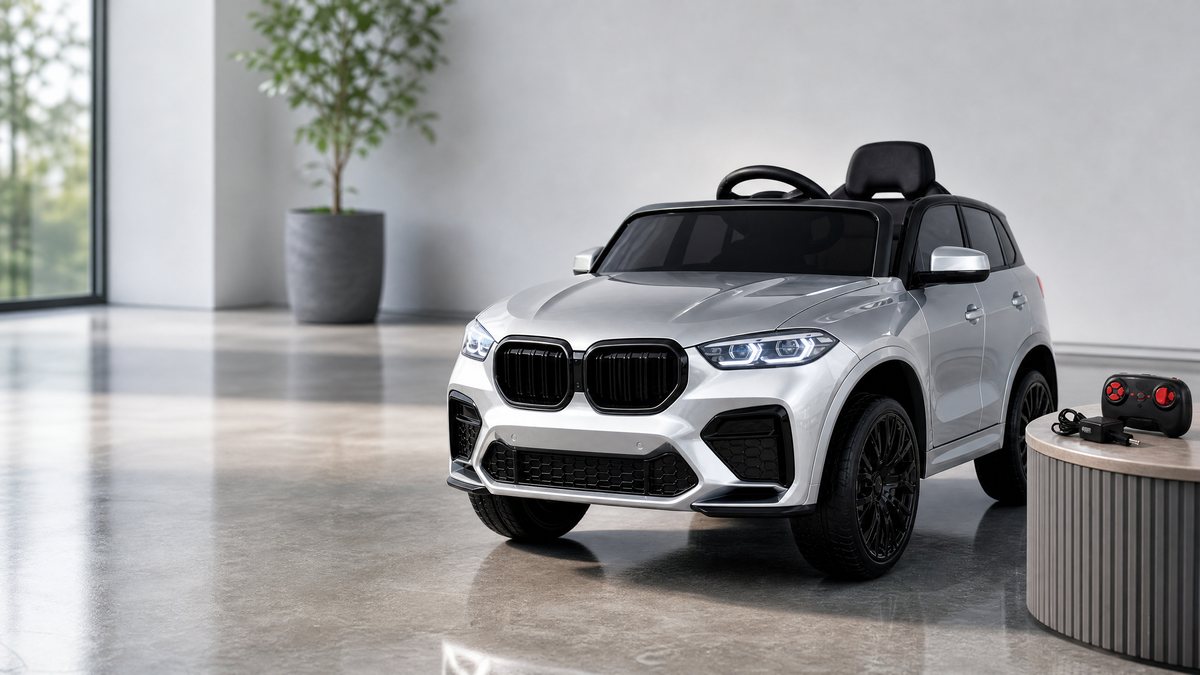
- Supervisory Control: For younger operators or complex outdoor environments featuring slopes, parental remote control overrides allow supervising adults to correct steering or halt movement instantly.
- Protective Equipment: Certified bicycle or multi-sport helmets should be worn during all outdoor riding activities [1].
- Regulatory Standards: Confirm that products comply with established toy safety specifications, such as ASTM F963 in North America or EN71 in Europe, which govern mechanical integrity, sharp edges, and electrical safety [1] [2].
- Operating Environment: Restrict riding to safe, enclosed outdoor areas away from public roadways, open water bodies, steep embankments, and vehicular traffic.
For Retailers and Importers
Commercial buyers and retail store owners expanding their outdoor vehicle inventory must consider operational logistics beyond end-user features:
- Compliance Documentation: Ensure suppliers provide verifiable conformity certificates matching destination market regulations (e.g., CPSC, CE, RoHS).
- Spare Parts Support: Outdoor usage subjects gearboxes, switches, and tires to higher wear rates. Sourcing inventory from manufacturers providing reliable replacement parts ensures long-term customer satisfaction and reduces warranty claims.
- Packaging and Assembly: Knock-down (KD) shipping configurations must balance freight efficiency with straightforward final assembly instructions for retail customers.
Key Buyer Questions
When evaluating outdoor ride-on inventory or purchasing decisions, consider the following structured inquiries:
1. What is the certified maximum weight capacity and recommended age grading specified by the manufacturer?
2. What specific tire material (plastic, EVA foam, or pneumatic rubber) is equipped, and how does it match the intended outdoor riding surface?
3. What is the electrical configuration (voltage, motor wattage, and gearbox count), and what is the estimated operating duration per charge cycle?
4. Does the vehicle feature parental remote override functionality for enhanced safety supervision?
5. What compliance documentation and spare parts availability support the product line?
Frequently Asked Questions
What is the difference between EVA foam and plastic wheels for outdoor use?
Plastic wheels are rigid and prone to slipping on wet grass or smooth concrete, while EVA foam wheels provide enhanced friction, quieter operation, and better shock absorption without the puncture risks associated with air-filled tires.
Are 24V ride-on cars necessary for outdoor riding?
A 24V system is not mandatory for all outdoor use, but it provides superior torque, gradeability, and sustained speed across slopes, grass, and heavier chassis weights compared to standard 12V configurations.
Can ride-on cars be left outside in rainy weather?
No. Ride-on cars contain electronic control units, switches, and battery compartments that are water-resistant but not waterproof. Prolonged exposure to moisture, rain, or dew can cause electrical corrosion and premature component failure.
How do I determine the correct size and weight capacity?
Always consult the manufacturer's official specifications sheet for maximum weight thresholds and dimensions. The child's feet should comfortably reach the foot pedal while seated with adequate knee clearance beneath the steering column.
What safety standards apply to children's electric ride-on cars?
Electric ride-on cars intended for children are regulated as toys under safety standards such as ASTM F963 in the United States and EN71 in the European Union, which establish strict limits for mechanical hazards, electrical wiring, and chemical composition [1] [2].
Conclusion
Choosing the best ride-on car for outdoor use involves matching vehicle engineering—specifically tire traction, motor voltage, and chassis clearance—to the specific physical environment where the child will ride. By prioritizing transparent manufacturer specifications, robust safety compliance, and proper adult supervision, parents and retailers can ensure a reliable, safe, and enjoyable outdoor driving experience.
Request a wholesale quote to explore our complete catalog of certified outdoor ride-on vehicles and commercial inventory options.
References
[1] ASTM International. *ASTM F963 - Standard Consumer Safety Specification for Toy Safety*. Available from ASTM Standards Database.
[2] U.S. Consumer Product Safety Commission (CPSC). *Safety Standard for Toy Safety (16 CFR Part 1250)*. Federal regulatory compliance guidelines.
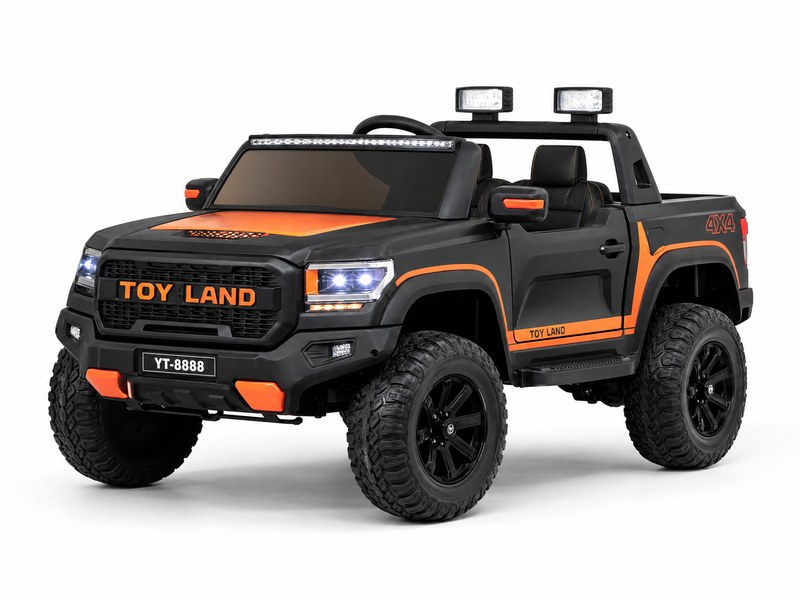
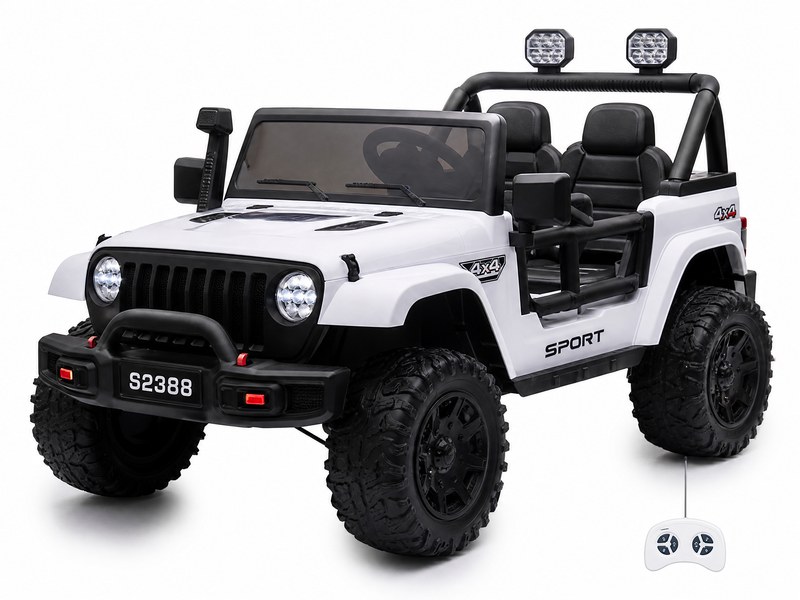
Explore matching models
View product details for this guide
Compare current specifications, age guidance and available options before requesting a quote.
Official references
Explore these external resources for current regulatory and trade guidance. Confirm requirements with the relevant authority before placing an order.
Ready to Start?
Factory-Direct · CE & ASTM Certified · MOQ from 50 Units
Our export team works with buyers in 60+ countries. Get a quote within 24 hours.
KR
Written by KidsRideCar
China's leading kids electric ride-on car manufacturer. 500,000+ units shipped annually to 60+ countries. CE, ASTM & EN71 certified.