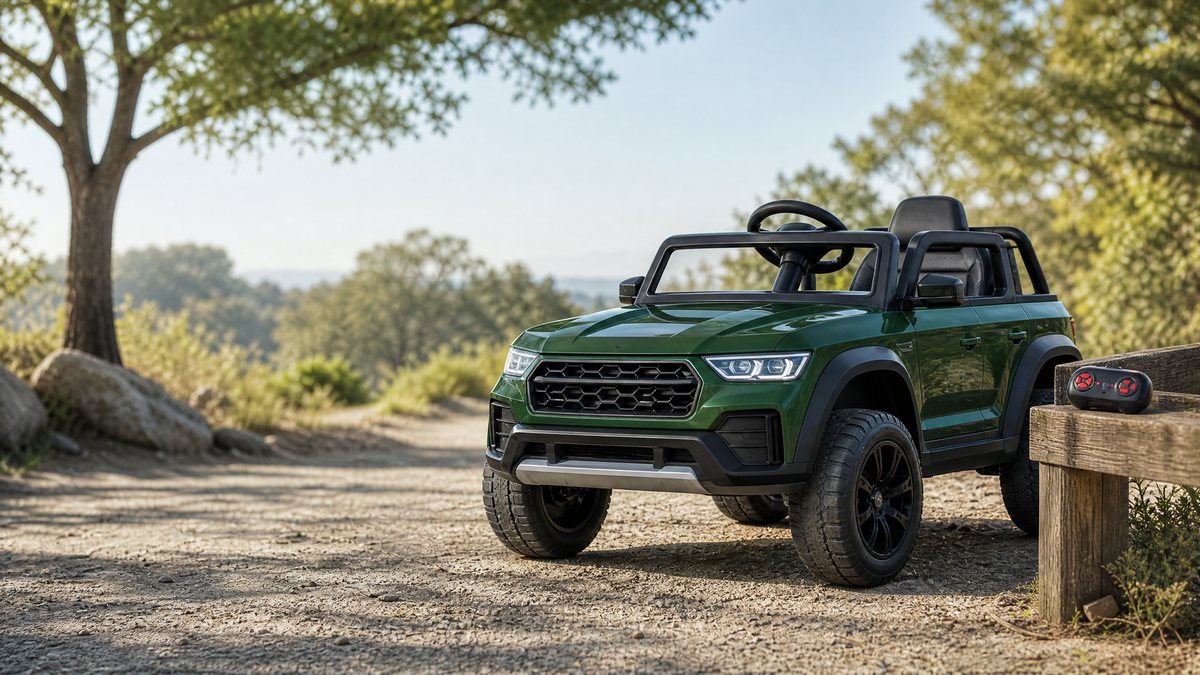
Introduction to Outdoor Mobility and Drivetrain Evolution in Ride-On Toys
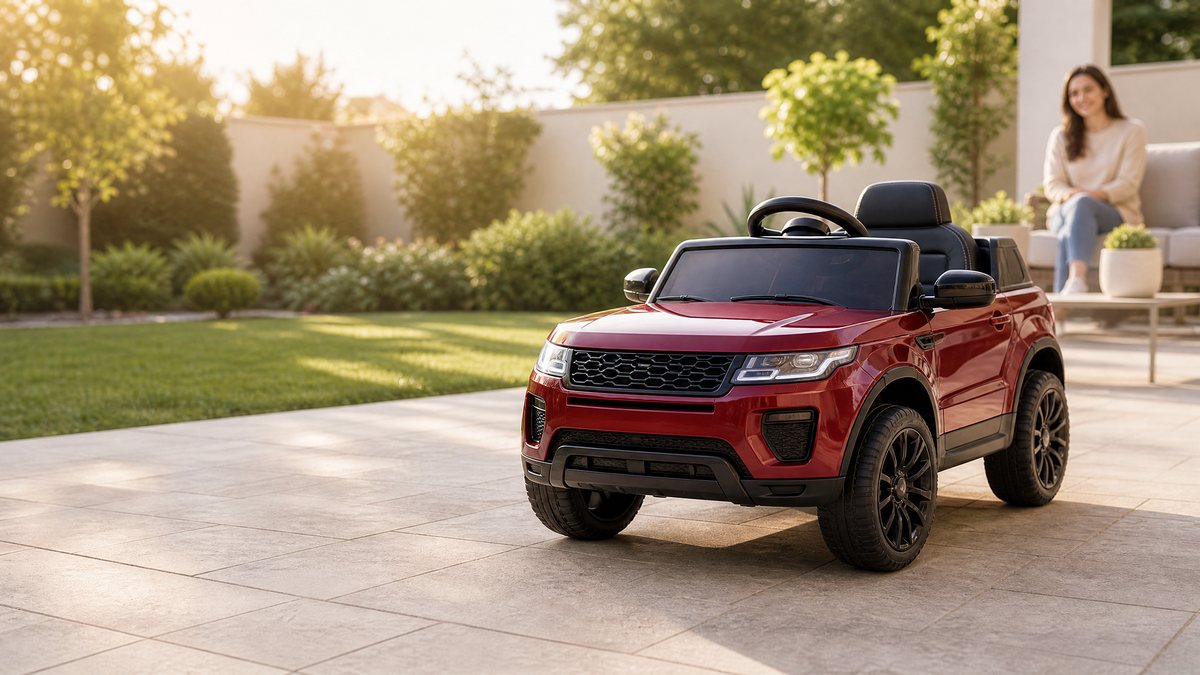
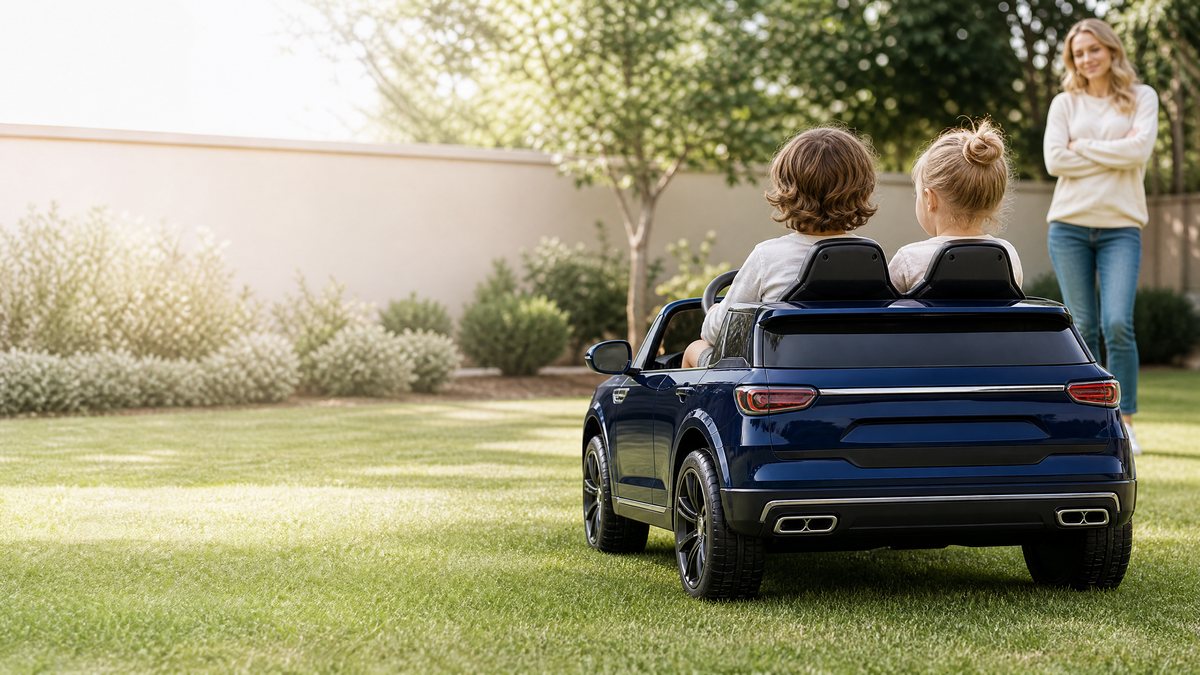
The market for children's electric ride-on vehicles has evolved far beyond smooth indoor flooring and manicured suburban driveways. Modern young drivers, families, and recreational facilities frequently take these miniature vehicles onto challenging outdoor surfaces such as thick lawns, garden mulch, and gentle grassy inclines. For wholesale buyers, retail distributors, and commercial fleet operators, understanding the underlying mechanical engineering that dictates performance on uneven terrain is essential. Among the most significant engineering distinctions in modern ride-on vehicle design is the choice between Two-Wheel Drive (2WD) and Four-Wheel Drive (4WD) configurations.
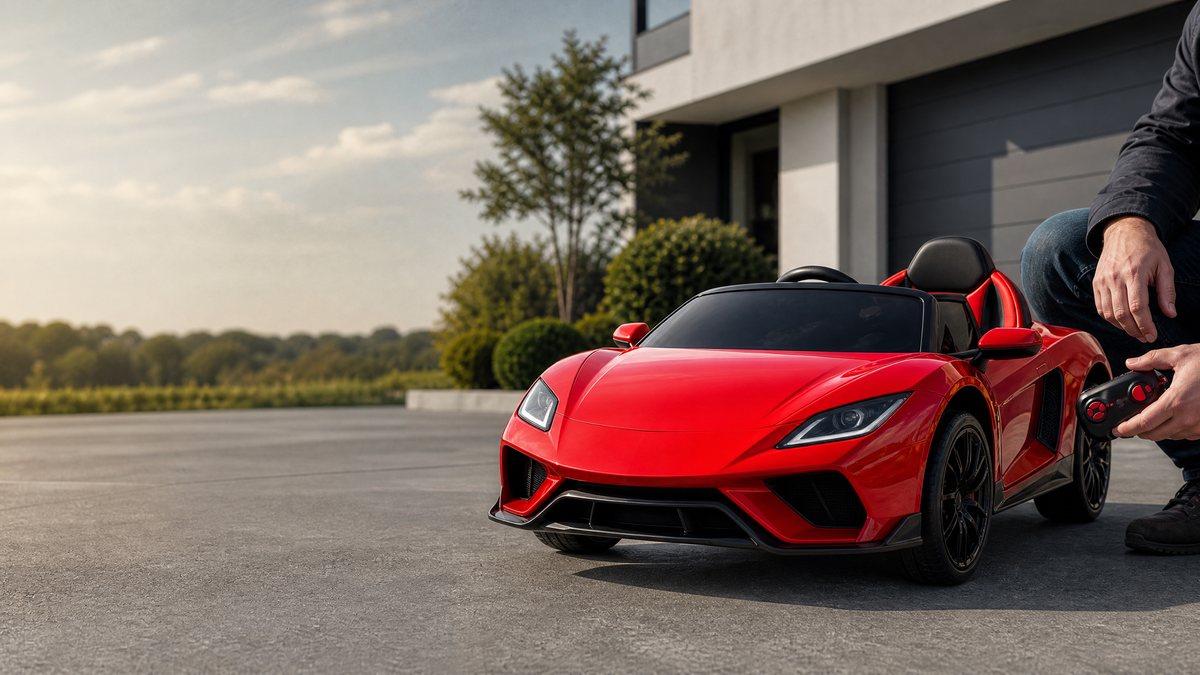
When evaluating children's ride-on cars intended for outdoor use, commercial purchasers and retail buyers frequently ask whether upgrading to a 4WD system provides tangible operational benefits over standard dual-motor setups. While 2WD vehicles serve standard urban and smooth-surface environments adequately, challenging outdoor environments test the limits of traction, motor torque, and weight distribution. This comprehensive technical guide examines the mechanical principles, traction dynamics, motor distribution, and operational considerations that explain why a 4WD ride-on car handles rough terrain significantly better than its 2WD counterparts. Furthermore, this guide provides a structured evaluation framework for B2B buyers seeking to stock resilient, high-performance vehicles that meet diverse consumer demands.
Mechanical Fundamentals: Understanding 2WD Versus 4WD Architecture in Ride-On Vehicles
To understand why four-wheel-drive ride-on cars excel on difficult surfaces, one must first examine the fundamental drivetrain differences between standard 2WD and advanced 4WD systems. In a conventional 2WD ride-on car, power from one or two DC electric motors is typically transmitted exclusively to the rear axle through a gearbox assembly. The front wheels remain unpowered, serving solely for steering guidance. While this configuration is mechanically simpler and lighter, it creates distinct limitations when encountering obstacles, loose soil, or inclines.
In contrast, a 4WD ride-on vehicle distributes electrical power and mechanical torque to all four wheels simultaneously, usually employing independent drive motors housed within individual wheel gearboxes or connected via dual front and rear axle transmission systems. This multi-motor architecture alters how kinetic energy interacts with the ground surface. Instead of relying entirely on the rear wheels to push the vehicle forward while the unpowered front wheels encounter rolling resistance, a 4WD system actively pulls and pushes the chassis across obstacles.
Request a wholesale quote
Traction Dynamics on Loose and Uneven Surfaces
Traction—the frictional grip between the vehicle tires and the ground—is the primary variable determining whether a ride-on car moves smoothly or loses momentum. On rough terrains such as gravel, sand, wet grass, or uneven dirt paths, traction coefficients drop precipitously compared to dry asphalt or concrete.
The Physics of Weight Transfer and Wheel Slip
When a vehicle accelerates or ascends a slope, natural weight transfer occurs, shifting load toward the rear axle. In a 2WD rear-drive vehicle navigating an incline covered in loose gravel, the unpowered front wheels may lose directional bite, while the driven rear wheels can easily experience wheel spin if they break surface friction. Once a single rear wheel loses traction and begins spinning freely in place, differential action in standard gearboxes often directs all rotational energy to the slipping wheel, causing the vehicle to stall.
A 4WD system mitigates this vulnerability through distributed torque delivery. Because all four wheels actively exert rotational force against the terrain, the likelihood of total traction loss is substantially reduced. If one wheel encounters a pocket of loose gravel or mud, the remaining three wheels continue to maintain ground grip and propel the chassis forward. This redundancy in traction is the defining mechanical advantage that allows 4WD ride-on cars to navigate uneven outdoor landscapes without stalling.
Comparative Performance Across Outdoor Terrains
To assist procurement specialists and retail buyers in understanding performance variations across different environments, the following comparative matrix outlines how 2WD and 4WD configurations behave under identical outdoor conditions.
| Terrain Type | 2WD Ride-On Performance Characteristics | 4WD Ride-On Performance Characteristics | Primary Mechanical Limiter |
|---|---|---|---|
| Short Manicured Lawn | Adequate forward momentum; minor wheel slip on damp grass. | Excellent tracking and smooth acceleration; minimal turf disruption. | Tire tread pattern and battery voltage under load. |
| Gravel Pathways | Prone to front-wheel drift and rear-wheel surface churning. | Stable trajectory; balanced grip preventing loose stone displacement. | Ground clearance and suspension articulation. |
| Gentle Grassy Slopes | Frequent stalling on damp inclines; struggles with dead stops on slopes. | Consistent ascent capability; sustained torque across all four contact patches. | Motor power rating and thermal management limits. |
| Uneven Dirt & Roots | Can get high-centered or stuck when a single drive wheel loses contact. | Superior obstacle bridging; continuous power transmission despite uneven wheel loading. | Chassis clearance and shock absorption capability. |
Torque Distribution, Gearboxes, and Motor Coordination
Power output and torque delivery mechanisms dictate how effectively a ride-on car translates electrical energy from the battery into physical motion. High-torque electric motors paired with robust gearboxes are critical for overcoming rolling resistance on rough terrain.
The Role of Multi-Motor Synchronicity
Four-wheel-drive ride-on cars utilize multiple matched DC motors—typically operating at identical nominal voltages—to distribute mechanical workload. Dividing the propulsion task across four motors instead of two reduces the thermal and mechanical stress experienced by any single gearbox or motor winding. This distributed workload enhances overall durability during extended outdoor operation on rugged surfaces.
Furthermore, advanced control circuits in modern premium ride-on vehicles often incorporate soft-start technology and synchronized motor controllers. These systems prevent abrupt torque spikes that can cause sudden wheel spin on loose soil, ensuring smooth engagement when the young driver depresses the accelerator pedal. Retailers evaluating inventory should verify specific motor specifications, gearbox materials, and wiring harnesses against manufacturer documentation to ensure robust performance.
Suspension Integration and Obstacle Clearance
Drivetrain capability alone is insufficient without complementary chassis design elements such as suspension systems and ground clearance. Rough terrain is characterized by rocks, tree roots, ruts, and abrupt elevation changes.
Independent Suspension and Chassis Articulation
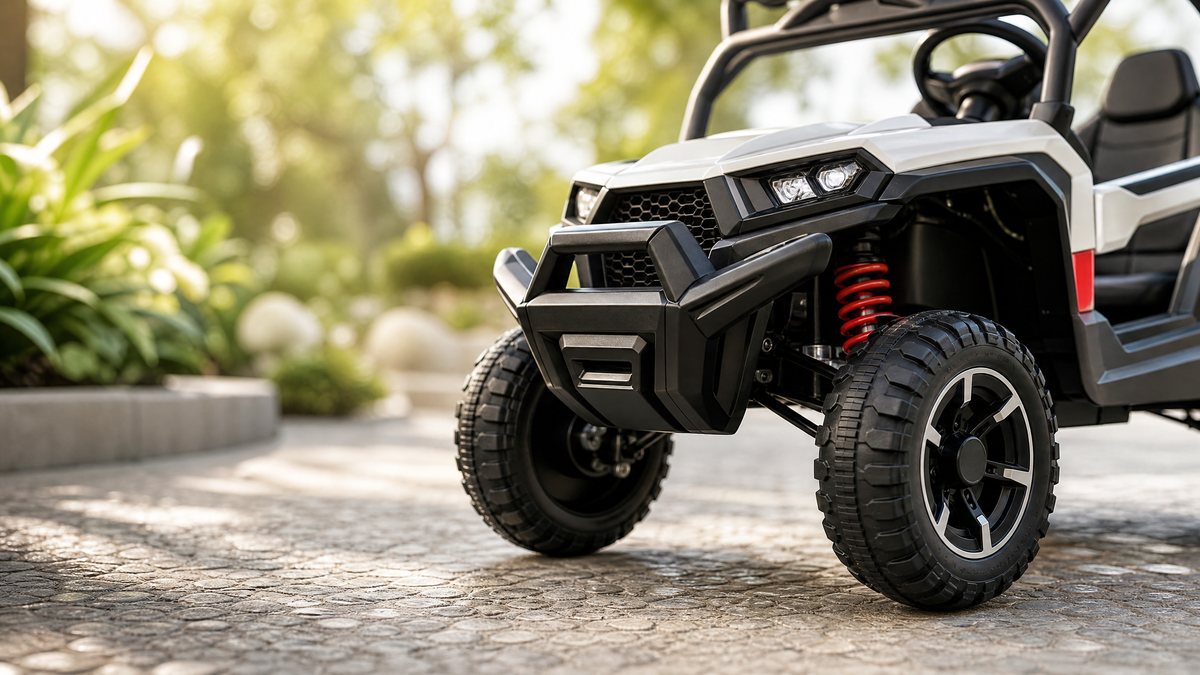
A true all-terrain ride-on vehicle requires effective suspension articulation to keep tires in continuous contact with undulating ground. When one wheel drops into a rut or climbs over a stone, independent spring suspension systems absorb the shock and maintain downward force on the tire, preserving traction. In rigid, non-suspended 2WD models, hitting a bump often lifts a drive wheel completely off the ground, resulting in immediate loss of forward motion. 4WD systems combined with independent spring damping ensure that even when vertical wheel loads fluctuate, power delivery remains effective across the remaining ground-contacting wheels.
Ground Clearance Considerations
Ground clearance—the vertical distance between the lowest point of the vehicle chassis and the ground—determines whether a ride-on car can pass over obstacles without high-centering. While 4WD enhances pulling power, buyers must also examine tire diameter and frame design. Larger EVA foam or pneumatic-style wheels, when paired with a 4WD drivetrain, maximize the vehicle's ability to roll over obstacles rather than push against them.
Operational Safety and Pre-Purchase Evaluation Framework for B2B Buyers
For importers, wholesalers, and retail store owners, stocking all-terrain ride-on vehicles requires a structured approach to quality assurance, safety compliance, and customer guidance. Operating electric vehicles on rough terrain increases mechanical stress, battery discharge rates, and component wear. Therefore, establishing transparent evaluation criteria is paramount.
Safety and Operational Compliance Guidelines
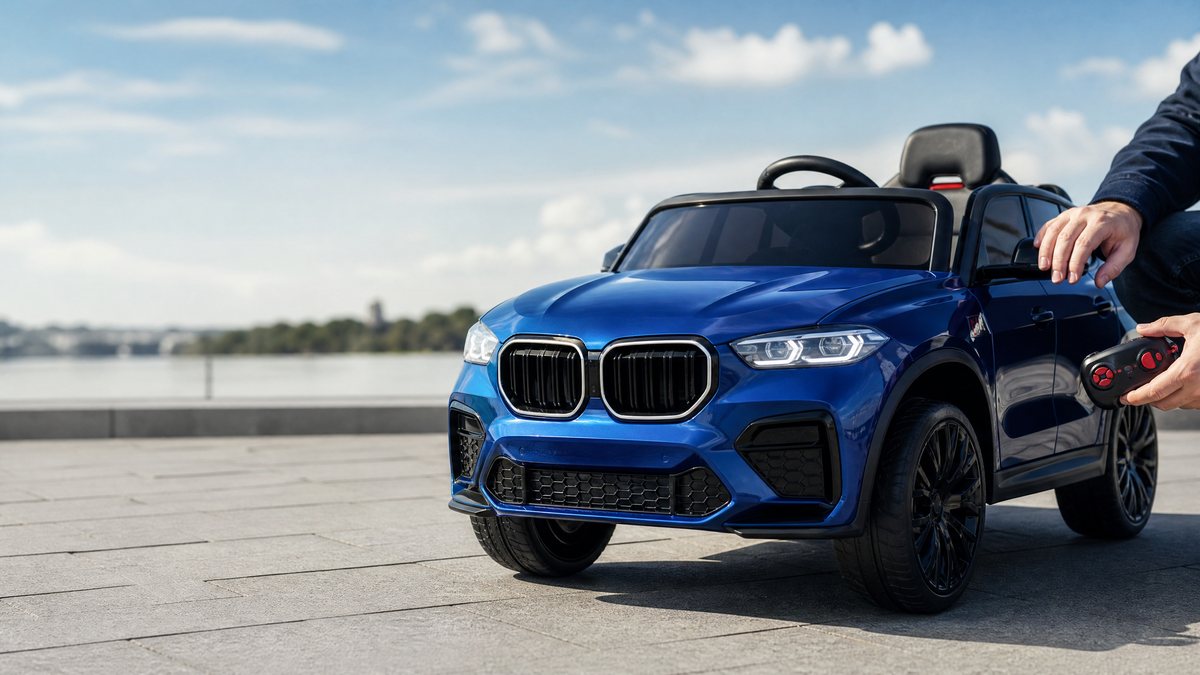
While 4WD ride-on cars offer superior terrain handling, commercial distributors must ensure that end-users receive comprehensive safety instructions. All vehicle operations—especially those involving inclines, uneven park paths, or gravel surfaces—must be conducted under direct adult supervision. Parents and caregivers should thoroughly review the manufacturer's instruction manual regarding maximum weight capacities, recommended operating surfaces, and slope angle limitations.
It is vital to emphasize that electric ride-on vehicles are recreational toys and should never be operated near public roadways, steep drop-offs, bodies of water, or hazardous terrain features. Users must never attempt unauthorized modifications to internal wiring, motor controllers, battery packs, or drivetrain components. Doing so invalidates manufacturer warranties and introduces severe electrical and mechanical safety hazards. If any unusual odors, smoke, excessive heat, fluid leaks, exposed wiring, damaged charging ports, erratic braking response, or persistent mechanical failures occur, the vehicle must be powered down immediately, disconnected from charging equipment, kept away from children, and evaluated by qualified service personnel or the manufacturer.
B2B Procurement Checklist
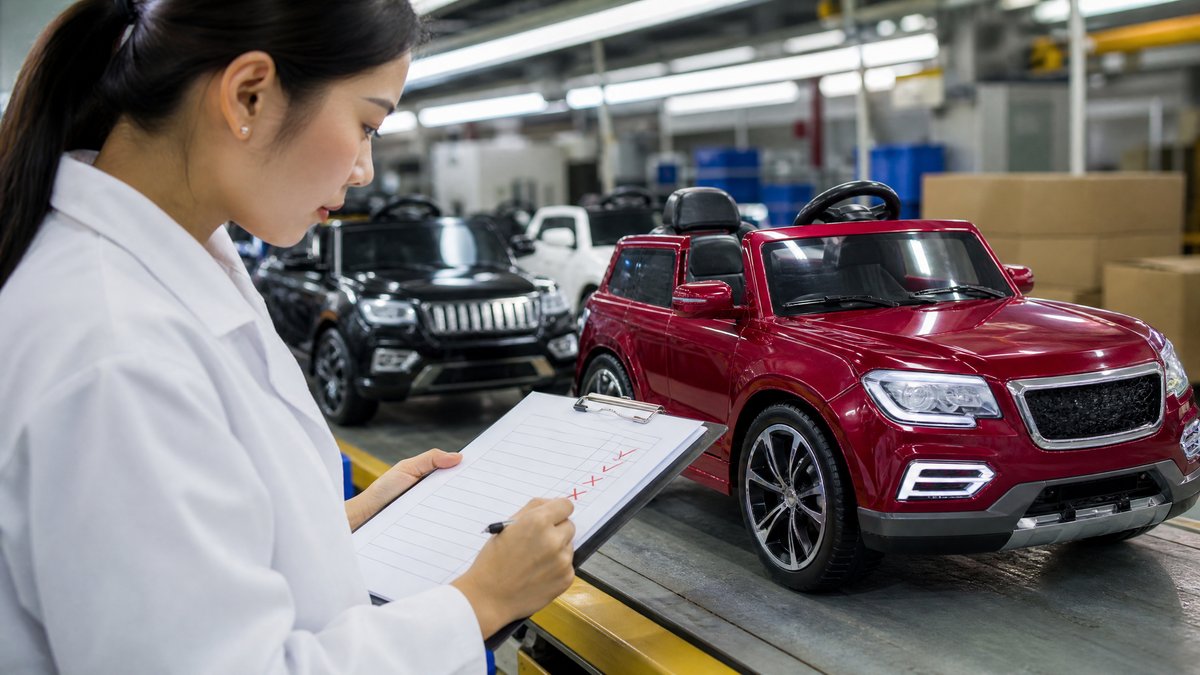
When sourcing 4WD ride-on cars for retail distribution or commercial fleets, procurement professionals should evaluate products based on the following objective criteria rather than marketing claims:
1. Manufacturer Documentation: Always verify electrical ratings, motor voltage specifications, gearbox construction materials, and compliance documentation directly from factory nameplates and official user manuals.
2. Drivetrain Verification: Confirm whether the 4WD system utilizes independent gearboxes per wheel or axle-coupled multi-motor setups, ensuring parts availability for after-sales support.
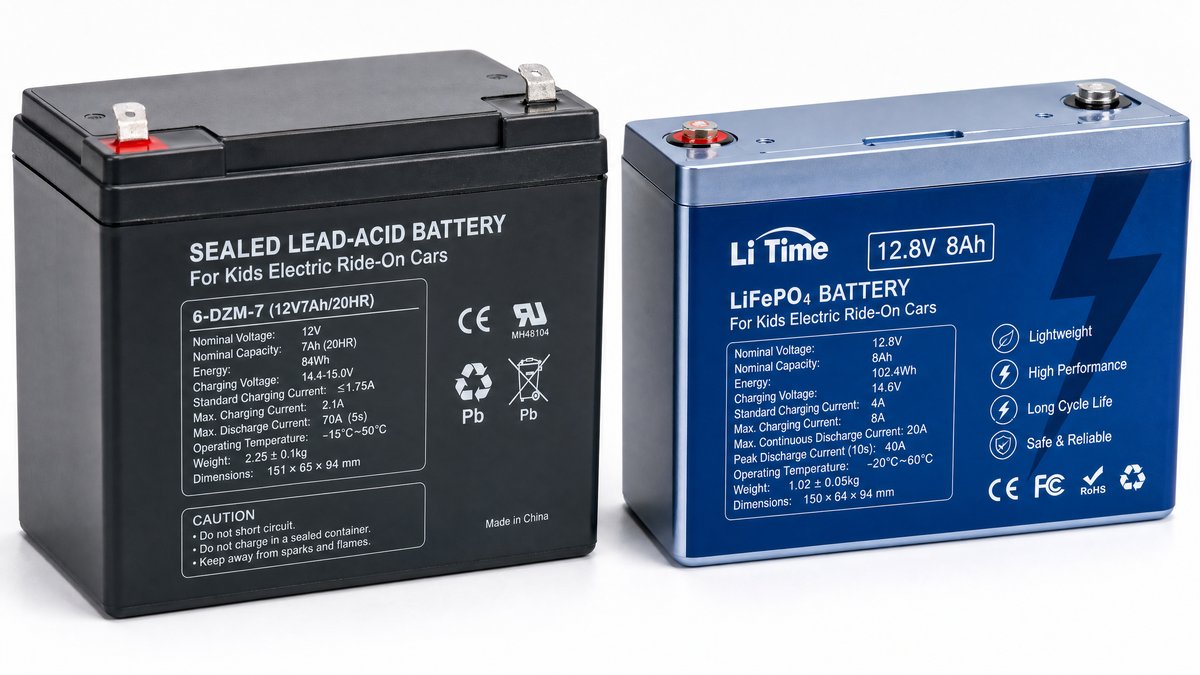
3. Battery and Charging Integrity: Review battery capacity (Ah ratings), charger specifications, and integrated overcurrent protection circuits to ensure safe and reliable electrical performance.
4. Build Quality and Materials: Inspect chassis reinforcement, wheel composition (such as durable EVA polymer treads), and suspension hardware designed to withstand outdoor weathering and mechanical stress.
Frequently Asked Questions
1. Are 4WD ride-on cars significantly more difficult to assemble than standard 2WD models?
Assembly complexity depends primarily on the pre-wired harness design and steering linkage setup provided by the manufacturer rather than the number of drive motors. While 4WD models feature additional motor wires connected to the central control board, reputable manufacturers use color-coded, plug-and-play wiring connectors that streamline the assembly process. Wholesalers should request detailed assembly manuals and pre-installation quality control reports from suppliers to ensure seamless unboxing experiences for end retailers.
2. Do 4WD ride-on cars drain battery power faster than 2WD models?
Operating four electric motors simultaneously draws more electrical current under heavy load compared to dual-motor systems. However, because power is distributed across four motors, individual motors experience less mechanical resistance and thermal buildup when navigating difficult terrain. Actual battery longevity depends heavily on terrain conditions, total payload weight, grass height, and battery capacity ratings specified on the manufacturer nameplate. Providing upgraded battery options is a common strategy for premium retail lineups.
3. Can a 4WD ride-on car be used safely on steep hills or unpaved mountain trails?
Electric ride-on toys are designed for residential yards, parks, and gentle recreational pathways. They are not engineered for steep hiking trails, rugged mountainsides, or hazardous inclines. Parents and operators must strictly adhere to the maximum slope angle limits specified in the official manufacturer manual. Adult supervision is mandatory at all times, and vehicles should never be operated on inclines exceeding factory-tested safety parameters or near unsafe drop-offs.
4. What maintenance steps are recommended to keep a 4WD drivetrain operating smoothly?
Routine maintenance includes inspecting wheel gearboxes for debris, checking axle alignment, ensuring wiring harnesses remain secure and free from moisture exposure, and cleaning dirt or grass clippings from moving parts after outdoor use. Store the vehicle in a dry, climate-controlled environment during inclement weather, and follow manufacturer guidelines for battery charging and off-season storage. Never attempt unauthorized repairs on electrical circuits or motor housings; consult qualified service technicians for mechanical servicing.
Conclusion
The engineering superiority of four-wheel-drive ride-on cars on rough terrain stems from fundamental principles of traction mechanics, distributed torque delivery, and multi-motor redundancy. While standard 2WD vehicles remain suitable for smooth indoor floors and flat sidewalks, 4WD configurations provide the necessary grip, stability, and obstacle-bridging capability required for outdoor environments like lawns and gravel paths. For B2B importers, distributors, and retail partners, offering well-engineered 4WD models expands product utility and satisfies consumer demand for versatile outdoor children's vehicles. By maintaining rigorous quality standards, adhering strictly to manufacturer documentation, and emphasizing proper adult supervision, businesses can deliver reliable, high-performance recreational products.
Request a wholesale quote
Official References
1. U.S. Consumer Product Safety Commission (CPSC). General Toy Safety Education and Playground Equipment Guidelines. Reference materials on children's product safety, supervision standards, and hazard awareness. Note: CPSC general guidelines supplement but do not replace specific manufacturer instruction manuals, nameplate ratings, or certified product warnings.
2. International Toy Safety Standards (ISO 8124 / ASTM F963). Standard consumer safety specifications for toy safety, electrical properties, mechanical integrity, and structural durability requirements.
3. Manufacturer Technical Documentation and Engineering Specifications. Primary operational guidelines, wiring diagrams, voltage ratings, and recommended maintenance schedules provided directly by certified ride-on vehicle manufacturers.
Official references
Explore these external resources for current regulatory and trade guidance. Confirm requirements with the relevant authority before placing an order.
Ready to Start?
Factory-Direct · CE & ASTM Certified · MOQ from 50 Units
Our export team works with buyers in 60+ countries. Get a quote within 24 hours.
KR
Written by KidsRideCar
China's leading kids electric ride-on car manufacturer. 500,000+ units shipped annually to 60+ countries. CE, ASTM & EN71 certified.