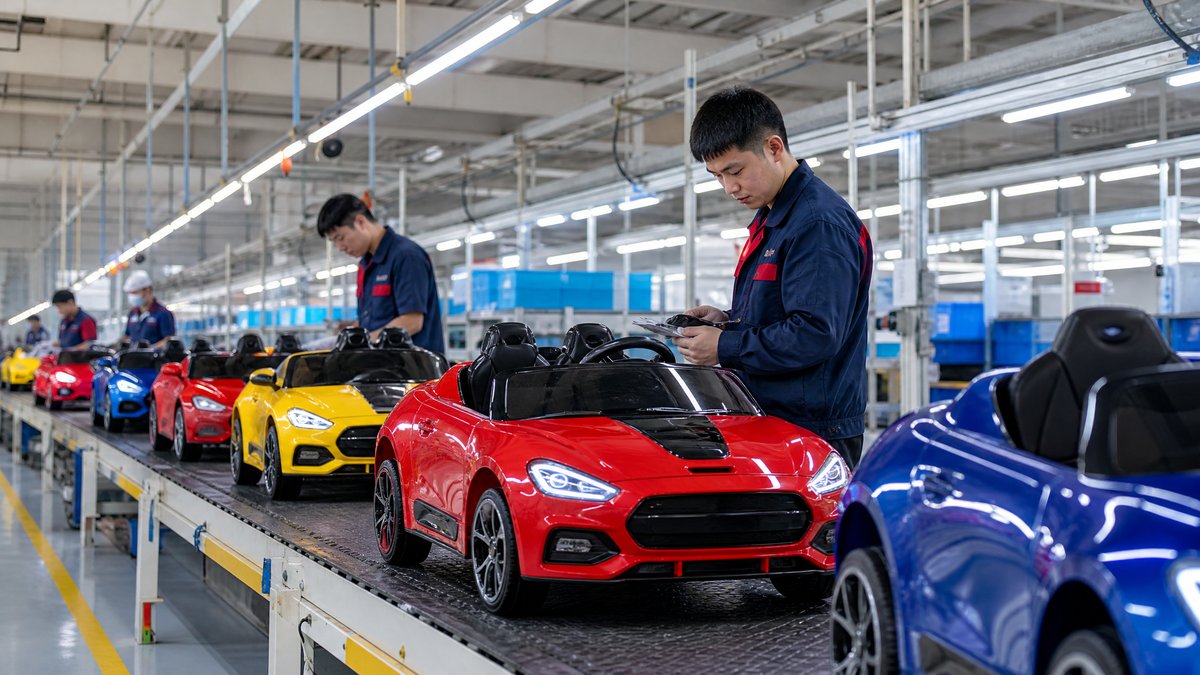
For professional stakeholders within the global distribution and retail sectors, the selection of juvenile electric vehicles requires a sophisticated understanding of how these products interact with various physical environments. The suitability of a four-wheel ride-on car for specific terrains is not merely a marketing claim but a fundamental engineering alignment that influences product durability, user satisfaction, and overall brand integrity. When importers evaluate new models, they must look beyond the aesthetic appeal of the vehicle and focus on the underlying mechanical and electrical logic that dictates performance on surfaces ranging from polished indoor floors to uneven outdoor landscapes.
The primary challenge in determining terrain suitability lies in the management of resistance and the preservation of the vehicle’s integrity under varying loads. Every surface presents a unique set of physical challenges, including friction levels, incline angles, and structural inconsistencies. A vehicle that excels in a controlled indoor environment may face significant operational hurdles when transitioned to a high-resistance surface like thick grass or loose gravel. Therefore, a comprehensive sourcing strategy must prioritize models that provide appropriate documentation and evidence of their intended use cases.
The Physics of Surface Interaction and Resistance
In the context of juvenile electric mobility, understanding the interaction between the vehicle and the ground is essential for informed procurement. The most critical factor is rolling resistance, which is the force resisting the motion when a tire rolls on a surface. This resistance is influenced by several variables, including the softness of the ground, the texture of the tire, and the total mass of the vehicle and its occupant. For professional buyers, evaluating how a manufacturer addresses these physical forces is a key indicator of product quality.
On smooth, hard surfaces such as polished concrete or indoor tiles, rolling resistance is minimal. The electrical systems can operate with high efficiency, requiring very little energy to maintain a steady pace. However, as the vehicle moves onto softer or more textured surfaces, the motors must work harder to overcome the increased friction and displacement of the ground material. This increased demand for energy leads to higher heat production within the internal components. High-quality manufacturers account for this by integrating robust thermal management systems and providing written model documentation that clearly defines the recommended operating environments.
Furthermore, the concept of traction is paramount when discussing outdoor suitability. Traction refers to the grip between the tire and the ground, which allows the vehicle to move forward without the wheels spinning in place. On smooth surfaces, traction is generally high, but on loose gravel or wet grass, it can decrease significantly. Importers should seek models that utilize advanced tire materials, such as synthetic foam or high-grip polymers, which are designed to maintain contact with the ground across a wider range of textures.
Categorizing Terrains for Global Distribution
To effectively manage a product portfolio, distributors should categorize their ride-on car offerings based on their suitability for different terrain types. This classification allows for more precise marketing and helps retailers guide their customers toward the most appropriate products for their specific needs.
Indoor and Polished Environments
Indoor environments represent the most controlled and low-stress settings for four-wheel ride-on cars. These surfaces are typically flat, hard, and free of debris. For the youngest demographic of users, these environments are ideal as they minimize the risk of unexpected obstacles or surface changes. From a sourcing perspective, models designed for indoor use often prioritize quiet operation and floor protection.
When evaluating vehicles for this category, buyers should focus on the tire composition. Harder plastic wheels are common in entry-level models, but they can be noisy and may lack grip on very smooth tiles. A more premium option for indoor use involves tires with an integrated traction strip, which provides a quieter experience and better control. Distributors in urban markets with high-density housing often find that compact, indoor-focused models are a staple of their inventory.
Paved Outdoor Surfaces
Paved surfaces, such as asphalt paths, concrete driveways, and public walkways, are the most frequent use cases for the majority of ride-on vehicles. These environments provide a consistent level of traction and are generally free of significant inclines. However, the abrasive nature of asphalt can lead to faster wear on the tires compared to indoor surfaces.
For this segment, the focus shifts toward durability and user comfort. Synthetic foam tires are particularly effective on pavement, as they offer superior shock absorption and a much smoother ride than standard plastic wheels. Importers should also verify that the vehicles have sufficient ground clearance to navigate small pebbles or minor cracks in the pavement without impacting the lower chassis. This category represents the core of the mass-market demand, offering a balance between performance and affordability.
Managed Grass and Lawns
The transition to grass represents a significant increase in operational demand. Grass is a high-resistance surface that requires more power to navigate effectively. The height and density of the grass, as well as the moisture content of the soil, all contribute to the overall difficulty of the terrain. A vehicle that is underpowered for these conditions will often experience a noticeable decrease in velocity and may struggle to maintain momentum.
Professional buyers must ensure that models marketed for grass use have the appropriate power configurations and motor efficiency to handle the increased load. It is also vital to look for features like multi-wheel drive systems, which distribute the power more effectively across the surface. Written supplier confirmation regarding the vehicle's performance on managed lawns is an essential part of the due diligence process for any distributor serving suburban or rural markets.
Rugged and Uneven Landscapes
The most demanding category involves rugged outdoor terrains, including gravel paths, mulch, and light dirt trails. These environments are characterized by uneven ground, loose materials, and frequent changes in elevation. To navigate these areas successfully, a vehicle requires a sophisticated chassis design and a high-performance power system.
In this segment, features such as independent suspension systems and large, high-traction tires become critical. The suspension helps to maintain tire contact with the ground on uneven surfaces, while the larger wheels provide the necessary clearance to avoid obstacles. For professional stakeholders, these premium models offer higher margins and clear product differentiation, appealing to customers who desire a more adventurous experience for their children.
A Qualitative Comparison of Surface Suitability
The following table provides a qualitative overview of how different surfaces impact the performance and requirements of four-wheel ride-on cars.
| Surface Type | Resistance Level | Traction Profile | Recommended Tire Type | Key Chassis Requirement |
|---|---|---|---|---|
| Polished Tile | Very Low | Moderate to Low | Traction-Aided Plastic | Compact Design |
| Hardwood Floor | Very Low | Moderate | Synthetic Foam | Non-Marking Material |
| Concrete Driveway | Low | High | Synthetic Foam | Standard Clearance |
| Asphalt Path | Low to Moderate | Very High | Durable Polymer | Vibration Damping |
| Short Grass | Moderate | Moderate | High-Grip Polymer | Enhanced Power Level |
| Thick Grass | High | Moderate to Low | Large Diameter Foam | Multi-Wheel Drive |
| Loose Gravel | Very High | Low | Aggressive Tread | Independent Suspension |
| Light Dirt | High | Moderate | All-Terrain Tread | High Ground Clearance |
Evaluating Mechanical and Structural Integrity
A vehicle's suitability for outdoor use is largely determined by its structural design. Importers should conduct an external visual check of the chassis, looking for reinforced components and protected housings for the internal systems. The presence of a well-engineered suspension system is a strong indicator of a vehicle's ability to handle uneven terrain.
Furthermore, the quality of the materials used in the construction of the tires and the body of the vehicle should be evaluated. Durable polymers and high-density foams are preferred for outdoor models, as they can withstand the environmental stresses of sun exposure and temperature fluctuations. A thorough assessment of the physical build quality is essential for ensuring the long-term reliability of the product.
Operational Safety and User Guidelines
To ensure the safety of the user and the longevity of the vehicle, it is essential to establish clear operational guidelines and boundaries. These guidelines should be based on the manufacturer-approved support materials and should be clearly communicated to the consumer through the product documentation.
The setup of a four-wheel ride-on car should always be a manual-led process, following the instructions provided in the written model documentation. Users should be encouraged to perform a regular external visual check of the vehicle before each use. This includes inspecting the tires for wear, checking the exterior of the chassis for any signs of damage, and ensuring that all external components are securely attached. If any concerns are identified, the user should stop use if there is a concern and seek qualified support from the manufacturer.
One of the most important aspects of operational safety is maintaining the technical integrity of the vehicle. The internal systems are factory-calibrated and should not be accessed or altered. Users must never attempt to perform internal inspections or component work on the electrical or mechanical systems. The access to internal areas, such as the power storage compartments or motor housings, is strictly prohibited. Any form of adjustment to the internal circuits or the power delivery system is not allowed. The vehicle should never be disassembled for the purpose of service or modification. For any issues that require technical attention, the user must contact manufacturer-approved support or a qualified professional.
Regardless of the terrain suitability of a vehicle, adult supervision is a non-negotiable requirement. An adult should always be present to monitor the environment and ensure the user is following the safety guidelines. Supervisors should also be responsible for ensuring that the vehicle is used within the weight allowance specified in the documentation. Exceeding the recommended mass limit can put undue stress on the motors and the chassis, particularly when navigating high-resistance terrains.
Frequently Asked Questions
Q: How can a distributor verify the terrain suitability of a new model?
A: Distributors should rely on comprehensive written supplier confirmation and current supplier evidence. This includes reviewing the manufacturer's internal assessment reports and the detailed specifications provided in the written model documentation. A thorough review of these materials, combined with an external visual check of the product's build quality, provides a reliable basis for evaluating suitability.
Q: What are the primary indicators that a vehicle is not suitable for grass?
A: Indicators include a low-profile chassis with minimal ground clearance, the use of hard plastic tires without a traction-aiding material, and a power configuration designed primarily for low-resistance environments. If the written model documentation does not explicitly list grass or uneven surfaces as recommended terrains, the vehicle should be treated as suitable only for smooth, paved, or indoor surfaces.
Q: What steps should be taken if a customer reports poor performance?
A: The first step is to advise the customer to stop use if there is a concern and perform an external visual check to ensure the vehicle is correctly assembled according to the manual-led setup. If the issue persists, the customer should be directed to manufacturer-approved support for a non-destructive assessment.
Sourcing Checklist for Terrain-Ready Vehicles
Importers and buyers can use the following checklist to evaluate the terrain suitability of potential new additions to their product line:
* Request and review all written model documentation and current supplier evidence.
* Confirm that the vehicle has appropriate product markings for its intended use cases.
* Evaluate the tire material and tread pattern for compatibility with target surfaces.
* Assess the ground clearance and chassis design for outdoor durability.
* Verify the presence of a suspension system for models intended for rugged terrain.
* Ensure that the manual-led setup instructions are clear and comprehensive.
* Confirm that the manufacturer provides access to qualified support for technical concerns.
* Check that the vehicle aligns with all applicable destination-market requirements.
Request a wholesale quote
Official references
Explore these external resources for current regulatory and trade guidance. Confirm requirements with the relevant authority before placing an order.
Ready to Start?
Factory-Direct · CE & ASTM Certified · MOQ from 50 Units
Our export team works with buyers in 60+ countries. Get a quote within 24 hours.
KR
Written by KidsRideCar
China's leading kids electric ride-on car manufacturer. 500,000+ units shipped annually to 60+ countries. CE, ASTM & EN71 certified.