Introduction
As the children's electric ride-on vehicle market continues to expand globally, retail buyers, B2B distributors, and parents alike face a myriad of design and functional choices. Among the most frequent inquiries in wholesale consultations and retail showrooms is whether to invest in ride-on cars equipped with parental remote controls or to stick with traditional manual-drive models. This decision is not merely a matter of convenience; it touches upon core aspects of child safety, operator supervision, age-appropriateness, and inventory positioning for retail businesses.
For commercial buyers evaluating product catalogs, understanding the nuances between remote-controlled and manual-only ride-on cars helps optimize stock assortment for diverse consumer segments. For parents and gift-buyers, balancing a child's desire for autonomy with the necessity of adult oversight is paramount. Because specifications vary by model, region, and seller, stakeholders must always check the exact manual, product listing, and written terms before finalizing a purchase or deployment strategy. This comprehensive guide examines the mechanical, developmental, and commercial dimensions of ride-on cars with and without remote controls, providing actionable insights for both B2B procurement professionals and retail purchasers.
The Evolution of Parental Control in Ride-On Toys
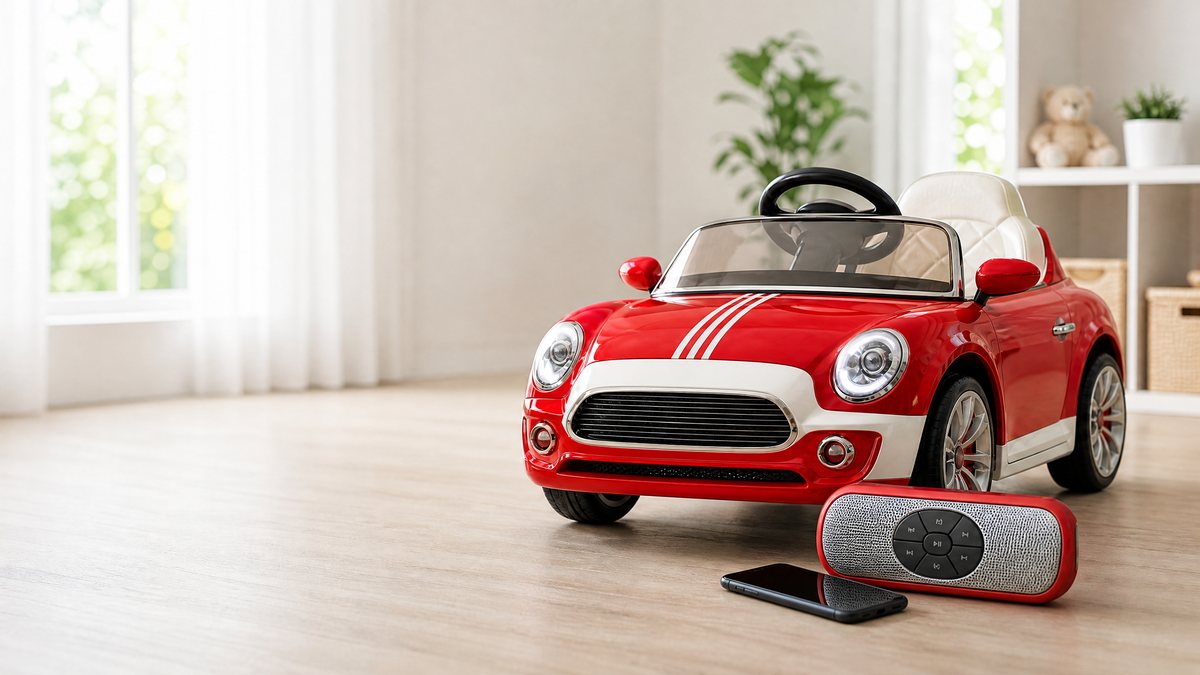
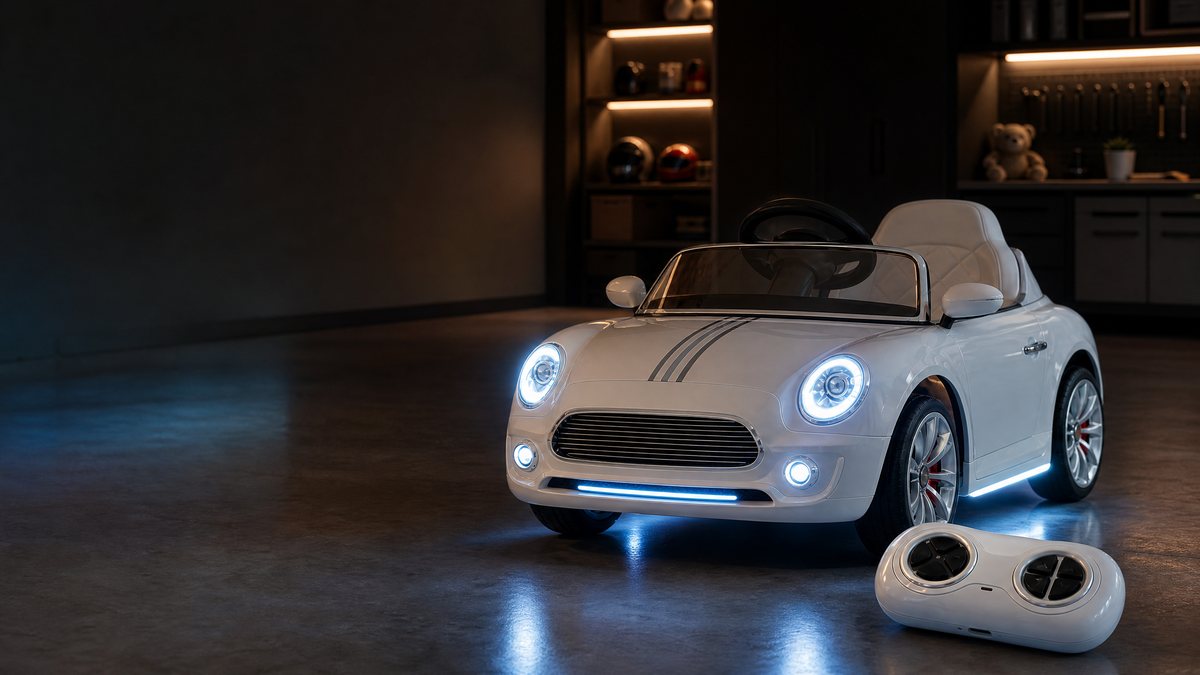
Electric ride-on cars have evolved significantly from simple, single-speed plastic toys into sophisticated micro-vehicles featuring multi-gear transmissions, realistic LED lighting, digital media players, and advanced safety electronics. Historically, early ride-on toys relied entirely on the child operating an accelerator pedal and steering wheel directly. While this fostered basic motor coordination, it introduced distinct safety challenges, particularly when toddlers or very young children encountered unexpected obstacles, inclines, or boundaries.
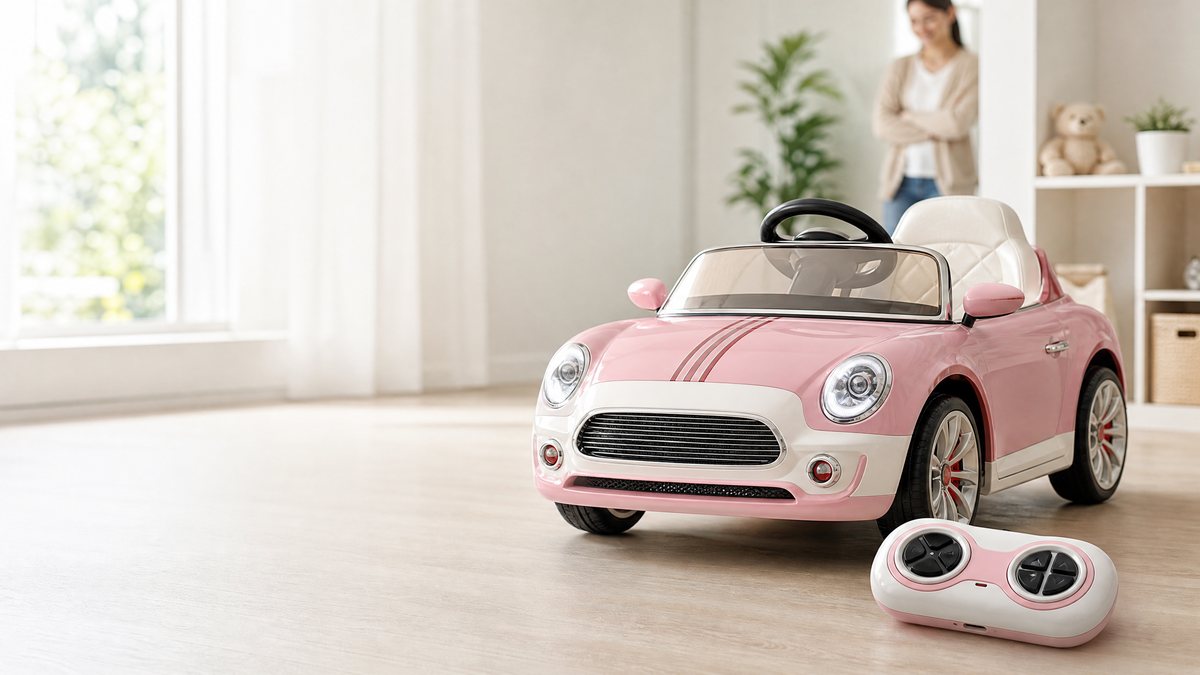
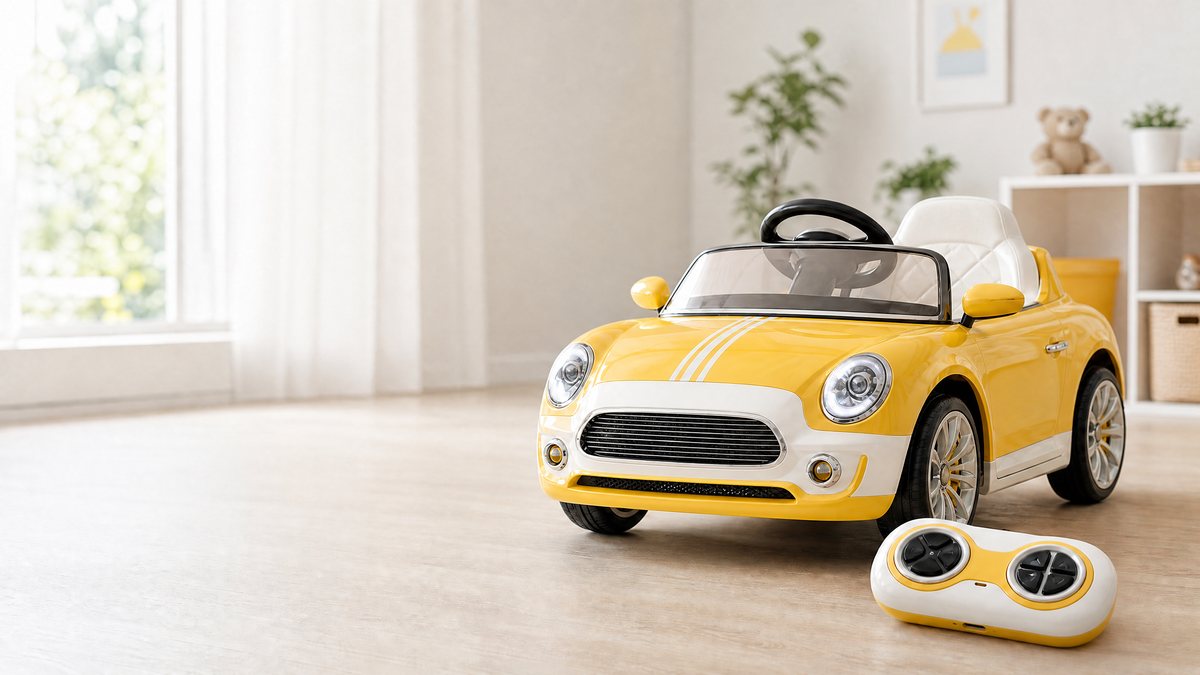
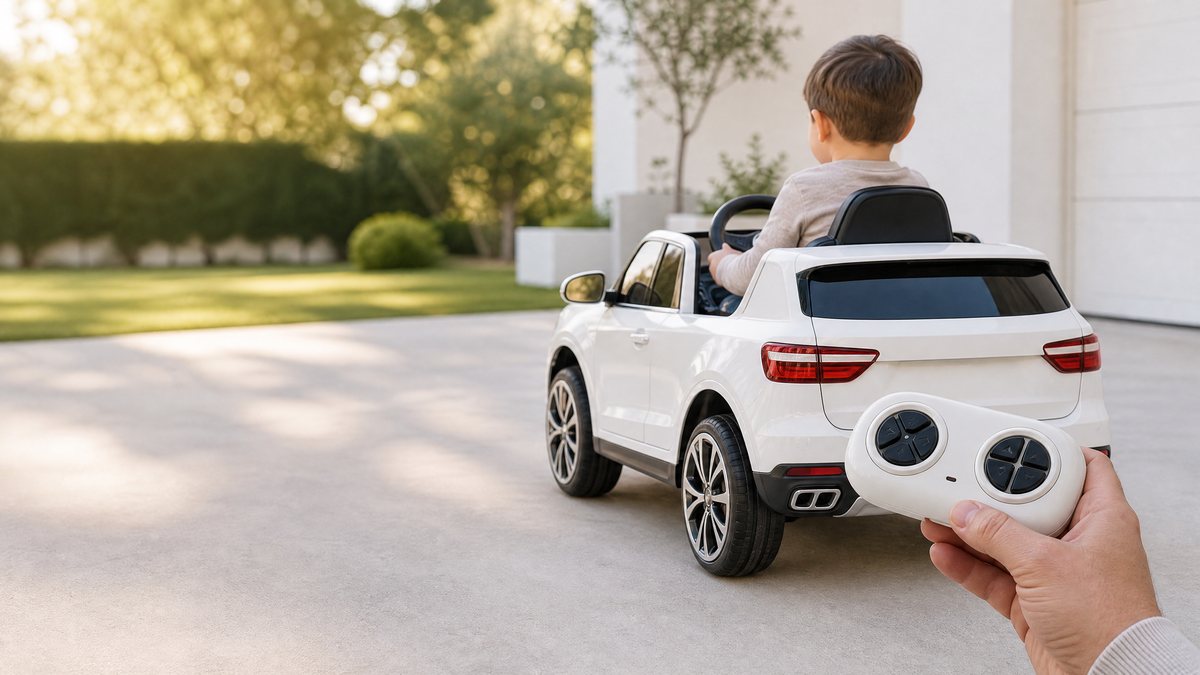
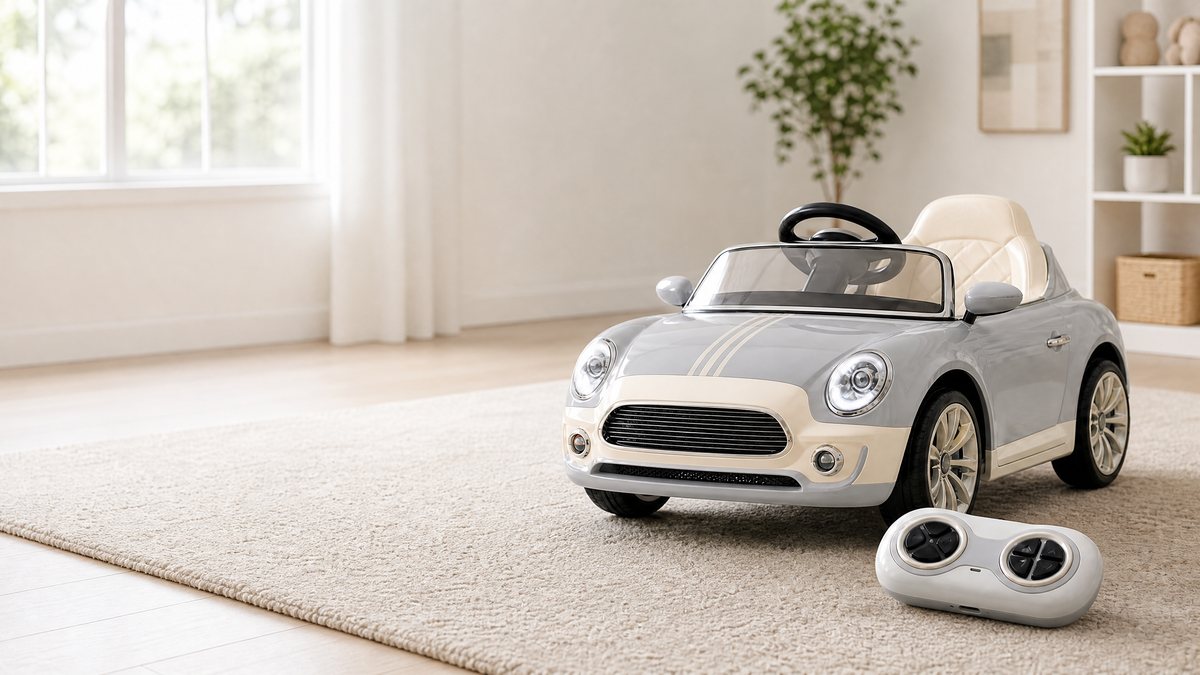
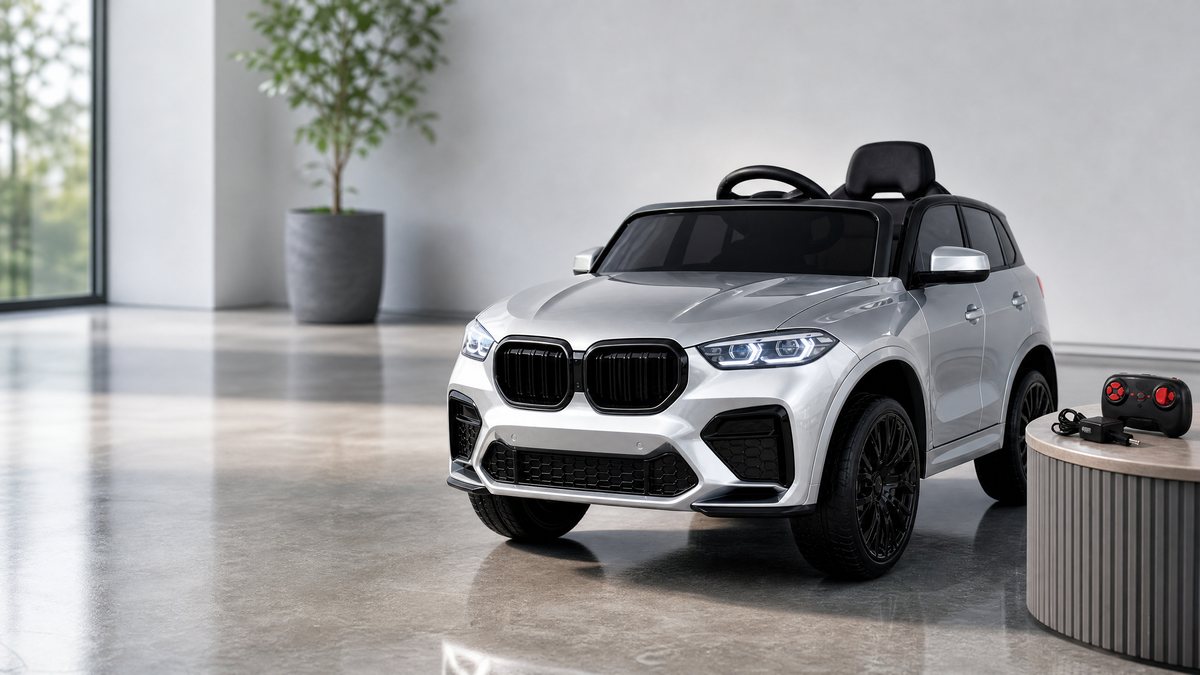
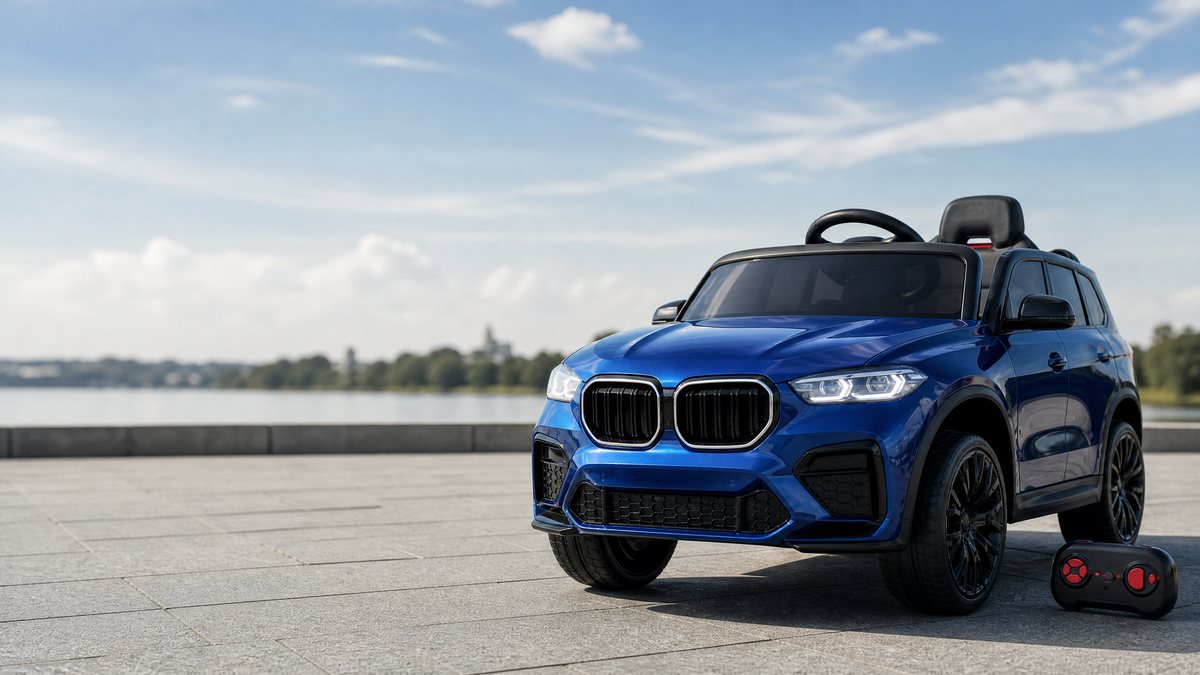
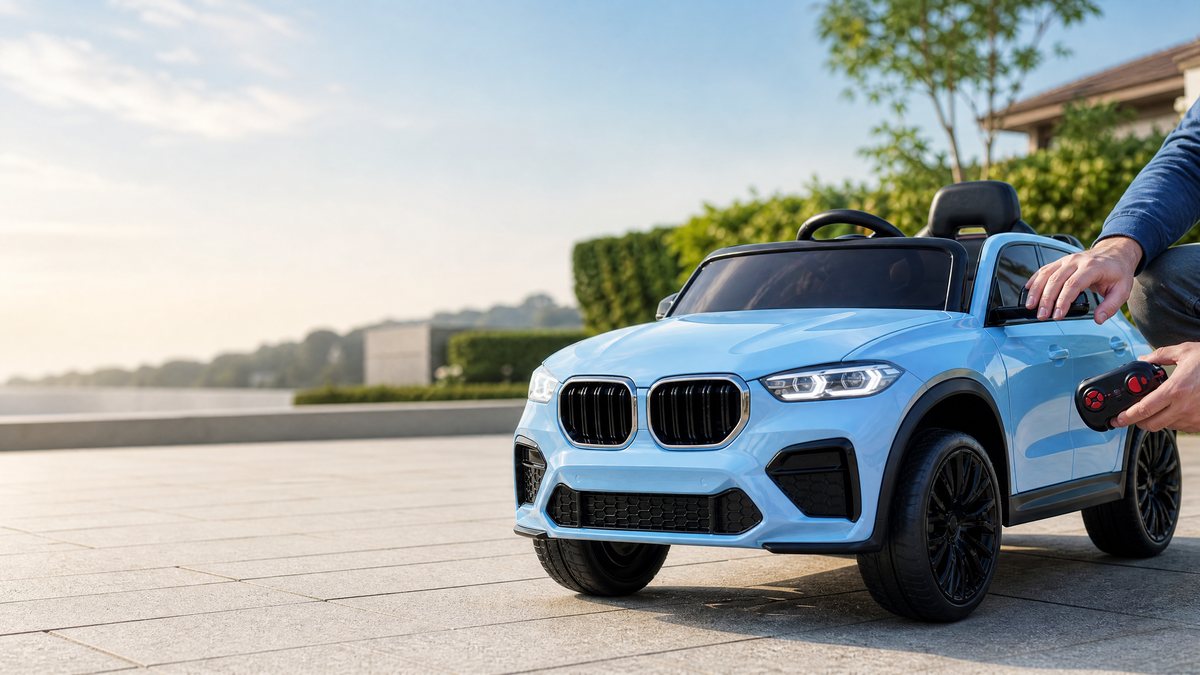
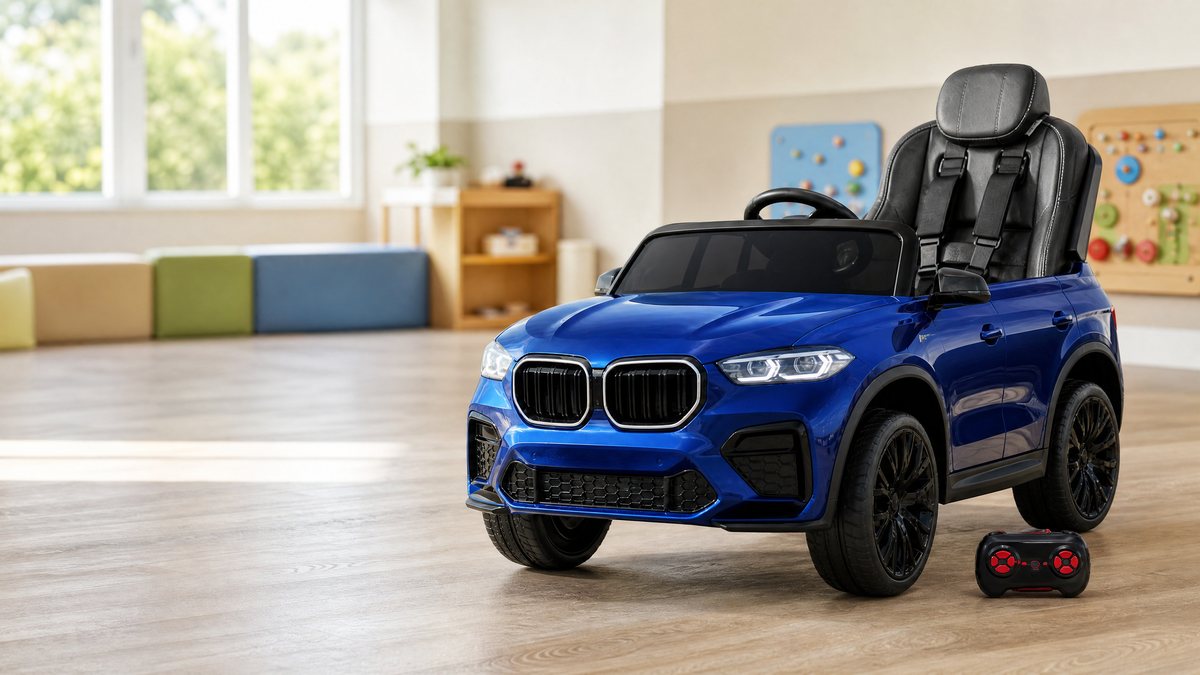
The integration of 2.4G Bluetooth parental remote control systems marked a watershed moment in the industry. By allowing an adult supervisor to override or completely manage steering, acceleration, and emergency braking from a handheld transmitter, manufacturers bridged the gap between independent play and strict safety governance. However, the inclusion of a remote control unit introduces additional electronic components, pairing procedures, and battery management considerations. Conversely, non-remote models simplify the internal circuitry and appeal to older children who possess established spatial awareness and motor skills. As market dynamics shift, distributors must evaluate how these technological differences influence end-user satisfaction and after-sales support inquiries.
Core Differences: Remote-Controlled vs. Manual-Drive Ride-On Cars
To make an informed purchasing decision, it is essential to analyze the structural, operational, and demographic distinctions separating remote-controlled ride-on cars from their manual-only counterparts. These differences manifest across several key dimensions:
1. Operator Control and Supervision
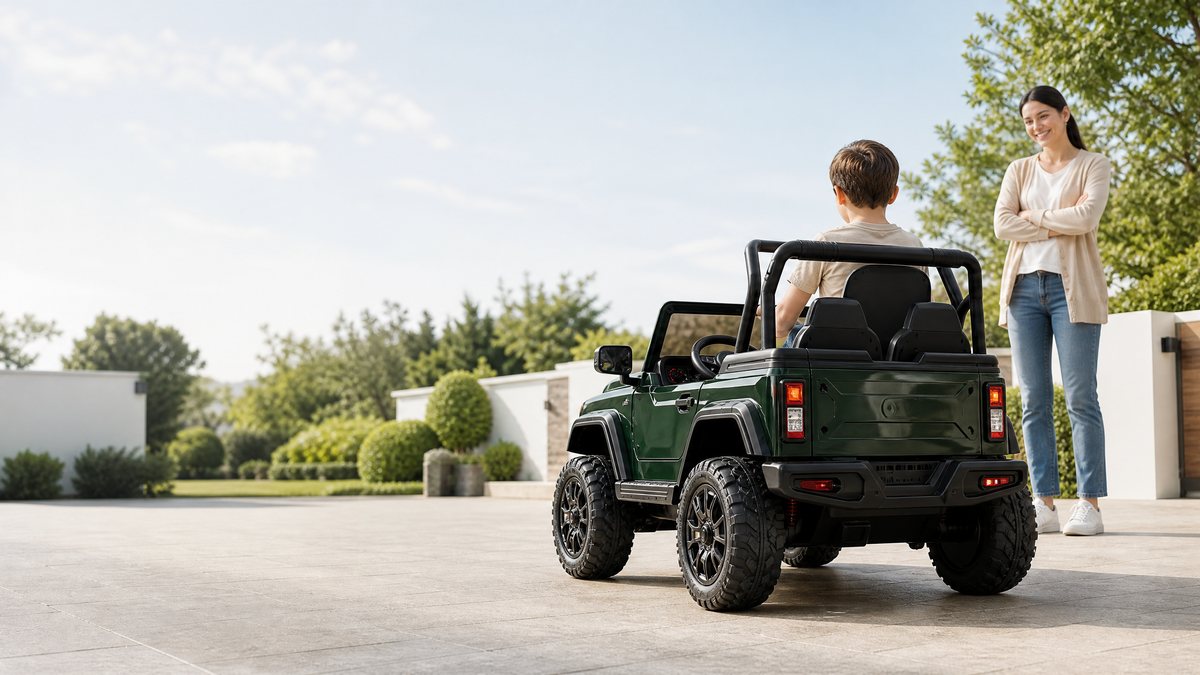
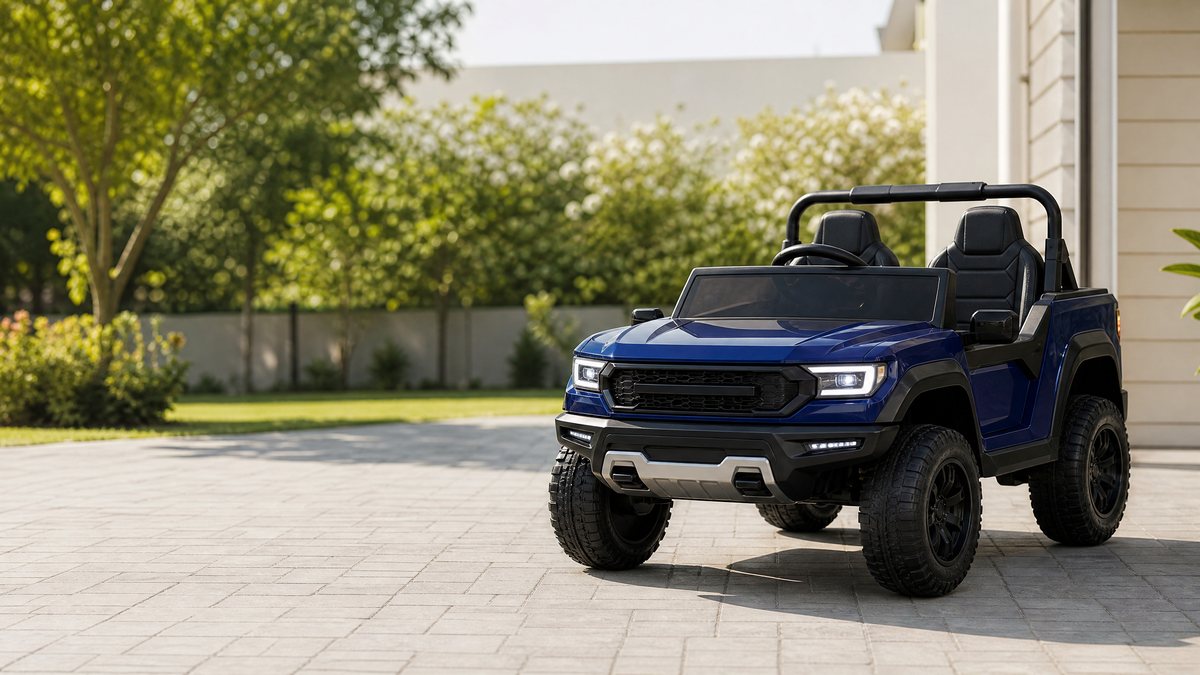
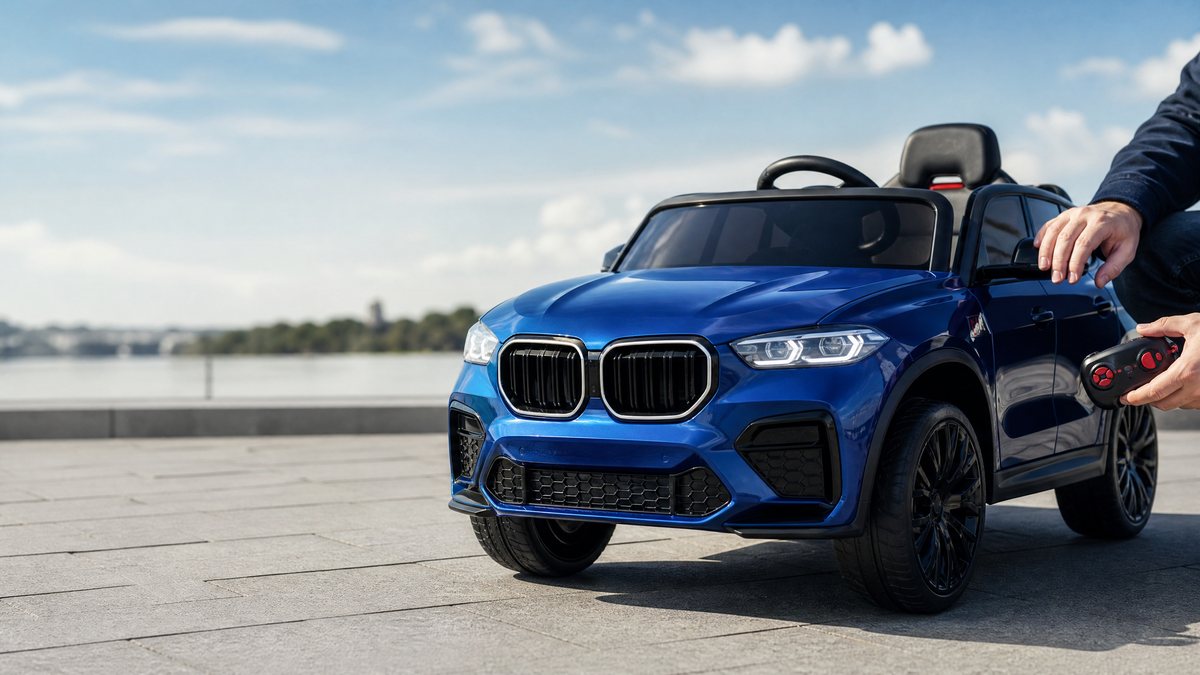
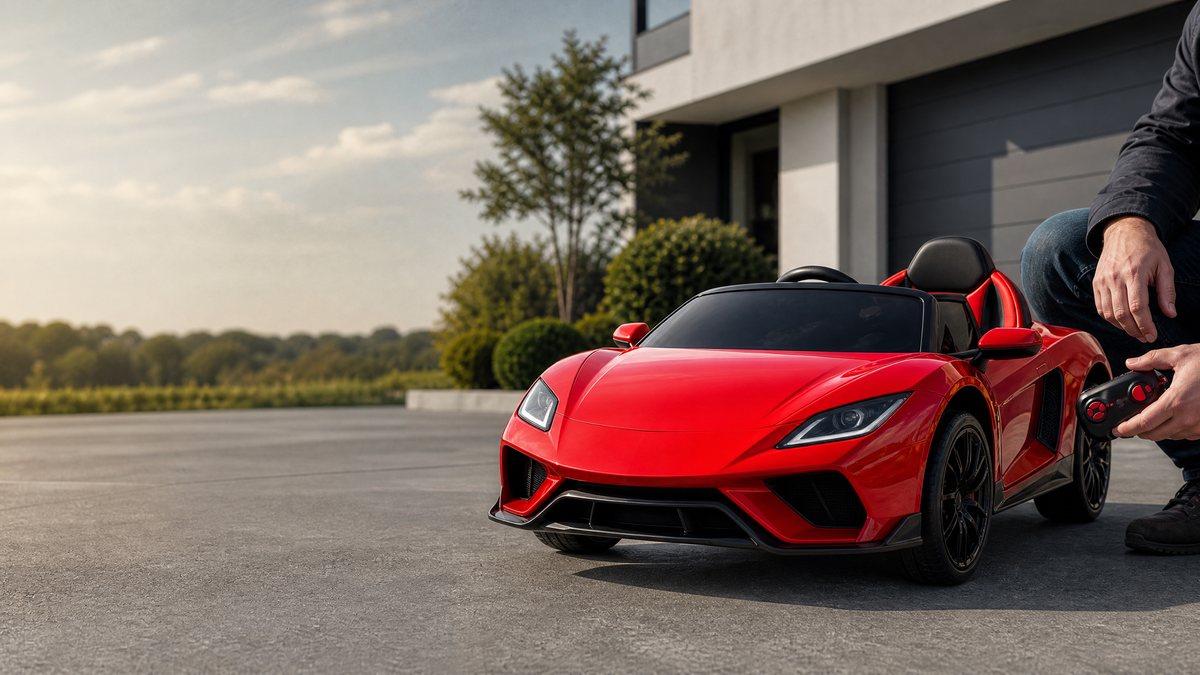
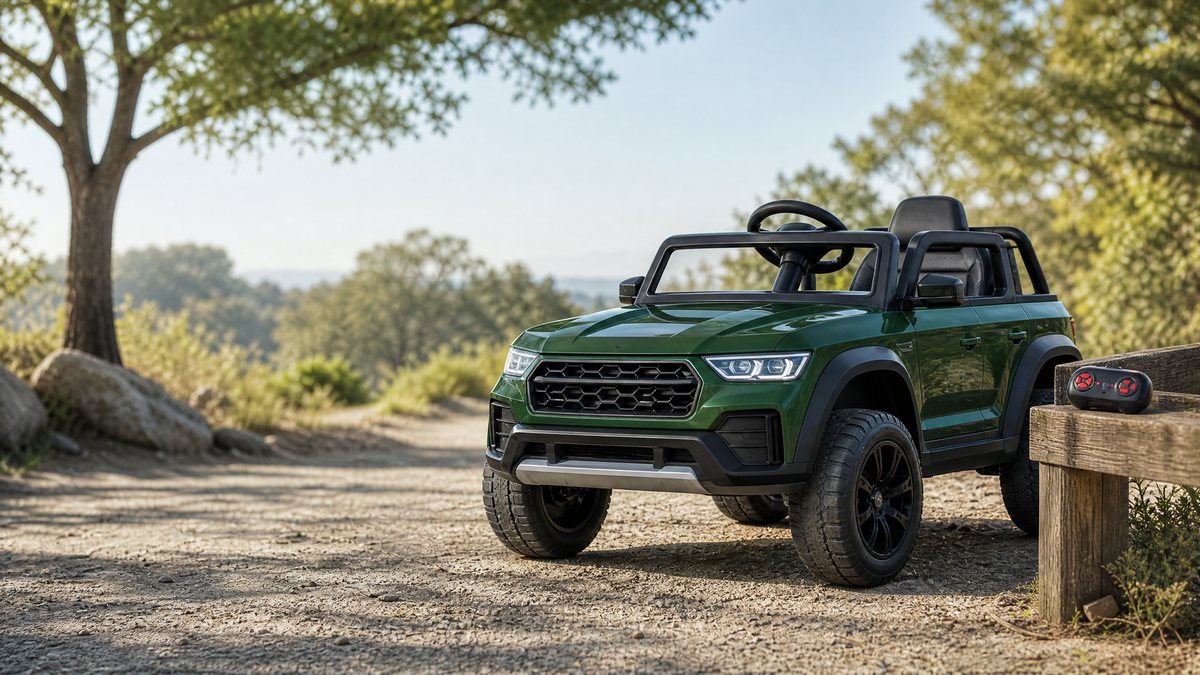
Remote-controlled ride-on cars offer dual-mode operation. In younger or beginner stages, parents utilize the remote transmitter to steer and stop the vehicle, ensuring the child remains safely within boundaries. As the child matures and gains confidence, the vehicle can often be switched to manual mode, allowing the young driver to control the steering wheel and foot pedal independently. Manual-only ride-on cars lack this external override capability. Consequently, they are generally recommended only for children who have developed sufficient reaction times and coordination to navigate independently. Specific age recommendations and weight limits vary by model, region, and seller; check the exact manual, listing, and written terms.
2. Electronic Architecture and Maintenance Complexity
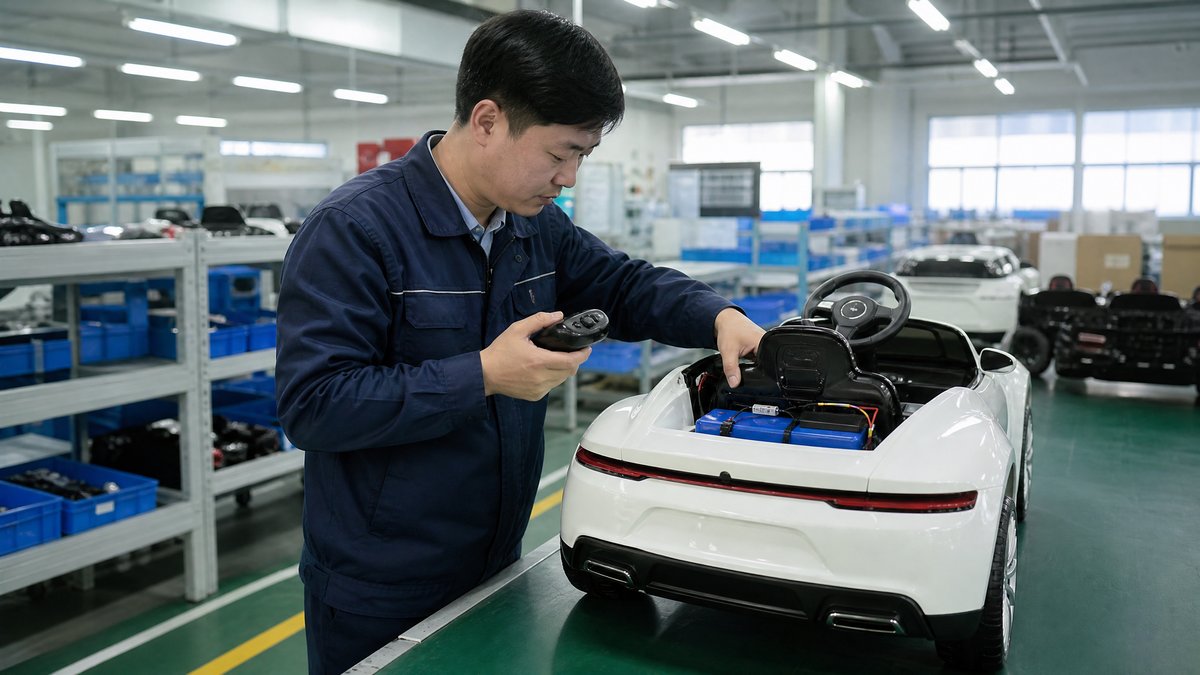
The inclusion of a remote control system requires a dedicated receiver module, antenna integration, and synchronized frequency pairing between the handheld transmitter and the vehicle's central control board. While modern 2.4G systems offer secure, interference-free connections, the added complexity means that troubleshooting electrical anomalies requires strict adherence to manufacturer guidelines. Non-remote cars feature streamlined wiring harnesses, reducing potential points of electronic failure. Regardless of design, B2B buyers must note that internal electrical repairs, terminal, harness, or control board operations, multimeter testing, modifications, or battery and motor upgrades must never be attempted by untrained personnel. For any persistent faults, odd odors, overheating, smoke, water ingress, or cable damage, users must immediately stop use and charging, turn off the vehicle, keep children away, and contact the manufacturer or qualified repair personnel.
3. Target Age Segments and Developmental Stages
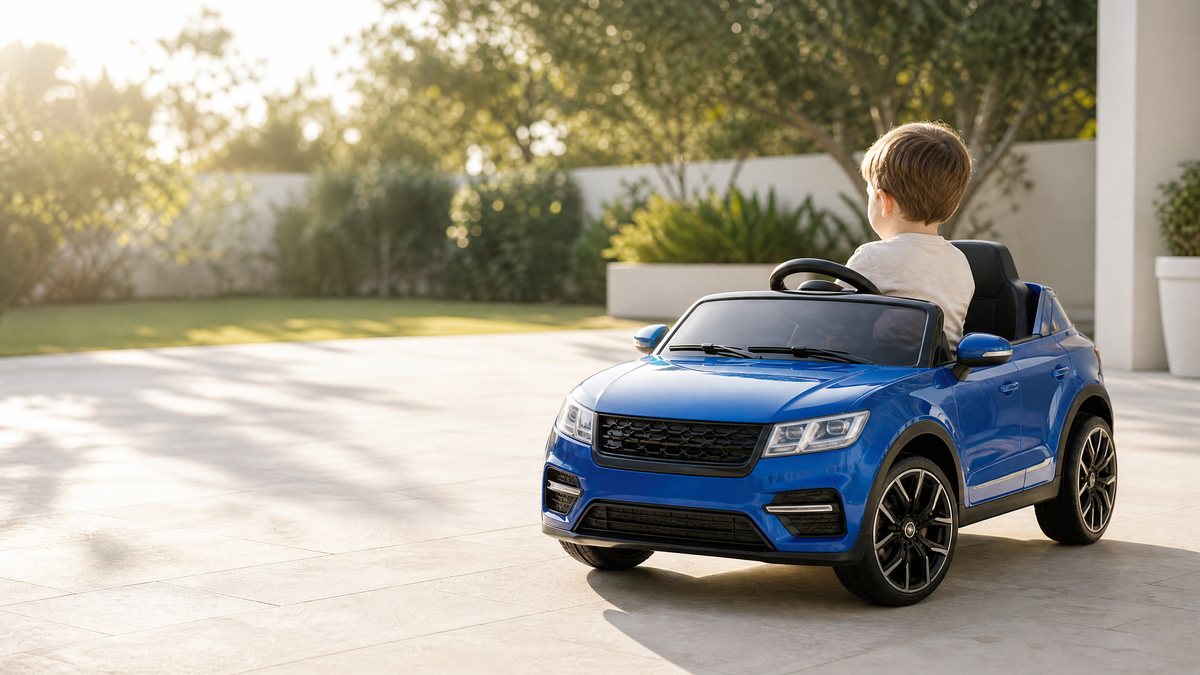
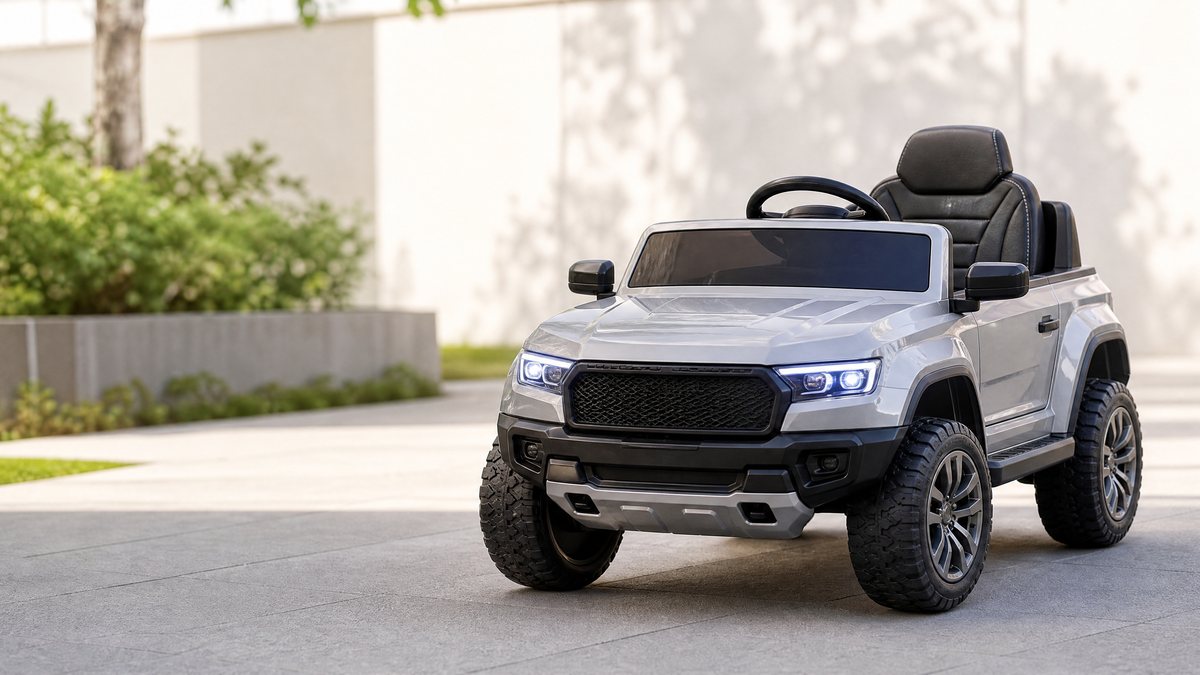
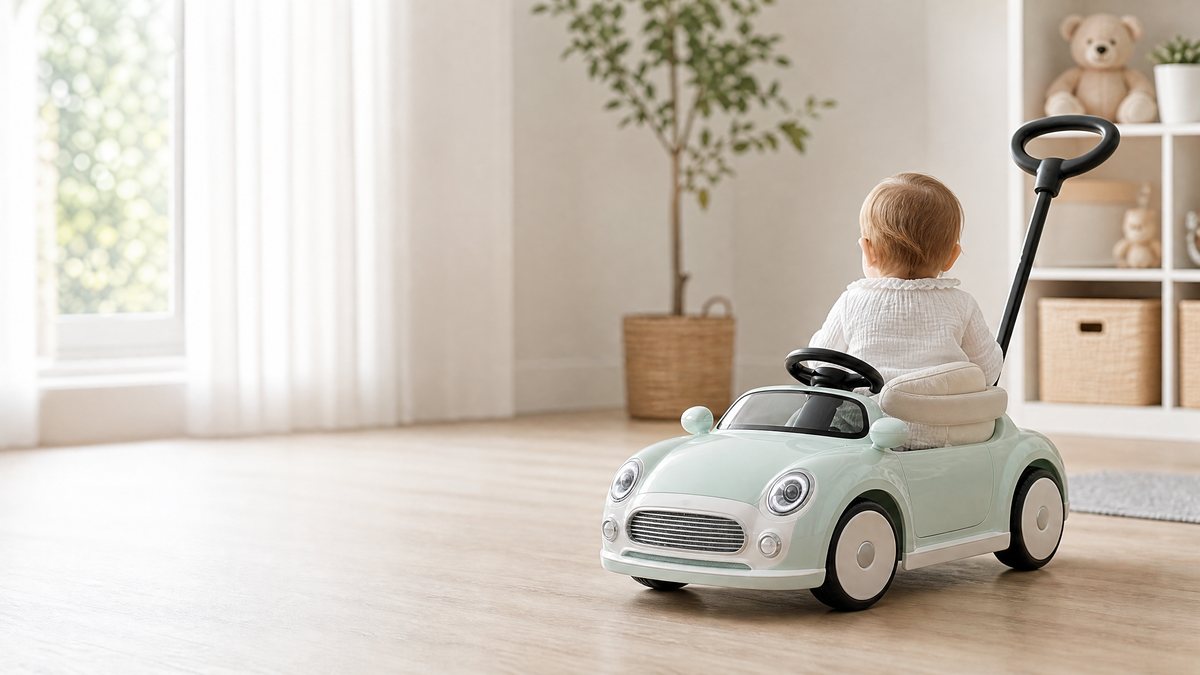
Product positioning differs notably between the two categories. Remote-controlled models are frequently marketed toward younger toddlers (often starting around 12 to 36 months, subject to model specifications) who cannot yet operate foot pedals reliably. The remote allows parents to introduce children to the sensory experience of driving safely. Manual-drive models target older children who require less direct intervention and benefit from honing independent balance, steering precision, and spatial judgment. Because developmental milestones and physical sizing vary by model, region, and seller, check the exact manual, listing, and written terms.
Feature Comparison & Decision Matrix
To assist B2B procurement teams, retail buyers, and consumers in evaluating product lines, the following decision matrix outlines the comparative characteristics of ride-on cars with and without remote controls.
| Evaluation Metric | Ride-On Cars with Remote Control | Ride-On Cars without Remote Control |
|---|---|---|
| Primary Target User | Toddlers and younger children (beginner drivers) | Older children with established motor coordination |
| Supervisor Override | Yes (2.4G parental remote transmitter included) | No (operated strictly via internal foot pedal and steering) |
| Safety Governance | High adult control via emergency stop and directional override | Relies entirely on child's reaction time and physical environment |
| Electronic Complexity | Moderate to high (receiver board, pairing, transmitter) | Low to moderate (simplified wiring and direct switch circuits) |
| Retail Positioning | Premium family gift segment; high demand for toddler safety | Budget-friendly or enthusiast segment for older kids |
| Wholesale Stock Stability | High popularity across diverse international markets | Stable niche demand in specific age brackets |
| Specification Variance | Varies by model, region, and seller; check exact terms | Varies by model, region, and seller; check exact terms |
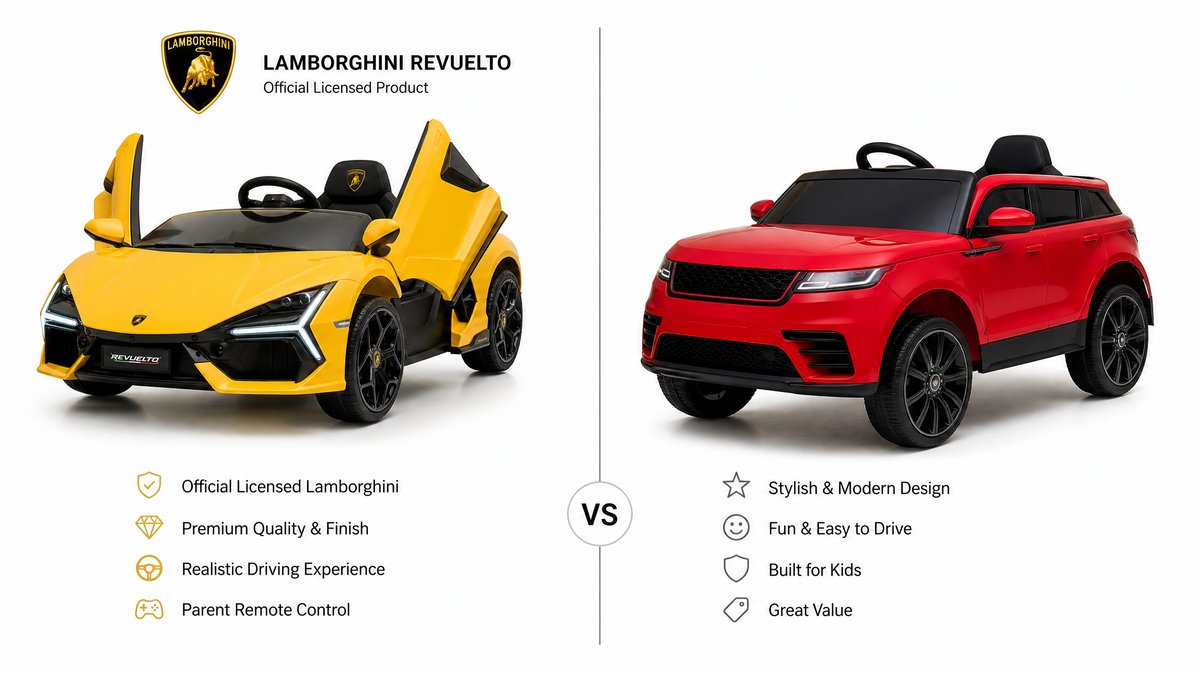
The matrix above illustrates that neither category is universally superior; rather, they serve distinct market segments and developmental stages. Retailers maintaining a balanced inventory typically stock both variants to accommodate diverse consumer demands across holiday seasons, birthday gift markets, and wholesale commercial projects.
Safety, Supervision, and Developmental Considerations
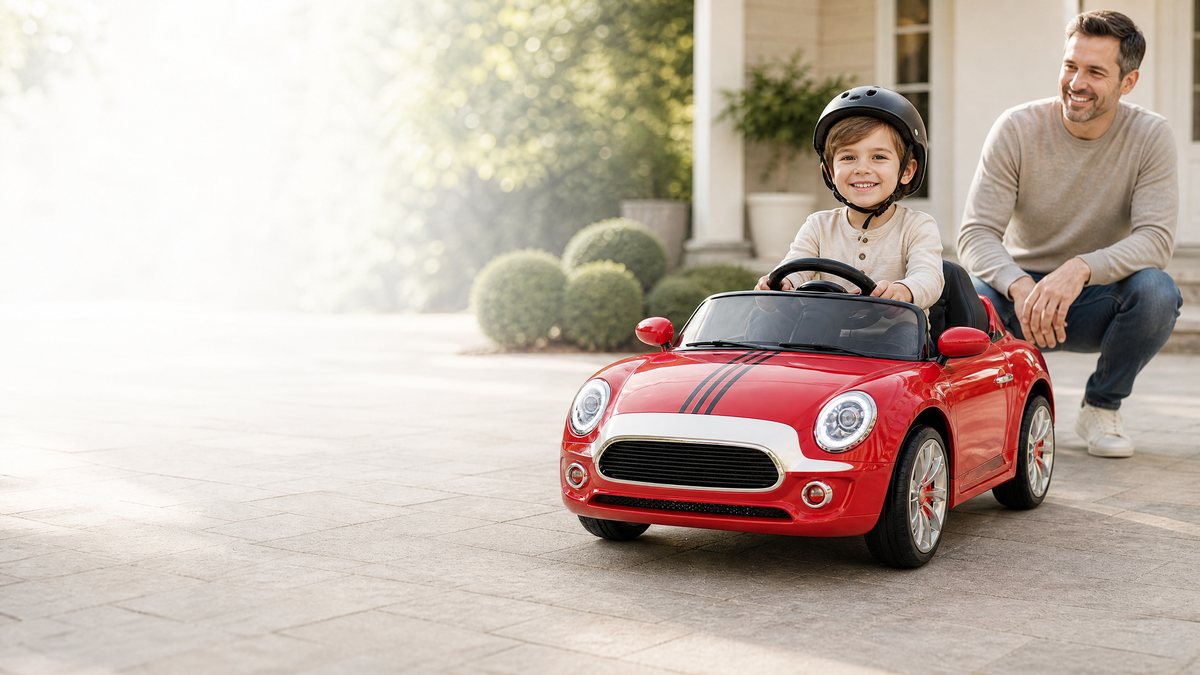
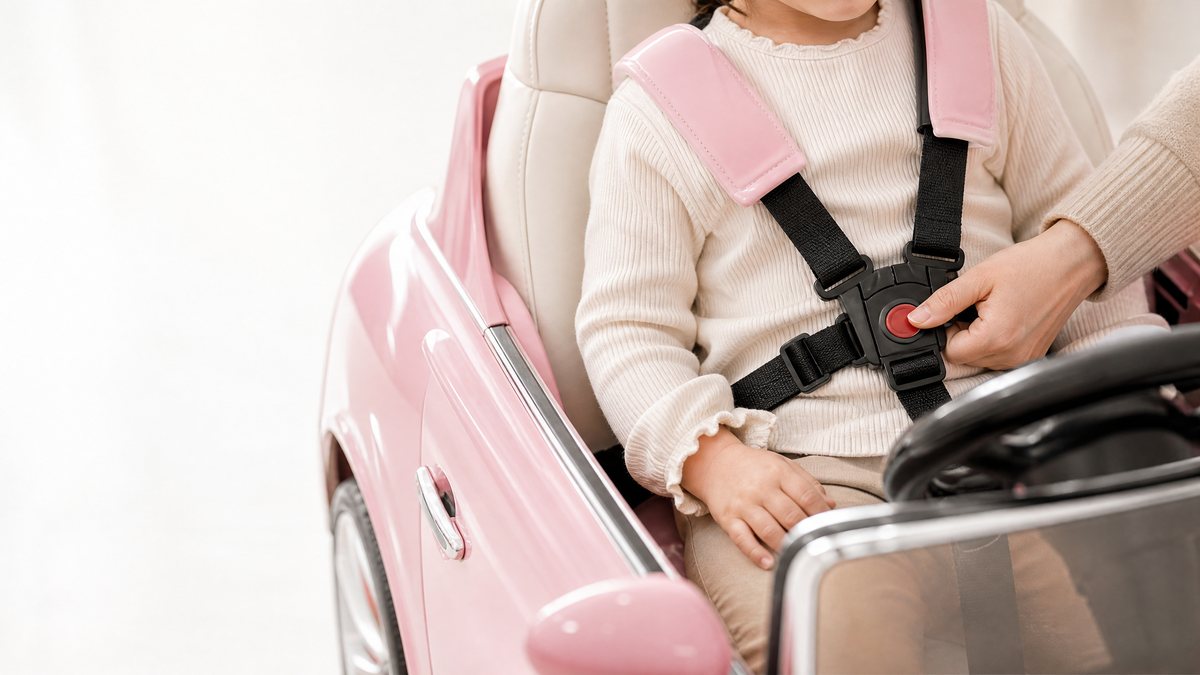
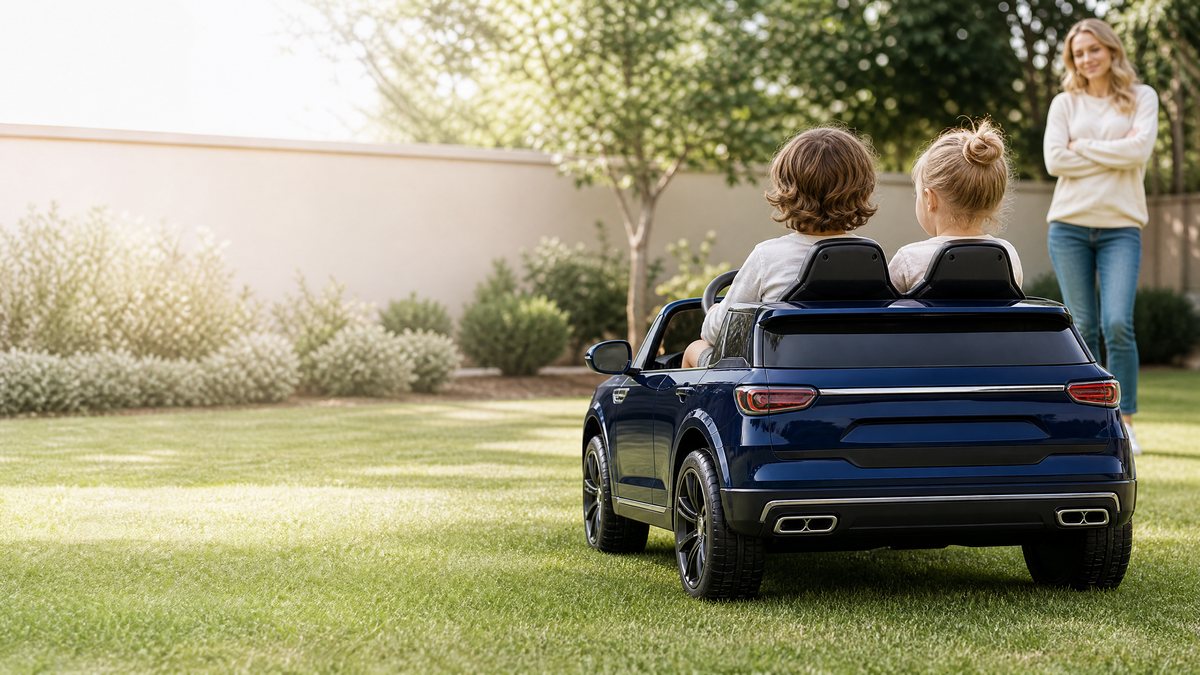
Safety remains the cornerstone of the ride-on vehicle industry. Whether a vehicle features a sophisticated remote control system or relies on direct manual operation, adult supervision is indispensable. A remote control is a supportive tool for supervision, not a replacement for attentive adult monitoring. Parents and operators must ensure that children operate ride-on vehicles exclusively on flat, secure surfaces away from public roads, swimming pools, steep inclines, and heavy traffic zones.
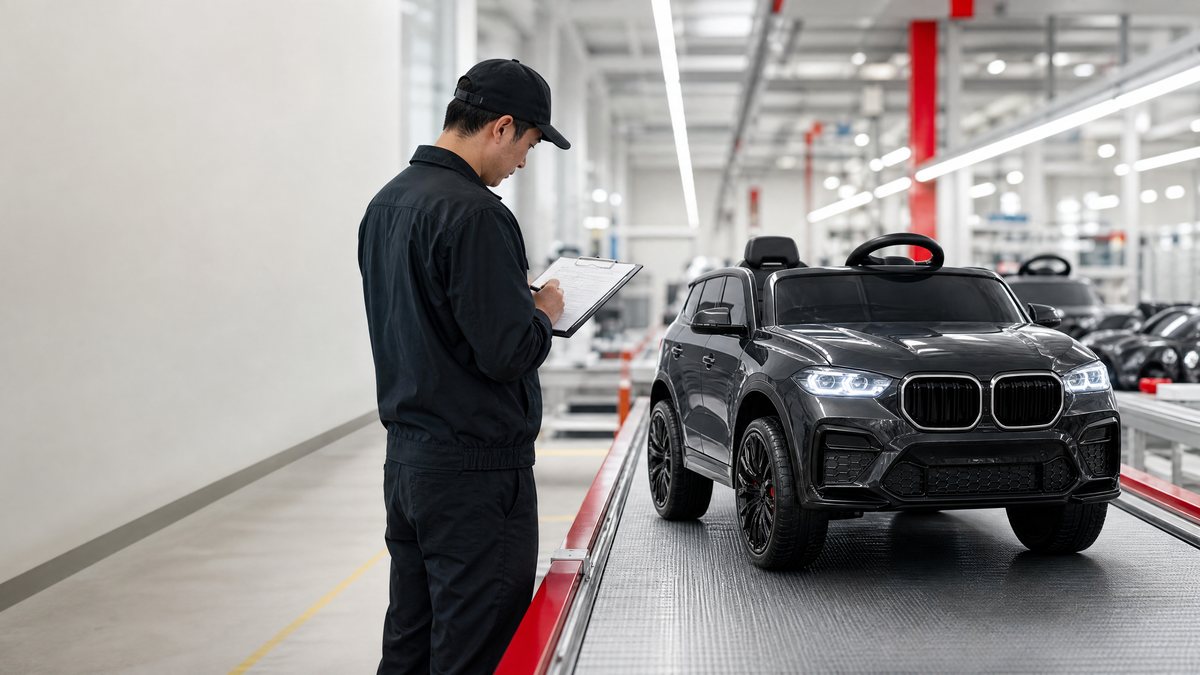
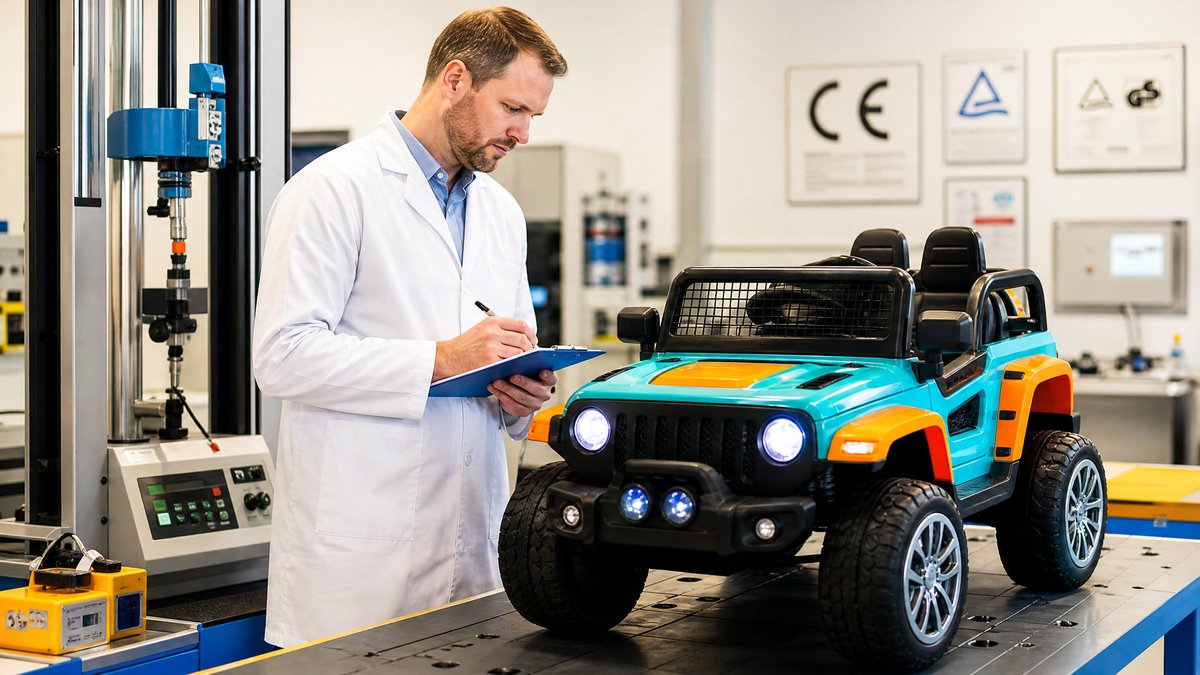
Furthermore, compliance with toy safety standards is a critical consideration for B2B buyers and importers. While specific certification standards and test results vary by model, region, and seller, commercial partners should always verify that suppliers provide comprehensive documentation matching local regulatory frameworks. For general toy safety education and best practices, stakeholders can consult guidelines such as those provided by the CPSC general toy safety education, keeping in mind that such resources serve as general educational references and do not replace specific model manuals or safety instructions.
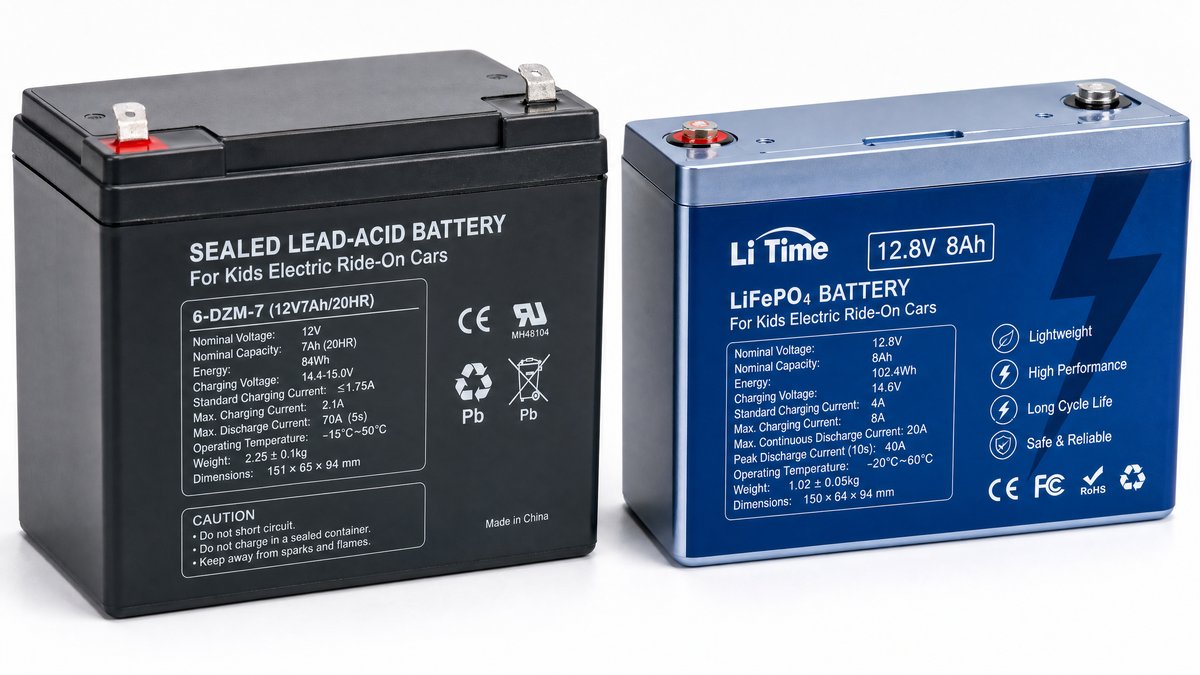
When handling batteries, chargers, and general maintenance, strict adherence to safety protocols is mandatory. Users must inspect chargers and cables regularly for signs of wear or damage. In the event of unusual odors, overheating, smoke, water ingress, cable damage, or persistent mechanical/electrical faults, users must immediately stop use and charging, turn off the vehicle, keep children away, and contact the manufacturer or qualified repair personnel. Never attempt unauthorized internal repairs, terminal modifications, or battery upgrades.
B2B Wholesale Insights & Retail Inventory Strategy
For B2B distributors, importers, and e-commerce store owners, selecting between remote-controlled and manual-drive ride-on cars requires careful analysis of target demographics, shipping logistics, and after-sales support capabilities.
1. Assortment Diversification
Market data indicates that remote-controlled ride-on cars generally command higher retail price points and generate stronger consumer demand during peak gifting seasons. Families with toddlers prioritize the safety net provided by parental remotes. Conversely, manual-drive models appeal to cost-conscious buyers or those purchasing for older children. A balanced wholesale catalog should incorporate both options, ensuring retailers can capture multiple market segments. Because profit margins, shipping dimensions, and warranty coverage vary by model, region, and seller, check the exact manual, listing, and written terms.
2. Managing Customer Expectations and Warranty Terms
Wholesale buyers must establish clear communication channels with manufacturers regarding replacement parts, spare remote transmitters, battery packs, and assembly documentation. Because assembly requirements, spare parts availability, and warranty terms vary by model, region, and seller, check the exact manual, listing, and written terms. Providing clear, transparent product descriptions to retail customers minimizes returns and enhances brand loyalty.
Request a wholesale quote
Frequently Asked Questions
Q1: Can a ride-on car with a remote control be switched to manual mode for older children?
A1: Many models featuring 2.4G parental remote controls include a mode switch or allow the child to drive independently using the foot pedal and steering wheel once they reach the appropriate age and coordination level. However, functionality varies by model, region, and seller; check the exact manual, listing, and written terms.
Q2: What should I do if the parental remote control loses pairing with the ride-on car?
A2: If a remote control loses its pairing connection, users should follow the specific synchronization procedure outlined in the manufacturer's user manual. Never attempt internal electronic repairs, receiver board modifications, or wiring alterations. If persistent connection issues occur, discontinue use and contact the manufacturer or qualified repair personnel.
Q3: Are ride-on cars without remote controls safer for older children?
A3: Ride-on cars without remote controls are designed for older children who possess established motor skills and spatial awareness. They do not inherently make the vehicle safer; rather, they rely on the child's ability to operate the accelerator and steering independently. Age suitability varies by model, region, and seller; check the exact manual, listing, and written terms.
Q4: How should battery charging be handled safely for both remote and non-remote models?
A4: Users must strictly use the designated charger supplied with the vehicle, plug it into a verified power source, and avoid overcharging. If there are any signs of overheating, smoke, odd odors, cable damage, or water ingress, immediately stop use and charging, turn off the vehicle, keep children away, and contact the manufacturer or qualified repair personnel.
Conclusion
Deciding whether to invest in ride-on cars with or without remote controls involves balancing developmental readiness, safety supervision requirements, and commercial inventory strategy. Remote-controlled models offer essential peace of mind for parents of younger toddlers through parental override capabilities, while manual-drive models cater to older children seeking independent operation.
For B2B buyers and retail merchants, maintaining a diversified product portfolio ensures alignment with shifting consumer demands. Stakeholders must always verify that all operational, safety, and warranty details are confirmed against official documentation. For general toy safety guidelines and educational overviews, refer to the CPSC general toy safety education, recognizing that such educational tools complement but do not replace specific model manuals.
Request a wholesale quote
Official references
Explore these external resources for current regulatory and trade guidance. Confirm requirements with the relevant authority before placing an order.
Ready to Start?
Factory-Direct · CE & ASTM Certified · MOQ from 50 Units
Our export team works with buyers in 60+ countries. Get a quote within 24 hours.
KR
Written by KidsRideCar
China's leading kids electric ride-on car manufacturer. 500,000+ units shipped annually to 60+ countries. CE, ASTM & EN71 certified.