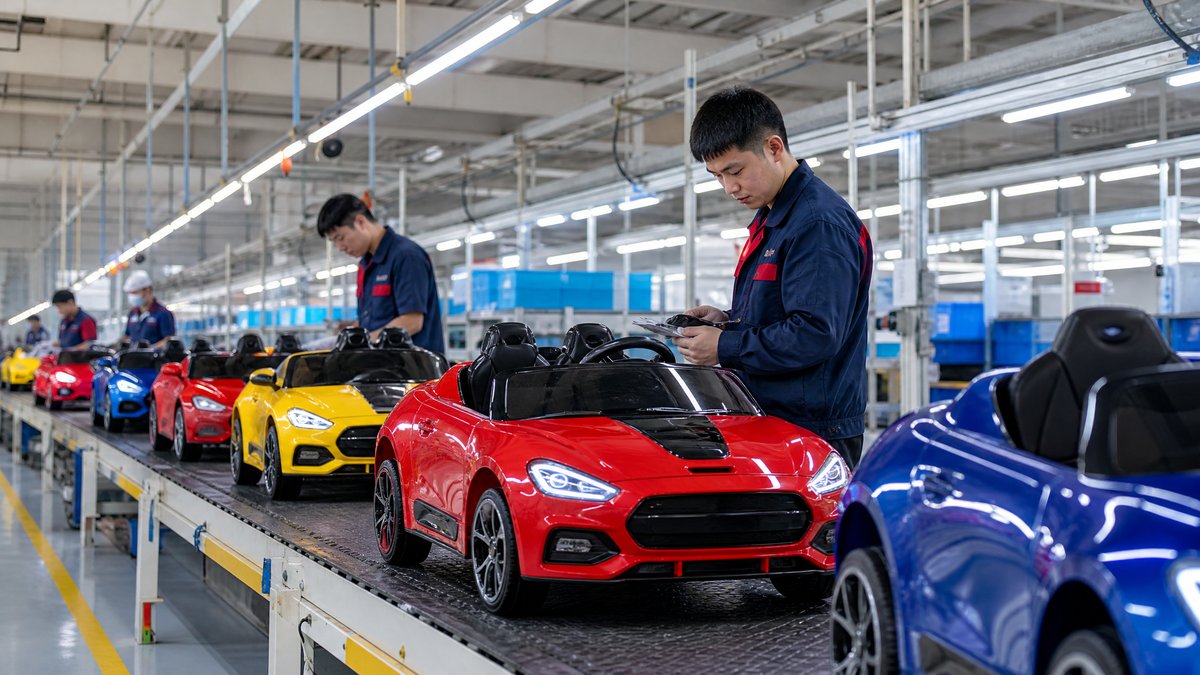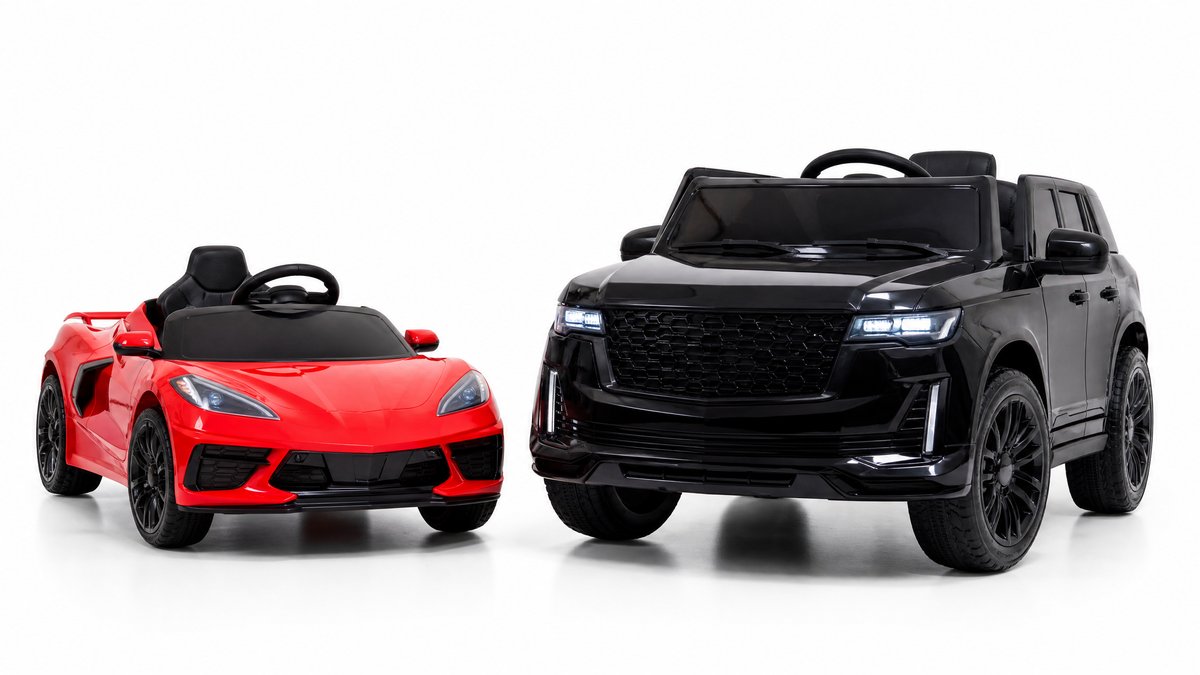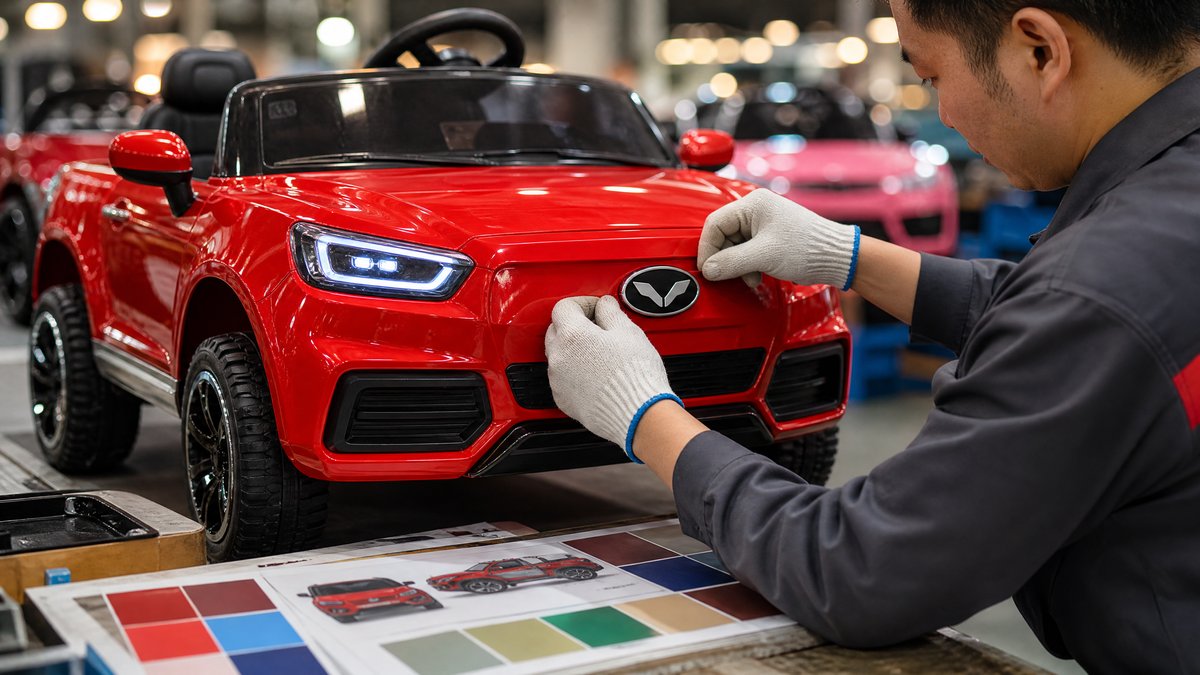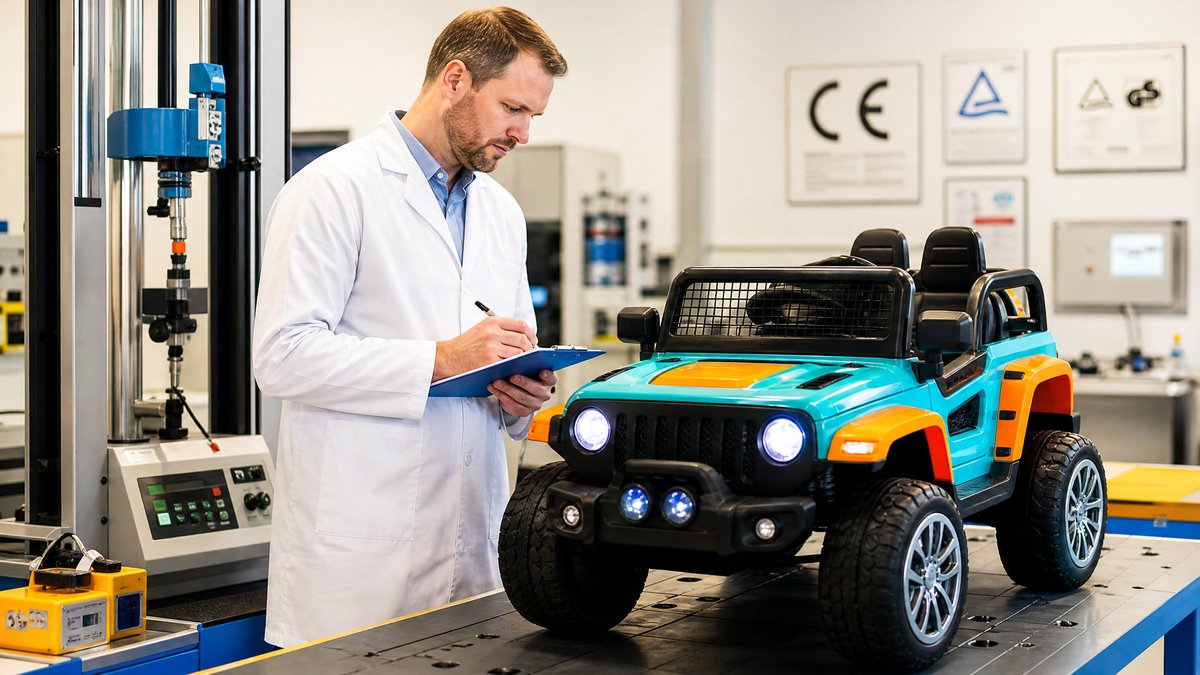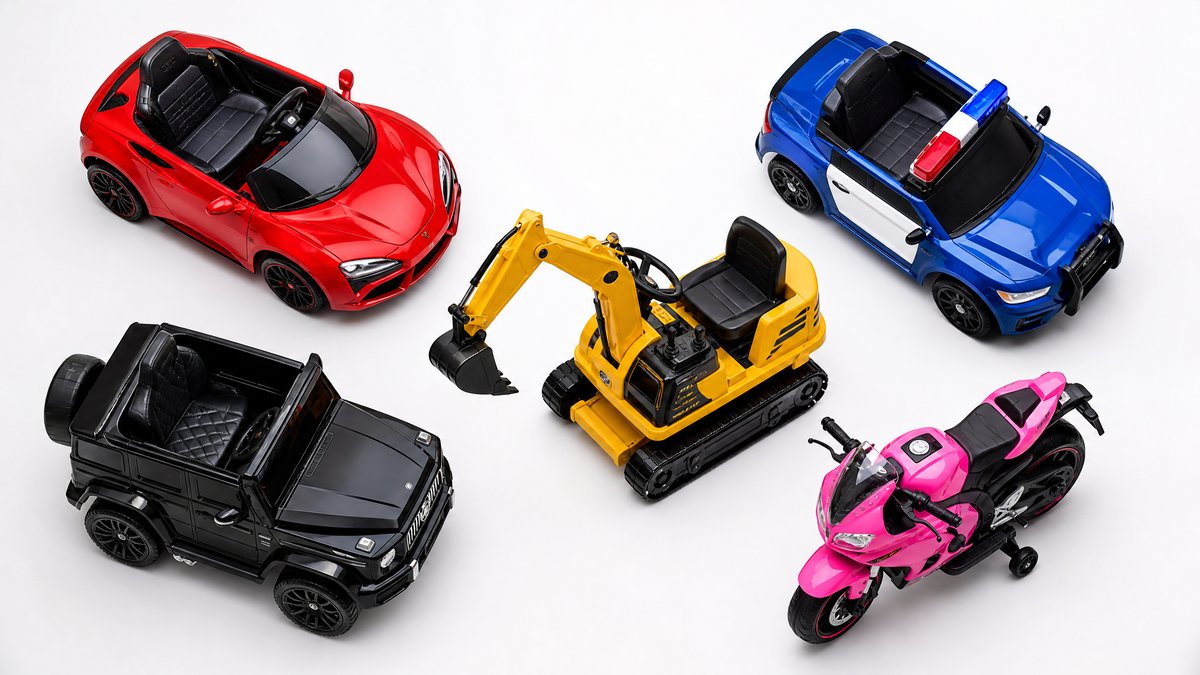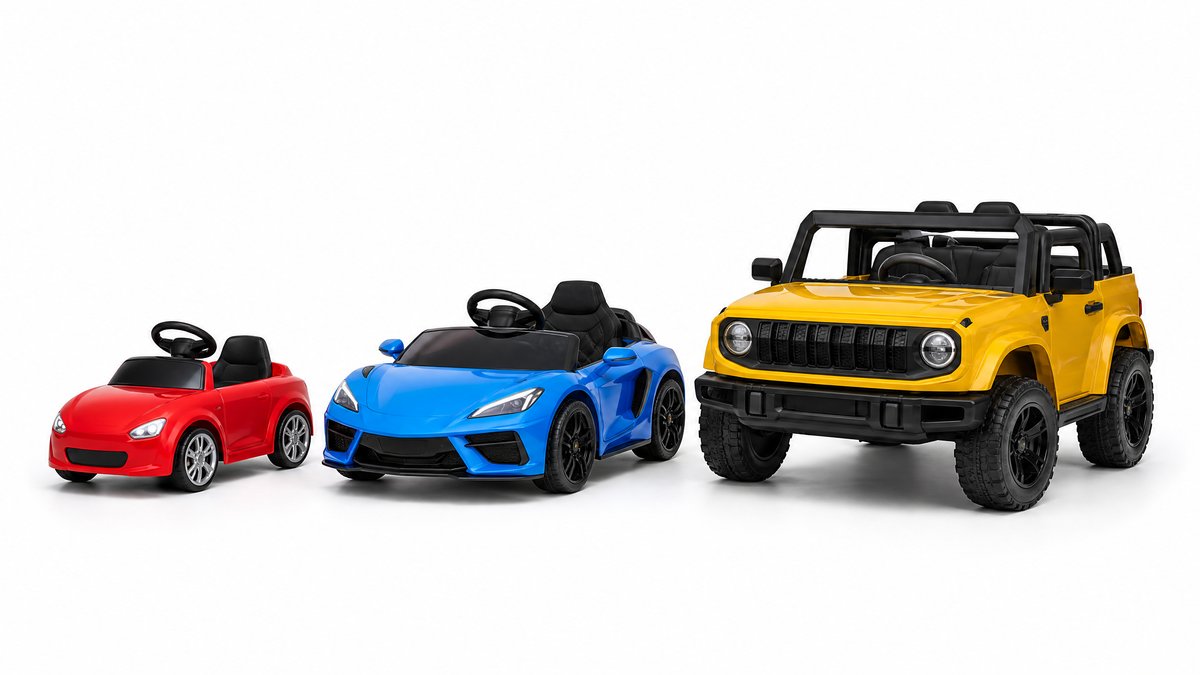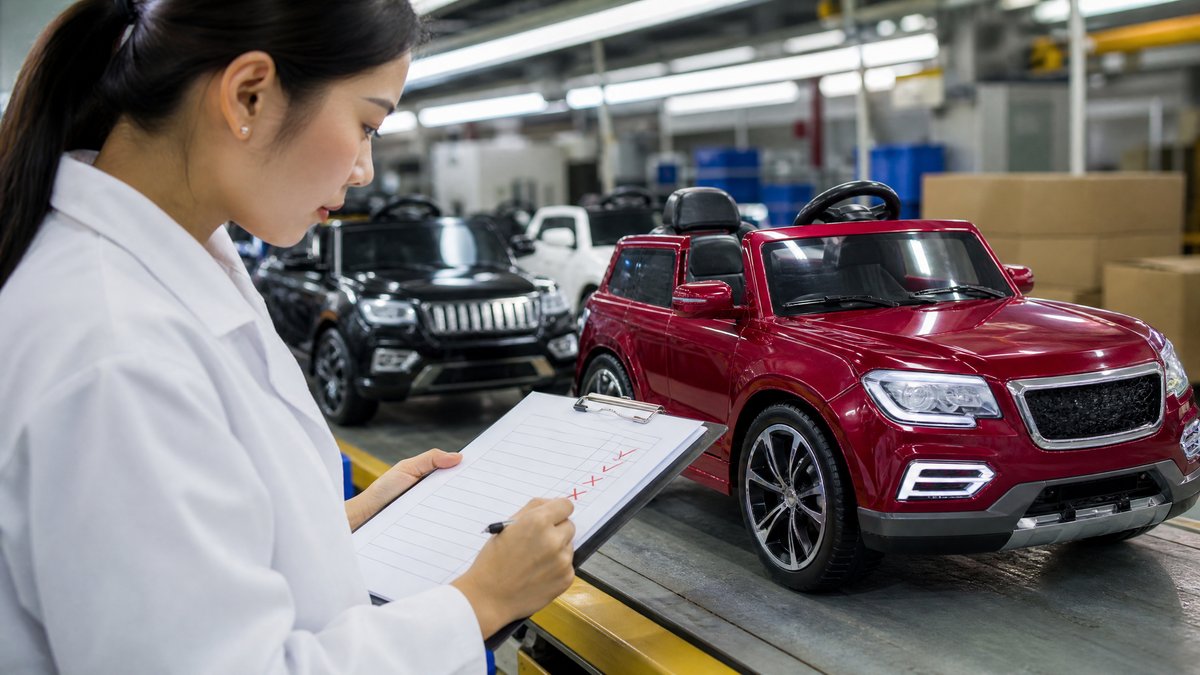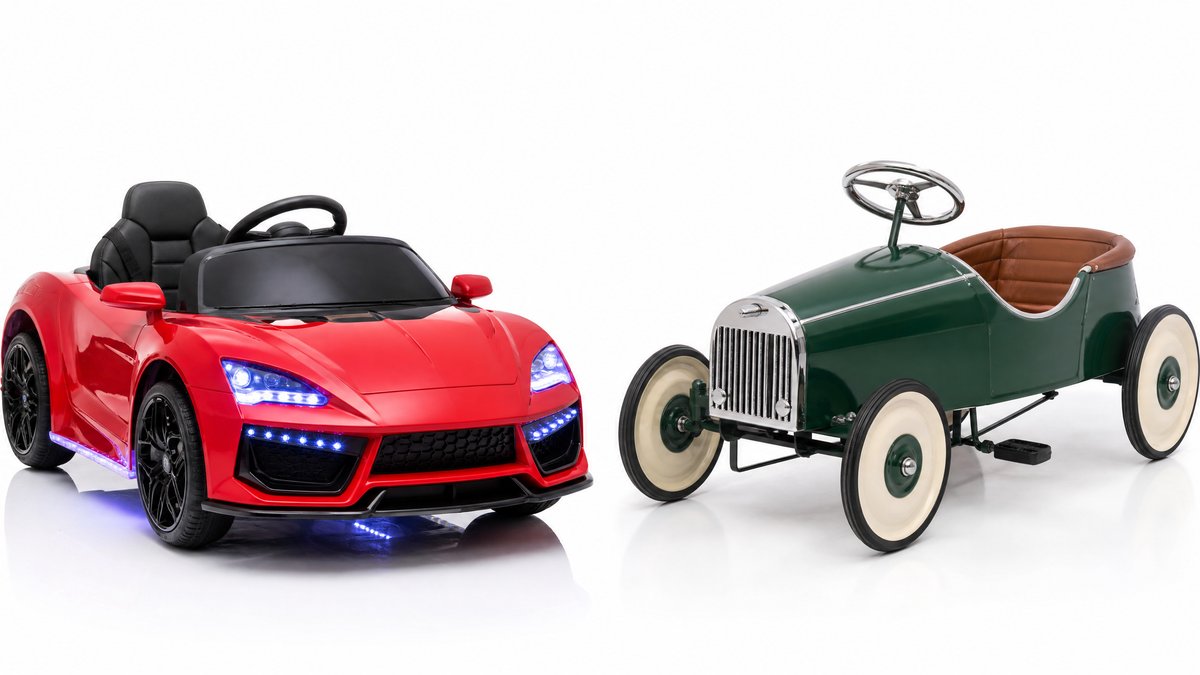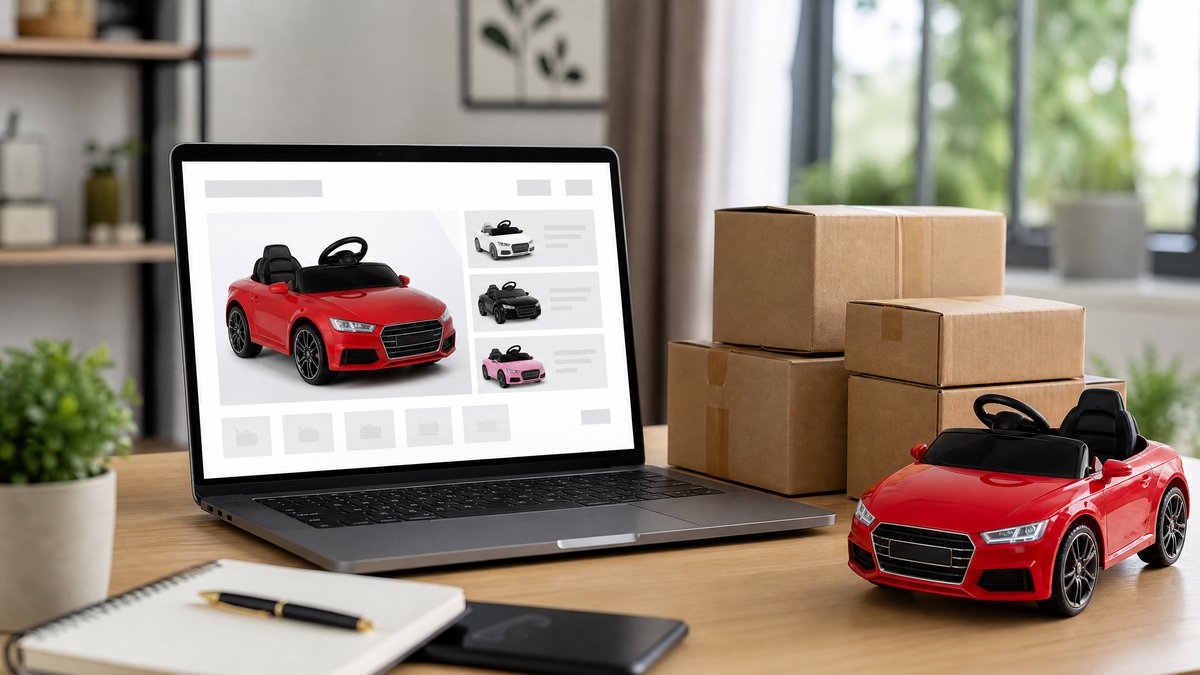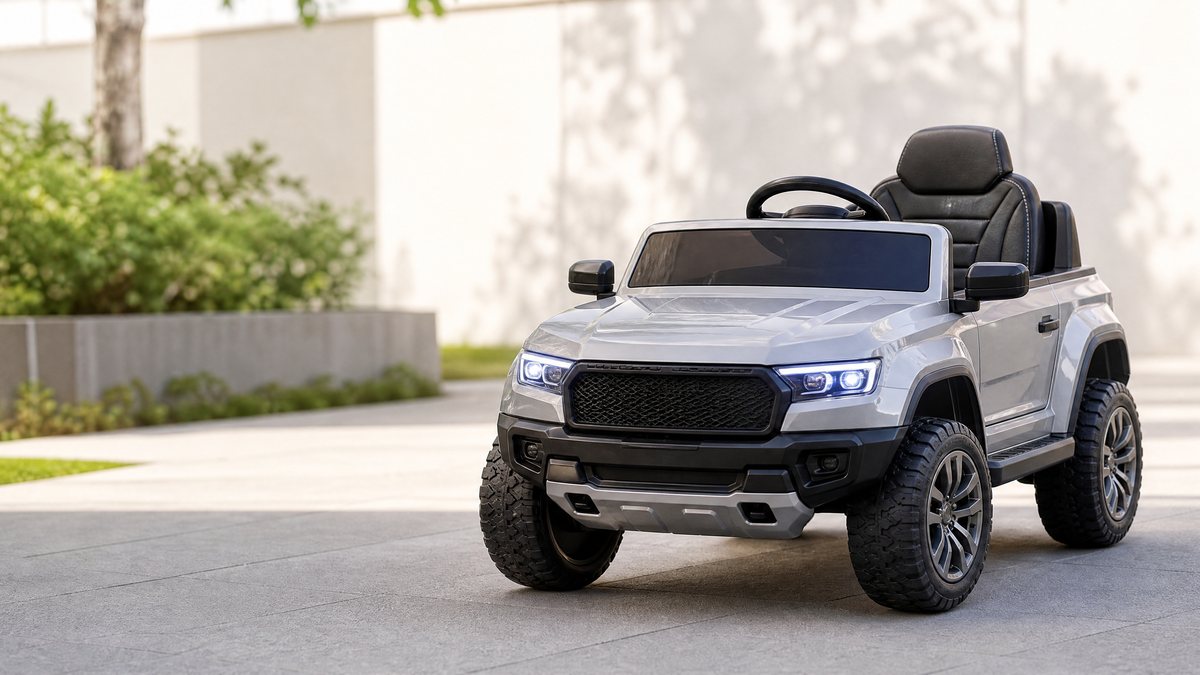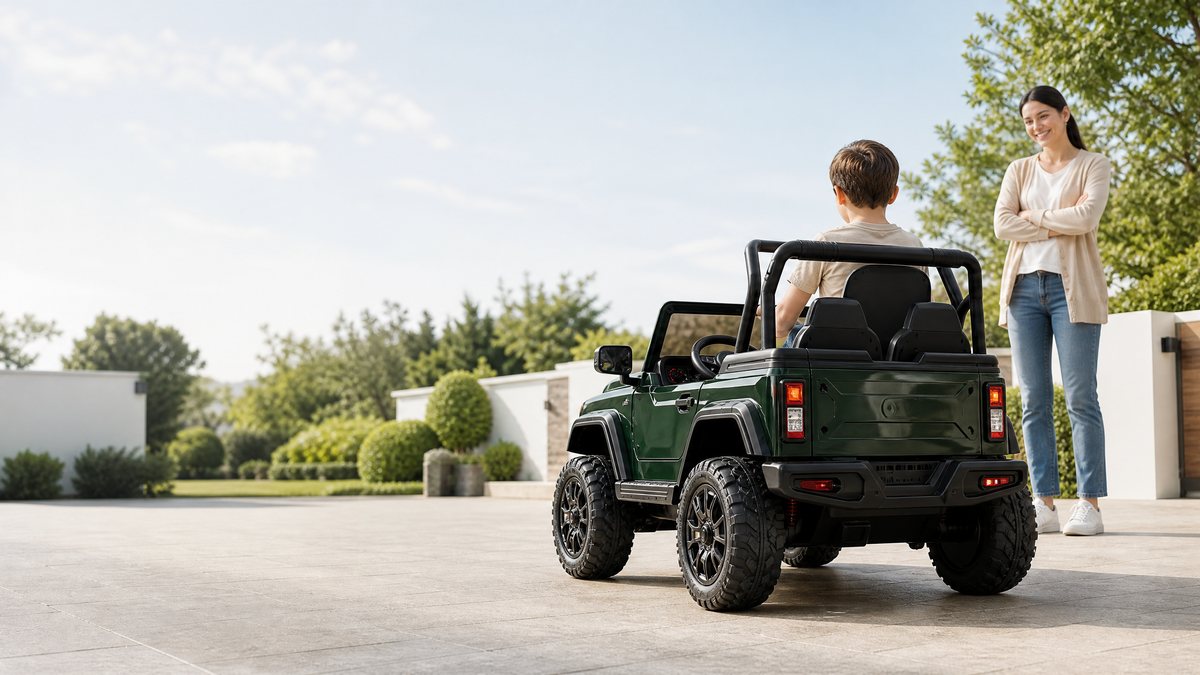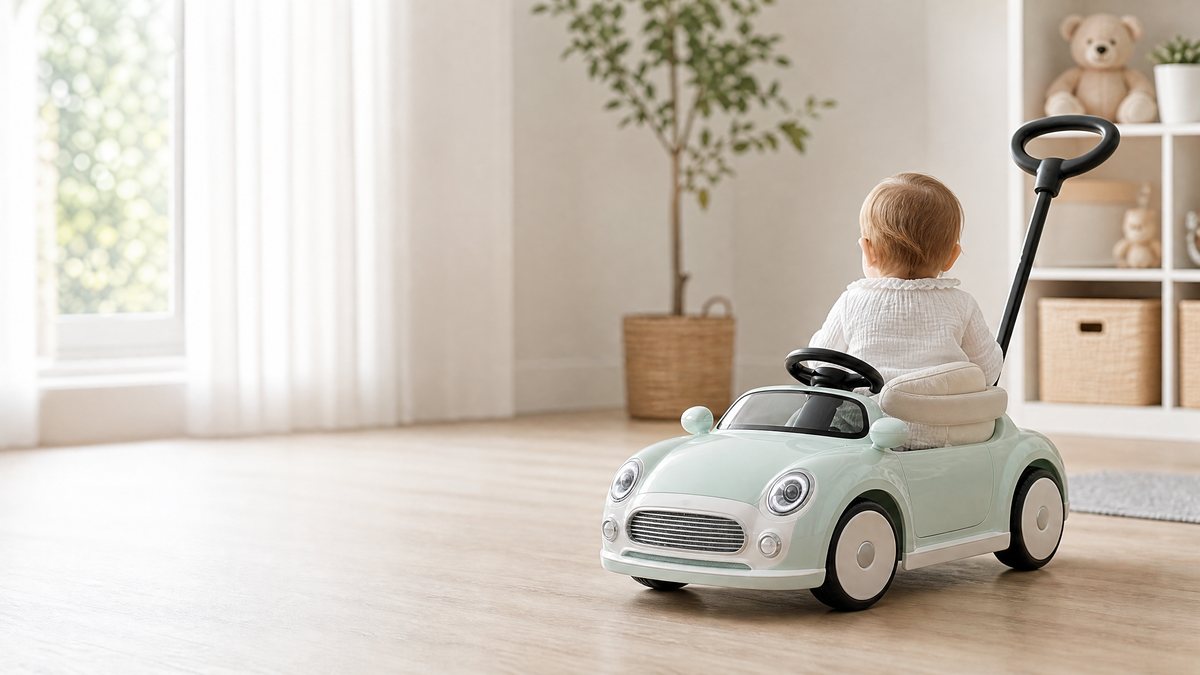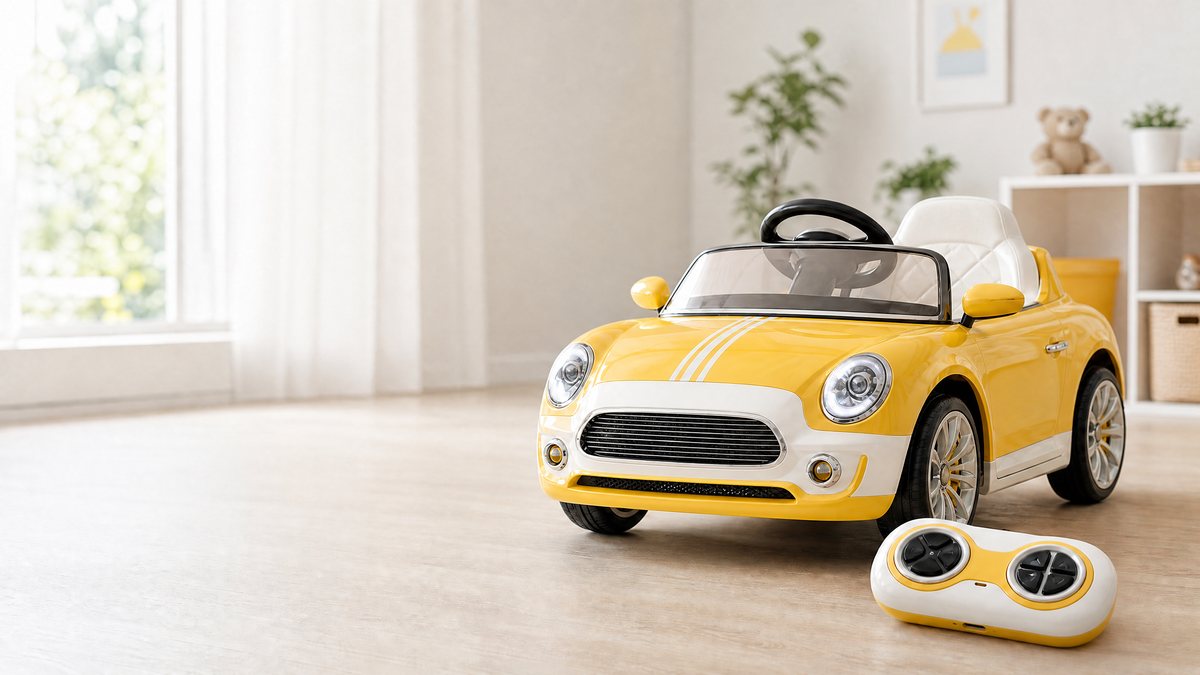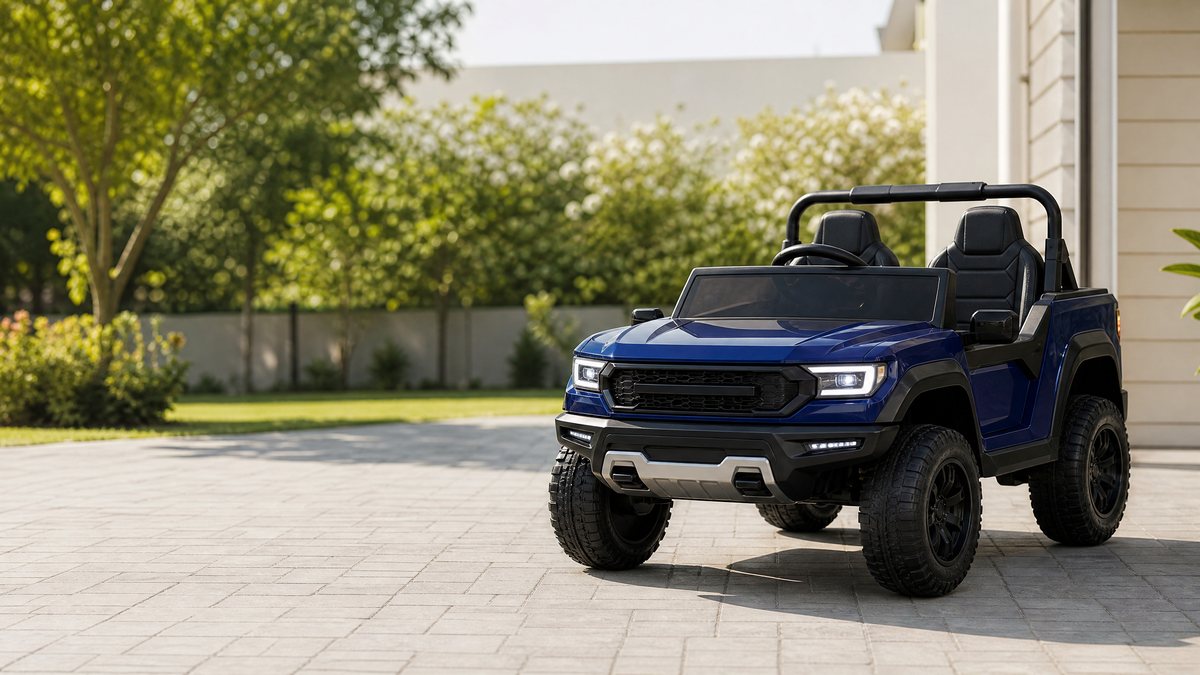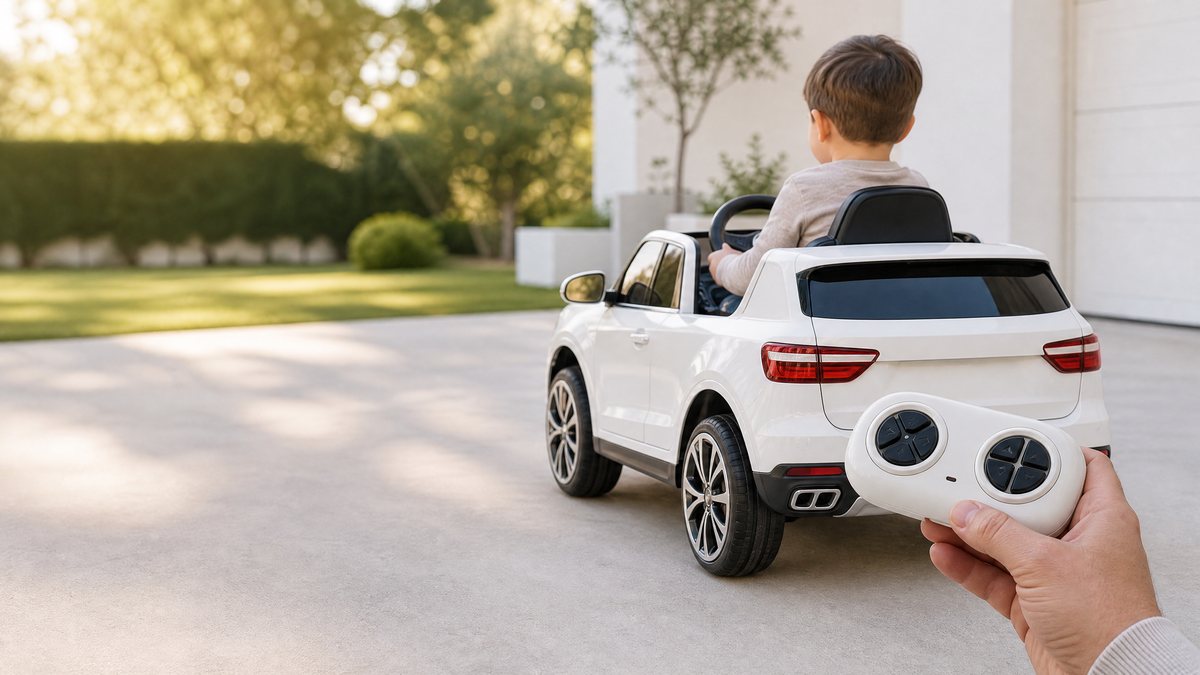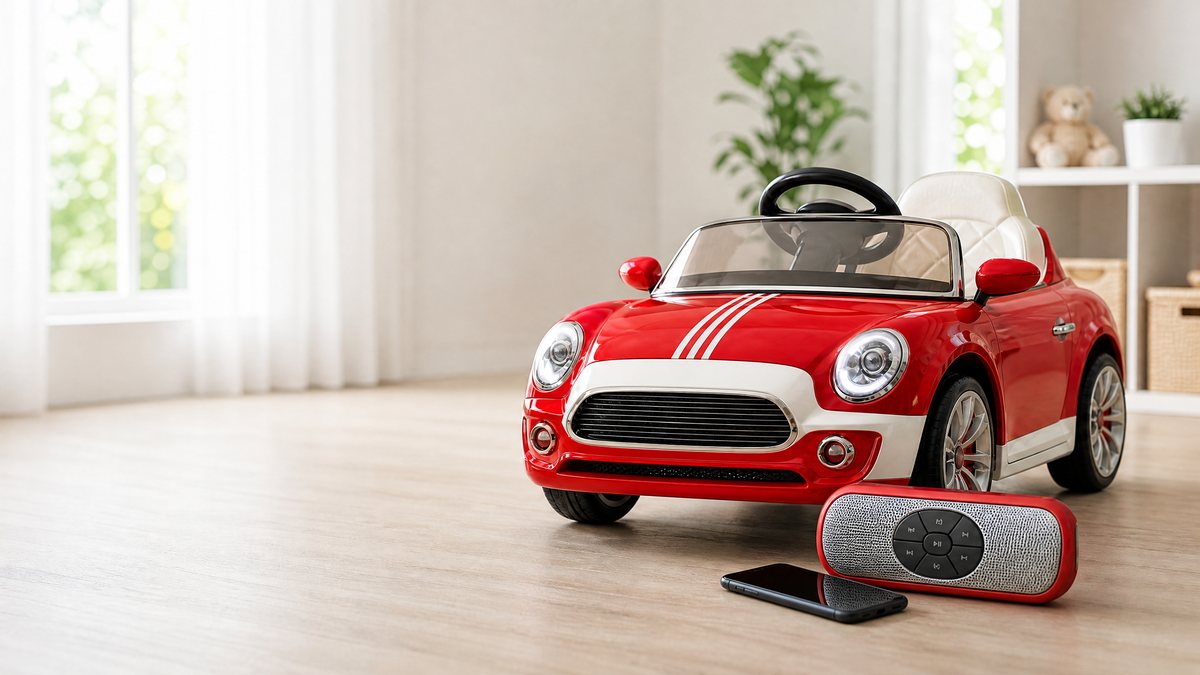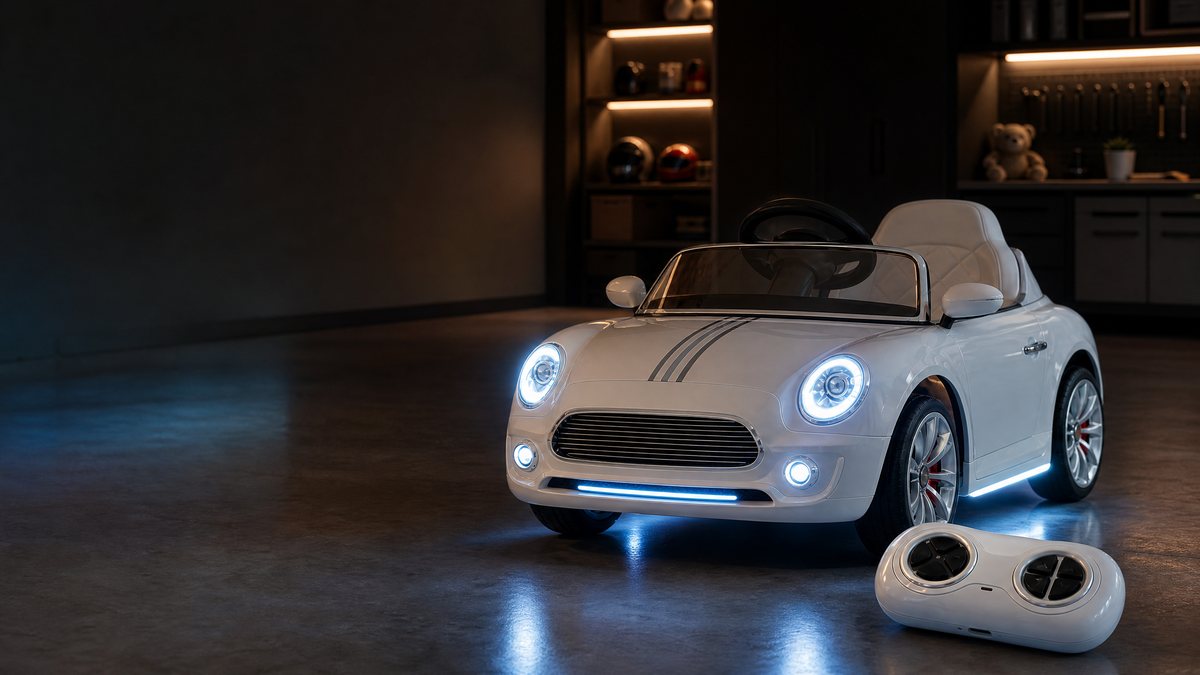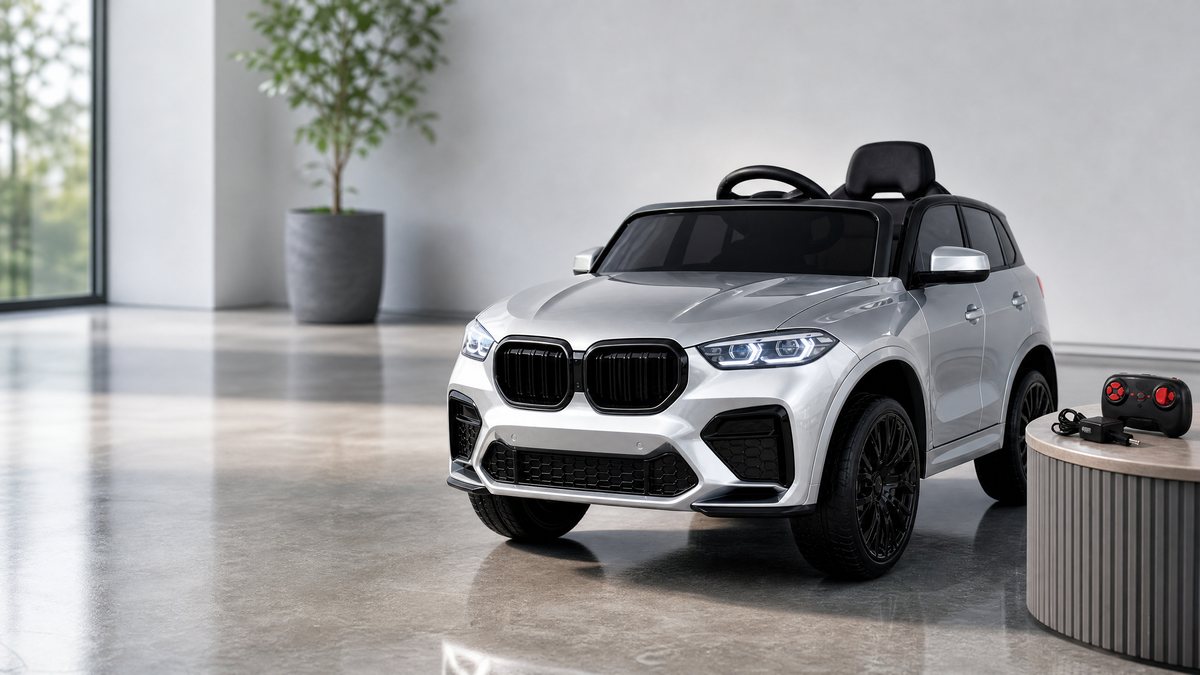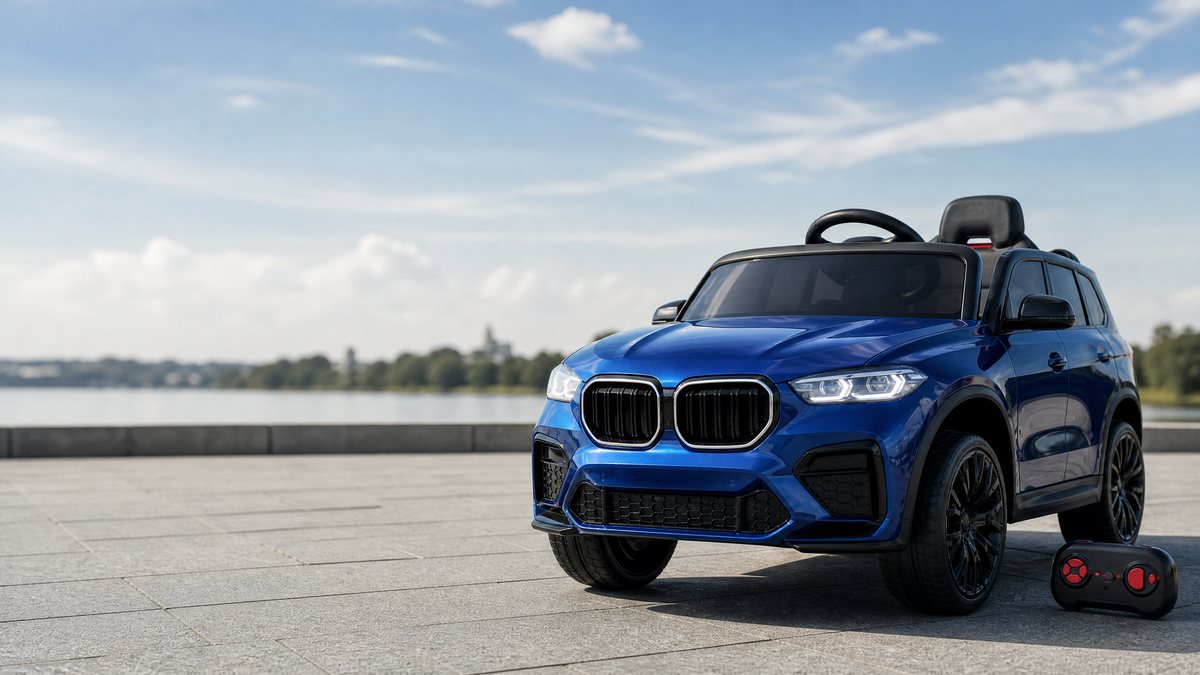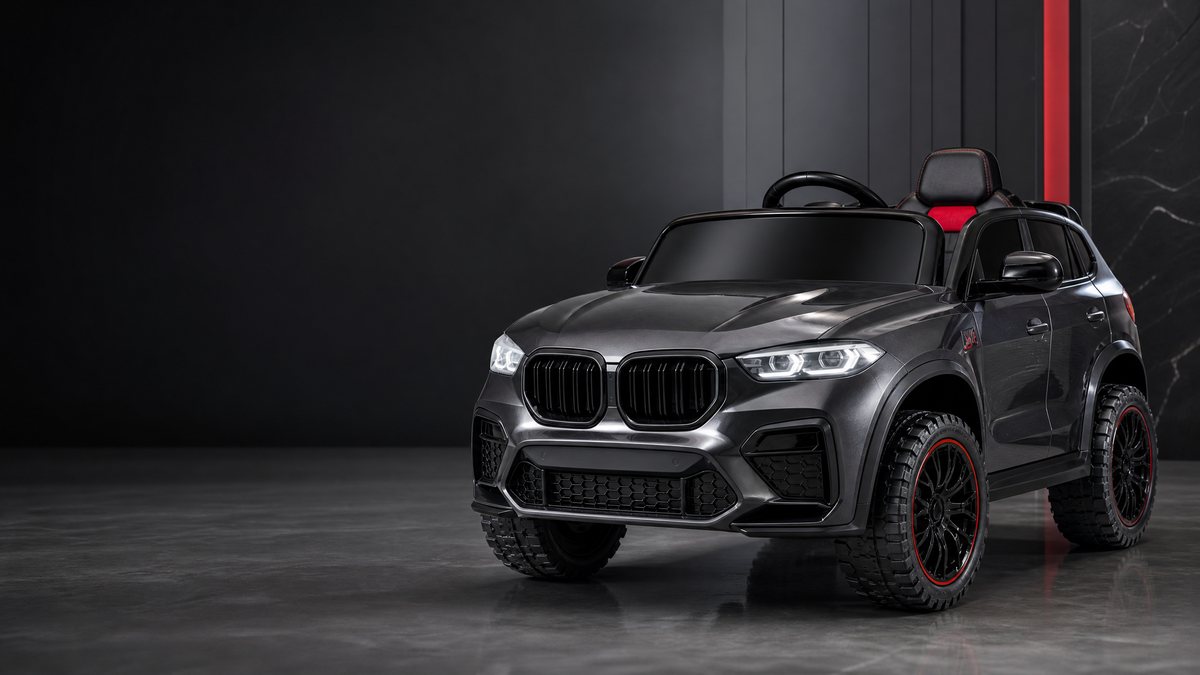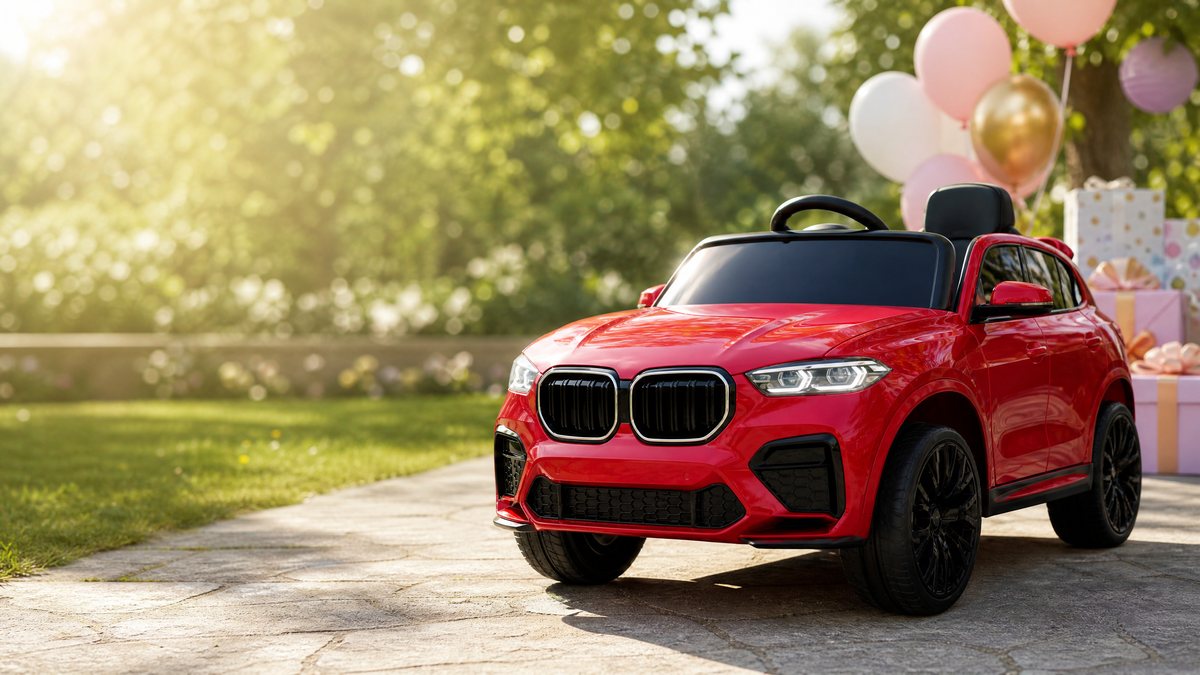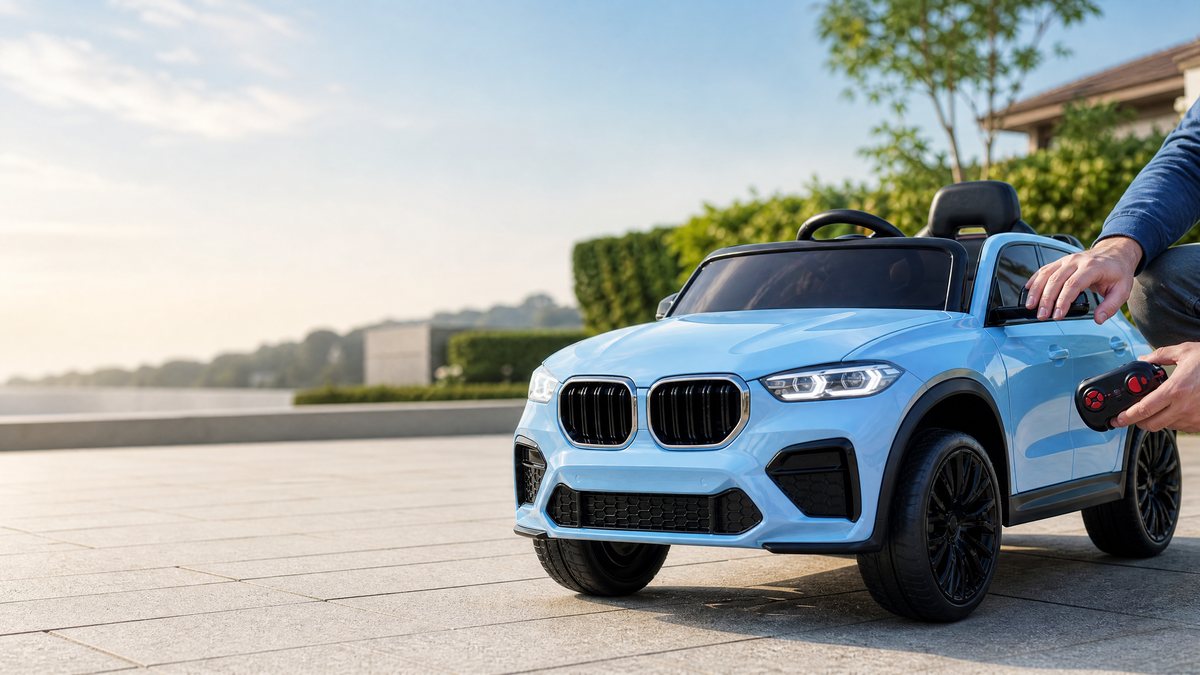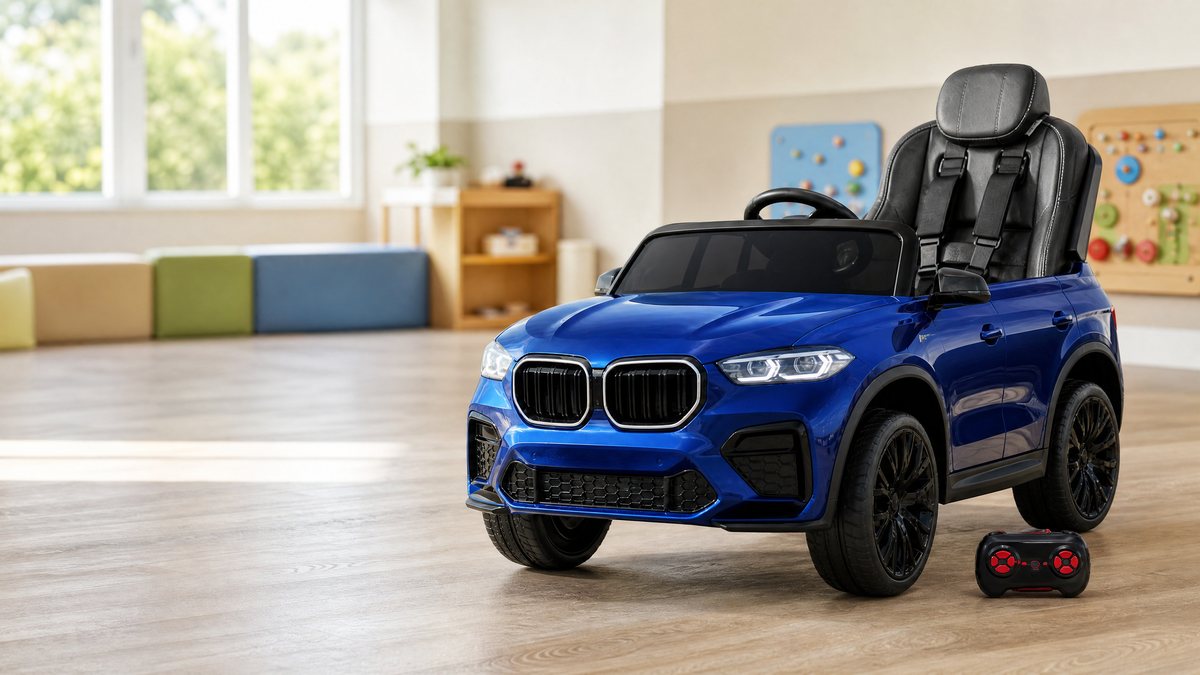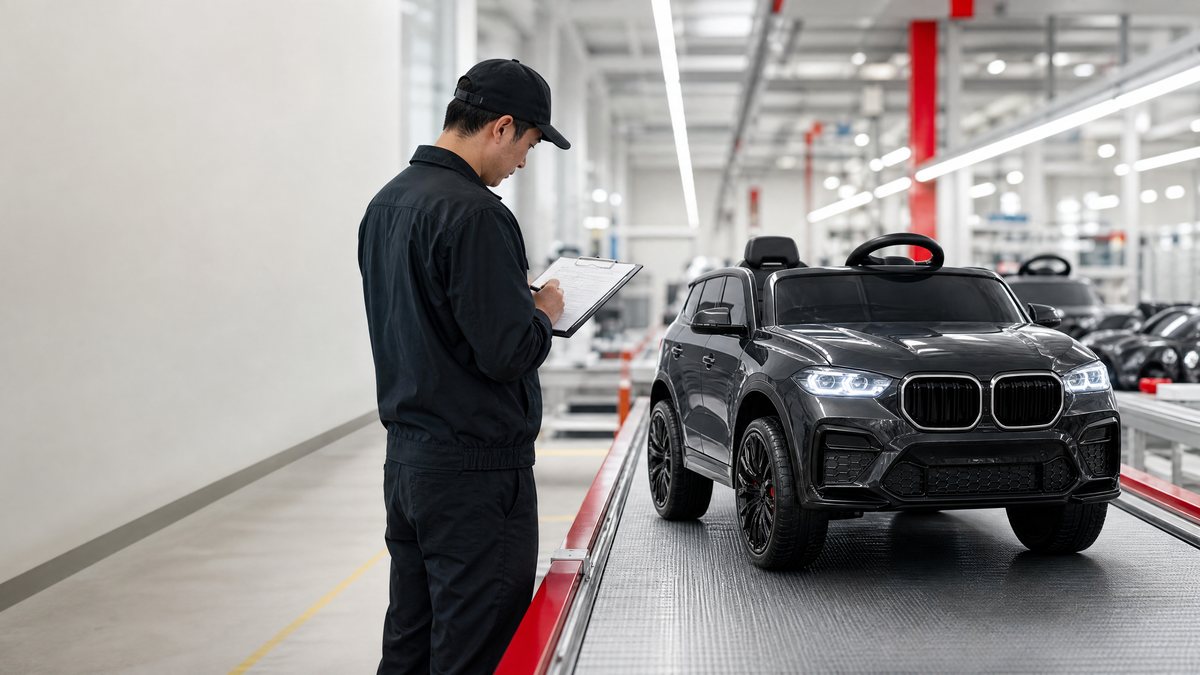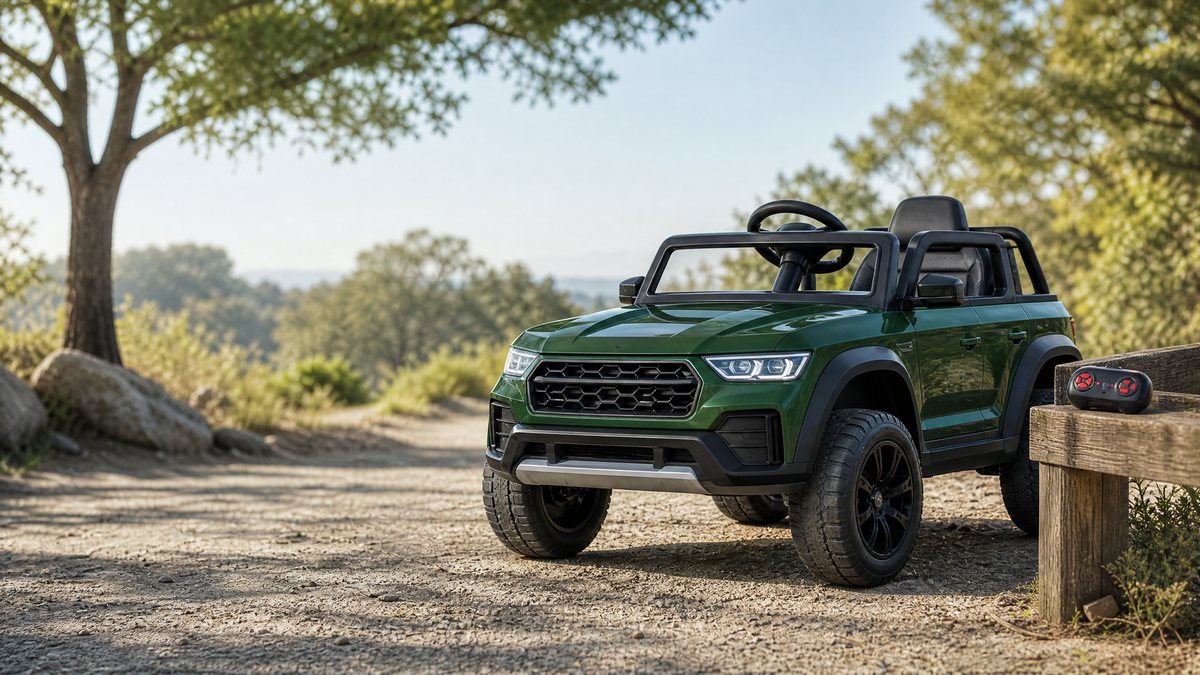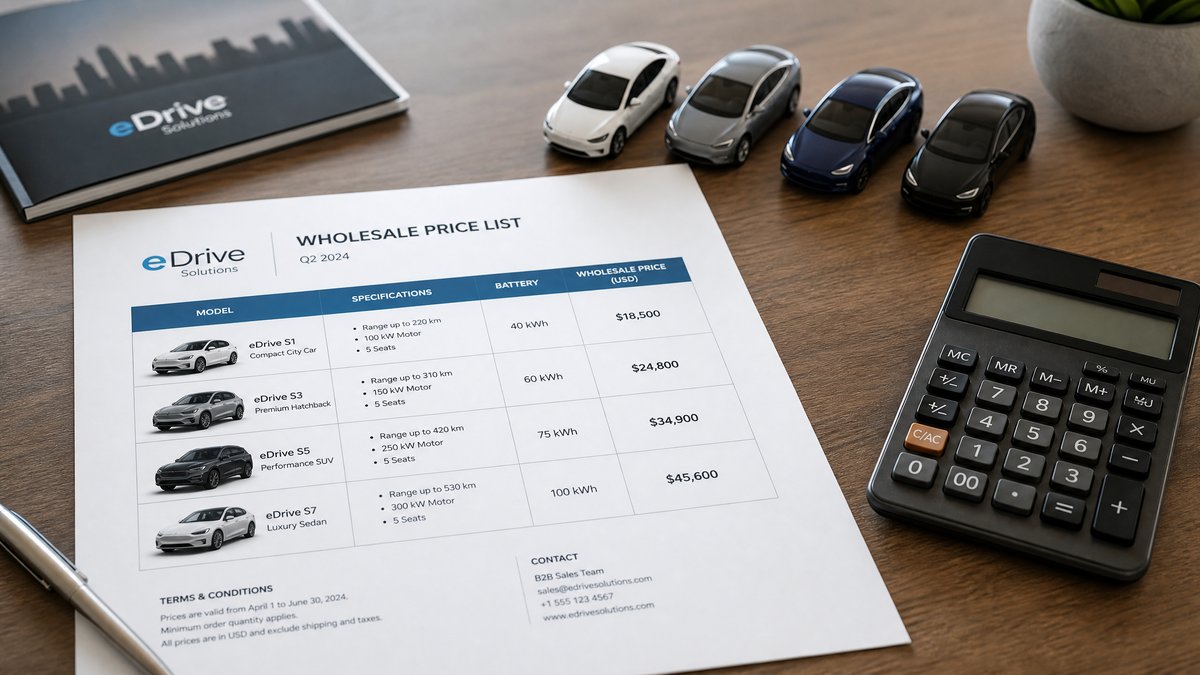
When importing wholesale kids electric ride-on cars from manufacturers in China, looking only at the FOB (Free on Board) unit price is one of the most dangerous traps for B2B importers, distributors, and Amazon FBA sellers. A ride-on car quoted at $120 FOB might seem like a high-margin product until ocean freight spikes, customs duties apply, local warehousing fees accumulate, and final delivery eats up every dollar of anticipated profit.
Calculating the Total Landed Cost (TLC) accurately is the foundational step of sustainable B2B sourcing in the ride-on vehicle industry. This guide breaks down every component of landed cost, provides a step-by-step calculation formula, highlights hidden cost traps, and offers practical strategies to optimize your profit margins.
1. What is Total Landed Cost (TLC) in B2B Toy Importation?
Total Landed Cost represents the total financial investment required to purchase goods from an overseas manufacturer and deliver them safely to your final destination warehouse or fulfillment center. For bulky, battery-operated products like kids electric cars, TLC is considerably more complex than standard apparel or small consumer goods due to hazardous material (Hazmat) shipping requirements for lithium/lead-acid batteries, volumetric weight considerations, and strict toy safety compliance testing.
The Core Components of Landed Cost
* Product Cost (FOB/EXW): The price paid directly to the factory for the merchandise.
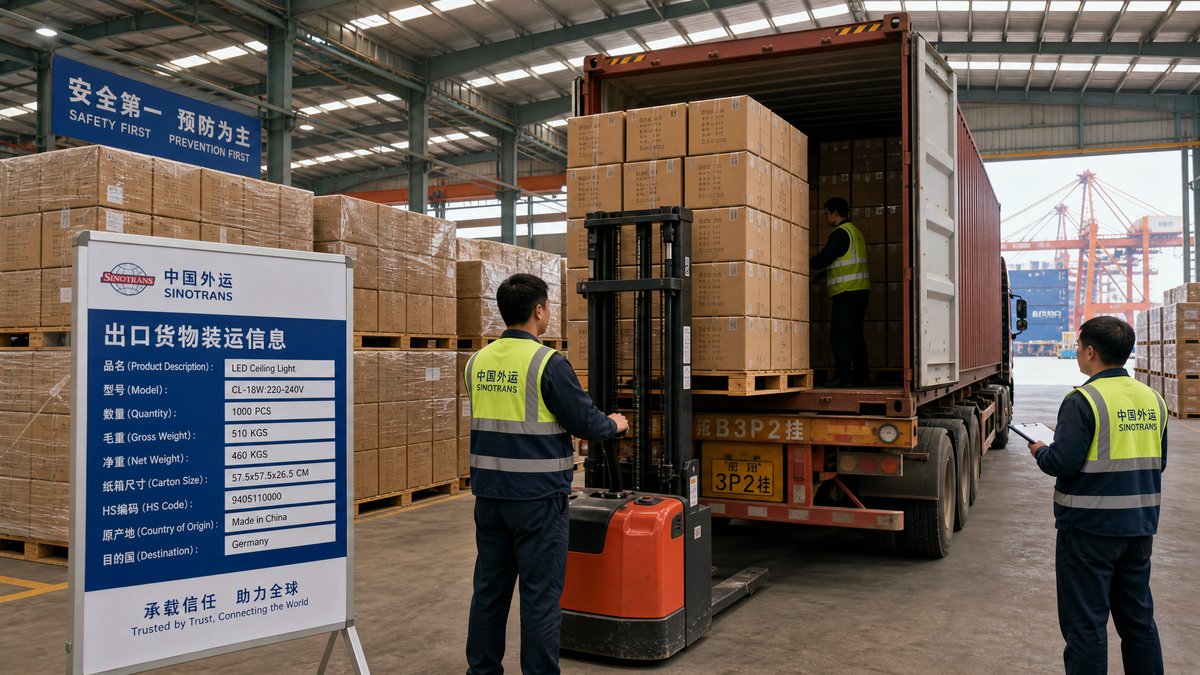
* International Logistics: Ocean or air freight, export/import customs clearance, port handling fees, and terminal handling charges (THC).
* Compliance & Certification: Laboratory testing fees (ASTM F963, EN71, CE, CPC, FCC) and import license documentation.
* Duties & Taxes: Import tariffs, anti-dumping duties (if applicable), and local sales tax or VAT.
* Domestic Logistics & Warehousing: Drayage, trucking from port to warehouse, palletization, and final-mile delivery.
* Risk & Miscellaneous: Cargo insurance, bank wire transfer fees, and inspection fees.
2. Step-by-Step Formula to Calculate Total Landed Cost
To determine the exact cost per unit, importers must aggregate all expenses across the entire supply chain and divide by the total number of units purchased.
The Standard TLC Equation
$$ ext{Total Landed Cost (TLC)} = ext{Product Cost} + ext{Shipping & Freight} + ext{Insurance} + ext{Customs Duties & Taxes} + ext{Compliance & Handling}$$
$$ ext{Cost Per Unit} = rac{ ext{TLC}}{ ext{Total Salable Units Received}}$$
3. Detailed Breakdown of Cost Elements for Kids Electric Cars
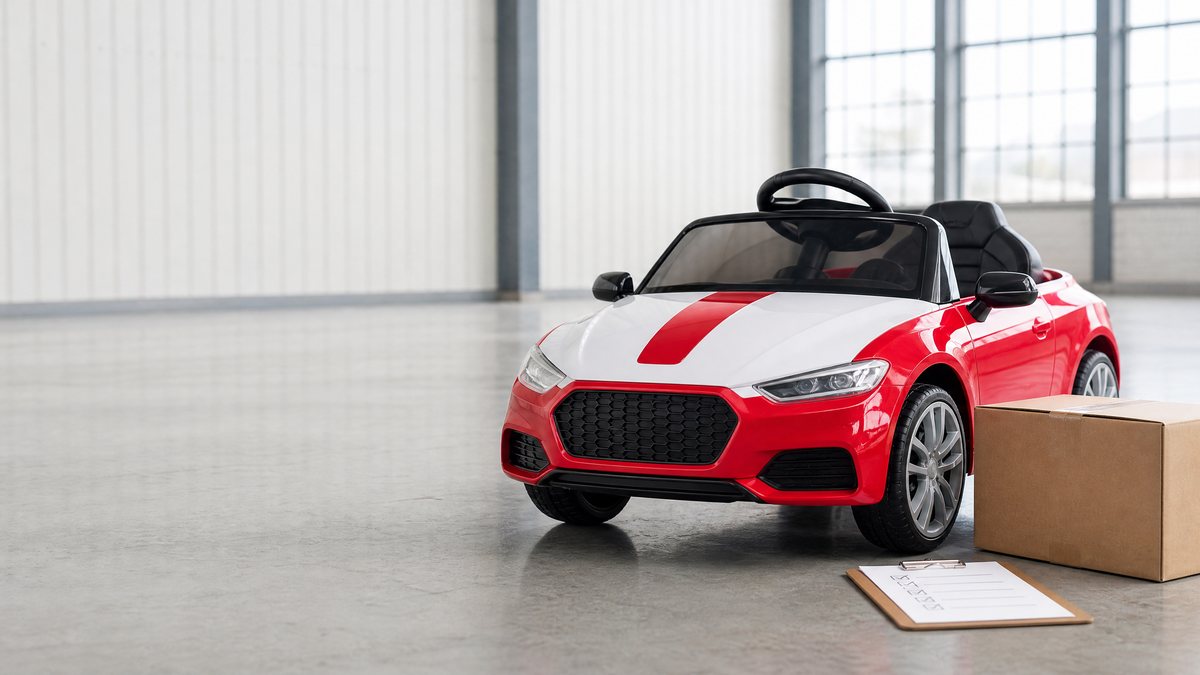
Let us walk through a practical scenario: Importing a 20-foot container (20GP) containing 400 units of luxury 12V kids electric ride-on sports cars with a factory FOB quotation of $110 per unit.
| Cost Category | Description & Calculation Basis | Estimated Cost (USD) | Cost Per Unit (USD) |
|---|---|---|---|
| 1. Product Cost (FOB Ningbo) | 400 units × $110.00 FOB | $44,000.00 | $110.00 |
| 2. Export Documentation & Handling | Factory export customs, documents, local trucking | $450.00 | $1.13 |
| 3. Ocean Freight (20GP Container) | Port of Ningbo to Port of Long Beach | $3,800.00 | $9.50 |
| 4. Marine Cargo Insurance | Typically 0.3% to 0.5% of FOB + Freight value | $240.00 | $0.60 |
| 5. Customs Duties (e.g., 4.5% US Tariff) | Applied to FOB value (HS Code 9503.00.00) | $1,980.00 | $4.95 |
| 6. Harbor Maintenance & Processing Fees | MPF and HMF (US customs processing fees) | $310.00 | $0.78 |
| 7. Customs Brokerage & Clearance | Professional broker entry filing fee | $250.00 | $0.63 |
| 8. Port Drayage & Terminal Handling | Container pickup and transport to local warehouse | $850.00 | $2.13 |
| 9. Warehouse Unloading & Palletization | Labor, shrink-wrap, and pallet fees | $480.00 | $1.20 |
| 10. Compliance Testing / CPC Sample | Third-party lab verification (prorated per batch) | $1,200.00 | $3.00 |
| Total Landed Cost | Comprehensive sum of all import expenses | $53,560.00 | $133.90 |
As demonstrated in this breakdown, while the initial FOB unit price was $110.00, the true landed cost is $133.90 per unit—an increase of 21.7%. Failing to account for this delta results in severely compressed margins upon wholesale distribution or retail pricing.
4. Key Factors Impacting Ride-On Car Landed Costs
Unlike lightweight toys, ride-on cars possess unique physical and regulatory traits that heavily influence landed costs:
A. Volumetric Weight and CBM (Cubic Meters)
Kids ride-on cars are bulky items packaged in heavy corrugated master cartons. A standard 12V ride-on car boxed typically measures around 0.30 to 0.45 CBM. Because ocean freight is calculated based on volume or weight (whichever is greater), containers fill up by volume long before reaching weight limits. Optimizing packaging design (e.g., semi-knocked-down SKD packing where steering wheels and windshields are detached) allows suppliers to load more units per container, drastically lowering freight cost per unit.
B. Battery Chemistry and Hazmat Regulations
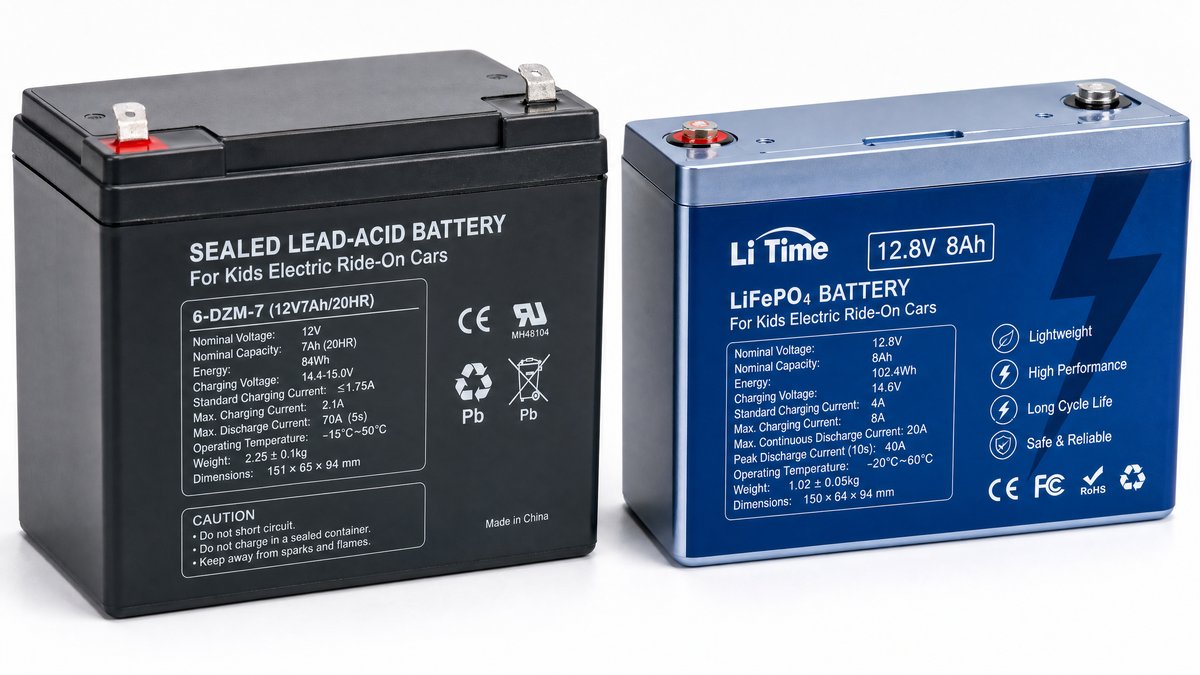
Ride-on cars utilize either sealed lead-acid ( SLA) batteries or Lithium-ion batteries. Lithium batteries are classified as Class 9 hazardous materials. Shipping them internationally requires special MSDS documentation, UN38.3 testing reports, and hazardous cargo surcharges from ocean carriers. Ignoring battery compliance can result in cargo rejection at the port of origin or exorbitant demurrage fines.
C. Import Tariffs and Classification (HS Codes)
Correct classification under the Harmonized System (HS) code is critical. Most children's electric vehicles fall under HS code 9503.00.00 (Toys, reduced-size models, and working models), but regional variations exist regarding toy vehicle definitions versus motorized recreational vehicles. Always verify tariff schedules with your licensed customs broker before placing production orders.
5. Proven Strategies to Reduce Total Landed Cost
* Optimize Container Utilization: Work with your manufacturer to maximize CBM efficiency. Transitioning from fully assembled units to SKD (Semi-Knocked-Down) structures can increase container capacity by 30-40%.
* Consolidate Shipments: If your order volume does not fill an entire container, consider LCL (Less than Container Load) shipping only for samples, but aim for FCL (Full Container Load) to avoid high per-cbm LCL terminal handling fees.
* Negotiate Incoterms Wisely: While FOB (Free on Board) gives you greater control over freight forwarding costs compared to CIF (Cost, Insurance, and Freight), experienced importers with high volume can sometimes negotiate favorable DDP (Delivered Duty Paid) terms with trusted OEM partners who have established logistics channels.
* Establish Direct Factory Partnerships: Eliminating trading companies and middlemen ensures your product cost is optimized right at the source, giving you a wider safety buffer for unexpected shipping fluctuations.
6. Frequently Asked Questions (FAQ)
Q1: How does shipping method (Air vs. Sea) impact the total landed cost of ride-on cars?
A: Due to the heavy weight and large volumetric size of kids electric cars, air freight is economically unviable for bulk commercial orders. Air shipping typically costs 5 to 8 times more than ocean freight, which would instantly eliminate profit margins. Air freight should be strictly reserved for emergency replacement parts or initial prototype samples.
Q2: Are compliance testing fees included in the FOB price?
A: No. FOB quotes cover the manufacture, export packaging, and delivery to the port of loading in China. Regulatory compliance testing—such as obtaining a Children's Product Certificate (CPC) for the US or CE/EN71 certification for Europe—is the responsibility of the importer unless explicitly negotiated otherwise in your sales contract.
Q3: What is the biggest hidden cost importers overlook?
A: Demurrage and detention fees at destination ports are the most common hidden costs. These occur when containers are held at the terminal or rail yard longer than the allotted free time due to customs holds, delayed broker documentation, or warehouse scheduling bottlenecks.
Q4: How can KidsRideCar help me minimize supply chain friction?
A: As a leading manufacturer and exporter of kids electric ride-on cars, KidsRideCar provides optimized knockdown (SKD) packaging solutions, professional export documentation, reliable palletization, and expert loading support to maximize container efficiency and reduce your overall landed cost. Contact our team to request a customized FOB/CIF quote tailored to your destination port.
Conclusion
Calculating the Total Landed Cost is not just an accounting exercise—it is the bedrock of profitable B2B trade. By meticulously factoring in freight, insurance, customs duties, and compliance testing, wholesale buyers and brand distributors can set accurate pricing models, protect profit margins, and scale their ride-on car inventory sustainably.
Ready to source high-margin kids electric ride-on cars with transparent pricing and professional export support? Contact our B2B export team today via mailto:info@kidsridecar.com to request our latest catalog and container loading estimates.
Official references
Explore these external resources for current regulatory and trade guidance. Confirm requirements with the relevant authority before placing an order.
Ready to Start?
Factory-Direct · CE & ASTM Certified · MOQ from 50 Units
Our export team works with buyers in 60+ countries. Get a quote within 24 hours.
KR
Written by KidsRideCar
China's leading kids electric ride-on car manufacturer. 500,000+ units shipped annually to 60+ countries. CE, ASTM & EN71 certified.