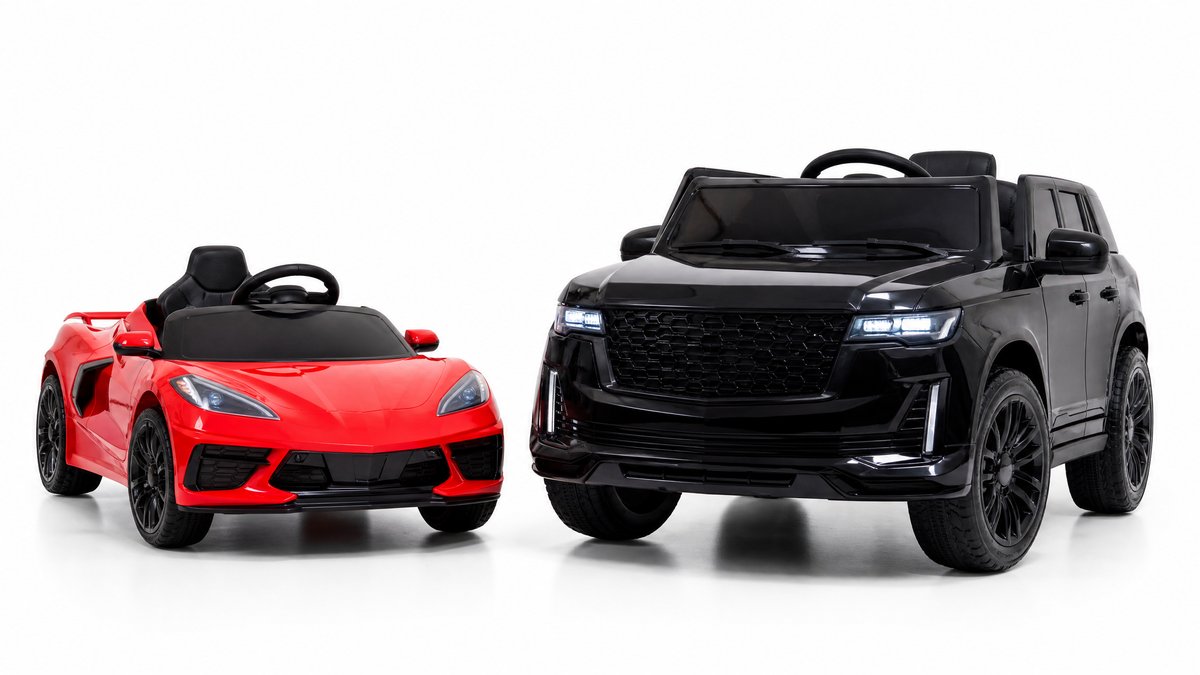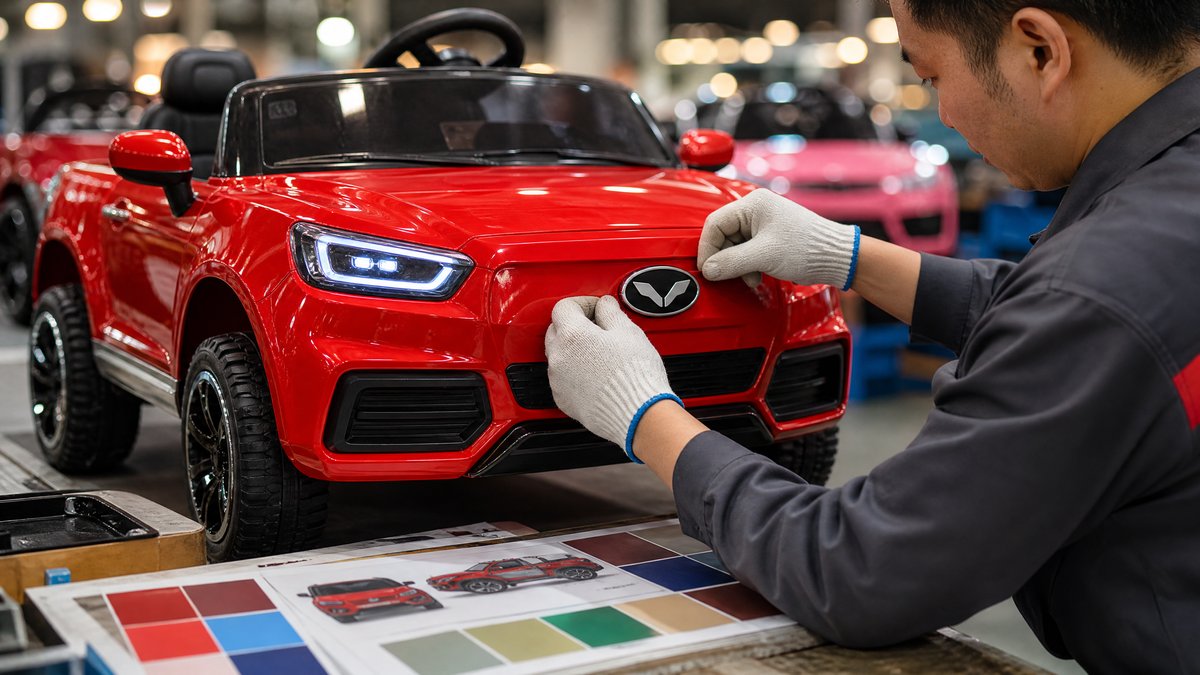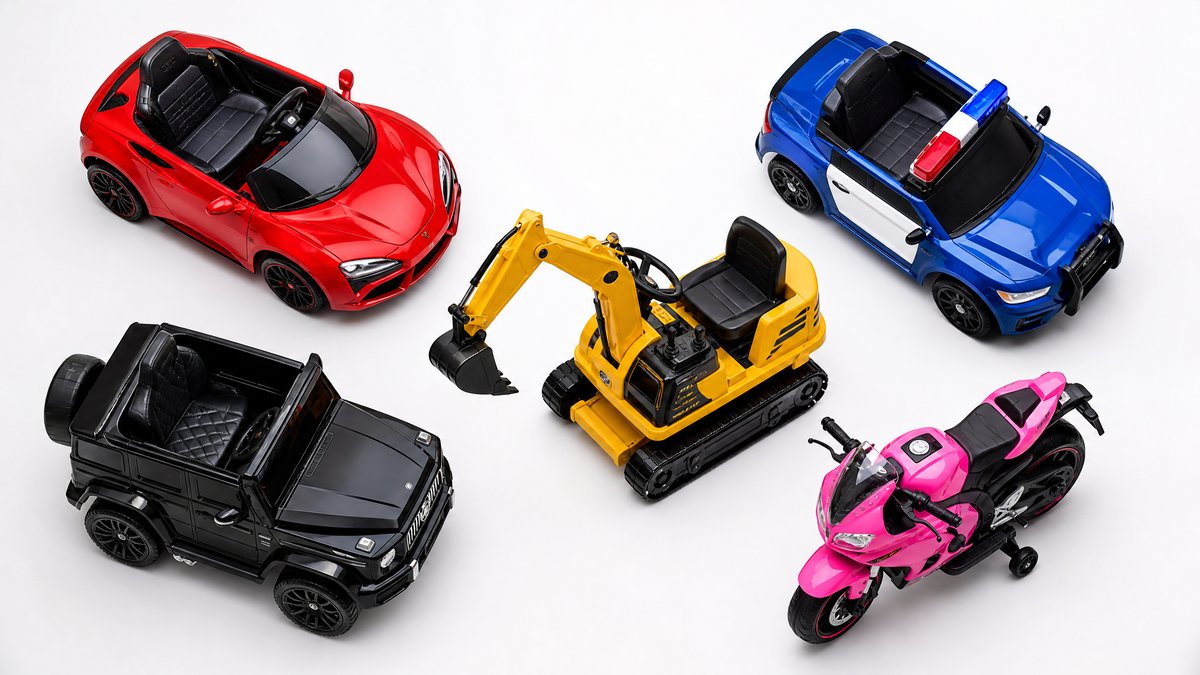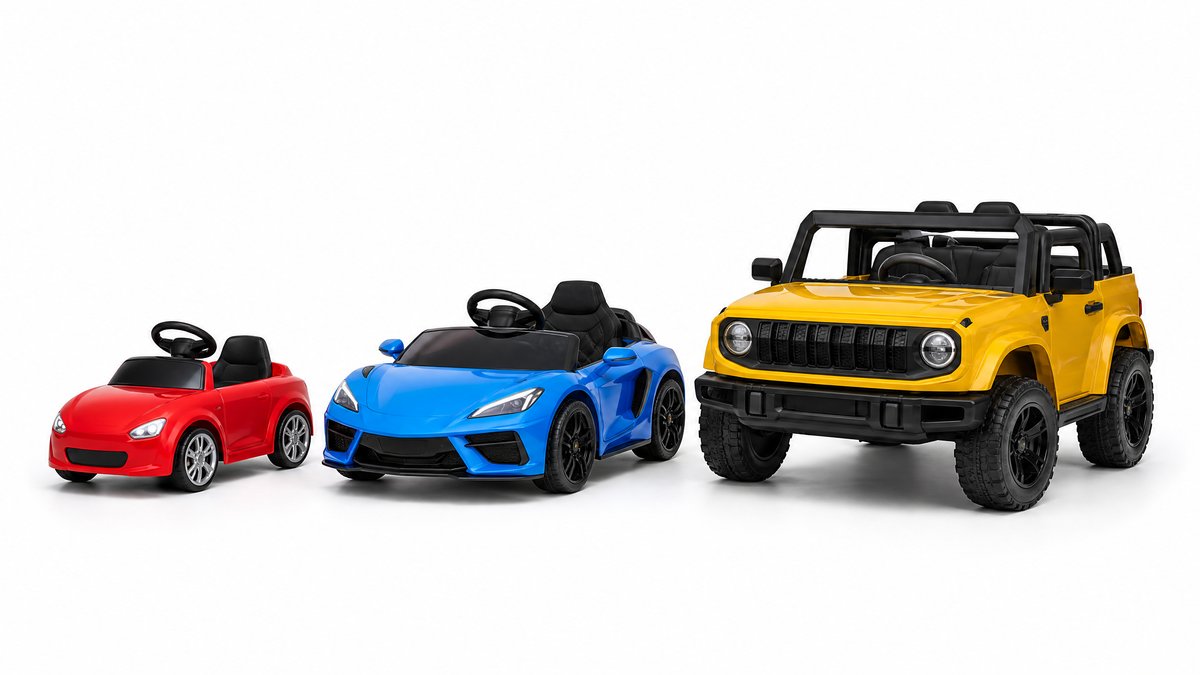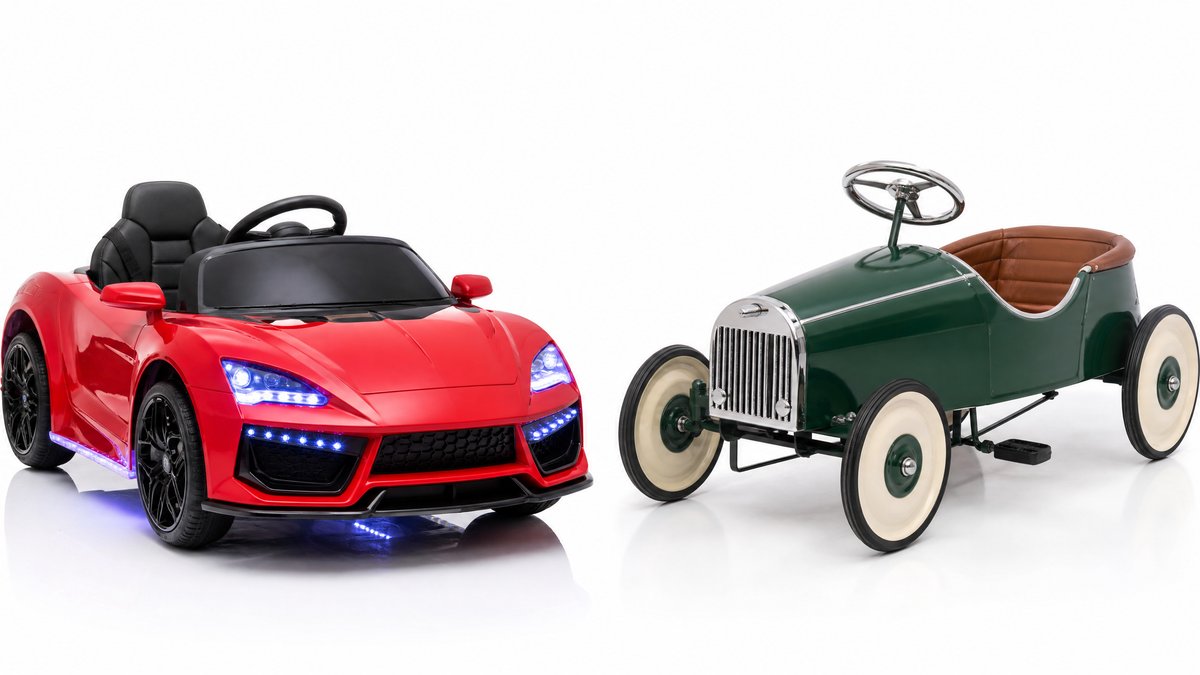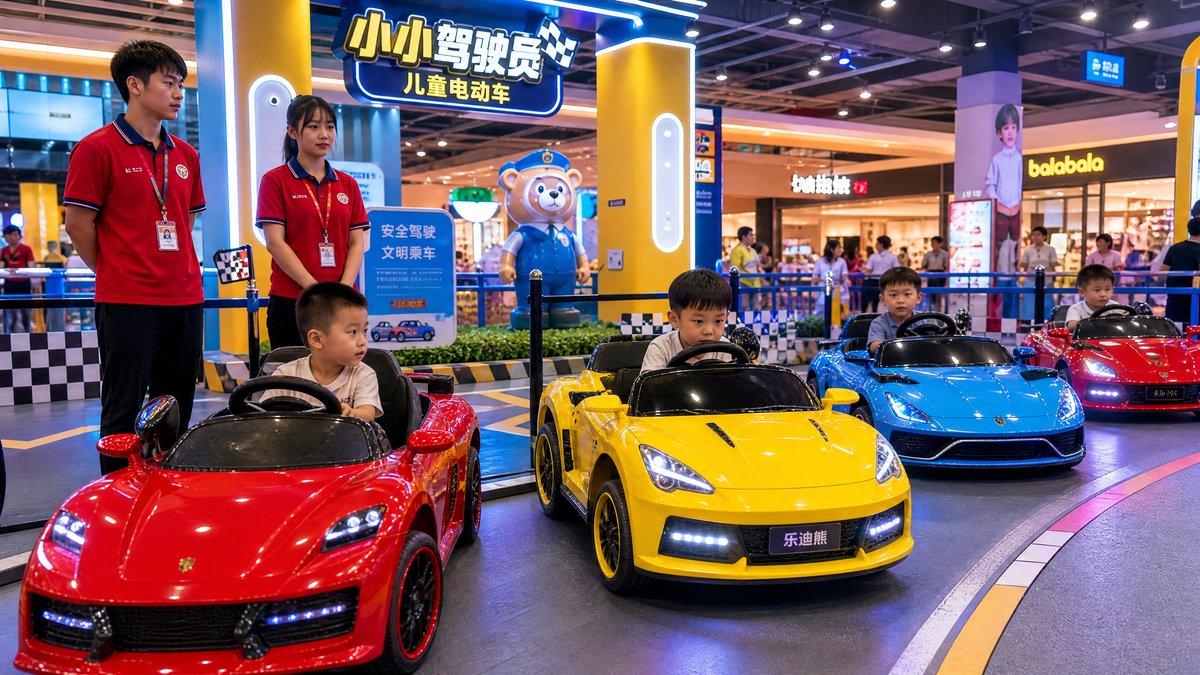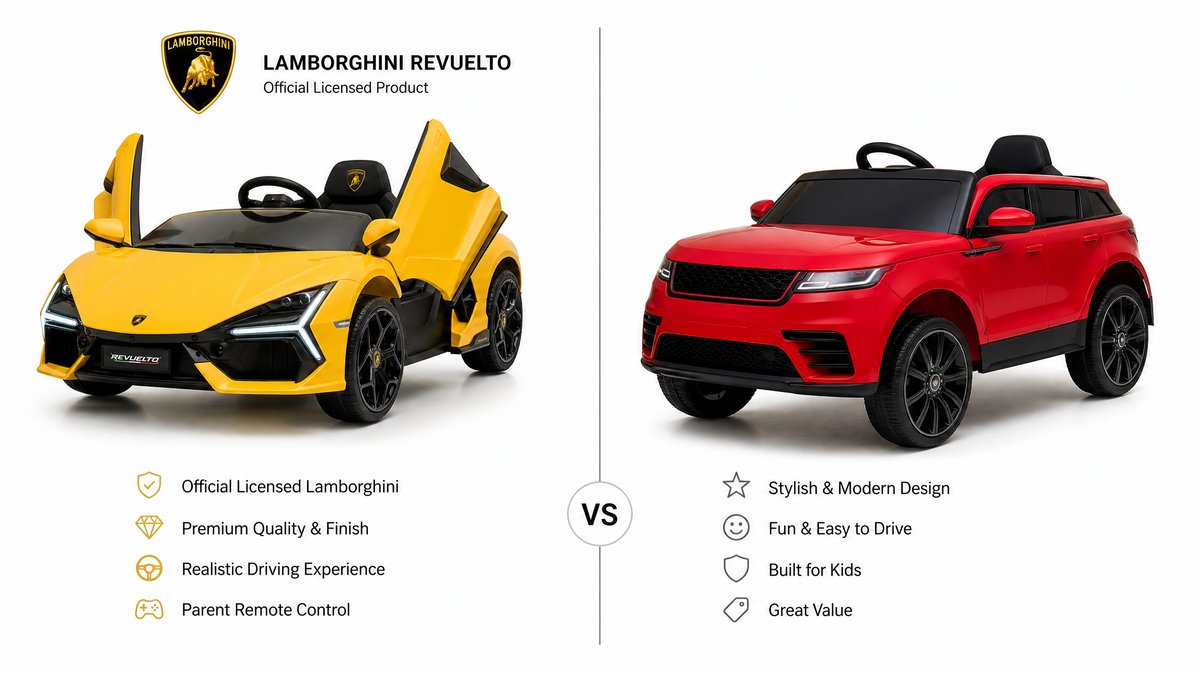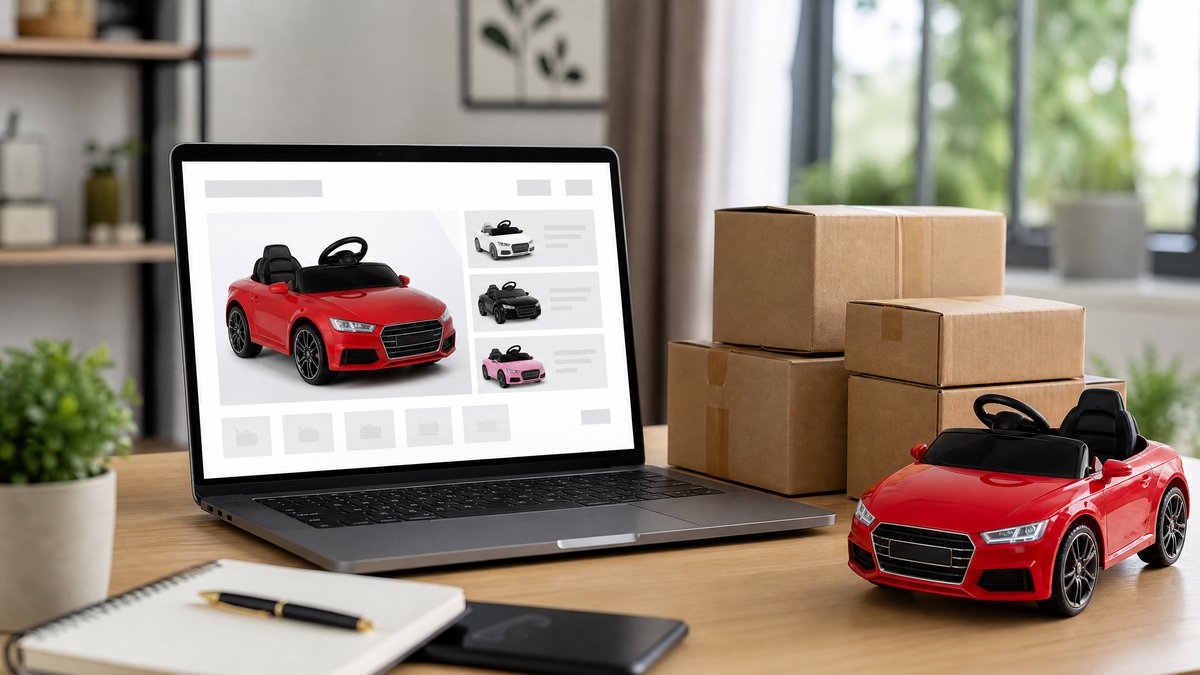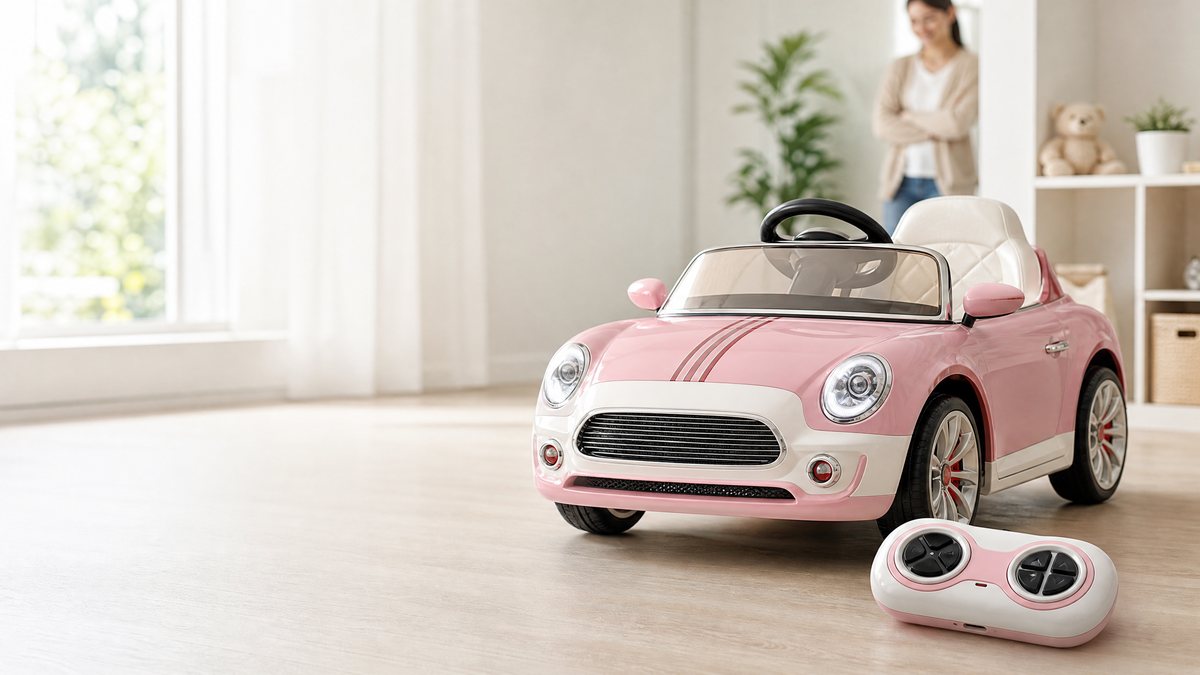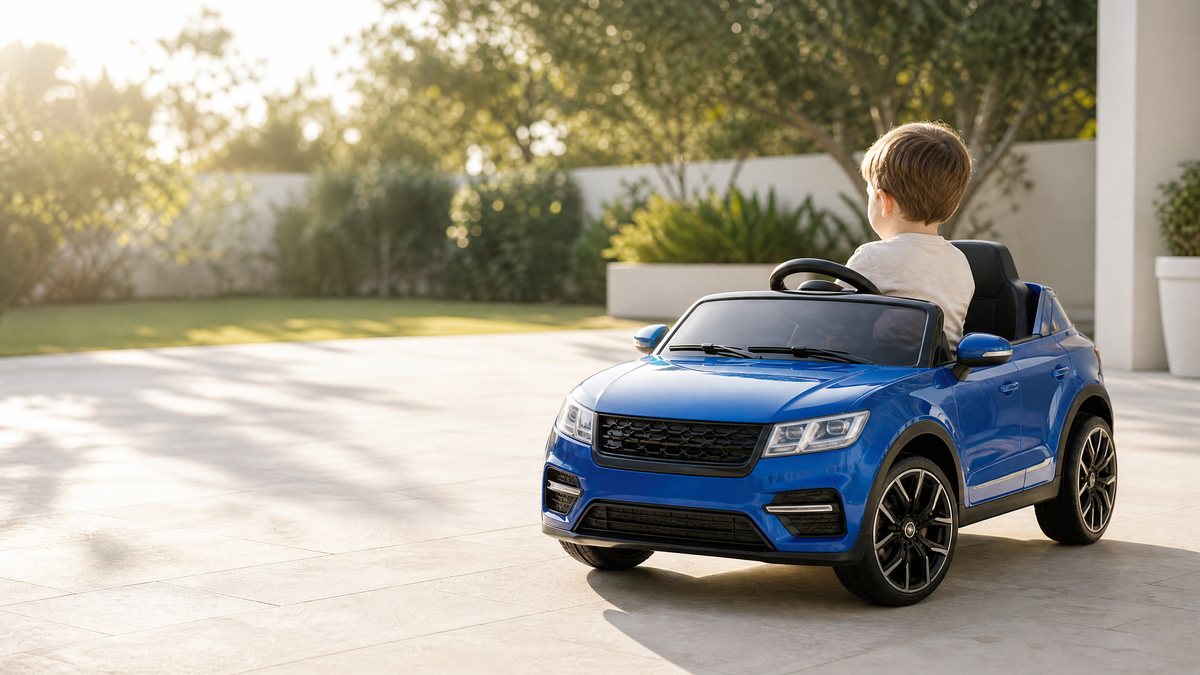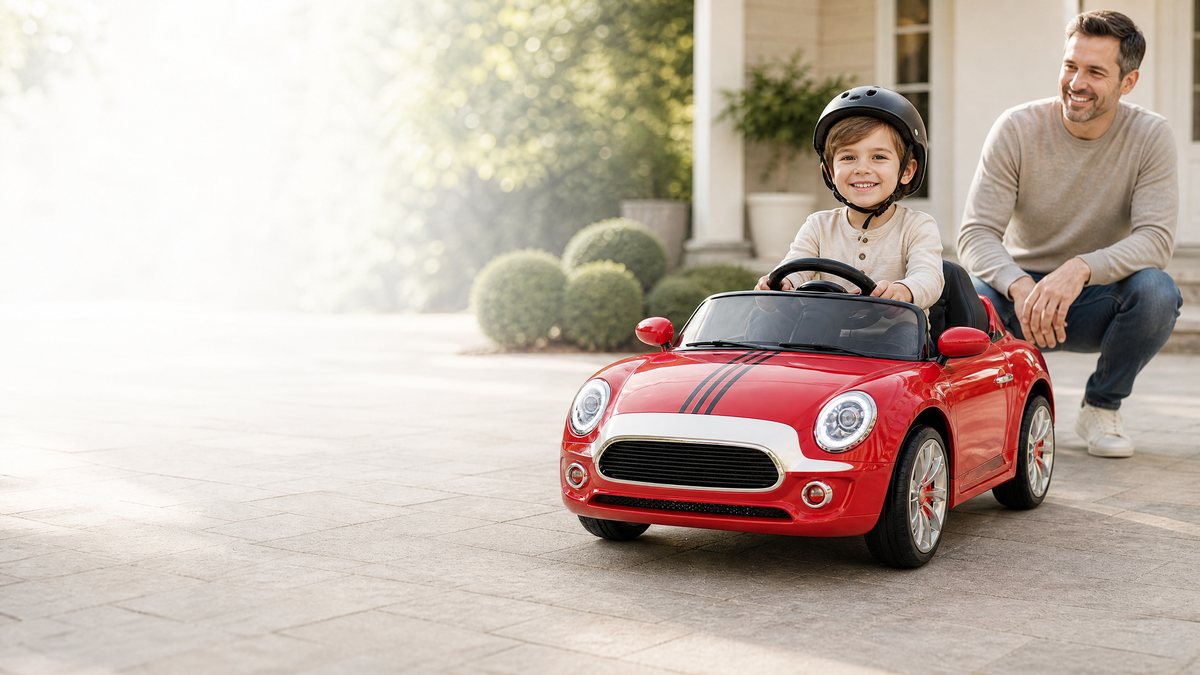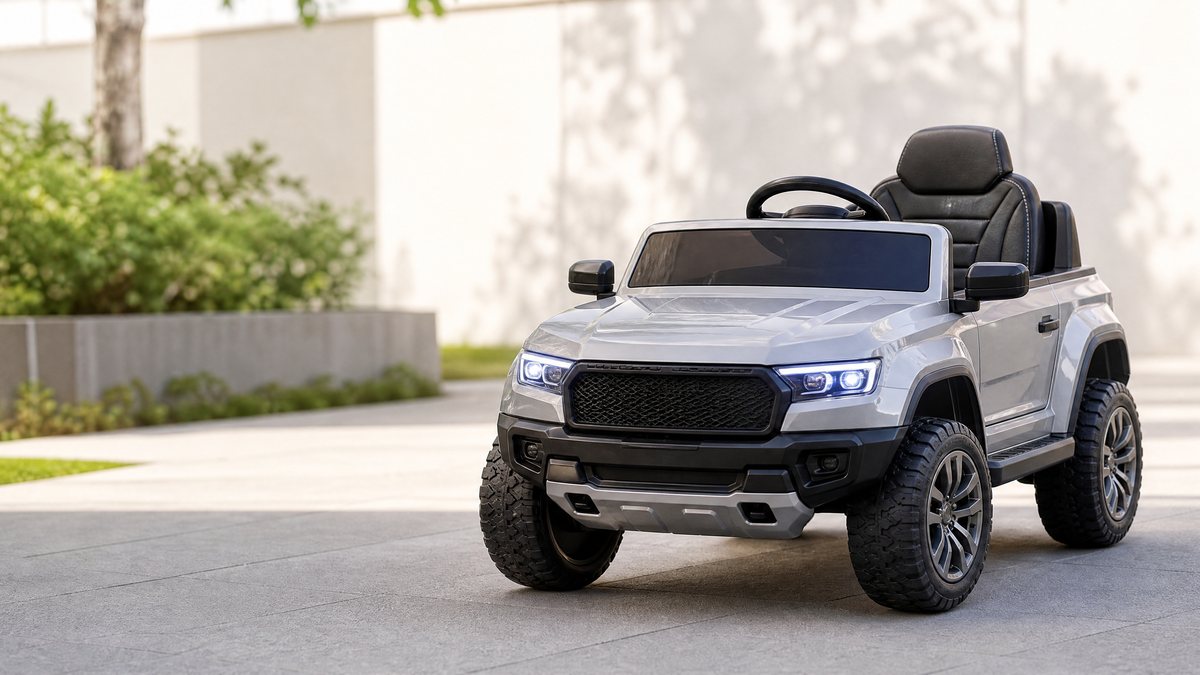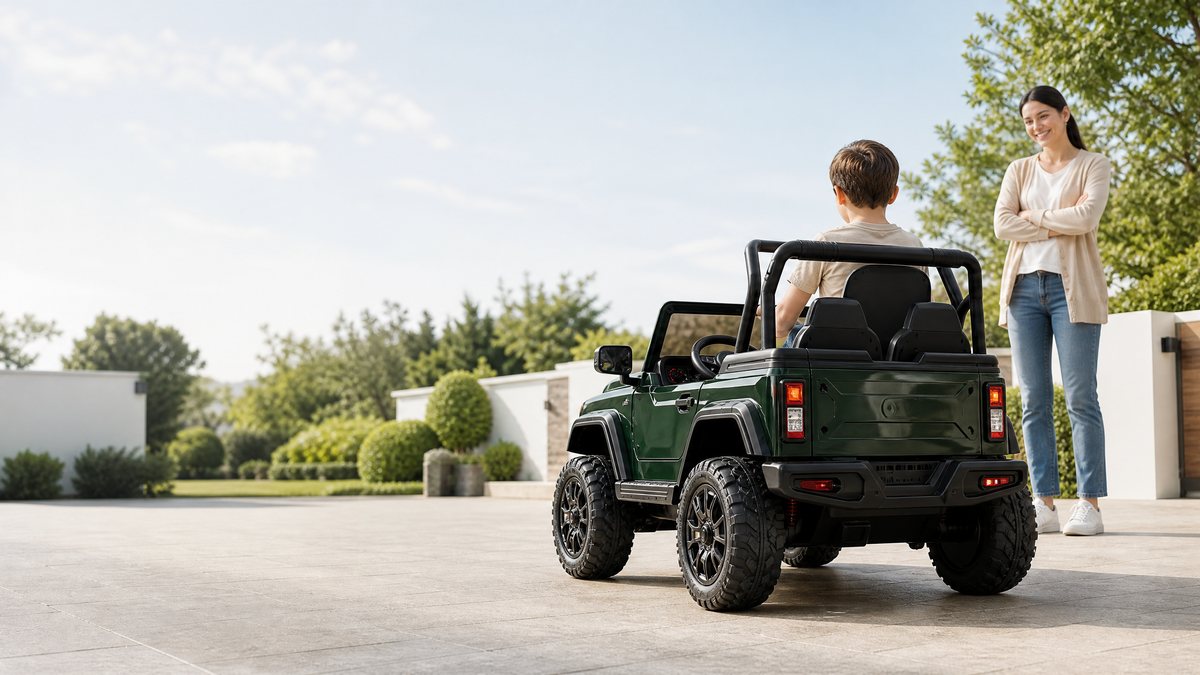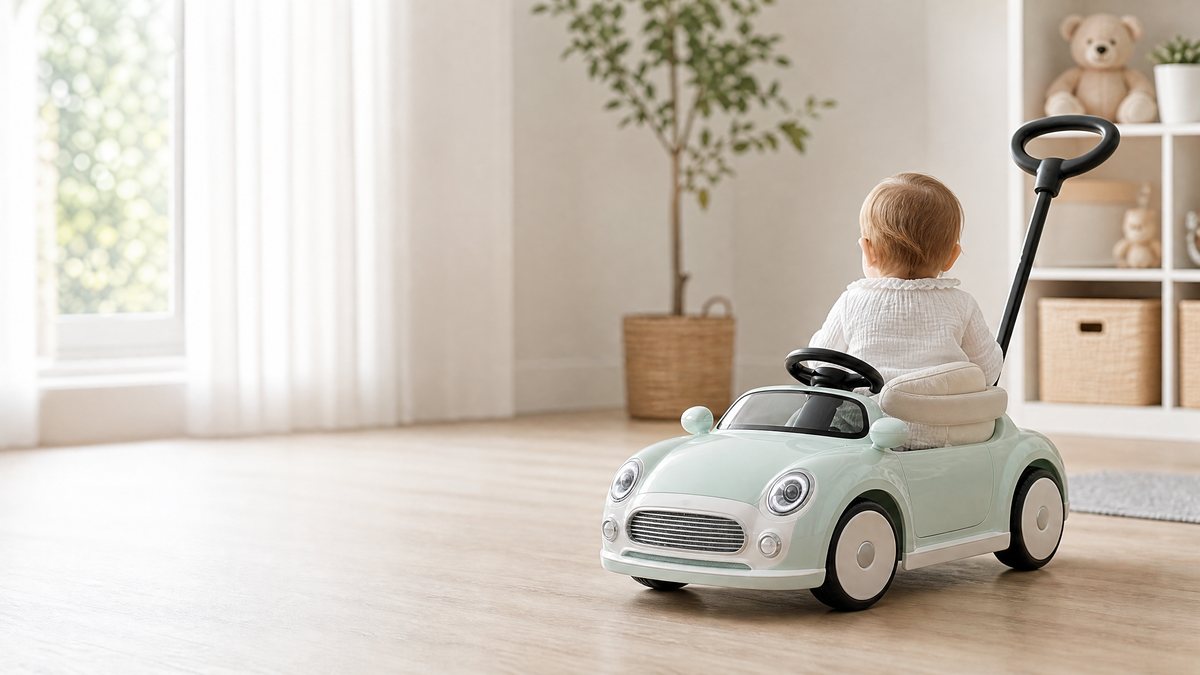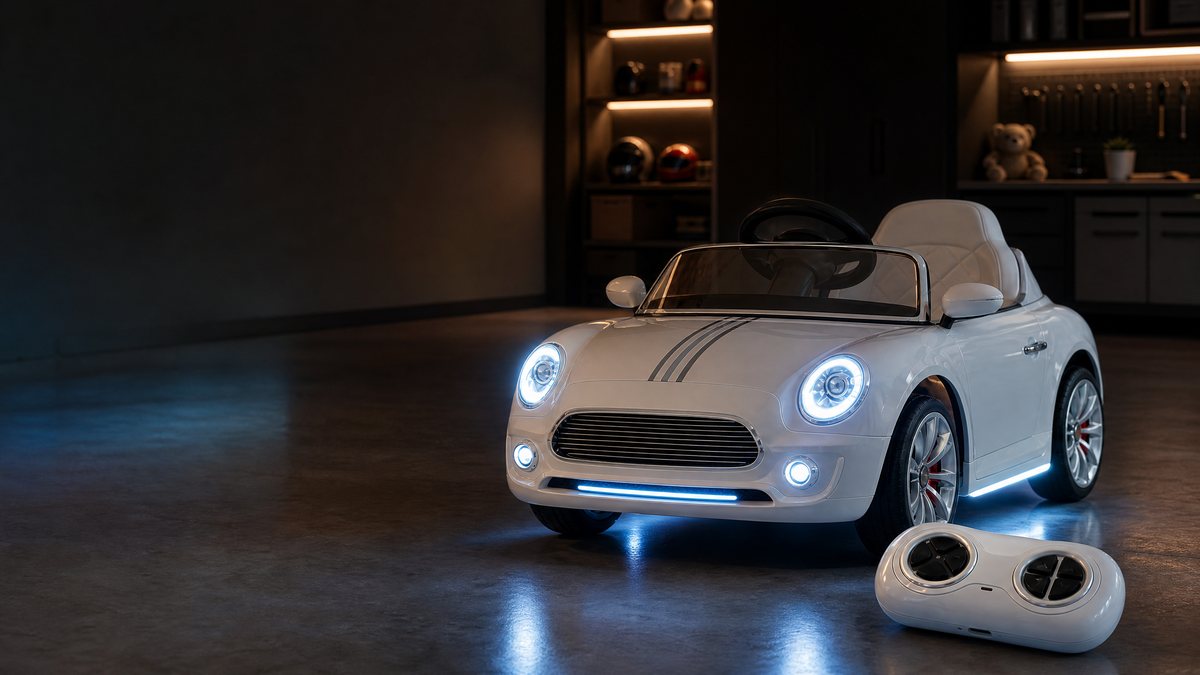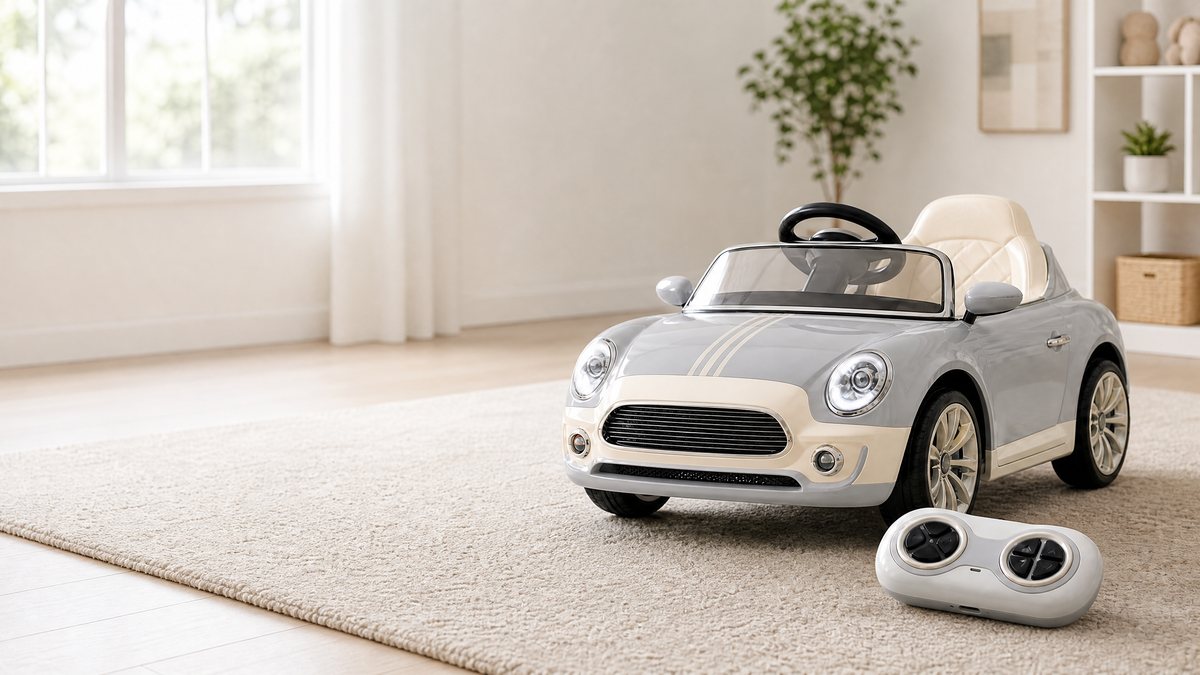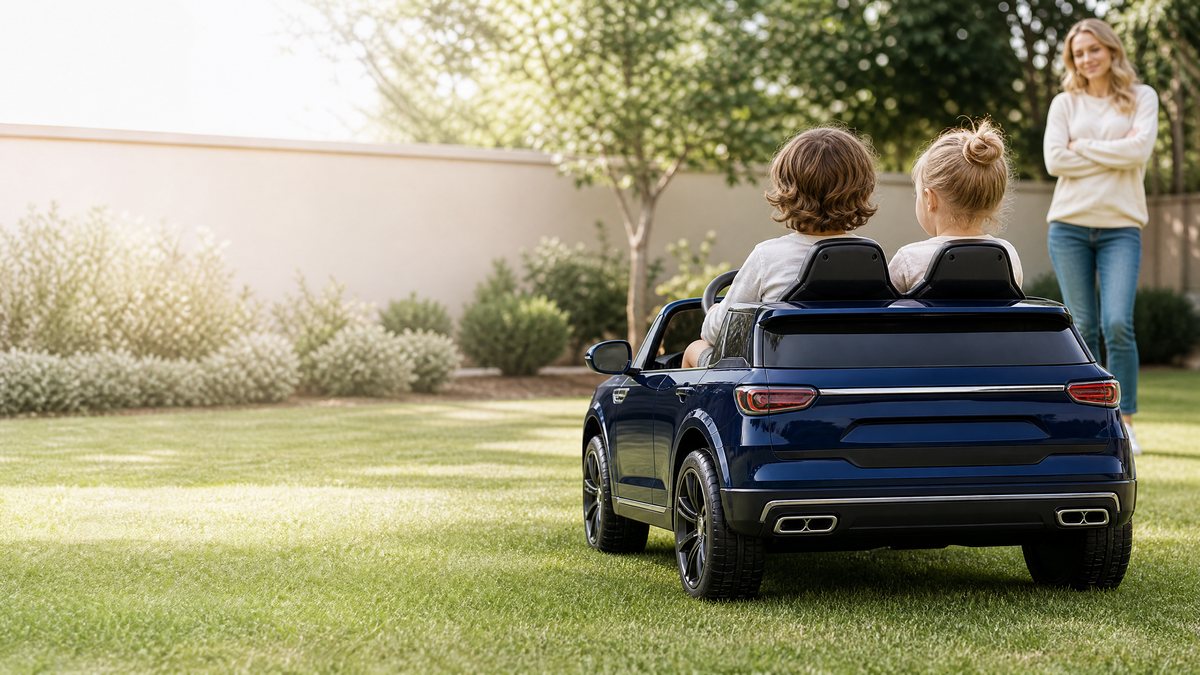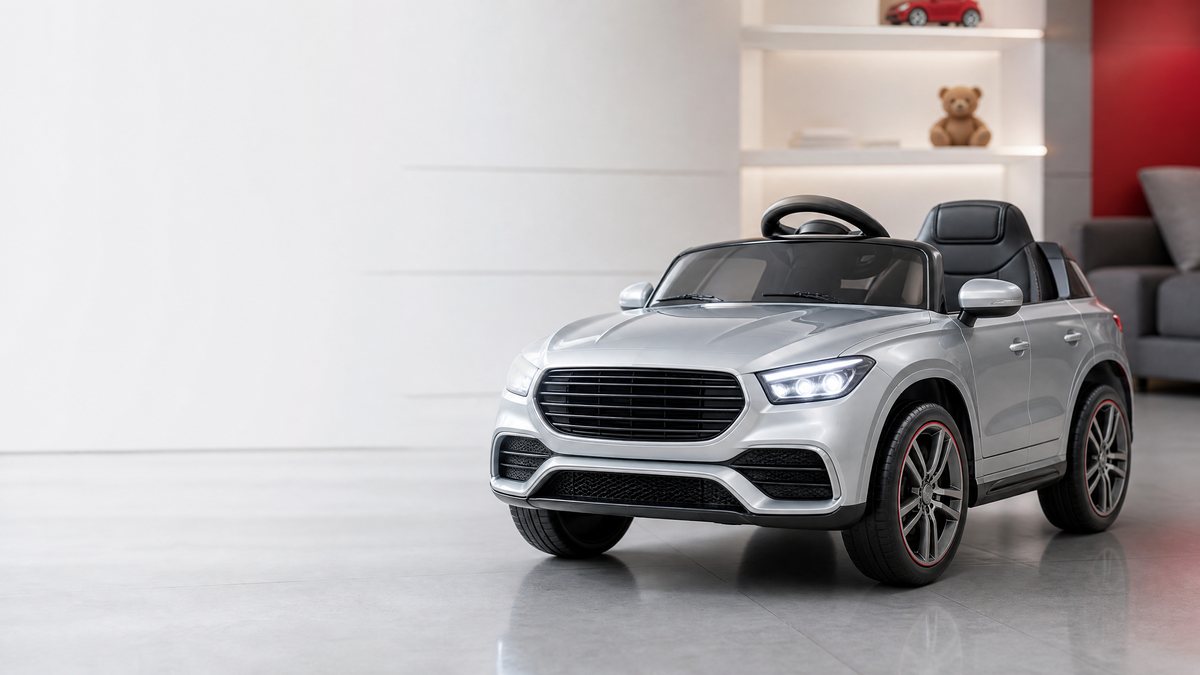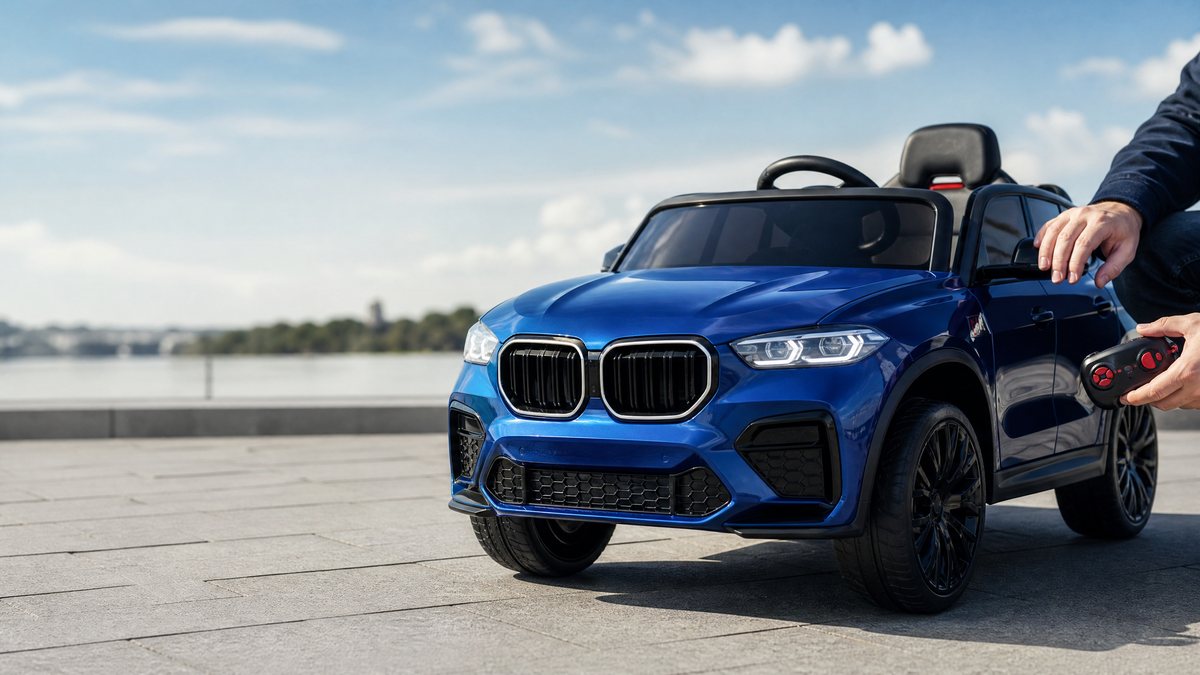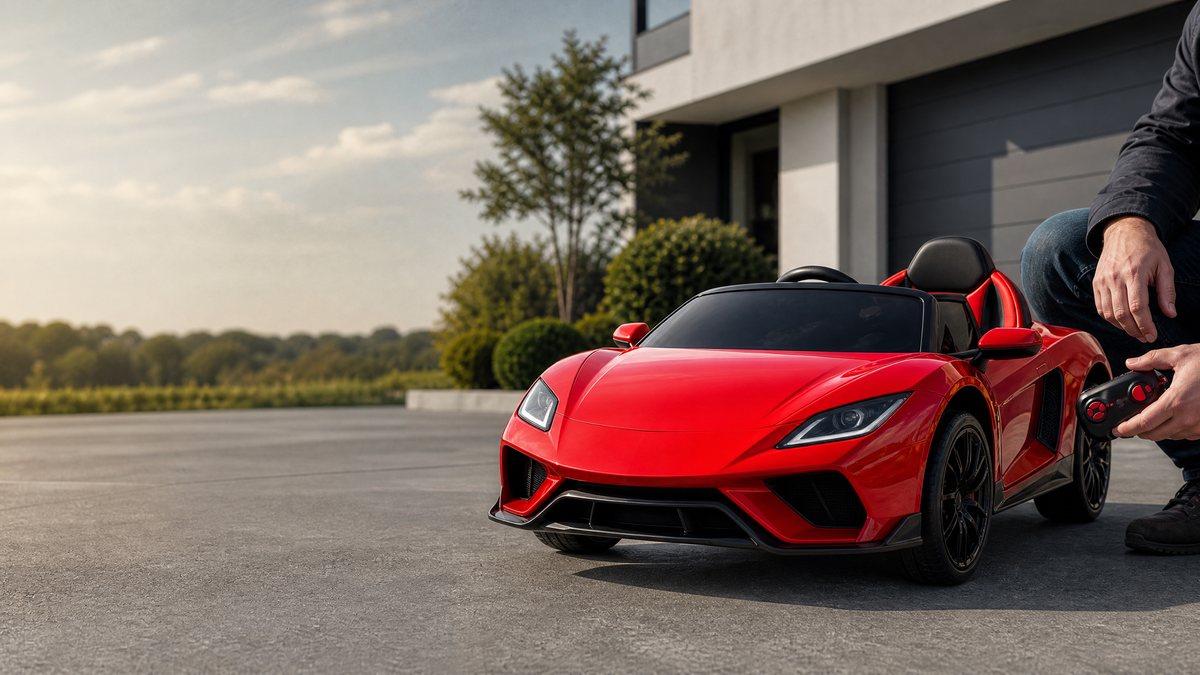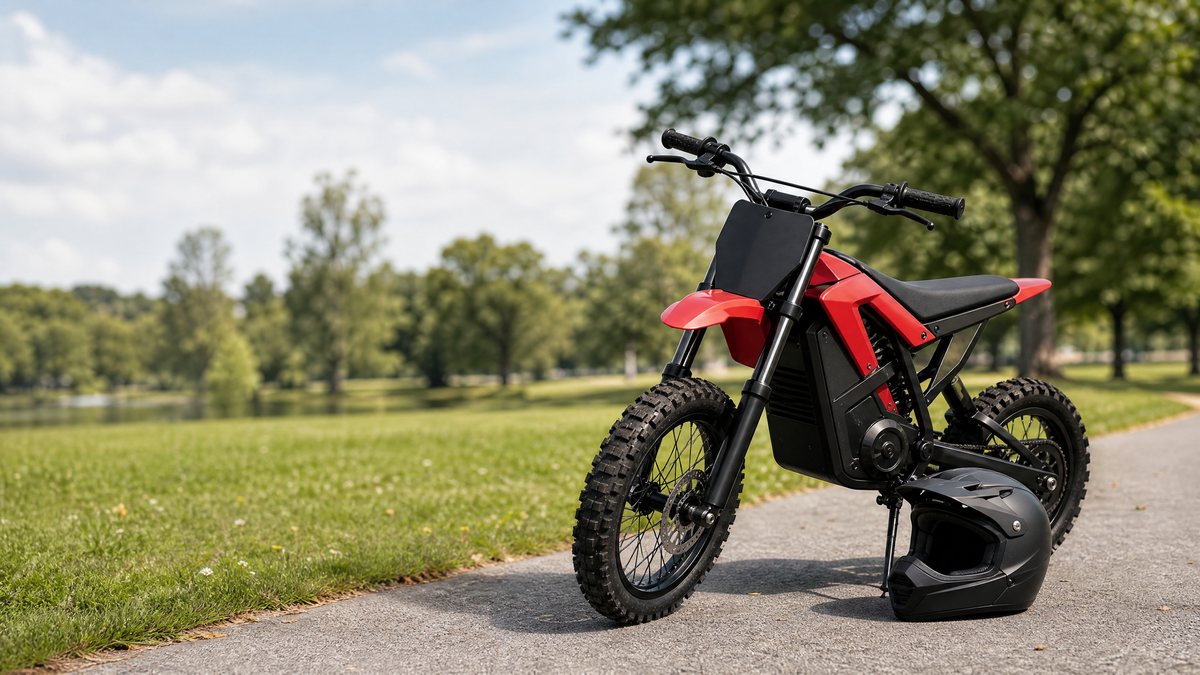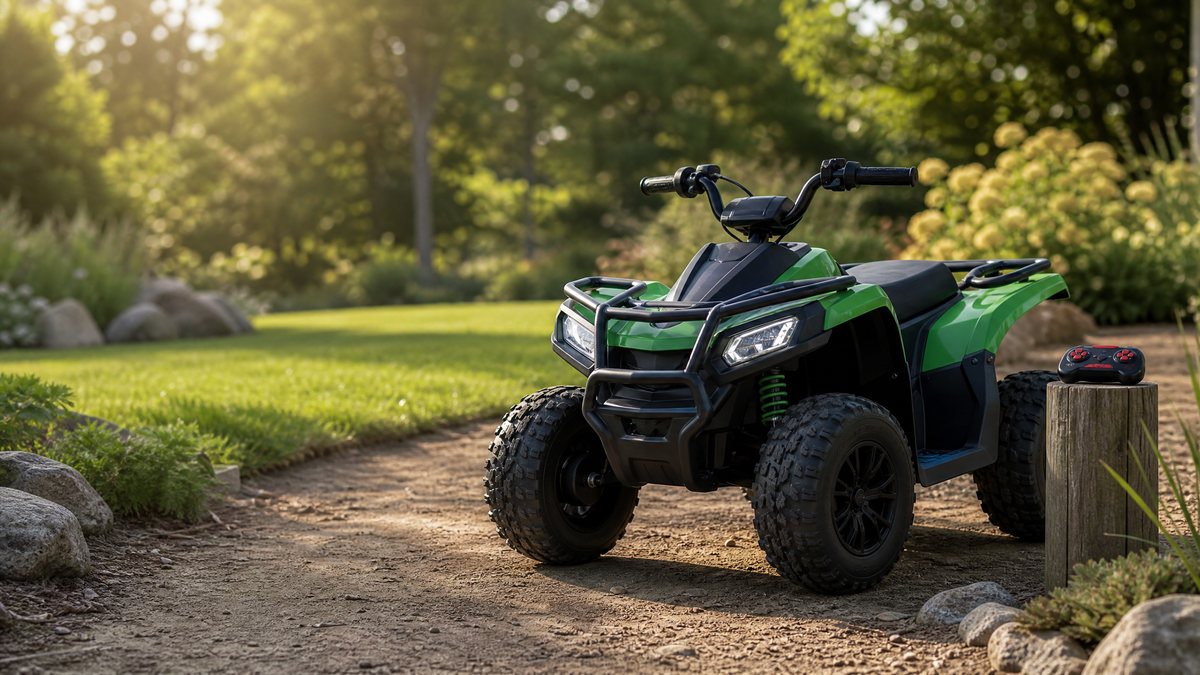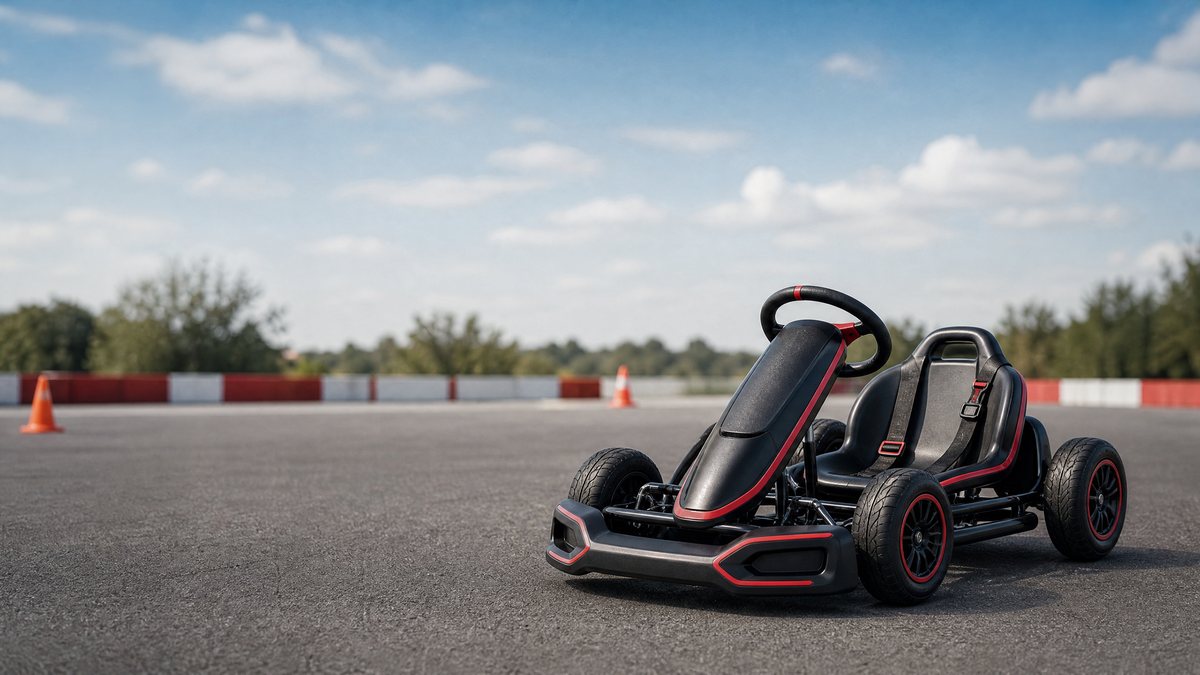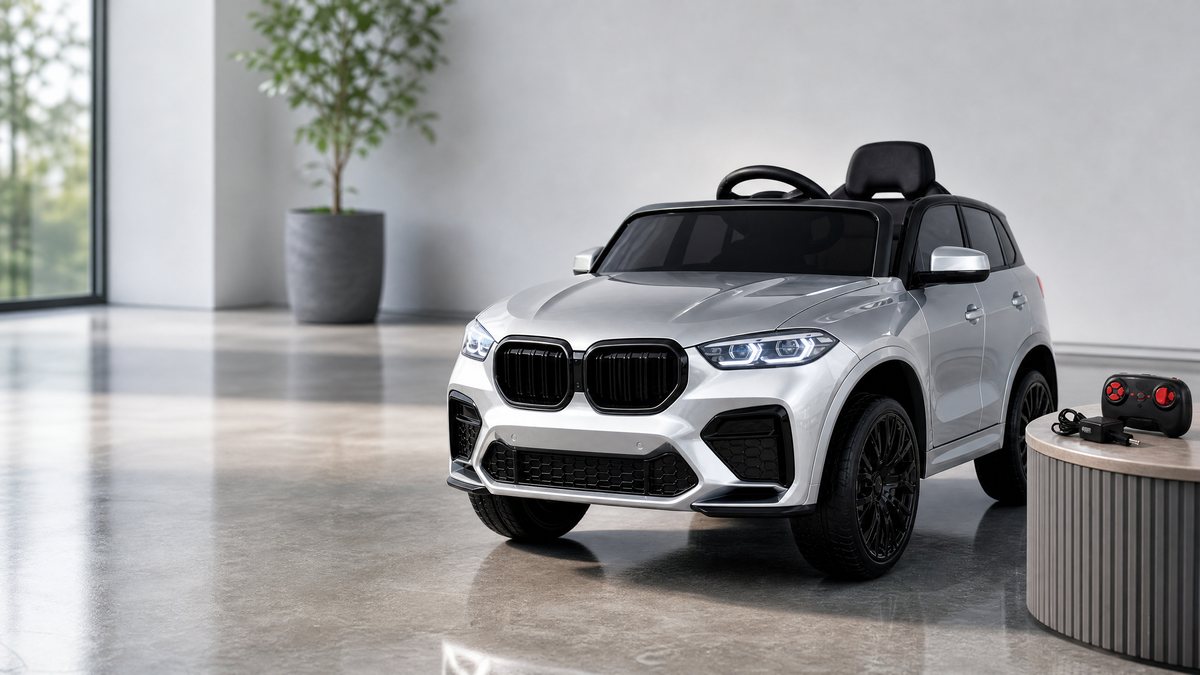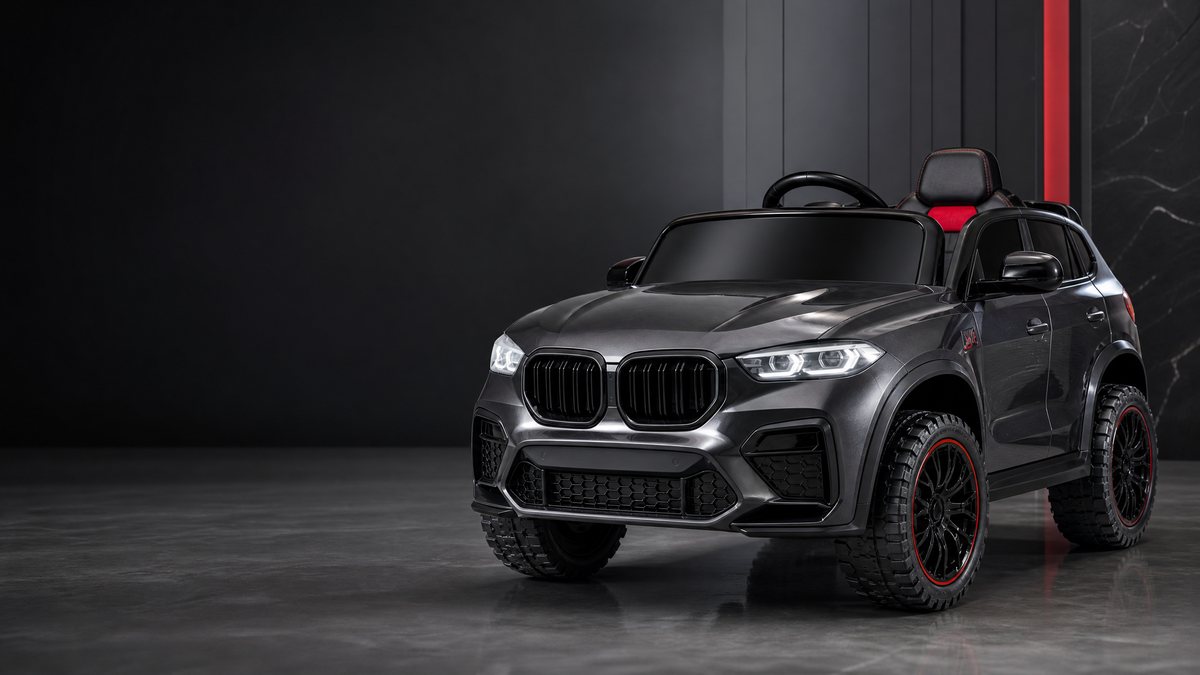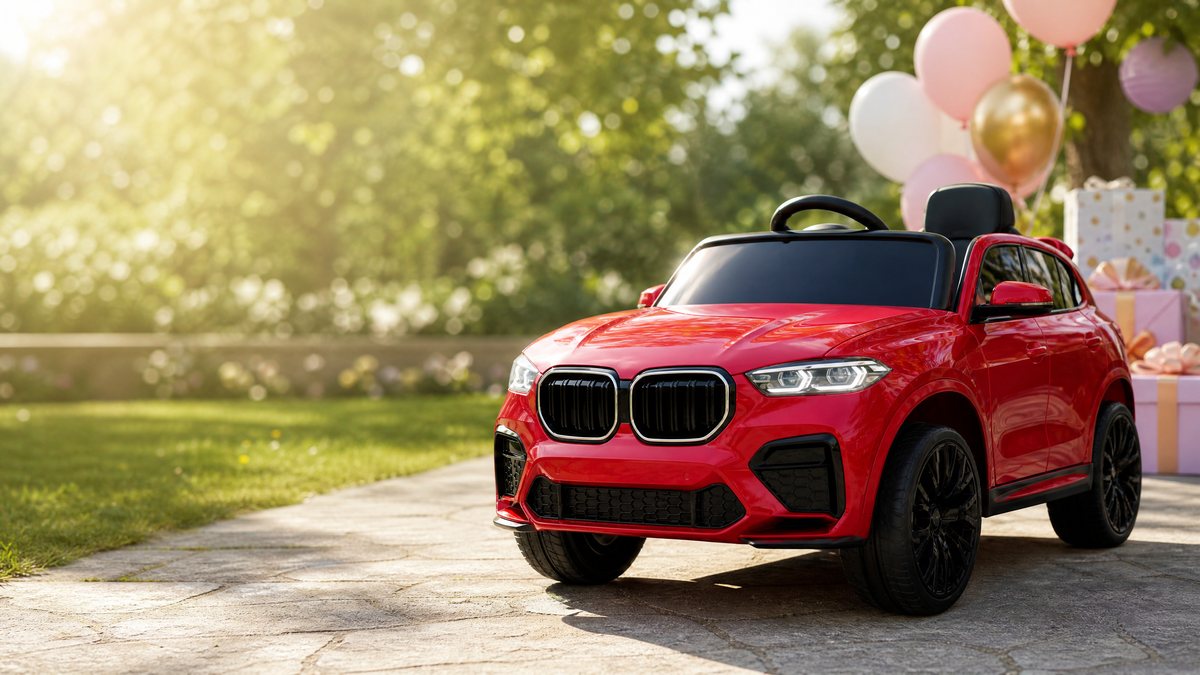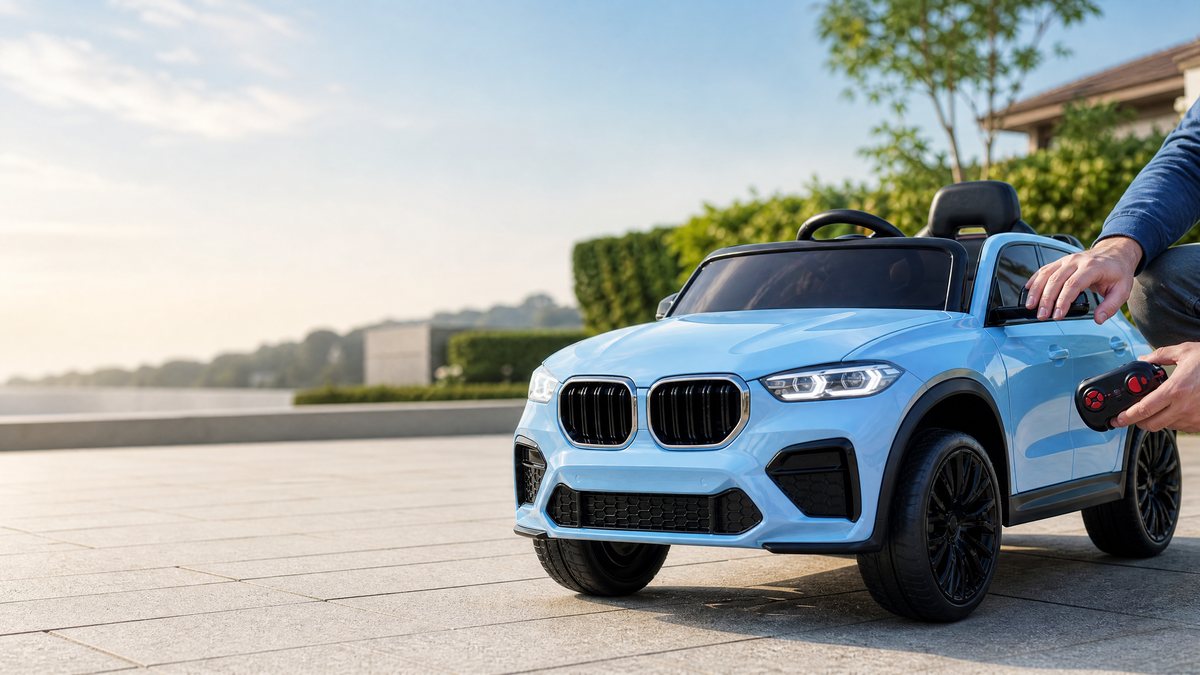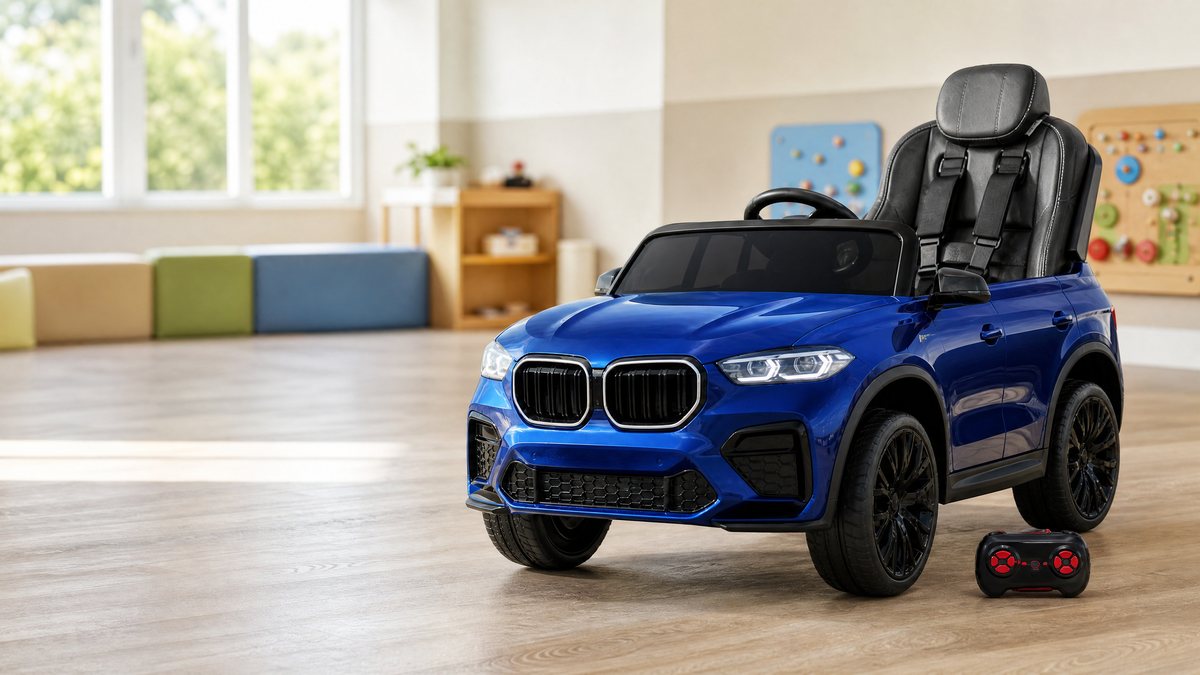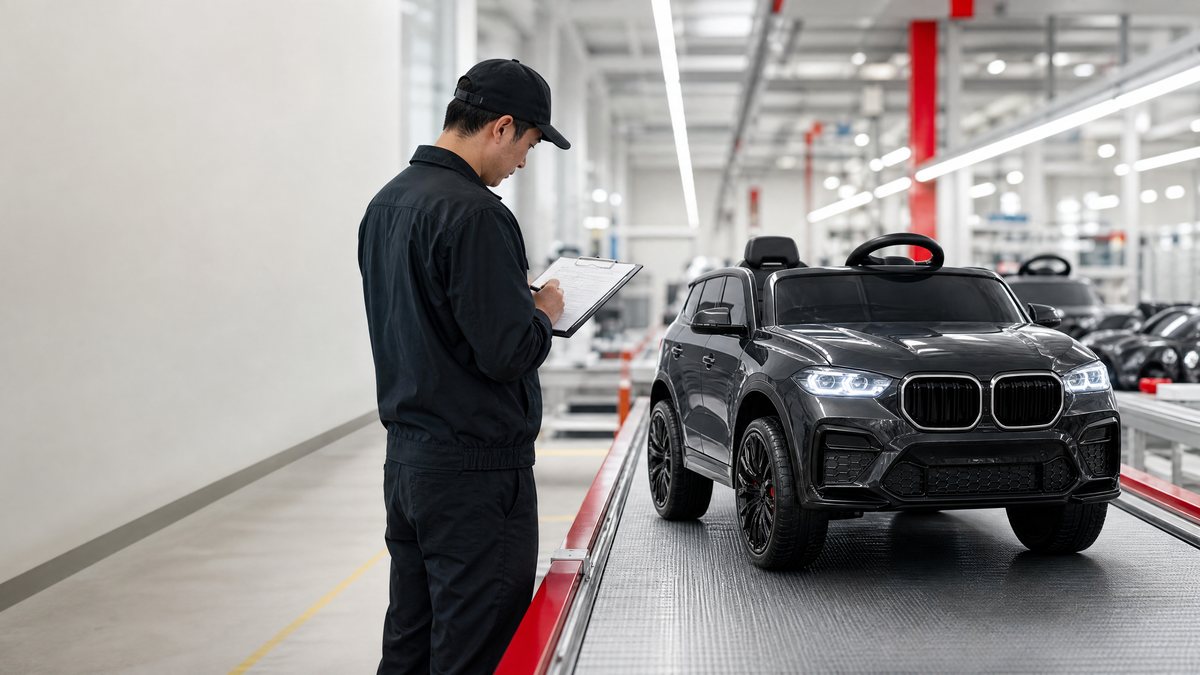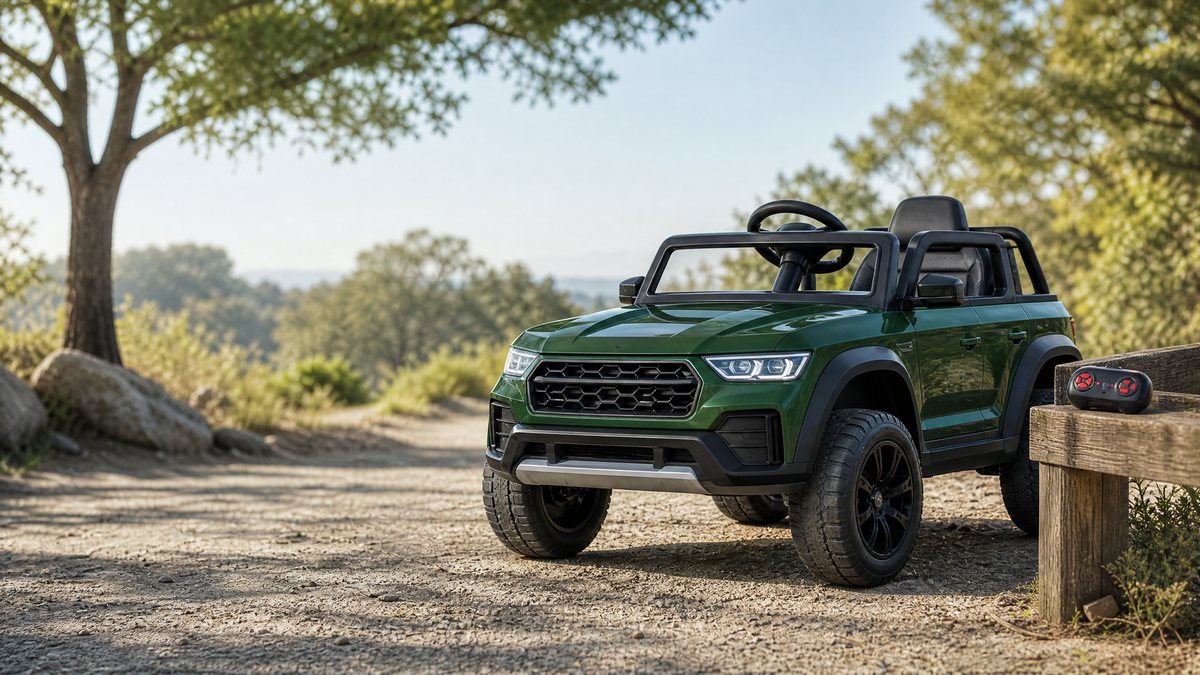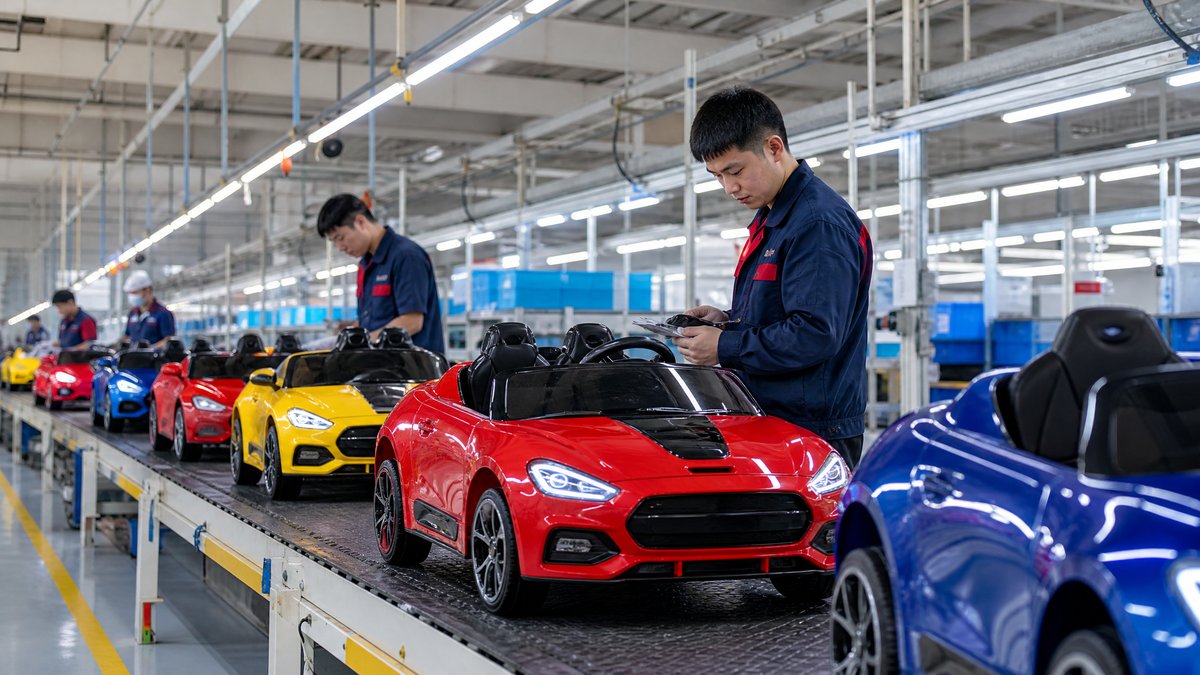
For B2B wholesalers, toy distributors, and large-scale retail buyers, expanding inventory into officially licensed kids' electric ride-on cars is one of the most effective ways to command higher retail margins and attract discerning parents. Modern consumers are increasingly sophisticated, looking for miniature replicas that mirror their own vehicles down to the smallest detail—from functional LED headlights and leather seats to authentic badges and startup sounds.
However, entering the licensed ride-on car market requires navigating a complex web of intellectual property (IP) rights, factory compliance standards, and minimum order quantities (MOQs). Unauthorized replicas ("knock-offs") may seem cheaper upfront, but they expose businesses to severe legal liabilities, customs seizures, and reputational damage.
This comprehensive guide breaks down everything B2B buyers need to know about sourcing officially licensed kids' electric ride-on cars, including how automotive licensing works, what to look for in manufacturing partners, and how to maximize your return on investment (ROI).
Understanding Intellectual Property (IP) and Licensing in the Toy Industry
Before placing an order for branded ride-on vehicles, it is critical to understand how automotive manufacturers protect their brand equity. Major global automakers such as BMW, Mercedes-Benz, Lamborghini, Audi, and Ford do not manufacture ride-on toys themselves. Instead, they license their design blueprints, brand names, and registered trademarks to specialized toy manufacturers who meet strict quality and safety criteria.
The Licensing Hierarchy
1. The Licensor (Automotive Brand): Owns the trademark, logo, and design patents. They dictate brand guidelines, color accuracy, and approve final product samples.
2. The Licensee (Factory/Manufacturer): Holds a legal contract with the automotive brand granting them the right to produce scaled-down ride-on replicas. These factories pay hefty royalties (often 5% to 15% of wholesale value) to the automaker.
3. The Importer/Wholesaler (Your Business): Purchases the officially licensed goods from the authorized manufacturer for distribution within specific geographic territories.
Why Sourcing Licensed Products Protects Your Business
* Customs Clearance Security: Unlicensed toys bearing counterfeit BMW or Lamborghini logos are routinely seized by customs authorities worldwide (such as US CBP or EU border control). Licensed products include official licensing verification stickers and documentation that ensure smooth port clearance.
* Higher Perceived Value: Parents are willing to pay a 25% to 40% premium for an officially licensed Mercedes-Benz G-Wagon or BMW GT ride-on compared to generic battery-powered cars.
* Brand Trust and Safety Standards: Automakers hold their licensed factories to rigorous manufacturing and safety audits, indirectly ensuring higher build quality.
Key Automotive Brands in the Ride-On Market
Different luxury and supercar brands have distinct appeal in the global toy market. Understanding consumer demand helps you optimize your product mix.
| Brand Category | Representative Brands | Market Appeal & Key Features | Typical Price Tier |
|---|---|---|---|
| Luxury & Executive | Mercedes-Benz, BMW, Audi | High demand in Europe and North America; classic styling, parent remote control, leather seats, rubber EVA wheels. | Mid-High |
| Supercar & Exotic | Lamborghini, Ferrari, McLaren | High impulse-buy appeal; scissor doors, aggressive LED lighting, dual motors, sport tuning aesthetics. | High |
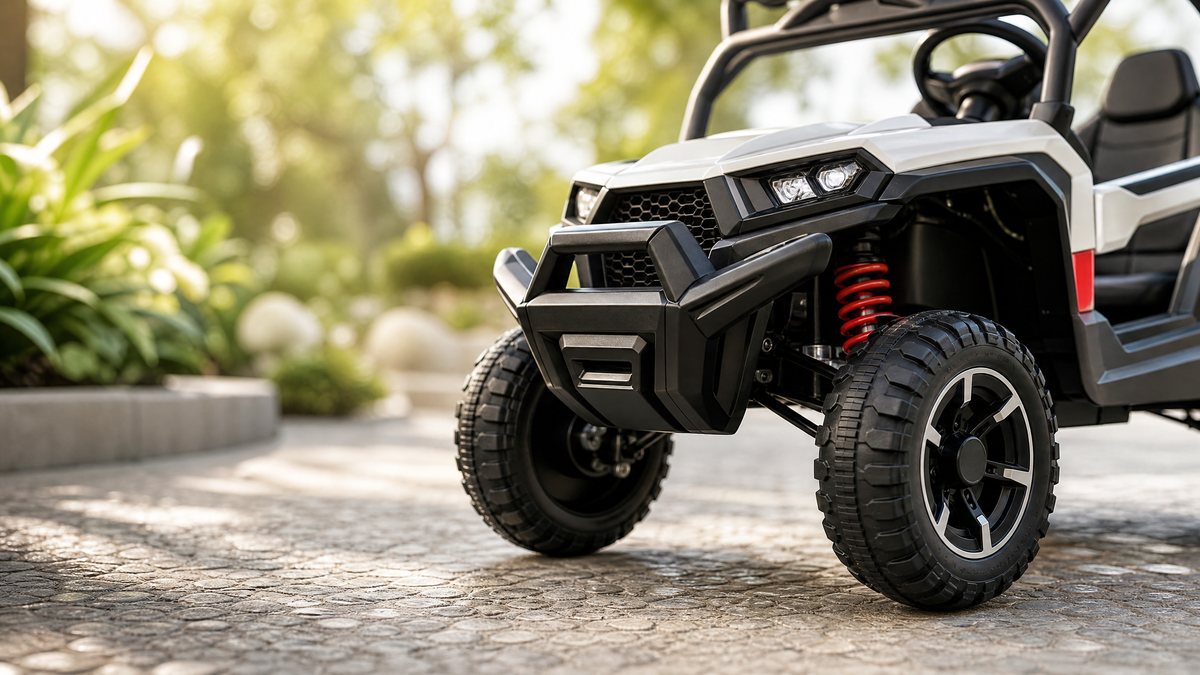
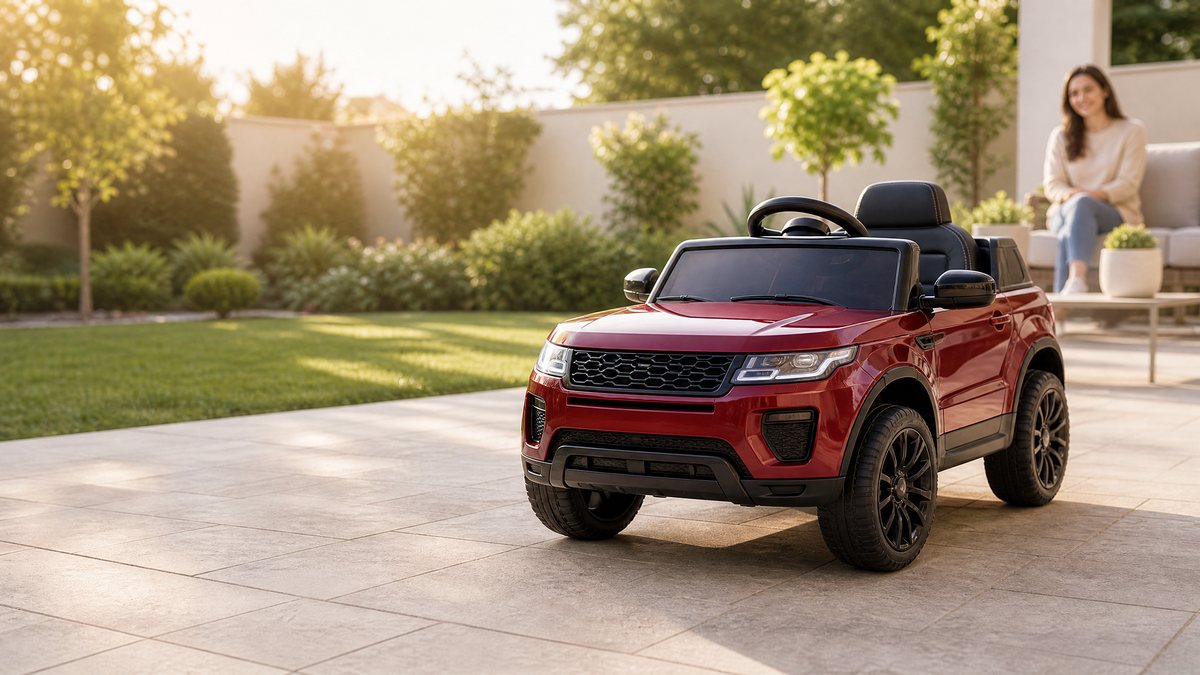
| Off-Road & Utility | Ford, Jeep, Land Rover | Rugged styling, larger chassis, 24V options, high torque for outdoor terrain, excellent for family gifts. | Mid-High |
| Generic / Unlicensed | Custom designs, no brand | Budget-conscious buyers; lower margins, higher price competition, legal risks regarding shape patents. | Low-Budget |
Evaluating Manufacturers: What B2B Buyers Must Verify
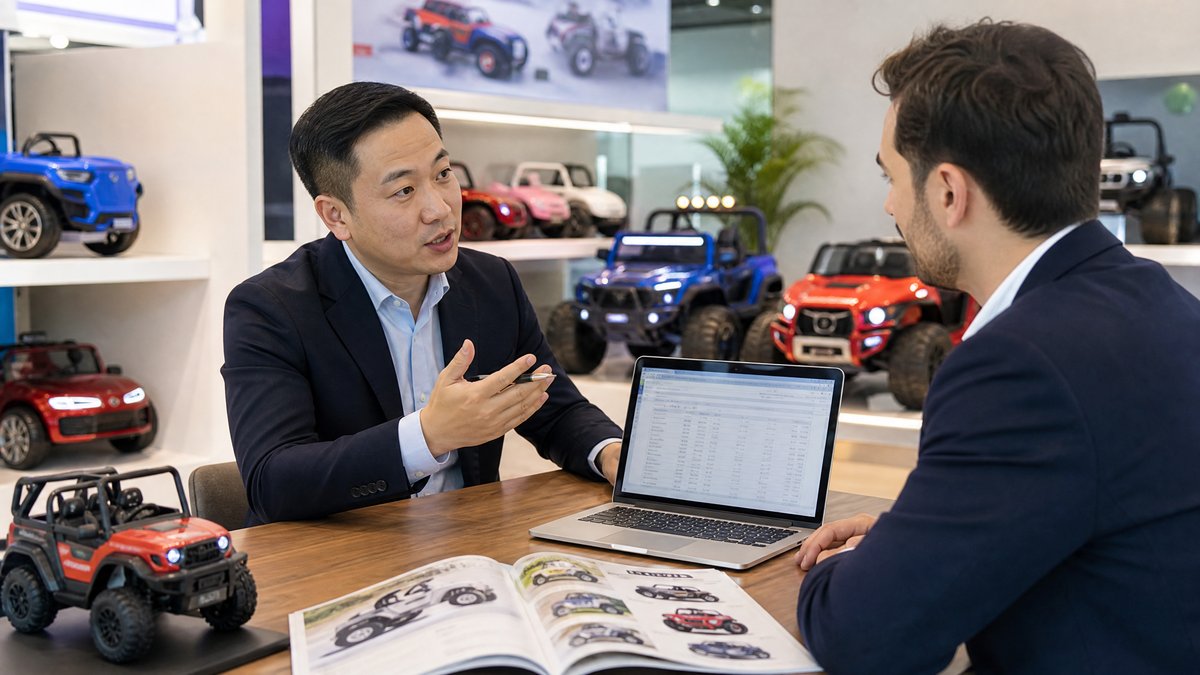
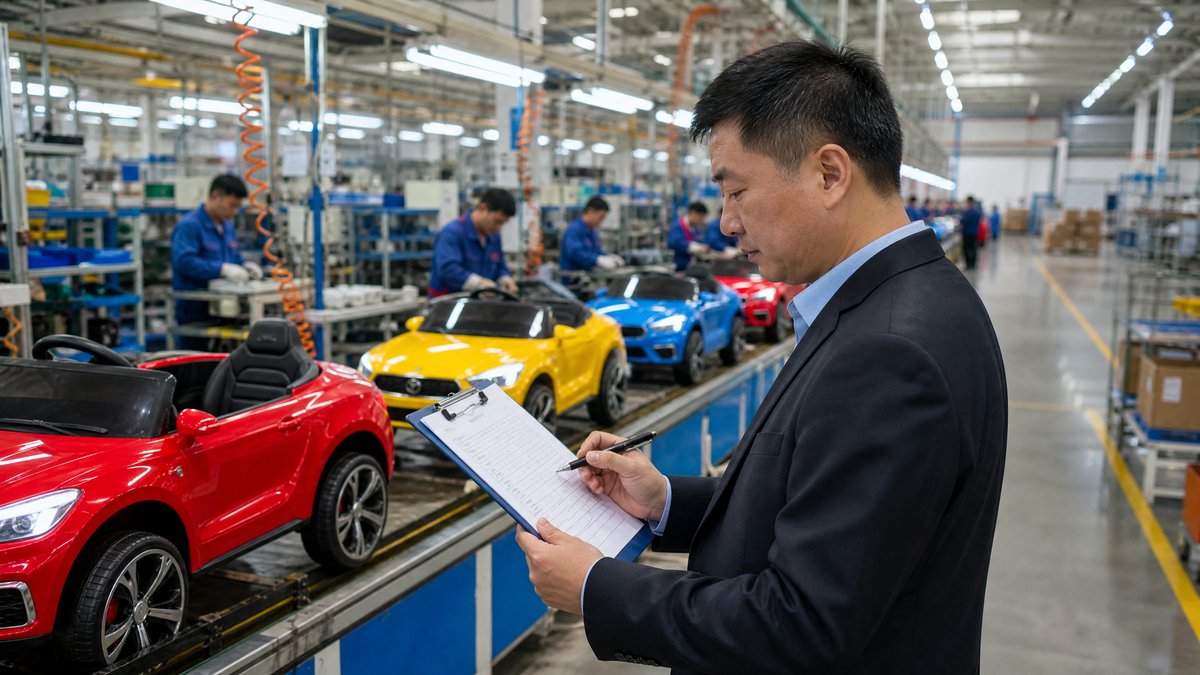
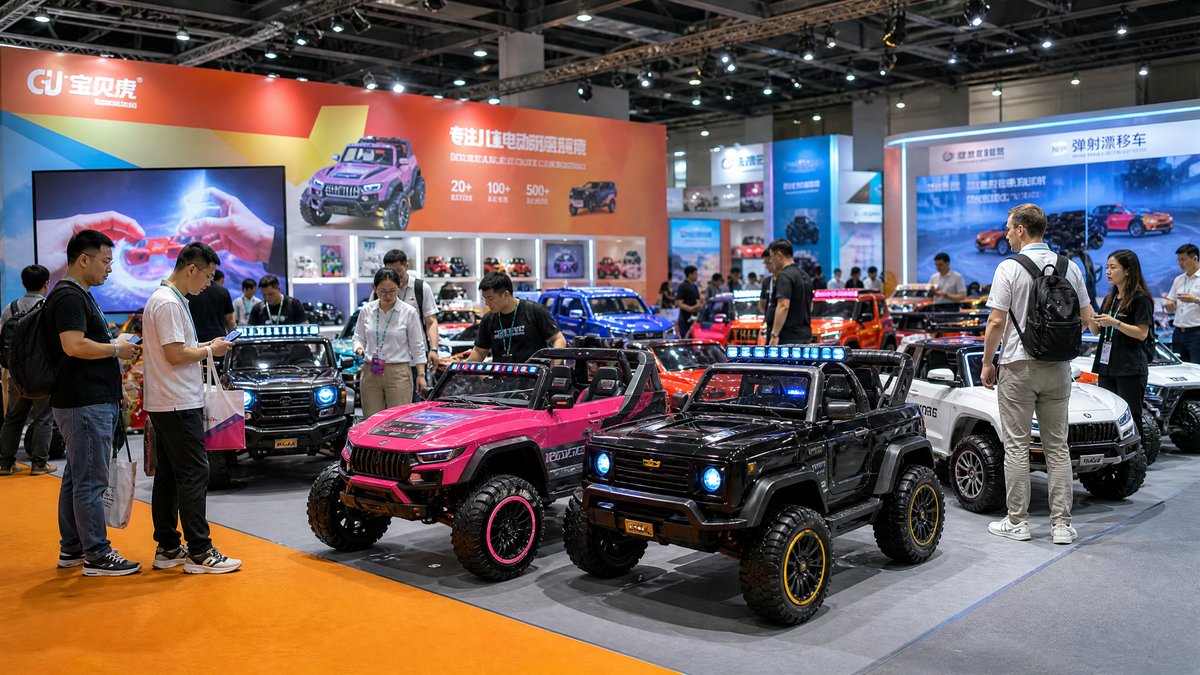
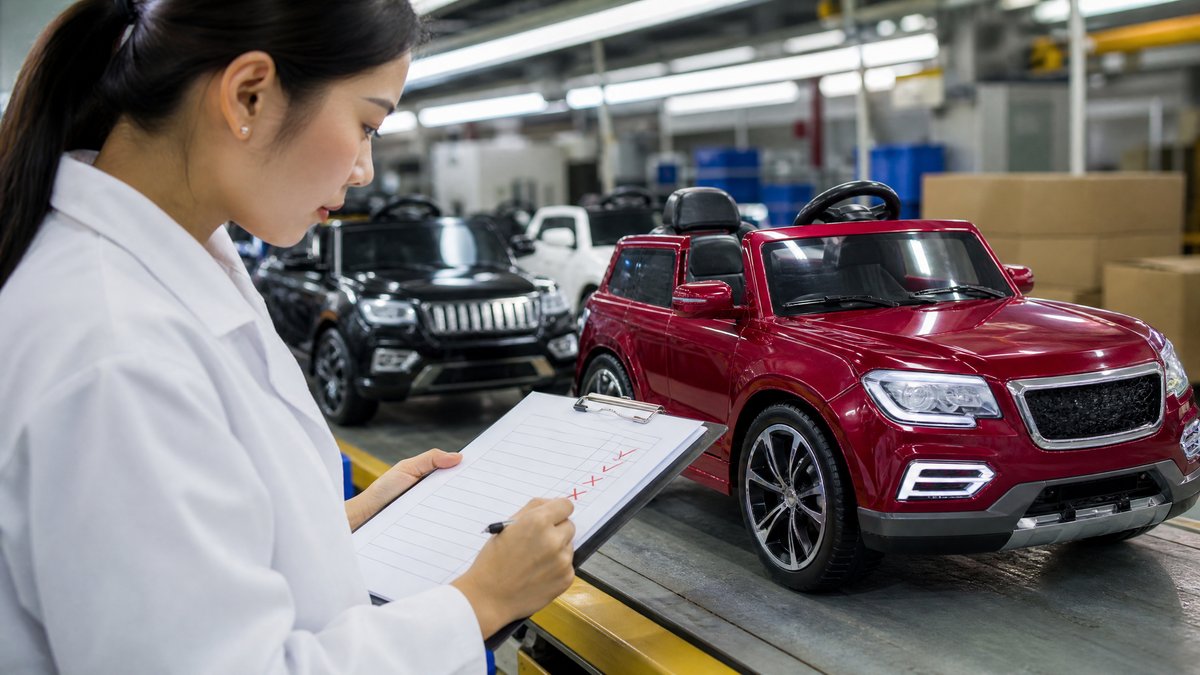
Not every factory claiming to sell "licensed" ride-on cars possesses legitimate authorization. When vetting manufacturing partners on platforms like Alibaba or during trade fairs like the Canton Fair, demand the following credentials:
1. Official Authorization Letter (LOA)
Always request a copy of the Letter of Authorization (LOA) issued by the automotive brand to the factory. Verify that the factory's corporate name matches the legal entity on the export license and that the agreement covers your target distribution region (e.g., North America or the EU).
2. Compliance and Safety Certifications
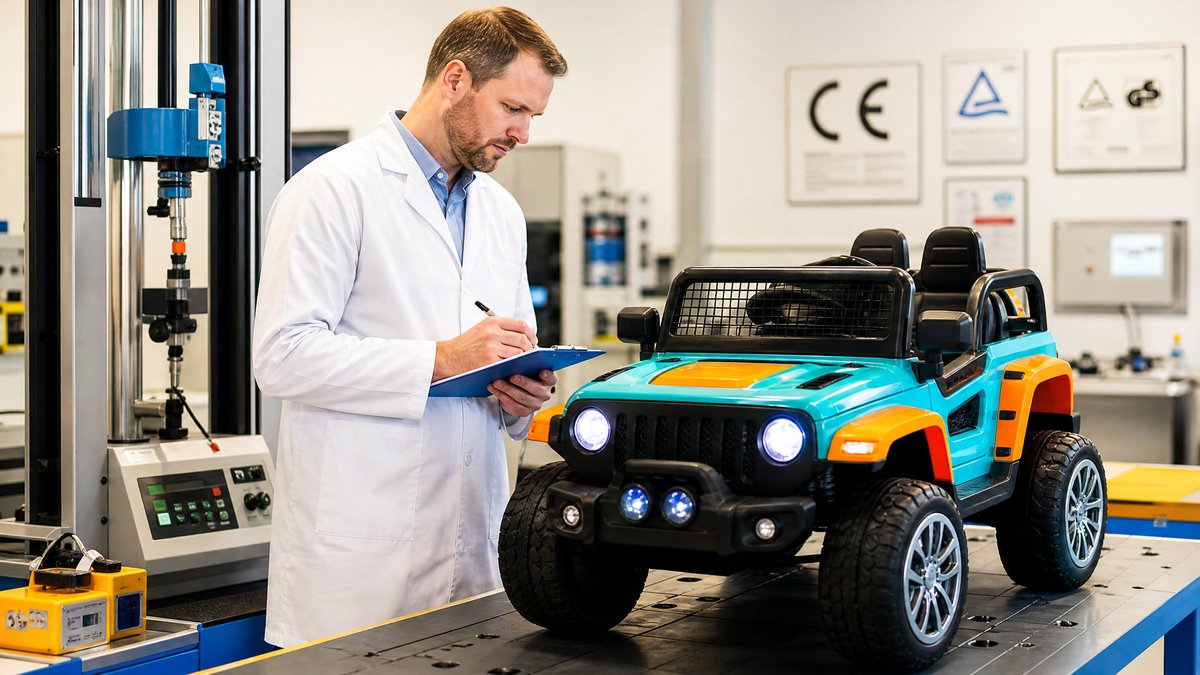
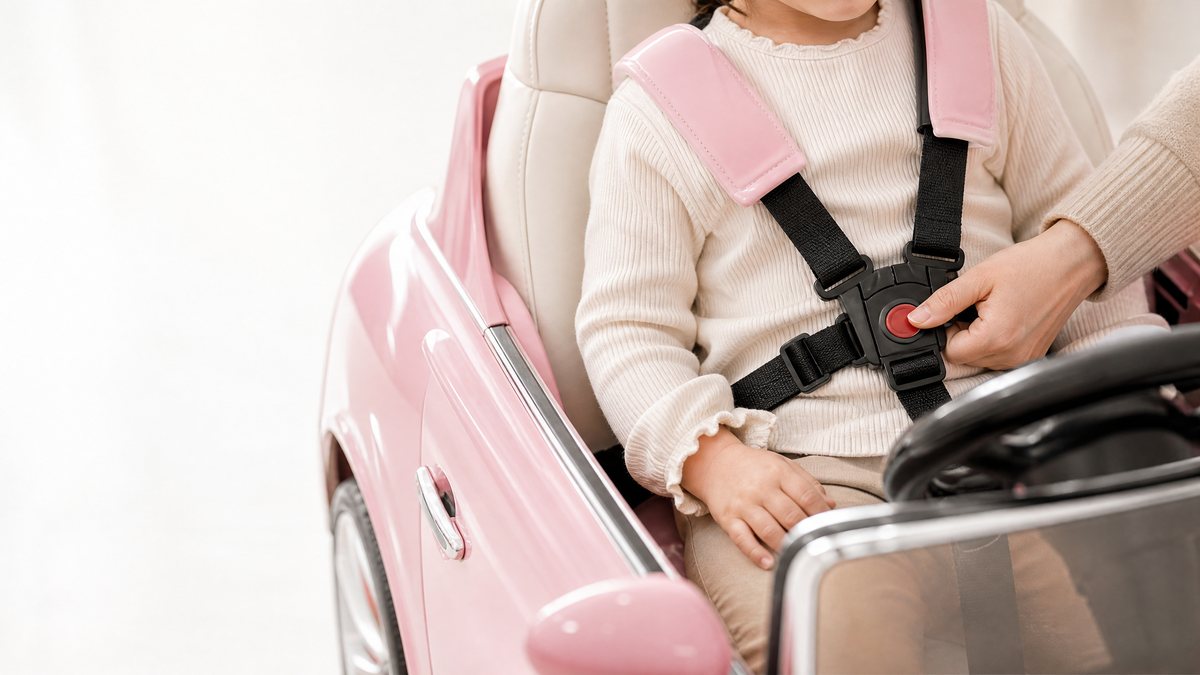
Licensed ride-on cars are electrical toys subject to strict regional safety regulations. Ensure your supplier provides valid third-party test reports from accredited labs (SGS, TÜV, Intertek):
* North America: ASTM F963 and CPSIA compliance for electrical safety, lead, and phthalates.
* Europe: CE, EN71-1/2/3, EN62115 (electric toy safety), and RoHS directives.
3. OEM and Customization Flexibility
While licensed designs must adhere to strict brand guidelines regarding exterior logos and body molds, reputable factories allow customization in other areas:
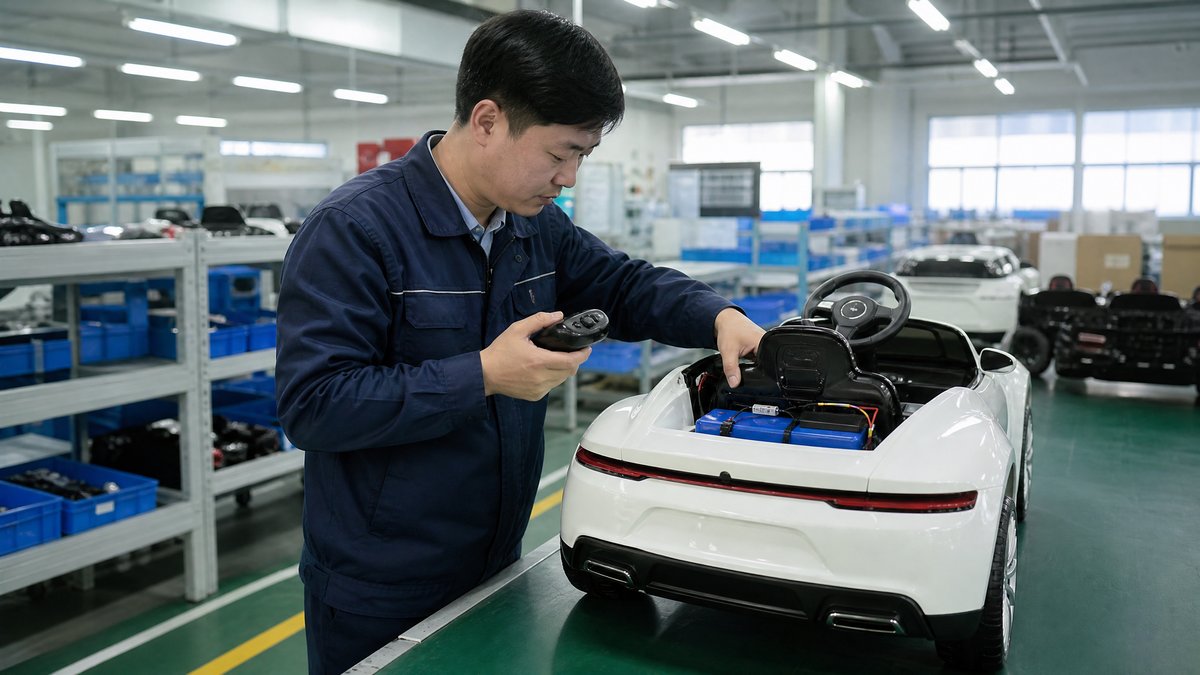
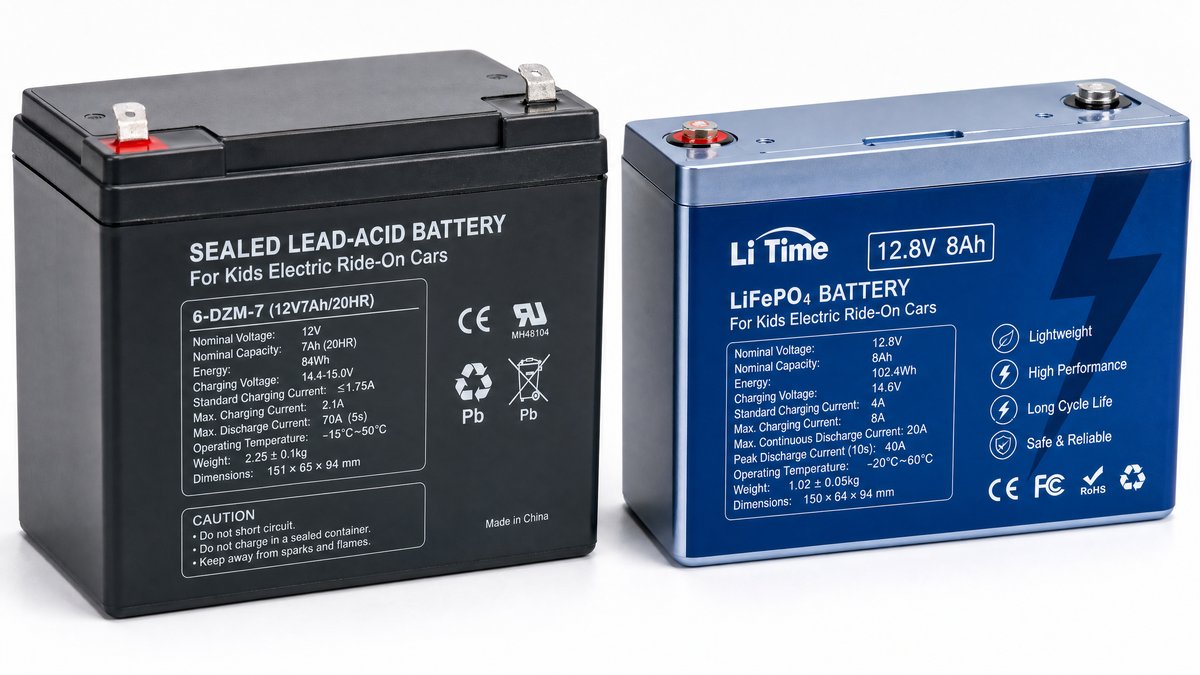
* Battery Configurations: Upgrading from standard 12V 7AH systems to high-performance 24V dual-drive or four-wheel-drive setups.
* Packaging & Manuals: Customized color boxes, multilingual instruction manuals, and branded user interfaces.
* Electronic Features: Upgraded Bluetooth 4.0 parent remotes, custom MP3/USB sound modules, and integrated educational programs.
Sourcing Challenges and How to Overcome Them
Sourcing licensed goods comes with specific commercial hurdles that wholesale buyers must manage proactively.
Higher MOQs (Minimum Order Quantities)
Because tooling and mold setup for authentic car body shells require heavy upfront investment, licensed factories usually enforce higher MOQs—often 100 to 200 units per color or model.
* Solution: Partner with manufacturers who offer mixed-container loading (e.g., combining different Mercedes and BMW models into a single 40HQ container) to meet MOQs without overstocking a single SKU.
Strict Pricing Controls
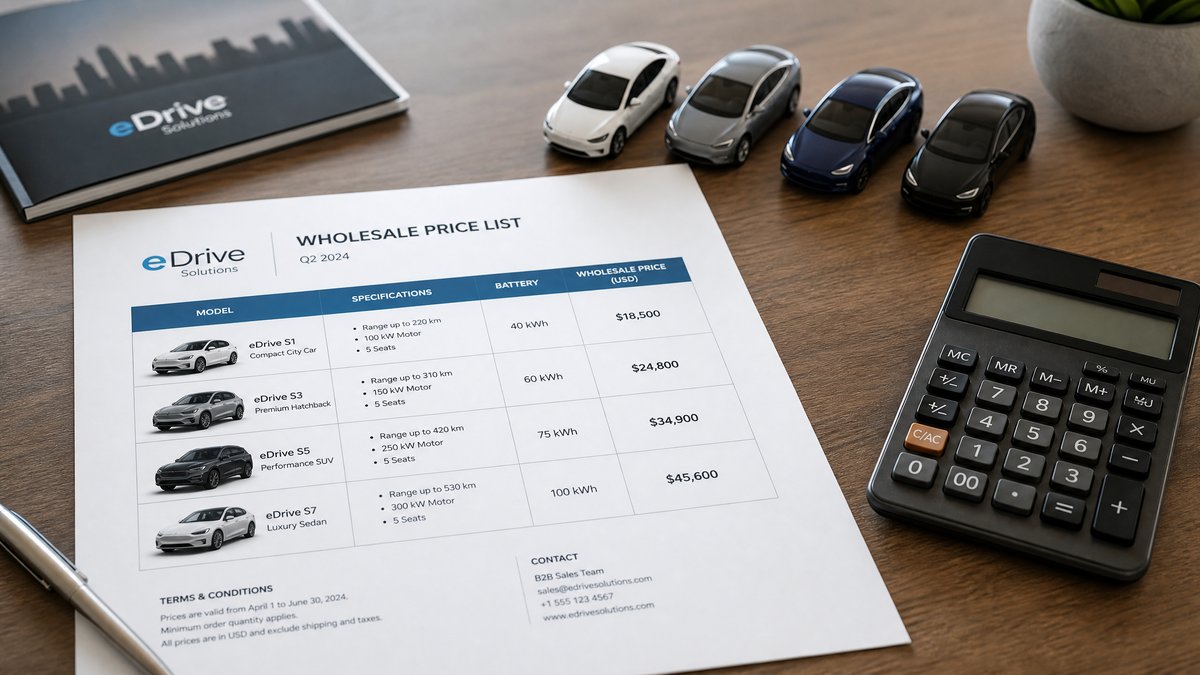
Automotive licensors often monitor minimum advertised pricing (MAP) to protect brand value, preventing price wars that erode distributor margins.
* Solution: Compete on value-added services—such as localized warranty support, spare parts availability, and drop-shipping capabilities for retail partners—rather than racing to the bottom on price.
Frequently Asked Questions (FAQ)
1. How can I verify if a kids' ride-on car supplier has a genuine license?
You should request the official Letter of Authorization (LOA) directly from the factory, which specifies the authorized brand, model numbers, and valid time frame. You can also cross-check the supplier's name against the official licensee roster on the automotive brand's corporate licensing portal or contact their regional licensing agent.
2. What are the legal consequences of importing unlicensed replica ride-on cars?
Importing counterfeit or unlicensed toys bearing trademarked logos (like the BMW roundel or Mercedes star) can result in immediate customs seizure and destruction of goods at the port of entry. Furthermore, trademark holders may pursue legal action, leading to heavy financial penalties and permanent bans on commercial importation.
3. Do licensed ride-on cars cost significantly more than generic models?
Yes, licensed models generally carry a 15% to 30% manufacturing cost premium compared to generic designs. This is due to licensing royalty fees, stricter quality control, and precise tooling requirements. However, this premium is easily offset by higher retail margins and stronger consumer demand.
4. Can we customize the color and features of a licensed ride-on car?
Exterior body molds and brand logos cannot be altered without violating the licensor's brand guidelines. However, factories typically allow customization of internal specifications, including battery capacity (12V vs. 24V), wheel materials (plastic vs. EVA rubber), seat finishes (PU leather vs. hard plastic), and custom packaging.
Secure Your Licensed Ride-On Inventory Today
Sourcing officially licensed kids' electric ride-on cars is a proven strategy for wholesale distributors and B2B retailers looking to elevate their product catalog, ensure regulatory compliance, and capture higher profit margins. By partnering with certified manufacturers and verifying official brand authorizations, you protect your business while delivering premium products that excite young drivers and their parents.
To discuss our current catalog of officially licensed BMW, Mercedes-Benz, and Lamborghini models, request factory audit reports, or inquire about custom container orders, contact our international sales team today at mailto:info@kidsridecar.com. Let us help you drive growth in your toy distribution business.
Official references
Explore these external resources for current regulatory and trade guidance. Confirm requirements with the relevant authority before placing an order.
Ready to Start?
Factory-Direct · CE & ASTM Certified · MOQ from 50 Units
Our export team works with buyers in 60+ countries. Get a quote within 24 hours.
KR
Written by KidsRideCar
China's leading kids electric ride-on car manufacturer. 500,000+ units shipped annually to 60+ countries. CE, ASTM & EN71 certified.