Introduction
For retail buyers, toy store owners, and B2B distributors sourcing children's ride-on cars, battery performance is one of the most critical product specifications. End consumers—parents and gift-buyers—frequently rate playtime duration as a primary purchasing factor. When a child's electric ride-on toy dies after only twenty minutes of outdoor play, it often leads to customer dissatisfaction, negative reviews, and costly warranty returns for retailers.
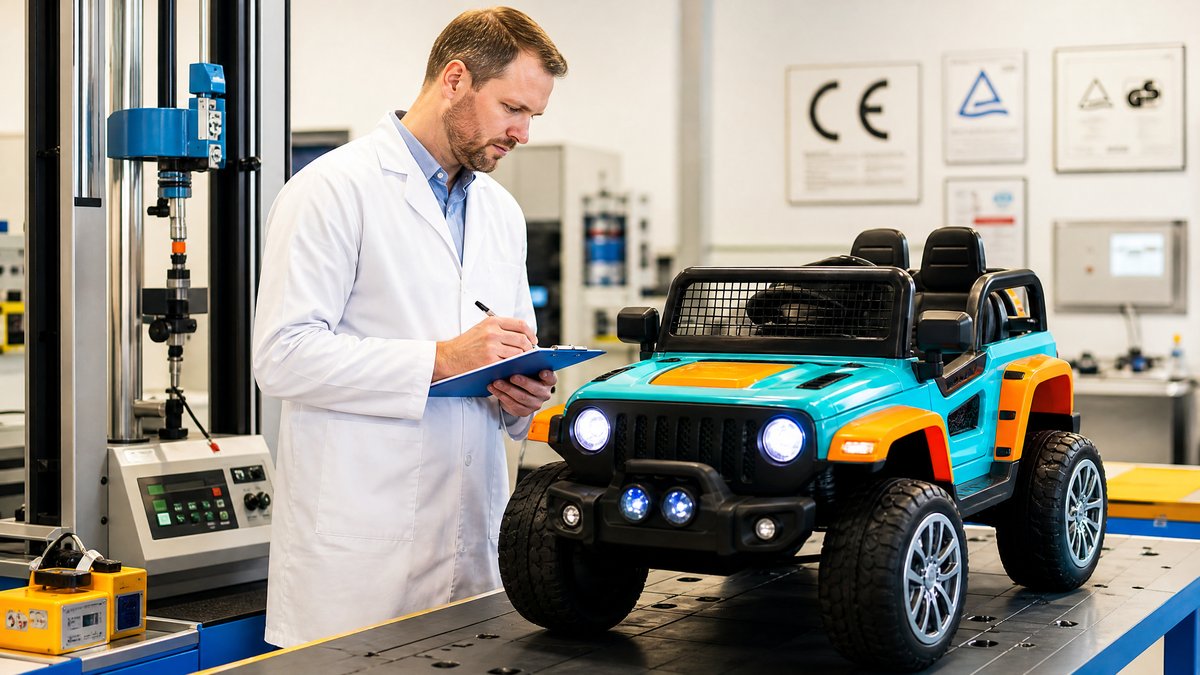
To provide our B2B partners with empirical data, our product testing laboratory conducted a comprehensive battery life test across various ride-on car models, focusing on standard 12V systems and heavy-duty 24V configurations. This article examines our testing methodology, actual run times under simulated real-world conditions, battery chemistries, and actionable insights for wholesale buyers looking to stock reliable inventory.
Understanding Ride-On Car Power Systems
Before examining our test results, it is essential to understand the underlying power systems that drive modern children's electric vehicles. The market is broadly divided into two main categories: 12-volt (12V) systems and 24-volt (24V) systems, typically powered by Sealed Lead-Acid (SLA) or increasingly popular Lithium-ion batteries.
12V Systems: The Industry Standard
The 12V configuration remains the backbone of the ride-on car industry. Designed for children aged 3 to 6 years, these vehicles usually feature dual 35W or 45W motors. They balance adequate torque, manageable speed (3 to 5 km/h), and cost-effectiveness, making them ideal for mass-market retail and high-volume wholesale.
24V Systems: High-Performance and Dual-Seater Models
Engineered for older children, heavier loads, or rugged terrain (such as UTVs and larger licensed trucks), 24V systems utilize larger gearboxes and higher-capacity battery packs. These vehicles provide superior torque and sustained speeds of 6 to 8 km/h, appealing to premium retail segments where parents are willing to invest in higher-end products.
| Power System | Typical Battery Spec | Nominal Voltage | Target Age / Load | Average Motor Setup |
|---|---|---|---|---|
| 12V Standard | 12V 7Ah / 10Ah SLA | 12 Volts | 3–6 years / Up to 30 kg | Dual 35W–45W Motors |
| 12V Upgraded | 12V 14Ah SLA / Li-ion | 12 Volts | 3–7 years / Up to 35 kg | Dual 55W Motors |
| 24V Heavy-Duty | 24V 7Ah / 10Ah SLA | 24 Volts | 6–10 years / Up to 50 kg | Quad 45W or Dual 200W Motors |
| 24V Premium | 24V 14Ah+ Li-ion Pack | 24 Volts | 6–12 years / Up to 60 kg | Dual Brushless / High-Torque |
Laboratory Battery Life Testing Methodology
To replicate real-world usage accurately, our testing protocol moved beyond static bench testing. Static tests—where a battery is discharged via a constant resistor—fail to account for motor startup surges, varying terrain friction, stop-and-go driving habits, and the weight of a young driver.
Testing Parameters
1. Load Weight: A standardized test weight of 30 kg (representing an average 6-year-old child) was placed in each vehicle.
2. Test Track: A mixed outdoor circuit featuring 60% smooth asphalt, 30% packed gravel, and 10% short grass to simulate typical backyard and park environments.
3. Driving Cycle: Continuous driving involving forward movement, simulated obstacle turns, acceleration from standstill every 60 seconds, and intermittent use of headlights and sound modules.
4. Cut-off Voltage: Testing concluded when the vehicle's speed dropped by more than 30% or the low-voltage protection circuit engaged, preventing further operation.
Test Results: How Long Do They Really Last?
Our tests revealed significant performance variances depending on battery capacity, voltage, and terrain complexity. Below is a summary of our benchmark findings across standard retail configurations.
| Model Category | Battery Specification | Continuous Playtime (Mixed Terrain) | Continuous Playtime (Flat Asphalt) | Full Recharge Time |
|---|---|---|---|---|
| Standard 12V SUV | 12V 7Ah SLA | 45 – 60 Minutes | 70 – 90 Minutes | 8 – 10 Hours |
| Deluxe 12V Truck | 12V 10Ah SLA | 75 – 90 Minutes | 110 – 130 Minutes | 8 – 12 Hours |
| Standard 24V UTV | 24V 7Ah SLA | 50 – 70 Minutes | 80 – 100 Minutes | 8 – 10 Hours |
| Premium 24V Drift/SUV | 24V 10Ah Li-ion | 90 – 120 Minutes | 140 – 180 Minutes | 4 – 6 Hours |
Key Observations from the Test Bench
* The Impact of Terrain: Grass and gravel increase rolling resistance dramatically. Vehicles operated exclusively on grass experienced a 35% reduction in total runtime compared to smooth asphalt testing.
* Accessory Drain: Operating LED light bars, built-in Bluetooth music players, and high-volume horn systems simultaneously shaved approximately 8 to 12 minutes off total 12V runtimes.
* Startup Surge Current: Electric motors draw peak current during initial acceleration. Frequent stop-and-go driving drained Lead-Acid batteries faster than steady-state cruising due to internal resistance heating.
B2B Sourcing Implications for Wholesalers and Retailers
For B2B buyers evaluating factory specifications, understanding battery life translates directly into lower return rates and higher customer satisfaction. Wholesalers should consider the following strategic guidelines when building their product catalogs:
1. Upgrade from 7Ah to 10Ah Configurations
While 12V 7Ah batteries represent the lowest entry cost for budget models, upgrading factory orders to 12V 10Ah or higher significantly enhances consumer perception. The marginal increase in manufacturing cost yields a 30% to 40% boost in playtime, which becomes a powerful selling point in retail marketing materials.
2. Educate Retail Customers on Maintenance
A major source of warranty claims stems from improper battery maintenance rather than manufacturing defects. Sealed Lead-Acid batteries degrade rapidly if left in a fully discharged state for extended periods. B2B suppliers should encourage retailers to include clear consumer instructions regarding off-season charging (i.e., recharging every 30 days during winter storage).
3. Transition Toward Smart Chargers and Overcharge Protection
Factory-supplied basic wall chargers can overcharge and warp SLA cells if left plugged in overnight. Sourcing vehicles equipped with smart chargers featuring automatic trickle-shutoff protects battery longevity and protects retail brands from warranty liabilities.
Frequently Asked Questions (FAQ)
Q1: What is the expected lifespan of a ride-on car battery before it needs replacement?
A: Standard Sealed Lead-Acid (SLA) batteries typically last between 250 to 300 charge cycles, translating to 1 to 2 years of regular use depending on storage habits and charging frequency. Lithium-ion alternatives offer 500+ cycles but involve a higher initial procurement cost.
Q2: Can retailers offer upgraded battery packs as an aftermarket accessory?
A: Yes. Many B2B clients successfully merchandise upgraded battery packs or high-capacity replacement units as high-margin aftermarket add-ons, allowing end-users to swap batteries for extended outdoor play sessions.
Q3: How should ride-on car batteries be stored in warehouse inventory during winter?
A: Batteries should be stored in a cool, dry environment (between 10°C and 20°C) at approximately 50% to 60% state of charge. Inventory stored for more than three months should undergo a maintenance charge cycle to prevent deep self-discharge sulfation.
Conclusion
Battery life remains a definitive benchmark of quality in the children's ride-on car market. By partnering with reliable manufacturers that utilize high-grade battery cells, accurate capacity ratings, and robust charging systems, B2B importers can secure a competitive edge and minimize costly after-sales disputes.
To discuss wholesale catalogs, custom battery specifications, or bulk order pricing for our tested ride-on vehicle lineup, contact our international sales team today at info@kidsridecar.com.
Official references
Explore these external resources for current regulatory and trade guidance. Confirm requirements with the relevant authority before placing an order.
Ready to Start?
Factory-Direct · CE & ASTM Certified · MOQ from 50 Units
Our export team works with buyers in 60+ countries. Get a quote within 24 hours.
KR
Written by KidsRideCar
China's leading kids electric ride-on car manufacturer. 500,000+ units shipped annually to 60+ countries. CE, ASTM & EN71 certified.