The success of a B2B enterprise in the electric toy sector often rests on the strength of its post-purchase support structures. For distributors and wholesalers, establishing a comprehensive framework for component management is not just a logistical necessity but a strategic imperative. When a buyer initiates a relationship with a manufacturer, the focus typically remains on the initial acquisition of inventory. However, the long-term viability of that partnership depends on how well both parties have planned for the eventual need for component support, documentation, and technical communication. This guide explores the essential elements of an operational planning framework designed to facilitate smooth communication and factual record-keeping between buyers and manufacturers.
The Importance of an Operational Planning Framework
An operational planning framework serves as the blueprint for all future interactions regarding product support. Rather than relying on ad-hoc requests, a professional distributor defines the parameters of support before the first shipment ever leaves the factory. This involves a meticulous approach to defining what information is required, how it will be transmitted, and what evidence must be collected to support a request for manufacturer assistance. By framing these arrangements as buyer-defined items to be recorded and discussed, a business can maintain a high level of control over its service quality without making assumptions about standard market practices or factory capabilities.
The primary goal of this framework is to minimize ambiguity. In the international trade of electric ride-on vehicles, misunderstandings regarding component specifications or documentation requirements can lead to significant operational delays. A well-defined program ensures that every participant knows their role in the communication chain and understands the importance of maintaining factual records that align with the written project terms. This proactive stance allows distributors to focus on their core business activities while knowing that a structured route for support is always available.
Establishing Precise Model and Order Identifiers
One of the most critical components of a support program is the implementation of a rigorous identification system. Electric ride-on cars are complex products that often feature multiple iterations of the same model. A vehicle produced in a specific production cycle may have different internal specifications than one produced during a subsequent period, even if the exterior appearance remains unchanged. Without precise identifiers, identifying the correct component for a specific unit becomes an exercise in guesswork.
Implementing Buyer-Defined Identifiers
Distributors should work with their suppliers to establish a system of unique identifiers that go beyond simple model names. This might include batch numbers, production codes, or specific order references that are clearly marked on both the vehicle and its primary components. When a request for support arises, these identifiers provide the factual basis for all subsequent communication. The buyer should record these identifiers at the time of receipt and maintain a centralized database that links each unit to its specific production batch and component list.
Visual Documentation and Photo Records
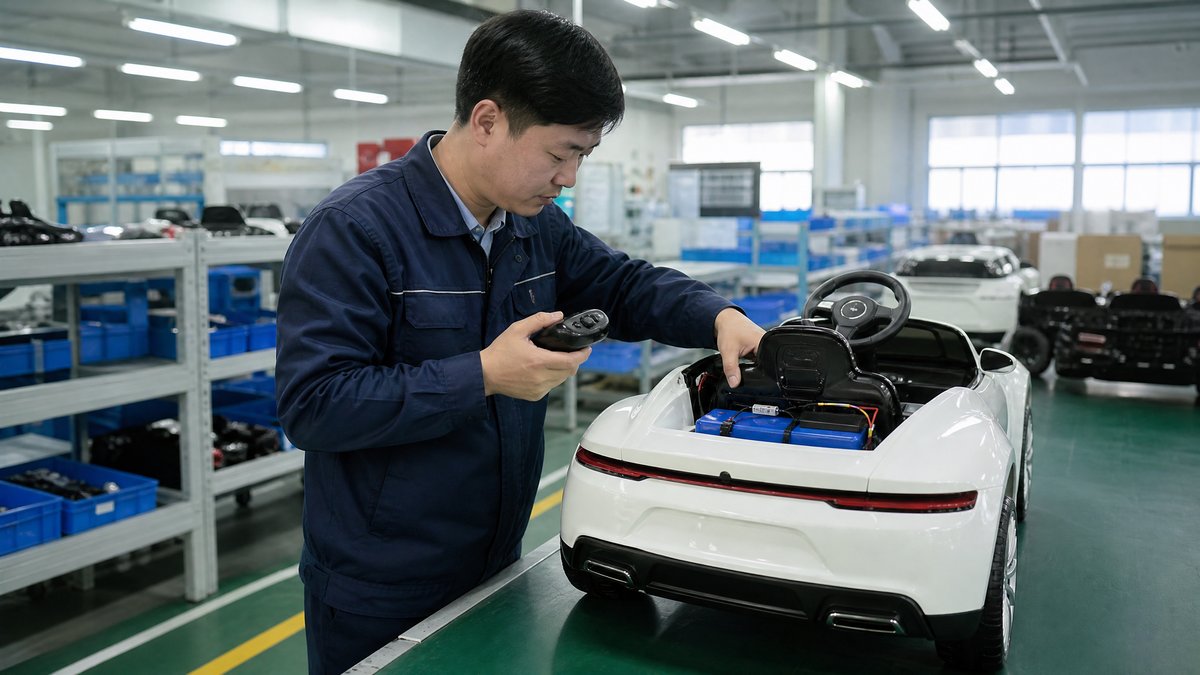
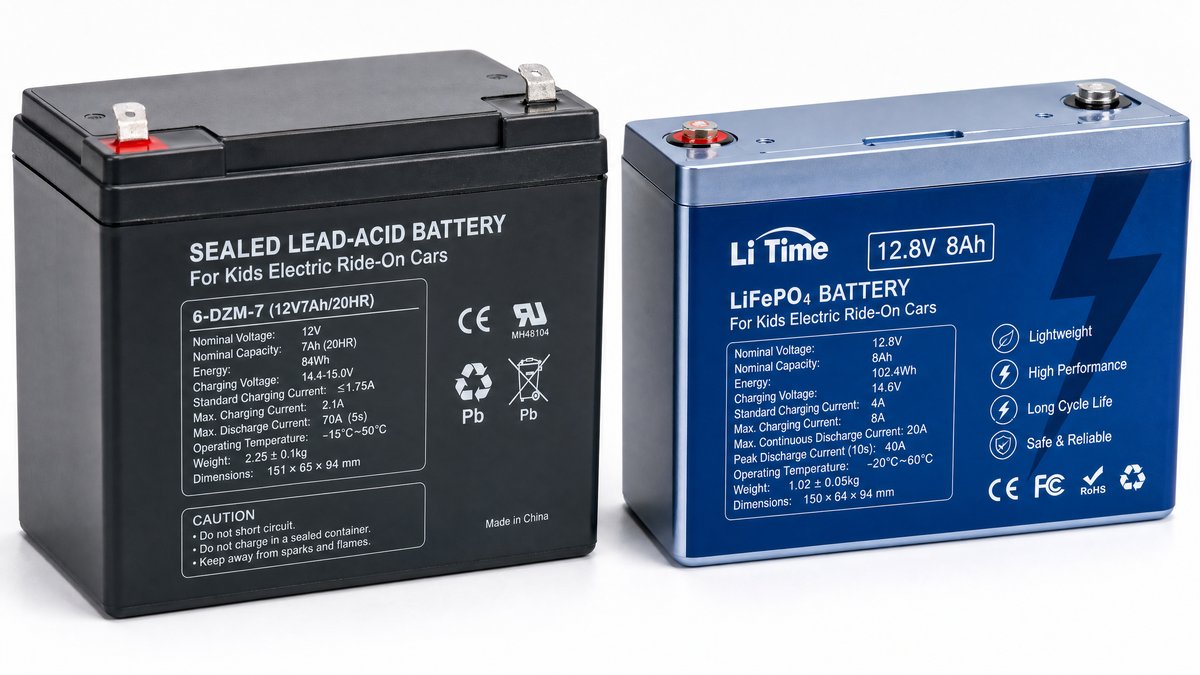
In addition to alphanumeric identifiers, visual documentation plays a vital role in model identification. A professional program includes a requirement for high-resolution photo records of all primary components, including their labels and mounting positions. These photos should be compared against the manufacturer's provided documentation to ensure consistency. If a discrepancy is found, it should be recorded immediately as a factual observation. This level of detail prevents the confusion that often occurs when describing technical components through text alone.
Request a wholesale quote
Defining the Communication Route and Response Protocol
Effective communication is the lifeblood of a B2B support program. A distributor must define a clear, written route for all technical inquiries and support requests. This route should identify the specific individuals or departments responsible for handling information at both the buyer and manufacturer levels. By formalizing this process, businesses can avoid the "information silos" that occur when communication is scattered across multiple email threads or messaging platforms.
Establishing a Factual Record-Keeping System
Every interaction regarding component support should be recorded in a standardized format. This record should include the date of the inquiry, the specific identifiers involved, a factual description of the observation, and the evidence provided (such as photos or video). This log serves as a vital tool for comparing received information against the written scope of the project. If a manufacturer provides technical guidance, that guidance should be added to the record and reviewed by the buyer's technical team to ensure it aligns with the agreed-upon terms.
Coordinating with Manufacturer Support
The role of the manufacturer in a B2B program is to provide competent professional support based on the factual data provided by the buyer. A distributor should never attempt to perform internal modifications or technical diagnoses that fall outside the scope of normal external use. Instead, the program should focus on how to effectively present information to the manufacturer so that they can provide the most accurate assistance. This collaborative approach ensures that the manufacturer's expertise is leveraged correctly and that all actions taken are consistent with the factory's recommendations.
Documentation and Verification of Written Scope
A professional after-sales program is built on a foundation of rigorous documentation. This includes not only the technical specifications of the products but also the written terms that govern the support relationship. A distributor must maintain a complete archive of all manuals, specification sheets, and compliance documents provided by the manufacturer.
Comparing Received Information to Written Terms
One of the most important tasks for a distributor is to verify that the information and components they receive match the written scope of their agreement. This involves a systematic review of all incoming shipments and documentation. If a component is received that does not match the recorded identifiers or the agreed-upon specifications, this fact must be documented and discussed with the manufacturer. This verification process is a critical safeguard against operational errors and ensures that the distributor is always working with the correct information.
Maintaining a Centralized Technical Archive
A centralized archive allows for quick access to essential information when a support request arises. This archive should be organized by model and batch, making it easy to retrieve the relevant manuals and diagrams. By maintaining this information in a buyer-controlled environment, the distributor reduces their reliance on the manufacturer for basic technical data and can provide faster, more accurate information to their own customers.
Handling Visible Damage and Safety Protocols
Safety is the most important consideration in any operational plan involving electric ride-on vehicles. A professional program must include clear protocols for identifying and responding to safety-related observations. These protocols should focus on factual observations and immediate actions to prevent further issues.
Identifying Signs of Potential Issues
Distributors should train their teams to look for specific visible indicators that a vehicle or component requires attention. These indicators include visible damage to the exterior casing, signs of overheating during use or charging (such as unusual odors or deformation), or any behavior that deviates from the descriptions in the product manual. The program should emphasize that these are factual observations to be recorded and reported, rather than problems to be diagnosed by the distributor.
The "Stop Use" Protocol
A fundamental rule in any safety protocol is the immediate cessation of use and charging when a potential issue is identified. If a vehicle shows signs of damage or overheating, it must be set aside and not operated until it has been assessed by competent professional support. This "stop use" protocol is a buyer-defined safety measure that protects both the user and the business. It should be clearly communicated to all stakeholders and included in all support documentation.
Request a wholesale quote
Operational Planning Checklist for Distributors
The following table outlines the key areas that a distributor should address when building a spare parts and after-sales program. These items should be discussed with the supplier and recorded as part of the written project terms.
| Planning Area | Buyer-Defined Action Item | Documentation Requirement |
|---|---|---|
| Identification | Define unique batch and order identifiers for all units. | Maintain a database linking SKUs to production codes. |
| Communication | Establish a formal route for technical inquiries. | Keep a chronological log of all support interactions. |
| Evidence | Define the standards for photo and video evidence. | Store high-resolution records of all reported observations. |
| Verification | Compare all received components to the written scope. | Record any discrepancies as factual observations. |
| Safety | Implement a "stop use" protocol for damaged units. | Include safety warnings in all customer-facing materials. |
| Archiving | Centralize all manuals and technical specifications. | Ensure all documents are accessible to the support team. |
Following the Manual for Normal External Use
A professional support program emphasizes the importance of following the manufacturer's provided manual for all operations. The manual is the definitive guide for the normal external use of the vehicle, including charging procedures, weight limits, and environmental considerations.
Adhering to Manufacturer Guidelines
Distributors should ensure that their customers understand the importance of adhering to the manual. Any use of the vehicle that falls outside the scope of the manual—such as exceeding the recommended weight limit or using the vehicle in prohibited environments—should be noted in the factual record if a support request arises. By focusing on adherence to the manual, the distributor can maintain a clear distinction between normal use and potential misuse.
Avoiding Internal Modifications
The program should strictly prohibit any attempts to access the internal vehicle sections, detach internal wiring, or perform technical restoration on electronic modules. These activities fall outside the scope of normal external use and can introduce new safety risks. Instead, the focus should always be on identifying the need for a manufacturer-approved replacement part and seeking professional support for its installation. This approach ensures that the integrity of the vehicle's design is maintained and that all work is performed by competent individuals.
Conclusion: Building a Sustainable Support Framework
Creating a new article from scratch for a B2B after-sales program requires a shift in perspective. Instead of focusing on standard market practices or specific timeframes, a professional distributor focuses on the creation of a structured, evidence-based framework for communication and documentation. By defining clear identifiers, maintaining factual records, and adhering to safety protocols, a business can build a support program that is both resilient and effective.
The success of such a program depends on the collaborative relationship between the buyer and the manufacturer. When both parties are committed to a transparent and well-documented process, the challenges of international toy distribution become much more manageable. For wholesalers and distributors, investing the time to develop these operational plans is an essential step toward long-term growth and professional excellence in the ride-on car market. By framing every service and documentation arrangement as a buyer-defined item to record and verify, businesses can navigate the complexities of the industry with confidence and integrity.
Frequently Asked Questions
What information should be included in a request for manufacturer support?
A request for support should be based on factual observations. This includes the specific model and batch identifiers, a clear description of the observed behavior, and high-resolution photo or video evidence. By providing this information through the defined communication route, a distributor ensures that the manufacturer has the data needed to provide competent professional assistance.
How can a distributor verify the compatibility of a replacement component?
Compatibility should be verified by comparing the identifiers on the replacement component with the recorded data for the specific vehicle batch. If the identifiers match the manufacturer's provided specification list, the component can be considered compatible. Any discrepancies should be discussed with the manufacturer before the component is put into use.
What steps should be taken if a vehicle shows signs of overheating?
If a vehicle or its charging system shows signs of overheating, the "stop use" protocol must be implemented immediately. Stop all use and charging of the unit and move it to a safe, supervised area. Document the observation with photos and contact the manufacturer or a competent professional for further guidance. Do not attempt to access the internal unit or diagnose the cause internally.
Why is it important to maintain a centralized technical archive?
A centralized archive ensures that the support team has immediate access to the correct manuals, diagrams, and compliance documents for every model in the distributor's inventory. This reduces the risk of providing incorrect information and allows for a more efficient verification process when comparing received items to the written scope of the project.
How should a distributor handle discrepancies in received documentation?
If the documentation received with a shipment does not match the agreed-upon technical specifications or the written project terms, the distributor should record this as a factual observation. The discrepancy should then be raised with the manufacturer through the formal communication route to ensure that the correct information is provided and the records are updated accordingly.
What is the role of the product manual in the support process?
The product manual serves as the primary reference for the normal external use of the vehicle. It defines the operational boundaries and safety requirements established by the manufacturer. In the support process, the manual is used to verify whether the vehicle was used as intended and to guide the user in safe operation and storage.
Official references
Explore these external resources for current regulatory and trade guidance. Confirm requirements with the relevant authority before placing an order.
Ready to Start?
Factory-Direct · CE & ASTM Certified · MOQ from 50 Units
Our export team works with buyers in 60+ countries. Get a quote within 24 hours.
KR
Written by KidsRideCar
China's leading kids electric ride-on car manufacturer. 500,000+ units shipped annually to 60+ countries. CE, ASTM & EN71 certified.