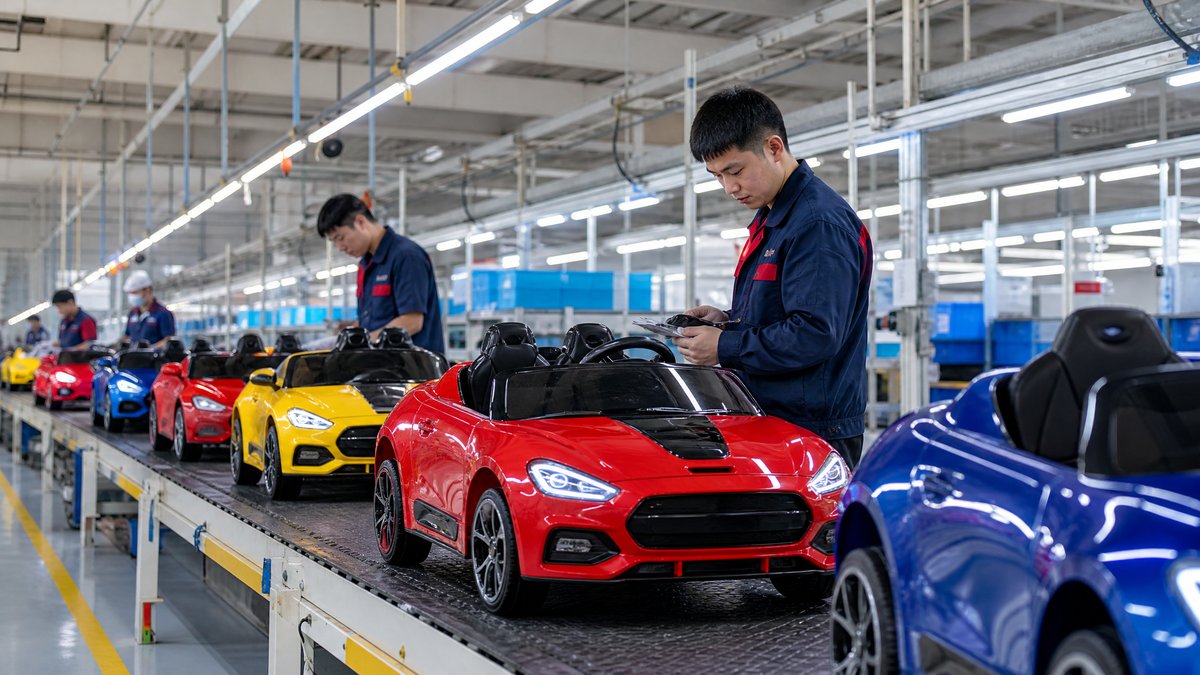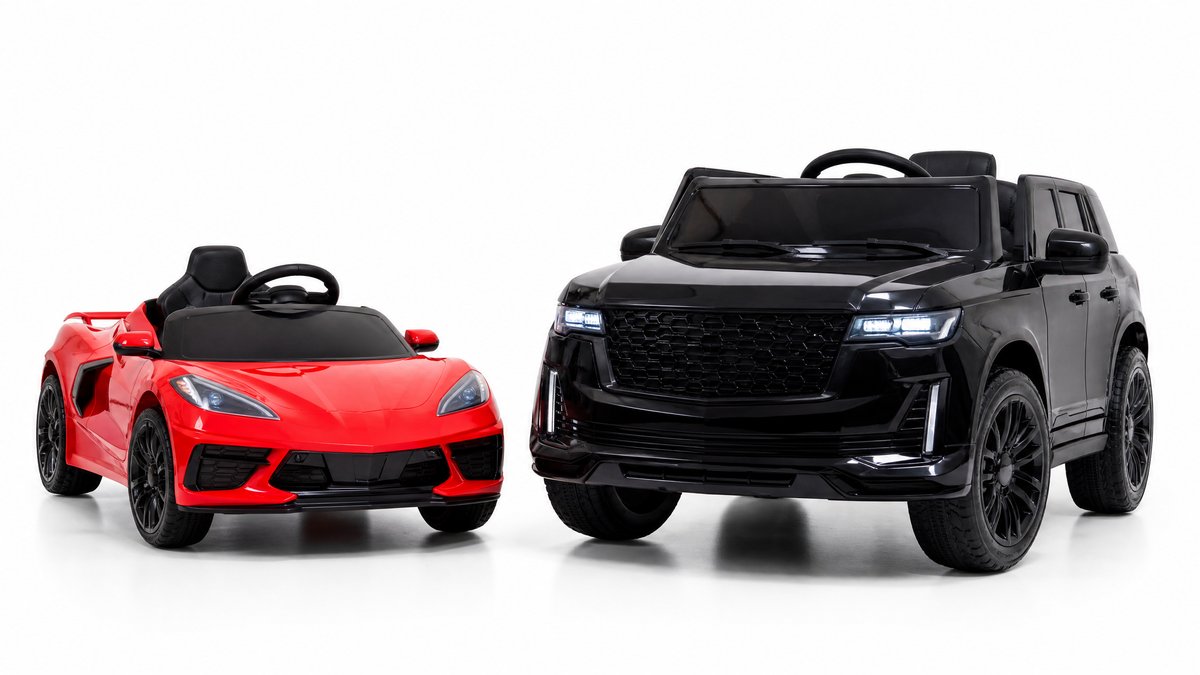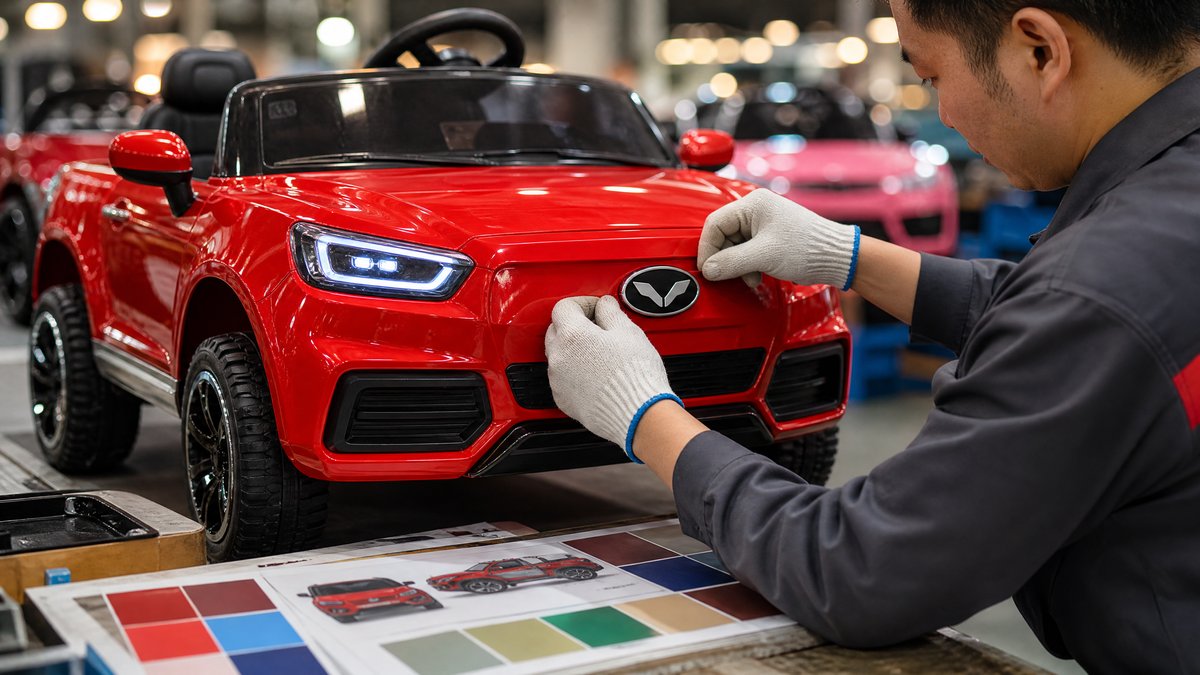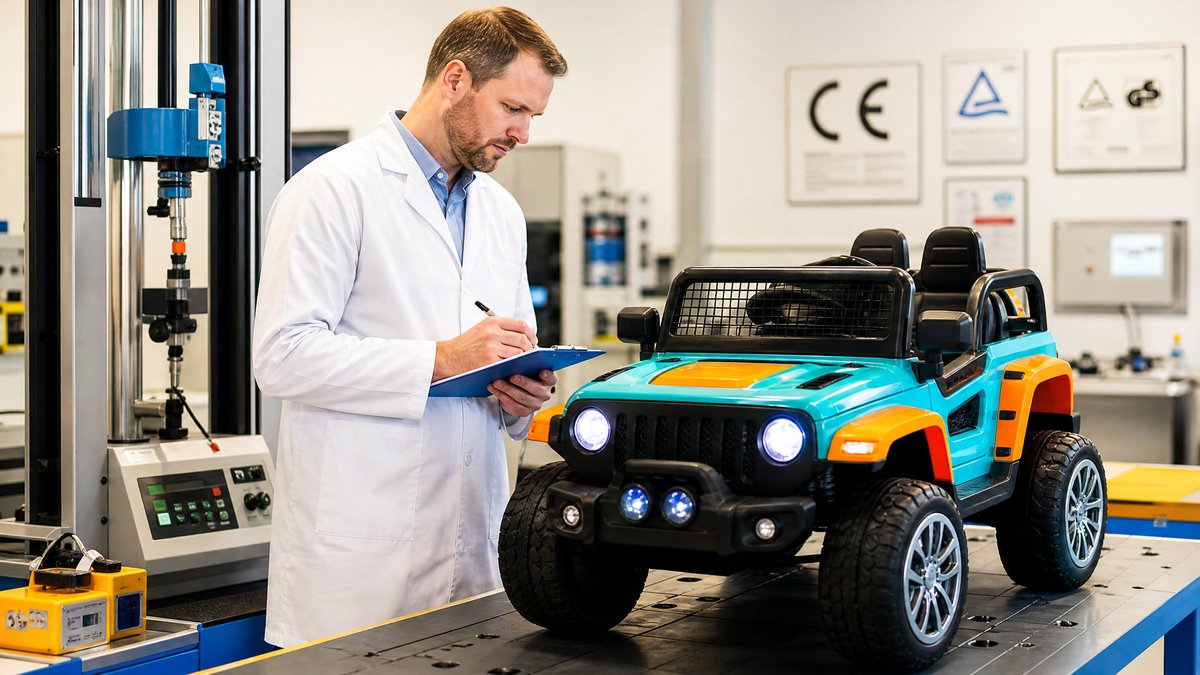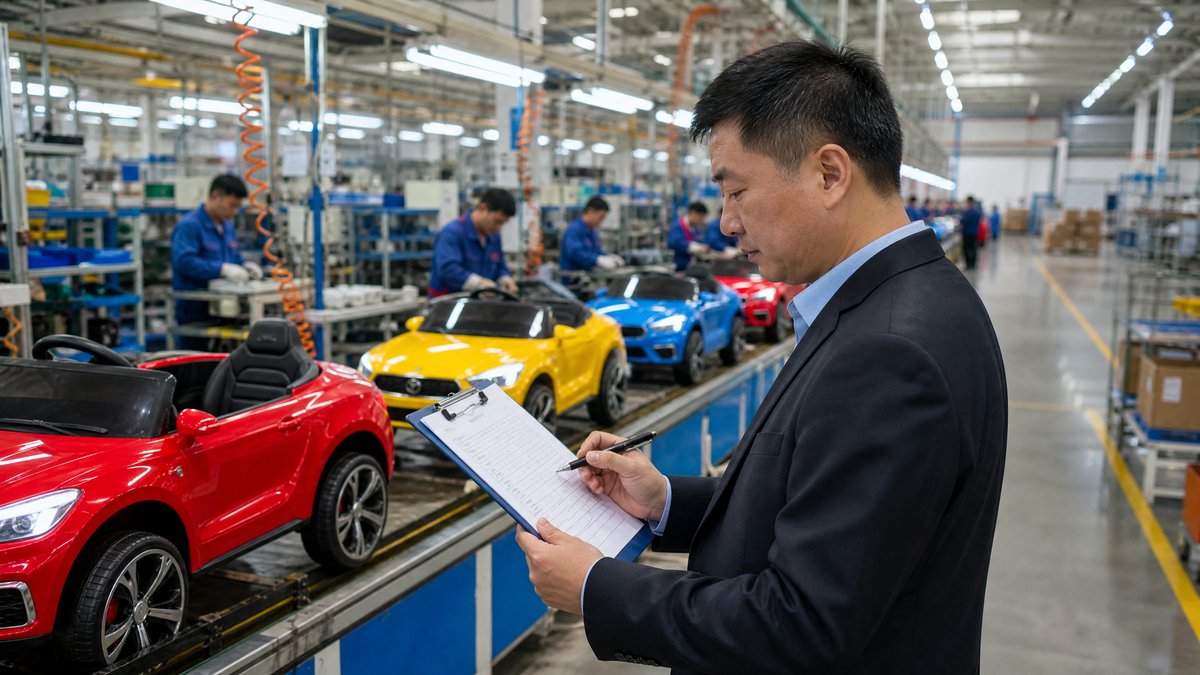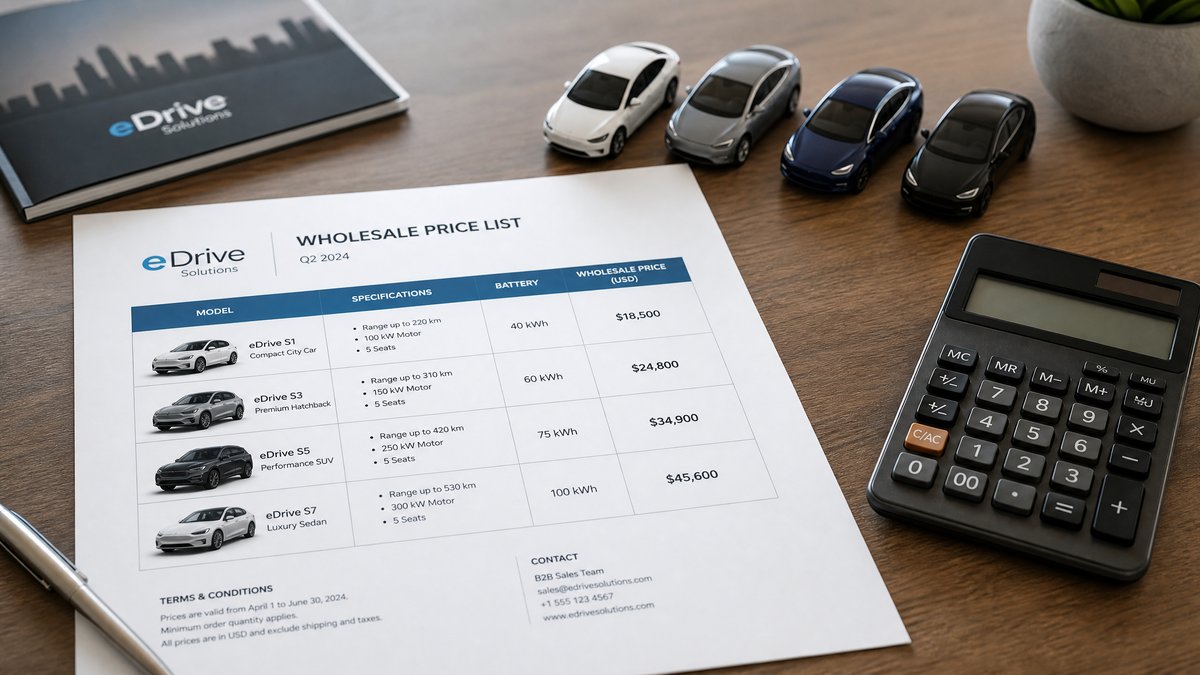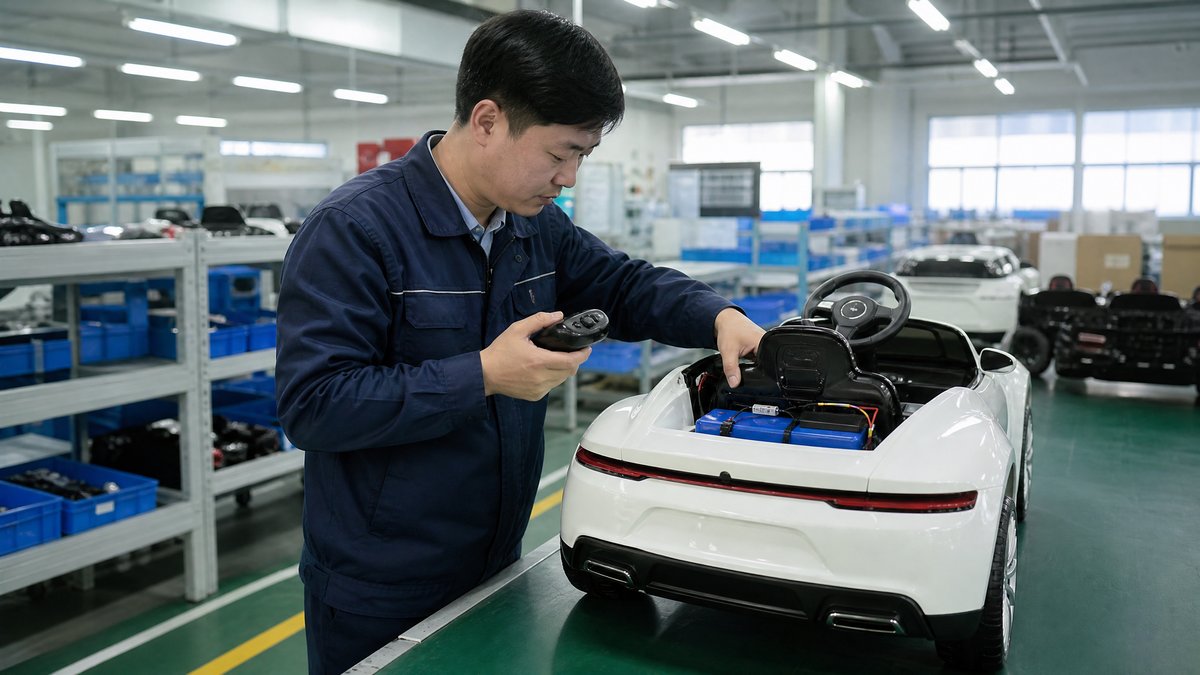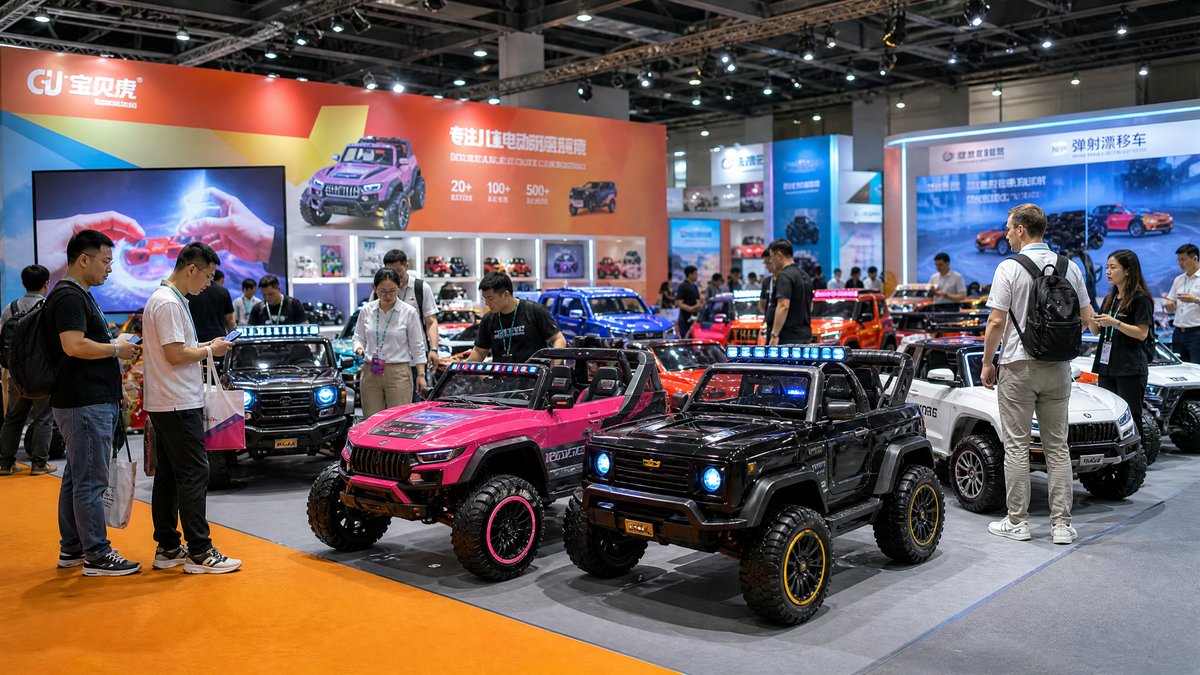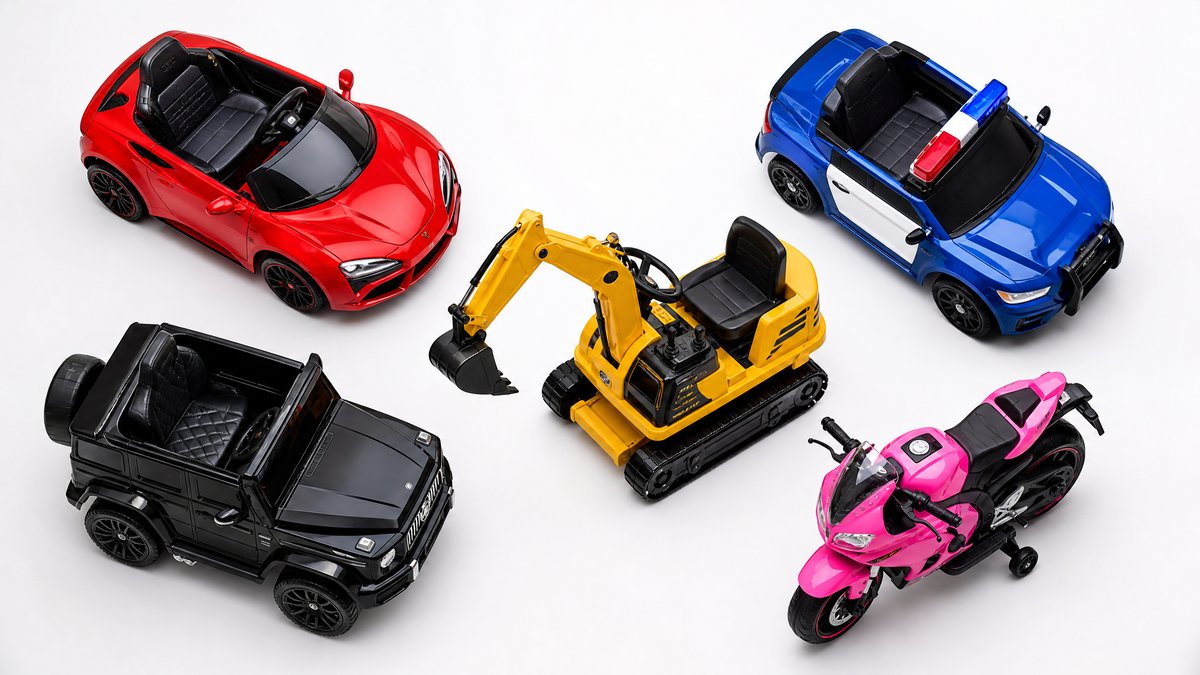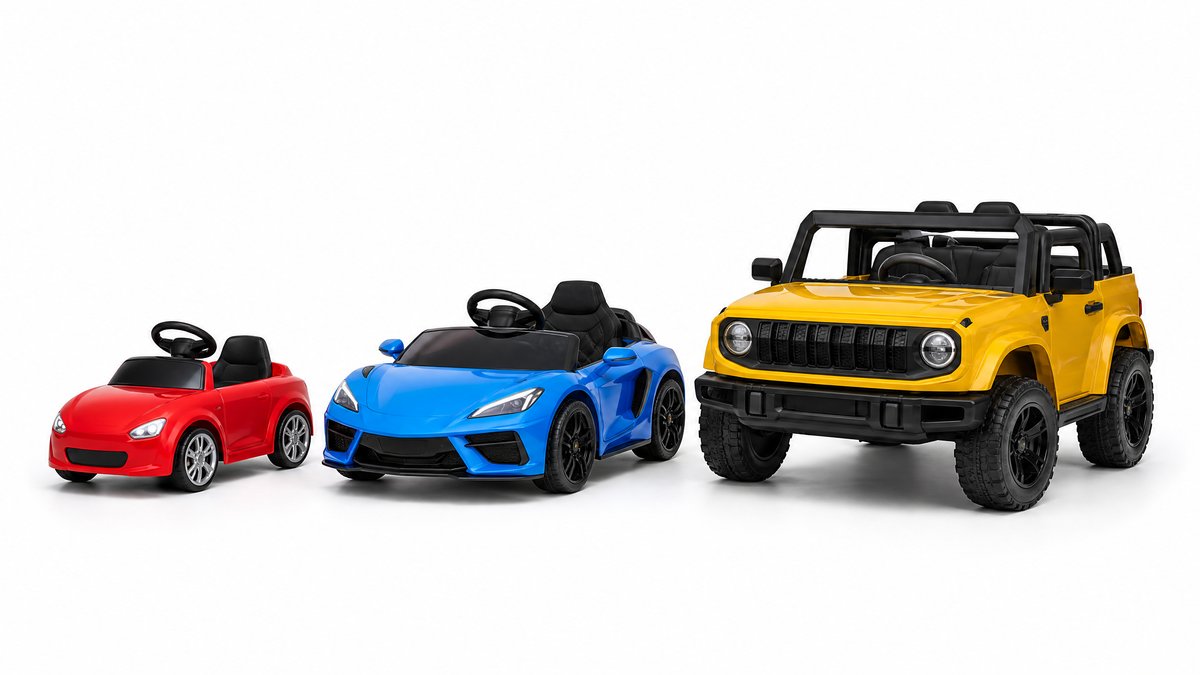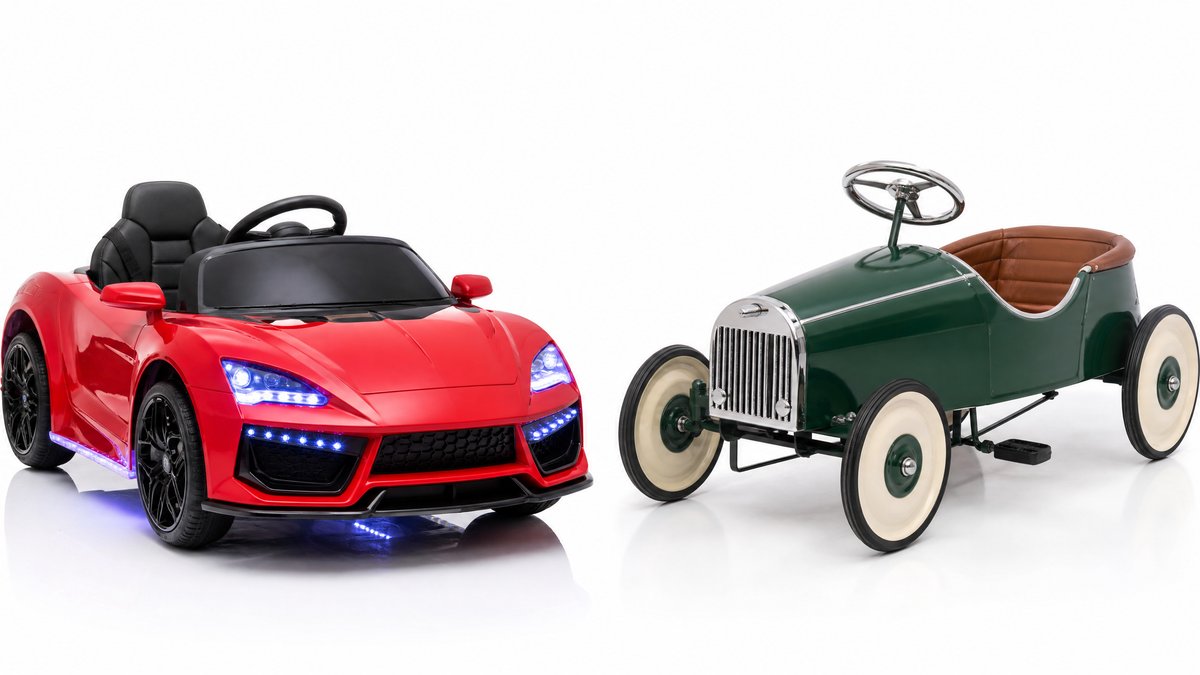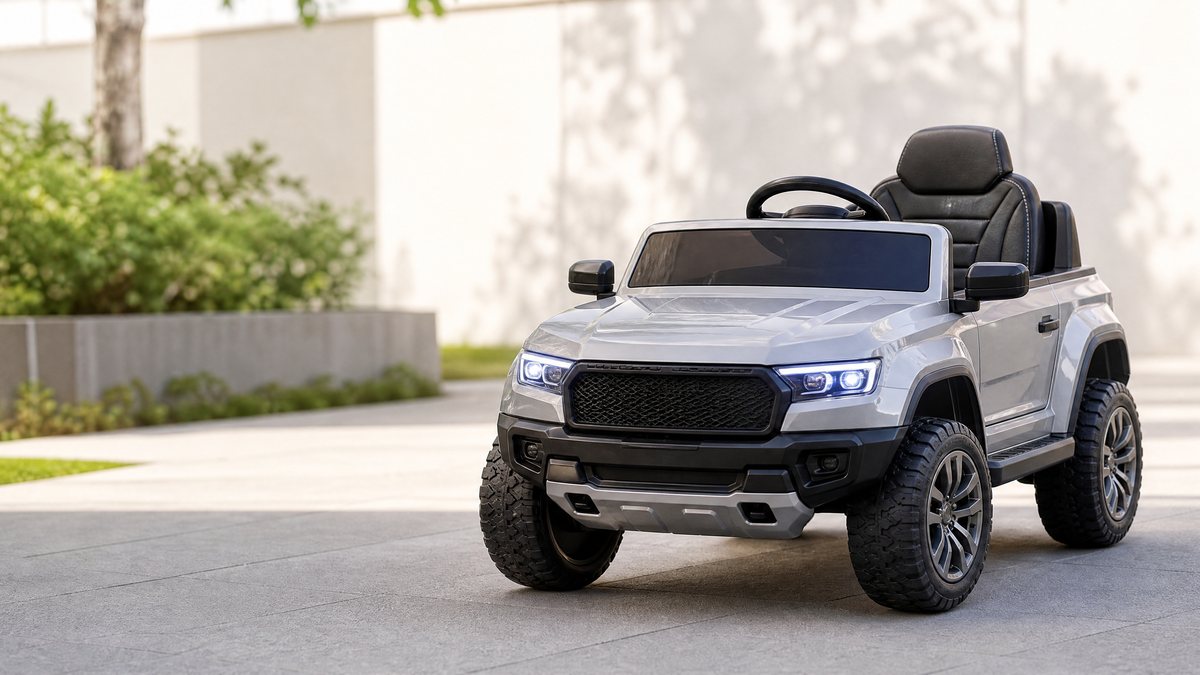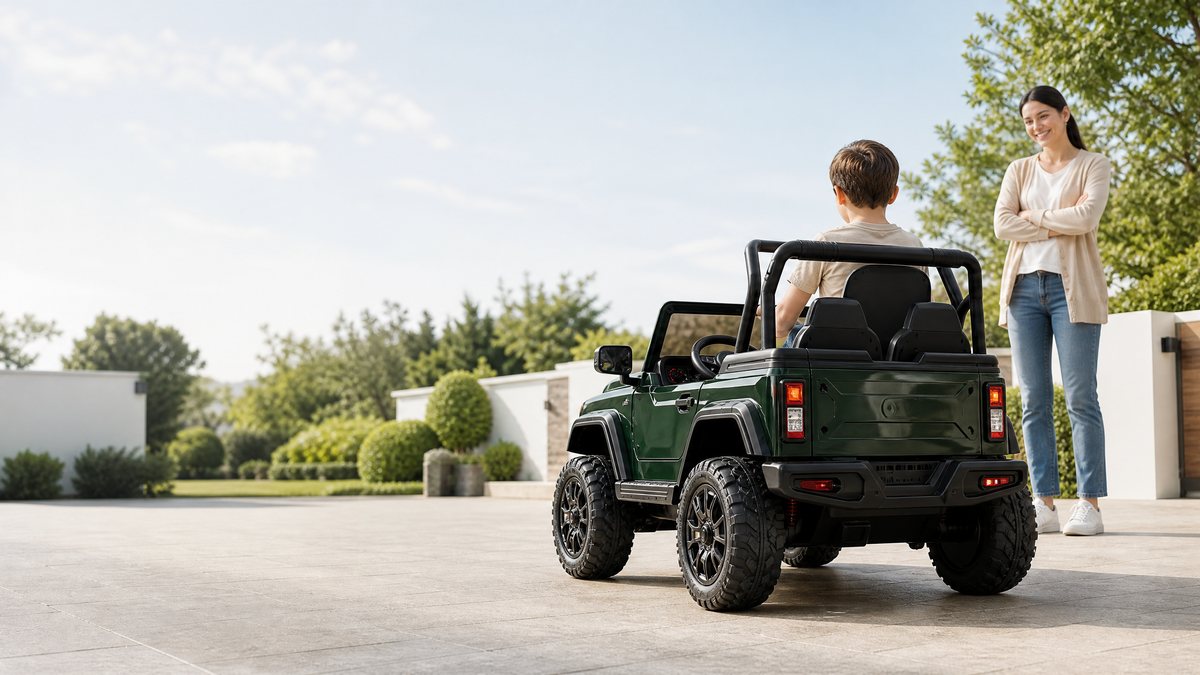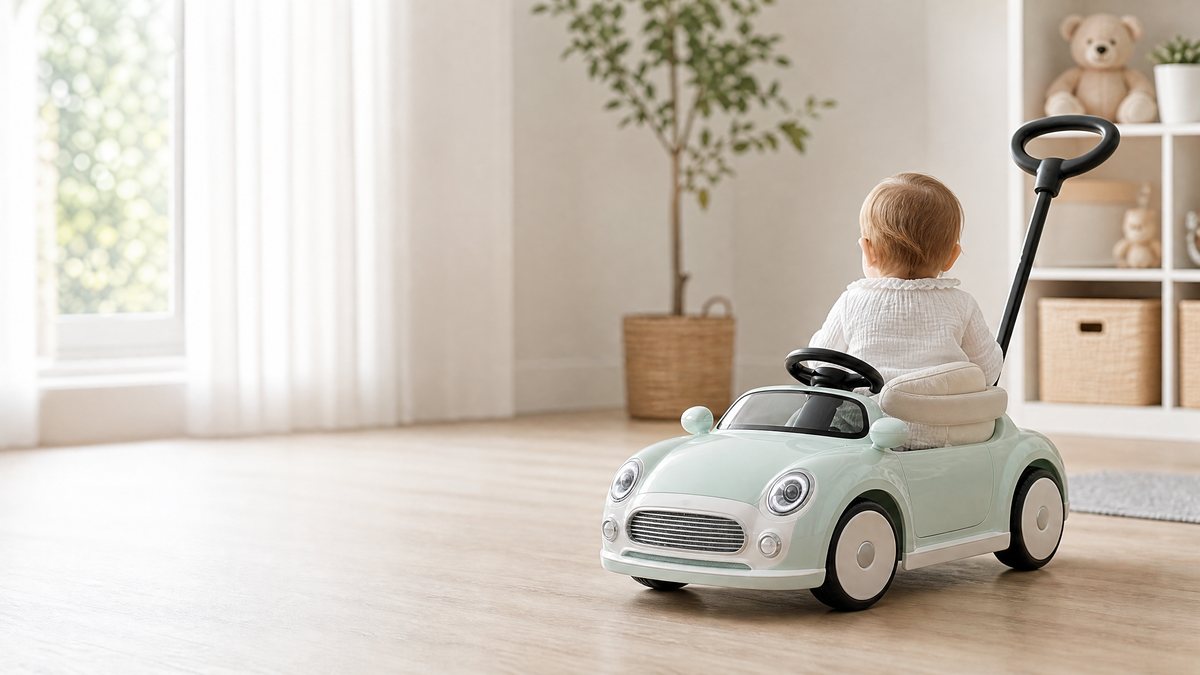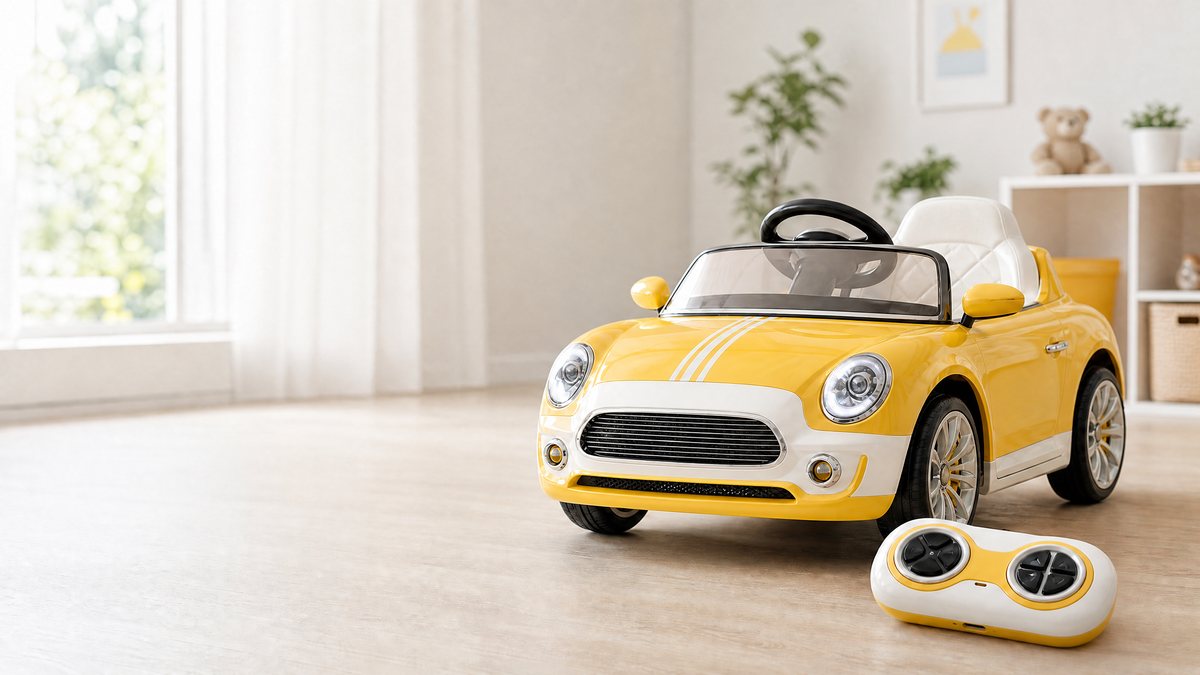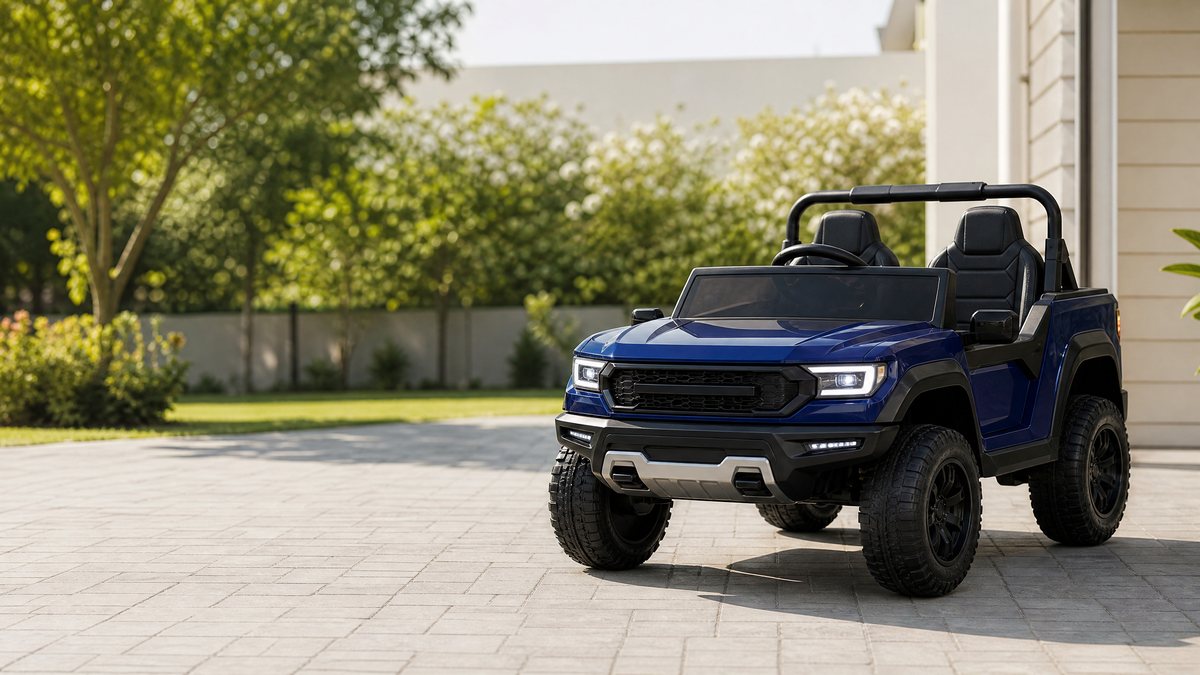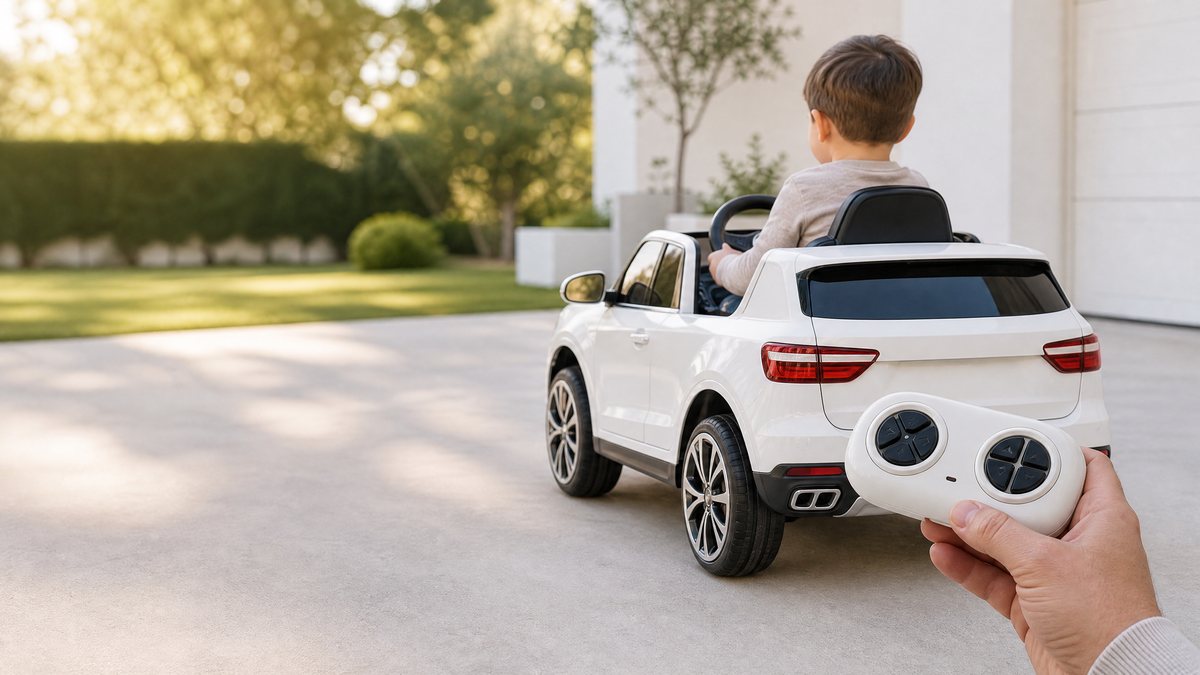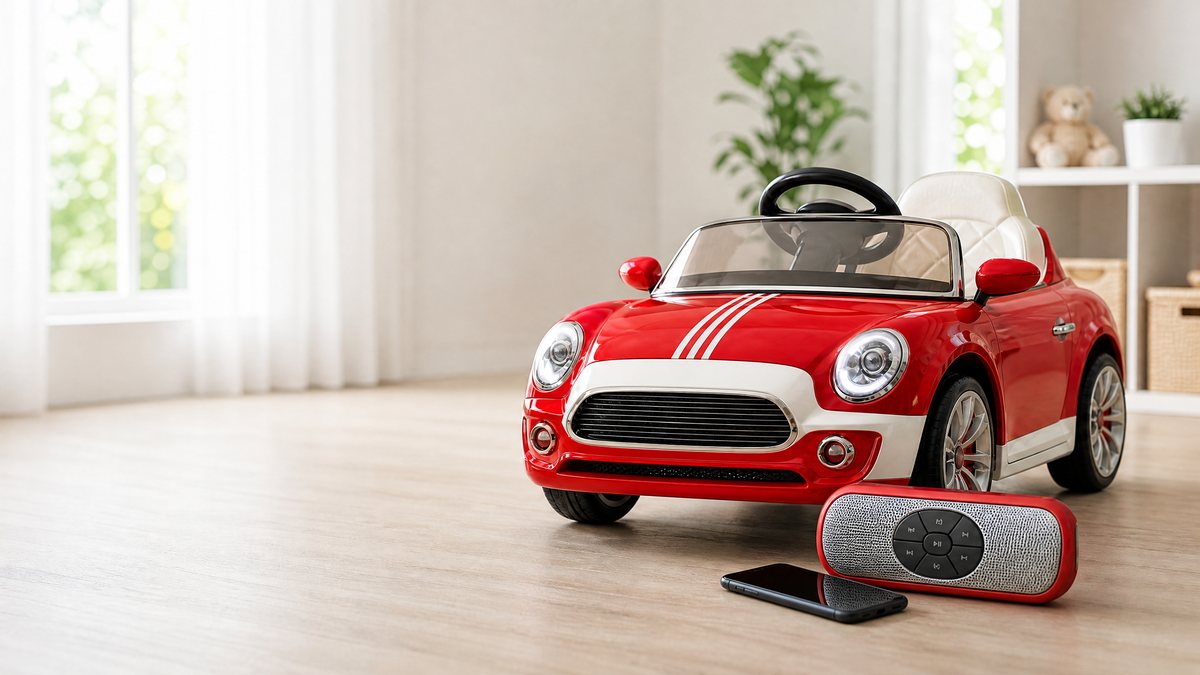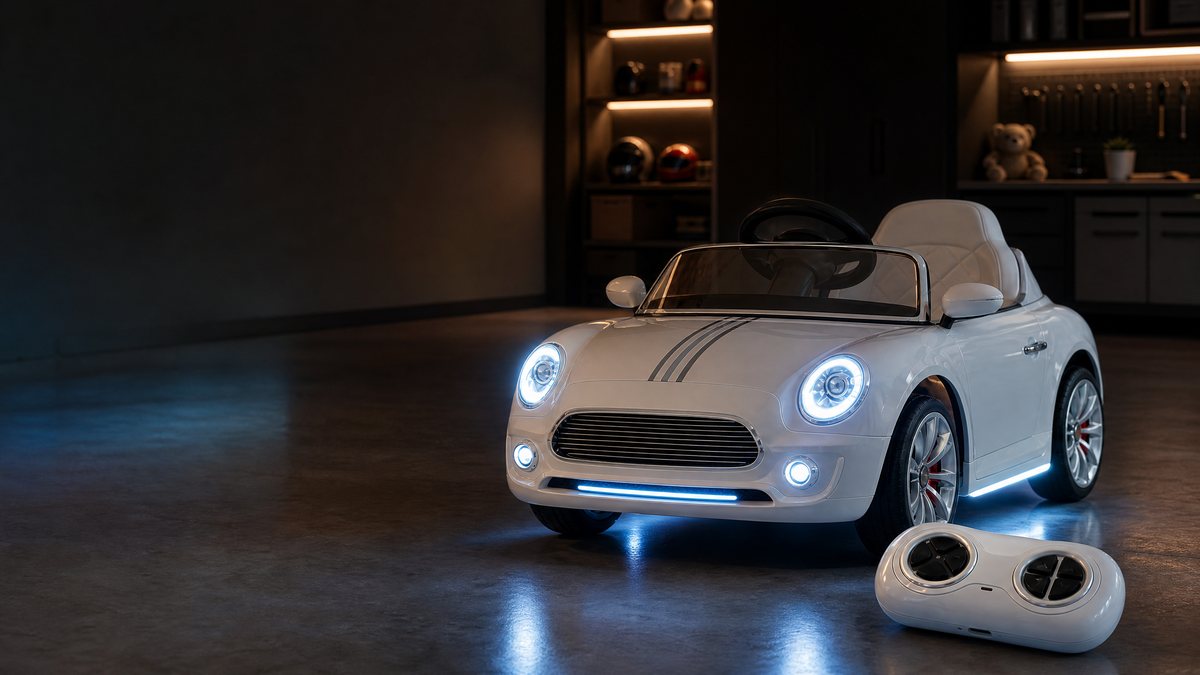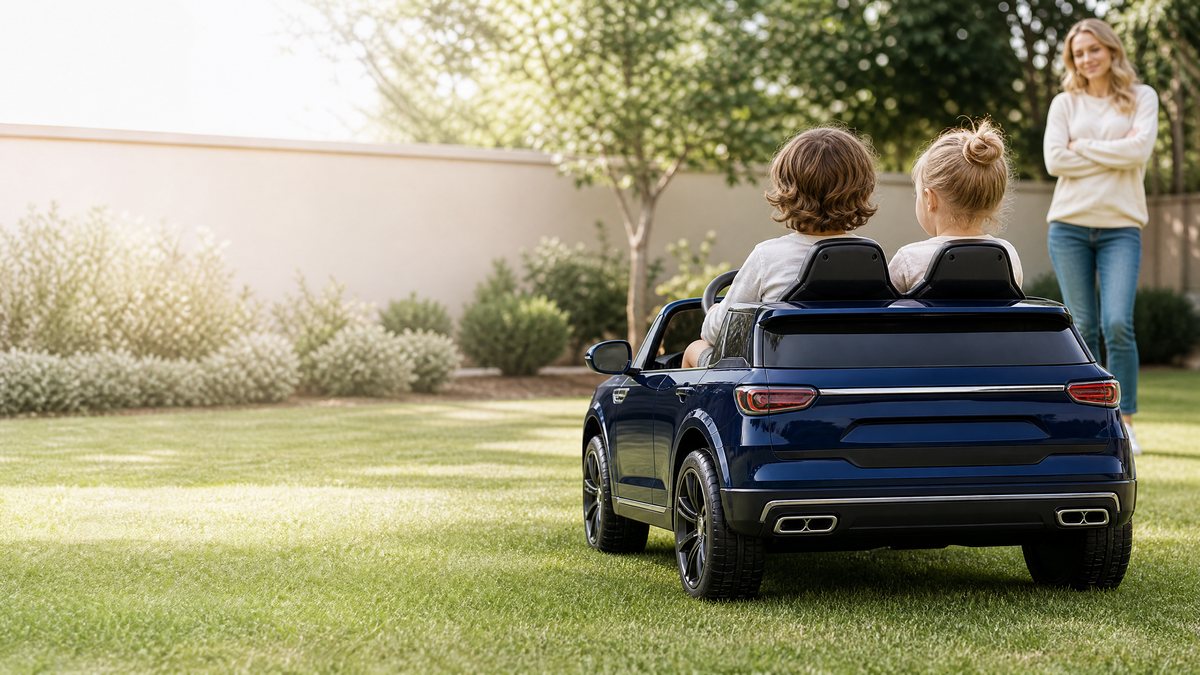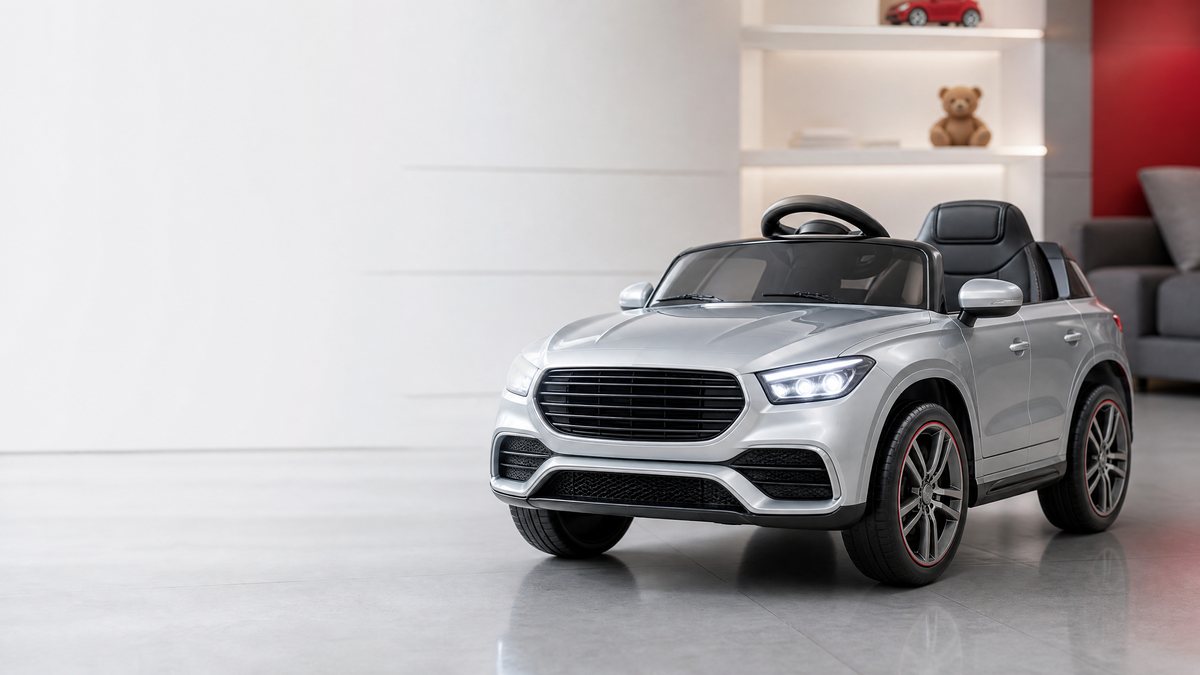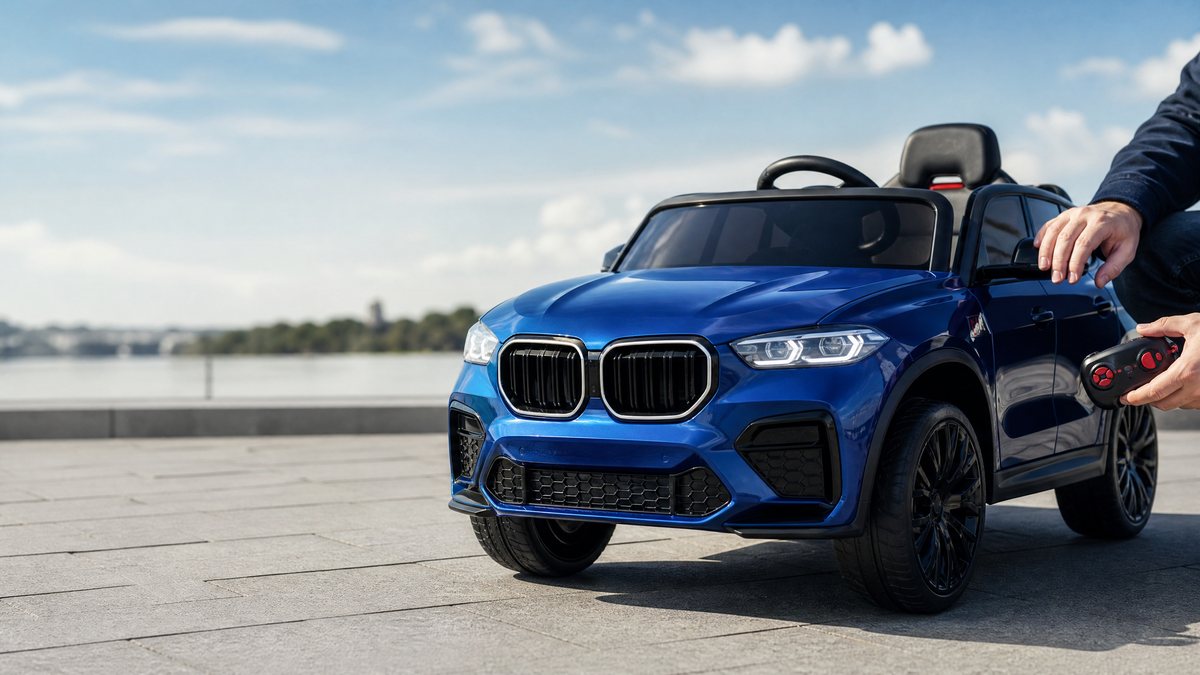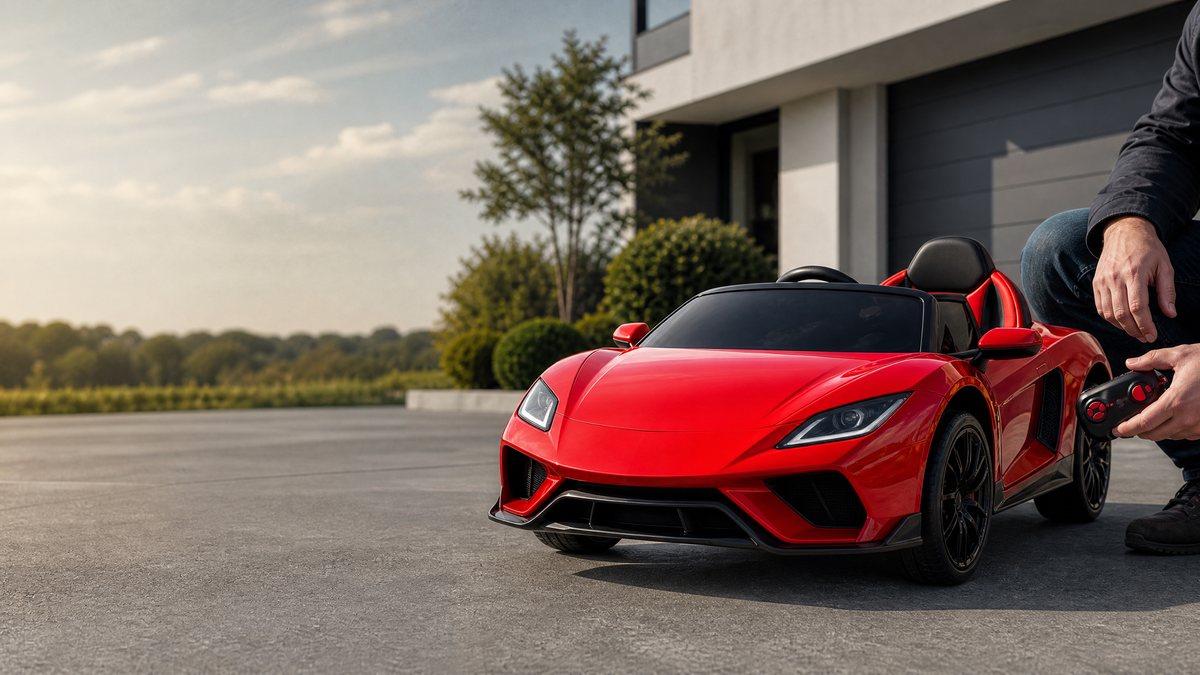
The evolution of children's electric ride-on vehicles has transformed simple plastic toys into sophisticated miniature automobiles. Modern consumers, whether retail parents or wholesale distributors sourcing inventory for global markets, increasingly evaluate ride-on cars through the lens of automotive engineering principles. Among the most critical design elements separating premium models from entry-level alternatives is the suspension system. Specifically, the integration of shock absorbers determines not only the comfort and smoothness of the driving experience but also the structural integrity and longevity of the vehicle itself. When children navigate diverse outdoor terrains such as asphalt driveways, concrete sidewalks, backyard lawns, and garden gravel paths, mechanical vibrations and sudden impacts are inevitable. Without adequate damping mechanisms, these shocks are transmitted directly through the chassis, steering column, and seating area, resulting in an uncomfortable ride and accelerated wear on internal components. This comprehensive B2B guide examines the mechanical principles of shock absorbers in ride-on cars, analyzes how suspension configurations protect critical electrical and mechanical systems, evaluates ergonomic and developmental aspects of smoother rides, provides a structured evaluation framework for wholesale buyers, and outlines essential safety and maintenance guidelines.
The Engineering Principles of Ride-On Suspension Systems
To understand how shock absorbers improve the ride, it is necessary to examine the fundamental physics of vehicle dynamics scaled down for children's ride-on cars. When a moving vehicle encounters a bump, pothole, or transition in surface elevation, the wheel experiences a sudden upward acceleration. In a rigid-axle vehicle lacking suspension, this kinetic energy is instantly transferred to the entire frame. The young driver experiences a sharp jolt, and the vehicle's momentum is momentarily disrupted, creating an abrupt deceleration that stresses both the child and the machine.
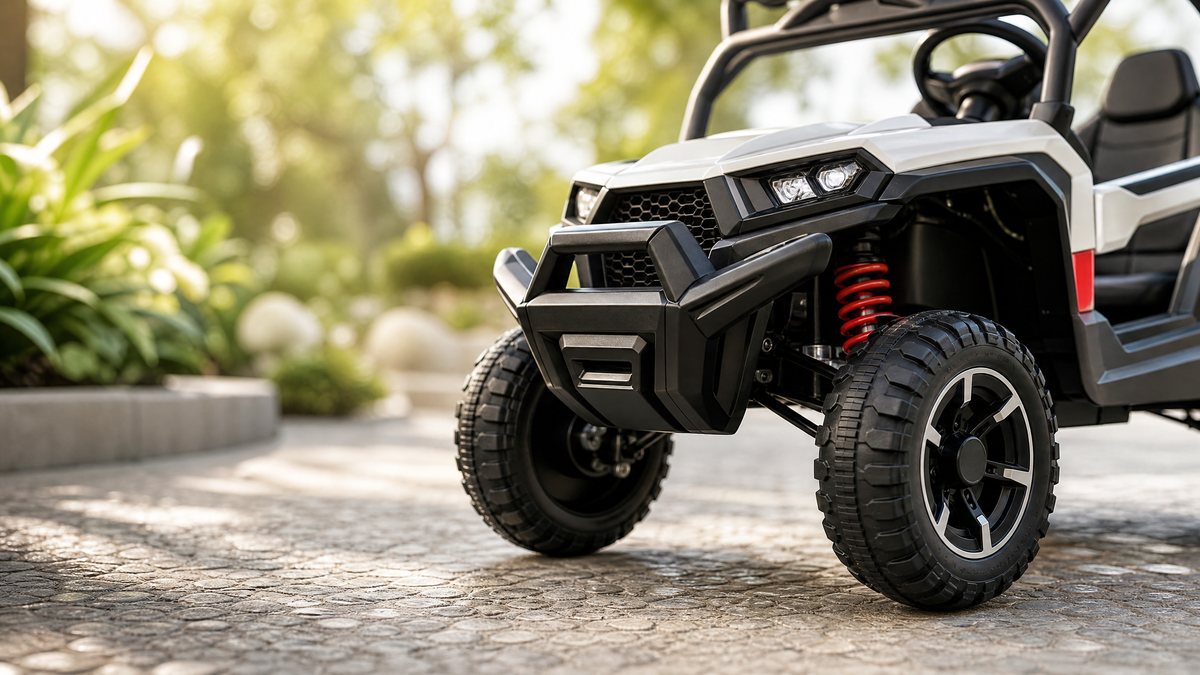
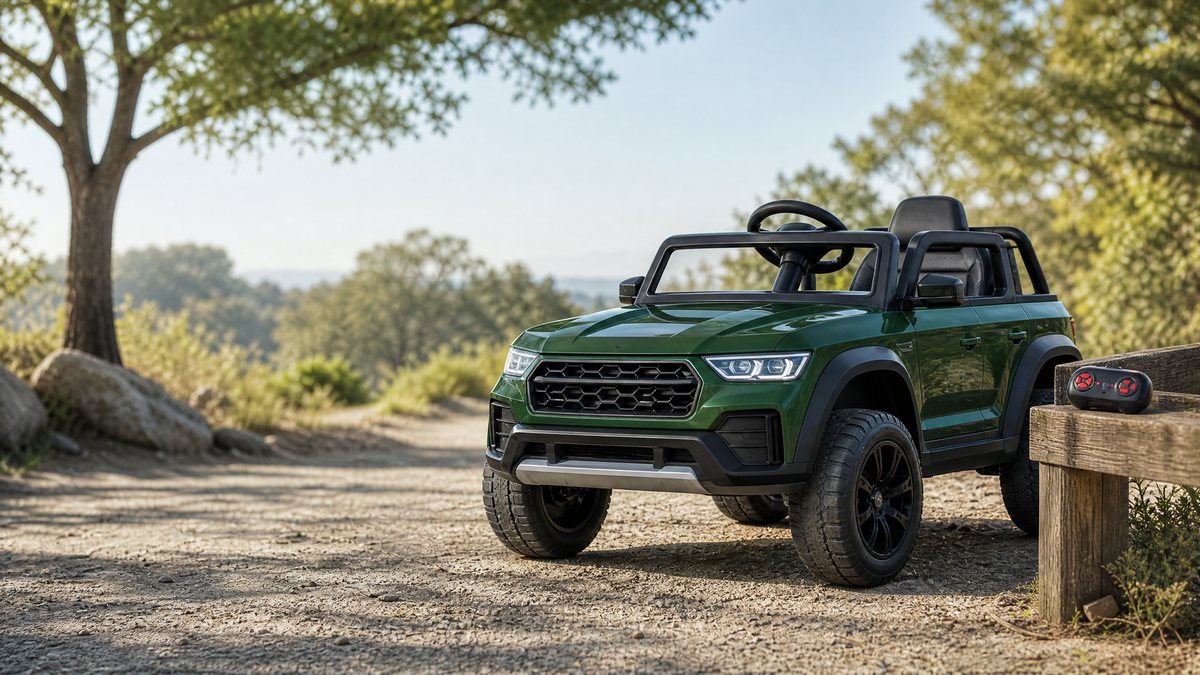
Shock absorbers and suspension systems are engineered to manage this kinetic energy through controlled dampening and spring deflection. A typical high-quality ride-on car suspension utilizes steel coil springs mounted either at the rear axle or independently at all four wheels. When the wheel strikes an obstacle, the coil spring compresses, storing the kinetic energy potential while the wheel travels upward. Simultaneously, mechanical friction or dampening elements control the rate of recoil, preventing the spring from violently oscillating. By decoupling the vertical motion of the wheels from the main body of the vehicle, shock absorbers ensure that the chassis remains relatively level and stable. This smoothing effect drastically reduces lateral tipping forces during cornering and cushions abrupt vertical accelerations when traversing uneven terrain. For wholesale buyers and retail customers alike, a vehicle equipped with functional shock absorbers delivers a noticeably superior driving feel that mimics full-sized automotive comfort.
Furthermore, advanced suspension designs incorporate progressive-rate springs and multi-link pivot geometry. As the suspension compresses further under heavier loads or larger impacts, the spring resistance increases proportionally, preventing the system from bottoming out harshly against the chassis stops. This progressive response is especially valuable when accommodating children across a wide spectrum of ages and weight classes within the manufacturer's specified limits.
How Shock Absorbers Protect Internal Electronics and Gearboxes
Beyond passenger comfort, the inclusion of robust shock absorbers plays a vital role in preserving the mechanical and electrical longevity of a ride-on car. Children's ride-on vehicles house complex internal assemblies, including high-torque electric DC motors, plastic or metal gearboxes, central control boards, wiring harnesses, and battery terminals. Continuous high-frequency vibrations and severe impact shocks from unpaved surfaces pose severe reliability risks to these delicate components.
Vibration fatigue is a primary cause of premature failure in electronic control units (ECUs) and soldered wire connections. When a rigid vehicle repeatedly bangs over hard surfaces, microscopic fractures can develop in solder joints, and wire connectors can vibrate loose, leading to intermittent power failures or complete electrical shutdown. Furthermore, gearboxes—which utilize precision-meshed plastic or steel gears—sustain high susceptibility to tooth chipping, gear stripping, and housing distortion when subjected to sudden impact loads transmitted through rigid axles.
By absorbing and dissipating the majority of impact energy at the wheel suspension points, shock absorbers act as a mechanical buffer for the entire drivetrain. The gearbox experiences smoother torque delivery and reduced peak stress loads, while control boards and battery mounting points remain insulated from violent shaking. This translates to significantly lower warranty claim rates for distributors, reduced maintenance overhead for commercial fleet operators in amusement parks or kindergartens, and extended operating lifespans for end users. Additionally, protecting the battery housing prevents internal plate damage and terminal loosening, ensuring consistent electrical delivery and preventing premature battery degradation caused by physical shock.
Ergonomic Comfort and Developmental Considerations
While engineering durability and mechanical protection are paramount for B2B procurement decisions, the ergonomic impact on the young operator is equally significant. A jarring, unpadded ride can cause physical discomfort, discourage extended outdoor play, and place unnecessary strain on developing joints and postures. High-performance suspension systems smooth out high-frequency micro-vibrations generated by rough concrete or gravel paths, creating a more stable seating environment.
When integrated with supportive contoured seating, soft-start acceleration programming, and responsive steering, functional shock absorbers contribute to a balanced, controlled operating experience. During supervised play, a smoother ride may support spatial awareness, coordination, and confidence-building as children learn to steer and navigate outdoor obstacles. Caregivers and developmental specialists note that while ride-on vehicles are primarily recreational products, comfortable and stable ergonomics facilitate positive engagement. However, these features should always be understood as supportive tools during supervised play rather than therapeutic treatments or developmental guarantees. Parents and caregivers must exercise individual judgment based on the child's specific developmental stage and physical readiness.
Comparative Analysis of Suspension Configurations
Different ride-on car models incorporate varying suspension layouts depending on their target market tier, weight capacity, and intended terrain. Wholesale buyers must evaluate these configurations carefully to match inventory with consumer expectations. The table below outlines four primary suspension types commonly found in the industry.
| Suspension Configuration | Terrain Suitability | Component Durability | Cost Tier | Perceived Market Value |
|---|---|---|---|---|
| Rigid Axle (No Suspension) | Smooth indoor floors, flat indoor paving | Moderate; high shock stress on frame | Entry-Level | Basic; budget-conscious buyers |
| Single-Spring Rear Suspension | Light outdoor asphalt, smooth concrete | Good; absorbs primary rear motor loads | Mid-Tier | Standard; balanced cost and comfort |
| Four-Wheel Independent Coil-Over | Gravel, grass, pavers, mild inclines | High; isolates all corners from shocks | Premium | High-End; excellent consumer appeal |
| Hydraulic-Simulated Adjustable Shocks | All-terrain, heavy-duty outdoor use | Maximum; heavy-duty damping architecture | Luxury | Elite; targeted at premium retail segments |
Analyzing this matrix reveals that while rigid-axle models serve budget-driven segments, vehicles featuring four-wheel independent coil-over suspensions or simulated hydraulic dampening command stronger retail margins and higher customer satisfaction ratings. When evaluating manufacturer catalogs, procurement teams should verify whether the shock absorbers are functional mechanical components or purely cosmetic plastic moldings—a common distinction in lower-tier manufacturing. True independent suspensions feature distinct wishbone or trailing arm linkages that allow each wheel to move vertically independent of its counterpart, whereas cosmetic replicas are fixed solid moldings that offer zero mechanical travel.
Buyer Evaluation Checklist and Quality Assurance Framework
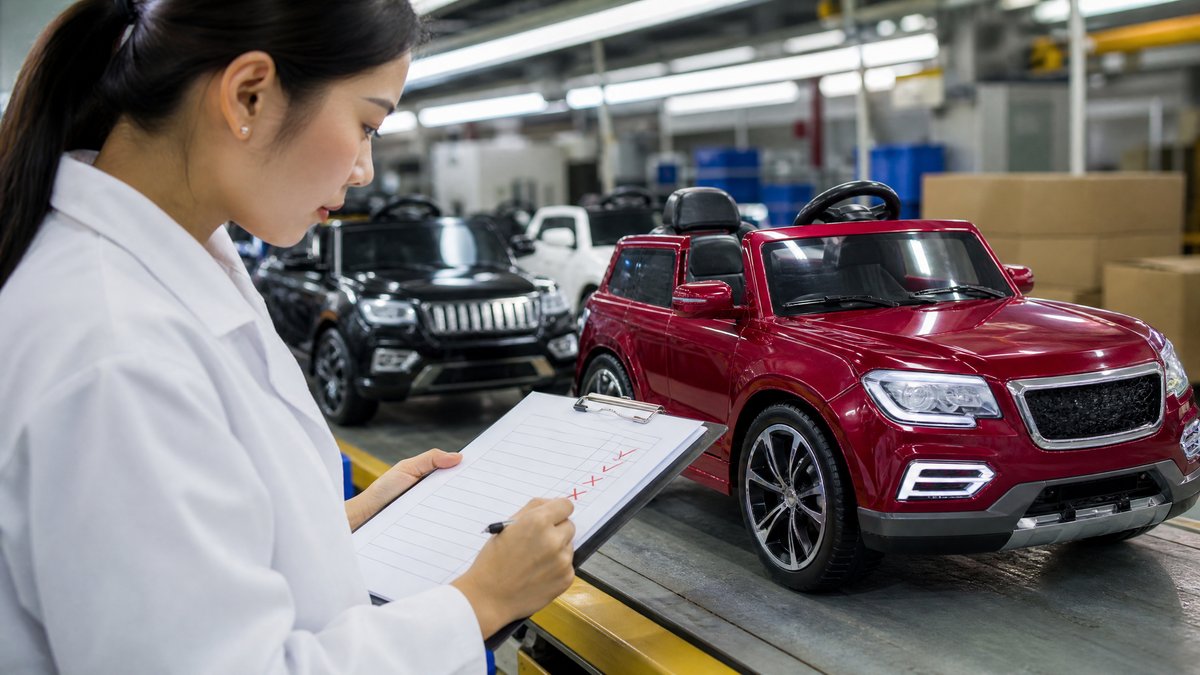
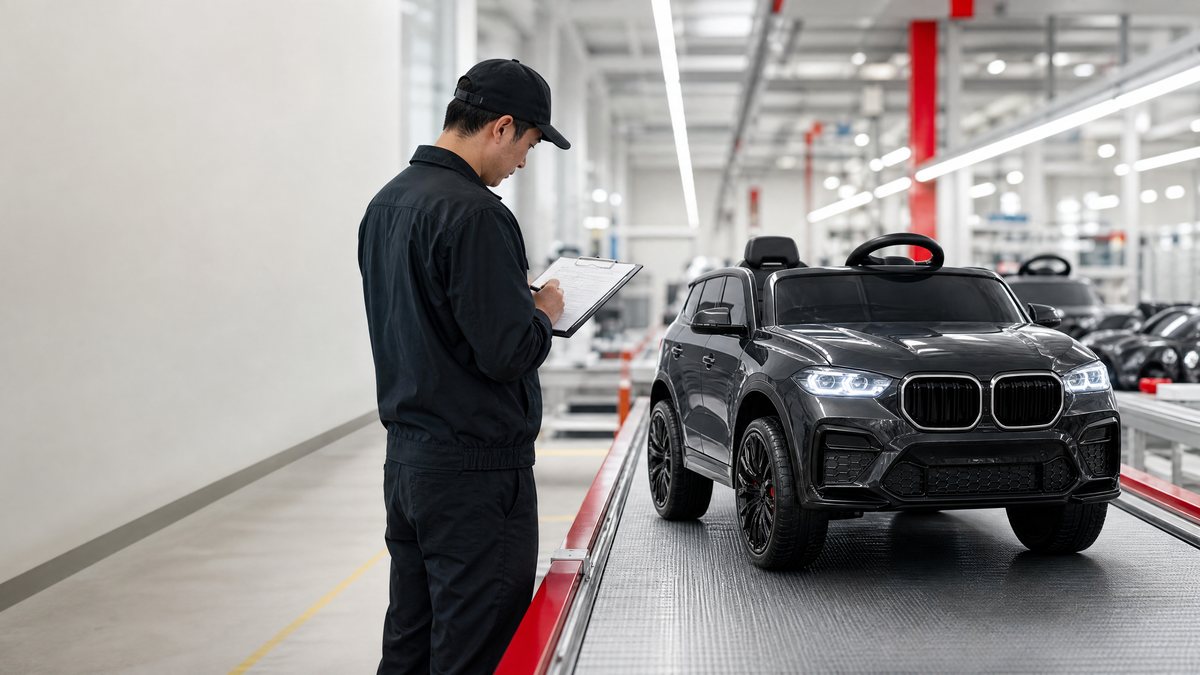
For B2B importers, retail buyers, and commercial operators, establishing a rigorous quality assurance and pre-purchase inspection framework is essential. When assessing manufacturer samples or reviewing technical documentation, buyers should examine several key structural indicators. First, inspect the mounting brackets and pivot points of the suspension arms. High-quality models utilize reinforced polymer brackets or metal pivot pins rather than thin molded plastic hinges that shear under lateral stress. Second, evaluate the spring rate and travel distance of the coil springs. A functional shock absorber should exhibit smooth compression and controlled rebound when manual downward pressure is applied to the vehicle body.
Third, review nameplate ratings, maximum weight capacities, and user manuals supplied by the manufacturer to ensure that the suspension geometry is engineered to support the intended load without bottoming out. Buyers should never rely on unverified marketing claims of "luxury off-road performance" without inspecting engineering drawings or physical sample stress tests.
Request a wholesale quote
By implementing this systematic verification process, wholesale buyers can curate a dependable product lineup that minimizes post-sale defects and reinforces brand reputation in competitive global markets. Procurement teams should also request supplier documentation regarding material certifications, drop-test performance, and compliance with international toy safety standards to ensure complete regulatory alignment.
Safety Guidelines and Operational Best Practices
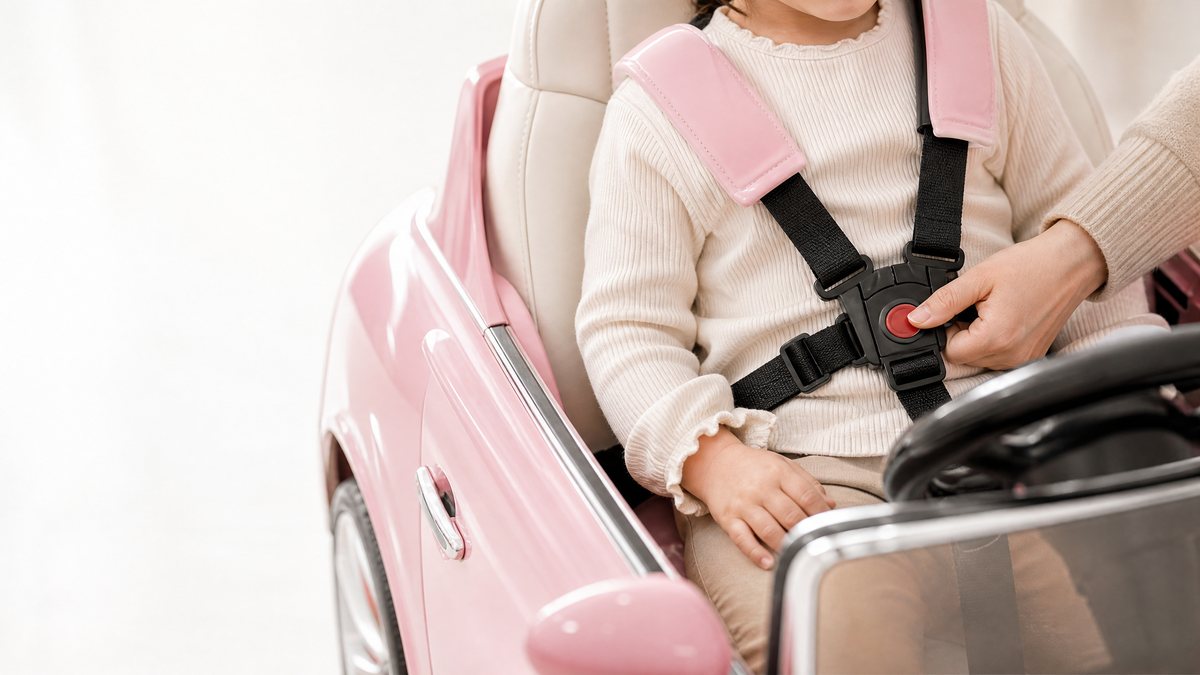
While shock absorbers greatly enhance comfort and stability, ride-on cars remain motor-driven children's toys requiring vigilant adult oversight and strict adherence to safety protocols. Adult supervision is mandatory during all operating sessions. Parents and caregivers must thoroughly read, understand, and follow all instructions outlined in the manufacturer's user manual before permitting a child to operate the vehicle.
It is critical to observe established safety boundaries. Users must never attempt to modify the suspension system, install unauthorized heavy-duty springs, alter steering geometry, or execute suspension lifts beyond factory specifications. Such unauthorized modifications can destabilize the vehicle's center of gravity, create pinch hazards, and void manufacturer warranties. Furthermore, users must avoid operating ride-on cars on steep inclines, near bodies of water, on public roadways, or in low-visibility conditions.
If any mechanical or electrical anomaly occurs—such as abnormal grinding noises in the suspension, structural cracking of pivot arms, burning odors, smoke, overheating, battery fluid leaks, water ingress, exposed wiring, damaged charging plugs, or erratic braking performance—immediate action must be taken. The operator must stop using the vehicle immediately, turn off the main power switch, keep children away from the unit, and contact the manufacturer or a qualified service technician for professional inspection and repair.
Frequently Asked Questions (FAQ)
1. Do all ride-on cars feature functional shock absorbers, or are some purely cosmetic?
Many entry-level models feature decorative plastic molded housings that resemble shock absorbers but contain no internal springs or dampening elements. Wholesale buyers and retail customers should carefully examine product specifications, technical drawings, or physical samples to verify that the vehicle includes actual steel coil springs or mechanical dampers.
2. How do shock absorbers impact the battery life and motor efficiency of a ride-on car?
By smoothing out bumps and maintaining continuous wheel traction on rough terrain, shock absorbers prevent wheels from spinning freely in the air and reduce sudden mechanical binding in the drivetrain. This consistent power transfer reduces unnecessary motor strain and helps optimize battery discharge efficiency during outdoor play.
3. Can damaged or worn-out shock absorbers be replaced independently?
Yes, on quality ride-on car models designed with modular serviceability in mind, individual suspension components such as coil springs and control arms can often be replaced using standard hand tools. Buyers should inquire with manufacturers regarding the availability of spare parts and replacement sub-assemblies to support long-term after-sales service.
4. What weight limits should be observed when purchasing suspension-equipped ride-on cars?
Every vehicle is engineered with a specific maximum load capacity stated on its nameplate and user manual. Exceeding this weight limit compresses the shock absorbers beyond their design tolerance, causing the chassis to bottom out against the axles and accelerating wear on both the suspension and the electric motors. Always adhere strictly to the manufacturer's specified weight limits.
Conclusion
Shock absorbers are far more than a cosmetic luxury in modern children's ride-on cars; they represent a fundamental engineering investment in ride comfort, mechanical durability, and user safety. By mitigating the harsh impacts of outdoor terrain, effective suspension systems protect delicate electrical control boards and internal gearboxes from vibration fatigue, resulting in lower failure rates and enhanced customer satisfaction. For B2B wholesale buyers, sourcing vehicles equipped with genuine, high-quality independent suspension configurations provides a distinct competitive advantage in the global market.
Request a wholesale quote
Official References
1. U.S. Consumer Product Safety Commission (CPSC) - General Toy Safety Education and Consumer Guidance. Note: CPSC general guidelines serve as educational references and do not supersede specific vehicle nameplate ratings, manufacturer manuals, or certified safety standards.
2. International Toy Safety Standards (ISO 8124 / EN 71 Compliance Frameworks) - General Mechanical and Physical Properties for Children's Ride-On Toys.
3. KidsRideCar Engineering & Quality Assurance Documentation - Technical Specifications for Suspension Damping and Drivetrain Protection Standards.
Official references
Explore these external resources for current regulatory and trade guidance. Confirm requirements with the relevant authority before placing an order.
Ready to Start?
Factory-Direct · CE & ASTM Certified · MOQ from 50 Units
Our export team works with buyers in 60+ countries. Get a quote within 24 hours.
KR
Written by KidsRideCar
China's leading kids electric ride-on car manufacturer. 500,000+ units shipped annually to 60+ countries. CE, ASTM & EN71 certified.