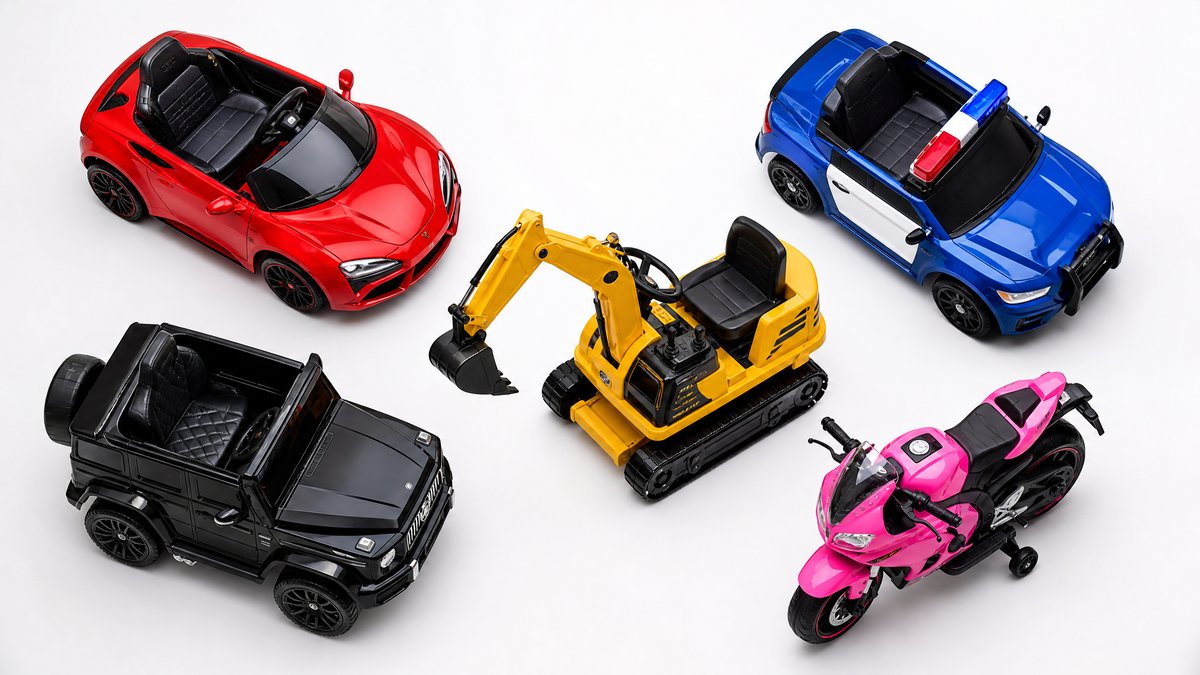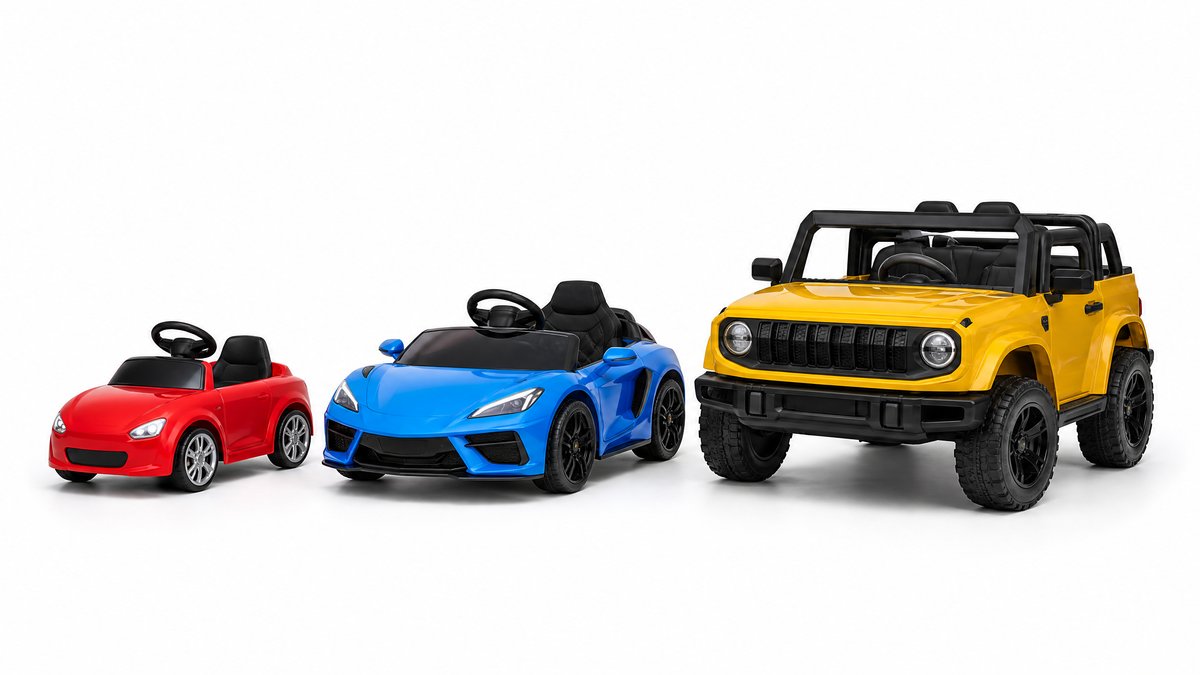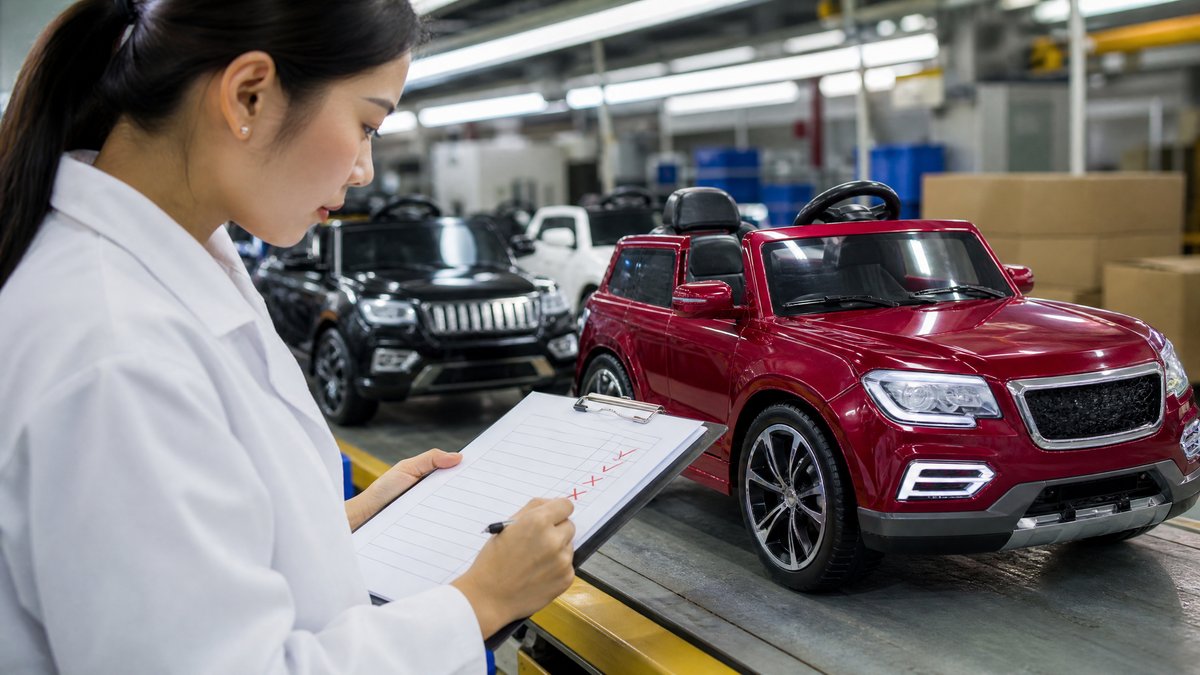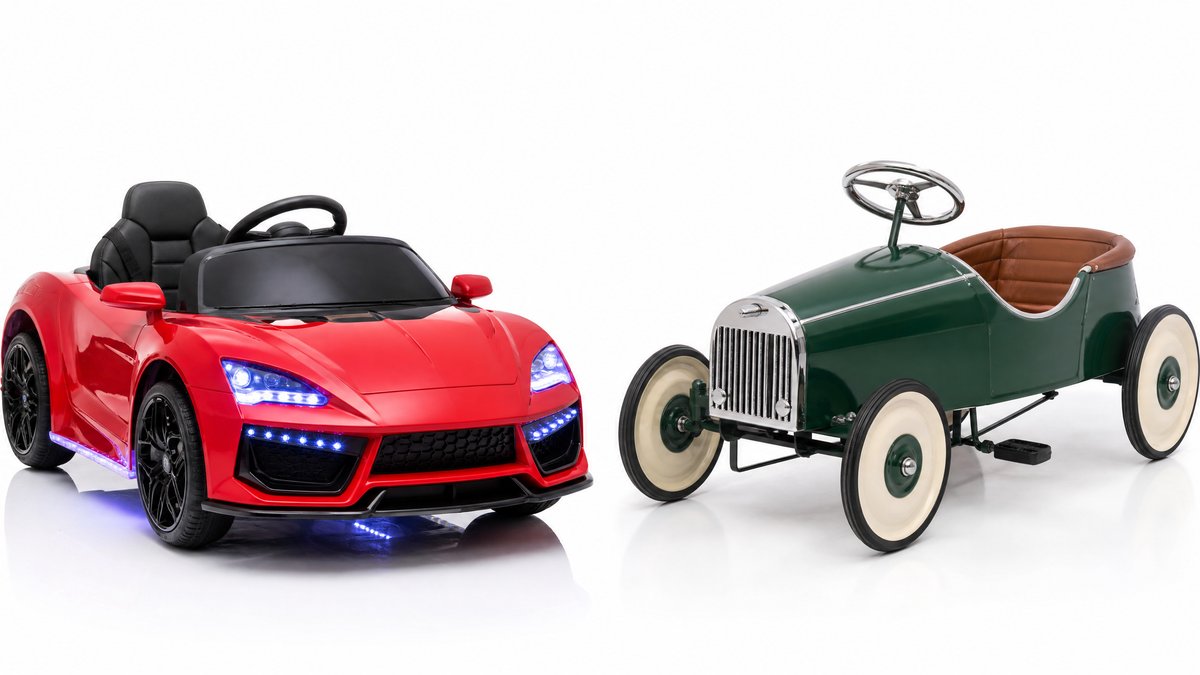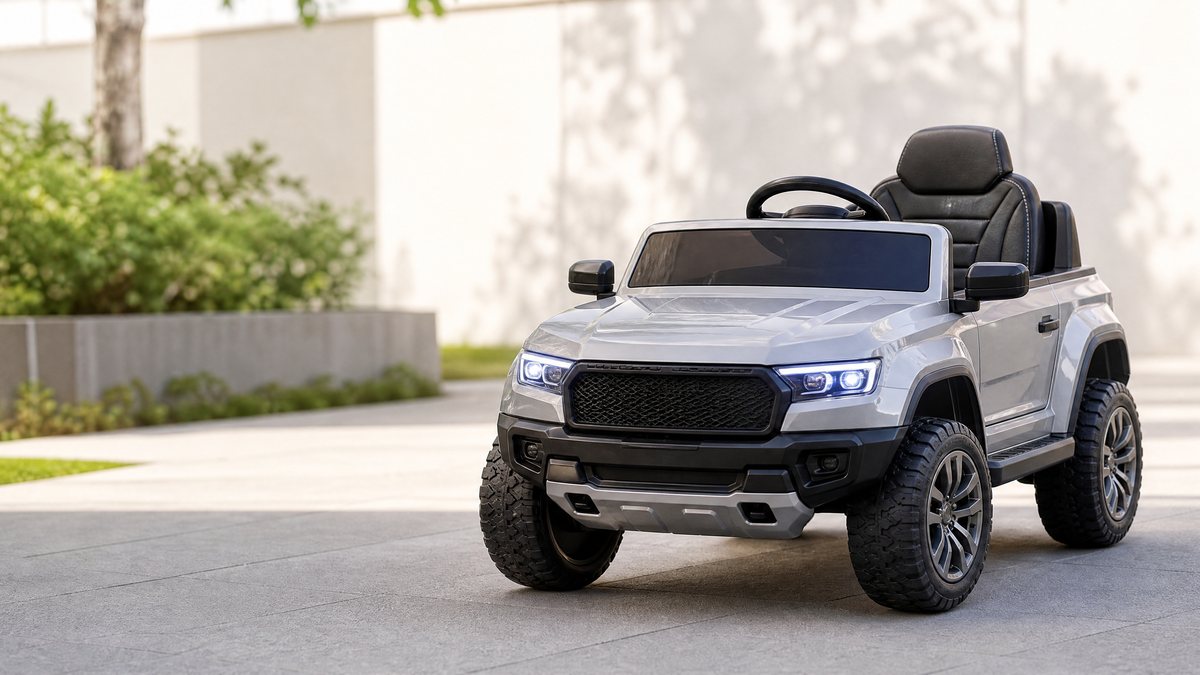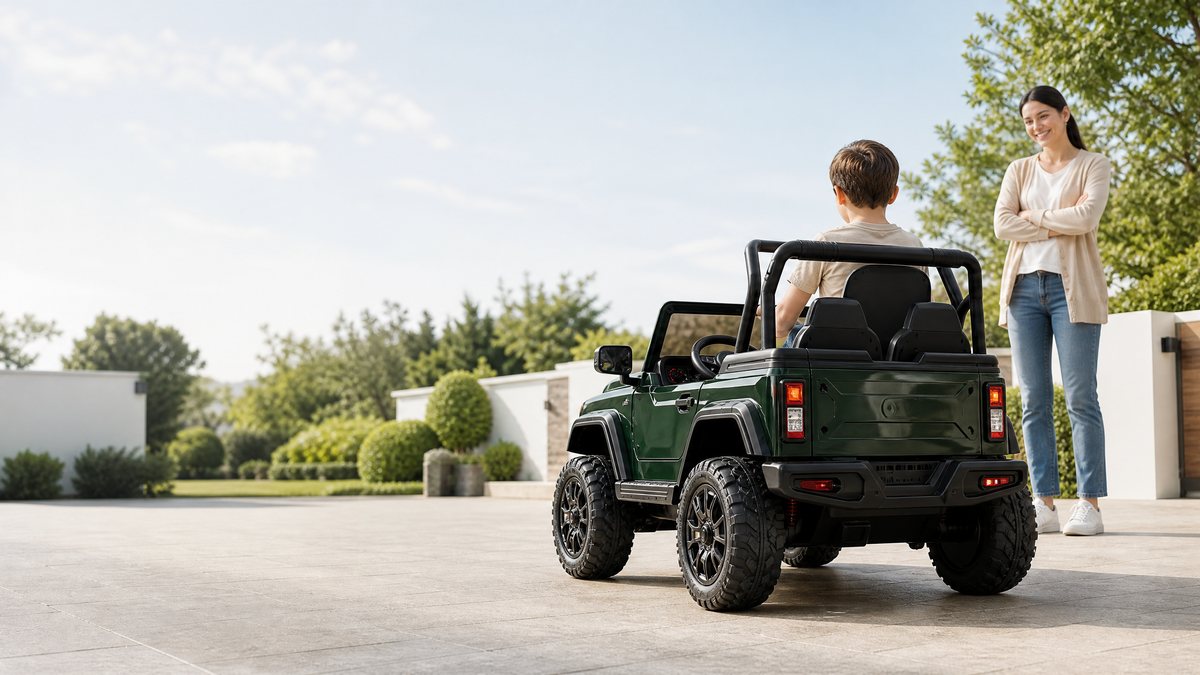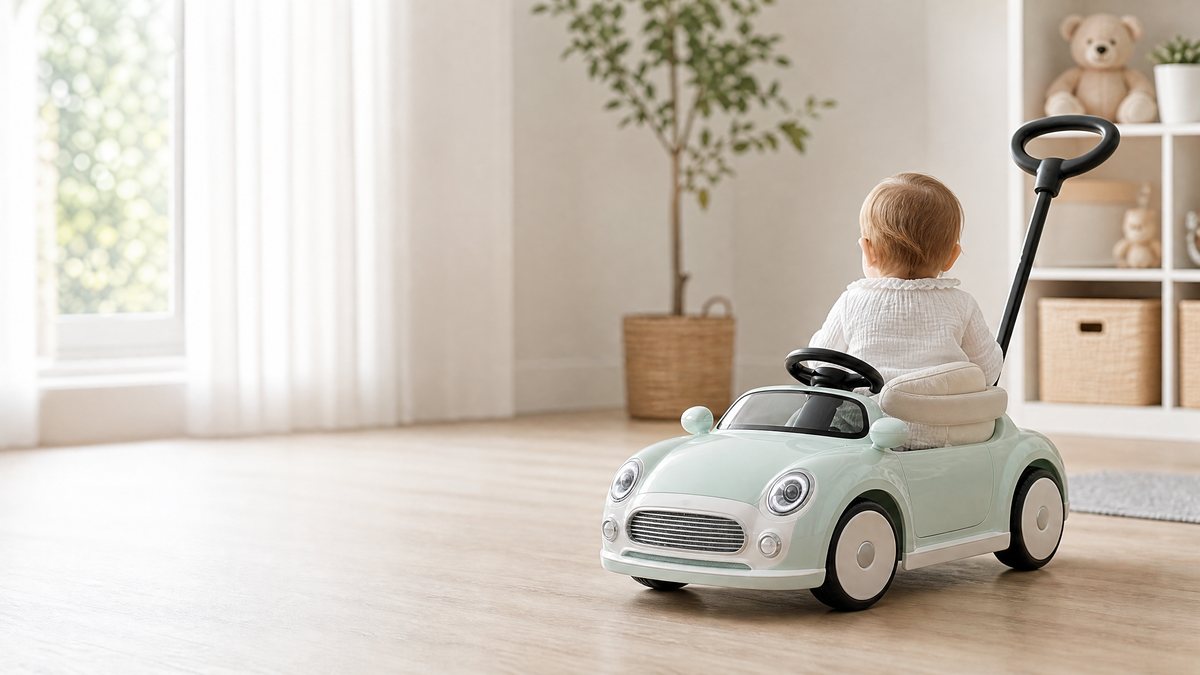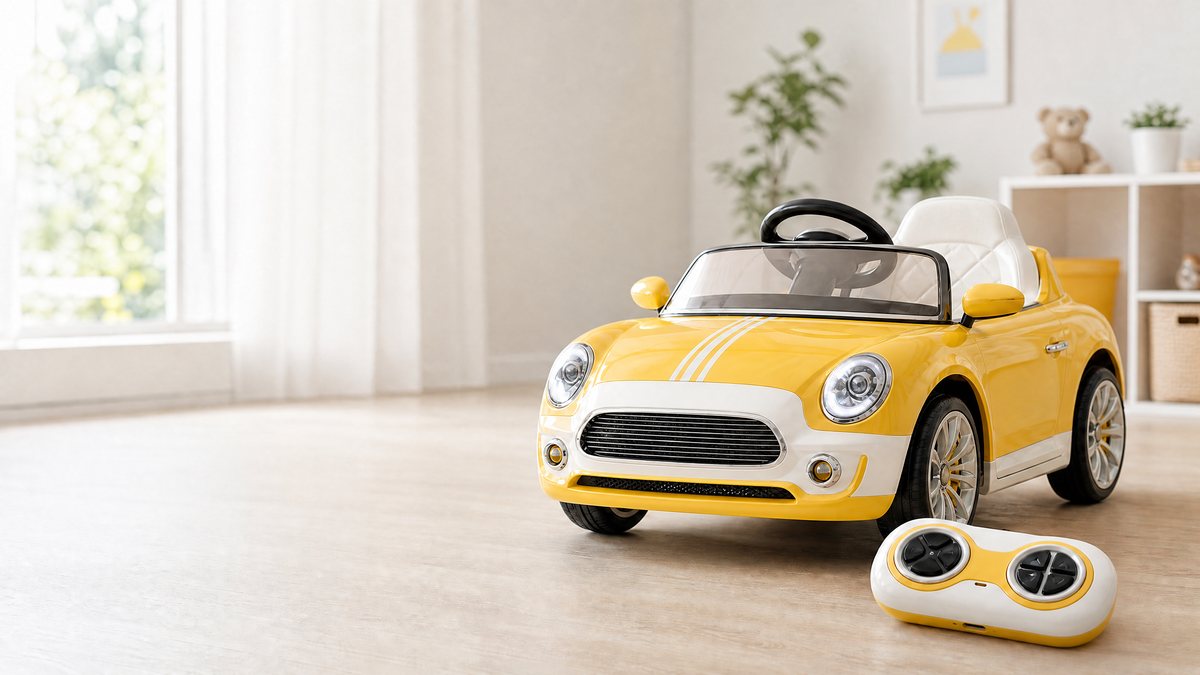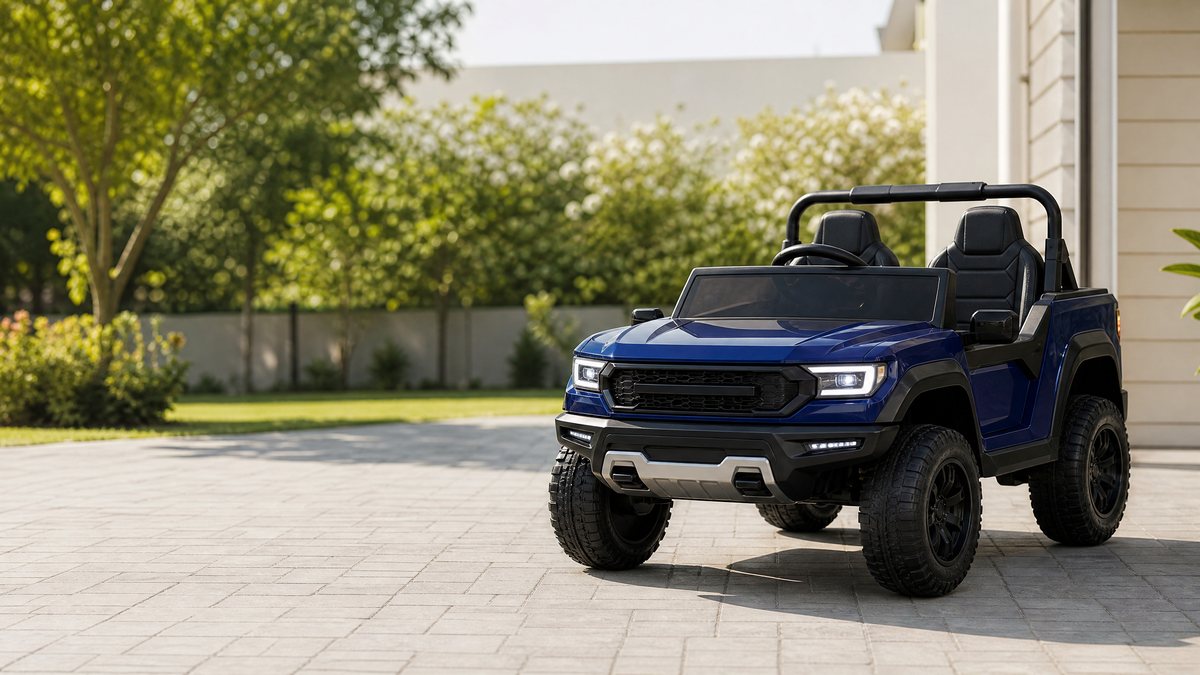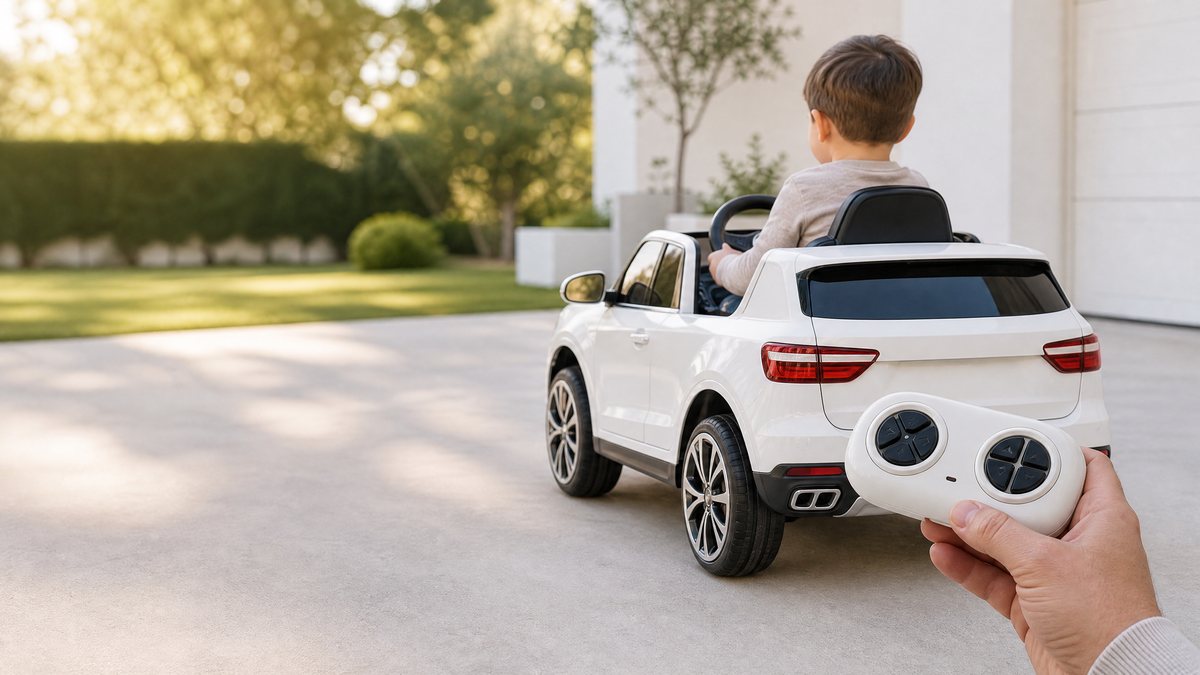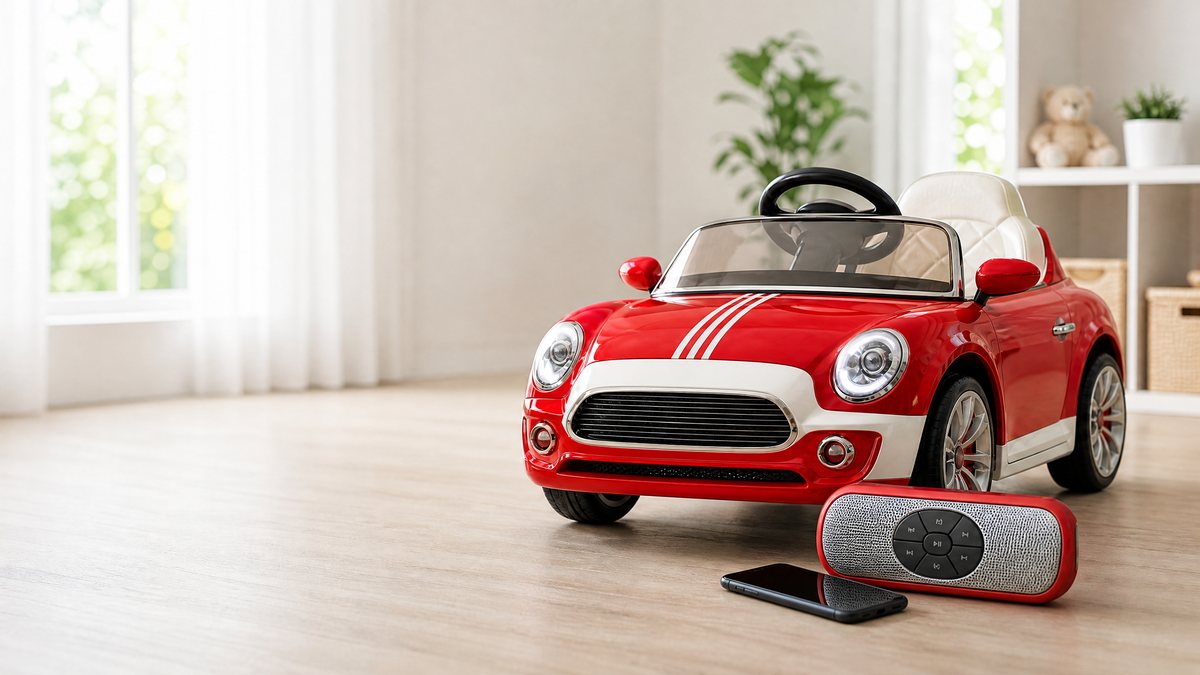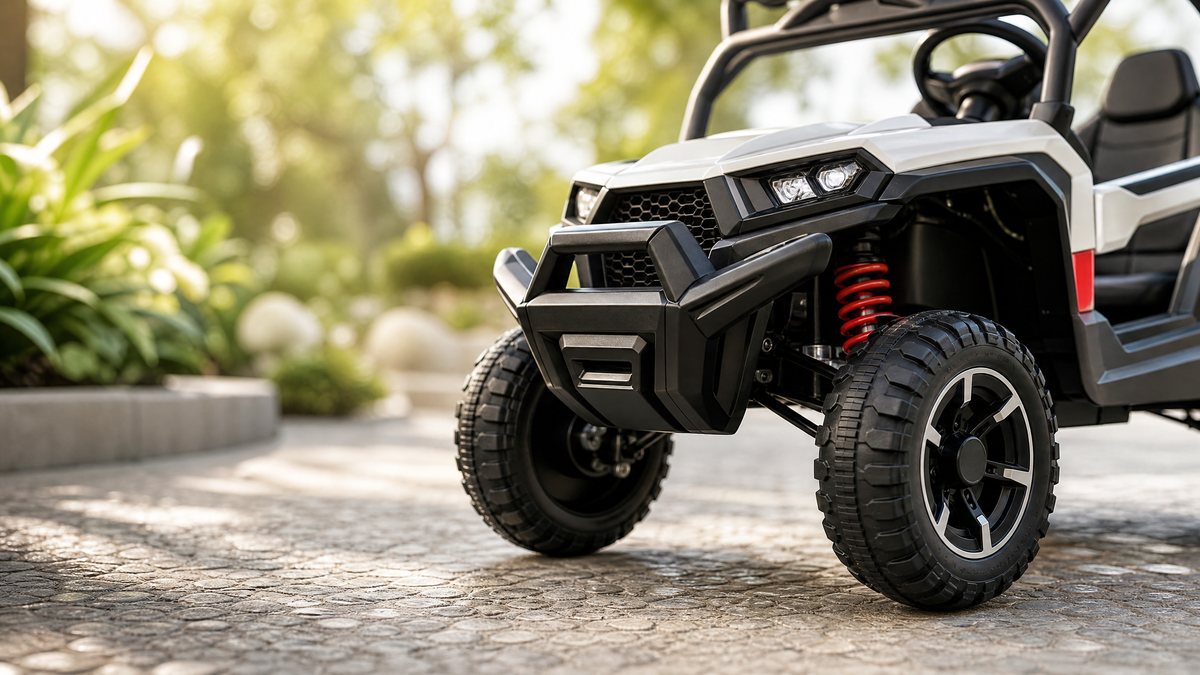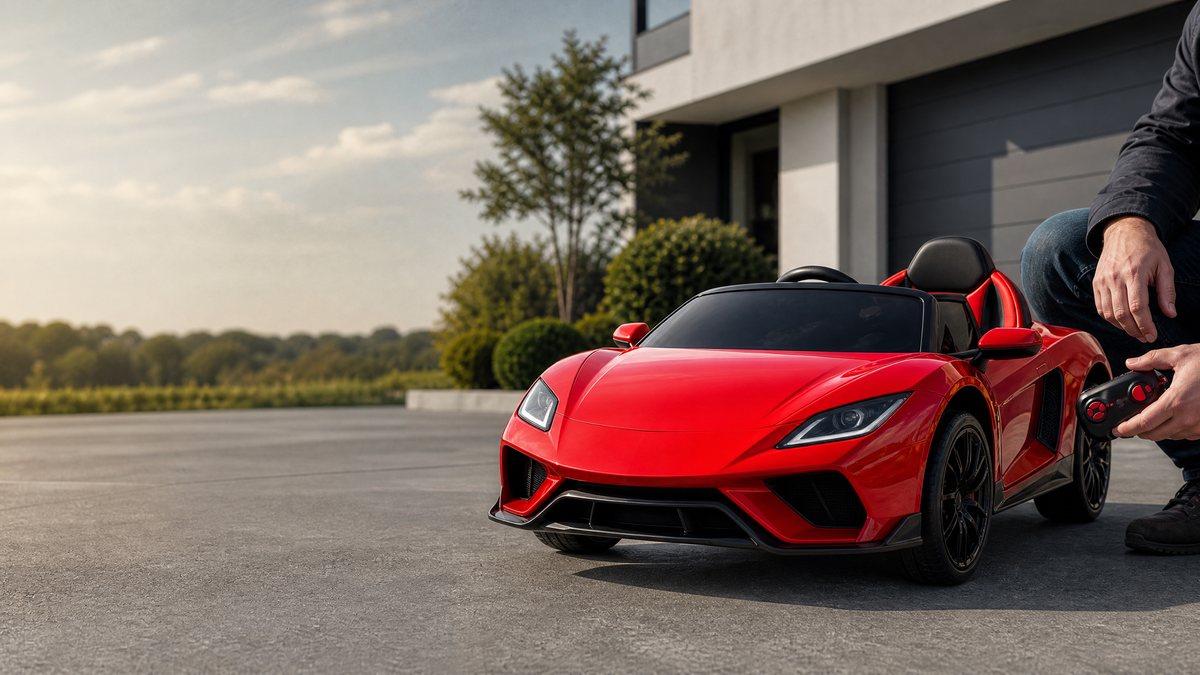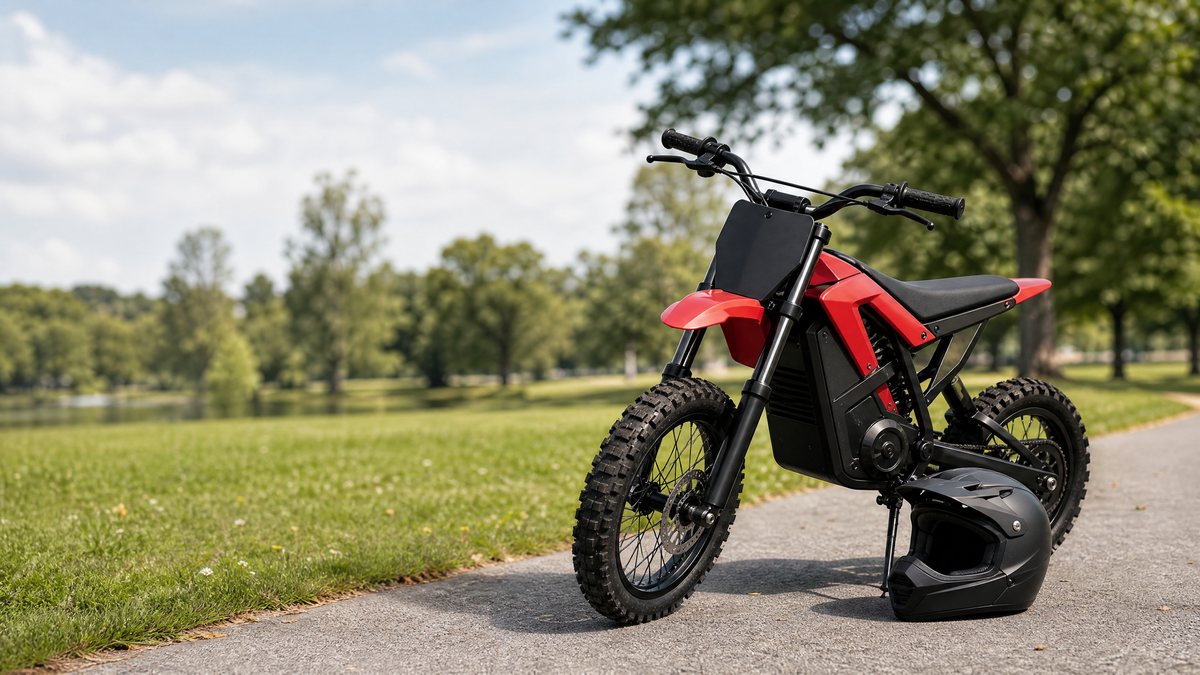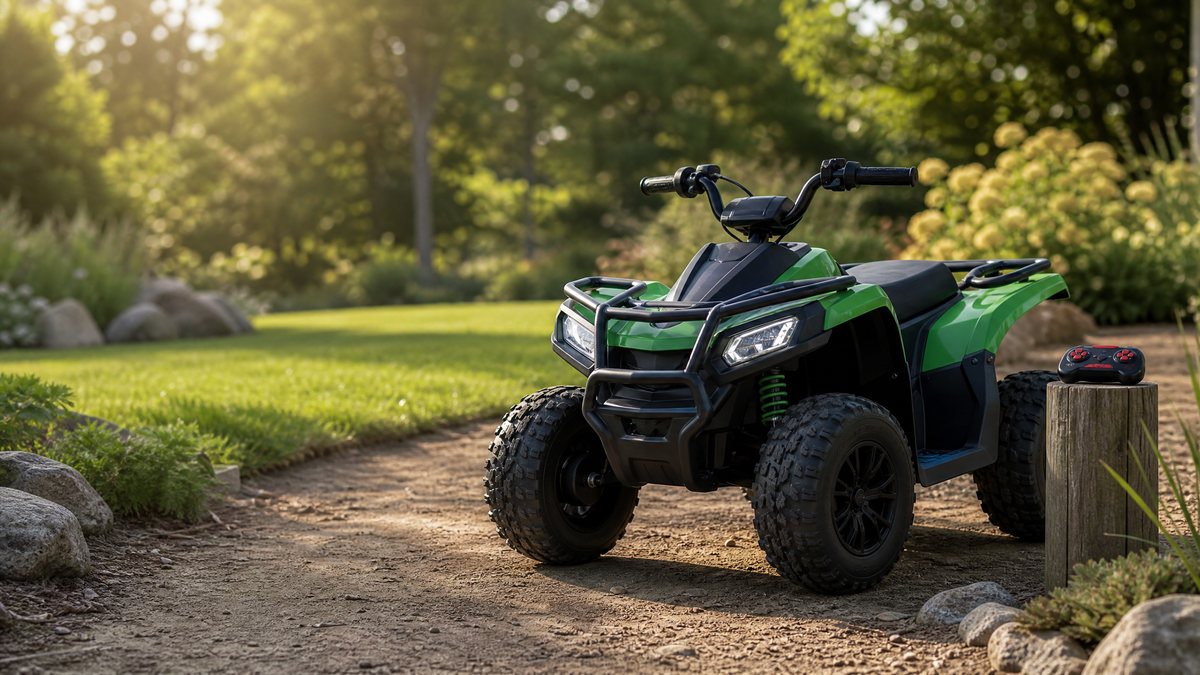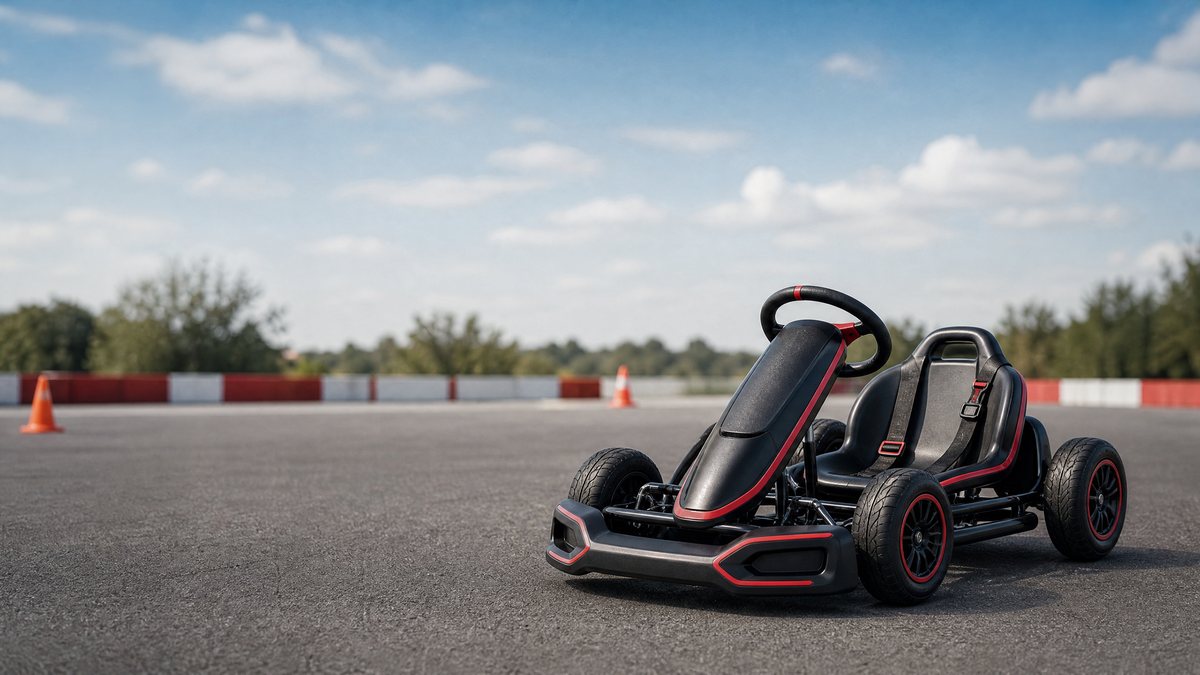
Birthday parties represent significant milestone moments in early childhood, brimming with anticipation, social interaction, and cherished family memories. For parents, professional event planners, and family entertainment venue operators, designing an itinerary that keeps young guests active, engaged, and safely entertained requires meticulous thought and creative vision. While traditional party games and standard inflatable bounce houses have long served as celebration staples, modern event organizers are increasingly looking toward interactive, dynamic activities that capture children's imaginations and encourage active participation. Among the most innovative developments in children's event programming is the integration of children's ride-on cars. When thoughtfully organized into structured tracks or supervised play zones, ride-on cars transform an ordinary birthday celebration into an immersive, high-energy experience. This comprehensive article examines the strategic planning, operational considerations, and safety frameworks necessary to make ride-on cars the centerpiece of a memorable birthday party activity.
The appeal of ride-on cars in a party setting lies in their unique ability to bridge imaginative play with physical coordination and social cooperation. Children are naturally drawn to vehicles that mimic adult automobiles, offering them a sense of autonomy, adventure, and purposeful movement. Unlike passive entertainment, operating a ride-on vehicle requires spatial awareness, decision-making, and basic motor control, which may vary by model and individual child capabilities. In a group party environment, these individual experiences naturally expand into collaborative social play. Children learn to share pathways, navigate traffic cones, wait their turn at designated pit stops, and communicate effectively with peers under close adult supervision. Event planners and parents who incorporate ride-on cars into their party itineraries frequently observe that these vehicles act as powerful social catalysts, breaking the ice among children who may not know each other well and establishing an energetic, cohesive group dynamic from the very beginning of the celebration.
Furthermore, birthday parties often bring together children of varying temperaments, energy levels, and developmental stages. While some children thrive in high-intensity group sports, others prefer independent, focused tasks. Ride-on cars provide a versatile middle ground where children can engage at their own comfort level, provided that adults maintain close supervision and ensure personal fit. Whether cruising leisurely along a decorated pathway or participating in an organized convoy, every young guest finds a role that suits their personality. This flexibility makes ride-on car activities exceptionally inclusive, ensuring that no child feels left out during the festivities. However, organizers must always emphasize that developmental and motor skill benefits are individual-dependent and not guaranteed medical outcomes, reinforcing that personal adaptation and continuous adult oversight remain essential.
Designing an Engaging Party Environment and Site Selection
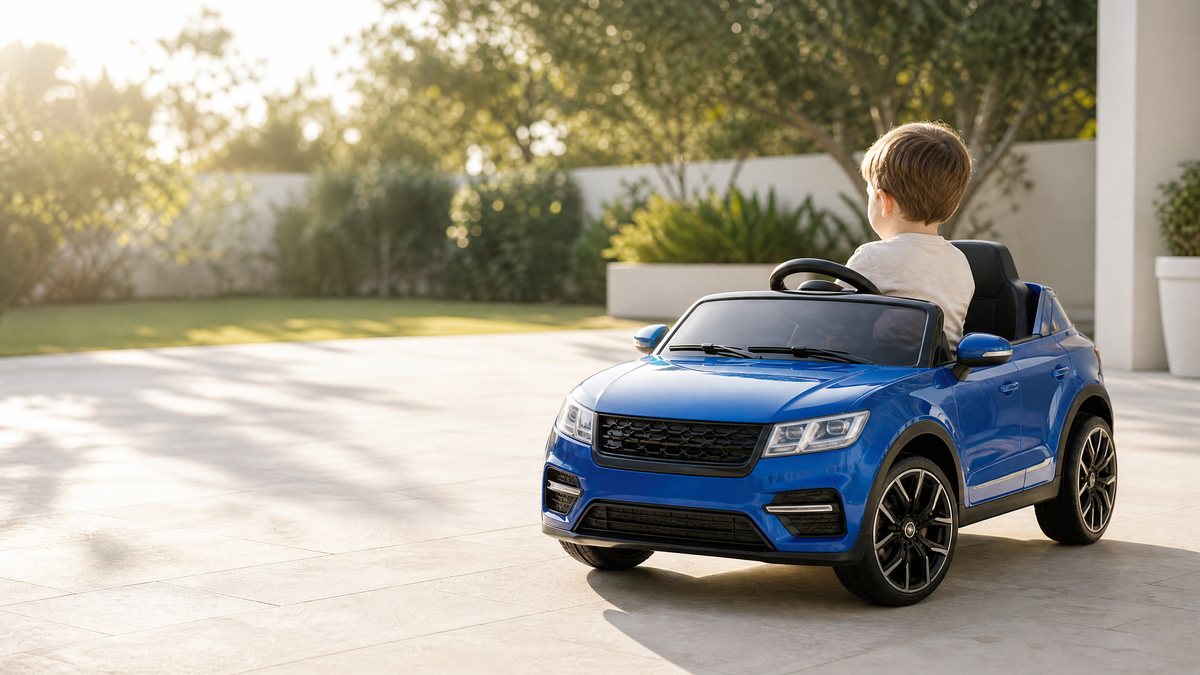
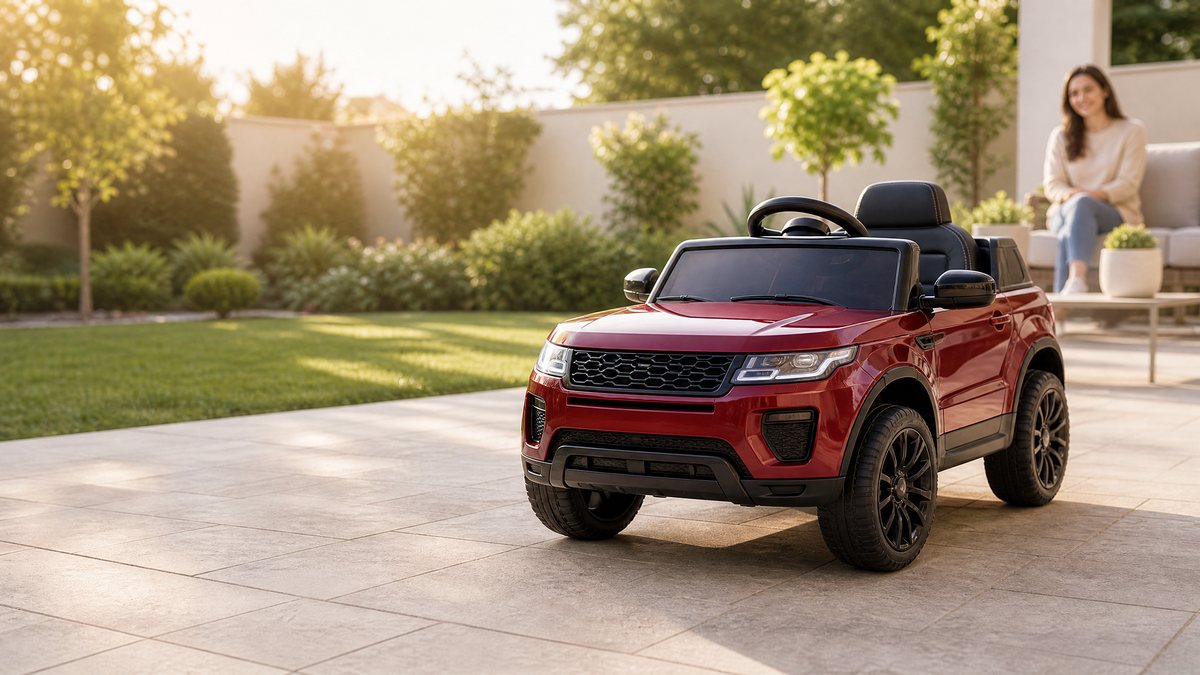
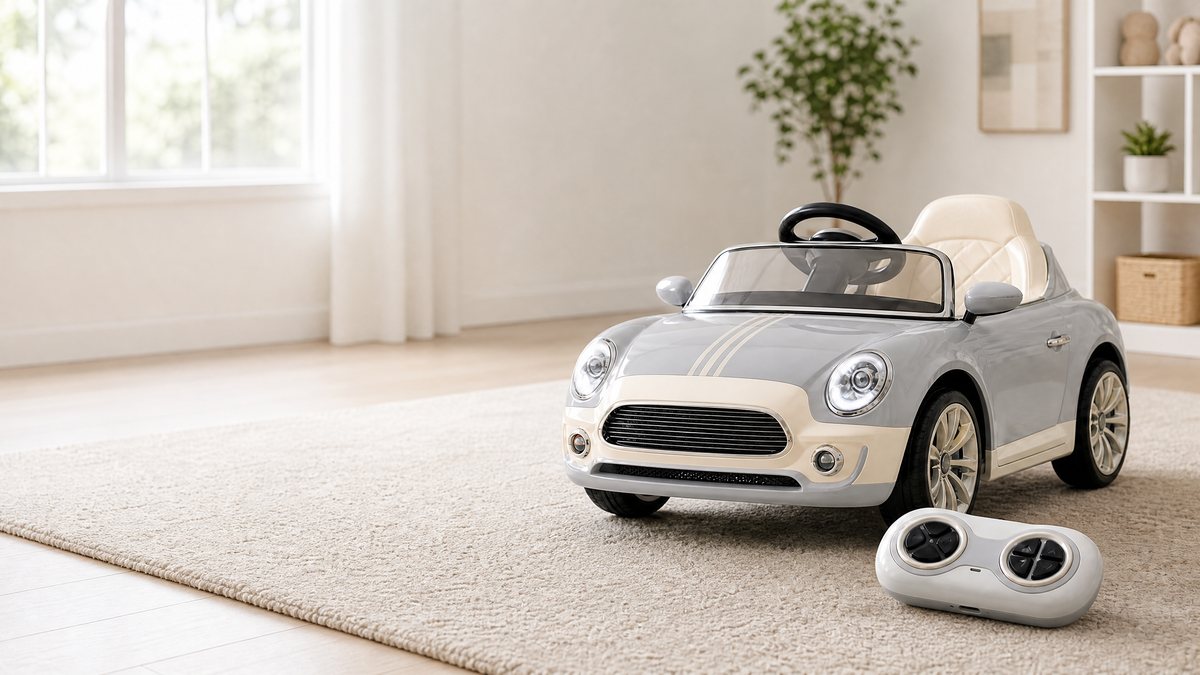
Successful integration of ride-on cars into a birthday party begins with meticulous environmental design and space management. Whether the celebration takes place in a spacious residential backyard, an approved community park, or an indoor rented venue, establishing clear physical boundaries is essential for maintaining order and safety. Organizers must assess the available terrain to ensure it meets the operational recommendations specified in the manufacturer documentation for the specific vehicles being used. Flat, smooth surfaces such as paved driveways, concrete patios, or tightly packed indoor flooring provide optimal stability and traction. Uneven lawns, loose gravel, or steep inclines should be avoided unless the vehicle fleet is specifically rated and equipped for such terrain, as outlined in official user manuals.
When selecting event locations—whether in gardens, parks, or community centers—organizers must strictly avoid public roads, commercial roadways, or unauthorized areas. All activities must be confined to permitted, closed environments where local rules and site permits allow recreational play. Organizers should always verify site permissions, ensure flat and dry allowed surfaces, and consult product manuals for specific environmental limits.
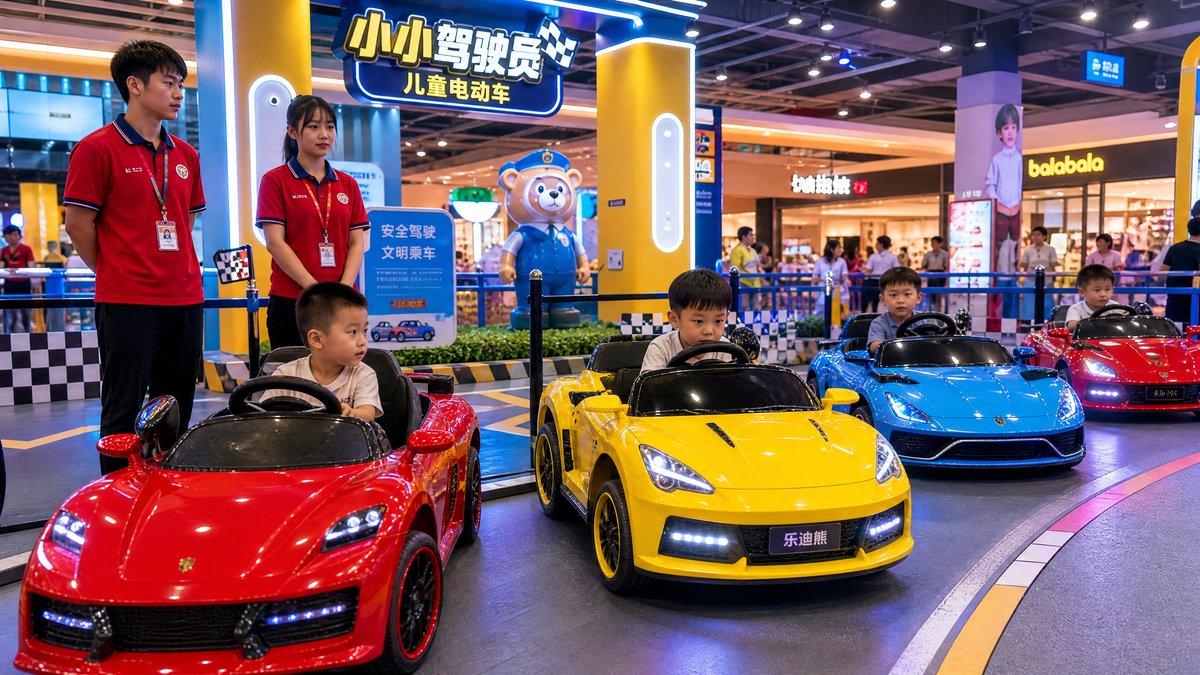
Beyond surface selection, creating a dedicated driving circuit or arena helps channel children's enthusiasm into structured play. Rather than allowing random, unstructured driving across an open area, event organizers can use flexible cones, soft inflatable barriers, or brightly colored chalk lines to map out a miniature roadway system. This miniature course can feature designated architectural features such as start-and-finish lines, parking garages, pedestrian crossings, and pit-stop refueling zones. Incorporating these playful elements not only enhances the visual aesthetic of the party theme but also naturally regulates the flow of traffic. Children instinctively follow the designated pathways, reducing the likelihood of congestion or accidental bumps while maximizing their enjoyment of the driving experience.
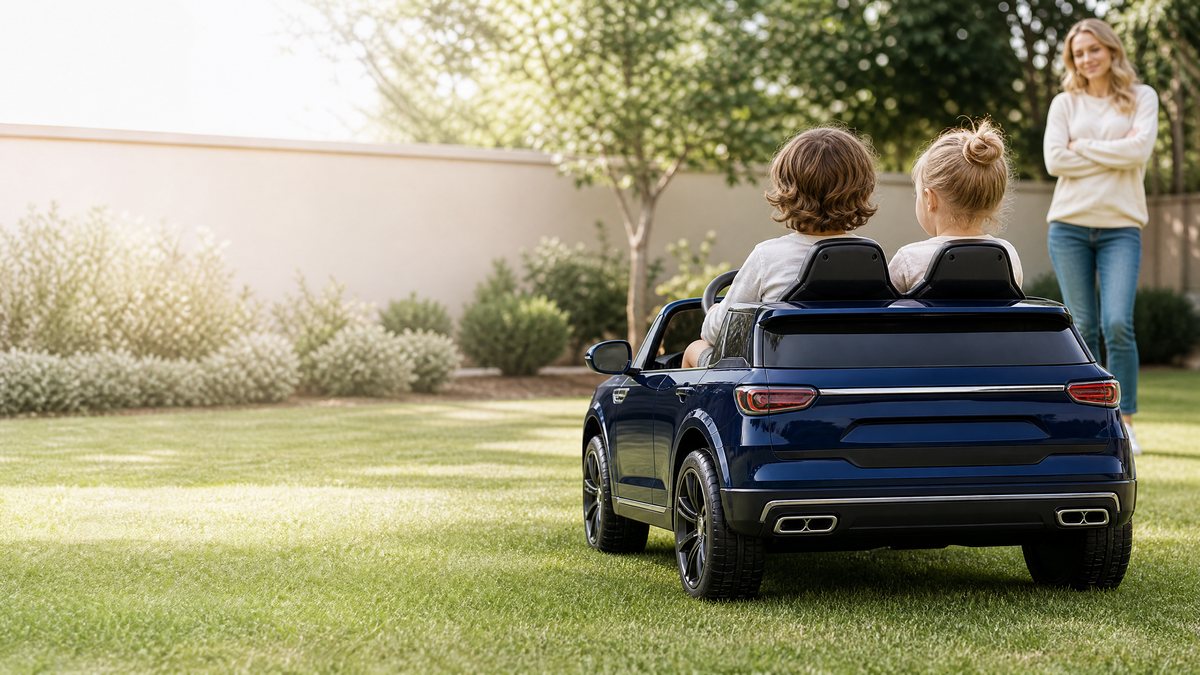
When planning the layout, organizers should also consider spectator viewing areas and parent resting zones. Positioning seating around the perimeter of the driving track allows parents and guests to capture photographs and cheer for the young drivers without obstructing the course. Clear sightlines ensure that supervisors can maintain continuous visual contact with every vehicle on the track, reinforcing the overall safety and enjoyment of the event.
Structuring Party Activities: From Free Play to Organized Mini-Circuits
To maintain high engagement throughout a multi-hour birthday party, event coordinators benefit from structuring ride-on car activities into distinct, progressive phases. A well-balanced party schedule often transitions from initial exploratory sessions to organized group challenges and celebratory finales. During the first phase of the party, children arrive and participate in an open practice session under close adult supervision. This allows young guests to familiarize themselves with the specific controls, steering responsiveness, and pedal operations of the vehicles if equipped, following instructions in the product manual. Parents and party hosts can use this time to brief participants on basic rules, such as maintaining a safe distance from other drivers and respecting the boundaries of the course.
As the party progresses, organizers can introduce structured mini-circuits and team-oriented games that elevate the excitement level. Simple, non-competitive activities such as timed obstacle courses, scavenger hunt deliveries, or convoy parades encourage teamwork and focus. For instance, children can be tasked with driving to a designated checkpoint to collect party favors or puzzle pieces, fostering a sense of shared accomplishment. When organizing group activities, maintaining a fair rotation system ensures that every child receives equal time behind the wheel, preventing frustration and keeping waiting participants entertained with sideline cheering or supporting roles. Request a wholesale quote to explore bulk vehicle options and event-ready fleet packages tailored for children's entertainment venues and party planners.
Evaluating Party Activity Formats for Children's Events
When planning a birthday celebration, event organizers often weigh various entertainment formats against each other. Selecting the right activity depends on factors such as age group suitability, space availability, engagement duration, and supervision requirements. The following comparison table outlines how ride-on car circuits compare with traditional party entertainment options.
| Activity Format | Primary Age Suitability | Space Requirement | Average Engagement Duration | Supervision & Staffing Level | Key Operational Considerations |
|---|---|---|---|---|---|
| Ride-On Car Circuit | 3 to 8 years (model-dependent) | Medium to Large (Flat outdoor/indoor) | 45 to 90 minutes | Moderate to High (Constant active monitoring) | Requires flat terrain, battery management, and structured course boundaries. |
| Traditional Party Games | 4 to 12 years | Small to Medium (Flexible) | 30 to 45 minutes | Low to Moderate (Facilitator-led) | Requires active adult leadership and continuous game variation to maintain interest. |
| Inflatable Bounce House | 3 to 10 years | Large (Dedicated clearance zone) | 60 to 120 minutes | Moderate (Safety monitor required) | Weather-dependent outdoors, continuous power supply required, strict capacity limits. |
| Arts & Crafts Station | 5 to 12 years | Small (Seating and tables) | 30 to 60 minutes | Low to Moderate (Material assistance) | High clean-up requirement, varying attention spans among younger participants. |
As illustrated in the comparison table, ride-on car circuits offer a unique blend of sustained engagement and active physical participation, making them an exceptional choice for birthday celebrations where children thrive on movement and interactive play. However, they also demand proactive planning regarding space, power reserves, battery rotation schedules, and dedicated supervision to ensure seamless execution.
Rigorous Safety Protocols and Supervision Guidelines for Group Play
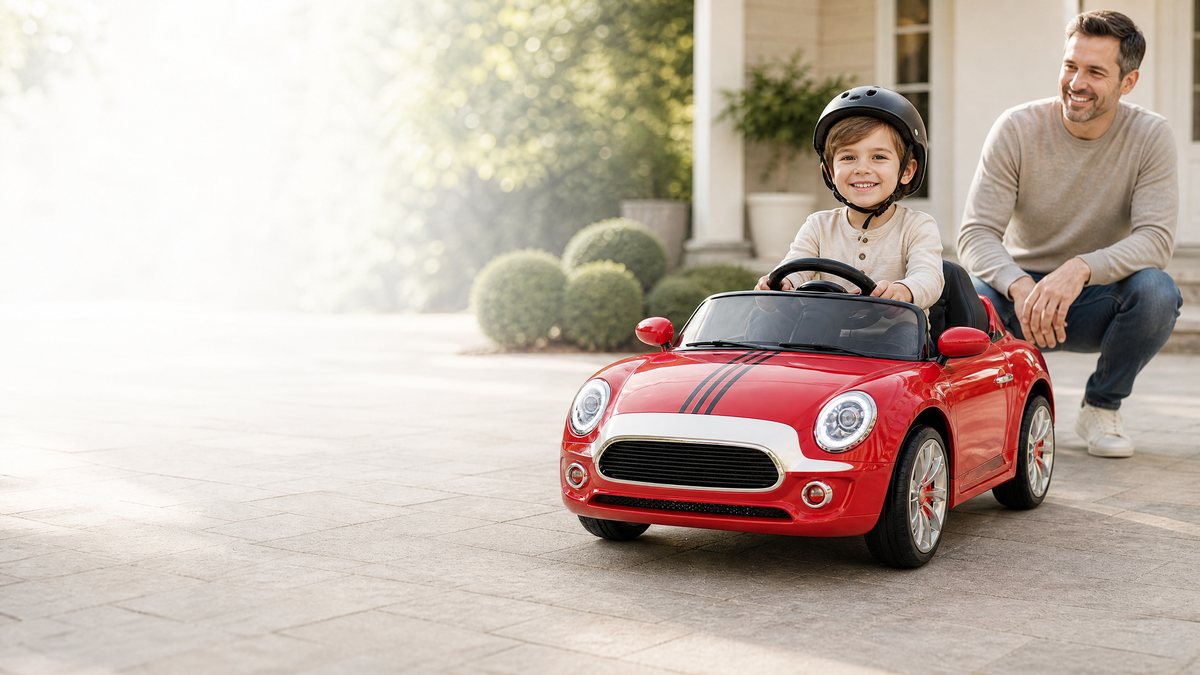
Safety is the paramount consideration when introducing motorized or manual ride-on vehicles into a group party setting. While these products are designed to deliver immense joy, group dynamics and high excitement can sometimes lead to rushed movements or inattention. Therefore, establishing rigorous safety protocols is non-negotiable for party hosts and event operators. First and foremost, continuous adult supervision must be maintained at all times. Designated supervisors should be positioned at key vantage points around the driving circuit to monitor traffic flow, assist young drivers who encounter steering difficulties, and intervene immediately if any child approaches course boundaries too quickly.
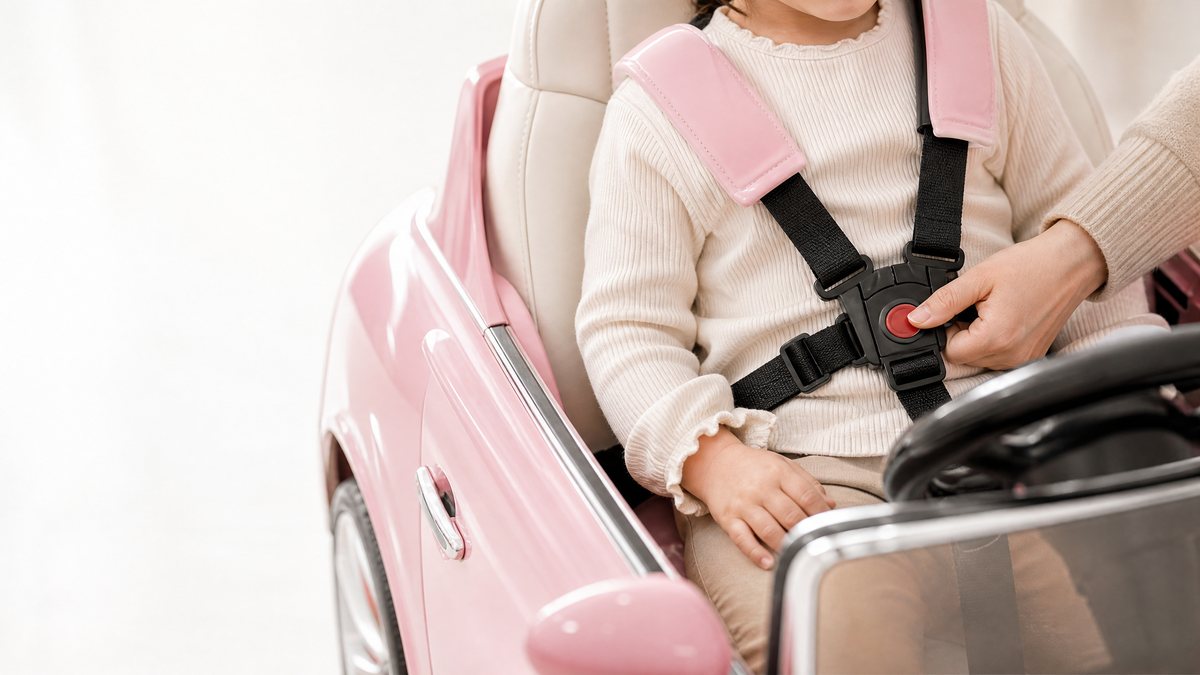
All operational practices must strictly adhere to the manufacturer's instructions and rating specifications provided in the product manual. Organizers must verify the age, weight, and height recommendations for each vehicle model deployed in the party fleet, ensuring that participants match the intended design parameters. Furthermore, event planners must enforce sensible rules regarding footwear, clothing, and accessory safety—such as requiring closed-toe shoes and securing loose garments that could potentially catch on steering components or wheels.
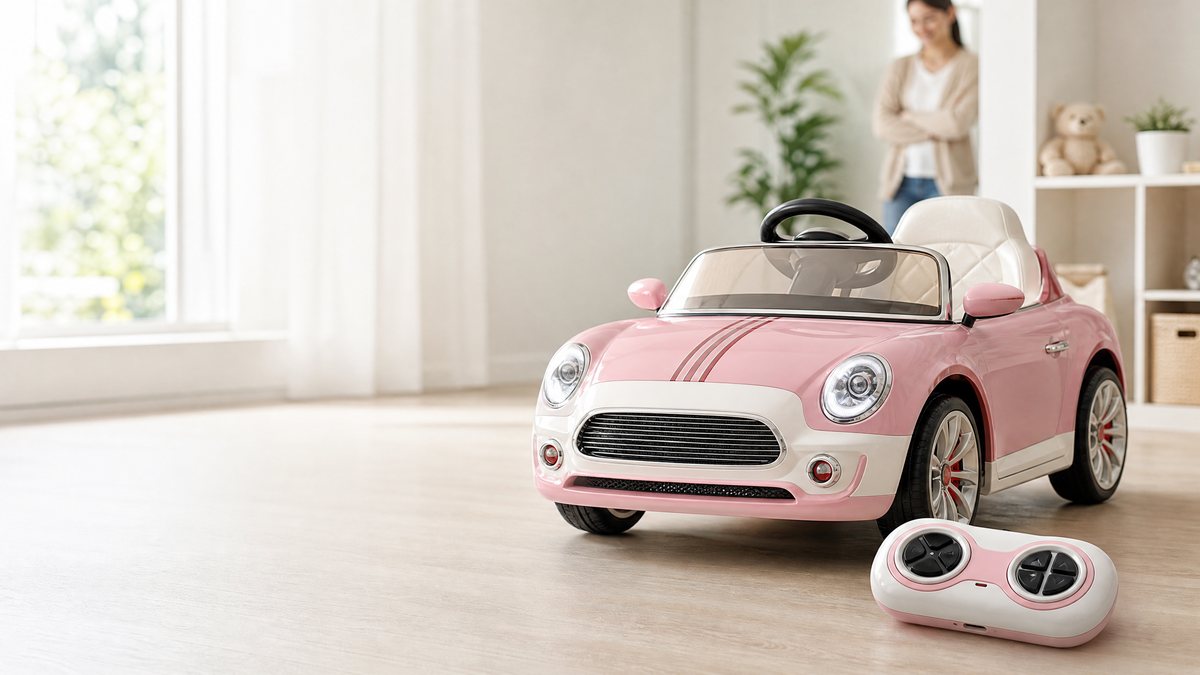
When dealing with unusual odors, smoke, overheating, fluid leaks, water ingress, exposed wires, damaged plugs, abnormal braking, or persistent faults, supervisors must immediately stop use and charging, turn off the vehicle, keep children away, and contact the manufacturer or qualified repair personnel. Under no circumstances should unqualified individuals attempt internal repairs, modifications to electrical systems, harnesses, seats, or restraints. Bluetooth, speed adjustment, and diagnostic troubleshooting must be restricted to low-risk external operations and strictly follow the product manual.
Commercial and Wholesale Perspectives for Event Organizers and Rental Fleets
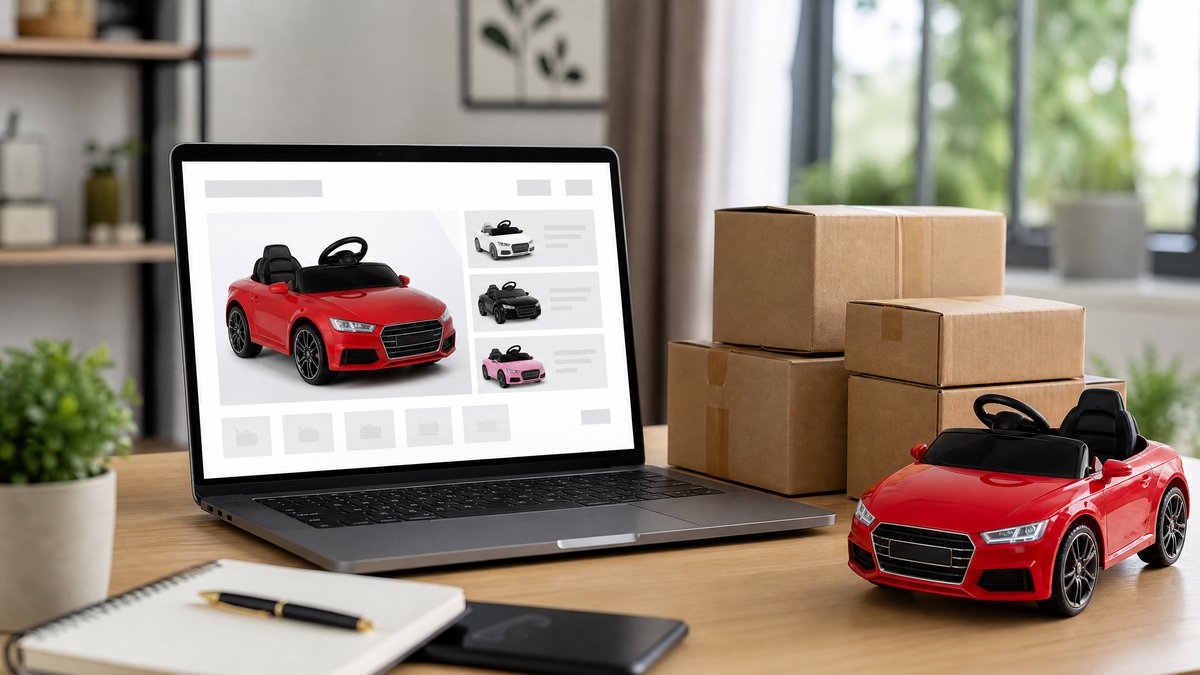
Beyond private family celebrations, the concept of utilizing ride-on car circuits has significant commercial implications for professional event planners, children's party rental companies, and family entertainment centers (FECs). Offering a branded, professionally managed ride-on car track as part of a birthday party package serves as a powerful differentiator in a competitive events market. Parents today actively seek unique, high-value entertainment experiences that elevate children's parties beyond standard gatherings. When considering commercial fleet investments, rental operators should always check current product pages, seller terms, and platform policies directly to verify pricing, availability, and specific service terms, as business conditions may vary.
For businesses entering this space, selecting the right supplier and establishing robust fleet maintenance routines are critical success factors. Commercial operators must prioritize vehicles constructed with high-impact resilient materials, robust gearboxes, and reliable power systems capable of enduring frequent usage cycles. Establishing a routine inspection schedule—checking wheel alignment, charging cycles, remote control signal integrity, and structural fasteners before and after every rental event—ensures maximum operational uptime and longevity. As businesses scale their inventory to meet seasonal demand spikes, partnering with established wholesale providers ensures access to consistent model specifications, comprehensive parts support, and clear documentation.
Frequently Asked Questions (FAQ)
1. What is the ideal age range for children participating in a ride-on car party activity?
The ideal age range typically spans from 3 to 8 years old, depending heavily on the specific vehicle models utilized. Younger toddlers (ages 1 to 3) generally require parental push-cars or fully remote-controlled models operated exclusively by adults. Always consult the specific manufacturer guidelines and rating plates for each vehicle to ensure appropriate matching with participants.
2. What type of surface is best suited for setting up a party driving track?
Flat, smooth, and dry surfaces provide the best operational environment. Paved driveways, concrete patios, smooth gymnasium floors, or tightly compacted indoor event spaces ensure optimal traction and stability. Avoid uneven lawns, deep gravel, sandy areas, or steep slopes unless the vehicle fleet is explicitly certified for such terrain by the manufacturer. All activities must be restricted to permitted private or semi-private areas, avoiding public roads and unauthorized zones.
3. How can party hosts manage guest rotation to ensure fairness during busy parties?
Organizers can implement a structured time-slot or token system, allowing small groups of children to drive for 10-to-15-minute intervals before rotating with waiting peers. While one group is driving, waiting participants can enjoy themed sideline activities, take on roles as traffic marshals with stop signs, or cheer for their friends, maintaining high engagement across the entire party.
4. What safety measures must be strictly enforced during group ride-on car activities?
Essential safety measures include maintaining continuous adult supervision, establishing clear physical boundaries around the driving track, enforcing mandatory closed-toe footwear, and ensuring every child matches the manufacturer's recommended weight and age limits. In the event of faults such as unusual odors, smoke, overheating, or exposed wiring, immediately cease use, turn off the vehicle, keep children away, and contact qualified personnel. Never modify seats, restraints, or electrical systems.
Conclusion
Incorporating ride-on cars into a children's birthday party elevates the celebration from a standard gathering into an extraordinary, interactive adventure. By combining thoughtful environmental design, structured mini-circuits, rigorous safety supervision, and engaging group activities, party hosts and event organizers can create an environment where children develop motor coordination, social cooperation, and lasting joyful memories. Whether planning an intimate backyard celebration or managing a professional rental fleet, prioritizing safety compliance and structured fun ensures success. Request a wholesale quote today to discover our premium selection of ride-on vehicles designed for unforgettable events and commercial ventures.
Official References
1. Consumer Product Safety Commission (CPSC). General Toy Safety Education and Playground Safety Guidelines. Available via official CPSC educational resources regarding child product safety and active play supervision. Note: CPSC educational materials provide general safety principles and do not constitute product certification or specific model instructions.
2. ASTM International. Standard Consumer Safety Specification Pertaining to Toy Safety (ASTM F963 framework references). Industry standards regarding mechanical hazards, electrical safety, and material integrity in children's play equipment.
3. KidsRideCar Safety & Operation Manuals. Manufacturer operational guidelines, battery charging protocols, and recommended maintenance schedules for children's ride-on vehicles. Always consult the specific rating plate accompanying each vehicle model.
Official references
Explore these external resources for current regulatory and trade guidance. Confirm requirements with the relevant authority before placing an order.
Ready to Start?
Factory-Direct · CE & ASTM Certified · MOQ from 50 Units
Our export team works with buyers in 60+ countries. Get a quote within 24 hours.
KR
Written by KidsRideCar
China's leading kids electric ride-on car manufacturer. 500,000+ units shipped annually to 60+ countries. CE, ASTM & EN71 certified.