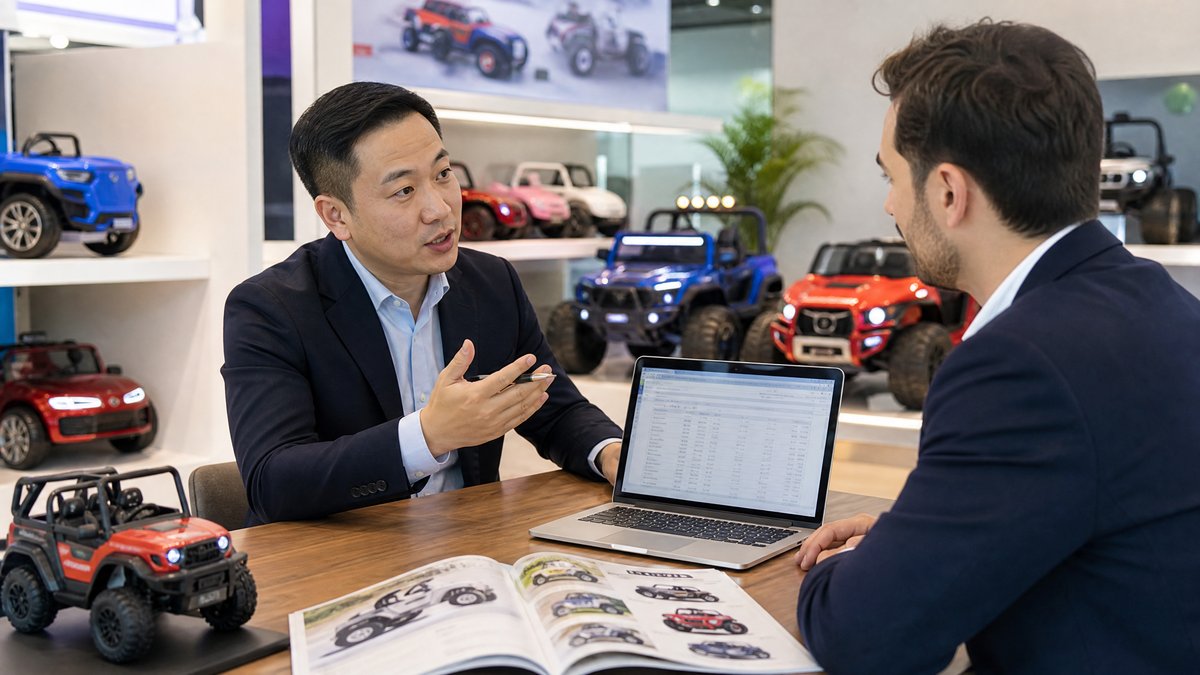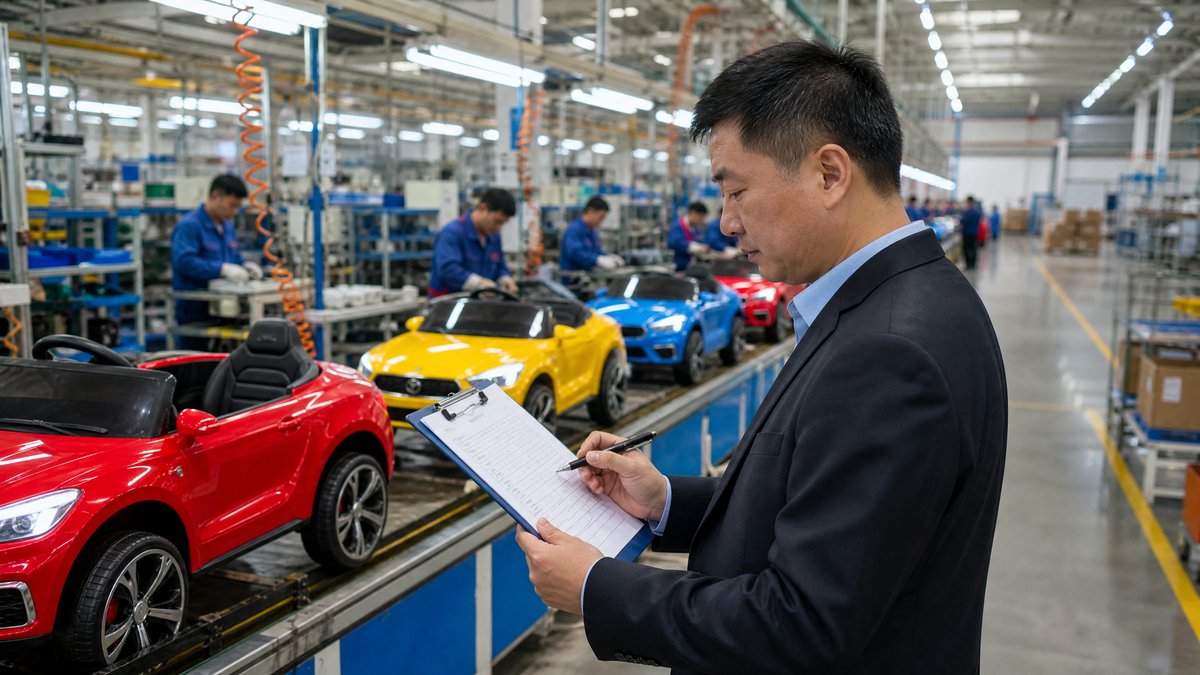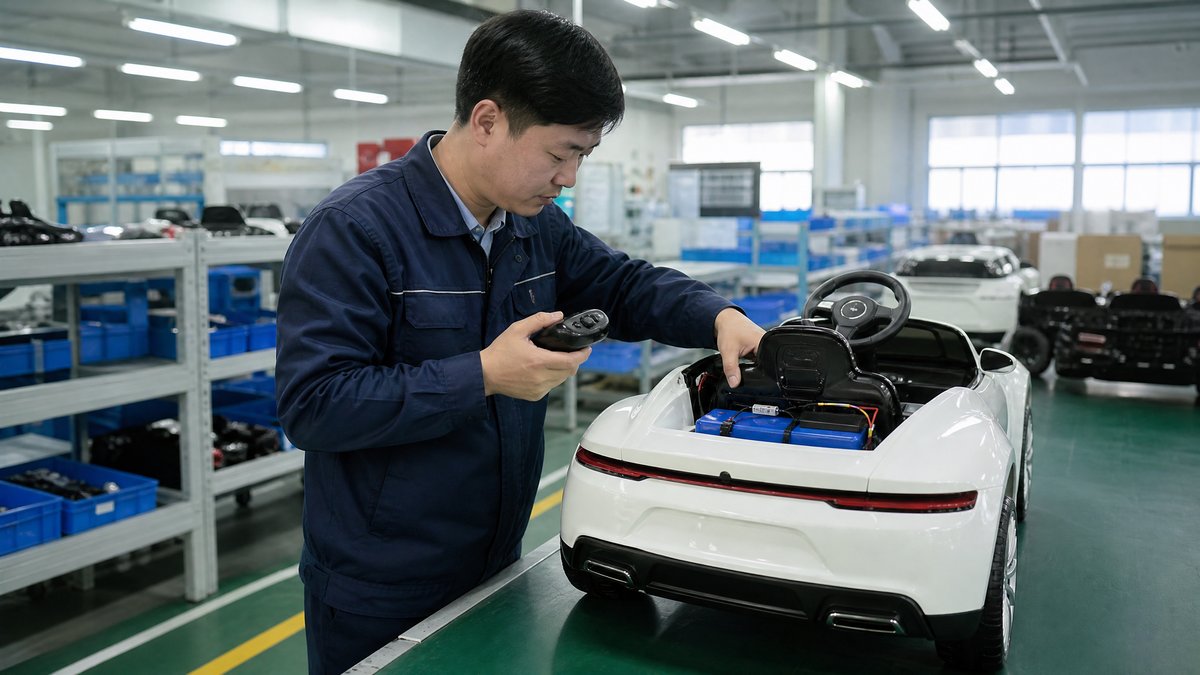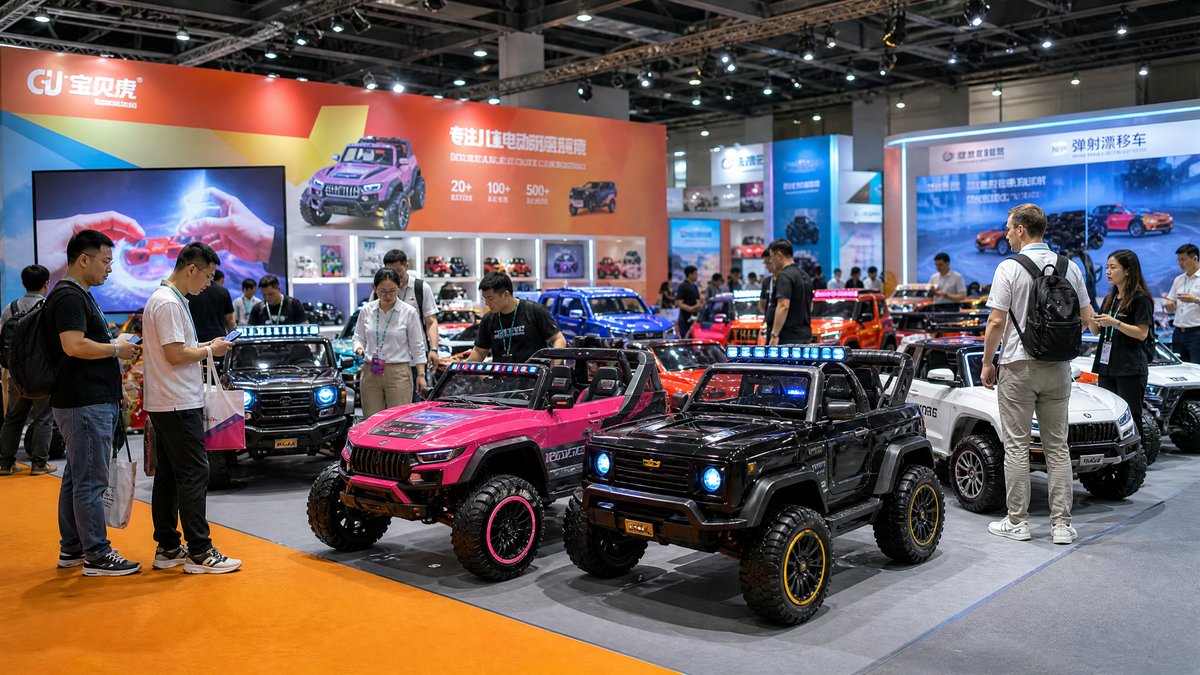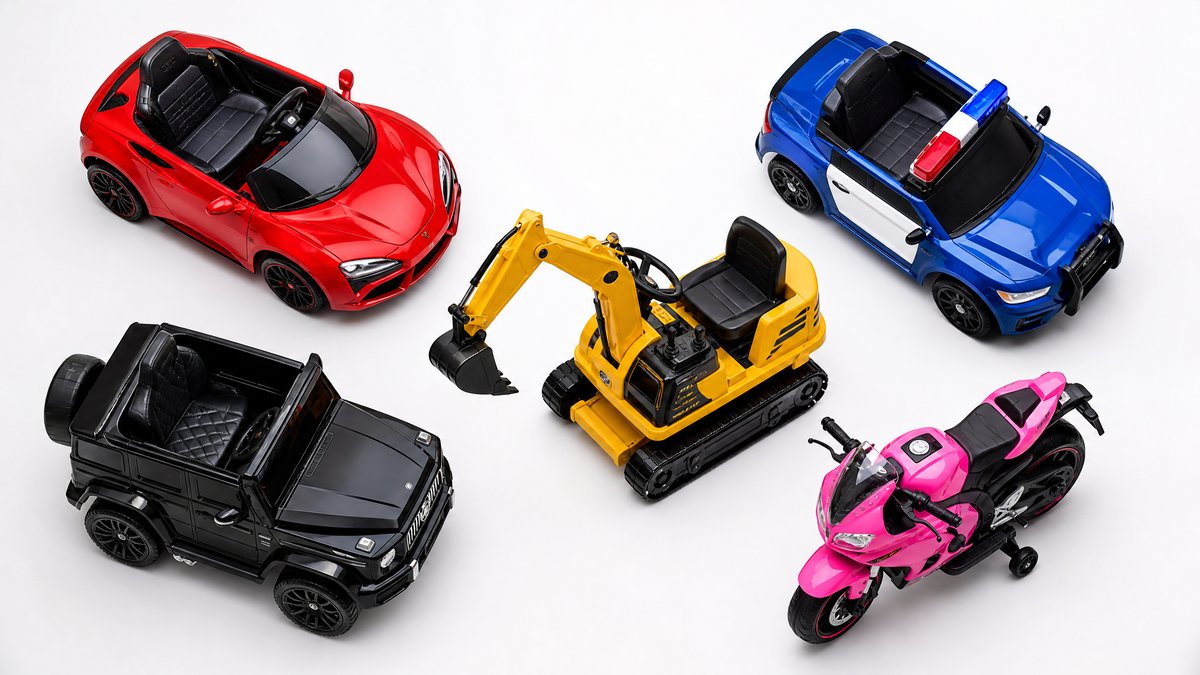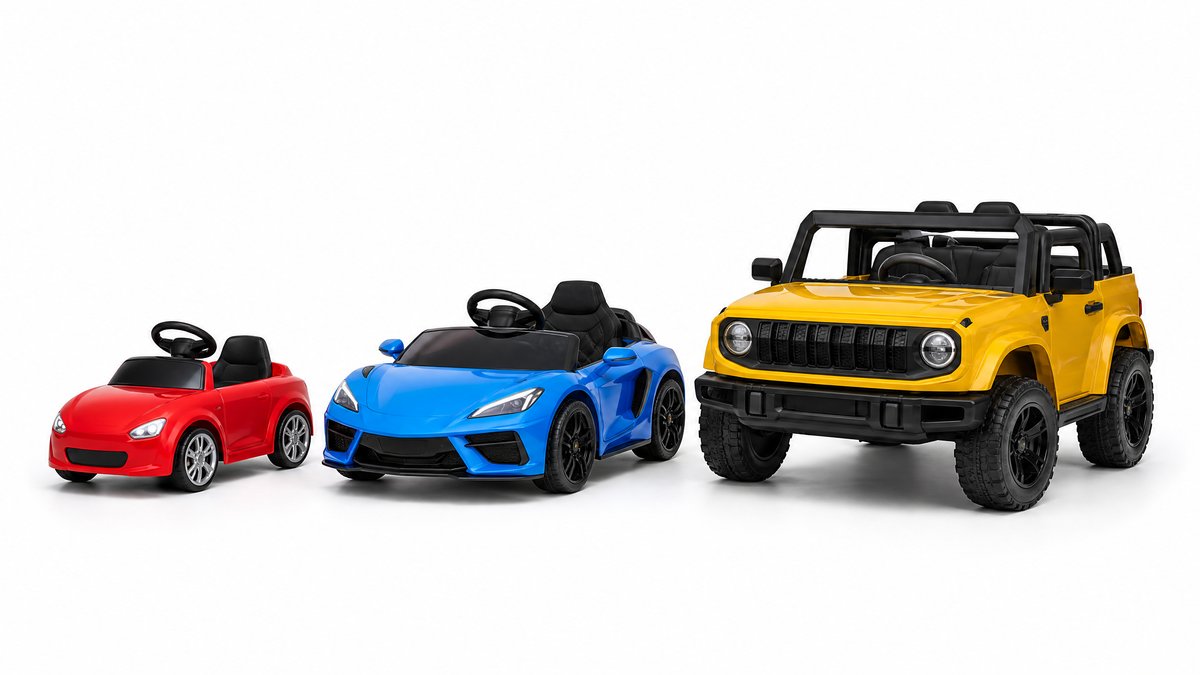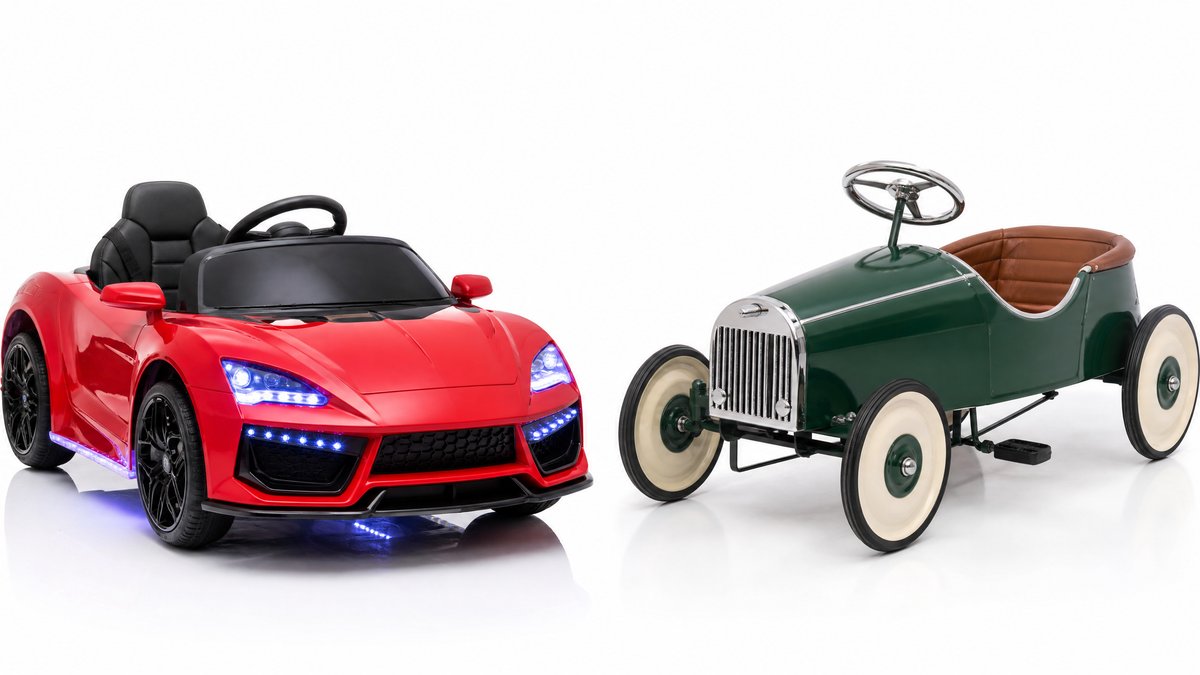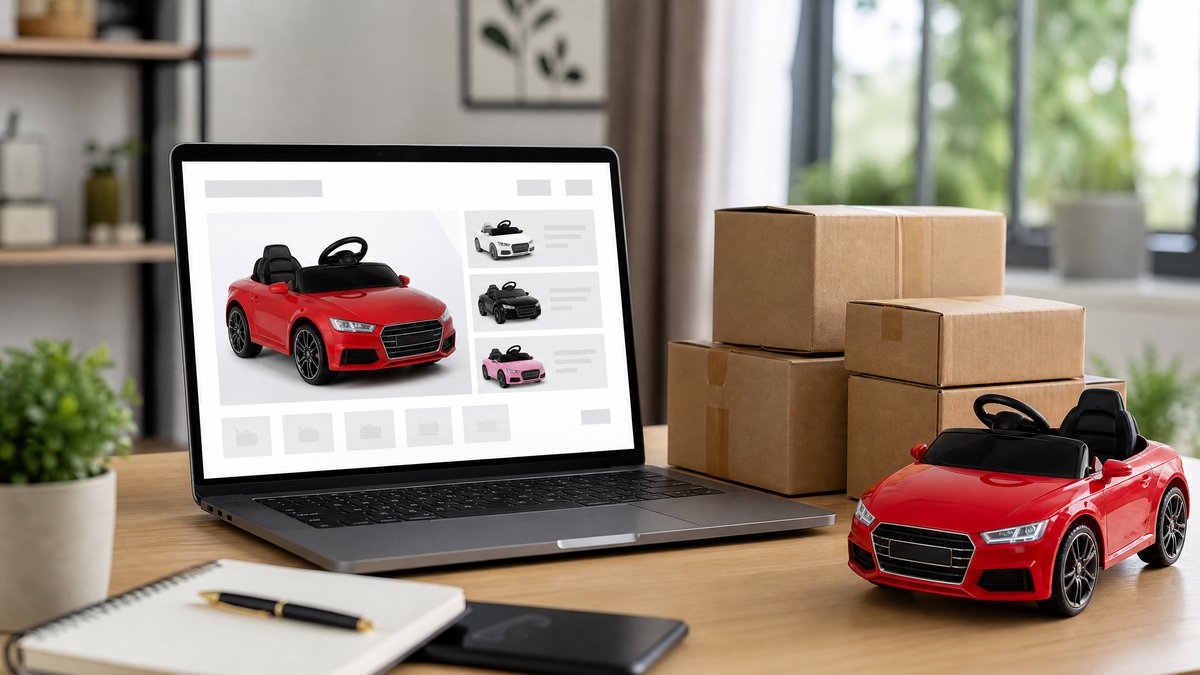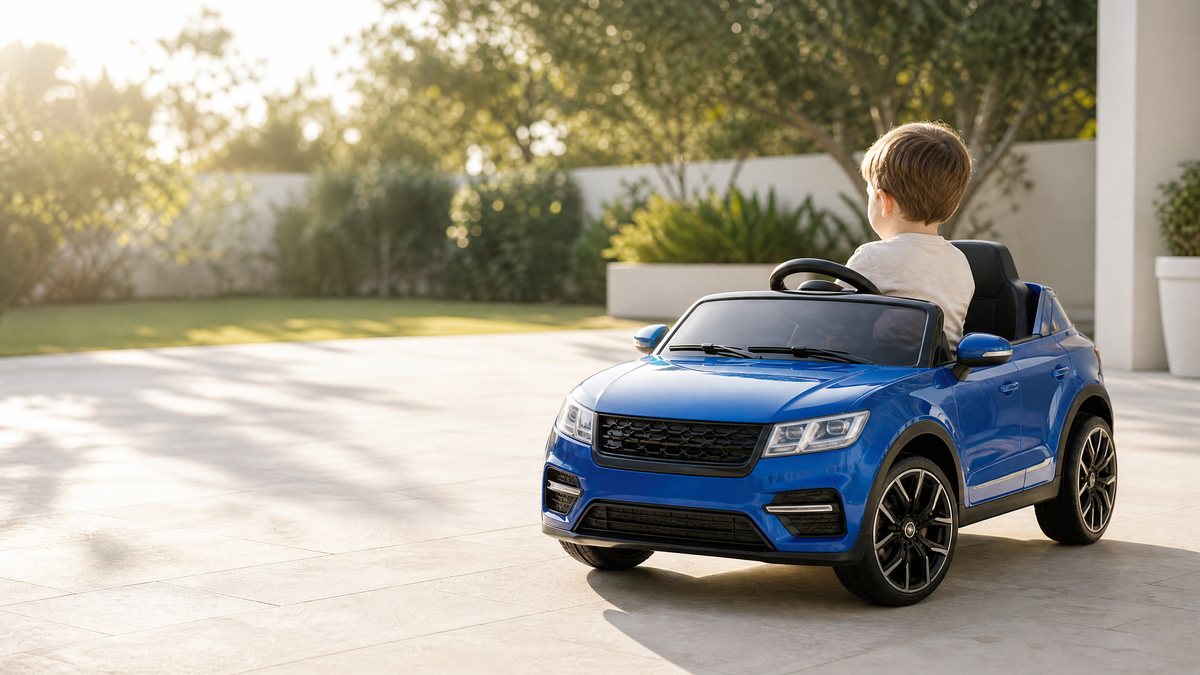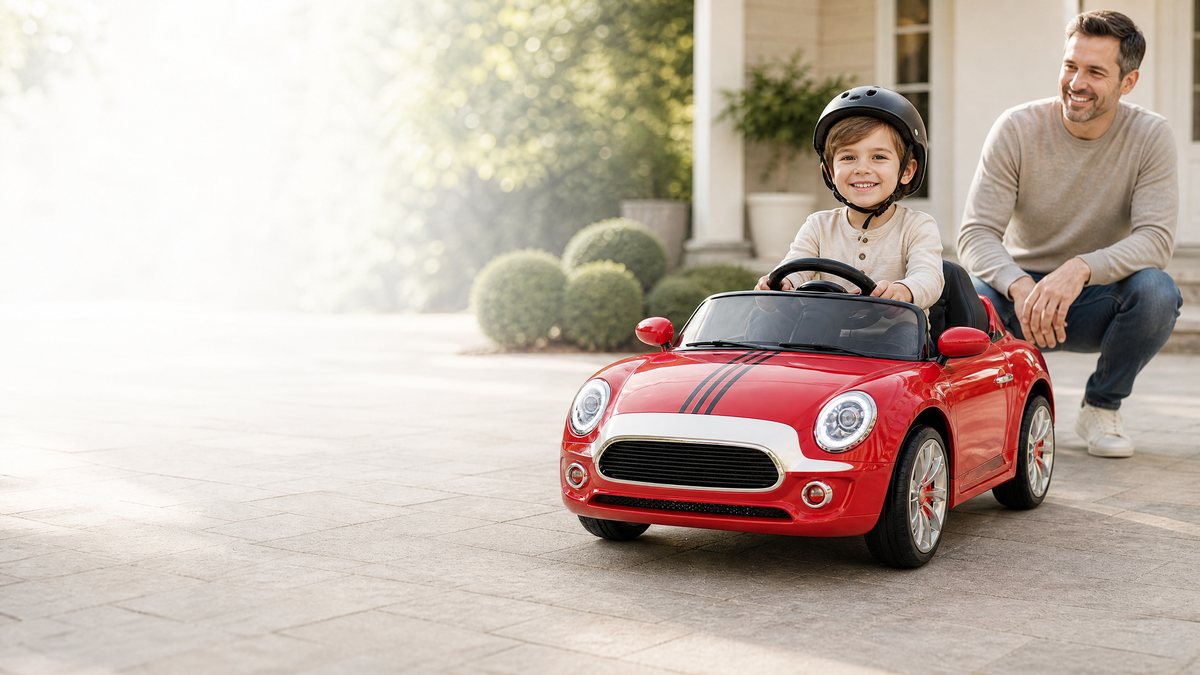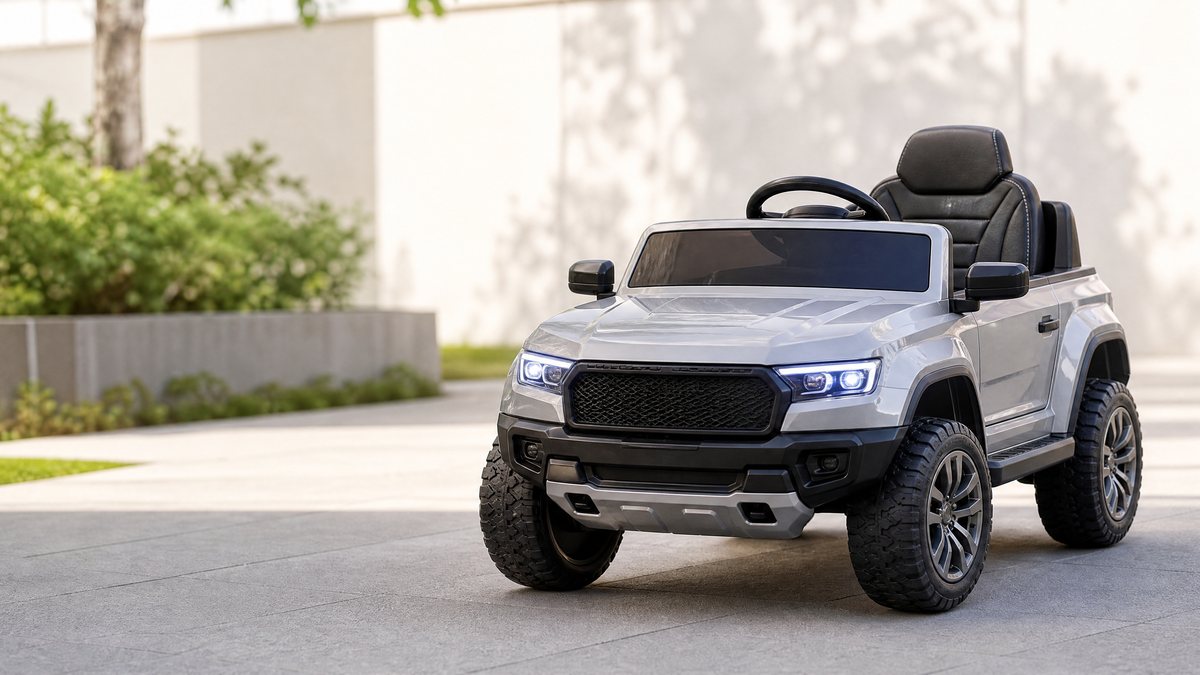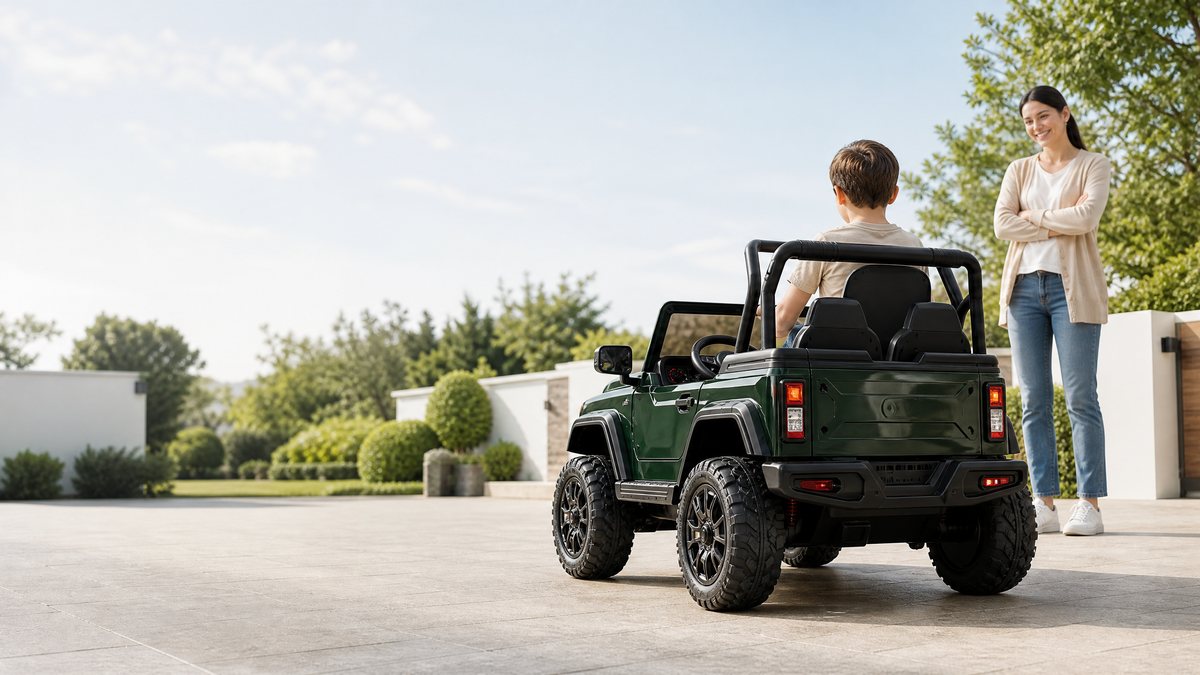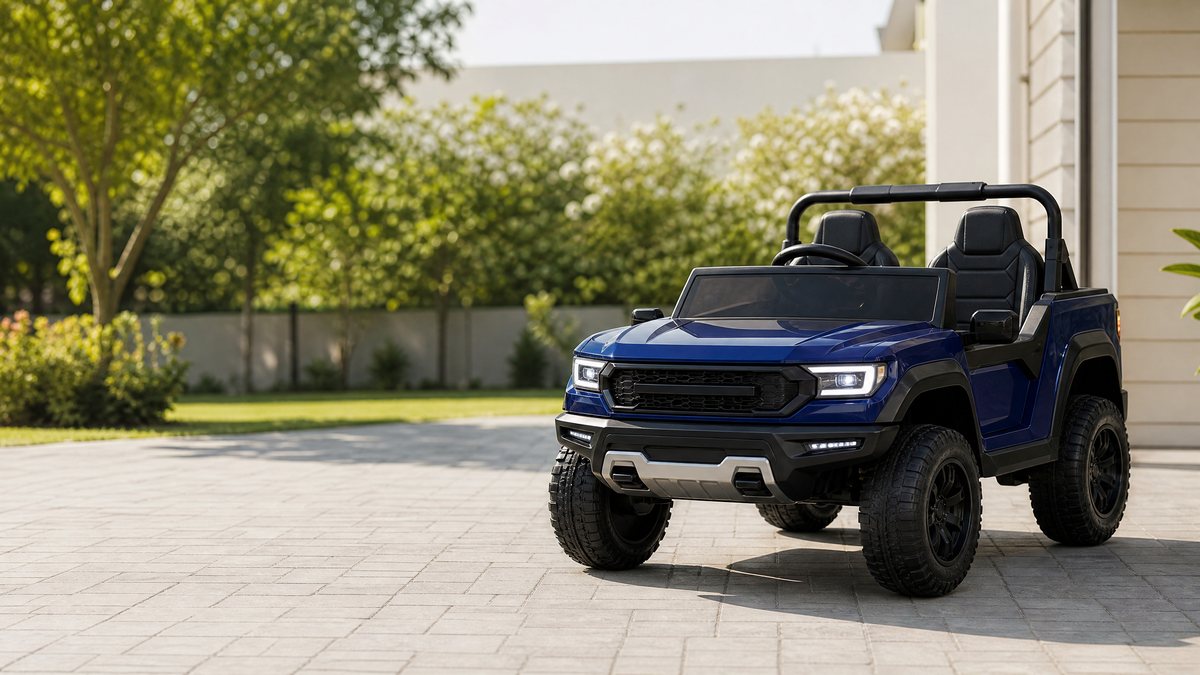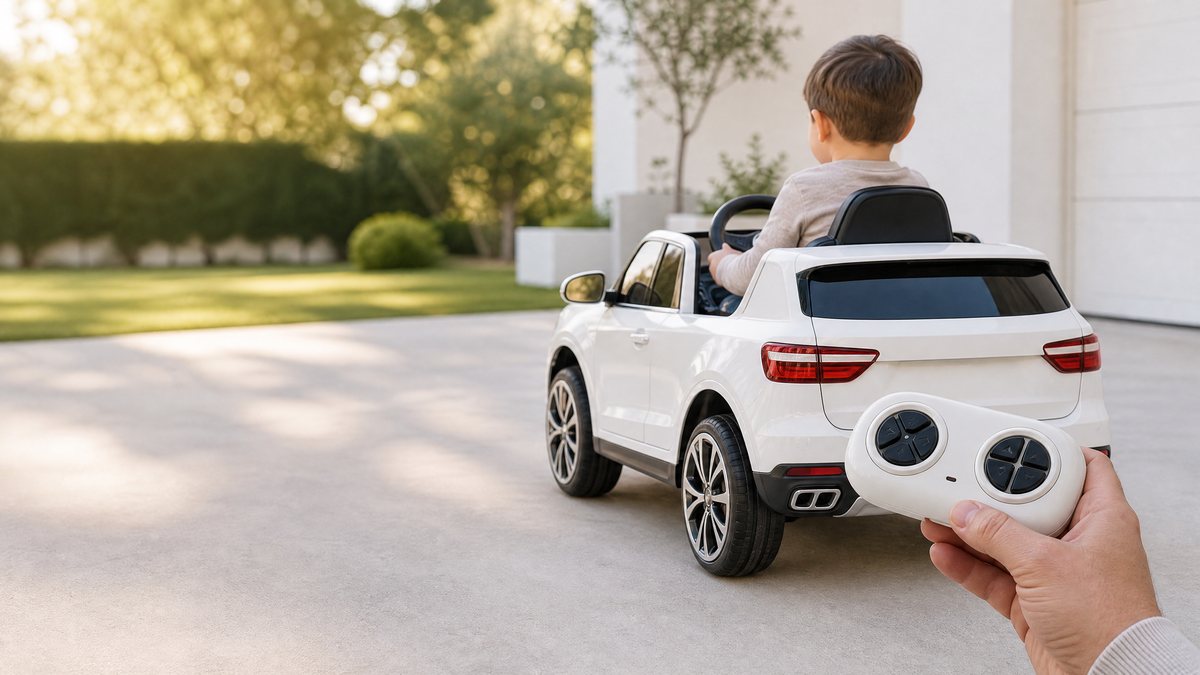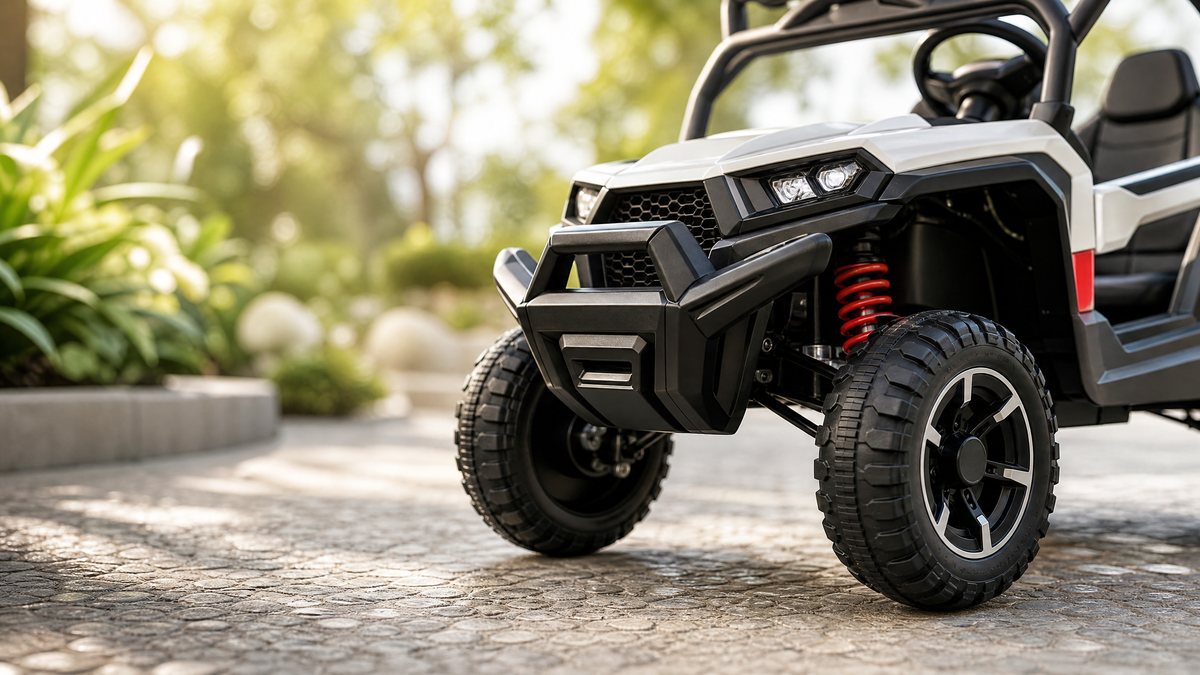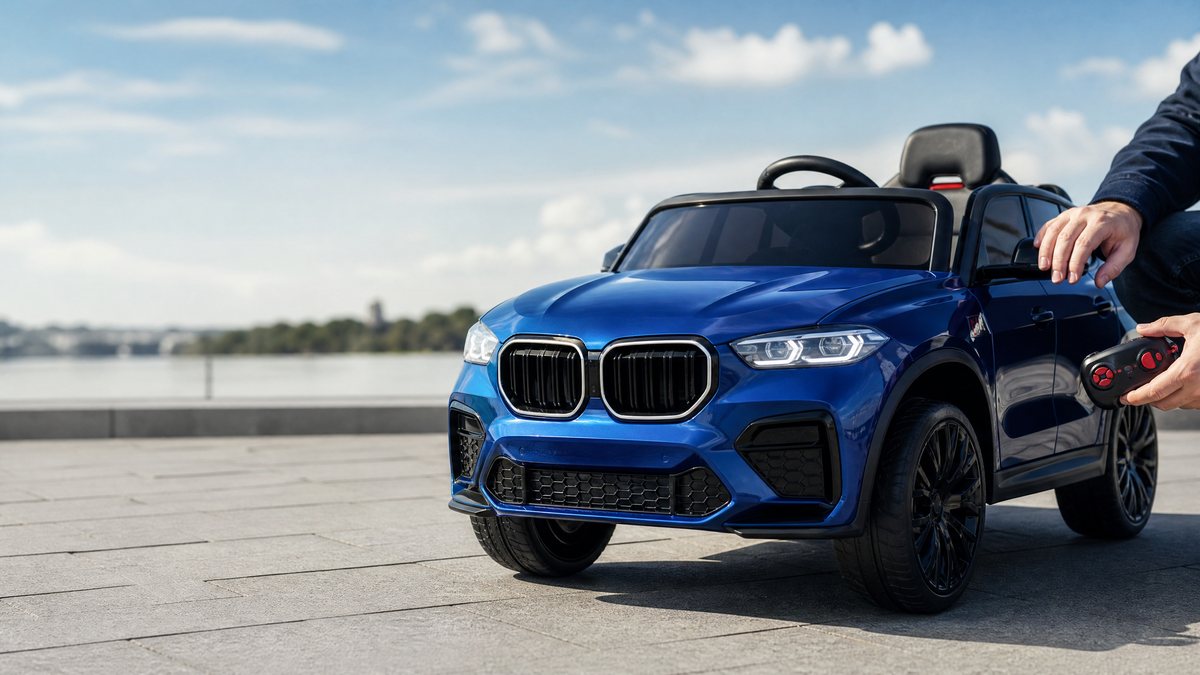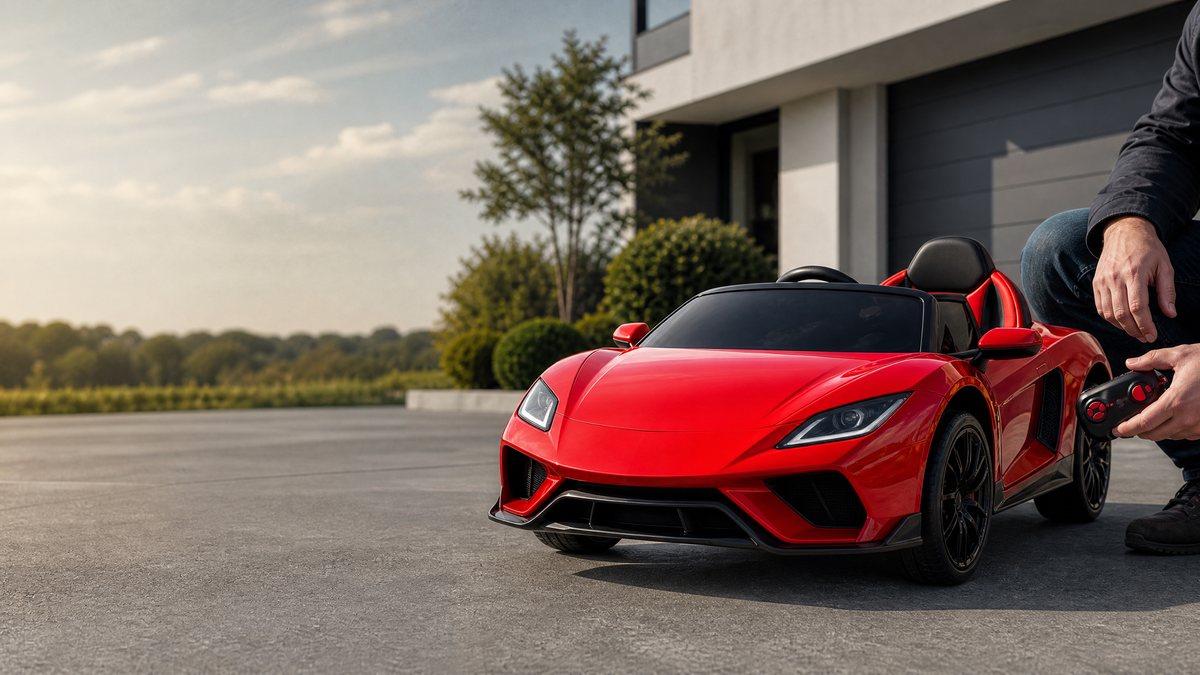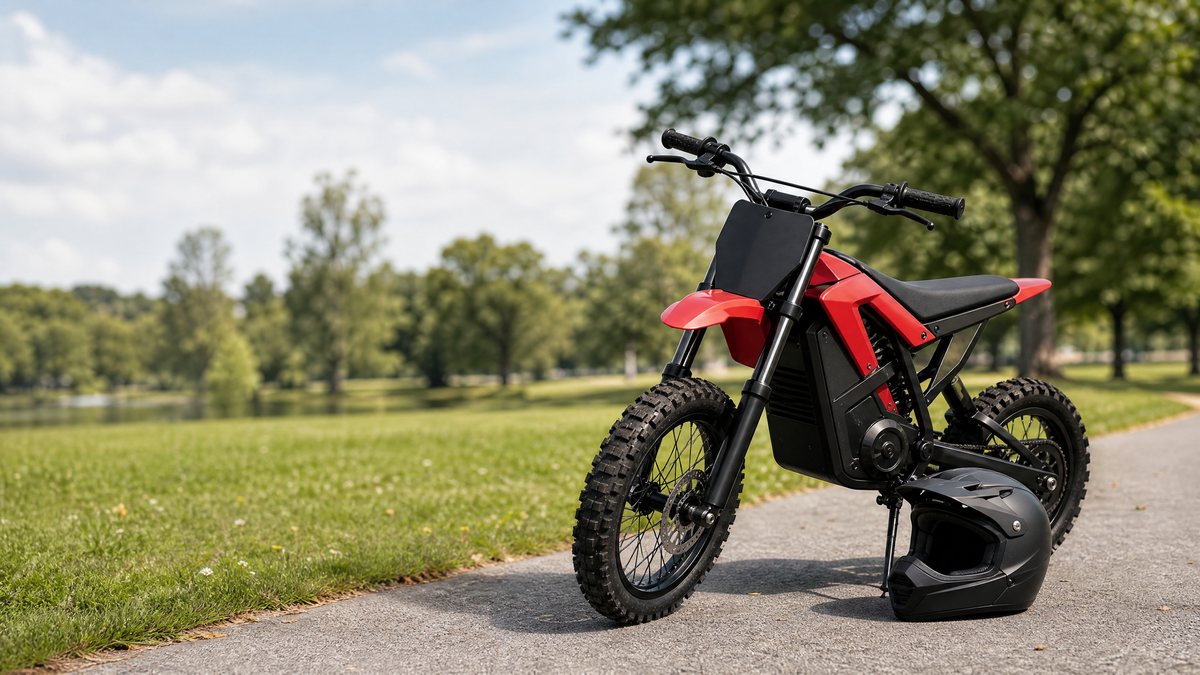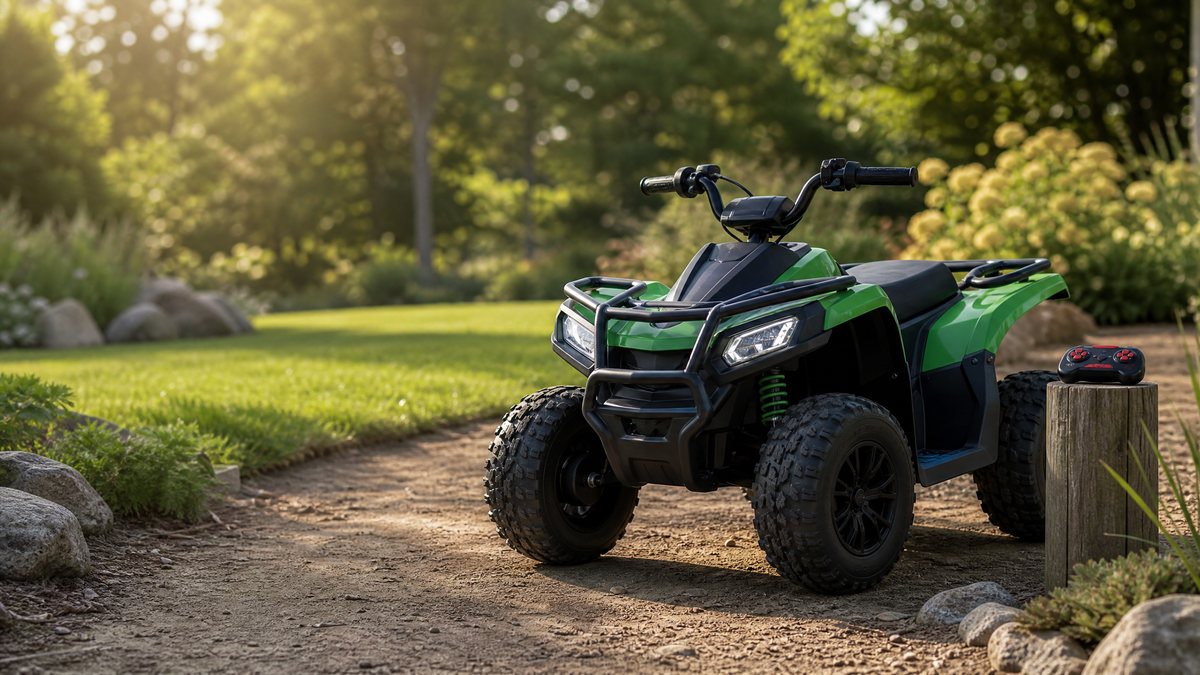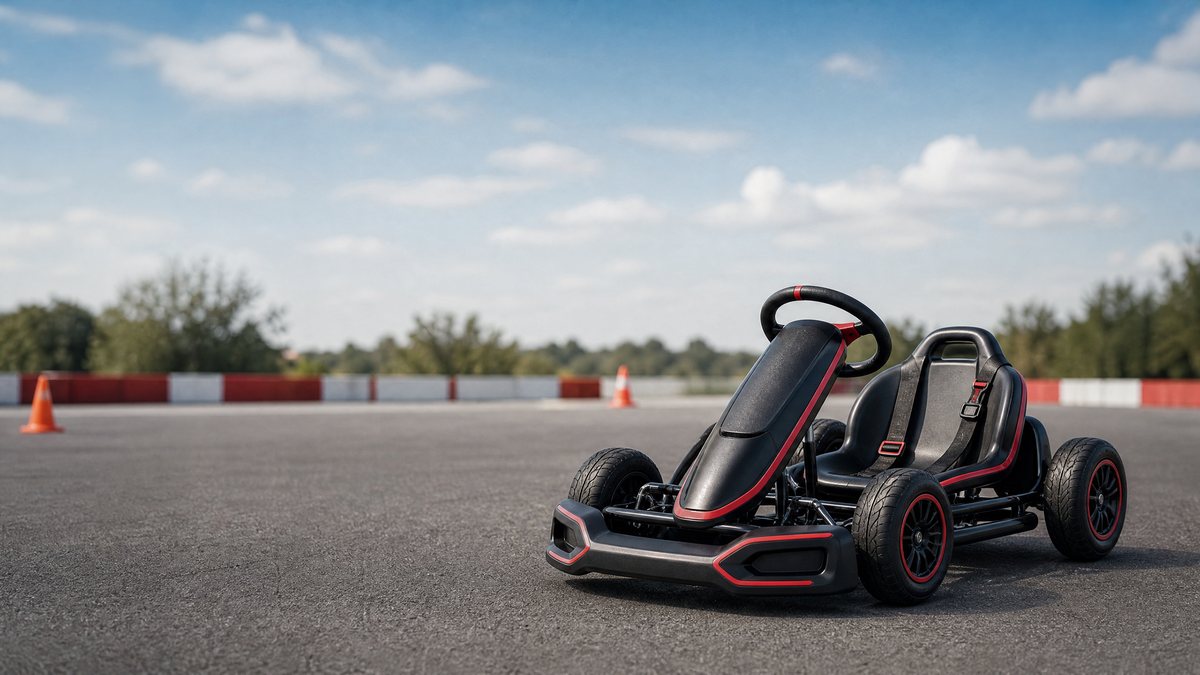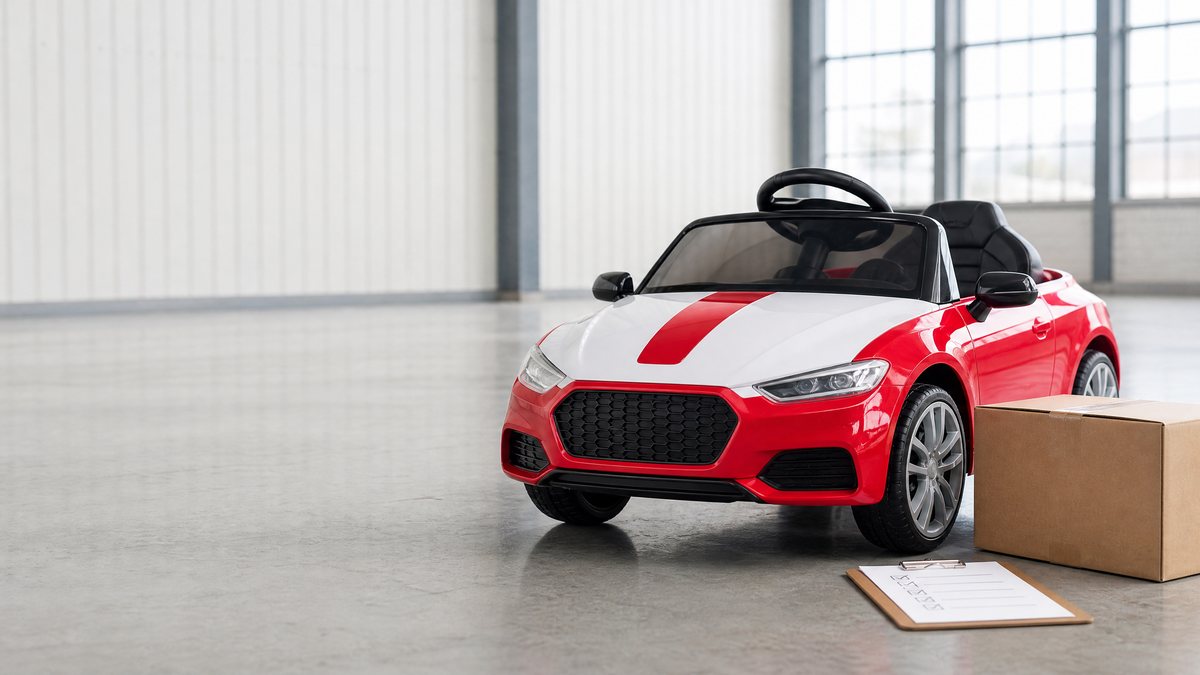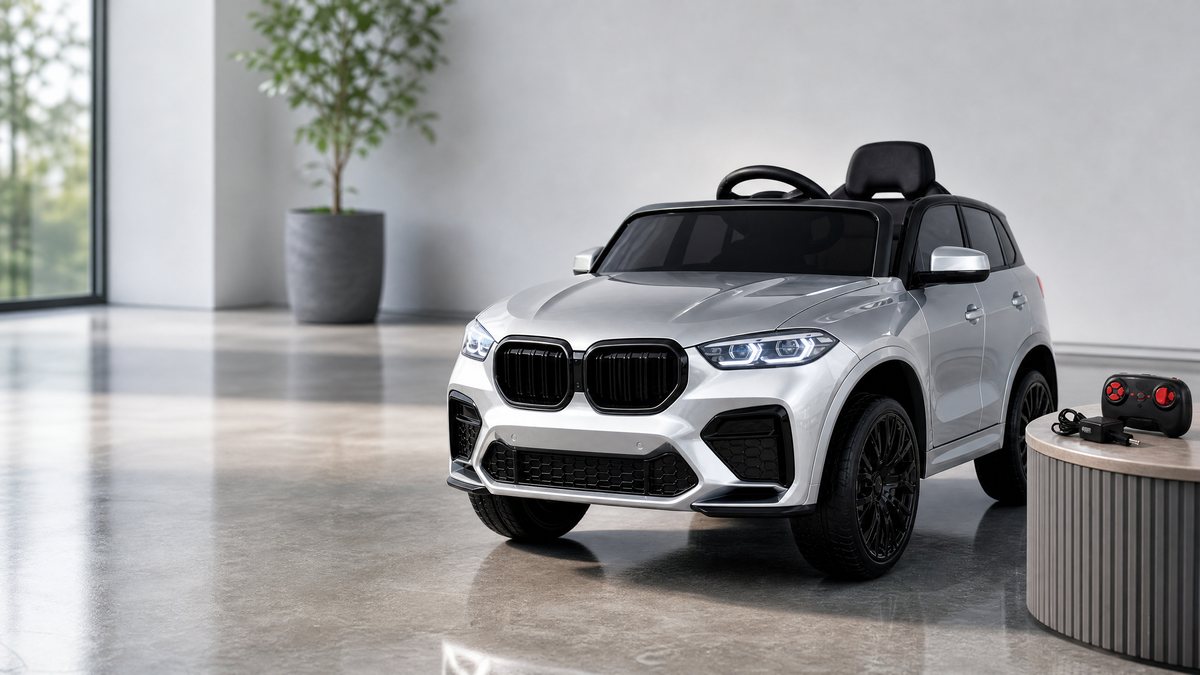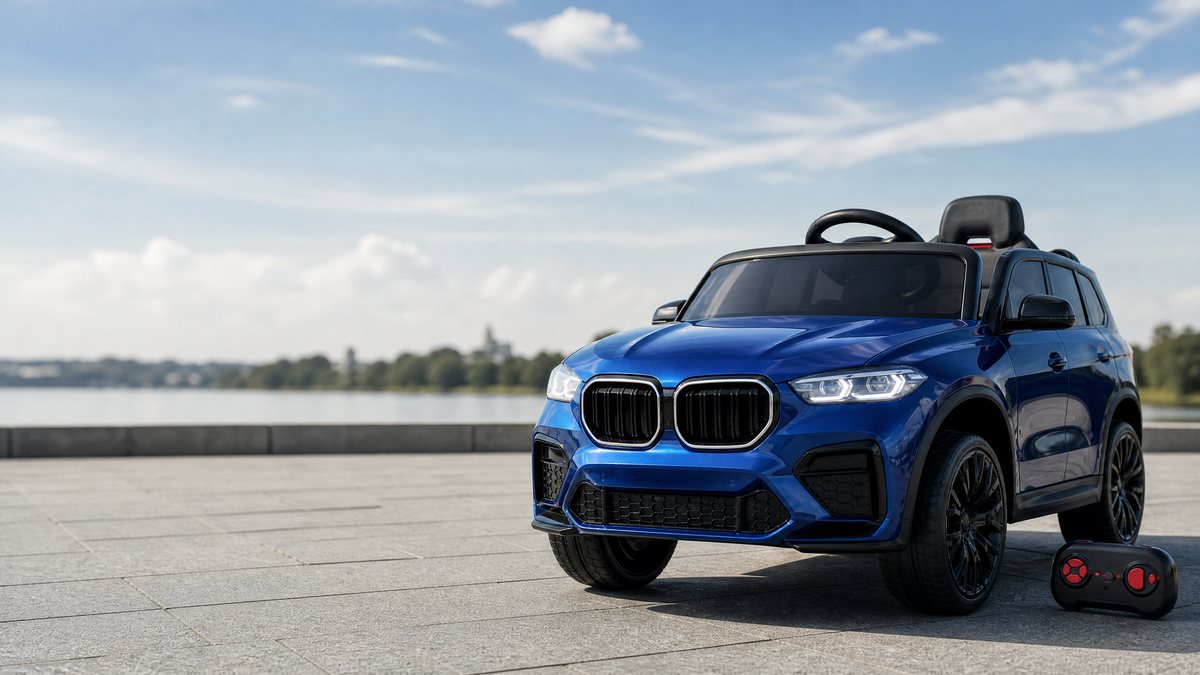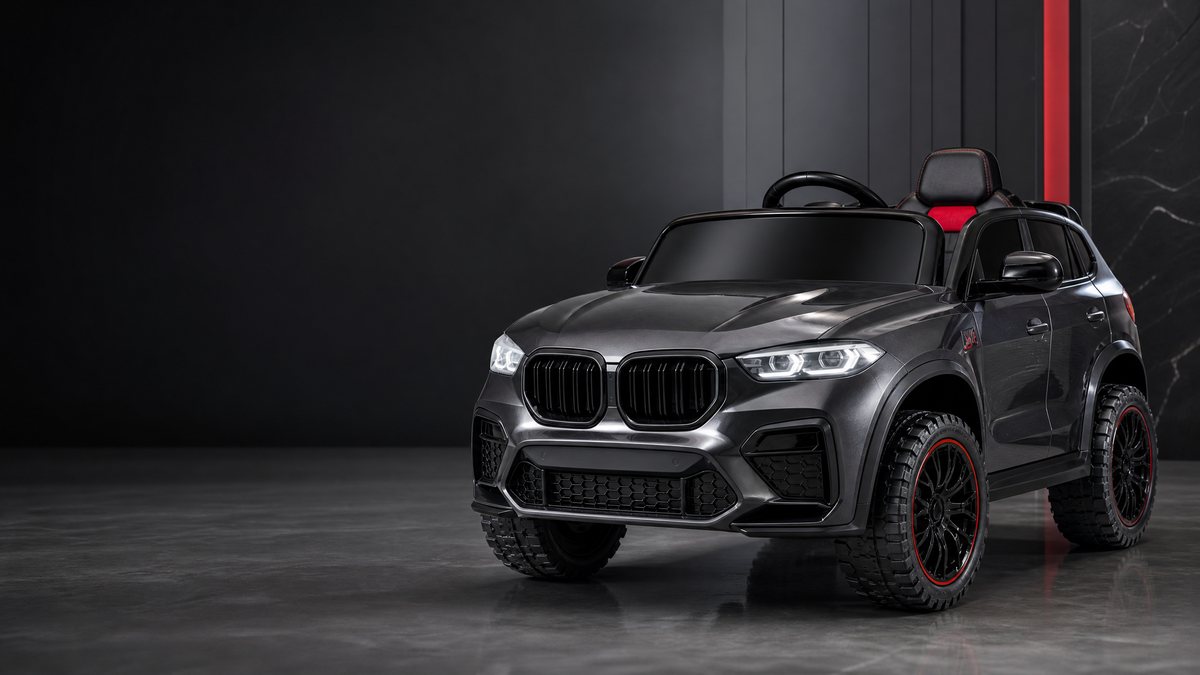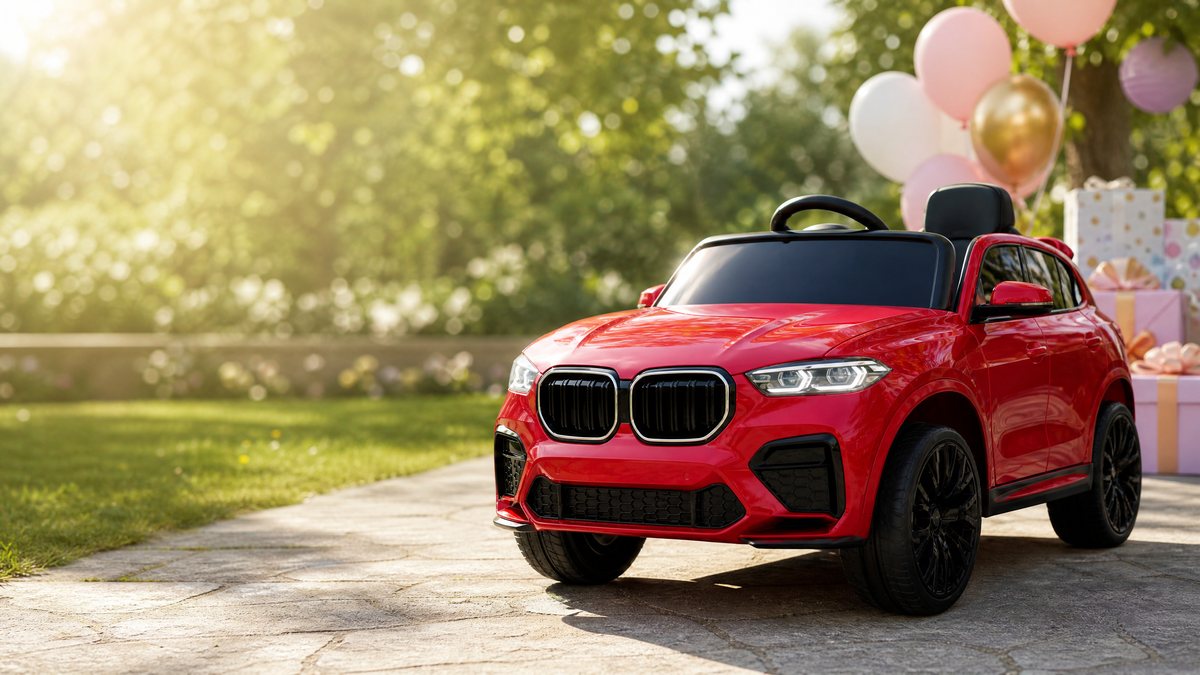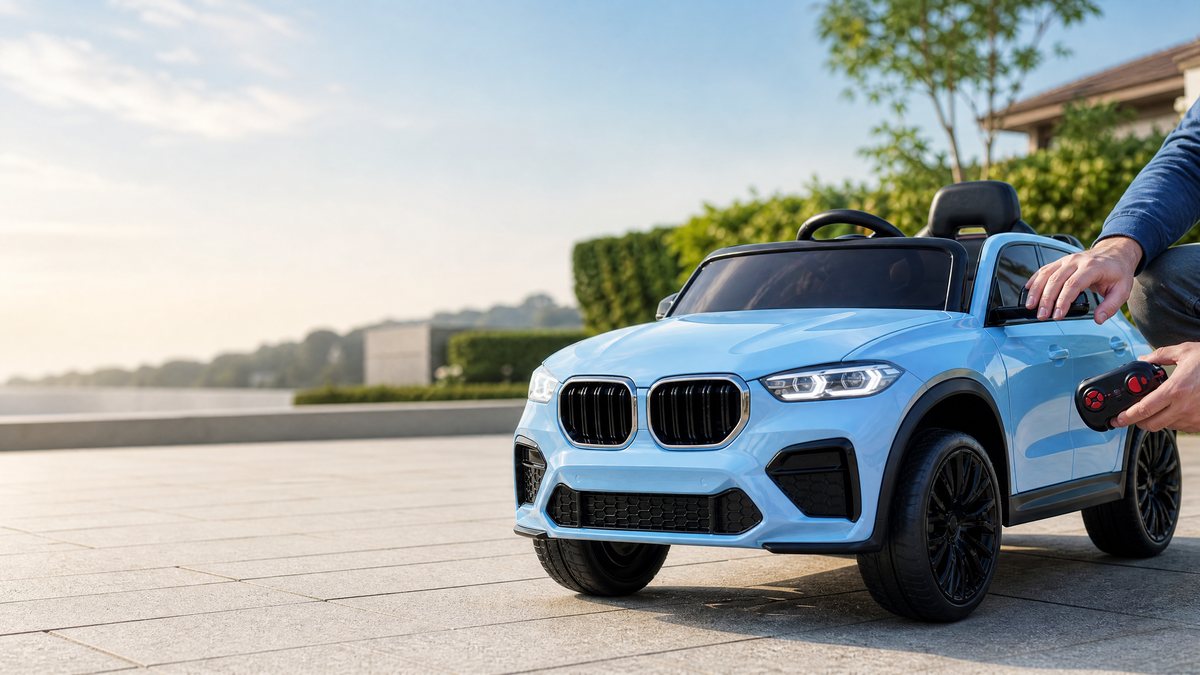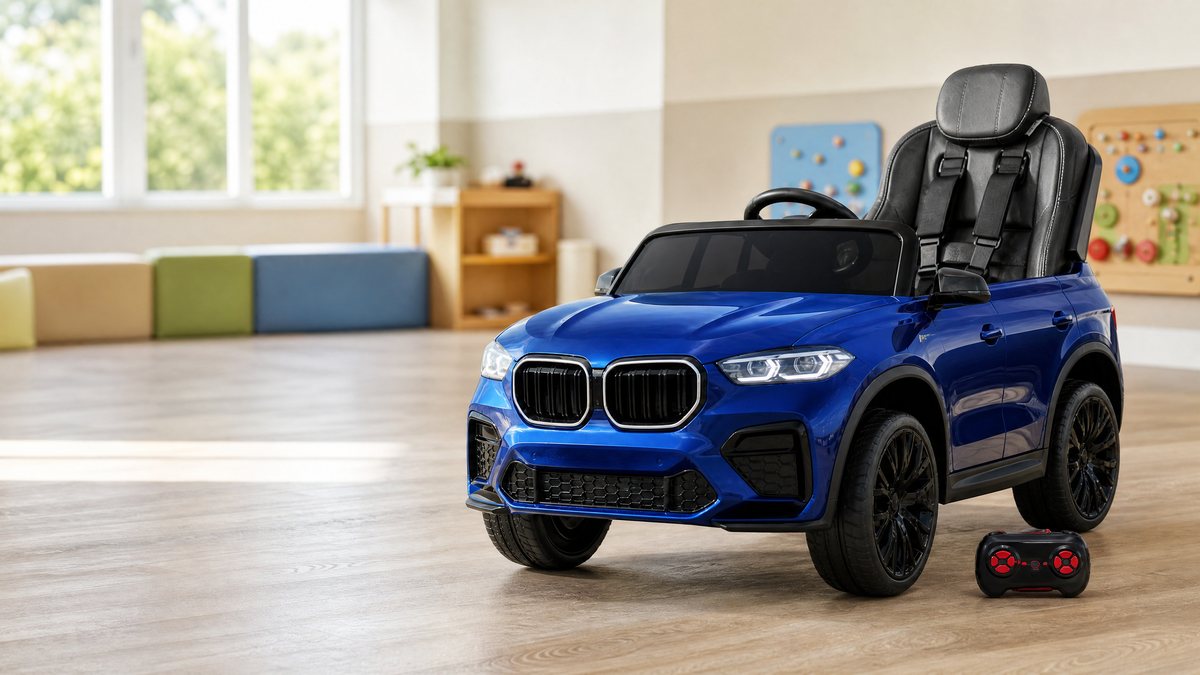
The global market for ride-on toys has experienced remarkable growth, driven by product innovations such as parental remote controls, realistic LED lighting, 24V dual-drive motors, and Bluetooth audio integration. For B2B wholesalers, importers, and brand distributors, sourcing these high-demand products from professional manufacturers like KidsRideCar is only half the battle. The true determinant of long-term commercial success lies in strategic pricing architecture.
Different retail channels—ranging from direct-to-consumer (DTC) e-commerce platforms and Amazon FBA sellers to brick-and-mortar toy boutiques and big-box department stores—impose vastly different cost structures, overhead burdens, and margin expectations. Establishing a uniform pricing model across all channels is a recipe for channel conflict and margin erosion. This guide explores how B2B distributors and downstream retailers can optimize their pricing strategies for kids' electric ride-on cars across diverse retail environments.
1. Understanding the B2B Cost Foundation
Before diving into channel-specific pricing, stakeholders must master the fundamental components that dictate the baseline wholesale cost (Ex-Works or FOB) of a kids' electric ride-on car.
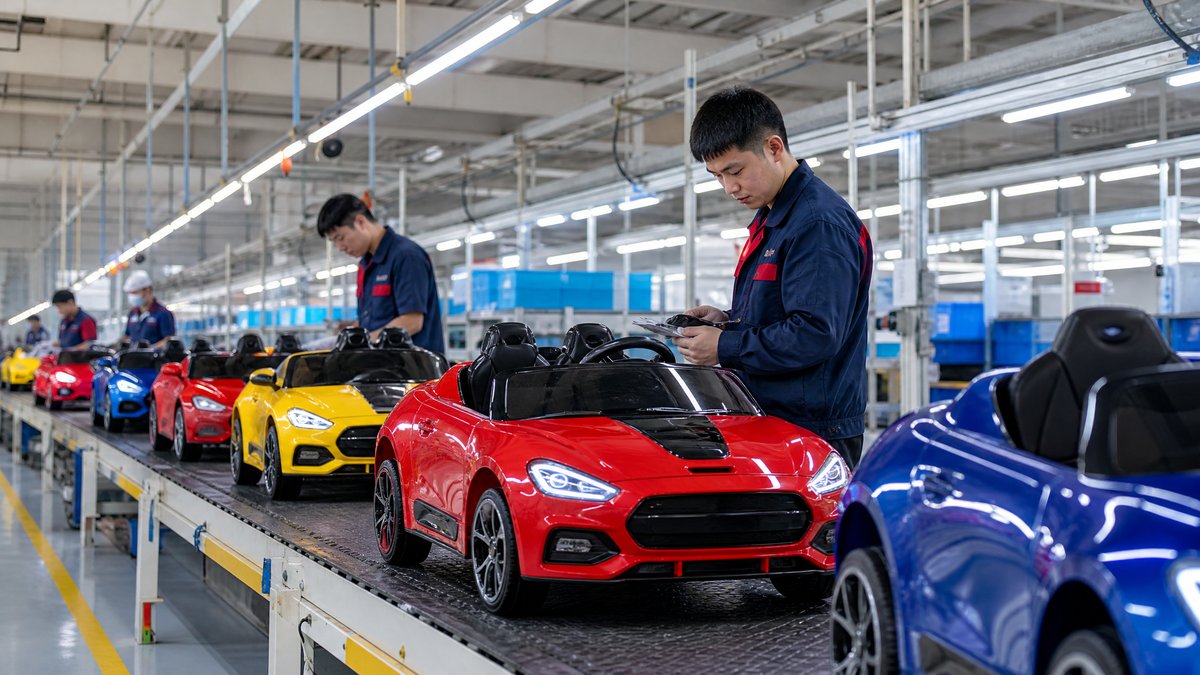
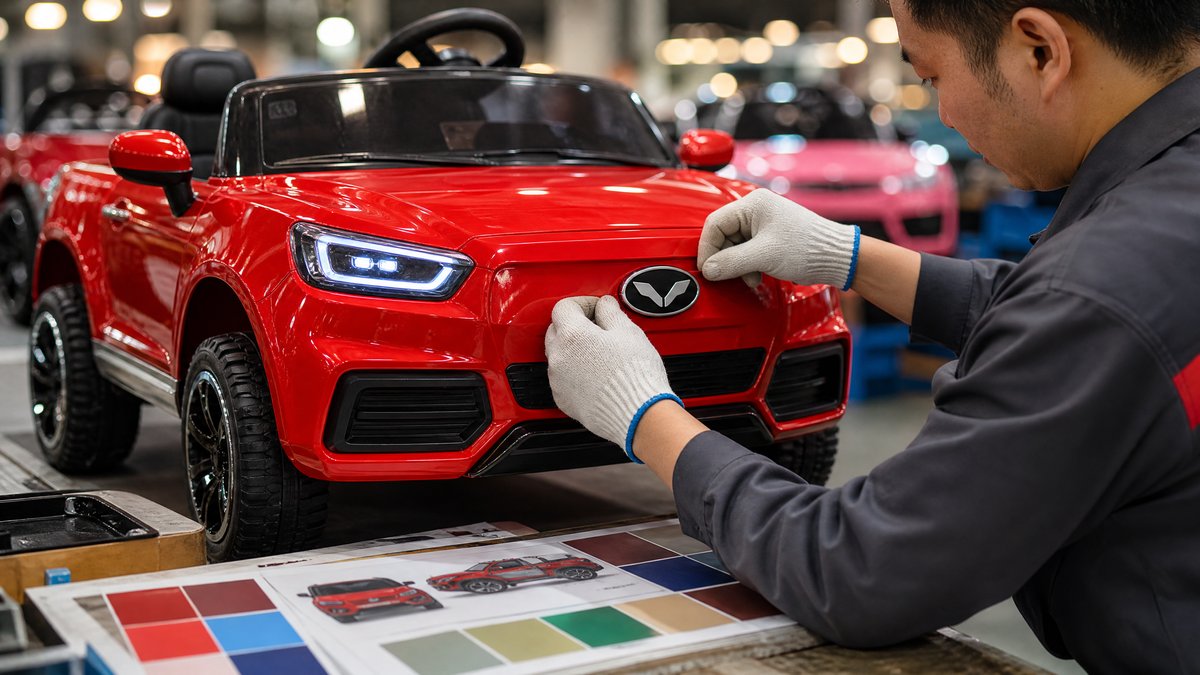
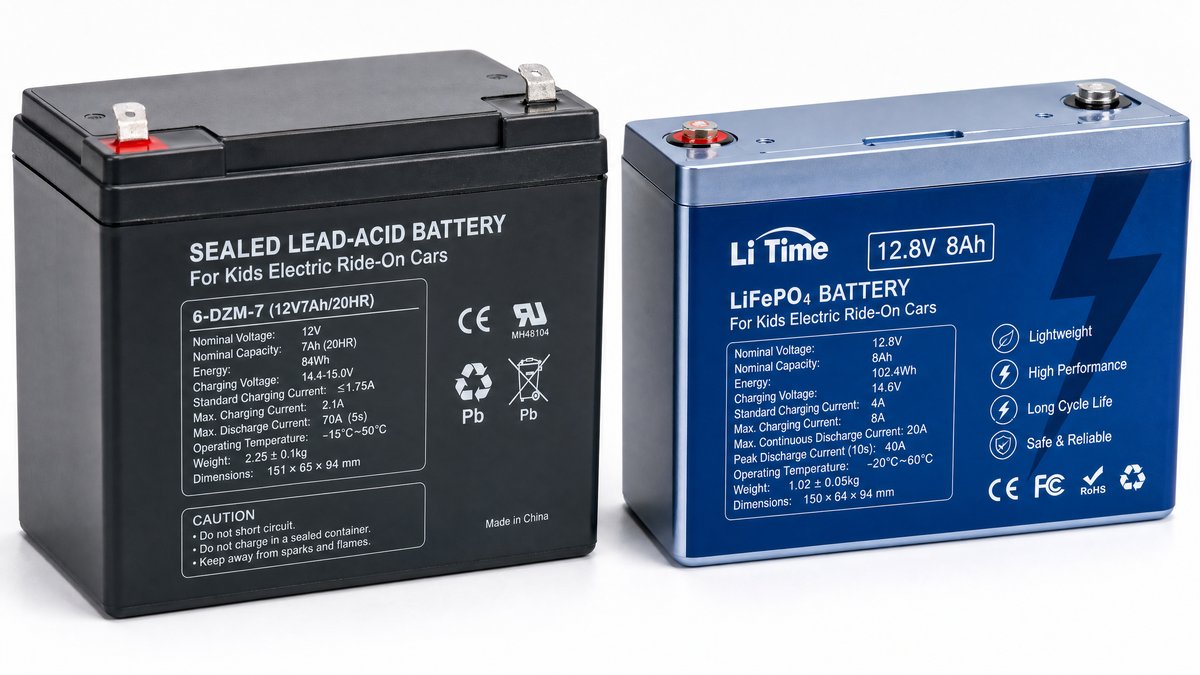
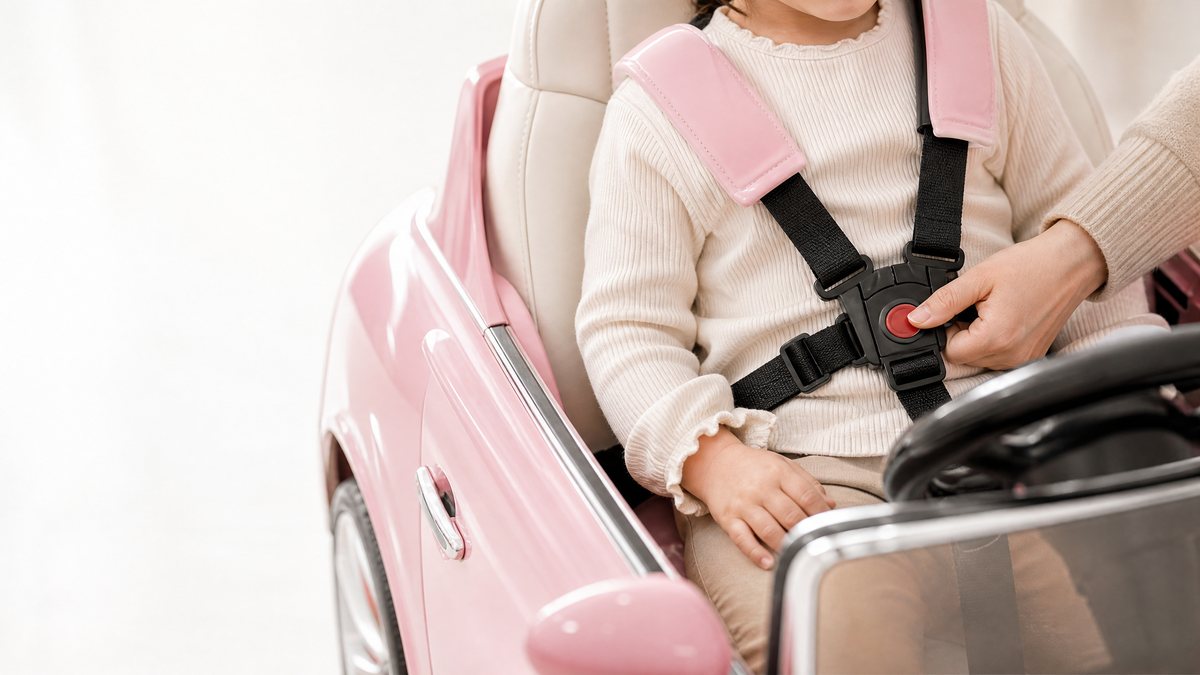
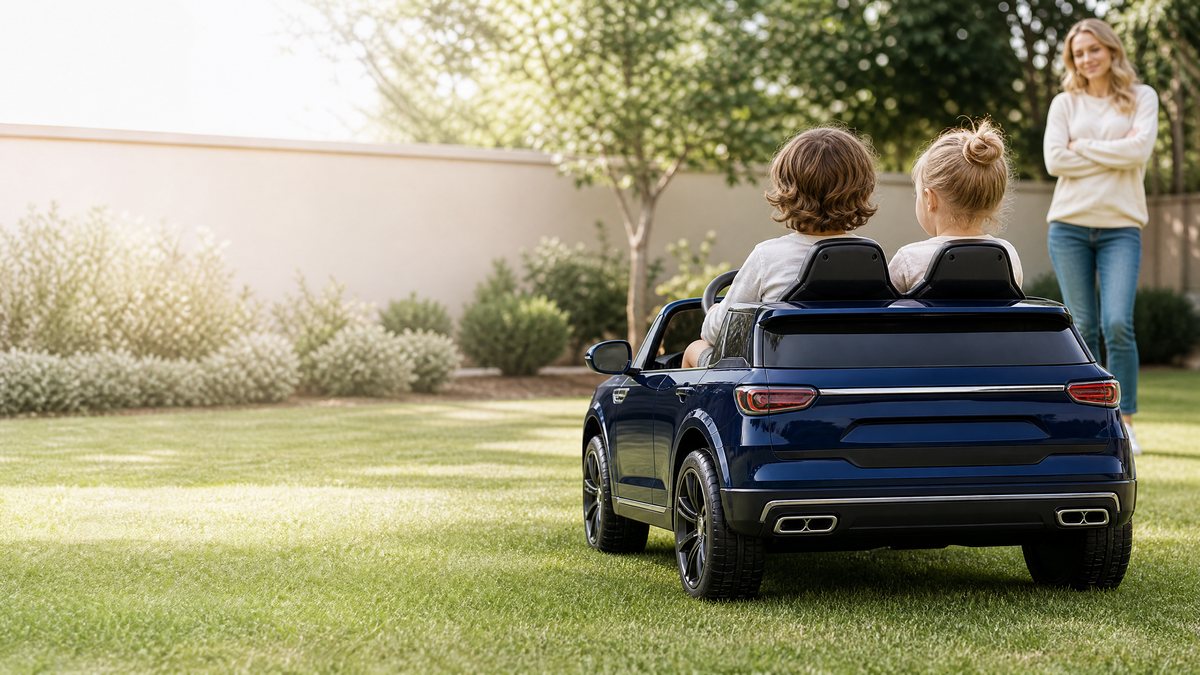
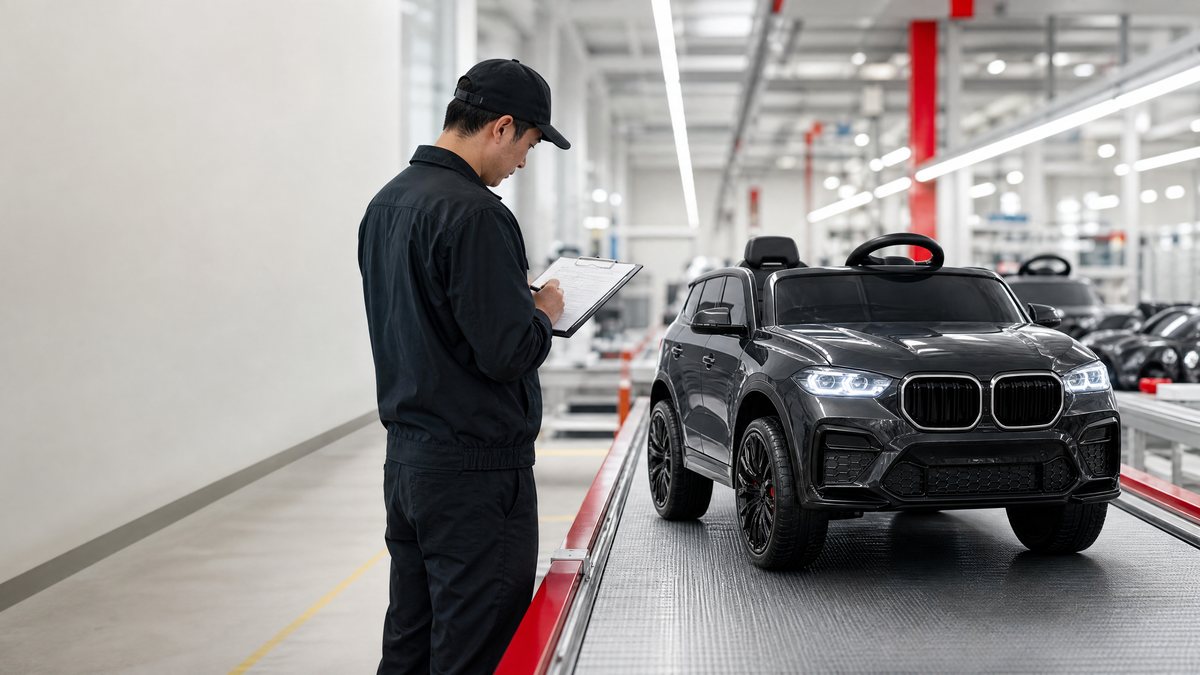
* Manufacturing and Material Costs: The core production cost depends on battery specifications (6V, 12V single/dual, or 24V heavy-duty), motor wattage, tire material (EVA foam vs. hard plastic), and seating configuration (single vs. two-seater leather seats).
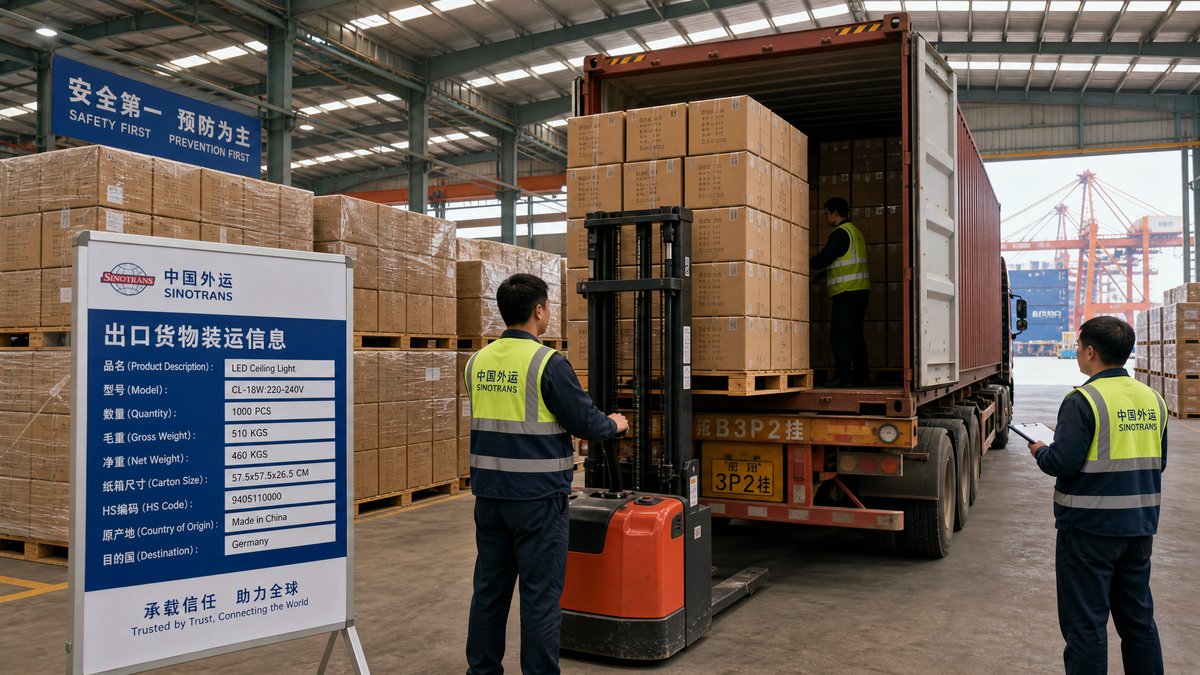
* Logistics and Volumetric Weight: Ride-on cars are bulky items. Ocean freight shipping costs are heavily influenced by CBM (cubic meters) and volumetric weight. Importers must factor in container consolidation, inland trucking, and warehousing overhead.
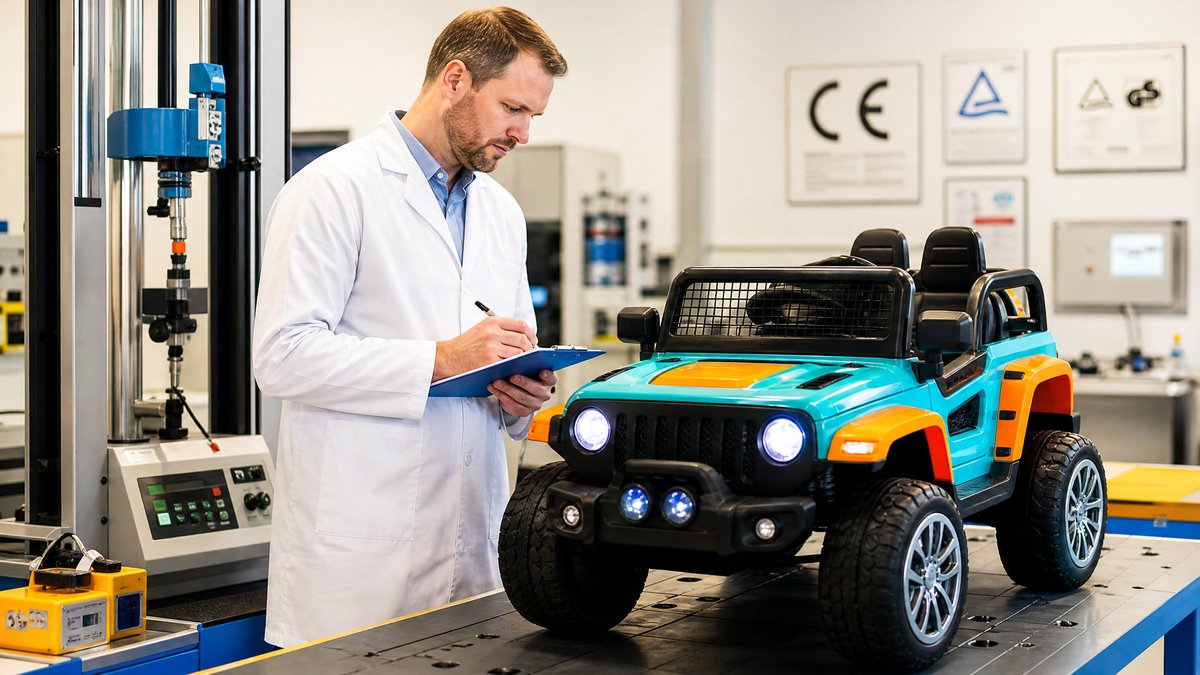
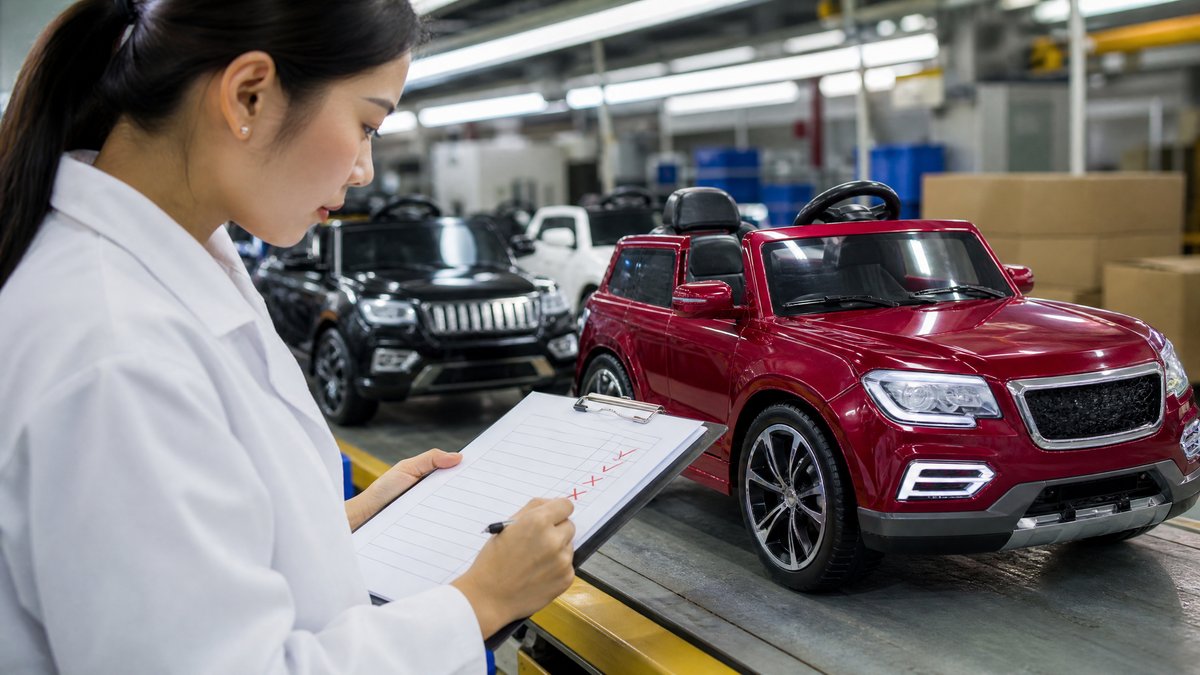
* Compliance and Certification: Ensuring compliance with international safety standards—such as CE, EN71, ASTM F963, and CPC—adds testing and certification overhead that must be amortized across unit costs.
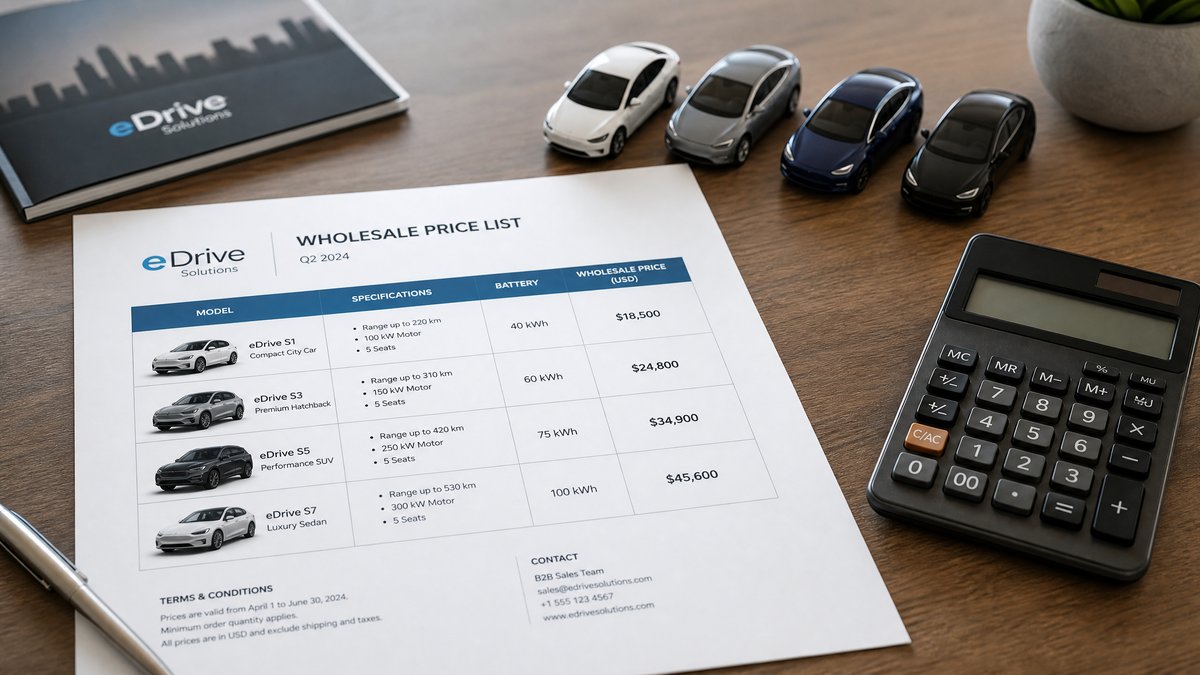
* Operating Margins and Buffer: Importers and wholesalers typically target a 20% to 35% gross margin when reselling to regional distributors or direct retailers, absorbing currency fluctuation and warranty claim risks.
2. E-Commerce and Online Marketplace Pricing (Amazon, Shopify, Wayfair)
The e-commerce channel is characterized by high price transparency, aggressive competition, and significant variable fulfillment costs. When pricing kids' electric cars for online retail, margins must accommodate unique digital expenses.
Key Cost Factors in E-Commerce
* Fulfillment and Last-Mile Shipping: Because ride-on cars weigh between 15kg to 35kg packaged, shipping fees via parcel carriers (FedEx, UPS, DPD) can be substantial. Many online retailers choose Free Shipping strategies, baking the freight cost directly into the retail sticker price.
* Platform Commissions and Advertising: Marketplaces like Amazon charge referral fees (typically 8% to 15% for toys), while customer acquisition costs (CAC) through PPC advertising (Amazon Sponsored Products, Google Shopping) can consume 10% to 20% of top-line revenue.
* Return and Damage Rates: Ride-on cars have complex electrical components (gearboxes, motherboards, chargers). Online returns due to transit bumps or assembly confusion run higher than in physical stores, requiring a 5% warranty reserve.
Recommended Pricing Formula for Online Retail
Online retailers typically target a Keystone-plus markup (2.2x to 2.5x wholesale cost) or higher to ensure net profitability after platform fees and heavy shipping overhead.
$$ ext{Online Retail Price} = ( ext{Wholesale Cost} + ext{Inbound Freight}) imes ext{Multiplier (2.3–2.6)}$$
3. Brick-and-Mortar Retail Pricing (Toy Boutiques, Department Stores, Local Dealers)
Physical retail environments operate under entirely different economic constraints. Here, consumers value tactile evaluation, immediate availability, and expert in-store assembly.
Key Cost Factors in Physical Retail
* Showroom and Rent Overhead: Physical storefronts require prime retail leasing, in-store merchandising, lighting, and sales staff payroll.
* Wholesale-to-Retail Markup: Traditional brick-and-mortar retailers traditionally operate on standard retail markups, often seeking a 2.5x to 3.0x markup (equivalent to a 50% to 66% gross margin) to cover inventory holding costs and local promotional flyers.
* Freight and Pallet Shipping: Instead of individual parcel shipments, brick-and-mortar stores receive inventory via pallet freight (LTL - Less Than Truckload), which reduces per-unit shipping costs but requires minimum order quantities (MOQ).
Leveraging In-Store Display Advantages
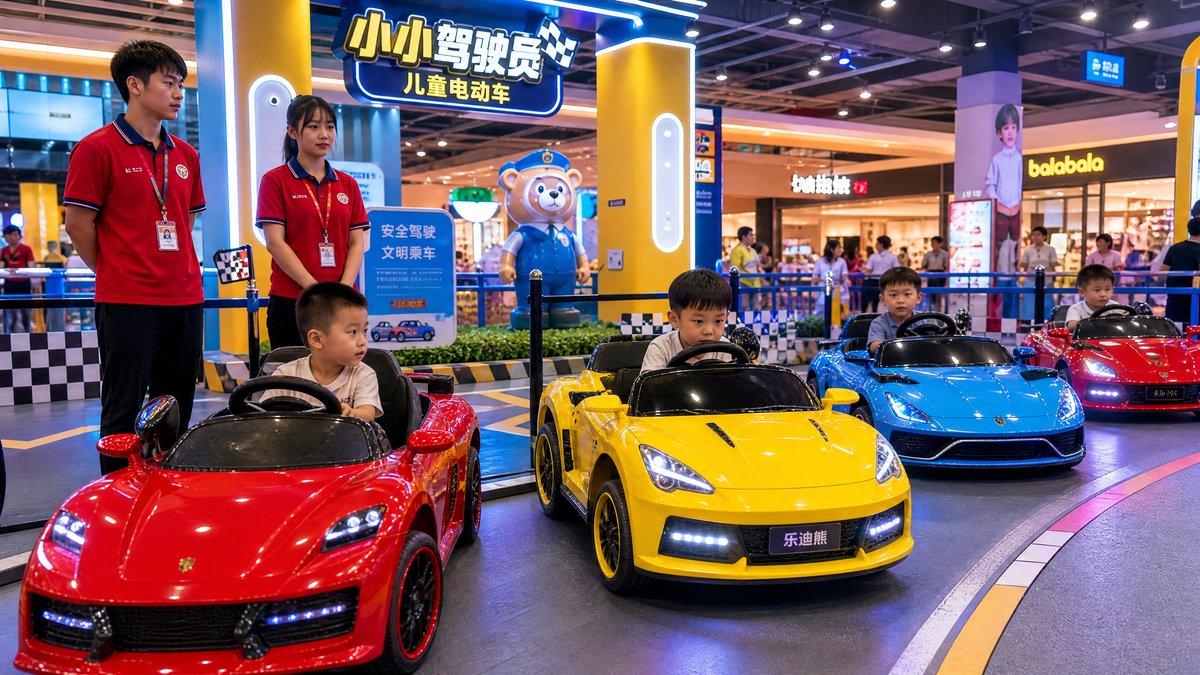
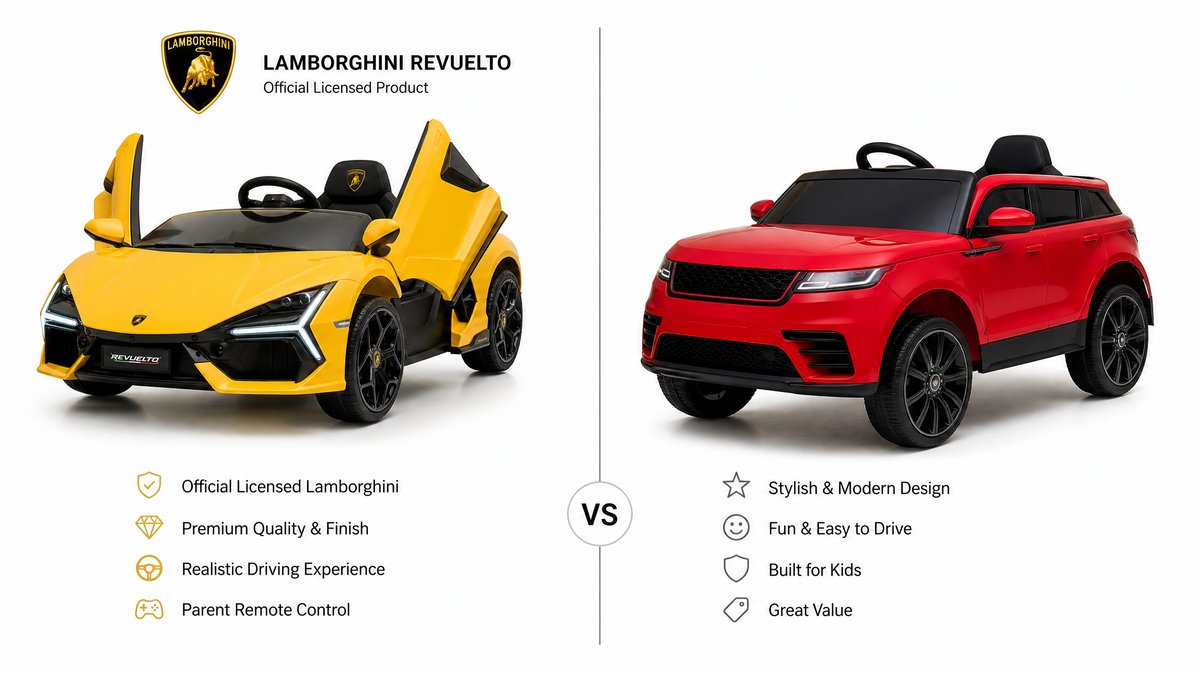
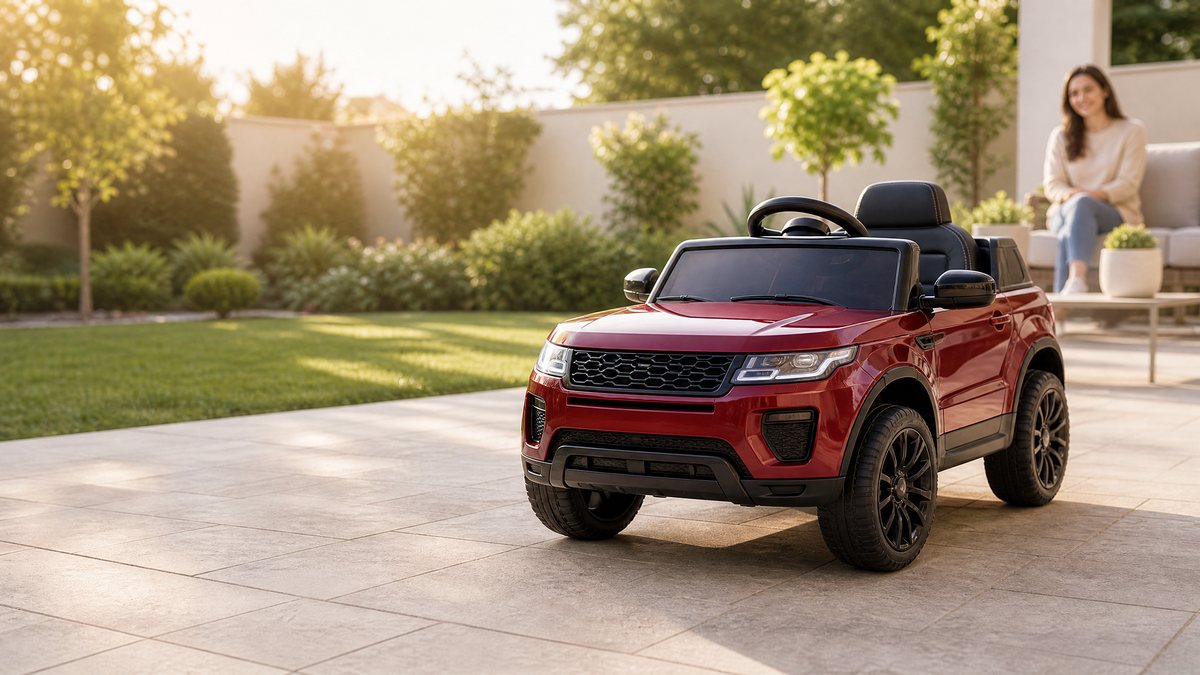
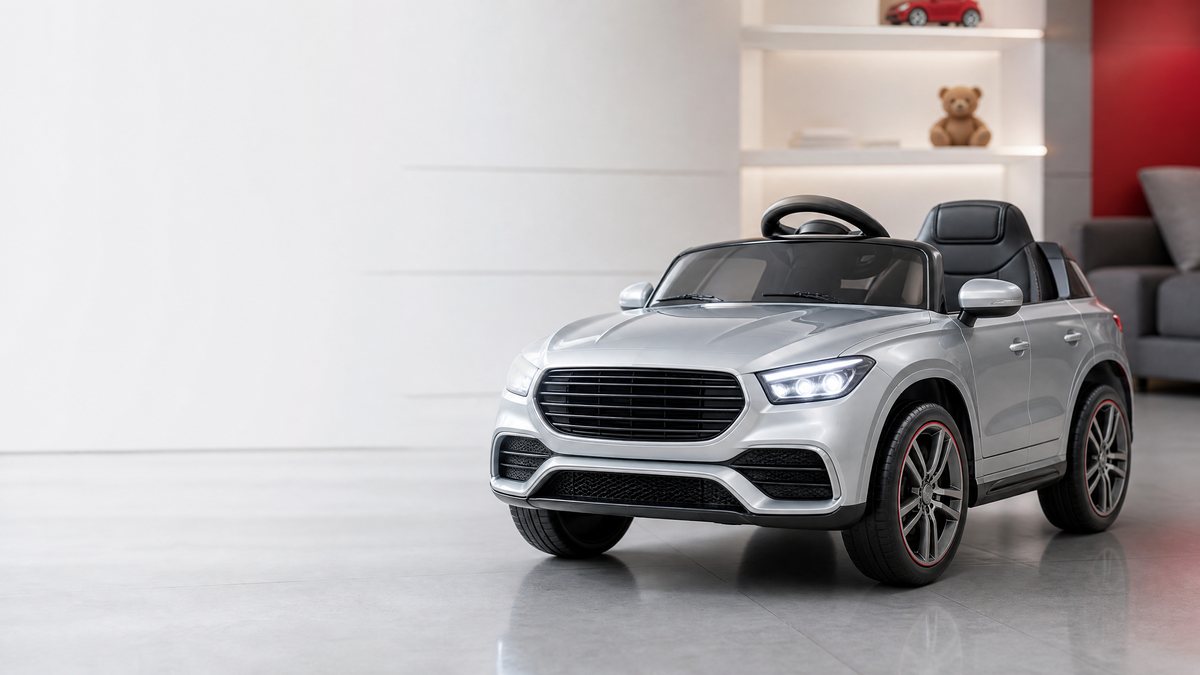
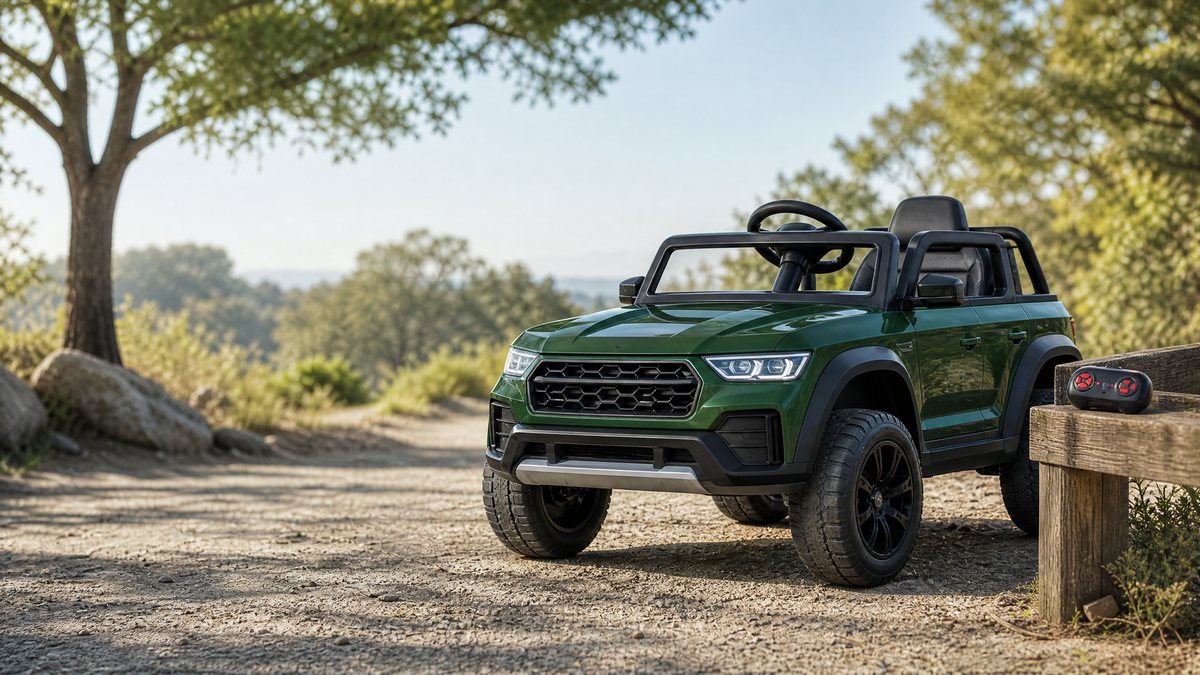
Physical stores can command premium pricing for licensed models (such as licensed Mercedes-Benz, BMW, or Ford ride-on trucks) because parents can inspect the realistic paint finishes, rubber EVA tires, and working suspension firsthand. Bundling in-store assembly or offering extended local warranty services further justifies a higher retail price point.
4. Comparative Analysis: Online vs. Brick-and-Mortar Pricing Structures
To help B2B distributors advise their retail partners effectively, the following matrix compares the core financial and operational metrics across both primary retail channels.
| Metric / Parameter | Online E-Commerce (Amazon / Shopify) | Brick-and-Mortar Retail (Boutiques / Stores) |
|---|---|---|
| Typical Target Markup | 2.2x – 2.5x Wholesale Cost | 2.5x – 3.0x Wholesale Cost |
| Logistics Model | Individual Parcel Shipping (High last-mile cost) | Pallet / LTL Freight (Optimized bulk cost) |
| Customer Acquisition | Digital PPC, SEO, Social Media Ads | Foot Traffic, Local Signage, Word-of-Mouth |
| Primary Cost Driver | Shipping surcharges & Marketplace ad spend | Retail rent, staff payroll, inventory holding |
| Return & Warranty Rate | Higher (10%–15% due to transit/assembly) | Lower (3%–5%, often handled locally) |
| Pricing Flexibility | Dynamic pricing algorithms, rapid discounting | Stable MSRP, seasonal promotional cycles |
5. Strategic Recommendations for B2B Wholesalers
As a B2B manufacturer and exporter, KidsRideCar recommends that wholesale buyers and regional distributors implement channel-specific pricing governance:
1. Enforce MAP (Minimum Advertised Price) Policies: To prevent price wars among online sellers that destroy brand equity, establish a clear MAP policy that protects both online and offline retailers' profit margins.
2. Offer Tiered Volume Discounts: Reward larger distributors with volume-based FOB price tiers, allowing them absorb heavy regional freight expenses and maintain competitive wholesale distribution networks.
3. Provide Marketing and Packaging Support: Supply high-resolution media assets, unboxing videos, and optimized product descriptions to online partners, while offering point-of-sale display banners and demo units to physical storefronts.
Frequently Asked Questions (FAQ)
Q1: How do I account for bulky shipping costs when pricing ride-on cars for e-commerce?
A: Because volumetric weight significantly impacts shipping fees, many successful e-commerce sellers calculate shipping zones average or integrate a flat shipping surcharge into the product price while marketing the item as "Free Shipping." Wholesalers should also offer knockdown (KD) packaging options that optimize container space and reduce freight costs.
Q2: Should online and brick-and-mortar retail prices be identical?
A: Not necessarily. While maintaining price parity prevents channel conflict, physical retailers often command slightly higher prices due to immediate availability and assembled display models. However, severe online discounting can alienate physical store partners, making MAP enforcement essential.
Q3: What is the ideal profit margin for a B2B distributor supplying both channels?
A: B2B distributors typically aim for a gross wholesale margin of 20% to 35% over landed manufacturing costs, ensuring sufficient buffer for currency fluctuations, warranty replacements, and logistics management while leaving adequate margin headroom for retailers.
Q4: How do premium features like 24V motors and leather seats impact retail pricing?
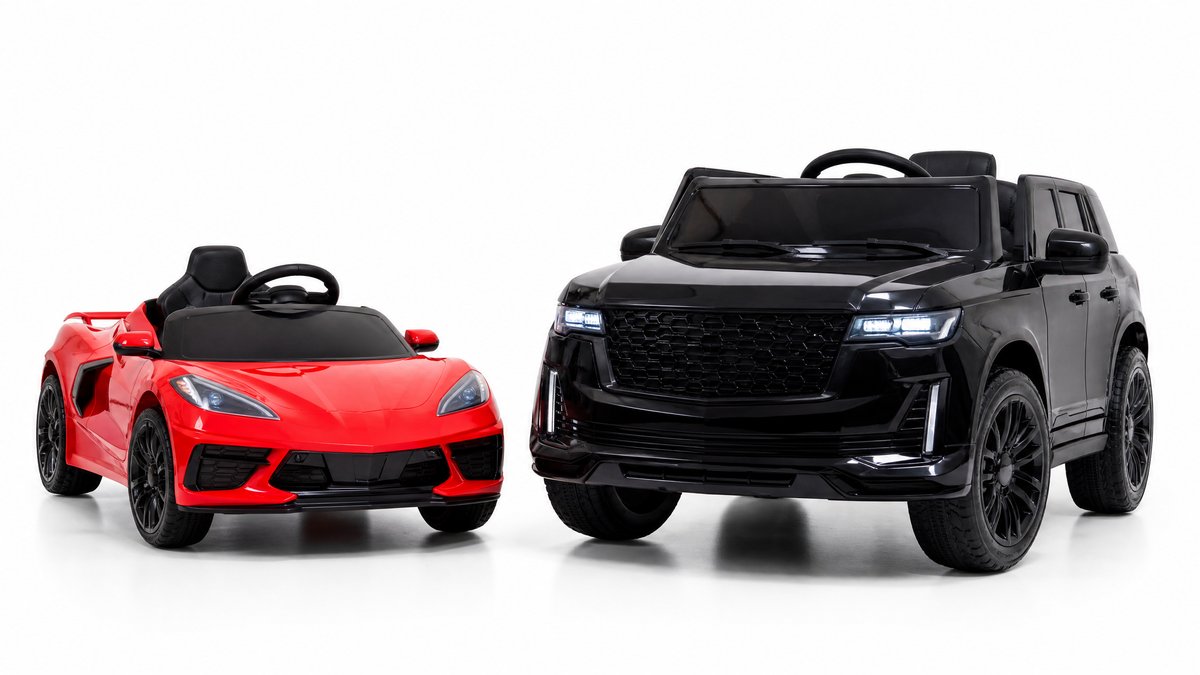
A: Premium upgrades significantly increase perceived value. A standard 12V single-motor entry car might retail for $150–$200, whereas a licensed 24V four-wheel-drive luxury ride-on with rubber EVA tires and leather seats can easily command $350–$500 retail, yielding higher absolute dollar margins for both wholesalers and retailers.
*Ready to expand your ride-on car inventory with high-margin, certified models? Contact our wholesale team today at info@kidsridecar.com to request our latest 2026 catalog and factory-direct quotation.*
Official references
Explore these external resources for current regulatory and trade guidance. Confirm requirements with the relevant authority before placing an order.
Ready to Start?
Factory-Direct · CE & ASTM Certified · MOQ from 50 Units
Our export team works with buyers in 60+ countries. Get a quote within 24 hours.
KR
Written by KidsRideCar
China's leading kids electric ride-on car manufacturer. 500,000+ units shipped annually to 60+ countries. CE, ASTM & EN71 certified.