Introduction
In the competitive landscape of children's ride-on vehicles, material integrity is paramount. Importers, wholesale distributors, and retail brands constantly evaluate whether the plastic components of electric ride-on cars can withstand the rigorous demands of everyday outdoor use. The recurring question among procurement specialists and concerned parents alike is simple yet critical: Will the plastic crack under stress, impact, or environmental exposure?
Rather than relying on anecdotal observations or unverified marketing claims, professional evaluation requires a structured methodology. Assessing plastic quality involves understanding polymer chemistry, manufacturing techniques, wall thickness uniformity, and structural engineering design. This article provides a comprehensive evaluation framework and purchasing guide for B2B buyers and industry professionals seeking to assess, verify, and ensure superior thermoplastic durability in children's ride-on cars.
It must be explicitly understood that structural resilience and impact outcomes vary significantly depending on the specific model design, precision of factory assembly, operating terrain, ambient temperature, and user weight distribution. This guide outlines transparent assessment criteria rather than claiming absolute universal test results or fabricated physical stress thresholds.
Understanding Thermoplastic Materials in Ride-On Vehicles
The structural shell and body panels of modern electric ride-on cars are predominantly manufactured from thermoplastic polymers. The choice of raw material directly influences the vehicle's impact resistance, flexural rigidity, and weatherability.
Polypropylene (PP)
Polypropylene is widely utilized in the toy manufacturing industry due to its favorable balance of cost, processability, and fatigue resistance. PP exhibits moderate rigidity and good resistance to stress cracking. However, standard grade PP can become brittle when exposed to prolonged ultraviolet (UV) radiation and sub-zero temperatures unless properly compounded with UV stabilizers and impact modifiers.
High-Density Polyethylene (HDPE)
HDPE offers superior tensile strength and impact resistance compared to standard polypropylene. It is frequently selected for heavy-duty structural components, chassis elements, and wheels where toughness and abrasion resistance are critical. HDPE maintains better flexibility in colder climates, reducing the likelihood of sudden brittle fractures.
Acrylonitrile Butadiene Styrene (ABS)
ABS is often employed for high-gloss body shells, decorative trim, and windshields where superior surface finish, scratch resistance, and rigidity are required. While ABS provides an excellent aesthetic appearance and dimensional stability, its weather resistance requires careful additive formulation to prevent surface degradation over time.
| Polymer Type | Primary Application | Impact Resistance | UV Stability | Flexural Rigidity | Cost Profile |
|---|---|---|---|---|---|
| Polypropylene (PP) | Body panels, seating, wheels | Moderate to High | Requires Additives | Moderate | Economical |
| HDPE | Chassis, structural supports | High | Good | High | Moderate |
| ABS | Premium body shells, trim | Moderate | Moderate (Needs Coating) | High | Premium |
Evaluation Methodology: Assessing Plastic Integrity Without Destructive Testing
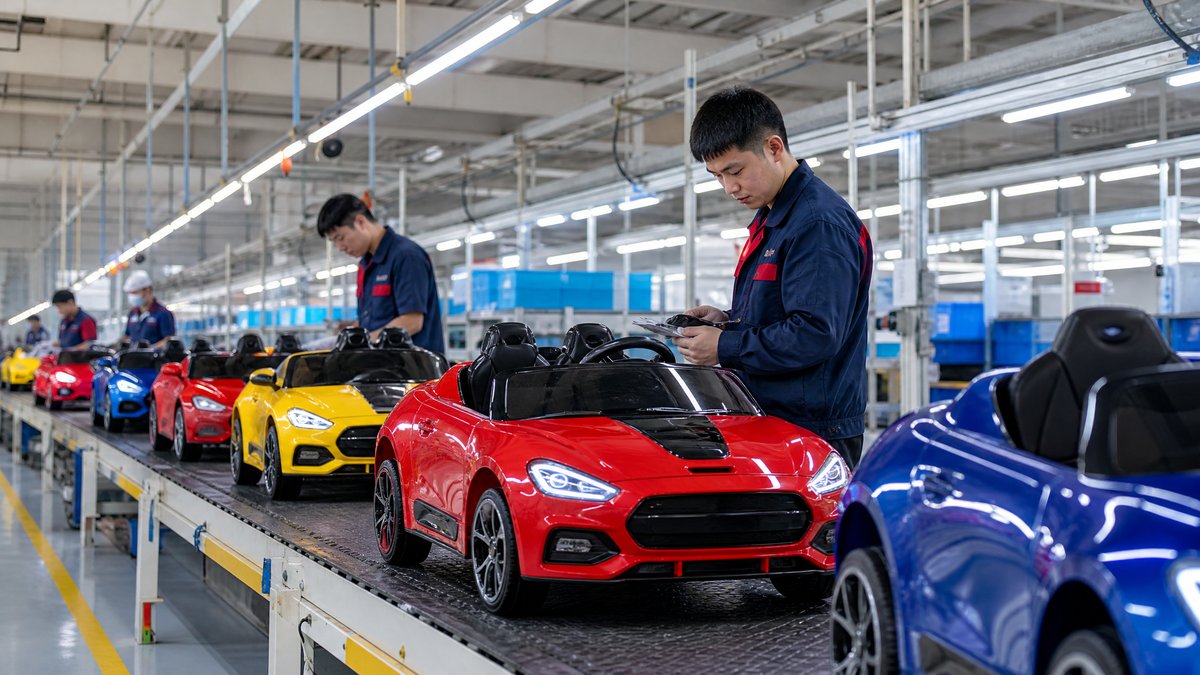
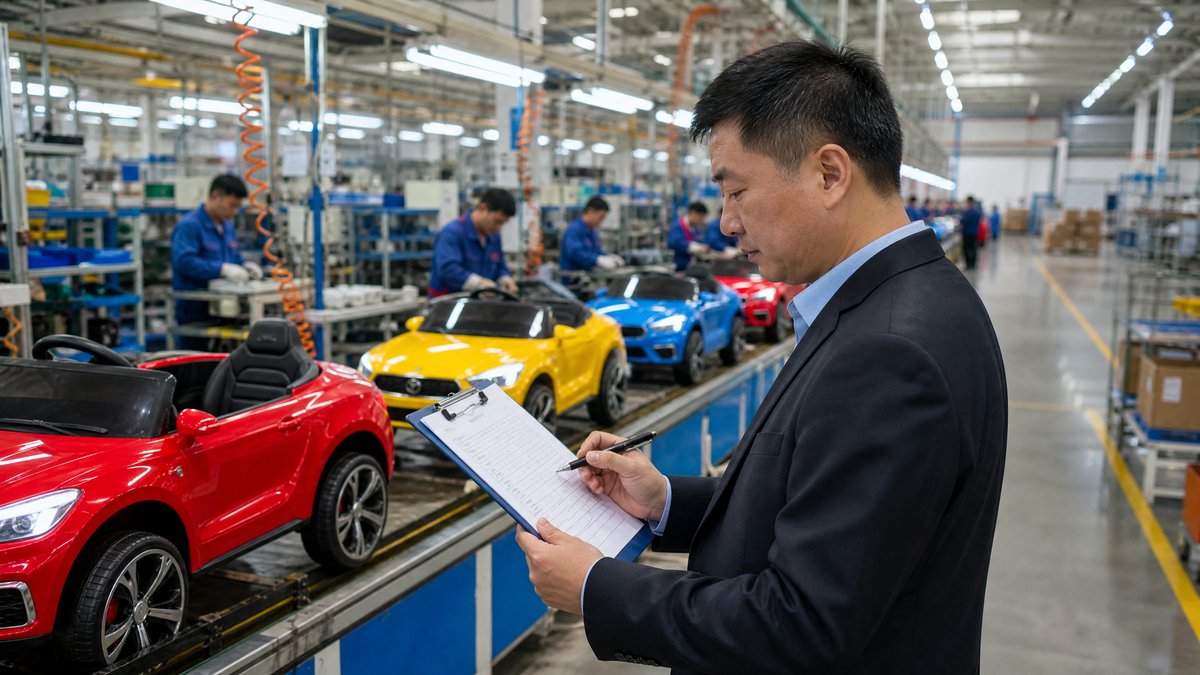
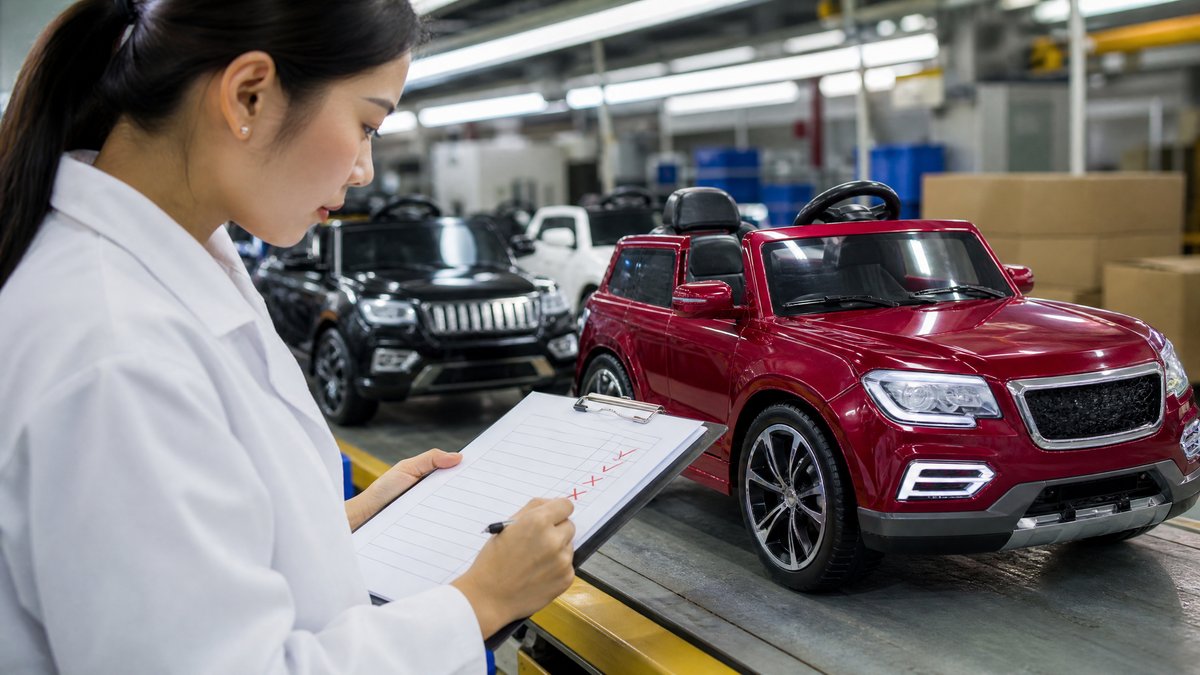
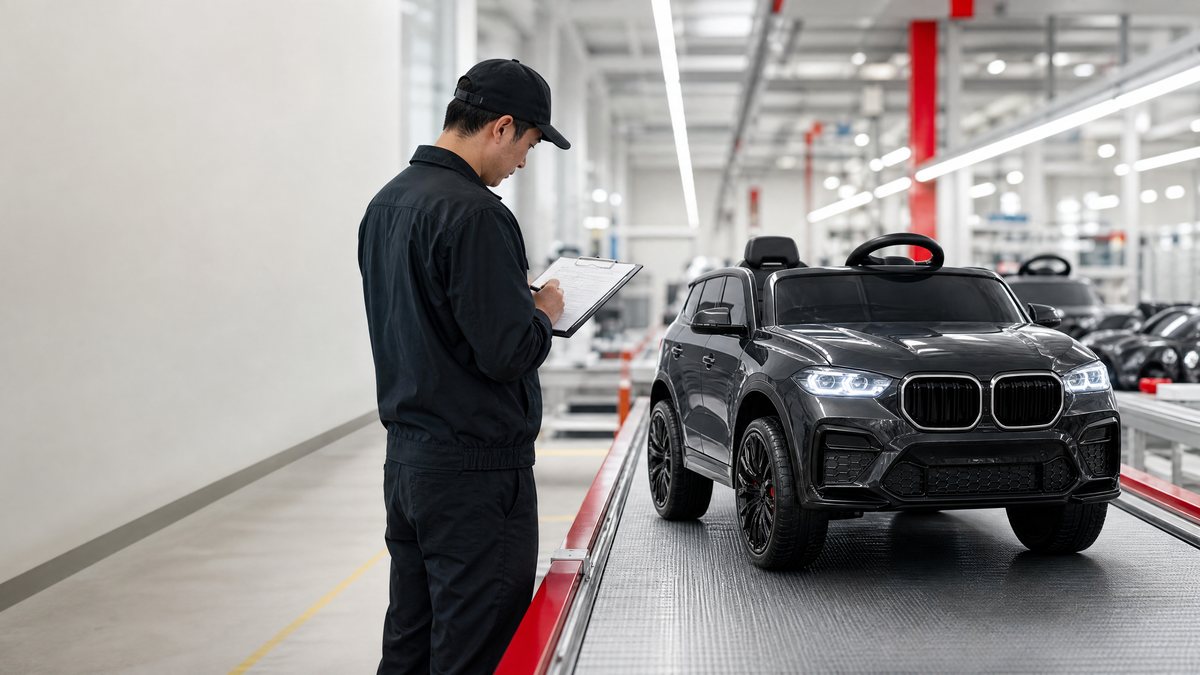
Evaluating incoming shipments or factory samples without resorting to destructive laboratory testing requires systematic visual, tactile, and structural inspections. Quality assurance (QA) teams look for specific indicators of molding quality and material consistency.
Wall Thickness Uniformity
During injection or blow molding, molten plastic must flow evenly into complex cavity molds. Uneven cooling or improper injection pressure can result in localized thin spots, particularly at sharp corners, deep recesses, and fastening attachment points. Inspectors examine cross-sections and use ultrasonic thickness gauges to verify that wall thickness remains within acceptable engineering tolerances. Consistent wall thickness prevents localized stress concentrations that initiate cracking.
Surface Defect Analysis
A thorough visual assessment checks for sink marks, weld lines, flow lines, and flash.
* Sink Marks: Depressions that occur when thick sections cool slower than surrounding areas, indicating suboptimal cooling cycles.
* Weld Lines: Junctions where two fronts of molten polymer meet. Poorly bonded weld lines represent inherent structural weak points prone to separation under impact.
* Internal Voids: Trapped air pockets caused by incorrect injection parameters, which severely compromise structural integrity.
*Note: Actual product performance depends heavily on correct mechanical assembly, torque applied to fasteners, environmental storage conditions, and adherence to recommended maximum weight capacities.*
Comparative Analysis of Manufacturing Techniques
The structural durability of a ride-on car is inextricably linked to how the plastic components are shaped. Different manufacturing techniques impart distinct mechanical properties.
Injection Molding
Injection molding is the standard method for producing complex, high-precision components such as dashboards, steering wheels, wheels, and intricate body sections. It allows for precise control over wall thickness and structural ribs. Properly designed ribs enhance the flexural strength of large panels without adding excessive weight or material cost.
Blow Molding
Blow molding is frequently utilized for hollow, seamless components such as large chassis frames, cargo beds, and certain heavy-duty body shells. The process produces uniform wall thickness and excellent stress distribution across curved surfaces, making blow-molded parts highly resilient against impact forces.
Rotational Molding (Rotomolding)
Reserved primarily for premium, commercial-grade or heavy-duty outdoor vehicles, rotomolding creates exceptionally durable, stress-free hollow parts with uniform corner thicknesses. While less common in mass-market retail toys due to longer cycle times, it represents the pinnacle of plastic durability for rugged terrain applications.
Operational Safety, Environmental Factors, and Maintenance Guidelines
Plastic durability is not solely a manufacturing attribute; it is profoundly influenced by operational practices and environmental management. Importers and retailers must educate end-users and parents on proper usage and maintenance protocols to ensure long-term product safety and structural integrity.
Environmental Exposure and Temperature Management
Thermoplastics undergo physical changes in response to ambient temperature fluctuations. In freezing winter conditions, polymers lose their molecular mobility, becoming significantly more brittle. Operating ride-on cars in sub-zero temperatures drastically increases the risk of plastic cracking upon minor impacts. Conversely, prolonged exposure to intense summer sunlight and UV radiation can degrade polymer chains, leading to surface chalking and reduced tensile strength. Parents and operators must store vehicles in temperature-controlled or shaded environments when not in use, strictly following manufacturer storage guidelines.
Slippery Surfaces, Gradients, and Impact Hazards
Ride-on cars operated on wet, icy, or excessively steep terrain experience unpredictable traction loss and uncontrolled collisions. Importers must emphasize that vehicles should only be operated on flat, stable, and dry surfaces appropriate for the specific model's motor power and tire composition. Adult supervision is mandatory at all times to prevent high-speed impacts against curbs, walls, or hard obstacles that exceed the impact absorption capacity of the plastic body panels.
Braking Systems and Mechanical Stress
Sudden braking or overloading beyond the specified weight capacity places immense shear stress on chassis mounting points and axle housings. Operators must ensure that children remain within the manufacturer's rated weight limits. Regular inspection of brake actuators, pedal mechanisms, and structural fasteners is required to prevent loose components from exerting abnormal stress on surrounding plastic housings.
Electrical Safety, Charging, and Battery Replacement
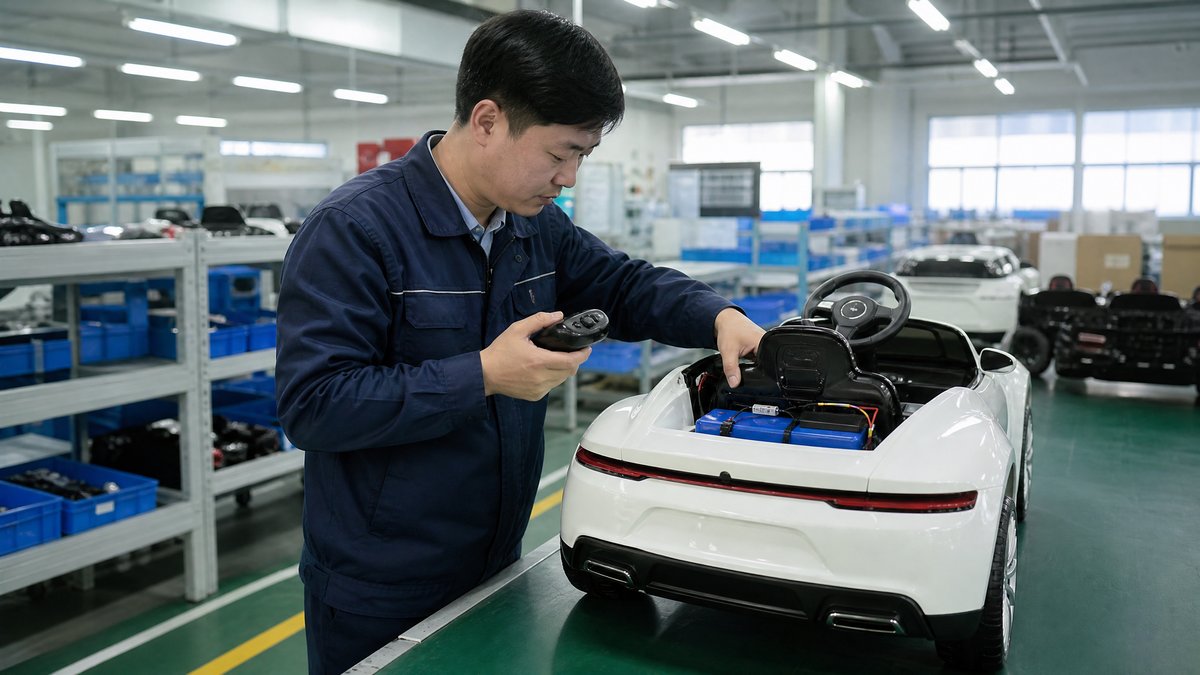
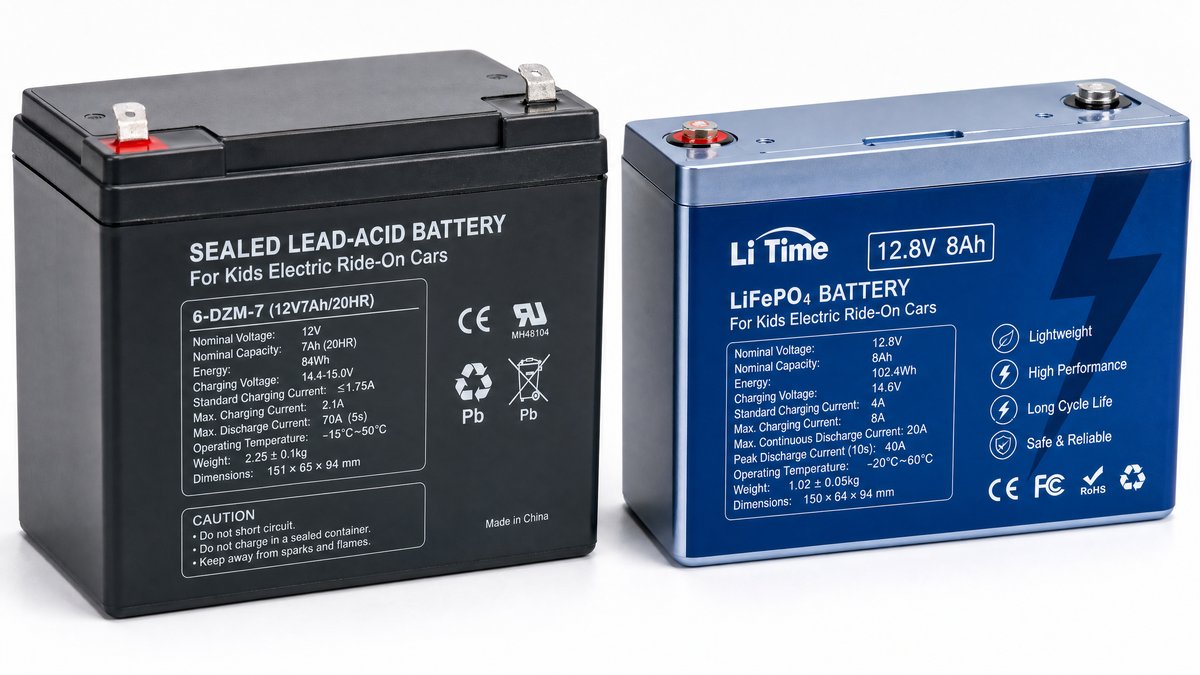
Maintaining electrical and power systems directly impacts safe vehicle operation. Charging protocols must strictly adhere to the manufacturer's provided charger specifications and voltage ratings. Overcharging or using incompatible aftermarket chargers can cause thermal events, warping internal battery compartments and adjacent plastic enclosures. When replacing batteries, adults must follow precise manufacturer instructions, ensuring secure placement to prevent battery shifting during operation, which could damage internal structural walls.
Mandatory Safety Equipment
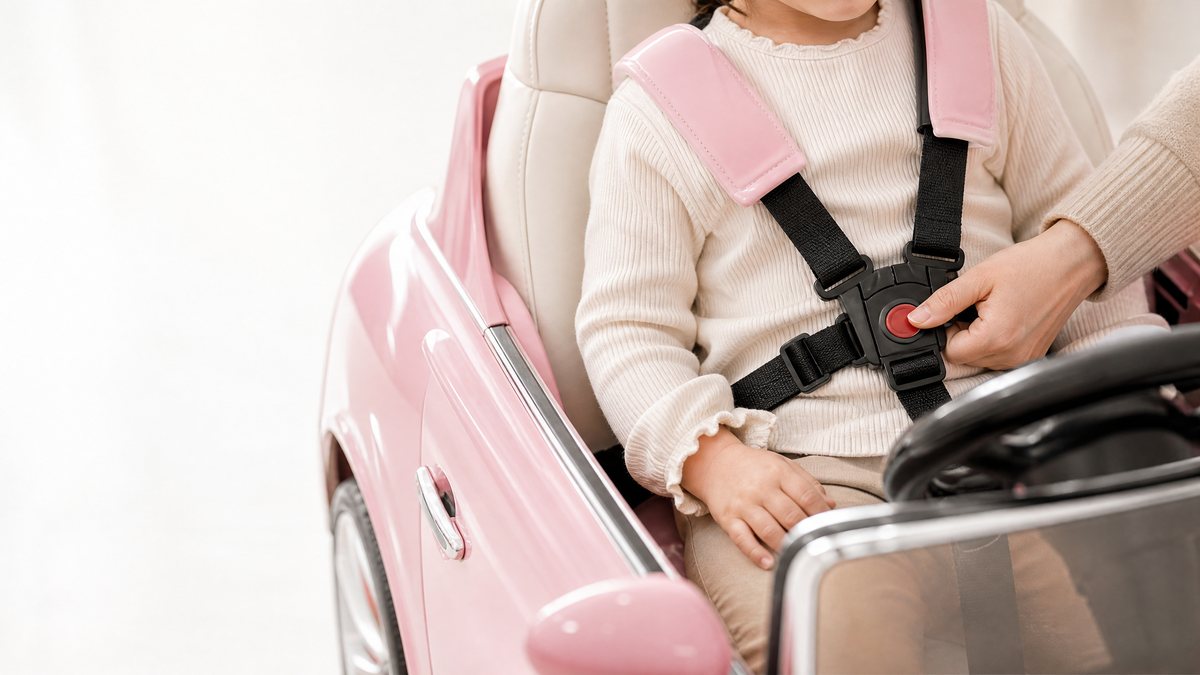
Safety belts and restraint systems are critical safety features integrated into ride-on vehicles. Parents must ensure that seat belts are correctly fastened prior to operation. Under no circumstances should safety measures, restraints, or speed limitation features be bypassed, modified, or removed. Compliance with applicable safety standards and continuous adult supervision remain the ultimate safeguards for child safety.
Practical Procurement and Quality Verification Checklist
For B2B buyers, importers, and quality control managers, implementing a standardized inspection checklist ensures consistent product quality across manufacturing batches.
1. Material Certification Review: Verify supplier material safety data sheets (MSDS) and confirm compliance with international toy safety standards (e.g., EN71, ASTM F963) regarding heavy metals, phthalates, and flammability.
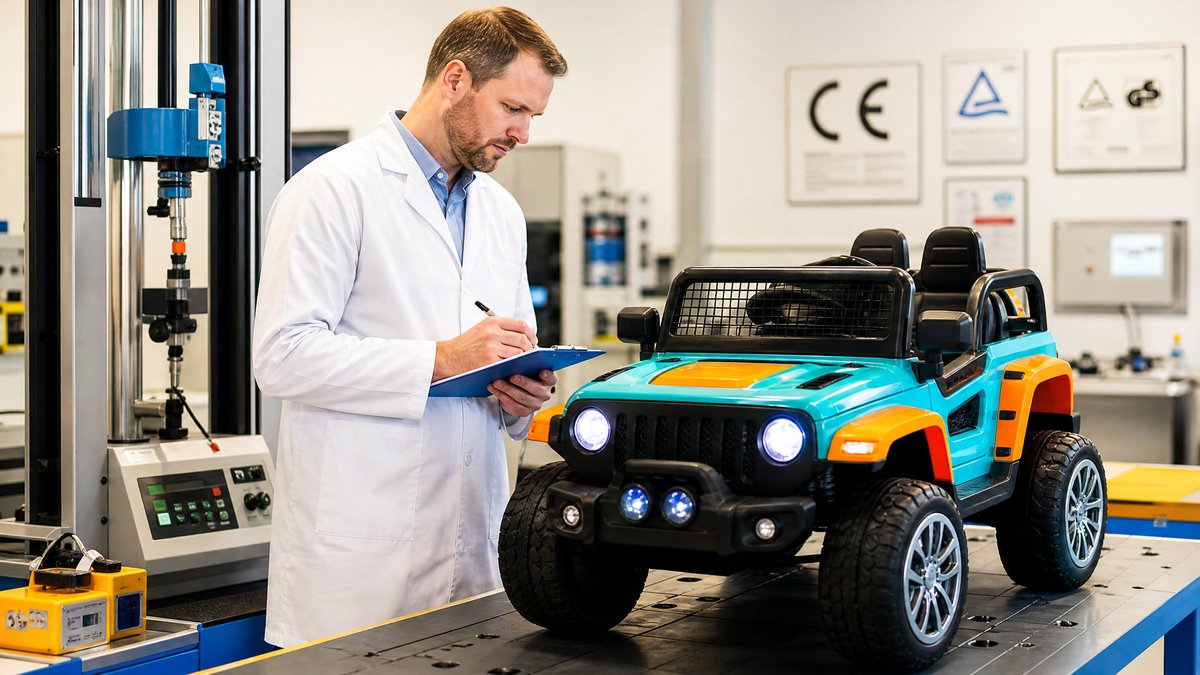
2. Batch Drop and Impact Sampling: Conduct sample batch inspections, assessing component flexibility, impact resistance at designated drop heights, and absence of brittle fractures.
3. Dimensional and Fitment Audit: Check body panel alignment, screw hole reinforcement bosses, and ribbing structures to ensure uniform load distribution.
4. UV Stabilization Verification: Confirm that outdoor-grade UV stabilizers have been compounded into raw polymer resins for models marketed for heavy outdoor usage.
5. Documentation and Warning Labeling: Ensure that user manuals, maintenance guides, and clear warning labels regarding weight limits, charging safety, and supervision requirements are included in every packaging unit.
Frequently Asked Questions (FAQ)
1. Can ride-on car plastics be repaired if a crack occurs?
Minor surface scratches or non-structural blemishes can sometimes be treated aesthetically. However, if a structural load-bearing component or chassis part cracks, repair using adhesives or welding is generally not recommended for children's safety toys. Damaged structural parts should be replaced immediately with certified original manufacturer components.
2. How does extreme cold weather affect ride-on car durability?
Sub-zero temperatures reduce the impact strength of standard thermoplastics like polypropylene, making them significantly more brittle. It is strongly recommended to store ride-on cars indoors during winter months and avoid outdoor operation in freezing weather.
3. Are all plastics used in ride-on cars UV-resistant?
Not all plastics possess equal UV resistance. Standard untreated plastics will fade, discolor, and become brittle when exposed to sunlight over time. Premium manufacturers incorporate specialized UV stabilizing additives into their polymer blends for outdoor durability.
4. What is the typical lifespan of a high-quality thermoplastic ride-on body?
With proper maintenance, indoor storage, adherence to weight limits, and continuous adult supervision, a high-quality ride-on vehicle can provide several years of reliable service. Lifespan varies widely based on usage intensity, terrain roughness, and environmental storage conditions.
Conclusion & B2B Call to Action
Assessing ride-on car plastic quality requires a rigorous understanding of polymer properties, molding techniques, and operational variables. By prioritizing superior raw materials, robust wall thickness design, and comprehensive quality control checklists, B2B buyers can successfully mitigate defect risks and deliver durable, safe products to the global market.
Are you looking to source premium, rigorously inspected, and safety-compliant electric ride-on vehicles for your wholesale or retail brand? Partner with us today. Contact our engineering and export sales teams to request sample evaluations, factory audit reports, and customized manufacturing solutions tailored to your market specifications.
Official references
Explore these external resources for current regulatory and trade guidance. Confirm requirements with the relevant authority before placing an order.
Ready to Start?
Factory-Direct · CE & ASTM Certified · MOQ from 50 Units
Our export team works with buyers in 60+ countries. Get a quote within 24 hours.
KR
Written by KidsRideCar
China's leading kids electric ride-on car manufacturer. 500,000+ units shipped annually to 60+ countries. CE, ASTM & EN71 certified.