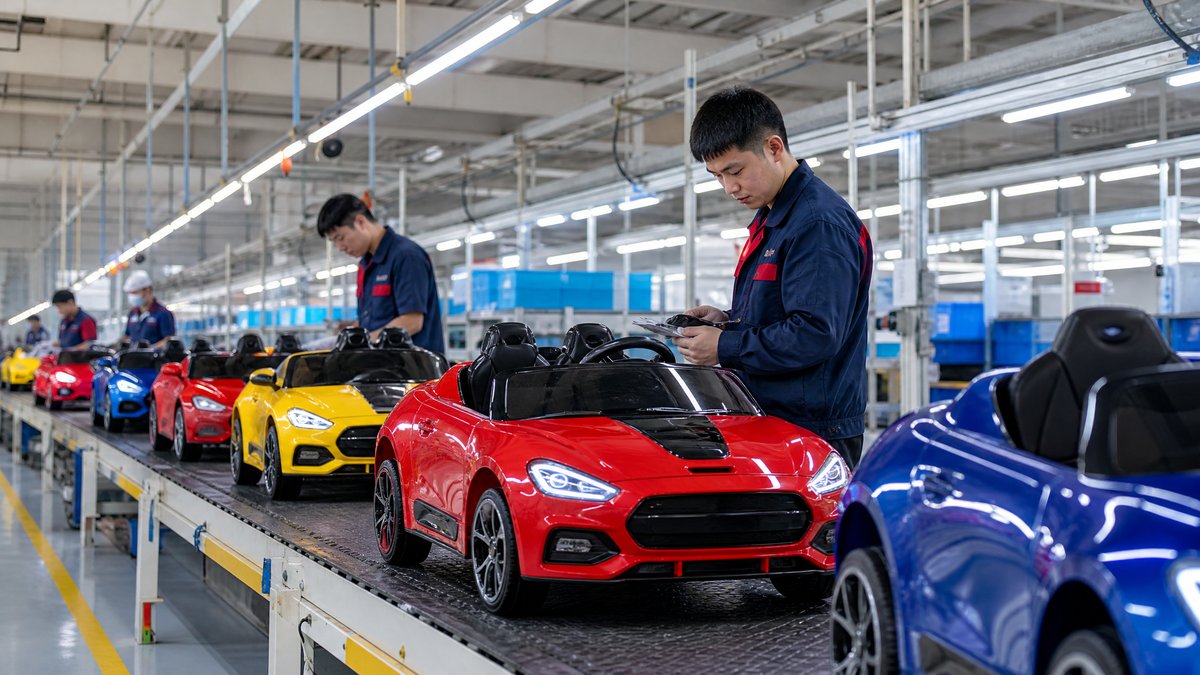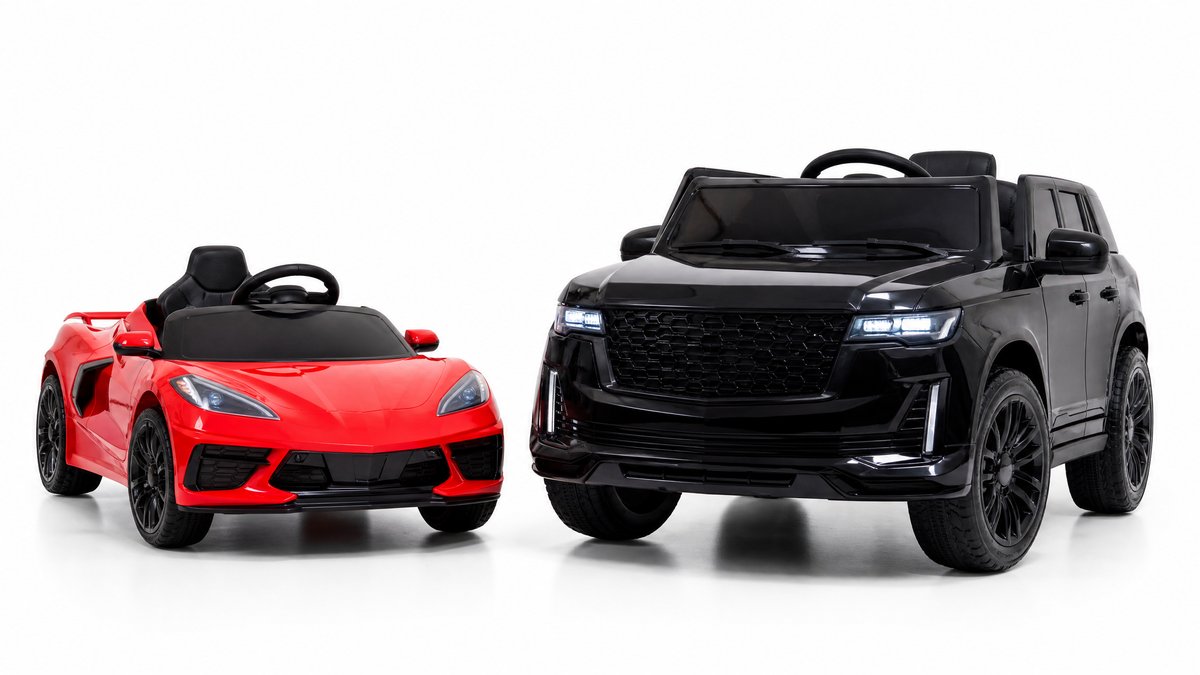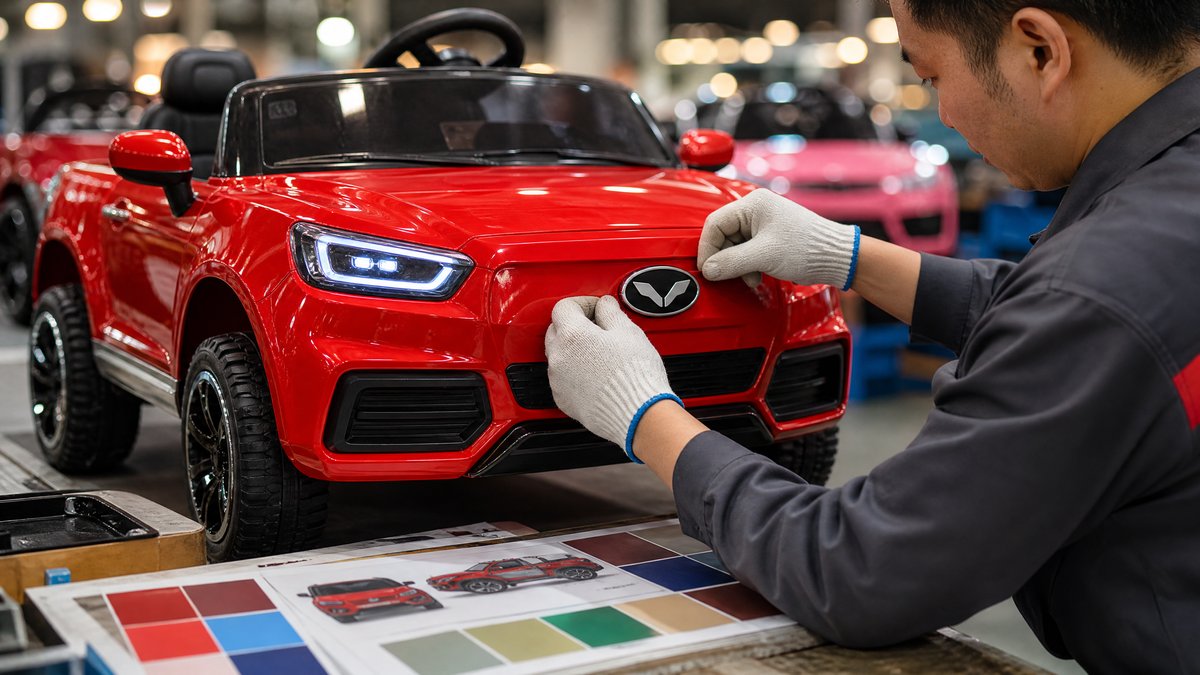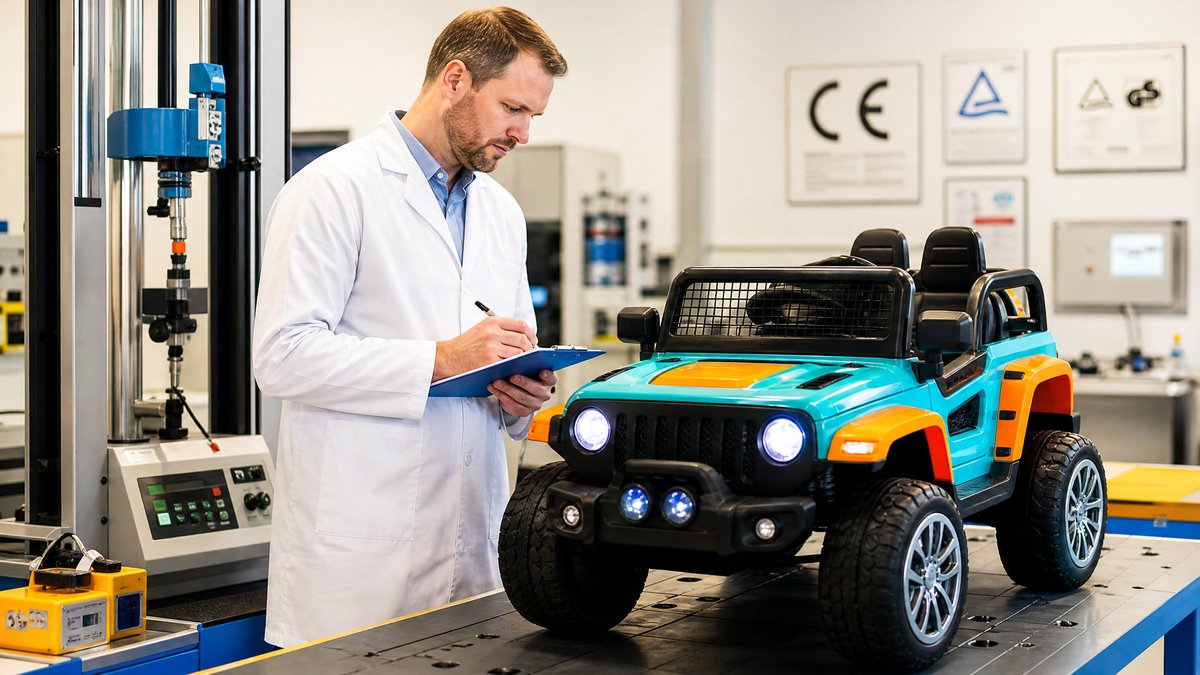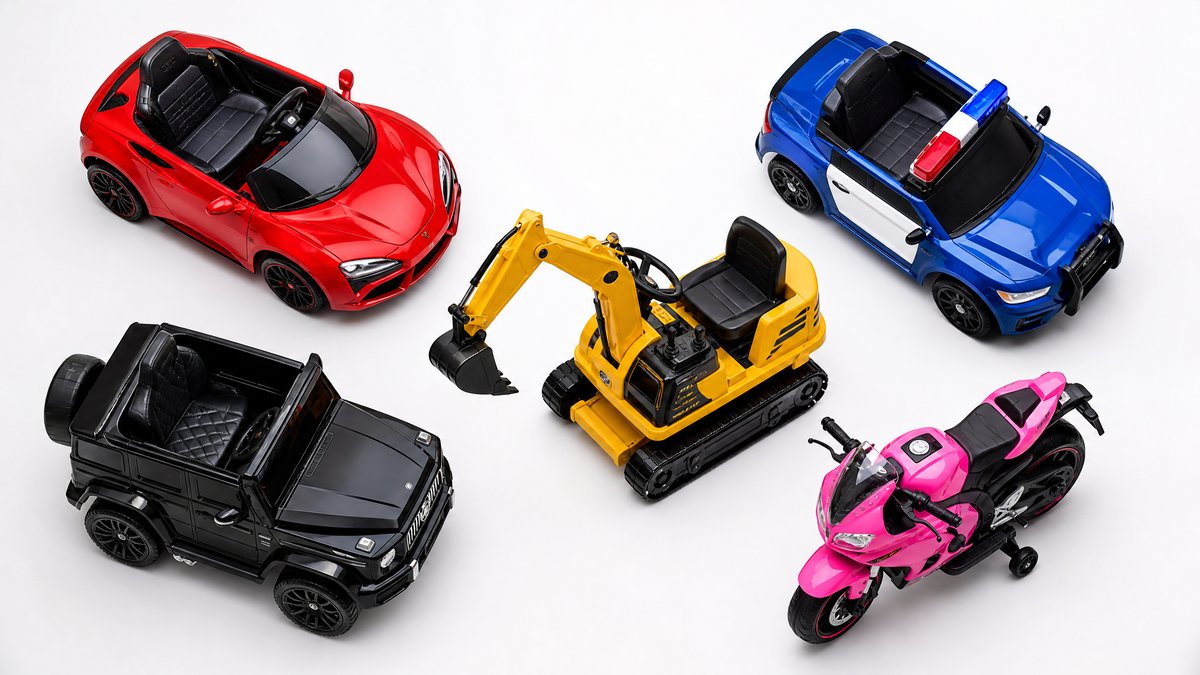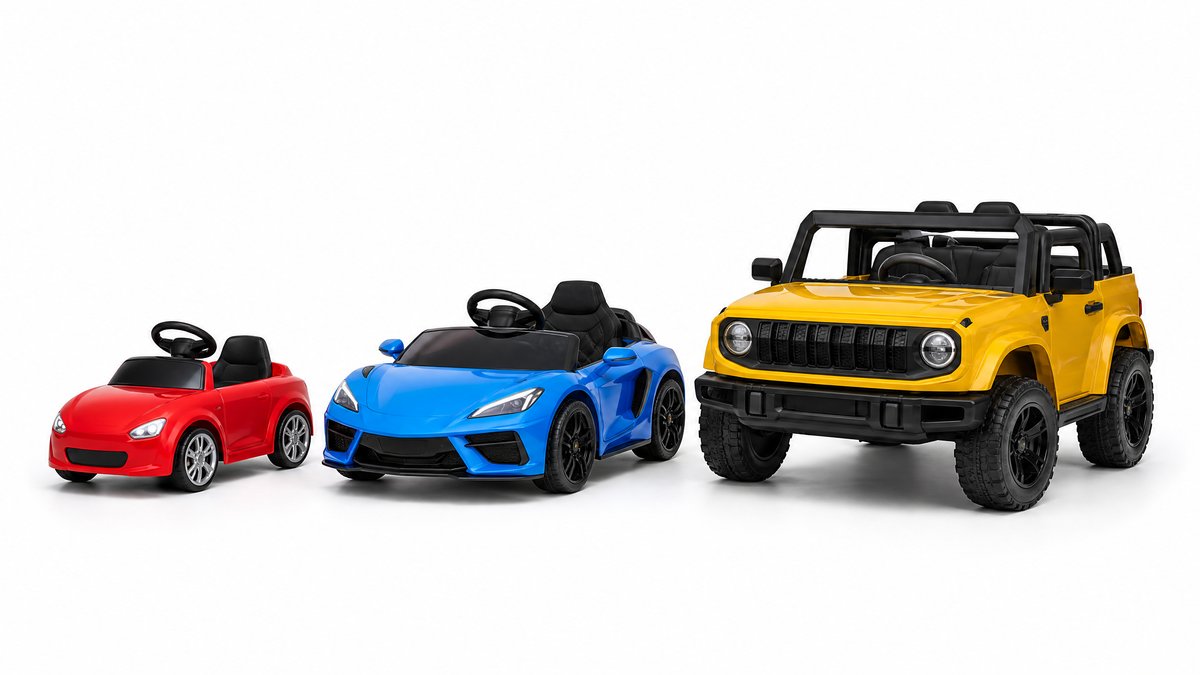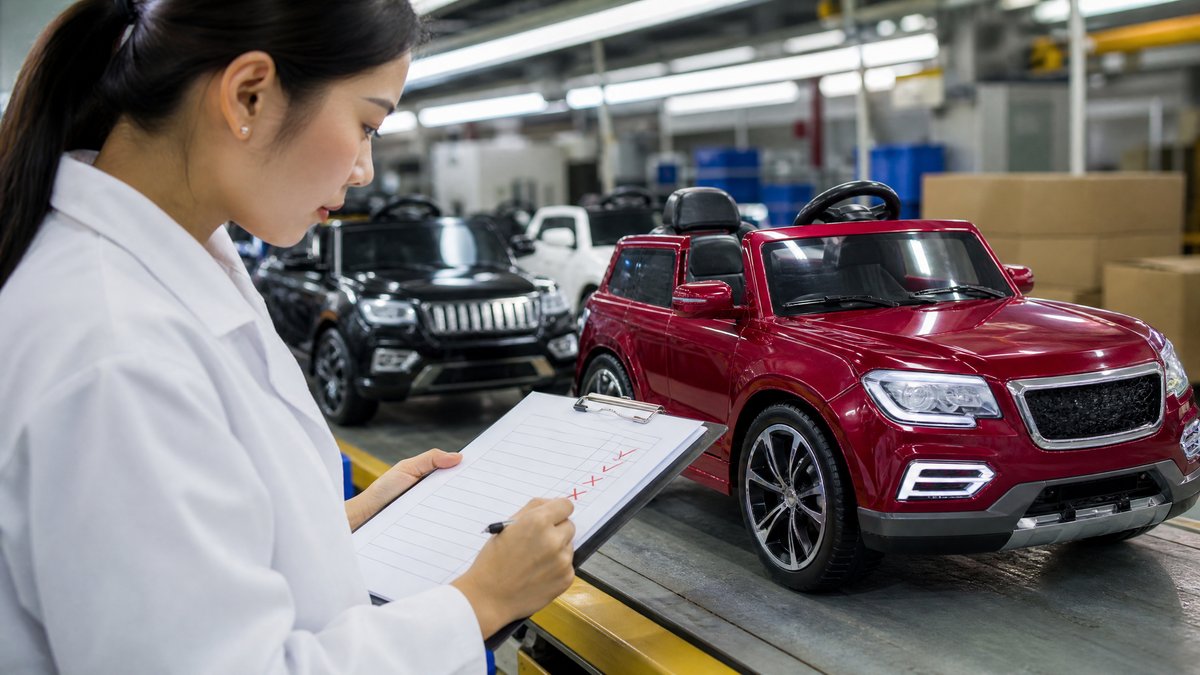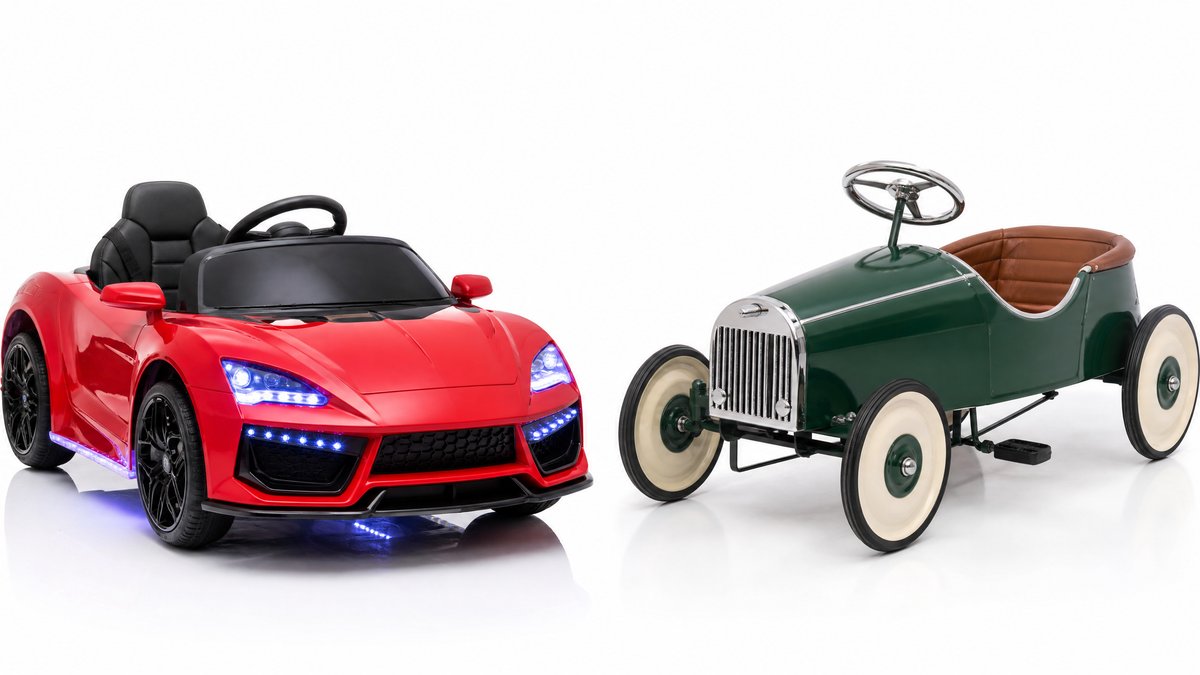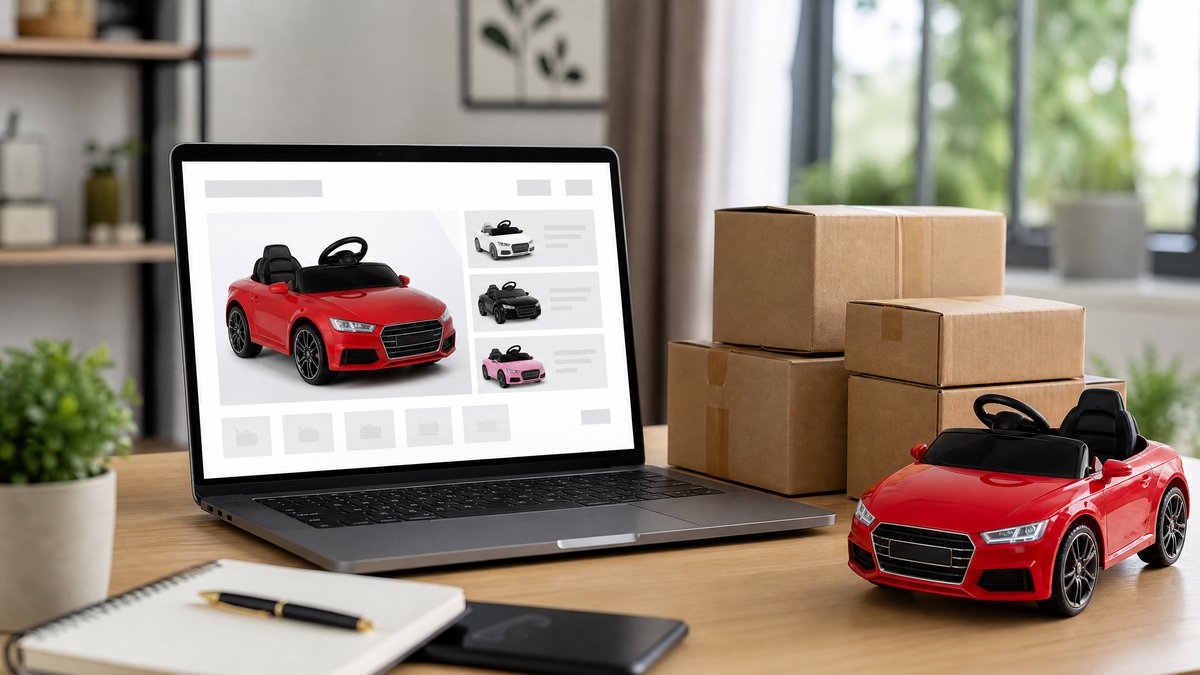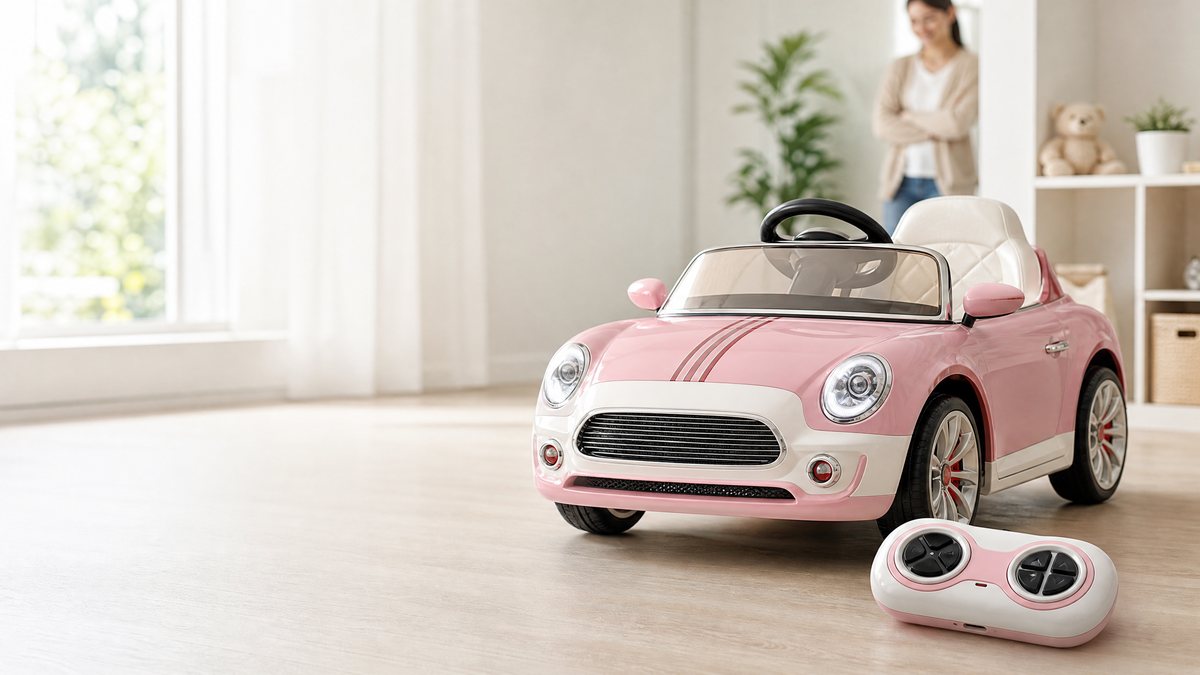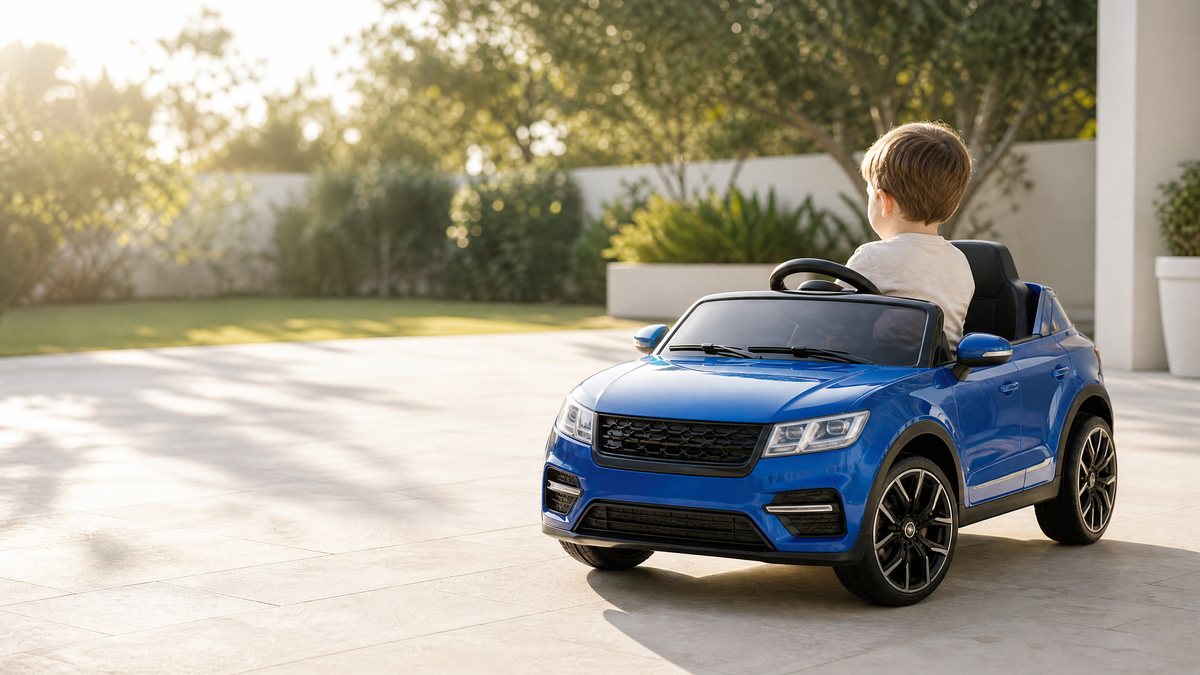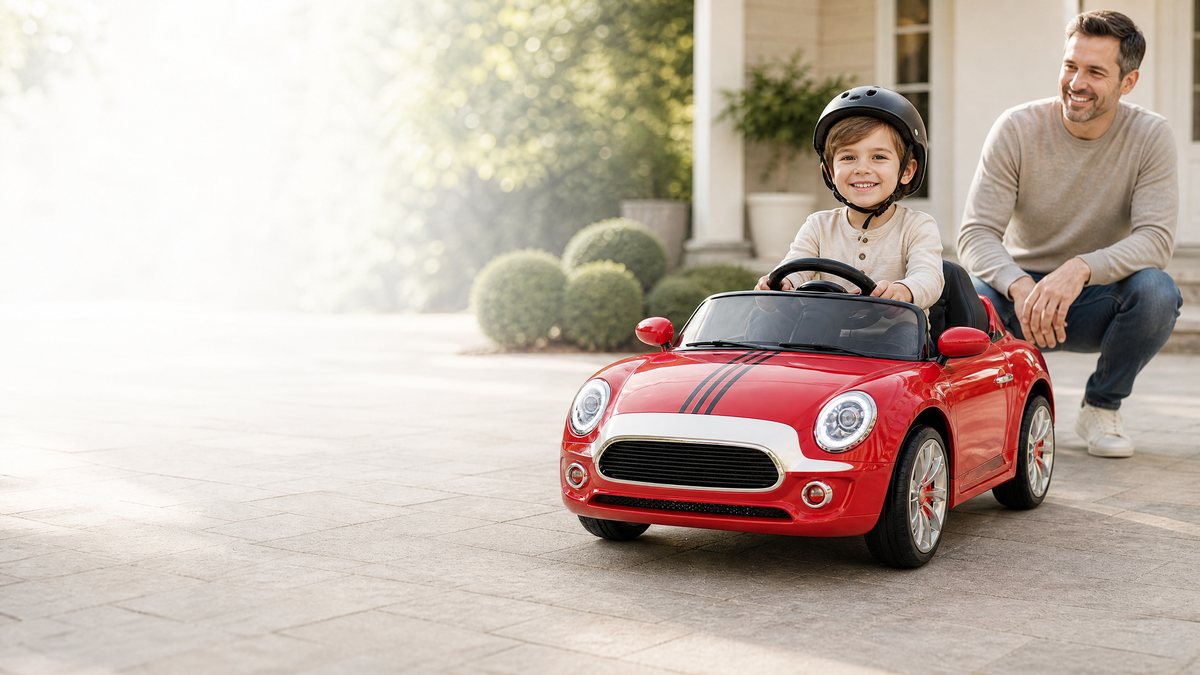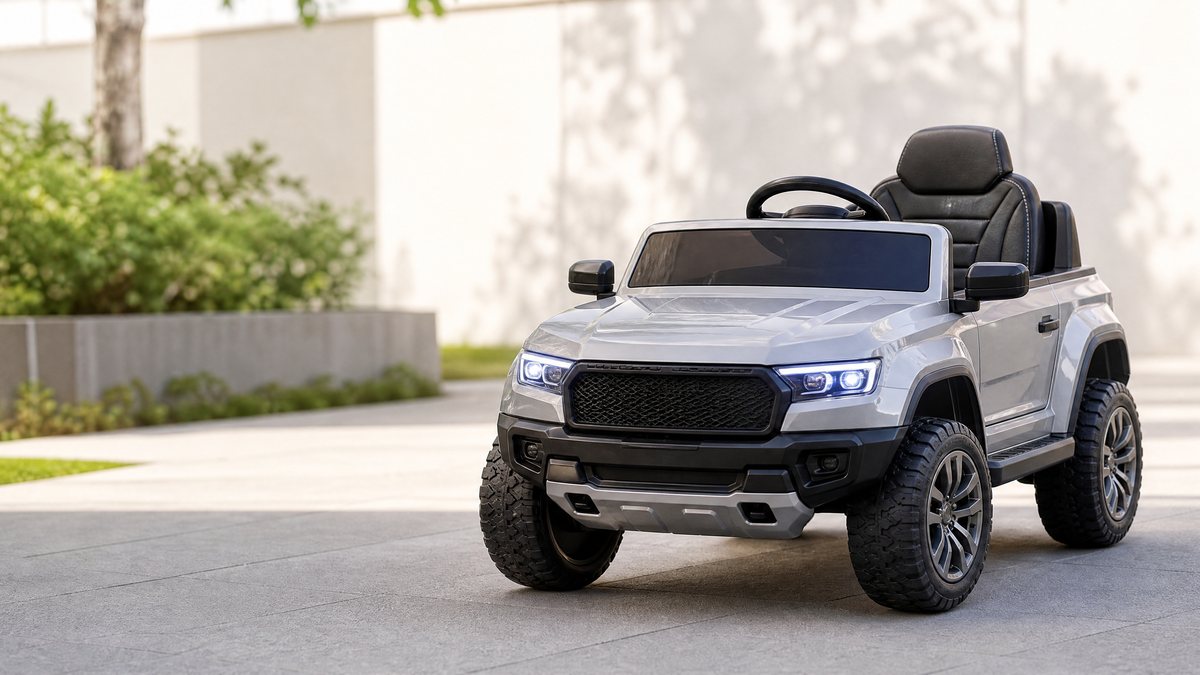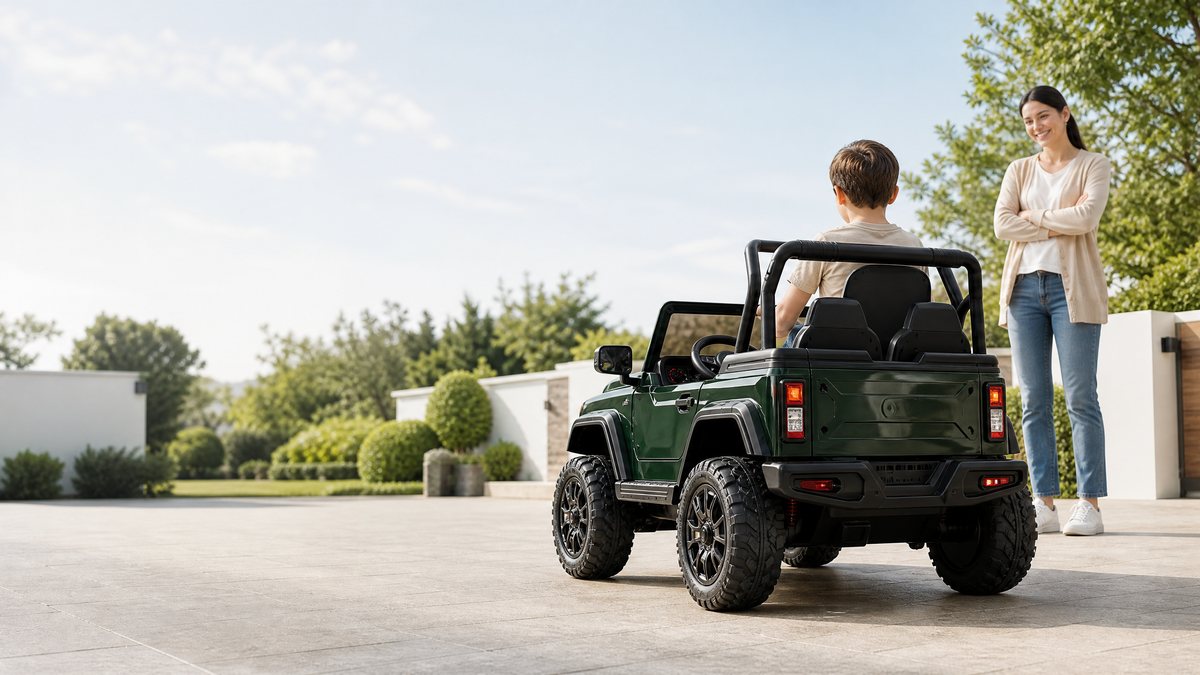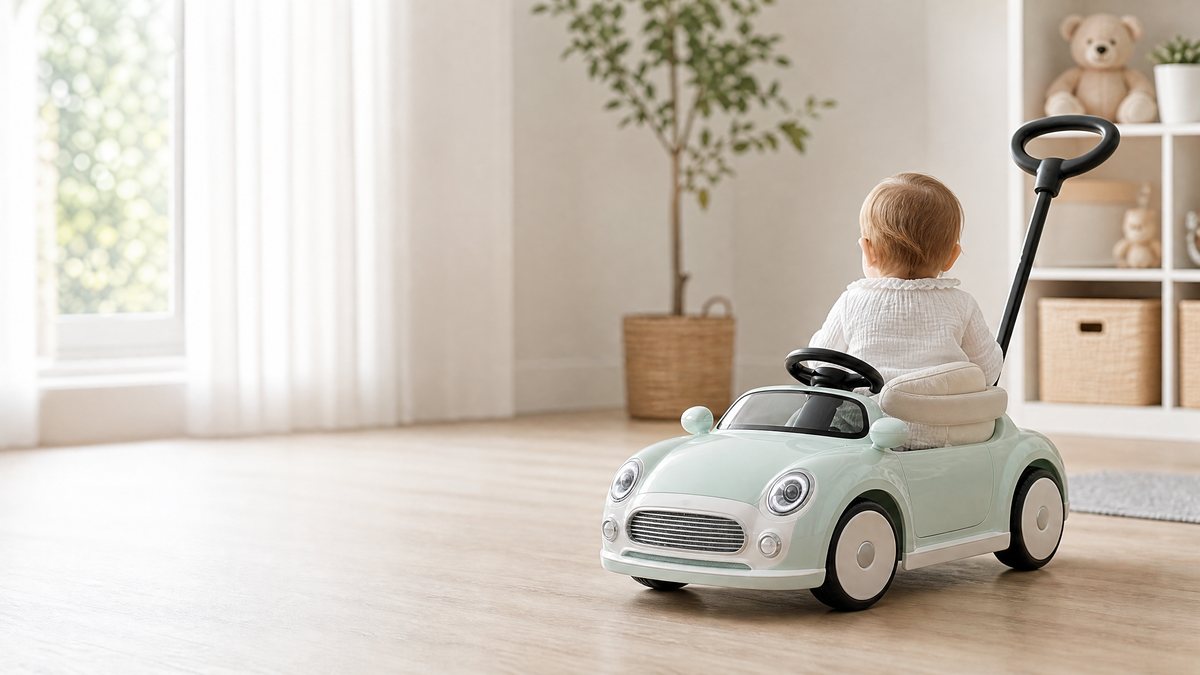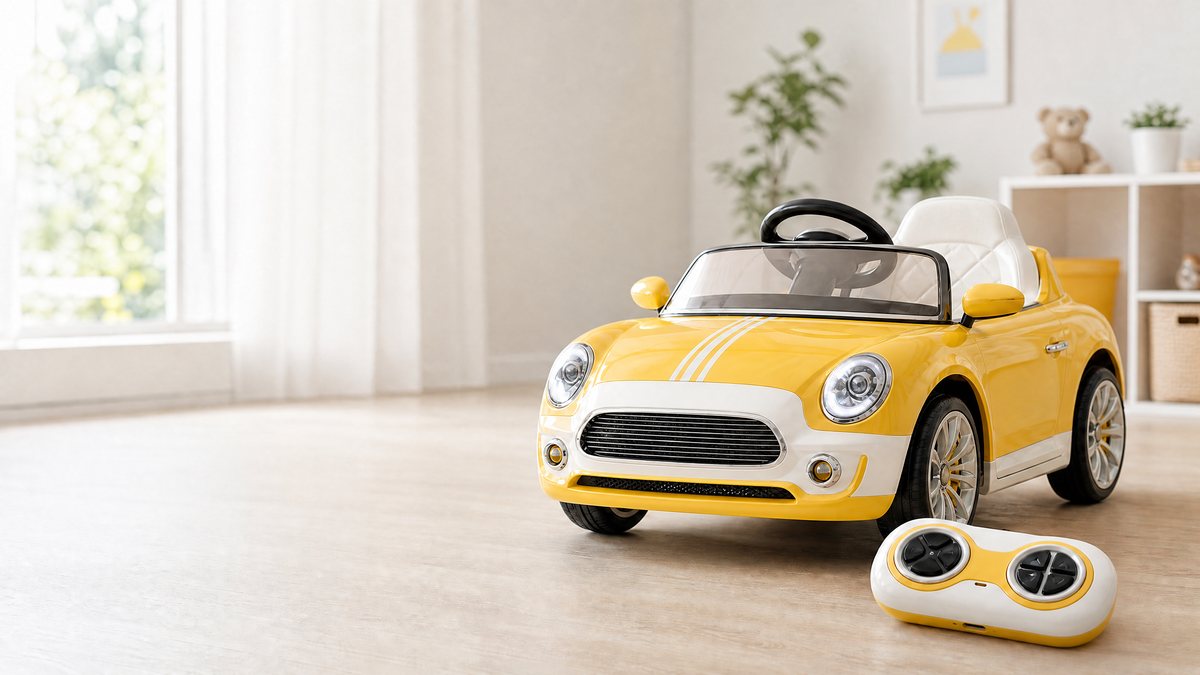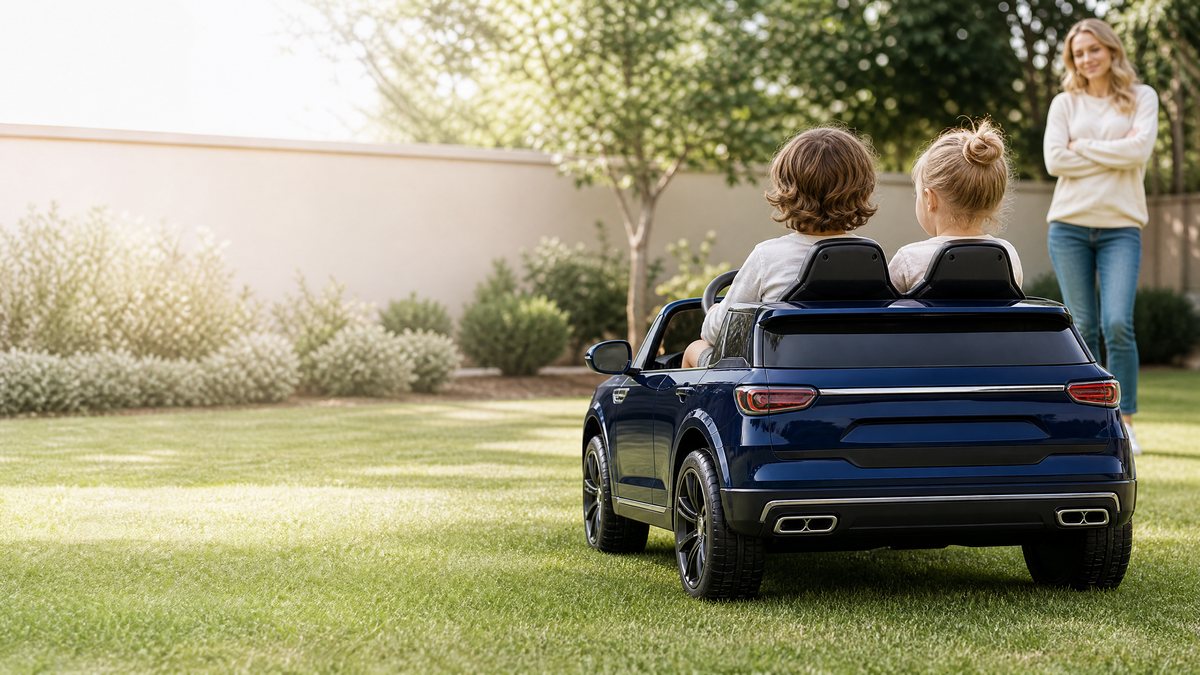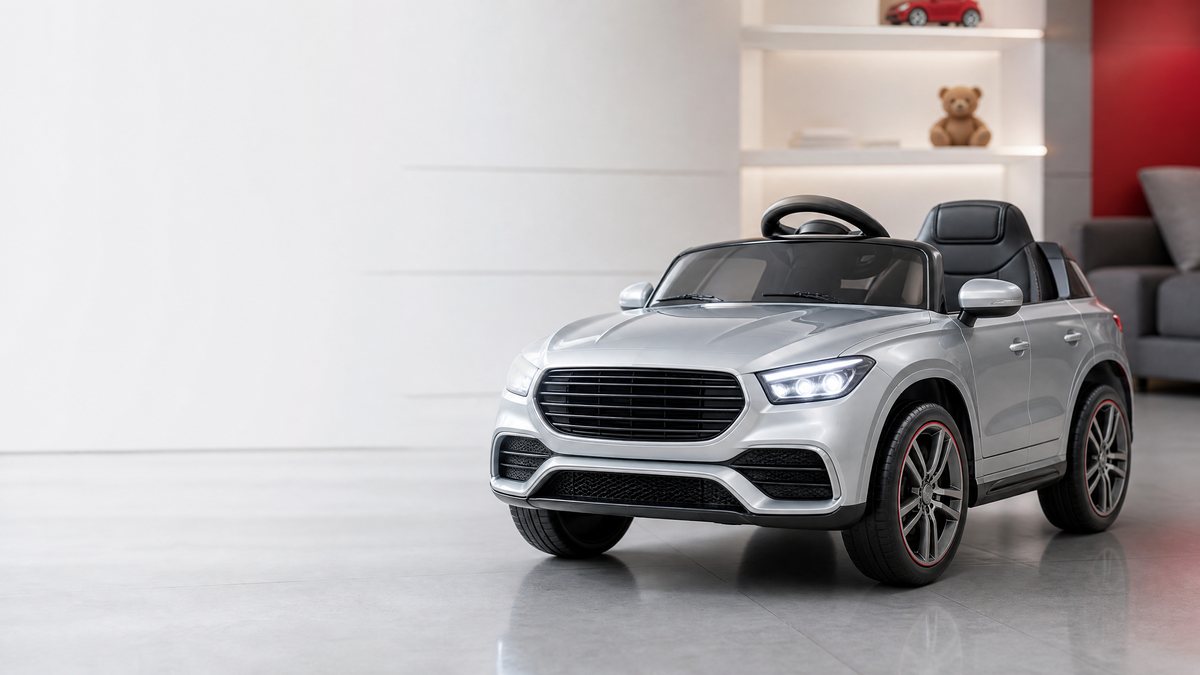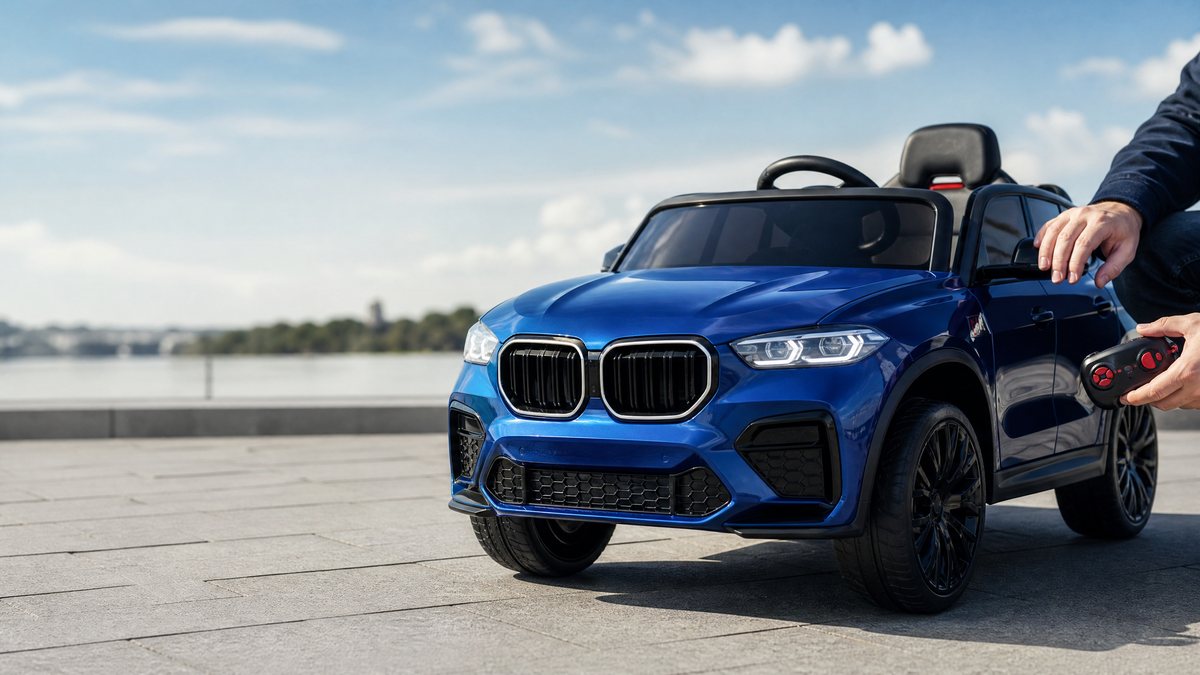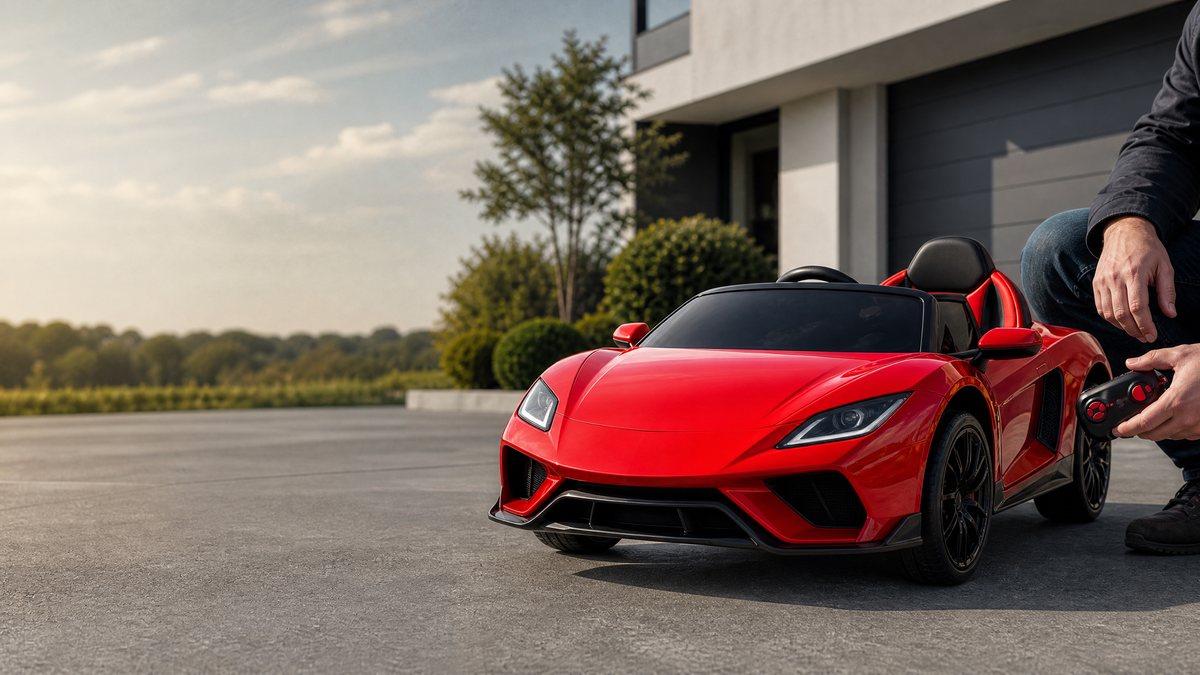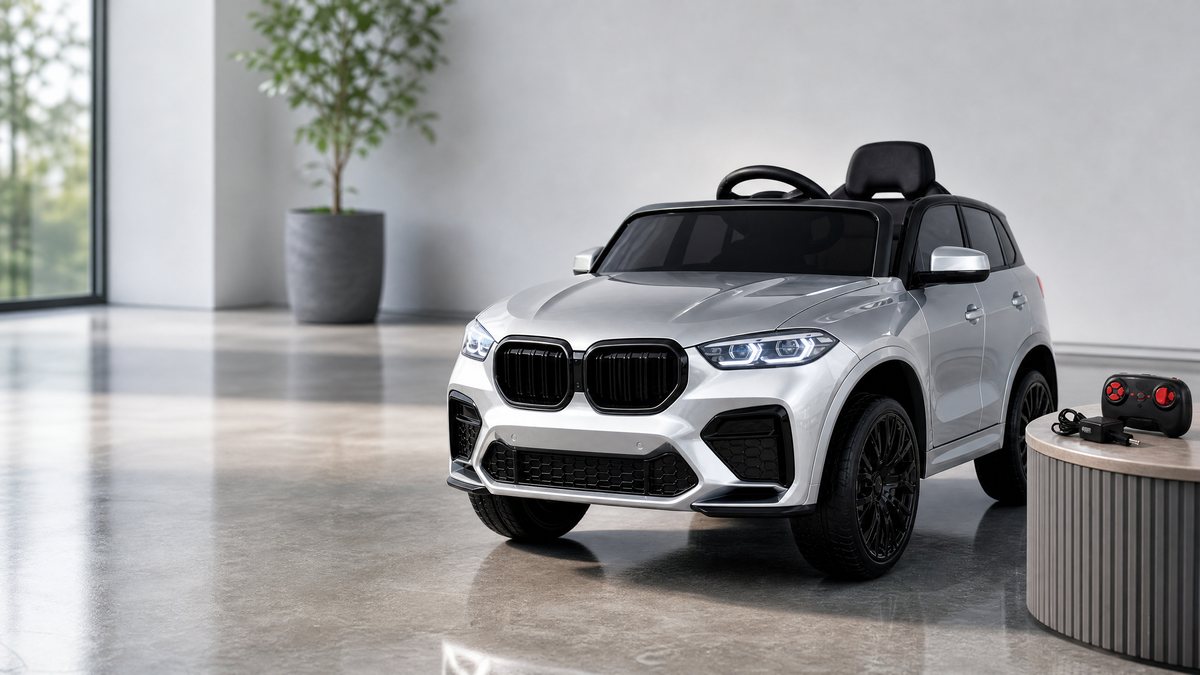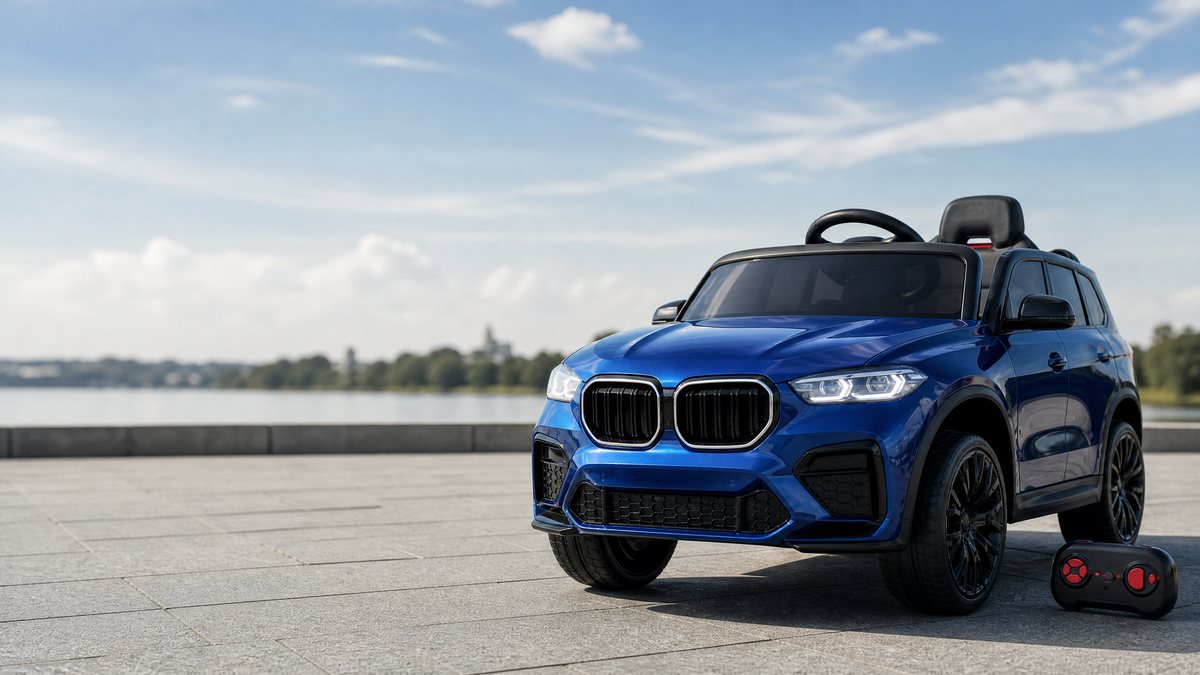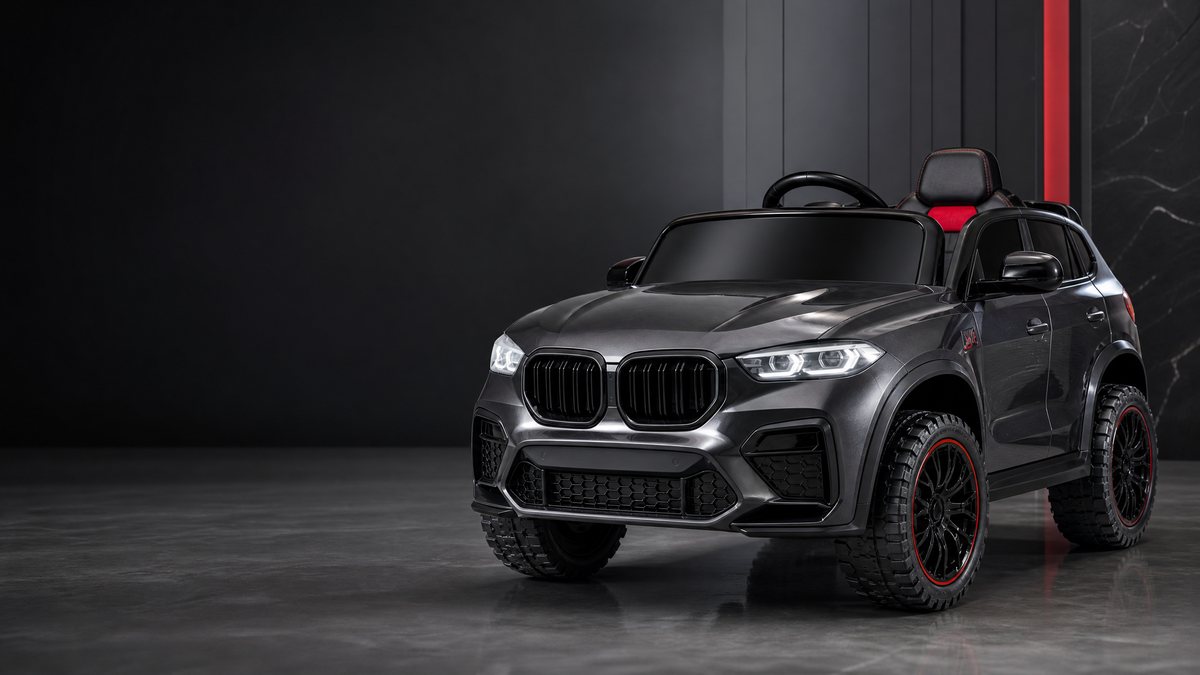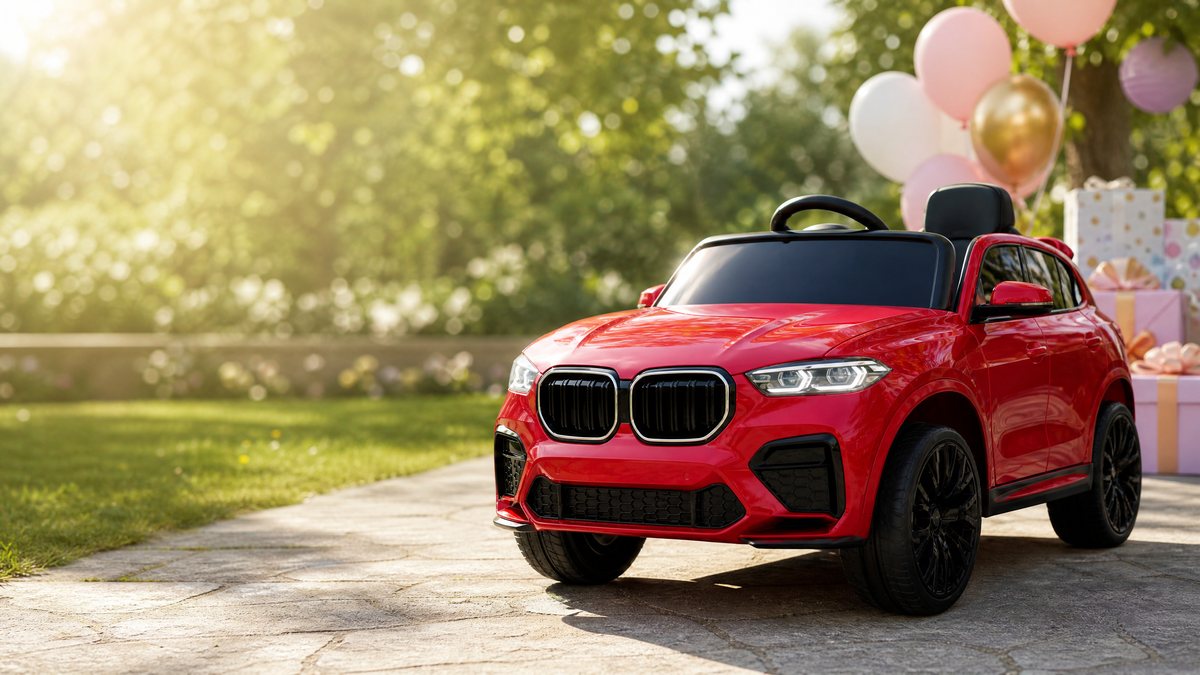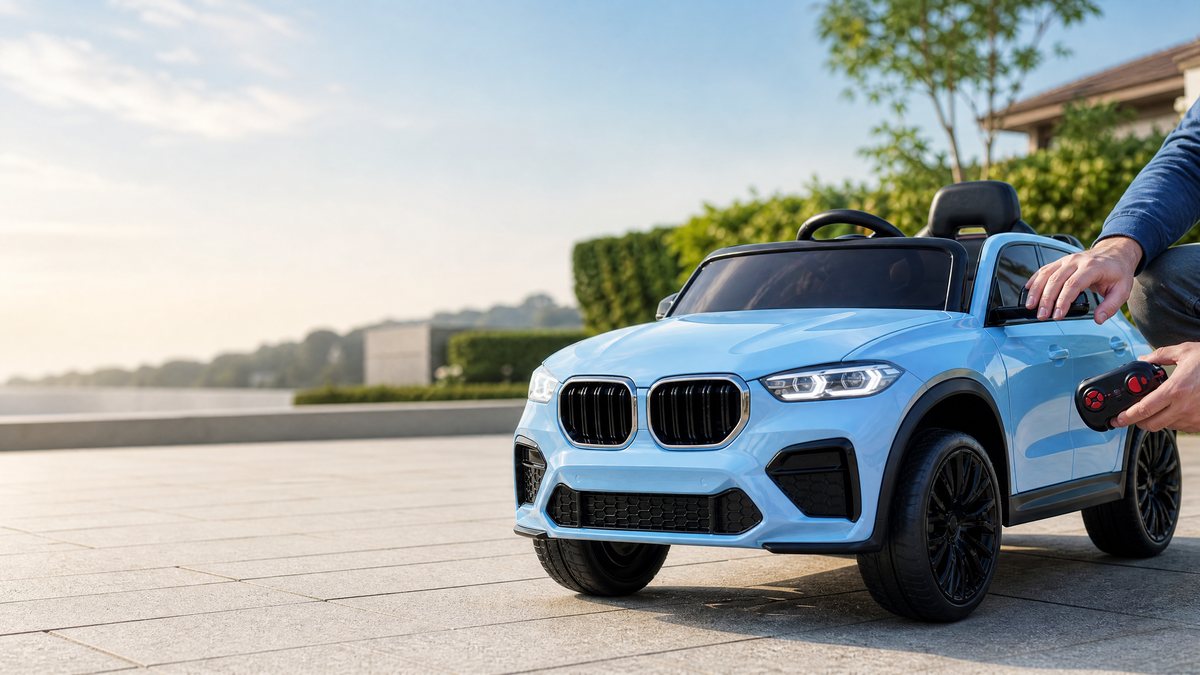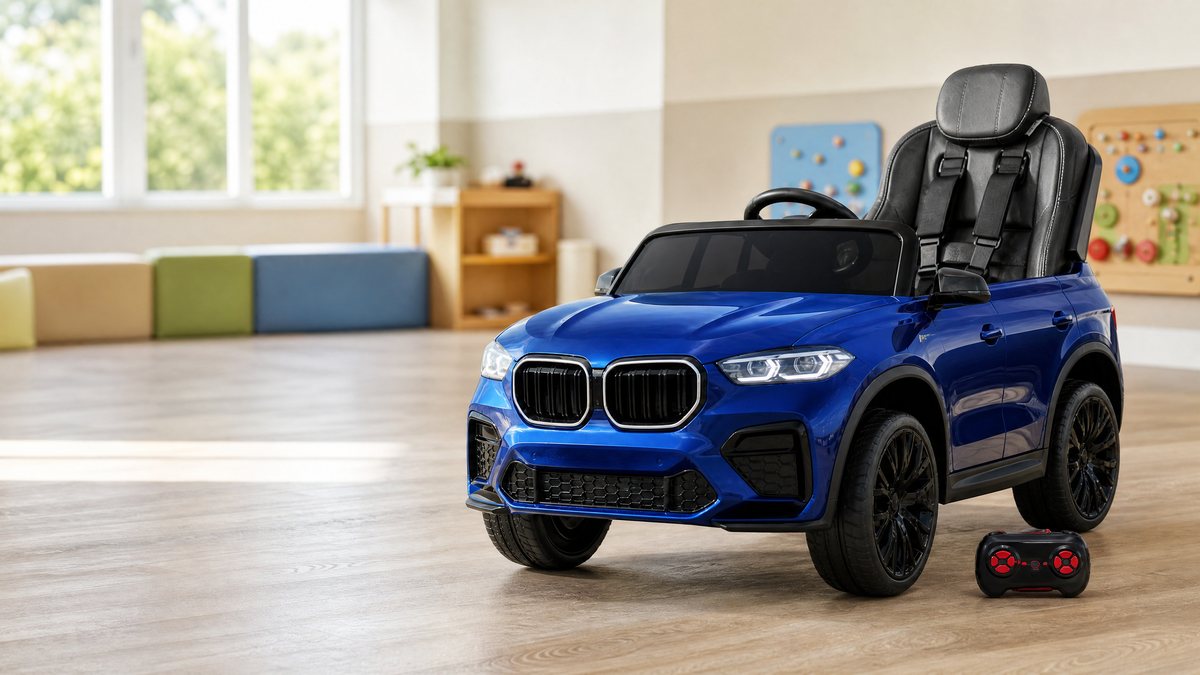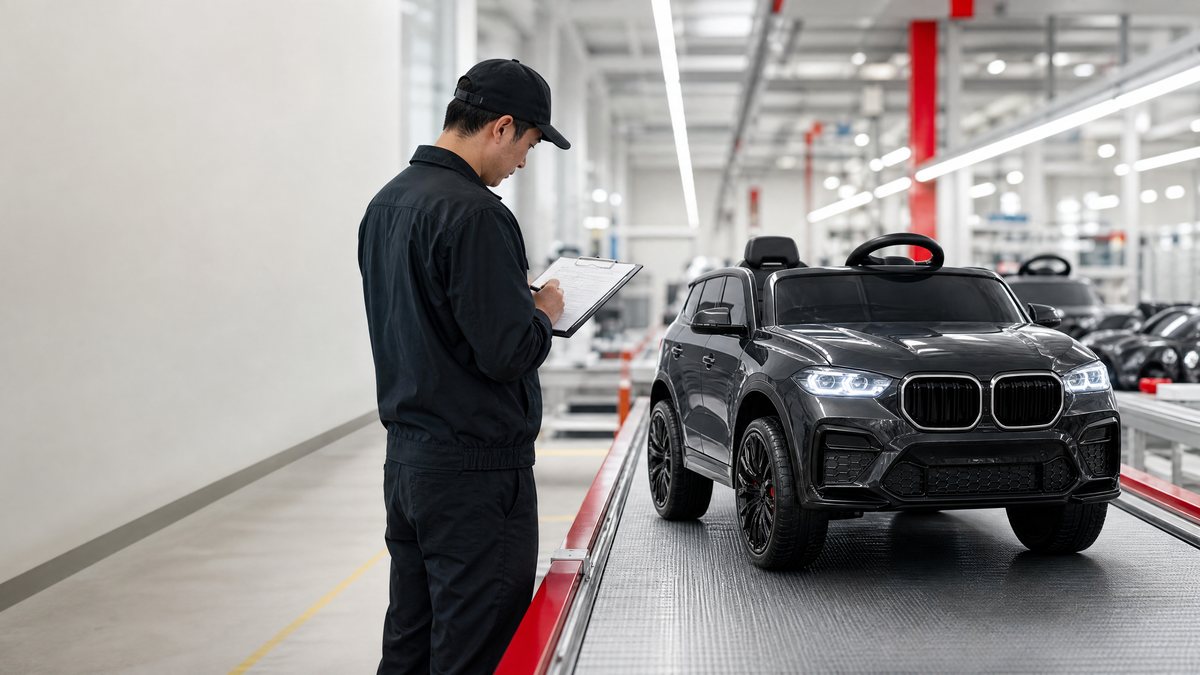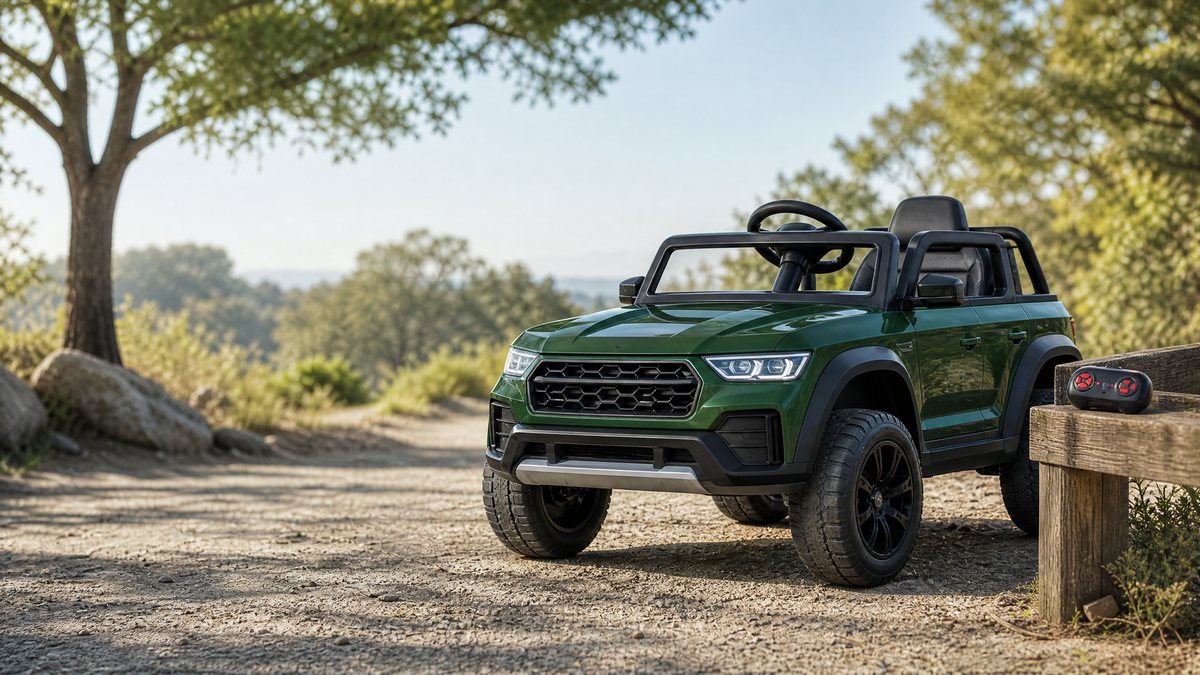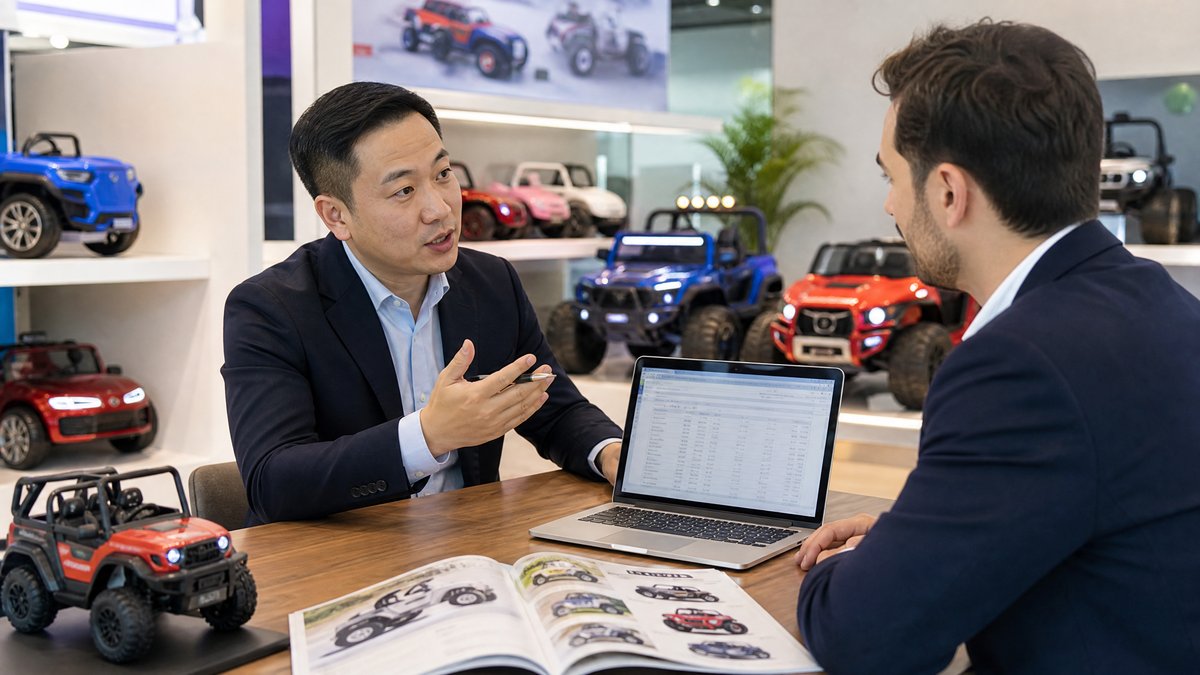
When parents, retail buyers, and B2B distributors evaluate children's entertainment and recreational goods, the concept of an "investment" frequently emerges in purchasing decisions and commercial strategy. Unlike consumable toys that capture attention for brief periods before being discarded, broken, or forgotten in toy chests, motorized and pedal-powered ride-on cars occupy a distinct category of high-engagement durable goods. Evaluating whether a ride-on car represents a sound financial and developmental investment requires looking far beyond immediate play value to examine structural durability, developmental engagement across age stages, long-term maintenance realities, second-hand market utility, and wholesale sourcing perspectives. Because specifications, materials, manufacturing tolerances, and regional compliance standards vary significantly across global suppliers, determining true value necessitates careful inspection of exact product manuals, retail listings, and written terms. Furthermore, understanding the nuances of power systems, electrical wiring, battery maintenance, replacement part availability, and seasonal storage ensures that both household purchasers and commercial fleet operators maximize the operational lifespan and utility of each unit over multiple years of active outdoor and indoor operation in diverse geographical environments.
Defining Value and Durability in Children's Toys
In the context of children's durable goods, an investment is measured by cost-per-use, structural longevity, and the ability to withstand rigorous daily operation across changing environmental conditions. Entry-level plastic models often feature lightweight injection-molded chassis that suit light indoor use or smooth suburban driveways. Conversely, robust commercial-grade or higher-tier consumer ride-on cars incorporate reinforced resin frames, EVA foam tires, and metal suspension components designed to endure extended outdoor play on uneven terrain. However, structural integrity, material quality, and expected lifespan vary by model, region, and seller; check the exact manual, listing, and written terms before purchasing or deploying units in commercial settings.
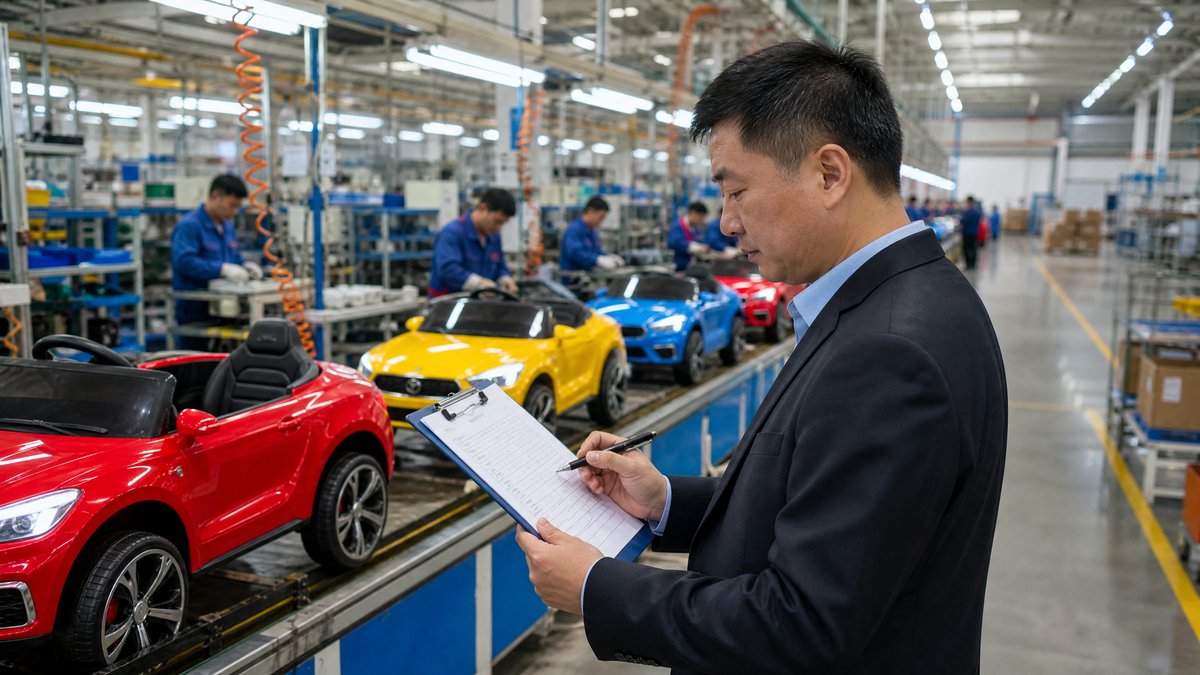
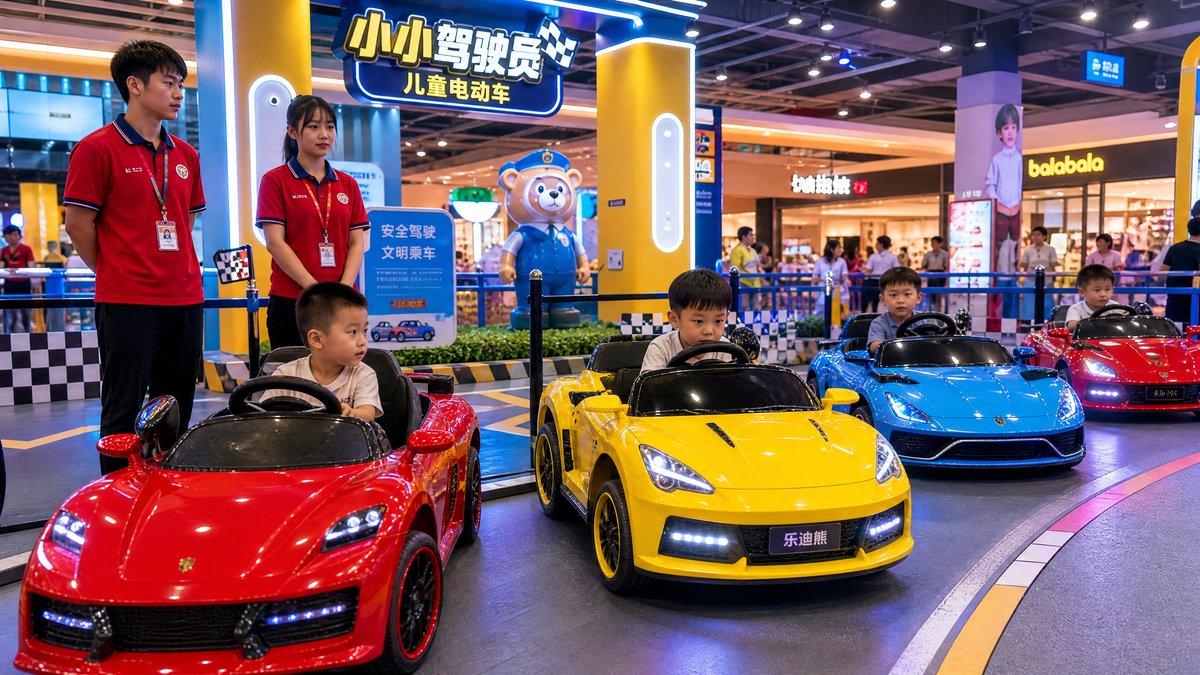
For B2B buyers and institutional purchasers—such as daycare centers, family entertainment complexes, and specialty toy rental fleets—durability directly dictates operational margins and customer satisfaction. Purchasing units equipped with easily replaceable wear-and-tear components, modular gearboxes, and accessible external charging ports transforms what could be a depreciating asset into a manageable, long-term operational tool. Yet, actual warranty coverage, availability of replacement parts, and structural resilience vary by model, region, and seller; check the exact manual, listing, and written terms.
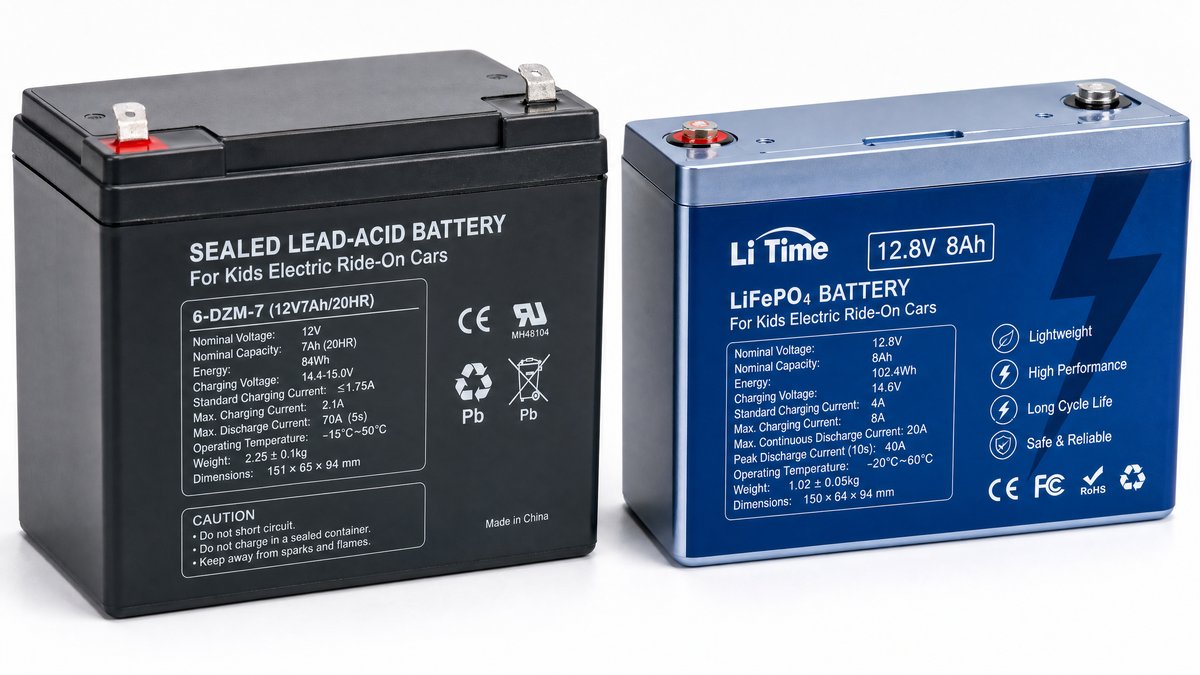
Furthermore, economic considerations dictate that initial acquisition cost must be balanced against maintenance overhead. Vehicles constructed with substandard wiring harnesses or low-grade battery cells frequently incur high replacement costs and elevated failure rates, eroding the perceived investment value. Conversely, mid-tier and premium models featuring robust thermal overload protection, sealed gearboxes, and durable frame construction tend to offer superior longevity, making them more attractive for both discerning family buyers and commercial operators seeking dependable asset performance over multiple seasons of active use. Retailers and wholesale importers must carefully weigh these manufacturing differences when building their product catalogs to ensure customer retention and minimize warranty claims.
Developmental Engagement and Growth Adaptation Across Age Stages
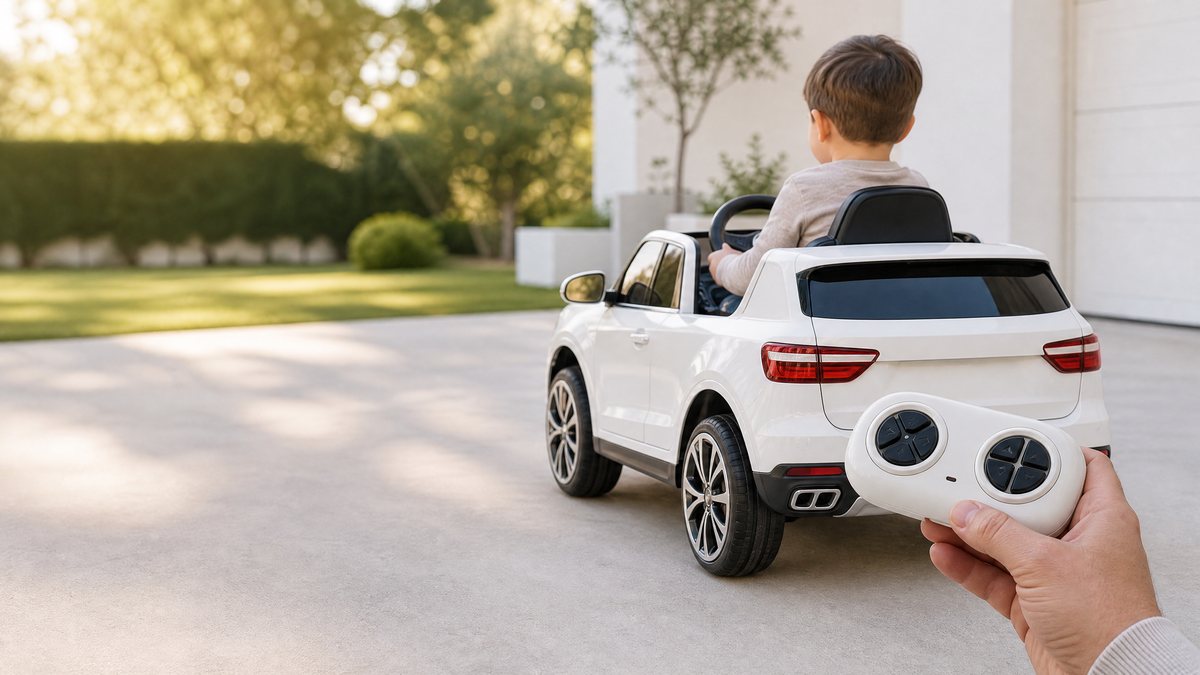
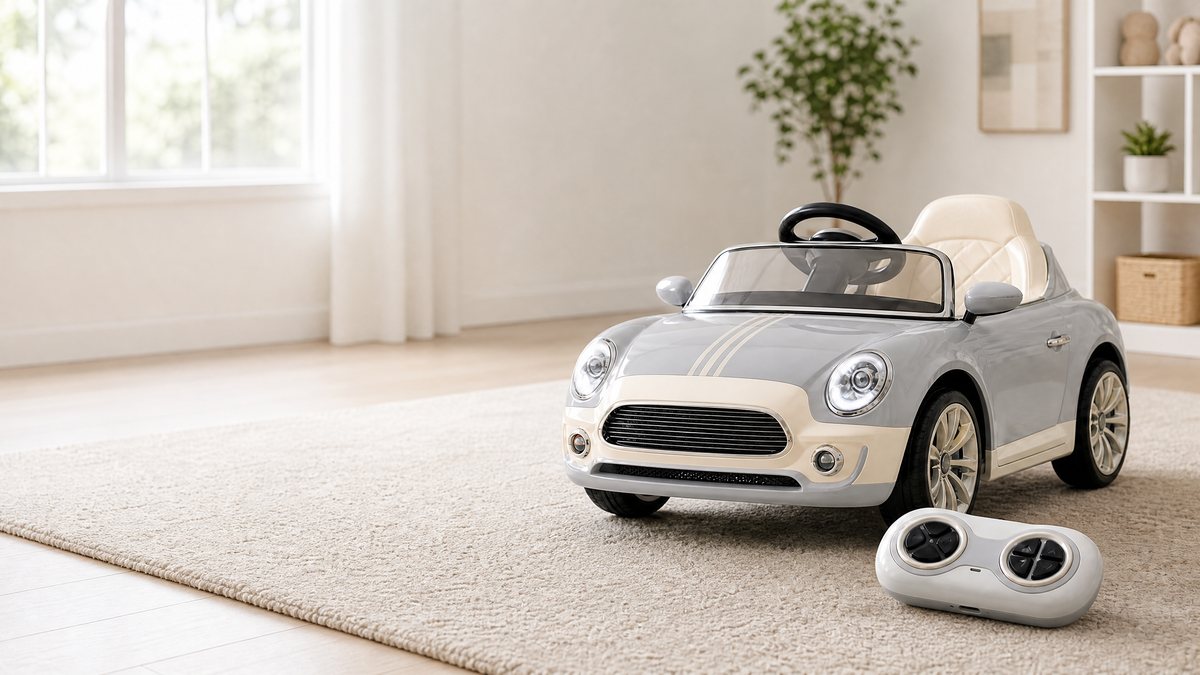
As children transition from toddlers to active preschoolers and school-aged youngsters, their physical coordination, spatial awareness, and desire for independence evolve rapidly. Ride-on cars often feature multi-stage adaptability, bridging the gap between parent-controlled push modes and independent pedal or throttle operation. Dual-control systems—incorporating 2.4G parental remote controls alongside manual steering wheels and foot accelerators—allow caregivers to supervise younger children while gradually granting older children autonomous driving responsibilities.
Nevertheless, age suitability, weight capacities, and developmental milestones do not adhere to a universal standard. While proponents argue that steering, braking coordination, and spatial navigation foster gross motor skills and reaction timing, specific developmental or therapeutic benefits vary by model, region, and seller; check the exact manual, listing, and written terms. Furthermore, claims regarding how long a child can use a specific vehicle before outgrowing it depend heavily on cabin dimensions, seat adjustments, and weight thresholds, which vary by model, region, and seller; check the exact manual, listing, and written terms.
Educational psychologists and early childhood specialists often emphasize that open-ended play equipment encourages imaginative role-play, social sharing, and situational awareness. When children navigate obstacle courses in a backyard or collaborate on driving routes with peers, they develop foundational cognitive mapping skills. However, these outcomes are influenced by the child's individual developmental pace, play environment, and supervision quality. Consequently, caregivers and institutional buyers should view ride-on cars not as guaranteed developmental catalysts, but as dynamic recreational tools that support physical and social engagement when paired with proper guidance and safe operational environments.
Request a wholesale quote
Comparative Evaluation of Ride-On Categories
To assist retail buyers, distributors, and discerning parents in selecting appropriate inventory or personal gifts, comparing different ride-on car categories provides essential structural clarity. The table below outlines key technical, operational, and market parameters across major vehicle types.
| Category / Type | Power Source & Voltage | Primary Target Age Range | Seating Capacity | Maintenance Complexity | Best Suited For |
|---|---|---|---|---|---|
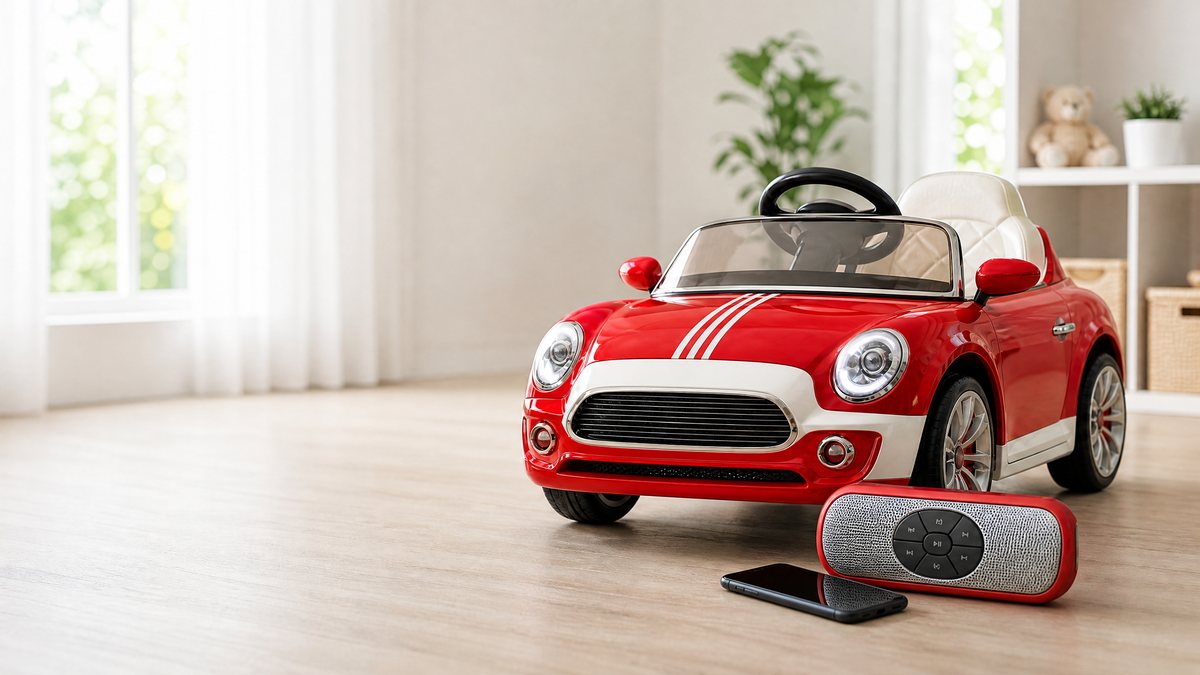
| Standard Electric Sedan | 12V Single/Dual Motor | 3 to 6 Years | Single Seater | Low to Moderate | Suburban driveways, smooth indoor play areas |
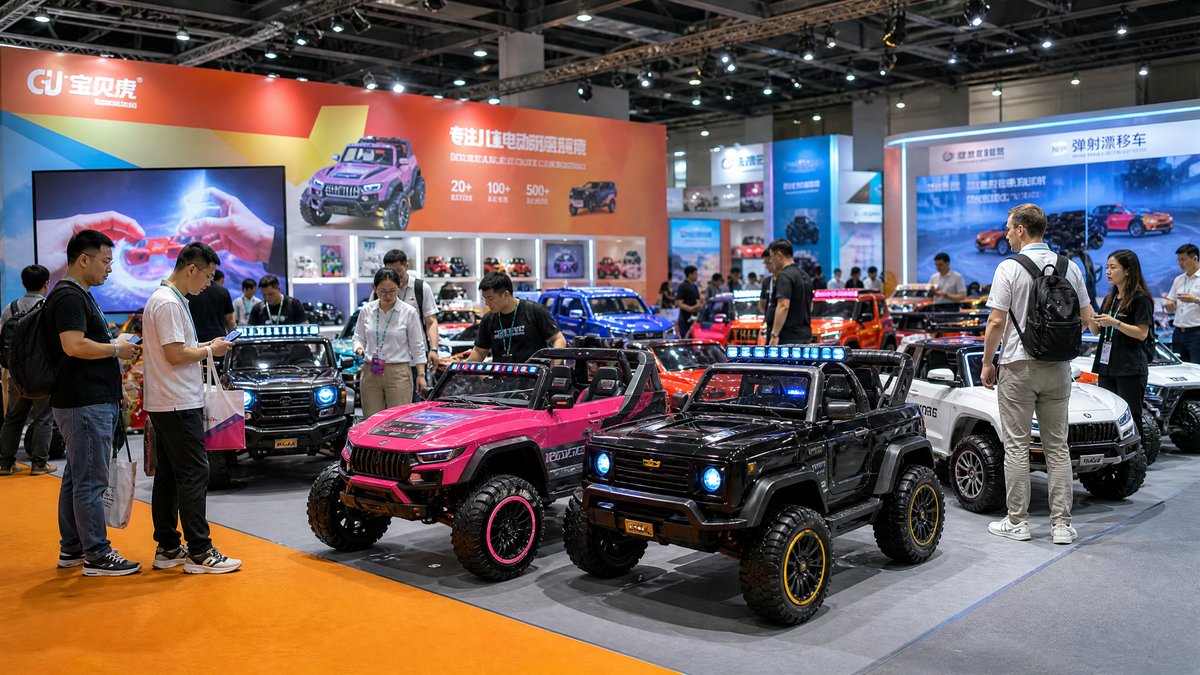
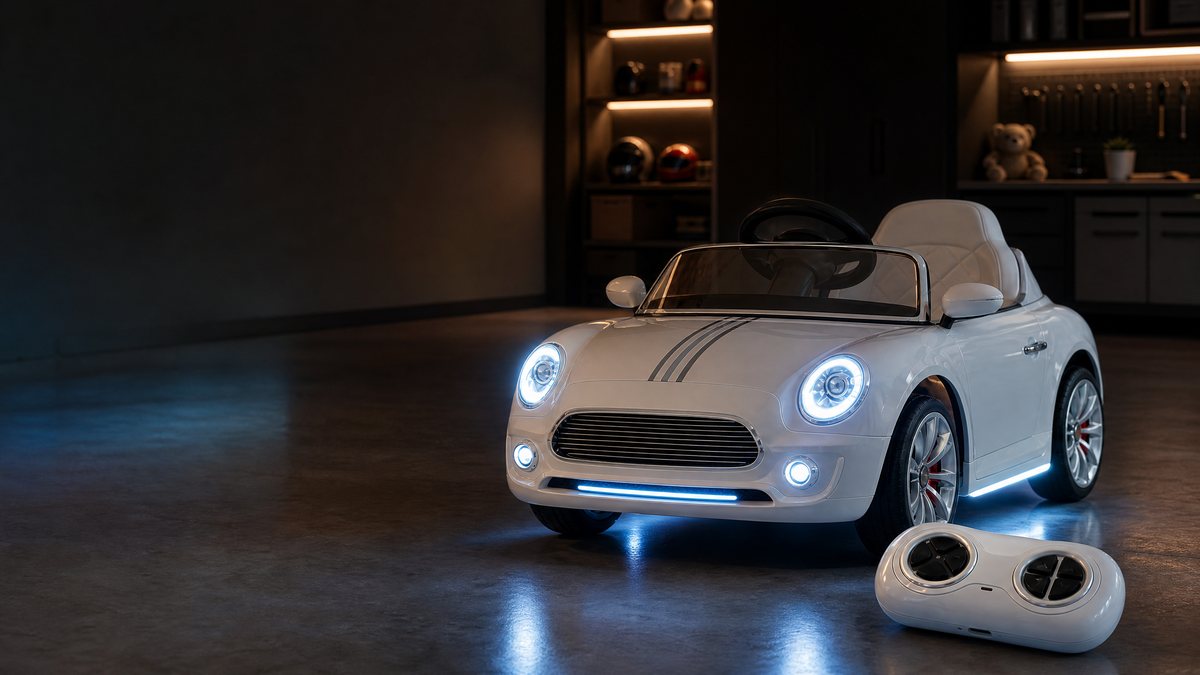
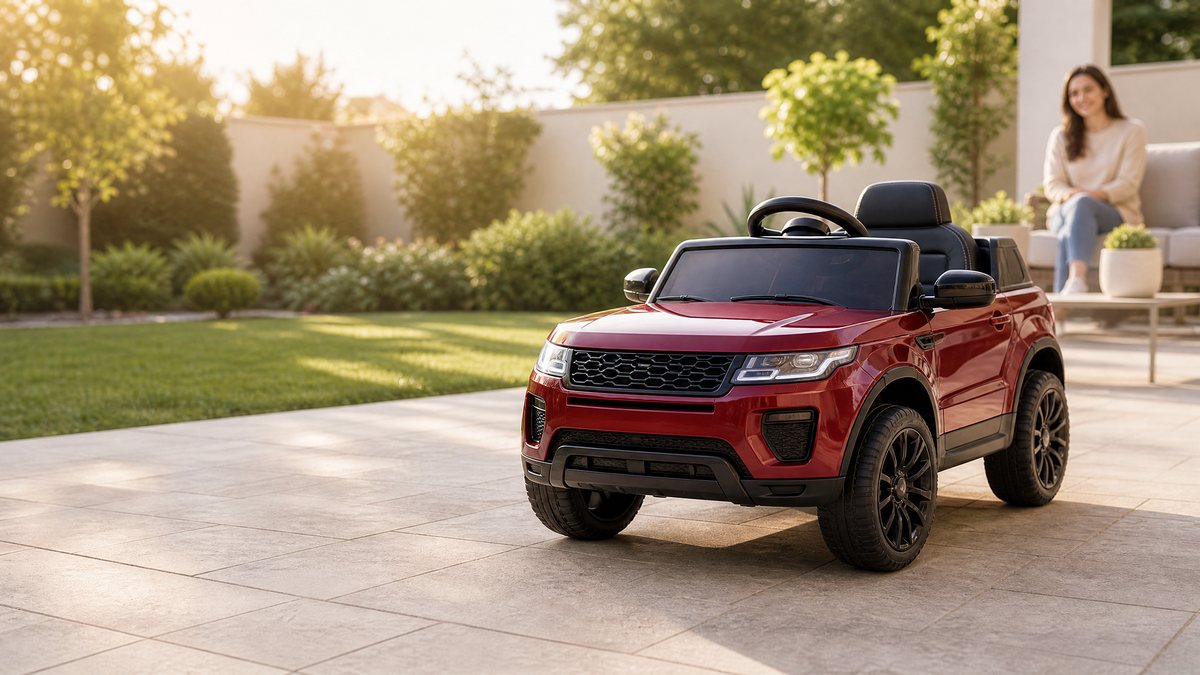
| Licensed Luxury SUV | 12V / 24V Multi-Motor | 3 to 8 Years | Single or Dual Seater | Moderate | Premium retail inventory, gift markets, family yards |
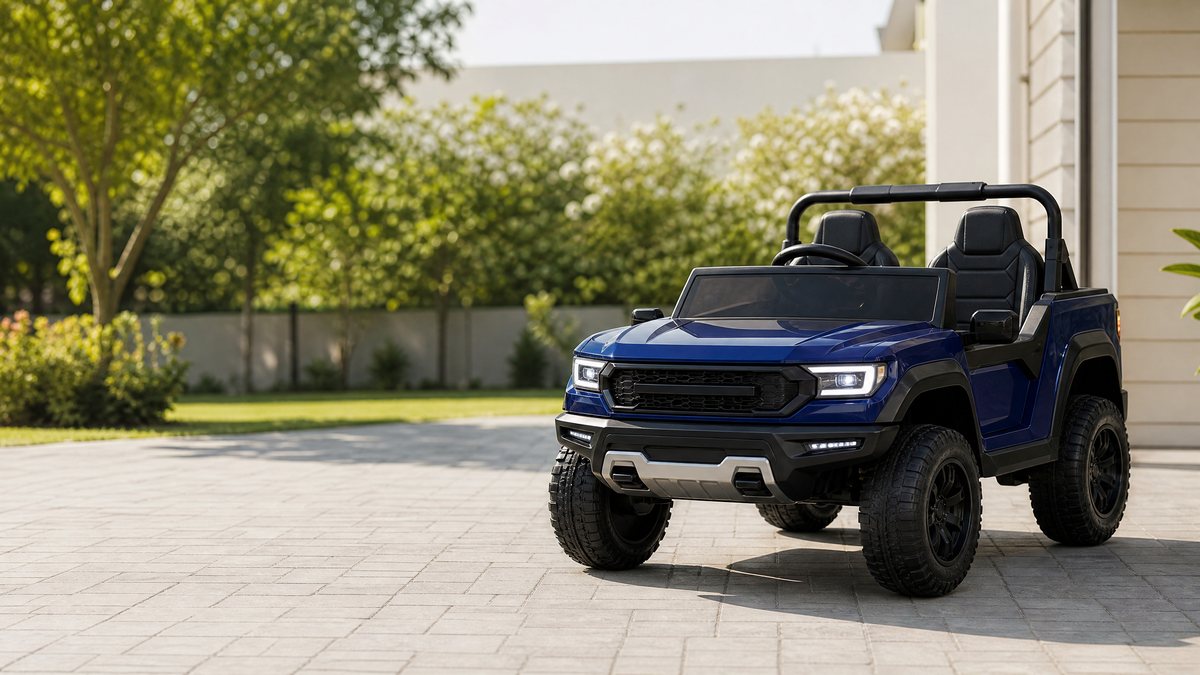
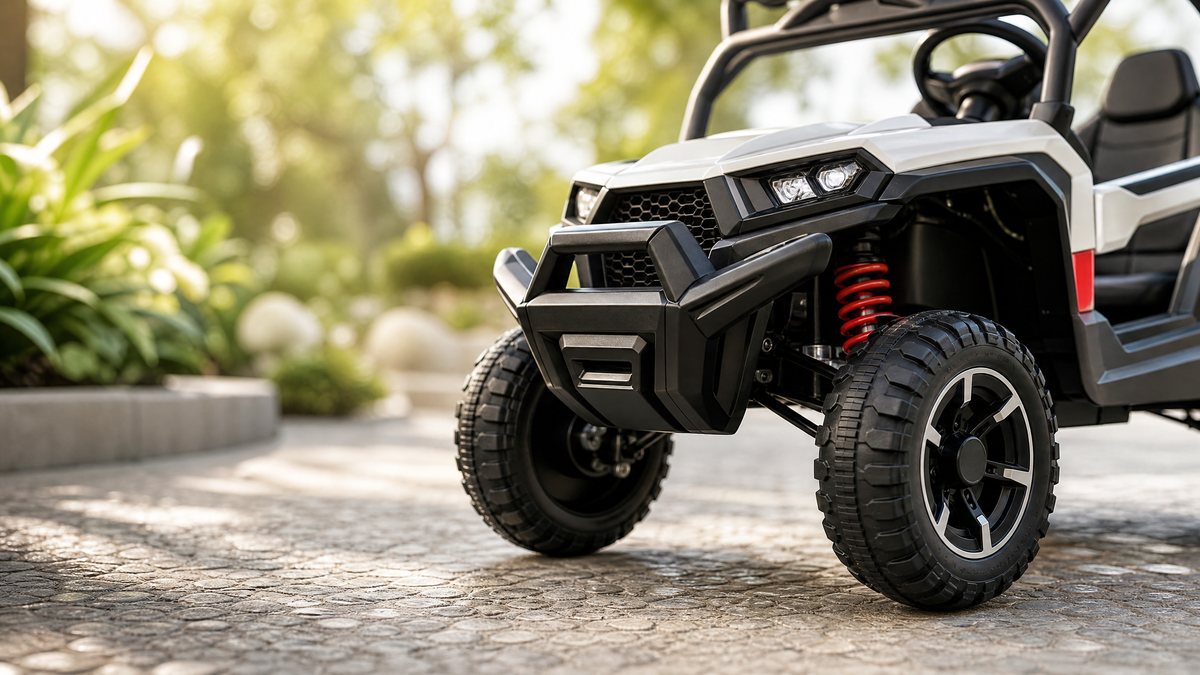
| Heavy-Duty Utility UTV | 24V High-Output System | 4 to 9 Years | Dual Seater | Moderate to High | Rough terrain, larger properties, commercial rental |
| Manual Push / Foot-to-Floor | Non-Motorized / Human Power | 1 to 3 Years | Single Seater | Minimal | Toddler coordination, indoor/outdoor transition |
| Remote-Only Toddler Cruiser | 6V / 12V Entry System | 1.5 to 3 Years | Single Seater | Low | Supervised early-stage steering practice |
As illustrated in the comparative matrix, performance metrics, battery runtimes, motor outputs, and maximum load capacities vary by model, region, and seller; check the exact manual, listing, and written terms. B2B purchasers must evaluate these parameters against local regulatory frameworks and end-user demographics to maximize commercial viability and minimize return rates.
Sourcing, Resale, and Lifecycle Management
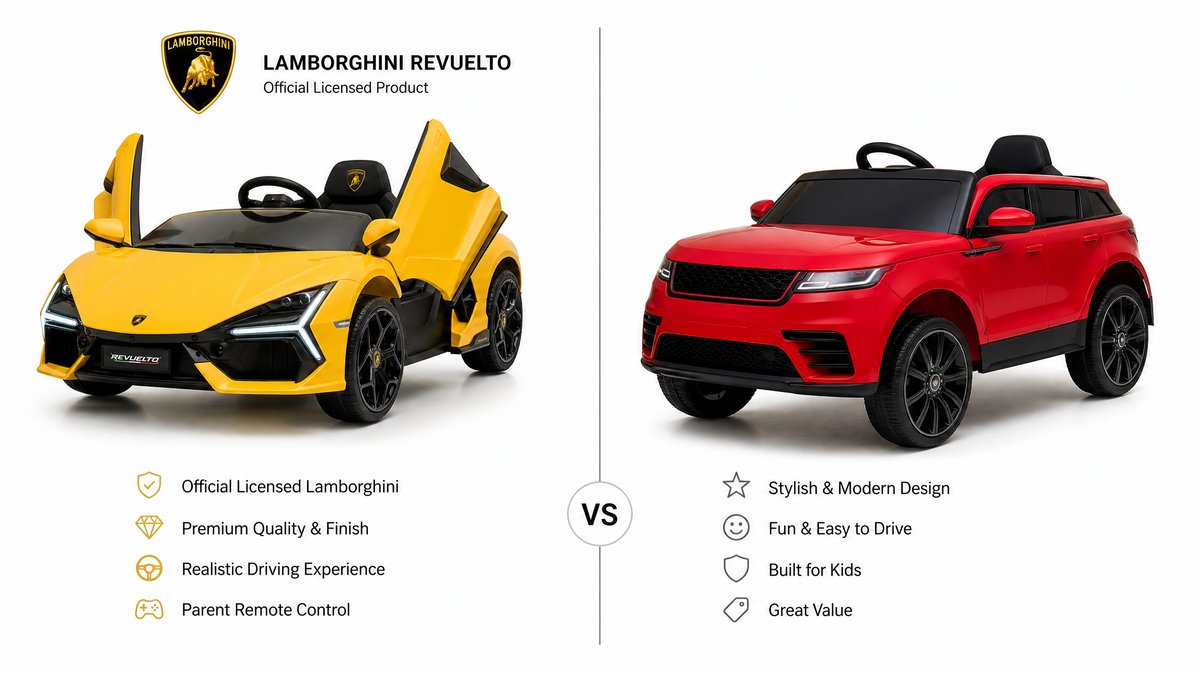
When evaluating a ride-on vehicle as a financial or practical investment, comprehensive lifecycle management plays a critical role in overall satisfaction. Premium ride-on cars—particularly officially licensed replicas of iconic automotive brands from manufacturers like Mercedes-Benz, BMW, Audi, and Ford—often retain stronger residual values on the second-hand market compared to generic, unbranded counterparts. For families, the ability to resell a well-maintained vehicle or pass it down to younger siblings amortizes the initial acquisition cost over multiple years of use.
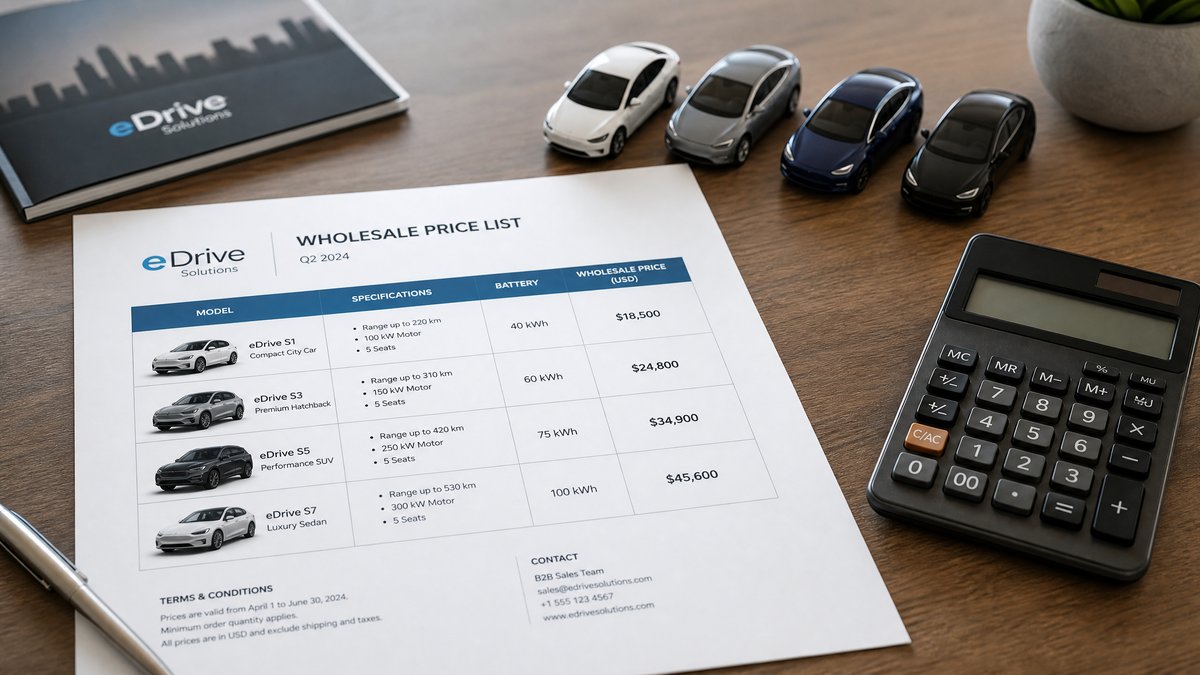
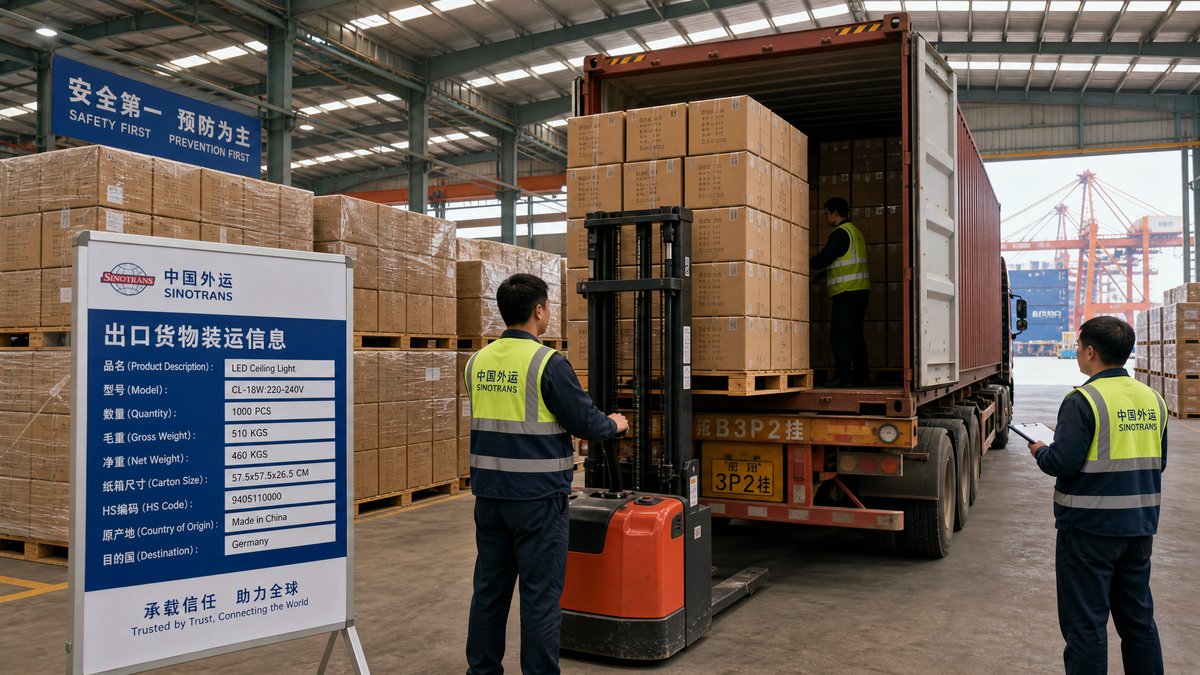
For wholesale distributors and retail store owners, understanding supply chain reliability, minimum order quantities (MOQs), shipping dimensions, container optimization, and spare parts availability is vital. Sourcing decisions should account for seasonal demand spikes, particularly surrounding holiday gifting periods and spring retail resets. However, shipping timelines, inventory availability, platform policies, and discount structures vary by model, region, and seller; check the exact manual, listing, and written terms.
Furthermore, inventory turnover rates in the B2B sector depend heavily on perceived brand value, aesthetic appeal, and packaging quality. Retailers must carefully analyze warehousing costs versus holding times when stocking bulky ride-on vehicles. Establishing direct communication channels with established manufacturers ensures a steady stream of replacement parts, marketing collateral, and compliance documentation, thereby safeguarding long-term commercial profitability.
Safety Protocols, Operational Boundaries, and Maintenance Realities
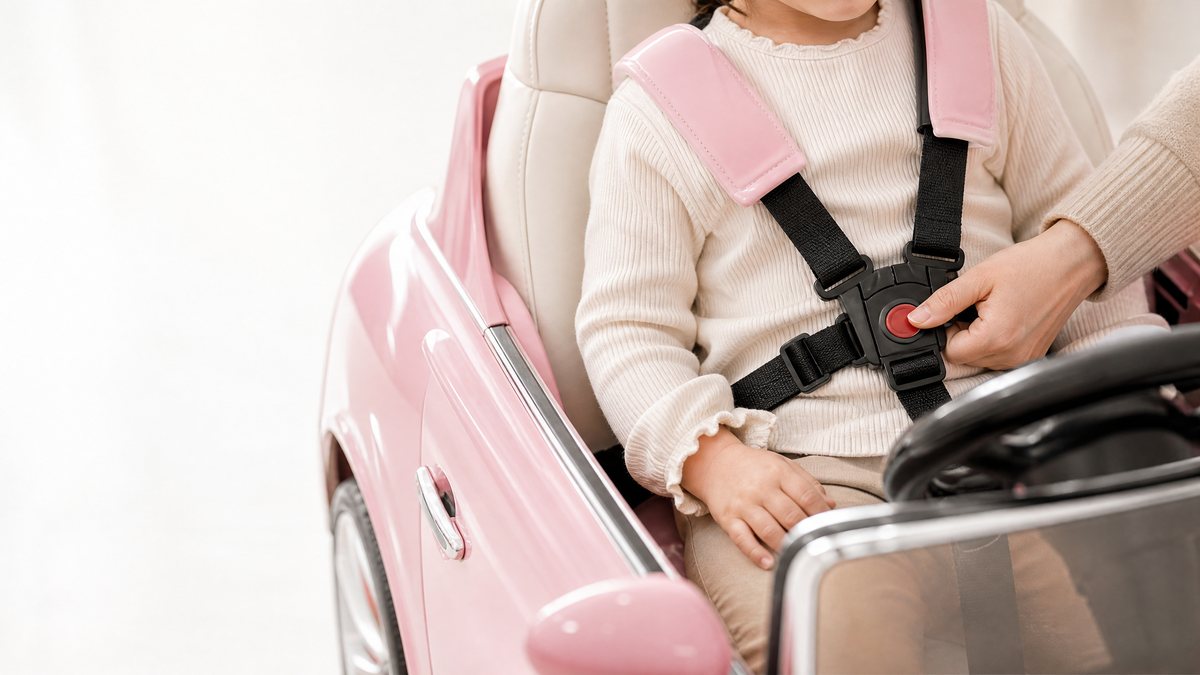
Ensuring the longevity and safety of a ride-on car requires adherence to strict operational guidelines and routine maintenance schedules. Children must always operate ride-on vehicles under direct adult supervision, wearing appropriate protective gear such as certified helmets, and strictly avoiding public roads, driveways with vehicular traffic, steep inclines, or bodies of water.
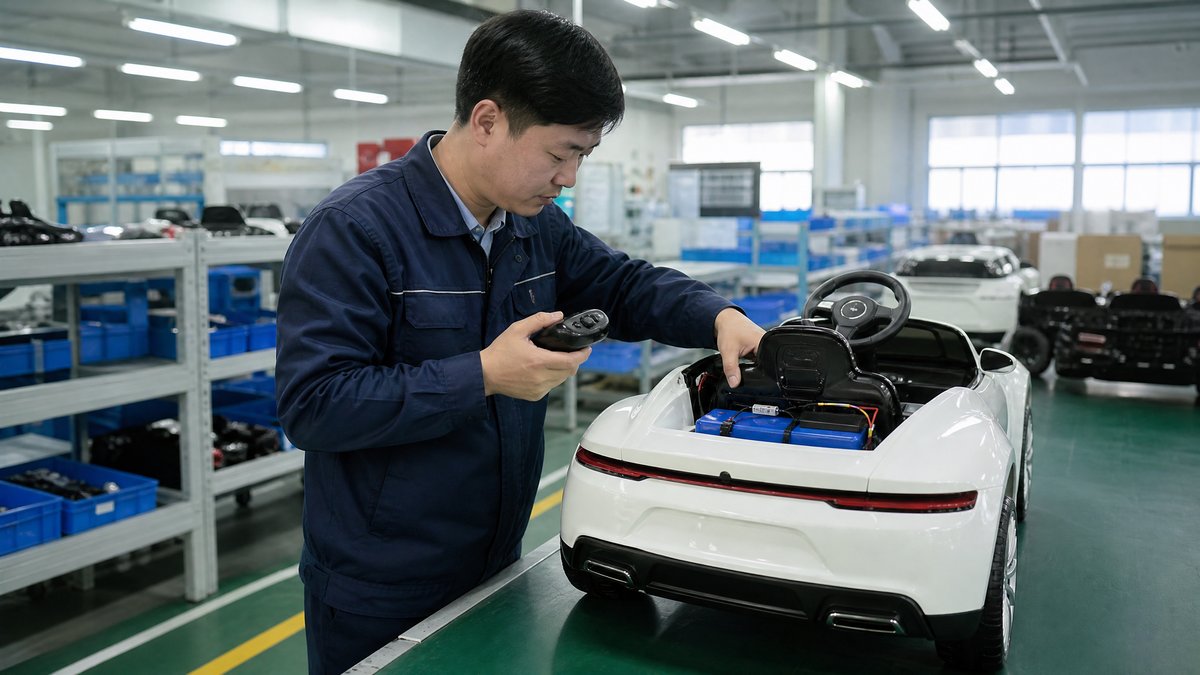
Electrical and mechanical maintenance must be handled with extreme care and adherence to safety protocols. Users must never attempt internal electrical repairs, terminal modifications, wiring harness alterations, control board tampering, multimeter testing, or battery and motor upgrades unless explicitly authorized by the manufacturer in writing.
Furthermore, safety demands immediate action in the event of anomalies. If a vehicle exhibits strange odors, overheating, smoke, water ingress, cable damage, or continuous mechanical malfunction, operators must immediately stop use and charging, turn off the vehicle, keep children away, and contact the manufacturer or qualified repair personnel. For general toy safety education and foundational guidelines, consult the Consumer Product Safety Commission (CPSC) resources, noting that general educational guidelines do not replace specific model manuals.
Frequently Asked Questions
Are ride-on cars considered a durable long-term investment for families?
While high-quality ride-on cars offer extended play value and potential second-hand resale utility, durability and lifespan depend heavily on frequency of use, storage conditions, and maintenance routines. Actual longevity and cost-effectiveness vary by model, region, and seller; check the exact manual, listing, and written terms.
Can ride-on cars accommodate multiple children simultaneously?
Certain dual-seater models are engineered to accommodate two younger children or one older child, subject to strict combined weight limits and seating configurations. However, seating capacity, weight ratings, and cabin dimensions vary by model, region, and seller; check the exact manual, listing, and written terms.
What is the standard procedure for battery maintenance and seasonal storage?
Batteries require regular charging intervals during periods of prolonged non-use to prevent deep discharge, sulfation, and permanent cell degradation. Users should consult manufacturer guidelines for optimal storage temperatures and charging durations. Maintenance requirements and battery specifications vary by model, region, and seller; check the exact manual, listing, and written terms.
How can wholesale buyers verify compliance and safety certifications?
B2B buyers should request official compliance documentation and test reports directly from manufacturers or authorized distributors to ensure alignment with regional toy safety standards. Specific certifications, testing results, and compliance documentation vary by model, region, and seller; check the exact manual, listing, and written terms.
What precautions should be taken regarding outdoor weather exposure?
Ride-on vehicles feature sensitive electronic control units, switches, and battery compartments that can be compromised by moisture, rain, or prolonged direct sunlight. Proper indoor storage under protective covers is recommended. Resistance to environmental exposure varies by model, region, and seller; check the exact manual, listing, and written terms.
Conclusion
Evaluating whether a ride-on car is a good investment for a growing child or a commercial inventory lineup involves weighing structural durability, developmental engagement, maintenance requirements, and lifecycle utility. While premium models can provide years of recreational enjoyment and strong resale potential, purchasers must remain diligent regarding safety boundaries, operational maintenance, and manufacturer guidelines. For further inquiries regarding wholesale orders, bulk distributions, or partnership opportunities, reach out to our team.
Request a wholesale quote
*General toy safety education and regulatory reference: For comprehensive safety standards and guidance, consult the Consumer Product Safety Commission (CPSC) general toy safety resources. Note that general educational resources do not replace specific model manuals, manufacturer instructions, or written safety terms.*
Official references
Explore these external resources for current regulatory and trade guidance. Confirm requirements with the relevant authority before placing an order.
Ready to Start?
Factory-Direct · CE & ASTM Certified · MOQ from 50 Units
Our export team works with buyers in 60+ countries. Get a quote within 24 hours.
KR
Written by KidsRideCar
China's leading kids electric ride-on car manufacturer. 500,000+ units shipped annually to 60+ countries. CE, ASTM & EN71 certified.