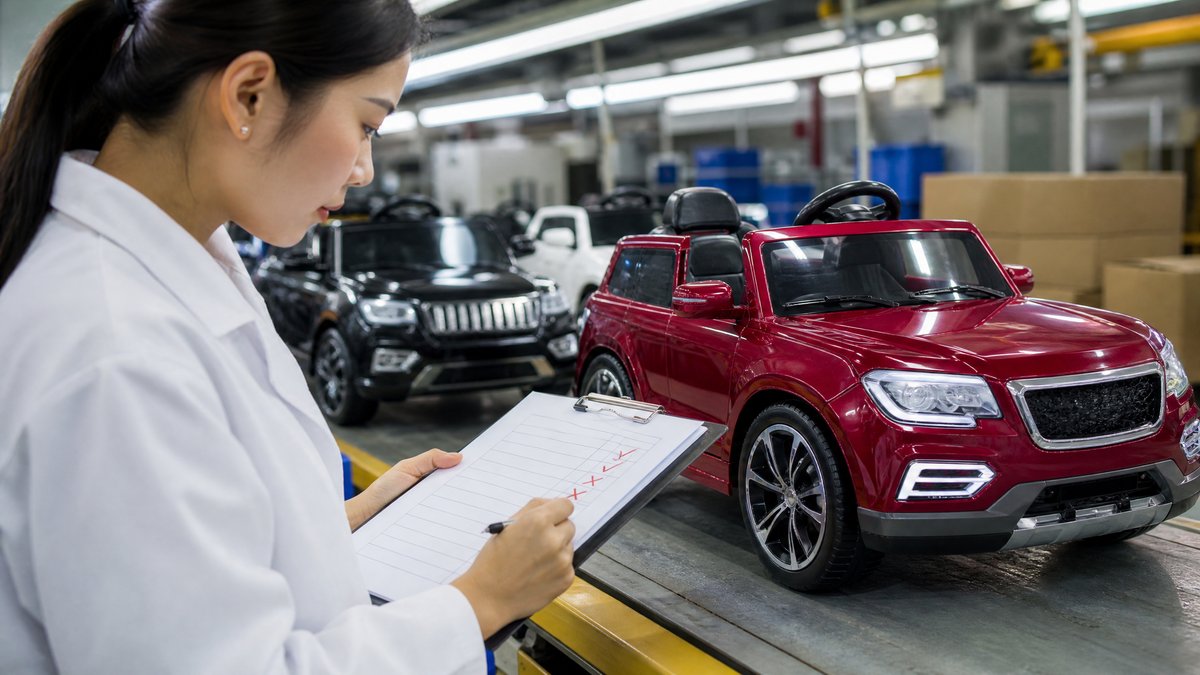
After-sales management is the operational challenge that most wholesale buyers underestimate when they first enter the kids electric ride-on car category. The products are large, heavy, and contain multiple components — battery, motor, electronics, plastic body — each of which can fail independently. A buyer who sources 500 units and achieves a 5% defect rate is managing 25 individual customer complaints, each requiring a resolution that costs time and money.
This guide covers the practical mechanics of after-sales management for kids electric ride-on car importers: what return rates to expect, what causes defects, how to negotiate warranty terms with suppliers, how to manage spare parts inventory, and how to minimize returns through better sourcing and pre-shipment inspection.
What Return Rates Should You Expect?
Return rates for kids electric ride-on cars vary significantly by product quality tier, sales channel, and market. The following benchmarks are based on buyer feedback from our distribution network:
| Quality Tier | Typical Return Rate | Primary Return Reasons |
|---|---|---|
| Entry-level (FOB $25–$45) | 8–15% | Battery failure, motor issues, plastic quality |
| Mid-range (FOB $45–$80) | 3–6% | Assembly difficulty, remote control issues |
| Premium (FOB $80–$150) | 1–3% | Cosmetic issues, minor functionality |
| Amazon FBA (all tiers) | +2–4% vs direct | Higher customer expectations, easier returns |
| Specialty retail (all tiers) | -1–2% vs direct | Assisted purchase, lower impulse returns |
These benchmarks assume products with valid certifications and pre-shipment inspection. Products sourced without inspection or from unverified suppliers can have return rates 2–3 times higher than these benchmarks.
Common Defects and Their Root Causes
Understanding the root causes of common defects allows buyers to address them at the sourcing stage rather than the returns stage. The five most common defect categories in kids electric ride-on cars are battery failure, remote control malfunction, motor issues, plastic cracking, and assembly problems.
| Defect Type | Typical Occurrence Rate | Root Cause | Prevention |
|---|---|---|---|
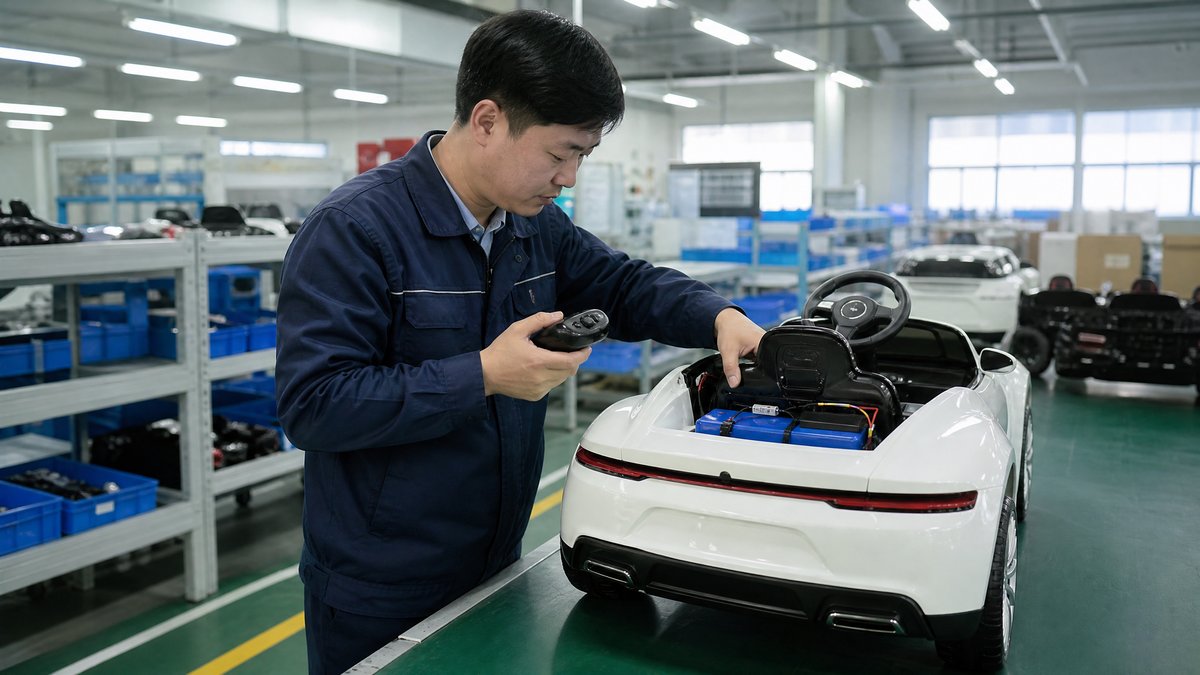
| Battery failure (within 90 days) | 2–4% | Low-quality cells, overcharging protection absent | Specify battery brand; test charge cycles |
| Remote control malfunction | 1–3% | Poor antenna design, frequency interference | Test range at 10m; check frequency compliance |
| Motor failure | 0.5–1.5% | Overload protection absent, poor winding quality | Specify motor brand; test on incline |
| Plastic cracking | 1–2% | Thin wall sections, UV degradation | Check wall thickness; UV stability test |
| Assembly difficulty | 3–6% | Poor instruction design, missing hardware | Review assembly instructions; check hardware count |
Negotiating Warranty Terms with Suppliers
The standard warranty period offered by Chinese kids electric ride-on car manufacturers is 12 months from the date of shipment, covering manufacturing defects. This warranty typically covers replacement of defective components (battery, motor, remote control) but not cosmetic damage, misuse, or normal wear. The practical challenge is that warranty claims arise after the goods have been delivered and paid for, at which point the buyer's leverage is limited.
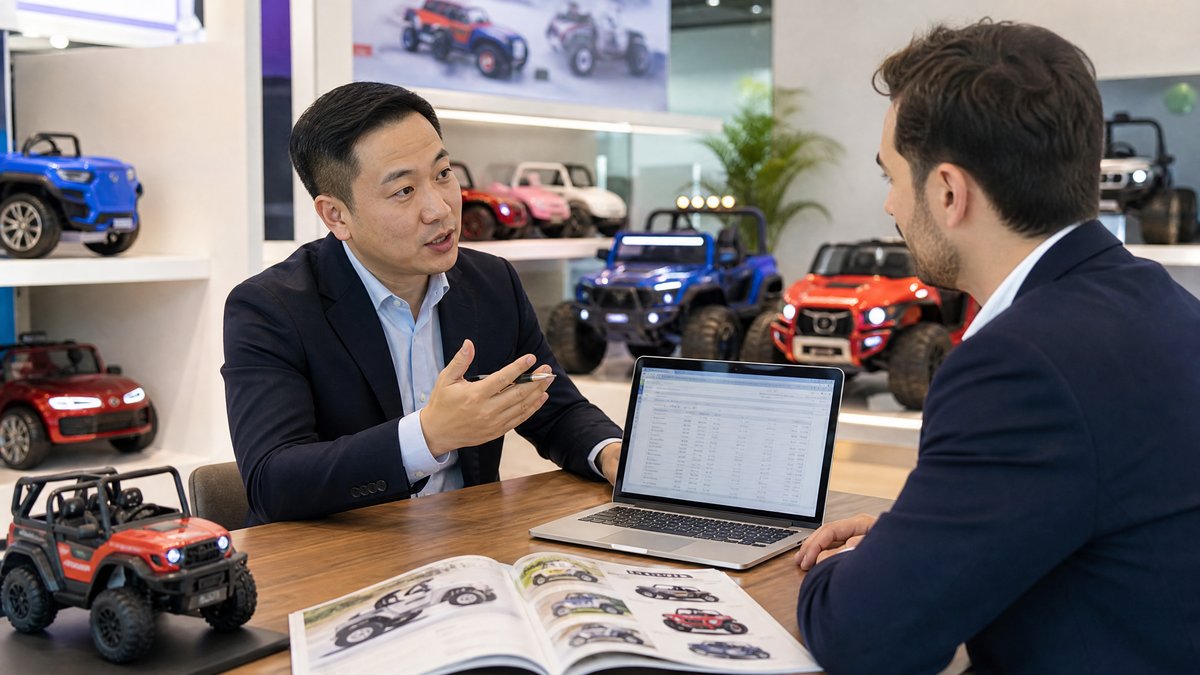
To strengthen your warranty position, negotiate the following terms before placing your order: a defective rate guarantee (e.g., supplier will replace or credit any defects exceeding 2% of the order quantity), a spare parts commitment (supplier will maintain spare parts availability for 24 months after shipment), and a clear defect documentation process (photos and video required for warranty claims, with 7-day response time from supplier).
KidsRideCar offers a 12-month warranty on all products with a guaranteed defect rate below 2%. Request our quality commitment documentation.
Request Quality Documentation →Spare Parts Management
Maintaining a spare parts inventory is essential for importers who sell through retail channels or directly to consumers. The most commonly needed spare parts for kids electric ride-on cars are: replacement batteries (the highest-demand spare part, typically needed 12–18 months after purchase), remote control units, motor assemblies, and plastic body panels.
A practical spare parts strategy for importers: order 2–3% extra batteries with your initial order (batteries are the most common warranty claim and the most difficult to source locally), request spare remote controls at $3–$5 each (much cheaper than sourcing locally), and maintain a small inventory of motor assemblies for your top-selling models. The total cost of a spare parts buffer is typically 1–2% of the order value — a small insurance premium against customer service failures.
Minimizing Returns Through Better Sourcing
The most cost-effective approach to after-sales management is preventing defects before they reach customers. Three sourcing practices have the highest impact on return rate reduction: pre-shipment inspection (reduces defect rate by 40–60% compared to uninspected shipments), battery quality specification (specifying a named battery brand or minimum cell grade reduces battery failure rate by 50–70%), and assembly instruction review (requesting a pre-production sample and reviewing the assembly instructions reduces assembly-related returns by 60–80%).
Frequently Asked Questions
Who is responsible for return shipping costs?
For consumer returns in most markets, the importer/retailer bears the return shipping cost unless the product is defective. For defective products, the cost responsibility depends on the sales channel: Amazon FBA handles returns directly; direct-to-consumer sellers typically provide a prepaid return label for defective items. The cost of return shipping for a kids electric ride-on car (15–20 kg, oversized) is $15–$35 in the US and £12–£25 in the UK — a significant cost that reinforces the importance of defect prevention.
How should I handle a customer complaint about a defective battery?
Battery complaints are the most common after-sales issue in this category. The most cost-effective resolution is to ship a replacement battery directly to the customer rather than processing a full product return. A replacement battery costs $8–$15 and can be shipped for $5–$10, for a total resolution cost of $13–$25. A full return and replacement costs $30–$60 in logistics alone, plus the cost of the replacement product. Maintaining a small battery replacement inventory allows you to resolve the majority of battery complaints quickly and cost-effectively.
Can I claim warranty replacements from my Chinese supplier after 12 months?
Standard supplier warranties cover 12 months from shipment. After 12 months, warranty claims are at the supplier's discretion. However, if you have a strong ongoing relationship with your supplier and are placing regular orders, most suppliers will accommodate reasonable warranty requests beyond the standard period as a goodwill gesture. This is another reason why building a long-term supplier relationship — rather than switching suppliers for marginal price differences — has tangible operational value.
After-sales management is an unavoidable cost of doing business in the kids electric ride-on car category. The buyers who manage it most effectively are those who invest in defect prevention at the sourcing stage, maintain appropriate spare parts inventory, and build supplier relationships that support responsive warranty resolution. The goal is not to eliminate returns entirely — that is impossible — but to minimize their frequency and cost through systematic quality management.
Official references
Explore these external resources for current regulatory and trade guidance. Confirm requirements with the relevant authority before placing an order.
Ready to Start?
Factory-Direct · CE & ASTM Certified · MOQ from 50 Units
Our export team works with buyers in 60+ countries. Get a quote within 24 hours.
China's leading kids electric ride-on car manufacturer. 500,000+ units shipped annually to 60+ countries. CE, ASTM & EN71 certified.