Introduction
For B2B importers, distributors, retail buyers, and e-commerce entrepreneurs entering the children's electric vehicle market, one of the most frequent and critical questions is: Which ride-on car brand is the most reliable? In consumer retail, shoppers often search for household names, licensed replicas, or trendy labels advertised across social media channels. However, in wholesale sourcing, volume distribution, and commercial retail, relying solely on surface-level brand recognition can be misleading. True reliability is not merely a marketing badge; it is the cumulative result of rigorous manufacturing standards, precision engineering, transparent quality control (QC) protocols, and durable component selection.
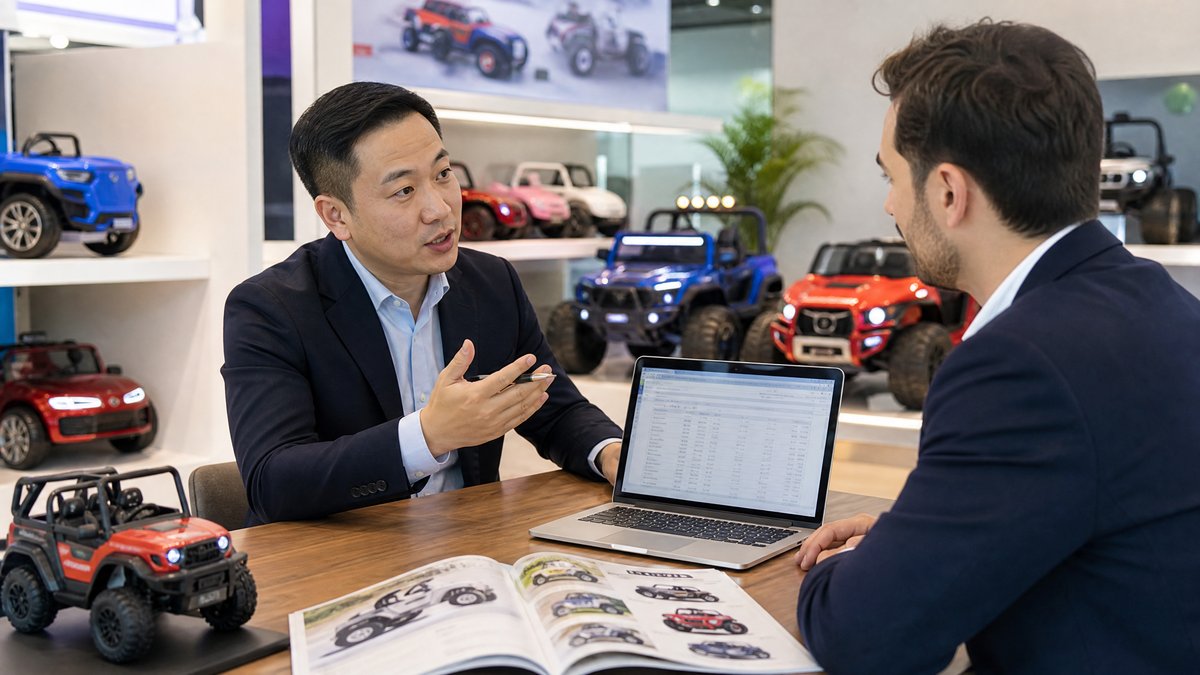
This article provides commercial buyers with an objective, transparent evaluation framework to assess ride-on car manufacturers and brands. Rather than crowning a single "best" brand or manufacturer, we examine the structural indicators of manufacturing excellence, electrical and mechanical durability, supply chain traceability, and regulatory compliance that separate dependable B2B suppliers from low-quality producers. By understanding these underlying metrics, procurement professionals can make informed, risk-mitigated sourcing decisions that protect their brand reputation and ensure long-term customer satisfaction across international markets.
Understanding Reliability in the B2B Ride-On Car Industry
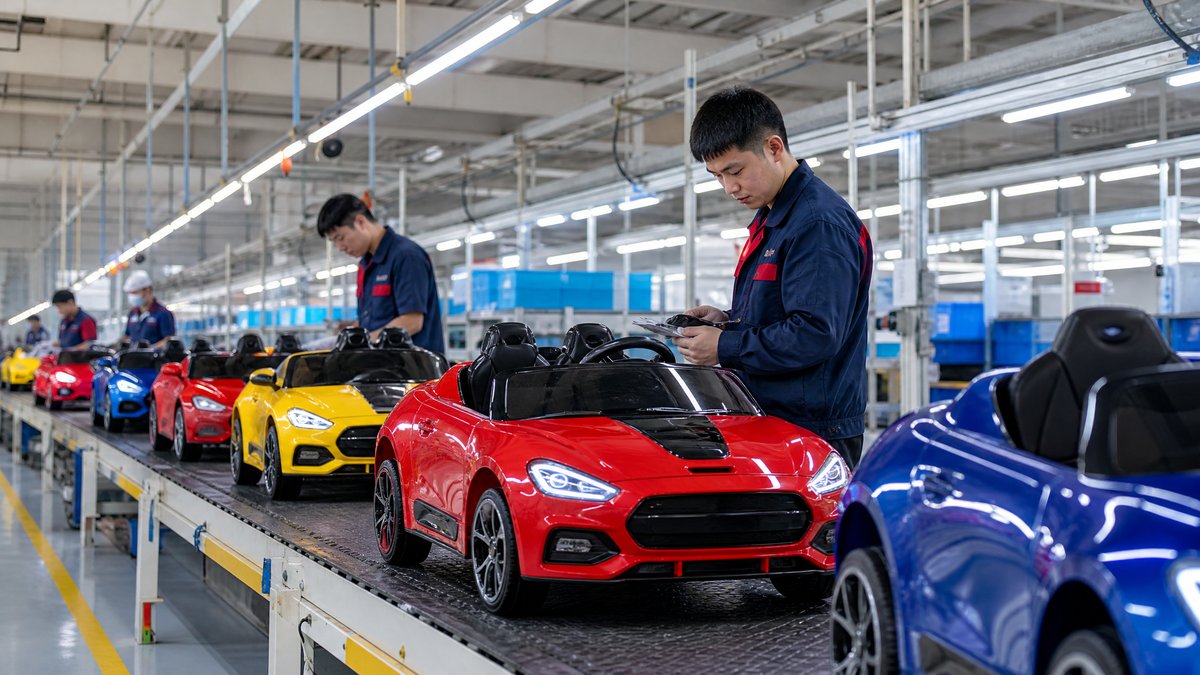
In the children's ride-on vehicle sector, global supply chains span a wide spectrum, ranging from small-scale assembly workshops to massive, highly automated OEM/ODM manufacturing facilities. When assessing brand reliability, B2B purchasers must differentiate between consumer-facing brand equity and backend manufacturing capability.
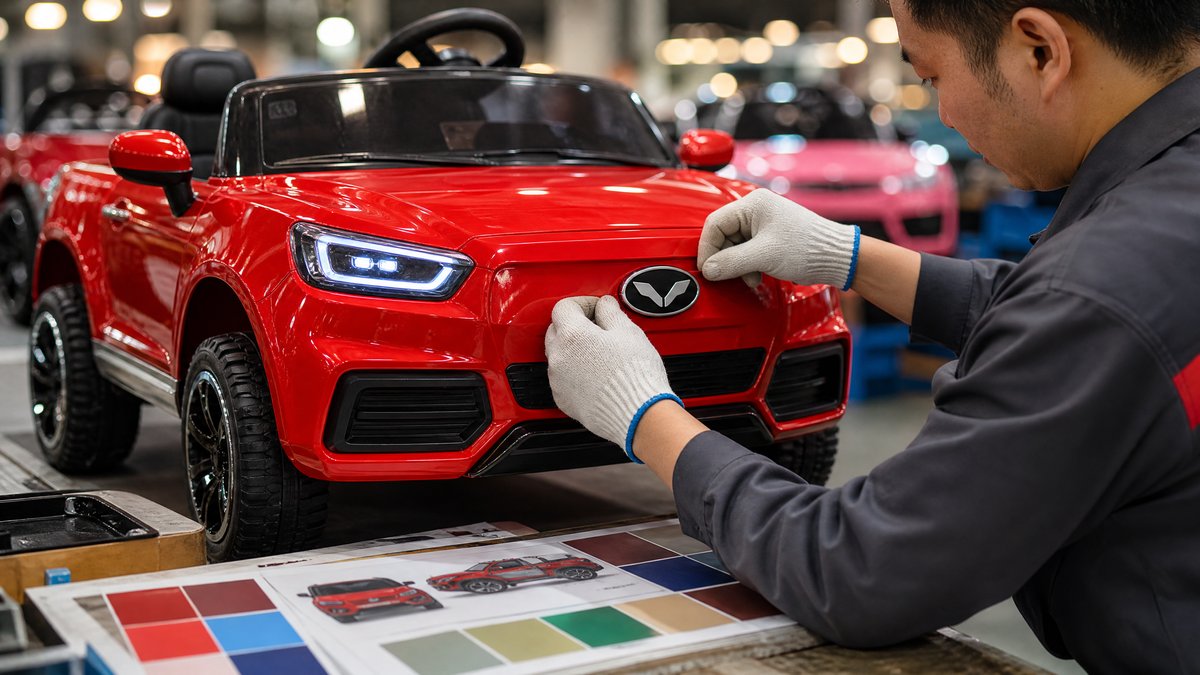
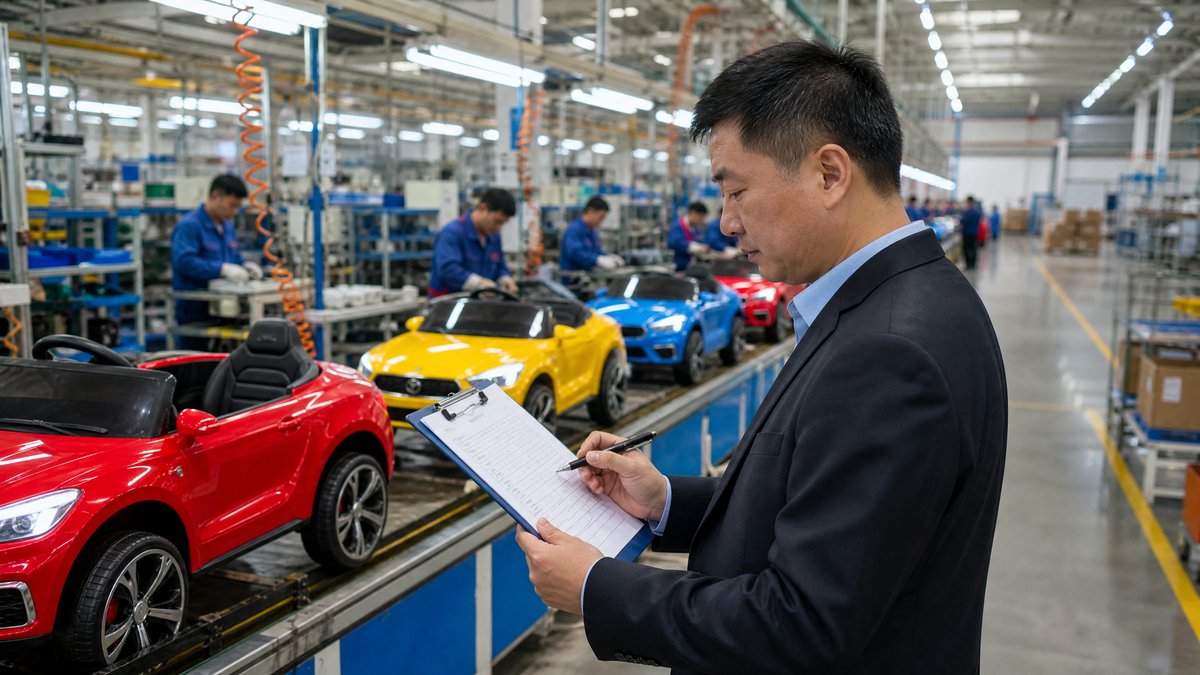
Consumer reviews often focus on superficial features such as cosmetic paint finishes, initial unboxing excitement, or decorative stickers. In contrast, B2B wholesale evaluation prioritizes long-term mechanical stability, electrical safety, component interchangeability, warranty fulfillment rates, and batch consistency. A reliable manufacturer maintains strict control over every stage of production—from raw plastic injection molding and motor winding to circuit board assembly and rigorous pre-shipment stress testing. Furthermore, established manufacturers invest heavily in continuous R&D to improve motor cooling efficiency, battery management systems, and suspension articulation, ensuring lower warranty claim rates for international distributors.
Core Pillars of a Reliable Ride-On Car Manufacturer
Evaluating whether a ride-on car brand or manufacturing partner is dependable requires analyzing several critical engineering and operational pillars:
1. Component Quality and Sourcing
The structural and operational longevity of any ride-on vehicle depends directly on its internal hardware. Reliable brands and factories refuse to compromise on core electrical and mechanical assemblies:
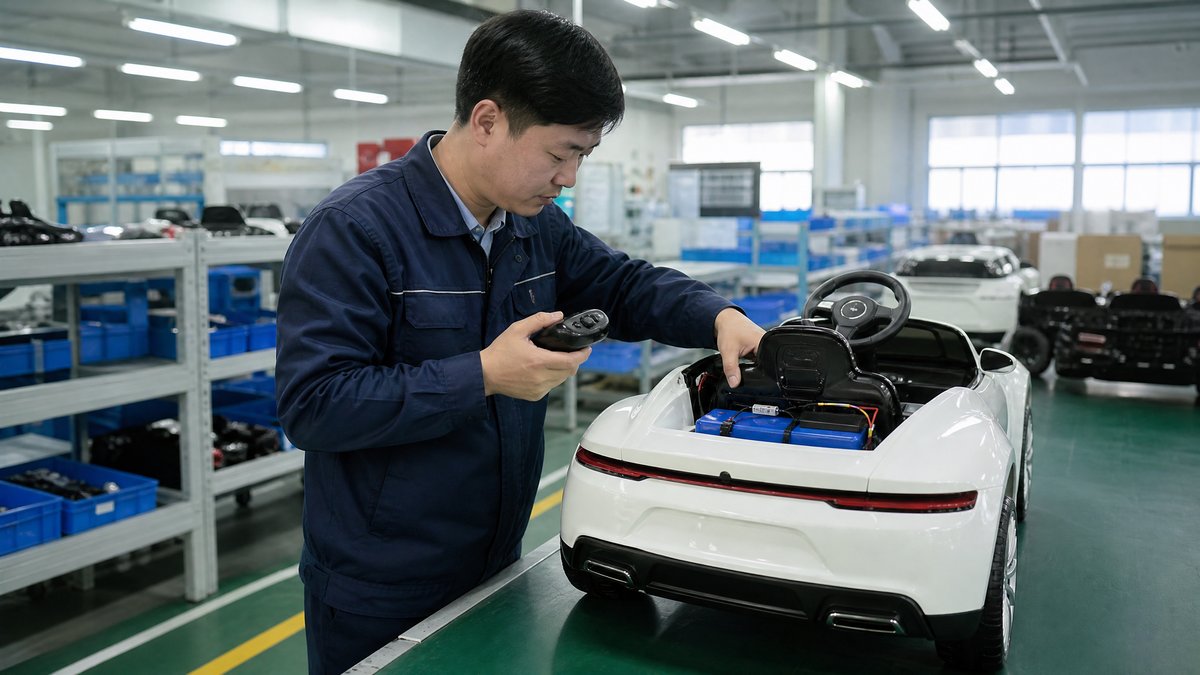
* Drive Motors and Gearboxes: High-reliability manufacturers utilize robust copper-wound DC motors paired with hardened steel or high-grade nylon gearboxes capable of withstanding continuous torque stress and thermal buildup during outdoor operation.
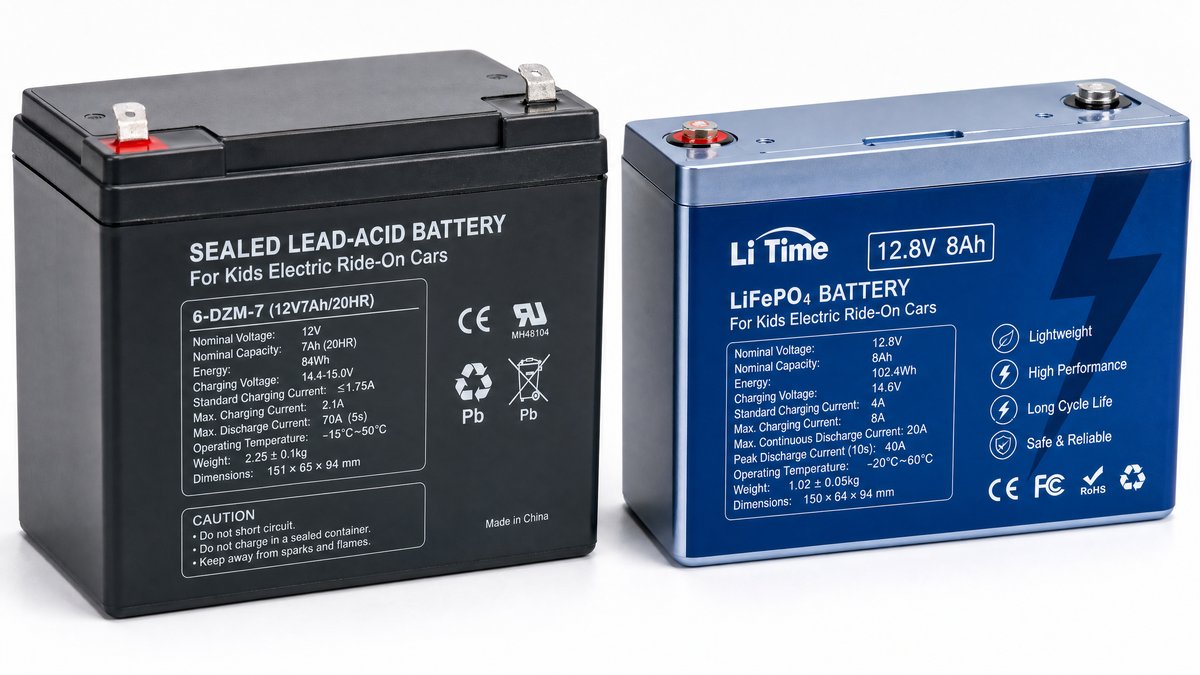
* Battery Chemistry and Management Systems: Dependable brands source stable 12V or 24V rechargeable lead-acid or lithium-ion batteries equipped with reliable charging protection circuits to prevent overcharging, voltage drops, and premature capacity loss.
* Control Boards (PCBs): Stable motherboards ensure smooth acceleration curves, reliable parental remote-control signal transmission without interference, and consistent electronic braking response.
2. Quality Control (QC) Protocols and Audits
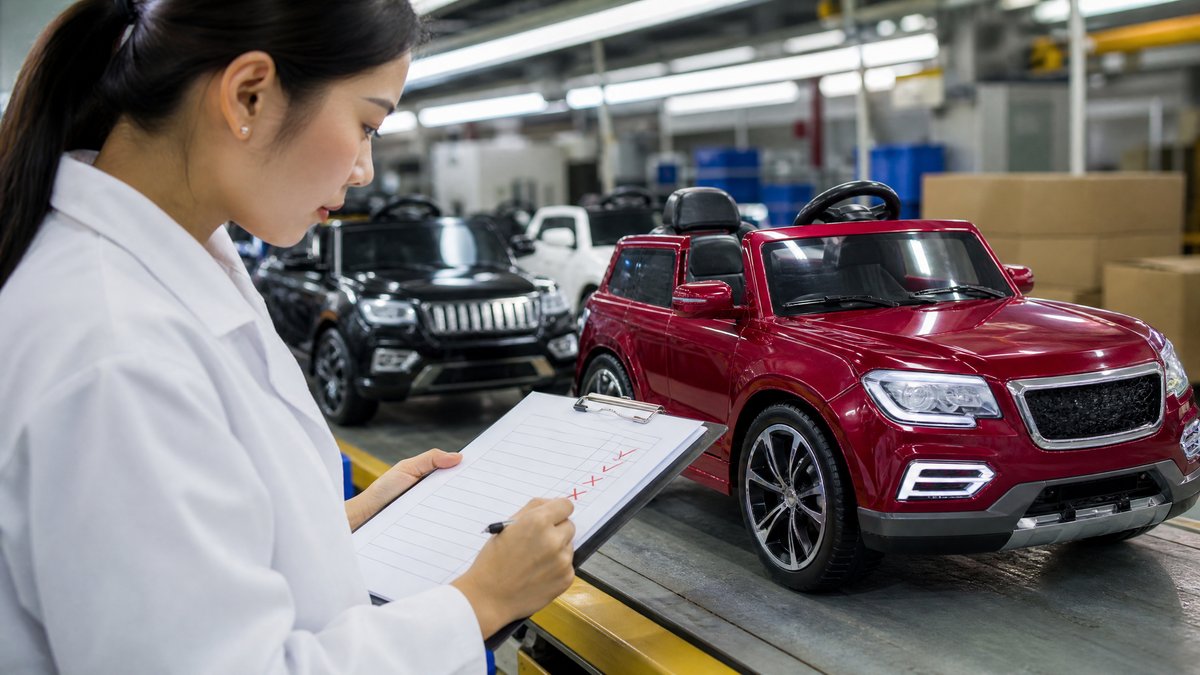
A reputable brand implements multi-tier quality inspection procedures across the entire production lifecycle:
* Incoming Material Inspection (IQC): Verifying raw materials, such as virgin ABS or polypropylene plastics, before molding to ensure impact resistance and non-toxicity.
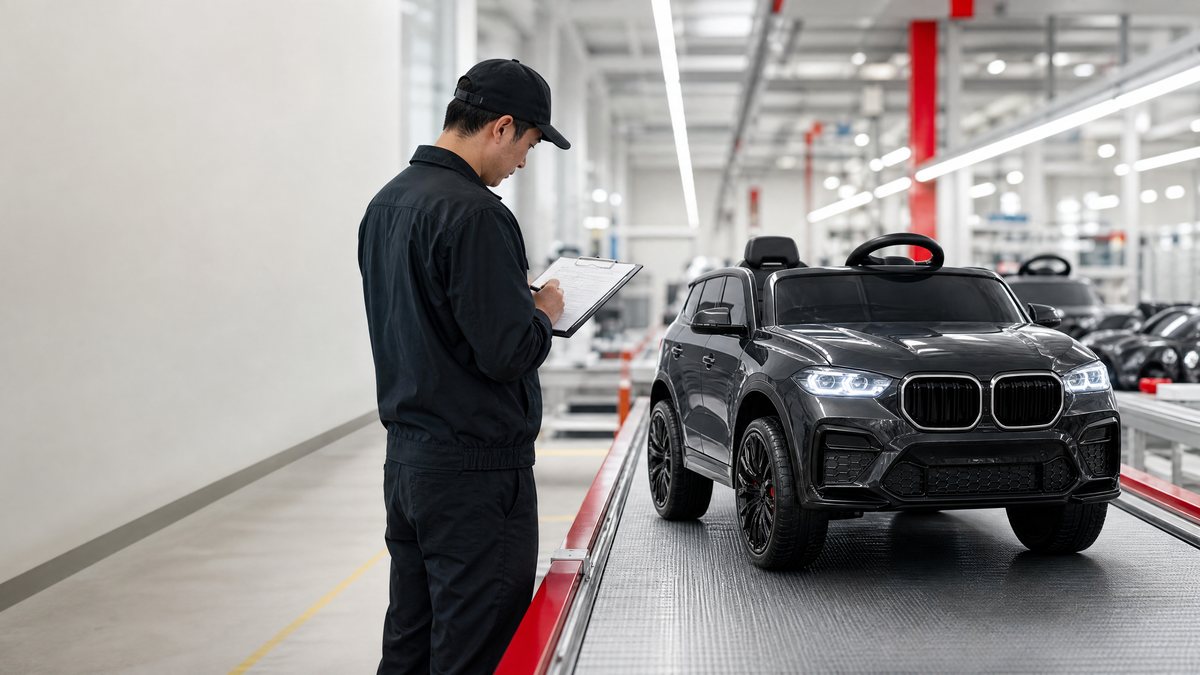
* In-Process Quality Control (IPQC): Inspecting sub-assemblies during the production line run to catch wiring or gearbox alignment flaws early.
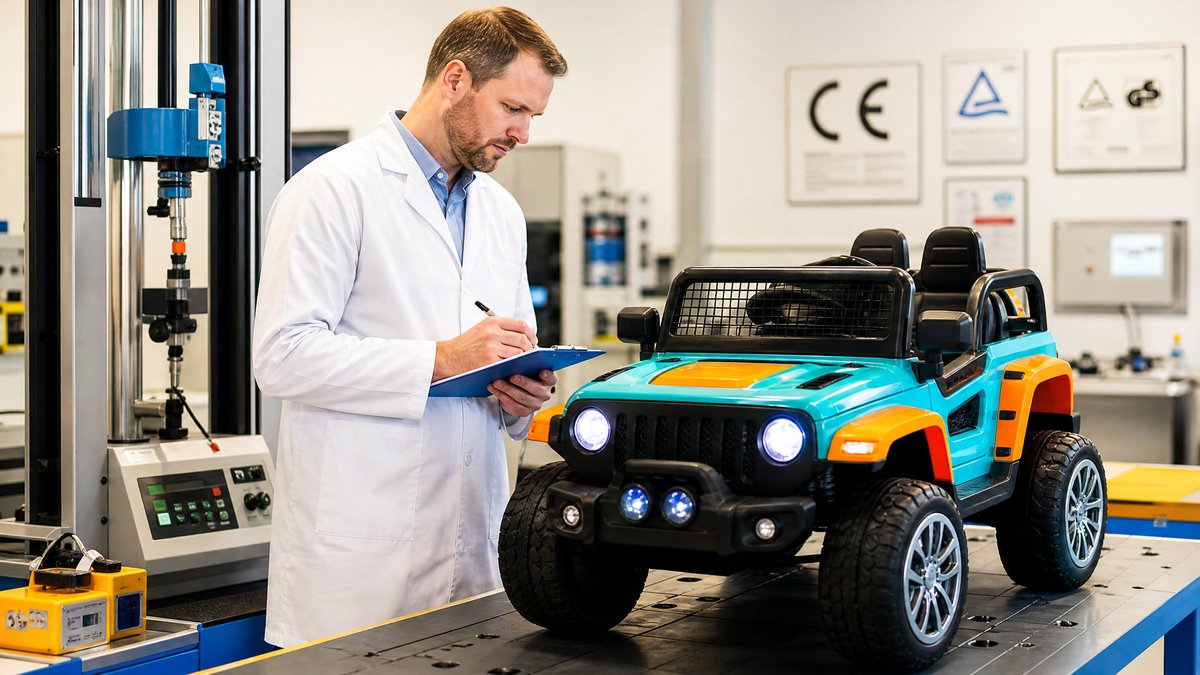
* Final Quality Assurance (FQA): Conducting pre-shipment inspections following internationally recognized AQL (Acceptable Quality Limit) standards for cosmetic appearance, functional performance, and safety features.
3. Supply Chain Transparency and Risk Management
Reliable suppliers maintain documented supply chain tiers, ensuring that critical components like chargers, switches, and tires originate from certified factories with traceable test reports. This transparency minimizes the risk of sudden component failures or regulatory non-compliance upon import arrival.
Comparative Evaluation Framework
To assist wholesale buyers in comparing manufacturing partners and brands objectively, the following framework outlines key evaluation criteria, what to inspect, and associated risk mitigation strategies:
| Evaluation Criterion | What to Inspect | B2B Risk Mitigation |
|---|---|---|
| Manufacturing Facility | Factory audit reports (e.g., ISO 9001, BSCI), production line automation, and assembly capacity. | Conduct third-party on-site audits or request verifiable factory certification documentation before placing bulk orders. |
| Electrical Compliance | Test reports for chargers, batteries, and wiring harnesses (CE, RoHS, UL, FCC). | Require independent laboratory test certificates matching current destination market regulatory standards. |
| Mechanical Durability | Gearbox stress-test results, wheel traction design, and maximum load capacity verification. | Order physical sample units for rigorous in-house durability testing prior to committing to container-load volumes. |
| Supply Chain Traceability | Consistency of component suppliers for motors, controllers, and batteries across production batches. | Establish strict supplier quality agreements (SQAs) specifying component substitution prohibitions without prior notice. |
Buyer Checklist for Sourcing Reliable Ride-On Vehicles
When vetting ride-on car suppliers for your commercial catalog, follow this structured buyer checklist to minimize operational risks, reduce customer return rates, and ensure long-term product satisfaction:
* [ ] Verify Corporate and Factory Credentials: Confirm the manufacturer's official business license, export experience, and relevant quality management certifications.
* [ ] Review Regulatory Compliance Documentation: Ensure all products possess valid test reports for electrical safety, chemical safety (e.g., strict limits on phthalates and lead), and mechanical safety (EN71 or ASTM F963).
* [ ] Evaluate Sample Build Quality: Request production samples to test motor responsiveness, remote control range, suspension smoothness, and plastic wall thickness.
* [ ] Assess Spare Parts Availability: Confirm whether the supplier provides a reliable inventory of replacement parts (chargers, remote controls, gearboxes, wheels) to support after-sales service and warranty claims.
* [ ] Inspect Packaging and Drop-Test Standards: Ensure vehicles are shipped in reinforced multi-layer cartons with adequate internal foam cushioning to prevent transit damage during international freight.
Frequently Asked Questions (FAQ)
Frequently Asked Questions (FAQ)
Q1: How can wholesale buyers verify whether a ride-on car manufacturer has consistent quality control?
A: Wholesale buyers should request detailed quality control documentation, including incoming material inspection logs, in-line testing records, and final pre-shipment inspection reports based on international AQL standards. Additionally, commissioning independent third-party inspection agencies to conduct pre-shipment checks provides objective verification.
Q2: What are the key electrical and mechanical components that determine a ride-on car's longevity?
A: The most critical components are the drive motors, gearboxes, battery cells, and main control boards (PCBs). High-quality copper-wound motors paired with durable gearboxes and stable batteries significantly reduce failure rates and customer return frequencies in retail markets.
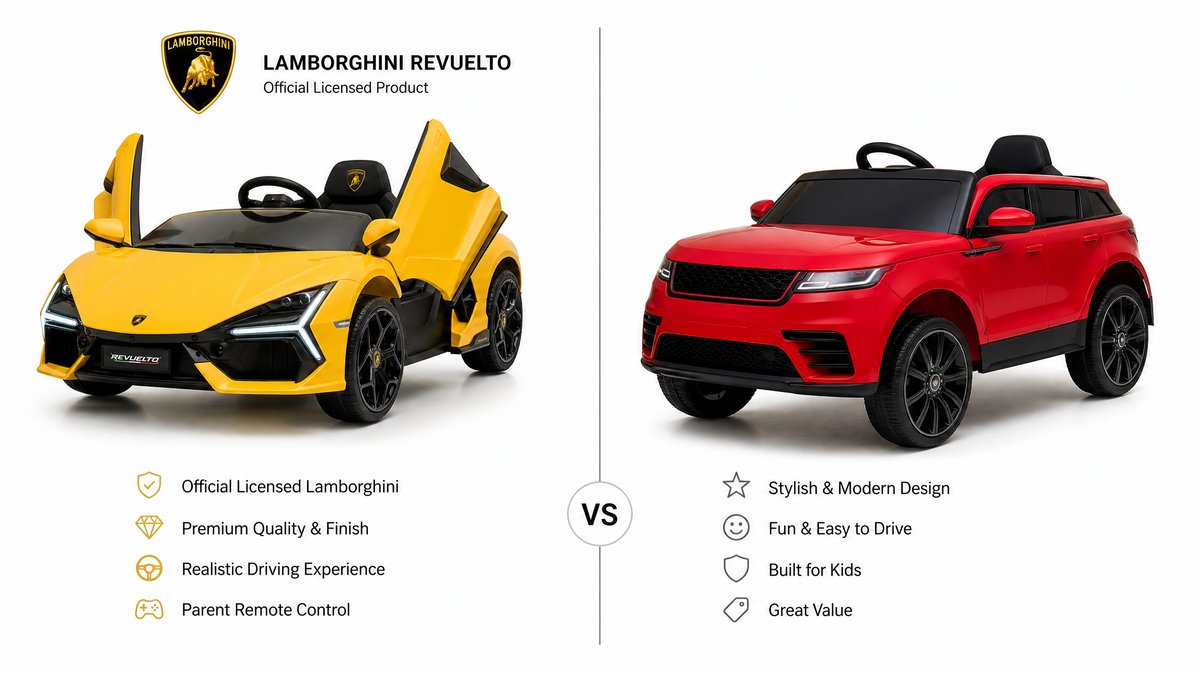
Q3: Are licensed ride-on car brands inherently more reliable than generic or unlicensed models?
A: Not necessarily. While official brand licensing (such as licensed automotive replicas) often correlates with higher manufacturing thresholds and stricter factory audits by brand licensors, physical reliability ultimately depends on the specific factory's internal quality control standards and component selection. Buyers must inspect technical specifications regardless of licensing status.
Conclusion & Sourcing Consultation
Determining the most reliable ride-on car brand requires looking past marketing claims and evaluating core engineering, component quality, and factory compliance standards. For B2B importers, distributors, and commercial retailers, building a resilient product lineup depends heavily on rigorous sample testing, supplier verification, and strict adherence to international safety and regulatory standards.
Contact our wholesale team via email (info@kidsridecar.com) to request manufacturer compliance summaries, product catalogs, and custom OEM quotations.
Official references
Explore these external resources for current regulatory and trade guidance. Confirm requirements with the relevant authority before placing an order.
Ready to Start?
Factory-Direct · CE & ASTM Certified · MOQ from 50 Units
Our export team works with buyers in 60+ countries. Get a quote within 24 hours.
KR
Written by KidsRideCar
China's leading kids electric ride-on car manufacturer. 500,000+ units shipped annually to 60+ countries. CE, ASTM & EN71 certified.