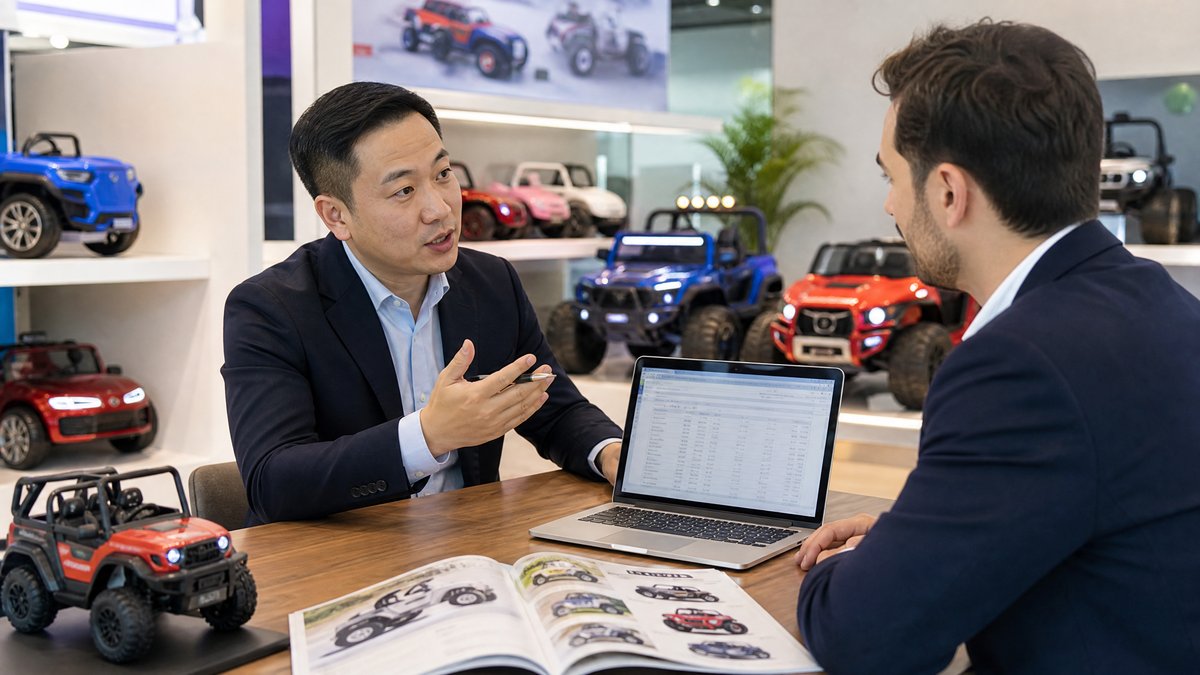
Introduction
In the rapidly evolving landscape of the global children’s toy market, the segment dedicated to electric ride-on vehicles has emerged as a high-growth category for B2B distributors, importers, and wholesalers. As retail environments shift toward "experiential commerce," the ability to demonstrate product value in a physical setting has become a critical differentiator for successful distribution networks. While digital catalogs and high-resolution marketing materials provide a necessary foundation, they often fall short of conveying the tactile quality, operational smoothness, and comprehensive safety ecosystems that define premium ride-on products. For professional buyers, the transition from a speculative inquiry to a high-volume contract often hinges on a tangible verification of the product’s performance and the distributor’s operational professionalism.
Ride-on car demo events are strategic B2B activations that bridge the gap between manufacturer specifications and retail confidence. These events allow distributors to showcase inventory under controlled conditions, validate safety commitments, and gather market intelligence. By transforming static products into live experiences, distributors communicate competitive advantages—such as advanced suspension and robust parental controls—to retail partners. A well-executed demo event serves as a catalyst for long-term wholesale growth, requiring a meticulous approach to planning, risk management, and regulatory compliance to ensure every activation maximizes ROI while upholding the strictest safety boundaries.
The Strategic Value of Experiential Marketing in B2B Distribution
For a modern distributor, the value proposition of a demo event extends far beyond immediate brand awareness. It serves as a multi-dimensional tool for business development, market research, and quality assurance. In the wholesale sector, where purchase decisions are driven by reliability, safety, and retail sell-through potential, the ability to provide a live demonstration is an invaluable asset.
1. Tangible Quality Assurance and Trust Building
One of the primary challenges in B2B toy distribution is overcoming the skepticism associated with international sourcing. By hosting a demo event, distributors provide a transparent look at their product offerings. Retail buyers can witness the durability of the chassis, the responsiveness of the electronic steering, and the overall finish of the vehicles. This physical verification builds a level of trust that is difficult to achieve through digital communication alone. It demonstrates that the distributor is not just a middleman but a professional partner who stands behind the quality of their inventory.
2. Data-Driven Inventory Optimization
Demo events offer a unique opportunity to gather real-time data on consumer preferences. By observing which models attract the most attention and which features resonate with parents and children, distributors can make more informed decisions when placing large-scale orders with manufacturers. This direct feedback loop is essential for optimizing inventory levels and ensuring that the product mix aligns with current market trends. For instance, if a specific aesthetic or a particular type of power system receives overwhelming interest, the distributor can adjust their procurement strategy to focus on those high-demand attributes, thereby reducing the risk of slow-moving stock.
3. Marketing Collateral Generation
Visual content generated during demo events—such as professional photography and video of vehicles in action—becomes a cornerstone of the distributor’s marketing arsenal. This content is far more persuasive than generic stock images, showing products used safely in real-world settings. Sharing this collateral with retail partners enhances their marketing efforts, strengthening the distributor-retailer relationship and driving sales volume.
Phase 1: Strategic Sourcing and Demo Fleet Selection
The success of a demo event is fundamentally linked to the products on display. Selecting the right fleet requires a balance between showcasing innovation and demonstrating the reliability of core volume-driving models. Distributors must work closely with their manufacturing partners to ensure that the selected units represent the best of their current offerings while adhering to all safety and technical standards.
1. Curating a Diverse Product Portfolio
When selecting vehicles for a demo event, distributors should aim for a representative mix that highlights the breadth of their catalog. This typically includes a combination of high-end licensed models and versatile, mid-range vehicles.
- Flagship Innovation Models: These units should feature the latest technological integrations, such as advanced multimedia systems, sophisticated lighting, and premium interior finishes. They serve as the "crowd-pullers" that demonstrate the distributor’s access to cutting-edge manufacturing capabilities.
- Reliable Volume Drivers: These models represent the core of the wholesale business. They should be chosen for their proven performance, ease of use, and broad market appeal. Demonstrating these units helps retail buyers understand the consistent quality they can expect across a high-volume order.
2. Technical Integrity and Documentation
Every vehicle selected for the demo fleet must be backed by comprehensive technical documentation. Distributors should ensure they have access to the manufacturer’s full specifications, including details on the power delivery systems, battery configurations, and structural materials. It is essential to avoid making unverified claims about performance metrics; instead, focus on the features that can be directly observed and verified through the manufacturer’s official documents. This approach ensures that the information provided to retail buyers is accurate, professional, and grounded in fact.
3. Pre-Event Quality Verification
Before any vehicle is introduced to the demo track, it must undergo a rigorous internal verification process. This is not a repair or modification task but a systematic check to ensure that each unit is functioning exactly as intended by the manufacturer.
- Operational Consistency: Verify that all electronic functions, including the parental remote control and the integrated safety sensors, are operating according to the manufacturer’s instructions.
- Structural Soundness: Check the integrity of the assembly and the condition of the materials to ensure they meet the expected quality standards for a public demonstration.
- Documentation Alignment: Ensure that the physical product matches the descriptions provided in the accompanying manuals and safety certificates.
Phase 2: Navigating the Regulatory and Compliance Landscape
In the B2B toy industry, compliance is not just a legal requirement; it is a fundamental component of the product’s value. For distributors importing ride-on cars, navigating the complex web of safety standards and import regulations is a critical responsibility that must be handled with professional precision.
1. Market-Specific Safety Verification
Safety requirements for children’s products vary significantly across different regions and jurisdictions. It is the distributor’s responsibility to conduct a thorough written verification of the specific regulations applicable to their target market. This involves:
- Identifying Applicable Standards: Buyers and distributors should consult official government resources to determine the current safety protocols required for electric ride-on vehicles in their specific location.
- Reviewing Manufacturer Documentation: Request and meticulously review all third-party test reports and safety certificates provided by the manufacturer. It is essential to verify that these documents are current, valid, and specific to the models being demonstrated.
- Avoiding Generalizations: Never assume that a certification for one product or market automatically applies to another. Each model and each market must be evaluated on its own merits based on the latest official requirements.
2. Risk Management and Professional Liability
Hosting a public demo event introduces specific liabilities that must be addressed through professional risk management strategies.
- Insurance Coverage: Distributors should ensure that their business insurance policy specifically covers product demonstrations and experiential marketing events. This provides a necessary layer of protection for the business and demonstrates a professional approach to risk.
- Safety Protocols and Waivers: Implementing clear safety rules and requiring participants to acknowledge these rules through a formal process is a standard industry practice. This ensures that all parties understand their responsibilities regarding the safe use of the products under adult supervision.
3. Import and Logistics Compliance
The process of importing demo units requires a deep understanding of customs regulations and logistics management.
- Accurate Documentation: Ensure that all import documents, including HTS classifications and commercial invoices, are accurate and reflect the true nature of the goods.
- Regulatory Oversight: Stay informed about changes in trade policies, tariffs, and import restrictions that may affect the movement of ride-on vehicles. Working with experienced freight forwarders and customs brokers is highly recommended to ensure a smooth and compliant logistics process.
Phase 3: Operational Safety and Site Management
The integrity of a demo event is defined by its safety standards. When children are the primary users of a product, there is no room for compromise. Distributors must implement a comprehensive safety framework that covers every aspect of the event’s operation.
1. Site Selection and Environment Control
The event location must prioritize safety. The track should be on a flat, stable, non-slip surface free from obstacles. Use professional-grade barriers to define the demo area, separating the track from spectators to ensure vehicles remain in a controlled environment. A thorough site inspection must identify and mitigate risks like water proximity, steep inclines, or electrical hazards.
2. Adult Supervision and Appropriateness
Every interaction must be under direct adult supervision. Clear signage and briefings should emphasize that guardians are responsible for their children's safety at all times. Trained staff must monitor the track, provide guidance, and intervene if safety protocols are breached. Vehicles must be matched to the child’s age, weight, and skill level as specified by the manufacturer; distributors must ensure no child is placed in an inappropriate vehicle.
3. Operational Protocols and Manufacturer Support
Maintaining the demo fleet in peak condition is essential for both safety and professional presentation. However, all maintenance and troubleshooting must be conducted according to the manufacturer’s authorized guidelines.
- Adherence to Instructions: Staff should be strictly prohibited from performing any unauthorized repairs, modifications, or internal inspections of the vehicles.
- Manufacturer Support: For any technical issues or maintenance requirements, the distributor should rely on the manufacturer’s official documentation and authorized service support. This ensures that the integrity of the product is maintained and that all safety features remain functional as designed.
- Routine Safety Checks: Before each session, staff should perform a visual inspection of the vehicles to ensure they are in a safe and clean condition, following the daily check-list provided by the manufacturer.
Phase 4: B2B Marketing Strategy and Lead Conversion
A demo event is a powerful engine for lead generation and business development. To maximize the ROI of the activation, distributors must have a clear strategy for converting event interest into long-term wholesale partnerships.
1. Professional Lead Management
The event should include a dedicated space for B2B interactions, where potential retail partners can discuss business opportunities in a professional setting.
- Data Capture: Use digital tools to collect contact information from visiting buyers, ensuring that all data collection is compliant with local privacy regulations.
- Follow-Up Strategy: Develop a structured follow-up plan to reach out to potential leads after the event, providing them with the necessary information, catalogs, and wholesale pricing to move the conversation forward.
2. Showcasing the Distributor Value Proposition
Retailers are looking for more than just a product; they are looking for a reliable partner who can support their business growth. Use the demo event to highlight the comprehensive support services offered by the distributor:
- Marketing and Merchandising Support: Demonstrate the range of marketing assets, point-of-sale materials, and product training programs available to retail partners.
- Supply Chain Reliability: Provide information on the distributor’s logistical capabilities, inventory management systems, and commitment to consistent product availability.
- After-Sales Service Excellence: Showcase the distributor’s professional approach to after-sales support, including the provision of authorized spare parts and technical guidance based on the manufacturer’s protocols.
3. Strengthening Manufacturer Partnerships
The insights gained from a demo event are invaluable for the manufacturer as well. By sharing detailed feedback, market trends, and performance data with the factory, distributors can build a more collaborative and productive relationship. This open communication can lead to the development of customized products that better meet the needs of the local market and provide the distributor with a significant competitive advantage.
Conclusion
Planning and executing a ride-on car demo event is a complex undertaking that requires a sophisticated blend of marketing strategy, operational excellence, and a steadfast commitment to safety. For the professional B2B distributor, these events offer an unparalleled opportunity to demonstrate product quality, build retail trust, and drive long-term business growth. By adhering to a rigorous framework of strategic sourcing, regulatory compliance, and safety-first operations, distributors can create a powerful experiential marketing platform that sets them apart in the competitive toy industry.
As the market for electric ride-on vehicles continues to mature, the role of the distributor as a professional, safety-conscious, and data-driven partner will only become more important. By focusing on the facts, respecting the boundaries of manufacturer-approved operations, and prioritizing the safety of the end-user, distributors can build a sustainable and successful business that delivers value to manufacturers, retailers, and families alike.
Frequently Asked Questions
Q: How should a distributor determine the age-appropriateness of a vehicle for a demo event?
A: The determination of age-appropriateness must be based strictly on the manufacturer’s official guidelines and the specific safety standards of the target market. Distributors should refer to the user manual and the Children’s Product Certificate (CPC) or equivalent documentation to identify the recommended age and weight limits for each model. Staff should be trained to verify these details before allowing a child to participate in a demo ride.
Q: What is the recommended protocol if a vehicle requires technical attention during an event?
A: If a vehicle exhibits any operational issues, it should be immediately removed from the demo track. Staff must not attempt to open battery compartments, dismantle electronic components, or perform any unauthorized repairs. Instead, the distributor should consult the manufacturer’s technical documentation and contact their authorized service support for guidance. Safety and product integrity are the highest priorities.
Q: How can a distributor ensure that their demo event complies with local toy safety regulations?
A: Compliance is achieved through a proactive process of written verification. Distributors should consult with legal experts and official regulatory bodies to understand the current requirements for their specific market. They must also ensure that all products have valid, third-party test reports from recognized laboratories that cover all applicable safety standards, such as those related to mechanical properties, flammability, and chemical content.
Q: What role does the parental remote control play in the safety strategy of a demo event?
A: The parental remote control is a vital safety feature that allows a supervising adult to maintain control over the vehicle’s movement. During a demo event, staff or parents should always have the remote control ready to intervene if necessary. This feature provides an additional layer of protection, ensuring that the vehicle remains within the designated track and operates at a safe speed, especially for younger or less experienced children.
Request a wholesale quote
Official references
Explore these external resources for current regulatory and trade guidance. Confirm requirements with the relevant authority before placing an order.
Ready to Start?
Factory-Direct · CE & ASTM Certified · MOQ from 50 Units
Our export team works with buyers in 60+ countries. Get a quote within 24 hours.
KR
Written by KidsRideCar
China's leading kids electric ride-on car manufacturer. 500,000+ units shipped annually to 60+ countries. CE, ASTM & EN71 certified.