One of the most common questions wholesale buyers ask when building their first kids electric ride-on car catalog is: which models should I stock for which age group? The answer matters more than most buyers realize. Stocking the wrong voltage or size for your target demographic leads to returns, safety complaints, and lost repeat orders from retail customers.
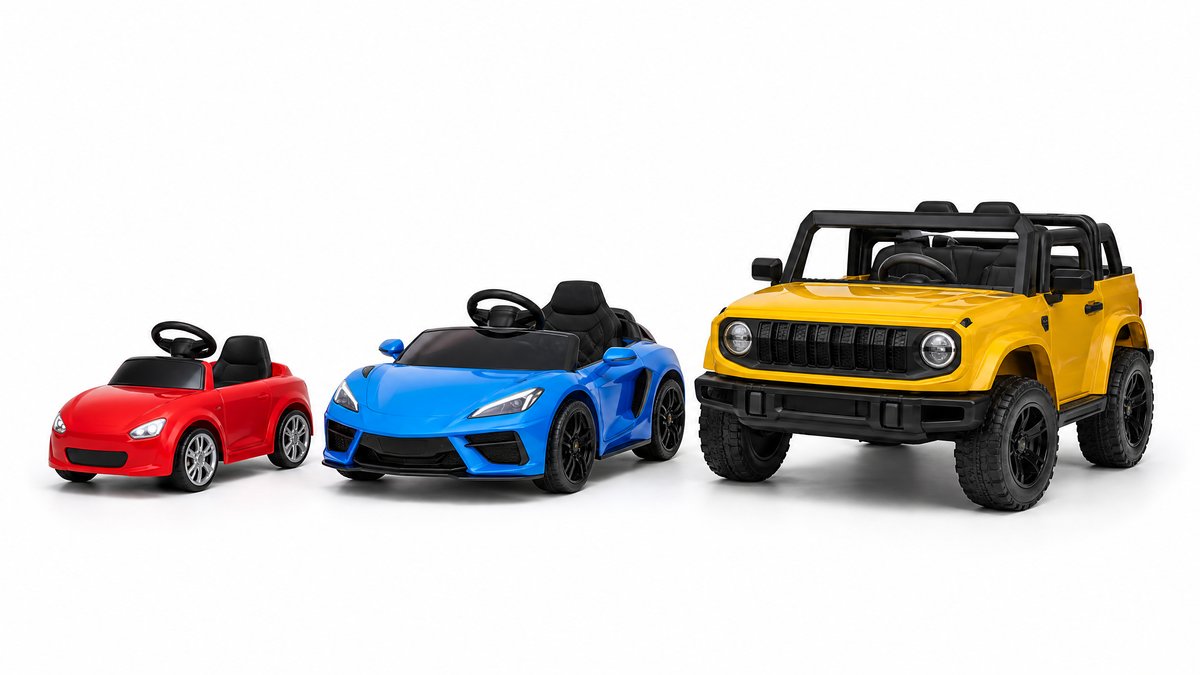
This guide breaks down the kids electric ride-on car market by age segment — 1 to 3 years, 3 to 6 years, and 6 to 10 years — covering the right voltage, weight capacity, speed range, safety features, and bestselling product categories for each group.
Why Age-Appropriate Product Selection Matters
Kids electric ride-on cars are not a one-size-fits-all product category. A 24V dual-motor SUV designed for an 8-year-old presents genuine safety risks when used by a 2-year-old. Conversely, a 6V toddler car will frustrate a 7-year-old who has outgrown its speed and carrying capacity. Retailers who stock age-appropriate products see significantly lower return rates and higher customer satisfaction scores.
Age Group 1–3 Years: 6V Starter Models
For children aged 1 to 3 years, 6V battery-powered ride-on cars are the appropriate choice. These models typically reach maximum speeds of 2–3 km/h, which is slow enough for a toddler to manage and for a parent to intervene if needed. Most 6V models include a parental remote control — a feature that is essentially mandatory for this age group in retail markets.
Key Features for 1–3 Year Age Group
| Specification | Recommended Range | Why It Matters |
|---|---|---|
| Battery Voltage | 6V | Lower speed, appropriate for toddler motor skills |
| Max Speed | 2–3 km/h | Safe for unsupervised short-distance use |
| Weight Capacity | 20–25 kg | Accommodates most children up to age 3 |
| Parental Remote | Required | Essential safety feature for this age group |
| Seat Belt | Required | Prevents falls during turns |
Age Group 3–6 Years: 12V Core Market
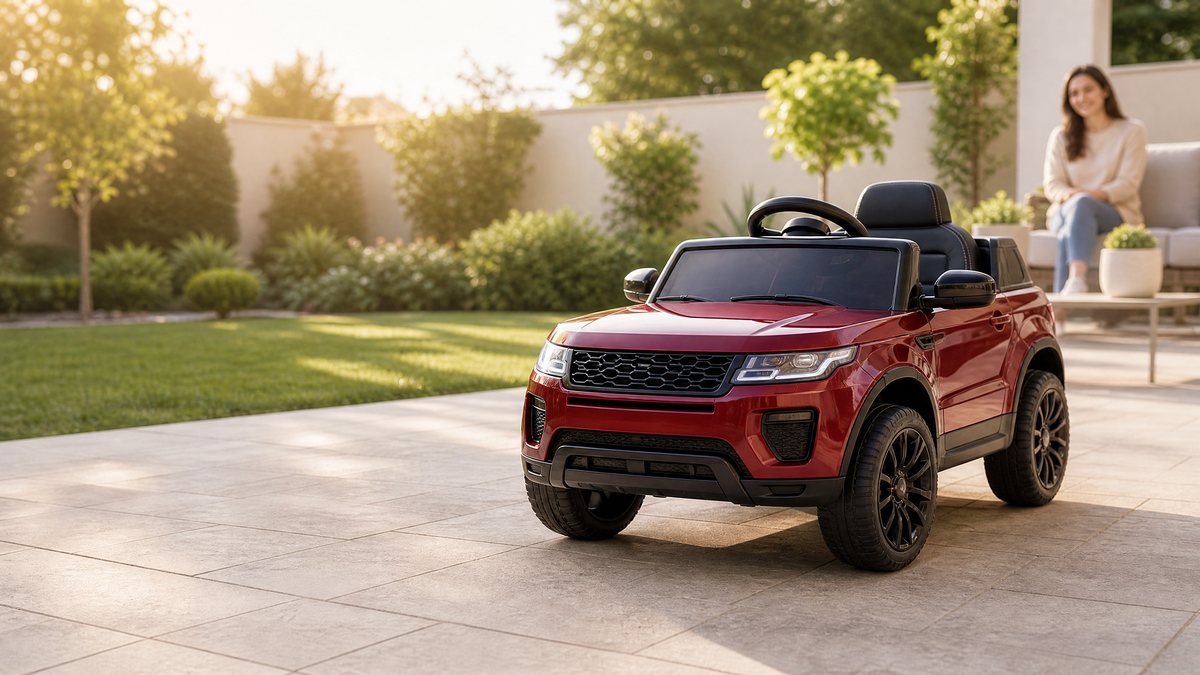
The 3 to 6 year age group represents the largest volume segment in the kids electric ride-on car market. Children in this range have developed sufficient motor coordination to operate a ride-on car independently. 12V models are the standard for this segment, offering speeds of 3–6 km/h and runtime of 1–2 hours per charge. This is where the product variety expands significantly: sports cars, SUVs, police cars, fire trucks, tractors, and licensed vehicle replicas all sell well.
Key Features for 3–6 Year Age Group
| Specification | Recommended Range | Notes |
|---|---|---|
| Battery Voltage | 12V | Industry standard for this age group |
| Max Speed | 3–6 km/h | Two-speed options preferred by retailers |
| Weight Capacity | 30–40 kg | Covers most children up to age 6–7 |
| Audio System | MP3 / Bluetooth speaker | Strong selling point for retail |
| Parental Remote | Optional but recommended | Adds value for younger buyers in segment |
Request our age-segmented product catalog with MOQ pricing for 6V, 12V, and 24V models.
Get Product Catalog →Age Group 6–10 Years: 24V Performance Models
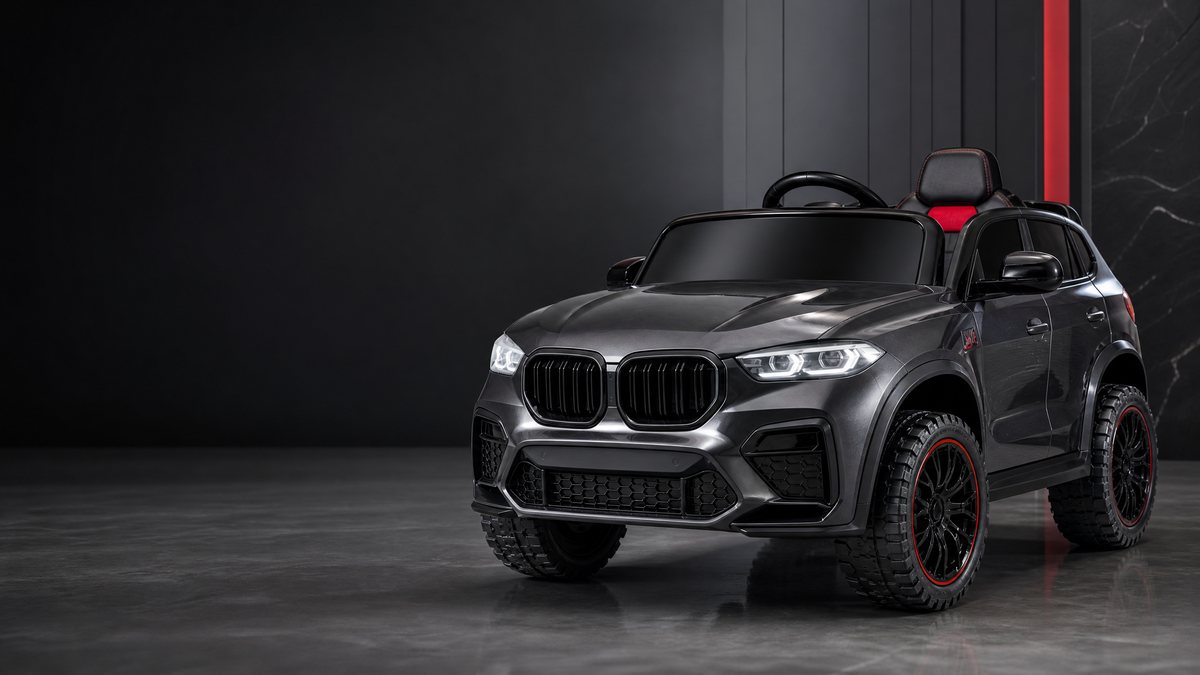
Older children aged 6 to 10 years have outgrown the speed and capacity limitations of standard 12V models. This segment is served by 24V dual-motor vehicles, which offer speeds of 6–10 km/h, higher weight capacities of 50–60 kg, and more sophisticated features including rubber tires, leather seats, working suspension, and Bluetooth connectivity. Wholesale prices for quality 24V models typically range from $120 to $280 per unit. Licensed vehicle replicas — Lamborghini, Mercedes-Benz, BMW — are particularly strong in this segment.
Key Features for 6–10 Year Age Group
| Specification | Recommended Range | Notes |
|---|---|---|
| Battery Voltage | 24V | Dual battery configuration common |
| Max Speed | 6–10 km/h | Higher speed is a key selling point |
| Weight Capacity | 50–60 kg | Accommodates children up to age 10 |
| Motor Configuration | Dual rear motor | Better performance and hill climbing |
| Suspension | Front and rear spring suspension | Premium feature for this segment |
Building a Balanced Wholesale Catalog
For wholesale buyers building a catalog from scratch, a balanced approach across age segments typically performs better than concentrating on a single voltage tier. A practical starting allocation for a 200-unit trial order might be: 20% 6V models (for the youngest segment and gift market), 60% 12V models (core volume), and 20% 24V models (premium tier for higher margin). Within the 12V segment, diversify across body styles: include at least one sports car, one SUV, and one novelty vehicle.
Frequently Asked Questions
Can a 4-year-old use a 12V ride-on car?
Yes. Most 12V models are designed for children aged 3 to 8 years. At age 4, a child is well within the appropriate range for a standard 12V model. Look for models with a parental remote control option if you want additional safety for younger children in the segment.
What is the weight limit for most 12V ride-on cars?
Most 12V models have a weight capacity of 30–40 kg, which accommodates children up to approximately age 7–8 depending on build. Always check the specific model's weight rating, as this varies between manufacturers and product lines.
Are licensed vehicle models worth the higher cost?
For the 6–10 year age group, yes. Older children recognize and respond to brand names like Lamborghini and Mercedes-Benz, and licensed models command retail price premiums of 30–50% over non-licensed equivalents.
Matching the right product to the right age group is not just a safety consideration — it is a commercial one. Retailers who stock age-appropriate products build customer trust and generate repeat business. As a wholesale buyer, understanding this segmentation gives you a genuine competitive advantage when advising your retail accounts on what to stock.
Official references
Explore these external resources for current regulatory and trade guidance. Confirm requirements with the relevant authority before placing an order.
Ready to Start?
Factory-Direct · CE & ASTM Certified · MOQ from 50 Units
Our export team works with buyers in 60+ countries. Get a quote within 24 hours.
China's leading kids electric ride-on car manufacturer. 500,000+ units shipped annually to 60+ countries. CE, ASTM & EN71 certified.