The Strategic Role of Showroom Displays in Modern Toy Retail
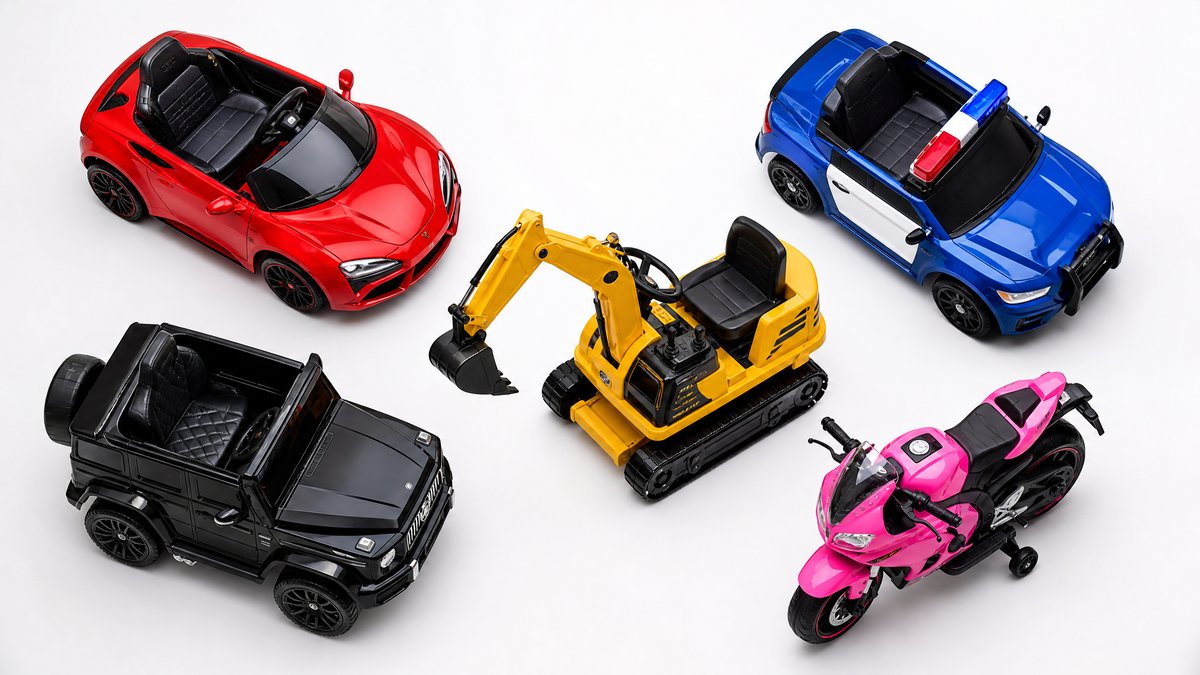
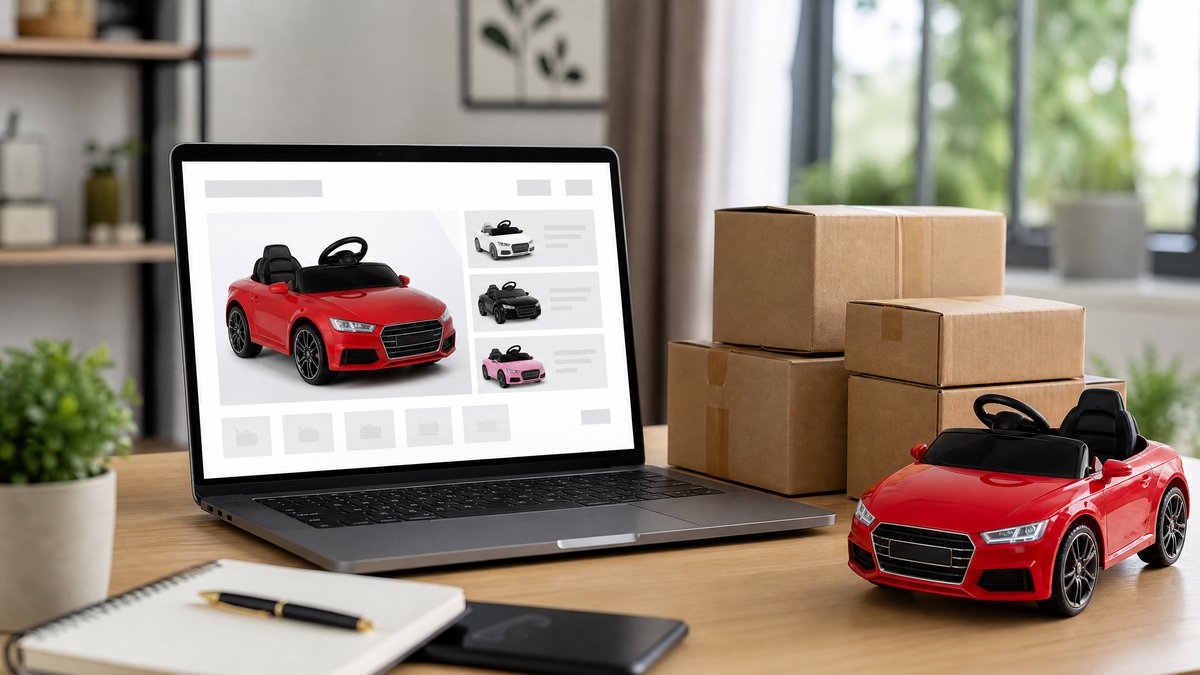
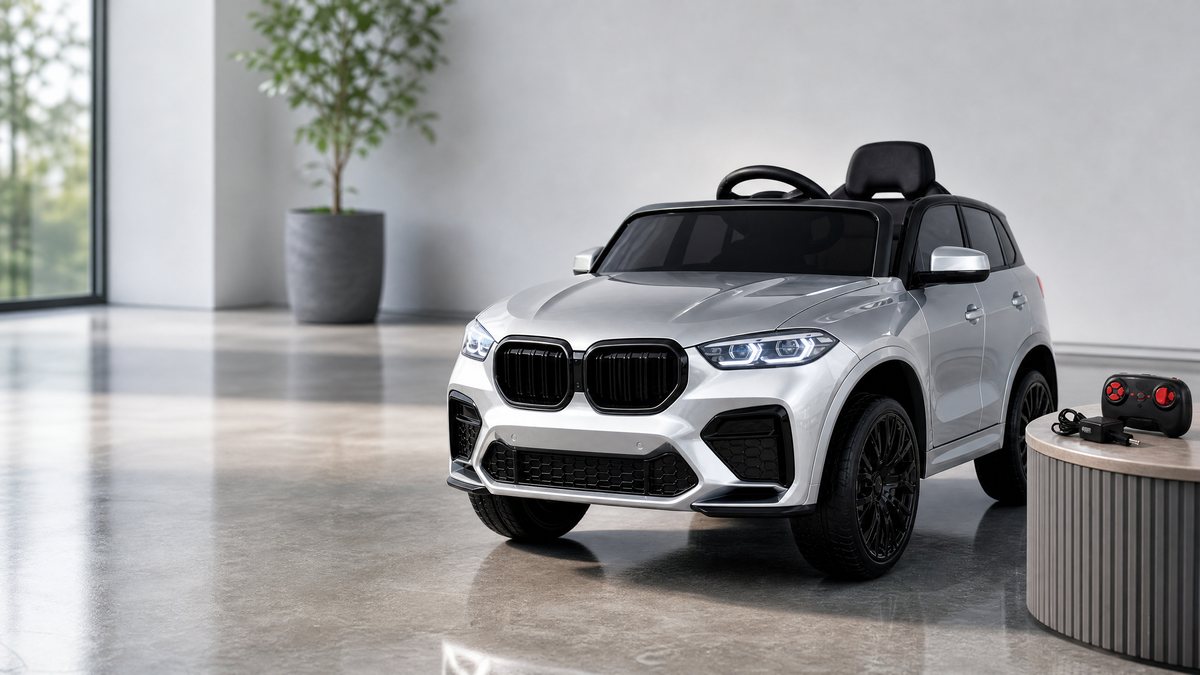
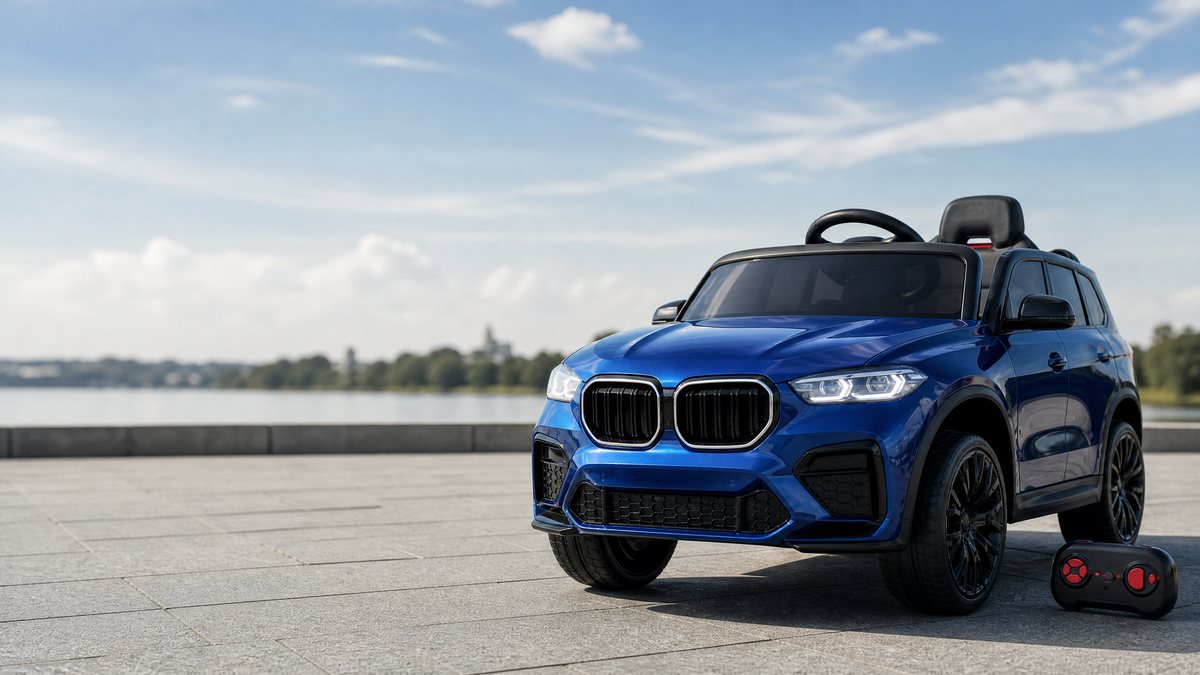
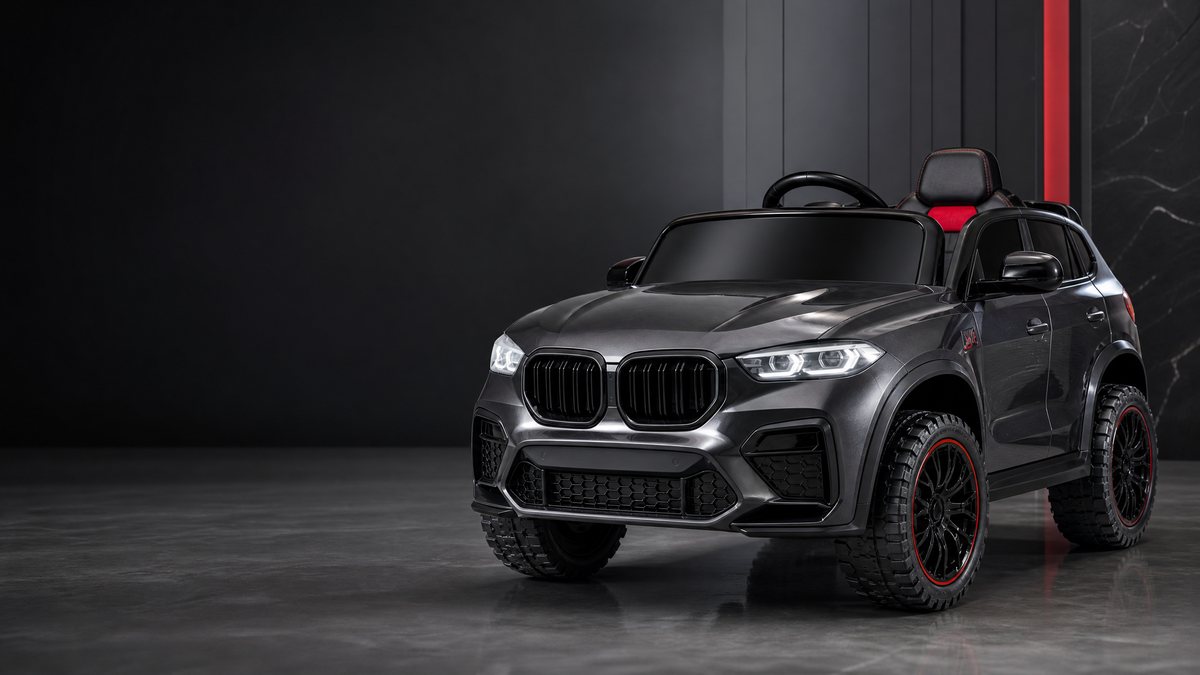
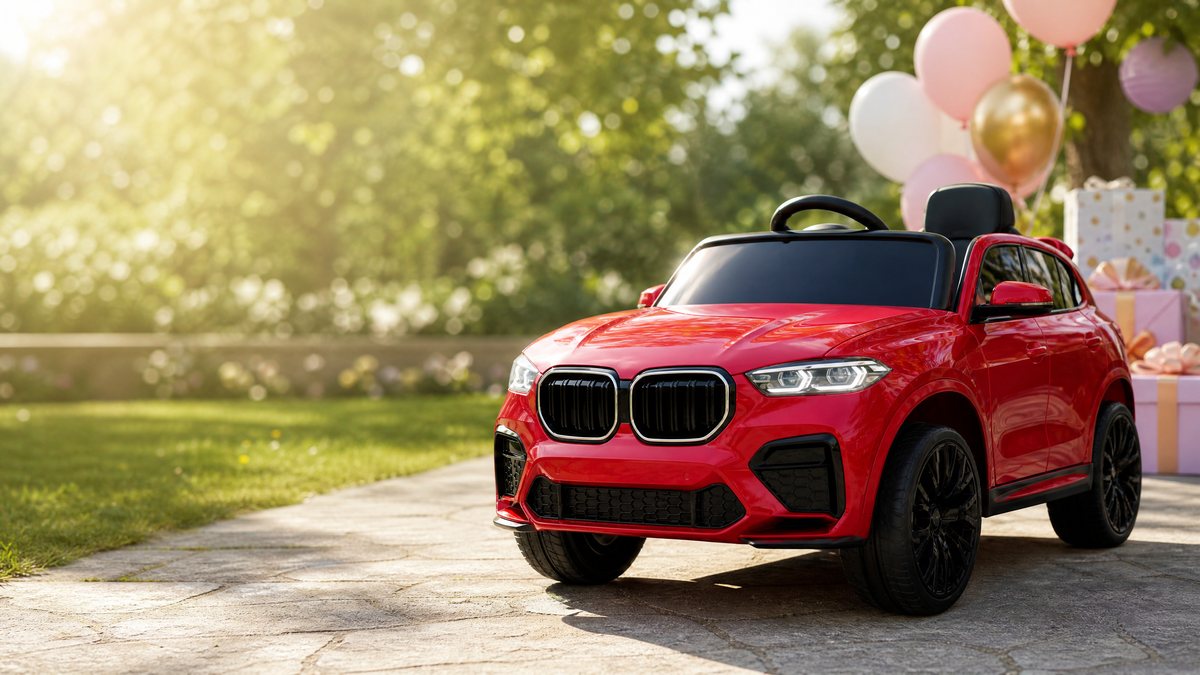
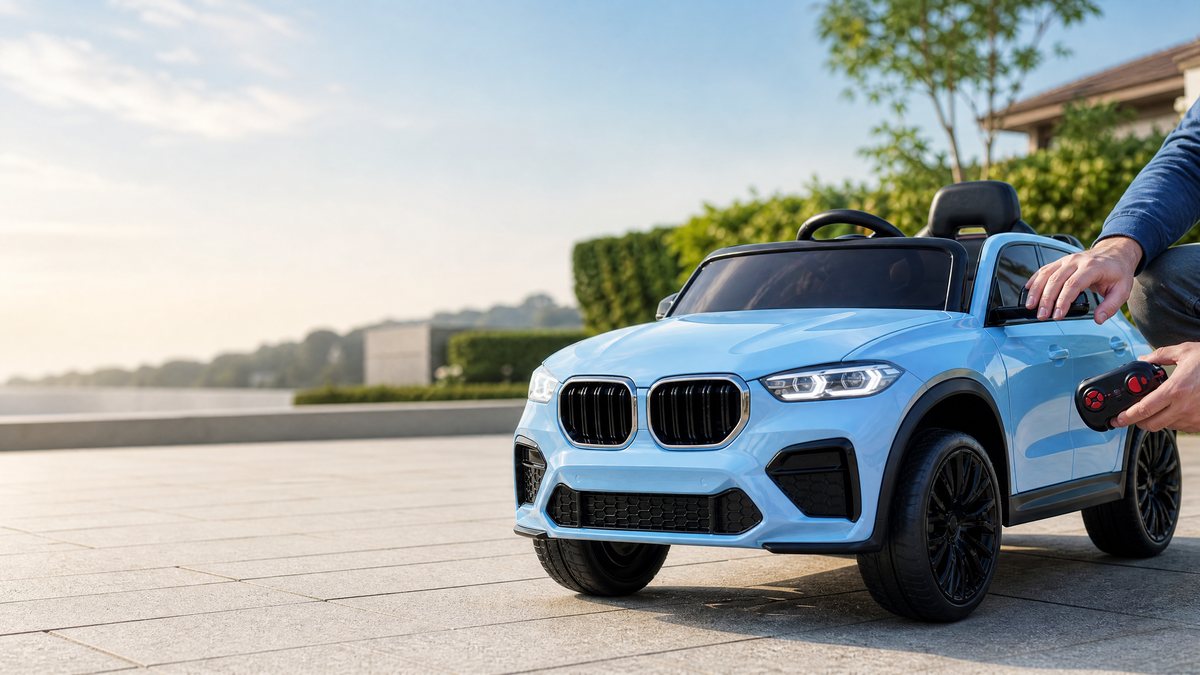
In the competitive landscape of modern toy retail, physical storefronts face the constant challenge of transforming casual foot traffic into engaged shoppers. Unlike traditional shelf-stacked merchandise, children's electric ride-on cars represent a unique category of high-ticket, emotionally resonant products. When utilized effectively as showroom display models, ride-on cars serve as powerful visual anchors that immediately capture the attention of both children and parents upon entering the store. Retail merchandising strategies dictate that large-scale interactive items must be positioned strategically to draw customers deeper into the retail environment, create immersive brand zones, and establish an immediate sense of excitement and premium quality.
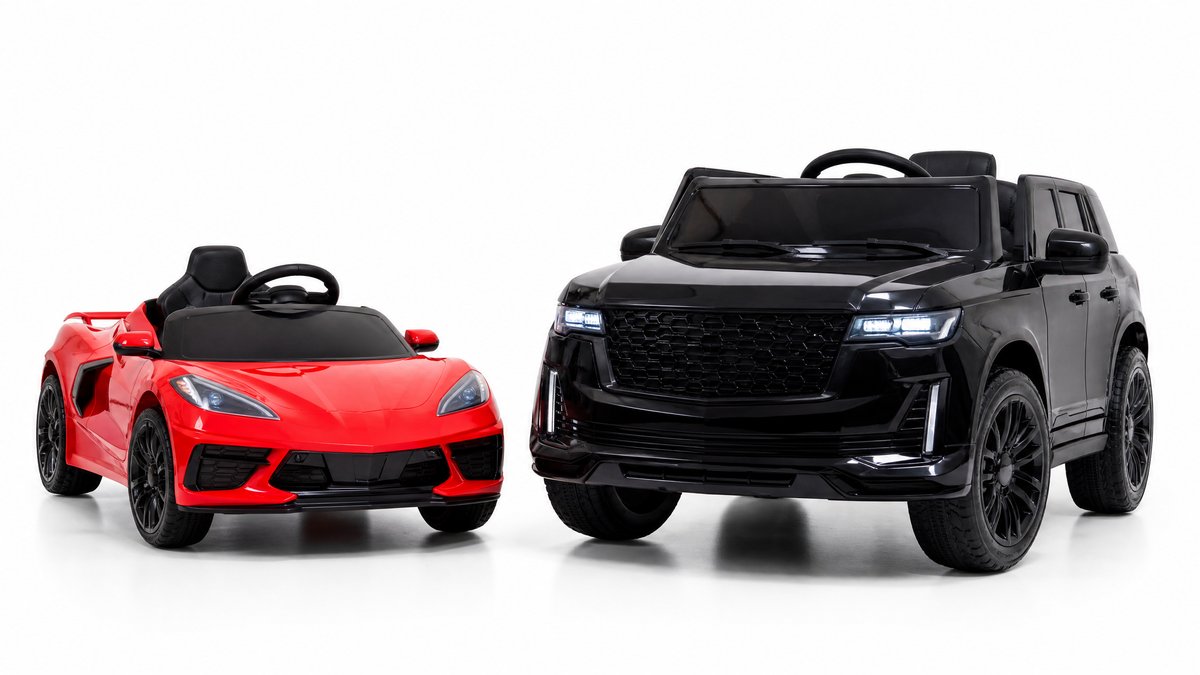
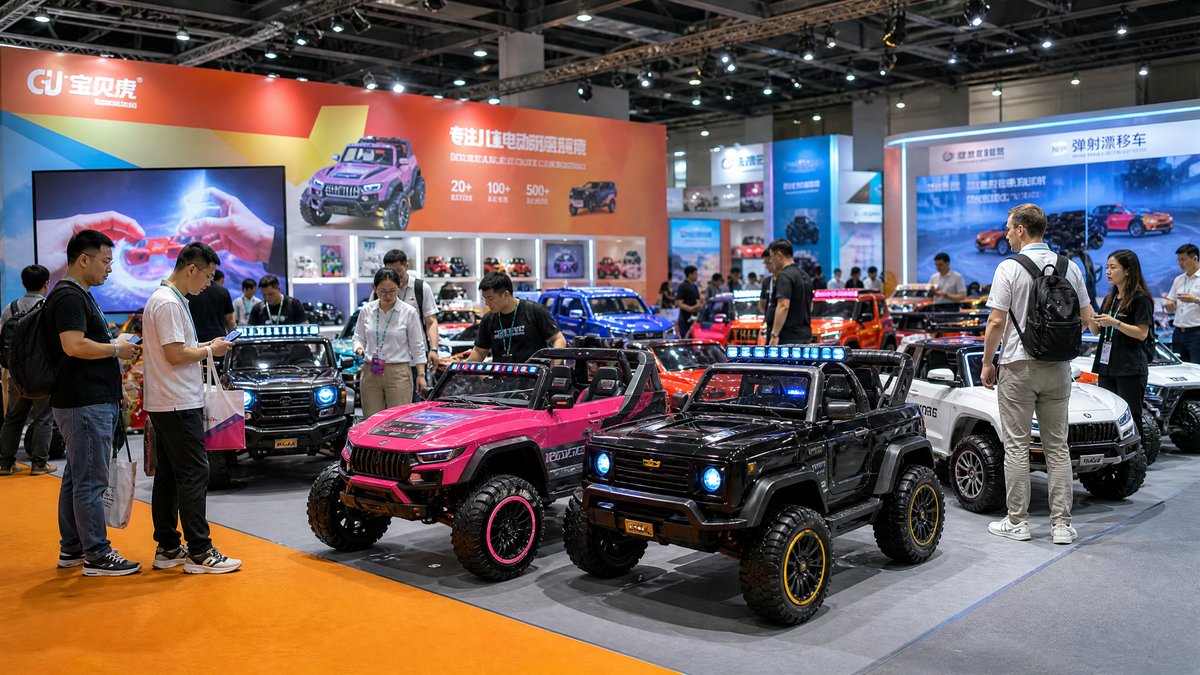
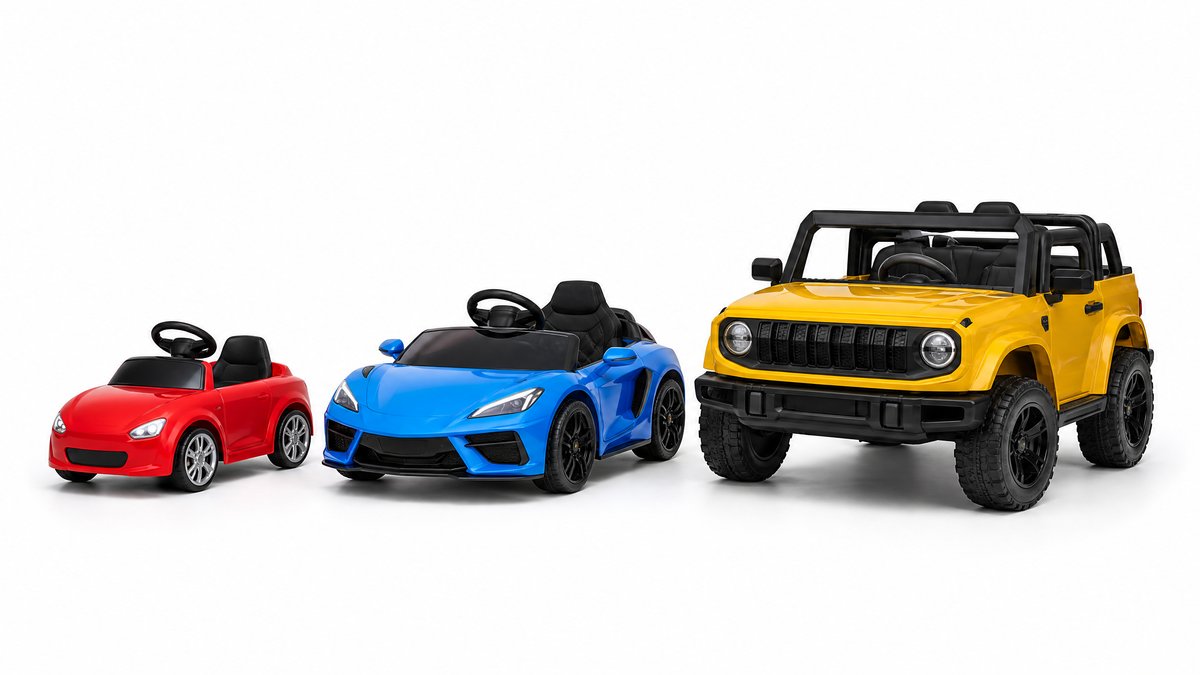
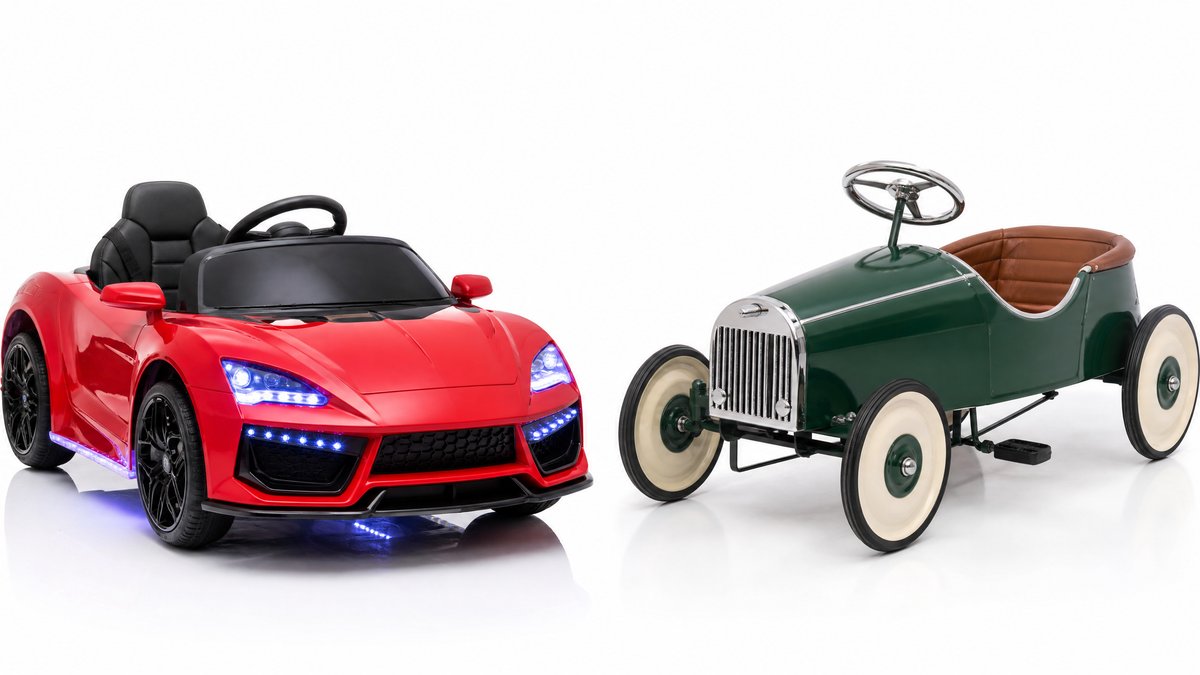
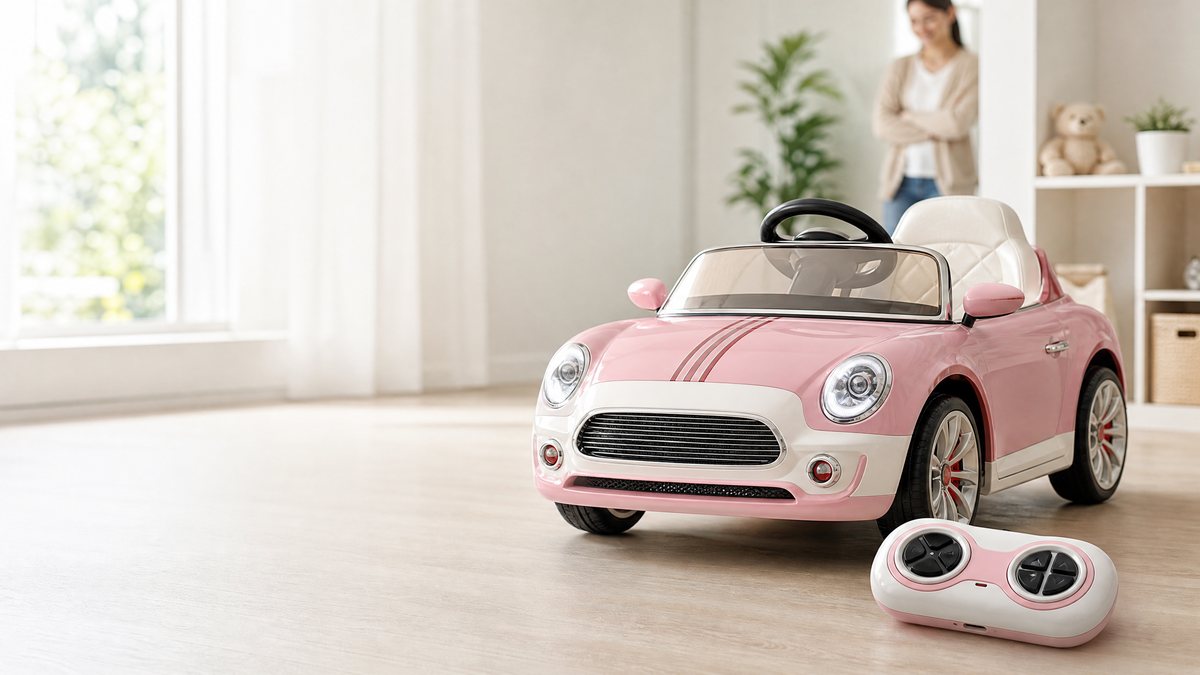
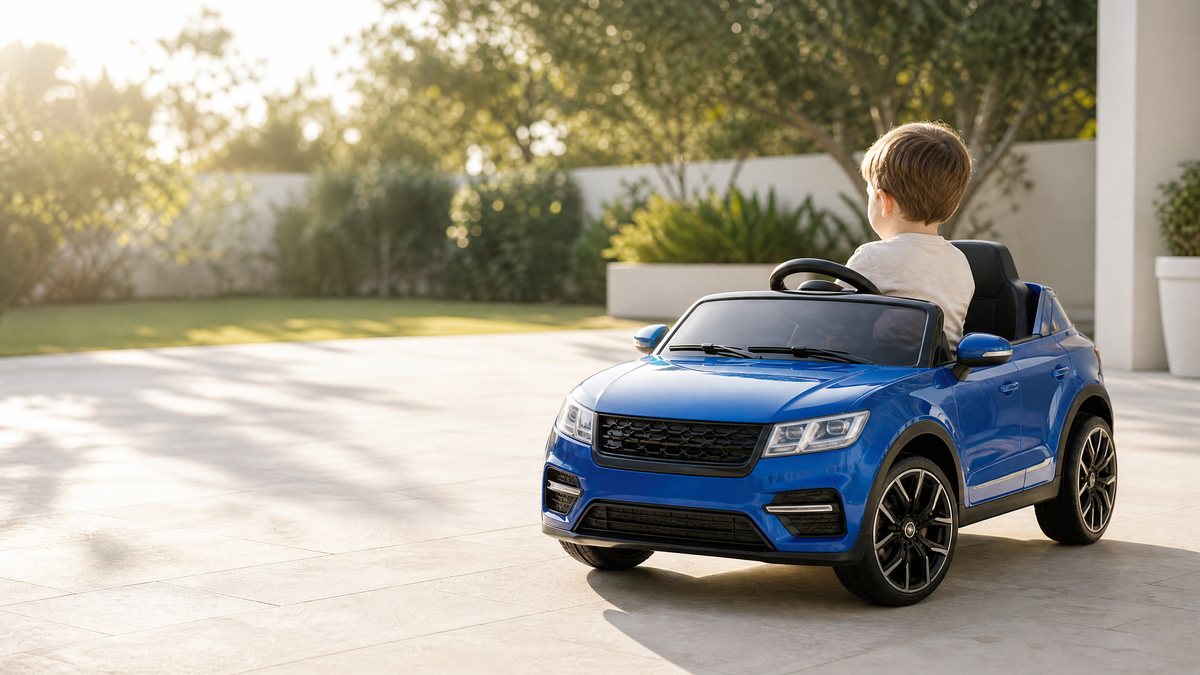
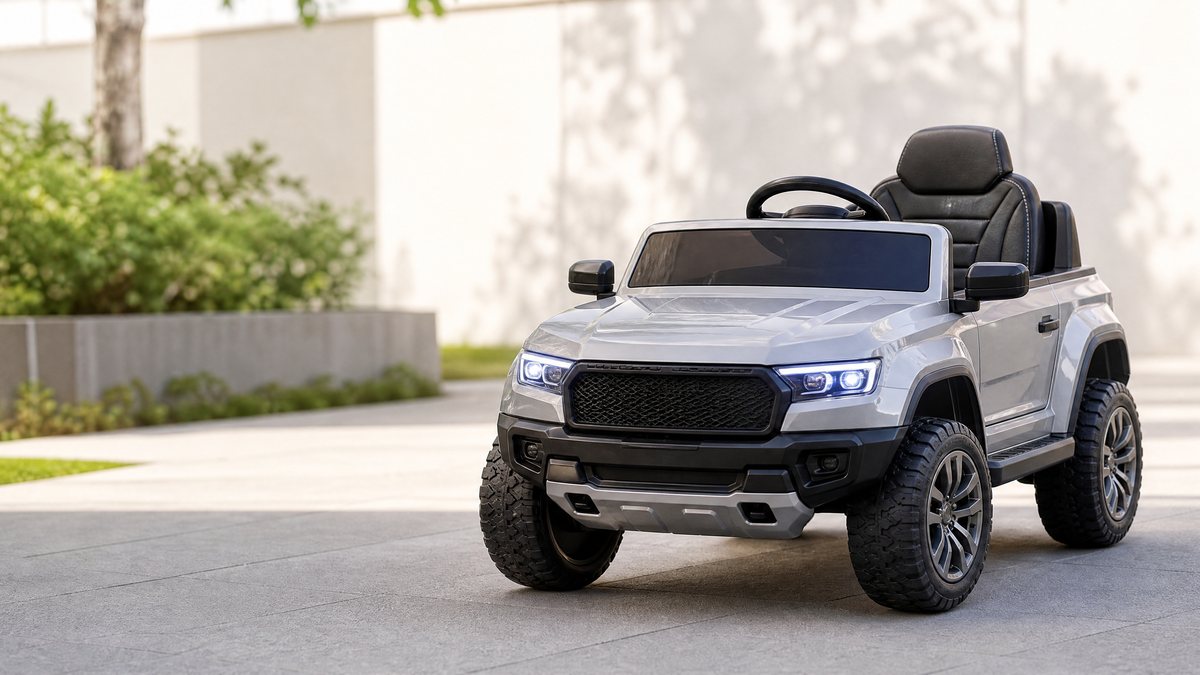
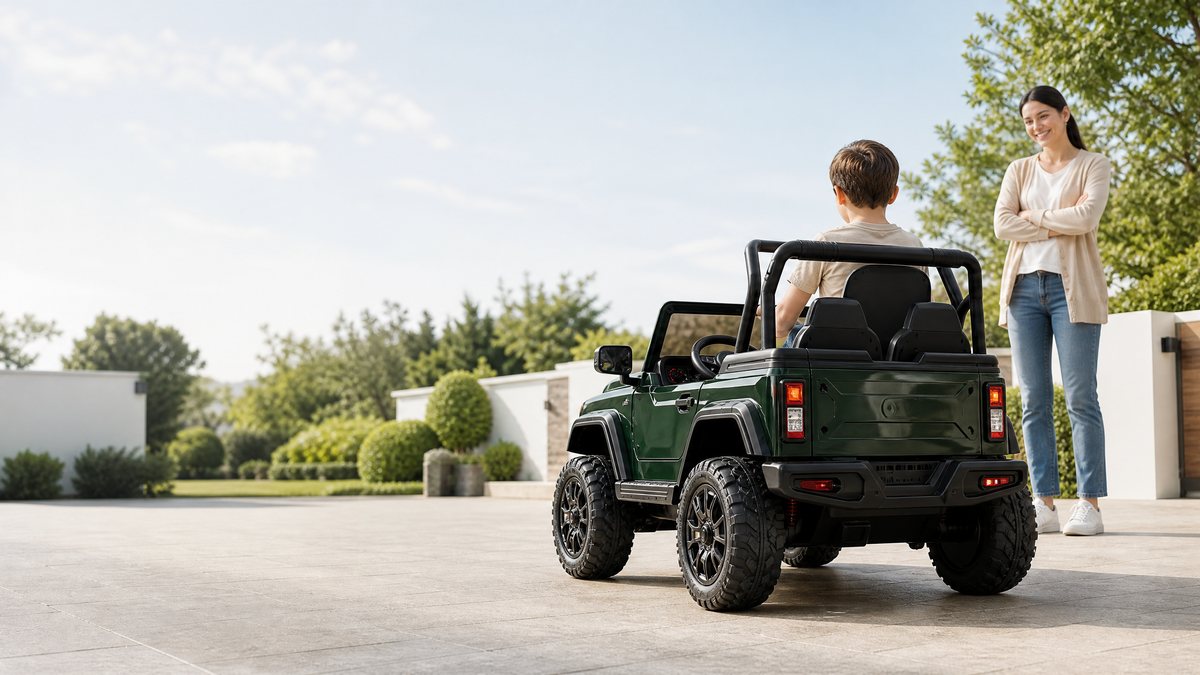
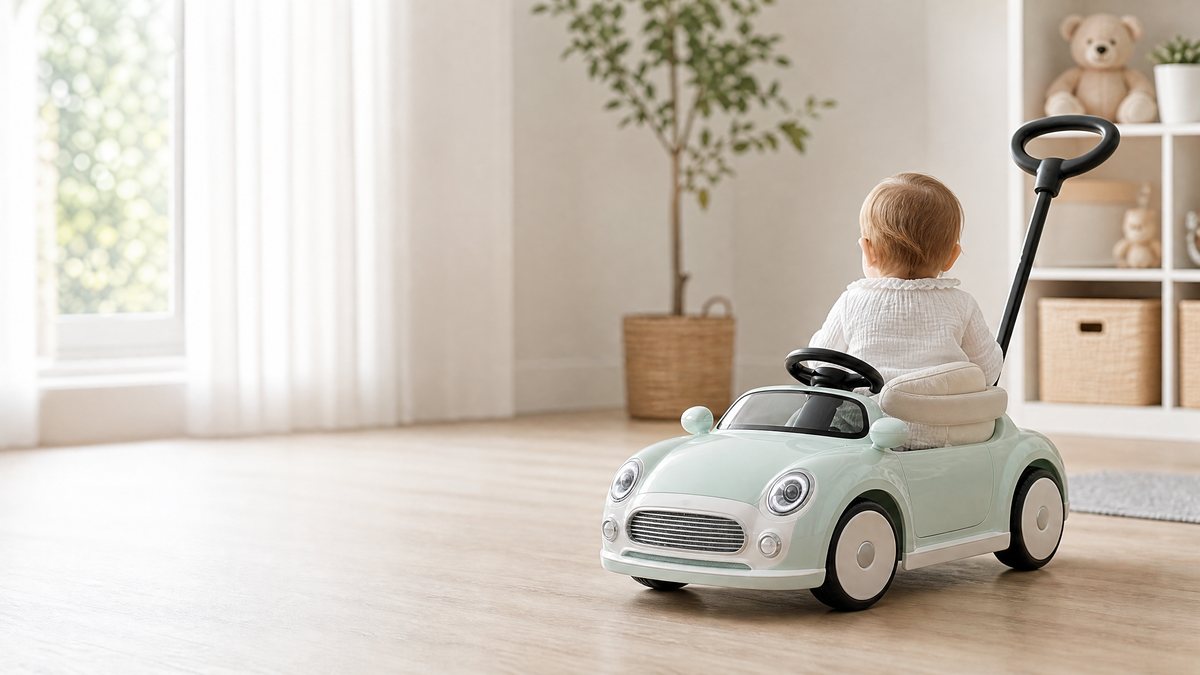
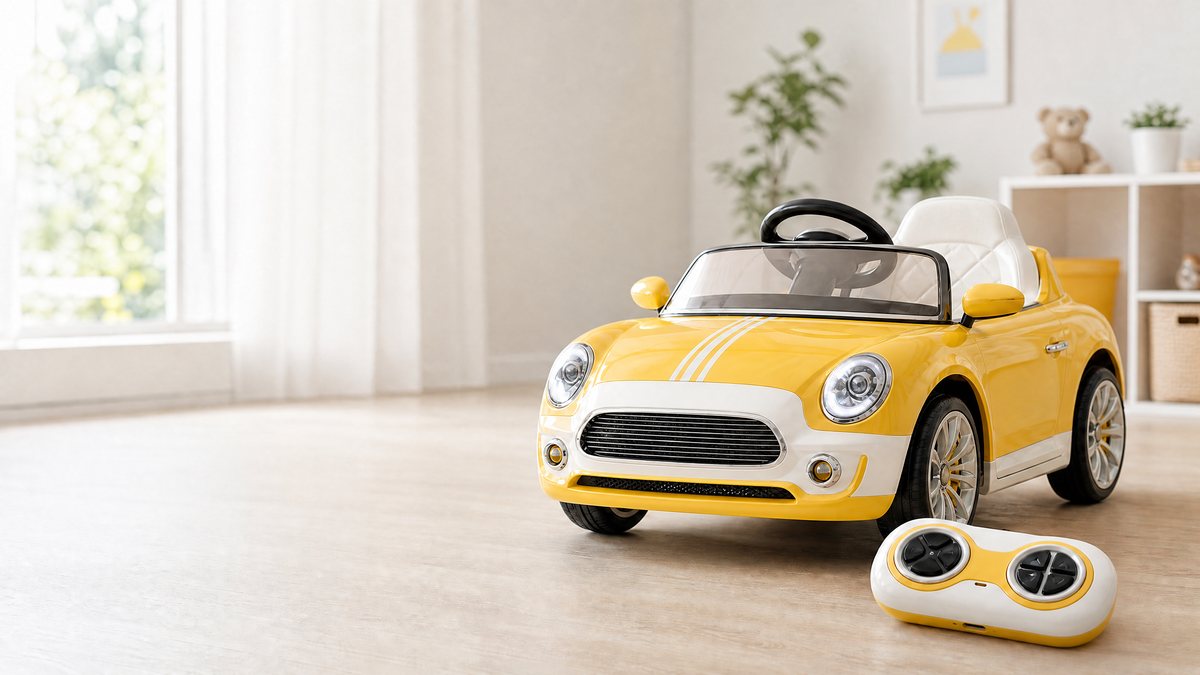
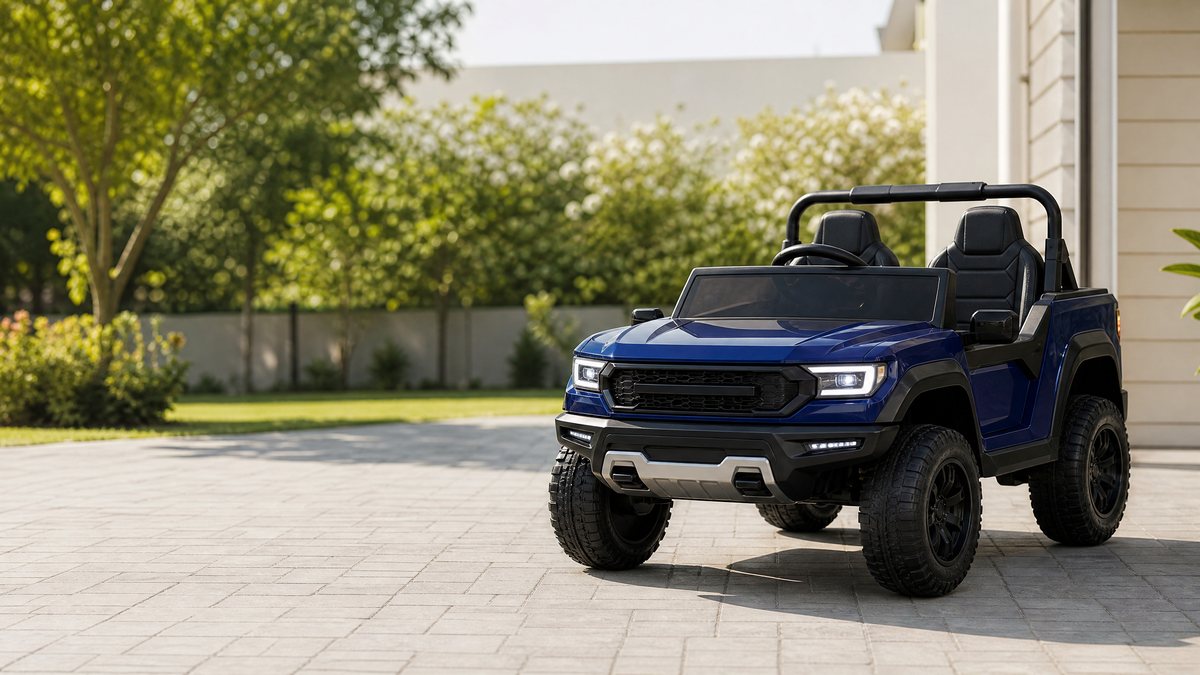
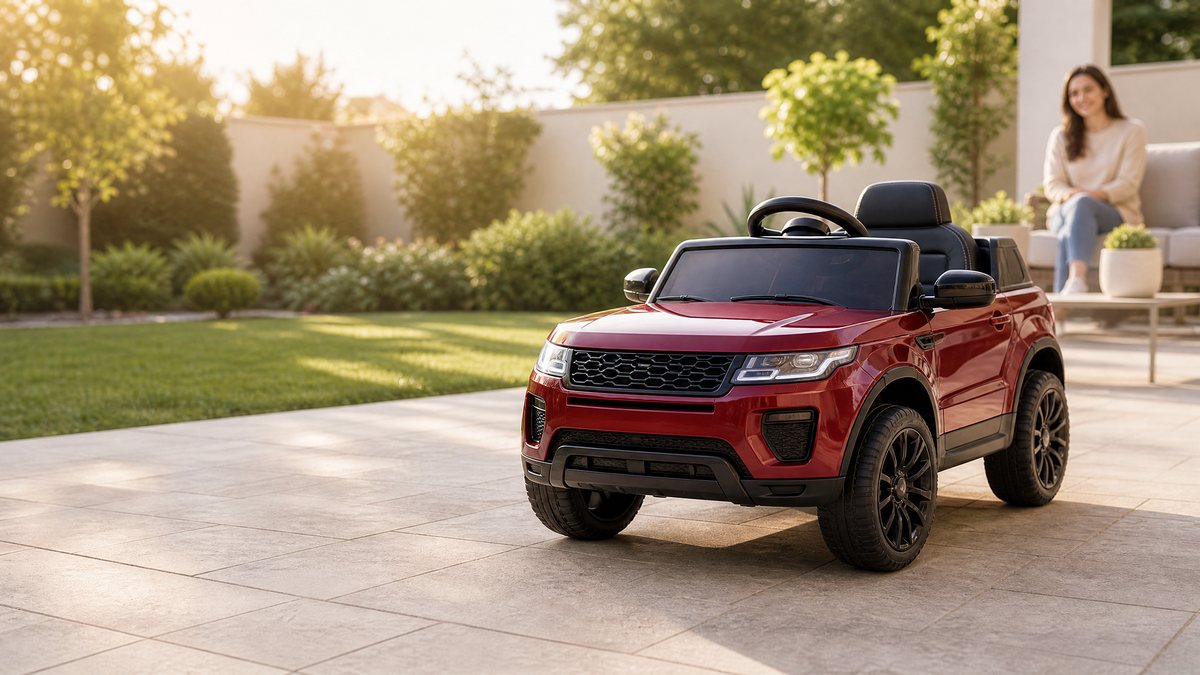
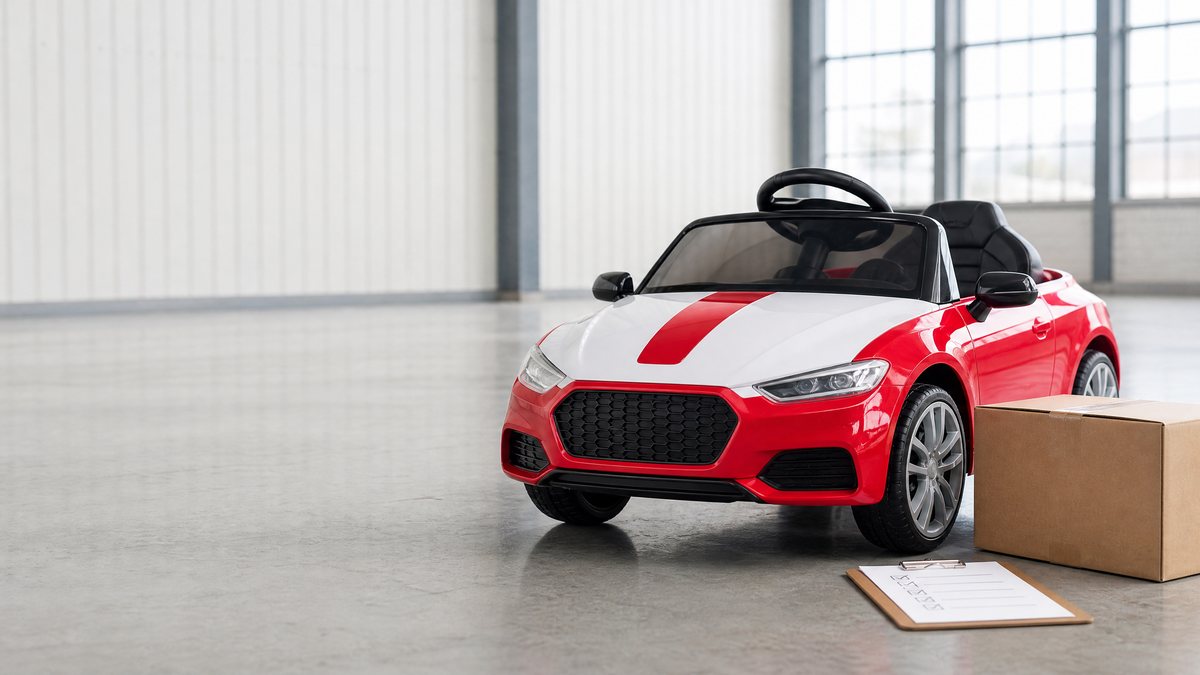
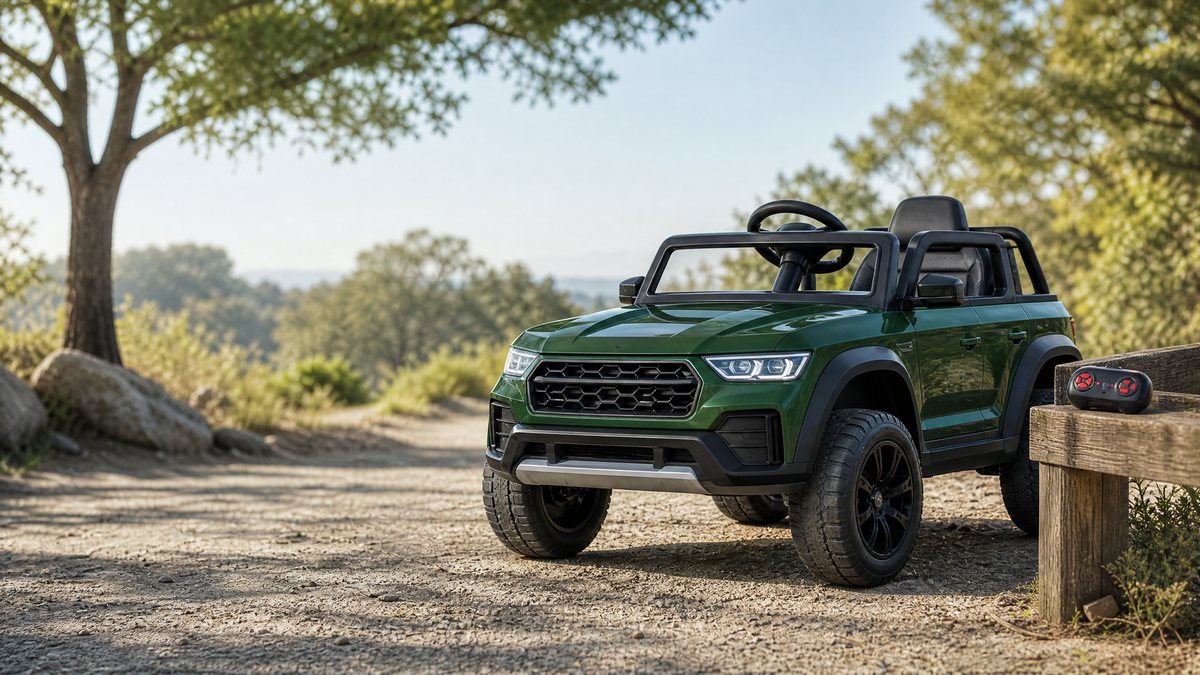
For wholesale buyers, distributors, and independent toy store operators, understanding how display models function within a retail floor plan is essential for maximizing return on floor space (ROFS). A well-positioned ride-on car does more than merely occupy square footage; it acts as an experiential touchpoint. Families walking past a storefront window or browsing central aisles are naturally drawn to realistic scaled-down replicas of luxury vehicles, rugged off-road utility vehicles, and vintage cruisers. By integrating these vehicles into themed displays—such as miniature pit stops, urban streetscapes, or off-road adventure zones—retailers can elevate the perceived value of their entire inventory. Furthermore, when display models are maintained meticulously, they communicate a standard of quality and durability that reassures discerning parents before they make a purchasing decision.
However, deploying ride-on cars as display models requires a careful balance between visual appeal, customer accessibility, and asset preservation. Unlike packaged board games or boxed action figures, display vehicles on a retail floor are subjected to frequent handling, inquisitive touches from young visitors, and environmental factors such as lighting heat and dust accumulation. Retailers must establish robust standard operating procedures (SOPs) regarding how these demonstration units are assembled, secured, positioned, and maintained. By approaching showroom presentation through a structured, safety-conscious, and customer-centric framework, toy store operators can leverage ride-on cars not just as static inventory, but as active catalysts for retail engagement and increased average order values.
Request a wholesale quote to explore our complete catalog of commercial-grade ride-on cars designed for retail displays and wholesale distribution.
Selecting and Preparing Ride-On Cars for Retail Floor Presentation
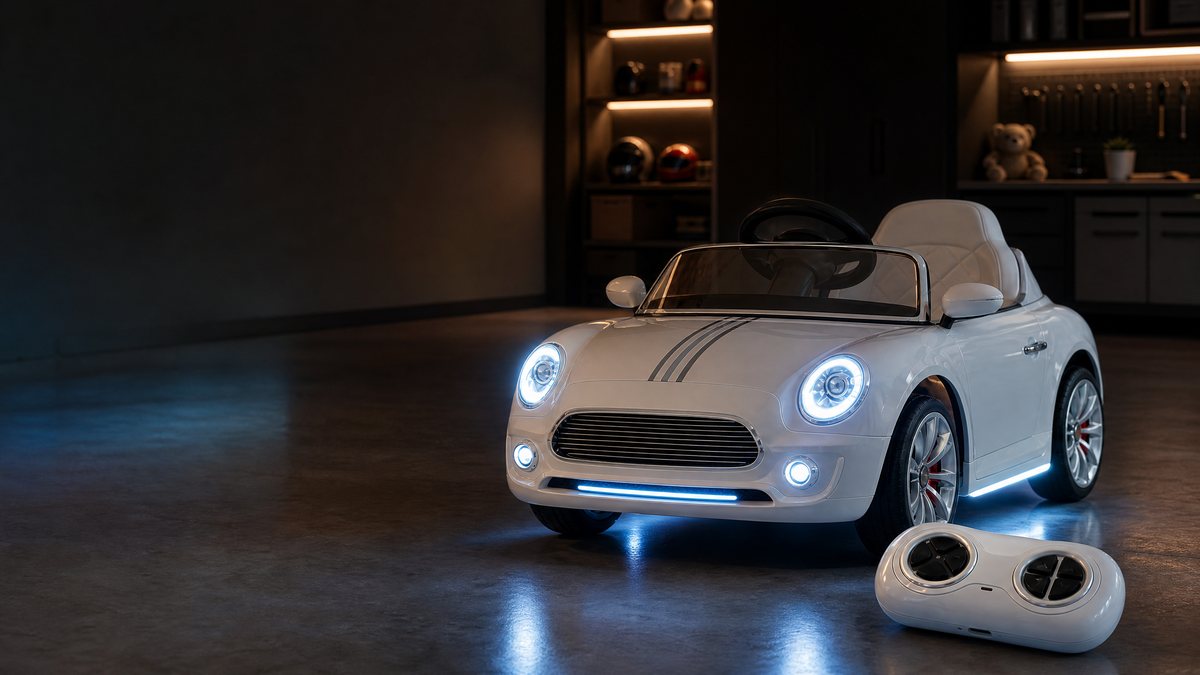
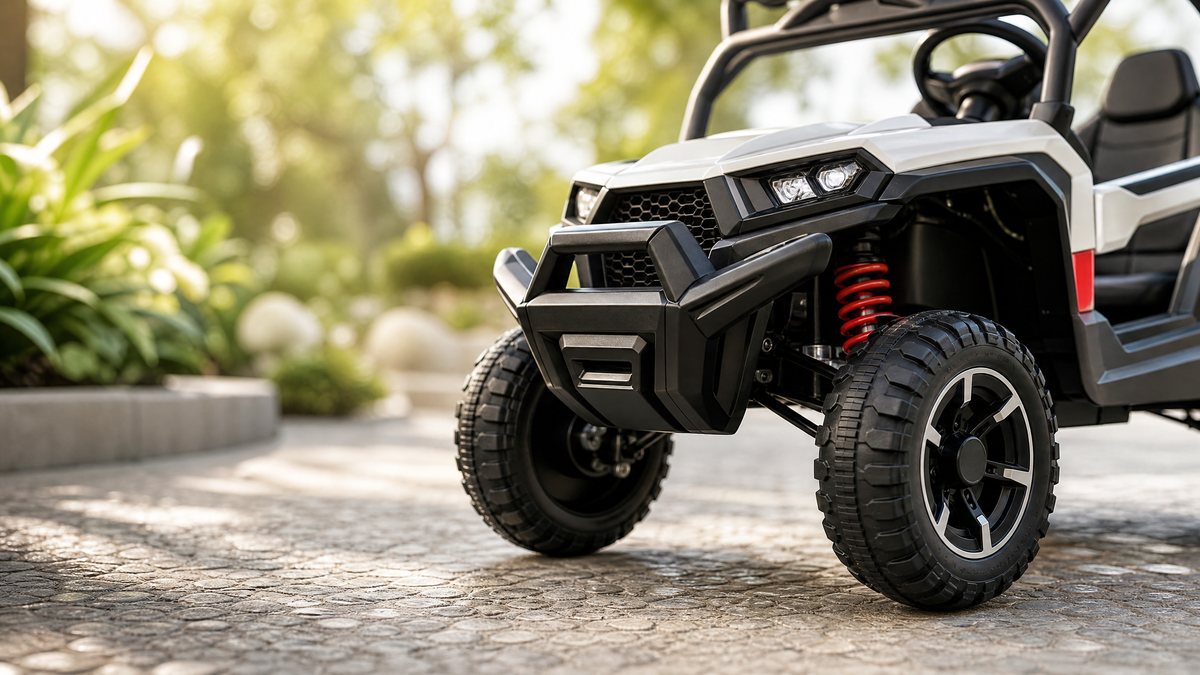
The selection of appropriate display models for a retail toy store depends heavily on store layout, demographic target markets, and available floor space. Not every vehicle in a wholesale catalog is suited to serve as a floor model. Retailers typically categorize their display fleet into two primary tiers: focal window display units and interactive floor demonstration units. Window display units are chosen for their striking visual design, intricate body moldings, vibrant color finishes, and striking illumination features such as working LED headlights and taillights. These units are often elevated on secure risers or positioned behind glass to maximize visibility from exterior street traffic, drawing prospective buyers inside.
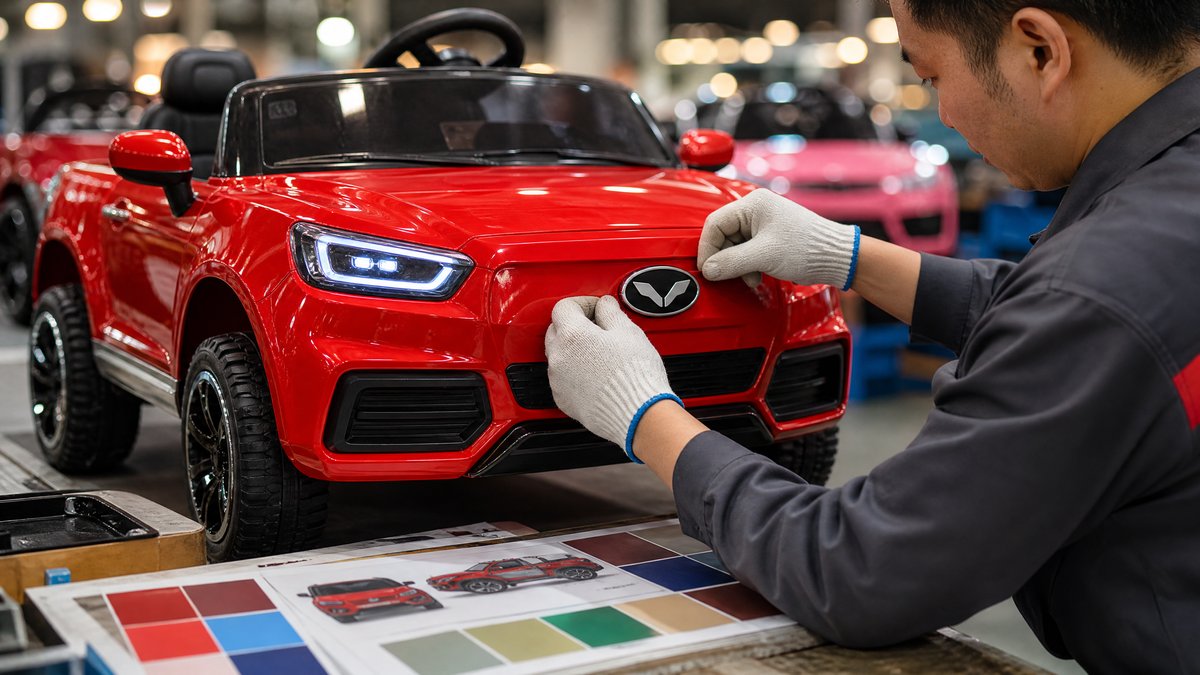
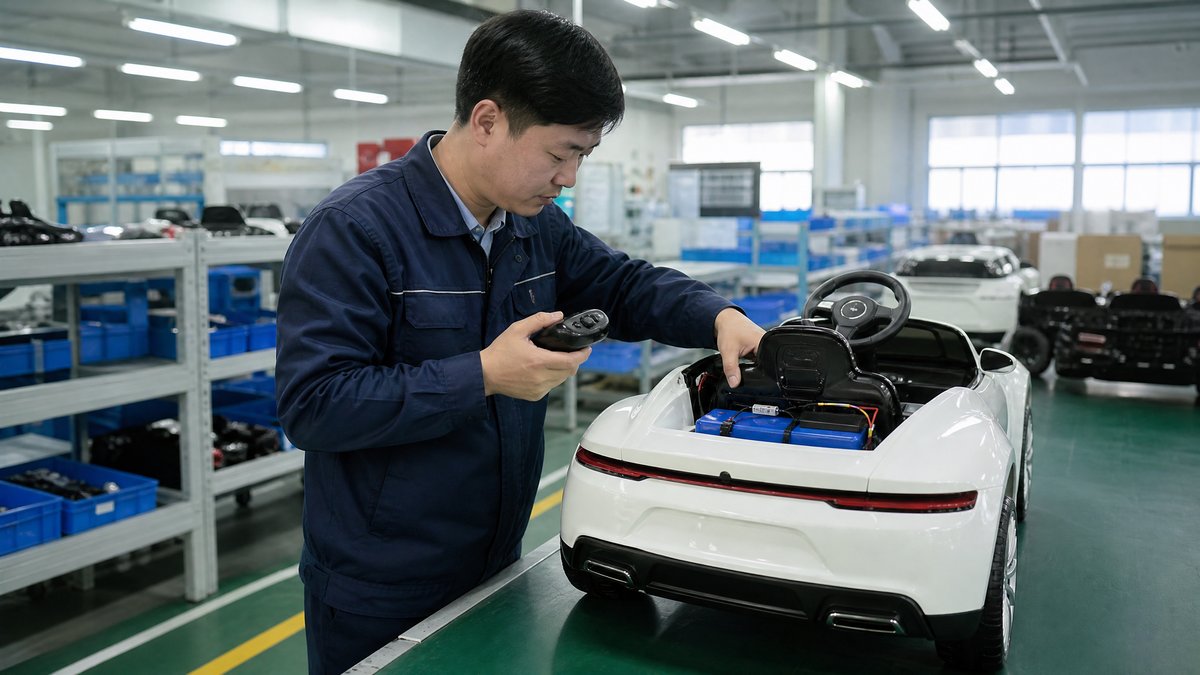
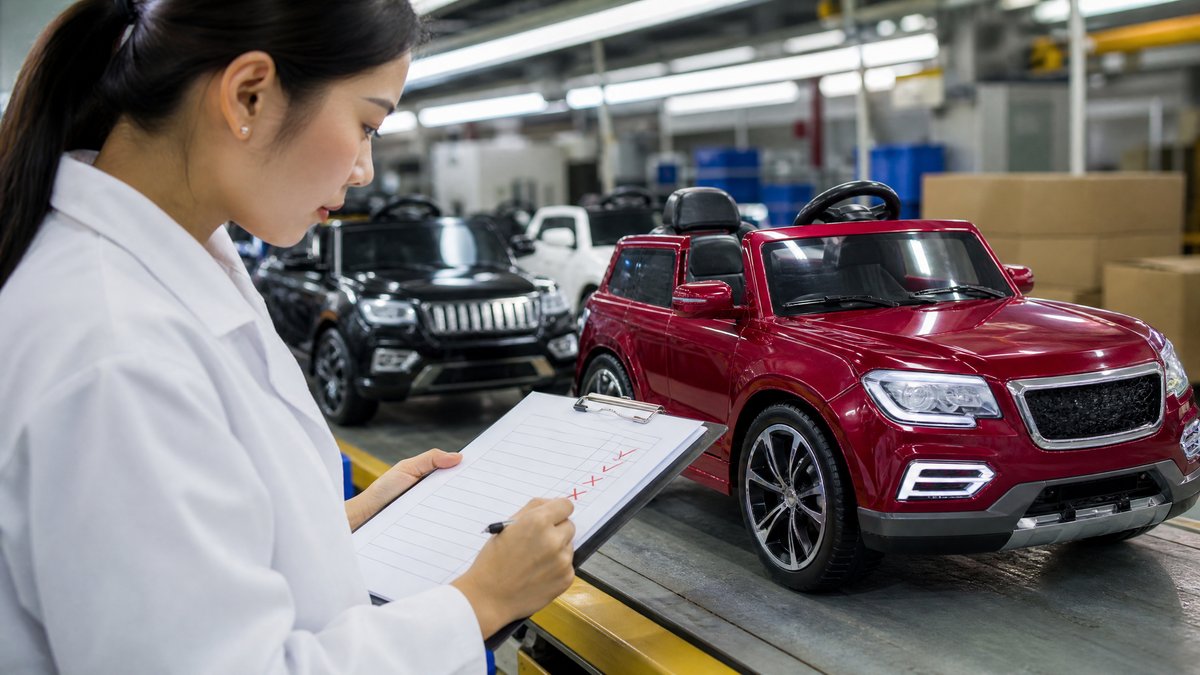
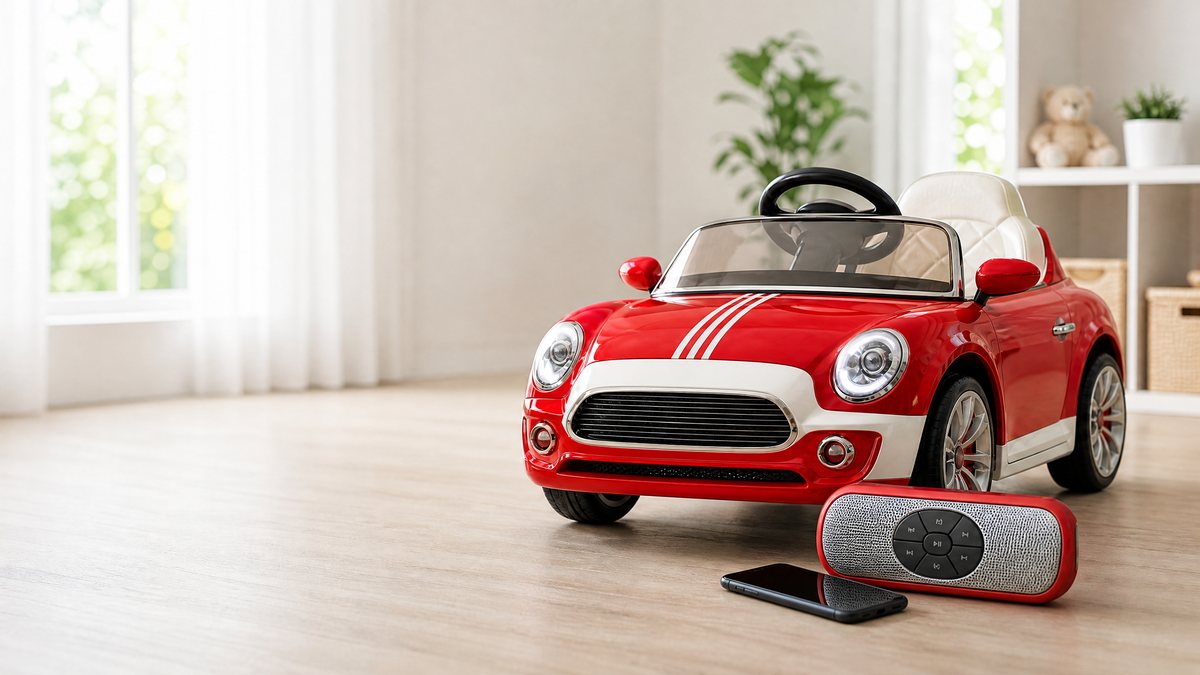
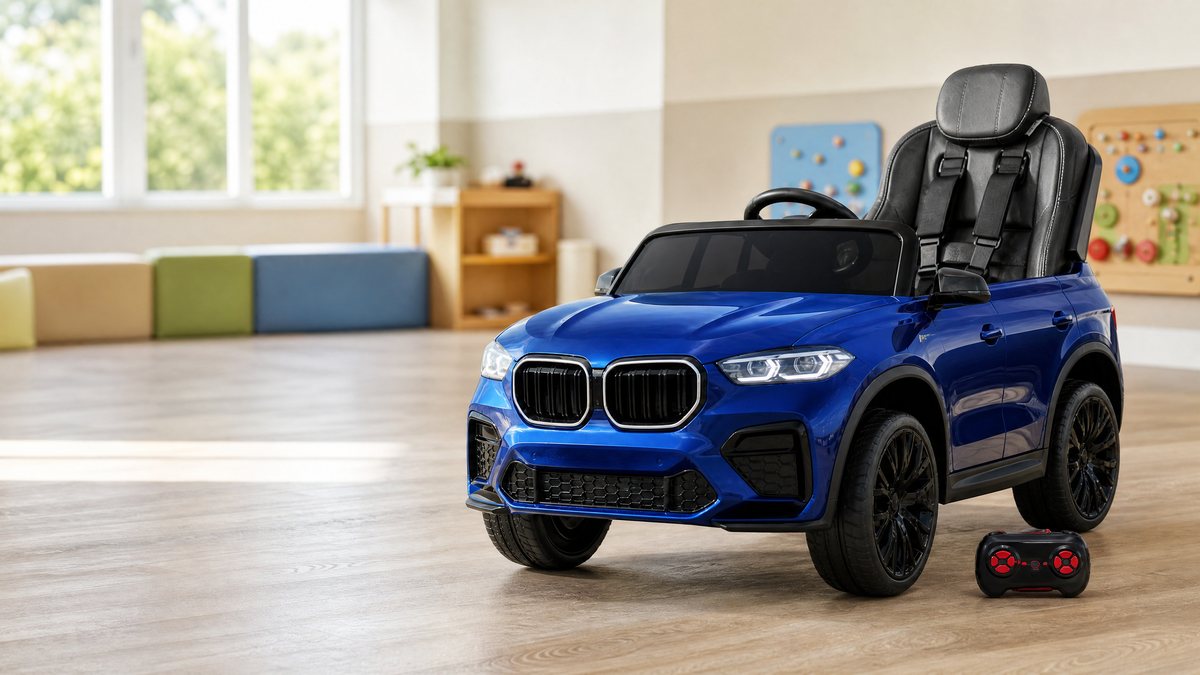
When preparing ride-on cars for the sales floor, careful assembly and inspection are paramount. Even though display models may not always be operated at full capacity by customers, they must be assembled strictly according to the manufacturer's written instructions and official user manuals. All exterior trim pieces, mirrors, steering wheels, and decorative decals should be firmly attached. Retailers must ensure that any functional features highlighted on display—such as opening doors, realistic dashboards, or multimedia sound panels—are clean and in proper cosmetic condition.
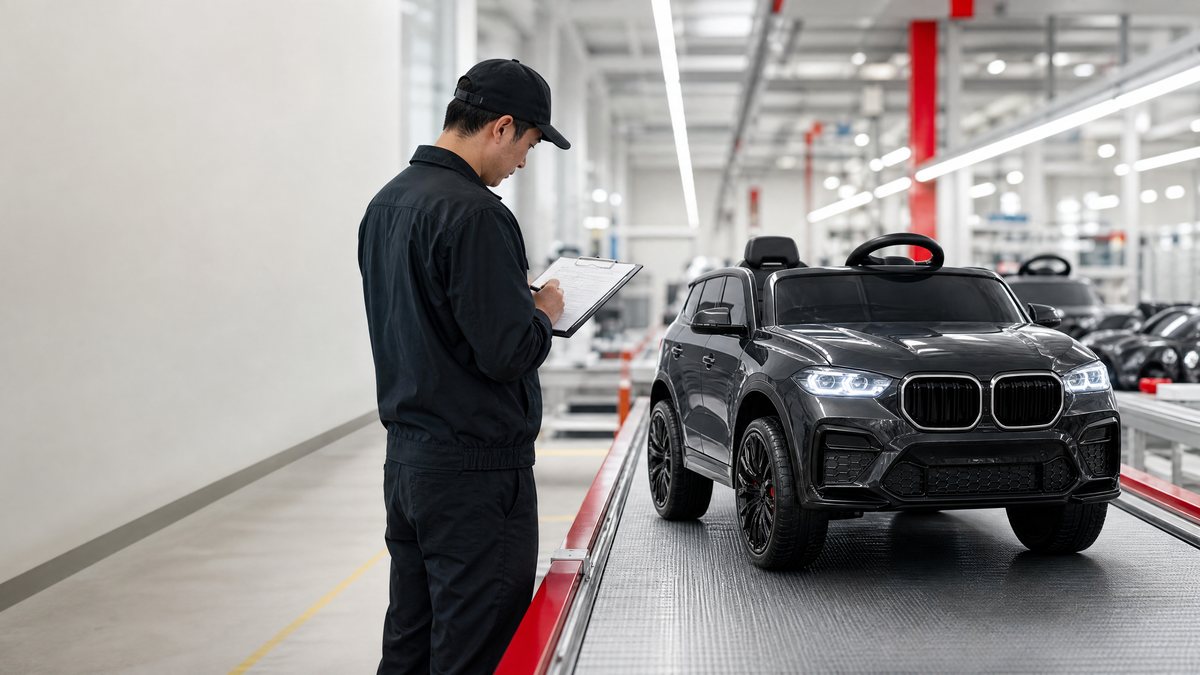
To maintain pristine presentation standards, store operators should establish a daily and weekly inspection routine for all display models. Dust accumulation on glossy painted plastic bodies and synthetic leather seats can diminish the perceived premium value of the product. Using non-abrasive microfiber cloths and manufacturer-recommended cleaning agents helps preserve surface finishes. Additionally, store staff should verify that all removable components, such as decorative keys, charging port caps, and windshields, are securely fastened to prevent accidental loss or safety hazards during peak shopping hours when children may interact with the vehicles.
Interactive Merchandising: Balancing Customer Engagement and Asset Protection
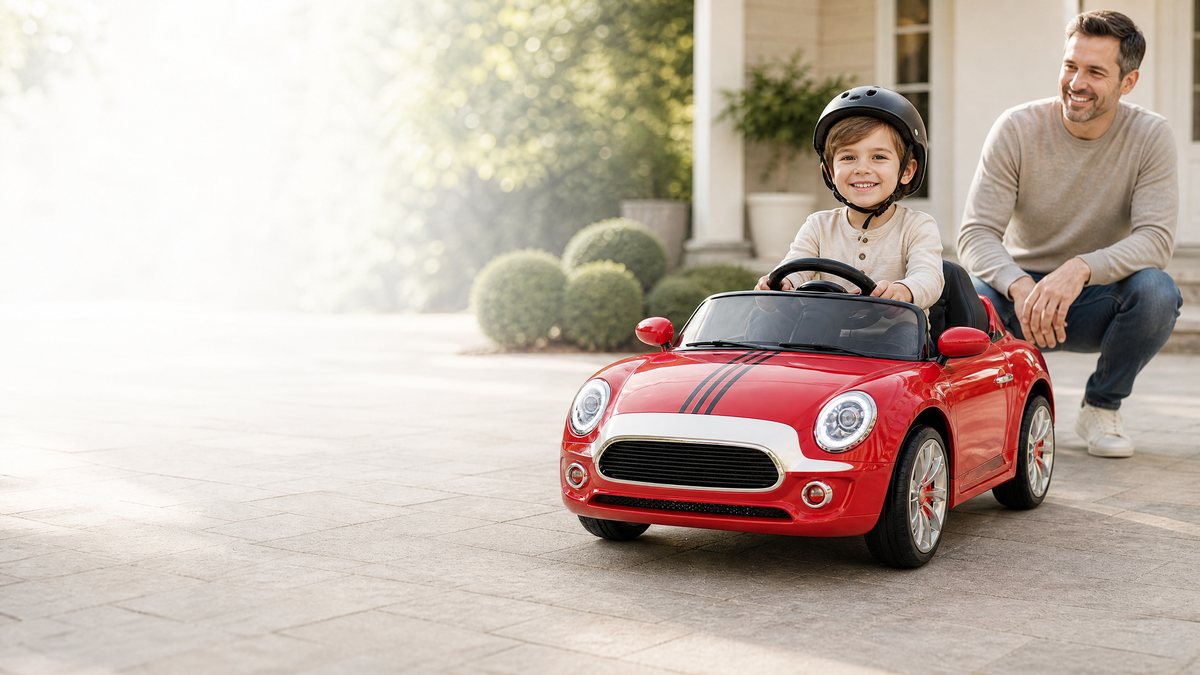
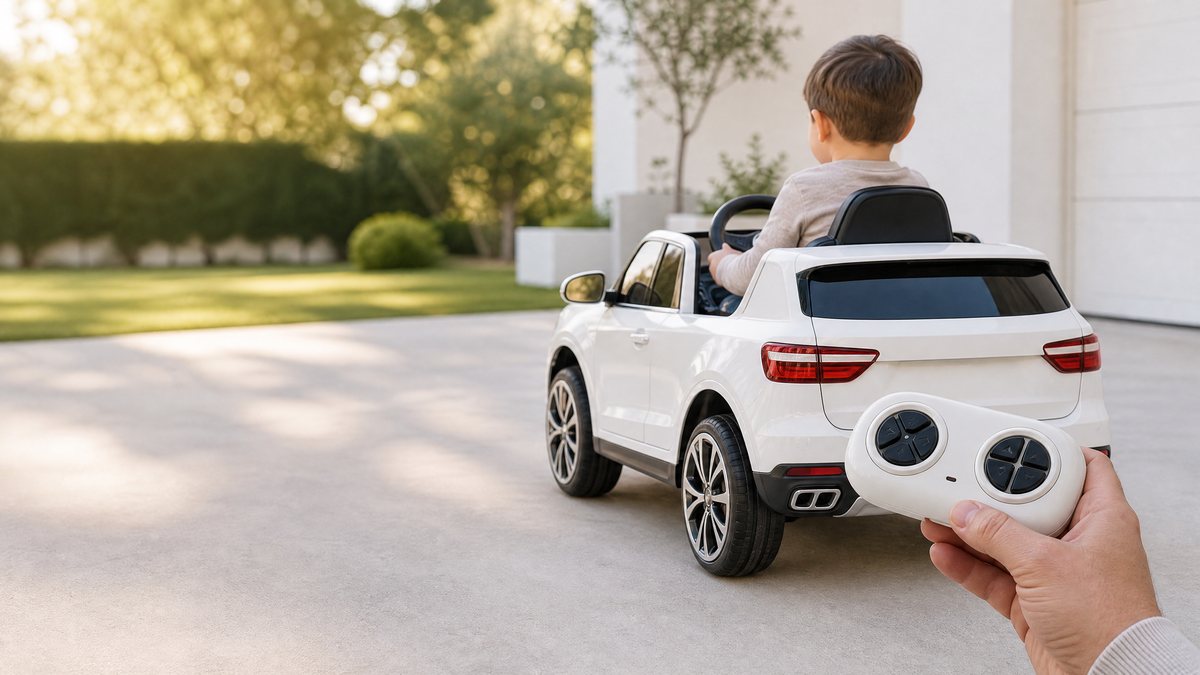
One of the most effective merchandising techniques in toy retail is allowing children to physically interact with products. Experiential retail increases dwell time, fosters emotional attachment, and significantly boosts conversion rates. When children are permitted to sit inside a display ride-on car, grip the steering wheel, press horn buttons, or experience soft-start acceleration pedals under parental supervision, the likelihood of a purchase increases substantially. However, open-floor interactivity introduces unique operational challenges that store managers must proactively manage to protect inventory value and maintain a safe shopping environment.
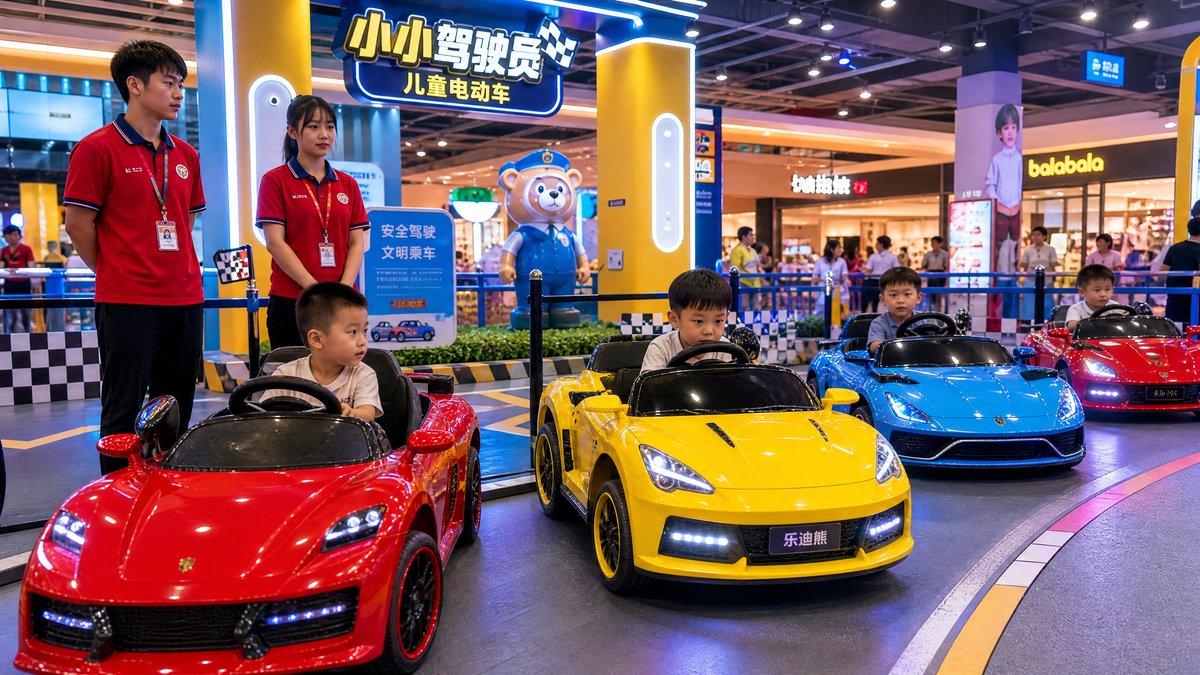
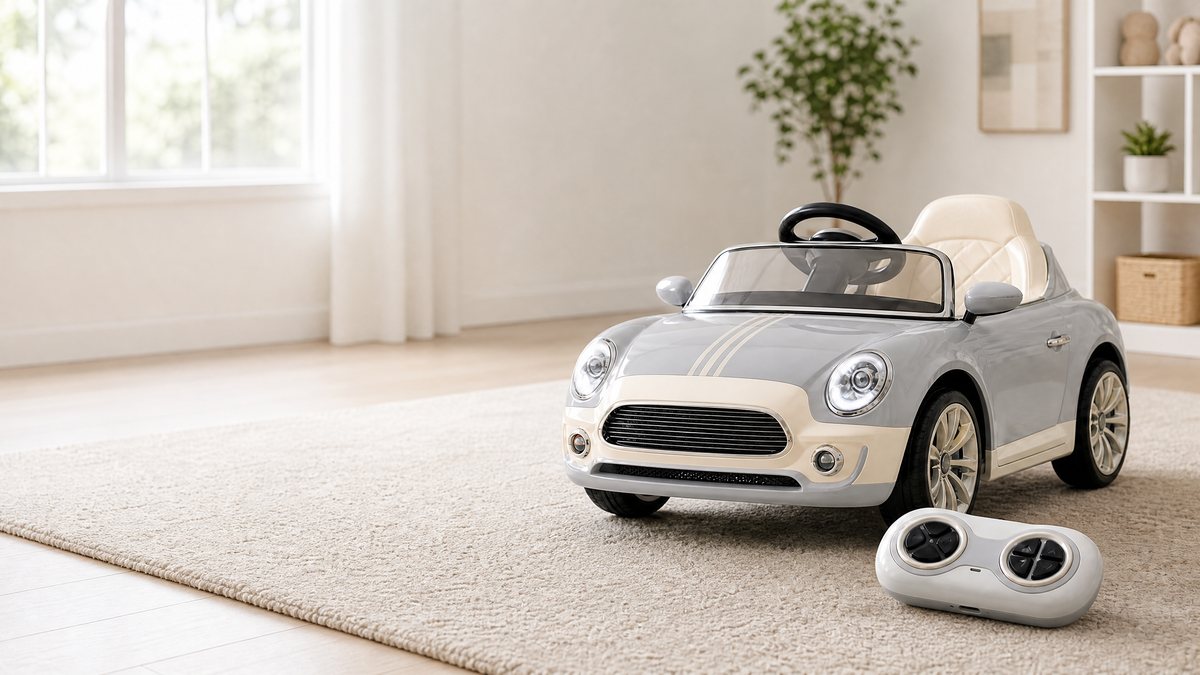
Retailers generally adopt one of several operational models for interactive floor displays. Some stores maintain a dedicated "test-drive zone" where a designated model is powered on under staff supervision, allowing children to experience low-speed forward and reverse movement within a safely enclosed perimeter. Other retailers utilize static display models where electronic features remain active via showroom power adapters or demo batteries, but driving motors are disconnected or locked to prevent runaway incidents in crowded aisles. Whichever method a store chooses, clear signage and polite staff guidance ensure that young shoppers enjoy the experience without compromising safety or surrounding merchandise.
To assist retail buyers and store planners in evaluating different display merchandising strategies, the comparative matrix below outlines the operational characteristics, benefits, and management considerations for various showroom display approaches:
| Display Strategy | Operational Setup | Primary Retail Benefit | Management & Maintenance Consideration |
|---|---|---|---|
| Window Focal Display | Elevated risers, exterior-facing placement, pristine unblemished bodywork | Captures exterior street traffic, sets high-end brand perception | Requires regular dust removal, sun-fading protection, and secure anchoring |
| Interactive Floor Model | Floor-level placement with active steering and dashboard features | Maximizes child engagement, increases store dwell time, drives impulse sales | Requires frequent sanitization, daily component checks, and parental supervision signage |
| Secured Demo Zone | Enclosed perimeter or carpeted island with supervised test-drive sessions | Controlled environment for demonstrating smooth acceleration and handling | Requires dedicated floor space, staff oversight, and clear boundary guidelines |
| Catalog & Swatch Display | Compact display featuring color swatches, steering wheels, and accessory panels | Ideal for compact retail footprints with extensive catalog offerings | Relies heavily on staff salesmanship and digital touchscreen integration |
Safety Protocols and Store Floor Risk Management
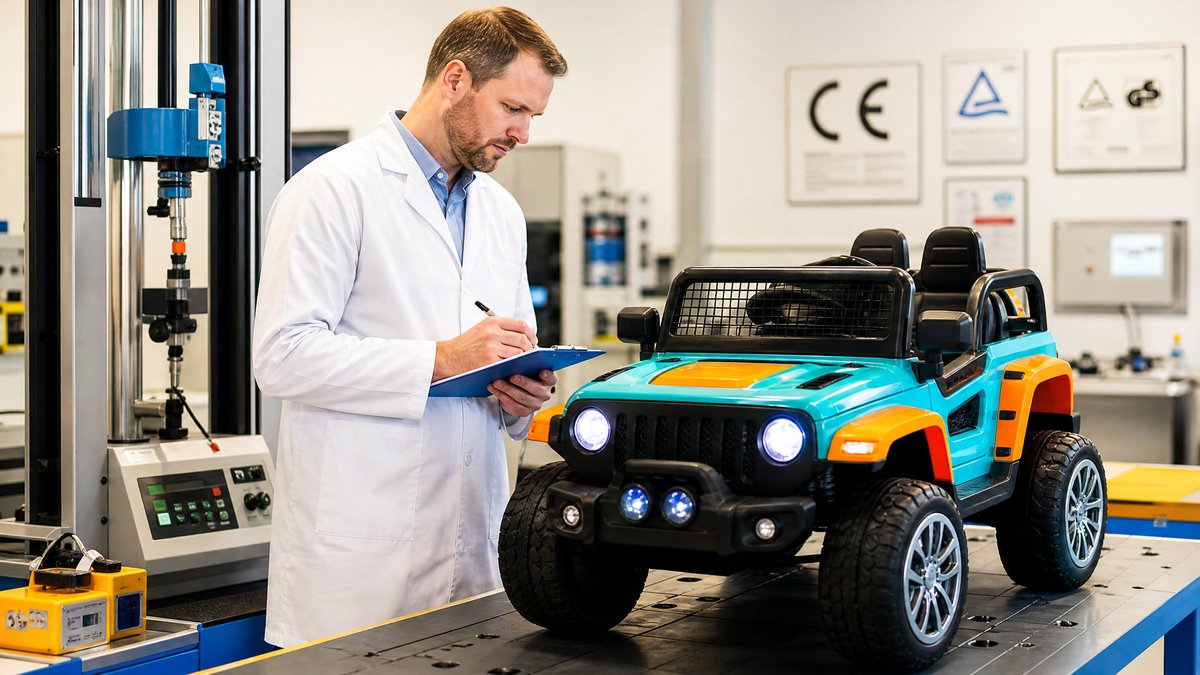
Safety on the retail showroom floor is an absolute priority for any toy store operator displaying large electric ride-on cars. Because these vehicles possess substantial physical presence and mechanical or electrical components, store management must implement rigorous risk management protocols. All display models must comply with general toy safety standards and relevant national toy safety regulations. Retailers should consult official guidance provided by authorities such as the U.S. Consumer Product Safety Commission (CPSC) regarding general toy safety education, while noting that official guidance cannot replace specific manufacturer instructions or model certifications.
When establishing safety protocols for floor displays, store managers must address several key operational vectors:
- Stability and Anchoring: Display units placed on elevated platforms or near storefront windows must be securely anchored or positioned on flat, non-slip surfaces to prevent tipping or rolling.
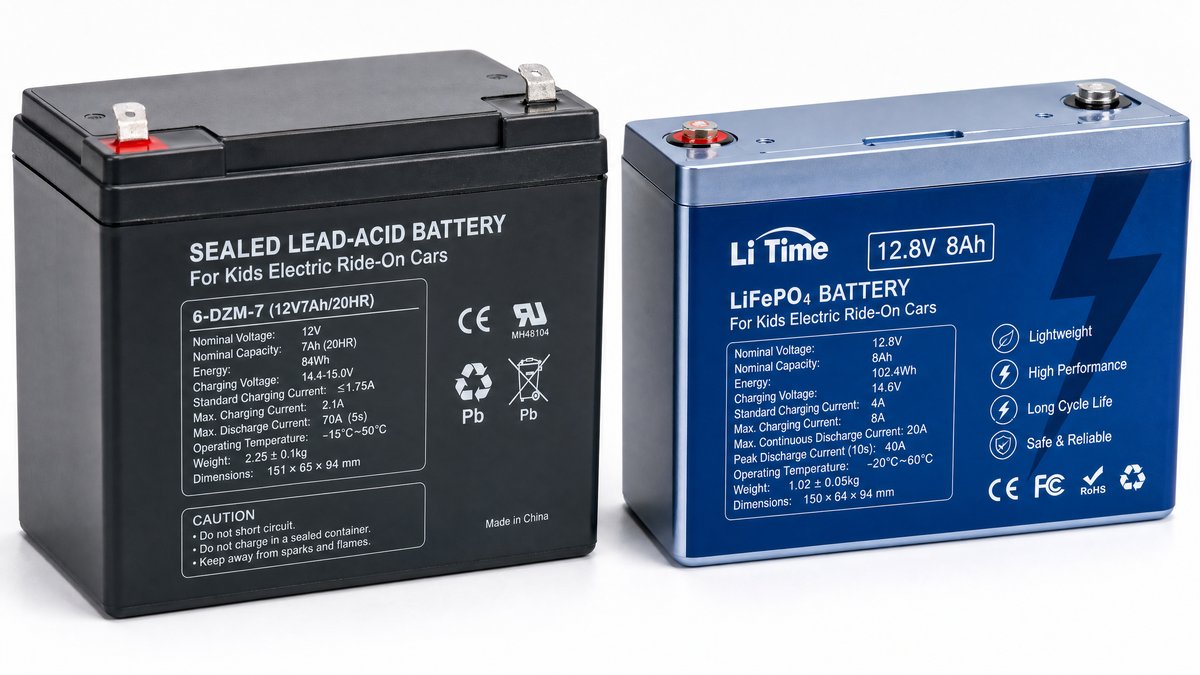
- Electrical Safety: If showroom units feature active electronic displays, sound modules, or internal lighting powered by rechargeable battery systems, charging cables and internal wiring must be completely enclosed and protected from tampering. Staff must never attempt to modify internal wiring, bypass circuit protection, or use unauthorized charging equipment.
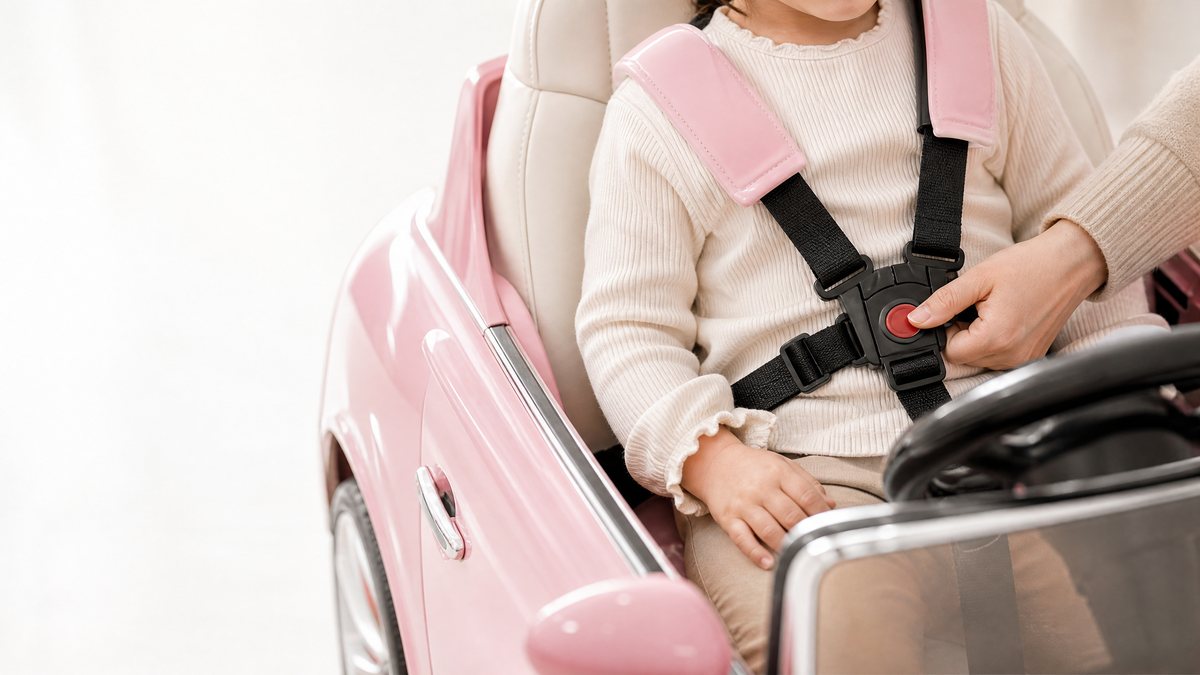
- Supervision and Age Suitability: Display signage must clearly indicate that ride-on cars are intended for specific age groups and weight capacities as specified in the manufacturer's documentation. Parents and guardians must be reminded that active demonstration requires continuous adult supervision.
- Incident Response Procedures: In the event of any unusual occurrence—such as an unusual odor, smoke, excessive heat, liquid leakage, exposed wiring, damaged charging plugs, or persistent mechanical binding—store staff must immediately shut off the vehicle, disconnect power sources, keep customers away, and contact the manufacturer or qualified maintenance personnel.
By maintaining strict adherence to these safety protocols, toy store operators protect their customers, safeguard their staff, and uphold professional retail standards.
Inventory Turnover, Stock Rotation, and Wholesale Sourcing Strategies
Integrating ride-on cars into a retail toy store business model extends far beyond initial floor placement; it requires an ongoing strategy of inventory turnover, stock rotation, and reliable wholesale sourcing. Showroom display models cannot remain static indefinitely. Over time, exposure to showroom lighting, frequent customer contact, and changing seasonal trends necessitate a structured rotation schedule. Retailers frequently cycle their display fleet ahead of major gift-giving seasons, transitioning from luxury sports car models in the spring and summer to rugged utility vehicles and winter-themed cruisers in the autumn and winter months.
Effective inventory management involves maintaining a seamless connection between the floor display model and boxed inventory in the stockroom. When a customer expresses interest in purchasing a specific ride-on car seen on the floor, retail best practices dictate that the customer receives a factory-sealed, boxed unit from inventory rather than purchasing the floor display itself, unless the display unit is explicitly sold as a discounted floor sample at the end of a seasonal cycle. This practice ensures that customers receive products in pristine, uncompromised condition backed by complete manufacturer documentation and accessories.
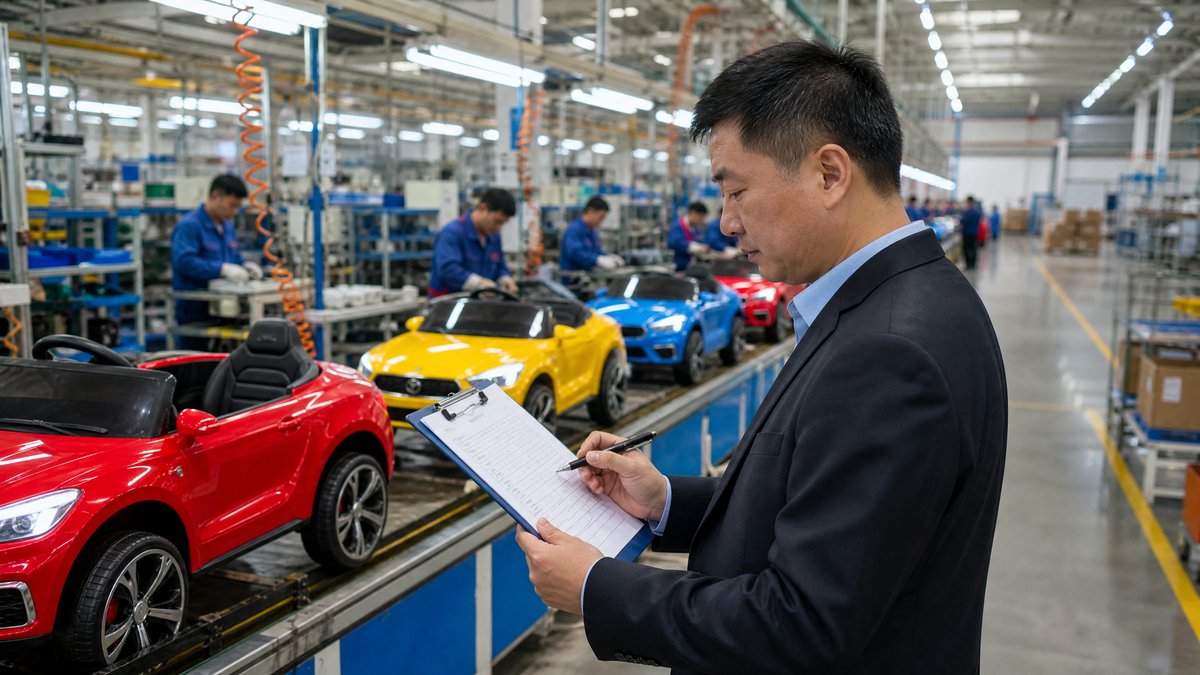
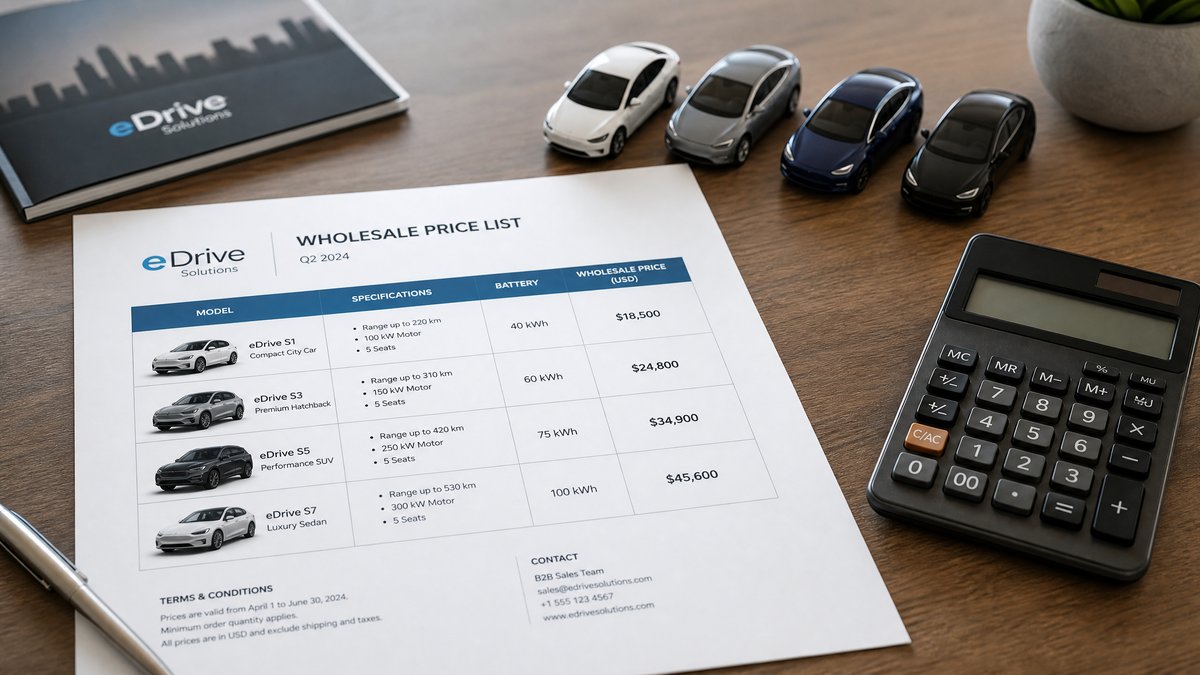
For wholesale buyers and store owners seeking to optimize their product offerings, partnering with reliable, experienced manufacturers is critical. Sourcing high-quality ride-on cars from trusted suppliers ensures consistent build quality, reliable component availability, and comprehensive documentation. Retailers should evaluate wholesale partners based on their commitment to transparent product specifications, compliance documentation, and responsive customer support. Establishing a diverse assortment of ride-on cars—spanning various styles, price points, and functional tiers—allows retailers to cater to diverse consumer preferences while maintaining healthy profit margins.
Request a wholesale quote today to discuss volume pricing, shipping options, and partnership opportunities tailored to your retail business needs.
Frequently Asked Questions
What are the main benefits of using ride-on cars as display models in a toy store?
Ride-on cars serve as powerful visual anchors that attract foot traffic, enhance store aesthetics, and create immersive retail environments. They increase customer engagement, encourage longer store dwell times, and allow families to physically interact with high-ticket items before making a purchasing decision, ultimately boosting conversion rates and average order values.
Should customers purchase the actual floor display model or a boxed unit from inventory?
Retail best practices generally recommend selling factory-sealed, boxed units from inventory to customers rather than the floor display model. Display units experience frequent handling and cosmetic wear in the showroom. Floor models are typically retained for ongoing merchandising until the end of a seasonal cycle, at which point they may be sold as discounted floor samples with clear disclosure to the buyer.
How should toy store operators maintain and clean showroom display vehicles?
Display vehicles require regular maintenance to preserve their visual appeal. Store staff should perform daily dusting using non-abrasive microfiber cloths and manufacturer-approved cleaning solutions for plastic and synthetic leather surfaces. Staff must also verify that all decorative and functional components—such as steering wheels, mirrors, and trim pieces—remain securely attached and undamaged.
What safety precautions are necessary when displaying ride-on cars in a retail environment?
Retailers must ensure that display units are placed on flat, stable surfaces or securely anchored if positioned on platforms. Electrical components, if active, must be safely enclosed without exposed wiring. Clear signage should indicate age suitability and weight limits, and continuous adult supervision must be encouraged when young visitors interact with the vehicles on the sales floor.
Conclusion
Utilizing children's electric ride-on cars as showroom display models is a proven retail merchandising strategy that enhances store appeal, drives customer engagement, and elevates the overall shopping experience in independent toy stores and major retail outlets alike. By balancing visual presentation with practical asset protection, strict safety protocols, and disciplined inventory rotation, store operators can maximize the commercial value of these premium products. Successful retail execution relies on meticulous assembly following official manufacturer guidelines, proactive maintenance, and strategic wholesale partnerships that ensure a reliable supply of high-quality vehicles. As the toy retail sector continues to evolve, experiential merchandising remains a cornerstone of brick-and-mortar success, turning captivating showroom displays into lasting customer relationships.
Official References
- U.S. Consumer Product Safety Commission (CPSC). General Toy Safety Education and Consumer Guidance. Available via official CPSC public safety resources. Note: Official regulatory guidance and educational summaries serve as general reference material and do not replace specific manufacturer user manuals, safety warnings, or product certifications.
- National Retail Federation (NRF). Retail Merchandising and Showroom Floor Management Best Practices. Industry reference guidelines for visual merchandising and customer safety in specialty retail environments.
- International Consumer Product Safety Standards and Toy Safety Guidelines (ISO / EN71 reference standards for toy construction, mechanical stability, and electrical safety in commercial display environments).
Official references
Explore these external resources for current regulatory and trade guidance. Confirm requirements with the relevant authority before placing an order.
Ready to Start?
Factory-Direct · CE & ASTM Certified · MOQ from 50 Units
Our export team works with buyers in 60+ countries. Get a quote within 24 hours.
KR
Written by KidsRideCar
China's leading kids electric ride-on car manufacturer. 500,000+ units shipped annually to 60+ countries. CE, ASTM & EN71 certified.