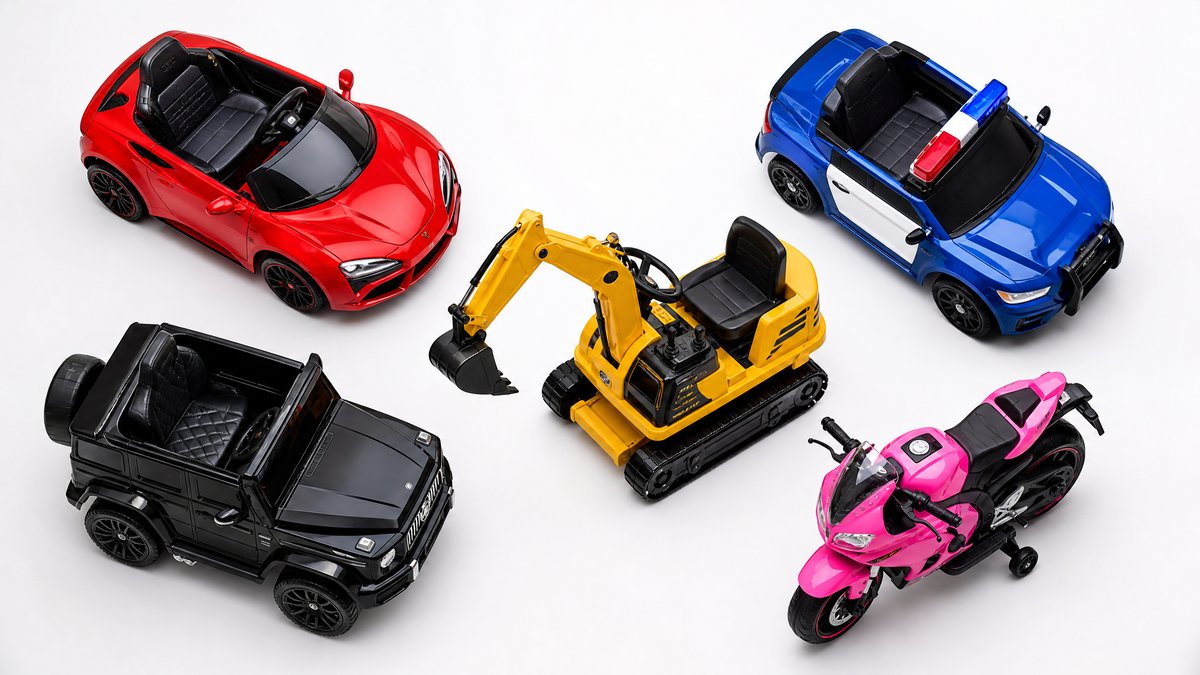
Choosing the right retail platform when purchasing a children's ride-on car is a critical decision for individual parents, gift buyers, and commercial wholesale clients alike. With major retail ecosystems such as Amazon, Walmart, and Target each offering distinct fulfillment networks, marketplace structures, and customer service frameworks, buyers must navigate a complex landscape of third-party vendors, fluctuating inventory levels, and varying warranty terms. Rather than relying on sweeping generalizations about which retailer is universally "best" or "cheapest," a systematic evaluation framework is required. This comprehensive guide provides an objective, transparent comparison of Amazon, Walmart, and Target to help buyers analyze fulfillment options, verify product documentation, evaluate third-party marketplace risks, and ensure a secure purchasing experience across retail and commercial channels.
Retail Ecosystem Overview: Amazon, Walmart, and Target
Each of the three retail giants operates under distinct business models, combining first-party retail inventory with extensive third-party marketplace seller networks. Understanding how these ecosystems function is the fundamental first step in making an informed purchasing decision when acquiring motorized children's vehicles.
Amazon listings can be offered by the retailer, a brand, or a third-party seller. Before purchasing, buyers should identify the seller and fulfiller shown on the current item page, compare the available documentation, and confirm how support and returns will be handled for that exact listing.
Walmart listings may have different seller, delivery, pickup, and support arrangements depending on the item and location. Buyers should use the current listing and order terms to confirm the seller, delivery method, return route, and any business-purchasing option rather than assuming a uniform policy.
Target listings should be evaluated on the same listing-specific basis: confirm the seller, item documentation, delivery method, return terms, and whether any in-person viewing option is currently available. Availability and policies may differ by product and location.
Comparative Framework: Fulfillment, Returns, and Verification
To evaluate where to buy a ride-on car, buyers must examine how each platform handles fulfillment speed, return windows, third-party liability, and technical documentation transparency. The following comparison table outlines core operational differences across these three major retailers.
| Evaluation Criterion | Amazon | Walmart | Target |
|---|---|---|---|
| Primary fulfillment check | Confirm the seller and fulfiller shown on the current listing. | Confirm the seller and fulfiller shown on the current listing. | Confirm the seller and fulfiller shown on the current listing. |
| Third-Party Marketplace Presence | Extremely high volume of independent sellers; variable documentation quality. | Substantial marketplace presence; requires careful verification of seller identity. | Moderate marketplace presence; stricter curation of brand partners. |
| Return & Exchange Protocols | Review the current listing and seller terms; return eligibility varies by item, seller, condition, and location. | Check the current order page and seller terms for return and collection options. | Confirm the current return and service options shown for the exact item before purchase. |
| Product Specification Transparency | Relies on seller-uploaded descriptions; requires direct manual verification. | Mixed manufacturer and seller content; highly dependent on specific listing accuracy. | Clean, standardized product descriptions emphasizing safety and compliance badges. |
| Wholesale & Bulk Sourcing Suitability | Limited scalability for bulk orders; primarily targeted at single-unit retail consumers. | Check the retailer's current business purchasing information if bulk procurement is relevant. | Primarily focused on retail consumers; limited commercial bulk procurement tools. |
Sourcing Trade-offs: Direct Manufacturer vs. Retail Marketplace Platforms
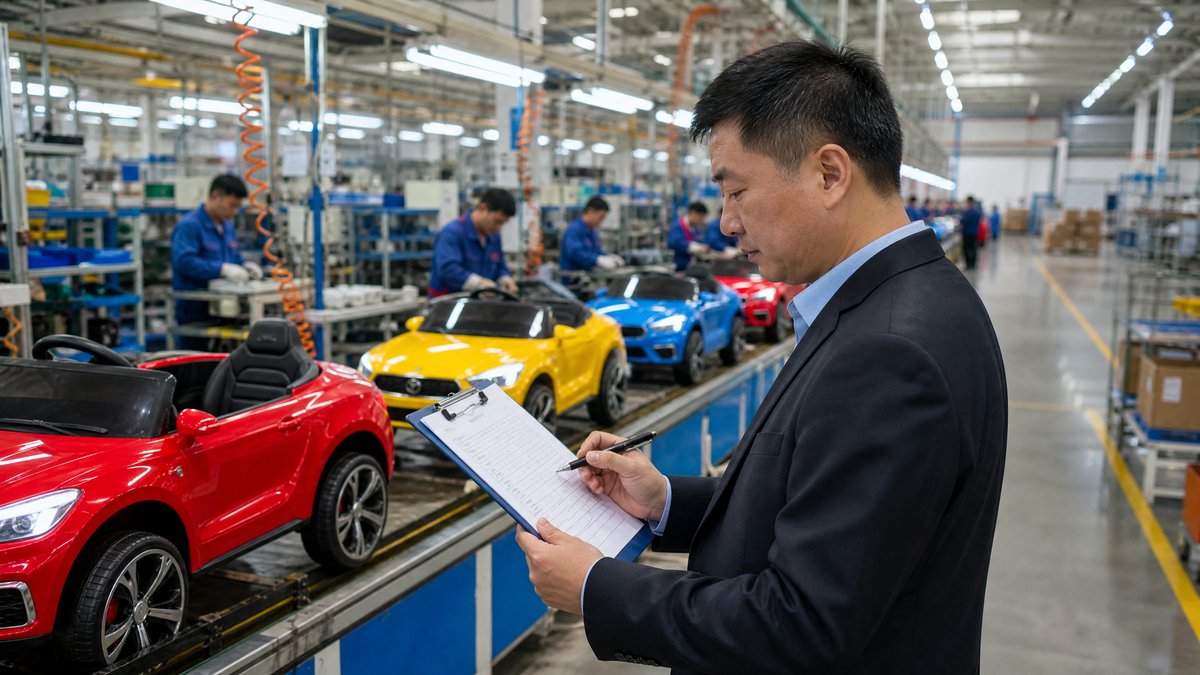
When deciding between purchasing through major retail marketplaces like Amazon, Walmart, and Target versus engaging in direct manufacturer sourcing, commercial and retail buyers must weigh distinct operational trade-offs. Retail platforms may offer a convenient single-unit buying path, but delivery, support, and return terms should be confirmed for the exact listing. However, they introduce intermediary markups, limited customization options, and potential supply chain opacity regarding the exact manufacturing origin of replacement components.
In contrast, direct manufacturer sourcing and authorized wholesale partnerships eliminate unnecessary retail markdowns, provide direct access to certified technical documentation, and ensure dedicated warranty support. For retail buyers purchasing a single gift, major platforms provide adequate convenience. For commercial enterprises, event organizers, and bulk retail stockists, direct manufacturing relationships provide superior economic efficiency, predictable inventory replenishment schedules, and reliable long-term spare parts availability.
Navigating Third-Party Sellers and Marketplace Listings
A common challenge across Amazon, Walmart, and Target is the prevalence of third-party marketplace sellers. When purchasing a complex motorized toy such as a 12V or 24V ride-on car, the identity of the actual seller matters just as much as the platform hosting the listing.
Buyers must carefully inspect the "Ships from" and "Sold by" metadata on every product page. Items sold directly by the platform or by authorized manufacturer flagships typically offer more reliable warranty backing and accessible customer service channels. In contrast, purchases from unverified third-party overseas merchants can sometimes complicate return logistics, particularly for bulky items weighing 40 to 60 pounds. When evaluating marketplace listings, buyers should look for clear communication channels, detailed seller feedback history, and transparent warranty policies rather than focusing exclusively on lowest-price incentives.
Furthermore, product titles and feature lists on marketplace platforms can occasionally aggregate specifications from multiple similar vehicle models. Buyers are advised to cross-reference listed specifications—such as battery voltage, seating capacity, motor wattage, and remote control frequency—against the manufacturer's official documentation or product manual rather than relying solely on marketing copy.
Request a wholesale quote
Evaluating Product Documentation, Safety Standards, and Manufacturer Verification
Safety compliance and regulatory documentation are paramount when selecting a retail channel for children's ride-on vehicles. Regardless of whether a vehicle is acquired through Amazon, Walmart, or Target, buyers should verify that the product adheres to recognized toy safety standards, such as ASTM F963 and CPSIA compliance frameworks in the United States, or equivalent regional standards.
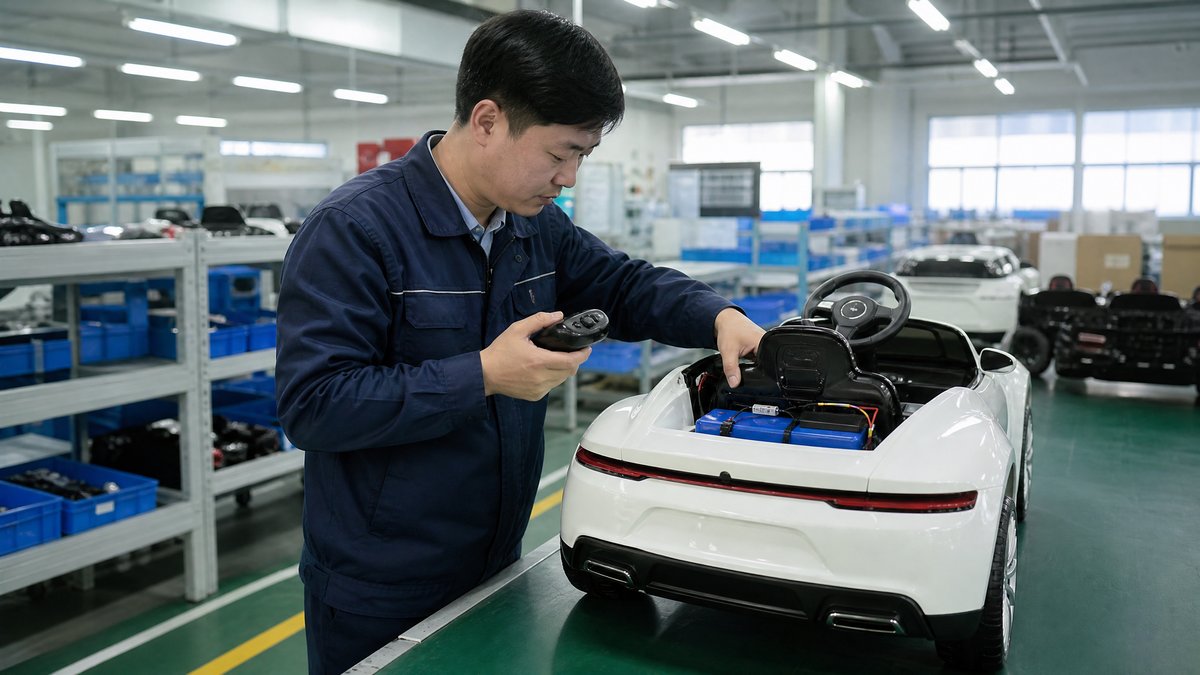
Platform listings do not always display complete compliance certificates. Buyers should look for explicit mentions of compliance testing in the product description or reach out to the seller prior to purchase to request written confirmation of safety certifications. When handling safety features—such as parental remote controls, electronic braking systems, soft-start acceleration, and adjustable seatbelts—buyers must recognize that exact performance parameters and feature inclusions vary by specific model production batches. All operational guidelines, maximum weight limits, and assembly procedures must be strictly verified against the physical user manual and manufacturer nameplate upon delivery.
In cases where technical issues, charging irregularities, or component malfunctions arise, consumers must rely on manufacturer guidance and authorized service channels rather than attempting unauthorized electrical modifications or internal battery repairs. Ensuring proper adult supervision and strict adherence to provided instruction manuals remains essential for safe operation across all retail models.
Retail Buying Strategies for Seasonal Peaks and Holidays
Purchasing ride-on cars during peak holiday shopping seasons or major retail promotional events requires strategic planning across Amazon, Walmart, and Target. High demand periods often lead to rapid inventory turnover, fluctuating pricing models, and extended delivery timeframes for bulky freight items.
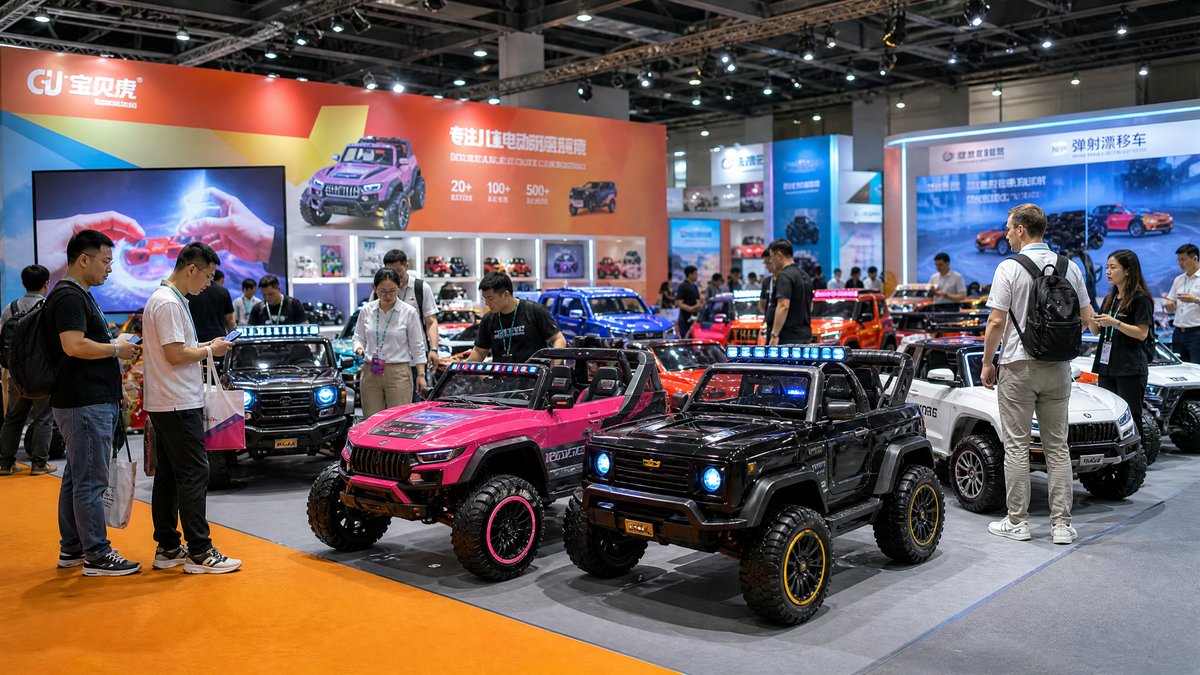
Retail buyers should establish a pre-purchase checklist that includes verifying exact package dimensions, confirming whether assembly tools are included in the box, and inspecting return policy exceptions for motorized ride-on toys. While major promotional events offer attractive visibility discounts, buyers must ensure that discounts do not compromise product authenticity or warranty validity. For commercial buyers and B2B procurement managers requiring consistent inventory supply, relying on standard retail platforms during holiday surges can introduce fulfillment bottlenecks, making direct manufacturing partnerships a more stable alternative for volume sourcing.
Review Analysis and Consumer Verification Frameworks
Customer reviews play a central role in online purchasing decisions across Amazon, Walmart, and Target, yet buyers must approach review sections with critical discernment. Automated review aggregators and third-party marketplace tactics can occasionally distort product ratings. Buyers should filter reviews specifically to look for photo-verified feedback, long-term durability reports, and detailed descriptions of assembly experiences.
When evaluating negative reviews, distinguishing between user assembly error and genuine mechanical defect is crucial. If multiple reviewers report similar electrical or charging failures, it may indicate a systemic quality control issue with that specific production batch, prompting the buyer to reconsider the listing or consult alternative authorized suppliers.
Logistics, Freight Delivery, and Assembly Realities
Beyond initial purchasing price and seller verification, the physical logistics of receiving and assembling a ride-on car present unique operational considerations. Because ride-on vehicles are shipped in substantial cardboard cartons containing molded plastic body panels, steel frames, wheels, and electrical harnesses, freight handling and home delivery logistics vary significantly by retailer. Delivery, freight handling, pickup, and assembly arrangements vary by the exact listing, seller, location, and current policy; confirm them before ordering.
Upon delivery, buyers must conduct a thorough unboxing inspection to check for transit-induced structural damage or missing hardware before beginning assembly. Following assembly instructions step by step ensures that steering linkages, drive gearboxes, and battery wiring harnesses are correctly secured in accordance with manufacturer specifications.
Frequently Asked Questions (FAQ)
1. Which platform offers the best prices for ride-on cars?
Pricing fluctuates constantly across Amazon, Walmart, and Target due to dynamic pricing algorithms, promotional events, and third-party vendor competition. No single platform consistently maintains the lowest price. Buyers should compare total landed costs—including shipping fees, freight surcharges, and tax calculations—across platforms rather than focusing solely on the base sticker price.
2. How do return policies apply to bulky items like ride-on cars?
Return policies depend heavily on whether the item is fulfilled directly by the retailer or by a third-party marketplace seller. A bulky item may have distinct return and freight requirements; review the current seller terms and packaging conditions before ordering. Buyers should review specific seller return terms and restocking fee policies before completing a transaction.
3. Are warranties honored differently depending on where I buy?
Manufacturer warranties are generally honored provided the item is purchased from an authorized dealer or direct platform stock. Purchases from unauthorized third-party liquidators or grey-market sellers on any platform may void manufacturer warranty coverage. Always verify authorized seller status and review written warranty terms prior to purchase.
4. Can I purchase ride-on cars in bulk for commercial resale through these retailers?
For commercial wholesale, bulk distribution, or retail inventory stocking, compare the current retailer terms with direct manufacturers and authorized distributors. Request written pricing, lead-time, documentation, support, and return arrangements before choosing a channel.
Conclusion
Deciding whether to purchase a ride-on car through Amazon, Walmart, or Target involves balancing factors such as fulfillment speed, return convenience, third-party seller transparency, and pricing structures. By conducting thorough verification of seller credentials, reviewing detailed product specifications against manufacturer documentation, and understanding platform-specific policies, buyers can make confident, informed purchasing decisions tailored to their individual or commercial requirements.
Request a wholesale quote
Official References
1. U.S. Consumer Product Safety Commission (CPSC): Toy Safety Education and Regulatory Guidance. Note: General CPSC educational resources serve as broad safety awareness tools and do not replace specific vehicle owner manuals or certified product documentation. Available via CPSC Official Website.
2. ASTM International: Standard Consumer Safety Specification for Toy Safety (ASTM F963). Provides recognized benchmarks for mechanical, electrical, and structural safety evaluations in children's products. Available via ASTM Standards Catalog.
3. Federal Trade Commission (FTC): Online Shopping and Consumer Rights Guidance. Outlines consumer protections, dispute resolution frameworks, and marketplace seller transparency standards. Available via FTC Consumer Information.
Official references
Explore these external resources for current regulatory and trade guidance. Confirm requirements with the relevant authority before placing an order.
Ready to Start?
Factory-Direct · CE & ASTM Certified · MOQ from 50 Units
Our export team works with buyers in 60+ countries. Get a quote within 24 hours.
KR
Written by KidsRideCar
China's leading kids electric ride-on car manufacturer. 500,000+ units shipped annually to 60+ countries. CE, ASTM & EN71 certified.