Introduction: Beyond Recreation – The Developmental Value of Ride-On Vehicles
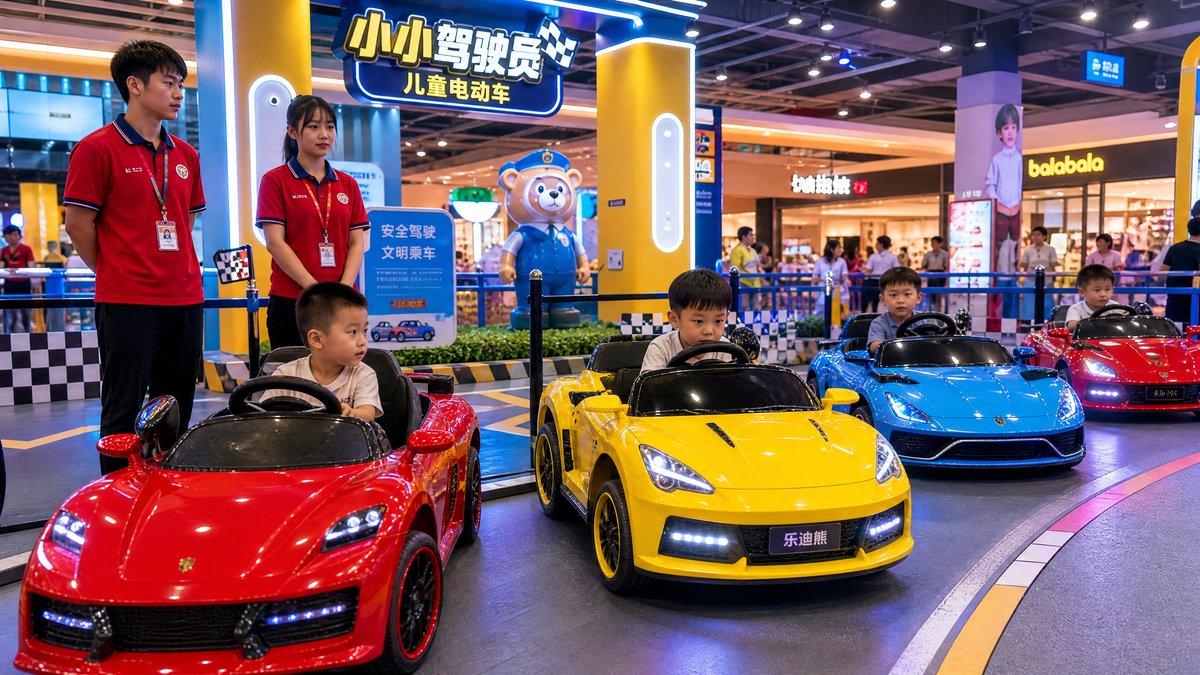
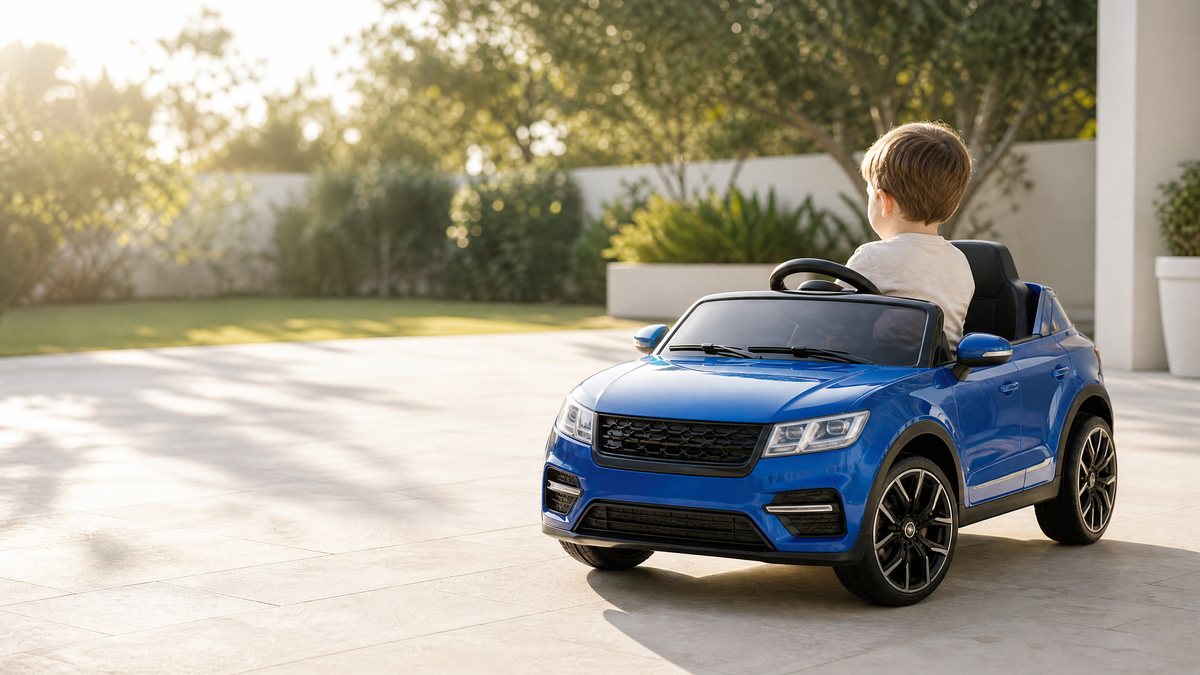
In the contemporary landscape of early childhood toys, ride-on cars occupy a unique position. Often viewed primarily as recreational diversion, modern ride-on vehicles—ranging from simple foot-to-floor models to battery-operated and pedal-driven cars if equipped—play a multifaceted role in pediatric play. For B2B buyers, educational institution suppliers, and toy retailers, understanding the developmental dimensions of these products is essential. When children engage with ride-on cars under proper adult supervision, they participate in physical, cognitive, and sensory experiences that may support gross motor skill engagement, spatial awareness, and postural control, though individual outcomes vary by child and model.
Child development experts emphasize that early childhood is a critical window for neurological and musculoskeletal growth. During this period, children refine their ability to coordinate large muscle groups, maintain dynamic balance, and interpret spatial relationships. Ride-on cars provide a dynamic platform that may encourage children to engage these physiological systems when used correctly. By pushing with their feet, turning steering wheels, operating foot pedals, or managing hand-held remote override systems under parental guidance if equipped, young users practice motor planning. All vehicle configurations, features, performance metrics, materials, regulatory certifications, testing protocols, operating ranges, speeds, voltage performance, recommended ages, and developmental benefits may vary by model and are subject to change; always confirm specifications in the manual and utilize transparent buyer verification frameworks.
Regarding commercial terms, pricing, shipping, inventory, and return policies across retail platforms (such as Amazon, Walmart, or Target), buyers must not rely on absolute claims; always check the current product page, seller terms, and platform policies. No platform or brand should be assumed to be the cheapest, most reliable, or offering specific uniform services without direct verification.
Gross Motor Skill Enhancement and Lower Limb Coordination
Gross motor skills involve the coordination of large muscle groups responsible for running, jumping, balancing, and locomotion. Ride-on cars can serve as catalysts for lower limb development, depending on the specific mechanical design of the vehicle. Foot-to-floor ride-on cars require children to use their legs alternately or simultaneously to propel, steer, and brake if equipped. This pushing motion may strengthen quadriceps, hamstrings, calf muscles, and core stabilizers as part of active play.
Furthermore, as children transition from basic foot-to-floor models to motorized or pedal-driven variants if equipped, motor planning requirements evolve. In pedal-driven go-karts, children synchronize reciprocal leg movements, applying consistent force to pedals while maintaining forward visual focus. In battery-operated ride-on cars equipped with foot accelerator pedals, users learn proportional pressure control—discriminating between pressing down to accelerate and lifting the foot to engage braking mechanisms if equipped. This neuromuscular feedback loop enhances proprioception, which is the body's ability to sense movement, action, and location in space under supervision.
When evaluating these products for commercial distribution or educational deployment, wholesale buyers should note that different product categories cater to distinct developmental stages. The table below outlines four primary categories of ride-on vehicles and their corresponding developmental focus areas.
| Ride-On Category | Primary Mechanism | Target Developmental Focus | Supervised Play Consideration |
|---|---|---|---|
| Foot-to-Floor Cars | Leg propulsion & gravity | Core stability, lower limb strength, initial balance | Ideal for early walkers building foundational leg endurance. |
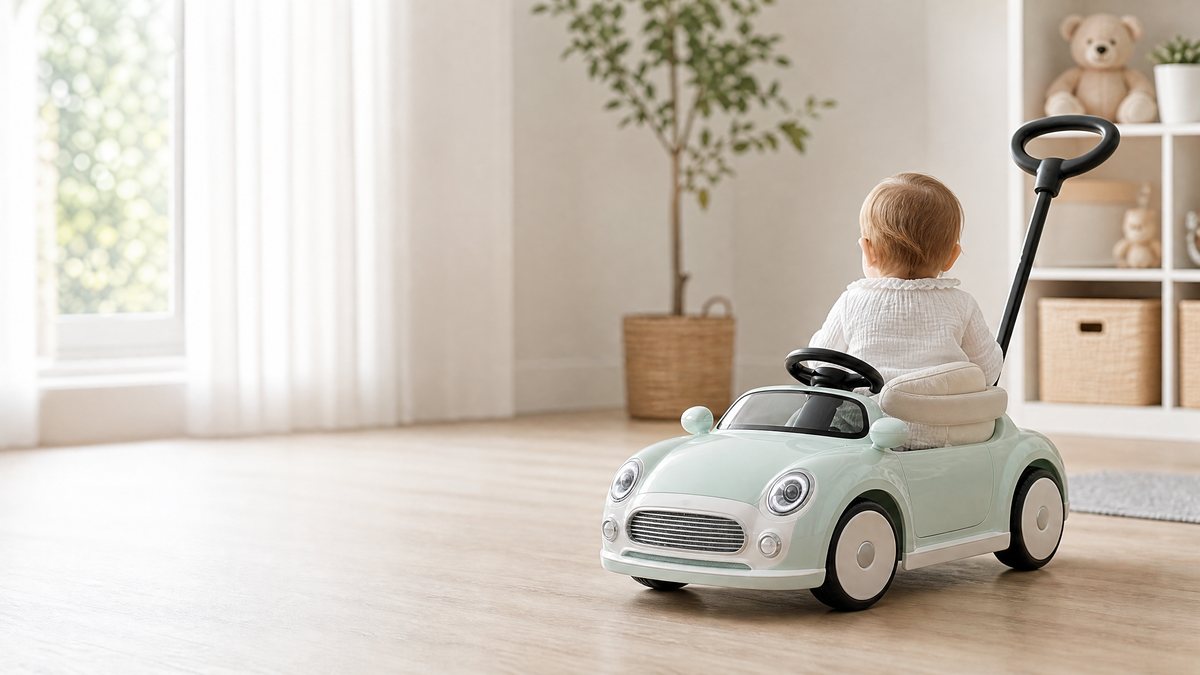
| Push Cars with Handles | Adult-guided steering & passive seating | Spatial orientation, passenger stability, trust-building | Suitable for toddlers developing baseline vestibular tolerance. |
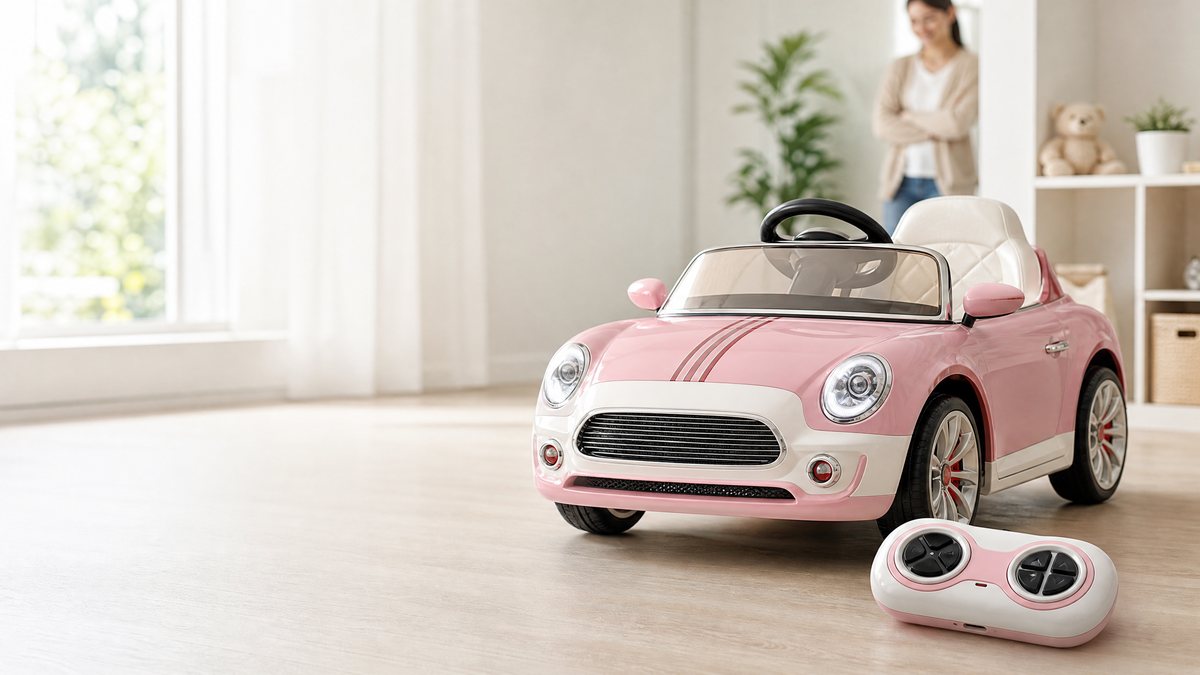
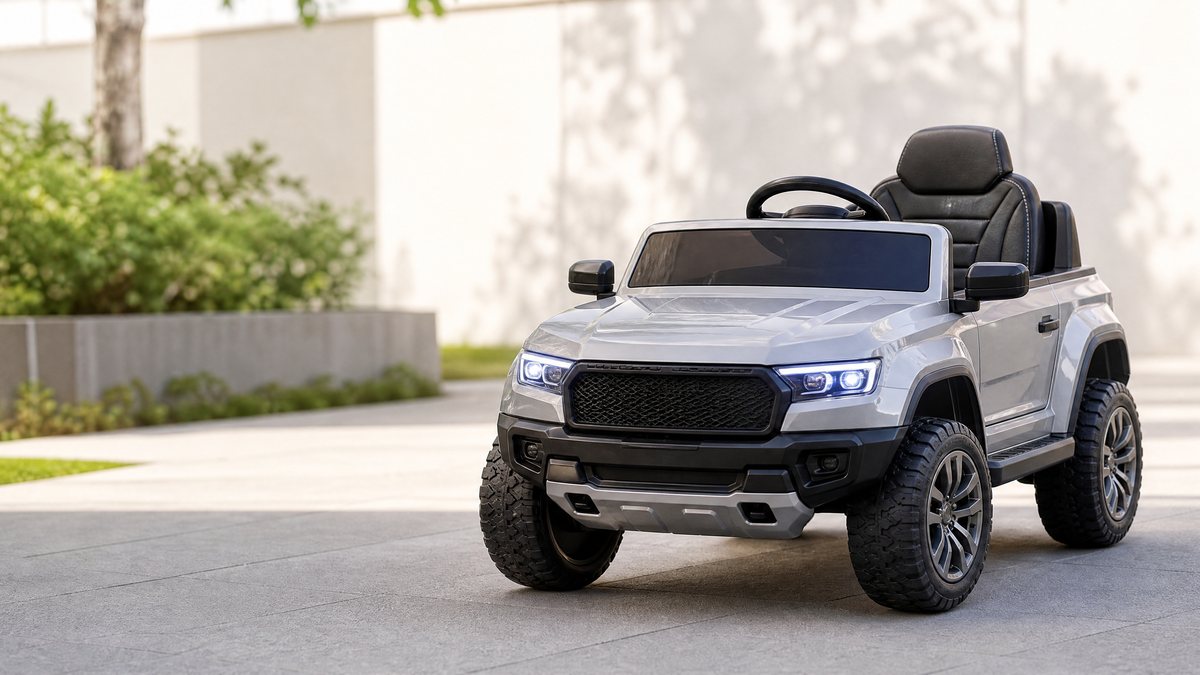
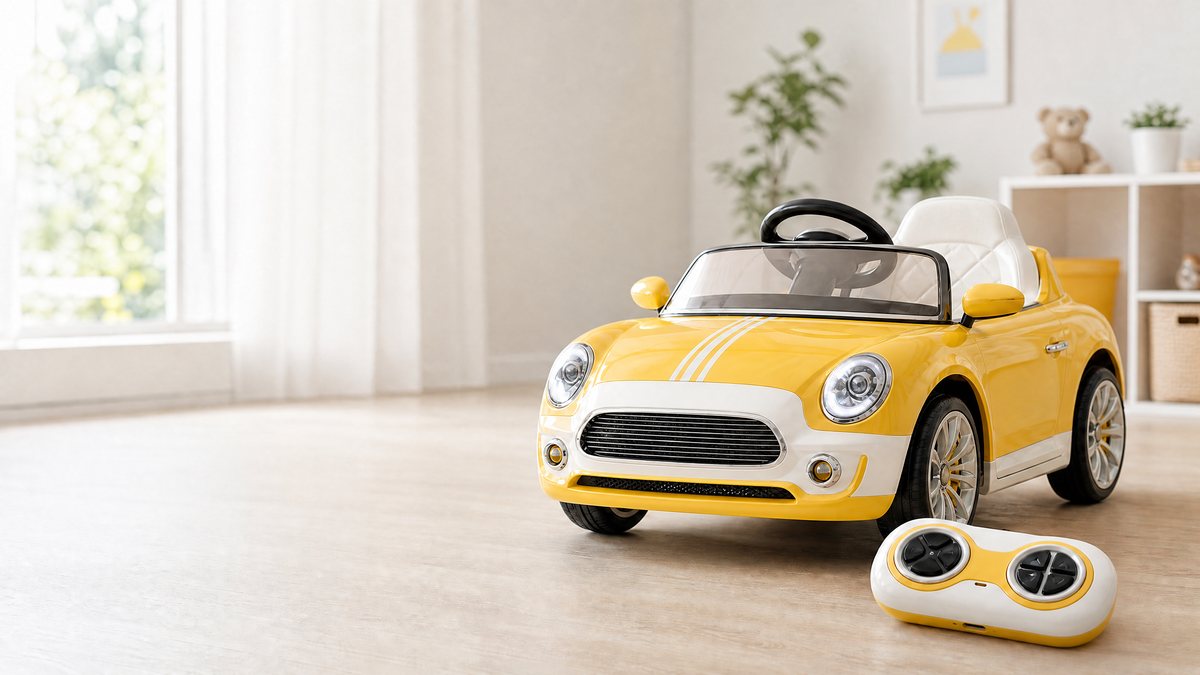
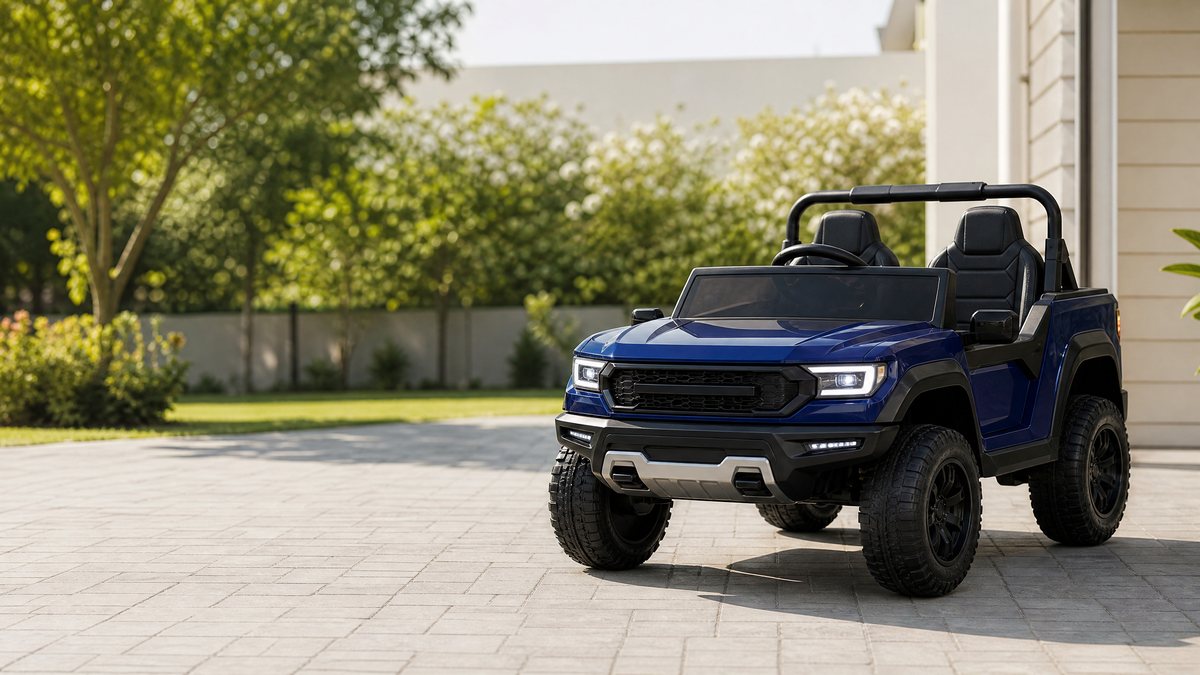
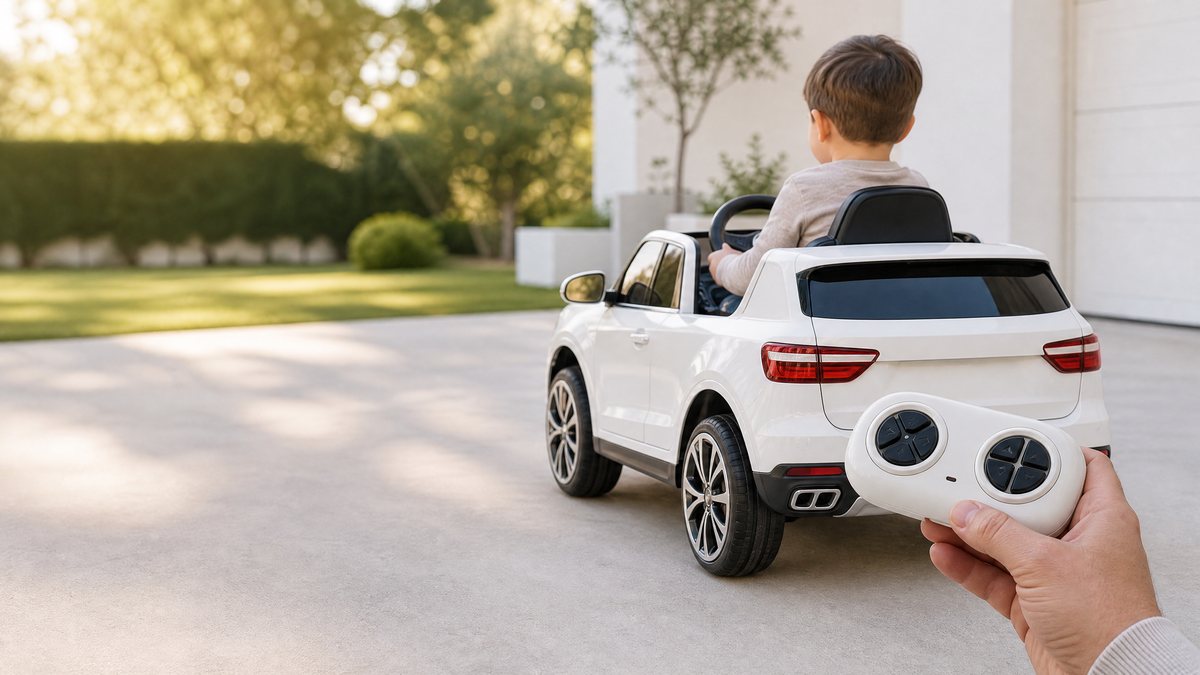
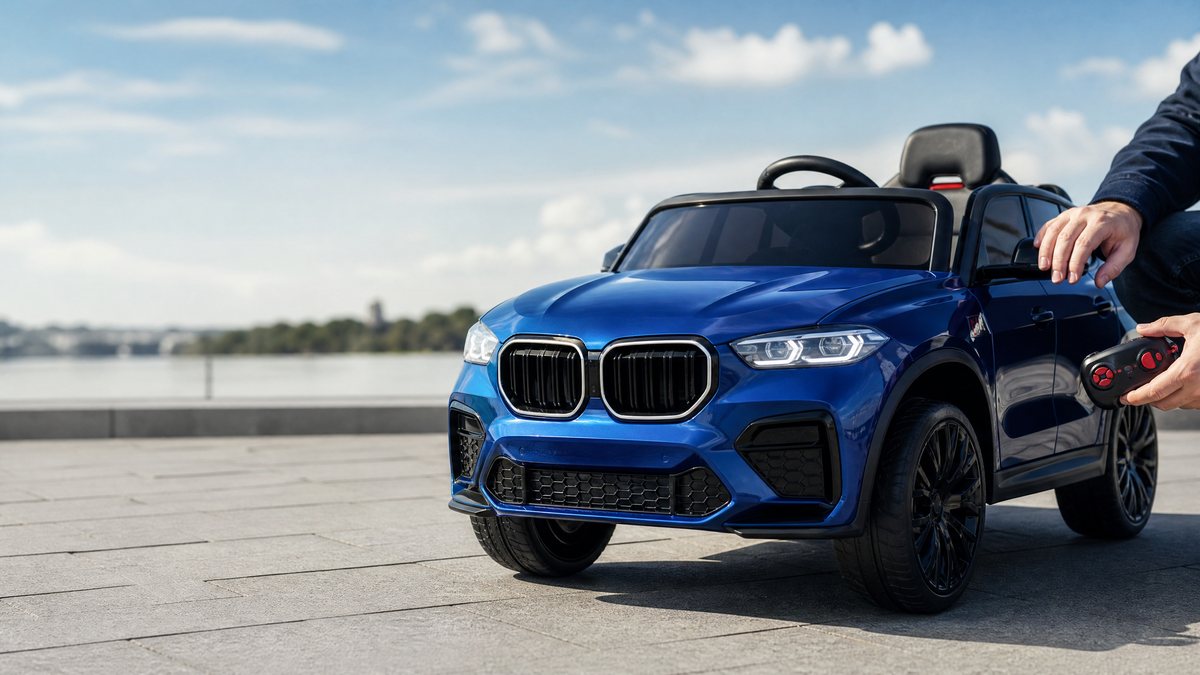
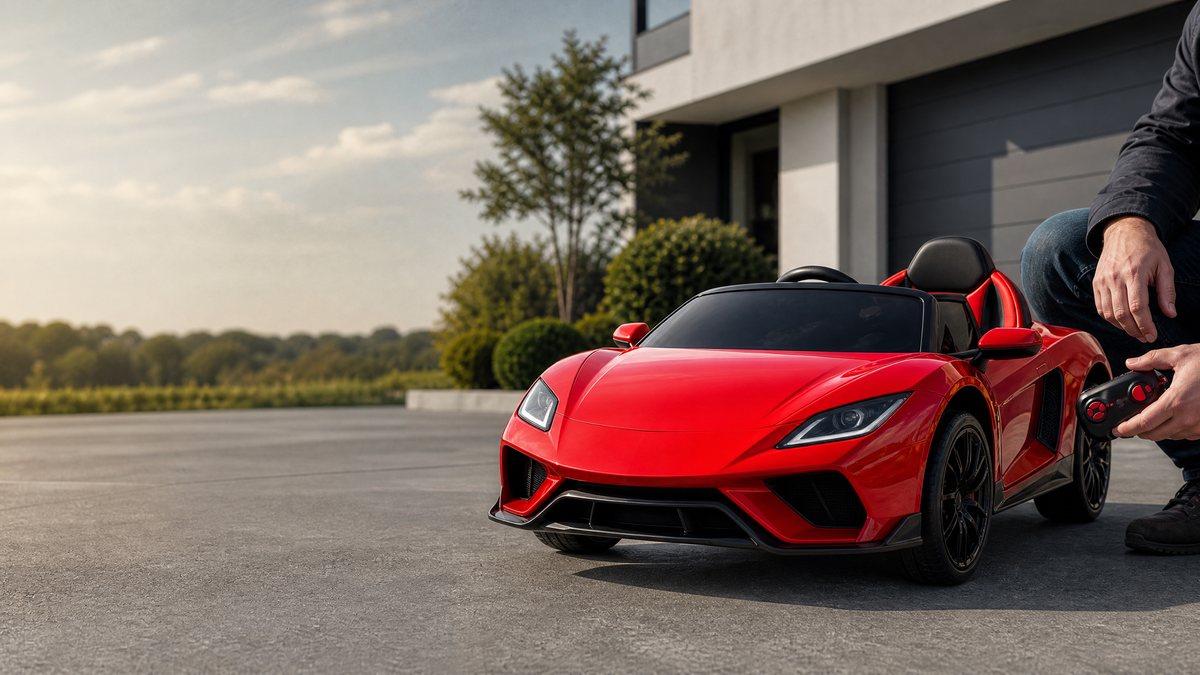
| Battery-Operated Cars | Electronic accelerator & steering wheel | Hand-eye coordination, reaction time, spatial judgment | Requires active parental supervision and remote override readiness. |
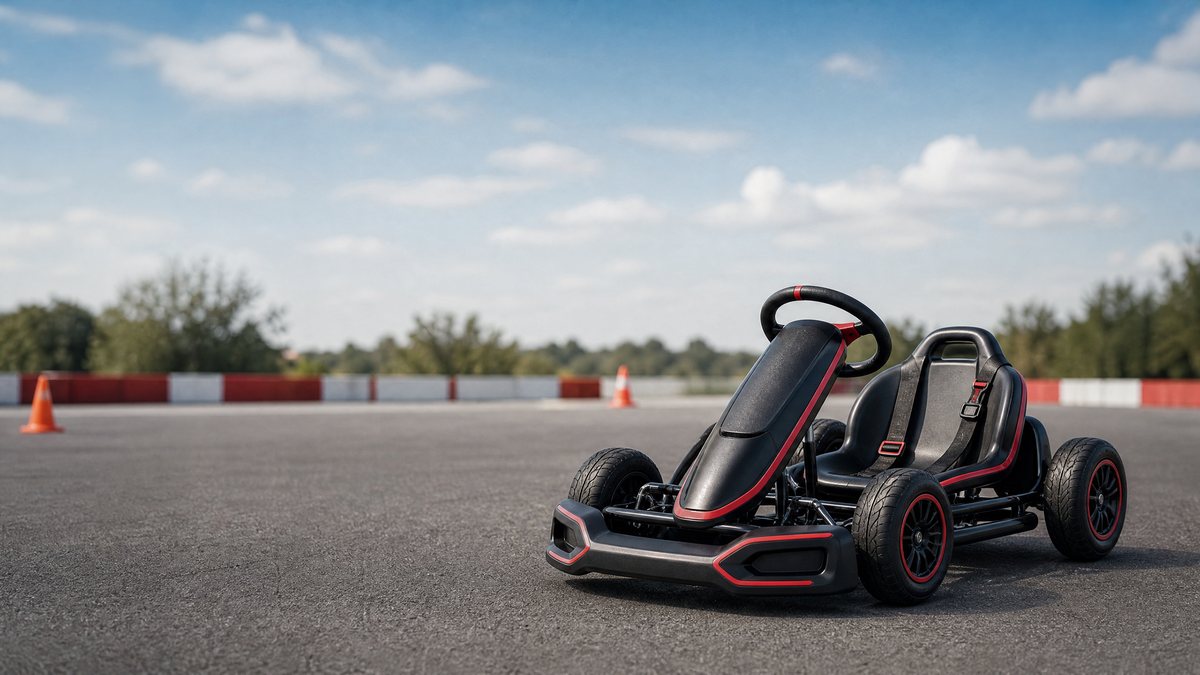
| Pedal Go-Karts | Mechanical chain/gear pedaling | Reciprocal leg coordination, cardiovascular endurance, stamina | Recommended for older children with established balance and focus. |
Upper Body Control, Steering Dynamics, and Bilateral Integration
While lower limb engagement is visible during ride-on play, upper body mechanics are also relevant. Operating a steering wheel or handlebar requires bilateral integration—using both sides of the body together in a coordinated manner. When a child navigates a curve in a ride-on car, one hand pushes forward while the other pulls back, requiring asymmetrical upper extremity movements if equipped. This action stimulates neural pathways, fostering motor coordination.
In addition to bilateral coordination, steering dynamics demand visual-motor integration. Children visually scan their pathway, anticipate obstacles, calculate turning radiuses, and execute steering adjustments in real time. For battery-powered models featuring electronic steering columns or soft-start acceleration systems if equipped, the physical resistance of the steering mechanism is engineered to be child-friendly. However, maintaining directional stability over varied indoor and outdoor terrains requires sustained core engagement and upper body postural control, which varies by individual child.
Educators and occupational therapists note that toys requiring active steering and postural stabilization help children develop upper body endurance during active play. Unlike passive seating toys, ride-on cars require the child to engage abdominal and back muscles to remain upright during cornering or acceleration if equipped. This constant micro-adjustment of posture builds muscular endurance in the torso, supporting foundational physical activities under appropriate supervision.
Spatial Awareness, Directional Judgment, and Depth Perception
Spatial awareness—the understanding of one's body in relation to surrounding objects and space—is a foundational cognitive skill developing rapidly in early childhood. Navigating a ride-on car across a room, driveway, or playground provides tactile feedback regarding spatial dimensions. Children learn to judge whether their vehicle can fit through a doorway, stopping distance required before an obstacle, and how to maneuver in reverse out of tight corners when properly supervised.
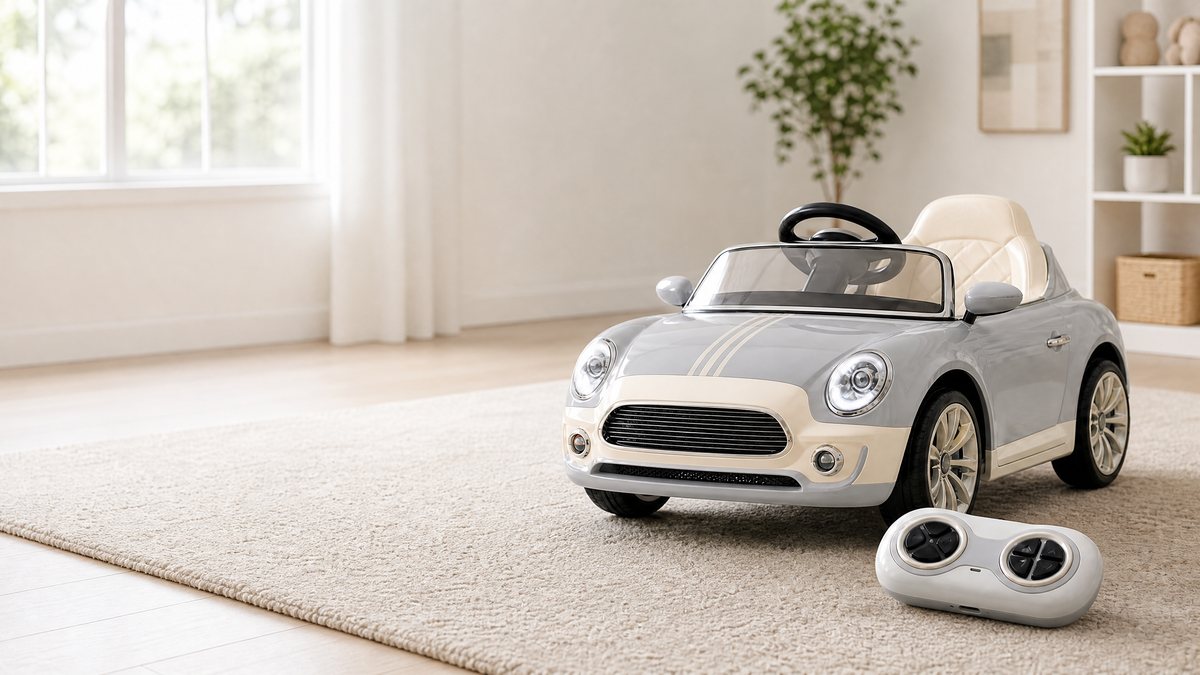
Depth perception and directional judgment are tested during ride-on play. As children steer around stationary objects or anticipate peer movement, they practice visual tracking, calculating speed, trajectory, and spatial gaps. This experiential learning translates into enhanced environmental awareness. While indoor carpets and smooth gym floors offer predictable traction, outdoor environments introduce subtle surface variations, gentle slopes, and shifting boundaries requiring children to recalibrate driving strategies under adult guidance.
For wholesale buyers and institutional procurers, emphasizing the cognitive and spatial aspects of ride-on cars provides a comprehensive marketing narrative. Retailers can position these products as developmental play tools supporting spatial reasoning and independent navigation. To explore wholesale opportunities and discuss product specifications tailored to educational or retail markets, partners are invited to Request a wholesale quote.
Fostering Independence, Self-Confidence, and Supervised Exploration
Beyond physical and cognitive dimensions, ride-on cars can influence emotional and psychological play experiences. Agency—the feeling of control and influence over one's actions and environment—is a driver of self-confidence in young children. Operating a vehicle independently under supervision, making choices about direction and speed, and mastering a complex toy fosters a sense of autonomy and accomplishment.
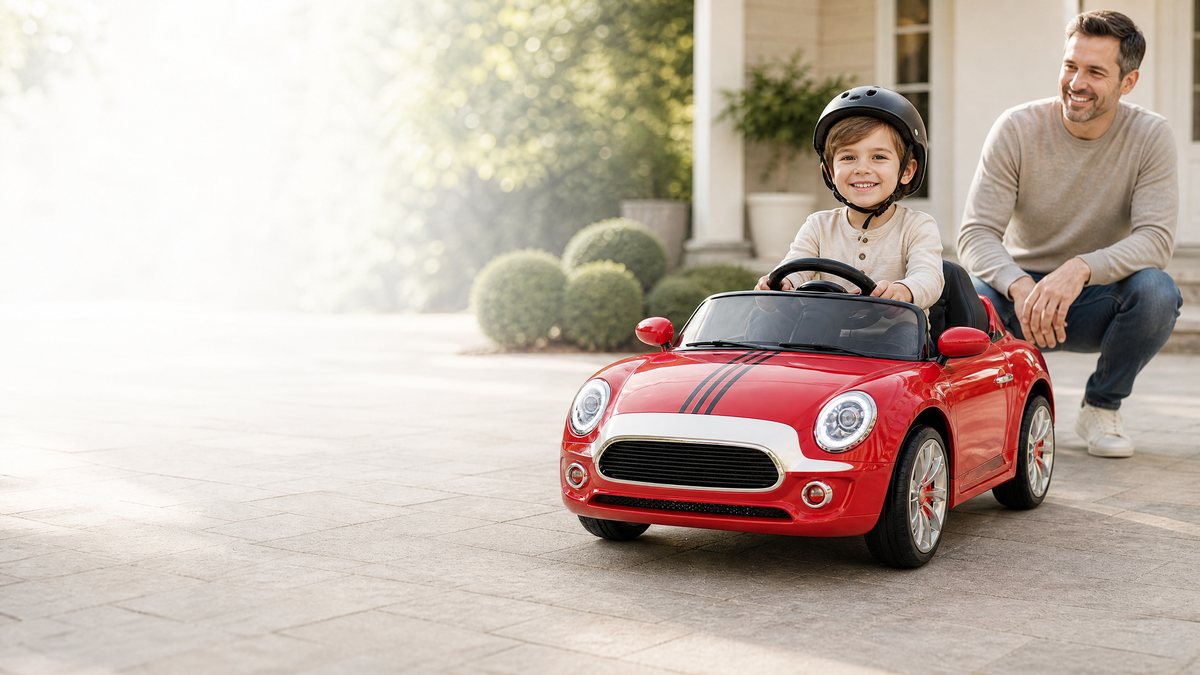
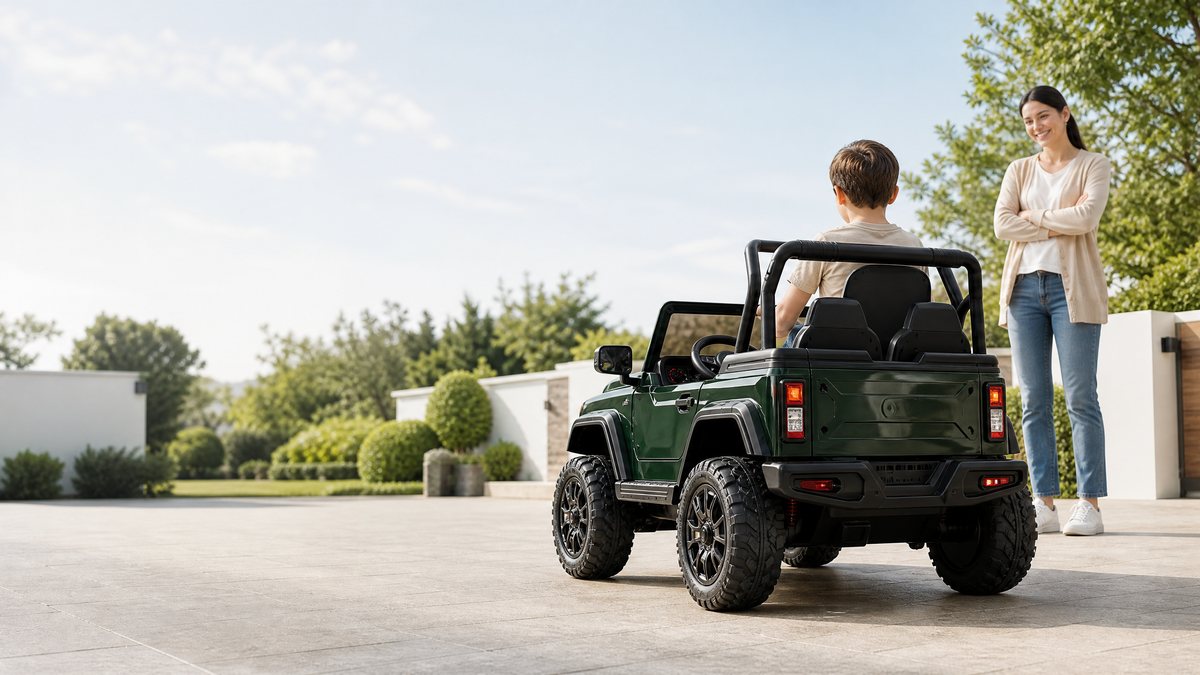
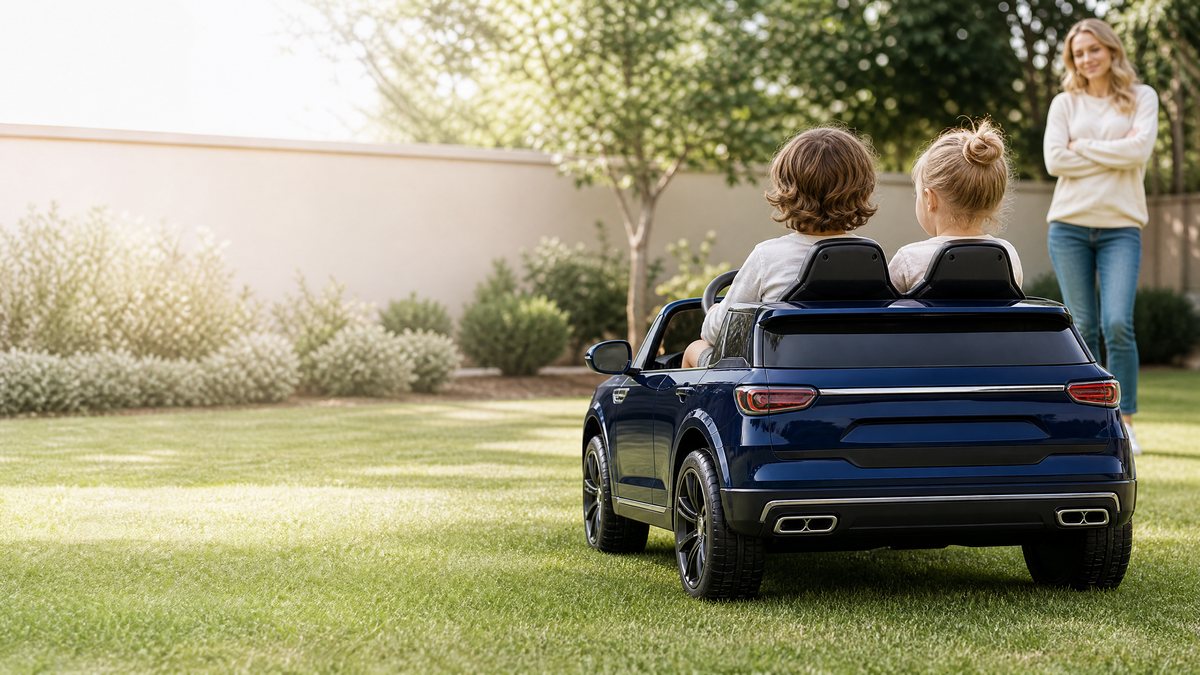
This independence must always be balanced with structured safety and adult supervision. Supervised exploration ensures children can test physical limits within secure, predictable boundaries. Parents and caregivers play an essential role as facilitators, setting boundaries, establishing safe operating zones (such as fenced backyards, smooth indoor playrooms, or designated park paths), and monitoring vehicle performance.
When children experience successful navigation under watchful guidance, self-efficacy grows. They learn to assess risks, make decisions, and recover from minor misjudgments, such as steering too close to a wall and reversing. This incremental mastery contributes to emotional resilience and healthy psychological development. All developmental outcomes vary by individual child; ride-on cars support supervised play experiences but should be viewed as supportive tools within a holistic developmental environment.
When addressing special needs, sensory engagement, motor skills, confidence, independence, road safety, stroller transitions, or physical activities, avoid medical, therapeutic, or developmental guarantees. Emphasize constant adult supervision, individual personal fit, and recommendations from qualified professionals. Never modify original safety restraints, seating structures, or electrical systems.
Safety Considerations and Parental Supervision Frameworks
Ensuring that ride-on cars are utilized safely requires strict adherence to manufacturer guidelines, age-appropriateness recommendations, and continuous adult supervision. Ride-on vehicles are recreational products demanding responsible handling by purchasers and operators.
Parents and caregivers must always read and follow the specific user manual provided with each vehicle. Key safety considerations include:
* Active Adult Supervision: An adult must remain present and attentive at all times during operation, keeping the child within direct line of sight.
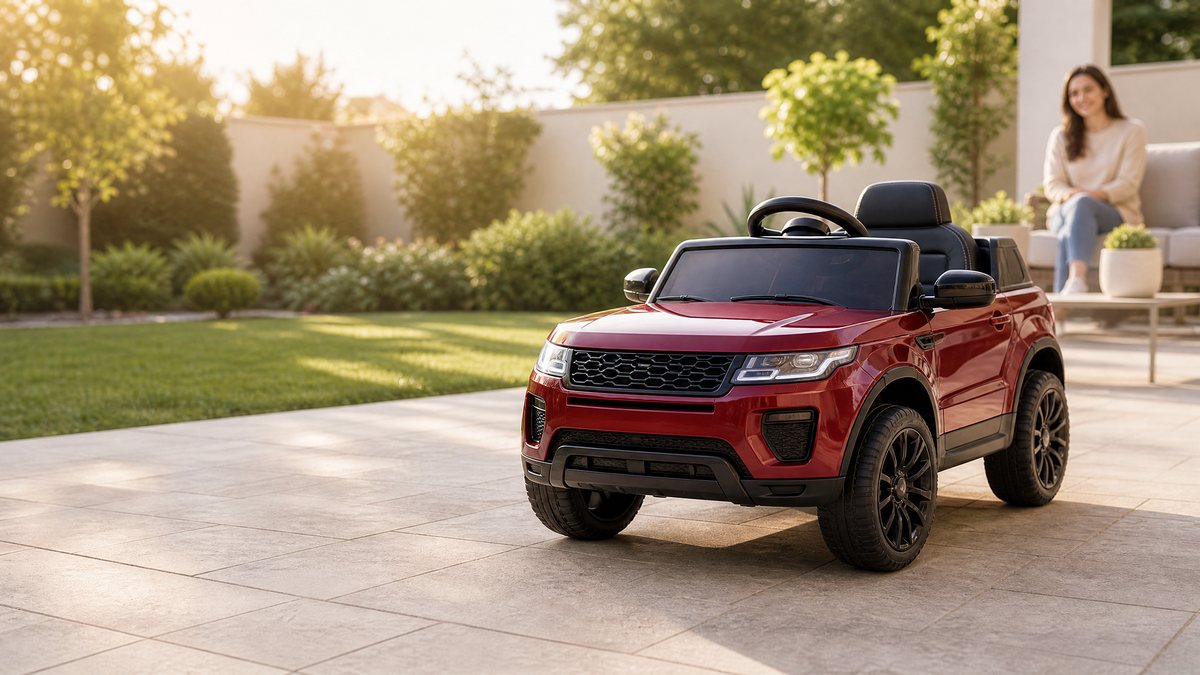
* Operating Environment: Vehicles should be operated exclusively in safe, flat, and controlled environments away from public streets, swimming pools, steep inclines, and traffic. Ride-on cars must never be operated on public roads, streets, driveways connected to active traffic, commercial parking lots, or unauthorized public spaces. When operating in permitted outdoor settings such as private gardens, controlled park paths, or approved recreational venues, verify local venue rules, obtain necessary permissions, ensure flat and dry permitted surfaces, maintain constant adult supervision, and follow the product manual. Avoid encouraging use in unauthorized zones such as tracks, racing events, night settings, beaches, parades, camping sites, theme parks, kindergartens, store displays, video recordings (e.g., YouTube), shopping excursions, or parties without proper venue permission and flat dry permitted surfaces.
* Manufacturer Guidelines: Never exceed the maximum weight capacity specified on the product rating plate. Adhere strictly to recommended age guidelines.
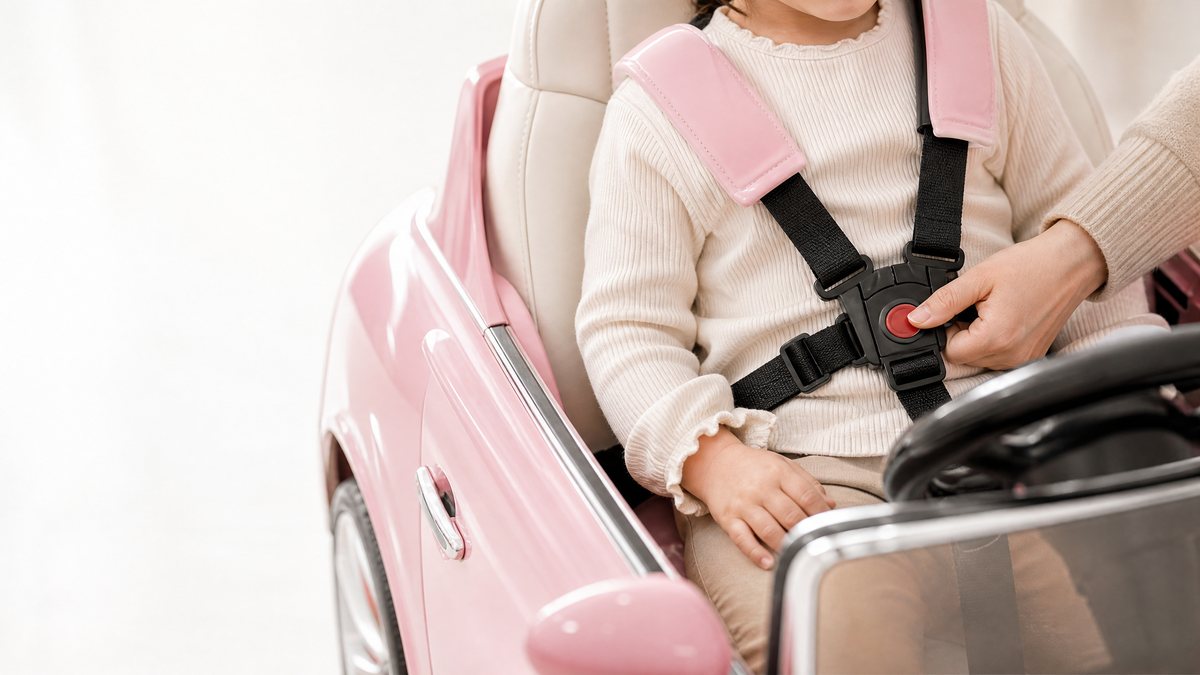
* Component Integrity: Inspect wheels, steering assemblies, safety harnesses (if equipped), and electrical connections regularly. If any anomaly, unusual noise, or erratic behavior is detected, immediately cease operation, power down the vehicle, keep children away, and contact the manufacturer or qualified service personnel.
Users must strictly avoid any internal repair, testing, or modification guidance. Never attempt to inspect or touch main battery terminals, wiring harnesses, fuses, control boards, or gearboxes, and never use multimeters, bypass circuits, or substitute higher-spec parts. For Bluetooth connectivity, speed settings, or troubleshooting, adhere strictly to low-risk external operations and consult the product manual.
If the vehicle exhibits unusual odors, smoke, overheating, liquid leakage, water ingress, exposed cables, damaged charging plugs, abnormal braking responses, or continuous operational failure, operators must immediately: cease use and charging, power off the vehicle, keep children away, and contact the manufacturer or qualified repair personnel.
Frequently Asked Questions (FAQ)
1. At what age can children typically start using ride-on cars?
Age appropriateness varies significantly based on vehicle design and may vary by model. Simple foot-to-floor ride-on cars with low seating profiles are generally suitable for toddlers aged 12 to 24 months who are confident walkers, if equipped. Battery-operated ride-on cars with remote parental override controls are typically recommended for children aged 3 to 6 years, depending on motor coordination and developmental readiness. Always consult the specific manufacturer's manual and rating plate for precise age and weight specifications.
2. Do ride-on cars provide therapeutic benefits for children with special needs?
Ride-on cars can be part of engaging, supervised play activities encouraging motor planning, spatial awareness, and upper body engagement if equipped. However, they are recreational toys and should not be considered medical devices or formal therapeutic treatments. When addressing special needs, sensory engagement, motor skills, confidence, independence, road safety, stroller transitions, or physical activities, avoid medical, therapeutic, or developmental guarantees. Emphasize constant adult supervision, individual personal fit, and recommendations from qualified professionals. Never modify original safety restraints, seating structures, or electrical systems.
3. How should wholesale buyers evaluate ride-on car manufacturers for safety and quality?
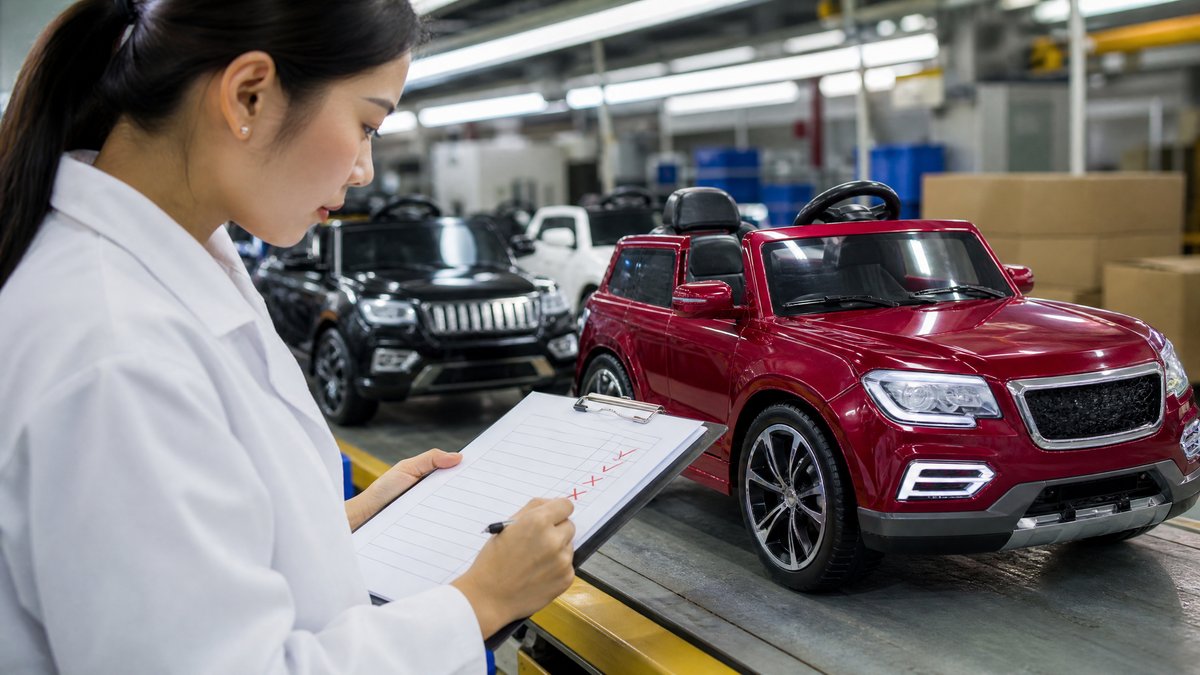
B2B buyers and importers should verify that manufacturers provide comprehensive documentation, including clear product rating plates, detailed instruction manuals, and compliance certificates with relevant international toy safety standards (such as ASTM F963 or EN71) if equipped. Buyers must review official manufacturer specifications and ensure products align with regional regulatory requirements before commercial distribution. Regarding commercial terms, pricing, shipping, inventory, and return policies across retail platforms (such as Amazon, Walmart, or Target), buyers must not rely on absolute claims; always check the current product page, seller terms, and platform policies. No platform or brand should be assumed to be the cheapest, most reliable, or offering specific uniform services without direct verification.
4. What are the key maintenance rules for maintaining battery-operated ride-on longevity?
Battery-operated ride-on cars require adherence to the manufacturer's charging instructions. Operators should use only the supplied original charger, avoid overcharging, and store batteries in moderate temperatures. Never expose electrical components to standing water or heavy rain. Users must strictly avoid any internal repair, testing, or modification guidance. Never attempt to inspect or touch main battery terminals, wiring harnesses, fuses, control boards, or gearboxes, and never use multimeters, bypass circuits, or substitute higher-spec parts. For Bluetooth connectivity, speed settings, or troubleshooting, adhere strictly to low-risk external operations and consult the product manual. If the vehicle exhibits unusual odors, smoke, overheating, liquid leakage, water ingress, exposed cables, damaged charging plugs, abnormal braking responses, or continuous operational failure, operators must immediately: cease use and charging, power off the vehicle, keep children away, and contact the manufacturer or qualified repair personnel.
Conclusion & Business Opportunities
In summary, ride-on cars serve as valuable instruments for supporting early childhood motor skill development, spatial reasoning, bilateral coordination, and emotional independence when used correctly under adult supervision. By offering children engaging opportunities to interact with physical mechanisms, these vehicles bridge recreational play and foundational physical development. For retailers, distributors, and educational institutions, stocking high-quality, certified ride-on vehicles represents a robust market opportunity rooted in proven consumer demand for developmental play products.
To discuss wholesale catalogs, container loading, product specifications, and partnership opportunities, please reach out to our team. Request a wholesale quote to connect with our dedicated commercial support specialists.
Final Call to Action
Partnering with an experienced manufacturer and supplier ensures inventory meets rigorous quality and safety standards while satisfying evolving demands of modern parents and educational institutions. Whether expanding retail offerings or outfitting an early childhood learning center, our comprehensive selection of foot-to-floor, pedal, and battery-operated ride-on cars provides reliable, durable solutions.
Request a wholesale quote today to receive our latest B2B product catalog and pricing details.
Official References
1. U.S. Consumer Product Safety Commission (CPSC): Toy Safety Education and General Playground Safety Guidelines. (Note: U.S. Consumer Product Safety Commission (CPSC) toy safety education materials: General toy safety and playground safety guidance provided by public agencies such as the CPSC serve as general educational resources only and do not constitute product certification, endorsement, or specific model guarantees).
2. ASTM International: Standard Consumer Safety Specification for Toy Safety (ASTM F963).
3. European Committee for Standardization (CEN): European Toy Safety Standards (EN 71 Series).
4. Pediatric Occupational Therapy Association Guidelines: Principles of Early Childhood Motor Planning and Sensory-Motor Development through Play.
Official references
Explore these external resources for current regulatory and trade guidance. Confirm requirements with the relevant authority before placing an order.
Ready to Start?
Factory-Direct · CE & ASTM Certified · MOQ from 50 Units
Our export team works with buyers in 60+ countries. Get a quote within 24 hours.
KR
Written by KidsRideCar
China's leading kids electric ride-on car manufacturer. 500,000+ units shipped annually to 60+ countries. CE, ASTM & EN71 certified.