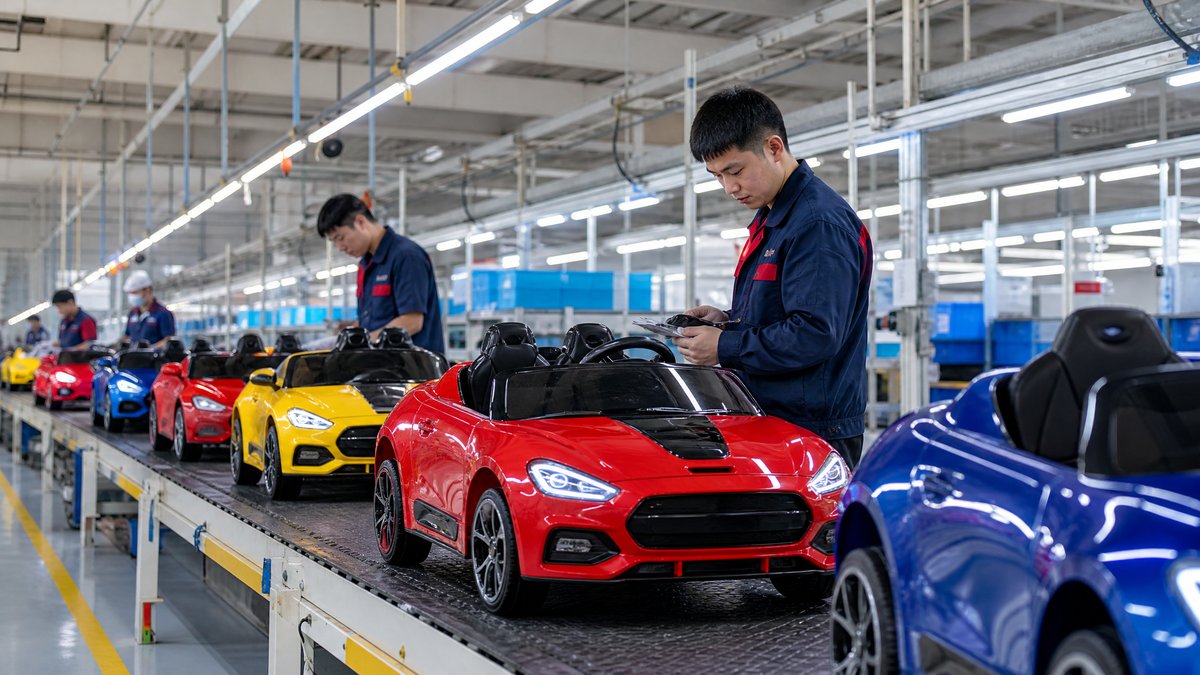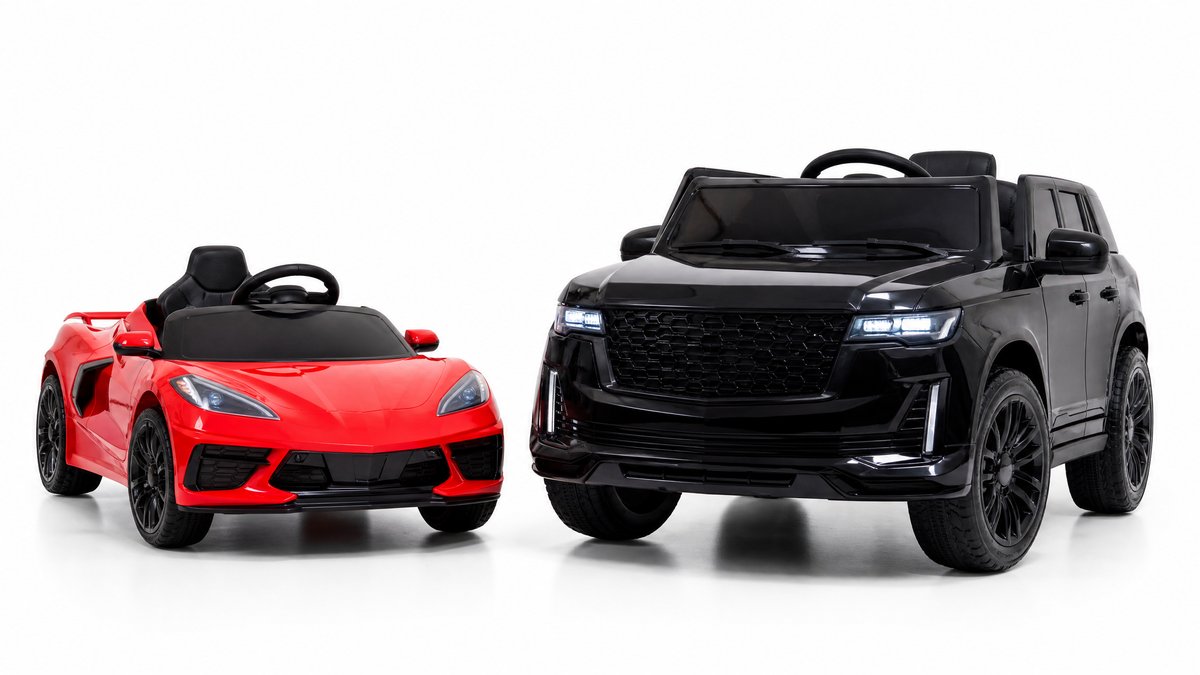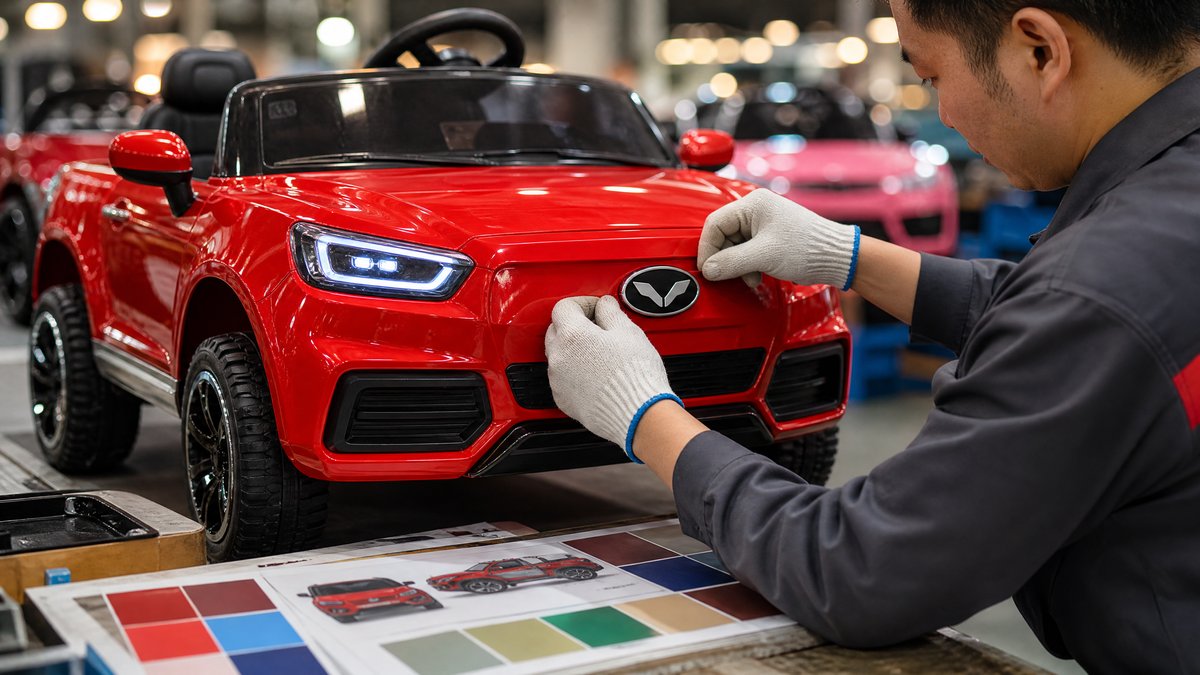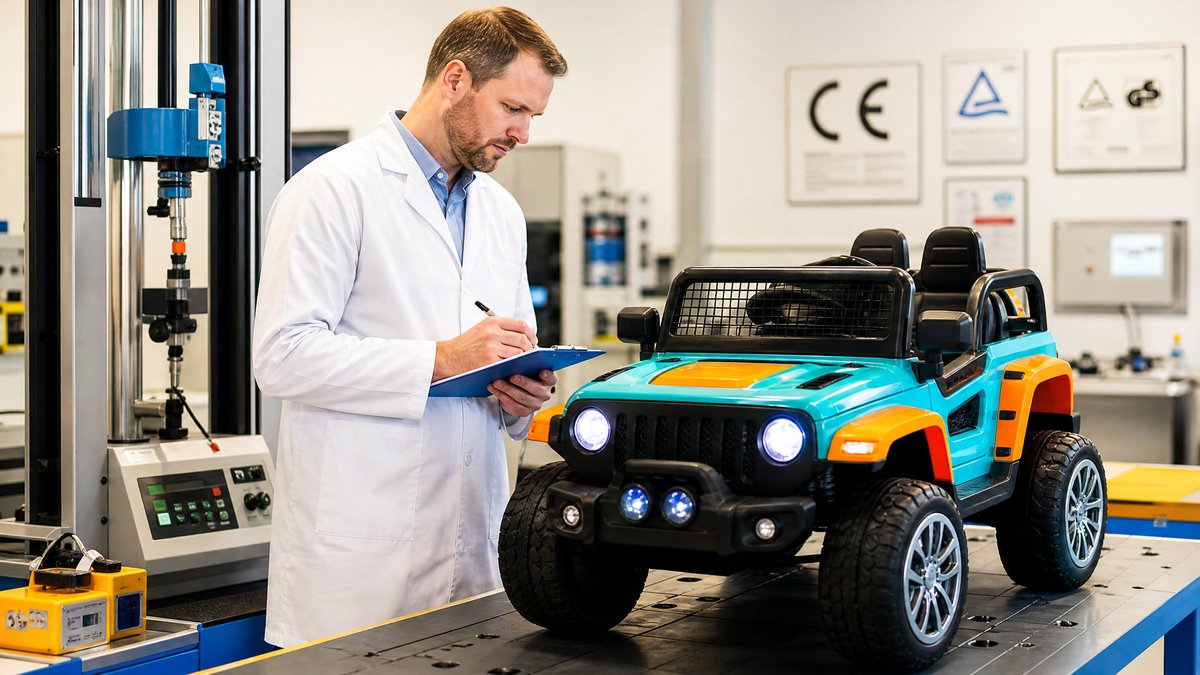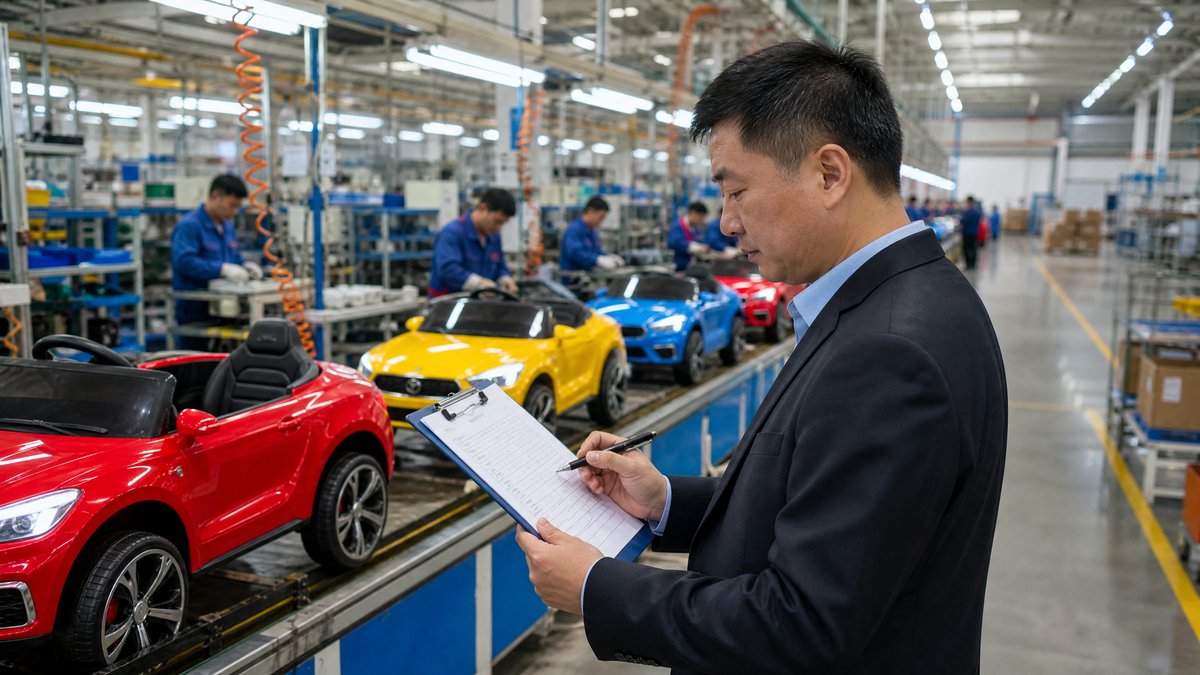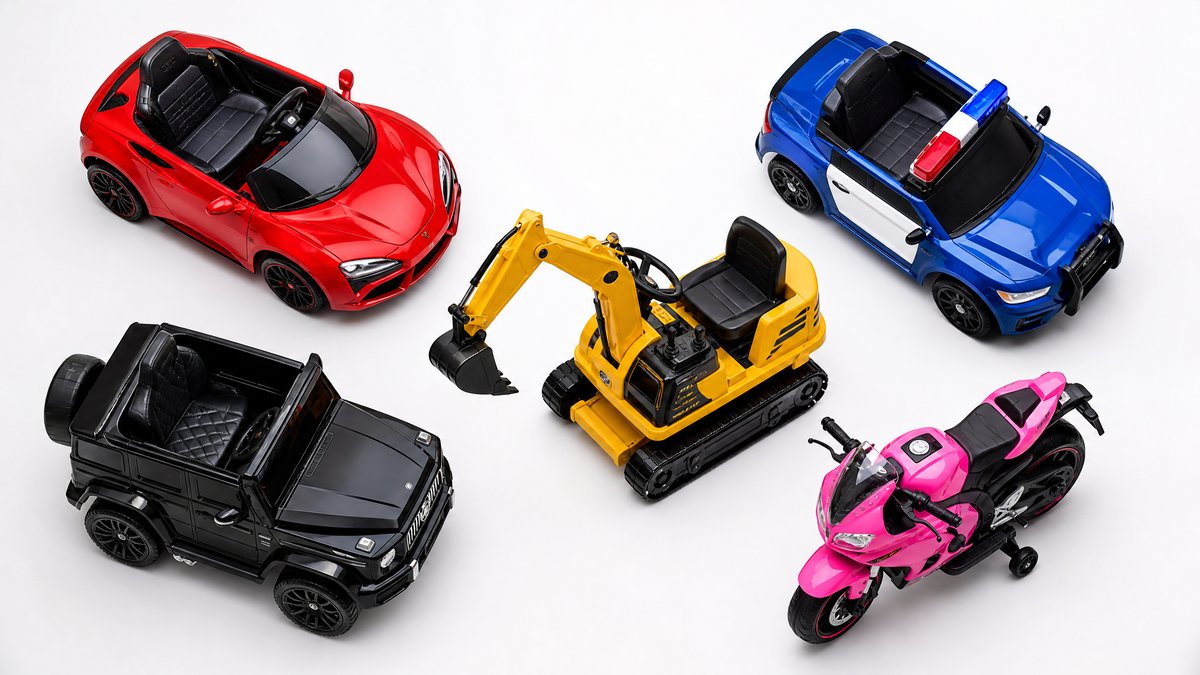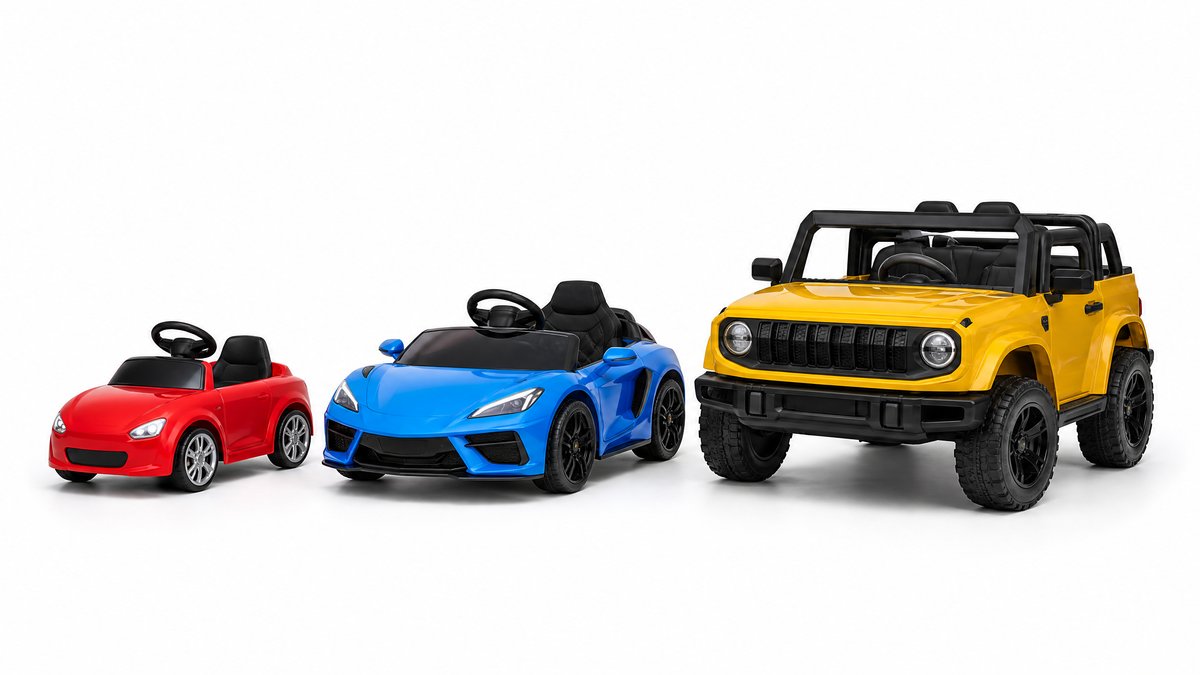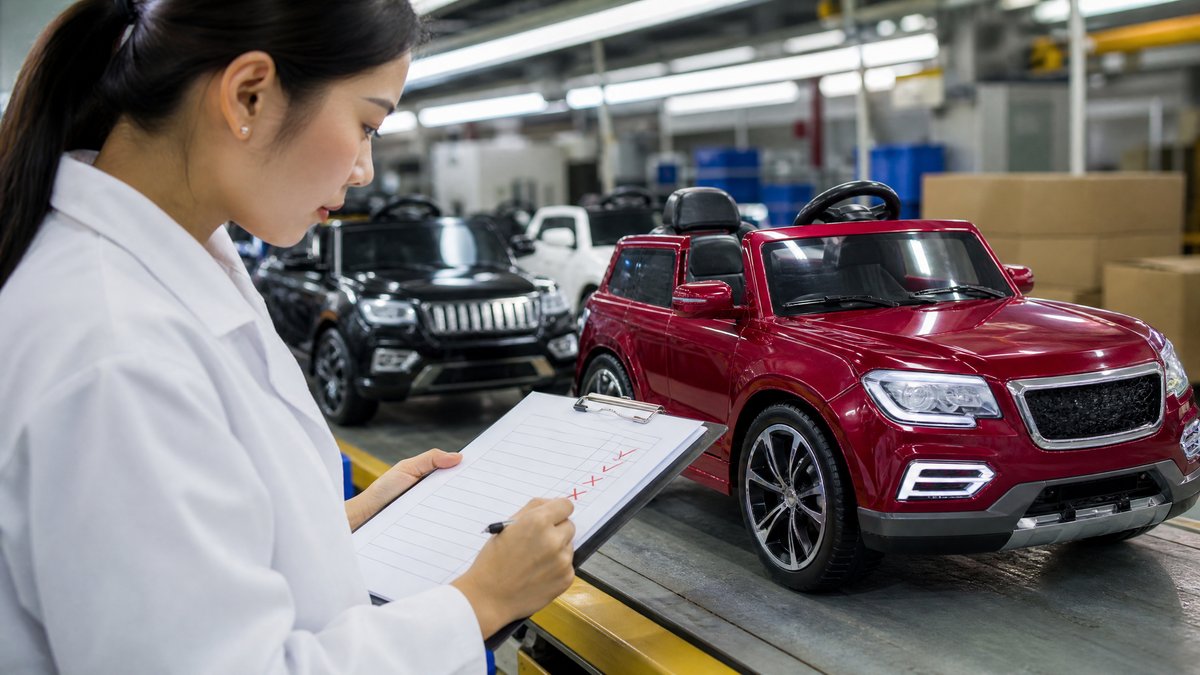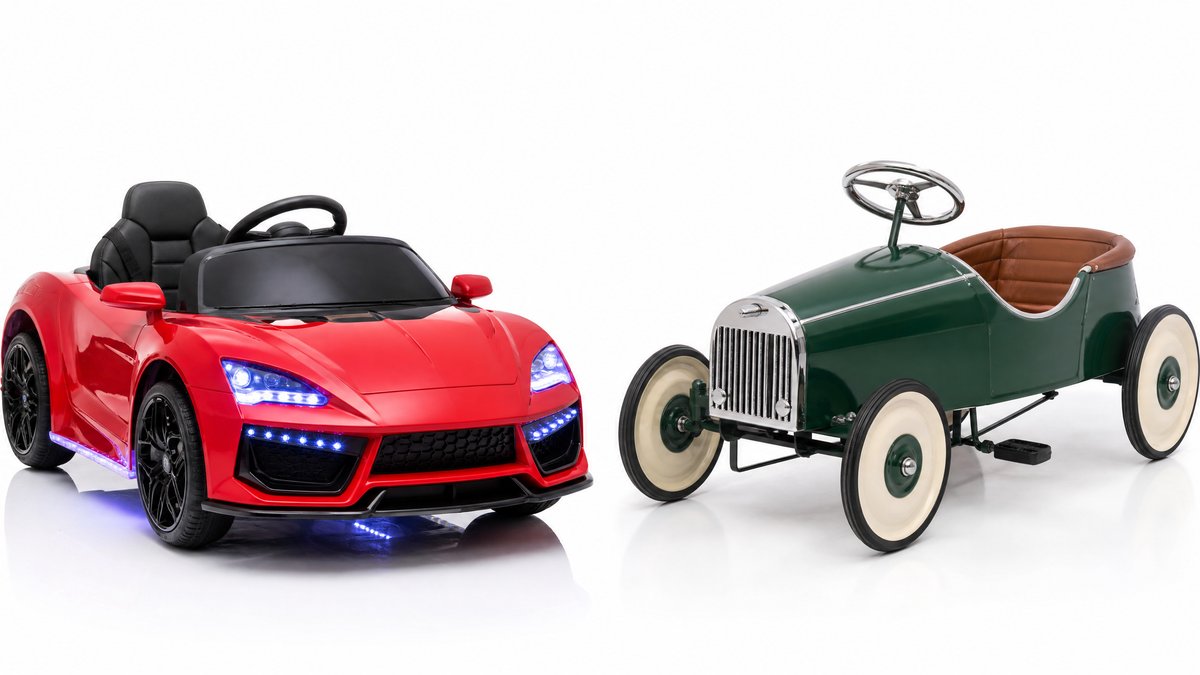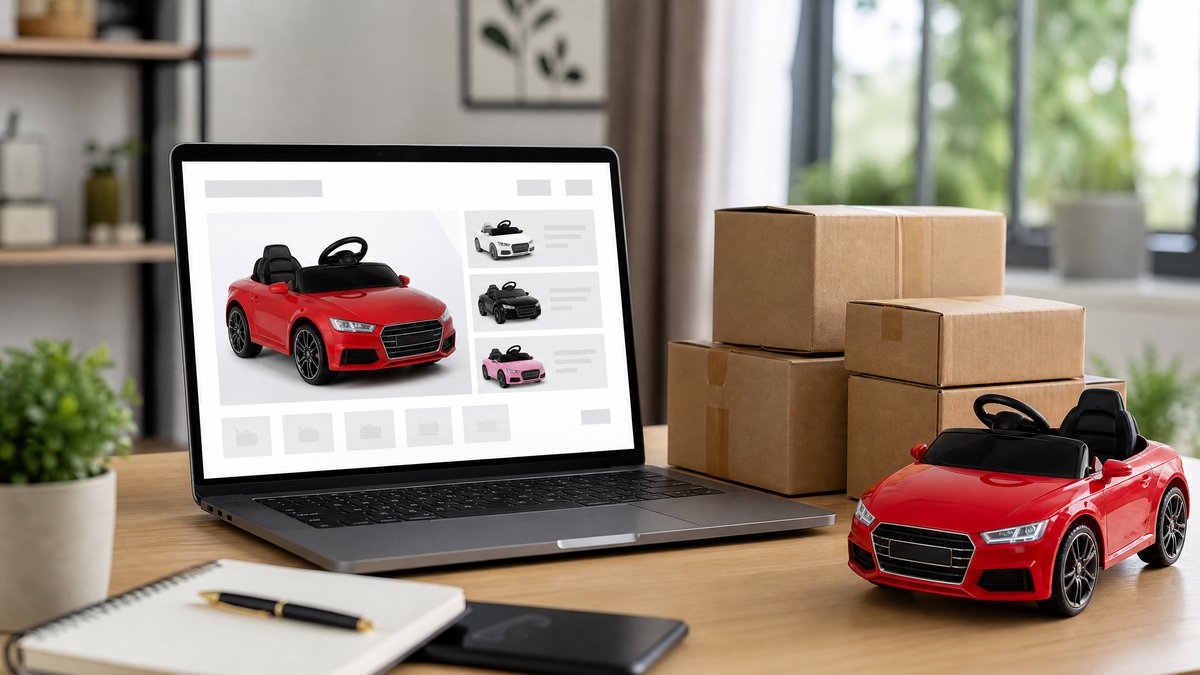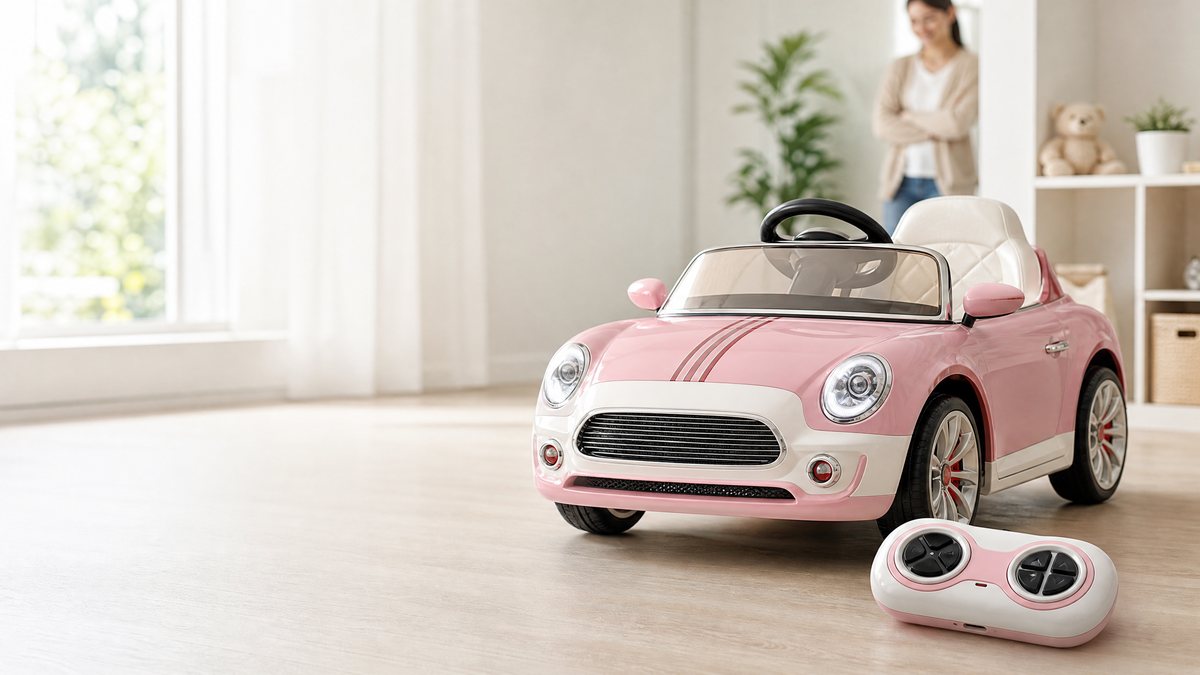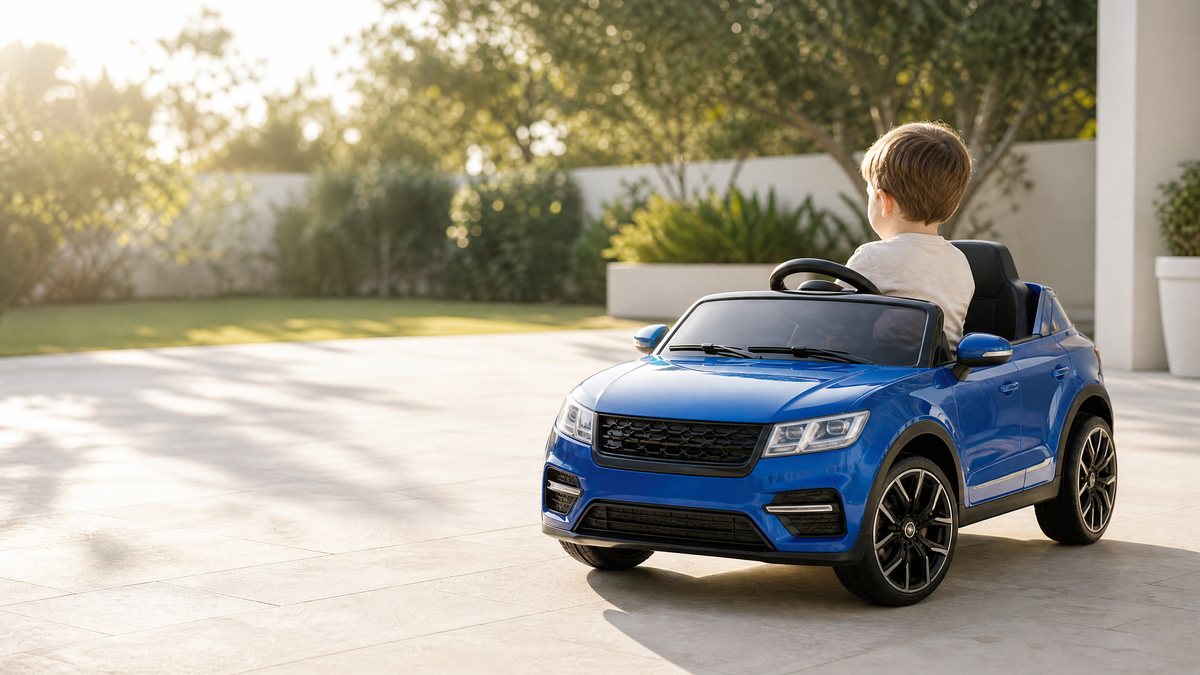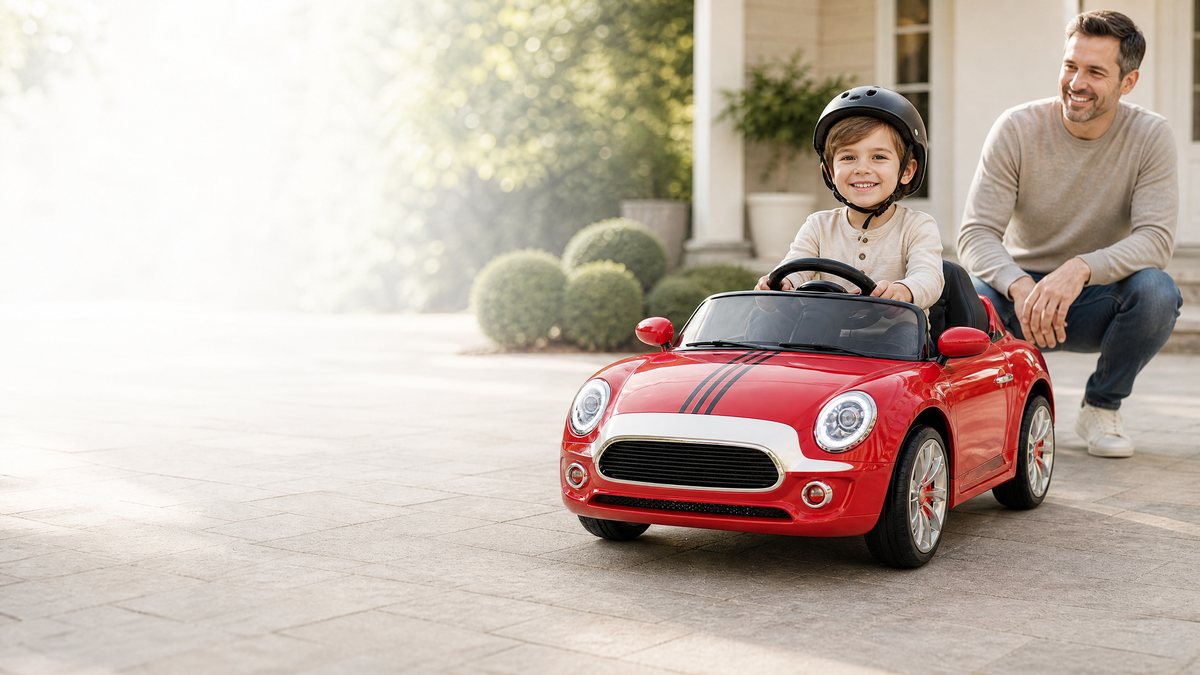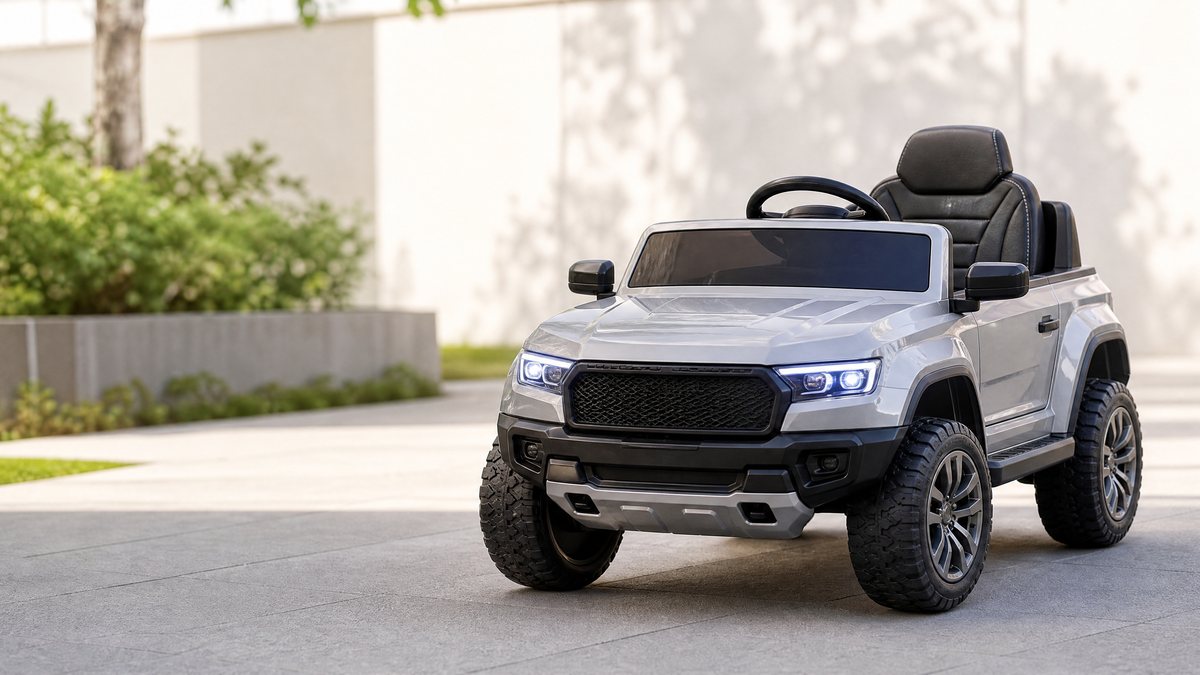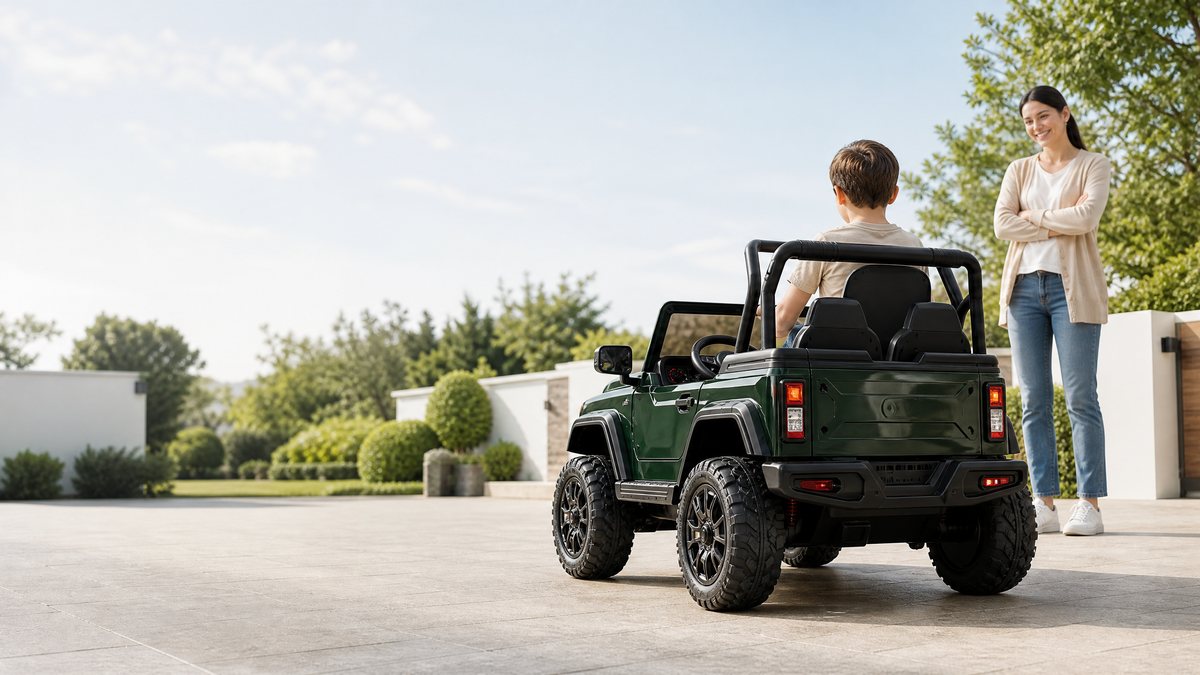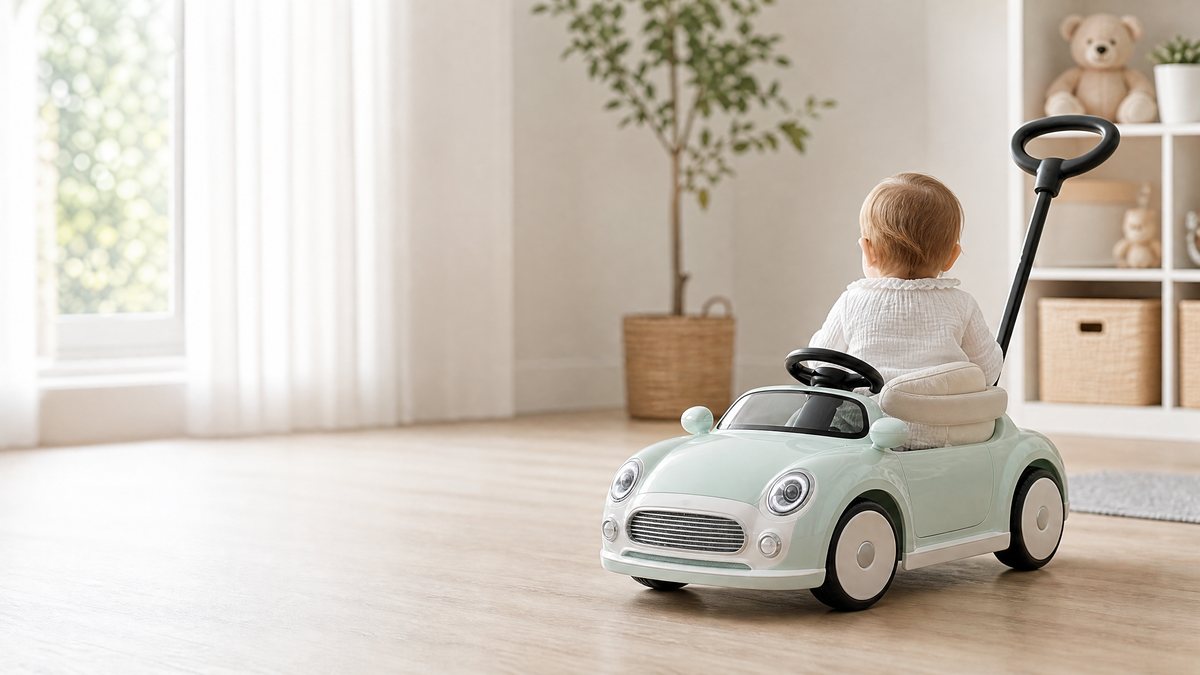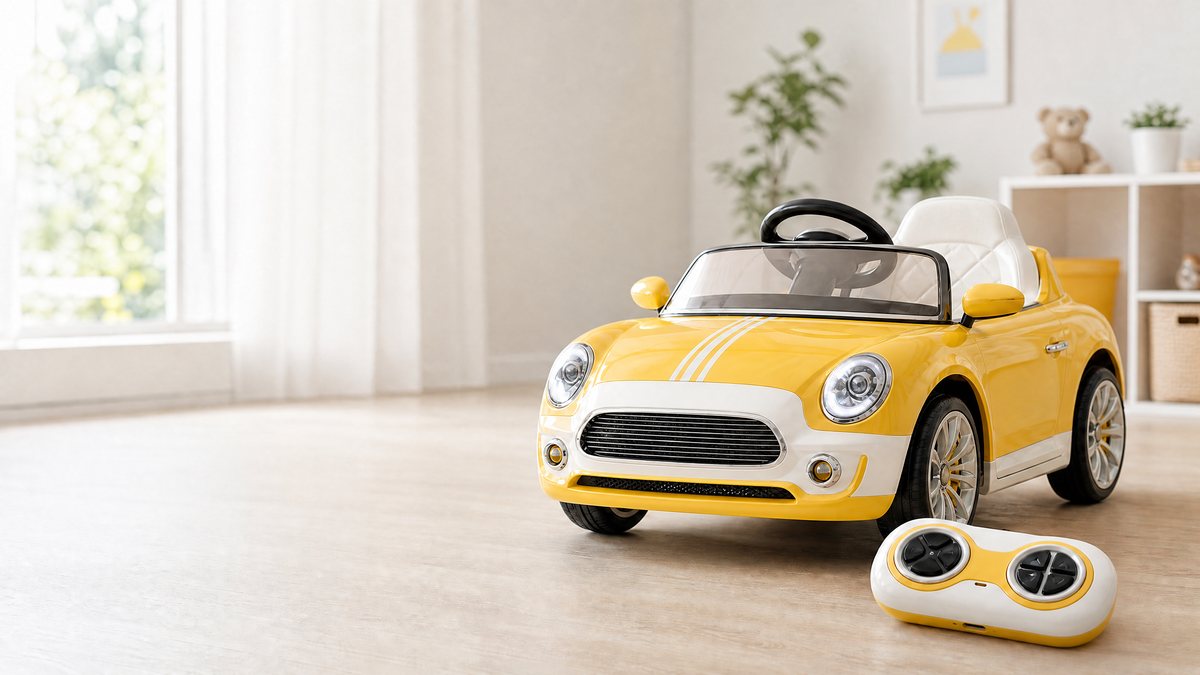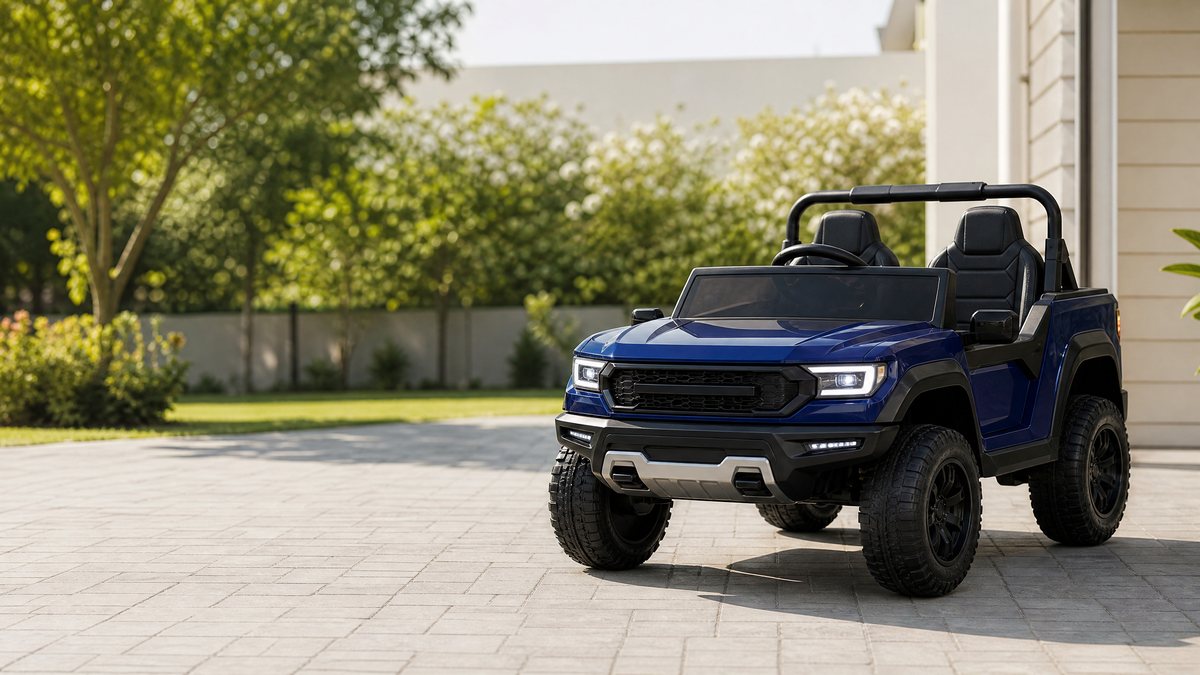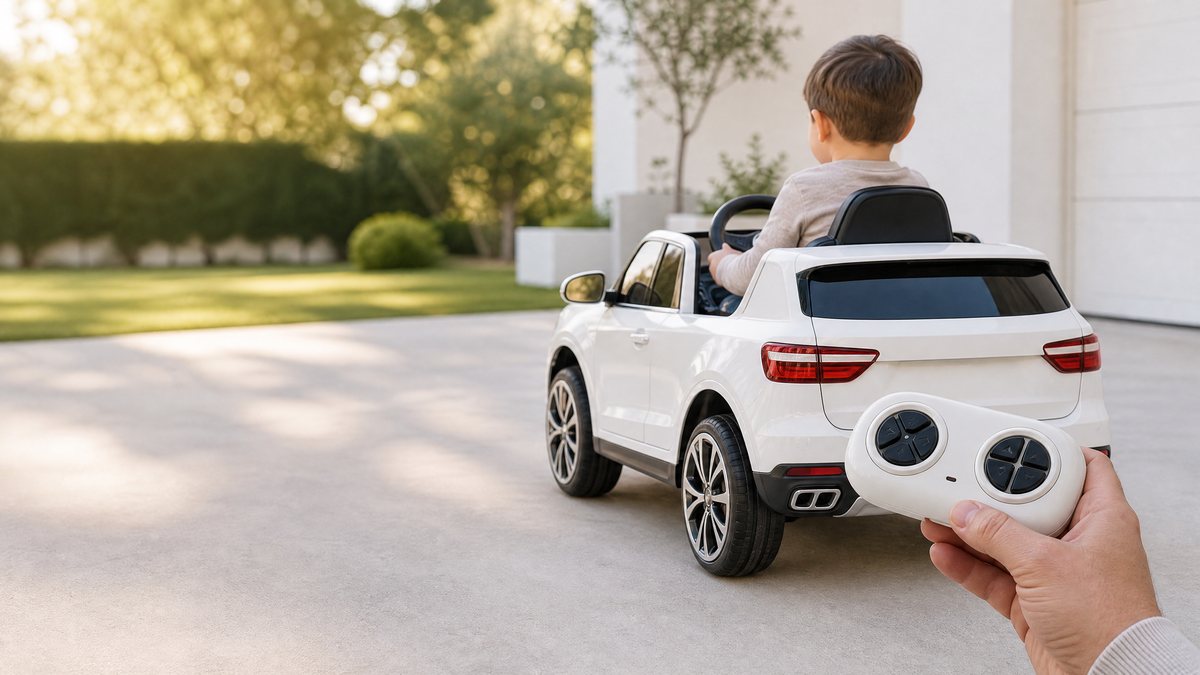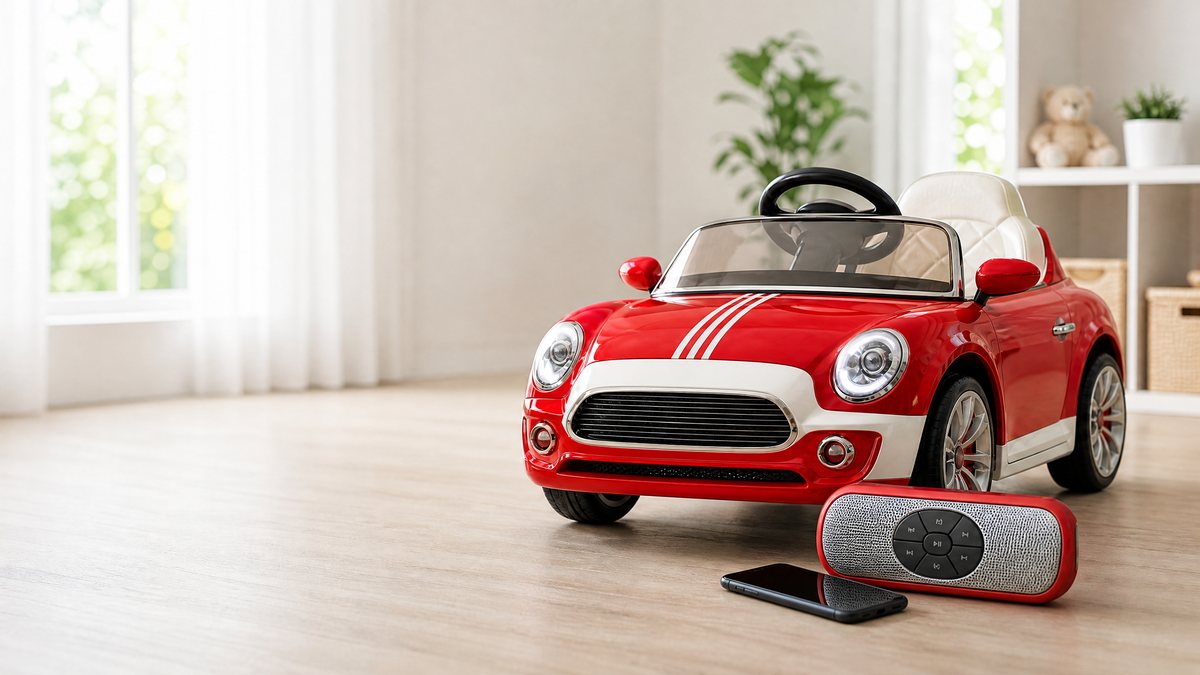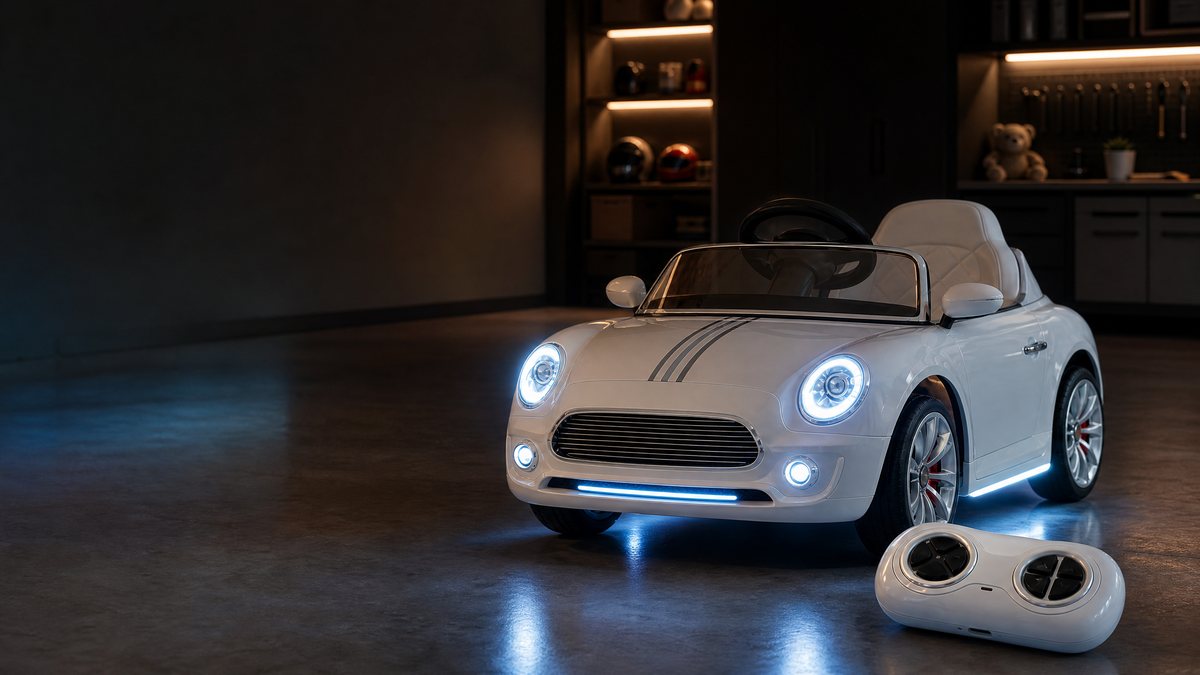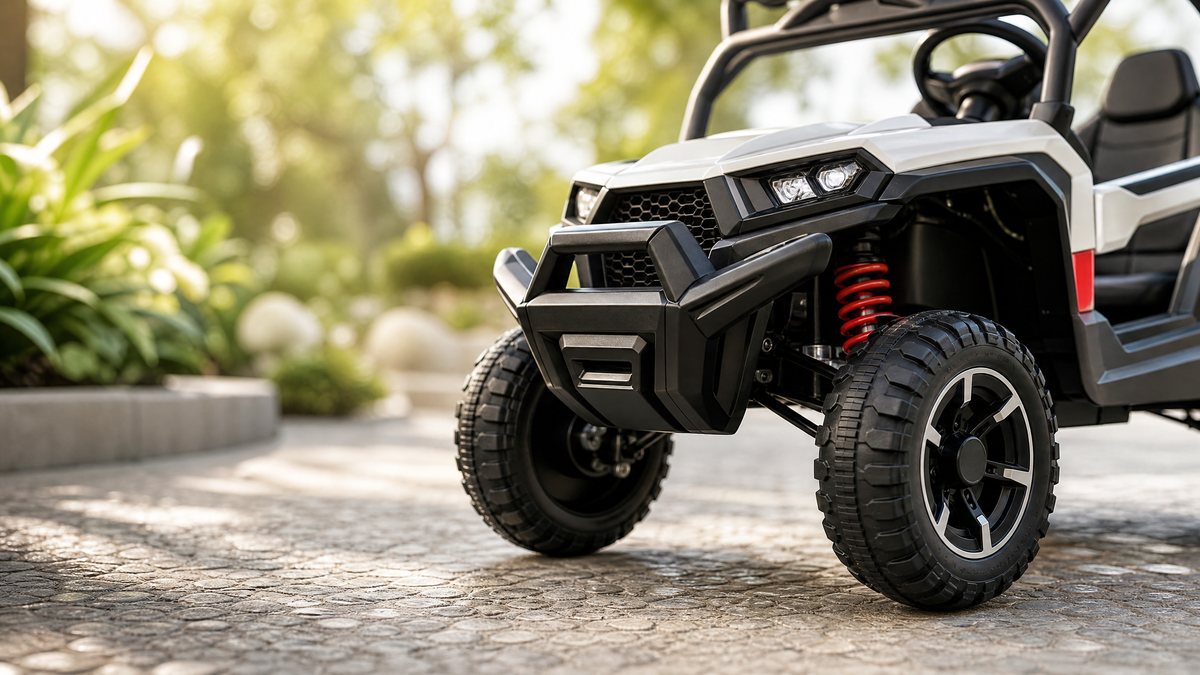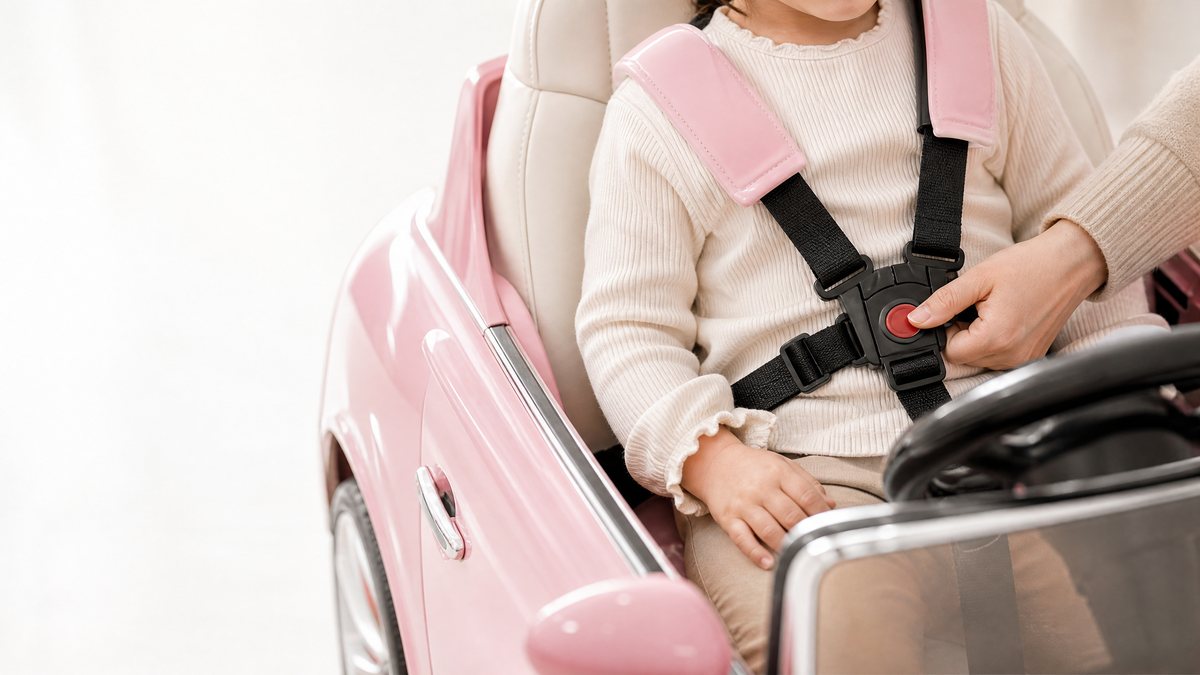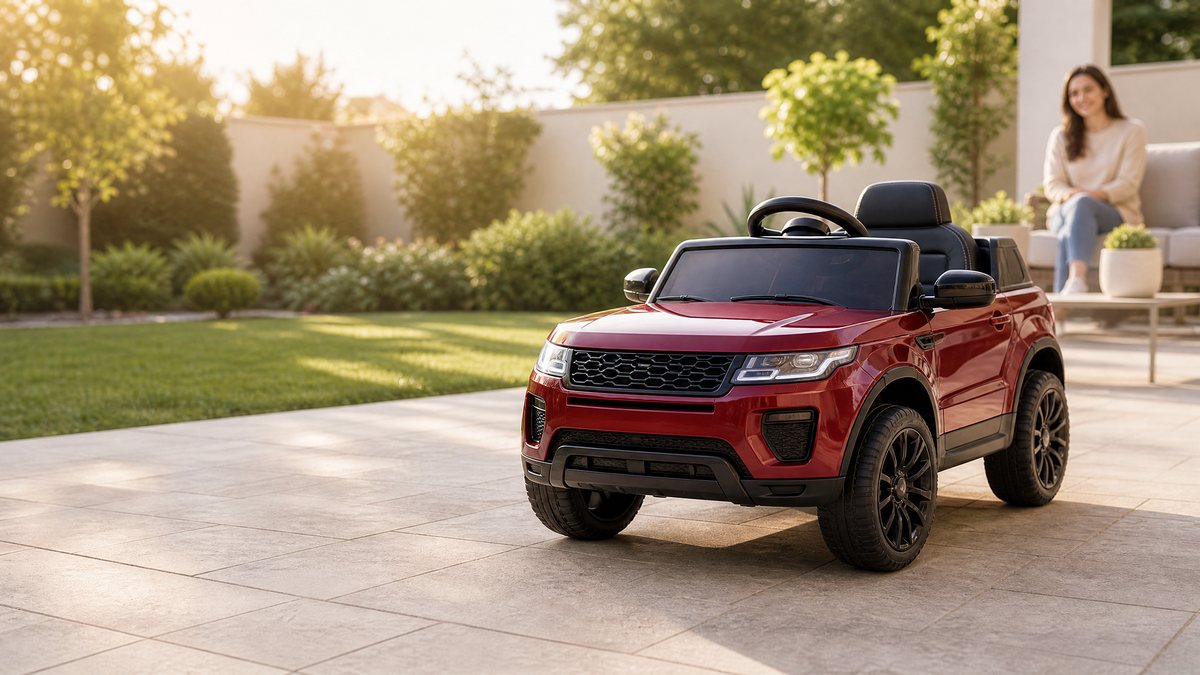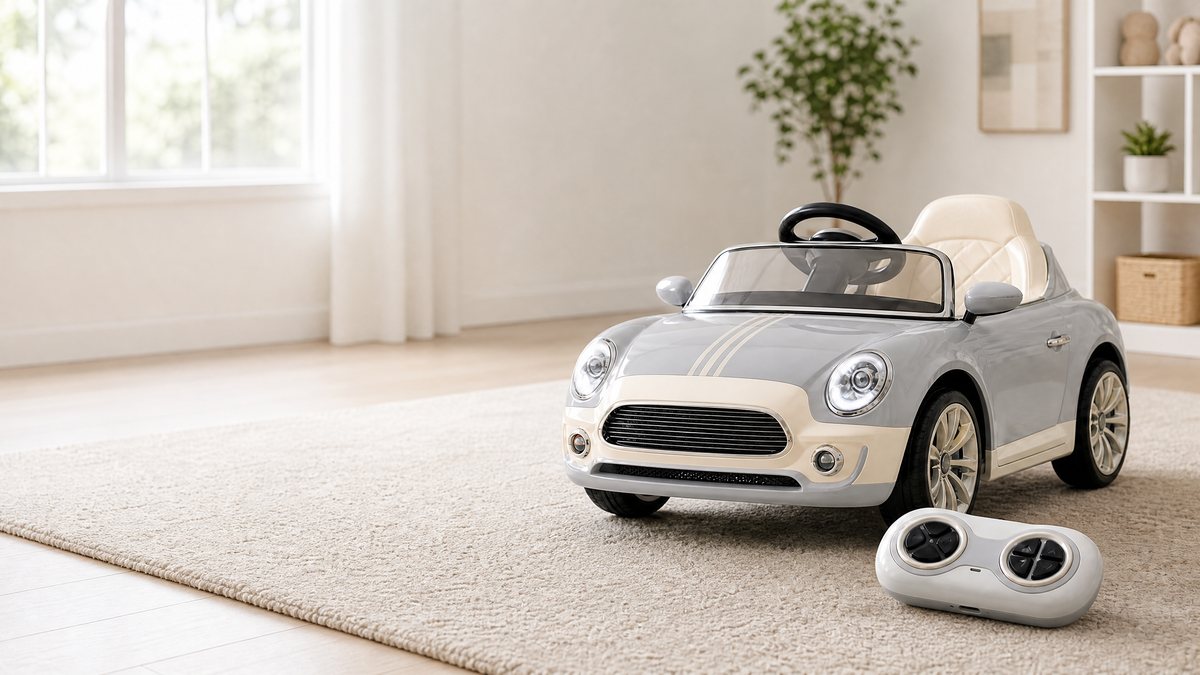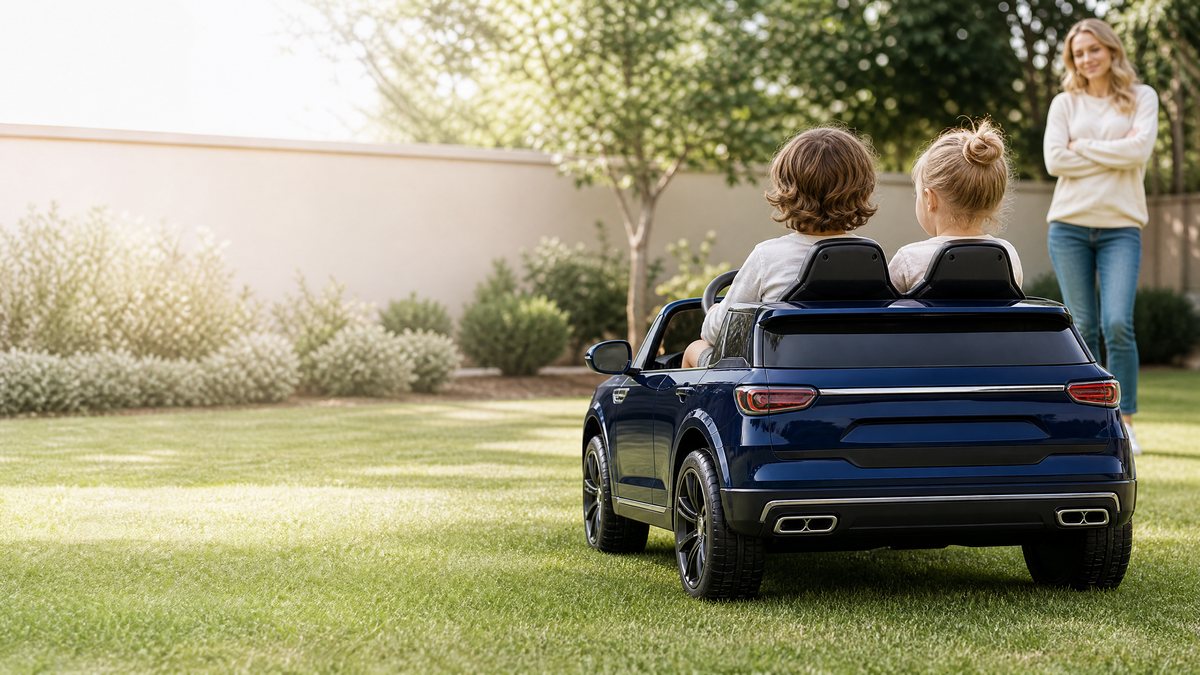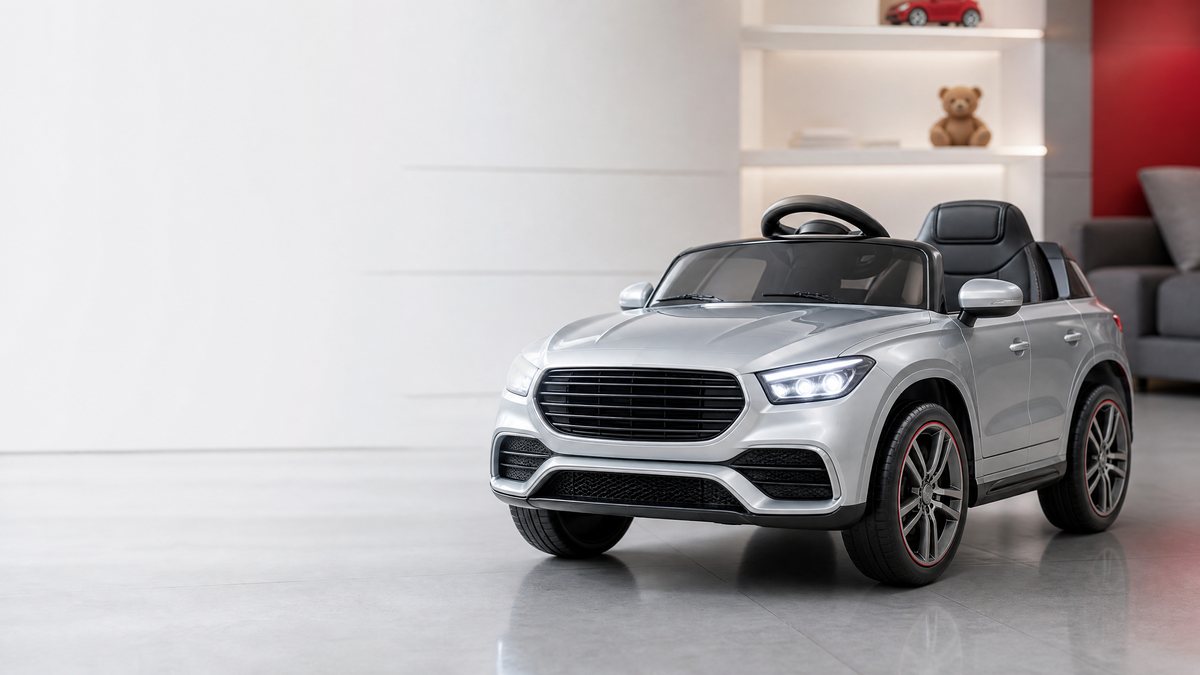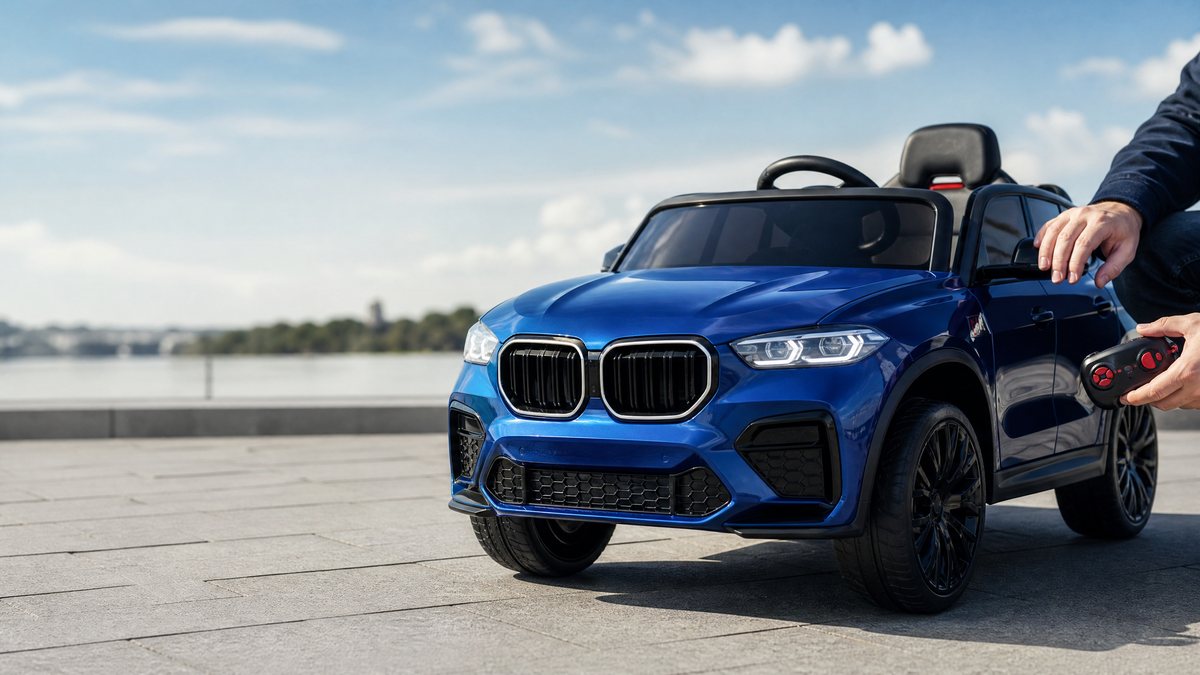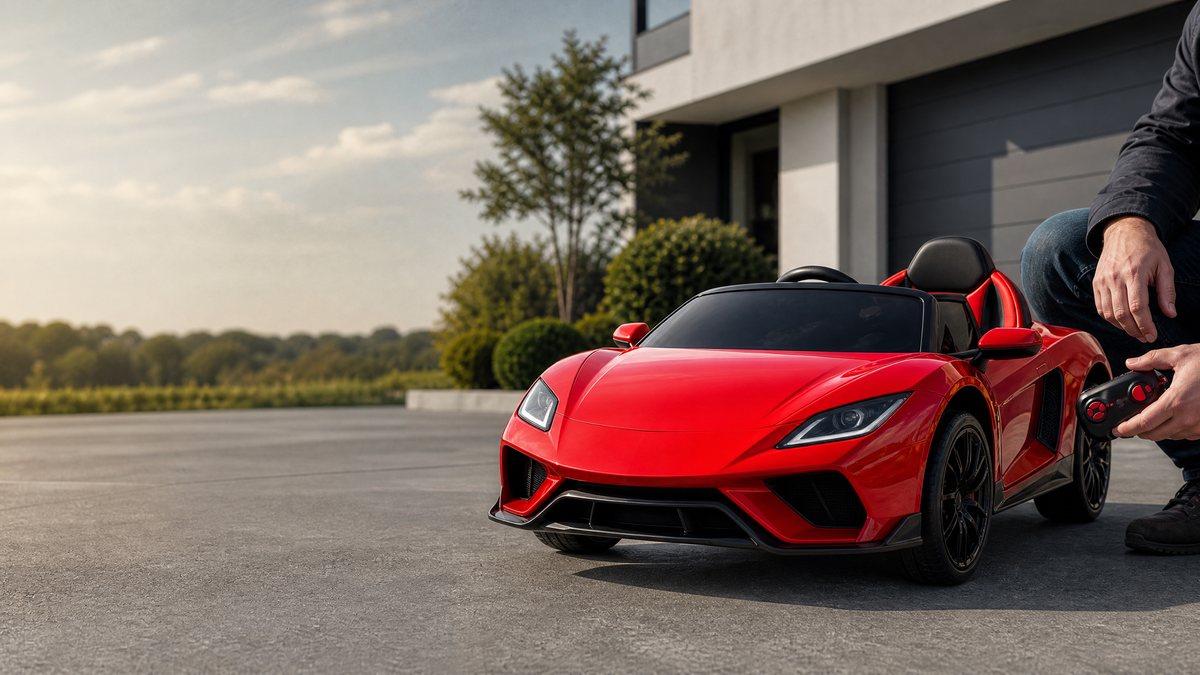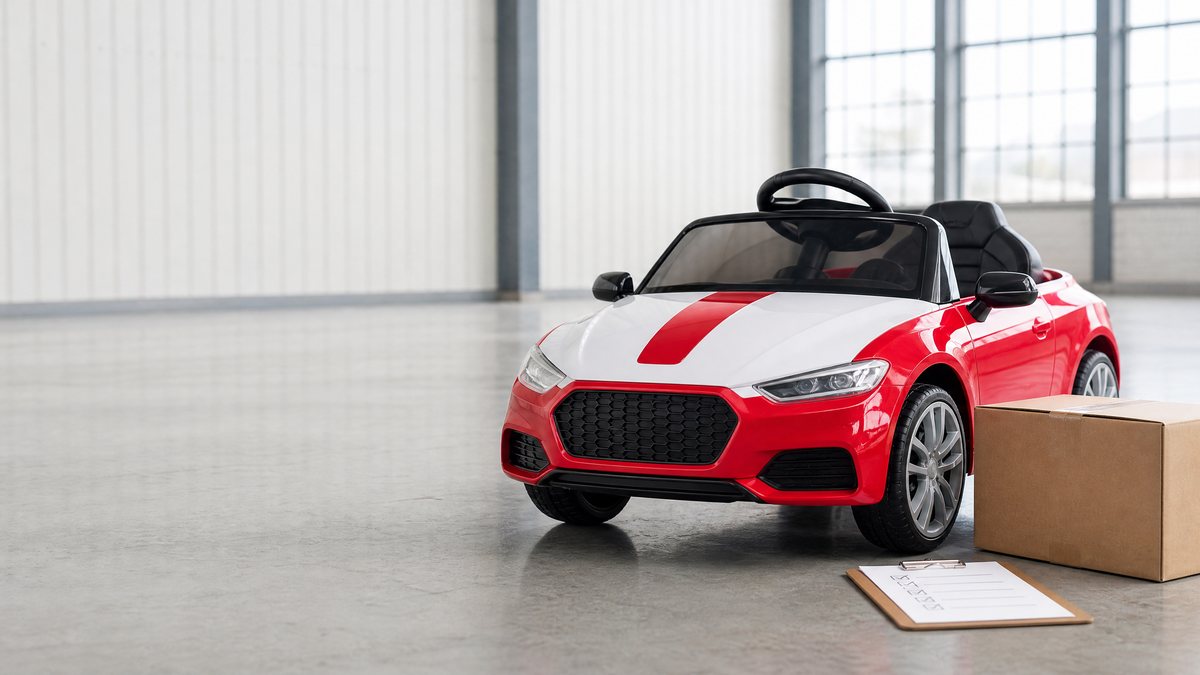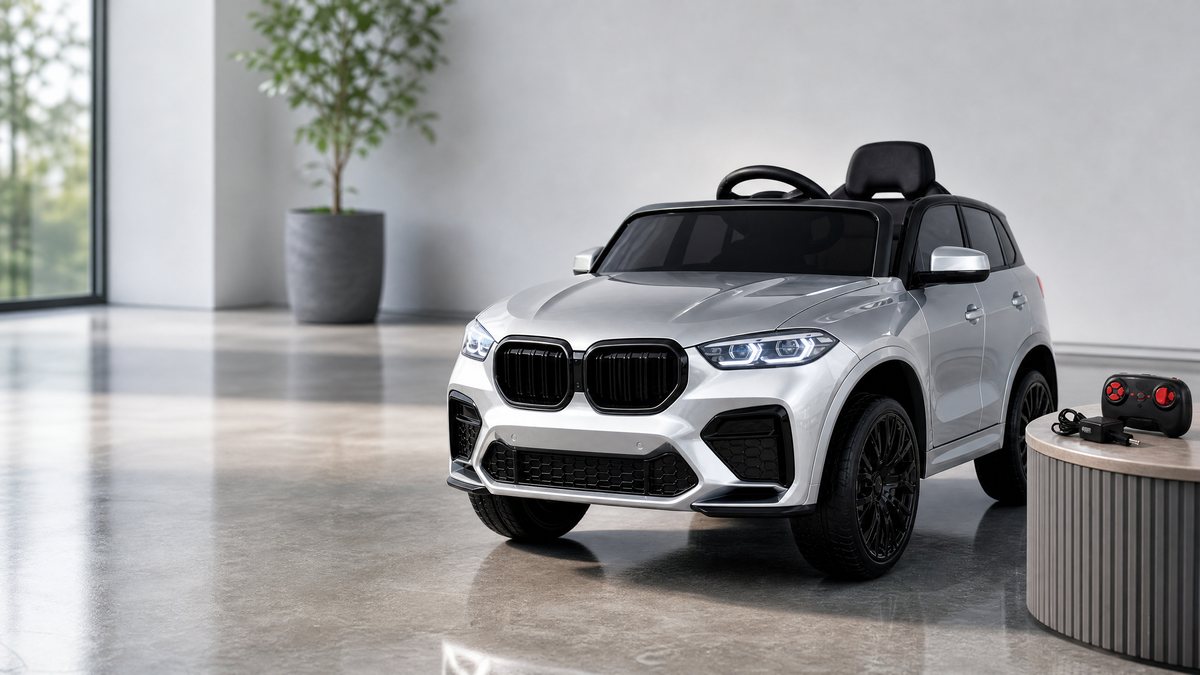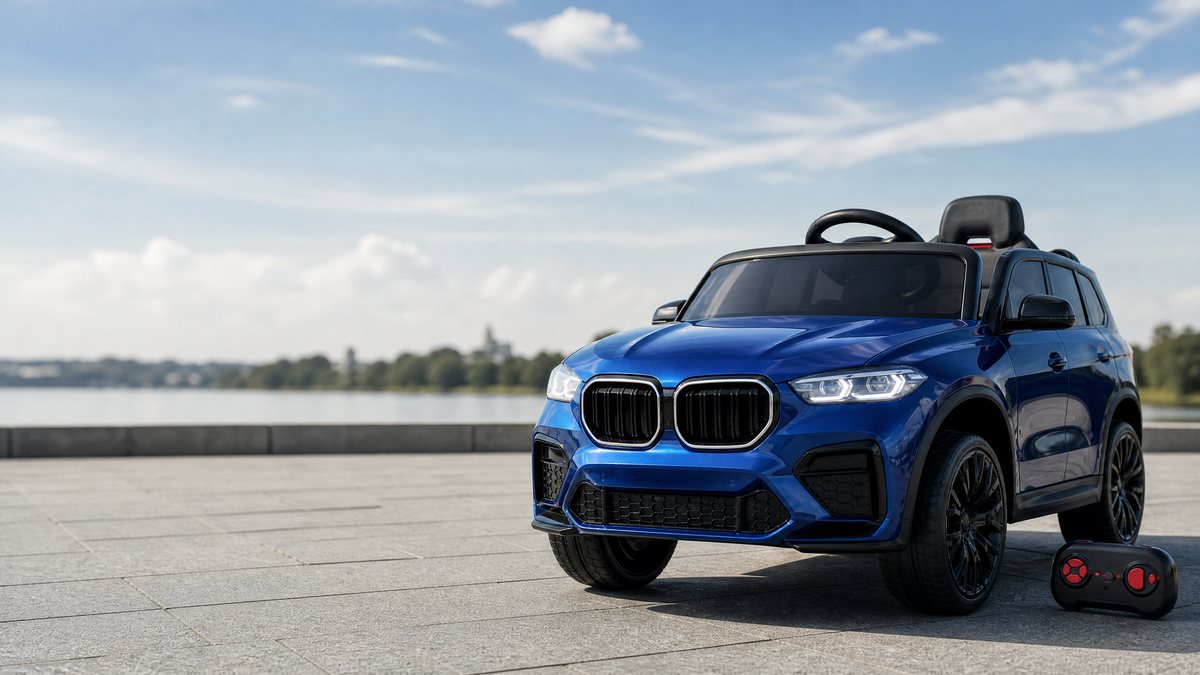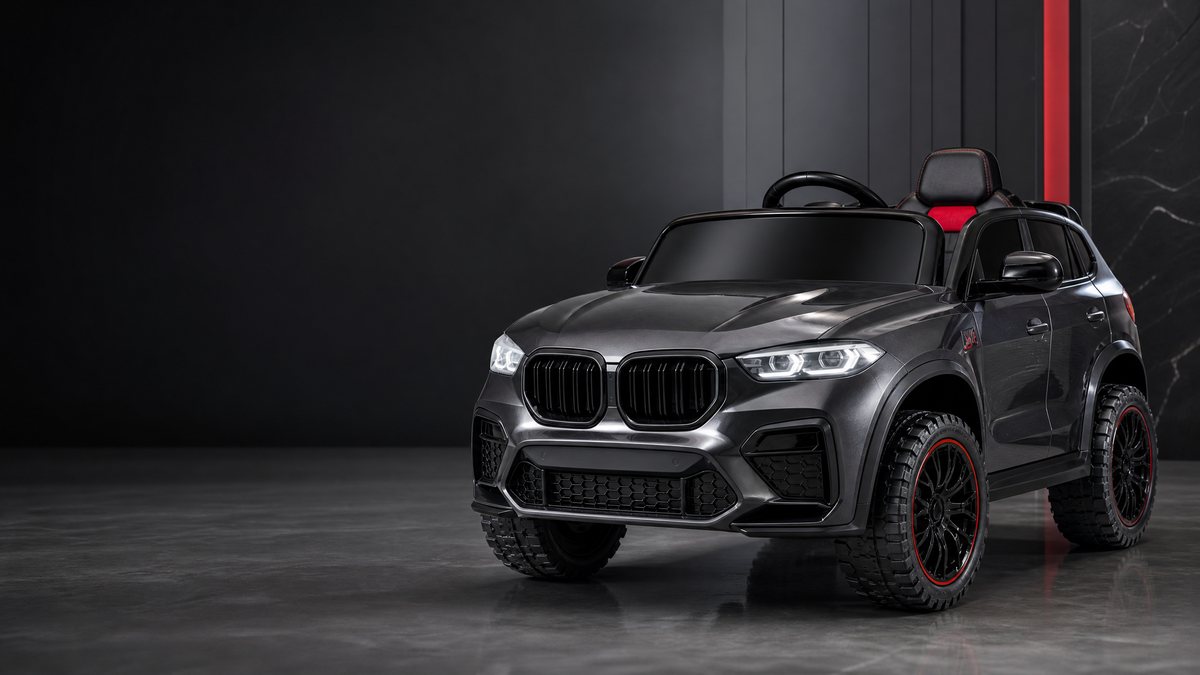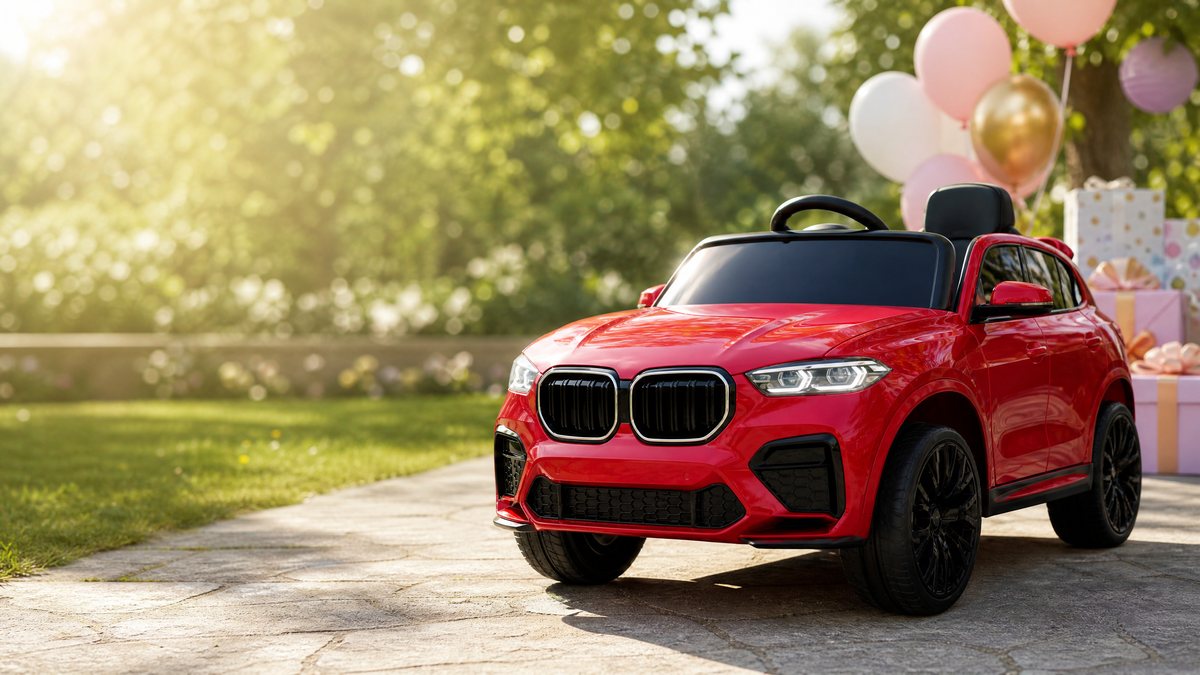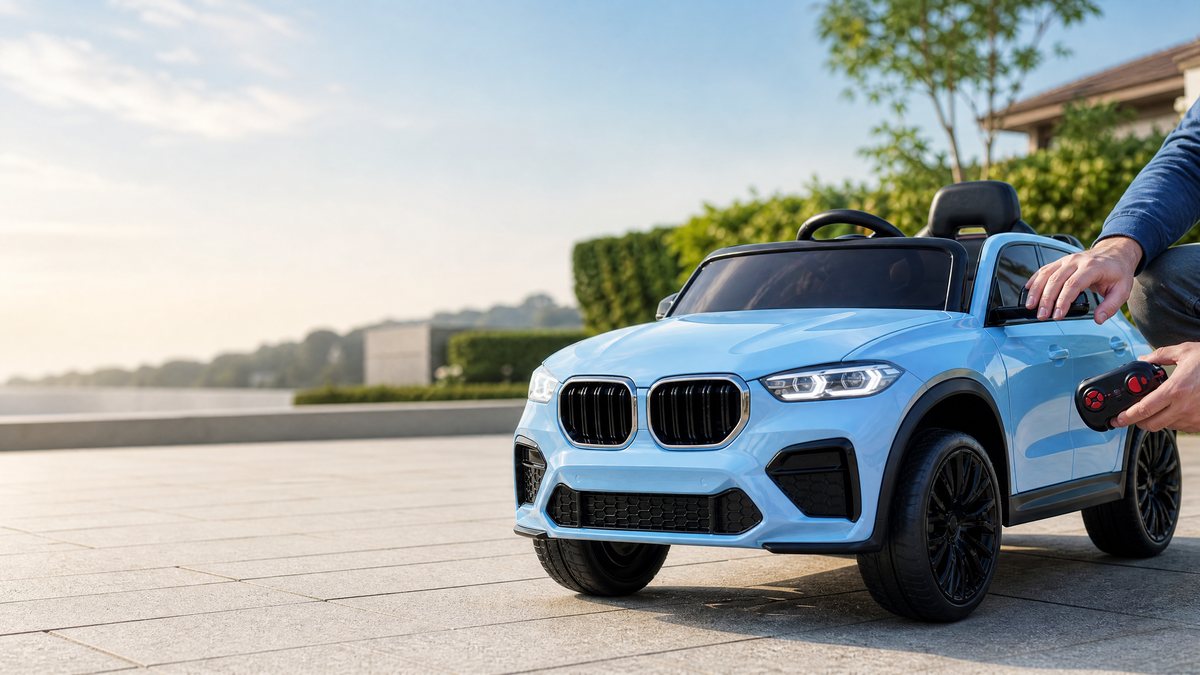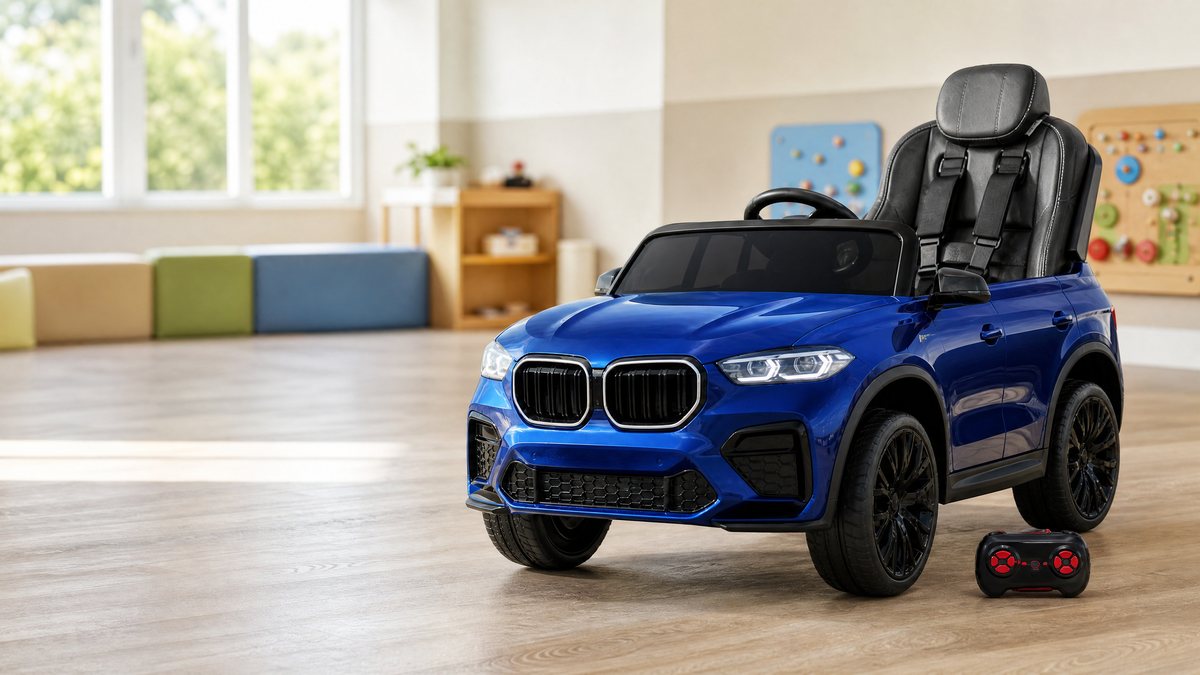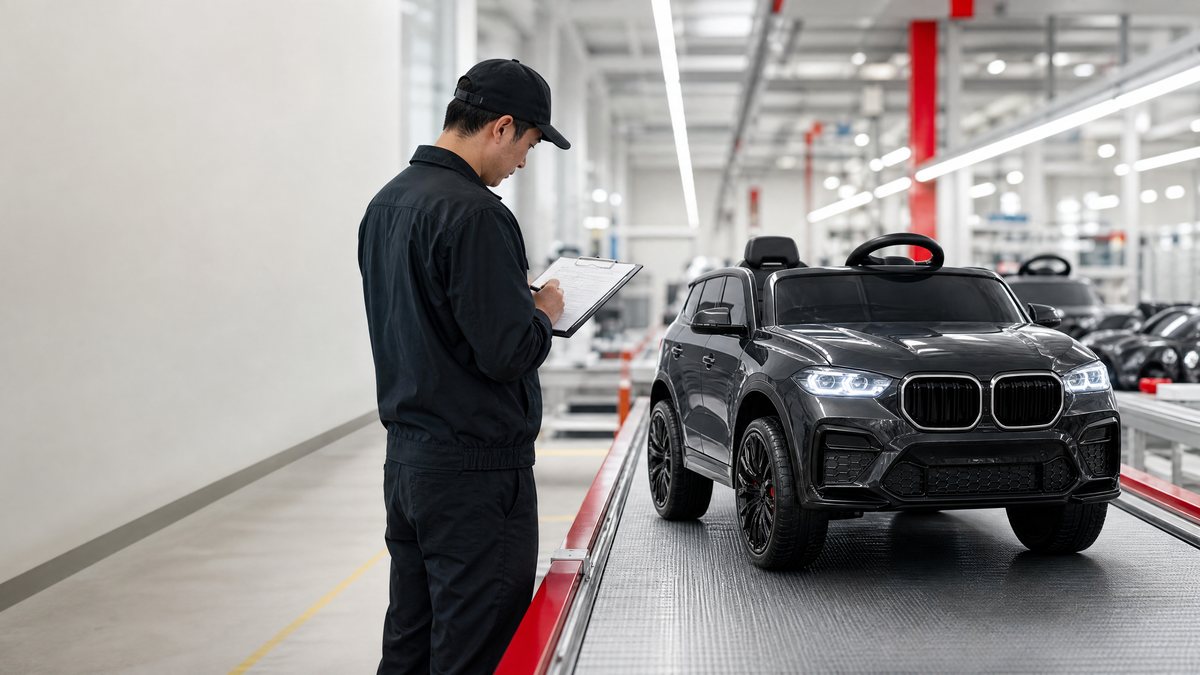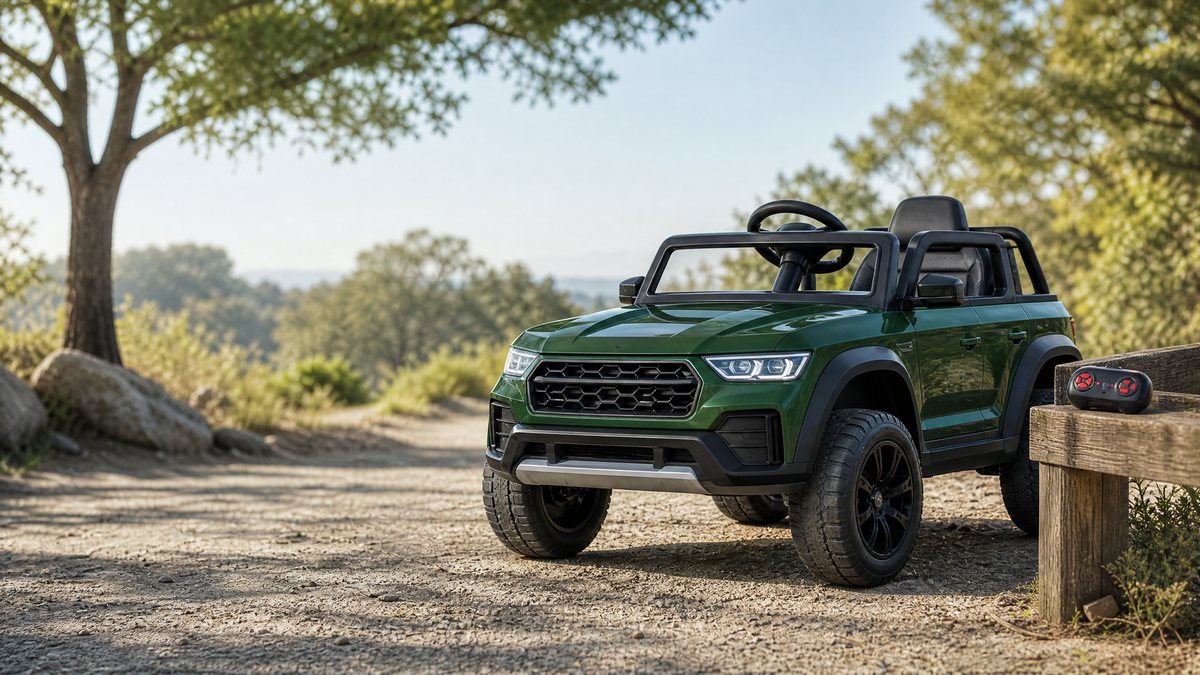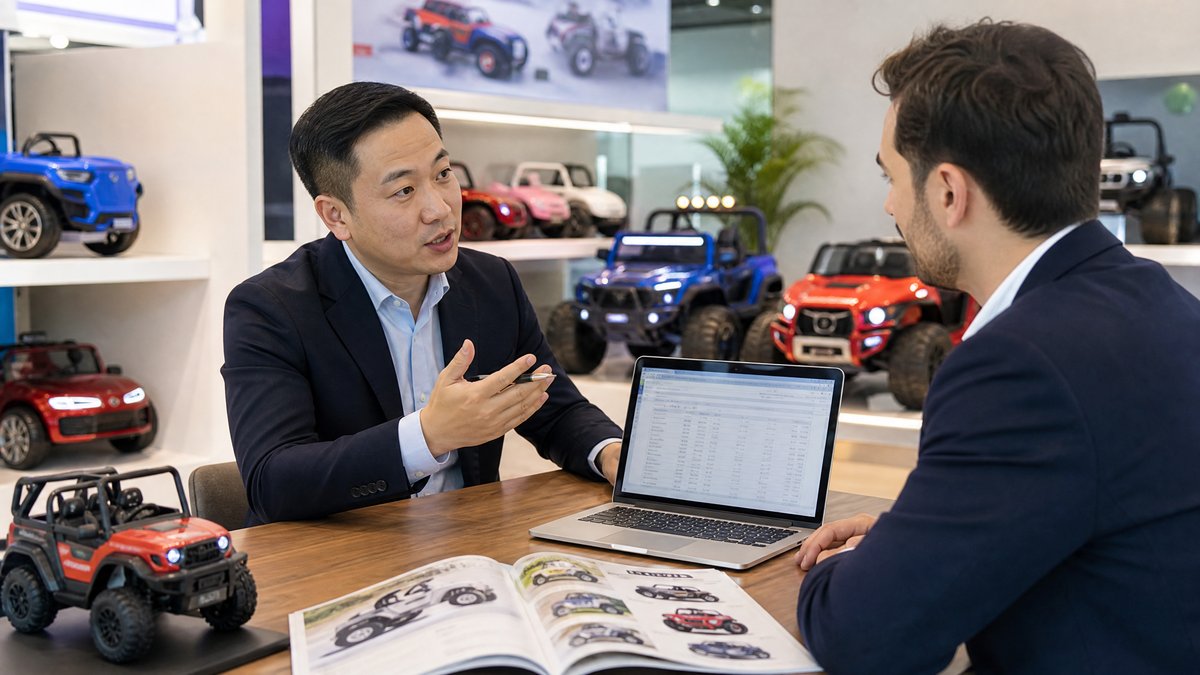
In the dynamic and ever-evolving toy and juvenile products market, ride-on cars have transitioned from simple plastic push-along toys to sophisticated miniature electric vehicles equipped with working headlights, independent suspension systems, Bluetooth audio integration, and interactive steering controls. Among these features, a working horn on a ride-on car stands out as a deceptively simple yet powerful design element. Far more than a mere noise-maker, a functional horn introduces acoustic realism, fosters imaginative role-play, supports sensory engagement, and provides tangible commercial differentiation for wholesale distributors, retail buyers, and international importers worldwide.
As retail buyers, toy store owners, and international importers evaluate product lineups for upcoming seasons, understanding the functional and psychological contributions of interactive dashboard elements like horns is essential for successful retail positioning, consumer satisfaction, and long-term brand reputation. This comprehensive guide examines how acoustic realism enhances the child's play experience, analyzes the engineering and sensory dimensions of ride-on car sound systems, explores broader market trends in juvenile mobility products, evaluates manufacturing considerations, and provides a structured evaluation framework for B2B procurement professionals seeking to optimize their product catalogs and maximize retail sell-through rates across diverse global markets. Furthermore, as consumer expectations shift toward feature-rich, authentic replica vehicles, understanding these components helps importers secure sustainable competitive advantages in competitive retail environments.
The Psychology of Realism in Children's Toys
Children naturally seek to emulate the adult world around them. When a child climbs into a ride-on vehicle, they are not merely operating a plastic toy; they are stepping into the role of a driver, commuter, explorer, or emergency responder. Realism acts as the bridge between imagination and physical reality, transforming a backyard patio, playroom floor, or park walkway into an expansive urban landscape where young imaginations thrive without restriction.
When visual aesthetics are complemented by tactile and auditory feedback—such as turning a steering wheel that activates a crisp, recognizable horn sound—the cognitive immersion deepens significantly. According to developmental play theories and ergonomic toy design principles, multi-sensory feedback reinforces cause-and-effect understanding. The child presses a button or pushes the center of the steering wheel, and an immediate auditory response occurs. This direct correlation empowers young operators, enhancing their sense of agency, confidence, and control during playtime.
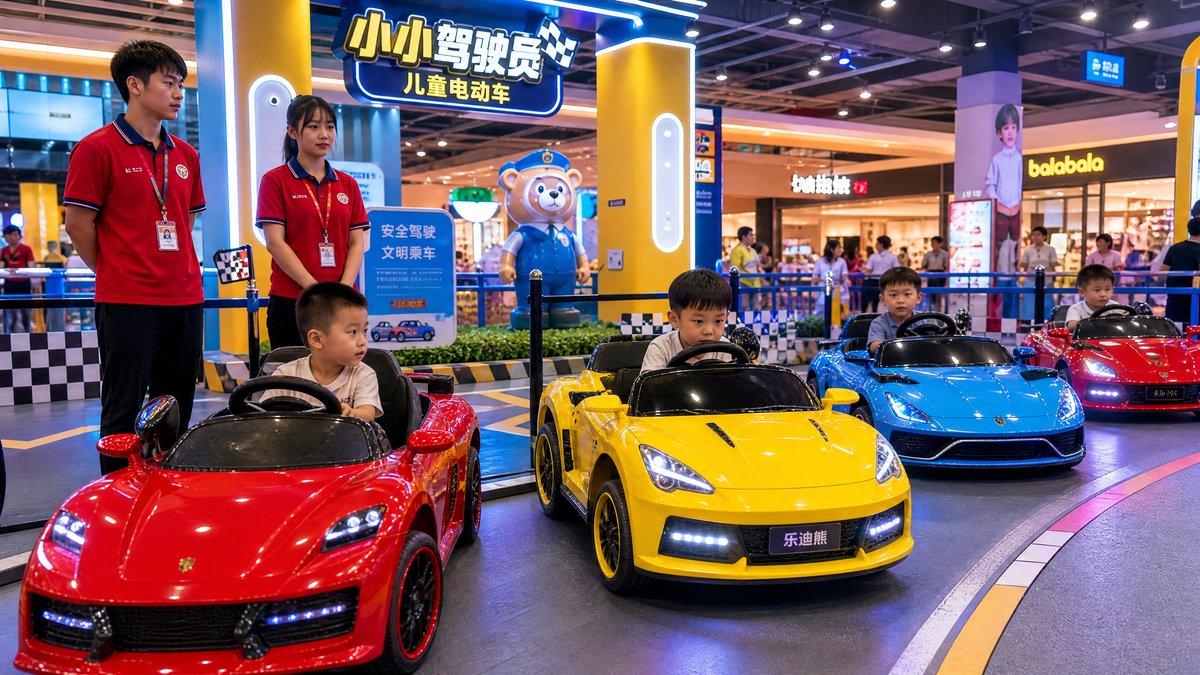
Furthermore, role-play scenarios involving traffic navigation, parking, or greeting pedestrians naturally incorporate signaling behaviors observed in everyday life. A working horn allows children to incorporate social rules and interactive communication into their imaginative journeys, bridging solo play with cooperative social dynamics when playing alongside peers, siblings, or parents. In structured play environments such as preschool courtyards or community play centers, such interactive features encourage turn-taking, shared imaginative storytelling, and cooperative social interactions, fostering vital interpersonal communication skills during formative developmental years.
Acoustic Engineering and Sound Design in Ride-On Cars
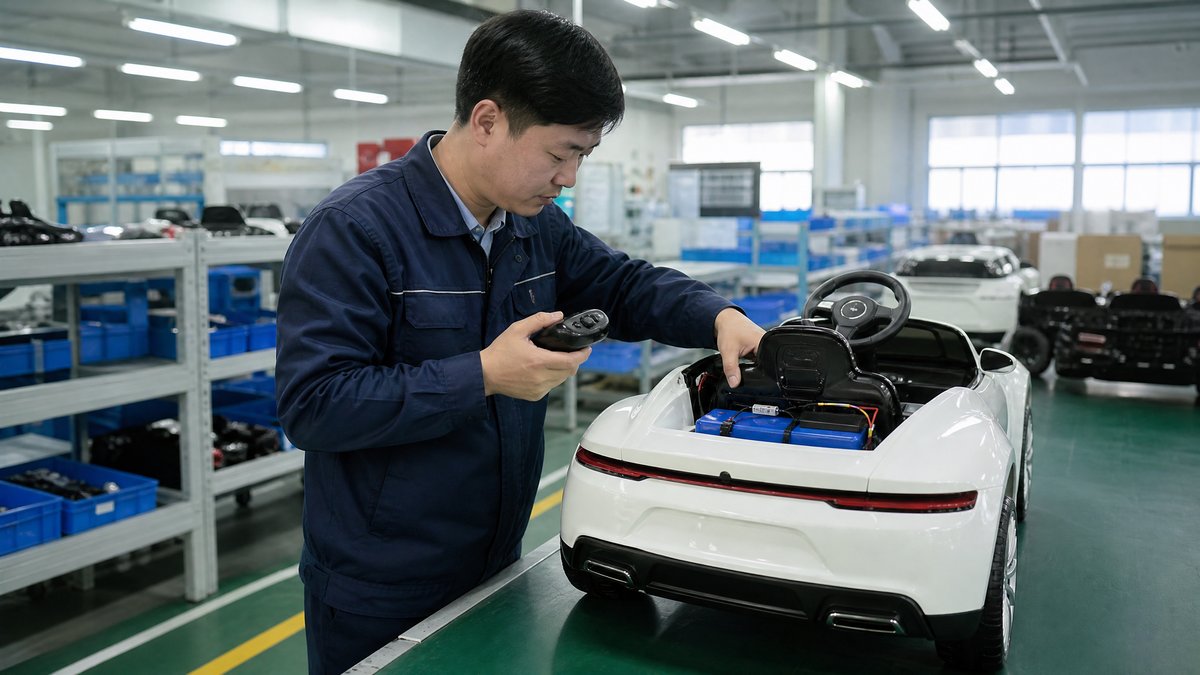
Integrating an authentic horn sound into a battery-powered ride-on car requires careful consideration of acoustic engineering, power management, and child safety standards. Unlike traditional mechanical horns found on vintage bicycles or simple rubber squeeze bulbs, modern ride-on cars utilize electronic sound modules integrated into the steering wheel assembly or dashboard circuit board.
Speaker Placement and Sound Fidelity
The perceived realism of a horn depends heavily on speaker quality, enclosure acoustics, and output volume regulation. Manufacturers must balance volume levels to ensure the sound is engaging and audible outdoors without exceeding comfortable auditory thresholds for young children. Proper speaker placement—typically housed beneath the dashboard or behind protective acoustic grilles—prevents distortion while protecting internal electronic components from dust, moisture, and accidental liquid spills during outdoor operation.
Power Source and Circuit Integration
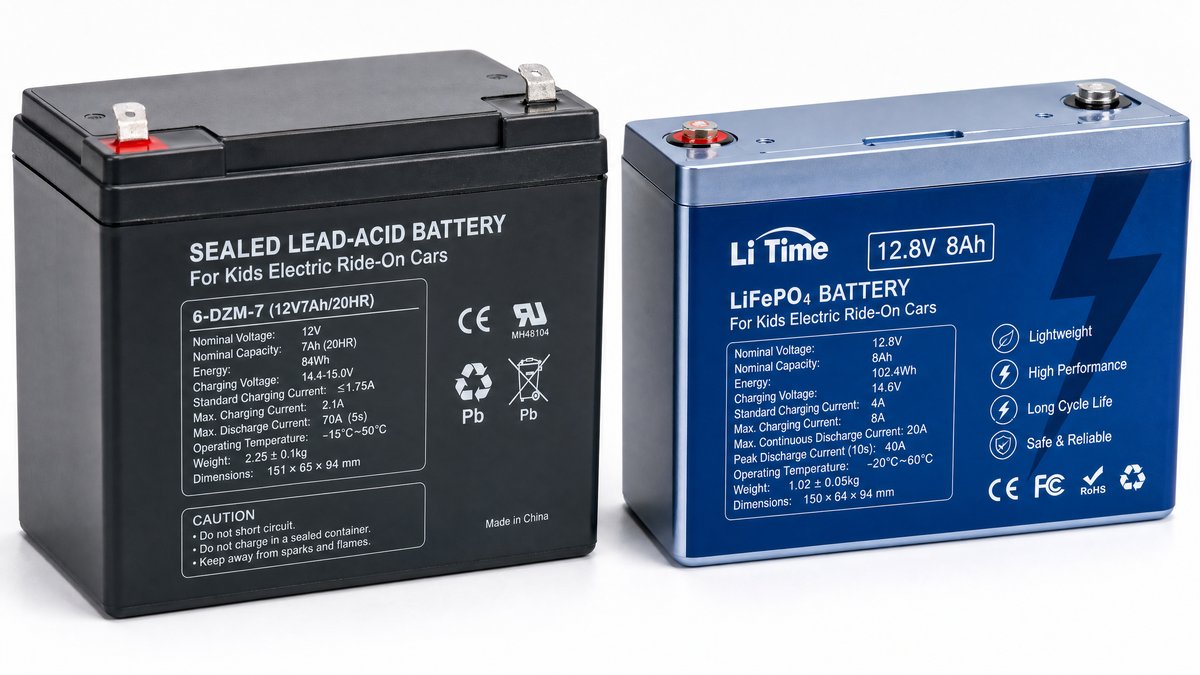
Electronic horns draw minimal electrical current from the vehicle's onboard battery system (typically 12V or 24V configurations, depending on the specific vehicle model and motor output). Standardized wiring harnesses connect the steering wheel switch directly to the central control unit or sound module. As outlined in standard manufacturer specifications, all internal wiring must remain securely housed within protective compartments to maintain electrical safety and prevent tampering by curious young operators.
| Feature Aspect | Basic Electronic Beep | Multi-Tone Horn Module | Premium Multimedia Steering Wheel |
|---|---|---|---|
| Acoustic Profile | Single high-frequency tone | Dual-tone realistic vehicle horn | Horn, engine start, and music presets |
| Activation Mechanism | Simple membrane switch button | Center-pad pressure switch | Multi-function tactile buttons |
| Power Efficiency | High efficiency, ultra-low draw | Moderate draw, dedicated circuit | Standard auxiliary power integration |
| Retail Positioning | Entry-level budget models | Mid-range standard ride-on cars | Premium luxury replica models |
Sensory Engagement and Motor Skill Development
The inclusion of interactive features such as working horns contributes directly to the holistic development of toddlers and young children. Toy design is increasingly evaluated not just on entertainment value, but on its ability to support foundational motor skills, coordination, and cognitive growth.
Hand-Eye and Hand-Foot Coordination
Operating a ride-on car demands coordinated physical actions: steering with the hands, managing the accelerator pedal with the foot, and observing the surrounding environment. Adding a horn into this operational matrix requires the child to temporarily reposition a hand or press a thumb without losing control of the steering direction. This multitasking aspect refines fine motor control, bilateral coordination, and spatial awareness during active play sessions.
Sensory Integration and Auditory Processing
For children experiencing sensory processing development, predictable and controllable auditory feedback can be highly beneficial. Unlike unexpected loud noises, a self-initiated horn sound allows the child to control the volume and timing of the stimulus. This active participation supports auditory processing and self-regulation. However, as noted in general developmental guidelines, caregivers should always observe individual child preferences regarding sound-emitting toys, ensuring play remains comfortable, safe, and enjoyable.
Commercial Value and Retail Appeal for B2B Importers
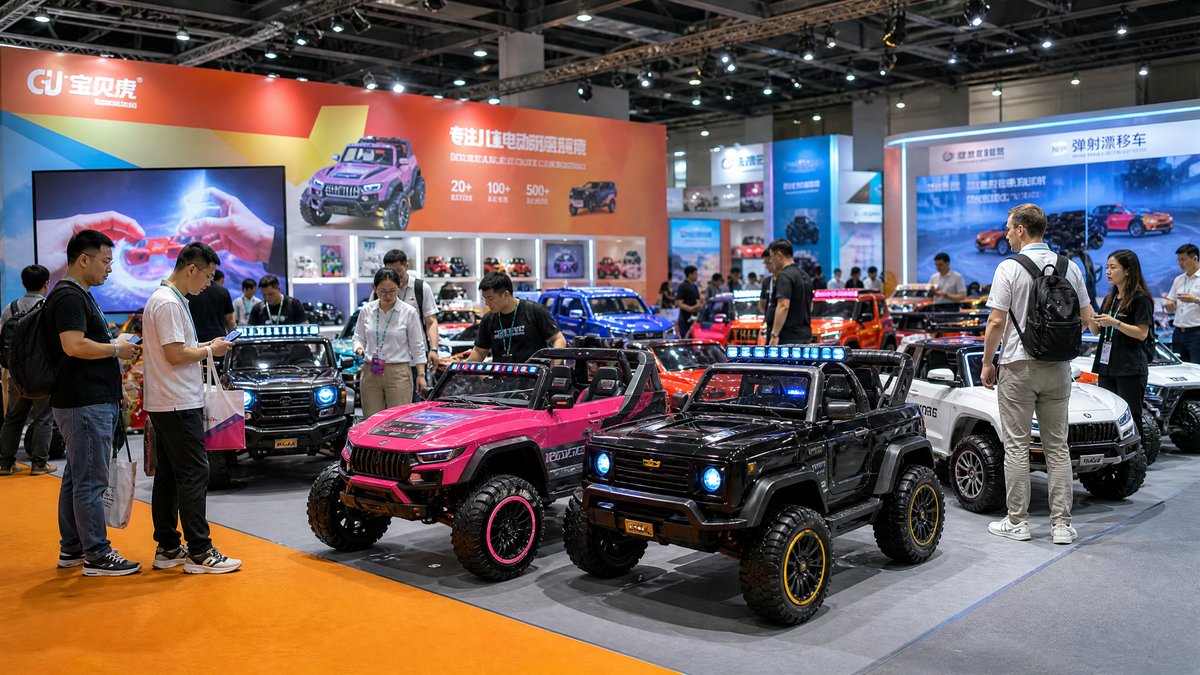
For wholesale distributors, retail buyers, and e-commerce merchants, product specifications that enhance perceived value are critical for margin retention and consumer satisfaction. In a crowded marketplace where many ride-on cars share similar chassis designs and motor specifications, differentiating features dictate retail success and brand loyalty.
Enhancing Perceived Quality and Shelf Appeal
When parents or gift-buyers inspect a ride-on car in a retail showroom or examine high-resolution product listings online, tactile details matter immensely. A solid steering wheel with a responsive, natural-sounding horn signals meticulous manufacturing quality. It reassures buyers that the manufacturer has paid attention to details beyond the core drivetrain, elevating the overall perceived value of the product across competitive retail categories.
Merchandising and Catalog Positioning
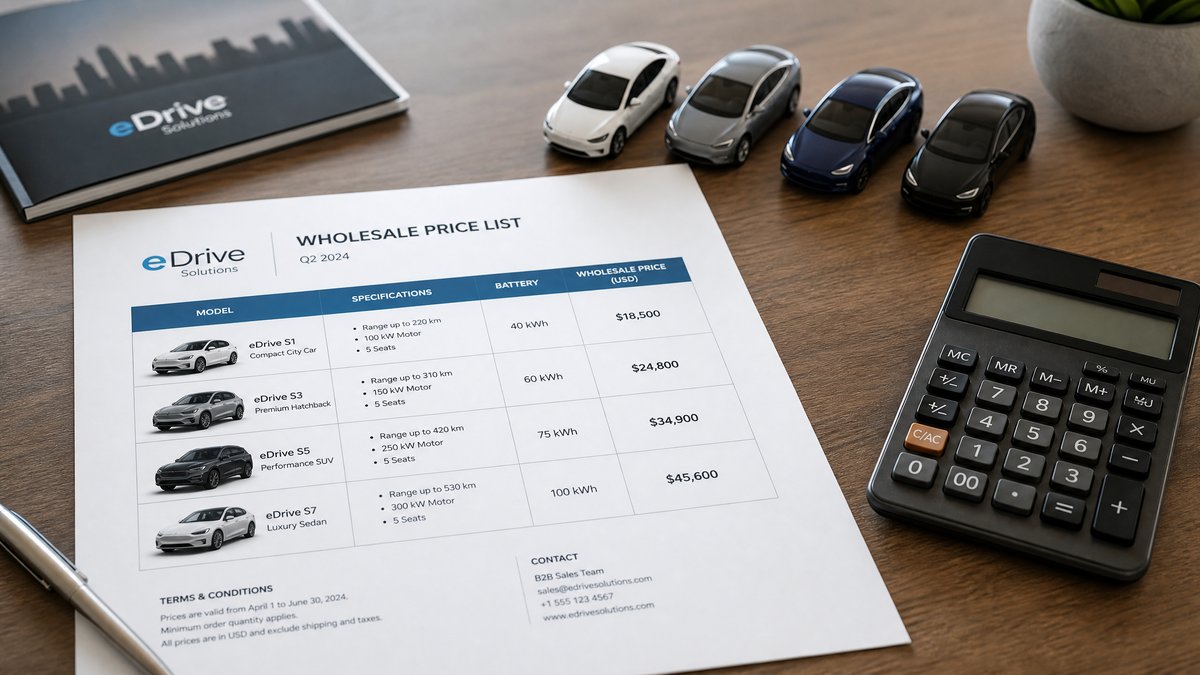
In B2B catalogs and wholesale specification sheets, highlighting interactive features—such as integrated horns, functional LED lights, and realistic dashboard gauges—allows distributors to position products across distinct market tiers:
* Entry-Level Fleet: Focuses on core mobility, durability, and safety basics.
* Mid-Tier Interactive: Emphasizes working horns, music players, and realistic styling.
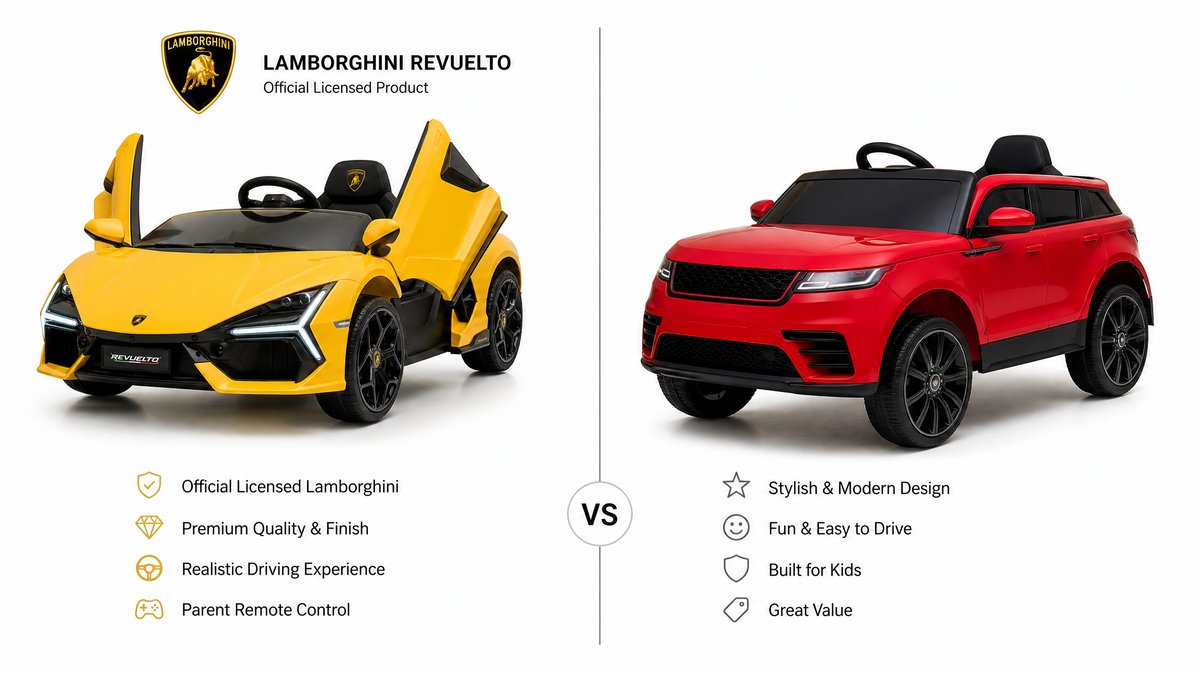
* Luxury Replica Tier: Features multi-function steering wheels, Bluetooth connectivity, customized leather-style seats, and advanced remote-control overrides.
To discuss wholesale catalog options, custom branding, or container load planning for ride-on cars equipped with advanced interactive features, Request a wholesale quote today.
Evaluating Acoustic Features: A Buyer's Pre-Purchase Checklist
When procuring ride-on cars for retail distribution or commercial fleets (such as kindergarten playgrounds, family entertainment centers, or rental operations), wholesale buyers should establish a rigorous evaluation protocol. Because specifications vary significantly across different manufacturing batches and model tiers, relying on structured verification checklists ensures consistent quality.
1. Switch Durability and Ergonomics
The activation button or center pad of the horn will experience frequent, often enthusiastic use by young drivers. Buyers should verify that the switch mechanism is rated for high actuation cycles and offers a tactile response that is easy for small hands to press without excessive force.
2. Volume Compliance and Acoustic Safety
Review product specification sheets to confirm that built-in audio outputs comply with relevant international toy safety standards regarding maximum decibel levels. Sound levels must remain within safe limits for continuous use, preventing auditory discomfort.
3. Weather Resistance and Maintenance
Because ride-on cars are frequently operated outdoors on driveways, patios, and park paths, dashboard electronics and steering wheel switches must feature adequate resistance against moisture and dust ingress. Importers should request compliance documentation and sample units for rigorous pre-shipment inspection.
4. Supply Chain Consistency and Documentation
Ensure that suppliers provide thorough technical documentation, wiring diagrams, and spare parts availability for electronic components. Consistency across production runs safeguards retail partnerships and minimizes after-sales warranty friction.
Operating Safety and Adult Supervision Guidelines
While interactive features like working horns enhance the enjoyment of ride-on cars, safe operation remains paramount. Wholesale buyers, retailers, and end-user families must adhere strictly to established safety guidelines and manufacturer instructions.
* Adult Supervision: Children operating ride-on cars must be continuously supervised by a responsible adult, particularly when operating near slopes, driveways, swimming pools, or public thoroughfares.
* Adherence to Manuals: Always consult the specific product manual provided by the manufacturer for assembly, charging protocols, weight limits, and operational boundaries.
* Electrical Safety and Maintenance: Never attempt to modify internal wiring, bypass circuit protection fuses, or tamper with the sound module and battery terminals. If unusual burning odors, smoke, sputtering sounds, or continuous electrical malfunctions occur, immediately power off the vehicle, disconnect the battery following safety instructions, and consult qualified service personnel.
* Surface and Environmental Limits: Operate vehicles only on recommended flat, dry, paved surfaces as specified in the official product documentation.
Frequently Asked Questions
Q1: Are the horn sounds on ride-on cars adjustable in volume?
A: Most standard ride-on car sound modules come with a fixed volume level preset by the manufacturer to ensure optimal clarity outdoors while remaining within safe hearing thresholds. Some premium multimedia models may feature digital volume controls through an integrated media dashboard. Always refer to the specific product manual for exact feature details.
Q2: What type of power source operates the horn and dashboard features?
A: The horn and dashboard accessories draw power directly from the vehicle's main rechargeable battery system (typically 12V or 24V) via a stepped-down auxiliary circuit. They do not require separate disposable batteries in most standard configurations, though buyers should verify individual model schematics.
Q3: How should wholesale buyers verify the durability of steering wheel switches?
A: B2B buyers should request sample units for physical testing, inspect switch actuation ratings in manufacturer technical data sheets, and verify that materials meet relevant commercial quality standards before placing bulk container orders.
Q4: Can electronic horn systems be repaired or replaced if they stop working?
A: Minor electrical issues should always be diagnosed by qualified service technicians following manufacturer guidelines. Never attempt unauthorized disassembly or internal wiring modifications. Contact your supplier or manufacturer support for approved replacement parts and repair procedures.
Conclusion
A working horn on a ride-on car is far more than a simple noisemaker; it is a vital catalyst for imaginative play, sensory engagement, and acoustic realism that elevates the entire driving experience for children. For B2B wholesale buyers, toy distributors, and retail store owners, stocking models with well-engineered, responsive interactive features provides a distinct competitive edge in the marketplace.
By balancing robust tactile design, acoustic safety compliance, and clear operational guidelines, retailers can deliver products that delight young consumers while ensuring peace of mind for parents and caregivers. Furthermore, continuous evaluation of emerging acoustic technologies and consumer preferences ensures long-term retail success and sustained profitability across international markets. To explore our comprehensive catalog of ride-on cars, custom configurations, and wholesale partnership opportunities, Request a wholesale quote.
Official References
1. U.S. Consumer Product Safety Commission (CPSC): General Toy Safety Education and Consumer Guidance. *Note: CPSC educational materials provide general safety principles and do not replace specific product manuals, ratings, or certifications provided with individual ride-on car models.*
2. International Organization for Standardization (ISO): Safety of Toys Standards Framework (ISO 8124 Series Overview). *Note: Technical standards apply to specific manufacturing batches and must be verified through manufacturer documentation.*
3. Toy Industry Association (TIA): Developmental Play and Sensory Integration Guidelines in Modern Toy Design.
Official references
Explore these external resources for current regulatory and trade guidance. Confirm requirements with the relevant authority before placing an order.
Ready to Start?
Factory-Direct · CE & ASTM Certified · MOQ from 50 Units
Our export team works with buyers in 60+ countries. Get a quote within 24 hours.
KR
Written by KidsRideCar
China's leading kids electric ride-on car manufacturer. 500,000+ units shipped annually to 60+ countries. CE, ASTM & EN71 certified.