Introduction
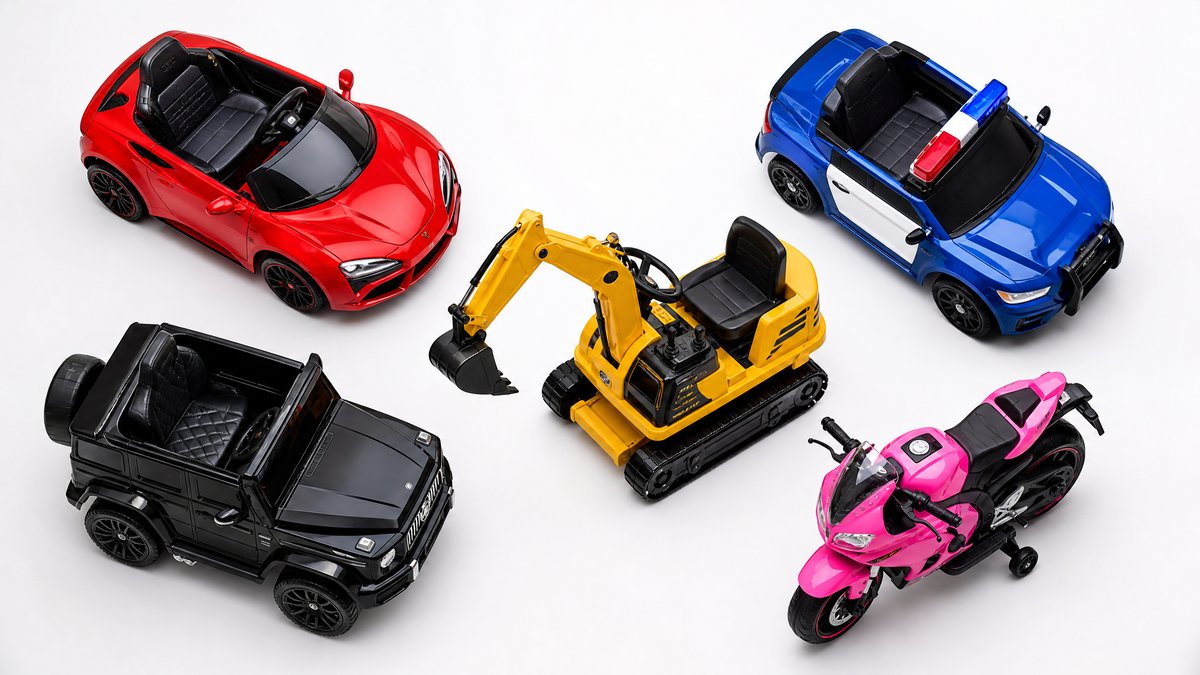
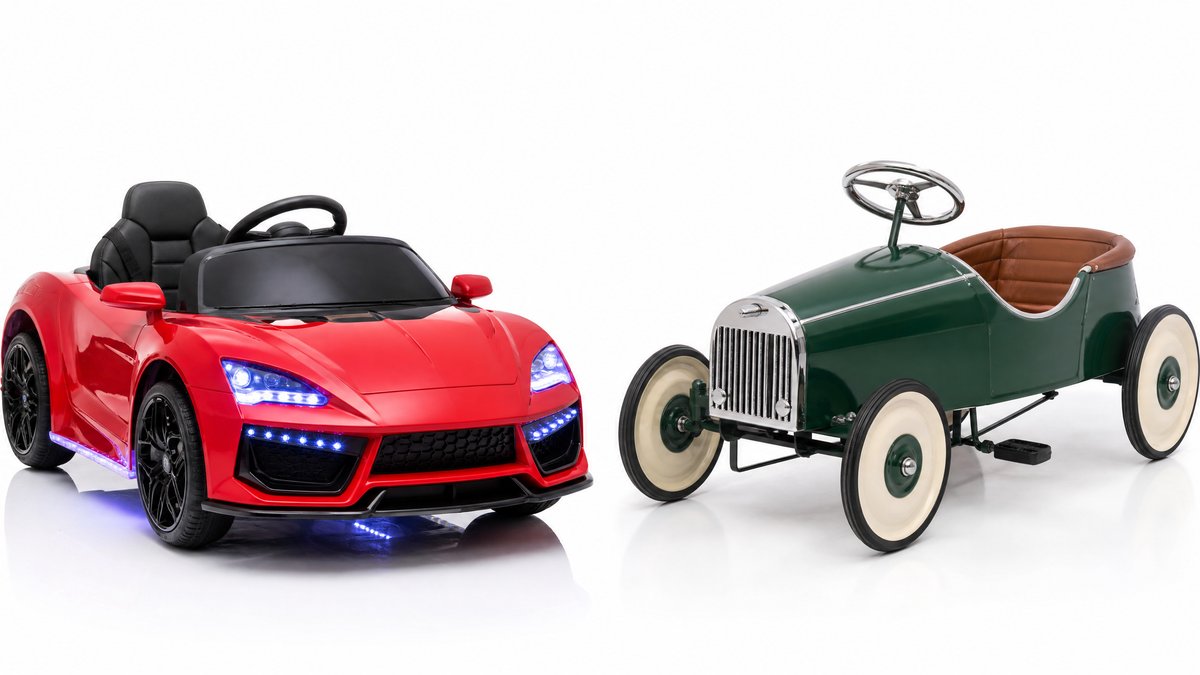
In the modern landscape of children's electric ride-on vehicles, engineering and design have evolved far beyond basic plastic toys powered by simple motors. Today's premium ride-on cars, trucks, and utility vehicles mimic full-sized automotive counterparts, incorporating sophisticated features such as LED lighting systems, parental remote controls, multi-speed gearboxes, and advanced damping mechanisms. Among these features, spring suspension stands out as a critical engineering component that directly influences both the physical comfort of the young rider and the long-term durability of the vehicle itself. For B2B wholesale buyers, retail distributors, and discerning store owners, understanding the mechanics, benefits, and quality indicators of spring suspension systems is essential when curating product lineups that meet consumer expectations for safety, performance, and value.
When children operate ride-on cars across diverse outdoor environments—ranging from smooth residential driveways and concrete walkways to uneven backyard lawns, gravel paths, and light park terrain—they encounter physical impacts, bumps, and vibrations. Without adequate shock absorption, these impacts are transmitted directly through the chassis and seat to the young driver, potentially causing discomfort, jarring jolts, and accelerated wear on the vehicle's structural joints, plastic body panels, and internal gearboxes. Spring suspension systems are engineered to mitigate these forces by absorbing kinetic energy, smoothing out surface irregularities, and maintaining consistent tire contact with the ground. This comprehensive guide explores what spring suspension is, how it operates within the architecture of children's ride-on vehicles, why it matters for both performance and structural integrity, and how B2B buyers can evaluate suspension quality during procurement.
Understanding Spring Suspension Systems in Ride-On Vehicles
To fully appreciate the role of suspension in ride-on cars, it is necessary to examine the underlying mechanical principles. In full-sized automotive engineering, suspension systems comprise springs, shock absorbers (dampers), linkages, and control arms designed to isolate the vehicle body from road irregularities while keeping tires pressed firmly against the pavement. In children's electric ride-on cars, the system is necessarily scaled down, yet the core mechanical concepts remain remarkably consistent.
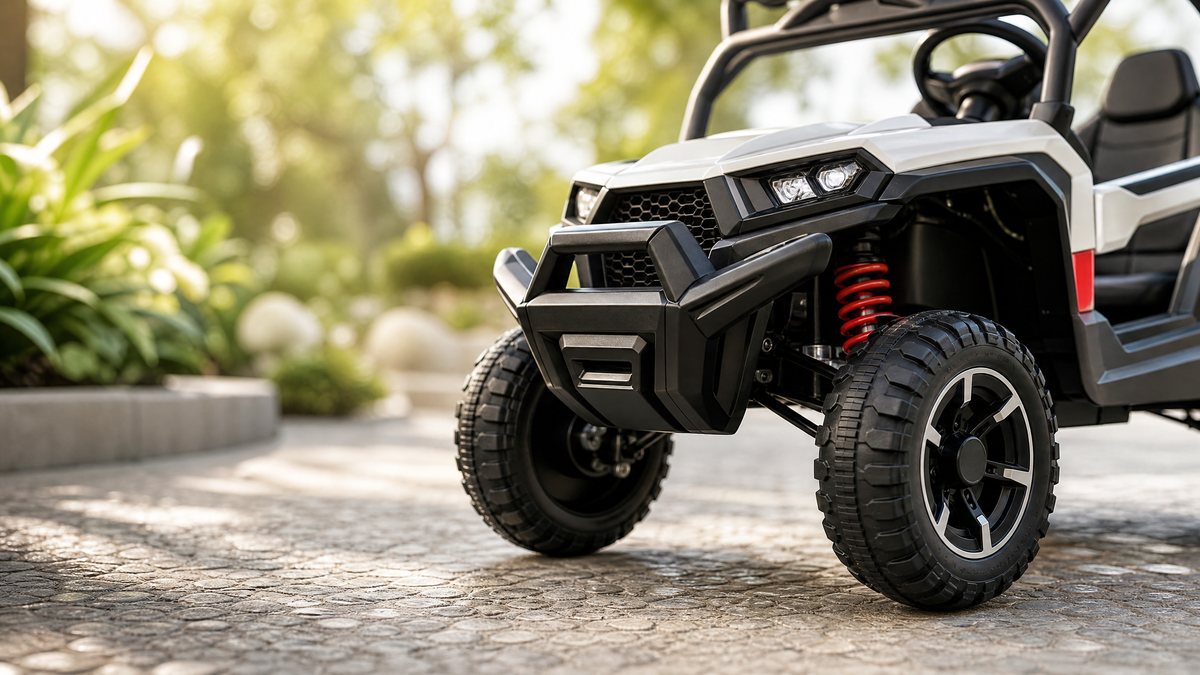
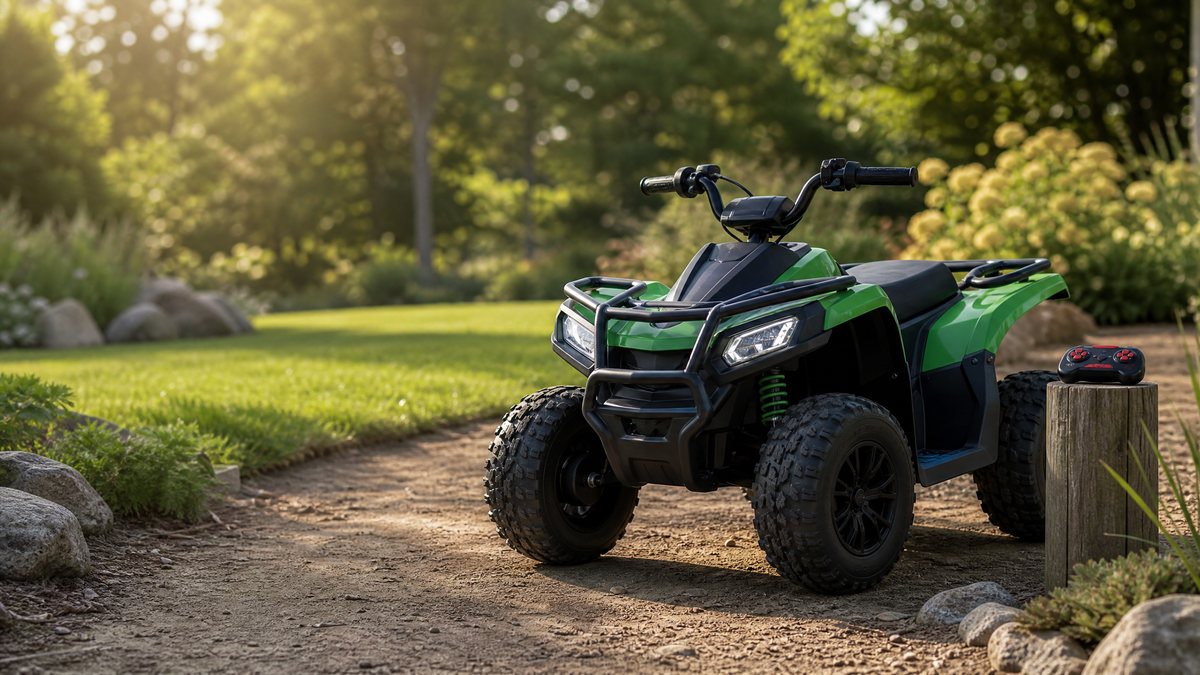
Most ride-on cars utilize mechanical coil springs—either as independent suspension on front and rear axles or as part of a swing-arm rear suspension setup. A coil spring is a mechanical device, typically crafted from tempered steel or high-tensile alloy wire, wound into a helical shape. When an external force is applied—such as when the front wheel strikes a stone or dips into a shallow rut—the coil spring compresses, storing potential energy. As the wheel passes over the obstacle, the spring expands back to its resting state, releasing the stored energy in a controlled manner.
In typical ride-on vehicle implementations, suspension configurations generally fall into two primary categories:
1. Independent Front and Rear Coil Springs: In higher-end configurations, each wheel (or each independent front steering knuckle and rear axle assembly) is isolated with its own dedicated coil spring. This allows one wheel to absorb an impact without directly tilting or disrupting the opposite wheel, resulting in superior steering stability, balanced weight distribution, and enhanced traction across undulating terrain.
2. Swing-Arm or Axle-Mounted Spring Damping: In standard configurations, the entire rear axle assembly or a pivoting swing-arm is anchored to the vehicle chassis via one or two heavy-duty coil springs. While simpler in mechanical construction, this setup still provides significant shock mitigation for the rear seating area, protecting the main drive motors and transmission gearboxes from severe impact shock.
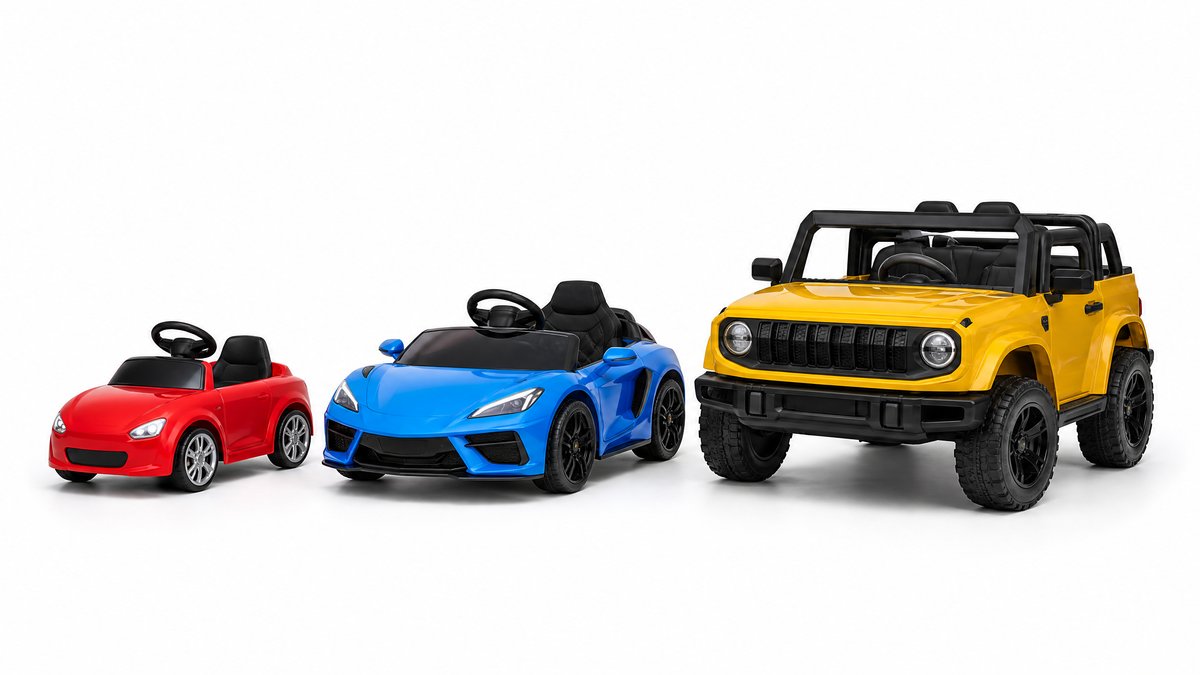
It is vital for wholesale buyers and retailers to understand that the presence and configuration of suspension systems vary considerably across different vehicle models, price points, and load ratings. Manufacturers design these systems to complement the vehicle's gross weight capacity, motor torque, and tire composition (such as EVA foam tires versus rigid plastic wheels).
Why Suspension Matters: Key Engineering and Practical Benefits
The integration of spring suspension in ride-on cars is not merely an aesthetic selling point or a cosmetic emulation of luxury SUVs and sports cars; it provides tangible functional benefits that impact user experience, mechanical longevity, and safety margins.
1. Enhanced Ride Comfort and Ergonomic Protection
Children have developing musculoskeletal systems, and repetitive high-frequency vibrations or sudden jarring impacts from unpaved surfaces can cause physical discomfort or fatigue. Spring suspension acts as a mechanical buffer, smoothing out abrupt jolts before they reach the seat. By attenuating shock forces, suspension ensures a smoother, more enjoyable driving experience, reducing physical strain during extended outdoor play sessions.
2. Protection of Mechanical and Electrical Components
The powertrain of an electric ride-on car—comprising DC electric motors, reduction gearboxes, wiring harnesses, and control boards—operates under demanding mechanical stress. When a vehicle travels over rough terrain without suspension, the entire kinetic shock travels unimpeded through the plastic chassis into the motor mounts and gearbox housings. Over time, this constant vibration can lead to cracked plastic casing, stripped gear teeth, loose electrical connections, and premature component failure. Spring suspension isolates the chassis and drivetrain from these damaging shock loads, significantly extending the operational lifespan of the vehicle.
3. Improved Traction and Handling Stability
Tire-to-ground contact is paramount for steering control, acceleration, and braking efficiency. When a rigid-axle vehicle hits a bump, the tire can momentarily lose contact with the ground, leading to wheel slip, loss of directional control, or compromised braking response. Suspension systems keep the wheels pressed against the terrain by allowing vertical wheel travel independent of the vehicle body. This constant ground contact ensures that drive power from the motors is efficiently translated into forward momentum, even on uneven grass or gravel surfaces.
4. Reduced Noise and Chassis Fatigue
Rigid plastic components vibrating against one another over rough surfaces generate excessive operational noise and structural wear. By dampening impacts, suspension systems reduce structural flexing and squeaking, maintaining a tighter, sturdier build quality throughout the product's lifecycle.
Comparative Overview: Rigid Axles vs. Spring-Suspension Ride-On Cars
To assist B2B procurement professionals, importers, and retail buyers in evaluating product tiers, the following comparison matrix outlines the operational and structural differences between rigid-axle vehicles and spring-suspension ride-on cars.
| Evaluation Dimension | Rigid-Axle Ride-On Cars | Spring-Suspension Ride-On Cars |
|---|---|---|
| Primary Target Terrain | Smooth indoor floors, paved flat driveways, asphalt pathways. | Multi-terrain: pavement, lawn, gravel paths, light dirt tracks. |
| Shock Absorption Capacity | Minimal; impacts transmit directly to chassis and seat. | High; coil springs absorb and dissipate vertical kinetic impact. |
| Mechanical Component Stress | Moderate to high on gearboxes and motor mounts due to unmitigated shocks. | Low to moderate; suspension isolates drivetrain from direct impact loads. |
| Traction & Stability on Bumps | Lower; wheels may bounce off uneven surfaces, causing slip. | Enhanced; independent or axle springs maintain consistent ground contact. |
| Retail Positioning & Pricing | Entry-level price point; basic utilitarian play value. | Mid-to-premium price point; enhanced comfort and durability appeal. |
As illustrated in the comparative matrix, while rigid-axle vehicles serve budget-conscious entry-level markets, spring-suspension models represent the core growth segment for retailers targeting quality-conscious parents and commercial play environments.
Buyer Evaluation Framework: Assessing Suspension Quality Before Wholesale Purchase
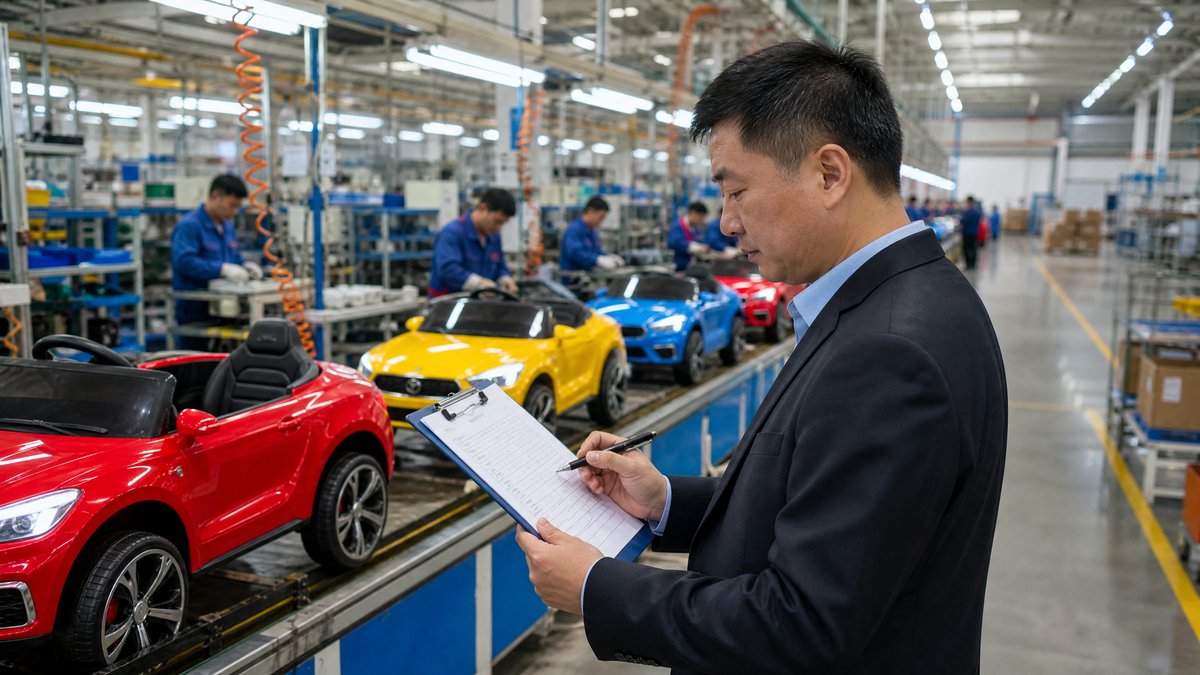
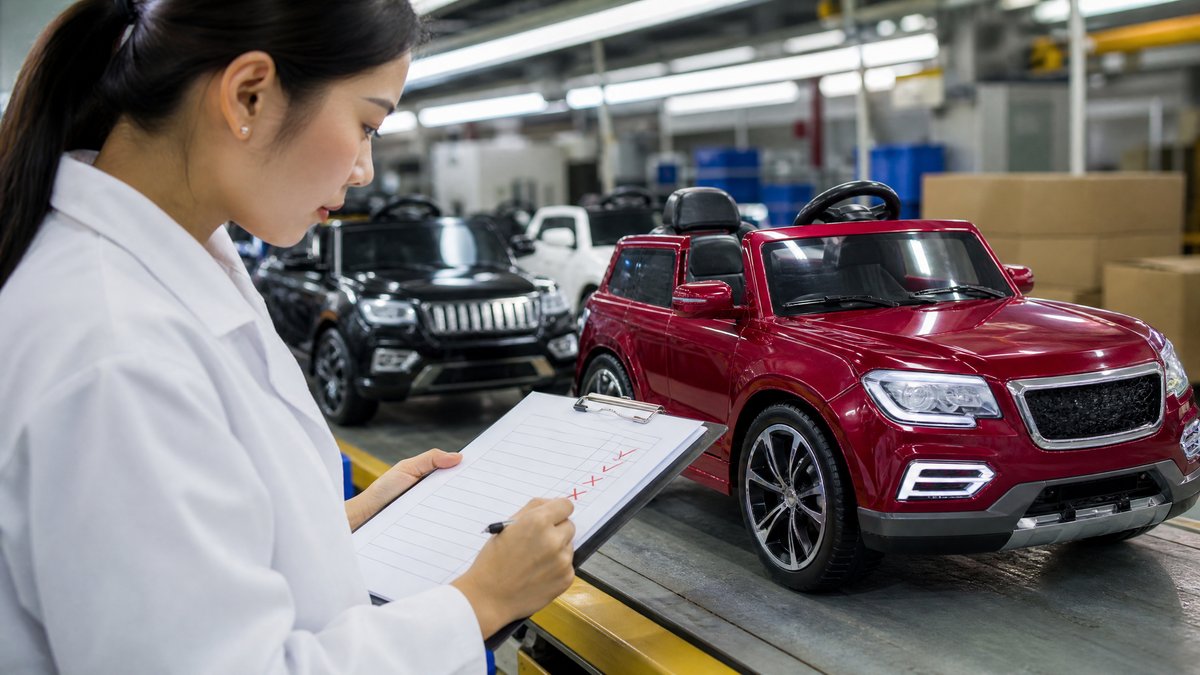
For wholesale buyers, procurement managers, and retail store owners, evaluating the quality of spring suspension systems requires looking beyond surface-level marketing terminology. Because manufacturing standards vary across factories, buyers should apply a rigorous pre-purchase verification framework when inspecting sample units or reviewing technical specification sheets.
1. Inspecting Spring Material and Gauge
High-quality ride-on cars utilize heavy-gauge, heat-treated steel coil springs designed to resist fatigue and permanent deformation over thousands of compression cycles. Buyers should examine sample unit specifications to verify that springs possess adequate wire thickness and appropriate coil spacing relative to the vehicle's weight rating. Flimsy or decorative plastic springs offer no functional damping and fail prematurely under actual payload conditions.
2. Evaluating Mounting Integrity and Chassis Reinforcement
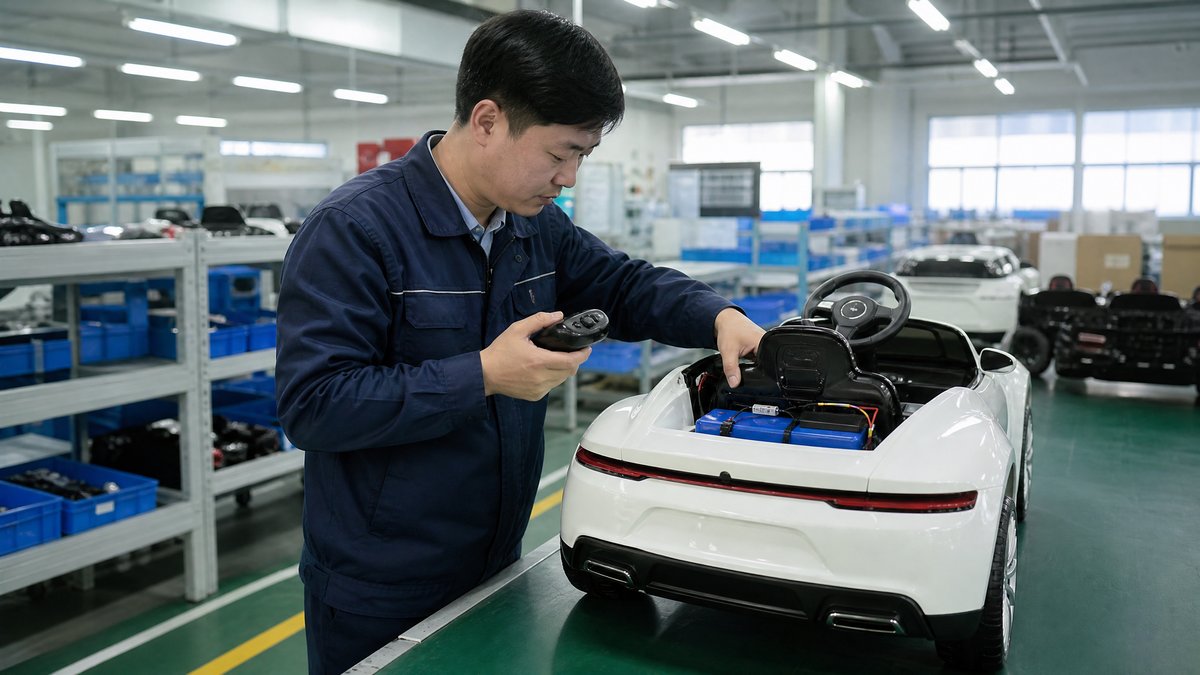
A suspension spring is only as robust as its mounting points. The chassis attachment brackets, swing-arm pivots, and axle mounts must be reinforced with thick-walled molded plastic or metal reinforcement plates. During sample inspection, buyers should verify that suspension movement is smooth, unhindered, and free from lateral side-play or structural binding.
3. Reviewing Nameplate Capacity and Manufacturer Documentation
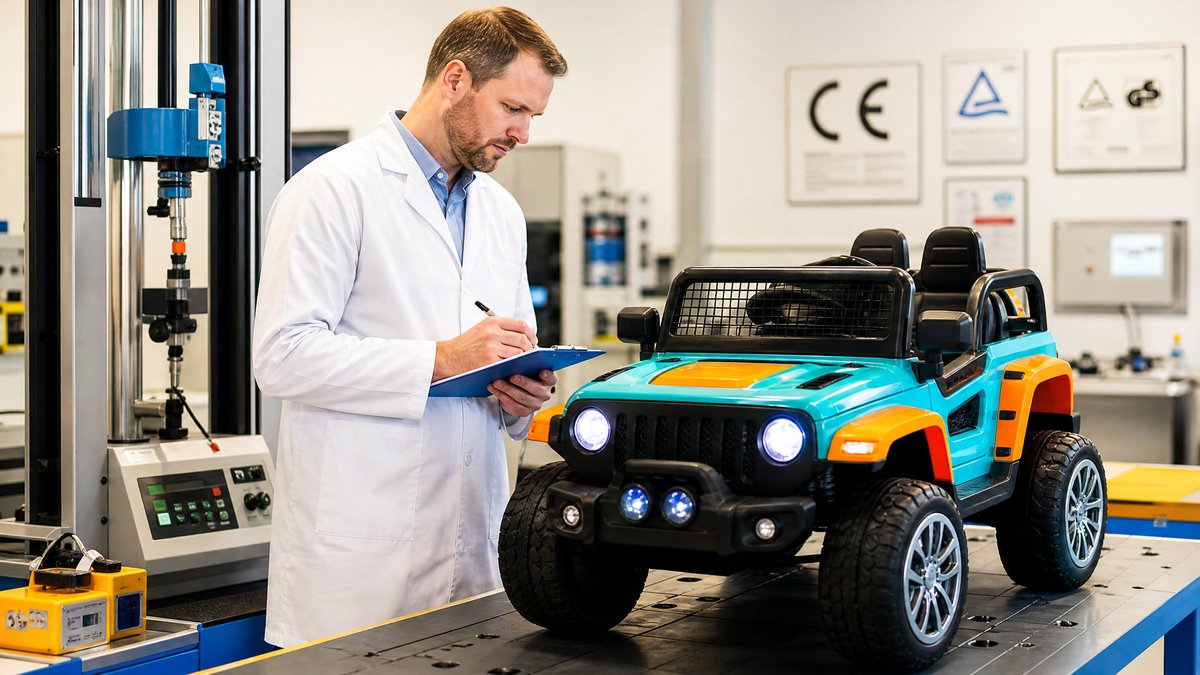
All performance and load-bearing claims must strictly align with the manufacturer's official user manual, product nameplate, and engineering test reports. Buyers must never extrapolate suspension durability beyond the manufacturer's specified maximum weight limit. Overloading a suspended vehicle compromises damping performance and can lead to structural failure of the swing-arm or chassis mounts.
Safety Compliance, Adult Supervision, and Operational Boundaries
While spring suspension enhances comfort and stability, it does not transform a children's ride-on car into an all-terrain vehicle, go-kart, or adult recreational device. Importers, retailers, and end-users must strictly adhere to fundamental safety principles and operational guidelines.
1. Mandatory Adult Supervision
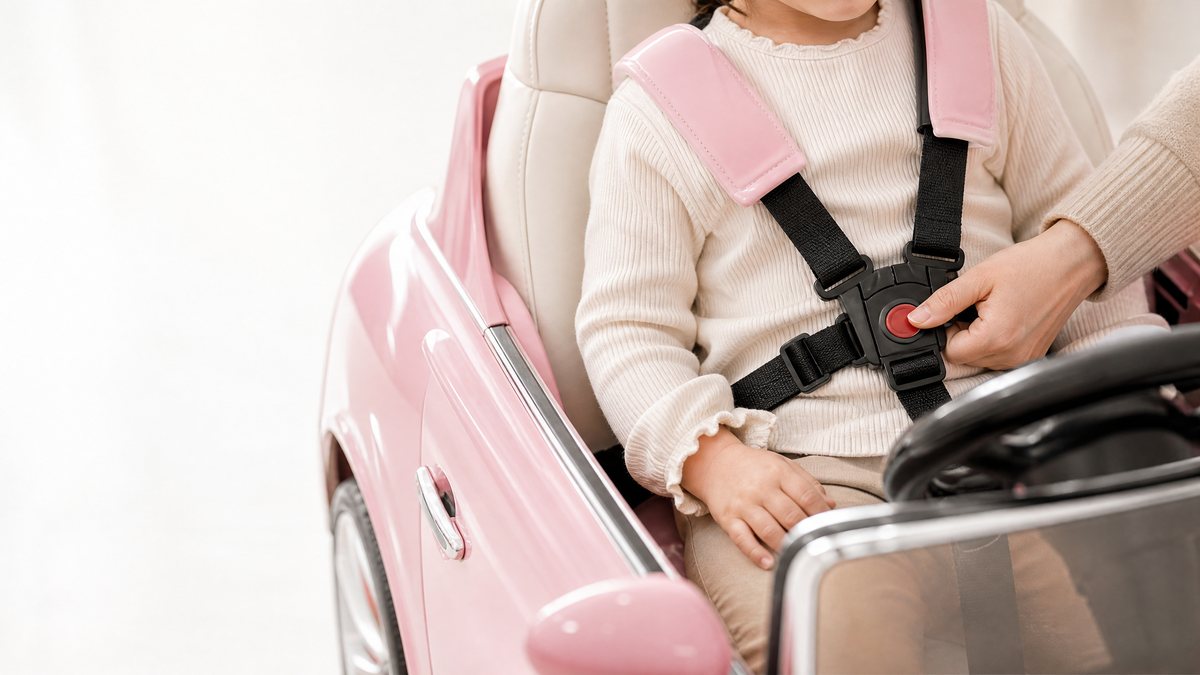
Electric ride-on cars must always be operated under the direct supervision of a responsible adult. Supervisors must maintain visual contact with the young operator, enforce safe operating speeds, and restrict driving to appropriate, designated environments.
2. Strict Adherence to Manufacturer Instructions
All operation, maintenance, assembly, and charging procedures must follow the specific instructions provided in the manufacturer's official user manual. Users must never attempt unauthorized modifications, including altering suspension springs, raising ride height, modifying electrical wiring, bypassing circuit breakers, or installing non-standard high-voltage batteries.
3. Environmental and Terrain Restrictions
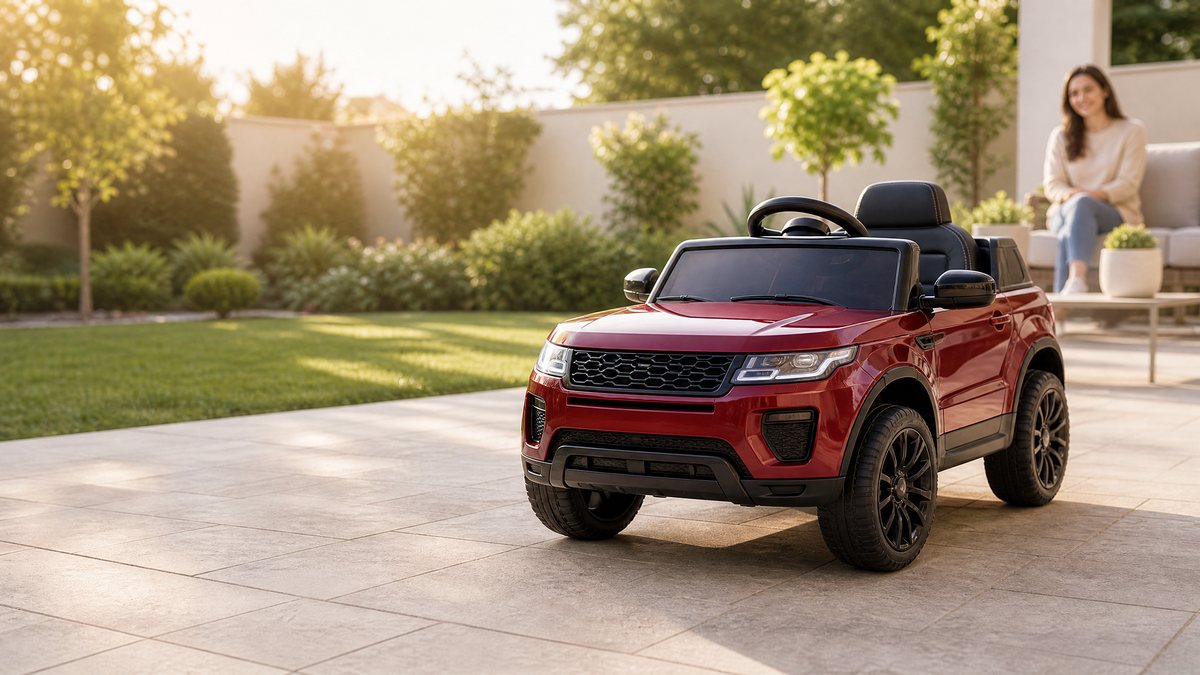
Ride-on vehicles equipped with suspension are designed for recreational use on flat to moderately sloping residential surfaces, lawns, and gardens. They must never be operated near public roadways, steep inclines, swimming pools, bodies of water, staircases, uneven ditches, or high-traffic pedestrian zones. Operating in rain, standing water, or muddy conditions can damage electrical components and compromise braking traction.
4. Inspection and Fault Protocol
Regular pre-ride safety inspections are mandatory. Check all wheels, steering linkages, suspension mounting bolts, braking mechanisms, and electrical plugs before every use. If any unusual odor, smoke, overheating, battery leakage, water ingress, exposed wiring, damaged charging plugs, abnormal mechanical grinding, or braking failure occurs, immediately stop using the vehicle, turn off the power switch, remove the child from the vehicle, and contact the manufacturer or a qualified technician for evaluation.
Frequently Asked Questions (FAQ)
1. Does spring suspension increase the maximum weight capacity of a ride-on car?
No. Suspension is designed to absorb kinetic shocks and improve ride comfort, not to increase the vehicle's structural load rating. The maximum weight capacity is determined by the overall structural integrity of the chassis, frame reinforcement, motor torque, and axle strength as specified on the manufacturer's product nameplate and user manual.
2. Can suspension springs on a ride-on car be adjusted or replaced for a softer or firmer ride?
Buyers and end-users must not attempt to modify, replace, or adjust suspension springs with non-factory parts. All components must remain in their original factory configuration as specified by the manufacturer. Unauthorized modifications to suspension mechanisms can compromise vehicle stability and safety.
3. Do all four wheels need independent spring suspension, or is rear suspension sufficient?
Both configurations offer distinct advantages. Independent four-wheel suspension provides superior individual wheel articulation and steering stability across complex terrain. Rear-axle swing-arm suspension effectively absorbs the majority of impact shock transmitted to the driver's seat while maintaining a robust, simplified mechanical structure. Selection depends on the target retail price point and intended usage environment.
4. How should retailers present suspension features to B2B wholesale clients?
Retailers and distributors should highlight suspension as a key value-added engineering feature that improves durability, reduces customer complaints related to wear and tear, and delivers superior ride comfort for young drivers. Marketing materials should emphasize transparent technical specifications rather than exaggerated performance promises.
Conclusion
Spring suspension represents a vital engineering intersection between mechanical durability and ergonomic rider comfort in modern children's electric ride-on cars. By isolating the chassis from surface shocks, high-quality spring systems protect vital drivetrains, enhance multi-terrain traction, and deliver a smoother, more enjoyable driving experience. For B2B wholesale buyers, importers, and retail distributors, selecting vehicles equipped with robust, well-engineered suspension systems is an effective strategy for elevating product quality and satisfying discerning consumers. To explore our comprehensive catalog of ride-on vehicles and discuss wholesale partnership opportunities, please contact our team.
Request a wholesale quote
Official References
1. U.S. Consumer Product Safety Commission (CPSC): General Toy Safety Educational Guidelines and Consumer Product Safety Standards. Note: CPSC educational materials provide general safety principles and do not replace vehicle-specific manufacturer instructions, nameplate data, or certified compliance documentation.
2. International Toy Safety Standards: General mechanical and structural integrity guidelines for children's wheeled toys.
Request a wholesale quote
Official references
Explore these external resources for current regulatory and trade guidance. Confirm requirements with the relevant authority before placing an order.
Ready to Start?
Factory-Direct · CE & ASTM Certified · MOQ from 50 Units
Our export team works with buyers in 60+ countries. Get a quote within 24 hours.
KR
Written by KidsRideCar
China's leading kids electric ride-on car manufacturer. 500,000+ units shipped annually to 60+ countries. CE, ASTM & EN71 certified.